Reviewed by our editorial team Updated
United Kingdom: Your Complete Travel Companion
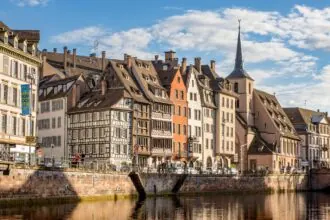
The United Kingdom offers an extraordinary range of experiences packed into a relatively compact space. From the dramatic mountains of the Scottish Highlands to the sandy beaches of Cornwall, from royal pageantry in London to rugged coastlines in Northern Ireland, this is a destination where you can move between completely different landscapes, cultures, and atmospheres in the space of a few hours. A well-planned United Kingdom travel guide should never treat the country as one uniform place, because the UK is really a collection of distinct identities woven together by history, transport links, and shared institutions.
What makes travelling here so rewarding is the variety. England combines global cities, elegant university towns, and deeply historic counties. Scotland offers wild scenery, island life, whisky heritage, and some of the most atmospheric cities in Europe. Wales is rich in castles, mountains, music, and myth, while Northern Ireland delivers dramatic coastal scenery, complex history, and a vibrant contemporary culture. This means a single trip can include medieval streets, remote glens, seaside villages, industrial heritage, and modern nightlife without ever feeling repetitive.
The UK is also relatively easy to explore. A strong network of trains, buses, domestic flights, ferries, and roads makes it possible to build anything from a short city-hopping break to a full cross-country journey. Modern travel tools make a real difference here. Apps for rail tickets, weather, navigation, public transport, and accommodation can turn what used to be a complex multi-stop itinerary into a smooth and flexible trip.
Whether you are coming for famous landmarks, hidden villages, national parks, food markets, castle trails, literary history, or live events, the UK rewards travellers who balance careful planning with room for spontaneity. It is a destination where the major highlights are strong, but many of the most memorable moments come from smaller discoveries made between them.
Key Neighbourhoods, Areas & Regions
The United Kingdom is made up of four nations: England, Scotland, Wales, and Northern Ireland, and understanding that structure is one of the best ways to plan a more rewarding trip. Each nation has its own character, geography, traditions, and internal regional differences, which means where you choose to focus will shape your entire experience.
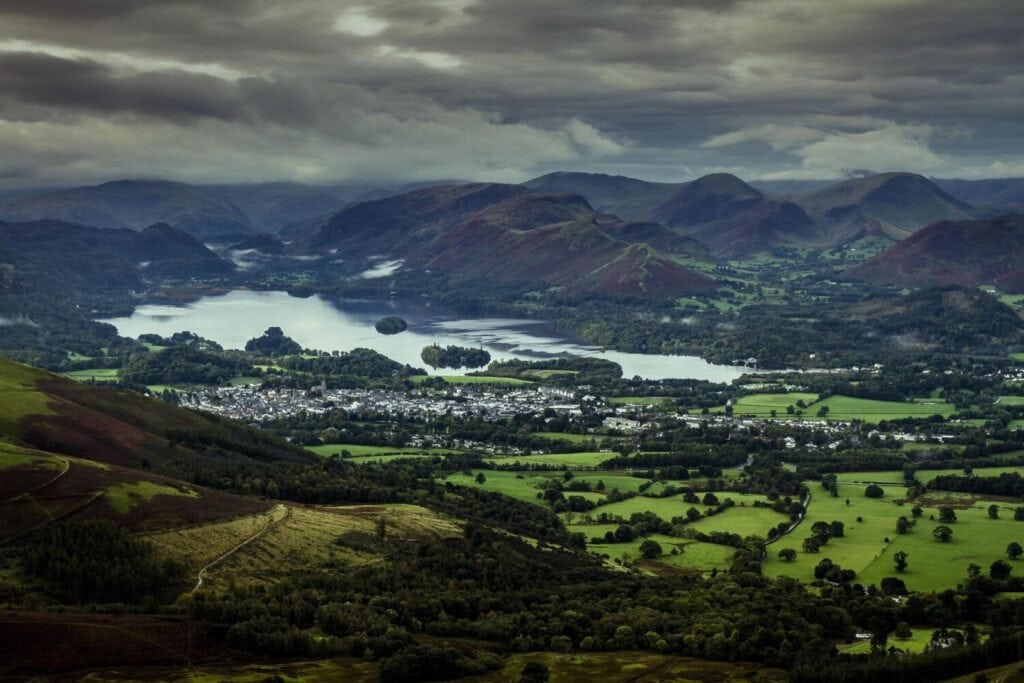
England is the most populous and geographically varied part of the UK. In the south, you have London, the country’s capital and biggest global hub, alongside historic regions such as Kent, Sussex, Devon, and Cornwall, where coastlines, cathedral cities, and countryside all compete for attention. The Midlands mix industrial heritage with attractive landscapes, bringing together places such as Birmingham and the Peak District. Northern England has its own distinct identity, with the Lake District, Yorkshire Dales, and dramatic moorland landscapes sitting alongside major cities such as Manchester, Liverpool, Leeds, York, and Newcastle.
Scotland is defined by its contrast between cities and wilderness. The Highlands deliver lochs, mountain scenery, glens, and some of the most dramatic landscapes in Europe. The Lowlands hold two of the UK’s most compelling cities, Edinburgh and Glasgow, each with a very different atmosphere. Beyond the mainland, island groups such as the Outer Hebrides, Orkney, and Shetland add another layer of coastal beauty, archaeology, and wildlife.
Wales is smaller in scale but rich in variety. Cardiff gives you a compact capital city with strong cultural life, while Eryri, or Snowdonia National Park, offers some of the UK’s most striking mountain scenery. Along the coast, the Gower Peninsula, Pembrokeshire, and long stretches of the Wales Coast Path make Wales particularly appealing for slower travel and outdoor exploration. Castles, market towns, and strong Welsh-language identity give many parts of the country a distinctive feel.
Northern Ireland combines vibrant urban life with memorable coastal scenery. Belfast has developed into a dynamic cultural city, while Derry or Londonderry adds walled-city history and a strong local identity. The Causeway Coast is one of the UK’s standout scenic areas, home to the Giant’s Causeway, Dunluce Castle, and dramatic seascapes. Inland, areas such as Lough Erne provide a quieter side of the country, with boating, fishing, and countryside retreats.
Taken together, these regions make the UK one of the easiest countries in Europe to diversify a trip. You can move from major urban energy to remote landscapes quickly, which is one of the main reasons the destination feels so rich and varied.
Browse hotels and accommodation for your visit to United Kingdom.
View staysBrowse apartments, homes and self-catering accommodation in United Kingdom.
Browse rentalsCompare hotel deals in United Kingdom from multiple booking sites.
Compare pricesQuick Facts: United Kingdom
Before diving into the detail below, here is the essential information at a glance.
| Category | Details |
|---|---|
| Capital | London |
| Countries | England, Scotland, Wales, Northern Ireland |
| Currency | Pound Sterling (£) |
| Official Language | English (Welsh in parts of Wales; Scottish Gaelic in parts of Scotland; Irish in parts of Northern Ireland) |
| Time Zone | GMT (UTC+0) / BST (UTC+1 in summer) |
| Plug Type | Type G (three rectangular prongs) |
| Emergency Number | 999 (or 112) |
| Visa Requirements | Varies by nationality – check the official UK Government visa page before travelling |
| Major Airports | London Heathrow (LHR), London Gatwick (LGW), Manchester (MAN), Edinburgh (EDI), Birmingham (BHX), Belfast International (BFS) |
| Drives On | Left |
| Population | ~68 million (2025) |
| International Dialling Code | +44 |
Brief History & Background
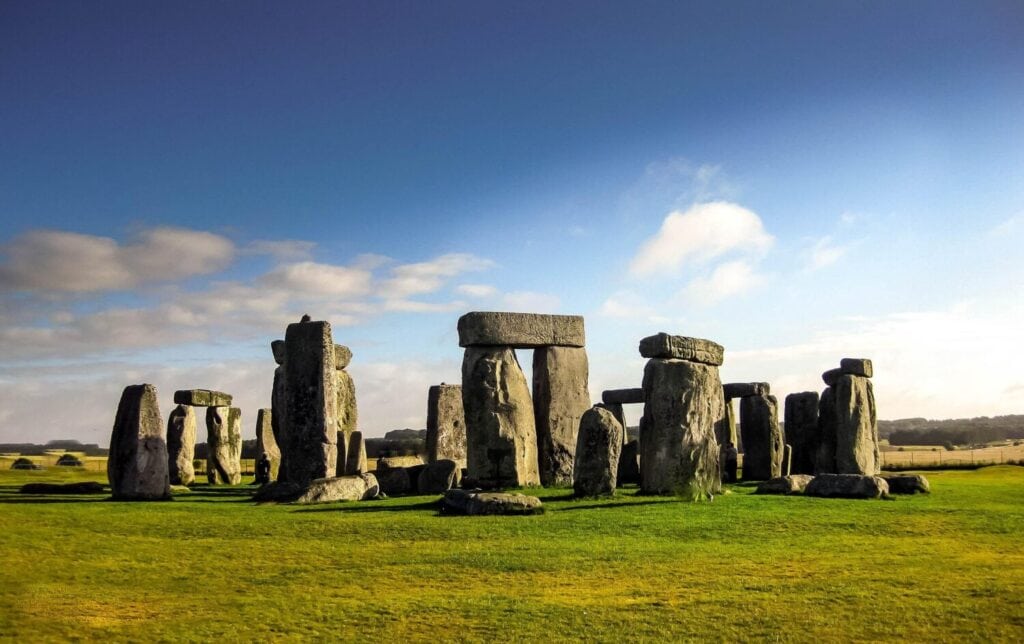
The history of the United Kingdom stretches back thousands of years, and understanding even the broad outline adds much more depth to a visit. Long before the UK existed as a political entity, these islands were home to prehistoric communities who left behind monumental sites such as Stonehenge in southern England and Skara Brae in Orkney. The Romans arrived in AD 43, establishing the province of Britannia and building roads, forts, walls, and settlements that still shape parts of the landscape today.
After Roman rule faded in the 5th century, the islands entered a period of shifting kingdoms, migrations, and conflict. Anglo-Saxon kingdoms developed in much of what is now England, while Viking raids and settlements changed the political and cultural map. The Norman Conquest of 1066 was another defining turning point, bringing a new ruling elite, major castle-building programmes, and long-lasting French influence on law, language, and governance.
The path towards the modern UK happened gradually. England and Scotland shared a monarch from 1603, when James VI of Scotland also became James I of England. The formal political union between England and Scotland followed with the Acts of Union in 1707, creating the Kingdom of Great Britain. Ireland joined in 1801, producing the United Kingdom of Great Britain and Ireland, though the island’s later political changes led to the creation of the modern structure of England, Scotland, Wales, and Northern Ireland after Irish independence in 1921.
The 19th century saw the UK become one of the world’s dominant industrial and imperial powers. Industrialisation transformed cities such as Manchester, Glasgow, Birmingham, and Belfast, while the British Empire reached across multiple continents. The 20th century then brought two world wars, the decline of empire, major social reform, and new political arrangements, including devolved government in Scotland, Wales, and Northern Ireland.
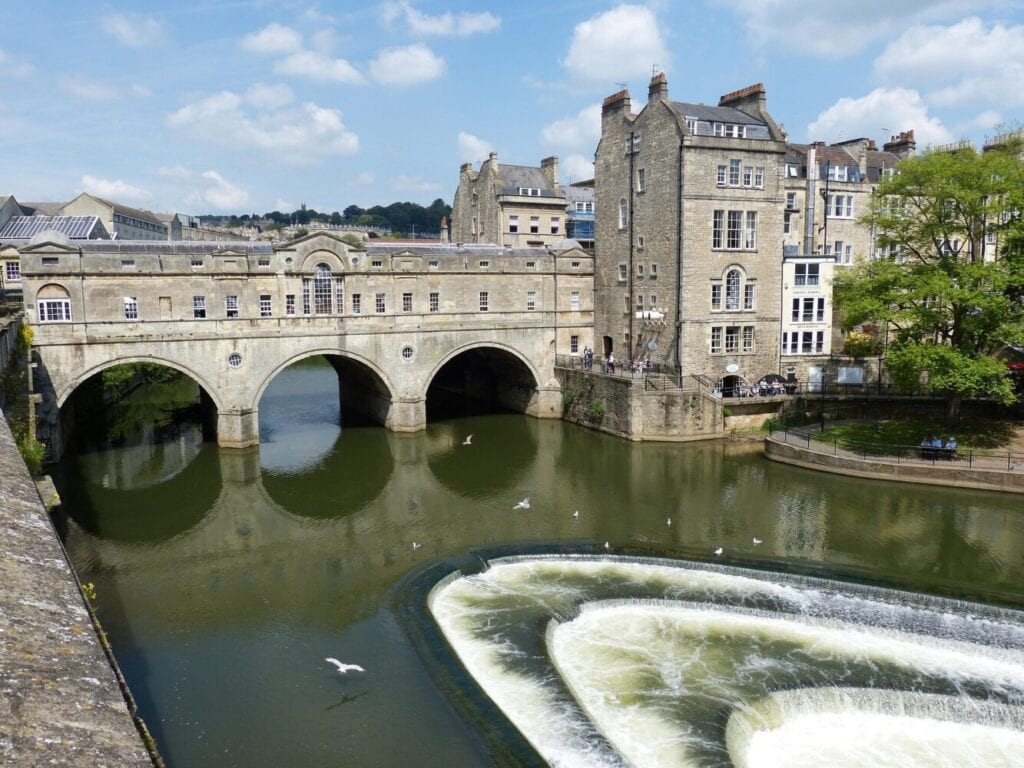
Today, the UK is a country where royal ceremony, parliamentary democracy, industrial heritage, multicultural cities, and ancient local traditions all exist side by side. For travellers, that layered history is visible everywhere, from Roman walls in York to shipbuilding heritage in Belfast, from Norman castles in Wales to Georgian crescents in Bath. The more historical context you bring to a trip, the richer the experience tends to become.
Getting There & Around – Overview
The United Kingdom is one of the easier countries in Europe to navigate, largely because of its well-developed transport infrastructure and the wide range of digital tools that help travellers plan efficiently. Whether you are arriving through a major international airport, travelling long distance by train, using coaches to cut costs, or hiring a car for rural areas, there are usually several practical ways to get where you want to go.
For longer journeys inside the UK, trains and coaches form the backbone of travel. The rail network connects almost every major city and a large number of smaller towns, offering everything from high-speed intercity services to slower scenic routes through countryside and coast. Coaches provide an important lower-cost alternative, particularly for budget travellers or routes where rail fares are high.
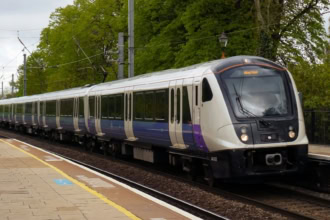
Within cities, local transport systems vary by region. London has the best-known urban network, with the Tube, buses, Overground, Elizabeth Line, and suburban rail, while cities such as Manchester, Sheffield, Nottingham, and Edinburgh also offer combinations of buses, trams, and local rail. In rural areas, transport is more limited, and service frequency often drops in the evenings or on Sundays, so journey planning becomes much more important.
Driving can be extremely useful in areas such as the Scottish Highlands, rural Wales, Cornwall, the Lake District, and parts of Northern Ireland, where public transport does not always match the flexibility travellers want. That said, driving is often less attractive in major cities because of congestion, parking costs, and low-emission charges. Many visitors find that the best approach is to combine modes, using trains for major city-to-city movement and a rental car only where it adds real value.
Walking, ferries, bike hire, taxis, and ride-hailing apps also all have their place. In historic cities, walking is often the best way to explore. Ferries are essential for islands and some coastal connections. Ride-hailing becomes useful late at night or when local public transport is thin. In practice, the smartest UK itineraries usually combine several transport types rather than relying on only one.
The key to travelling well here is not just the transport itself, but how you combine it. A train between cities, a local bus to a market town, and a hired car for a national park can all fit into the same trip quite naturally. That flexibility is one of the biggest strengths of travel in the UK.

Airport Overview & Transfers
While the UK is home to dozens of airports, most international visitors arrive via a small number of major hubs. London Heathrow (LHR) is the largest, handling long-haul flights from across the globe. London Gatwick (LGW) and Manchester (MAN) are also key entry points, along with Edinburgh (EDI) for Scotland and Belfast International (BFS) for Northern Ireland.
Smaller airports like Bristol, Newcastle, and Glasgow cater to European and domestic flights, often with competitive fares from low-cost carriers. Your choice of arrival airport should align with your planned itinerary, for example, flying directly into Edinburgh if your trip focuses on Scotland, or into Belfast for Northern Ireland.
Transfers from airports to city centres are generally straightforward. Heathrow is connected to London via the high-speed Elizabeth Line and Heathrow Express, which reaches Paddington Station in about 15 minutes. Gatwick is served by the Gatwick Express, Southern, and Thameslink trains to various London stations. Manchester Airport has a dedicated train station with direct services to Manchester Piccadilly, while Edinburgh Airport is linked by tram and frequent airport buses.
For late-night arrivals or destinations not served by rail, coaches like National Express provide direct connections to many cities and towns. Taxis and ride-hailing services such as Uber are also widely available, though costs can be higher. In London, black cabs are regulated and metered, offering a safe if premium option.
If you’re travelling onward immediately after arrival, it can be worth pre-booking tickets to avoid queues and secure lower fares, especially for long-distance rail journeys. For multi-stop trips within the UK, consider rail passes such as BritRail (available only to non-UK residents) for flexibility and potential savings.
While there’s no dedicated UK-wide airport app, your airline’s mobile app is often the most efficient way to track gate changes, delays, and baggage information. Combining this with live journey planning via Traveline GB ensures a smooth transition from air to ground travel.
Trains
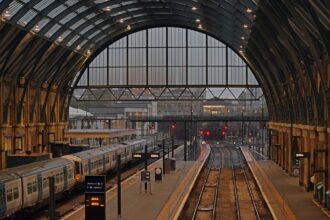
The UK’s rail network is one of the most extensive in Europe, making train travel an efficient and scenic way to explore the country. From high-speed lines linking major cities to winding rural tracks through stunning landscapes, there’s a service for nearly every itinerary. Journeys like London to Edinburgh on the East Coast Main Line combine speed with spectacular views, while regional routes in Cornwall, the Welsh coast, and the Scottish Highlands offer a more leisurely pace through remarkable scenery.
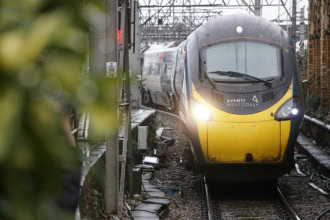
The network is operated by multiple train companies, including Avanti West Coast, LNER, Great Western Railway, Northern, and ScotRail. Tickets can be booked directly with operators, but for most travellers, Trainline is the go-to app for comparing services, checking live updates, and securing the best available fares. If you’re doing a lot of rail travel, it’s worth learning about split-ticketing, where one journey is divided into multiple tickets for a lower overall cost.
Many services now require or strongly encourage advance reservations, particularly at peak times. First-class tickets can offer larger seats, quieter carriages, and complimentary refreshments, but standard class is perfectly comfortable for most trips. On long-distance trains, luggage racks and at-seat power sockets are common, and free Wi-Fi is available on many services.
For visitors, the BritRail Pass remains an excellent option. It allows unlimited travel across England, Scotland, and Wales for a set number of days and is only available to non-UK residents. This flexibility is ideal if you’re mixing well-known routes with spur-of-the-moment day trips.
Whether you’re gliding along the West Coast Main Line or winding through the Lake District on a local service, travelling by rail is as much about the journey as the destination. Pairing rail travel with UK travel apps like Trainline ensures your plans stay flexible, even if the British weather or timetable throws in a surprise.

App availability and prices vary by country. Some of these may not appear in your local App Store or Google Play.
Tickets can be booked directly with operators, but for most travellers, Trainline is the go-to app for comparing services, checking live updates, and securing the best available fares. You can explore more booking options and helpful tools in our Must-Have Train Booking Apps guide.
For visitors wishing to use the East Coast Mainline to go from London to Edinburgh visit our guide to the LumoGo App.

Compare Trains and Buses with Omio
Choosing between trains and buses is not always obvious. Some routes are faster by train, while others are cheaper or easier by bus. Omio helps you compare routes, journey times, prices, and tickets in one place.
It is useful for city-to-city travel, cross-border journeys, and trips where flexibility matters. You can quickly see which option works best for your route, budget, and schedule before booking.
Buses & Coaches
For budget-friendly travel and access to destinations beyond the rail network, the UK’s extensive bus and coach services are an excellent choice. Coaches are particularly useful for intercity journeys and often cost significantly less than train tickets, especially if booked in advance. National Express is the largest operator, connecting over 540 destinations across England, Scotland, and Wales. Its modern coaches feature comfortable seating, onboard toilets, and free Wi-Fi, making them a reliable option for long-distance trips.
For ultra-low fares, Megabus runs routes between major cities, with tickets sometimes available for just a few pounds. The trade-off is fewer departure times and more basic onboard facilities compared to National Express, but for travellers on a budget, it’s hard to beat the value.
In towns and cities, local bus services are run by regional operators such as Stagecoach, First Bus, and Arriva. While services are frequent in larger cities, rural routes can be infrequent or non-existent on Sundays, so careful planning is essential. This is where a journey-planning tool like Traveline GB becomes invaluable, providing schedules and route information for virtually every bus service in the country.
Coaches are also a good option for airport transfers, especially if your flight arrives late or departs early, when rail services may be limited. National Express operates direct services to many UK airports, often at a fraction of the cost of taxis or ride-hailing apps.
One advantage of bus and coach travel is the ability to reach smaller towns and tourist spots not directly served by trains, think seaside resorts, remote national parks, and rural heritage sites. While journey times may be longer than rail, the savings can be significant, allowing you to stretch your travel budget further.
Incorporating coach services into your travel planning UK can open up regions and experiences you might otherwise miss. From scenic rides along the Welsh coastline to cross-country routes linking England and Scotland, buses and coaches remain a dependable and affordable way to see more of Britain.

App availability and prices vary by country. Some of these may not appear in your local App Store or Google Play.
Search routes and flight options for your trip to United Kingdom.
Search flightsUse an eSIM to get online without hunting for a local SIM after arrival.
See eSIM optionsHave a private airport pickup arranged before you travel.
Book a transferLocal Public Transport
Public transport in the UK is generally reliable and well-integrated, especially in cities and larger towns. Most urban areas are served by a network of buses, with some cities offering additional options like trams, metro systems, or light rail. London is the most famous example, with its extensive Underground (Tube), bus, and overground rail network connecting every corner of the capital. Cities such as Manchester, Nottingham, and Sheffield have modern tram systems, while Glasgow boasts the only subway in Scotland.
In many regions, local buses are the backbone of public transport. Operated by companies like Stagecoach, First Bus, and Arriva, services range from frequent city routes to less regular rural connections. Schedules can vary greatly, and rural buses may stop running early in the evening or not at all on Sundays, so planning ahead is essential.
One of the best tools for this is Traveline GB, a nationwide journey planner that pulls together information from bus, train, tram, and ferry operators across the UK. It’s invaluable for checking times, planning door-to-door routes, and avoiding missed connections in areas where services may be less frequent.
London uses the Oyster card and contactless payment for almost all public transport, with daily fare caps to keep costs predictable. Many other UK cities have adopted contactless payment options on buses and trams, removing the need to carry cash or buy tickets in advance.
If you’re exploring multiple cities or regions, pairing local transit passes with real-time travel tools can save time and stress. While there’s no single UK-wide local transport app, using Traveline GB alongside operator-specific apps ensures accurate, up-to-date information. For more options and recommendations, see our Must-Have Local Public Transport Apps guide.
Taxis & Ride Shares
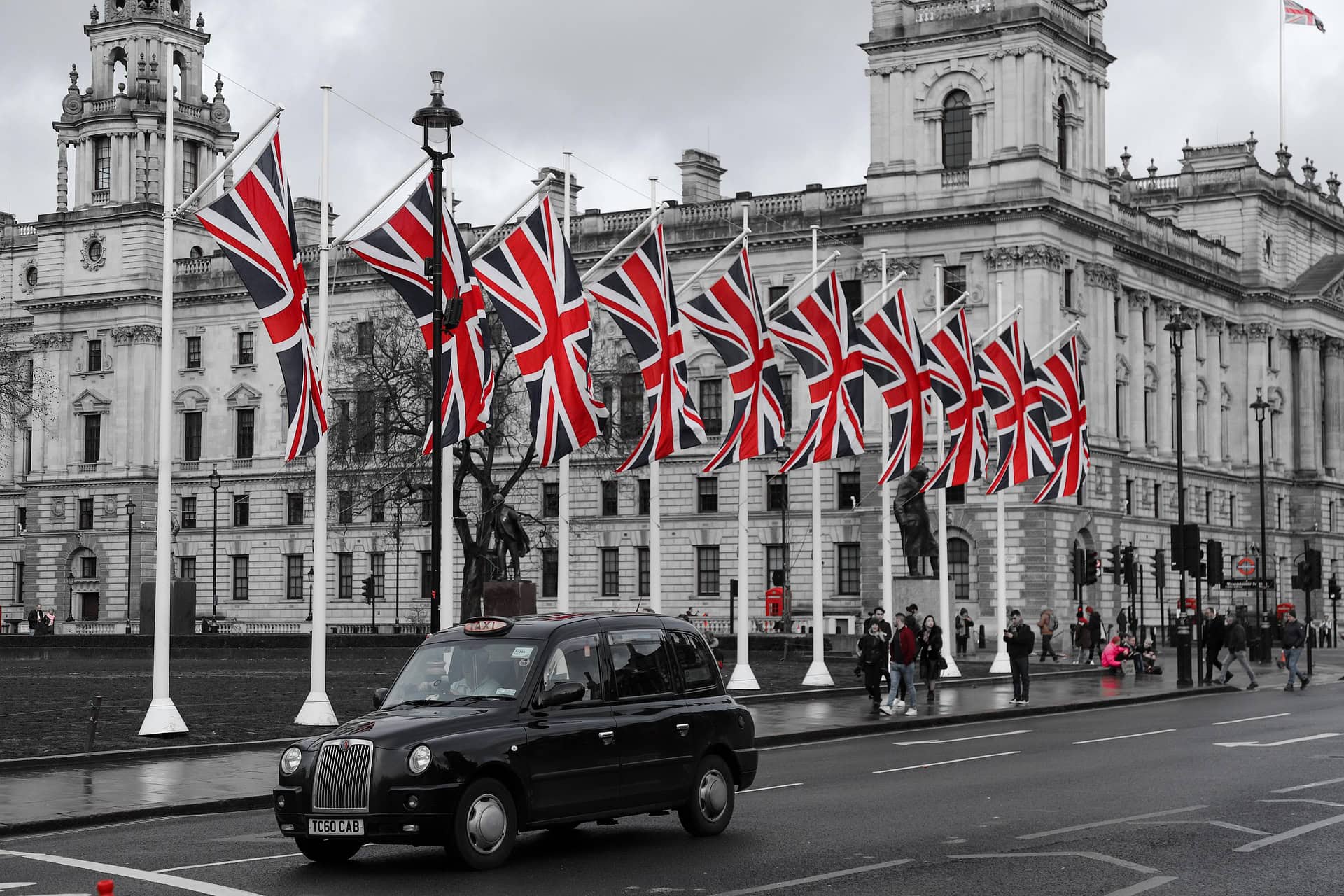
Taxis and ride-hailing services are a convenient option across the UK, especially for late-night travel, airport runs, or when public transport is unavailable. In London, the iconic black cabs are licensed, metered, and driven by highly trained drivers who have passed “The Knowledge” an intensive exam on the city’s streets and landmarks. These taxis can be hailed in the street, found at ranks, or booked in advance.
Outside the capital, many cities have their own licensed taxi fleets, often called “hackney carriages,” which can be hailed or found at designated ranks. Private hire vehicles (PHVs) must be pre-booked through a licensed operator, they cannot be hailed from the street. These include minicabs and vehicles booked via ride-hailing apps.
Uber operates in most major UK cities, though local licensing rules mean availability can vary. Alternative ride-hailing services like Free Now and Bolt are also present in many urban centres, often with competitive pricing and similar booking features. These apps allow you to view fares in advance, pay cashlessly, and track your driver in real time.
For peace of mind, always confirm the vehicle registration and driver ID before starting your journey. Licensed taxis will display an official plate or badge issued by the local council, and drivers should have their ID visible.
In rural areas and smaller towns, taxi services may need to be booked well in advance, especially late at night or during busy periods such as festivals. Rates are usually metered, but in some cases, a fixed fare may be agreed before the journey starts.
Rather than embedding individual taxi apps here, we recommend checking out our Must-Have Taxi Apps guide for detailed reviews, safety tips, and comparisons of the best services available across the UK.
Scooter & Bike Rentals
In recent years, shared scooters and bikes have become a familiar sight in many UK cities, offering a quick, affordable, and eco-friendly way to get around. Services vary by location, but common operators include Lime, TIER, and Voi. These schemes are especially popular for short trips, such as covering the “last mile” between a train station and your accommodation, or hopping between attractions in a compact city centre.
Bikes and scooters are typically unlocked via a mobile app and charged by the minute or for a set journey time. Helmets are encouraged (and required for some schemes), and e-scooters are subject to UK regulations: only rented e-scooters in authorised trial areas are legal to ride on public roads, and riders must be at least 18 years old with a provisional or full driving licence.
Cities such as London, Bristol, and Nottingham have integrated bike hire systems, often supported by local councils. London’s public cycle scheme, known as Santander Cycles, offers both docked and dockless bikes for hire, making it a convenient choice for visitors. In Scotland, Glasgow and Edinburgh have city bike rental networks, and Belfast offers the Belfast Bikes system.
For the most up-to-date coverage maps, availability, and pricing, check the operator’s app before you set off. These services are ideal for travellers looking to cover more ground without relying solely on public transport, and they offer the added benefit of being able to stop and explore along the way.
For a deeper dive into operators, rules, and safety tips, see our Must-Have Scooter Apps guide, which reviews the most reliable scooter and e-bike services across the UK.
Driving, Parking & Car Access
Driving in the UK opens up areas that are difficult to reach by public transport, from the dramatic landscapes of the Scottish Highlands to the secluded beaches of the Cornish coast. However, there are a few things to keep in mind before getting behind the wheel. The UK drives on the left-hand side of the road, speed limits are in miles per hour, and roundabouts are common, always give way to traffic coming from your right unless signs indicate otherwise.
Motorways (marked with “M” numbers) and major A-roads connect most cities and regions efficiently. Driving in rural areas can be more challenging, with narrow lanes, blind corners, and livestock occasionally on the road. In cities, traffic congestion and expensive parking can make public transport a more practical choice.
Many towns and cities operate Controlled Parking Zones (CPZs), where restrictions apply during certain hours. In central London, the Congestion Charge and Ultra Low Emission Zone (ULEZ) fees apply to most vehicles. Payment is made online or via the official TfL app, fines for non-payment are steep.
When it comes to paying for parking across the UK, RingGo is one of the most widely used cashless parking apps. It allows you to find and pay for parking spots via your phone, extend sessions remotely, and avoid the hassle of carrying coins or finding ticket machines. RingGo operates in thousands of locations nationwide, from city centres to rural car parks.
If you’re hiring a car, many rental companies now offer hybrid or electric options. Public charging points for EVs are expanding rapidly, especially along motorways and in larger towns, but it’s worth planning your route with charging stops in mind.
For travellers who want flexibility but don’t plan to drive every day, car clubs are a good alternative. These services allow you to hire vehicles by the hour, often with fuel and insurance included. Enterprise Car Club is one of the largest providers, with locations in most major UK cities.

App availability and prices vary by country. Some of these may not appear in your local App Store or Google Play.
Car Rental
Hiring a car in the UK can add significant flexibility to your travels, especially if you plan to explore rural regions, remote coastlines, or scenic routes like the North Coast 500 in Scotland. While the UK’s public transport system is extensive, there are many areas, from the Lake District to the Yorkshire Dales, where a car is the most practical option.
All the major international car rental brands operate at UK airports and in city centres, including Hertz, Avis, Enterprise, Europcar, and Sixt. Booking in advance is advisable, particularly during summer and school holidays when demand is high. Rental rates vary depending on season, location, and vehicle type, with smaller cars typically more economical and easier to park on narrow UK streets.
Drivers must be at least 21 years old (sometimes 23 or 25 depending on the rental company) and hold a valid driving licence. If your licence is not in English, you may need an International Driving Permit (IDP). Many UK rental cars have manual transmissions, so request an automatic if needed.
For short-term and flexible use, car-sharing schemes are an increasingly popular alternative. Enterprise Car Club allows you to hire a vehicle by the hour or day, often from convenient locations in residential areas. This can be a budget-friendly choice if you only need a car for part of your trip, avoiding the costs of long-term hire and city parking.
To save money, compare rates across multiple companies before booking, and check whether your accommodation offers free or discounted parking. Remember to familiarise yourself with UK road rules and parking restrictions before you set off.

App availability and prices vary by country. Some of these may not appear in your local App Store or Google Play.
Walking
Walking is one of the most rewarding ways to experience the UK’s cities, towns, and countryside. Many historic centres, from York’s winding medieval streets to Bath’s Georgian crescents, are compact and best explored on foot. In London, walking between nearby Tube stations often takes less time than using the Underground, and allows you to discover hidden lanes, markets, and local cafés along the way.
Beyond the cities, the UK boasts a wealth of scenic walking routes. The South West Coast Path in England, Eryri (Snowdonia) in Wales, and the West Highland Way in Scotland offer multi-day adventures through stunning landscapes. National parks across the country provide a mix of short, accessible trails and challenging hikes. Public rights of way allow walkers to cross private land via marked footpaths, bridleways, and national trails, a uniquely British feature that opens up vast areas for exploration.
To plan routes and navigate safely, Ordnance Survey Maps is an essential tool. This official mapping service provides detailed coverage of the entire UK, from city streets to remote mountain paths. The app allows you to download maps for offline use, track your route with GPS, and access walking guides curated by local experts.
When walking in rural areas, always follow the Countryside Code: respect wildlife, close gates behind you, and leave no trace. In urban areas, be mindful of traffic when crossing streets, vehicles drive on the left, so look right first.
Whether you’re strolling along a canal towpath, hiking a rugged coastal cliff, or meandering through a centuries-old market town, walking connects you to the UK’s landscapes and communities in a way no other mode of transport can.

App availability and prices vary by country. Some of these may not appear in your local App Store or Google Play.
Browse hostels and budget-friendly stays around United Kingdom.
See hostelsFlying to United Kingdom? Get fast compensation payouts, eligible lounge benefits and expert help when flights go wrong.
See AirHelp+ benefitsLeave your luggage somewhere convenient and enjoy United Kingdom hands-free.
View storageFerries & Cruises
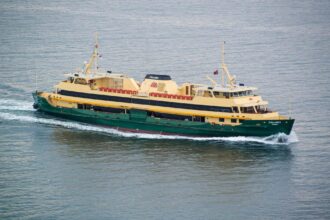
The United Kingdom’s extensive coastline and numerous islands make ferries an important and often scenic part of travel. Services range from quick crossings to multi-hour sailings, connecting mainland ports to offshore islands and linking different parts of the UK.
In Scotland, ferries are a lifeline for communities across the Hebrides, Orkney, and Shetland. Operators like CalMac run routes to dozens of islands, from the popular Isle of Skye to remote outposts such as St Kilda. The scenery on these journeys, think dramatic cliffs, wildlife-rich waters, and distant mountain ranges is worth the trip alone.
In England, ferries connect the mainland to the Isle of Wight via operators such as Wightlink and Red Funnel. Northern Ireland enjoys regular sailings to Scotland and England, while Wales provides key ferry routes to the Republic of Ireland from ports like Holyhead and Fishguard.
Cruise ships also visit the UK regularly, calling at ports such as Southampton, Liverpool, and Edinburgh (Leith). Smaller expedition cruises operate around the Scottish islands, offering a unique way to explore less accessible destinations.
Ferry terminals are generally well-equipped with ticket offices, waiting areas, and basic facilities. Vehicles can be taken on many routes, but foot passengers often have the flexibility to board with minimal advance booking.
For detailed route maps, schedules, and booking options, see our Must-Have Ferry Apps guide a useful resource for anyone planning multiple crossings during their UK trip.
Rail & Sail Connections
Travelling around the United Kingdom doesn’t always mean flying or driving. The UK’s Rail & Sail tickets offer a seamless way to combine train journeys with ferry crossings in a single, easy-to-use ticket. For many travellers this is a cost-effective and eco-friendly alternative that also makes the journey part of the adventure.
The network is surprisingly wide. From London and North Wales you can reach Dublin via the Holyhead–Dublin ferry, or head from South Wales to Rosslare using the Fishguard link. In Scotland, Rail & Sail connects Glasgow and Edinburgh with Belfast via Cairnryan, as well as with island destinations in the Hebrides, Orkney, and Shetland. England’s east coast provides an international option with the Dutchflyer service, which combines Greater Anglia trains with a Stena Line crossing from Harwich to the Hook of Holland.
Closer to home, Rail & Sail products also link the mainland to the Isle of Wight (via Portsmouth, Lymington, and Southampton) and the Isle of Man (via Liverpool and Heysham). These routes are especially useful for holidaymakers, cyclists, and families who appreciate generous baggage allowances and the ability to avoid airport queues.
Tickets can be booked through apps such as Trainline and Rail Europe, which allow you to combine rail, coach, and ferry travel into one booking. Prices are competitive, often cheaper than flying once baggage and transfers are included and railcards are accepted on most routes.
To see the full range of destinations, routes, fares, and travel tips, check out our dedicated Rail & Sail UK Spotlight Guide, which provides detailed advice for every connection in 2025.
Visiting: Top Attractions
From ancient castles to cutting-edge museums, the United Kingdom is home to a remarkable array of attractions. Many are internationally renowned, while others remain hidden gems that reward curious travellers.
In London, highlights include the Tower of London, British Museum, Buckingham Palace, and the Houses of Parliament. The city also offers a wealth of free attractions, such as the National Gallery and Tate Modern. Outside the capital, Stonehenge in Wiltshire and Bath’s Roman Baths remain enduring draws.
Scotland offers iconic sights like Edinburgh Castle, the Royal Mile, and Loch Ness, alongside natural wonders such as Glencoe and the Isle of Skye. In Wales, Cardiff Castle, Caernarfon Castle, and the mountain landscapes of Eryri (Snowdonia) National Park stand out. Northern Ireland boasts the geological marvel of the Giant’s Causeway, the dramatic ruins of Dunluce Castle, and the immersive Titanic Belfast museum.
For history and heritage enthusiasts, the National Trust plays a key role in preserving many of Britain’s most treasured sites, from stately homes and landscaped gardens to coastal trails and nature reserves. Membership offers free or discounted entry to hundreds of locations, making it an excellent investment for longer trips. The National Trust directory of places to visit covers more than 500 houses, gardens, castles, beaches, and stretches of countryside across England, Wales, and Northern Ireland.

App availability and prices vary by country. Some of these may not appear in your local App Store or Google Play.

UNESCO World Heritage Sites to Visit in the UK
The United Kingdom contains some of the world’s most important UNESCO World Heritage Sites, ranging from ancient prehistoric monuments and medieval castles to industrial heritage landscapes and globally important historic cities. For travellers planning a wider trip across England, Scotland, Wales, and Northern Ireland, visiting at least a few UNESCO sites can completely transform an itinerary from a standard city break into a deeper exploration of British history and culture.
One of the most famous UNESCO sites in the country is Stonehenge in Wiltshire, where enormous prehistoric standing stones continue to attract visitors from across the world. Nearby Bath is another standout destination, combining elegant Georgian architecture with remarkably preserved Roman baths that date back nearly 2,000 years. In northern England, the dramatic remains of Hadrian’s Wall stretch across the countryside and provide one of the best surviving frontiers of the ancient Roman Empire.
Several UNESCO sites are also located inside major cities. Maritime Greenwich in London includes the Royal Observatory, the Cutty Sark, and the historic line of the Prime Meridian. In Liverpool, the city’s maritime history remains hugely important despite the former waterfront World Heritage Site, Liverpool Maritime Mercantile City, being deleted from the UNESCO list in full by the World Heritage Committee on 21 July 2021. Meanwhile, Edinburgh Old Town and New Town together form one of the most architecturally impressive urban UNESCO landscapes in Europe.
Travellers heading into more rural parts of the UK can also explore UNESCO areas such as the Cornwall and West Devon Mining Landscape, the castles and town walls of King Edward I in Gwynedd in North Wales, and the spectacular natural scenery of the Giant’s Causeway in Northern Ireland. These sites showcase the enormous variety found across the UK, from industrial heritage and medieval fortresses to volcanic coastlines and prehistoric monuments.
Some of the UK’s most unique UNESCO sites are far outside the major cities. The spectacular Jurassic Coast stretches along the coastline of Dorset and Devon and is famous for dramatic cliffs, fossil hunting, seaside towns, and geological formations covering millions of years of Earth’s history. Destinations such as Durdle Door, Lulworth Cove, Lyme Regis, and West Bay have become some of the country’s most recognisable coastal landscapes.
Another increasingly popular UNESCO destination is Jodrell Bank Observatory near Manchester. Home to the enormous Lovell Telescope, the site played a major role in the development of radio astronomy and space science. Today visitors can explore exhibitions, science galleries, telescope viewing areas, and one of the most important scientific heritage sites in the UK.
The UK’s UNESCO network is large enough that many travellers now build entire road trips or rail itineraries around these destinations. Combining major cities with nearby UNESCO sites is often one of the best ways to experience the country beyond the standard tourist routes.
Historical Places to Visit in the UK
Few countries offer the same concentration of historical attractions as the United Kingdom. Across England, Scotland, Wales, and Northern Ireland, travellers can explore everything from Roman ruins and medieval castles to royal palaces, industrial revolution landmarks, wartime sites, and ancient university cities.
In London, historical attractions dominate much of the city centre. Visitors can explore the Tower of London, Westminster Abbey, St Paul’s Cathedral, Buckingham Palace, and the historic streets around the City of London. The capital also contains major wartime and political landmarks linked to the Second World War, the British Empire, and centuries of royal history.
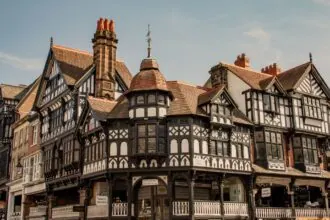
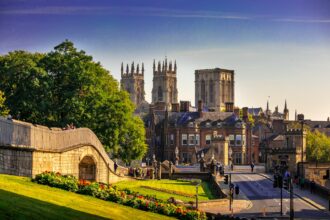
Outside the capital, some of the UK’s most fascinating historical destinations include the Roman city of York, the medieval streets of Chester, the university cities of Oxford and Cambridge, and the ancient Scottish capital of Edinburgh. In Scotland, castles such as Stirling Castle and Edinburgh Castle remain deeply tied to the country’s national identity and conflicts with England throughout the medieval period.
Travellers interested in industrial history will also find extraordinary sites across northern England and Wales. The canals, mills, railways, and mining landscapes of the Industrial Revolution shaped the modern world, and many of these locations remain accessible today. Areas such as Ironbridge Gorge, the Cornish mining districts, and the preserved mills around Manchester and Leeds offer a completely different perspective on British history compared with royal palaces and medieval castles.
The UK also contains major maritime and military history attractions. Visitors can explore former naval dockyards in Portsmouth and Chatham, wartime bunkers in London, Cold War sites across the country, and coastal fortifications stretching from southern England to the Scottish coastline. In many cities, historical attractions sit directly alongside modern shopping districts, pubs, and transport hubs, making them unusually easy to include in a wider itinerary.
For travellers wanting to understand the full story of the UK, combining famous landmarks with lesser known regional historical sites usually creates the most rewarding experience.
Suggested Itinerary
With so much to see, planning your route through the United Kingdom is essential for making the most of your time. This sample seven-day itinerary offers a balance of cities, countryside, and coastal scenery, perfect for first-time visitors looking for variety.
Day 1–2: London – Begin in the capital, exploring landmarks such as the Tower of London, Westminster Abbey, and British Museum. Take a stroll along the South Bank for views of the London Eye and the Houses of Parliament, and in the evening, enjoy a West End theatre show.
Day 3: Bath or Oxford – Travel by train to the elegant Georgian city of Bath, home to the ancient Roman Baths and grand architecture. Alternatively, head to Oxford to wander its historic university colleges and riverside paths.
Day 4–5: Lake District – Journey north to Cumbria for hiking, boating, or simply soaking up the scenery around Windermere and Ambleside. Local pubs and tearooms offer a taste of traditional hospitality.
Day 6: Edinburgh – Cross into Scotland to explore Edinburgh Castle, the Royal Mile, and Arthur’s Seat for panoramic views. In August, the Edinburgh Festival Fringe brings the city alive with performances across every art form.
Day 7: Belfast – Finish in Northern Ireland with a visit to Titanic Belfast, followed by a drive along the Causeway Coast to the Giant’s Causeway and Carrick-a-Rede Rope Bridge.
This route can be adapted depending on your interests and available time. Adding extra days in Wales for Eryri (Snowdonia) or the Pembrokeshire Coast offers even more variety. Pairing this itinerary with trusted UK travel apps will keep your journey running smoothly, from booking trains to finding top-rated local dining spots.

Events, Festivals, Seasonal Highlights & Annual Events
The United Kingdom’s cultural calendar is packed year-round, offering everything from world-class arts festivals to centuries-old traditions. Timing your trip around a major event can add a memorable dimension to your travels.
January–February – Winter brings cosy pub evenings and fewer crowds at major attractions. In Scotland, Burns Night (January 25) celebrates poet Robert Burns with traditional suppers, music, and dancing.
March–April – Spring sees blooming gardens and milder weather. St David’s Day (March 1) is celebrated in Wales, while St Patrick’s Day (March 17) in Northern Ireland features parades and cultural events. Easter often coincides with family-friendly festivals and seasonal markets.
May–June – Early summer is ideal for outdoor exploration. The Chelsea Flower Show in London showcases horticultural excellence, and Glastonbury Festival in June attracts music lovers from around the world.
July–August – Peak festival season includes the Edinburgh Festival Fringe, the world’s largest arts festival, and Notting Hill Carnival, Europe’s biggest street festival. School holidays mean busier attractions, so booking in advance is essential.
September–October – Autumn’s changing colours make national parks especially inviting. Food festivals, such as the Abergavenny Food Festival in Wales, showcase regional produce. Halloween celebrations are particularly lively in Derry/Londonderry, known for its award-winning Halloween carnival.
November–December – The festive season transforms cities with Christmas markets, from Edinburgh’s Princes Street Gardens to Manchester’s Albert Square. Hogmanay in Scotland offers spectacular New Year’s Eve celebrations.
No matter the season, the UK’s event calendar ensures there’s always something happening. For a full schedule, check local tourism websites or use event-finding tools to match your visit dates with nearby festivals. Building one or two of these highlights into your itinerary can turn a great trip into an unforgettable one.
Where & What to Eat
Food in the United Kingdom is a story of tradition meeting innovation. While some visitors arrive expecting only fish and chips or roast dinners, the reality is a diverse culinary scene shaped by centuries of global influence. From Michelin-starred restaurants in London to rustic pubs in the Scottish Highlands, the UK offers flavours for every budget and appetite.
Traditional British Fare: Dishes like fish and chips, Cornish pasties, Yorkshire pudding, and the full English breakfast remain staples. Sunday roasts, typically served with roast potatoes, vegetables, and gravy, are a weekend ritual. Regional specialities add depth: haggis in Scotland, Welsh cakes in Wales, and Ulster fry in Northern Ireland.
Modern & International Influences: Cities like London, Birmingham, and Manchester are home to vibrant food scenes. You’ll find everything from authentic Indian curries and Chinese dim sum to innovative tasting menus from celebrity chefs. Street food markets, such as Borough Market in London and St Nicholas Market in Bristol, highlight artisanal producers and global flavours.
Eating Smart: To secure a table at popular venues, OpenTable is one of the best UK travel apps for making instant reservations. It’s particularly useful in peak dining hours or when exploring unfamiliar cities.

App availability and prices vary by country. Some of these may not appear in your local App Store or Google Play.
For more casual dining or late-night cravings, pairing sit-down meals with takeaway options from our Must-Have Food Delivery Apps guide ensures you never go hungry even after the restaurants close.

Nightlife
The UK’s nightlife is as varied as its landscapes, catering to those seeking cosy pubs, cutting-edge clubs, or live performance venues. Each region brings its own twist to evening entertainment.
Pubs & Bars: The traditional pub is at the heart of Britain’s social life. In England, you might sip real ale in a centuries-old tavern; in Scotland, a whisky bar might offer drams from local distilleries; and in Wales, expect a warm welcome and perhaps live folk music. Cities like Belfast are known for their atmospheric Victorian pubs with stained glass and wood panelling.
Live Music & Theatre: The UK has a rich musical heritage, from The Beatles’ Liverpool to Manchester’s indie scene. London’s West End rivals New York’s Broadway for world-class theatre, while regional venues like The Lowry in Salford and SSE Arena in Belfast host major concerts and comedy tours.
Clubs & Late-Night Venues: Nightclubs in London, Manchester, Glasgow, and Brighton attract international DJs and diverse crowds. Fabric in London, Sub Club in Glasgow, and Warehouse Project in Manchester are iconic names for electronic music fans. Many cities also have LGBTQ+ bars and clubs, with Manchester’s Canal Street being one of the UK’s most famous gay nightlife districts.
Seasonal Events: Summer brings outdoor festivals with after-dark stages, while winter offers themed pop-up bars and Christmas market beer tents. In Edinburgh, Hogmanay celebrations include live music and street parties that go well into the night.
Pairing a night out with the right transport app, such as Uber or Bolt, ensures you get home safely and easily.

Cultural Norms & Etiquette
The United Kingdom is often associated with politeness, understatement, and a certain fondness for order. While visitors will find people across England, Scotland, Wales, and Northern Ireland friendly and welcoming, understanding a few cultural habits can help make your experience smoother.
Mind the Queue – Queueing (lining up) is almost a national pastime. Cutting ahead is frowned upon, and you may be politely or not so politely reminded to wait your turn.
Polite Language – Words like please, thank you, and sorry are used liberally, even in situations where an apology may not be strictly necessary. In shops, public transport, or restaurants, these courtesies are expected.
Personal Space – The British generally maintain a respectful distance in conversation, especially with strangers. Avoid standing too close or making overly expressive gestures unless the situation calls for it.
Greetings – Handshakes are common in formal settings; among friends, hugs or kisses on the cheek may be exchanged. In pubs, a friendly nod is often the norm.
Regional Sensitivities – The UK is made up of four nations, each with its own identity. Avoid calling someone “English” unless you know they are; “British” is the safest default when in doubt.
Tipping – While not mandatory, tipping 10–15% in restaurants is customary if service is good and a service charge hasn’t been added. Tipping in pubs is rare, though offering to buy the bartender a drink is a traditional alternative.
Adopting these small habits will help you blend in, whether you’re navigating London’s bustling streets or enjoying a pint in a rural Welsh village.
Where to Stay
Choosing where to stay in the United Kingdom can shape your trip just as much as the destinations themselves. Accommodation here ranges from grand historic hotels and country house retreats to modern city-centre chains, boutique guesthouses, farm stays, and budget-friendly hostels, which means there is something to suit almost every style of traveller and every budget. The best choice depends less on price alone and more on the kind of experience you want, how much time you have, and whether your trip is built around cities, countryside, or a mix of both.
In the major cities, staying central usually gives you the easiest access to public transport, attractions, restaurants, and nightlife. In places such as London, Manchester, Edinburgh, Birmingham, and Belfast, a well-located hotel can save a huge amount of time, especially on a short stay.
Central hotels are often more expensive, but the convenience can be worth it if you want to maximise sightseeing and minimise commuting. Mid-range chains, upscale international brands, and stylish boutique properties are all widely available in these urban areas, giving city stays the greatest range of choice.
Outside the cities, the accommodation style changes dramatically. Rural parts of England, Scotland, and Wales are particularly strong for bed and breakfasts, country inns, farm stays, converted manor houses, and remote lodges, all of which offer a much more local and atmospheric feel than a standard business hotel. These suit trips focused on walking, coastal scenery, national parks, or slower travel.
In these areas, where you stay becomes part of the experience rather than simply a place to sleep. A countryside hotel with views over moorland, a historic inn near a castle, or a small guesthouse in a market town can add real character to a trip.
Budget travel is also relatively easy to manage in the UK if you plan well. Hostels, university rooms during summer, and budget hotel brands such as Premier Inn and Travelodge provide reliable and affordable bases in most major towns and cities. For travellers who care more about location, cleanliness, and a good night’s sleep than luxury finishes, this category often offers the strongest overall value. It is also worth remembering that many of the most practical budget stays are close to rail stations, airports, retail parks, and city-centre transport hubs, which makes them especially useful for short breaks and multi-stop itineraries.
For something more distinctive, the UK is full of memorable stays that go beyond the standard hotel model. Depending on the region, you can spend the night in a converted castle, a lighthouse, a canal boat, a spa retreat, or a country estate.
These are not always the most practical choice for every itinerary, but they work brilliantly for one or two nights if you want a more memorable or romantic touch. In a country with such a dense concentration of heritage buildings and unusual landscapes, accommodation can be one of the easiest ways to make a trip feel unique.
Below is a strong starting selection of well-known and characterful stays across the UK.
| Hotel | Location | Why It Stands Out |
|---|---|---|
| The Ritz London | London | Iconic luxury, classic British glamour, and one of the most famous afternoon tea settings in the country |
| The Balmoral | Edinburgh | Five-star landmark hotel with a prime city-centre position and views towards Edinburgh Castle |
| The Midland | Manchester | A historic city-centre hotel with strong architectural character and long-standing local prestige |
| Ballygally Castle | County Antrim, Northern Ireland | A 17th-century coastal castle stay with a distinctive setting and strong sense of place |
| The Angel Hotel | Abergavenny, Wales | An elegant town-centre base in one of Wales’s most attractive market towns |
| Chewton Glen | Hampshire | A luxury country house hotel known for its spa, woodland atmosphere, and standout treehouse accommodation |
When it comes to international hotel groups, the UK remains very well covered. Major brands including Accor, Hilton, Marriott, IHG, Radisson, Hyatt, Wyndham, Best Western, and Choice Hotels all have a UK presence, although the scale and concentration vary by brand. Hyatt’s UK footprint is smaller than some of the others but is clearly established, particularly in cities such as London, Birmingham, and Manchester. Choice Hotels also has a UK presence, though it is much less dominant than some of the larger global groups.
For more details on loyalty apps, exclusive booking tools, and perks, see our Global Hotel Chains Apps Guide → Global Hotel Chains Apps.
Premier Inn – The UK’s Largest Hotel Brand
For travellers who want predictable comfort, wide coverage, and straightforward value, Premier Inn remains one of the strongest accommodation choices in the UK. It is consistently described by both Premier Inn and its owner Whitbread as the UK’s biggest hotel brand, with over 800 hotels and a very large room network spread across the country. That scale is a major advantage for visitors, because it means you are rarely far from one whether you are travelling through major cities, airport zones, motorway corridors, historic towns, or popular tourist destinations.
One of the reasons Premier Inn works so well for UK travel is consistency. Rooms are typically modern, clean, family-friendly, and functional, with the brand’s well-known Hypnos beds forming a big part of its appeal. It is not trying to be a boutique experience, and that is exactly why it is useful. When you book a Premier Inn, you generally know what kind of room, bedding quality, and bathroom standard to expect, which is reassuring if you are doing a multi-stop trip and do not want surprises.
Location is another major strength. Premier Inn properties are often positioned close to rail stations, airports, major roads, city centres, retail parks, and leading attractions, which makes them practical for both short breaks and longer touring itineraries. In cities, they are often one of the easiest ways to stay centrally without paying upper-end luxury rates. Outside cities, they can provide a dependable base for places where independent accommodation may be limited, more variable in quality, or heavily booked during peak periods.
Many properties also include an on-site restaurant or adjacent dining option, which adds convenience after a long travel day. That is especially helpful if you are arriving late, travelling with children, or staying near an airport or motorway location where independent dining choices may be thinner. For many travellers, this combination of consistent rooms, practical locations, and simple booking is what makes Premier Inn so useful rather than glamorous.
The Premier Inn app and booking system also make trip management fairly straightforward. You can search nearby hotels, check live availability, store booking details, and manage stays without much fuss, which is useful when you are moving around the country and want something uncomplicated. For a UK-wide trip built around efficiency and reliability, Premier Inn is often one of the safest accommodation choices you can make.

App availability and prices vary by country. Some of these may not appear in your local App Store or Google Play.
Toilets & Accessibility
The United Kingdom offers generally good public toilet access, but availability and quality can vary depending on the region. In major cities like London, Manchester, and Edinburgh, you’ll find facilities in train stations, shopping centres, museums, and large parks. Some local councils charge a small fee, usually 20–50p ($0.25–$0.65 / €0.23–€0.58), so carrying coins or a contactless payment method is useful.
Many supermarkets, such as Tesco Extra, Sainsbury’s, and Morrisons, have customer toilets, and coffee shop chains like Costa Coffee and Caffè Nero tend to offer free access to paying customers. In rural areas, public toilets are less frequent, so plan ahead, especially when hiking or exploring small villages. Apps such as Flush Toilet Finder can be invaluable when travelling off the beaten path.
Accessibility is an important consideration for travel planning UK visitors. Most large UK cities have step-free access on parts of their public transport networks, though coverage is inconsistent. London’s Underground has an increasing number of step-free stations, but planning routes in advance using the TfL Go app or National Rail’s Passenger Assist service is essential.
Tourist attractions, hotels, and restaurants are legally required to make reasonable adjustments for disabled visitors under the UK’s Equality Act, but older or listed buildings may still present challenges. Many heritage sites provide ramps or alternative entrances on request. The National Trust and English Heritage websites offer detailed accessibility information for each property.
If you require mobility aids, large cities have rental services for wheelchairs and scooters, and most buses are wheelchair-accessible. However, always check local transport accessibility maps before your trip to avoid unexpected barriers.

Weather & Best Time to Visit
The UK’s weather has a reputation for unpredictability, and that’s part of its charm. Rain showers can appear on the sunniest days, while winter cold spells sometimes bring snow to northern and rural regions. Understanding seasonal patterns helps you plan the perfect Britain tourism guide itinerary.
Spring (March–May) offers blossoming gardens, mild temperatures, and fewer crowds, ideal for countryside walks or city sightseeing. Summer (June–August) brings the warmest weather (average highs 18–25°C), along with major festivals like Wimbledon and Edinburgh Fringe. It’s also peak tourist season, so book accommodation early.
Autumn (September–November) paints landscapes in golden tones, with crisp air and quieter attractions. This is a great time for photography and hiking in national parks like the Lake District or Snowdonia. Winter (December–February) can be chilly, but Christmas markets, cosy pubs, and cultural events make it atmospheric. Expect snow in Scotland’s Highlands and occasional flurries further south.
The Met Office app is a must-have for up-to-the-minute forecasts and severe weather alerts. It also offers detailed local predictions, helping you plan outdoor activities and pack accordingly. Layered clothing, waterproofs, and comfortable shoes are essential year-round.
App availability and prices vary by country. Some of these may not appear in your local App Store or Google Play.
If your schedule is flexible, late spring and early autumn offer the best mix of pleasant weather, moderate prices, and smaller crowds, perfect for making the most of your United Kingdom travel guide adventure.
eSIMs & Connectivity
Staying connected in the UK is straightforward, whether you’re in the heart of London or exploring the remote Scottish Highlands. For visitors, eSIMs have become one of the easiest and most cost-effective ways to access reliable mobile data without swapping physical SIM cards.
Most newer smartphones are eSIM-compatible, check your device settings before travelling. With an eSIM, you can purchase and activate a UK data plan instantly, avoiding queues at the airport. This is especially convenient if you’re travelling across multiple countries in Europe and need seamless connectivity.
For short-term travellers, app-based services like Airalo offer flexible data packages at competitive rates. Plans range from a few days to several weeks, with options for both UK-only and Europe-wide coverage. The app allows you to download the plan directly, and installation takes just a few minutes.
If you prefer a traditional SIM, UK providers like EE, O2, Vodafone, and Three sell prepaid SIMs with generous data allowances (10–20GB for around £10–£20, or $13–$26 / €12–€24). These are available at airports, convenience stores, and high-street mobile shops.
For more details and recommendations, see our Best eSIM Apps for Travellers → Must-Have eSIM Apps Guide.

App availability and prices vary by country. Some of these may not appear in your local App Store or Google Play.
A stable internet connection is essential for navigation, language translation, and using UK travel apps like Trainline, National Trust, and Flush Toilet Finder. Whether you opt for an eSIM or a prepaid SIM, having mobile data ensures smoother travel planning UK experiences.
Religious Customs
The United Kingdom is religiously diverse, reflecting centuries of history and global cultural influences. While Christianity remains the largest religion, with the Church of England as the established state church, there are also significant communities of Roman Catholics, Presbyterians, Muslims, Hindus, Sikhs, Jews, Buddhists, and people of no religion.
Most British people are fairly relaxed about religious practice, and public life is largely secular. However, respect for places of worship is important. When visiting churches, cathedrals, mosques, synagogues, or temples, dress modestly, avoid loud behaviour, and follow photography rules. Some sites require visitors to remove shoes or cover their heads, signs will indicate this.
Major Christian holidays like Christmas and Easter are widely celebrated, even by non-religious people. Shops, public transport, and attractions may close or operate reduced hours during these times. Ramadan is observed by the Muslim community, and you may see special food markets and events in cities like London, Birmingham, and Manchester.
Visitors should also be aware of local sensitivities in regions with strong religious traditions. In Northern Ireland, religion has been historically linked to politics, and while tensions are far less today, it’s wise to avoid making casual political or sectarian remarks.
Attending a service or religious festival can be a memorable cultural experience, offering insight into Britain’s community life. From Evensong at Westminster Abbey to Diwali in Leicester or Eid celebrations in Birmingham, the UK’s religious calendar is full of opportunities to connect with local traditions.
By showing respect and awareness, you’ll find that religious spaces in the UK are welcoming and open to visitors, adding a richer cultural dimension to your journey.
Laws, Safety & Warnings
The UK is generally a safe destination, with low levels of violent crime in most areas. However, like anywhere, it’s important to take sensible precautions. Petty theft such as pickpocketing can occur in crowded places like train stations, tourist attractions, and busy nightlife districts. Keep valuables secure and be alert in these areas.
Laws are enforced consistently, and visitors should be aware of a few key rules. Drinking alcohol in public is permitted in some areas but restricted in others, look for local signage. Smoking, including e-cigarettes, is banned inside enclosed public spaces. Drug laws are strict, with severe penalties for possession or supply.
Driving laws require seatbelts for all passengers, and speed limits are rigorously enforced, often by speed cameras. In the UK, traffic drives on the left-hand side, so take extra care when crossing roads, especially if you’re used to driving or walking in right-hand traffic countries.
Weather-related hazards can include snow, heavy rain, and coastal storms in winter, especially in rural areas and the Scottish Highlands. Always check the Met Office app for updates before travelling to remote locations.
For healthcare, UK residents and visitors from some countries can access emergency services free of charge, but travel insurance is strongly recommended to cover additional costs.

Rupert’s Handy Travel Tips
Travelling around the UK is easier than ever with the right apps. From trains to taxis, here are my top tips to make your trip smoother:
- Book trains early: Use rail apps to grab cheaper advance fares, especially on long-distance routes.
- Pair transport apps: Citymapper works brilliantly in London, but for smaller towns use local bus or regional apps.
- Check weather frequently: UK weather changes fast; a reliable weather app helps avoid soggy surprises.
- Use cashless payments: Most UK transport, shops, and restaurants accept contactless cards or mobile wallets.
- Download offline maps: Essential for rural walks, the Lake District, or areas with patchy mobile signal.
- Reserve restaurants: Popular pubs and city spots fill up quickly; use table booking apps to secure a seat.
Want to meet the reindeer behind our travel tips? Find out more in our page Who is Rupert?.




Frequently Asked Questions
Can I use my EU driving licence?
Yes, most visitors can drive in the UK with a valid EU or international licence for up to 12 months.
Is tap water safe to drink?
Yes. Tap water is safe to drink throughout the UK unless otherwise indicated.
What’s the best way to get around the UK?
Trains are fast and scenic for intercity travel, while buses and local public transport cover towns and rural areas. Using a mix of UK travel apps like Trainline and Traveline GB is ideal.
Do I need a visa to visit the UK?
It depends on your nationality. Citizens of many countries can visit for up to six months without a visa. Always check the official UK Government website for the latest rules.
Further Reading & Related Guides
Want to plan your journey across the UK and beyond? These guides will help you travel smarter, save money, and stay connected.
If you are flying in, it is worth checking the best deals from major airports before you book, and once you are on the ground, the Complete BritRail Pass Travel Guide is a good place to start if you plan to travel across Britain by rail.
For getting between airport and city, our Heathrow Express vs Elizabeth Line guide compares the main transfer options, while the Avanti Superfare guide explains how to book ultra-cheap train tickets on some of the busiest routes.
Finally, to stay connected anywhere in the UK, our eSIM Apps Guide rounds up the best options for keeping data flowing without a local SIM.