Reviewed by our editorial team Updated
Why Visit Althorp House?
Few historic estates in England combine aristocratic history, beautiful parkland, world-famous royal connections and centuries of heritage as successfully as Althorp House. Located in the heart of Northamptonshire, this magnificent country estate has been the home of the Spencer family for more than five hundred years and remains one of the county’s most important visitor attractions.
While many visitors arrive because of Princess Diana, whose childhood was spent at Althorp, they often discover that the estate offers far more than its royal connections alone. The house contains exceptional collections of art, furniture and historical artefacts, while the surrounding grounds provide hundreds of acres of landscaped countryside, lakes and walking routes that showcase some of the finest estate scenery in England.
Unlike many historic houses that feel disconnected from modern history, Althorp House bridges multiple eras. Visitors can explore rooms associated with generations of the Spencer family, learn about some of Britain’s most influential historical figures and discover the enduring legacy of Diana, Princess of Wales, whose connection to the estate continues to attract visitors from around the world.
Whether your interest lies in architecture, gardens, British history, royal heritage or simply exploring one of Northamptonshire’s finest attractions, Althorp House offers a fascinating and memorable day out.
Quick Facts About Althorp House
| Feature | Details |
|---|---|
| Location | Northamptonshire, England |
| Nearest Town | Northampton |
| Estate Size | Approximately 13,000 acres |
| Family | Spencer Family |
| Founded | 16th Century |
| Famous For | Spencer Family Estate and Princess Diana |
| Opening Season | Around two months each summer (typically early July to end of August) |
| Parking | On Site |
| Café | Yes |
| Gift Shop | Yes |
| Accessibility | Ground floor accessible (some gravel sections); first floor not wheelchair accessible; Blue Badge parking at West Gate; assistance dogs only |
| Time Needed | 3 to 5 Hours |
| Best For | History, Gardens, Royal Heritage |
Compare hotels and other places to stay for your trip.
Check availabilityBrowse apartments, homes and self-catering accommodation.
Browse rentalsCompare prices from multiple hotel booking sites.
Check dealsThe History of Althorp House
The story of Althorp House begins in the early sixteenth century when the Spencer family established themselves as one of England’s leading landowning families. Over the centuries the estate expanded dramatically, evolving into one of the country’s most significant aristocratic residences and becoming closely connected with political, social and cultural developments across Britain.
Successive generations invested heavily in the house and its grounds, creating the impressive estate visitors see today. Grand state rooms were added, extensive art collections were assembled and the surrounding landscape was carefully shaped into the elegant parkland that continues to define Althorp’s character. The result is a property that reflects not only the wealth of the Spencer family but also changing architectural and artistic tastes across several centuries.
Throughout its history, Althorp House welcomed politicians, military leaders, writers, artists and members of the royal family. The estate became a centre of influence and hospitality, with its collections growing to include important paintings, furniture, books and historical artefacts. These treasures remain one of the highlights of any visit today.
Despite its long history, Althorp remains a living family estate rather than a static museum. This continued connection to the Spencer family gives the property a unique atmosphere and helps visitors appreciate that the estate is not simply a preserved historical building but an important part of Britain’s ongoing cultural heritage.
The Spencer Family and Althorp
The history of Althorp House cannot be separated from the story of the Spencer family, one of Britain’s most prominent aristocratic dynasties. For more than five hundred years the family has shaped the estate, transforming it from a rural property into one of England’s most recognisable country houses.
Over the centuries the Spencers played important roles in British political, military and social life. Their influence extended far beyond Northamptonshire, with family members serving in Parliament, holding senior positions within government and contributing to public life across the country. As their influence grew, so too did the estate, resulting in the impressive collections and architecture visitors encounter today.
One of the most remarkable aspects of visiting Althorp is the opportunity to see how a major aristocratic family lived across multiple generations. Portrait galleries, libraries, reception rooms and private collections help illustrate the evolution of both the family and the nation itself. The estate effectively serves as a record of changing British society viewed through the lens of one influential family.
Today, Earl Spencer continues the stewardship of Althorp, maintaining the estate while also opening parts of it to visitors. This balance between private residence and public attraction helps preserve the authenticity that makes Althorp such a compelling place to explore.
Princess Diana and Althorp House
For many visitors, the strongest connection to Althorp House comes through its association with Diana, Princess of Wales. Although the estate has a history stretching back centuries, it was Diana’s life and legacy that introduced Althorp to a truly global audience. Even today, visitors travel from across Europe, North America, Asia and beyond to explore the place that played such an important role in her life.
Diana spent much of her childhood at Althorp House after moving to the estate with her family during the 1970s. The house and surrounding parkland formed the backdrop to many of her formative years, and the estate remained deeply important to her throughout her life. As visitors walk through the grounds and explore the house, they are experiencing many of the same landscapes that Diana knew as a child.
The estate also plays a significant role in preserving Princess Diana’s legacy. Exhibitions held at Althorp over the years have explored her humanitarian work, public life and lasting impact on both Britain and the wider world. These displays help visitors understand not only her connection to the Spencer family but also why she remains one of the most admired and recognisable figures of the modern era.
Unlike many royal attractions that focus primarily on ceremony and pageantry, Althorp House offers a far more personal perspective. Visitors gain insight into Diana’s family background, childhood environment and enduring connection to the estate, creating an experience that feels both historically important and deeply human.

Can You Visit Princess Diana’s Grave?
One of the most frequently asked questions about Althorp House concerns the final resting place of Princess Diana. The answer is both yes and no, and understanding the distinction is important before planning a visit.
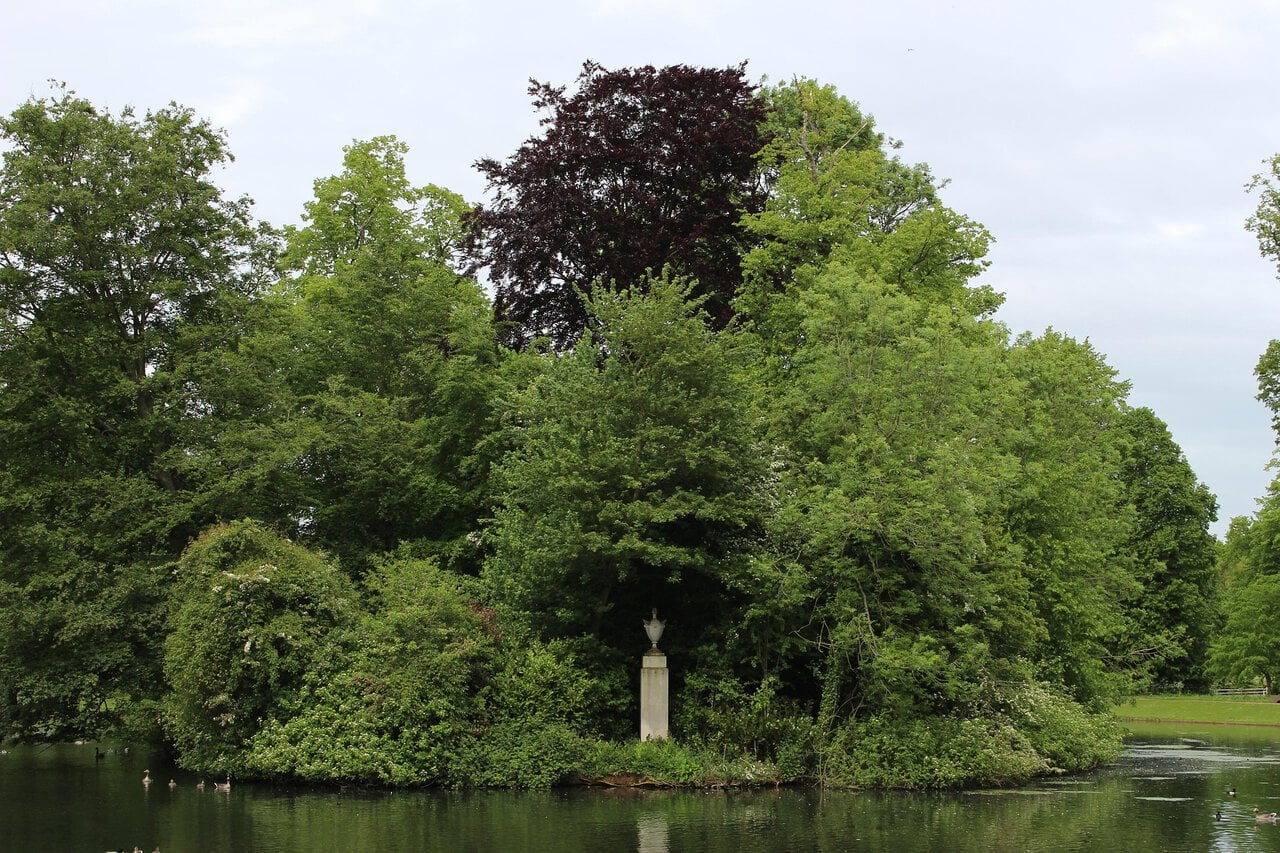
Princess Diana is buried on an island known as The Oval, situated in the middle of a lake within the grounds of Althorp Estate. The location was chosen to provide privacy, security and a peaceful setting away from public intrusion. The island itself is not open to visitors and cannot be accessed by the public.
However, visitors can see the lake and visit the nearby Diana Memorial area. This memorial provides a place for reflection and remembrance while respecting the privacy of the burial site. For many visitors, standing beside the lake and viewing the island from a distance remains one of the most moving moments of a visit to Althorp.
The decision to keep the island private has helped preserve the dignity of the site while still allowing visitors to pay their respects. As a result, the memorial area has become one of the most significant locations on the estate and continues to attract people from around the world who wish to honour Diana, Princess of Wales.
What Can You See at Althorp House?
A visit to Althorp House offers considerably more than many first-time visitors expect. While the estate’s connection to Princess Diana understandably attracts global attention, the house itself contains a remarkable collection of art, architecture, furnishings and historical treasures that rank among the finest found in any English country house.
Inside the house, visitors can explore elegant State Rooms, historic reception areas, grand staircases and galleries filled with paintings collected over centuries by the Spencer family. The collections include works by leading artists, rare furniture, decorative objects and important historical artefacts that help tell the story of both the family and the wider history of Britain.
Outside, the estate’s extensive parkland, woodland, lakes and landscaped gardens provide a very different experience. The grounds cover thousands of acres and offer spectacular views throughout the year. Walking routes allow visitors to appreciate the scale of the estate while discovering viewpoints, monuments and historic features scattered across the landscape.
For many guests, the combination of history, architecture, royal connections, art collections and natural beauty is what makes Althorp so memorable. The attraction appeals equally to history enthusiasts, garden lovers, photography enthusiasts and those interested in Britain’s aristocratic heritage.
The State Rooms
The magnificent State Rooms form the centrepiece of any visit to Althorp House. Designed to impress guests and demonstrate the status of the Spencer family, these rooms showcase centuries of wealth, artistic patronage and architectural refinement.
Visitors can admire impressive collections of paintings, portraits, antique furniture and decorative objects displayed throughout the house. Many of the artworks depict members of the Spencer family, British aristocracy and important historical figures, providing a fascinating visual history of both the family and the nation.
Among the highlights are the grand reception rooms, formal dining areas and beautifully decorated galleries that reflect changing styles across several centuries. Ornate ceilings, elaborate fireplaces and carefully preserved furnishings help create an atmosphere that feels remarkably authentic rather than overly curated. The fact that Althorp remains connected to the family that built and maintained it adds a level of authenticity that many historic properties cannot match.
The State Rooms also provide insight into how aristocratic families lived, entertained guests and conducted business. Rather than simply displaying objects behind glass, the rooms help visitors imagine life within one of Britain’s most influential country houses. For many guests, they represent the most impressive and memorable part of the entire Althorp experience.
Search routes and flight options for your journey.
Search flightsBrowse Airalo eSIM options for convenient travel data.
Check eSIMsBook a private airport transfer in advance and have your ride planned before you arrive.
Check transfersThe Grounds, Gardens and Lakes
While the house itself is impressive, many visitors discover that the true scale of Althorp Estate only becomes apparent once they step outside into the surrounding grounds. Covering approximately 13,000 acres of Northamptonshire countryside, the estate ranks among the largest and most significant private estates in England, offering landscapes that have evolved over centuries.
The extensive parkland, woodland, lakes and carefully managed open spaces provide a setting that feels far removed from modern urban life. Sweeping views across the estate reveal why generations of the Spencer family invested so heavily in shaping the landscape. Mature trees, historic avenues and expansive lawns combine to create a classic English country estate that changes dramatically with the seasons.
One of the most striking features is the network of lakes and waterways that help define the character of the estate. These bodies of water create some of Althorp’s most memorable views and provide important habitats for wildlife. Visitors often spot a variety of birds and other wildlife while exploring the grounds, adding another dimension to the experience.
The grounds also provide numerous opportunities for photography. Whether capturing reflections across the lakes, photographing the house from a distance or simply enjoying the scenery, many visitors spend almost as much time exploring the estate as they do touring the house itself. The combination of historic architecture, landscaped gardens and natural beauty makes Althorp one of the most visually rewarding attractions in Northamptonshire.
The Diana Memorial
Among the most visited areas of Althorp Estate is the Diana Memorial, a place of reflection dedicated to the life and legacy of Diana, Princess of Wales. For many visitors, this section of the estate represents the emotional centre of their visit and provides an opportunity to connect with one of the most influential public figures of the modern era.
The memorial is positioned beside the lake that contains The Oval, the private island where Diana is buried. It is roughly a 30-minute walk from the West Gate car park to the memorial, mostly through parkland, so comfortable footwear is worthwhile. While visitors cannot access the island itself, they can view it from designated areas around the lake and spend time at the memorial, which was designed to provide a peaceful and respectful environment for reflection.
The setting contributes significantly to the atmosphere of the memorial. Surrounded by water, trees and open countryside, the location feels deliberately removed from the pressures and attention that characterised much of Diana’s public life. The tranquillity of the landscape helps explain why the Spencer family selected this part of the estate as her final resting place.
Visitors from around the world continue to travel to Althorp House specifically because of its connection to Diana. While many arrive expecting a simple memorial, they often leave with a deeper appreciation of her family background, childhood environment and enduring relationship with the estate. The memorial therefore serves not only as a place of remembrance but also as an important part of understanding Diana’s story.
Tickets, Opening Times and Facilities
Planning ahead is particularly important when visiting Althorp House, as the estate is not open year-round in the same way as many museums and historic attractions. Althorp typically opens to visitors for around two months each summer, usually running from early July through to the end of August. In 2026, for example, the house was open from 1 July to 31 August. Exact dates shift slightly from year to year, so check the official althorp.com website for the current season’s opening dates before travelling.
Admission options typically include both house and grounds tickets and grounds-only tickets, allowing visitors to choose the experience that best suits their interests. Full admission provides access to the house, exhibitions and estate grounds, while grounds-only tickets appeal to visitors primarily interested in the landscape, memorial areas and outdoor features.
As a guide, house and grounds tickets typically cost around £27.00 (€31.05/$34.29) for adults, £23.00 (€26.45/$29.21) for concessions and £16.00 (€18.40/$20.32) for children aged 5 to 16, with under-5s admitted free. Prices are reviewed annually, so check the official Althorp website for current rates before booking.
It is also worth noting that Althorp does not offer guided tours of the house. Instead, visits follow a self-guided, one-way walking route through the State Rooms, with information boards and room attendants stationed along the way to answer questions and add context.
The estate offers a good range of visitor facilities. On-site parking is available at the West Gate entrance and is usually included within the visitor experience, making arrival straightforward for those travelling by car. Refreshments and shopping are centred on The Stables, a 1733 Anglo-Palladian building housing a café and gift shop, alongside toilets and other visitor services designed to support a comfortable day out. Signage throughout the estate helps guests navigate between the house, memorial areas and wider grounds.
Because opening periods are relatively limited, popular dates can attract significant visitor numbers. Booking in advance often provides the smoothest experience and helps avoid disappointment during busy periods. Visitors travelling specifically to see the house should also verify opening dates, as access to the historic interiors is generally restricted to certain times of the year.
Getting to Althorp House
Located just outside Northampton, Althorp House enjoys a convenient position within the English Midlands and is relatively easy to reach from many parts of the country. Its location makes it particularly attractive as a day trip from London, Birmingham, Milton Keynes, Oxford and the wider Midlands region.
Visitors travelling by car will find the estate well signposted from major local roads, with straightforward access from the surrounding motorway network. The nearby M1 motorway places Althorp within easy reach of both northern and southern England, while the availability of on-site parking removes many of the logistical challenges associated with visiting historic properties.
Those travelling by rail will normally arrive at Northampton Station, which is served by regular trains from London Euston, Birmingham New Street, Milton Keynes Central and other major destinations. From Northampton, visitors can continue to the estate by taxi or local transport. The relatively short distance between the station and Althorp makes rail travel a practical option for those wishing to avoid driving.
For international visitors, the nearest major gateways include Birmingham Airport, Luton Airport and Heathrow Airport. All offer onward rail or road connections to Northampton, making Althorp an achievable destination even for those visiting Britain from overseas. Combined with nearby attractions such as Silverstone and Stoke Bruerne, and the wider Northamptonshire countryside, Althorp can easily form part of a broader regional itinerary.
How Long Do You Need at Althorp House?
Most visitors should plan to spend at least three to five hours at Althorp House in order to experience both the historic interiors and the wider estate properly. While it is possible to see the main highlights more quickly, rushing through the property often means missing many of the details that make Althorp one of Northamptonshire’s most rewarding historic attractions.
Visitors focusing primarily on the house itself can comfortably explore the principal State Rooms, exhibitions and collections within a couple of hours. However, one of Althorp’s greatest strengths is the fact that the experience extends far beyond the walls of the house. The extensive grounds, lakes, memorial areas and landscaped parkland encourage visitors to slow down and spend time exploring the estate at a more relaxed pace.
Photography enthusiasts, history lovers and those interested in the story of Princess Diana often find themselves staying longer than expected. The combination of historical collections, beautiful scenery and opportunities for reflection means that many visitors naturally spend a full morning or afternoon on the estate.
If you enjoy country houses, gardens and heritage attractions, allowing a half-day visit is usually the best approach. This provides enough time to appreciate both the history of the Spencer family and the natural beauty that has made Althorp one of England’s most admired private estates.
Nearby Attractions
One of the advantages of visiting Althorp House is its location within a part of England rich in attractions, historic sites and countryside destinations. Visitors often combine Althorp with other locations across Northamptonshire and the surrounding counties, turning a single attraction visit into a broader exploration of the region.
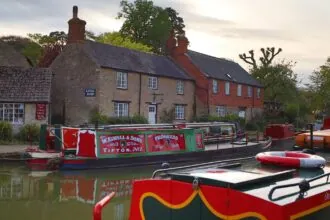
Just a short distance away lies Stoke Bruerne, one of Britain’s most attractive canal villages. Situated on the Grand Union Canal, the village offers historic locks, waterside walks and the fascinating Canal Museum, making it an excellent companion attraction for visitors interested in transport heritage and rural England.
Motorsport enthusiasts may wish to continue their journey to Silverstone Circuit, home of the British Grand Prix and one of the most famous race tracks in the world. Located within easy reach of Althorp, Silverstone offers circuit tours, motorsport exhibitions and a fascinating insight into Britain’s position at the heart of global motor racing.
Visitors interested in historic market towns can explore Northampton, which provides museums, shopping, restaurants and further insight into the county’s history. The surrounding countryside also contains numerous walking routes, traditional villages and country pubs that showcase the character of rural Northamptonshire.
For those willing to travel slightly further, attractions such as Boughton House, often described as the “English Versailles”, and Castle Ashby Gardens provide additional opportunities to explore the county’s rich aristocratic and architectural heritage. Together, these destinations make Northamptonshire one of England’s most underrated regions for heritage tourism.

Rupert’s Handy Travel Tips
Planning a visit to Althorp House? A little preparation will help you make the most of one of Northamptonshire’s most famous historic estates.
- Check opening dates before travelling: Althorp House is not open year-round. Public access usually runs for around two months each summer, from early July to the end of August, but exact dates vary each year, so confirm on althorp.com.
- Book tickets in advance: Popular dates can sell out, particularly during school holidays and weekends when visitor numbers are highest.
- Allow at least half a day: The house, exhibitions, gardens and wider estate can easily occupy several hours, especially if you enjoy history and architecture.
- Wear comfortable footwear: Exploring the grounds involves a fair amount of walking, particularly if you plan to visit the lakes and memorial areas.
- Be respectful around Diana’s memorial: The estate remains closely associated with Diana, Princess of Wales, and many visitors come specifically to reflect on her legacy.
- Bring a camera: The parkland, historic buildings and landscaped grounds provide some of the most photogenic scenery in Northamptonshire.
Want to meet the reindeer behind our travel tips? Find out more in our page Who is Rupert?.




Compare hostels and lower-cost accommodation for your trip.
Search hostelsGet help with compensation, eligible lounge access and disruption support.
Explore AirHelp+Leave your luggage somewhere convenient and explore hands-free.
View storageFrequently Asked Questions About Althorp House
Is Althorp House worth visiting?
Yes. Althorp House combines historic architecture, important art collections, beautiful parkland and the internationally significant story of Princess Diana, making it one of the leading attractions in Northamptonshire.
Can you visit Princess Diana’s grave?
Visitors can see the lake containing The Oval, where Princess Diana is buried, and visit the nearby memorial area. The island itself is private and not accessible to the public.
How much time should I allow for a visit?
Most visitors should allow three to five hours to explore the house, exhibitions, grounds and memorial areas comfortably.
Is parking available at Althorp House?
Yes. Visitor parking is available on-site and is one of the easiest ways to access the estate.
When is Althorp House open?
Althorp typically opens for around two months each summer, usually from early July to the end of August (in 2026, for example, from 1 July to 31 August). Exact dates vary slightly each year, so check the official althorp.com website before travelling.
Is Althorp House suitable for families?
Yes. The combination of open parkland, historic buildings, exhibitions and outdoor space makes the estate suitable for visitors of all ages.
Further Reading & Related Guides
If you’re exploring Althorp House, consider discovering more of what Northamptonshire has to offer through our Northamptonshire Travel Guide, which covers historic towns, countryside attractions and hidden gems across the county. Visitors interested in transport heritage should also explore our guide to Stoke Bruerne, one of Britain’s most picturesque canal villages and home to the fascinating Canal Museum.
Motorsport fans can continue their Northamptonshire adventure with our Silverstone Guide, covering the home of the British Grand Prix and one of the most famous racing circuits in the world. International visitors planning a wider trip around Britain should also read our eSIM Apps Guide and Hotel Booking Apps Guide, helping you stay connected and find the best accommodation throughout your journey.