
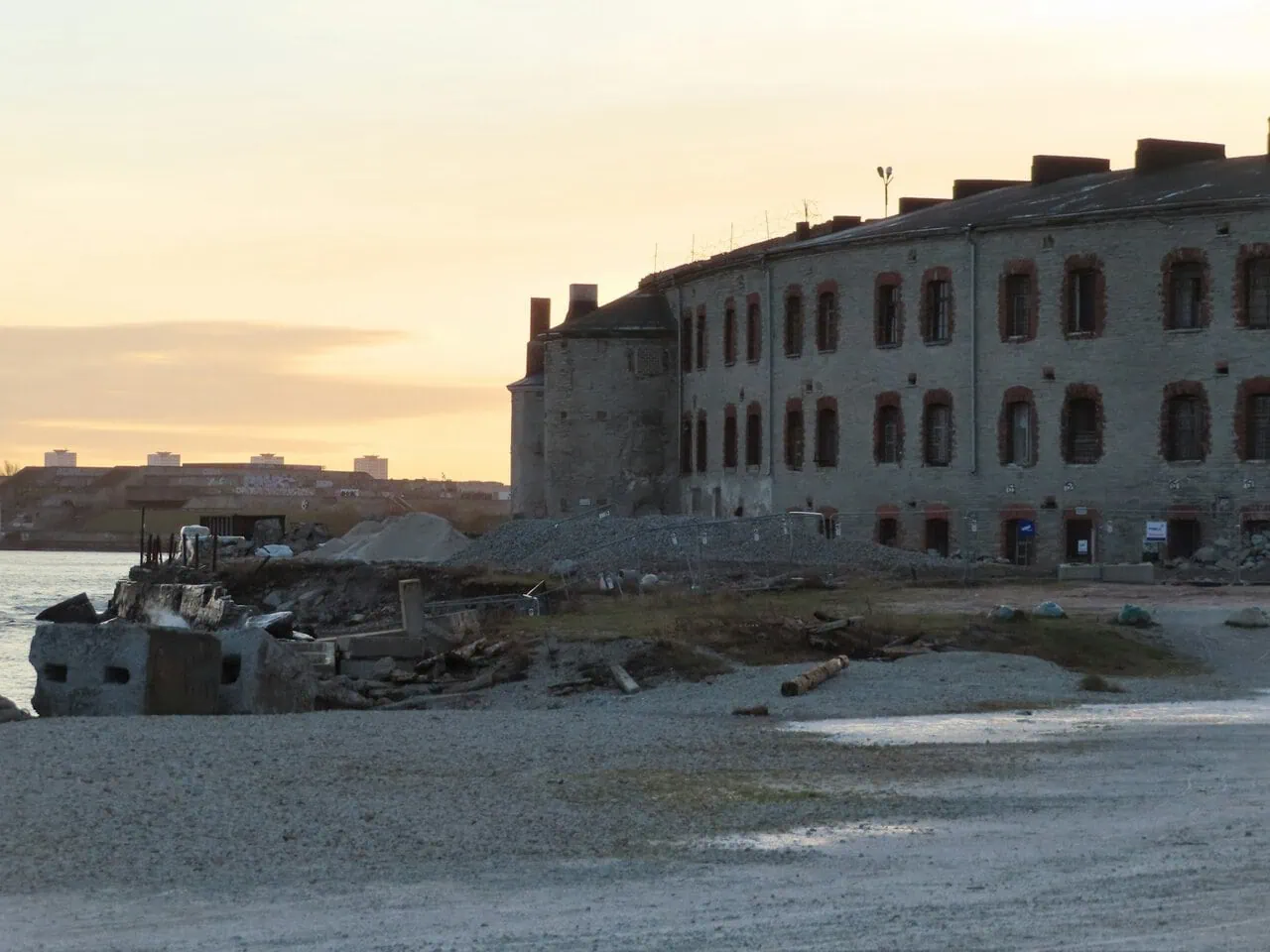
Why Tallinn Has a Dark History
Behind the colourful streets of Tallinn Old Town lies a far more complicated story shaped by foreign occupation, political repression, Cold War surveillance and decades of military tension along the Baltic Sea. While modern Tallinn is now known for its cafés, ferry routes and medieval architecture, much of the 20th century was dominated by strict political control and the strategic importance of Estonia within Northern Europe.
Because of its location between Scandinavia, Russia and the wider Baltic region, Tallinn became politically and militarily significant during several turbulent periods of European history. Ports, broadcasting infrastructure, coastal defences and security buildings all played important roles during eras of occupation and Soviet rule. Even today, reminders of that past remain scattered throughout the city.
Unlike some dark tourism destinations centred around a single historical event, Tallinn’s dark history is spread across multiple layers of the city itself. Former surveillance sites stand beside medieval churches, abandoned military architecture overlooks ferry terminals and Cold War relics still shape parts of the coastline and harbour districts.
What makes Tallinn especially fascinating is the contrast between the city’s beautiful medieval appearance and the much harsher realities that existed behind the scenes during the Soviet era. Elegant squares and tourist-filled streets hide stories of surveillance, political monitoring, restricted freedoms and life inside a tightly controlled state system.
For travellers interested in Soviet Estonia, Cold War Europe, political history, abandoned infrastructure and Baltic geopolitics, Tallinn offers one of the most atmospheric and underrated dark tourism experiences anywhere in Northern Europe.
Patarei Sea Fortress Prison
The enormous Patarei Sea Fortress Prison is one of the most haunting and visually striking historical sites in Tallinn. Sitting directly beside the cold waters of the Baltic Sea, the huge complex combines fortress architecture, prison history and decades of political repression into one deeply atmospheric location.
Originally built during the era of the Russian Empire, the fortress later evolved into a prison and detention complex used during multiple periods of Estonia’s difficult modern history. Different governments and occupying powers controlled the site over time, giving the building a heavy symbolic importance within Estonia itself.
What immediately stands out about Patarei is the atmosphere. Unlike heavily modernised museums, large sections of the complex still feel raw, abandoned and frozen in time. Rusting corridors, peeling walls, concrete prison blocks and decaying sea-facing structures create one of the most visually dramatic dark tourism sites anywhere in the Baltic region.
The prison later became strongly associated with political detention, strict state control and harsh prison conditions during the Soviet period. For many Estonians, the site represents an important reminder of how fear, surveillance and restricted freedoms shaped everyday life during decades of authoritarian rule.
Architecturally, the complex is equally fascinating. Massive defensive walls, military tunnels and industrial prison interiors sit beside modern waterfront developments and ferry routes heading towards Helsinki and Stockholm. The contrast between Tallinn’s modern tourism industry and this decaying prison fortress makes the location feel even more surreal.
Today, Patarei remains one of the most important historical sites in Tallinn for travellers interested in Cold War history, Soviet-era Estonia, prison architecture and abandoned coastal military infrastructure.
The fortress sits on the waterfront north-west of Tallinn Old Town, close to the Seaplane Harbour Museum and former industrial harbour districts. Most visitors reach Patarei Sea Fortress Prison on foot in around 25 to 35 minutes from the Old Town, often combining it with nearby sites such as Linnahall, the KGB Museum and Tallinn’s waterfront Cold War attractions. Bolt taxis are also inexpensive and widely available across the city.
Browse hotels and accommodation for your visit to Tallinn.
View staysExplore holiday homes and apartments around Tallinn.
See holiday homesCompare prices for Tallinn hotels across multiple booking sites.
Check dealsKGB Prison Cells
Hidden beneath the streets of Tallinn Old Town, the preserved KGB Prison Cells provide one of the most personal and unsettling insights into life under Soviet political control in Estonia. Located inside a former security service building, the site allows visitors to explore preserved holding cells, interrogation areas and underground detention corridors once connected to the Soviet security system.
Unlike large military museums or fortress complexes, the emotional impact here comes from how confined and claustrophobic the environment feels. Narrow corridors, heavy doors, small cells and preserved interiors help visitors understand the atmosphere of fear and surveillance that shaped everyday life during the Soviet period.
The prison complex was used by Soviet state security organisations responsible for political monitoring, interrogation and maintaining ideological control throughout Estonia. Many detainees brought into the building faced imprisonment, questioning or deportation connected to political suspicion or anti-Soviet activities.
Today, the attraction functions primarily as a historical and educational site focused on remembrance rather than sensationalism. Exhibits explain how surveillance systems operated within Soviet Estonia and how ordinary citizens experienced life under heavy political monitoring.
One of the most striking aspects of the attraction is its location directly beneath Tallinn’s beautiful medieval centre. Visitors can walk from busy cafés and cobbled tourist streets into preserved underground prison cells within minutes, creating a sharp and memorable contrast between the city’s modern image and its more difficult historical reality.
For travellers interested in Cold War surveillance, Soviet repression, political history and the human side of authoritarian systems, the KGB Prison Cells are among the most important dark tourism attractions in Tallinn.
Hotel Viru and the KGB Museum
At first glance, Hotel Viru appears to be a typical Soviet-era high-rise hotel overlooking central Tallinn, but hidden within the building is one of the city’s most fascinating Cold War attractions. The small but highly memorable KGB Museum reveals how closely international visitors were monitored during the Soviet period.
When the hotel opened during the 1970s, it became one of the main places where foreign tourists stayed while visiting Soviet Estonia. Because outside contact was tightly controlled, the building reportedly operated under extensive surveillance. Hidden within the upper floors was a secret operations room allegedly used by Soviet security services to monitor foreign guests and gather information.
Today, visitors can explore preserved rooms and exhibits explaining how surveillance culture operated during the Cold War. Rather than focusing on graphic historical detail, the museum explores themes of political control, restricted freedoms and state monitoring in a way that feels uniquely connected to Tallinn itself.
What makes the attraction especially effective is its subtlety. Visitors are not entering a huge prison or abandoned bunker, but an apparently ordinary hotel hiding a secret historical layer above the modern city streets. That contrast creates a much more personal and psychologically interesting experience.
The museum also highlights Tallinn’s unusual role during the Soviet period. As one of the few locations where international tourism intersected with Soviet-controlled Estonia, Hotel Viru became both a symbol of carefully managed openness and a reminder of how tightly outside influence was controlled behind the scenes.
For travellers interested in Cold War espionage, surveillance history, Soviet Tallinn and hidden historical sites, the Hotel Viru KGB Museum remains one of the city’s most distinctive and underrated attractions.
Tallinn TV Tower and Soviet Estonia
Rising high above the skyline at 314 metres, the imposing Tallinn TV Tower is not only the tallest structure in Estonia, but also one of the most important surviving symbols of the country’s late Soviet history. While many visitors come primarily for the panoramic views across Tallinn and the Baltic Sea, the tower also carries deep political and historical significance connected to Estonia’s independence movement and Cold War past.
The tower was originally constructed for the 1980 Moscow Olympics, when Tallinn hosted the sailing events connected to the games. During the Soviet era, broadcasting infrastructure carried enormous political importance, and the tower became a major communications hub for Soviet-controlled Estonia.
However, the site later gained a much more symbolic role during the collapse of the Soviet Union and Estonia’s push towards independence. During periods of political tension in the early 1990s, the tower became associated with the struggle to maintain Estonian broadcasting and communications independence during a rapidly changing political situation.
Today, visitors can explore exhibitions covering both the tower’s engineering history and Estonia’s broader political transformation during the late Cold War years. Interactive displays explain how broadcasting, media control and communications technology were tied closely to political authority during the Soviet period.
The observation deck itself provides extraordinary views across Tallinn, the ferry routes towards Helsinki, industrial harbour districts and the forests surrounding the capital. On clear days, the perspective helps visitors understand why Tallinn’s coastal position carried such strategic importance throughout modern history.
The tower also contrasts sharply with medieval Tallinn below. Looking out across ancient church spires, Soviet apartment districts, ferry terminals and modern glass developments from the same viewing platform highlights the layered and often conflicting identities that shaped Estonia during the 20th century.
For travellers interested in Cold War infrastructure, Soviet-era Estonia, communications history and symbolic independence landmarks, the Tallinn TV Tower offers far more than just panoramic photography.
The Tallinn TV Tower is located in the Pirita district east of the city centre, around 20 to 30 minutes from Tallinn Old Town depending on traffic and transport choice.
The easiest option for most visitors is usually a Bolt taxi, which is widely used across Tallinn and relatively inexpensive compared with many Western European cities. This is especially convenient during winter or for travellers short on time.
Public buses also connect the tower with central Tallinn. Routes including 34A, 38 and 49 stop at Teletorn, the bus stop directly beside the tower. Some hop-on hop-off sightseeing buses also include the Tallinn TV Tower as part of their panoramic city routes.
Travellers combining the tower with Pirita Beach, the Maarjamäe Memorial or other coastal attractions often find it easiest to visit several eastern Tallinn sites together in the same trip.
Maarjamäe Memorial
The vast and striking Maarjamäe Memorial is one of the most visually unusual historical sites in Tallinn and remains a powerful example of large-scale Soviet memorial architecture in the Baltic region. Located near the coastline east of the city centre, the sprawling concrete complex combines monumental design, political symbolism and dramatic sea views overlooking the Gulf of Finland.
Constructed during the Soviet era, the memorial was designed to commemorate military and political events connected to the region’s turbulent modern history. Today, however, many visitors are drawn just as much by the site’s unusual atmosphere and imposing architecture as by the historical meaning itself.
Huge concrete structures, geometric walkways and open ceremonial spaces create an environment that feels simultaneously futuristic, abandoned and deeply political. In some areas, the memorial almost resembles a dystopian film set rather than a traditional monument.
The site has become increasingly popular with travellers interested in Soviet architecture, urban photography and Cold War landscapes. Weather conditions often intensify the atmosphere further. Grey Baltic skies, sea fog and strong coastal winds can make the memorial feel especially dramatic and isolated.
Nearby, visitors can also explore other museums and historical sites connected to Estonia’s modern political history, allowing the area to form part of a wider dark tourism route beyond the medieval centre of Tallinn.
What makes Maarjamäe particularly interesting is how attitudes towards Soviet-era monuments have evolved across the Baltic region. For some visitors, the site represents architectural curiosity, while for others it remains closely connected to painful historical memory and decades of restricted national independence.
For travellers exploring Tallinn’s Soviet-era history, the memorial provides one of the city’s most visually memorable and politically layered locations.
The striking Maarjamäe Memorial sits east of central Tallinn along the coastal road towards Pirita and the Tallinn TV Tower. Most visitors reach the memorial in around 15 to 20 minutes by Bolt taxi from the Old Town, making it one of the easier Soviet-era sites to access.
Public buses and hop-on hop-off sightseeing buses also serve the surrounding area, particularly routes travelling towards Pirita, the coastline and the TV Tower. Because several major attractions sit nearby, many travellers combine Maarjamäe, the Tallinn TV Tower, Pirita Beach and coastal viewpoints into a single eastern Tallinn itinerary.
Linnahall
Few buildings capture the strange atmosphere of late Soviet Tallinn better than the enormous concrete structure known as Linnahall. Sitting beside the harbour near the ferry terminals, the decaying waterfront complex remains one of the city’s most recognisable examples of Soviet brutalist architecture.
Originally constructed for the 1980 Moscow Olympics, the building functioned as a huge concert venue and sports complex during the Soviet era. Designed to impress visitors arriving by sea, Linnahall represented the monumental architectural ambitions of the period, combining heavy concrete forms with sweeping views across the Baltic coastline.
Today, much of the structure feels abandoned, weathered and partially frozen in time. Graffiti, cracked concrete and exposed stairways give the site an urban exploration atmosphere very different from the polished medieval image most tourists associate with Tallinn.
Despite its decaying condition, Linnahall remains deeply photogenic. Travellers regularly climb the huge stepped roof for panoramic views across the harbour, ferry routes and Tallinn skyline. The contrast between the brutalist concrete structure, medieval church towers and modern cruise ships creates one of the most visually distinctive scenes in the city.
The building has become symbolic of Tallinn’s transition between eras. Soviet infrastructure, modern redevelopment and Baltic tourism all collide here in a single location beside the sea. While some locals see the structure as an eyesore, others consider it an important architectural and historical reminder of Estonia’s Soviet period.
Because of its location near the harbour, Linnahall also connects naturally with sites such as Patarei Prison, the ferry terminals and the wider waterfront districts, making it an easy addition to a self-guided dark history walk through Tallinn.
Paldiski and Soviet Coastal Defences
For travellers wanting to go beyond central Tallinn, the coastal town of Paldiski offers one of the most unusual Cold War and military history excursions anywhere in Estonia. Located west of the capital on the Baltic coastline, the town was once a heavily restricted Soviet naval centre closed to most outsiders.
During the Soviet period, Paldiski became strategically important because of its naval position and military infrastructure. Access to the area was tightly controlled, and the surrounding coastline developed a reputation for secrecy, military activity and restricted zones.
Today, traces of that atmosphere still remain. Soviet apartment blocks, abandoned infrastructure and exposed coastal landscapes create a very different mood compared with the polished tourism of central Tallinn. The nearby Pakri cliffs, lighthouse and sea views add dramatic scenery to the historical context.
What makes Paldiski particularly interesting is the combination of natural beauty and Cold War history. Rugged Baltic coastlines, windswept cliffs and military remnants all exist side by side, creating one of the most visually distinctive dark tourism destinations near Tallinn.
The area also helps explain how strategically important the Baltic coastline became during periods of military tension between East and West. Looking across the cold waters of the Baltic Sea, visitors quickly understand why coastal surveillance and naval infrastructure mattered so heavily during the Cold War decades.
For travellers interested in Soviet military history, abandoned coastal infrastructure and less-visited Baltic historical sites, Paldiski provides one of the strongest excursions from Tallinn beyond the city itself.
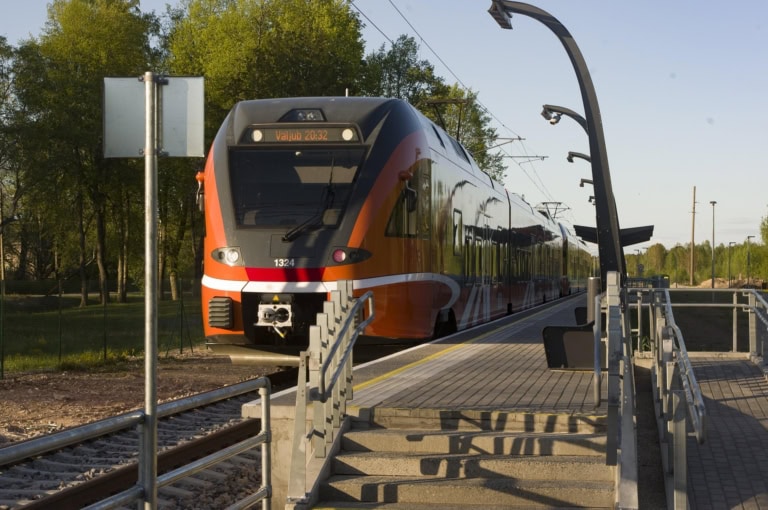
Paldiski sits around 45 to 60 minutes west of Tallinn depending on transport choice and traffic conditions. Travellers can reach the town using regional trains from Tallinn Baltic Station, with services usually taking just over an hour to reach central Paldiski.
However, visitors wanting to explore the wider Pakri Peninsula, coastal cliffs, lighthouse and former military areas will usually find a rental car or organised tour much more practical. Many of the most atmospheric Cold War and coastal sites sit outside the main town itself and are difficult to connect efficiently using local public transport alone.
Search routes and flight options for your trip to Tallinn.
Search flightsUse an eSIM to get online without hunting for a local SIM after arrival.
See eSIM optionsCheck private pickup options and plan your onward journey before arrival.
View transfersThe Soviet Deportations from Estonia
One of the darkest aspects of Estonia’s 20th-century history involved the large-scale deportations and forced removals carried out during periods of Soviet control. Thousands of Estonians were displaced from their homes and transported to remote regions of the Soviet Union during waves of political repression that affected families across the country.
These deportations targeted a wide range of people viewed as politically unreliable or socially undesirable by Soviet authorities. Intellectuals, landowners, public officials and ordinary civilians could all become affected by the climate of suspicion and political control that shaped life during the era.
Although modern Tallinn is now vibrant, independent and internationally connected, the memory of these deportations remains deeply important within Estonia’s national identity. Museums, memorials and educational exhibits across the country continue to document how dramatically the Soviet period affected Estonian society.
For visitors exploring Tallinn’s darker history, understanding the deportations helps provide context for sites such as the KGB Prison Cells, Patarei Prison and wider Soviet-era memorials throughout the city. These locations are not isolated attractions, but part of a much larger story involving political control, restricted freedoms and fear during the Cold War decades.
Today, Estonia generally presents this history in a calm, educational and reflective manner focused on remembrance and historical understanding rather than sensationalism.
Tallinn During the Second World War
During the Second World War, Tallinn became strategically important because of its location on the Baltic Sea and its position between larger competing powers in Northern Europe. The city experienced multiple periods of occupation, military activity and political upheaval that left lasting effects on Estonia’s modern history.
Tallinn’s ports, rail connections and coastal position made the city strategically valuable throughout the conflict. Military infrastructure expanded, defensive positions appeared around the coastline and everyday life became increasingly shaped by wartime restrictions and political uncertainty.
Although much of Tallinn’s famous medieval centre survived relatively intact compared with many European cities, parts of the capital still experienced wartime damage and disruption. Some modern districts and industrial areas changed significantly during this period, particularly around transport and harbour infrastructure.
The war years also contributed heavily to the later political realities of Soviet Estonia. Many of the surveillance systems, prison sites and state security structures explored in Tallinn’s dark tourism attractions became more deeply embedded during the decades that followed the conflict.
Today, Tallinn generally approaches this period through museums, memorials and historical exhibitions focused on occupation history, civilian experiences and Estonia’s changing political situation rather than military glorification.
For travellers interested in understanding how Tallinn evolved into a Cold War city, the wartime years provide important background context for many of the darker historical sites visible around the capital today.
Dark Tourism Walking Route Through Tallinn
One of the best ways to explore Tallinn’s darker history is through a self-guided walking route linking together the city’s most important Soviet-era, Cold War and political history sites. Because many locations sit relatively close together around the harbour and Old Town, it is surprisingly easy to combine them into a single historical route through the capital.
A good starting point is usually the preserved KGB Prison Cells beneath the Old Town, where visitors can explore underground detention areas linked to Soviet political surveillance. From there, travellers can continue towards Hotel Viru and the hidden KGB Museum, which reveals how foreign visitors were monitored during the Cold War years.
Moving closer towards the waterfront, the huge concrete structure of Linnahall provides one of Tallinn’s strongest visual reminders of Soviet-era monumental architecture. The building’s decaying stairways and harbour views create an atmosphere completely different from the medieval streets nearby.
Continuing north along the coastline leads towards the imposing Patarei Sea Fortress Prison, where prison history, military architecture and political repression intersect beside the Baltic Sea. This area feels particularly atmospheric during colder weather or under grey Baltic skies.
Travellers with extra time can extend the route further towards the Seaplane Harbour, Soviet memorials around Maarjamäe or even take separate excursions towards Paldiski and other Cold War coastal sites beyond the city itself.
What makes the Tallinn dark tourism route especially interesting is the contrast between eras. Medieval churches, ferry terminals, Soviet concrete structures and modern glass developments all exist within the same urban landscape, revealing how many different historical layers continue to shape the Estonian capital.
Compare hostels and budget-friendly accommodation around Tallinn.
Browse hostelsGet help with compensation, eligible lounge access and disruption support.
Explore AirHelp+Use convenient luggage storage around Tallinn between arrival, check-in and departure.
Check storageDark Tourism Ethics in Estonia
Dark tourism in Tallinn is generally approached in a calm, educational and reflective way rather than through sensationalism. Most museums, memorials and historical attractions focus on historical understanding, remembrance and the preservation of difficult national memory rather than shock value or entertainment.
For many Estonians, sites connected to Soviet surveillance, political repression, forced deportations and occupation history remain deeply personal subjects tied closely to family experiences and Estonia’s modern national identity. Visitors exploring these locations should therefore approach them with respect, particularly in preserved prison spaces, memorial areas and former detention facilities.
Photography is usually permitted at many attractions, but travellers should still remain aware of the atmosphere and purpose of each site. Locations such as the KGB Prison Cells, Patarei Sea Fortress Prison and Soviet memorial complexes are not designed as theatrical tourist experiences, but as places connected to real historical trauma and political control.
It is also important to understand that modern Estonia has been shaped heavily by the historical experiences explored throughout Tallinn’s dark tourism sites. Former surveillance centres, Cold War infrastructure and Soviet-era buildings are not simply abandoned relics from another era. They remain part of a much broader story involving independence, identity, restricted freedoms and Estonia’s position between East and West during the 20th century.
For thoughtful travellers, Tallinn dark tourism offers far more than abandoned architecture or Cold War aesthetics. The city provides a powerful insight into how geography, political systems and international tensions shaped everyday life along the Baltic frontier during some of Europe’s most turbulent decades.

Rupert’s Handy Travel Tips
Rupert recommends balancing Tallinn’s famous medieval attractions with its lesser-known Cold War and Soviet-era historical sites. Some of the city’s most fascinating stories are hidden behind ordinary-looking buildings and harbour districts.
- Visit early: Go to the KGB Prison Cells early in the morning for a quieter and more atmospheric experience.
- Plan a Cold War walking route: Combine Patarei Prison, Linnahall and the waterfront districts into one self-guided route.
- Wear proper footwear: Exposed coastal areas around Tallinn can become icy and windy during winter.
- Take your time: Many Tallinn dark tourism sites focus heavily on personal stories and political history rather than dramatic visuals, so don’t rush through the exhibits.
- Add a day trip to Paldiski: If you want to understand Soviet Estonia properly, combine Tallinn with a visit for a broader view of Baltic military history and Cold War coastal infrastructure.
Want to meet the reindeer behind our travel tips? Find out more in our page Who is Rupert?.
Frequently Asked Questions
Is Tallinn good for dark tourism?
Yes. Tallinn offers a strong mix of Cold War history, Soviet-era architecture, prison museums, surveillance sites and abandoned military infrastructure connected to Estonia’s modern political history.
What is the darkest attraction in Tallinn?
Many travellers consider Patarei Sea Fortress Prison the most atmospheric dark tourism site in Tallinn because of its prison history, coastal location and partially abandoned interiors.
Can you visit KGB sites in Tallinn?
Yes. Visitors can explore the preserved KGB Prison Cells beneath the Old Town as well as the hidden KGB Museum inside Hotel Viru.
Is dark tourism in Tallinn safe?
Most Tallinn dark tourism focuses on Cold War history, Soviet-era political control and historical education rather than graphic or sensational content, making it very different from more extreme dark tourism destinations.
How long do you need for Tallinn dark tourism attractions?
Many of the main historical sites can be explored within one or two days, especially because several attractions sit close together around the Old Town and harbour districts.
Can you do a self-guided dark tourism walk in Tallinn?
Yes. Many key sites including Hotel Viru, the KGB Prison Cells, Linnahall and Patarei Prison can be connected easily on foot through central Tallinn.
Further Reading & Related Guides
If you want to explore more of the Estonian capital beyond its former military sites and Cold War history, our detailed Best Things to Do in Tallinn guide covers the city’s medieval districts, major landmarks, museums, ferry terminals and waterfront attractions across the wider city.
Travellers interested in Estonia’s strategic Baltic coastline should also read our practical Ferry Routes from Tallinn guide, which explains the major sea connections towards Helsinki, Stockholm and wider Scandinavian ferry networks across the Baltic Sea.
For visitors wanting to explore beyond the capital, our detailed Day Trips from Tallinn guide covers destinations such as Paldiski, Narva and other locations shaped by Estonia’s complex twentieth-century history, border geography and coastal defence infrastructure.
Travellers more interested in Tallinn’s medieval and cultural heritage should also explore our dedicated Tallinn UNESCO guide, which focuses on the fortified Old Town, defensive towers, merchant districts and the city’s Hanseatic trading history.
If you are continuing across Northern Europe, our practical Interrail Estonia Pass guide explains rail connections across the Baltic region, while our dedicated Seasickness Travel Guide helps travellers prepare for longer ferry crossings across the sometimes unpredictable Baltic Sea.
For another perspective on Cold War and Communist-era Europe, our Dark Tourism in Sofia guide explores Bulgaria’s Soviet-era monuments and museums, while our full Dark Tourism Travel Guide covers historic sites and abandoned places worldwide.