Reviewed by our editorial team Updated
Airalo eSIM Review: Global Mobile Data for Travellers
Staying connected while travelling used to mean expensive roaming charges or hunting for a local SIM card at the airport. Today, eSIM technology has changed how travellers access mobile data abroad, and services like Airalo eSIM are at the centre of that shift.
Instead of swapping plastic SIM cards, travellers can download a mobile data plan directly onto their phone before they even leave home. Within minutes, your device can connect to a local network in another country without visiting a shop, queuing at an airport kiosk, or dealing with unfamiliar telecom providers.
Airalo has become one of the most widely used travel eSIM platforms. The service offers mobile data plans in more than 200 destinations, covering individual countries, entire regions, and even global roaming packages. For many travellers, it provides a simple way to land in a new country and immediately access maps, ride-hailing apps, hotel bookings, and travel confirmations.
Another advantage is flexibility. Plans can be purchased for specific countries, multi-country regions, or worldwide travel, allowing you to choose the option that best suits your itinerary. For shorter trips, small prepaid packages often provide enough data for navigation, messaging, and essential travel apps.
While eSIM services are becoming more common, Airalo has built a reputation as one of the most accessible platforms for international travellers. The setup process is straightforward, the coverage is extensive, and most modern smartphones now support eSIM installation.
For anyone planning a trip abroad, understanding how Airalo works and whether it is the right choice for your travel style can help you avoid expensive roaming charges and stay connected from the moment your plane touches down.
| Feature | Details |
|---|---|
| Coverage | 200+ destinations |
| Best For | International travel |
| Supports Hotspot | Usually Yes |
| Calls & Texts | Mostly data-only |
| Regional Plans | Yes |
| Global Plans | Yes |
| App Available | iPhone & Android |
| eSIM Required | Yes |
| Keeps Home SIM Active | Usually Yes |
What Airalo Is and How It Works
At its core, Airalo is a platform that sells digital mobile data plans designed specifically for international travel. Instead of purchasing a physical SIM card, travellers install an eSIM profile directly onto their phone and activate it when they arrive at their destination.
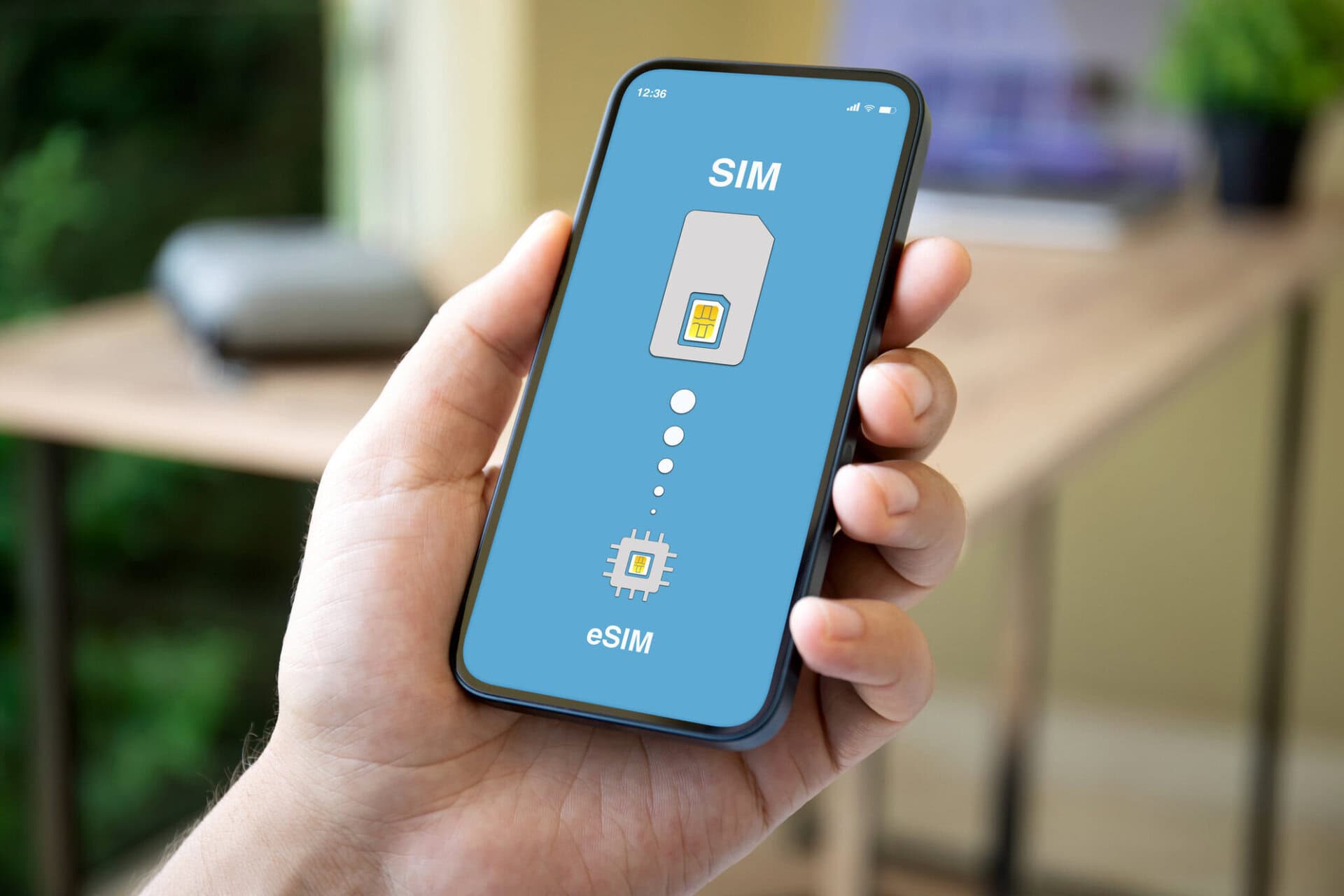
An eSIM (embedded SIM) is built into many modern smartphones. Rather than inserting a small plastic card, users download a digital SIM profile that connects to a mobile network. This makes it possible to switch between networks or countries without physically changing SIM cards.
Airalo uses this technology to provide prepaid travel data packages. Once you purchase a plan, the eSIM can be installed through the Airalo app or via a QR code provided during the purchase process.
The process is designed to be simple:
- Download the Airalo app or purchase a plan online
- Choose a destination or regional data package
- Install the eSIM on your phone
- Activate the plan when you arrive at your destination
One useful feature is that your primary SIM card can remain active while using the Airalo data plan. This allows travellers to continue receiving calls or messages on their home number while using local mobile data abroad.
Because the service focuses on data connectivity rather than traditional phone services, most Airalo plans are data-only. Travellers typically use apps like WhatsApp, FaceTime, or Telegram for calls and messaging while connected to the mobile data network.
For many travellers, the biggest advantage is convenience. You can install everything before your flight, meaning your phone connects to a local network almost immediately after landing.
Compare hotels and other places to stay for your trip.
Check availabilityBrowse apartments, homes and self-catering accommodation.
Browse rentalsCompare hotel deals from multiple booking sites in one search.
Compare pricesAiralo Coverage and Global Availability
One of the main reasons travellers choose Airalo is its extensive global coverage. The platform offers mobile data plans in more than 200 destinations, making it one of the most widely available travel eSIM services currently on the market.
Coverage is organised into three main categories: local plans, regional plans, and global plans.
Local plans are designed for travellers visiting a single country. These packages usually provide the best value and connect to one or more local mobile networks within that destination. Popular examples include plans for countries such as Japan, Thailand, Italy, the United States, and Turkey.
Regional plans are intended for travellers moving between multiple countries within the same area. For example, Airalo offers packages covering Europe, Asia, North America, the Middle East, and the Caribbean. Instead of switching SIM cards when crossing borders, the same eSIM can connect to networks across the region.
Global plans provide coverage across a much larger number of countries. These packages are designed for travellers on longer trips or complex itineraries that include multiple continents.
The exact network used by the Airalo eSIM depends on the destination. In most cases, the service connects to major national mobile operators, allowing travellers to access reliable 4G or 5G coverage in major cities and tourist regions.
However, coverage quality can vary depending on the country and local infrastructure. Rural areas may have slower speeds or fewer supported networks, which is something travellers should always consider when relying heavily on mobile data.
Despite these variations, Airalo remains popular with international travellers because it removes the need to buy separate SIM cards in each country, simplifying connectivity during multi-destination trips.
Can You Use Airalo Across Multiple Countries?
Yes, and this is one of the biggest reasons many travellers choose Airalo eSIM over traditional local SIM cards.
Instead of purchasing a separate SIM every time you cross a border, regional and global Airalo plans allow travellers to move between multiple countries using a single eSIM profile. This makes Airalo particularly useful for Interrail trips, European backpacking routes, multi-country holidays, and long-distance travel itineraries.
For example, travellers moving between countries such as France, Italy, Germany, Spain, and Austria can use a single European regional plan rather than changing SIM cards repeatedly throughout the journey.
The same approach also works well in regions such as Southeast Asia, where travellers often move between destinations like Thailand, Vietnam, Malaysia, and Singapore during the same trip.
One of the biggest advantages is convenience. Your phone automatically connects to supported local partner networks as you move between countries, meaning there is no need to install new SIM profiles or visit mobile phone shops during your journey.
However, travellers should always check which countries are included before purchasing a plan. Some regional packages cover large numbers of destinations, while others may exclude smaller countries or territories.
For travellers building flexible itineraries or moving frequently between borders, regional and global eSIM plans are often far simpler than managing multiple physical SIM cards during the same trip.
Airalo Data Plans and Pricing
Airalo offers a wide range of prepaid data packages designed to suit different travel styles. Prices vary depending on the destination, the amount of data included, and the length of the plan’s validity period.
For travellers visiting a single country, local plans are usually the most affordable option. Small packages often start from around $4-5 (roughly £3-4 / €4-5) for a 1GB allowance valid for about 7 days, making them ideal for short trips or light usage.
Typical examples include entry-level plans offering around 1GB of mobile data for a short validity period, which can be enough for navigation, messaging apps, and occasional browsing. Larger packages with 3GB or 5GB of data are also available, typically priced between $10 and $20 (about £8-16 / €9-18) depending on destination and validity, for travellers who expect heavier usage.
Regional plans tend to be more expensive but provide coverage across multiple countries within a specific area. For example, a European regional package with 5GB of data valid for 7-30 days typically costs around $18-20 (roughly £14-16 / €17-18), letting travellers use the same data plan while moving between several countries and avoiding the need to install separate eSIM profiles during a multi-country trip.
Global plans provide the widest coverage but are usually the most expensive option, ranging from around $9 (about £7 / €8) for a small 1GB global bundle up to $100 or more (roughly £80+ / €90+) for larger, longer-validity packages. These packages are typically used by travellers who expect to visit several continents during the same journey.
Most plans remain valid for a specific period, commonly 7, 15, or 30 days, depending on the package chosen. Once the data allowance is used or the validity period expires, travellers can simply purchase another package through the Airalo app.
One important point to remember is that most Airalo packages are data-only plans. Traditional voice calls and SMS messaging are not included, although travellers can still use internet-based calling apps and messaging services while connected to the mobile data network.
Stay Connected Abroad with Airalo eSIM Travel Data
Staying connected abroad is essential, whether you need maps, tickets, or last-minute bookings. Airalo makes it easy to get mobile data instantly with eSIM plans covering over 200 countries, without the need for a physical SIM card.
It is ideal for international travel, multi-country trips, and avoiding expensive roaming charges. You can set everything up in minutes and stay online from the moment you arrive.
Scan to open
on your phone


Airalo Standard vs Unlimited Data Plans
One area that often confuses travellers is the difference between Airalo standard data plans and unlimited eSIM packages. While both provide mobile data abroad, they work differently and are designed for different travel styles.
Standard plans are the traditional prepaid packages most travellers associate with Airalo eSIM. These plans include a fixed amount of mobile data, such as 1GB, 3GB, 5GB, or 10GB, which can be used during a specific validity period. Once the allowance is fully consumed, the connection stops unless you purchase a top-up or install another package.
For lighter travellers, standard plans are often the best overall value. Activities such as Google Maps, WhatsApp, emails, restaurant bookings, train tickets, and social media generally use far less data than many people expect during short trips.
Unlimited plans work differently. Instead of including a fixed allowance, they provide ongoing mobile data access for a defined period such as 10 days or 30 days. However, many unlimited packages operate under fair usage policies. After reaching certain thresholds, speeds may temporarily reduce depending on the destination and local network provider.
This is important because many travellers assume “unlimited” always means unrestricted high-speed data. In reality, some plans may throttle speeds after heavy usage, especially during video streaming or hotspot use. On Airalo’s unlimited plans specifically, this typically means around 3GB of high-speed data per 24 hours before speeds drop to roughly 1Mbps for the rest of that day, so it is best to read “unlimited” as unlimited connectivity at a reduced speed once the fast-data allowance is used, not unlimited full-speed data.
For travellers mainly using maps, messaging apps, and travel tools, standard Airalo plans are usually more than sufficient and often significantly cheaper. Travellers working remotely, streaming heavily, uploading videos, or sharing hotspot connections may prefer the flexibility of unlimited-style packages instead.
Choosing between the two depends entirely on your travel style, expected usage, and whether your priority is maximum flexibility, lower cost, or high-volume data usage during your trip.
Does Airalo Include Calls, Texts or a Phone Number?
One of the most important things travellers should understand before purchasing an Airalo eSIM is that most plans are designed primarily for mobile data rather than traditional mobile phone services.
In most cases, Airalo packages are data-only plans. This means they usually do not include a local phone number for standard voice calls or SMS messaging. Instead, travellers use internet-based communication apps while connected to mobile data abroad.
Apps such as WhatsApp, FaceTime, Telegram, Messenger, Signal, Zoom, and iMessage continue to work normally while using the Airalo connection. For many travellers, this is more than enough for day-to-day communication during international travel.
However, some newer Airalo packages, particularly selected global Discover+ plans may include limited voice calls, SMS messaging, and even a phone number. Availability varies depending on the package and destination, so travellers should always check plan details carefully before purchasing.
Another major advantage of eSIM technology is that your normal SIM card can usually remain active at the same time as the Airalo profile. This allows your regular mobile number to continue receiving calls, texts, and banking verification codes while the Airalo eSIM handles mobile data abroad.
For many travellers, this dual-SIM setup becomes one of the biggest benefits of using Airalo. Your home number stays available while your travel eSIM manages internet access throughout the trip.
Understanding the difference between data-only eSIMs and traditional SIM cards helps avoid confusion before travelling and ensures you choose the right package for your specific needs.
How to Install the Airalo eSIM
Setting up an Airalo eSIM is usually quick and straightforward, particularly if you prepare everything before your trip. Most travellers complete the entire process in just a few minutes using the Airalo mobile app or a QR code provided after purchase.
Before buying a plan, the first step is checking whether your device supports eSIM technology. Most modern smartphones released in recent years include eSIM compatibility, including many iPhone, Samsung Galaxy, and Google Pixel models. If your device supports multiple SIM profiles, you can keep your primary SIM active while using the travel data plan.
Once compatibility is confirmed, travellers simply choose a destination and purchase a plan through the Airalo app. Plans are organised by country, region, or global coverage, making it easy to match the data package to your itinerary.
After purchase, the eSIM installation process begins. There are typically two installation options available. The first uses a QR code provided after checkout, which your phone scans to download the eSIM profile. The second option allows installation directly through the Airalo app, which guides users through each step.
During installation, your phone will add a new mobile data profile alongside your regular SIM. This profile can be activated whenever you arrive at your destination, allowing your phone to connect to a local network automatically.
Activation is simple. Travellers usually switch the Airalo profile on in their phone’s cellular settings and enable data roaming for that profile. Once the phone connects to a local network, mobile data becomes available immediately.
Many experienced travellers recommend installing the eSIM before leaving home. Completing setup while connected to stable Wi-Fi reduces the chance of installation issues and ensures the plan is ready to activate as soon as your flight lands.

Compare routes and fares for your next trip.
Compare flightsBrowse Airalo eSIM options for convenient travel data.
Check eSIMsBook a private airport transfer in advance and have your ride planned before you arrive.
Check transfersWhen Should You Install and Activate Airalo?
Many travellers wonder whether they should install their Airalo eSIM before travelling or wait until arriving at their destination. In most situations, installing the eSIM before departure is the easiest and safest option.
The installation process requires a stable internet connection because the eSIM profile must be downloaded onto your device. Completing setup at home using reliable Wi-Fi reduces the chance of installation problems and ensures the profile is ready before your flight.
Importantly, installation is not always the same as activation. Many Airalo packages only begin their validity period once the eSIM first connects to a supported mobile network in the destination country. This means travellers can usually install the profile in advance without immediately starting the countdown on the plan duration.
However, activation rules can vary slightly depending on the package and destination, so checking the plan details before purchase is always recommended.
For most travellers, the best approach is simple. Install the eSIM before travelling, leave the profile switched off during the flight, and then activate it after landing by enabling the Airalo line in your mobile settings.
This allows your phone to connect to a local network almost immediately after arrival, giving instant access to maps, airport transfers, hotel bookings, ride-hailing apps, and transport information without relying on airport Wi-Fi.
Preparing everything before departure also reduces stress after long flights, particularly when arriving late at night or travelling through unfamiliar airports.
Airalo for iPhone vs Android
Airalo works on both iPhone and Android devices, but the exact installation process and compatibility can vary slightly depending on the phone model.
On iPhone, eSIM support is generally very straightforward. Most newer iPhone models released in recent years support eSIM installation, and Apple’s interface makes adding a travel eSIM relatively simple. Many travellers use Airalo on iPhones while keeping their normal SIM active at the same time through Apple’s dual-SIM functionality.
Features such as FaceTime, iMessage, Apple Maps, and hotspot sharing typically continue working normally while connected through the Airalo data plan.
On Android, compatibility can vary more between manufacturers and device versions. Many modern Samsung Galaxy, Google Pixel, and premium Android devices support eSIM technology, although some lower-cost or region-specific models may not.
Because Android devices vary significantly between brands, travellers should always check Airalo’s compatibility list before purchasing a plan. Some Android phones also place eSIM settings in different menu locations, which can occasionally make setup slightly less intuitive for first-time users.
In terms of performance, there is usually very little difference between iPhone and Android once the eSIM is installed successfully. Both platforms support mobile data, hotspot sharing, app usage, navigation, and internet-based calling services normally while travelling abroad.
For most travellers, the key factor is simply ensuring the phone is both unlocked and eSIM compatible before purchasing a package.
Using the Airalo App
While it is possible to purchase and install an eSIM through the Airalo website, most travellers interact with the service through the Airalo mobile app. The app acts as a central hub where users can browse data plans, install eSIM profiles, monitor usage, and top up data while travelling.
One of the biggest advantages of the app is convenience. Travellers can search for destination plans, compare pricing, and install an eSIM within minutes, all from their smartphone. This makes it particularly useful when planning trips that involve multiple countries or last-minute itinerary changes.
The Airalo app also simplifies the installation process. After purchasing a plan, the app guides users through the setup steps, allowing the eSIM profile to be added directly to the device without manually scanning a QR code. This step-by-step approach makes installation much easier for travellers who are new to eSIM technology.
Once the eSIM is active, the app provides a clear overview of the current data package. Travellers can see how much data remains, how many days are left on the plan, and whether additional data packages are available for the same destination. If the data allowance runs low during a trip, a top-up can usually be purchased instantly.
Another useful feature is that the app keeps all purchased plans in one place. This means frequent travellers can manage multiple eSIM profiles and switch between them when visiting different countries, without needing to reinstall a new SIM each time.
The Airalo app is available on both major mobile platforms, allowing travellers to download it before their trip and explore available plans in advance. Having the app installed ahead of time also makes it easier to quickly activate data or purchase additional packages while on the move.
For many users, the app becomes the main interface for managing mobile connectivity during travel. It turns what used to be a complicated process (finding a SIM card shop in a new country) into something that can be handled in a few taps on your phone.



App availability and prices vary by country. Some of these may not appear in your local App Store or Google Play.

Can You Use Airalo for Hotspot and Tethering?
For many travellers, mobile hotspot functionality is just as important as mobile data itself. Being able to share your phone’s connection with a laptop, tablet, or another device can make a huge difference during international travel.
In many cases, Airalo plans do support hotspot and tethering usage. This allows your phone to share its mobile data connection with other devices through the built-in hotspot features available on both iPhone and Android devices.
One point worth knowing: Airalo does not apply a separate hotspot data cap on top of your plan’s normal allowance, so tethered data is simply drawn from the same balance as the rest of your plan. This is different from some rivals such as Holafly, which cap daily tethering separately (often around 500MB a day) even on plans marketed as unlimited, so Airalo can work out better for travellers who plan to tether a laptop regularly.
However, hotspot support is not always identical across every country and network. Because Airalo connects through local telecom providers, certain partner networks may apply restrictions or performance limitations depending on the destination or package.
For normal travel use, hotspot functionality generally works very well for web browsing, messaging, navigation, email, train tickets, remote work, and hotel bookings. Many travellers use Airalo to power laptops, tablets, and secondary devices while moving between airports, hotels, trains, and cafés.
However, activities such as video streaming, large downloads, cloud backups, or gaming can consume data extremely quickly, especially when several devices are connected at the same time. Travellers using hotspot extensively should pay close attention to their remaining allowance, particularly when using smaller standard plans with fixed data limits.
For many travellers, the ability to share mobile data is one of the biggest practical advantages of using an international eSIM. Instead of purchasing multiple SIM cards or relying on unreliable public Wi-Fi, a single mobile connection can support several devices throughout the trip.
Pros of Using Airalo for Travel
For many travellers, the biggest advantage of Airalo is convenience. Instead of searching for a SIM card shop at the airport, your phone can connect to mobile data the moment you arrive. This immediate connectivity makes it easier to open navigation apps, request a ride, or check hotel directions.
Another key benefit is flexibility. Airalo offers a wide range of destination-specific and regional plans, allowing travellers to select a package that matches their trip length and travel route. Someone visiting a single country can choose a local plan, while a traveller moving across multiple borders may prefer a regional option.
Cost savings can also be significant. International roaming through traditional mobile carriers is often expensive, particularly outside your home region. Using a prepaid travel eSIM can reduce roaming charges dramatically, especially for travellers who rely heavily on mobile data.
Airalo also removes the hassle of handling physical SIM cards. With traditional travel SIMs, travellers often need to remove their home SIM, store it safely, and replace it again when returning home. eSIM technology eliminates this step entirely, allowing multiple digital profiles to exist on the same device.
Another practical advantage is the ability to keep your home number active. If your phone supports dual SIM functionality, your main SIM can still receive calls and text messages while the Airalo profile handles mobile data.
For frequent travellers, these small conveniences quickly add up. Having a reliable mobile connection available immediately after landing can make navigating unfamiliar destinations much easier.
Limitations and Things to Know
While Airalo offers clear benefits, there are also a few limitations travellers should understand before relying on the service.
One of the main differences compared with traditional SIM cards is that most Airalo packages are data-only plans. This means they do not include a local phone number for standard voice calls or SMS messages. Travellers typically rely on internet-based communication apps such as WhatsApp, FaceTime, or Telegram instead.
Network speeds can also vary depending on the destination. Airalo connects to local mobile operators, and the exact network available may differ between countries. In most major cities, speeds are generally strong, but performance may vary in rural areas or locations with limited infrastructure.
Another consideration is long-term cost. While travel eSIM plans are convenient, they may not always be the cheapest option for extended stays. Travellers spending several months in one country may find that purchasing a local SIM card directly from a national mobile provider offers lower long-term data prices.
Compatibility is another factor to check. Although many modern smartphones support eSIM technology, some older devices do not. Travellers should confirm their phone’s compatibility before purchasing a plan to avoid installation issues.
Finally, some plans have restrictions on hotspot or tethering usage. While many Airalo packages allow mobile hotspot functionality, certain networks may limit how data is shared with other devices.
Understanding these limitations helps travellers decide whether Airalo is the right solution for their trip or whether another connectivity option may be more suitable.
Browse hostels and budget-friendly stays.
See hostelsAccess compensation support, eligible lounge benefits and faster payouts.
See the benefitsUse convenient luggage storage between arrival, check-in and departure.
Check storageAiralo vs Airport SIM Cards
For years, one of the most common ways to get mobile data abroad was purchasing a physical SIM card at the airport after arrival. While this approach still works in many destinations, eSIM services such as Airalo have completely changed how many travellers stay connected internationally.
Traditional airport SIM cards often require travellers to queue at kiosks, show identification, swap physical SIM cards, and manually configure mobile settings. After long flights, this process can feel inconvenient and stressful, particularly during busy arrival periods or late-night airport arrivals.
Airalo eSIM removes much of this friction. Because the eSIM is installed digitally before departure, travellers can connect to mobile data almost immediately after landing without visiting a phone shop or physically changing SIM cards.
Another major advantage is flexibility. Airport SIM cards are usually designed for a single country, while Airalo offers regional and global eSIM plans that continue working across multiple destinations during the same trip. This is especially useful for travellers moving between countries during Interrail journeys, backpacking trips, cruises, or wider European itineraries.
Airalo also allows many travellers to keep their home SIM card active at the same time, meaning your regular number can still receive calls, banking verification texts, and important notifications while the travel eSIM handles mobile data abroad.
However, airport SIM cards can sometimes offer larger local data allowances or lower long-term pricing for travellers staying in one country for several months. In some destinations, local telecom providers may also offer stronger domestic network performance compared with international travel-focused eSIM services.
For short trips, city breaks, and multi-country travel, Airalo is often the simpler and more convenient option. For very long stays in a single destination, a local physical SIM card may occasionally provide better long-term value.
For many modern travellers, the biggest difference is convenience. The ability to land in another country with mobile data already working has become one of the biggest reasons why travel eSIM adoption continues growing so rapidly worldwide.
Airalo vs Other Travel eSIM Providers
Airalo is not the only travel eSIM provider available, and travellers often compare it with several other popular services before choosing a data plan.
One commonly compared service is Holafly. Holafly tends to focus on unlimited data packages for specific destinations, which can appeal to travellers who expect heavy usage. However, unlimited plans are usually more expensive, and some include fair usage policies that may reduce speeds after a certain threshold.
Another competitor is Yesim, which offers regional and global connectivity options similar to Airalo. Some travellers prefer Yesim for its flexible pricing structure, although the number of supported destinations may differ depending on the package.
Nomad eSIM is another alternative frequently used by travellers. Like Airalo, it offers prepaid data packages across a wide range of destinations and regions. Pricing and coverage between the two services are often similar, with small differences depending on the country.
More recently, some travel platforms and telecom providers have introduced their own eSIM marketplaces. These services sometimes bundle data packages with travel bookings, but coverage and pricing can vary widely.
Airalo’s main strength remains its large destination coverage and straightforward installation process. For travellers visiting multiple countries or planning several trips throughout the year, this simplicity is often one of the biggest advantages.
Choosing between providers usually comes down to travel style. Some travellers prioritise unlimited data plans, while others prefer flexible prepaid packages that can be activated only when needed.
Enjoy Global eSIM Data With Airalo

Scan to open
on your phone
Is Airalo Worth It for Travellers?
For many international travellers, Airalo eSIM provides one of the easiest ways to stay connected abroad. The service removes several of the frustrations traditionally associated with mobile data when travelling, particularly the need to locate SIM card shops or deal with expensive roaming charges.
The biggest advantage is simplicity. Travellers can install the eSIM before leaving home, meaning their phone connects to a local network almost immediately after landing. This can be extremely useful when arriving in an unfamiliar airport, where having access to maps, ride-hailing apps, and hotel bookings makes the first few hours of a trip much easier.
Airalo also works well for people travelling across multiple countries. Instead of replacing SIM cards in every destination, regional data plans allow a single eSIM to function across several countries, which can be particularly helpful for trips around Europe or Southeast Asia.
Another reason many travellers choose Airalo is flexibility. Plans are prepaid, meaning there are no contracts and no ongoing subscriptions. Travellers simply purchase the amount of data they need for their trip and install the profile on their device.
That said, Airalo may not always be the best option for every situation. Travellers staying in one country for several months may find that local telecom providers offer cheaper long-term data packages. Similarly, heavy data users might prefer unlimited packages from some competing eSIM providers.
For short trips, city breaks, and multi-destination travel, however, Airalo remains one of the most convenient mobile data solutions currently available to travellers.

Best Airalo Plans for Different Types of Travellers
Different Airalo plans suit different travel styles, and choosing the right package can make a significant difference to both cost and convenience during your trip.
For short city breaks, smaller local plans are often more than enough. Travellers spending a few days in destinations such as Paris, Rome, Tokyo, or New York typically only need mobile data for maps, messaging apps, restaurant bookings, and transport information.
For Interrail trips and wider European travel, regional European plans are usually the best option. These allow travellers to move between countries without installing multiple SIM cards or changing settings throughout the journey.
Backpackers and long-term travellers often prefer larger regional packages or global plans because they provide more flexibility when travel routes change unexpectedly.
For business travellers, the biggest advantage is immediate connectivity after landing. Being able to access emails, video calls, hotel bookings, and transport apps straight away can save significant time during international trips.
Travellers on cruises or complex international itineraries may also benefit from global plans covering multiple continents, although travellers should always check whether onboard connectivity is included before relying on mobile data at sea.
Heavy users who expect to stream videos, upload content, or use mobile hotspot frequently may prefer unlimited-style plans where available, while lighter travellers usually get better value from smaller prepaid packages.
Choosing the right Airalo package depends less on the destination itself and more on your overall travel style, data usage habits, and how often you expect to move between countries.
Tips for Using Airalo While Travelling
A few simple preparation steps can make using an Airalo eSIM much smoother during your trip.
One of the most helpful tips is to install the eSIM before leaving home. Completing the installation process while connected to a reliable Wi-Fi network ensures that everything is ready before your flight. Once you arrive, you only need to activate the profile in your phone settings.
Travellers should also check their device settings before departure. In most cases, the Airalo profile will need data roaming enabled in order to connect to partner networks abroad. This may seem counterintuitive, but it allows the eSIM to access the local operator providing the mobile data connection.
Monitoring data usage is another useful habit. Travel eSIM plans often include a fixed amount of data, so keeping an eye on usage through the Airalo app helps prevent unexpected interruptions. If necessary, additional data packages can usually be purchased quickly through the same app.
Using Wi-Fi whenever possible can also help extend your data allowance. Many hotels, airports, and cafés provide free wireless networks, allowing travellers to save mobile data for navigation and essential travel apps when they are on the move.
Finally, travellers should remember that their home SIM card can remain active alongside the travel eSIM. This allows your primary number to receive calls or messages while the Airalo profile handles mobile data during the trip.
Airalo Troubleshooting and Common Problems
Although Airalo eSIM is generally straightforward to use, travellers occasionally encounter setup or connectivity issues, especially when using an eSIM for the first time.
One of the most common problems is installing the eSIM correctly but forgetting to activate the profile within the phone’s mobile settings. In many situations, travellers simply need to switch the Airalo line on and select it as the active mobile data connection.
Another frequent issue involves data roaming settings. While travellers are often taught to disable roaming abroad, many travel eSIMs actually require data roaming to be enabled in order to connect to local partner networks. If the connection does not work immediately after arrival, checking this setting is often the first troubleshooting step.
Network selection can also occasionally cause problems. Most phones automatically connect to the strongest supported network, but manually selecting another available operator can sometimes improve connectivity and speeds.
Some travellers also become confused between installation and activation. Installing the eSIM profile alone does not always mean the plan is active. In many cases, the package only begins once the phone connects to a supported mobile network in the destination country.
Compatibility issues can also occur on older smartphones that do not fully support eSIM technology. Checking compatibility before purchasing a package is essential, particularly for older Android devices.
Finally, travellers should remember that restarting the phone after installation often resolves minor setup issues surprisingly quickly.
For most users, Airalo setup problems are temporary and easily solved once the correct settings are enabled.

Rupert’s Handy Travel Tips
Rupert has picked up a few habits from using Airalo on his own travels, and they can save you time and data before you even land.
- Check compatibility first: confirm your phone supports eSIM and is carrier-unlocked before you buy a plan.
- Install on wifi: download and install the eSIM profile before departure so you are not relying on airport wifi under pressure.
- Buy the right size: pick a data allowance that roughly matches your trip length, then top up in the app if you run low.
- Use the data tracker: keep an eye on the app’s usage tracker so you are not caught out mid-trip.
- Keep your main SIM active: leave your home SIM in place for calls and texts while Airalo handles your data.
Want to meet the reindeer behind our travel tips? Find out more in our page Who is Rupert?.





Frequently Asked Questions About Airalo
Can I install Airalo before travelling?
Yes. In most cases, travellers should install their Airalo eSIM before leaving home while connected to reliable Wi-Fi. Many plans only activate once the eSIM first connects to a supported network in the destination country.
Does Airalo start when I buy it or when I activate it?
This depends on the package. Many Airalo plans begin once the eSIM connects to a local network at your destination, although some plans may activate immediately after installation. Always check the individual plan details before purchase.
Does Airalo include calls and text messages?
Most Airalo eSIM plans are data-only packages and do not include traditional voice calls or SMS messaging. However, apps such as WhatsApp, FaceTime, Telegram, and iMessage work normally while connected to mobile data. Some newer global plans may include limited calls and texts.
Can I use Airalo and my normal SIM card at the same time?
Yes. Many modern smartphones support dual SIM functionality, allowing your normal SIM card to remain active while the Airalo eSIM handles mobile data abroad. This means you can often continue receiving calls, texts, and banking verification codes on your normal number while travelling.
Does Airalo allow hotspot and tethering?
In many destinations, yes. Most Airalo plans support hotspot sharing, allowing you to connect laptops, tablets, and other devices through your phone’s mobile data connection. However, hotspot support can vary depending on the local partner network and destination.
Do I need to turn data roaming on for Airalo?
Usually, yes. Although travellers are often told to disable roaming abroad, many eSIM providers including Airalo require data roaming to be enabled for the eSIM profile in order to connect to local partner networks.
Does Airalo work across multiple countries?
Yes, if you purchase a regional or global Airalo plan. These packages allow travellers to move between multiple countries without installing separate eSIM profiles.
Can I use FaceTime, WhatsApp and iMessage with Airalo?
Yes. Because Airalo provides mobile data access, internet-based apps such as FaceTime, WhatsApp, Messenger, Telegram, Zoom, and iMessage work normally while connected.
Does Airalo work on iPhone and Android?
Airalo works on both iPhone and Android devices that support eSIM technology. Most newer smartphones released in recent years are compatible, although some older devices may not support eSIM installation.
Is Airalo worth it for international travel?
For many travellers, yes. Airalo offers a convenient way to avoid expensive roaming charges while gaining immediate mobile data access after landing in another country. It is particularly useful for short trips, city breaks, and multi-country travel itineraries.
Further Reading & Related App Guides
If you are planning to use Airalo for your trip, you may also want to read our eSIM vs Local SIM Card Guide, which explains the differences between travel eSIMs and buying a local SIM card at your destination. This will help you decide whether an eSIM like Airalo is the best option for your trip or whether a local SIM card might be cheaper for longer stays.
You may also want to read our eSIM Apps Guide, where we compare the main travel eSIM providers including Holafly, Nomad, Flexiroam, GigSky, Roamless, Drimsim, Saily and Yesim. Each provider offers different pricing, coverage, and data plans, so comparing them can help you choose the best eSIM for your destination and travel style.
Reading these guides together will help you choose the best mobile data option for your trip, avoid expensive roaming charges, and stay connected while travelling.