Reviewed by our editorial team Updated
Discover Herculaneum: Italy’s Best-Preserved Roman City
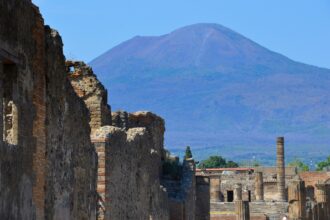
Often overshadowed by its larger neighbour Pompeii, Herculaneum is one of the most remarkable archaeological sites in the world. Smaller, quieter and exceptionally well preserved, it offers an extraordinary glimpse into daily life in the Roman Empire before the catastrophic eruption of Mount Vesuvius in AD 79.
Unlike Pompeii, which was buried beneath volcanic ash and pumice, Herculaneum was engulfed by powerful pyroclastic flows that sealed the town beneath layers of volcanic material. This unique combination of heat and ash preserved timber, furniture, food, upper floors and even wooden doors that would normally have disappeared centuries ago. As a result, visitors can see details that simply don’t survive at most ancient sites, making Herculaneum an unforgettable experience for history lovers.
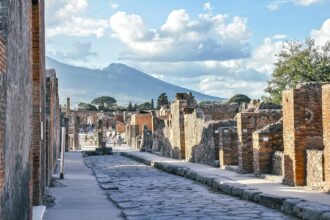
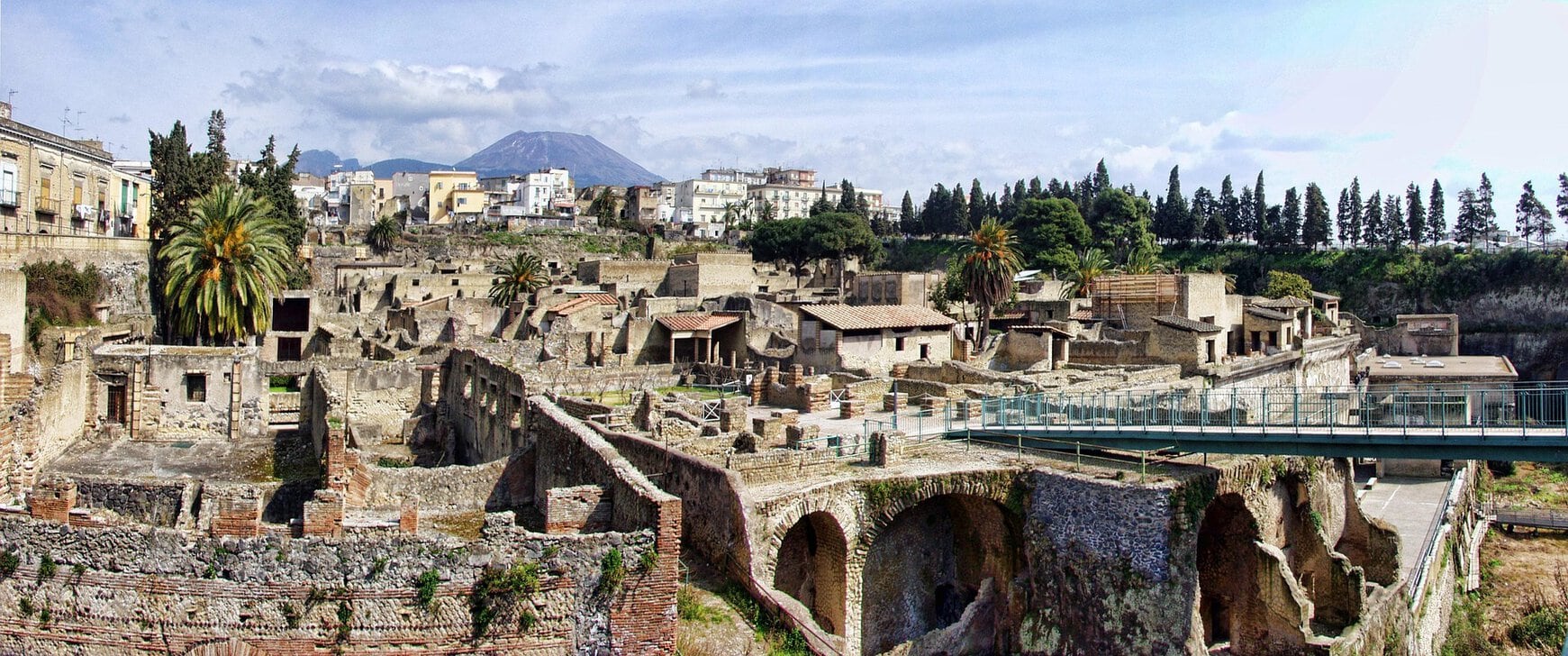
Today, Herculaneum is recognised as part of the UNESCO World Heritage Site that also includes Pompeii and Torre Annunziata. Walking along its remarkably preserved streets feels less like exploring ruins and more like stepping into a Roman town frozen in time. Colourful frescoes still decorate the walls, elegant villas overlook the ancient shoreline and public baths, shops and temples reveal how prosperous this seaside community once was.
Whether you’re visiting on its own or combining it with Mount Vesuvius or Pompeii, Herculaneum is one of the absolute highlights of southern Italy and a destination that many visitors ultimately find even more memorable than its famous neighbour.
Herculaneum at a Glance
| Information | Details |
|---|---|
| Location | Ercolano, Campania, Italy |
| UNESCO Status | Part of the UNESCO World Heritage Site: Archaeological Areas of Pompeii, Herculaneum and Torre Annunziata |
| Destroyed | AD 79 |
| Destroyed By | The eruption of Mount Vesuvius |
| Time Needed | 2–4 hours |
| Walking Difficulty | Easy to Moderate |
| Best Time to Visit | Spring and Autumn |
| Advance Tickets Recommended | Yes |
| Audio Guides Available | Yes |
| Suitable For | Families, history lovers, photographers and cruise visitors |
| Nearest Station | Ercolano Scavi (Circumvesuviana Railway) |
| Can Be Combined With | Mount Vesuvius, Pompeii and Naples |
Learn More from UNESCO
This destination is connected to a UNESCO World Heritage Site, recognised for its outstanding cultural, historical, or natural importance. You can explore official listings, background information, and protected heritage sites through UNESCO’s global database.
Compare hotels and other places to stay in Italy.
Check availabilityBrowse apartments, holiday homes and self-catering stays in Italy.
View rentalsCompare prices for Italy hotels across multiple booking sites.
Check dealsWhy Visit Herculaneum?
While Pompeii impresses through its sheer size, Herculaneum captivates visitors through its incredible level of preservation. It provides one of the closest experiences you’ll find to walking through an actual Roman town, with remarkably intact buildings, elegant villas and streets that still feel alive nearly two thousand years after they were buried.
One of the biggest advantages of Herculaneum is its manageable size. Most visitors can comfortably explore the entire archaeological site in two to four hours, making it ideal if you’re short on time or planning to combine it with Mount Vesuvius on the same day. The smaller crowds also create a far more relaxed experience, allowing you to appreciate the details without feeling overwhelmed.
Throughout the site you’ll discover beautifully preserved mosaics, colourful frescoes, wooden balconies, ancient bakeries, bathhouses and luxurious villas overlooking what was once the Roman coastline. Few archaeological sites anywhere in the world preserve so many everyday details, offering an extraordinary insight into how wealthy Romans lived before disaster struck.
For many travellers, Herculaneum becomes one of the biggest surprises of their Italian holiday. It may be smaller than Pompeii, but its remarkable preservation, fascinating history and quieter atmosphere make it one of the country’s most rewarding archaeological attractions.
The Story of Herculaneum
According to Roman tradition, Herculaneum was founded by the legendary hero Hercules, from whom the town takes its name. By the first century AD it had become a prosperous seaside resort, attracting wealthy Roman families who built luxurious villas overlooking the Bay of Naples. Elegant homes, public baths, temples and bustling shops reflected the town’s wealth and importance within the Roman Empire.
Everything changed on 24 August AD 79 or possibly later in the autumn, according to more recent archaeological evidence, when Mount Vesuvius erupted with catastrophic force. While nearby Pompeii was gradually buried beneath falling ash and pumice, Herculaneum was struck by devastating pyroclastic flows. These superheated clouds of gas, ash and volcanic debris engulfed the town within moments, instantly destroying buildings and claiming the lives of those who had remained behind.
Ironically, the same volcanic material that destroyed Herculaneum also preserved it. Thick deposits sealed the town away from the outside world for almost 1,700 years, protecting timber, furniture, food, textiles and many upper floors that would normally have decayed. When excavations eventually began in the eighteenth century, archaeologists uncovered one of the most remarkably preserved Roman settlements ever discovered.
Today, Herculaneum forms part of the UNESCO World Heritage Site shared with Pompeii and Torre Annunziata. Together, these sites tell one of history’s greatest stories, preserving an extraordinary snapshot of Roman civilisation at the very moment nature changed it forever.
Pompeii or Herculaneum?
One of the biggest decisions visitors face is whether to visit Pompeii, Herculaneum or both. While the two sites share the same dramatic history, they offer very different experiences, and neither is simply a smaller version of the other.
Pompeii is vast, covering more than 66 hectares, and gives visitors the opportunity to explore an entire Roman city. You can spend hours wandering along ancient streets, discovering theatres, temples, villas, shops and public squares. It’s the best choice if you want to understand the scale of Roman urban life and don’t mind doing plenty of walking.
Herculaneum, on the other hand, is much smaller but significantly better preserved. Here you’ll find intact upper floors, original timber beams, wooden doors, colourful frescoes and beautifully preserved villas that survived because of the way the town was buried by the eruption of AD 79. The site is also much easier to explore in a single visit, making it ideal if you’re short on time.
| Feature | Herculaneum | Pompeii |
|---|---|---|
| Time Needed | 2–4 hours | 4–6 hours |
| Site Size | Compact | Very large |
| Crowds | Usually quieter | Much busier |
| Preservation | Outstanding | Excellent |
| Wooden Buildings | ✅ Yes | ❌ Very few |
| Frescoes & Mosaics | Exceptionally preserved | Extensive throughout the site |
| Walking Required | Moderate | Considerable |
| Ideal For | Visitors with limited time, families and first-time visitors | Roman history enthusiasts and visitors wanting to explore a complete ancient city |
If your itinerary allows, visit both. Together they tell the complete story of the eruption of Mount Vesuvius, while highlighting just how differently two neighbouring Roman towns were affected by one of history’s most famous natural disasters.

Buying Tickets for Herculaneum
Although Herculaneum is generally less crowded than Pompeii, it’s still one of Italy’s most popular archaeological attractions, particularly during the spring and summer months. Booking your tickets in advance is highly recommended, especially if you’re travelling during weekends, school holidays or the peak tourist season.
Visitors can choose between standard admission, guided tours and audio guides, all of which provide valuable insight into the remarkably preserved buildings you’ll encounter throughout the site. Audio guides are an excellent choice for independent travellers, allowing you to explore at your own pace while learning about the town’s fascinating history.
If you’re planning to visit several attractions in the Campania region, it’s also worth checking whether the Campania Artecard offers better value. Depending on your itinerary, the pass may include discounted or free entry to Herculaneum alongside Pompeii, museums in Naples and other archaeological sites.
Many organised tours also combine Herculaneum with Mount Vesuvius or Pompeii, making them a convenient option for visitors who prefer not to organise transport and tickets separately.
Getting to Herculaneum
One of Herculaneum’s greatest advantages is how easy it is to reach. Located just 11 kilometres south-east of Naples, the archaeological site has excellent transport links and can be visited independently from Naples, Sorrento, Pompeii or the Amalfi Coast.
Most visitors arrive by train, using the Circumvesuviana Railway, which stops at Ercolano Scavi Station just a short walk from the entrance. The journey from Naples takes only around 20 minutes, while trains from Sorrento usually take around 50 minutes, making Herculaneum one of the easiest archaeological sites in Italy to access without a car.
If you’re driving, several public car parks are available close to the entrance, while organised coach tours operate daily from Naples, Sorrento and many nearby resorts. Cruise passengers arriving in Naples also frequently choose Herculaneum because of its convenient location and relatively compact size.
Whether you travel independently or join a guided excursion, reaching Herculaneum is straightforward, allowing you to spend more time exploring one of the world’s finest surviving Roman towns.
Visiting Herculaneum by Train
For most travellers, the Circumvesuviana Railway is by far the easiest and most affordable way to reach Herculaneum. Frequent trains operate throughout the day between Naples, Pompeii and Sorrento, stopping at Ercolano Scavi Station, which is the closest station to the archaeological site.
From the station, it’s an easy 10-minute downhill walk to the entrance. Brown tourist signs make the route straightforward to follow, and you’ll pass cafés, shops and ticket offices along the way if you need refreshments before beginning your visit.
Visitors looking for a more comfortable journey can also consider the Campania Express, a premium tourist train that operates on the same railway line with reserved seating, air conditioning and fewer intermediate stops. Although tickets cost more than the standard Circumvesuviana service, many visitors appreciate the quieter and more comfortable journey during the busy summer season.
If you’re planning to continue to Mount Vesuvius after exploring Herculaneum, Ercolano Scavi is also the departure point for shuttle buses climbing to the volcano, making it easy to combine two of Campania’s most famous attractions in a single day.
Search routes and flight options for your trip to Italy.
Search flightsUse an eSIM to get online without hunting for a local SIM after arrival.
See eSIM optionsHave a private airport pickup arranged before you travel.
Book a transferDriving to Herculaneum
Driving to Herculaneum is straightforward, making it an excellent option if you’re planning to explore several attractions across the Campania region. The archaeological site sits just a few minutes from the A3 motorway, with clear signs directing visitors towards Ercolano and the excavation entrance.
Several public car parks are located within a short walk of the site, although they can become busy during weekends and throughout the summer. Arriving early in the morning usually makes parking easier and allows you to enjoy the site before the largest tour groups arrive.
Unlike driving into the centre of Naples, visiting Herculaneum is relatively stress-free. You won’t need to navigate narrow historic streets, and the approach roads are well signposted. If you’re hiring a car, it’s also easy to continue your journey afterwards to Mount Vesuvius, Pompeii, the Sorrento Peninsula or the Amalfi Coast.
Many visitors combine Herculaneum with a drive through Vesuvius National Park, making the most of the flexibility that having your own transport provides. Just remember to avoid leaving valuables visible inside your vehicle, as you would anywhere else in Italy.
Should You Join a Guided Tour?
While Herculaneum is easy to explore independently, a guided tour can add considerable depth to your visit. Many of the site’s most remarkable features are easy to walk past without realising their significance, and an experienced guide helps bring the ancient town back to life by explaining how its residents lived before the eruption of AD 79.
Guided tours usually last around two hours, covering the site’s highlights while explaining the engineering, artwork, religious beliefs and everyday routines of the people who once lived here. You’ll gain a far better understanding of why Herculaneum was such a prosperous Roman town and how it differed from nearby Pompeii.
If you prefer exploring at your own pace, an audio guide offers an excellent compromise. It allows you to spend as much time as you like in each building while still learning about the site’s fascinating history.
Many organised excursions also combine Herculaneum with Mount Vesuvius or Pompeii, making them ideal for visitors staying in Naples, Sorrento or along the Amalfi Coast who want to see several major attractions in a single day.
What Not to Miss at Herculaneum
Although the archaeological site is relatively compact, it’s packed with extraordinary buildings and artefacts that deserve your attention. Allow plenty of time to explore beyond the main streets, as some of Herculaneum’s greatest treasures are tucked away inside its remarkably preserved houses and villas.
The luxurious House of the Deer is one of the finest residences in the town, famous for its elegant gardens, marble sculptures and spectacular sea views enjoyed by its wealthy Roman owners. Nearby, the House of Neptune and Amphitrite contains one of Herculaneum’s most beautiful mosaics, while the Samnite House provides a fascinating glimpse into an even earlier period of the town’s history.
Don’t miss the impressive Central Baths, where changing rooms, bathing pools and heating systems demonstrate the sophistication of Roman engineering. The College of the Augustales also stands out for its beautifully preserved frescoes and its importance within the religious life of the community.
As you wander through the streets, take time to look upwards as well as around you. Unlike Pompeii, Herculaneum still preserves upper storeys, wooden balconies and architectural details that help visitors appreciate what a thriving Roman town would actually have looked like nearly two thousand years ago.
The Boat Houses: One of Herculaneum’s Most Moving Discoveries
Few places at Herculaneum leave a greater impression than the ancient boat houses close to what was once the Roman shoreline. When archaeologists excavated this area during the 1980s, they made one of the most significant discoveries in the site’s history.
Inside the vaulted chambers, the remains of more than 300 men, women and children were found. Many had gathered here hoping to escape by sea as Mount Vesuvius erupted, believing boats would rescue them from the advancing disaster. Instead, they were overwhelmed almost instantly by scorching pyroclastic flows, preserving their remains in extraordinary detail and providing archaeologists with invaluable insights into the final moments of the town.
Standing in the boat houses today is an incredibly moving experience. Rather than simply looking at ancient ruins, visitors come face to face with the human tragedy behind one of history’s most famous natural disasters. The discoveries have helped researchers understand not only how the eruption unfolded but also how ordinary people reacted during those desperate final hours.
For many visitors, the boat houses become the emotional centre of Herculaneum. They serve as a powerful reminder that behind the beautifully preserved villas and colourful frescoes were real families whose lives were changed forever in a single catastrophic day.
Why Herculaneum Is So Remarkably Well Preserved
One of the first things visitors notice about Herculaneum is just how complete it feels. Unlike many archaeological sites, where only foundations and fragments remain, Herculaneum still contains multi-storey buildings, wooden doors, roof timbers, balconies, stairs and even traces of furniture. Walking through the ancient streets gives a genuine impression of what a thriving Roman town looked like nearly 2,000 years ago.
The reason lies in the way the town was destroyed. During the eruption of Mount Vesuvius in AD 79, Herculaneum was engulfed by a series of superheated pyroclastic flows that buried the settlement beneath more than 20 metres of volcanic material. While the intense heat carbonised organic materials, it also sealed the town from air and moisture, preserving objects that would normally have decayed centuries ago.
As a result, archaeologists have uncovered wooden beds, doors, window frames, roof beams, shop fittings, food stores and even the remains of ancient boats. Colourful wall paintings remain remarkably vibrant, intricate floor mosaics are still clearly visible and many buildings retain their original upper floors, something almost unheard of at Roman archaeological sites.
This extraordinary preservation is what sets Herculaneum apart from Pompeii. Rather than imagining what Roman life might have looked like, visitors can see many of the original materials with their own eyes, making Herculaneum one of the most authentic and immersive archaeological experiences anywhere in the world.
How Long Do You Need at Herculaneum?
One of Herculaneum’s greatest advantages is that it can be explored comfortably without dedicating an entire day to sightseeing. Most visitors spend between two and four hours at the site, allowing enough time to wander the ancient streets, visit the principal villas and appreciate the exceptional level of preservation.
If you’re simply looking to experience the highlights, around two hours is usually sufficient. This allows enough time to visit the House of the Deer, the House of Neptune and Amphitrite, the Central Baths, the College of the Augustales and the moving Boat Houses without feeling rushed.
Visitors with a stronger interest in Roman history or archaeology will probably want to allow three to four hours, giving them the opportunity to explore quieter side streets, examine the remarkable frescoes and mosaics more closely and enjoy the excellent displays within the visitor centre.
Many travellers choose to combine Herculaneum with Mount Vesuvius, creating an excellent full-day itinerary. Others visit Pompeii on one day and Herculaneum on another, allowing plenty of time to appreciate the unique character of each archaeological site.
Compare hostels and budget-friendly accommodation around Italy.
Browse hostelsAccess compensation support, eligible lounge benefits and faster payouts when flights go wrong.
See the benefitsUse convenient luggage storage around Italy between arrival, check-in and departure.
Check storageIs Herculaneum Suitable for Families?
Yes, and many families actually find Herculaneum easier to enjoy than Pompeii. The archaeological site is much smaller, meaning children don’t have to walk as far between attractions, while the exceptionally well-preserved buildings make it easier to imagine what life was like nearly two thousand years ago.
The narrow streets, ancient houses, bathhouses and colourful frescoes create a real sense of exploration, and children are often fascinated by the surviving wooden structures and the dramatic story of the eruption of Mount Vesuvius. The Boat Houses, although moving, also help younger visitors understand the human impact of the disaster in a powerful but accessible way.
Parents should remember that many of the original Roman streets are paved with uneven stones, so comfortable footwear is recommended. During the summer months, carrying water, hats and sun cream is essential, as much of the site offers limited shade.
Because the visit usually lasts only a few hours, Herculaneum is an excellent choice for families looking to experience one of Italy’s greatest archaeological treasures without the longer walking distances often associated with Pompeii.
Accessibility at Herculaneum
As with many ancient archaeological sites, accessibility at Herculaneum can be challenging in places. The original Roman streets include uneven paving stones, kerbs, steps and changes in level that can make moving around difficult for visitors with limited mobility.
That said, considerable improvements have been made in recent years. Several accessible routes now allow wheelchair users and visitors with mobility impairments to enjoy significant parts of the site, including some of Herculaneum’s most important buildings. Accessible toilets and visitor facilities are also available near the entrance.
Visitors who may require additional assistance should check the latest accessibility information before travelling, as temporary conservation work can occasionally affect the available routes. Those using wheelchairs or mobility scooters may also find that visiting with a companion makes navigating certain sections considerably easier.
Despite the challenges presented by a two-thousand-year-old Roman town, Herculaneum has become increasingly accessible, allowing many more visitors to experience one of the world’s best-preserved archaeological sites.
Photography Tips for Visiting Herculaneum
For photographers, Herculaneum is one of the most rewarding archaeological sites in Italy. The exceptional preservation of its buildings means you’ll capture far more than ancient stone walls. Original wooden beams, multi-storey houses, colourful frescoes, mosaic floors and beautifully preserved streets create photographs that genuinely bring the Roman world back to life.
The early morning is usually the best time to visit, when the site is quieter and the softer sunlight highlights the intricate details of the buildings without creating harsh shadows. Visiting soon after opening also gives you a much better chance of photographing some of Herculaneum’s most famous houses before the larger tour groups arrive.
Don’t spend your entire visit photographing the grand villas. Some of the most memorable images come from the narrow Roman streets, the worn stone pavements, the remarkably preserved shopfronts and the atmospheric Boat Houses overlooking what was once the ancient coastline. Looking upwards is equally important, as Herculaneum preserves balconies, upper floors and wooden architectural features that are almost impossible to find elsewhere in the Roman world.
Whether you’re carrying a professional camera or simply using your smartphone, Herculaneum offers countless opportunities to capture one of the best-preserved Roman cities anywhere on Earth.

Money-Saving Tips for Visiting Herculaneum
A little planning can make your visit to Herculaneum considerably more affordable, especially if you’re intending to explore several attractions around Naples and the Bay of Naples.
If you’re planning to visit Pompeii, Herculaneum, museums in Naples or several archaeological sites across Campania, it’s well worth checking whether the Campania Artecard offers better value than purchasing individual admission tickets. Depending on your itinerary, the savings can be significant.
Travelling by Circumvesuviana Railway is usually the cheapest way to reach Herculaneum. Ercolano Scavi Station is only a short walk from the entrance, meaning there’s no need to hire a car or pay for parking unless you’re planning a wider road trip around southern Italy.
If you’re visiting Mount Vesuvius as well, compare the cost of travelling independently with organised day tours. While public transport is often cheaper for solo travellers, couples and families may find that a combined tour including transport, entry tickets and guided commentary represents surprisingly good value.
Finally, consider bringing your own water and snacks, particularly during the warmer months. Cafés close to major tourist attractions often charge higher prices than supermarkets or bakeries elsewhere in Ercolano.

Rupert’s Handy Travel Tips
Herculaneum rewards a slower pace than its more famous neighbour, so here’s what I’d want to know before exploring.
- Don’t rush your visit: although Herculaneum is much smaller than Pompeii, there’s an incredible amount to discover. Allow at least three hours if you want to appreciate the remarkable preservation and explore beyond the main streets.
- Look up as well as down: many visitors focus on the mosaics and streets, but some of Herculaneum’s greatest treasures are its upper floors, wooden balconies and original architectural details that have survived for almost 2,000 years.
- Visit early in the day: arriving soon after opening usually means cooler temperatures, quieter streets and much better opportunities for photography before the larger tour groups arrive.
- Combine Herculaneum with Mount Vesuvius: the two attractions are close together and make one of the best day trips in southern Italy. Exploring the Roman town before standing on the volcano that destroyed it gives an unforgettable perspective on the events of AD 79.
- Don’t skip the Boat Houses: they are among the most moving places anywhere in Italy, a powerful reminder that behind the beautiful villas and colourful frescoes were real people caught up in one of history’s greatest natural disasters.
Want to meet the reindeer behind our travel tips? Find out more in our page Who is Rupert?.




Frequently Asked Questions
Is Herculaneum worth visiting?
Absolutely. Many visitors actually prefer Herculaneum to Pompeii because it’s quieter, easier to explore and significantly better preserved. The surviving wooden structures, upper floors, frescoes and mosaics provide an incredibly vivid picture of life in the Roman Empire.
How long should you spend at Herculaneum?
Most visitors spend between 2 and 4 hours exploring the archaeological site. If you’re particularly interested in Roman history or archaeology, you could easily spend longer discovering the villas, bathhouses and quieter streets.
Can you visit Herculaneum and Mount Vesuvius on the same day?
Yes. In fact, it’s one of the best day trips in the Campania region. Many visitors spend the morning exploring Herculaneum before travelling up to Mount Vesuvius during the afternoon.
Is Herculaneum better than Pompeii?
That depends on what you’re looking for. Pompeii is much larger and offers the experience of exploring an entire Roman city, while Herculaneum is considerably better preserved and easier to see in a single visit. If time allows, visiting both provides the fullest understanding of the eruption of AD 79.
Can you reach Herculaneum by train?
Yes. Ercolano Scavi Station on the Circumvesuviana Railway is only around a 10-minute walk from the entrance, making the site extremely easy to reach from Naples, Pompeii and Sorrento.
Do you need to book tickets in advance?
Booking ahead is recommended, particularly during spring, summer and weekends. Although Herculaneum is generally less crowded than Pompeii, popular entry times can still sell out during the busiest periods.
Is Herculaneum suitable for children?
Yes. Its compact size makes it an excellent choice for families, and many children enjoy seeing the remarkably preserved houses, bathhouses and ancient streets that still feel like a real Roman town.
Why is Herculaneum so well preserved?
Unlike Pompeii, Herculaneum was buried beneath superheated pyroclastic flows, which sealed the town beneath deep volcanic deposits. This preserved wood, furniture, upper floors, doors, food and many other organic materials that would normally have disappeared over time.
Further Reading
Planning to explore more of the Bay of Naples? These guides will help you make the most of your visit.
Don’t miss our Complete Mount Vesuvius Guide, which explains how to climb Italy’s most famous active volcano, buy tickets, reach the crater and combine your visit with the surrounding archaeological sites. Our Complete Pompeii Guide covers everything you need to know before exploring the world’s most famous Roman city.
Travelling by rail? Our Circumvesuviana Railway Guide explains how to use the railway connecting Naples, Herculaneum, Pompeii and Sorrento, while our Naples Guide and Naples Airport Transfers Guide will help you plan the rest of your stay in southern Italy.
If you’re visiting several attractions, our Campania Artecard Guide explains whether the regional sightseeing pass could save you money on admission to Herculaneum, Pompeii, museums in Naples and many other attractions across the region.
Looking to continue your journey? Our Sorrento Guide and Complete Amalfi Coast Guide cover the best beaches, scenic drives, ferry routes and day trips, helping you discover even more of one of Italy’s most beautiful regions.