Reviewed by our editorial team Updated
Can You Really Visit Dublin in a Day?
Dublin sits closer to the UK than many people realise, and that geography is what makes an extreme day trip genuinely possible rather than a gimmick dreamed up for a headline. The flight from most UK airports takes only around one hour to one hour twenty five minutes, which is shorter than a train journey from London to Newcastle.
That short hop means a determined traveller can leave home before dawn, land in Ireland in time for breakfast, spend a full day exploring the city, and be back in their own bed the same night. It sounds relentless on paper, but thousands of people already do something similar for work trips and stag weekends without a second thought.
This kind of trip tends to appeal to a particular type of traveller. It suits people who love the challenge of squeezing maximum experience out of minimum time, parents grabbing a rare day of freedom while the kids are at school, or curious visitors who want a genuine taste of Dublin before committing to a longer holiday.
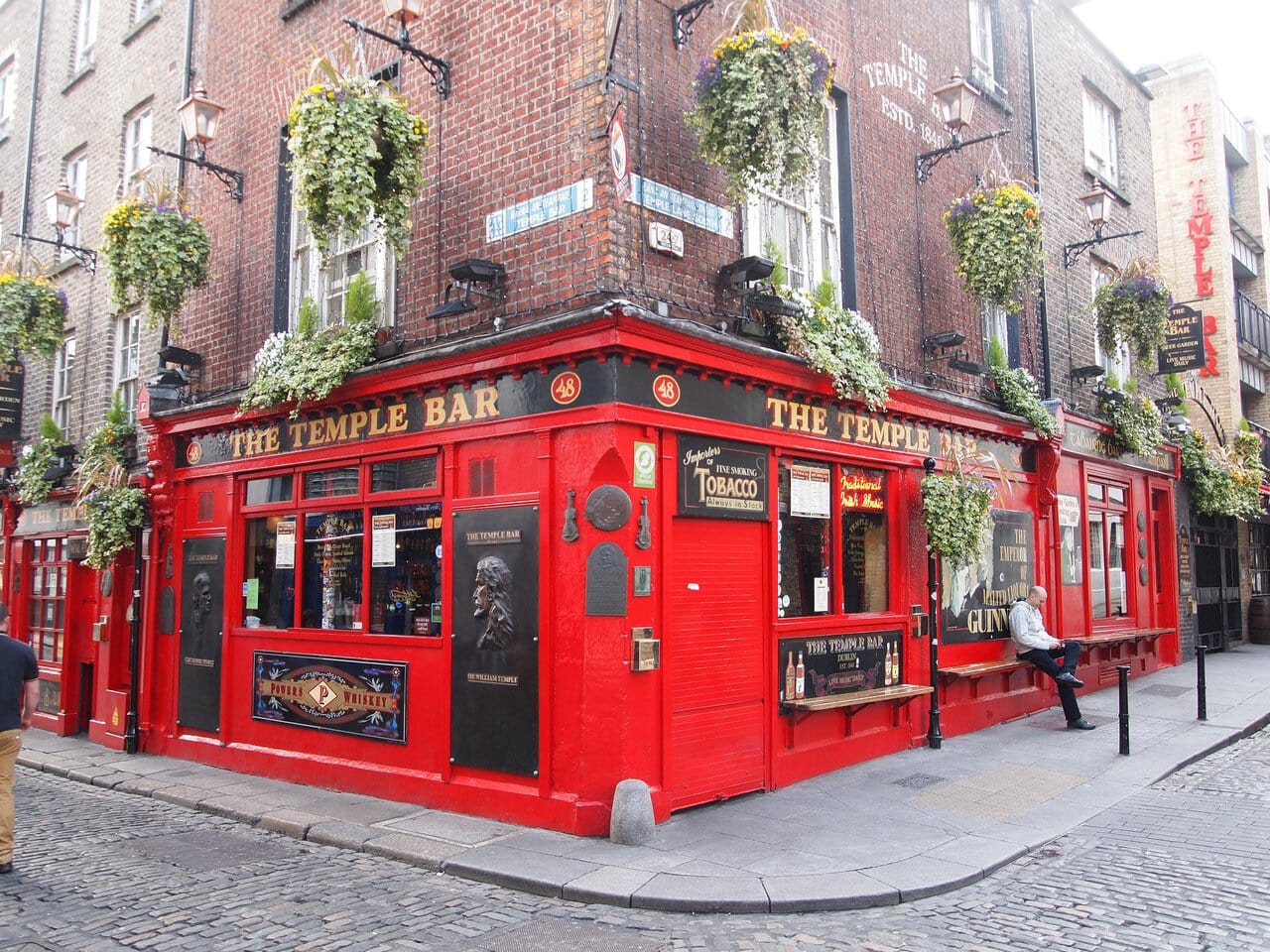
It is not for anyone who wants a relaxed, meandering city break, and it certainly is not for anyone who dislikes early alarms. What it does offer is an efficient, low commitment way to tick off Trinity College, the Guinness Storehouse and the cobbled lanes of Temple Bar without booking a single night of accommodation.
The rest of this guide walks through exactly how to plan one of these extreme day trips from the UK, covering which airport to fly from, how to get into the city quickly, a realistic hour by hour itinerary, and an honest look at whether the whole exercise is actually worth the early start.
Choosing the Best UK Departure Airport
The single biggest factor in making an extreme day trip work is choosing a UK airport with a genuinely early departure to Dublin. London is well served, with Ryanair and Aer Lingus both operating multiple daily flights from Heathrow, Gatwick, Stansted and Luton, while British Airways also flies the Heathrow route.
Stansted and Luton tend to have the widest spread of early Ryanair departures, which matters far more than the ticket price when your entire day hinges on landing before nine in the morning.
Outside London, several regional airports make this trip just as feasible, sometimes more so. Manchester and Birmingham both have early Aer Lingus and Ryanair services to Dublin, and because the flight time is shorter than from London, roughly an hour in the air, they can offer an even more generous window in the city. Liverpool has long been one of the cheapest and most reliable Ryanair routes to Dublin, reflecting the historic ferry and flight links between the two cities.
Edinburgh also works well, with Ryanair and Aer Lingus both flying the route in a little over an hour, giving Scottish readers an extreme day trip option too.
When comparing airports, do not just look at ticket price. Check the actual scheduled departure and arrival times for the exact date you plan to travel, since early flights vary by season, and weigh in how easily you can reach your chosen UK airport at an unsociable hour. A slightly more expensive flight from an airport twenty minutes from home often beats a cheaper one that requires a costly overnight taxi or a stressful pre dawn motorway drive.
See hotel options and places to stay in Dublin.
Browse hotelsExplore holiday homes and apartments around Dublin.
See holiday homesCompare prices for Dublin hotels across multiple booking sites.
Check dealsCatching the First Flight to Dublin
Most of the earliest flights from UK airports to Dublin are scheduled to depart between roughly six and seven in the morning, landing at Dublin Airport around seven to eight thirty, depending on the origin airport and time zone. Because Ireland and the UK share the same time zone, there is no jet lag to worry about and no clock adjustment to factor into your planning, which is one of the quieter advantages of Dublin over destinations further afield.
Flight time itself runs from around one hour on the shorter regional routes such as Liverpool, Manchester and Birmingham up to roughly one hour twenty five minutes from London airports, so always check the specific scheduled duration for your route rather than assuming they are all identical.
Booking the earliest flight of the day is not just about maximising time in Dublin, it also tends to be the flight least likely to suffer from knock on delays that build up later in the day. Book several weeks ahead if possible, since the first departure of the day on routes like Stansted to Dublin or Manchester to Dublin is popular with business travellers and tends to sell out its cheapest fares first.
Travel with hand luggage only to avoid the extra time and cost of checked bags, arrive at the UK airport with enough buffer for security, and set more than one alarm. Missing the first flight effectively ends the extreme day trip before it begins, since a later departure eats directly into your hours on the ground in Dublin.
Reaching the City Centre Quickly
Landing early is only useful if you can get from Dublin Airport into the city centre without wasting a precious hour of your day. The good news is that Dublin Airport sits only around ten kilometres north of the city, and several fast, frequent options are running from the moment the first flights land. Full details of every method are covered in our dedicated Dublin Airport Transfers guide, but the short version is that two coach operators dominate the route.
Dublin Express runs direct coaches into the city with one way fares starting from around nine euros (£8/$10) when booked online (tickets are available with Busbud), with journeys typically taking between twenty five and forty five minutes depending on traffic and drop off point. Aircoach offers a similar service with one way fares from around six to nine euros (£5–£8/$7–$10) or an online return from around eight euros (£7/$9), with journey times of roughly twenty to fifty minutes.
Both run frequently through the morning, so there is rarely a long wait. If you are travelling with others and want the fastest possible door to door option, a metered taxi costs roughly twenty five to thirty five euros (£22–£30/$28–$39) during the day and takes around twenty to thirty five minutes, which can work out cheaper than two or three individual coach fares.
Whichever option you choose, aim to be stepping off in the city centre within an hour of landing. For getting around once you are there, including buses, trams and the DART rail line, our Dublin Public Transport Guide is worth a quick read before you fly so you are not wasting time working out ticket machines on the ground.
Plan Your Dublin Bus Journey with Busbud
Planning a bus or coach journey involving Dublin? Busbud lets you compare routes, departure times and ticket options from different operators in one place.
It can make planning easier when several companies serve the same route or when local booking systems are unfamiliar.
Following the Ultimate One-Day Itinerary
Assuming a landing around seven thirty in the morning and a coach or taxi into town, you should be walking through Dublin city centre by roughly eight thirty. Start with a proper Irish breakfast near Grafton Street or College Green to fuel the day, then head straight to Trinity College for the Book of Kells exhibition, which opens early and is far quieter first thing than later in the day. From there it is a short walk to Temple Bar, worth a wander through even at mid morning when the cobbled streets are calm rather than crowded with evening drinkers.
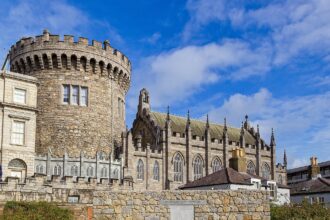
By late morning, aim to be at Dublin Castle for a quick look at the state apartments and gardens, before grabbing an early lunch nearby. Early afternoon is the time to tackle the Guinness Storehouse, Dublin’s most visited attraction, where the self guided tour takes roughly ninety minutes and finishes with a complimentary pint in the rooftop Gravity Bar overlooking the whole city.
From there, a walk past St Patrick’s Cathedral and back toward the city centre fills the mid afternoon nicely, leaving time for browsing and a final coffee before the return journey to the airport begins.
This pace is tight but achievable if you keep moving and book timed tickets in advance for Trinity College and the Guinness Storehouse rather than queuing on the day. For a longer list of options to swap in or add if your flight times allow a bit more breathing room, our full Things to Do in Dublin guide covers the wider range of attractions across the city.
Three Itinerary Options to Choose From
Not every extreme day tripper wants the same day. The table below sets out three themed alternatives to slot into the same rough time windows as the itinerary above, depending on whether culture, rebellion history or whiskey and Guinness matter more to you than a broad sweep of highlights.
| Time | Classic Highlights | History & Rebellion | Whiskey & Guinness Trail |
|---|---|---|---|
| 8:30am to 10am | Breakfast, then Trinity College & Book of Kells | Breakfast, then head straight for Kilmainham Gaol (guided tour only, book a slot at least a few weeks ahead) | Breakfast, then Jameson Distillery Bow St for the 45-minute Flagship Tour |
| 10am to midday | Wander Temple Bar | Kilmainham Gaol tour and museum (allow 90 minutes total) | Walk from Smithfield towards the city centre via the Ha’penny Bridge |
| Midday to 1pm | Dublin Castle, then lunch | Short walk or taxi to the Guinness Storehouse area for lunch | Lunch near Christ Church Cathedral |
| 1pm to 3pm | Guinness Storehouse (allow 90 minutes) | Guinness Storehouse, just up the road from Kilmainham | Guinness Storehouse, finishing with the Gravity Bar |
| 3pm to 5pm | St Patrick’s Cathedral, then browse Grafton Street | Christ Church Cathedral and Dublinia, then a walk through Temple Bar | Temple Bar pub crawl, sampling Irish whiskey and stout side by side |
| 5pm onward | Coffee, then head for transfer back to the airport | Coffee, then head for transfer back to the airport | One last pint, then head for transfer back to the airport |
A word of caution on the History & Rebellion option: Kilmainham Gaol is by guided tour only, tickets are released around 28 days ahead and sell out quickly, and standard adult admission runs to around €8 (£7/$9). Since it sits a little further from the city centre than the other attractions on this list, near Phoenix Park, it works best as the very first stop of the day rather than something you try to fit in later once the rest of your schedule has drifted. The Jameson Distillery, by contrast, is close to the Luas red line at Smithfield and only a short walk from the Guinness Storehouse area, which is what makes the whiskey-focused itinerary flow so naturally into the same afternoon slot as the other two options.
Finding Time for Food and Shopping
Food and shopping have to be worked around the sightseeing rather than treated as separate outings on an extreme day trip, but Dublin’s city centre is compact enough that this is easier than it sounds. Breakfast is best kept quick and simple near Trinity College, and lunch works well as a casual bite around the Temple Bar or Grafton Street area rather than a long sit down meal, since every extra thirty minutes at a table is thirty minutes lost from the itinerary. Traditional options like a bowl of Irish stew or a simple sandwich from one of the many cafes along Dame Street or South William Street keep things moving without sacrificing a proper taste of the city.
Shopping is best treated as a byproduct of walking rather than a dedicated stop. Grafton Street is Dublin’s main pedestrianised shopping strip and sits directly on the natural route between Trinity College and St Stephen’s Green, so browsing its shops costs no extra time if it is folded into the walking route rather than visited separately. The nearby George’s Street Arcade is worth a quick detour for anyone after something more distinctly Irish than the high street chains, with independent stalls selling everything from vintage clothing to local crafts.
The realistic approach is to accept that a single day trip will not allow for a leisurely three course lunch or a dedicated shopping afternoon, and to instead treat food and browsing as things that happen naturally between the bigger sights. Anyone who wants a slower, more indulgent food and shopping experience in Dublin is probably better served by an overnight stay rather than the extreme day trip format covered here.
Catching the Last Flight Home
The return leg is where the extreme day trip either comes together neatly or falls apart, so it deserves just as much planning as the outbound flight. Ryanair and Aer Lingus both operate late evening departures from Dublin back to major UK airports, with the last flights of the day on popular routes such as Dublin to London Stansted, Dublin to Manchester and Dublin to Edinburgh typically scheduled somewhere in the region of nine to ten thirty at night. Exact timings shift by season and by specific route, so always check the timetable for your travel date when booking rather than assuming a fixed time applies year round.
Work backwards from your chosen return flight to build in a proper safety margin. Dublin Airport can get busy in the evening as multiple late flights converge, so allow at least two hours before departure to clear security comfortably, and factor in the twenty to fifty minute transfer time back from the city centre discussed earlier in this guide. That means most extreme day trippers need to be leaving central Dublin by around seven or seven thirty in the evening at the latest to make a nine or ten o’clock flight without a last minute sprint through the terminal.
It is worth resisting the temptation to book the very last flight of the night purely to squeeze out an extra hour in Dublin. A slightly earlier return flight builds in a buffer against traffic, coach delays or airport queues, and the difference of one extra hour in the city rarely outweighs the stress of a genuinely tight connection at the end of a long day.
Compare routes and fares for your journey to Dublin.
Compare flightsBrowse Airalo eSIM options for convenient travel data.
Check eSIMsHave a private airport pickup arranged before you travel.
Book a transferUnderstanding the Costs
One of the appeals of an extreme day trip is that it can be genuinely affordable compared with a full weekend away, since there is no hotel bill to worry about. Return flights on Ryanair or Aer Lingus for an early out and late back itinerary typically range from around thirty to ninety pounds ($38–$115/€35–€104) per person depending on how far ahead you book and which UK airport you fly from, with regional routes like Liverpool or Manchester to Dublin often sitting at the cheaper end. Airport transfers add a further cost, with a return coach ticket on Aircoach or Dublin Express working out at roughly twelve to eighteen euros (£10–£16/$13–$20) per person, or more if you split a taxi between a small group instead.
Attractions are the next line item. The Guinness Storehouse starts from around twenty two euros (£19/$25) for standard entry, while the Book of Kells Experience at Trinity College ranges from around nineteen euros (£17/$21) for a shorter visit to twenty six euros (£23/$29) for the full exhibition including the digital display. For the alternative itineraries above, Kilmainham Gaol costs around eight euros (£7/$9) and the Jameson Distillery tour starts from around twenty six euros (£23/$29). Food across the day, covering a quick breakfast, a light lunch and a coffee or two, realistically adds another twenty five to forty euros (£22–£35/$28–$45) per person in central Dublin prices.
Adding these together, a single traveller booking sensibly in advance can expect a total cost somewhere in the region of one hundred to two hundred pounds ($128–$256/€115–€230) for the entire day, flights, transfers, attractions and food included. That is a meaningful outlay for a single day, but it compares favourably with the combined cost of flights plus even one night of central Dublin accommodation, which quickly pushes a standard overnight trip well past that figure.
Deciding Whether It’s Worth It
An extreme day trip to Dublin is not for everyone, and being honest about that is more useful than pretending it suits every traveller. On the positive side, the short flight time genuinely makes it viable in a way that would be exhausting or unrealistic for most other European capitals, there is no need to book or pay for accommodation, and the shared time zone means no jet lag or clock adjustment to complicate the day. For a UK reader who has always wanted a taste of Dublin but struggles to justify a full weekend away, it is a legitimate, low risk way to sample the city’s biggest highlights in a single push.
On the other hand, the pace is genuinely relentless. Very early alarms, a full day of near constant movement, and a late arrival home afterward are not compatible with a relaxed holiday mindset, and anyone hoping to properly absorb Dublin’s atmosphere rather than tick off its headline sights will likely come away feeling rushed. There is also very little margin for error. A delayed outbound flight, a missed coach, or a queue that runs long at one attraction can cascade through the rest of the day, and unlike a normal city break there is no spare day to recover the lost time.
The honest verdict is that this trip works best as a taster rather than a substitute for a proper visit. It suits travellers who thrive on tightly planned days and want bragging rights for visiting another country and back in the same day, while those who simply want to enjoy Dublin at a comfortable pace should treat this itinerary as inspiration for a future overnight stay instead.
Dublin is not the only city that works this way. Similar tightly timed trips are possible to Belfast and the Isle of Man, and our Extreme Day Trips UK hub and main Extreme Day Trips hub cover plenty of other routes worth considering if this one has whetted your appetite.

Rupert’s Handy Travel Tips
An extreme day trip to Dublin lives or dies on the small details, so here are my top tips for pulling one off without a hitch.
- Book timed tickets in advance: reserve your Book of Kells and Guinness Storehouse slots online before you fly so you are not queuing on the day and losing precious minutes.
- Book Kilmainham Gaol weeks ahead if it’s on your list: tickets are released around 28 days out and sell out fast, so it needs more advance planning than any other stop on this page.
- Travel with hand luggage only: skip checked bags entirely to save time and money at both ends of the trip and get through the airport faster on your way home.
- Pick your return flight with a buffer: avoid booking the very last flight of the night, since a slightly earlier departure gives you breathing room if traffic or queues eat into your schedule.
- Download an offline map of central Dublin: the city centre is compact and walkable, and knowing your route in advance saves you standing still working out directions when every minute counts.
- Carry euros in cash for small purchases: most places take cards, but having a little cash on hand speeds up quick coffee stops and market browsing without fumbling for contactless.
Want to meet the reindeer behind our travel tips? Find out more in our page Who is Rupert?.




Frequently Asked Questions
Is it actually possible to visit Dublin in a single day from the UK?
Yes. Flight times from most UK airports are around one hour to one hour twenty five minutes, and with an early outbound flight and a late evening return, you can realistically spend around ten hours in the city.
Which UK airport is best for an extreme Dublin day trip?
London Stansted and Luton tend to have the widest spread of early Ryanair departures, while Manchester, Birmingham, Liverpool and Edinburgh also offer strong early options with shorter flight times than routes from London.
How do I get from Dublin Airport into the city centre quickly?
Dublin Express and Aircoach both run frequent coaches into the centre in roughly twenty to forty five minutes from around nine euros one way, while a taxi takes a similar time and costs around twenty five to thirty five euros during the day.
How much does an extreme day trip to Dublin cost in total?
Budgeting for flights, airport transfers, attraction tickets and food, most travellers should expect a total of roughly one hundred to two hundred pounds ($128–$256/€115–€230) per person depending on how far ahead they book.
Do I need a passport to fly from the UK to Dublin?
Yes, a valid passport is required for UK residents flying to Ireland, even though the Common Travel Area means no visa is needed. Always check current airline and border requirements before you travel.
Which itinerary option should I pick?
The Classic Highlights route suits first-time visitors who want a broad sweep of the city, History & Rebellion suits anyone with a strong interest in Irish independence, and the Whiskey & Guinness Trail suits travellers who want the day built around food and drink.
Further Reading
If this itinerary has whetted your appetite for Dublin, it is worth reading our full Things to Do in Dublin guide, which covers the wider range of attractions across the city for anyone planning a longer visit or simply looking for alternatives to swap into the itinerary above. Getting the logistics right is just as important as the sightseeing itself, so our Dublin Airport Transfers guide breaks down every option between the airport and the city centre in more depth than we could cover here.
Once you are in the city, our Dublin Public Transport Guide is a useful companion for navigating buses, trams and rail links if you decide to venture slightly further afield than the compact city centre route described in this guide. And if you are considering bringing the family on a future, less rushed visit, our Things to Do in Dublin with Kids guide is a good starting point for planning a more family friendly pace than the extreme day trip covered here.