Reviewed by our editorial team Updated
Discover the Best of Brussels
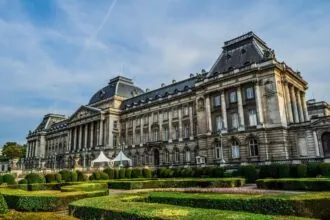
Brussels is much easier to underestimate than it is to exhaust. The Belgian capital has one of Europe’s great historic squares, a skyline landmark built for a world exhibition, exceptional art museums, comic-book heritage, beer culture, royal architecture and the institutions of the European Union, yet many visitors still treat it as little more than a stop between Paris, Amsterdam and Cologne.
The centre is compact enough to explore on foot, but the attractions are spread across several distinct areas. The Grand Place, Galeries Royales, Manneken Pis and Mont des Arts sit close together in the historic core. The Atomium and Mini-Europe are farther north at Heysel, while the European Parliament and House of European History sit east of the centre around the European Quarter.
This guide focuses on the sights that are genuinely worth making time for, how long to allow, which ones work well together and where paid attractions can be balanced with some of Brussels’ best free experiences.
If you are arriving by air, our Brussels Airport Transfers and Charleroi Airport Transfers guides explain the two very different airport journeys. Once you are in the city, our Brussels Public Transport Guide covers Metro, trams, buses, local trains, apps and money-saving tickets.
Brussels Attractions at a Glance
Brussels rewards a little planning because several of its headline attractions are nowhere near one another. The table below gives a realistic idea of how long each stop deserves and which ones combine naturally.
| Attraction | Time to Allow | Nearest Station / Stop | Best For | Combine With |
|---|---|---|---|---|
| Grand Place | 30–60 min | Brussels-Central | First-time visitors | Galeries Royales, Manneken Pis |
| Galeries Royales Saint-Hubert | 30–45 min | Brussels-Central | Architecture, cafés, chocolate | Grand Place |
| Manneken Pis | 10–20 min | Bourse / Beurs | Brussels icon | Grand Place, Lower Town |
| Mont des Arts | 30–60 min | Brussels-Central | Views, photography | Royal Museums, Magritte Museum |
| Royal Museums of Fine Arts | 2–4 hr | Trône / Troon | Art lovers | Mont des Arts, Sablon |
| Belgian Comic Strip Center | 1.5–2 hr | Botanique / Kruidtuin | Families, comics | Comic murals walk |
| Belgian Beer World | 1.5–2 hr | Bourse / Beurs | Beer culture, interactive museums | Bourse, Grand Place |
| Atomium | 1.5–2 hr | Heysel / Heizel | Architecture, views | Mini-Europe |
| Mini-Europe | 1.5–2.5 hr | Heysel / Heizel | Families | Atomium |
| Parlamentarium | About 90 min | Brussels-Luxembourg | EU politics, modern history | House of European History |
| House of European History | About 90 min | Brussels-Luxembourg | History, free attractions | Parlamentarium, Parc Léopold |
| Train World | 2–3 hr | Schaerbeek / Schaarbeek | Railways, families | Schaerbeek |
| Cinquantenaire | 1–3 hr | Merode | Architecture, museums, parks | Autoworld, European Quarter |
| The World of Banksy | 60–90 min | De Brouckère | Street art, modern culture | Central Brussels |
| Choco-Story Brussels | 60–90 min | Bourse / Beurs | Chocolate, families | Grand Place |
| Autoworld | 1.5–2 hr | Merode | Cars, design, families | Cinquantenaire |
| AfricaMuseum | 2–3 hr | Tervuren Station (tram 44) | History, culture, architecture | Tervuren |
| Meise Botanic Garden | Half day | Plantentuin Meise (De Lijn R50) | Gardens, plants, photography | Atomium, Laeken |
| Hop-On Hop-Off Bus | 1 or 2 day ticket | Central Station (Stop 1) | First-time visitors, easy sightseeing | Major city sights |
Compare hotels and other places to stay for your trip.
Check availabilityBrowse apartments, homes and self-catering accommodation.
Browse rentalsCompare prices from multiple hotel booking sites.
Check dealsStart at Grand Place, Brussels’ UNESCO-Listed Centrepiece
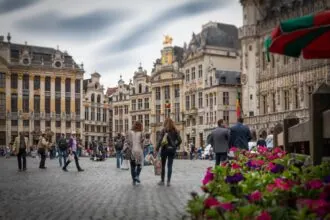
The Grand Place is the obvious place to begin. The enclosed square is surrounded by richly decorated guildhalls, the Gothic Town Hall and the King’s House, creating a setting that feels theatrical even when nothing special is happening.
The square is part of a UNESCO World Heritage Site and is at its best when you visit more than once. During the day you can properly see the carved façades and gilded details, while after dark the lighting changes the atmosphere completely. Early morning is the easiest time for photographs without large tour groups.
Do not rush away after a single photograph. Walk the full perimeter, look up at the individual guildhall symbols and then use the square as the starting point for the surrounding lanes towards the Galeries Royales and Manneken Pis.
Grand Place itself is free and can be visited at any time of day. Brussels-Central is the most useful railway station, around a short walk away, while Bourse/Beurs and De Brouckère are the nearest useful central public-transport stops. The museums and interiors around the square have their own opening hours, but you do not need a ticket simply to experience the square.
Walk Through the Galeries Royales Saint-Hubert
A few minutes from the Grand Place, the Galeries Royales Saint-Hubert are among Europe’s oldest covered shopping arcades. The glass-roofed galleries opened in the 19th century and remain one of the most elegant places in Brussels to wander even if you have no intention of shopping.
Chocolate shops, cafés, bookshops and boutiques line the arcade, but the architecture is the main attraction. It is also useful in bad weather because it gives you an attractive indoor link between parts of the historic centre rather than simply acting as a destination in its own right.
Brussels-Central is the nearest major station, and the galleries sit only a few minutes from Grand Place. There is no admission charge to walk through them, although individual shops, cafés, the theatre and cinema keep their own opening hours. They are particularly useful early in the day, after dark or during wet weather when the glass roof becomes part of the atmosphere.
Manneken Pis and Brussels’ Other Peeing Statues
Manneken Pis is tiny, frequently crowded and almost certainly smaller than you expect, but skipping it on a first visit would still feel strange. The bronze fountain statue has become one of Brussels’ defining symbols and is often dressed in one of the many costumes held for it by the city.
The more interesting approach is to treat Manneken Pis as the start of a small Brussels oddity trail. The city also has Jeanneke Pis, depicting a squatting girl, and Zinneke Pis, a dog lifting its leg against a bollard. None needs much time individually, but together they reveal the slightly irreverent humour Brussels applies even to its landmarks.
Manneken Pis is free to see and only needs around 10 to 20 minutes. Bourse/Beurs is the nearest useful tram stop, while Brussels-Central is an easy walk through the historic centre. Because the statue itself is so small, it makes most sense as part of a walking route between Grand Place, the surrounding chocolate shops and the Lower Town rather than as a destination you cross Brussels specifically to see.

See Banksy’s Best-Known Works at the Brussels Banksy Museum
The World of Banksy is one of Brussels’ more unconventional art attractions, presenting recreations and installations based on more than 100 works associated with Banksy’s street-art career. It is designed as an immersive introduction to the artist’s themes, humour and political commentary rather than as a traditional fine-art museum.
This is not the place to expect a gallery full of authenticated originals. The value is in seeing a broad sweep of familiar imagery together in one setting, with enough context to understand how the work developed and why certain images became so widely recognised. Allow around 60 to 90 minutes.
The museum is currently open daily from 10:00 to 19:00, with last admission at 18:15. Adult admission is €14 (£12/$16), students and teachers pay €12 (£10/$14), seniors €12 (£10/$14), under-12s €10 (£9/$12) and children under six enter free.
De Brouckère is the nearest Metro stop, served by lines 1 and 5, and the museum is on Rue de Laeken. That makes it easy to combine with the historic centre without a dedicated cross-city journey. Tickets are also available through major attraction platforms including GetYourGuide.
Take in the View from Mont des Arts
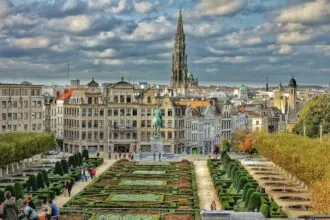
The landscaped Mont des Arts creates one of the classic views across central Brussels. From the upper terraces you look over the geometric gardens towards the tower of Brussels Town Hall, particularly attractive around sunset.
This is also one of the best places to understand the geography of the city. The historic Lower Town lies below, while the Royal Quarter, museums and Place Royale occupy the higher ground behind you. That makes Mont des Arts a natural transition point between sightseeing in the old centre and the major museums.
Brussels-Central is the nearest railway station, making Mont des Arts one of the easiest viewpoints to add immediately after arriving in the centre. The gardens and terraces themselves are free and accessible without a ticket, so this works particularly well between paid attractions or around sunset when the Town Hall tower stands out above the lower city.
Royal Museums of Fine Arts and the Magritte Museum
The Royal Museums of Fine Arts of Belgium are the strongest choice in Brussels for a substantial art visit. The complex around Place Royale includes the Old Masters Museum and Magritte Museum, with collections ranging from Bruegel, Rubens and other Flemish masters to one of the world’s largest holdings of works by René Magritte.
The Magritte Museum is the most distinctively Belgian option, especially if you recognise the bowler hats, floating apples and impossible visual combinations but know little about the artist himself. The collection contains more than 120 works and gives enough context to make the imagery feel far less like a collection of familiar posters.
The Old Masters and Magritte museums are currently open Tuesday to Friday from 10:00 to 17:00 and weekends from 11:00 to 18:00, and are closed on Mondays. Adult admission is €13 (£11/$15) for either museum or €20 (£17/$23) for a combined Old Masters + Magritte ticket. Allow at least two hours for one museum and closer to half a day if you want both without rushing.
Brussels-Central is the most useful railway station, with Parc/Park and Trône/Troon among the practical Metro options depending on your route. The museums sit beside Mont des Arts, Place Royale and Sablon, so this is an easy area to build into a culture-focused half-day. Check the Royal Museums of Fine Arts for current exhibitions and closures before fixing your itinerary.
Search flights and useful route combinations in one place.
View flightsChoose an Airalo eSIM and arrange mobile data before you arrive.
Browse eSIMsBook a private airport transfer in advance and have your ride planned before you arrive.
Check transfersExplore Tintin, The Smurfs and Brussels’ Comic Art Heritage
The Belgian Comic Strip Center is one of the most distinctly Belgian museums in Brussels. Tintin, The Smurfs, Lucky Luke and the wider Franco-Belgian comic tradition are explored inside a beautiful Art Nouveau department-store building designed by Victor Horta. Even visitors who are only casual comic readers get two attractions in one: the collection itself and one of the city’s important Horta interiors.
The museum is normally open Tuesday to Sunday from 10:00 to 18:00, with last admission at 17:00, and is usually closed on Mondays outside the summer period. Adult admission is currently €14 (£12/$16), with lower rates for visitors aged 12–25, seniors and children. Allow around 90 minutes to two hours if you want time for both the permanent and temporary exhibitions.
Brussels-Central and Brussels-North are both around a 15-minute walk away, while Botanique/Kruidtuin is a useful Metro stop. The museum sits close enough to the centre to combine with the Galeries Royales, Cathedral of St Michael and St Gudula and a walk back towards Grand Place.
You do not need to keep the subject indoors. Large comic murals are painted across buildings throughout central Brussels, turning parts of the city into an informal outdoor gallery. Looking for them gives you a reason to walk streets you might otherwise ignore, so it works particularly well as a free activity between paid attractions.
Watch Belgian Chocolate Being Made at Choco-Story Brussels
Choco-Story Brussels is one of the easiest family-friendly attractions to add to a day in the historic centre. The museum follows cocoa from its origins through chocolate production and the development of the Belgian praline, using an audio-guided route, demonstrations and tasting elements rather than relying only on display cases.
The chocolatier demonstration is usually the most memorable part of the visit. Allow around 60 to 90 minutes, which makes Choco-Story much easier to fit between Grand Place, Manneken Pis and the Bourse than one of Brussels’ larger museums.
The museum is currently open daily from 10:00 to 18:00, with last admission at 17:00. Adult admission is €16 (£14/$19), visitors aged 12–26 and seniors pay €14 (£12/$16), and children aged 3–11 pay €10 (£9/$12). The ticket includes the museum, audio guide and chocolate tasting.
Bourse/Beurs is the most useful nearby tram stop, while De Brouckère Metro and Brussels-Central station are both within walking distance. Timed entrance tickets are also sold through platforms including GetYourGuide, which can be useful at busy times when you want to fit the museum around a fixed sightseeing plan.
Belgian Beer World at the Bourse
Belgian Beer World is one of the best places to understand why Belgian beer culture is so distinctive without committing to a brewery tour outside the centre. The attraction fills the restored Brussels Stock Exchange, or Bourse, with interactive displays on ingredients, brewing methods, glassware, beer styles and the traditions that have made Belgian beer internationally recognised.
The standard visit includes a tasting during the experience and a drink in the rooftop bar, as well as access to the Bruxella 1238 archaeological site beneath the building. Adult admission is currently €21.50 (£18/$25), with lower prices for seniors, students and children.
Opening hours are currently 10:30–19:30 Monday to Thursday and Sunday, with last entry at 18:30, and 10:30–20:30 on Friday and Saturday, with last entry at 19:30. Allow around 90 minutes to two hours if you want time for both the exhibition and rooftop drink rather than rushing through.
The location is exceptionally convenient. La Bourse/Beurs tram stop is beside the building, De Brouckère Metro station on lines 1 and 5 is nearby, and Brussels-Central is the nearest major railway station. You can also walk from Grand Place in only a few minutes, making this easy to combine with the historic centre. Check Belgian Beer World for current tickets.
The Atomium
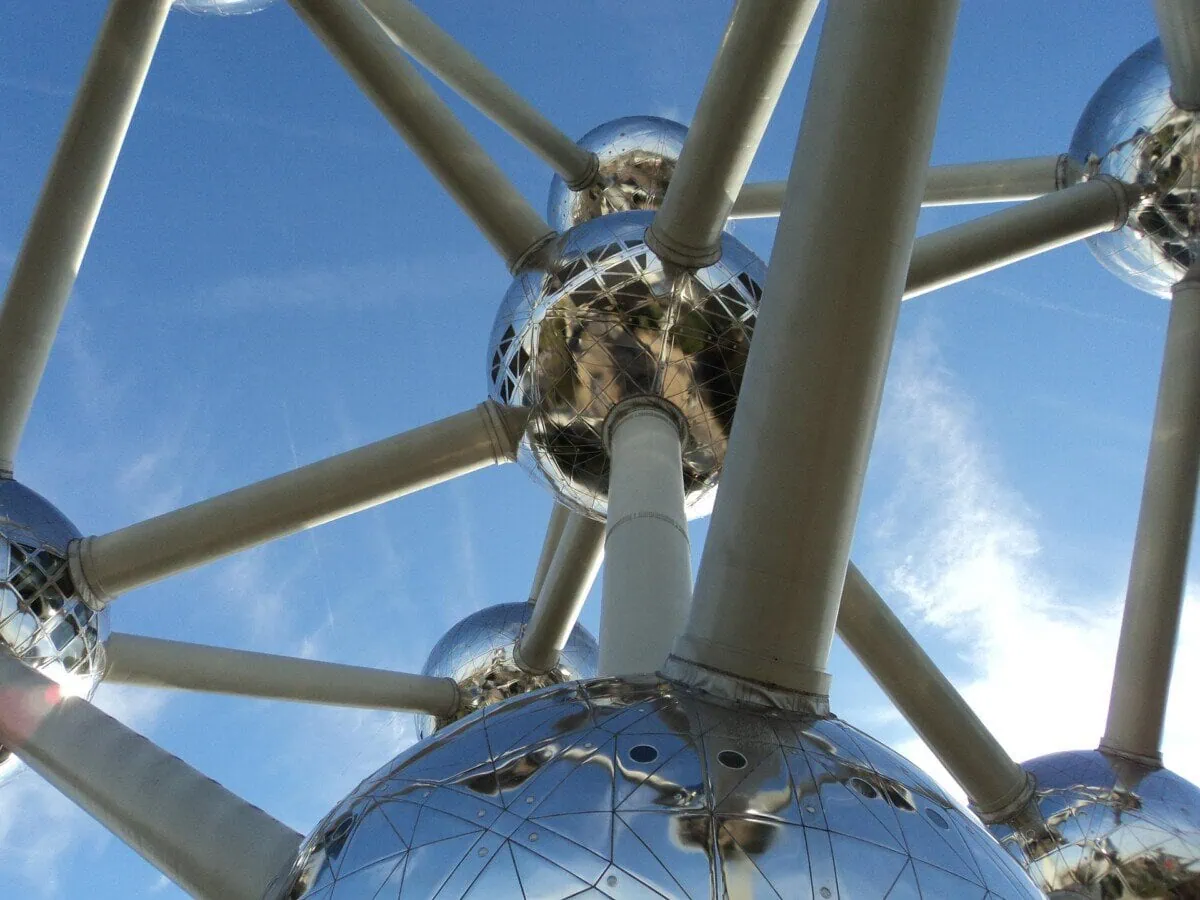
No Brussels attraction looks remotely like the Atomium. Built for Expo 58, the structure represents an iron crystal magnified billions of times, with nine stainless-steel spheres linked by tubes, stairs and escalators. It is one of those attractions where the exterior is famous but the interior is often underestimated.
Inside, visitors move through five accessible spheres containing permanent and temporary exhibitions before reaching the panorama in the upper sphere. The standard Atomium ticket also includes admission to Design Museum Brussels, around 150 metres away, so the ticket can support a longer visit than the Atomium alone.
The Atomium is currently open daily from 10:00 to 18:00, with last entry at 17:30. Standard adult admission is €17 (£15/$20), with reduced rates for seniors, students and children over 115 cm, while smaller children enter free. Exceptional dates can have adapted hours, so check the official Atomium website before travelling.
The nearest Metro station is Heysel/Heizel on Line 6. Because the Atomium sits well outside the historic centre, combine it with Mini-Europe, Design Museum Brussels or the wider Heysel area rather than travelling north for a quick photograph and immediately returning. Allow roughly 90 minutes to two hours inside, more if you use the included design-museum admission.
Heysel and Laeken Beyond the Atomium
The Atomium sits in a part of Brussels that is worth treating as a destination rather than a single-photo detour. The surrounding Heysel and Laeken area includes broad parkland, exhibition grounds and several landmarks connected with Brussels’ 20th-century development.
If the weather is good, give yourself some breathing room between ticketed attractions. Walking around the Atomium and nearby green spaces gives you a better sense of the scale of the site and stops a visit to northern Brussels feeling like a sequence of indoor admissions.
Heysel/Heizel Metro on Line 6 is the key transport stop for the whole area. From there you can reach the Atomium, Mini-Europe and the exhibition grounds on foot. If you are already making the journey north, this is the time to combine attractions rather than returning to the centre between them.
The wider Laeken area also gives you a different impression of Brussels from the compact medieval centre. Allow at least half a day if you want the Atomium plus another attraction, and longer if you plan to use the Atomium ticket’s included Design Museum Brussels admission as well.
See Europe in Miniature at Mini-Europe
Mini-Europe recreates more than 350 European monuments and landmarks at miniature scale, with moving trains, boats and other interactive elements making it much more engaging than a static model display. It is especially good for families, but adults who enjoy architecture, geography or European city breaks usually find far more to look at than expected.
The nearest Metro station is Heysel/Heizel on Line 6, the same stop used for the Atomium. That makes the two attractions an obvious pairing. Allow around 90 minutes to two hours for Mini-Europe alone, then add another 90 minutes to two hours if you also plan to go inside the Atomium.
For September 2026, Mini-Europe is open daily from 09:30 to 18:00, with last entry at 17:00. From October it normally opens at 10:00. Adult admission is currently €25 (£21/$29) at the gate, with dated online tickets available from €21.70 (£19/$25) when booked in advance. Children under 12 pay less and children under 115 cm enter free.
The reason to visit is the combination of scale and location. You can walk from miniature versions of Westminster, the Eiffel Tower and European institutions straight across to one of Brussels’ most distinctive real-world landmarks. If both attractions appeal, the official combined Mini-Europe + Atomium ticket is usually more convenient than buying two completely separate visits.
Browse hostels and budget-friendly stays.
See hostelsAccess compensation support, eligible lounge benefits and faster payouts.
See the benefitsArriving before check-in or leaving later? Store your luggage and enjoy the extra time hands-free.
Store your bagsExplore EU Politics at the Free Parlamentarium
The Parlamentarium is the European Parliament’s main visitor centre and one of the strongest free indoor attractions in Brussels. The exhibition uses interactive displays, personal stories, maps and multimedia to explain how the European Parliament works, how European integration developed and how EU legislation affects everyday life across the continent.
Allow around 90 minutes for a self-guided visit. Admission is free, but advance booking is recommended because walk-in visitors are only admitted when there is enough capacity. Opening hours are currently Monday 13:00–18:00, Tuesday to Friday 09:00–18:00, and Saturday and Sunday 10:00–18:00, with last entry 30 minutes before closing.
The easiest rail stop is Brussels-Luxembourg, immediately beside the European Parliament complex. Metro travellers can use Trône/Troon, Maelbeek/Maalbeek or Schuman depending on their route. If you are coming directly from Brussels Airport, Bus 12 also makes the European Quarter unusually easy to reach without first going into the historic centre.
It is worth visiting even if politics is not normally your subject. The presentation is visual, multilingual and designed for ordinary visitors rather than policy specialists, so it works well as an introduction to the EU institutions. Combine it with the House of European History and Parc Léopold for a substantial half-day that costs nothing in admission fees. Check the European Parliament visitor website before travelling.
Discover Modern Europe at the House of European History
The House of European History is the best Brussels museum for understanding modern Europe as a shared story rather than a collection of separate national histories. Its permanent exhibition uses more than 1,500 objects, documents and audiovisual displays to explore industrialisation, nationalism, war, dictatorship, migration, democracy and European integration.
Admission is free, and individual visitors or groups of fewer than ten do not normally need to book. The museum recommends around 90 minutes, although history-focused visitors can easily spend longer. Free tablet guides are available in all 24 official EU languages.
The House is open Monday 13:00–18:00, Tuesday to Friday 09:00–18:00, and Saturday and Sunday 10:00–18:00, with last entry at 17:30. During July and August, weekday opening starts at 10:00. Security screening applies, so allow a few extra minutes at the entrance.
Brussels-Luxembourg station is about 700 metres away, while Maelbeek/Maalbeek and Schuman on Metro lines 1 and 5 and Trône/Troon on lines 2 and 6 are also practical. Combining the museum with the Parlamentarium and Parc Léopold creates one of the best-value half-days in Brussels because the two major indoor attractions are both free.
Explore Parc du Cinquantenaire and Its Museums
The monumental arches of Parc du Cinquantenaire form one of Brussels’ most impressive architectural set pieces. The park was developed around Belgium’s 50th anniversary celebrations and remains an excellent place to break up a museum-heavy day.
The surrounding buildings contain several museums, including Autoworld and the Royal Museum of the Armed Forces and Military History. You can therefore treat Cinquantenaire either as a free park-and-architecture stop or as the centre of a full museum afternoon.
Merode is the most useful Metro station for the eastern side of the park, while Schuman works well if you are arriving from the European Quarter. The park itself is free, so it is an easy place to pause between museums, eat lunch outdoors in good weather or simply see the triumphal arch without committing to another admission fee.

See More Than 250 Historic Cars at Autoworld
Autoworld is one of Brussels’ best specialist museums for anyone interested in cars, design or industrial history. More than 250 vehicles fill the huge iron-and-glass hall beside Parc du Cinquantenaire, covering early motoring, Belgian coachbuilding, classic cars, racing machines and prestige models. Temporary exhibitions often focus on a particular marque, era or design theme, so it is worth checking what is running when you visit.
Allow around 90 minutes to two hours. The collection is large enough to reward enthusiasts but the open layout means casual visitors can move through selectively without feeling trapped in a specialist museum for half a day. Families also tend to find the large vehicles and changing displays more accessible than traditional object-heavy collections.
Autoworld is open 10:00–17:00 Monday to Friday and 10:00–18:00 at weekends. Standard adult admission is currently €18 (£15/$21), with a €14 (£12/$16) reduced rate for children aged four and over, students, seniors and visitors with disabilities. Booking online at least a day ahead currently gives a roughly €1 (£1/$1) discount per ticket.
The nearest Metro station is Merode, served by lines 1 and 5, with Schuman also useful if you are combining the museum with the European Quarter. The location is one of Autoworld’s strengths because you can pair it with the Cinquantenaire arches, park and nearby museums rather than making a separate trip across the city. Advance entry tickets are also available through GetYourGuide.
Step Inside Belgium’s Railway History at Train World
Train World is one of Brussels’ strongest specialist museums and much more than a room full of old locomotives. The collection uses historic engines, carriages, railway architecture, objects and immersive displays to tell the story of Belgian railways from the 19th century onwards. Belgium opened the first public railway on the European continent in 1835, so the museum is also telling a major part of the country’s industrial history.
Allow two to three hours if railways interest you or if you are visiting with children. The scale of the locomotives and the interactive presentation make this one of the easier museums to enjoy as a family, while transport enthusiasts can spend considerably longer examining individual exhibits.
Train World is normally open Tuesday to Sunday from 10:00 to 17:00, with last admission at 15:30, and is closed on Mondays. Adult admission is currently €15 (£13/$17), with reduced child prices. At the time of this update, the museum is exceptionally closed until 17 September 2026 while its next temporary exhibition is installed, so check the official schedule if travelling around that date.
Schaerbeek/Schaarbeek station is directly beside the museum, making train the most natural way to arrive. Train World also offers a Discovery Ticket arrangement giving eligible visitors a discount on the SNCB return journey when combined with museum admission. Our Brussels Public Transport Guide explains how local trains fit into the wider Brussels network.
Take Tram 44 to AfricaMuseum in Tervuren
AfricaMuseum is worth treating as a half-day destination rather than just another Brussels museum. It sits in Tervuren, outside the city centre, inside a monumental former colonial museum building surrounded by parkland. The galleries cover African cultures, biodiversity, languages, music and history while also confronting Belgium’s colonial relationship with Central Africa.
The modern museum does not simply present the old colonial collection unchanged. Its redevelopment placed much greater emphasis on context, provenance, contemporary African perspectives and the violence and inequalities behind Belgium’s colonial project. That makes it more challenging and more worthwhile than a conventional collection of ethnographic objects.
AfricaMuseum is open Tuesday to Friday from 10:00 to 17:00 and weekends from 10:00 to 18:00. It is closed on Mondays. Standard adult admission is currently €15 (£13/$17), visitors aged 18–26 pay €6 (£5/$7), and under-18s enter free. Allow at least two to three hours inside, plus travel time and longer if you want to walk through the surrounding Tervuren park.
Tram 44 is part of the experience. It runs from the eastern side of Brussels towards Tervuren through increasingly green surroundings, with Tervuren Station the useful stop for the museum. Because of the journey time, do not squeeze AfricaMuseum between central attractions. Build a dedicated morning or afternoon around it. Entry tickets are also available through GetYourGuide.

Escape the City Centre at Meise Botanic Garden
Meise Botanic Garden is one of the best Brussels-area attractions if you want a substantial break from museums and historic streets. The 92-hectare estate contains more than 200 years of botanical history, with tropical collections in the Plant Palace, the Green Ark, rose gardens, an arboretum, castle grounds, a walled Culinary Garden and large outdoor landscapes that change noticeably with the seasons.
Allow at least half a day rather than treating Meise as a quick garden stop. The garden itself recommends several hours because the estate is so large. From March to October it is open daily from 10:00 to 18:00, with last entry at 17:00. From November to February it closes at 17:00, with last entry at 16:00. Standard adult admission is currently €15 (£13/$17), students pay €7 (£6/$8), children aged 6 to 17 pay €6 (£5/$7) and under-sixes enter free.
The easiest public-transport route from central Brussels is via Brussels-North. From there, De Lijn bus R50 runs directly to the Plantentuin Meise stop at the main entrance, with the bus journey taking around 35 minutes. There is no railway station at the garden itself. If you are already visiting the Atomium, Meise is only around 3 km away and the R50 also links the area, making the two a sensible same-day combination.
Meise is particularly relevant if you are considering the Brussels Card because valid cardholders receive free admission. Unlike most Brussels Card attractions, however, the garden is reached using De Lijn rather than STIB, so do not assume a normal central Brussels transport add-on covers the complete journey in the same way. If plants, gardens, photography or quieter attractions appeal, Meise is one of the strongest reasons to spend a third day in Brussels rather than adding another city-centre museum.
The Sablon and Marolles
Not every part of Brussels needs a ticket. The Sablon mixes elegant squares, antique shops, chocolatiers and the impressive Church of Our Lady of Victories at the Sablon. It feels noticeably different from the narrow tourist streets around the Grand Place.
Continue downhill and the atmosphere changes again in the Marolles, one of Brussels’ most characterful neighbourhoods. The daily flea market around Place du Jeu de Balle is the obvious focal point, but the surrounding streets are full of second-hand shops, cafés and local life.
This pair of neighbourhoods works particularly well if you want a few hours that feel less like conventional attraction-hopping.
Tram stops around Petit Sablon and Poelaert are useful for reaching the upper end of the area, while Brussels-Chapelle/Brussel-Kapelle station is convenient for the Marolles. From the historic centre, however, walking is often the better choice because the route itself passes viewpoints, churches, antique shops and neighbourhood streets that you would miss underground.
If the flea market at Place du Jeu de Balle matters to you, visit earlier rather than building it into the end of the afternoon. Sablon is better for chocolatiers, antiques and elegant cafés, while Marolles feels more local and informal, so the contrast is the reason to do both rather than choosing one as a substitute for the other.
Free Things to Do in Brussels
Brussels can become expensive if every hour is built around museums and ticketed attractions, but some of the city’s strongest experiences cost nothing. The Grand Place, Galeries Royales, Manneken Pis, Mont des Arts, the comic murals, Sablon, Marolles, Parc du Cinquantenaire and the parks around the European Quarter can all be explored without an admission fee.
The European Quarter is particularly good value because the House of European History is free and the Parlamentarium is also free, although booking ahead for the latter is sensible. That makes it possible to build a substantial half-day around two indoor attractions, Parc Léopold and the surrounding EU architecture while spending very little.
For a first visit, mixing one major paid attraction with several free neighbourhoods and landmarks often gives a better feel for Brussels than trying to maximise the number of museum entries.

Is the Brussels Card Worth Buying?
The Brussels Card is worth checking if you plan to visit several museums in a short period. It is sold for 24, 48 or 72 hours and includes admission to dozens of Brussels museums, plus a range of discounts.
A quick example shows how the maths works in practice. Visiting the Atomium (€17/£15/$20), the Royal Museums of Fine Arts (€14/£12/$16) and Belgian Beer World (€14/£12/$16) standalone adds up to roughly €45 (£39/$52), already close to the 48-hour Brussels Card’s €53 (£46/$62). Add just one more paid museum or attraction across the same two days and the card pulls ahead of paying for each entry individually.
Optional add-ons are available for STIB public transport, the hop-on hop-off tourist bus and the Atomium. The important detail is that the basic card does not automatically include every one of those extras, so compare the exact version rather than assuming transport or the Atomium is bundled into the headline price.
The card is strongest for adults planning a museum-heavy itinerary. It is less automatically attractive for families because many individual attractions already offer reduced child prices, while the Brussels Card itself does not have a general child rate. The card can be used at around 48 museums, and our dedicated Brussels Card Guide compares the 24, 48 and 72-hour versions, transport options, Atomium add-on and hop-on hop-off combinations in much more detail.
Before buying, write down the museums you genuinely intend to visit and compare their individual admission prices with the card. A city pass only saves money when it fits the itinerary you actually want, not when it encourages you to rush through attractions simply to justify the purchase.
How Many Days Do You Need in Brussels?
One day is enough for the historic centre, Grand Place, Mont des Arts and one carefully chosen paid attraction, but you will need to be selective. It is a good amount of time for an extreme day trip or a stop between other European cities, not for seeing Brussels properly.
Two days gives you a much better balance. You can spend one day around the historic centre and museums, then use the second for either the Atomium and Mini-Europe or the European Quarter and Cinquantenaire.
Three days allows you to slow down, include specialist museums such as Train World, explore neighbourhoods like Sablon and Marolles and still have time for long meals, beer cafés and chocolate shops without turning the trip into a checklist.
What to Eat and Drink in Brussels
Food is part of sightseeing in Brussels rather than something to squeeze in between attractions. Belgian waffles come in different regional styles, while chips, chocolate, beer, mussels and hearty dishes such as carbonnade flamande are easy to find throughout the centre.
Try not to judge the city’s food entirely by the restaurants immediately surrounding the Grand Place. The central location is convenient, but a short walk towards Sainte-Catherine, Sablon, Marolles or neighbourhood streets away from the busiest tourist corridors usually produces a more interesting choice.
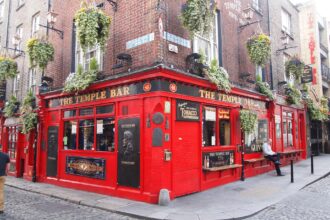
If Belgian beer is a major reason for your trip, Belgian Beer World provides the structured museum experience, while traditional beer cafés give you the living version of the same culture. Remember that many Belgian beers are considerably stronger than standard lager, so tasting several styles can add up quickly.

Choose the Right Brussels Hop-On Hop-Off Ticket
Brussels has several hop-on hop-off ticket combinations, and the best one depends on whether you want transport alone or want to bundle a major attraction into the day. The current Tootbus network uses a central red route plus a blue Atomium and Mini-Europe route, so the bus is particularly useful for joining together parts of Brussels that are awkward to cover on foot.
The central route has six main stops: Central Station, Grand Place/Manneken Pis, Poelaert/Louise/Palais de Justice, Luxembourg for the European Quarter, Cinquantenaire and Place Royale.
The blue route links Central Station with Rogier, Atomium/Mini-Europe and De Brouckère. That means the network reaches many of the attractions in this guide without forcing you to work out separate Metro, tram and bus journeys.
One or Two-Day Hop-On Hop-Off Pass
The standard hop-on hop-off ticket is the best choice if you mainly want easy sightseeing transport. A one-day pass works well for a first visit when you want to see the historic centre, European Quarter, Cinquantenaire and Atomium area without repeatedly checking the STIB network. A two-day pass makes more sense if you plan to spend proper time inside attractions rather than simply photographing them from the bus.
The useful feature is the route structure. On the central circuit you can leave at Grand Place and Manneken Pis, continue to Poelaert for the Palace of Justice and city views, use the Luxembourg stop for the European Parliament, then get off at Cinquantenaire for Autoworld. The separate northern route reaches Atomium and Mini-Europe. Central Station is the natural starting point for both. The bus is slower than the Metro for a simple A-to-B journey, but it earns its price by turning the journey into sightseeing and by reducing the amount of route planning required.
Hop-On Hop-Off Bus with The View Ferris Wheel
The bus and Ferris wheel combination is the strongest option if panoramic views matter more to you than another museum. The View stands at Place Poelaert beside the Palace of Justice, which fits naturally with the central sightseeing route rather than requiring a separate journey across Brussels. The wheel is around 55 metres high and a ride takes roughly 10 to 15 minutes, so it is easy to add without consuming a large part of the day.
A sensible plan is to use the bus for Grand Place and the European Quarter during the day, then time the Ferris wheel for late afternoon or sunset. The Poelaert/Louise stop is already on the central route, so this is one of the cleaner bundles operationally. Current Tootbus packages include one or two days of hop-on hop-off travel plus Ferris wheel admission, together with audio-guided walking tours in the app. This variant is especially good for first-time visitors who want a memorable viewpoint but do not want to spend two hours inside the Atomium.
Hop-On Hop-Off Bus with Belgian Beer World
The Belgian Beer World combination is the most natural choice for visitors who want one substantial paid attraction in the historic centre. Belgian Beer World occupies the former stock exchange at the Bourse, so it sits only a few minutes from Grand Place and is easy to combine with the central sightseeing loop. The attraction explains Belgian brewing culture through interactive exhibits and finishes with tasting elements rather than functioning as a conventional brewery tour.
The current bundled product pairs the museum with two days of hop-on hop-off travel, which gives you enough time to use one day around the historic centre and European Quarter and another for Atomium, Mini-Europe or Cinquantenaire. Belgian Beer World is currently open daily, with the bus combination giving you more flexibility than booking a tightly timed guided tour. This is the version I would choose for a visitor who wants the bus to simplify transport but also wants an attraction that feels distinctly Belgian rather than adding another general city-view experience.
Brussels Card with Hop-On Hop-Off Bus
The Brussels Card with hop-on hop-off add-on is aimed at a different type of visitor because it combines museum admission with sightseeing transport. The Brussels Card itself is available for 24, 48 or 72 hours and covers a large group of museums, while the hop-on hop-off element operates as a separate transport add-on. Importantly, the museum-card validity and bus validity do not have to begin at exactly the same time, so you can activate each when it best suits your itinerary.
This can work particularly well on a museum-heavy two-day visit. Use the bus to reach Cinquantenaire, the European Quarter, Place Royale and the northern attractions, then use the Brussels Card at included museums rather than paying individually. It is much less compelling if your plans are mostly Grand Place, free neighbourhoods and outdoor sights. Before buying, compare the exact attractions you intend to visit in our Brussels Card Guide, because the best-value combination depends on how many included museums you will genuinely enter rather than how many are theoretically available.
If you are comfortable using Metro and trams, normal STIB transport will still usually be cheaper and faster for straightforward journeys. The hop-on hop-off products make most sense when you value the commentary, above-ground views, simple route and bundled attraction access as part of the sightseeing experience itself.
Getting Around the Attractions
The historic centre is best explored on foot. Grand Place, Manneken Pis, Galeries Royales, the Bourse, Mont des Arts and the Royal Museums are close enough together that repeatedly using public transport can actually slow you down.
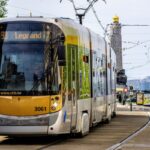
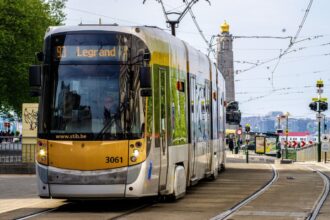
Public transport becomes much more useful for the Atomium and Mini-Europe, the European Quarter, Cinquantenaire, Train World and neighbourhoods beyond the centre. Brussels has Metro, tram, bus and local rail services, and contactless payment can be convenient for visitors making occasional STIB journeys.
If you expect to travel repeatedly, check the day cap and multi-journey products first. Our dedicated Brussels Public Transport Guide compares the current fares, Brupass products, operator apps and airport-ticket exceptions.
Accessibility and Practical Planning
Brussels is a mixture of very accessible modern attractions and older streets with cobbles and gradients. The European Quarter, Atomium area and larger modern museums are generally straightforward to reach by public transport, while parts of the historic centre are easier if you allow extra time.
Always check the individual attraction before travelling if step-free access, accessible toilets, seating, companion arrangements or mobility assistance are important to you. Historic buildings sometimes use separate accessible entrances that are not obvious from the main queue.
Mondays are also worth watching. Several museums across Europe operate reduced Monday hours or close entirely, while EU visitor attractions have their own weekly schedules. Build the itinerary around the opening days of your must-see indoor attractions first, then fit the free outdoor sights around them.
Christmas Markets in Brussels
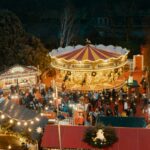
Brussels turns its historic centre into a genuine festive trail each December. The city’s official market, Winter Wonders, spreads across six linked squares rather than one single plaza, running from Grand-Place to Place Sainte-Catherine and beyond, with around 238 wooden chalets strung between them.
At the heart of it all, a free nightly sound and light show projects onto the Grand-Place’s Gothic guild houses every thirty minutes between 5pm and 10pm, turning one of Europe’s most ornate squares into a genuinely different spectacle after dark each evening of the season.
What sets Brussels apart from Germany’s markets is its Belgian character. Alongside mulled wine, stalls sell Belgian waffles in two regional styles, oysters served with champagne, and jenever instead of schnapps, plus a rotating themed village at Place de la Bourse.
For the market’s full layout, honest guidance on where the city’s New Year’s Eve fireworks actually happen, and realistic December weather advice for packing properly, read our Brussels Christmas Markets guide.

Rupert’s Handy Travel Tips
Brussels is much easier when you plan it by area rather than trying to rank every attraction. These are the things I would keep in mind.
- Group the historic centre together: Grand Place, Galeries Royales, the Bourse, Manneken Pis and Mont des Arts are close enough to explore mainly on foot.
- Treat the Atomium as a separate half-day: Pair it with Mini-Europe or Design Museum Brussels rather than travelling to Heysel for one quick photograph.
- Book the attractions that matter most: Timed or capacity-limited visits such as the Parlamentarium, popular museums and major ticketed attractions are easier to plan around once one or two fixed times are in place.
- Keep wet-weather options in reserve: Belgian Beer World, the Comic Art Museum, Autoworld, Choco-Story and the EU museums can rescue a rainy Brussels day without wasting it.
- Go local at the Abattoir markets in Anderlecht: If you want somewhere with almost no tourists, the Friday-to-Sunday markets at the Abattoir de Cureghem are the real thing, a huge working food market with a proper fish hall, dozens of butchers and a bric-a-brac side to it. Clemenceau or Delacroix metro gets you there in a few stops from the centre, and I would go before midday while the stalls are still full.
Want to meet the reindeer behind our travel tips? Find out more in our page Who is Rupert?.




Frequently Asked Questions
What is the number one thing to see in Brussels?
The Grand Place is the essential first stop. It is central, free to visit and surrounded by several other major sights within easy walking distance.
Is the Atomium worth visiting?
Yes if you are interested in architecture, Expo 58 history or panoramic views. It is less convenient for a very short visit because it sits well outside the historic centre, so combine it with Mini-Europe.
How many days are enough for Brussels?
Two days is a good first visit. One day covers the historic centre and one or two headline attractions, while three days gives you time for specialist museums and neighbourhoods without rushing.
Are there good free things to do in Brussels?
Yes. Grand Place, Mont des Arts, Galeries Royales, the comic murals, Sablon, Marolles and Parc du Cinquantenaire are free, while the House of European History and Parlamentarium also offer free admission.
Is the Brussels Card worth it?
It can be if you plan to visit several included museums within 24, 48 or 72 hours. Calculate the normal entry prices for your actual itinerary before buying, especially if travelling with children.
Can you walk between the main sights in Brussels?
Most central attractions are very walkable. You will normally want public transport for the Atomium, Mini-Europe, European Quarter, Cinquantenaire and Train World.
What is the best museum in Brussels?
It depends on your interests. The Magritte Museum is one of the most distinctively Belgian choices, Train World is excellent for railway history, and the Comic Strip Center is particularly good for families and comic-book fans.
Is Belgian Beer World a brewery tour?
Not in the traditional sense. It is an interactive attraction focused on Belgian beer culture, brewing traditions and styles, with tastings incorporated into the visitor experience.
Can I visit the European Parliament in Brussels?
Yes. The Parlamentarium is the Parliament’s visitor centre and is free to visit. Booking ahead is recommended because walk-in admission depends on available capacity.
Further Reading
Flying into Belgium’s main airport? Our Brussels Airport Transfers Guide compares the airport train, Bus 12, taxis, private transfers and car hire, including which Brussels station is most useful for the historic centre.
If your flight uses CRL instead, read our Charleroi Airport Transfers Guide. It explains the direct shuttle to Brussels-Midi, the rail alternative and why Charleroi needs more careful planning for short visits and extreme day trips.
Once you arrive, our Brussels Public Transport Guide covers the Metro, trams, buses and local trains, along with STIB, SNCB, De Lijn and TEC apps, contactless fares, Brupass and the current money-saving ticket options.
Visiting several paid museums or attractions? Our Brussels Card Guide compares the 24, 48 and 72-hour versions, plus the transport and Atomium add-ons, so you can work out whether it saves you money on this itinerary.