
Reviewed by our editorial team Updated
Why Travellers Need to Understand Antihistamines
For many travellers, antihistamines become one of the most useful medications they pack, yet most people only associate them with hay fever or seasonal allergies. In reality, antihistamines are commonly used during travel for food allergies, mosquito bites, motion sickness, itchy skin reactions, aircraft allergies, hives, sleep problems, and even nausea or anxiety in certain situations.
One of the biggest mistakes travellers make is assuming all antihistamines are basically the same. They are not. Some antihistamines are designed specifically to avoid drowsiness, while others are intentionally sedating and may actually help travellers sleep during overnight flights, long coach journeys, or rough ferry crossings.
Certain antihistamines work well for motion sickness, while others do almost nothing for nausea or dizziness. Some are suitable for daytime sightseeing and driving, while others can leave travellers feeling heavily groggy for hours after taking them.
International travel creates additional complications because medications sold freely in one country may require prescriptions elsewhere. Brand names also vary significantly between countries, and some antihistamines commonly used in places such as the UK, US, or Europe may be unavailable or restricted abroad.
For travellers with allergies, understanding antihistamines becomes especially important because reactions often feel far more stressful when they happen overseas. Unfamiliar foods, different pollens, insects, hotel detergents, pollution, dust, and climate conditions can all trigger symptoms people may not normally experience at home.
Modern travel itself also creates situations where antihistamines become useful. Dry aircraft cabins, dusty hotel air conditioning systems, long transport journeys, insect-heavy destinations, humid climates, and heat rashes all commonly lead travellers towards allergy or skin medications during trips.
Another important issue is that some antihistamines interact badly with alcohol, sleeping tablets, and other medications travellers may use during flights or holidays. Combining strongly sedating antihistamines with dehydration, jet lag, alcohol, or overnight travel can leave people feeling significantly worse than expected.
For many travellers, choosing the correct antihistamine before a trip can genuinely improve sleep quality, allergy control, travel comfort, and overall trip experience. Understanding the differences between them is therefore far more useful than simply buying the first “allergy tablet” available at an airport pharmacy.
Quick Travel Guidance
| Travel Situation | Usually Best Option |
|---|---|
| Daytime sightseeing and driving | Fexofenadine or Loratadine |
| Mosquito bites and itching | Cetirizine |
| Overnight flights and sleeping | Promethazine or Diphenhydramine |
| Cruises and rough ferries | Promethazine, Cyclizine, or Meclizine |
| General hay fever abroad | Fexofenadine or Loratadine |
| Strong skin reactions and hives | Cetirizine or Hydroxyzine |
| Travellers wanting minimum drowsiness | Fexofenadine |
| Travellers needing strong motion sickness control | Promethazine |
What Antihistamines Actually Do
Antihistamines work by blocking the effects of histamine, a chemical naturally released by the body during allergic reactions and certain immune responses.
Histamine is responsible for many of the symptoms travellers commonly experience during trips. When large amounts are released, the body can develop itching, sneezing, watery eyes, runny nose, skin rashes, swelling, hives, and irritation of the airways or skin.
The body releases histamine in response to many different triggers including pollen, dust, animal fur, insect bites, food reactions, medications, and environmental irritants.
Travelling often increases exposure to unfamiliar triggers. People may suddenly encounter different plants, stronger pollen seasons, dusty hotel rooms, unusual foods, high pollution levels, unfamiliar cleaning products, or large numbers of insects while abroad.
Antihistamines reduce symptoms by preventing histamine from attaching to receptors within the body. However, different antihistamines behave very differently depending on how strongly they affect the brain and nervous system.
Older antihistamines cross into the brain more easily, which is why they frequently cause significant drowsiness and sedation. In some travel situations this is actually useful, particularly for motion sickness, overnight flights, or sleeping during long journeys. In other situations, however, this same effect can impair concentration, coordination, and driving ability.
Newer antihistamines are designed to stay more concentrated outside the brain. This reduces allergy symptoms while lowering the risk of sedation. These medications are usually marketed as “non drowsy antihistamines”, although some people still become sleepy after taking them.
One of the most important things travellers should understand is that antihistamines do not cure allergies themselves. Instead, they temporarily control symptoms while the medication remains active inside the body.
Different antihistamines also vary dramatically in how quickly they start working, how long they remain active, how sedating they are, how useful they are for skin reactions, and whether they help with nausea or travel sickness.
Understanding those differences is what makes choosing the correct travel antihistamine so important.
Best if you want daily housekeeping and a front desk. Filter by area first, then by price.
Check availabilityBest for families, or any stay past about four nights. A kitchen and a washing machine start paying for themselves.
Browse rentalsBest for double-checking. Runs the same search across several booking sites so you are not leaving money behind.
Compare pricesFirst Generation vs Second Generation Antihistamines
One of the most important things travellers should understand is the difference between first generation antihistamines and second generation antihistamines, because the two groups behave very differently during travel.
The older first generation antihistamines were developed decades ago and cross into the brain much more easily. This means they often cause significant drowsiness, slower reaction times, dry mouth, and sedation. However, these same sedating effects are also why some first generation antihistamines work well for motion sickness, nausea, sleeping during flights, and severe allergic reactions.
Examples of first generation antihistamines include Promethazine, Diphenhydramine, Chlorphenamine, Cyclizine, and Hydroxyzine.
Many travellers unknowingly use these medications specifically because of the sedating effect. People commonly take them before overnight flights, rough ferry journeys, or long coach trips where sleeping is desirable.
However, these medications can also create problems. Strongly sedating antihistamines may impair driving, worsen dehydration, increase grogginess after flights, and interact badly with alcohol or sleeping tablets.
The newer second generation antihistamines were designed specifically to reduce these problems. These medications stay more concentrated outside the brain, helping control allergy symptoms without causing the same level of sedation.
Examples include Cetirizine, Loratadine, and Fexofenadine.
These medications are usually preferred for daytime use, sightseeing, work trips, driving, hiking, and general travel because they are much less likely to make people sleepy. However, they are generally far less useful for motion sickness or travel-related nausea.
One thing travellers often misunderstand is that “non drowsy” does not mean “zero drowsiness.” Some people still become sleepy after taking medications such as Cetirizine, particularly when combined with jet lag, alcohol, exhaustion, or long flights.
For most travellers, the best antihistamine depends entirely on the situation. Someone dealing with hay fever during a city break may want a completely different medication from someone trying to sleep during a turbulent overnight ferry crossing.
Which Antihistamines Cause Drowsiness?
One of the biggest practical differences between antihistamines is how sleepy they make people feel. For travellers, this matters enormously because drowsiness can affect everything from driving, navigation, and hiking to sleeping during flights or functioning normally after landing.
The most sedating antihistamines are usually the older first generation medications. Drugs such as Promethazine, Diphenhydramine, and Hydroxyzine can make some people extremely sleepy, sometimes for many hours after taking them.
This sedation can actually be useful in certain travel situations. Many travellers deliberately use these medications during overnight flights, rough sea crossings, or long overnight journeys because they help people sleep and reduce nausea at the same time.
However, the downside is that these medications can also leave travellers feeling groggy, dehydrated, mentally slow, or disoriented after arrival. In hot climates or during physically demanding trips, this effect can sometimes become surprisingly unpleasant.
Other antihistamines sit somewhere in the middle. Cetirizine, for example, is often marketed as non drowsy but still causes sleepiness in a noticeable percentage of people. Some travellers tolerate it perfectly, while others become very tired after taking it.
The least sedating commonly used antihistamines are usually Fexofenadine and Loratadine. These are generally preferred for daytime allergy control because they are less likely to impair concentration or alertness during sightseeing, driving, or active travel days.
Alcohol can make antihistamine drowsiness significantly worse. Combining sedating antihistamines with alcohol during flights or holidays can increase dehydration, worsen coordination, and make travellers feel far more impaired than expected.
One important point many people overlook is that antihistamine effects vary heavily between individuals. A medication that causes almost no drowsiness in one person may make another traveller extremely sleepy.
For this reason, travellers should ideally avoid trying a new antihistamine for the very first time immediately before a long flight, road trip, diving excursion, hike, or other important travel activity.
Best Antihistamines for Different Travel Situations
One of the reasons antihistamines confuse travellers is because the “best” option depends entirely on the situation. A medication that works brilliantly for hay fever during a city break may be a terrible choice for a rough ferry crossing, while a strong sedating antihistamine used for sleep on a long flight may be completely unsuitable for daytime sightseeing.
For general daytime allergy relief, most travellers usually prefer newer second generation antihistamines because they are less likely to cause drowsiness. Medications such as Fexofenadine and Loratadine are commonly chosen for hay fever, pollen allergies, dusty hotel rooms, or mild skin reactions during travel.
Travellers dealing with severe mosquito bites, itchy rashes, or allergic skin reactions sometimes find slightly more sedating antihistamines such as Cetirizine more effective, particularly during the evening when drowsiness matters less.
For motion sickness, however, the older sedating antihistamines are often far more useful. Medications such as Promethazine, Cyclizine, and Diphenhydramine are widely used during rough sea crossings, winding mountain roads, turbulence, or long coach journeys because they help suppress nausea and vestibular symptoms.
Travellers trying to sleep during overnight flights or long journeys sometimes intentionally choose sedating antihistamines because they combine allergy relief with sleepiness. However, this can become risky when combined with alcohol, dehydration, jet lag, or sleeping tablets.
For travellers with significant food allergies, antihistamines are often carried as backup medications for mild reactions, although they are not substitutes for emergency treatment such as adrenaline auto injectors in severe allergic emergencies.
Climate also matters. In very hot destinations, heavily sedating antihistamines can worsen fatigue and dehydration, while in cold climates they may feel easier to tolerate.
Another major consideration is activity level. Travellers planning hiking, driving, diving, or active sightseeing usually benefit from less sedating medications because strong antihistamines can impair concentration and coordination.
| Travel Situation | Usually Best Type of Antihistamine |
|---|---|
| Hay fever and pollen allergies | Low drowsy second generation antihistamines |
| Motion sickness and ferries | Sedating first generation antihistamines |
| Sleeping during flights | More sedating antihistamines |
| Mosquito bites and itching | Cetirizine or similar options |
| Daytime sightseeing and driving | Fexofenadine or Loratadine |
| Mild allergic skin reactions | Cetirizine or Chlorphenamine |
For most travellers, building a small travel medical kit with more than one antihistamine type often makes far more sense than relying on a single medication for every situation.

Antihistamines for Hay Fever & Pollen Allergies
For many travellers, hay fever becomes significantly worse abroad than it is at home. Different countries have different pollen seasons, plant species, farming patterns, climates, and pollution levels, all of which can trigger stronger allergy symptoms during travel.
Spring and summer trips across parts of Europe, North America, and the Mediterranean are especially difficult for travellers with pollen allergies. Dry weather, strong winds, and rural landscapes can expose visitors to huge amounts of pollen throughout the day.
Aircraft cabins, hotel air conditioning systems, dusty transport hubs, and heavily polluted cities can also worsen symptoms even outside traditional pollen seasons.
For most travellers dealing with hay fever, the best options are usually the less sedating second generation antihistamines. Fexofenadine is often considered one of the strongest low drowsy choices for daytime allergy control, particularly for people wanting to avoid fatigue during sightseeing or driving.
Loratadine is another extremely common travel antihistamine because it is widely available internationally and generally causes very little sedation for most people.
Cetirizine is often considered slightly stronger for some allergy symptoms, especially itching and skin irritation, but it also carries a higher chance of drowsiness compared with Fexofenadine or Loratadine.
One major issue travellers face is assuming their usual allergy medication will automatically work in every destination. Different pollen types can trigger very different reactions, and travellers sometimes discover that allergies become much more severe abroad than they expected.
High pollution cities can also worsen allergy symptoms dramatically. Places with heavy traffic, dust, smoke, or poor air quality often irritate the airways and eyes even further.
Travellers with severe seasonal allergies should ideally begin taking antihistamines before symptoms become overwhelming rather than waiting until reactions are fully established.
Hydration also matters more than many people realise. Dry aircraft cabins, heat, alcohol, and air conditioning can worsen irritation of the nose, throat, and eyes, making allergy symptoms feel significantly more intense during travel.
For travellers prone to severe hay fever, carrying spare antihistamines in hand luggage is usually a good idea because access to familiar brands abroad can vary considerably depending on the country.
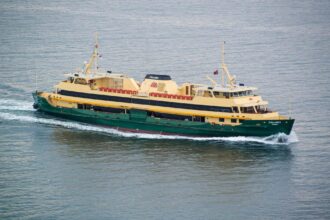
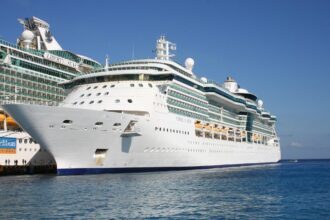
Antihistamines for Motion Sickness, Ferries & Cruises
Motion sickness is one of the few situations where the older sedating antihistamines are often far more effective than modern “non drowsy” allergy tablets.
This is because motion sickness involves the brain’s balance and vestibular systems rather than just allergic reactions. Older antihistamines affect these systems more strongly, helping reduce nausea, dizziness, vomiting, and vertigo caused by movement.
For travellers dealing with rough ferry crossings, winding mountain roads, turbulence, or cruise ship motion, medications such as Promethazine, Cyclizine, Diphenhydramine, and Meclizine are commonly used.
Among these, Promethazine is often considered one of the strongest options for severe motion sickness. It is widely used for ferries, cruises, overnight transport, and rough sea conditions. However, it can also cause very strong sedation, leaving some travellers extremely sleepy for many hours.
Cyclizine is especially popular in the UK because it balances good anti-nausea effects with slightly lower sedation compared with Promethazine. Many travellers use it for ferries, flights, buses, and coach travel.
Meclizine is particularly common in the United States cruise market because it often causes slightly less drowsiness while still helping control nausea and dizziness.
Newer antihistamines such as Loratadine or Fexofenadine are generally poor choices for motion sickness because they do not affect the vestibular system strongly enough to control nausea effectively.
Timing also matters. Most motion sickness antihistamines work best when taken before travel begins rather than after symptoms become severe. Travellers who wait until they already feel nauseous often find the medication much less effective.
Alcohol can also significantly worsen the sedating effects of motion sickness medications, especially during ferries, cruises, or overnight transport.
For many travellers, motion sickness becomes worse during periods of exhaustion, dehydration, anxiety, or heavy heat exposure, all of which commonly occur during travel. Managing those factors alongside medication often improves symptoms far more effectively than antihistamines alone.
Antihistamines for Sleeping on Flights
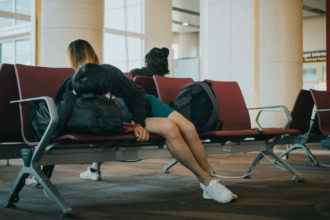
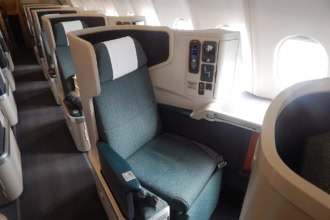
Many travellers use sedating antihistamines to help sleep during overnight flights, long haul journeys, airport layovers, or overnight ferry crossings. In some situations, these medications can genuinely help travellers rest during difficult journeys, particularly when combined with jet lag, exhaustion, or anxiety about flying.
The antihistamines most commonly used for sleep during travel are usually older first generation antihistamines such as Promethazine and Diphenhydramine. These medications cross into the brain more strongly than newer antihistamines, which is why they create much heavier drowsiness and sedation.
For some travellers, this sedation can make overnight flights significantly easier, especially on routes where sleeping naturally feels difficult because of noise, lighting, turbulence, cramped seating, or constant interruptions inside the cabin.
However, there are also important downsides. Sedating antihistamines can leave travellers feeling heavily groggy, dehydrated, mentally slow, or disoriented after landing. This becomes especially problematic when arriving in unfamiliar cities, navigating airports, driving rental cars, or trying to adjust quickly to new time zones.
Long haul flights already increase dehydration because of the extremely dry air inside aircraft cabins. Strong antihistamines can worsen this further by causing dry mouth, fatigue, reduced alertness, and sluggishness after arrival.
Alcohol also becomes a major issue. Combining sedating antihistamines with alcohol on flights can dramatically increase drowsiness and impairment. This combination may also worsen dizziness, dehydration, confusion, and coordination problems after landing.
Another important consideration is immobility. Sleeping heavily for long periods during flights may reduce movement around the cabin, which is not ideal during very long journeys where travellers are encouraged to move regularly to support circulation and reduce discomfort.
For many travellers, antihistamines work best for occasional overnight travel rather than regular use. People who react badly to sedation or who need to remain alert immediately after landing may find the side effects outweigh the benefits.
Travellers should also avoid trying a strongly sedating antihistamine for the very first time immediately before an important flight. Different people react very differently to these medications, and some travellers experience much stronger sedation than expected.
In many situations, improving sleep on flights through hydration, eye masks, neck pillows, earplugs, better seat selection, and smarter timing may ultimately work more safely than relying heavily on medication alone.
Best if you can move a day either way. Shows how the fare changes across the month.
Compare flightsBest for anyone whose home plan charges by the megabyte abroad. Pay a fixed price up front.
Check eSIMsBest after a long flight or a late landing. Price agreed before you travel, and no taxi queue.
Check transfersAntihistamines for Mosquito Bites & Skin Reactions
For many travellers, antihistamines become most useful not for hay fever but for mosquito bites, itchy skin reactions, heat rashes, and irritation caused by unfamiliar climates or environments.
Tropical destinations, humid weather, insect-heavy regions, beach environments, and outdoor travel all increase the likelihood of itchy skin reactions during trips abroad. Even travellers who rarely react badly to bites at home sometimes develop far stronger reactions overseas.
Antihistamines help by reducing the body’s histamine response to bites and skin irritation. This can reduce itching, swelling, redness, and the urge to scratch, which is especially important in hot climates where damaged skin can become irritated or infected more easily.
For daytime use, many travellers prefer lower sedation options such as Loratadine or Fexofenadine, particularly if they still need to drive, sightsee, hike, swim, or function normally throughout the day.
However, for stronger itching or more uncomfortable skin reactions, slightly more sedating medications such as Cetirizine often work better for some people, especially during the evening when drowsiness is less problematic.
One important thing travellers often underestimate is how badly itching can affect sleep quality during trips. Repeated mosquito bites, allergic skin reactions, or heat rashes can become surprisingly exhausting during hot nights abroad, making effective antihistamines much more useful than many people expect.
Different destinations also expose travellers to very different insects and environmental triggers. Tropical regions, jungle environments, humid coastlines, forests, and wetlands can all increase the likelihood of skin irritation and bite reactions.
Antihistamines are particularly useful when combined with other preventative measures such as insect repellent, lightweight long clothing, air conditioning, mosquito nets, and after-bite creams.
Travellers should still remember that antihistamines only reduce symptoms rather than treating underlying infections or severe reactions. Significant swelling, fever, spreading rashes, breathing difficulties, or serious allergic reactions require proper medical attention rather than simply taking more antihistamines.
For many travellers, however, carrying antihistamines specifically for bites, itching, and skin irritation becomes one of the most useful additions to a travel medical kit.
Travel Antihistamines Comparison Table
| Antihistamine | Generation | Main Travel Uses | Drowsiness Level | Motion Sickness Help | Sleep Aid Use | Common Travel Advantages | Main Downsides |
|---|---|---|---|---|---|---|---|
| Fexofenadine | 2nd | Hay fever, pollen allergies, daytime travel allergies | Very low | No | No | Excellent for daytime use, low fatigue risk, good for driving and sightseeing | Usually poor for nausea or motion sickness |
| Loratadine | 2nd | General allergies, hay fever, skin irritation | Low | No | No | Widely available internationally, good daytime option | May feel weaker for severe itching in some people |
| Cetirizine | 2nd | Allergies, itching, mosquito bites, skin reactions | Low to moderate | Limited | Sometimes | Often stronger for itching and skin symptoms | Still causes drowsiness in some travellers |
| Promethazine | 1st | Motion sickness, ferries, cruises, sleeping on flights | Very high | Excellent | Yes | Very effective for nausea and severe motion sickness | Heavy sedation, grogginess, alcohol interaction risk |
| Cyclizine | 1st | Travel sickness, ferries, coach travel, flights | Moderate | Very good | Sometimes | Strong anti nausea effects with slightly less sedation than Promethazine | Can still impair alertness and concentration |
| Diphenhydramine | 1st | Sleep, allergies, motion sickness | High | Good | Yes | Widely used for sleep during travel | Strong grogginess and dehydration risk |
| Hydroxyzine | 1st | Severe itching, anxiety, allergic reactions | High | Limited | Yes | Strong calming and anti itch effects | Heavy sedation and possible heart rhythm concerns |
| Chlorphenamine | 1st | Allergies, itching, mild skin reactions | Moderate to high | Limited | Sometimes | Common and widely available in many countries | Older medication with noticeable sedation |
| Meclizine | 1st | Cruises, ferries, motion sickness | Low to moderate | Very good | Sometimes | Popular for travel sickness with lower sedation | Less available in some countries |
Because the same medication can behave quite differently depending on the brand or formulation you find abroad, it helps to know which generic names to look for on the packet rather than relying on a familiar UK brand alone.
International Antihistamine Brand Names Explained
| Generic Name | UK Common Brands | US Common Brands | Europe/Common International Brands | Main Travel Use |
|---|---|---|---|---|
| Cetirizine | Piriteze, Zirtek | Zyrtec | Zyrtec, Reactine | Hay fever, skin allergies, bites |
| Loratadine | Clarityn | Claritin | Claritin, Clarityne | Non drowsy allergy relief |
| Fexofenadine | Telfast, Allevia | Allegra | Telfast, Allegra | Low drowsy allergy control |
| Diphenhydramine | Nytol, Benadryl (some versions) | Benadryl | Various local brands | Sleep, allergies, motion sickness |
| Promethazine | Phenergan, Sominex | Phenergan | Phenergan | Motion sickness, sleep |
| Chlorphenamine | Piriton | Chlor-Trimeton | Various pharmacy brands | Allergies and itching |
| Cyclizine | Valoid | Marezine (sometimes) | Various brands | Travel sickness |
| Meclizine | Less common in UK | Bonine, Antivert | Postafen (Nordics) | Cruise and ferry motion sickness |
| Hydroxyzine | Atarax | Vistaril, Atarax | Atarax | Itching, anxiety, sedation |
Keeping a note of these generic names alongside your usual brand can save time at an unfamiliar pharmacy counter, especially if a language barrier makes it harder to describe what you normally take.
Antihistamines, Alcohol & Hot Weather
One of the most overlooked travel health issues involving antihistamines is how strongly they can interact with alcohol, heat, dehydration, and physically demanding travel conditions.
Many travellers assume antihistamines are mild medications because they are widely sold over the counter. However, some antihistamines can significantly impair concentration, increase dehydration, and worsen exhaustion when combined with holiday drinking, hot weather, or long travel days.
The biggest risks usually involve older first generation antihistamines such as Promethazine, Diphenhydramine, and Hydroxyzine, all of which can cause substantial sedation. Combining these medications with alcohol may dramatically increase drowsiness, dizziness, slowed reactions, confusion, and poor coordination.
This becomes especially dangerous during travel situations involving swimming, driving, scooters, hiking, boats, unfamiliar roads, or busy urban environments where alertness matters.
Hot climates also make antihistamine side effects feel much stronger. High temperatures already place stress on the body through sweating, dehydration, fatigue, poor sleep, and heat exposure. Sedating antihistamines can worsen these problems by increasing tiredness and reducing alertness even further.
Even newer “non drowsy antihistamines” can occasionally affect people more strongly during travel than they do at home. Jet lag, dehydration, poor sleep, heat exposure, exhaustion, and alcohol can all magnify side effects that previously felt mild.
Travellers should also be cautious when combining antihistamines with sleeping tablets, anti anxiety medications, or strong painkillers because multiple sedating medications together can become dangerous.
Another issue many people overlook is sun exposure. Some antihistamines may increase skin sensitivity or worsen dryness, particularly during beach holidays or high UV conditions.
For travellers planning active holidays involving diving, hiking, climbing, or long distance driving, less sedating antihistamines are usually the safer option.
Understanding how medications interact with travel conditions is just as important as understanding the medications themselves. A tablet that feels harmless at home may behave very differently during a dehydrating overnight flight followed by intense Mediterranean heat, alcohol consumption, and physical exhaustion.
Countries Where Some Antihistamines Are Restricted
One thing many travellers never consider is that some antihistamines are treated very differently depending on the country. Medications that are freely available over the counter in one destination may require prescriptions elsewhere, while some stronger sedating antihistamines face tighter controls because of abuse potential, safety concerns, or local pharmaceutical regulations.
In most of Europe, common antihistamines such as Cetirizine, Loratadine, and Fexofenadine are widely available without prescriptions. Travellers can usually buy them easily in pharmacies, supermarkets, airports, and convenience stores.
However, once travelling further internationally, availability becomes much less predictable. Some countries limit access to stronger sedating antihistamines such as Promethazine, Hydroxyzine, or combination medications that contain antihistamines alongside sleeping aids or cough suppressants.
The United States also differs from parts of Europe because several antihistamines are sold under different brand names or combined with decongestants and sleep medications. Travellers sometimes accidentally buy products containing extra stimulants or sedatives without realising it.
In parts of the Middle East and Asia, some medications may technically require prescriptions even if pharmacies occasionally sell them more casually in practice. Rules can also change over time depending on local health regulations.
One particularly important issue involves medications containing Diphenhydramine or strong sedating compounds. While commonly used in some countries for sleep or allergies, these medications may attract more scrutiny at borders because of their sedative properties.
Travellers should also understand that carrying very large quantities of medication internationally can sometimes create customs problems even for common antihistamines, especially if the medication is prescription-only in the destination country.
Another issue is language and branding confusion. The same antihistamine may appear under completely different names depending on where you are travelling, making it surprisingly difficult for travellers to identify equivalent medications abroad.
For travellers with severe allergies, it is usually safest to carry enough familiar medication from home rather than assuming the same product will be available overseas.
Keeping medications in original packaging is also strongly recommended, particularly when travelling through countries with stricter pharmaceutical controls or more aggressive customs procedures.
Most travellers will never experience major problems carrying ordinary antihistamines internationally, but understanding that medication rules vary globally is still important, especially for longer or more complex trips.
Flying with Antihistamines
Most common antihistamines are perfectly legal to carry on commercial flights, and millions of travellers fly with them every year for allergies, sleep, motion sickness, or medical conditions. However, there are still several important things travellers should understand before taking antihistamines during air travel.
The first issue is sedation. Strongly sedating antihistamines such as Promethazine, Diphenhydramine, and Hydroxyzine can affect people very differently at altitude compared with normal ground conditions. Combined with dehydration, exhaustion, jet lag, alcohol, or poor sleep, these medications can sometimes hit much harder than expected.
This becomes especially important on long haul flights, where passengers may already feel physically stressed, dehydrated, or sleep deprived before the medication is even taken.
Travellers should also avoid combining antihistamines with large amounts of alcohol during flights. Aircraft cabins already contribute heavily to dehydration, and mixing alcohol with sedating medications can significantly worsen dizziness, confusion, poor coordination, and fatigue after landing.
Another issue many travellers overlook is timing. Some antihistamines work quickly, while others take longer to reach full effect. Motion sickness medications, for example, often work best when taken before boarding rather than after nausea begins.
For travellers carrying antihistamines in hand luggage, keeping medications inside original packaging is generally sensible, particularly for international flights or destinations with stricter pharmaceutical rules.
Liquid antihistamines for children may also fall under standard airport liquid restrictions, so travellers should check airline and airport rules before flying.
Travellers with severe allergies should be especially careful when flying. Antihistamines can help reduce mild allergic symptoms, but they are not substitutes for emergency medications such as adrenaline auto injectors in cases of severe anaphylaxis.
Another important consideration is what happens after landing. Travellers who take heavily sedating antihistamines during flights may still feel impaired for hours afterwards, particularly when crossing time zones or arriving early in the morning after poor sleep.
For many people, the safest approach is testing a medication at home before relying on it during an important international flight. A medication that causes mild sleepiness at home may behave very differently during a dehydrating overnight journey at 35,000 feet.
Best for solo travellers and anyone watching the budget. Dorm beds and private rooms in the same search.
Browse hostelsBest for anyone flying more than once or twice a year. Handles the compensation claim so you are not chasing the airline.
See AirHelp+Best if your room is not ready yet. Left luggage booked in advance, so you are not hunting for a locker.
Check storageBest Non Drowsy Antihistamines for Travel
For most travellers, non drowsy antihistamines are usually the safest and most practical option because they control allergy symptoms without heavily impairing alertness, concentration, or energy levels during travel.
This becomes especially important during trips involving driving, hiking, public transport navigation, busy airports, city sightseeing, or active outdoor travel where strong sedation would quickly become frustrating or dangerous.
Among the most popular options, Fexofenadine is widely considered one of the least sedating antihistamines available. Many travellers prefer it for daytime allergy control because it is less likely to cause fatigue or brain fog compared with some alternatives.
Loratadine is another extremely common choice and is widely sold internationally. It generally causes very little drowsiness for most people and is often chosen for hay fever, pollen allergies, or mild travel-related reactions.
Cetirizine sits slightly differently because although it is marketed as non drowsy, it still causes noticeable sleepiness in a proportion of users. Some travellers tolerate it perfectly, while others become surprisingly tired after taking it.
For this reason, many frequent travellers eventually learn through experience which antihistamines work best for their own body rather than relying purely on packaging claims.
One advantage of newer antihistamines is that they are often suitable for continuous daytime use during longer trips. Travellers spending weeks abroad during pollen season or in insect-heavy environments often rely on these medications regularly without wanting the heavy sedation associated with older antihistamines.
However, non drowsy antihistamines are usually much less effective for motion sickness, travel-related nausea, or sleep during overnight transport. This is one reason experienced travellers sometimes carry both sedating and non sedating options for different situations.
Travellers should also remember that “non drowsy” does not guarantee zero side effects. Exhaustion, dehydration, alcohol, jet lag, illness, or heat exposure can still make even low sedation antihistamines affect people more strongly than expected.
For most daytime travel situations, however, newer second generation antihistamines provide the best balance between symptom control and maintaining normal energy levels throughout the trip.
Antihistamines and Children While Travelling
Travelling with children becomes significantly more complicated when allergies, motion sickness, skin reactions, or sleep problems are involved, which is why many parents pack antihistamines as part of a family travel medical kit.
Children often react differently to antihistamines compared with adults. Some become sleepy and calm, while others may actually become unusually hyperactive, restless, or irritable after taking certain medications. This unpredictability is one reason parents should avoid trying completely new antihistamines for the first time immediately before important flights or long journeys.
One of the most common travel uses for antihistamines in children involves motion sickness during ferries, mountain roads, coaches, or flights. Certain older antihistamines may help reduce nausea and vomiting, although sedation levels can sometimes be quite strong in younger children.
Parents also frequently use antihistamines for mosquito bites, itchy skin reactions, hives, hay fever, or irritation caused by unfamiliar foods, detergents, or climates while abroad.
However, dosage becomes extremely important. Children’s antihistamine doses vary depending on age, weight, medication type, and country-specific guidelines. Products sold in different countries may also contain very different strengths even when the packaging looks similar.
Another issue many travelling families encounter is that children’s liquid antihistamines may not be available everywhere internationally. Brand names also vary heavily between countries, which can make replacing familiar medications surprisingly difficult abroad.
For flights specifically, parents should be cautious about using strongly sedating antihistamines purely to make children sleep during travel. While some families do use them this way, children can react unpredictably, and sedation may sometimes become much stronger than expected.
Travellers should also remember that antihistamines are not treatments for serious allergic emergencies. Children with severe food allergies or known anaphylaxis risks still require proper emergency medication plans and specialist medical advice before international travel.
Heat and dehydration can also affect children more quickly than adults, particularly when combined with sedating antihistamines. Keeping children hydrated during flights and hot weather therefore becomes especially important.
For many families, the safest approach is carrying familiar medications from home, keeping them in original packaging, and checking dosage instructions carefully before travelling.
Building a Travel Medical Kit with Antihistamines
For many travellers, antihistamines become one of the most versatile and useful medications inside a travel medical kit because they can help with a surprisingly wide range of situations during trips abroad.
A well prepared travel kit often includes more than one type of antihistamine because different medications work better for different scenarios. A traveller dealing with hay fever, for example, may want a completely different antihistamine from someone trying to manage motion sickness during rough ferry crossings.
Many experienced travellers carry one non drowsy antihistamine for daytime allergy control alongside one more sedating option for sleep, severe itching, or nausea during transport.
For general daytime use, medications such as Fexofenadine or Loratadine are often preferred because they are less likely to interfere with sightseeing, driving, hiking, or navigating unfamiliar destinations.
For bites, skin reactions, or stronger itching, some travellers prefer Cetirizine, particularly during the evening when mild drowsiness matters less.
Travellers prone to motion sickness may also carry medications such as Cyclizine or Promethazine, especially for cruises, ferries, winding mountain roads, or turbulent flights.
The most important thing is understanding exactly what each medication is for before travelling. Many people carry antihistamines without fully understanding which symptoms they actually help treat.
Storage also matters more than many travellers realise. Extreme heat inside cars, backpacks, beach bags, or direct sunlight can damage medications over time, particularly during long trips through hot climates.
Keeping medications inside original packaging is also sensible for international travel because it helps avoid confusion at customs or airports and makes dosage instructions easier to check quickly when tired or stressed.
Travellers with significant allergies should always carry enough medication for the entire trip rather than assuming replacements will be easy to find abroad. Brand names, formulations, and availability vary hugely between countries.
A travel medical kit should ultimately be built around the actual type of trip being taken. Someone planning a Mediterranean beach holiday, Arctic expedition, backpacking trip, or cruise holiday may all need very different antihistamine strategies depending on climate, insects, transport type, and activity level.

Rupert’s Handy Travel Tips
Travellers often underestimate how useful antihistamines become during trips abroad. Rupert recommends carrying at least one familiar antihistamine in your hand luggage rather than assuming you can easily find the same medication overseas.
- Test new antihistamines at home first: Try any unfamiliar medication before relying on it during a flight, ferry crossing, or long journey.
- Avoid mixing with alcohol: Strongly sedating antihistamines and alcohol are rarely a good combination during travel, especially on overnight flights.
- Choose lower-drowsy options for hot destinations: Heavy sedation can feel much worse in extreme heat.
- Carry enough for the whole trip: Travellers with severe allergies should always pack sufficient medication rather than relying on finding it at overseas pharmacies.
Want to meet the reindeer behind our travel tips? Find out more in our page Who is Rupert?.




Frequently Asked Questions About Travel Antihistamines
What is the best antihistamine for travel?
The best travel antihistamine depends entirely on the situation. For general daytime allergies, many travellers prefer lower drowsy options such as Fexofenadine or Loratadine. For motion sickness, nausea, or sleeping during long journeys, more sedating antihistamines such as Promethazine or Cyclizine are often more effective.
Which antihistamines cause the most drowsiness?
Older first generation antihistamines are usually the most sedating. Medications such as Promethazine, Diphenhydramine, and Hydroxyzine can make some travellers extremely sleepy and may impair driving, concentration, or coordination.
What is the least drowsy antihistamine for travel?
For many people, Fexofenadine is considered one of the least sedating antihistamines available. Loratadine is also commonly used as a low drowsy option for daytime allergy relief while travelling.
Can antihistamines help with motion sickness?
Yes, but only certain antihistamines help significantly with motion sickness. Older sedating antihistamines such as Promethazine, Cyclizine, Diphenhydramine, and Meclizine are commonly used for ferries, cruises, flights, and winding roads. Newer antihistamines such as Loratadine and Fexofenadine are generally not effective for nausea or travel sickness.
Can you take antihistamines on flights?
Yes, millions of travellers fly with antihistamines every year. However, sedating antihistamines may feel much stronger during long haul flights because of dehydration, alcohol, jet lag, and exhaustion.
Can antihistamines help you sleep on planes?
Some sedating antihistamines may help travellers sleep during overnight flights, particularly Promethazine and Diphenhydramine. However, they can also leave people feeling groggy or dehydrated after landing.
Is it safe to drink alcohol with antihistamines?
Alcohol can significantly increase drowsiness and impairment when combined with sedating antihistamines. Travellers should be especially cautious when mixing antihistamines with alcohol during flights, cruises, hot weather, or physically demanding trips.
Can children take antihistamines while travelling?
Yes, antihistamines are commonly used for children during travel for allergies, motion sickness, and skin reactions. However, dosage varies by age, weight, and medication type, and some children react unpredictably to sedating antihistamines.
Do countries restrict antihistamines?
Most common antihistamines are widely available internationally, but some stronger sedating antihistamines may require prescriptions or face tighter controls depending on the country. Medication rules vary significantly worldwide.
Should you carry antihistamines in hand luggage?
Yes, travellers should ideally carry important medications, including antihistamines, in their hand luggage rather than checked baggage. This is especially important for travellers with allergies or long journeys where delayed luggage could create problems.
Can antihistamines help with mosquito bites and itching?
Yes, antihistamines are commonly used to reduce itching, swelling, and irritation caused by mosquito bites, insect reactions, heat rashes, and allergic skin reactions while travelling abroad.
Do “non drowsy” antihistamines still make some people sleepy?
Yes. Even antihistamines marketed as “non drowsy” may still cause fatigue or sleepiness in some travellers, especially when combined with jet lag, dehydration, alcohol, or exhaustion.
Further Reading & Related Guides
Understanding travel antihistamines becomes much easier when combined with wider travel health preparation. If you are building a proper travel medical kit, our guide to How to Make a Flight-Safe First Aid Kit for Your Holiday explains which medicines and medical essentials are genuinely useful during flights, road trips, cruises, and international travel.
Travellers with severe reactions or dietary concerns should also read our detailed Travelling with Food Allergies: Safe Holiday Guide, particularly if carrying antihistamines for mild allergic reactions while travelling abroad.
If you are concerned about carrying medications internationally, our guide to Medication Restrictions for Travellers: What You Can Carry Abroad explains how different countries treat prescription drugs, over the counter medications, and airport security checks.
Travellers who regularly lose or run out of medication overseas may also find our guide to Getting Replacement Prescription Medicine Abroad extremely useful, especially when travelling for extended periods or visiting countries where pharmacy rules differ significantly.
For travellers using antihistamines during long haul flights or overnight journeys, our detailed Jet Lag Travel Guide also explains how sleep, dehydration, fatigue, and travel exhaustion affect the body during international travel.
If you are carrying antihistamines specifically for bites, tropical destinations, or insect-heavy regions, our guides to Malaria Tablets for Travel and Rabies Vaccine for Travel also provide important information about avoiding insect and animal related health risks abroad.
Travellers planning major international trips should also explore our broader Travel Vaccinations Guide, which explains how to prepare medically before travelling overseas and which destinations require additional health precautions.