Reviewed by our editorial team Updated
EarPlanes+ App Spotlight: What It Does & Why It Exists
The EarPlanes+ app exists to solve a very specific, very common flying problem: painful ear pressure during take-off and, especially, descent. Many travellers know they should use EarPlanes earplugs, but far fewer know exactly when to insert them. That timing gap is where discomfort usually starts.
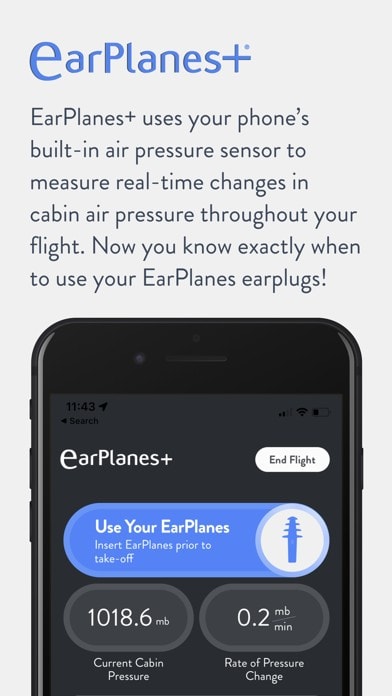
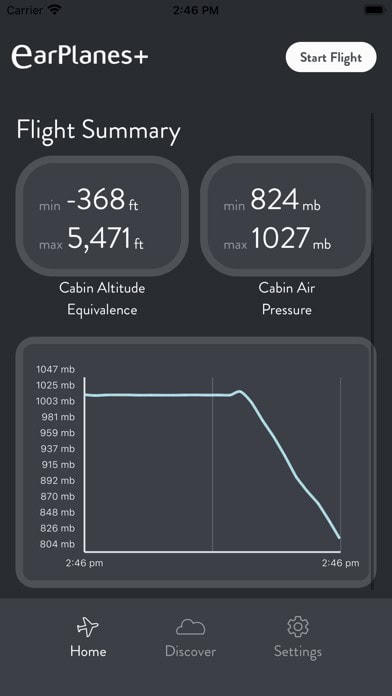
Instead of relying on rough rules like “put them in at landing,” the EarPlanes+ app uses your phone’s built-in barometer to monitor real-time cabin pressure changes. It then sends clear alerts telling you when to insert and remove EarPlanes earplugs. This matters because modern aircraft often begin descending much earlier than passengers realise, and pressure changes can happen gradually rather than all at once.
The app is deliberately simple. It doesn’t try to be a medical tool, a noise-cancelling solution, or a general flight companion. Its job is narrow and focused: reduce guesswork and improve timing. For travellers who regularly suffer from ear pain—or parents trying to manage children’s discomfort—this small bit of automation can make a noticeable difference.
Used alongside other essentials in a smart travel stack, the EarPlanes+ app fits neatly into the wider ecosystem of tools designed to make flying calmer, more predictable, and less stressful.
How the EarPlanes+ App Works During a Flight
Using the EarPlanes+ app is straightforward, which is exactly the point. There’s no setup process, no accounts to create, and no data to input.
Before boarding, you simply make sure the app is installed and that your phone is accessible during the flight. Keeping your device in your pocket or seat-back pouch is ideal, as the app relies on accurate pressure readings from your phone’s sensors.
During climb, the app monitors changes in cabin pressure as the aircraft ascends. When pressure changes reach a level where EarPlanes earplugs should be inserted, the app sends a notification prompting you to put them in. You keep them in place while pressure continues to adjust.
During cruise, pressure usually stabilises. The app stays quiet in the background, requiring no interaction.
During descent, this is where the app provides the most value. Aircraft often begin descending long before passengers expect it, and pressure changes can be subtle at first. The app detects these changes early and alerts you before discomfort begins, rather than after it’s already painful.
Once pressure equalises after landing, the app notifies you that it’s safe to remove the earplugs. The result is a calmer, more predictable experience—especially for people who previously relied on guesswork or memory.
Browse hotels and accommodation for your journey.
View staysBrowse apartments, holiday homes and self-catering stays.
View rentalsCompare hotel deals from multiple booking sites in one search.
Compare pricesWhy Timing Matters for Ear Pressure & Pain
Airplane ear pain isn’t caused by altitude itself—it’s caused by unequal pressure between the middle ear and the cabin. When pressure changes faster than your ears can naturally equalise, discomfort, popping, and even sharp pain can occur. The condition is known medically as ear barotrauma, which the US National Library of Medicine notes can happen when flying, driving in the mountains, or scuba diving.
Descent is usually worse than ascent. That’s because increasing external pressure pushes inward on the eardrum, and the ear has to work harder to equalise. If pressure-regulating earplugs are inserted too late, they can’t fully prevent that sudden pressure imbalance.
This is where many travellers go wrong. They wait until they “feel it,” or assume landing is the right moment. In reality, pressure changes can start 20–40 minutes before touchdown, depending on flight path, weather, and air traffic control instructions.
EarPlanes earplugs are designed to slow the rate of pressure change, giving your ears time to adapt. But they only work properly if they’re in place before pressure changes become uncomfortable. The EarPlanes+ app addresses this exact timing issue by replacing estimation with data, helping users act early rather than react late.
For anyone who regularly suffers from ear pain while flying, timing isn’t a minor detail—it’s the difference between a tolerable flight and a miserable one.
What Are EarPlanes Earplugs & How They Work
EarPlanes earplugs are pressure-regulating earplugs, specifically designed to reduce discomfort caused by rapid cabin pressure changes during flights. Unlike standard foam earplugs, they don’t block sound completely. Instead, they use a ceramic pressure filter to slow the rate at which air pressure reaches the eardrum.
This gradual equalisation gives your ears time to adapt naturally, reducing the sharp pressure spikes that cause pain, popping, or a blocked feeling—particularly during descent. The result isn’t silence, but comfort.
EarPlanes are available in adult and child versions, with the children’s version sized differently to ensure a proper seal. Fit matters: a poorly fitted plug won’t regulate pressure effectively. When used correctly, a single pair is typically reusable for around 8–10 flights, making them a low-cost, long-term solution for frequent travellers.
It’s important to be clear about what EarPlanes do and don’t do. They:
- Help manage pressure changes
- Reduce ear pain and discomfort
- Work best when inserted early
They do not:
- Cancel engine noise
- Replace headphones
- Treat underlying ear or sinus conditions
This is why timing is critical—and why pairing the earplugs with the EarPlanes+ app makes practical sense.
Where to Buy EarPlanes Earplugs & Typical Costs
EarPlanes earplugs are easy to buy in most major travel markets, but availability can be patchy at smaller airports. Buying before you travel is strongly recommended, especially if you rely on them.
Where to buy
- Online retailers such as Amazon
- High-street pharmacies (including travel health specialists)
- Airport pharmacies and travel accessory shops
- Some airline or duty-free health sections
Availability is strongest across the UK, Europe, North America, Australia, and major Asian hubs.
Typical prices
The figures below are separate regional retail prices, each set locally in its own market. They are not conversions of one another, so do not read the euro and dollar figures as the sterling price converted.
- UK: £6–£9 per pair
- EU: €7–€10 per pair
- US: $8–$12 per pair
- Children’s versions are usually slightly cheaper
- Multi-packs in the UK often range from £10–£15 ($13–$19 / €12–€17) and reduce cost per flight
Given their reusability, EarPlanes are one of the cheapest comfort upgrades you can make for flying, particularly for families or frequent flyers.

Key Features & Functionality of the EarPlanes+ App
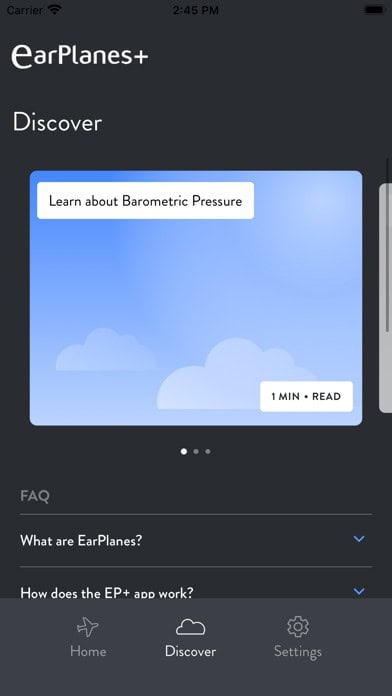
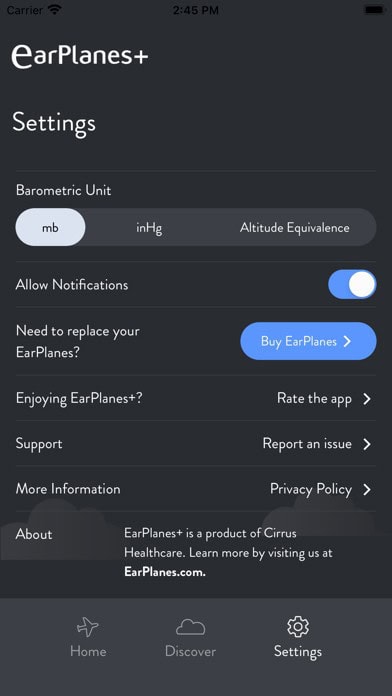
The EarPlanes+ app is intentionally minimal. Its value lies in doing one thing well rather than offering dozens of features. It is also free to download on both iOS and Android, with no subscription or paid tier attached.
At its core, the app:
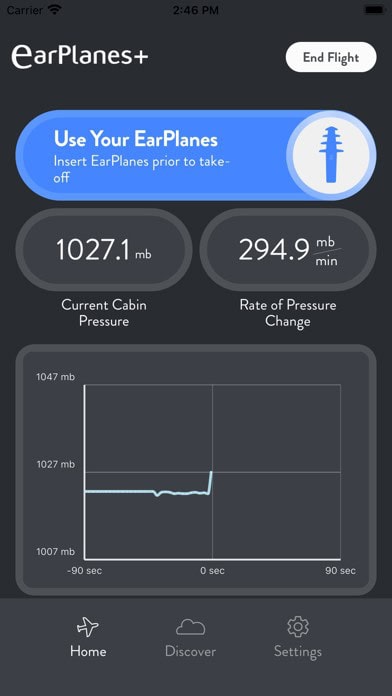
- Uses your phone’s built-in barometer to track cabin pressure
- Detects pressure changes during climb and descent
- Sends clear alerts telling you when to insert or remove EarPlanes earplugs
There’s no flight number input, no route selection, and no manual calibration. Once open, the app runs quietly in the background and only interrupts you when action is needed.
This simplicity is a strength. In a noisy, distracting cabin environment—especially when travelling with children—you don’t want to manage settings or interpret graphs. You want a simple prompt at the right moment.
The app doesn’t replace the earplugs; it enhances their effectiveness by solving the most common failure point: late insertion. Used together, the earplugs manage pressure changes, while the app ensures you’re using them at the optimal time.
If you’re happy guessing, the app adds little. If timing is where things usually go wrong, it fills a very specific and very useful gap.

App availability and prices vary by country. Some of these may not appear in your local App Store or Google Play.
Best For: Who Should Use EarPlanes & the EarPlanes+ App
The EarPlanes+ setup works best for travellers who already know ear pressure is a problem for them, but want a more reliable way to manage it.
It’s particularly well suited to:
- Frequent flyers who experience recurring discomfort on descent
- Families travelling with children, where timing earplugs correctly can be difficult
- Nervous flyers who prefer clear prompts rather than guessing
- Travellers with sensitive ears or mild sinus issues (non-medical)
- Occasional holidaymakers who only fly a few times a year but dread the ear pain
Parents often find the app especially useful because it removes the need to constantly monitor the flight or watch the seat-back map for descent clues. A simple alert is far easier than trying to judge when pressure changes are starting.
If you’ve tried EarPlanes before and felt they “didn’t really work,” poor timing is often the reason. In those cases, adding the app can materially improve results without adding cost or complexity.
Limitations & Things to Know Before Downloading
While the EarPlanes+ app is useful, it’s important to be clear about its limitations.
First, the app does nothing on its own. It only works if you’re using EarPlanes earplugs. Without them, the alerts have no practical benefit.
Second, the app relies on your phone’s pressure sensor. This means:
- Your phone needs to be with you, not in the overhead locker
- Battery life matters on longer flights
- Very old devices may be less accurate
Third, this is not a medical tool. It doesn’t diagnose ear conditions or treat infections, congestion, or chronic ear problems. If you have ongoing ear pain when flying, medical advice is still the right route.
Finally, if you’re someone who never suffers from ear pressure issues, the app will feel unnecessary. Its value is highly specific—and that’s intentional.
Search flights and useful route combinations in one place.
View flightsUse an eSIM to get online without hunting for a local SIM after arrival.
See eSIM optionsCheck private airport pickup options and plan the first part of your journey in advance.
View transfersHow Flying With Pressure Alerts Compares to Guesswork
Most travellers rely on habit and memory when managing ear pressure. They insert earplugs “around landing,” chew gum when it starts to hurt, or react only once discomfort is already present.
Flying with pressure alerts changes that behaviour entirely.
Without alerts
- Timing is based on assumption, not data
- Earplugs often go in too late
- Discomfort becomes the trigger for action
- Stress increases, especially with children
With pressure alerts
- Timing is proactive, not reactive
- Earplugs are inserted before discomfort starts
- Pressure changes feel slower and more manageable
- The flight feels more predictable and calmer
This difference may sound subtle, but for people who regularly experience airplane ear, it’s meaningful. Reducing uncertainty removes one small but persistent stressor from flying.
The EarPlanes+ app doesn’t make flights silent or glamorous. What it does is replace guesswork with a clear prompt at the right moment—and for the right traveller, that’s exactly enough.
Practical Tips for Using EarPlanes+ Effectively
To get the most out of the EarPlanes+ app, a few small habits make a big difference.
First, keep your phone with you, not in the overhead locker. The app relies on your phone’s pressure sensor, so it needs to experience the same cabin conditions you are. A pocket, seat pouch, or tray table works best.
Second, open the app before take-off. You don’t need to interact with it constantly, but having it running ensures alerts aren’t delayed or missed. On longer flights, a quick check before descent is sensible.
Third, insert EarPlanes as soon as the alert appears, even if you don’t feel any pressure yet. The goal is prevention, not reaction. Waiting until your ears start popping defeats the purpose of both the earplugs and the app.
For families, it helps to explain the alert to children in advance. Turning it into a simple routine (“when the phone buzzes, earplugs go in”) removes negotiation and confusion during descent.
Finally, remember the basics: keep EarPlanes clean, store them properly between flights, and replace them once they lose their seal. The app improves timing, but good physical fit still matters.
Related Apps That Pair Well With EarPlanes+
The EarPlanes+ app works best as part of a small, focused flying toolkit rather than a standalone solution.
Many travellers pair it with:
- Best apps for flight tracking, which help you understand when descent is likely to begin and provide context for delays or route changes
- Best apps for weather, particularly useful for anticipating turbulence or extended descents that may affect pressure changes
- Best apps for eSIMs, ensuring you stay connected on arrival without hunting for Wi-Fi after a long, uncomfortable flight
None of these apps duplicate what EarPlanes+ does. Instead, they reduce uncertainty around flying, each addressing a different friction point. Together, they help make flights feel more controlled and less reactive—especially useful for nervous flyers or those travelling with children.
Frequently Asked Questions
Do I need the EarPlanes+ app if I already use EarPlanes earplugs?
You can use EarPlanes without the app, but many people insert them too late. The app improves results by telling you exactly when pressure changes begin, especially during descent.
Does the app work on all flights?
The app works on most commercial flights where cabin pressure changes normally. It relies on your phone’s pressure sensor, so accuracy depends on your device and keeping it with you.
Is the app suitable for children?
Yes. Many parents use it as a prompt for when children should insert their EarPlanes. It’s particularly useful because kids often don’t recognise pressure discomfort until it’s painful.
Can the app replace chewing gum or swallowing techniques?
No. Those methods can help some people, but the app is designed to work alongside pressure-regulating earplugs, not replace other coping strategies.
Final Verdict: Is the EarPlanes+ App Worth Using?
The EarPlanes+ app is a small, focused tool that does exactly what it claims. It doesn’t try to be clever, over-featured, or all-encompassing. Instead, it solves one very real problem: most people use EarPlanes earplugs too late.
If you never suffer from ear pressure issues when flying, this app will feel unnecessary. However, if you regularly experience discomfort—especially on descent—or you’re travelling with children who struggle with ear pain, the value becomes obvious very quickly. The app removes guesswork, reduces stress, and turns ear pressure management into a simple, repeatable routine.
It’s not a medical solution, and it doesn’t work without EarPlanes earplugs. But as a free, lightweight companion to an already inexpensive product, it punches well above its weight. For the right traveller, this is one of those apps you install once and quietly rely on every flight.
Further Reading & Related App Guides
Want to prepare for every part of your journey? These related guides will help you stay informed, connected, and ready to travel with confidence.
Track delays and descents with our flight tracking apps guide → Flight Tracking Apps Guide
Plan for turbulence and long descents with our weather apps guide → Weather Apps Guide
Stay connected as soon as you land with our eSIM apps guide → eSIM Apps Guide
Know your rights when things go wrong with our flight delay compensation guide → Flight Delay Compensation Guide