Reviewed by our editorial team Updated
Why Travel eSIM Apps Are a Must for Travellers
For modern travellers, staying connected abroad is no longer a luxury. It is one of the foundations of a smooth trip. From checking into accommodation and navigating unfamiliar streets to booking rides, confirming train times, accessing boarding passes, and staying in touch with family, mobile data now supports almost every stage of travel. When connectivity fails, even simple tasks become slower, more stressful, and more expensive.
This is exactly why travel eSIM apps have become such an important part of modern travel planning. Instead of hunting for a local SIM shop, standing in airport queues, dealing with unfamiliar paperwork, or paying steep roaming charges through a home provider, travellers can now activate data digitally in minutes. In most cases, the process is remarkably simple. You choose a plan, install the eSIM through an app or QR code, activate it, and get online quickly without touching a physical SIM card.
The appeal is broad. Holidaymakers benefit from convenience and fast setup. Backpackers benefit from flexibility across multiple borders. Business travellers benefit from immediate connectivity on arrival. Remote workers and digital nomads benefit from repeatable, scalable access to data wherever they go. Many providers now go further by offering regional bundles, top-up options, hotspot support, privacy tools, and loyalty features, turning what was once just a SIM replacement into a much more complete travel utility.
The key point is simple. Travel eSIM apps remove friction from international travel. They reduce the need for roaming, eliminate the hassle of physical SIM swapping, and give travellers more control over cost, coverage, and setup. In a world where connectivity underpins almost everything, they have become one of the most practical travel tools you can carry.
In this guide, we look at some of the best travel eSIM apps for international travel, comparing their strengths, weaknesses, and ideal use cases so you can choose the right option for your next trip.
What Makes a Great eSIM App?
Choosing the best eSIM app for travel means looking beyond headline data allowances. The strongest apps combine value, ease of use, broad compatibility, dependable coverage, and clear pricing. A cheap plan is not much use if setup is frustrating, customer support is weak, or coverage disappears the moment you leave a major city.
A great eSIM app should first be easy to use. Installation needs to feel clear rather than technical, with smooth setup instructions and a simple activation process. Travellers often need connectivity at stressful moments, such as just after landing, during a transfer, or in an unfamiliar city. In those moments, clarity matters as much as the plan itself.
It should also be widely compatible, particularly across modern iPhones and Android phones that support eSIM. Compatibility is still one of the biggest sources of confusion for travellers, especially on Android where support varies by market and model. The best apps make this clear and help users verify device support before buying.
Pricing transparency is another major factor. A good app should show exact plan costs, valid countries, data allowances, and expiry periods upfront, without hidden conditions or vague limitations. Travellers want predictability. They do not want to discover after purchase that hotspot use is blocked, that a regional plan excludes a country on their route, or that a plan expires more quickly than expected.
Coverage and reliability are equally important. The best travel eSIM apps perform well not only in one destination, but across popular travel regions such as Europe, Asia, and North America. For multi-country travellers, regional consistency can matter more than the cheapest single-country rate.
Customer support is also a differentiator. The strongest apps offer fast help channels, clear troubleshooting, and responsive support when things go wrong. This is especially valuable when setup fails, data does not activate properly, or a top-up is needed quickly.
Finally, the best apps include features that genuinely improve the user experience. These may include regional bundles, app-based top-ups, hotspot support, usage tracking, browsing protection, loyalty rewards, or integrated privacy tools. Not every traveller needs all of these, but together they can turn a simple data plan into a much more useful travel service.
The most important thing to remember is that there is no single best app for everyone. The right provider depends on your destination, your device, your budget, and the way you actually use mobile data while travelling.
See hotel options and places to stay for your trip.
Browse hotelsExplore holiday homes and apartments for your trip.
See holiday homesCompare hotel deals from multiple booking sites in one search.
Compare pricesWhat Is an eSIM and How Does It Work?
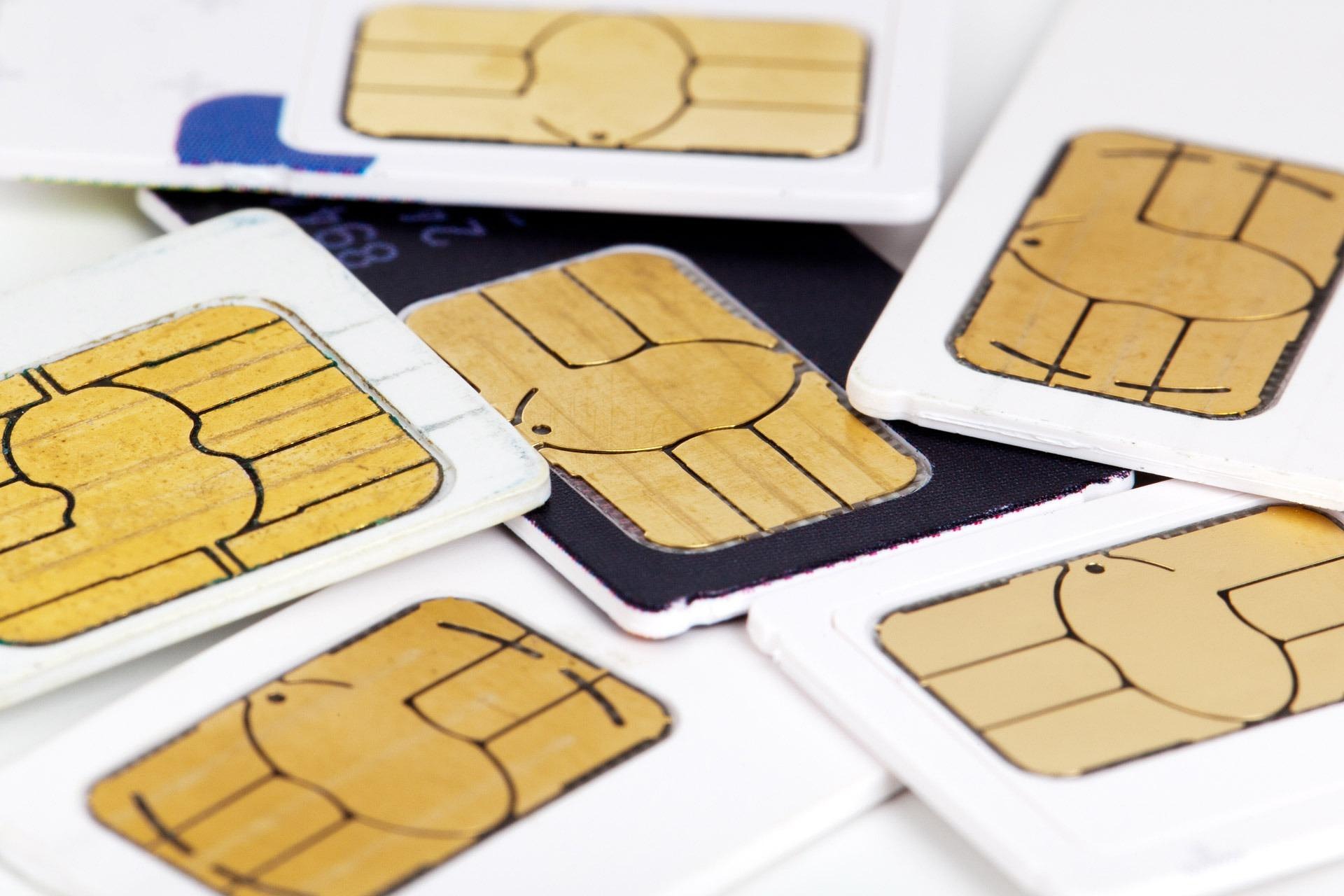
An eSIM, or embedded SIM, is the digital version of the physical SIM card that traditionally sat inside your phone. Instead of inserting and removing plastic cards every time you change country or provider, the eSIM is built directly into the device and can be activated digitally.
For travellers, this is a major shift in convenience. Rather than buying a local SIM at the airport, searching for telecom shops in unfamiliar places, or trying to compare foreign prepaid deals after landing, you can simply buy a plan online, install it digitally, and connect through a partner network in your destination. That removes both the logistical hassle and much of the uncertainty that used to come with staying connected abroad.
In practical terms, the process is usually simple. You buy a plan through the provider’s app or website, download the eSIM profile to your device, activate it when needed, and then use mobile data through the supported local network. Many newer phones let you keep your normal SIM active for calls and texts while using the eSIM for data, which is one of the reasons travel eSIM apps have become so attractive.
The real advantage of eSIM technology is not that it changes what mobile data is, but that it changes how easily travellers can access it. It offers the benefits of a local SIM without the shop visit, the tiny tray tool, the paper forms, or the physical swap. That makes it especially useful for multi-country trips, short breaks, business travel, and anyone who wants a cleaner, faster, more flexible way to get online.
In short, an eSIM works much like a normal SIM. The difference is that it is faster to install, easier to manage, and far better suited to modern travel.
Is My Phone eSIM Compatible?
Before buying any travel eSIM plan, the first thing you need to confirm is whether your phone actually supports eSIM. This is still one of the biggest practical barriers for travellers, and it is especially important on Android where compatibility can vary much more than many people expect.
For Apple users, support is relatively straightforward. Most iPhones from the iPhone XS and XR onward support eSIM, including newer SE models. Some iPads and Apple Watches also support it, although this varies depending on model and region.
For Samsung, many Galaxy S, Note, Fold, and Flip devices offer eSIM support, but availability can depend on the specific market version. Two phones with the same model name may not always behave identically if they were sold in different regions.
For Google, most Pixel devices from the Pixel 3 onward support eSIM, which is one reason Pixel users often have a relatively smooth setup experience.
Other Android brands such as Huawei, Oppo, OnePlus, and Xiaomi may also support eSIM on selected newer devices, but compatibility is much less consistent. This is why it is always better to verify the exact handset than to assume support based on the brand alone.
The quickest way to check is in your settings. On iPhone, go to Settings, then Mobile Data, and look for options such as Add eSIM. On Android, search for terms like eSIM, SIM Manager, or Download SIM in the settings menu. If you see those options, your phone is likely compatible. If you do not, you may need to use a physical SIM instead.
This step matters because buying an eSIM plan without checking compatibility is one of the easiest mistakes to make. A quick check before purchase can save a lot of frustration later.
Airalo
Airalo is one of the most widely used travel eSIM apps and, for many travellers, it is the easiest place to start. It combines broad global coverage, simple setup, and flexible plan options, making it a reliable default choice for international travel.
One of Airalo’s biggest strengths is its reach. The platform offers plans in 200+ destinations, with a clear structure built around local, regional, and global packages. Local plans are typically the most affordable for single-country trips, while regional plans are ideal for multi-country travel across areas such as Europe or Asia. Global plans provide wider coverage for longer or more complex itineraries.
The app experience is another key advantage. Travellers can browse plans, install eSIMs, track usage, and top up data directly within the app, making it easy to manage connectivity throughout a trip. Installation is straightforward, either through a QR code or guided in-app setup, and many users install everything before departure so they can connect immediately after landing.
Pricing is generally competitive, especially compared to traditional roaming charges. Airalo is not always the absolute cheapest option in every destination, but it consistently offers a strong balance between cost, convenience, and availability, which is often more valuable in practice.
The main limitation is that most Airalo plans are data-only, meaning traditional calls and SMS are not included. Travellers typically rely on apps like WhatsApp or FaceTime instead. As with all eSIM providers, performance can also vary depending on the local network, particularly outside major cities. For very long stays, local SIM cards may sometimes offer lower overall pricing.
Overall, Airalo remains one of the strongest all-round travel eSIM apps available. It is particularly well suited to travellers who want a simple, flexible, and widely supported solution that works across multiple destinations without needing to constantly switch providers.
Compare global data plans before you travel → Airalo eSIM Guide: Global Data Plans for Travellers


App availability and prices vary by country. Some of these may not appear in your local App Store or Google Play.
Stay Connected Abroad with Airalo eSIM Travel Data
Staying connected abroad is essential, whether you need maps, tickets, or last-minute bookings. Airalo makes it easy to get mobile data instantly with eSIM plans covering over 200 countries, without the need for a physical SIM card.
It is ideal for international travel, multi-country trips, and avoiding expensive roaming charges. You can set everything up in minutes and stay online from the moment you arrive.
Scan to open
on your phone


Nomad
Nomad has earned a strong reputation among remote workers, frequent flyers, and business travellers because it focuses on areas that matter once you move beyond simple price comparison. It is not always the cheapest provider on the page, but it often feels more polished, more controlled, and more dependable than many rivals.
One of Nomad’s clearest strengths is user experience. The app is clean, modern, and easy to understand, which matters more than it might first appear. Travellers need to know how much data remains, when a plan expires, and how close they are to running out. Nomad tends to present this information clearly, reducing the stress that comes from vague validity rules or hidden usage surprises.
It also performs well on support quality. Compared with providers that rely heavily on email, Nomad has often offered stronger in-app help and more responsive support channels. For travellers who are setting up a plan in an airport, troubleshooting after landing, or relying on data for work, that kind of support is a meaningful advantage rather than a minor extra.
Coverage is especially strong in North America, Europe, and Asia, and the app supports 5G where available, making it appealing for users who care about speed and consistency. For travellers doing video calls, remote work, streaming, or heavier daily usage, those stronger network experiences can matter more than small savings on the headline plan price.
The trade-off is cost. Nomad is often more expensive than budget-first providers, especially in some regions outside its strongest markets. It also does not lean as heavily into loyalty schemes or promo-style extras as some competitors. Even so, for travellers who value clarity, app quality, and dependable support, Nomad remains one of the strongest premium-style options available.
In practical terms, Nomad works best for travellers who are less concerned with shaving every last pound off a trip and more concerned with getting online quickly, staying stable, and having support when it matters.
Reliable data for frequent travellers → Nomad eSIM Review: Reliable Travel Data for Digital Nomads & Frequent Travellers


App availability and prices vary by country. Some of these may not appear in your local App Store or Google Play.
Stay Connected Abroad with Nomad eSIM Travel Data
Having mobile data ready before you travel makes it easier to use maps, bookings, transport apps, and messaging as soon as you arrive. Nomad offers reliable eSIM data plans designed for travellers who want a simple way to stay online across different destinations.
It is ideal for frequent travellers, city breaks, and multi-country trips. You can set up your eSIM in advance and avoid expensive roaming charges or relying on public Wi-Fi.
Sim Local
Sim Local takes a slightly different approach to many travel eSIM providers by combining digital eSIM convenience with a strong airport retail presence and partnerships with major mobile networks. For travellers who prefer a more familiar or supported setup process, this hybrid model makes Sim Local particularly appealing, especially for first-time eSIM users.
One of Sim Local’s biggest strengths is its direct relationships with established network operators. Rather than relying solely on smaller third-party aggregators, many Sim Local plans use major local carriers, helping deliver strong speeds and more reliable coverage in key travel destinations. The company also focuses heavily on airport connectivity, with physical stores and kiosks present in major international airports including London Heathrow, Dublin Airport and several hubs across Europe and North America.
The app and setup process are designed to be straightforward, even for travellers who have never used an eSIM before. Users can browse destination plans, purchase packages before departure, and activate service quickly after arrival. Many travellers value the ability to combine online setup with optional in-person support at airports, which adds reassurance compared with fully app-only competitors.
Pricing is generally competitive, particularly for travellers visiting Europe, the UK and North America. Sim Local is not always the cheapest provider in every market, but it often performs well for travellers who prioritise stable coverage, recognised network partners and customer support over finding the absolute lowest-cost plan available.
Another advantage is flexibility. Sim Local offers both eSIM and physical SIM options in some destinations, making it useful for travellers using older devices that do not yet support eSIM technology. This broader compatibility helps widen its appeal beyond purely tech-focused travellers.
The main limitation is that Sim Local’s coverage footprint is slightly smaller than some ultra-global competitors such as Airalo or Nomad, particularly in more remote or less commonly visited destinations. Plan variety can also vary between countries, with some regions offering fewer data package choices than larger marketplace-style providers.
Overall, Sim Local is one of the strongest travel eSIM choices for travellers who value simplicity, trusted network access and airport-based support. It works especially well for Europe-focused travel, multi-country trips and travellers wanting a more reassuring onboarding experience while still avoiding expensive roaming charges.
Compare trusted airport-ready eSIM plans before your next trip → Sim Local eSIM Guide for International Travellers
Stay Connected Abroad with Sim Local eSIMs
Reliable mobile data makes modern travel dramatically easier, especially when navigating airports, rail stations, public transport systems, and unfamiliar cities abroad.
Sim Local allows travellers to compare international eSIMs and travel SIM cards across multiple providers, helping you find the best option for your destination and travel style.
Exclusive AppSavvyTraveller discount: use code SAVVY10 for 10% off eligible Sim Local purchases.
It works especially well for Interrail trips, multi-country travel, airport transfers, and travellers who want mobile data working immediately after landing.
Holafly
Holafly has built its identity around one of the most attractive promises in the eSIM market: unlimited data on many of its plans. That single difference changes the way many travellers think about staying connected abroad.
Instead of estimating whether you need 3GB, 5GB, or 10GB, Holafly usually sells plans based on how many days you need coverage, which makes the experience feel far simpler. For travellers who stream, upload often, use maps heavily, take video calls, or just do not want to keep checking usage every few hours, that simplicity is a major advantage.
This makes Holafly especially appealing for short but data-intensive trips, city breaks, work travel, and holidays where travellers expect to use a lot of apps every day. The model is straightforward. You pay for the duration of the trip and get on with travelling, rather than monitoring every gigabyte.
The setup is usually simple, and Holafly is often praised for responsive customer support, which adds reassurance for users who are trying eSIM for the first time. It also performs strongly in popular destinations such as Europe, the United States, Japan, and parts of Latin America, where heavy daily usage is common and data anxiety can quickly become frustrating.
Its limitations are important, though. Hotspot sharing is included rather than blocked, but on the destination plans it is capped at a daily allowance rather than unlimited, commonly in the region of 500MB to 1GB per day depending on the plan, so it matters for travellers who want to tether a laptop or tablet for long stretches. Holafly’s Unlimited Global plan is the exception and lists unlimited data sharing. Some plans may also include fair-use limits, meaning extremely heavy users can see reduced speeds after a certain level of consumption. It is also not usually the cheapest option available, especially for light users who could manage on a smaller capped bundle.
Even so, Holafly succeeds because it removes one of the biggest travel-data frustrations. For the right traveller, paying slightly more in exchange for less monitoring, less stress, and more flexibility during the day is a very fair trade.
Explore unlimited data travel options → Holafly eSIM Review: Plans, Prices, Coverage & Travel Tips


App availability and prices vary by country. Some of these may not appear in your local App Store or Google Play.
Stay Connected Abroad with Holafly eSIM Travel Data
Having mobile data ready before you travel makes it much easier to use maps, tickets, bookings, and messaging apps as soon as you arrive. Holafly offers travel eSIM plans designed to help you stay connected without swapping physical SIM cards.
It is ideal for international trips, city breaks, and travellers who want a simple way to get online quickly. You can set up your eSIM before departure and avoid relying on airport Wi-Fi or expensive roaming.
Scan to open
on your phone

Search routes and flight options for your journey.
Search flightsChoose an Airalo eSIM and arrange mobile data before you arrive.
Browse eSIMsArrange a private pickup before travel instead of sorting transport after landing.
Book a transferUbigi
Ubigi is a polished eSIM provider backed by Transatel, and it has built a strong name around reliability, network quality, and a particularly smooth experience on newer devices, especially in Europe, the United States, and Japan.
One of Ubigi’s standout strengths is the way it often works with Apple devices. In some cases, installation can be managed directly through the app rather than relying on the standard QR-code process, which makes the setup feel especially convenient for iPhone users. That cleaner installation flow is one of the reasons Ubigi has earned a strong following among more premium users.
It also supports 5G in many destinations, and the app includes a clear dashboard where travellers can monitor usage, manage billing, and top up data as needed. Ubigi offers both prepaid options and more subscription-style structures, making it useful not just for a single trip, but for travellers who move internationally on a regular basis and want a provider they can come back to repeatedly.
Its reputation for stability and speed is a key reason it is often favoured by business users. The brand has a slightly more telecom-driven feel than some more consumer-styled rivals, which can be a strength for travellers who value consistency more than visual flair or app gimmicks.
The main weakness is regional value. Pricing is often competitive in Europe and parts of Asia, but can be less attractive in parts of Africa or South America, where other providers may deliver stronger value. Some Android users may also need a slightly more manual setup process than iPhone users, which makes the experience less uniformly smooth across all devices.
For travellers using newer phones, especially iPhones, who want fast setup, strong speeds, and dependable performance, Ubigi remains a very strong option.
If you are considering Ubigi for your next trip, our dedicated Ubigi eSIM guide explains coverage, pricing, activation, hotspot support and where the service performs best compared with other major travel eSIM providers.


App availability and prices vary by country. Some of these may not appear in your local App Store or Google Play.
Stay Connected Abroad with Ubigi eSIM
Reliable mobile data can make a huge difference when travelling, especially for maps, train tickets, translation apps, and live transport updates. Ubigi offers international eSIM data plans designed for travellers who want fast setup and flexible coverage across multiple countries.
It is particularly useful for European rail trips, city breaks, and longer journeys where staying connected helps simplify navigation and bookings. Activation is quick, allowing you to get online almost immediately after arrival.
GigSky
GigSky is one of the most distinctive travel eSIM providers because it is built around complete travel connectivity, not just standard country data plans. It covers 190+ countries and offers local, regional, global, in-flight, cruise, ferry, and subscription plans, making it one of the most flexible options for travellers who move across different types of journey.
For ordinary land travel, GigSky works much like other eSIM apps. Travellers install the eSIM, buy a plan through the app, track usage, and top up when needed. Its regional and global plans are useful for multi-country trips, while its broader structure makes it particularly appealing to frequent travellers, business travellers, and digital nomads.
Where GigSky stands out is specialist connectivity. It offers in-flight data plans on selected aircraft and airlines, cruise data plans for supported ships and routes, and even ferry eSIM plans for offshore and cross-border ferry journeys. This gives it a stronger “air, sea, and land” positioning than almost any other eSIM provider.
GigSky is also unusually strong for Apple users, with good support across iPhone, iPad, and Apple Watch cellular models. Few travel eSIM providers support Apple Watch in a meaningful way, so this is a useful advantage for travellers already using Apple devices.
Another important feature is GigSky One, its global subscription plan. Instead of buying a new plan for each trip, frequent travellers can use a monthly subscription covering 120+ countries, with high-speed data followed by unlimited reduced-speed data after the main allowance is used. Eligible Visa cardholders may also receive free data or discounts through GigSky’s Visa partnership, which can improve value for premium card users.
The main drawback is price. GigSky is usually mid-range to premium, especially for in-flight, cruise, ferry, and global subscription plans. It is rarely the cheapest option for a simple one-country holiday. Coverage for air and sea plans also depends on the specific aircraft, ship, route, or partner network, so travellers need to check availability before relying on it.
Overall, GigSky is best viewed as a specialist travel connectivity platform rather than a budget eSIM app. It is ideal for travellers who want one provider for land travel, flights, cruises, ferries, Apple devices, and frequent multi-country trips.
Stay connected on land, sea and air → GigSky eSIM Review: Global Data, In-Flight, Cruises and Ferry Internet


App availability and prices vary by country. Some of these may not appear in your local App Store or Google Play.
Stay Connected Abroad with GigSky Travel Data
Having mobile data ready when you arrive makes travel much easier, whether you need maps, bookings, or transport updates. GigSky offers global eSIM data plans that are simple to activate and work across multiple destinations.
It is ideal for international travel, multi-country trips, and travellers who want a reliable way to stay online without relying on public Wi-Fi. Setup takes minutes, so you can stay connected from the moment you land.


BNESIM
BNESIM takes a broader and more technical approach than most travel eSIM providers, positioning itself as more than just a data app. While many competitors focus purely on mobile data, BNESIM combines data connectivity with communication tools such as virtual phone numbers and VoIP services, making it particularly appealing to more advanced users.
This added functionality gives BNESIM a clear advantage for remote workers, business travellers, and long-term travellers who need more than just internet access. If you rely on two-factor authentication, SMS verification, or a consistent number for work or online services, BNESIM offers tools that many simpler eSIM apps do not provide.
Its plan structure is also highly flexible. Travellers can choose between daily bundles, regional plans, and unlimited-style options, depending on how they use data. This flexibility gives experienced users a lot of control, especially those who understand their usage patterns and want to optimise cost over time.
However, that flexibility comes with complexity. BNESIM is not the most beginner-friendly app on this page. The interface and plan structure can feel less intuitive than simpler apps like Airalo or Holafly, particularly for first-time users who just want quick, easy connectivity without needing to compare multiple plan types.
Pricing can vary depending on the structure chosen, and the experience can feel slightly more technical than consumer-focused alternatives. Even so, BNESIM earns its place because it solves a broader problem. It is not just about data. It is about maintaining communication, identity, and flexibility while travelling internationally.
For travellers who want maximum control and additional communication features, BNESIM offers a level of functionality that most standard eSIM apps simply do not match.


App availability and prices vary by country. Some of these may not appear in your local App Store or Google Play.
Flexiroam
Flexiroam stands out because it has long focused on travellers who move across multiple countries and need flexible, long-duration connectivity rather than short-term bundles. It approaches the market differently from many newer providers, which makes it particularly interesting for certain types of travellers.
One of its more unusual features is its hybrid approach. In addition to standard eSIM functionality, Flexiroam has historically offered a sticker-based solution that works with older devices that do not support eSIM natively. While this feels less relevant today as eSIM adoption grows, it still gives Flexiroam an edge for mixed-device households or travellers using older phones.
For modern users, the core strength lies in its longer-duration plans and broad country coverage, often spanning more than 150 countries. These plans are designed for travellers who are away for extended periods, such as digital nomads, retirees, overland travellers, or anyone taking multi-month trips across different regions.
Flexiroam also supports multi-network switching in certain destinations, which can help maintain a more stable connection when one network becomes weak. This is particularly useful in regions where coverage quality varies significantly.
The main downside is the app experience, which does not feel as polished or modern as some competitors. The legacy elements of the platform, including the older sticker concept, can make it feel slightly dated compared to fully digital-first rivals.
Even so, Flexiroam remains a credible option because it focuses on a different kind of traveller. It is less about quick city breaks and more about long-term flexibility, multi-country coverage, and adaptability across devices.
Compare regional and global data providers → Flexiroam eSIM Review: Global, Regional and Inflight Data for Travellers


App availability and prices vary by country. Some of these may not appear in your local App Store or Google Play.
SimOptions
SimOptions takes a very different approach compared with most providers on this page. Rather than positioning itself as a single eSIM product, it acts as a marketplace that compares plans from multiple providers, giving travellers a wider range of options in one place.
This model makes it especially useful for travellers who want to compare deals rather than commit to one ecosystem. In many cases, a local provider or lesser-known plan can offer better value than a global brand, particularly for single-country travel. SimOptions helps surface those opportunities.
It also supports both eSIM and physical SIM options, which makes it more flexible for travellers with mixed device types or for those whose phones do not support eSIM at all. This is particularly useful for families or groups travelling together with different devices.
The main trade-off is that the experience is less app-centric. Much of SimOptions’ real strength sits on its website, where the comparison tools are more detailed and easier to navigate. Travellers looking for a sleek, app-only experience may find other providers more satisfying.
However, for travellers who are willing to compare properly and spend a little more time choosing, SimOptions can deliver genuinely strong value and a broader range of choices than most single-provider apps.
In simple terms, it is not trying to be the most polished app. It is trying to be the best place to find the right deal for a specific trip.
If you want maximum flexibility across multiple networks and regional data plans, our dedicated SimOptions eSIM guide explains pricing, supported countries, compatibility and how SimOptions compares with other major travel eSIM providers.


App availability and prices vary by country. Some of these may not appear in your local App Store or Google Play.
Stay Connected Abroad with SimOptions eSIMs
Reliable mobile data makes modern travel dramatically easier, especially when navigating airports, rail stations, public transport systems, and unfamiliar cities abroad.
SimOptions helps travellers compare international eSIMs and travel SIM cards across multiple providers, making it easier to choose a plan that fits your destination, trip length, and data needs.
It works especially well for Interrail trips, multi-country travel, airport transfers, and travellers who want mobile data ready for maps, booking apps, transport updates, and messaging while abroad.
Yesim
Yesim has carved out a distinct position in the travel eSIM market by combining mobile data, privacy tools, virtual numbers, and a stronger focus on flexible digital communication. While many providers concentrate purely on connectivity, Yesim feels more rounded, especially for travellers who want extra control over how they stay connected abroad.
One of its most useful features is the ability to buy and manage travel eSIM plans in 120+ countries, with clear pricing shown upfront before purchase. Travellers can choose local or regional data plans, install the eSIM digitally, and activate it when needed, making it a practical option for short breaks, business trips, and multi-country travel.
Yesim also stands out because it offers virtual numbers, which can be useful for privacy, online sign-ups, verification messages, and separating your personal number from temporary travel use. This gives it an advantage over simpler data-only eSIM apps, particularly for travellers who regularly use transport apps, booking platforms, or unfamiliar online services abroad.
Yesim also bundles a built-in VPN with its plans, using IPsec encryption to protect browsing on the public WiFi you meet in hotels, airports and cafes. It is currently offered on iOS only, so Android users still need a separate VPN app, but on iPhone it is included at no extra cost with every plan.
Another useful extra is the Yesim loyalty programme, where repeat users can earn cashback and referral rewards toward future purchases. This makes the app more appealing for frequent travellers who expect to buy mobile data regularly rather than as a one-off purchase.
The main limitation is that Yesim’s standard eSIM plans are still primarily data-focused, so traditional calls and SMS usually require your regular SIM or internet-based apps such as WhatsApp, Telegram, or FaceTime. Coverage can also vary by local network partner, especially outside major cities.
Overall, Yesim is best suited to travellers who want flexible global eSIM data, stronger privacy options, and useful extras such as virtual numbers and loyalty rewards. It may not always be the cheapest provider, but it offers a more complete travel connectivity package than many basic eSIM apps.
Find a reliable alternative for staying connected → Yesim eSIM Guide: Global Data Plans for Travellers (2026)


App availability and prices vary by country. Some of these may not appear in your local App Store or Google Play.
Stay Connected Abroad with Yesim eSIM Travel Data
Reliable mobile data can make a big difference when travelling, especially when navigating new cities or booking transport on the go. Yesim offers flexible global eSIM plans that are easy to activate and manage from your phone.
It works well for frequent travellers, longer trips, and those who want the flexibility to top up data without switching providers. Setup is quick, so you can stay connected without hassle.
Scan to open
on your phone

Compare hostels and budget-friendly places to stay.
Browse hostelsGet help with compensation, eligible lounge access and disruption support.
Explore AirHelp+Leave your luggage somewhere convenient and explore hands-free.
View storageSaily
Saily is one of the newer travel eSIM providers, but it has quickly developed a much stronger identity than a basic data-only app. Backed by the wider Nord Security ecosystem, Saily combines travel eSIM data, online safety tools, and, through Saily Ultra, a growing set of travel perks.
For standard users, Saily works in the familiar way. Travellers choose a destination, buy a plan, install the eSIM through the app, and activate it when needed. The app is clean, simple, and easy to use, which makes it a good choice for first-time eSIM users who want a straightforward way to get online after landing.
Where Saily now stands out is with Saily Ultra. This premium subscription adds monthly high-speed data allowances, followed by unlimited reduced-speed data, meaning users can still access maps, messaging, and basic browsing even after the main allowance is used. Higher tiers are better suited to heavier users, remote workers, and frequent travellers.
Saily Ultra also includes unusual travel perks for an eSIM provider, including airport lounge access, fast-track security passes, a delayed flight lounge benefit, Uber vouchers, and a credit system for future use. These features make Saily feel more like a broader travel companion than a simple mobile data product.
Its security angle is also important. Because of its Nord connection, Saily has a stronger privacy and protection story than many rivals, with features such as web protection, ad blocking, and tools designed to make browsing safer on public Wi-Fi in airports, hotels, cafés, and railway stations.
The main limitation is cost and relevance. Travellers who only need the cheapest short-trip data may find simpler prepaid providers better value. Saily is also still primarily a data-focused service, so traditional calls and SMS are not the main offer. However, for travellers who value connectivity, security, and airport perks in one app, Saily is now one of the most distinctive eSIM options on the market.
Explore flexible and easy-to-use travel data → Saily eSIM Guide: Global Data Plans for Travellers


App availability and prices vary by country. Some of these may not appear in your local App Store or Google Play.
Stay Connected Abroad with Saily eSIM Travel Data
Having mobile data ready when you land saves time and avoids stress. Saily offers affordable eSIM data plans designed for travellers who want reliable coverage without overspending.
It is a smart choice for budget-conscious travellers, short trips, and anyone looking for a simple way to get online quickly. Activation is fast, so you can focus on your trip instead of finding Wi-Fi.
Scan to open
on your phone

MobiMatter
MobiMatter takes a marketplace-driven approach, similar in concept to SimOptions, but with a stronger focus on competitive pricing and deal-driven discovery. It has become especially popular among travellers who are actively looking for the best possible value rather than brand loyalty.
Instead of offering a single set of plans, MobiMatter aggregates offers from a range of providers, giving users access to a wide variety of pricing structures and data bundles. This makes it particularly useful for travellers who want to compare options quickly and take advantage of promotional deals or discounted plans that may not be available through mainstream apps.
Coverage extends across more than 200 destinations, making it one of the most versatile platforms in terms of geographical reach. For backpackers, students, and budget-conscious travellers, this breadth combined with frequent promotions can lead to significant savings compared with sticking to one provider.
The app itself is relatively clean and functional, and it makes browsing and filtering plans straightforward. The main trade-off is that because the platform aggregates multiple providers, support can vary depending on the underlying carrier rather than coming from a single unified service experience.
Even so, for travellers whose main goal is to reduce costs while maintaining flexibility, MobiMatter is one of the most effective tools available. It rewards those who are willing to compare and choose carefully rather than simply selecting the first option.


App availability and prices vary by country. Some of these may not appear in your local App Store or Google Play.
Stay Connected Abroad with MobiMatter
MobiMatter helps travellers compare travel eSIMs, choose trusted mobile networks, and activate data plans before departure.
Ideal for Europe trips, long-haul travel, city breaks, and avoiding expensive roaming charges abroad.
Orange Travel
Orange Travel, often marketed as Orange Holiday eSIM, stands apart from most providers because it goes beyond data-only plans and offers a more traditional telecom-style package that includes data, voice, and SMS.
This makes it particularly useful for travellers who still need standard phone functionality, such as calling hotels, contacting transport providers, making reservations, or receiving text-based verification codes without relying entirely on internet-based apps.
Backed by a major telecom operator, Orange delivers a level of network reliability and infrastructure strength that appeals to travellers who prefer a more conventional mobile experience. This is especially noticeable in Europe, where Orange has a strong presence and where its plans often deliver good value compared with buying separate services.
The setup process is straightforward, and the inclusion of voice and SMS makes it feel more complete than many data-only alternatives. For travellers who are uncomfortable relying solely on apps like WhatsApp or FaceTime, this can be a significant advantage.
The main limitation is geographical strength. Orange Travel is most competitive in Europe, and while it works in other regions, it may not always offer the same level of value or performance outside its core markets.
For travellers who want a more traditional SIM-style experience without giving up the convenience of eSIM, Orange Travel fills an important gap in the market.


App availability and prices vary by country. Some of these may not appear in your local App Store or Google Play.

Ohayu eSIM
Travellers looking for a simple low-cost way to stay connected abroad may also want to consider Ohayu eSIM, a growing travel eSIM provider focused on easy activation and affordable international data plans. The service is designed for travellers who want quick mobile data access without dealing with physical SIM cards, airport kiosks or expensive roaming charges.
One of the biggest advantages of Ohayu eSIM is its straightforward setup process. Most travellers can purchase a plan online, scan a QR code and activate mobile data within minutes. This makes it particularly useful for airport arrivals, last-minute trips and multi-country travel across regions such as Europe, Asia and parts of the Middle East.
Ohayu is especially attractive for lighter data users who mainly need navigation, messaging apps, transport bookings and basic browsing while travelling. Depending on the destination, plans can sometimes be cheaper than larger premium eSIM providers, making it a useful option for budget-conscious travellers.
However, coverage quality, supported countries and hotspot functionality can vary between destinations, so it is important to compare plans carefully before purchasing. Travellers planning longer trips, remote travel or heavy streaming may also want to compare Ohayu against providers with larger global infrastructure.
Our full Ohayu eSIM guide explains supported destinations, pricing, activation steps, hotspot support, device compatibility and how the provider compares against major competitors such as Airalo, Saily, Nomad and Ubigi.
Travel Smarter with Ohayu eSIM Data
Having mobile data available as soon as you arrive makes it much easier to manage transport, bookings, navigation, and communication while travelling. Ohayu offers travel eSIM plans designed for convenient international connectivity.
It works particularly well for city breaks, rail journeys, and travellers moving between multiple destinations who want an easy way to stay online without changing physical SIM cards.
Roamless
Roamless has introduced a different model to the eSIM space by focusing on pay-as-you-go data rather than fixed bundles. This approach is designed for travellers who want flexibility and control over spending, rather than committing to a set amount of data that may not be fully used.
Instead of buying a predefined package, users add balance and consume data as needed. This means there is no pressure to estimate usage in advance, and no risk of wasting unused data at the end of a trip. For travellers who move unpredictably between destinations or who only need occasional data, this model can be significantly more efficient.
Another advantage is balance rollover. Unlike traditional bundles that expire after a set period, unused funds remain available for future trips. This makes Roamless particularly appealing for occasional travellers who do not want to keep buying new plans every time they travel.
The app includes clear usage tracking, allowing users to monitor consumption in real time. This transparency helps avoid unexpected costs and makes it easier to manage data over longer journeys.
The trade-off is that Roamless is less suited to heavy data users, who may find better value in large or unlimited bundles offered by other providers. It is not a data-only service, though. Unlike most travel eSIMs, Roamless also supports international calls and SMS, either showing your own verified number as caller ID or using a subscribed Roamless number, with calls and messages billed from the same credit balance.
For travellers who value flexibility, control, and efficient spending, Roamless offers a refreshing alternative to the traditional bundle-based approach.
Discover pay-as-you-go mobile data → Roamless eSIM Review: Global Data, Calls and SMS Without Roaming Fees


App availability and prices vary by country. Some of these may not appear in your local App Store or Google Play.
Drimsim
Drimsim is different from most travel eSIM apps because it works more like a global pay-as-you-go SIM and eSIM rather than a fixed data-plan provider. Instead of buying a separate 1GB, 5GB, or 10GB package for each destination, travellers add credit to one account and pay for the data they actually use across supported countries.
This makes Drimsim especially useful for frequent travellers, digital nomads, multi-country trips, and anyone who wants a reliable backup travel SIM. You can install the eSIM or use the physical SIM, keep credit on the account, and connect in many countries without repeatedly buying new destination plans.
One of Drimsim’s biggest strengths is long-term flexibility. Unlike many travel eSIM plans that expire after 7, 15, or 30 days, Drimsim credit is tied to your account balance rather than a short fixed plan. The SIM can stay active for long periods, although inactivity fees may apply after extended non-use.
Drimsim also offers both a physical SIM and eSIM, which gives it an advantage for travellers with older phones, second devices, tablets, mobile routers, or anyone who wants a fallback option alongside another travel eSIM provider.
The main drawback is cost for heavy usage. Because Drimsim charges on a pay-as-you-go basis, it is usually not the cheapest option for streaming, large downloads, heavy hotspot use, or long stays in one country. In those situations, a local SIM or fixed data eSIM from another provider may offer better value.
Overall, Drimsim is best seen as a flexible global backup SIM rather than a budget data provider. It is most useful for travellers who cross borders often, use light to moderate data, and want one long-lasting account that works across many destinations.
Find a flexible pay-as-you-go SIM solution → DrimSim Review: Global SIM & eSIM for Multi-Country Travel
Stay Connected Abroad with DrimSim Travel Data
Having mobile data ready before you travel makes it much easier to use maps, tickets, bookings, and messaging apps as soon as you arrive. DrimSim offers international travel data designed to help you stay connected across multiple destinations without relying on airport Wi-Fi or expensive roaming.
It is ideal for frequent travellers, multi-country trips, and anyone who wants a simple way to get online abroad. You can keep your travel data setup straightforward and stay connected throughout your journey.

Comparison Table of Key Features
Here is a quick side-by-side look at how the leading eSIM apps compare on coverage, plan types, hotspot support and pricing clarity.
| App Name | Countries Covered | Plan Types | Hotspot Support | Standout Feature | Pricing Transparency |
|---|---|---|---|---|---|
| Airalo | 200+ | Local, Regional, Global | Varies | Airmoney loyalty + easy top-ups | Excellent |
| Nomad | 160+ | Local, Regional, Global | Yes | Strong app experience + 5G support | Excellent |
| Sim Local | 150+ | Local, Regional (eSIM + physical SIM) | Varies | Airport stores + major network partners | Clear |
| Holafly | 150+ | Unlimited (time-based) | Yes (daily cap) | Unlimited data plans | Very clear |
| Ubigi | 190+ | Prepaid + subscription-style | Yes | 5G + smooth iPhone setup | Excellent |
| GigSky | 190+ | Regional, Global | Yes | In-flight + cruise connectivity | Clear |
| BNESIM | 200+ | Daily, Unlimited, Regional | Yes | Virtual numbers + VoIP | Mixed |
| Flexiroam | 150+ | Long-term, Daily | Yes | Multi-network switching + long plans | Moderate |
| SimOptions | 200+ | eSIM + Physical SIM | Varies | Marketplace comparison | Excellent |
| Yesim | 130+ | Local, Regional, Global | Yes | Built-in VPN | Excellent |
| Saily | 150+ | Local, Regional, Global | Yes | Security tools + ad blocking | Clear |
| MobiMatter | 200+ | Local, Regional, Global | Yes | Strong deals + promo pricing | Excellent |
| Orange Travel | 150+ | Data + Calls + SMS | Yes | Traditional SIM-style service | Very clear |
| Ohayu | 170+ | Local, Regional, Global | Varies | Fast QR activation + budget pricing | Clear |
| Roamless | 150+ | Pay-as-you-go | Yes | Balance rollover + flexible spend | Excellent |
| Drimsim | 190+ | Pay-as-you-go (eSIM + physical SIM) | Yes | One balance used across many countries | Clear |
Europe eSIMs for Easy Multi-Country Travel
When choosing the best eSIM for Europe travel, the goal is usually simple. Travellers want reliable cross-border connectivity without needing to change plans every time they enter a new country. Europe’s dense geography means it is common to move between multiple countries in a single trip, so flexibility matters as much as price.
For most travellers, Airalo stands out as the strongest all-round option. Its regional European plans are widely available, competitively priced, and easy to manage. This makes it a natural choice for travellers moving between countries such as France, Italy, Spain, and Germany without wanting to install multiple eSIM profiles.
For those who prefer not to monitor data usage, Holafly offers a simpler experience through its unlimited plans. This works particularly well for short trips or high-usage travellers who rely heavily on maps, streaming, and constant connectivity throughout the day.
Travellers who prioritise app quality, speed, and support often lean towards Nomad, which delivers a more refined experience and strong performance across major European networks. Meanwhile, Orange Travel fills a unique gap by offering data alongside voice calls and SMS, which can be useful for travellers who still need traditional telecom functionality.
For those focused on saving money, MobiMatter and SimOptions can provide strong value by surfacing competitive deals from local providers. This approach can work well for single-country stays, although it requires more comparison and planning.
In practical terms, the best option depends on your travel style. Multi-country travellers benefit most from regional plans, while those staying in one destination may find better value through a country-specific plan or marketplace deal.
Choosing an eSIM for Travel Across Asia
Asia presents a more complex landscape, because network quality, pricing, and coverage vary significantly between countries. Choosing the best eSIM for Asia travel depends heavily on whether you are visiting one destination or moving across multiple regions.
For travellers visiting several countries across Southeast Asia, East Asia, or beyond, Airalo again provides one of the strongest regional solutions, offering wide coverage and relatively simple plan management. It removes the need to switch providers between destinations, which is especially useful on multi-stop trips.
For travellers who need strong performance and consistent speeds, particularly for work or heavy usage, Nomad is often a better fit. Its reliability and clearer usage tracking make it well suited to remote workers and longer stays in major cities.
Those who want to avoid thinking about data usage altogether may prefer Holafly, particularly in high-demand destinations such as Japan, South Korea, or Thailand, where unlimited plans can simplify the entire experience.
For travellers who are more price-sensitive, MobiMatter and SimOptions can uncover strong local deals, particularly in countries where domestic telecom competition drives down prices. However, this approach requires more effort and may involve switching between providers.
Privacy-focused users may also consider Saily or Yesim, especially in regions where public WiFi usage is high and security becomes more important.
Ultimately, Asia rewards travellers who match their provider to their itinerary. Regional plans suit multi-country routes, while country-specific plans can deliver better value for single-destination trips.

USA eSIMs for Reliable Data and Connectivity
The United States is a data-heavy travel environment. Travellers often rely heavily on navigation, ride-hailing apps, streaming, and real-time services, which makes both coverage and speed particularly important.
For most travellers, Airalo remains a strong default choice, offering good value and broad compatibility across the country. It is easy to set up and works well for typical travel usage.
For those who expect to use large amounts of data, Holafly’s unlimited plans can be especially appealing, removing the need to monitor usage while navigating cities, streaming content, or working remotely.
Business travellers and those who require stable performance and higher speeds often prefer Nomad, which tends to perform well in major metropolitan areas and supports 5G where available.
GigSky also plays a role here, particularly for Apple users and those who travel frequently across different environments. Its broader ecosystem, including support for multiple device types, makes it a useful option for travellers already embedded in Apple hardware.
For budget-conscious travellers, MobiMatter can offer competitive pricing through its marketplace model, while Orange Travel may appeal to those who want voice and SMS alongside data, something many eSIM providers do not include.
The key to USA travel is understanding usage. Light users can prioritise cost, while heavy users benefit from unlimited or premium plans that prioritise speed and reliability.
Finding Reliable eSIM Coverage Across Africa
Africa can be one of the more challenging regions for mobile connectivity, particularly outside major cities. Coverage quality can vary significantly, which makes provider choice more important than in many other regions.
For city-based travel, Airalo often provides the most reliable balance of coverage and value, especially in larger urban centres where partner networks are stronger.
Travellers who need higher data usage or prefer simplicity may look at Holafly, although availability and performance can vary more than in Europe or Asia. It is important to check specific country coverage before relying on unlimited plans.
For those travelling across multiple countries, especially overland routes, Flexiroam becomes more relevant, thanks to its long-duration plans and multi-network switching capabilities. This can help maintain a connection when moving through areas with less consistent infrastructure.
Advanced users or those with more technical needs may consider BNESIM, particularly if communication tools and flexibility are important. Meanwhile, MobiMatter and SimOptions can sometimes surface better local deals, although reliability should always be checked carefully.
The reality of Africa travel is that expectations need to be realistic. Even with the best provider, coverage can still vary significantly between urban and rural areas, and planning accordingly is essential.
eSIM Options for Australia, New Zealand and the Pacific
Oceania offers a mixed connectivity landscape. Australia and New Zealand are highly developed markets, while many Pacific island destinations present more limited infrastructure and fewer provider options.
For travel within Australia and New Zealand, Airalo provides one of the most consistent and reliable solutions, with straightforward setup and solid coverage in major cities and transport corridors.
Travellers who want unlimited data for urban use may prefer Holafly, particularly for city-based travel where usage is high and consistent connectivity is expected.
For more complex itineraries, especially those involving island travel or cruise routes, GigSky becomes more relevant, thanks to its broader coverage model and specialist connectivity features that extend beyond standard land-based travel.
Budget-conscious travellers can still explore MobiMatter, which may provide competitive options depending on the destination. For business travellers, Ubigi can deliver strong performance in supported areas, particularly where network quality is more consistent.
The key difference in this region is that not all destinations are equally supported. While Australia and New Zealand are straightforward, travellers heading into the Pacific need to check coverage carefully before relying on any single provider.

Rupert’s Handy Travel Tips
Planning to use a travel eSIM on your next trip? Here are a few useful tips to help everything run smoothly before you leave home:
- Install before you travel: Download and activate your eSIM while you still have stable Wi-Fi at home.
- Keep your normal SIM active: This lets you continue receiving calls or text messages while using the eSIM for mobile data.
- Label your profiles: If you install multiple eSIMs for different countries, name them clearly so you can switch between them easily.
- Save your QR code offline: Keep a copy of your activation details in case you ever need to reinstall the eSIM.
- Check hotspot rules: Some unlimited plans do not allow tethering, so confirm this before buying.
- Use regional bundles: If your trip covers several countries, regional eSIM plans often save both money and hassle.
- Taking a cruise or long-haul flight: GigSky is one of the few providers offering reliable cruise and in-flight connectivity.
- Want extra privacy: Providers like Yesim and Saily include built-in security or VPN features for safer browsing.
Want to meet the reindeer behind our travel tips? Find out more in our page Who is Rupert?.


Frequently Asked Questions
Do eSIM apps work on all phones?
No. eSIM apps require a compatible device. Most newer iPhones and many recent Android phones support eSIM, but older models may not.
Are eSIM apps cheaper than roaming?
In most cases, yes. Travel eSIM apps are usually significantly cheaper than using your home provider’s roaming charges, especially for data-heavy use.
Can I use my normal SIM and an eSIM at the same time?
Yes. Many modern smartphones support dual SIM functionality, allowing you to keep your main SIM active for calls while using an eSIM for data.
Do eSIM apps need internet to work?
You need an internet connection for setup and installation. Once activated, the eSIM works like a normal mobile data connection.
Are travel eSIM apps safe?
Yes, provided you use reputable providers and download apps from official app stores. Most major apps follow standard security practices.

Further Reading & Related App Guides
Want to stay connected, message offline and browse safely while travelling? These guides will help you prepare your phone before your trip.
If you want to compare specific providers before committing to a plan, our Airalo eSIM Guide breaks down global data plans for travellers, while the Saily eSIM Guide is worth checking if you want flexible, easy-to-use travel data. For a reliable alternative that covers well over a hundred countries, the Yesim eSIM Guide explains how the app works from installation through to activation.
Several other providers are worth comparing too. Our Holafly eSIM Review looks at unlimited data travel options, the Flexiroam eSIM Review compares regional and global data providers including inflight plans, and the Roamless eSIM Review explains its pay-as-you-go mobile data model. If you travel by land, sea or air, the GigSky eSIM Review is particularly useful since it also covers cruise and inflight connectivity.
For multi-country trips, the DrimSim Review covers a flexible pay-as-you-go SIM and eSIM solution, and the Nomad eSIM Review looks at reliable data built for digital nomads and frequent travellers. If you are still deciding whether an eSIM suits your trip better than a physical SIM, our eSIM vs Local SIM Card guide breaks down the differences so you understand your options before you travel.
Connectivity is only part of staying safe and reachable abroad. Our Offline Messaging Apps for Travellers Guide explains how to send messages even without mobile signal, and the VPN Apps for Safe Travel Browsing Guide shows how to protect your data with secure browsing while you are away. Reading these guides together will help you prepare your phone fully before your next trip.