
Reviewed by our editorial team Updated
Why Andorra Is Worth Visiting
Planning a visit to Andorra? This small country high in the Pyrenees delivers far more than many first-time visitors expect. You will find major ski resorts, mountain hiking, thermal spas, scenic drives, and some of Europe’s best-known duty-free shopping, all packed into a compact destination between Spain and France. Because Andorra has no airport and no railway network, planning your trip properly matters more here than it does in many other European destinations.
That is exactly where the best Andorra travel apps become so useful. The right tools can help you handle cross-border coach journeys, local buses, offline maps, ski passes, hotel bookings, weather checks, and mountain navigation without unnecessary stress. In a destination where transport is road-based and mountain conditions can change quickly, having the right apps already downloaded can save both time and hassle.
Whether you are heading for the slopes in Grandvalira, planning a shopping break in Andorra la Vella, or hiking high-altitude trails in summer, good travel planning makes a real difference. This guide brings together the most useful information for visiting Andorra, while also highlighting the best apps for transport, tourism, accommodation, weather, and connectivity before you arrive.
Where Is Andorra & Why Visit?
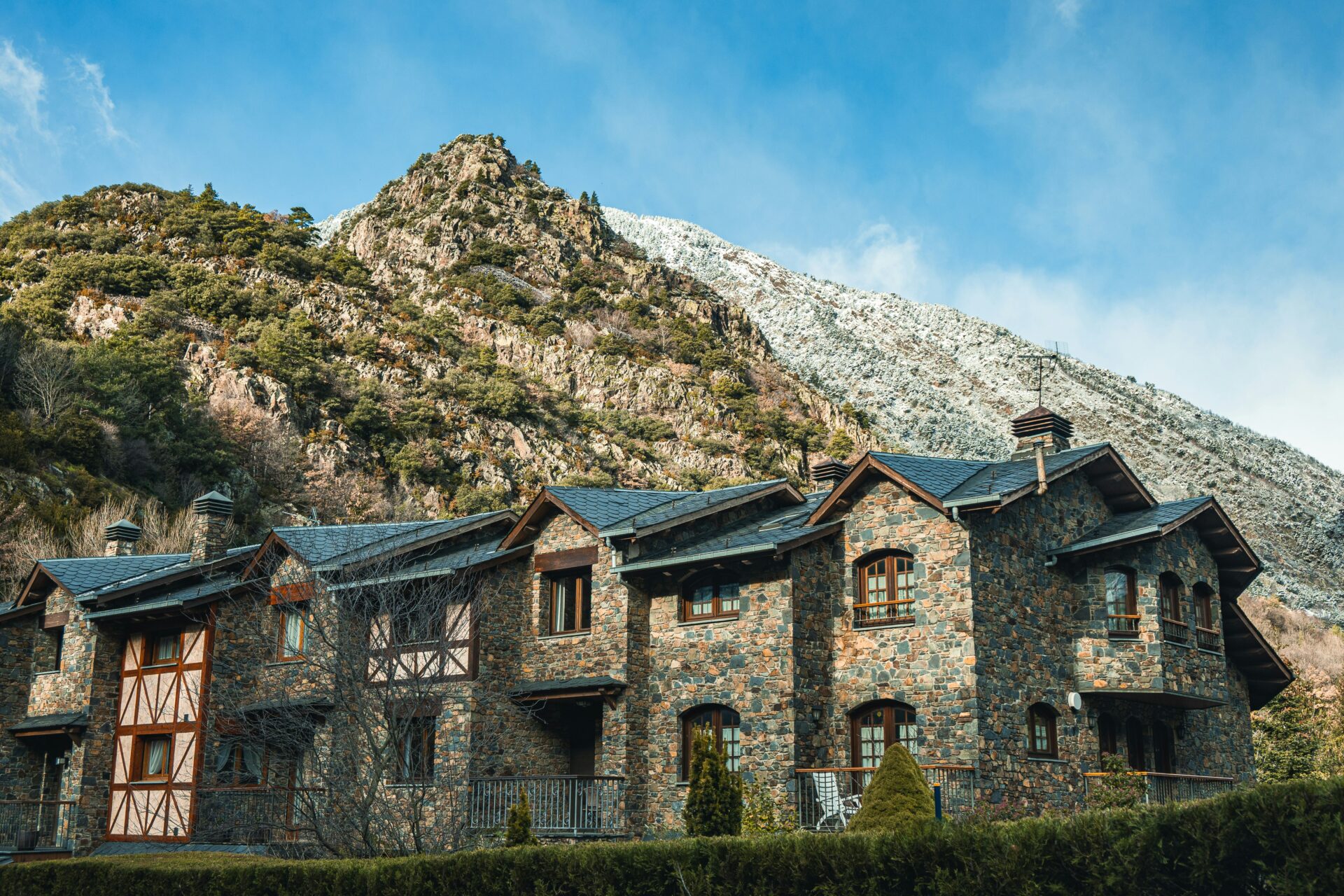
High in the Pyrenees, between France and Spain, sits Andorra, a small but sovereign country with a reputation far larger than its size suggests. Many travellers know it for skiing, hiking, and duty-free shopping, but Andorra offers much more than just winter sports and lower taxes. It is a destination with its own identity, strong mountain culture, and a surprisingly varied mix of outdoor adventure, relaxation, and historic character.
Although people sometimes assume Andorra is simply part of Spain or France, it is very much an independent country in its own right, with its own government, traditions, and long political history. It is not part of the European Union or the Schengen Area, yet it uses the euro (€), which makes life easier for most international visitors.
The capital, Andorra la Vella, sits at around 1,023 metres above sea level, making it the highest capital city in Europe. From there, valleys spread out toward major ski areas such as Grandvalira and Pal Arinsal, traditional towns such as Ordino, and mountain landscapes that attract hikers, cyclists, and nature lovers in the warmer months. Many visitors also come specifically for shopping, especially for electronics, sports gear, perfume, alcohol, and cosmetics, which are often priced lower than in neighbouring countries.
What makes Andorra especially appealing is that the experience goes well beyond bargains. The country’s Catalan heritage shapes its language and traditions, although Spanish and French are also widely spoken, particularly in tourism. Safety levels are high, crime is very low, and the combination of mountain scenery, clean air, and compact towns gives the country a calm, welcoming feel.
Andorra is also often more affordable than larger Alpine destinations. While prices rise during the peak ski season, visitors will often find that shopping, fuel, and some everyday costs are lower than in nearby parts of Spain or France. Add in the country’s friendly atmosphere, year-round appeal, and mix of winter sports, summer hiking, wellness, and shopping, and Andorra becomes a destination that regularly surprises people in the best possible way.
Compare hotels and other places to stay in Andorra.
Check availabilityExplore holiday homes and apartments around Andorra.
See holiday homesSee hotel prices from multiple booking sites in one search.
Compare ratesQuick Facts About Andorra
Before visiting Andorra, it helps to understand the basics. Although the country is small, it has a distinct identity and a few practical differences that travellers should know before arriving.
| Feature | Details |
|---|---|
| Capital City | Andorra la Vella |
| Population | Around 79,000 |
| Currency | Euro (€) |
| Plug Type | Type C / F, 230V, 50Hz |
| Official Language | Catalan |
| Other Widely Used Languages | Spanish and French |
| Time Zone | CET (GMT+1) |
| Emergency Number | 112 |
| Main Local Bus System | Cooperativa Interurbana Andorrana |
| Official Bus Platform | bus.ad / Andorra by Bus |
These quick facts make two things clear. First, Andorra is easy enough to use for most European travellers, especially with the euro and familiar plug types. Second, it is still a distinct destination with its own systems, particularly when it comes to transport, language, and connectivity. Knowing these details before you travel will make your arrival much smoother.
Brief History & Background
Despite its small size, Andorra has one of the most unusual and long-lasting political histories in Europe. It combines mountain isolation, medieval power-sharing, Catalan heritage, and modern democracy in a way few other countries do.
According to local tradition, Charlemagne granted freedom to the people of Andorra in the 8th century as thanks for resisting Moorish incursions. Whether fully historical or partly legendary, that story still reflects how strongly Andorra identifies with the idea of independence. The country’s more concrete political foundations were laid in 1278, when a feudal agreement known as the pareage established Andorra under shared rule between the Bishop of Urgell in Spain and the Count of Foix in France.
That arrangement was extraordinary, and in a modified form it still survives today. Over time, the Count of Foix’s rights passed to the French head of state, which is why Andorra’s two co-princes are now the President of France and the Bishop of Urgell. This unusual dual leadership remains one of the defining features of Andorra’s political identity.
For centuries, Andorra remained isolated and largely rural, surviving through farming, livestock, local trade, and at times smuggling across the mountains. With no airport, no railway, and few natural resources, it stayed on the edges of European political upheaval and avoided many of the large-scale disruptions that affected neighbouring countries.
The major transformation came in the 20th century, when improved roads, tourism, and ski development opened the country to a wider international audience. Resorts such as Grandvalira and Pal Arinsal helped put Andorra on the map, while its low-tax and duty-free status attracted shoppers and investment. At the same time, wellness tourism grew around places such as Caldea, giving the country an appeal beyond skiing alone.
A major modern turning point came with the 1993 Constitution, which formally established Andorra as a sovereign parliamentary democracy while keeping the historic co-prince structure in place. In the same year, the country joined the United Nations. It later adopted the euro in 2002 through a monetary agreement, even though it is not an EU member.
Today, Andorra is a prosperous microstate known for its mountains, winter sports, hiking, shopping, and high standard of living, but it has retained a strong sense of continuity with its past. That combination of old political traditions, Catalan cultural identity, and modern mountain tourism is a big part of what makes the country so distinctive.
Key Neighbourhoods & Towns in Andorra
Although small, Andorra is divided into seven parishes, each offering something slightly different. Understanding these areas helps you decide where to stay and what to prioritise during your trip.
Andorra la Vella
The capital and main commercial hub. Best for shopping, restaurants, and central accommodation, with easy access to transport links.
Escaldes-Engordany
Connected directly to the capital, this area is known for thermal spas, including Caldea, along with modern shopping streets and hotels.
Encamp
A key gateway to Grandvalira, with access via the Funicamp cable car. Good for both winter sports and summer hiking.
Canillo
A quieter, more scenic parish with family-friendly skiing, historic churches, and attractions like the Tibetan Bridge.
La Massana
Linked to Pal Arinsal ski area, this is a relaxed base popular with families and outdoor travellers.
Ordino
Often considered the most picturesque part of Andorra, with traditional architecture, museums, and access to nature parks.
Pas de la Casa
Located on the French border, this is a lively ski town known for nightlife, shopping, and high-altitude slopes.
Each area gives you a slightly different experience, from busy shopping streets and spa retreats to quiet mountain villages and ski resorts, making Andorra surprisingly diverse for such a small country.
Getting There and Around
UTravelling to Andorra is slightly different from most European destinations because the country has no airport and no railway network. Every journey into Andorra is completed by road, but in practice this is far simpler than it sounds.
Most travellers arrive via Barcelona El Prat Airport in Spain or Toulouse-Blagnac Airport in France. From either location, you can travel directly into Andorra using coach services, private transfers, or a rental car, with typical journey times of around 3 hours depending on traffic and weather conditions.
One of the biggest advantages is that transport routes are direct and well established. You are not dealing with complicated transfers or multiple connections. In most cases, you can land at the airport, walk to the coach departure point, and travel straight through to Andorra la Vella or your resort area.
Once inside the country, transport remains straightforward. Andorra operates a nationwide bus network linking all major towns including Andorra la Vella, Escaldes-Engordany, Encamp, La Massana, Ordino, and Pas de la Casa. Services typically run from early morning until around 9pm, with fares ranging from €1.90 to €6 depending on distance.
Taxis are available but must usually be pre-booked or taken from designated ranks, and fares are higher than buses. For visitors who want full flexibility, driving is a strong option, particularly for accessing hiking routes or quieter valleys.
The key takeaway is simple. While Andorra lacks airports and trains, its road connections are efficient, direct, and easy to use, making it one of the more accessible mountain destinations in Europe.
Nearest Airports to Andorra
Because Andorra does not have its own airport, choosing the right arrival point has a direct impact on how easy your journey will be.
The most popular option is Barcelona El Prat Airport (BCN). It offers the widest range of international flights and the most frequent onward connections. From Barcelona, direct coaches run multiple times per day, with journey times typically around 3 to 3.5 hours. Tickets usually cost between €30 and €50, depending on the operator and time of year.
The second major option is Toulouse-Blagnac Airport (TLS) in France. This is particularly useful for travellers coming from France, the UK, or northern Europe. Journey times are similar at around 3 hours, with direct coach services operating throughout the day.
Smaller airports such as Carcassonne (CCF) and Girona (GRO) can also be used, especially for low-cost airlines, but transport options are more limited. From these airports, journeys to Andorra still take around 2.5 to 3 hours, but services may be less frequent and require more careful planning.
There is also a lesser-known option at Lleida–Alguaire Airport, which is closer geographically, but it has very limited flight availability, making it less practical for most international travellers.
Whichever airport you choose, the final stage of the journey is always by road. The important thing is that these routes are well served, clearly structured, and designed specifically for travellers heading into Andorra.
Coaches & Regional Buses
While train service is absent, Andorra is extremely well-connected by regional coaches that serve as the main inbouWhile Andorra has no train service, it is extremely well connected by long-distance coaches, which act as the primary way to enter and leave the country. Services run multiple times per day from major cities including Barcelona, Toulouse, Lleida, and Girona, making bus travel the most practical option for most visitors.
Search routes and flight options for your trip to Andorra.
Search flightsBrowse Airalo eSIM options for convenient travel data.
Check eSIMsArrange a private airport pickup for your trip to Andorra.
Check transfersAndbus
Andbus is one of the most established and widely used transport providers linking Andorra with both Spain and France. Its network connects Barcelona city centre, Barcelona El Prat Airport, Toulouse, Girona, and Lleida directly to Andorra la Vella and key resort areas, making it one of the easiest ways to reach the country without a car.
Coaches are modern and well equipped, with air conditioning, reclining seats, Wi-Fi, USB charging ports, and generous luggage space, including capacity for ski and snowboard equipment. Journey times from Barcelona or Toulouse are typically around 3 hours, although this can increase slightly during winter weekends or peak ski periods due to mountain traffic.
Services run several times per day, with increased frequency during the ski season. This makes it easy to align your journey with flight arrivals or travel plans without needing complex scheduling.
Tickets can be booked online via the Andbus website or through the Andorra by Bus app, where mobile tickets are accepted, removing the need for printing. Prices are generally competitive with other coach operators, and significantly cheaper than private transfers, making this a strong option for both solo travellers and groups.
Drop-off points include the Andorra la Vella bus terminal, as well as selected hotels and resort stops along the route. For travellers heading to Pas de la Casa, Andbus operates direct services, meaning you do not need to transfer locally.
Overall, Andbus offers an excellent balance of comfort, reliability, and convenience, making it one of the most straightforward ways to travel into Andorra from surrounding countries.
Direct Bus
Direct Bus operates one of the most popular and straightforward routes between Barcelona and Andorra, focusing on simplicity and direct access.
Services depart several times daily from both Barcelona El Prat Airport (Terminals 1 and 2) and central city locations, travelling directly to Andorra la Vella with stops in Sant Julià de Lòria and Escaldes-Engordany. This makes it particularly convenient for travellers arriving by air, as you can move from airport to mountain destination without changing transport.
Coaches are modern and comfortable, featuring reclining seats, free Wi-Fi, and dedicated luggage space, including room for ski equipment. The journey typically takes around 3 hours, depending on traffic and seasonal conditions.
Schedules are designed to align with major flight arrivals, helping reduce waiting times and making connections smoother for international travellers.
Tickets can be booked online through the Direct Bus website or via local agencies. Mobile tickets are accepted, and booking in advance is strongly recommended, particularly during winter and holiday periods, when services often sell out.
Direct Bus focuses on a streamlined route, prioritising the capital and main towns rather than making multiple resort stops. Travellers heading to areas such as Soldeu, Ordino, or Pas de la Casa will usually continue via local bus or taxi from Andorra la Vella.
For those travelling from Barcelona, Direct Bus is one of the most reliable, simple, and stress-free options, especially if you want a direct airport connection without hiring a car.
Getting to Andorra by Bus from France
For travellers arriving from France, coach connections provide a direct and highly practical route into Andorra, with Toulouse acting as the main gateway.
From Toulouse–Blagnac Airport and the city centre, operators such as Andbus run multiple daily services to Andorra la Vella. The journey takes approximately 3 hours, passing through Pyrenean valleys before climbing into the mountains. Coaches are well equipped with Wi-Fi, charging points, and luggage storage, making them suitable for both city breaks and ski trips.
Another option is Carcassonne Airport, which serves a smaller number of low-cost and seasonal routes. From here, services to Andorra take around 2.5 to 3 hours, although departures are less frequent than from Toulouse. This route can be a good choice for travellers prioritising budget flights.
For those arriving by train, the closest rail access point is L’Hospitalet-près-l’Andorre, located around 15 km from the border. Regional and long-distance trains from Toulouse and Paris stop here, with local buses and taxis completing the final leg into Andorra. Some bus services are timed to connect with train arrivals, making transfers relatively smooth.
During winter, additional seasonal shuttle services operate between French towns and Andorran ski resorts such as Pas de la Casa and Soldeu, catering to both day-trippers and longer-stay visitors.
Overall, travelling to Andorra from France by bus is efficient, affordable, and scenic, offering a straightforward alternative to driving while still allowing you to experience the Pyrenees landscape along the way.
Trains Near Andorra
There is no railway network inside Andorra, so it is not possible to arrive directly by train. However, several nearby stations in France and Spain provide practical access points, with onward connections by bus or taxi into the country.
The closest station is L’Hospitalet-près-l’Andorre on the French side, located around 15 km from the border. From here, local buses and taxis connect directly to Andorra la Vella and Pas de la Casa, with journey times of around 30 to 45 minutes. This is the most convenient rail-based route for travellers coming from Toulouse or Paris.
Another useful option is Latour-de-Carol – Enveitg, which acts as a cross-border rail hub linking both French SNCF services and Spanish RENFE trains from Barcelona. From this station, travellers can continue into Andorra via pre-booked transfers or regional bus services, making it a flexible option for those travelling from Catalonia.
On the Spanish side, Lleida-Pyrénées station offers high-speed AVE connections to Madrid and Barcelona. Although it is further from Andorra at around 150 km, direct coach services from Lleida take approximately 3 hours to reach Andorra la Vella, making it a viable option when combining rail and bus travel.
While using the train adds an extra step, it can be a comfortable and scenic way to cover long distances before switching to road transport. For most travellers, however, the direct bus from Barcelona or Toulouse remains the simpler and faster option.
Car Hire & Driving in Andorra
For travellers who value flexibility and independence, renting a car is one of the best ways to explore Andorra and the surrounding Pyrenees. The journey itself is part of the experience, with mountain roads, panoramic viewpoints, and dramatic valley landscapes along the way.
Most visitors hire a car at Barcelona El Prat Airport or Toulouse–Blagnac Airport, where there is a wide choice of international rental companies and competitive pricing. The drive to Andorra typically takes around 2.5 to 3 hours, depending on traffic and weather conditions.
The most common route from Barcelona follows the C-16 north via Manresa, passing through the Cadí Tunnel, which is a toll road but significantly reduces journey time. From Toulouse, routes follow well-maintained mountain roads into the principality.
Driving conditions are generally good, with well-maintained roads and clear signage, but terrain becomes more challenging as you climb into the mountains. Expect winding roads, steep gradients, and occasional narrow sections, particularly outside the main routes.
In winter, conditions change significantly. Snow chains or winter tyres are mandatory by law, typically from November to April, and checks are common. Weather can affect travel times, so it is important to check forecasts before setting off.
Fuel is noticeably cheaper in Andorra than in Spain or France due to lower taxes, making it a good place to fill up. Petrol stations are easy to find in towns but become less frequent in more remote mountain areas.
Parking is widely available across Andorra, including in Andorra la Vella, ski resorts, and shopping areas, although it is usually paid. Many hotels offer private or underground parking, which is particularly useful in busy areas.
Driving is best suited to travellers who want to explore beyond the main towns, visit remote valleys, or combine Andorra with a wider trip through Spain and France. For shorter stays focused on one location, buses are often simpler, but for freedom and access, driving is hard to beat.
Local Bus Network in Andorra
Despite its mountainous terrain, Andorra operates a reliable and affordable public bus network that connects all major towns and parishes, including Andorra la Vella, Escaldes-Engordany, Encamp, La Massana, Canillo, and Ordino.
The network is operated by Cooperativa Interurbana Andorrana and forms the backbone of transport within the country. Services typically run from around 07:00 to 21:00, with frequency varying by route and season.
Buses are modern, clean, and comfortable, with space for luggage, making them suitable for both daily travel and ski transfers. During winter, additional ski shuttle services operate between towns and resorts, helping reduce congestion and parking demand.
Fares are low, usually ranging from €1.90 to €6 depending on distance, making this the most cost-effective way to travel around the country. Multi-journey tickets and passes are available for regular users.
Some of the most commonly used routes include:
The L1 route, linking Andorra la Vella with Sant Julià de Lòria
The L4 route, connecting Pas de la Casa with Escaldes-Engordany
Bus stops in major towns often include digital displays with real-time departure information, while printed timetables are available at stops and online. Although there is no fully integrated official app, services can be checked via operator websites.
While coverage is strong across populated areas, more remote valleys may have less frequent services, particularly outside peak seasons. Even so, for most visitors, the bus network provides a simple, reliable, and inexpensive way to get around Andorra without a car.

App availability and prices vary by country. Some of these may not appear in your local App Store or Google Play.
Taxis in Andorra
Taxis in Andorra are safe, reliable, and regulated, but they operate differently from larger cities. You generally cannot hail a taxi on the street, and instead must book in advance, use a taxi rank, or arrange one through your hotel.
Taxi ranks are located in key areas such as Andorra la Vella and Escaldes-Engordany, while hotels and restaurants are usually happy to call a taxi for you.
Fares are metered, with additional charges for night journeys, Sundays, and trips to remote areas or ski resorts. Short trips within the capital are relatively inexpensive, but longer journeys can add up quickly compared to bus travel.
For a more modern option, apps such as CityXerpa allow you to book taxis and local services directly from your phone, which is particularly useful for travellers who prefer app-based transport.
Taxis are best used for late-night travel, direct hotel transfers, or destinations not served by buses. For everyday travel, most visitors rely on the bus network due to its lower cost.

App availability and prices vary by country. Some of these may not appear in your local App Store or Google Play.
Walking in Andorra
Once you are in town, walking becomes one of the easiest and most enjoyable ways to explore Andorra, particularly in Andorra la Vella and Escaldes-Engordany, where the centres are compact and well designed for pedestrians.
Most key areas, including shopping streets, restaurants, hotels, and cultural attractions, are within comfortable walking distance. The main shopping avenues such as Avinguda Meritxell and Carlemany are partially pedestrianised, making them easy to navigate without traffic.
In smaller towns such as Ordino and La Massana, walking offers a more traditional experience, with stone streets, mountain views, and quieter surroundings. These areas are ideal for slower exploration and short scenic strolls.
However, it is important to understand that Andorra’s terrain is naturally steep and mountainous. Even short distances can involve inclines, steps, or uneven surfaces, so comfortable footwear is essential. This is particularly true outside the main urban areas.
For longer walks and hiking routes, trails are generally well marked, but mobile signal can be inconsistent in valleys and higher elevations. Using offline navigation apps such as Maps.me or Komoot is strongly recommended.
In summer, walking conditions are excellent, with clear trails and mild temperatures, while in winter, snow and ice can make surfaces more difficult, particularly in less central areas.
Overall, walking works best within individual towns, but travelling between parishes is usually not practical on foot due to distance and elevation changes.

Browse hostels and budget-friendly stays around Andorra.
See hostelsAccess compensation support, eligible lounge benefits and faster payouts when flights go wrong.
See the benefitsUse convenient luggage storage around Andorra between arrival, check-in and departure.
Check storageTourist Trains & Novelty Transport
Although Andorra does not have a traditional railway system, it offers several tourist-focused transport experiences that combine sightseeing with travel.
One of the most popular is the tourist train at Naturland, located in Sant Julià de Lòria. This small open-air train runs through forested areas and alpine scenery, providing a relaxed and family-friendly way to experience the landscape. Journeys typically last around 15 to 20 minutes, with commentary explaining the surrounding environment.
Another standout attraction is the Tobotronc, the world’s longest alpine toboggan ride. While not transport in the traditional sense, it functions as a unique way to move through the mountain landscape, covering more than 5 kilometres of track through forested terrain. Riders control their speed, making it suitable for a wide range of visitors.
In summer, some towns such as Encamp, Canillo, and Ordino operate mini tourist trains, which run short circular routes through local streets and surrounding areas. These are designed primarily for sightseeing and offer commentary on landmarks, history, and local culture.
While these options are not practical for everyday transport, they add a fun and memorable layer to travelling in Andorra, particularly for families or first-time visitors looking to explore without long walks.
Cycling Routes in Andorra
Andorra has developed a strong reputation as a high-altitude cycling destination, attracting both professional riders and enthusiastic amateurs.
The country’s mountain terrain creates a network of challenging climbs and scenic routes, many of which feature in major cycling events such as the Tour de France and La Vuelta a España.
Some of the most well-known road cycling routes include the Coll d’Ordino and Port d’Envalira, the latter reaching over 2,400 metres, making it one of the highest paved roads in Europe. These climbs are demanding, with steep gradients and long ascents, but they reward riders with panoramic views across the Pyrenees.
During summer, ski resorts transform into mountain biking hubs. Areas such as Pal Arinsal Bike Park offer lift-assisted trails for downhill and enduro riding, catering to both beginners and experienced riders. Cross-country routes are also available in areas such as Grandvalira and Naturland.
Bike rental shops are widely available in major towns, offering both road bikes and full-suspension mountain bikes, along with guided tours for those unfamiliar with the terrain.
Cyclists should be prepared for rapid weather changes, particularly at higher altitudes. Carrying water, layers, and sun protection is essential, and helmets are mandatory on public roads.
Apps such as Komoot and Strava are highly recommended for route planning, elevation tracking, and navigation, especially when exploring more remote areas.
Cycling in Andorra is not just transport; it is a core part of the destination experience, combining physical challenge with some of the best scenery in Europe.

App availability and prices vary by country. Some of these may not appear in your local App Store or Google Play.
Car Rental in Andorra
Car rental is one of the most flexible ways to explore Andorra, particularly for travellers who want to reach remote valleys, hiking areas, and smaller villages that are not easily accessible by public transport.
Most international visitors rent cars at Barcelona El Prat or Toulouse–Blagnac airports, where there is a wider choice of vehicles and better pricing. Rental options within Andorra itself are more limited and often more expensive.
Driving in Andorra is generally straightforward, with well-maintained roads and clear signage, but the mountainous terrain means drivers should be prepared for sharp bends, tunnels, and elevation changes.
In winter, snow chains or winter tyres are required by law, and conditions can change quickly. It is important to confirm that your rental vehicle is properly equipped, particularly between November and April.
Fuel is significantly cheaper in Andorra than in neighbouring countries due to lower taxes, making it a good place to refuel before returning to Spain or France.
Parking is widely available in towns and ski resorts, although most central areas operate paid parking systems. Many hotels offer dedicated parking facilities, which can be useful during busy periods.
Crossing the border into Andorra is usually quick, with no permanent passport checks, but customs limits apply when returning to the EU, particularly for alcohol, tobacco, and high-value goods.
For travellers planning to explore beyond the main centres or combine Andorra with a wider regional trip, car rental offers a level of freedom and convenience that public transport cannot match.

App availability and prices vary by country. Some of these may not appear in your local App Store or Google Play.

Transport App Summary
To help you navigate Andorra more efficiently, using the right apps can make a significant difference, particularly given the country’s reliance on road transport and limited real-time infrastructure.
The Andorra by Bus app is one of the most useful tools for inbound travel, allowing you to book coach transfers from Barcelona or Toulouse and manage tickets digitally. It links directly to Andbus services, making it ideal for planning your arrival.
For local transport and services, CityXerpa has become increasingly valuable. Originally a delivery platform, it now allows you to book taxis, arrange services, and access local businesses, which is particularly useful if you are staying in Andorra la Vella or surrounding areas.
For navigation, Google Maps works well in urban areas, providing directions, estimated travel times, and basic transport guidance, although coverage becomes less reliable in remote mountain regions. To compensate, apps such as Maps.me allow you to download offline maps, ensuring you can navigate even without mobile data.
For outdoor activities, Komoot is one of the best tools available. It provides detailed hiking and cycling routes, elevation profiles, and offline navigation, making it particularly useful for exploring Andorra’s mountain terrain safely.
Finally, apps such as Booking.com help manage accommodation and car rental bookings, while also providing location-based recommendations and reviews.
Using a combination of these apps ensures you can plan routes, manage bookings, and navigate confidently, even in areas with limited connectivity.
Top Attractions and Things to Do in Andorra
Despite its small size, Andorra offers a remarkable variety of attractions, combining outdoor adventure, cultural heritage, and modern leisure experiences.
The country is best known for its ski resorts, mountain landscapes, and duty-free shopping, but there is far more to discover beyond the slopes.
In winter, the focus is on skiing and snowboarding, with large interconnected resorts offering terrain for all ability levels. In summer, the mountains transform into a destination for hiking, cycling, and nature exploration, with well-maintained trails and panoramic viewpoints.
Cultural attractions are centred around historic churches, museums, and traditional villages, offering insight into Andorra’s unique history and identity. The capital also provides a mix of modern shopping, restaurants, and wellness facilities, creating a balance between activity and relaxation.
What makes Andorra particularly appealing is how compact and accessible everything is. You can move from mountain trails to city streets within a short journey, making it easy to combine multiple experiences in a single trip.
For most visitors, the appeal lies in this combination of scenery, accessibility, and variety, allowing you to tailor your visit around your interests
Grandvalira Ski Resort
Grandvalira is the largest ski area in Andorra and one of the biggest in the Pyrenees, offering over 200 kilometres of pistes spread across multiple sectors including Pas de la Casa, Soldeu, El Tarter, Canillo, Encamp, and Grau Roig.
The scale is what sets it apart. You can ski across multiple connected areas without needing transport, making it ideal for full-day skiing and longer stays. The resort caters to all levels, with wide beginner slopes, long intermediate runs, and more technical terrain for advanced skiers.
Lift infrastructure is modern and efficient, with high-capacity gondolas and chairlifts, meaning queues are generally shorter than in many Alpine resorts. Facilities across the mountain include ski schools, rental shops, restaurants, and après-ski venues, making it easy to manage everything in one place.
Grandvalira is also well suited to international visitors, with English-speaking instructors, clear signage, and well-organised resort logistics. Access is straightforward via Encamp gondola or direct transport to Soldeu and Pas de la Casa.
During summer, the resort transitions into a mountain activity hub, offering hiking, cycling, and outdoor experiences.
Overall, Grandvalira delivers a large-scale, well-run ski experience that competes with bigger European resorts, but at a more accessible price point.

Pal Arinsal & Ordino Arcalís (formerly Vallnord)
Pal Arinsal and Ordino Arcalís are Andorra’s two other major ski areas, each offering a different style of skiing. They were marketed together for years under the name Vallnord, but that brand has been retired: Ordino Arcalís left the partnership in 2019, Pal Arinsal followed, and all three of Andorra’s ski areas now sit under the Grandvalira Resorts umbrella. You will still see the old Vallnord name on older signage and some third-party booking sites.
Pal Arinsal is known for being family-friendly and accessible, with a strong focus on beginners and intermediate skiers. Slopes are well laid out, and the resort is easy to navigate, making it ideal for those new to skiing or travelling with children. The gondola from La Massana provides quick access to the slopes, and facilities are geared towards convenience and comfort.
In contrast, Ordino Arcalís is more focused on advanced skiing and freeride terrain. It is widely regarded as one of the best areas in the Pyrenees for off-piste skiing, thanks to its snow conditions and natural layout. This makes it a favourite among more experienced skiers looking for something beyond standard pistes.
One point that catches people out: Grandvalira is the name of both the largest single ski area and the parent group that now runs all three. Pal Arinsal and Ordino Arcalís are smaller and quieter than the Grandvalira ski area itself, which appeals to travellers who prefer a relaxed and less crowded experience.
Both areas are well maintained, with modern lifts, equipment rental, and mountain facilities, and can be accessed easily via road or local transport.
Because all three areas now sit under the same operator, a countrywide lift pass covers the lot, giving access to over 300 km of slopes on a single ticket. If you plan to ski more than one area during your trip, it is worth pricing that up against a single-resort pass before you book.

App availability and prices vary by country. Some of these may not appear in your local App Store or Google Play.
Caldea Spa
The Caldea Spa is one of Andorra’s most iconic attractions and a major part of the country’s wellness offering, located in Escaldes-Engordany just outside Andorra la Vella.
Built around natural thermal springs, Caldea is one of the largest spa complexes in Europe, combining modern architecture with a full range of indoor and outdoor relaxation facilities.
Inside, you will find heated lagoons, hydrotherapy pools, saunas, steam rooms, and jacuzzis, all designed to help visitors unwind. The outdoor pools are a highlight, offering mountain views while soaking in warm water, particularly impressive in winter when surrounded by snow.
The spa is especially popular with skiers, as it provides a way to relax and recover after a day on the slopes, but it is open year-round and attracts visitors in all seasons.
There are different access zones depending on your preference. The main area is suitable for general visitors, while sections such as Inúu offer a more premium, adults-only experience focused on relaxation and treatments.
Entry is usually time-based, with sessions lasting a few hours. Prices vary depending on access level and time of day, and booking in advance is strongly recommended, particularly during weekends and peak ski season when demand is high.
Caldea is more than just a spa. It is a core part of the Andorra experience, combining wellness, scenery, and a unique setting that reflects the country’s mountain identity.
Andorra la Vella Old Town
While much of Andorra la Vella is modern and commercial, the Old Town area reveals the country’s historic core, offering a clear contrast to the surrounding shopping streets.
The most important landmark here is the Casa de la Vall, a 16th-century stone building that once served as the seat of Andorra’s parliament. It remains one of the most significant symbols of the country’s unique co-principality system and long-standing independence.
Nearby, the Church of Sant Esteve dates back to the 12th century and features traditional Romanesque architecture, with simple stone construction and a peaceful interior that reflects Andorra’s religious heritage.
Walking through this area, you will find narrow streets, historic buildings, and small squares, giving a sense of what the country looked like before modern development expanded the capital. It is not a large area, but it provides important context for understanding Andorra beyond its reputation for shopping and skiing.
For visitors, the Old Town works best as a short exploratory walk, easily combined with time in the surrounding commercial centre.

Madriu-Perafita-Claror Valley
The Madriu-Perafita-Claror Valley is Andorra’s only UNESCO World Heritage Site, recognised for its natural beauty and historical significance.
This protected valley covers 4,247 hectares, roughly 9 percent of Andorra’s territory, and showcases traditional mountain life, including old shepherd huts, stone paths, and terraced landscapes that have been used for centuries.
Unlike the built-up areas of Andorra, this valley remains largely untouched, offering a more authentic experience of the Pyrenees. It is particularly popular with hikers, with trails ranging from short scenic walks to full-day and multi-day routes.
Access points are located near Escaldes-Engordany and Encamp, but once inside the valley, there are no roads or modern infrastructure, which helps preserve its character. The UNESCO World Heritage listing sets out why the valley was inscribed in 2004.
The best time to visit is during late spring, summer, and early autumn, when trails are clear and conditions are more predictable. In winter, access becomes more limited due to snow.
For travellers interested in nature, history, and quieter landscapes, this is one of the most rewarding areas in Andorra.
Duty-Free Shopping in Andorra
Andorra has built a strong reputation as a duty-free shopping destination, attracting visitors from Spain, France, and beyond.
Lower taxes mean that products such as electronics, perfumes, cosmetics, alcohol, tobacco, and outdoor equipment are often significantly cheaper than in neighbouring countries.
The main shopping area is Avinguda Meritxell in Andorra la Vella, which runs through the centre of the capital and is lined with international brands, department stores, and specialist shops. This continues into Carlemany Avenue in Escaldes-Engordany, forming a large connected retail zone.
For bulk purchases, Pas de la Casa, located near the French border, is particularly popular, especially with day-trippers crossing into Andorra specifically for shopping.
While prices are attractive, it is important to be aware of customs limits when returning to Spain or France. There are restrictions on the amount of alcohol, tobacco, and high-value goods you can take across the border.
Shopping in Andorra is not just about bargains. It is a central part of the visitor experience, combining accessibility, variety, and value in a compact area.
Museums in Ordino
The parish of Ordino is one of the best places in Andorra to explore cultural and historical attractions, particularly through its collection of small but well-curated museums.
One of the most notable is the Casa d’Areny-Plandolit, a preserved manor house that provides insight into Andorra’s aristocratic life in the 19th century. The building includes original furnishings, rooms, and exhibits that show how wealthy families lived during this period.
The Postal Museum offers a more niche but interesting experience, focusing on the history of communication in Andorra, including the country’s unique postal arrangements with both France and Spain.
Another unusual attraction is the Miniature Museum, which displays extremely detailed works of art carved into tiny surfaces, including grains of rice and small objects. It provides a different type of cultural experience compared to traditional museums.
Ordino itself is quieter and more traditional than the capital, making it a good location for visitors who want to explore Andorra’s heritage at a slower pace.
Together, these museums add depth to a visit, showing a side of Andorra that goes beyond outdoor activities and shopping.

Historical Attractions in Andorra
Beyond its modern resorts and shopping areas, Andorra has a strong collection of historical landmarks, many of which date back to the Romanesque period and reflect the country’s long-standing independence and religious heritage.
One of the most notable sites is Sant Joan de Caselles in Canillo, a well-preserved 11th-century church with a distinctive stone bell tower and original frescoes. It is one of the best examples of Romanesque architecture in the Pyrenees.
Another important site is Sant Martí de la Cortinada in Ordino, known for its medieval wall paintings and simple rural design, offering insight into Andorra’s traditional mountain communities.
Sant Climent de Pal, located in La Massana, is considered one of the oldest churches in the country, with origins dating back to the 11th century. Its setting and architecture highlight the deep connection between Andorra’s villages and its religious history.
The Sanctuary of Meritxell, near Canillo, is one of the most significant religious sites in Andorra. It honours the country’s patron saint and combines modern design with historical importance, following the rebuilding of the original sanctuary after a fire.
These landmarks provide a different perspective on Andorra, showing a country shaped not just by tourism, but by centuries of tradition, religion, and local identity.

Rainy Day & Indoor Attractions in Andorra
Although Andorra is known for its outdoor activities, there are plenty of indoor options available when the weather is less favourable.
The National Automobile Museum in Encamp is one of the most interesting indoor attractions, featuring a large collection of vintage cars, motorbikes, and early transport vehicles, offering a detailed look at automotive history.
In Escaldes-Engordany, the Perfume Museum provides a more unusual experience, exploring the history and creation of fragrances, with interactive displays that allow visitors to test different scents.
Art lovers can visit the Centre d’Art d’Escaldes-Engordany, which hosts rotating exhibitions of local and international artists, adding a contemporary cultural element to the country.
For more casual entertainment, there are bowling centres, cinemas, and indoor leisure spaces, particularly in Andorra la Vella, which are useful options for families or groups.
These indoor attractions ensure that even in poor weather, visitors can continue to explore and enjoy what Andorra has to offer.
City Cards, Discount Passes & Tourism Bundles in Andorra
Unlike many larger cities, Andorra does not offer a single all-in-one city card, but visitors can still take advantage of a range of passes and bundled offers.
The most important of these is the Grandvalira Resorts ski pass, which covers multiple ski areas and often provides better value when purchased for multiple days or as part of a package. Discounts are commonly available for families and groups.
At attractions such as Naturland, visitors can purchase combined tickets that include multiple activities, offering better value than buying each experience separately.
Some museums and cultural sites also offer joint entry tickets, allowing access to several locations at a reduced price, particularly in areas such as Ordino.
In addition, Andorra’s duty-free status effectively acts as a built-in discount system, reducing prices on many goods compared to neighbouring countries.
While there is no traditional city pass, combining these options allows visitors to save money across activities, attractions, and shopping.
Shopping & Markets in Andorra
Shopping in Andorra is one of the country’s biggest attractions and a major reason why millions of visitors cross into the Pyrenees each year. Thanks to its duty-free status and low VAT, prices on many goods are noticeably cheaper than in neighbouring France and Spain.
This has effectively turned the country into a compact, open-air shopping destination, where you can move easily between luxury boutiques, electronics stores, and traditional local shops in a single afternoon. While modern retail dominates, there is still a strong layer of artisan markets and local products that give the experience real depth beyond just bargain hunting.
The main shopping hub is Avinguda Meritxell in Andorra la Vella, which forms the backbone of the country’s retail scene. This long, busy avenue is packed with international brands, department stores, electronics retailers, jewellers, and high-end fashion outlets. It is the best place to find discounted gadgets, cosmetics, watches, and designer clothing, and it stays lively throughout the year, especially during ski season and weekends.
Just next door, Carlemany Avenue in Escaldes-Engordany offers a slightly more relaxed experience, with pedestrianised streets, fashion boutiques, beauty stores, and cafés. The modern layout and wider walkways make it ideal for browsing at a slower pace.
For a completely different style of shopping, Pas de la Casa, located on the French border, is known for bulk buying and heavily discounted goods, particularly alcohol, tobacco, and everyday items. It attracts a large number of French day-trippers and has a more practical, no-frills atmosphere focused on value.
In contrast, towns like La Massana and Ordino provide a more traditional feel, where you can explore artisan shops, handmade goods, and local produce. Here, you’ll find ceramics, woodwork, regional foods, and unique souvenirs that reflect Andorra’s cultural identity rather than its tax advantages.
What you buy in Andorra can make a significant difference to how much you save. Perfumes and cosmetics are among the most discounted categories and are consistently cheaper than across the border. Electronics and gadgets, including headphones, cameras, and gaming equipment, are also good value, although it’s important to check warranty coverage and return policies before purchasing.
Ski and outdoor gear is another strong category, with high-quality brands available at competitive prices, making Andorra particularly appealing for winter sports travellers. Alcohol and tobacco are widely available at low prices, but strict customs limits apply when re-entering France or Spain, so it’s important to check allowances in advance. Alongside these, local products such as Andorran wines, mountain honey, cured meats, and herbal liqueurs like ratafia offer a more authentic and portable reminder of your visit.
Although large shopping centres dominate, Andorra still hosts a number of seasonal markets and artisan fairs that are worth seeking out. During winter, Christmas markets in Andorra la Vella and Encamp bring wooden stalls, festive food, and handmade gifts to the streets. In summer, places like La Massana host local produce markets, while Canillo runs artisan fairs focused on crafts and regional gastronomy. These smaller events provide a welcome contrast to the commercial centres and give you a chance to experience local life.
To make the most of shopping in Andorra, it helps to understand a few practical details. Most shops open from around 10am to 8pm, with some closing briefly for lunch, and Sunday trading is common, especially in busy areas. Credit cards are widely accepted, but carrying some cash is useful for markets and smaller shops.
When buying high-value items, always check refund policies and international warranties, particularly for electronics. Finally, if you plan to take advantage of duty-free prices, be aware that border controls do enforce limits on alcohol, tobacco, and certain goods, and exceeding them can result in fines.
Overall, shopping in Andorra is more than just a quick bargain stop. It combines serious savings, wide product choice, and a surprisingly varied retail experience, making it one of the most distinctive and rewarding parts of visiting the country.
Where to Stay in Andorra
Andorra offers a wide range of accommodation options, from luxury spa hotels in the capital to ski-in mountain lodges and budget-friendly stays, all within a relatively small geographic area.
For first-time visitors, Andorra la Vella is usually the most practical base. It provides easy access to shopping, restaurants, transport connections, and cultural attractions, making it ideal if you want a central location. Hotels here range from high-end spa properties to more affordable city options, giving flexibility across budgets.
Just next door, Escaldes-Engordany is closely connected to the capital and is particularly popular for its wellness focus, thanks to the presence of Caldea Spa. Many hotels in this area cater to visitors looking for relaxation and spa experiences.
For ski-focused trips, staying closer to the mountains is often more convenient. Areas such as Soldeu, El Tarter, Canillo, and Encamp provide direct access to Grandvalira, with many properties offering ski-in access, equipment storage, and lift pass packages.
La Massana is the main base for access to Pal Arinsal, making it a strong choice for families and beginner skiers, while Ordino offers a quieter, more traditional setting, suited to travellers who prefer a slower pace.
On the French border, Pas de la Casa is known for its lively atmosphere, ski access, and shopping, attracting a younger crowd and those looking for a more energetic environment.
Accommodation prices vary significantly depending on the season. Expect higher rates during winter ski season and summer holidays, with better value available in spring and autumn.
Choosing where to stay depends largely on your priorities, whether that is ski access, relaxation, shopping, or exploring the wider landscape..
| Type | Description | Price Range* |
|---|---|---|
| Spa & Wellness Hotels | High-end resorts with hot springs, pools, massages | €150–€400/night |
| Ski Hotels & Apartments | Chalets and condos near lifts with storage lockers | €100–€250/night |
| Guesthouses & B&Bs | Often family-run, traditional architecture | €60–€120/night |
| Budget Hotels | City-based, compact rooms with essential services | €40–€90/night |
*Approximate rates based on peak ski season.
Booking Tips
- Winter weekends (Dec–March) book up fast; reserve at least 6–8 weeks ahead.
- Hotels in ski towns often include free parking, lift pass deals, or ski lockers.
- For the best value, compare across trusted booking platforms like Booking.com or Hotels.com.

App availability and prices vary by country. Some of these may not appear in your local App Store or Google Play.
Recommended Hotels in Andorra
| Hotel Name | Area | Style / Type | Why Stay Here |
|---|---|---|---|
| Andorra Park Hotel | Andorra la Vella | 5★ Luxury Spa Hotel | Elegant mountain views, indoor spa pool, and fine dining. Ideal for couples and spa-seekers. |
| Hotel Màgic Ski | La Massana | 4★ Ski-in/Ski-out | Adjacent to gondola station. Excellent for families and skiers. Includes ski lockers. |
| Hotel Naudi Boutique | Soldeu | 3★ Adults-Only Boutique | Quiet, stylish, and scenic. Perfect for couples. Close to slopes and gourmet dining. |
| Hotel Paris | Encamp | 3★ Budget-Friendly | Affordable and friendly. Good food and easy access to the Funicamp lift. |
| Hotel Palomé | Erts (near Arinsal) | 4★ Adults-Only Riverside | Riverside setting with modern design. Ideal for hikers and summer stays. |
| Hotel Coma | Ordino | 3★ Classic Mountain Lodge | Rustic charm, family-run, garden views. Great base for hiking or cultural touring |
Major International Hotel Chains Near Andorra
| Hotel Group | In‑Country Presence | Nearest Property | Distance from Capital |
|---|---|---|---|
| Accor | Yes | Novotel Andorra / Mercure Andorra, Andorra la Vella | < 1 km |
| Marriott | No | AC Hotel Lleida by Marriott (Spain) | ~90 km |
| Hilton | No | Hilton Barcelona | ~200 km |
| IHG | No | Holiday Inn Express Toulouse Airport | ~190 km |
| Radisson | No | Radisson Blu Toulouse Airport | ~180 km |
| Hyatt | No | Hyatt Regency Barcelona Tower | ~200 km |
| Wyndham | No | TRYP by Wyndham Barcelona | ~190 km |
| Best Western | No | Best Western Hotel International, Annecy (France) | ~250 km |
| Choice Hotels | No | Comfort Hotel Toulouse Sud | ~190 km |
Weather & Best Time to Visit
Andorra’s mountain climate creates clear seasonal differences, making the best time to visit highly dependent on your travel goals.
Winter, from December to March, is the peak season for skiing and snowboarding. Snow conditions are generally reliable, particularly at higher altitudes, and the resorts operate at full capacity. However, this is also when prices are highest and travel demand is strongest, especially during holidays.
Spring, from April to May, is quieter and more transitional. Snow begins to melt, and lower valleys start to open up. While some mountain areas may still be closed, this period offers lower prices and fewer crowds, particularly for spa stays and relaxed visits.
Summer, from June to August, is ideal for hiking, cycling, and outdoor activities. Conditions are typically warm and dry, with long daylight hours and excellent visibility across the mountains. This is one of the best times to explore Andorra’s natural landscapes.
Autumn, from September to November, offers a quieter experience, with cooler temperatures and fewer visitors. It is a good time for scenic walks, photography, and lower accommodation costs, although weather can be more variable.
For most travellers, the choice is straightforward. Visit in winter for snow and skiing, or in summer for outdoor exploration and milder conditions.
eSIMs and Connectivity in Andorra
Staying connected in Andorra requires some planning, as the country is not part of the EU roaming zone, meaning standard mobile plans may incur additional charges.
For most travellers, using an eSIM is the simplest solution. Providers such as Airalo, Nomad, and similar platforms offer regional plans that include Andorra, allowing you to access data immediately on arrival without needing a physical SIM card.
eSIMs are particularly useful for navigation, transport bookings, and communication, especially when travelling through mountain areas where planning ahead is important.
Alternatively, local SIM cards are available through Andorra Telecom, the country’s main provider. These can be purchased in Andorra la Vella and major shopping areas, with pricing depending on data usage.
Wi-Fi is widely available in hotels, restaurants, and shopping centres, but speeds can vary, and coverage is not always consistent in more remote areas.
To avoid issues, it is recommended to download offline maps and essential apps before arrival, ensuring you can navigate even without a strong connection.
Laws, Safety and Travel Tips in Andorra
Andorra is widely regarded as one of the safest countries in Europe, with low crime rates, strong infrastructure, and a stable environment for visitors.
Petty crime is rare, although it is still sensible to remain aware of your belongings in busy shopping areas and during events.
The main risks in Andorra are linked to its mountain environment. In winter, this includes skiing accidents and changing weather conditions, while in summer, hikers should be aware of terrain, altitude, and sudden weather changes.
Driving laws are strictly enforced. Seat belts are mandatory, and during winter months, snow chains or winter tyres are required. Drink-driving limits are lower than in the UK, so caution is advised.
Andorra sits outside the Schengen Area, but access is only possible via France or Spain, so travellers must ensure they meet the entry requirements for those countries.
Emergency services can be reached by calling 112, and healthcare standards are high, although travel insurance is strongly recommended, particularly for winter sports or outdoor activities.
Overall, Andorra is a safe and well-managed destination, but preparation and awareness of local conditions will help ensure a smooth trip.

Essential Travel Apps for Andorra
Here are the top apps that will help you explore Andorra more smoothly, whether you’re skiing, hiking, shopping, or sightseeing:
Andorra Runaway – Travel Guide
One of the most comprehensive apps for visitors, this offline guide includes interactive maps, suggested itineraries, and cultural highlights. You can favourite places, follow themed routes, and explore Andorra without needing mobile data.

App availability and prices vary by country. Some of these may not appear in your local App Store or Google Play.
CityXerpa
Think of CityXerpa as a local companion in your pocket. It offers delivery, taxi bookings, and access to local businesses, making it especially useful for longer stays or travellers wanting to go beyond tourist hotspots.
App availability and prices vary by country. Some of these may not appear in your local App Store or Google Play.
Grandvalira Resorts App
Perfect for winter travellers, this app lets you track ski conditions, buy lift passes, and even use a built-in eSIM for connectivity on the slopes. It covers Grandvalira, Ordino Arcalís, and Pal Arinsal.
App availability and prices vary by country. Some of these may not appear in your local App Store or Google Play.
Where & What to Eat in Andorra
Andorran cuisine reflects its mountain setting and cultural influences, combining elements from Catalan, French, and Spanish traditions into hearty, flavourful dishes.
One of the most traditional meals is escudella, a rich stew made with meat, vegetables, and pasta or rice, often considered the country’s national dish. Another staple is trinxat, a combination of potatoes, cabbage, garlic, and pork, simple but filling and well suited to the colder climate.
Cured meats such as fuet and llonganissa are widely available, alongside local cheeses and seasonal produce. In more traditional restaurants, often referred to as bordas, you can experience these dishes in converted stone farmhouses that retain a strong connection to Andorra’s rural past.
In Andorra la Vella and Escaldes-Engordany, the dining scene becomes more diverse, with a mix of modern restaurants, tapas bars, and international cuisine, catering to a wide range of tastes. Ski resorts such as Soldeu and El Tarter offer both mountain dining options and higher-end restaurants, particularly during winter.
Dining times tend to follow southern European patterns, with lunch typically served between 13:00 and 15:00 and dinner from around 20:00 onwards. Set lunch menus, known as menu del día, are common and offer good value.
Food in Andorra is an important part of the experience, combining local tradition, regional influence, and accessibility across all budgets.
Nightlife in Andorra
Andorra’s nightlife varies depending on where you stay, offering everything from relaxed mountain bars to lively late-night venues.
In Andorra la Vella and Escaldes-Engordany, the focus is on cocktail bars, lounges, and more upscale venues, particularly around the main shopping areas. These are well suited to visitors looking for a more relaxed evening atmosphere.
Pas de la Casa is the most energetic nightlife destination, known for its late-opening bars, clubs, and après-ski scene, attracting a younger crowd, particularly during the winter season.
In ski areas such as Soldeu and El Tarter, nightlife centres around après-ski venues, where visitors gather after a day on the slopes. These often include live music, DJs, and outdoor terraces, especially during peak season.
Smaller towns such as La Massana and Ordino offer a quieter experience, with traditional bars and relaxed settings, more suited to a slower pace.
Alcohol is widely available, and while laws are straightforward, drink-driving limits are strict, so caution is advised if you are travelling by car.
Overall, nightlife in Andorra is not about large-scale clubbing, but rather a mix of social, relaxed, and seasonal experiences, shaped by the country’s size and setting.
Major Events in Andorra by Season
Andorra hosts a variety of events throughout the year, reflecting both its mountain lifestyle and cultural traditions.
In winter, the focus is on ski competitions and seasonal events, particularly in Grandvalira, Pal Arinsal and Ordino Arcalís, where international races and festivals take place. The ski season also brings a lively atmosphere to resorts, with music events and après-ski gatherings.
Spring is quieter, with Easter celebrations playing a central role. Local traditions and religious observances are visible across towns and villages during this period.
Summer sees a shift toward outdoor festivals and community events, including local parish celebrations known as Festes Majors, which feature music, food, and cultural activities. The longer days and better weather make this a popular time for events.
In autumn, the pace slows again, with a focus on food festivals and cultural gatherings, including events that highlight local cuisine and seasonal produce.
Throughout the year, these events provide an opportunity to experience Andorra beyond its landscapes, offering insight into its traditions and community life.
Cultural Norms and Local Etiquette
Andorra combines influences from Catalan, French, and Spanish cultures, creating a social environment that is welcoming but rooted in tradition.
The official language is Catalan, although Spanish, French, and English are widely spoken, particularly in tourist areas. Making an effort to use basic Catalan phrases is appreciated but not expected.
Dress is generally casual, especially in resort areas, but visitors should dress more modestly when visiting churches or traditional villages.
Dining etiquette is relaxed. Tipping is not mandatory, but leaving a small amount is appreciated in restaurants. Meals tend to be later than in northern Europe, following a more Mediterranean schedule.
Punctuality is expected for organised activities and transport, even though social settings may feel more flexible.
Respect for the environment is important, particularly in mountain areas and nature parks, where rules around littering, wildlife, and conservation are taken seriously.
Understanding these norms helps ensure a smooth and respectful travel experience.
Accessibility in Andorra
Accessibility in Andorra has improved in recent years, particularly in urban areas and major tourist locations, although the mountainous terrain still presents challenges.
In Andorra la Vella and Escaldes-Engordany, many public areas, shopping centres, and hotels are equipped with lifts, ramps, and accessible facilities, making them relatively easy to navigate.
Public transport is gradually improving, with some buses offering low-floor access, although not all routes are fully accessible, particularly in more rural areas.
Accommodation varies. Larger hotels and international-standard properties often provide accessible rooms and facilities, while smaller guesthouses may have more limited options.
Outdoor attractions can be more difficult to access due to uneven terrain and steep gradients, so planning ahead is essential for visitors with mobility requirements.
While Andorra is not fully barrier-free, it is increasingly accommodating, especially in its main tourist centres.

Rupert’s Handy Travel Tips for Andorra
Planning a trip to Andorra? Rupert has a few quick tips to make your mountain getaway easier:
- Pack smart layers: Even in summer, evenings can be chilly in the Pyrenees.
- Book ski passes early: Grandvalira Resorts passes sell out around Christmas and February holidays.
- Save on essentials: Fuel, electronics, and outdoor gear are often cheaper than in France or Spain thanks to duty-free prices.
- Winter driving rules: Snow chains or winter tyres are required by law from November to April; check your hire car is equipped.
- Stay connected: Andorra isn’t in the EU roaming zone, so pick up a travel eSIM or local SIM to avoid roaming charges.
Want to meet the reindeer behind our travel tips? Find out more in our page Who is Rupert?.


Frequently Asked Questions About Visiting Andorra
Do I need a visa to visit Andorra?
Andorra does not require a visa of its own, but you must enter via France or Spain. If you are travelling from outside the Schengen Area, ensure your visa allows entry through one of those countries.
Is Andorra part of the European Union?
No. Andorra is not part of the EU or the Schengen Area, although it uses the euro (€) and has close economic ties with neighbouring countries.
Will my mobile plan work in Andorra?
Not necessarily. EU roaming rules do not apply, so charges can be high. It’s best to check with your provider in advance or use a travel eSIM to stay connected affordably.
What language do people speak in Andorra?
The official language is Catalan, but Spanish, French, and English are widely spoken, especially in tourist areas. Most signs and menus are multilingual.
Can I use my ski pass across all resorts?
Not always. Grandvalira, Pal Arinsal, and Ordino Arcalís operate under different systems, although some are grouped under Grandvalira Resorts. Always check what your pass covers before buying.
Further Reading & Related Guides
Planning your trip to Andorra? These guides will help you plan transport, driving, skiing and staying connected during your visit.
If you are approaching Andorra from Spain, our Barcelona to Andorra: Bus, Car & Travel Guide walks through the coach and driving options for that route, while travellers coming from the north will find the same detail in our Toulouse to Andorra: Bus, Car & Travel Guide.
Once you have decided how to get here, it is worth reading up on getting around once you arrive. Our Driving in Andorra Guide covers roads, parking, and the mountain border crossings in more detail, which is especially useful if you plan to hire a car for the trip.
For anyone planning a winter visit, our Skiing in Andorra: Resorts, Lift Passes & Prices guide breaks down resorts, passes, and pricing across all three Andorran ski areas. And whatever time of year you travel, staying connected in the mountains is easier with the right SIM sorted in advance; our Best eSIMs for International Travel Guide can help you choose one before you set off.











