
Reviewed by our editorial team Updated
Why You Should Travel With a Compact First Aid Kit
Travelling with a compact first aid kit is one of the simplest ways to stay in control of your health from the moment you leave home. Airports, flights, and unfamiliar destinations all introduce small but frustrating risks such as blisters, headaches, minor cuts, allergic reactions, or stomach issues. When these happen, having immediate access to the basics means you can deal with the problem instantly rather than searching for a pharmacy in an unfamiliar place.
A well-prepared kit becomes even more valuable when you are travelling with children, moving through busy transport hubs, or arriving late at night when shops are closed. Many travellers assume they can “just buy what they need,” but in reality this often leads to higher prices, limited product choices, or language barriers when trying to explain symptoms. In some locations, even basic medical supplies can be difficult to find quickly.
There is also a strong practical advantage during travel disruption. Delays, missed connections, or long-haul flights can leave you without access to essentials for hours at a time. A compact, cabin-friendly kit ensures that pain relief, antiseptic care, and basic treatments are always within reach, no matter what happens to your luggage or schedule.
Ultimately, a flight-safe first aid kit is not about over-preparing or expecting problems. It is about confidence, convenience, and self-reliance. With just a small amount of space in your hand luggage, you gain the ability to handle the most common travel health issues quickly, quietly, and without stress.
What You Can Take Through Airport Security
Understanding what you can and cannot take through airport security is essential when building a flight-safe first aid kit. While rules vary slightly between countries, the vast majority of airports follow the same core principles. Items that are considered safe, non-sharp, and medically necessary are generally permitted in cabin luggage without issue.
You can confidently travel with tablets, capsules, and standard medicines, along with liquids, gels, and creams under 100ml. Basic medical supplies such as plasters, sterile dressings, bandages, and antiseptic wipes are also allowed and pass through security without difficulty. Tools like blunt-ended or plastic tweezers and digital thermometers that are not glass-based are considered safe and commonly accepted. Essential medical items such as eye drops, nasal sprays, inhalers, EpiPens, and insulin are permitted, although you may be asked to confirm their purpose.
However, there are clear restrictions that travellers must respect. Items such as scissors with blades longer than 6cm, loose razor blades, scalpels, and needles without supporting medical documentation will be removed at security. Liquids over 100ml are also not permitted unless they are medically exempt and properly declared.
All liquid items must be placed inside your one-litre transparent liquids bag, which is screened separately during security checks. Keeping your kit compliant not only avoids confiscation but also ensures a smooth, stress-free airport experience.
Compare hotels and other places to stay for your trip.
Check availabilityBrowse apartments, holiday homes and self-catering stays.
View rentalsCompare hotel prices across multiple booking sites.
Compare ratesCore Items for a Simple, Flight-Approved First Aid Kit
A strong first aid kit is not about quantity. It is about choosing practical, lightweight essentials that cover the most common travel issues without taking up valuable space. The goal is to build a kit that is easy to carry, quick to access, and genuinely useful in real situations.
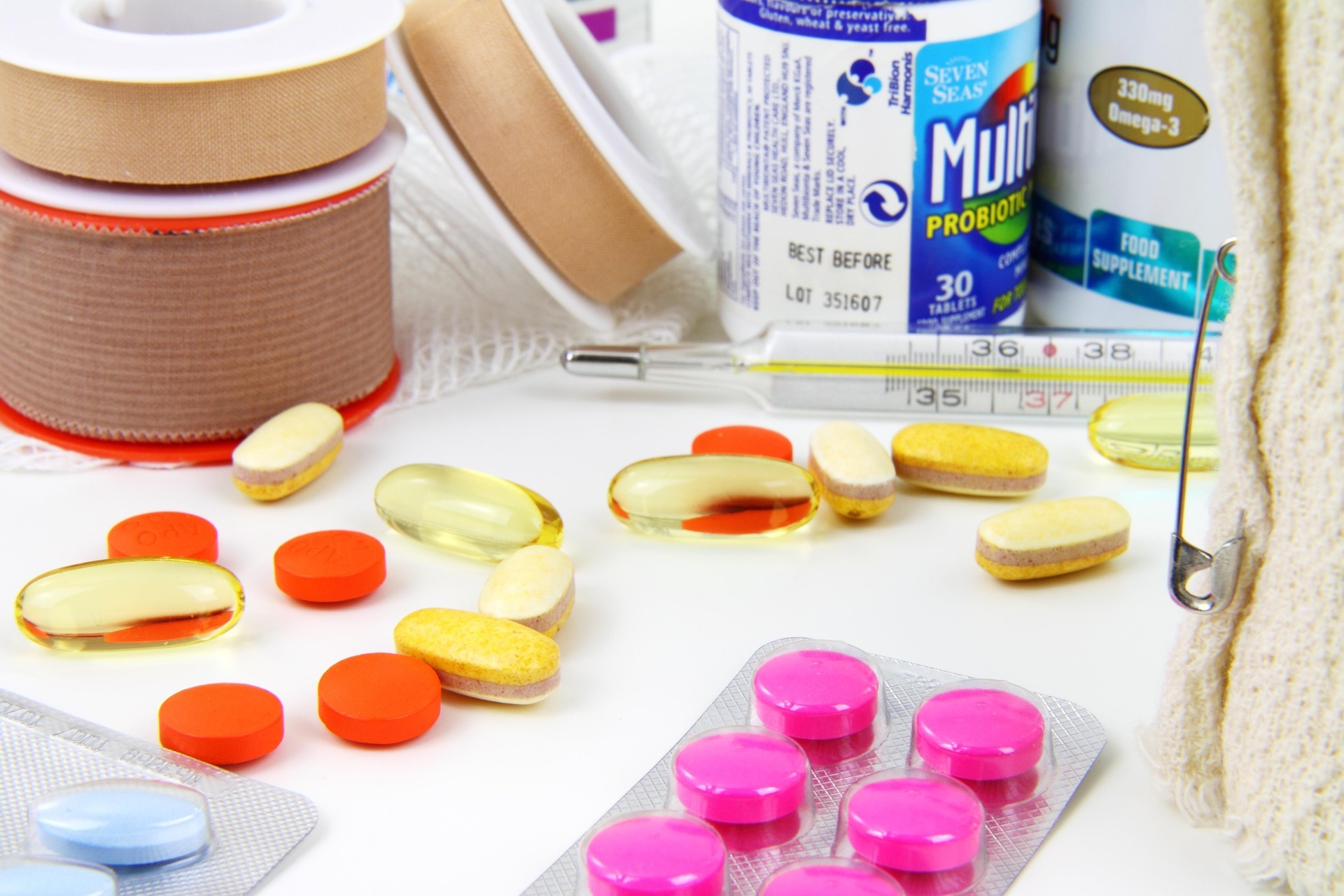
Your kit should include plasters and blister pads, which are essential after long airport walks or when wearing new shoes. Antiseptic wipes provide a simple way to clean cuts or surfaces when hygiene is uncertain. Pain relief tablets such as paracetamol or ibuprofen, where medically suitable, are among the most frequently used items while travelling.
It is also important to include antihistamines, which help manage bites, allergies, and unexpected skin reactions. Anti-diarrhoea tablets and oral rehydration salts are extremely valuable during travel days, especially when food or water changes disrupt your system. For those prone to motion discomfort, motion sickness tablets or bands can make flights and transfers far more comfortable.
Additional essentials such as burn gel sachets under 100ml, medical tape, sterile dressings, and a compact digital thermometer round out the kit. Together, these items create a balanced, realistic solution that allows you to manage minor health issues without overpacking or complicating your luggage.
Travel-Safe Medical Liquids (Under 100ml)
When packing medical liquids, the key is to focus on small, multi-purpose items that comply fully with airport regulations. Every liquid, gel, or spray must be contained within 100ml limits, so efficiency becomes more important than variety.
A compact kit should include antiseptic gel, ideally in a 30ml to 50ml size, which offers both wound care and hygiene benefits. Hand sanitiser is essential for maintaining cleanliness in transit, especially in airports and on aircraft. For insect bites or skin irritation, a bite relief gel provides quick comfort without taking up space.
A small tube of antibacterial cream is useful for preventing infection in minor cuts, while single-use eye wash ampoules can help deal with irritation from dry cabin air or dust. In warmer destinations, a mini aloe vera or after-sun gel offers relief for minor burns or sun exposure.
By focusing on versatile, compact liquids, you stay within security rules while still covering a wide range of potential needs. Every item in your liquids bag should earn its place by serving more than one purpose.
Essential Prescription Items
Prescription medication is the most important part of any travel health plan, and it should always be kept in your hand luggage. Never place essential medication in checked baggage, as lost or delayed luggage can quickly turn a manageable situation into a serious medical problem.
Travellers should carry a copy of their prescription, either in paper form or digitally, along with a doctor’s letter if the medication is controlled or requires explanation. It is also wise to bring at least 48 hours of additional doses to cover unexpected delays or changes in travel plans.
All medication should remain in its original labelled packaging, as this helps avoid confusion during security checks and makes it easier for medical professionals to identify what you are taking. Critical items such as inhalers, EpiPens, and insulin should be easily accessible at all times and are always permitted on flights.
Security staff may occasionally ask questions if you are carrying multiple items or specialist equipment, but with clear documentation, this process is usually straightforward. The key is preparation. When your medication is organised, labelled, and accessible, you can travel with confidence and peace of mind.

Optional Extras for Certain Destinations
While a simple first aid kit is more than enough for city breaks or short holidays, some trips demand a slightly more prepared approach. If you are travelling to remote areas, hot climates, or destinations where access to medical care is limited, adding a few carefully chosen extras can make a real difference.
In regions where water quality is uncertain, water purification tablets provide a reliable backup when bottled water is unavailable. For more active trips, particularly hiking or outdoor exploration, wound-closure strips can help manage deeper cuts until proper medical care is available. These are lightweight, easy to carry, and extremely useful in situations where clinics are not nearby.
For destinations with strong sun exposure, a small amount of aloe vera or cooling gel offers quick relief for mild burns or skin irritation. In tropical environments, mosquito bite relief products and a small tube of hydrocortisone cream can help manage itching, swelling, and allergic reactions that are common in humid climates.
If you are travelling somewhere hot or physically demanding, electrolyte tablets are a smart addition. They help maintain hydration and prevent fatigue, especially during long walks, hikes, or sightseeing in high temperatures.
The key is not to overpack, but to adapt your kit to your destination. A few well-chosen extras can significantly improve comfort and safety without adding bulk to your luggage.
What Not to Pack in Your Hand Luggage
Knowing what to leave out of your first aid kit is just as important as knowing what to include. Airport security is strict when it comes to sharp objects, hazardous tools, and oversized liquids, and including prohibited items can slow you down or result in confiscation.
Items such as scissors with blades longer than 6cm, loose razor blades, and sharp metal tools are not permitted in cabin luggage. Even if they are intended for medical use, they may still be removed unless clearly justified and supported by documentation. Similarly, needles that are not linked to a medical requirement can raise concerns at security and should be avoided unless essential.
Older-style glass or mercury thermometers are also unsuitable for travel. They are fragile, potentially hazardous, and often restricted. Modern digital alternatives are far safer and more practical.
Liquids are another common issue. Any container over 100ml will be removed during screening unless it is medically exempt and declared properly. This applies even if the container is partially full.
If you genuinely need items such as scissors for your trip, it is better to place them in checked luggage or purchase inexpensive alternatives once you arrive. Keeping your kit simple, compliant, and focused ensures a smoother journey through security and avoids unnecessary delays.
How to Organise Your First Aid Kit for Travel
A well-organised first aid kit is far more effective than one that is simply packed. When you are on a plane, in a taxi, or walking through a busy terminal, you need to be able to find what you need quickly and without stress.
Using a small transparent pouch is one of the simplest ways to improve organisation. It allows you to see all contents instantly and reduces the need to unpack items unnecessarily. Keeping all liquids together in your airport-approved clear bag also helps you move through security without delays.
Tablets should remain in their original blister packs with labels intact, ensuring they are easy to identify and compliant with regulations. Grouping items into small internal sections, such as pain relief, dressings, liquids, and prescription medication, creates a logical structure that saves time when you need something urgently.
Adding a simple note listing the contents of your kit can also be helpful, especially if someone else needs to access it on your behalf. Most importantly, your first aid kit should be placed near the top of your hand luggage, not buried underneath clothing or other items.
Good organisation turns a basic kit into a practical, reliable tool that works exactly when you need it.
Search flights and useful route combinations in one place.
View flightsBrowse Airalo eSIM options for convenient travel data.
Check eSIMsCheck private airport pickup options and plan the first part of your journey in advance.
View transfersFinal Checklist Before You Fly
Before heading to the airport, taking a moment to review your first aid kit can prevent problems later. A quick check ensures everything is compliant, accessible, and genuinely useful for your journey.
Start by confirming that all liquids are under 100ml and correctly placed in your clear liquids bag. This avoids delays during security screening. Check that no restricted items, such as sharp tools or oversized containers, have been included by mistake.
Make sure all prescription medication is in your hand luggage, properly labelled, and supported by documentation if required. Confirm that you have included core essentials, such as pain relief, antihistamines, and basic wound care items.
Think about your journey specifically. If you have a long flight, ensure you have items that will keep you comfortable, such as hydration support or motion sickness relief. If you are travelling with children, double-check that you have enough supplies for them as well.
This final check takes only a few minutes but ensures your kit is fully prepared, fully compliant, and ready for use from the moment you begin your journey.
Tips for Travelling With a First Aid Kit on the Plane
Using your first aid kit effectively during a flight comes down to accessibility, simplicity, and awareness. You do not need a large kit, but you do need to know where everything is and how quickly you can reach it.
Keep your kit within easy reach, especially on long-haul flights where you may need items without warning. Storing it in a personal bag under your seat is often more practical than placing it in overhead storage.
Staying hydrated is one of the most overlooked aspects of in-flight health. Drinking water regularly helps reduce headaches, fatigue, and the effects of dry cabin air. Keeping key items, such as antihistamines or pain relief, at the top of your pouch ensures you can access them quickly without searching.
It is also important not to overpack. A cluttered kit becomes difficult to use and slows you down when you need it most. Focus on essential, proven items that you are confident using.
If you are unsure about whether an item is allowed, always choose a travel-sized, non-sharp alternative. This keeps your kit compliant while still meeting your needs.
A calm, organised approach ensures that even in the confined environment of an aircraft, you can deal with minor health issues quickly, quietly, and effectively.
Where to Store Your Kit During the Flight
Where you place your first aid kit during a flight matters more than most travellers realise. If it is not easily accessible, it quickly becomes useless at the exact moment you need it. A well-packed kit should always be stored somewhere you can reach without standing up or searching through overhead luggage.
The most practical option is to keep your kit inside your under-seat personal bag. This allows you to access it at any point during the flight, including when the seatbelt sign is on or cabin crew are restricting movement. On longer journeys, some travellers choose to move it temporarily into the seat-back pocket once the plane is in the air, provided it remains secure and easy to retrieve.
If your kit is small enough, placing it in a jacket or coat pocket can be even more convenient, particularly during take-off, landing, or taxiing when movement is limited. This approach works well for essential items such as pain relief, wipes, or antihistamines that may be needed quickly.
Storing your kit in the overhead locker should be avoided wherever possible. During turbulence or busy periods, access may be restricted, and retrieving items can become difficult or disruptive. Keeping your kit close at hand ensures you remain prepared, calm, and self-sufficient throughout the flight.
Summary: A Smarter Way to Travel Prepared
A flight-safe first aid kit does not need to be large, complicated, or expensive to be effective. The real value comes from choosing compact, multi-purpose items, keeping everything within airline rules, and organising it so it is always easy to access.
By preparing in advance, you remove the uncertainty that comes with minor health issues while travelling. Instead of searching for pharmacies, dealing with language barriers, or paying inflated prices, you are able to respond immediately and confidently. This level of preparation turns small problems into quick fixes rather than ongoing frustrations.
Travelling light does not mean travelling unprepared. A well-designed kit fits easily into your hand luggage while covering the most common situations you are likely to encounter. From the airport to your destination, it gives you control, flexibility, and peace of mind.
In simple terms, this is one of the most practical upgrades any traveller can make. It takes minimal effort to prepare, yet delivers consistent value throughout every stage of your journey.

Rupert’s Handy Travel Tips
Packing a first aid kit for a flight is easy once you know the rules. Here are Rupert’s top tips for building one that clears security and actually gets used:
- Check liquid and gel limits before you pack: Anything over 100ml will be confiscated at security, so decant creams and gels into smaller containers first.
- Pack a spare in your checked luggage too: If your hand luggage kit runs out or gets confiscated, a backup in the hold means you’re never left without basics.
- Cover the essentials: Plasters, antiseptic wipes, and paracetamol handle most minor mishaps and take up almost no space.
- Research destination-specific needs before you go: Water purification tablets, insect bite relief, or electrolyte sachets matter far more in some climates than others.
- Keep prescription medication in the original packaging: It speeds up security checks and makes it obvious what you’re carrying and why.
Want to meet the reindeer behind our travel tips? Find out more in our page Who is Rupert?.


Frequently Asked Questions
Can I take medication on a plane?
Yes. Tablets, capsules and most prescribed medicines are always allowed in your cabin bag. Liquids must be under 100ml unless medically exempt.
Are tweezers allowed in hand luggage?
Yes, as long as they are blunt-ended or plastic. Sharp, pointed tweezers may be removed at security.
Can I carry more than 100ml of medical liquid?
Only with medical documentation and approval from security staff. Standard travellers should stick to containers under 100ml.
Do I need to declare my first aid kit?
No. You only declare controlled medicines, sharps used for medical reasons, or specialist items like syringes if requested.
Can I bring scissors in my cabin bag?
Yes, but only if the blades are 6cm or shorter from the pivot point. Anything longer will be confiscated.
Further Reading & Related App Guides
Want to stay prepared for unexpected travel problems? These guides cover healthcare access, lost luggage, safety systems, and essential medical preparation for travellers.
If you’re packing a kit for two, our Flying While Pregnant guide covers the extra items and airline rules worth knowing before you fly. To understand your healthcare rights once you land, read our UK GHIC Card Explained guide, which sets out what state healthcare in Europe will and won’t cover.
A well-packed kit doesn’t help much if your luggage never turns up, so it’s worth knowing what to do if your bags don’t arrive by reading our Lost Luggage Abroad guide. If your travels take you further afield, our Middle East Civil Defence Infrastructure guide explains how emergency warning systems operate across the region. And if your prescription medication runs out or is lost while abroad, our Getting Replacement Prescription Medicine Abroad guide walks through exactly how to replace it.











