Reviewed by our editorial team Updated
Step Inside Salisbury Cathedral: What Makes It So Special
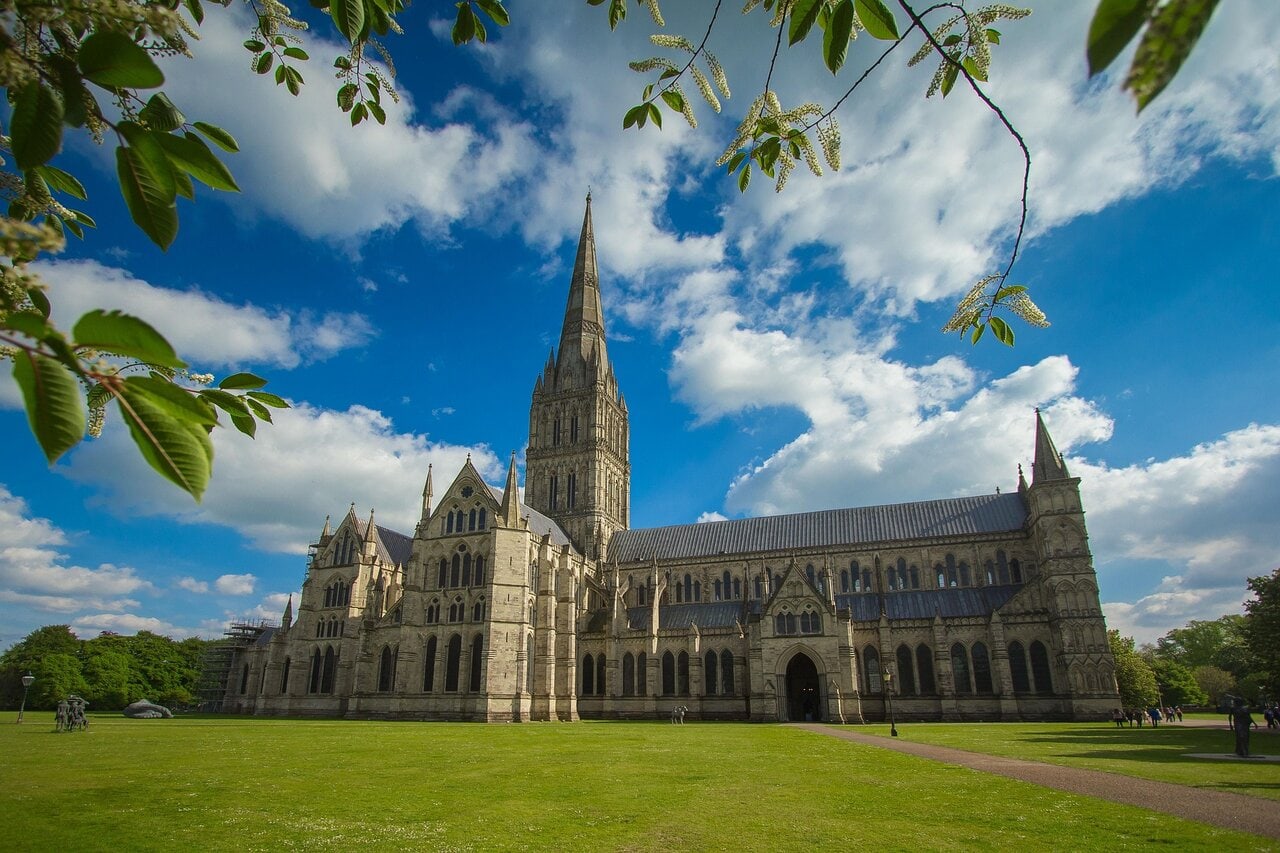
Walking into Salisbury Cathedral is one of those moments that genuinely stops you in your tracks. The sheer scale, the light pouring through the windows, and the calm atmosphere create a completely different experience from most UK cathedrals. This is not just another historic building. It is home to the tallest church spire in the United Kingdom at 123 metres, one of the best-preserved original copies of the Magna Carta, and a working place of worship that still shapes daily life in Salisbury.
The cathedral sits just outside the city centre in the beautiful Cathedral Close, a large open space surrounded by historic buildings and quiet green lawns. Unlike many cathedrals that feel squeezed into busy streets, Salisbury Cathedral feels open, peaceful, and almost grandly isolated, which adds to the sense of arrival.
Visitors come for different reasons. Some want to see the Magna Carta, others are drawn by the architecture and medieval craftsmanship, and many simply want a calm and reflective space away from busy travel itineraries. Whatever your reason, it is worth taking your time here. Rushing through Salisbury Cathedral misses the point entirely.
You will also find that this is one of the most visitor-friendly cathedrals in England, with clear signage, regular guided tours, and well-managed entry systems. It is easy to navigate, even if you only have a couple of hours.
Opening Times, Entry Prices and How Tickets Work
One of the most common questions when planning a visit is how much it costs and whether you need a ticket in advance. Salisbury Cathedral operates on a suggested donation system rather than a strict entry fee, which makes it more accessible than many major attractions.
As a guide, the recommended donation is usually around £10 for adults, with lower contributions suggested for children and families. This is not a mandatory ticket, but it is strongly encouraged as it helps maintain the cathedral and supports its ongoing conservation work.
Opening times vary slightly depending on the season and whether services are taking place, but in general:
The cathedral is typically open from around 9:30am to 5:00pm, with last entry usually about 30 minutes before closing. On Sundays, hours are more limited due to services, often opening later in the morning and closing earlier in the afternoon.
It is important to understand that this is still an active place of worship, so parts of the cathedral may occasionally be closed for services or special events. However, visitors are often welcome to quietly observe services, which can add a unique dimension to your visit.
If you want to go beyond the main cathedral floor, tower tours are available at set times throughout the day, but these do require a separate paid ticket. These tours are popular and have limited spaces, so booking in advance is strongly recommended, especially in peak travel months.
There is no strict requirement to book general entry tickets ahead of time, but during busy periods such as summer weekends or school holidays, arriving early in the day helps avoid crowds and ensures a more relaxed experience.
Compare hotels and other places to stay for your trip.
Check availabilityBrowse apartments, holiday homes and self-catering stays.
View rentalsCompare hotel deals from multiple booking sites in one search.
Compare pricesThe Magna Carta, Spire and Interior Highlights You Cannot Miss
Salisbury Cathedral is packed with standout features, but a few highlights consistently draw attention and are worth planning your visit around.
The most famous is the Magna Carta, displayed in a dedicated exhibition space within the cathedral. This is one of only four surviving original copies of the 1215 document, making it one of the most important historical artefacts in the UK. The display is well presented, with clear explanations that help you understand why this document still matters today.
The cathedral’s spire dominates the skyline of Salisbury and is an iconic part of the city’s identity. While you can admire it from outside, the real experience comes from joining a tower tour, where you climb through narrow medieval staircases and hidden chambers. The climb is physically demanding, with over 300 steps, but the reward is access to areas few visitors ever see, including views across Salisbury and the surrounding countryside.
Inside the cathedral, the Gothic architecture is the real star. The building was completed in just 38 years, which is unusually fast for a cathedral of this scale. This gives it a remarkable sense of consistency in style, unlike many cathedrals that were built over centuries.
Look out for the Chapter House, which features intricate medieval carvings and painted scenes, as well as the modern water font, a striking reflective installation that often surprises first-time visitors. The contrast between historic and contemporary elements works particularly well here.
Do not miss the cathedral cloisters, which are among the largest in Britain. Walking through them gives you a sense of how the cathedral functioned as part of a wider community, not just a standalone building.
Getting There: Location, Transport and Practical Access
Salisbury Cathedral is located just a short distance from the city centre, making it very easy to reach on foot. From Salisbury railway station, the walk takes around 15 to 20 minutes, passing through the main shopping streets and into the quieter Cathedral Close.
If you are arriving by train, Salisbury is well connected. Direct trains run regularly from London Waterloo, with journey times of around 1 hour 30 minutes, and services typically running every hour. There are also connections from cities like Bath, Bristol, and Southampton.
For those who prefer not to walk, local buses run between the station and the city centre, and taxis are readily available outside the station. The journey is short and usually takes less than 10 minutes.
If you are driving, there is no large car park directly at the cathedral, as the Cathedral Close has restricted access. Instead, visitors should use city centre car parks, such as Central Car Park or Brown Street, and walk the final stretch.
Accessibility is generally good. The cathedral floor is mostly level and wheelchair-friendly, with ramps available where needed. However, tower tours are not accessible due to the narrow staircases and physical demands of the climb.
One of the advantages of Salisbury Cathedral’s location is how easily it fits into a wider itinerary. It is just a short journey from Stonehenge, making it a natural pairing for a day trip. Many visitors choose to base themselves in Salisbury and explore both sites over one or two days.
Climbing the Spire: Tower Tours, Times and What to Expect
If you are physically able, the tower tour at Salisbury Cathedral is one of the most rewarding experiences you can have here. This is not just a quick viewpoint visit. It is a guided journey through the inner structure of a medieval cathedral, giving you access to spaces that are normally hidden from public view.
Tours run at set times throughout the day, usually starting mid-morning and continuing into the afternoon. The exact schedule can change depending on the season, but you can generally expect several departures daily, with more availability during peak months. Each tour lasts around 90 minutes, and group sizes are kept small to maintain safety and allow guides to explain the structure in detail.
Tickets for the tower tour are separate from the general cathedral donation and typically cost in the region of £15 to £20 per person. Because spaces are limited, advance booking is strongly recommended, especially between late spring and early autumn when visitor numbers are highest.
The climb itself involves over 300 narrow steps, steep staircases, and some tight spaces. This is not suitable for anyone with mobility issues, vertigo, or claustrophobia. However, for those who can manage it, the experience is exceptional. You will see wooden scaffolding that dates back centuries, internal stonework up close, and the mechanisms that support the spire itself.
At the top, you are rewarded with panoramic views across Salisbury, the surrounding countryside, and even towards the direction of Stonehenge on a clear day. It is one of the best viewpoints in the region and offers a completely different perspective on the cathedral you have just explored below.

When to Visit: Crowds, Seasons and Best Times of Day
Timing your visit well can make a significant difference to your overall experience. While Salisbury Cathedral is rarely overwhelming compared to major London attractions, it does get noticeably busier at certain times.
The quietest period is usually early morning shortly after opening, when the cathedral feels calm and almost meditative. Late afternoon can also be a good option, particularly outside peak summer months.
The busiest times tend to be late morning through early afternoon, especially between May and September, when tour groups and day-trippers arrive. Weekends and school holidays naturally see higher visitor numbers, so if you want a more relaxed visit, aim for a weekday.
Seasonally, Salisbury Cathedral is a year-round destination. In summer, the Cathedral Close looks its best, with green lawns and open spaces that invite you to linger. In winter, the interior becomes more atmospheric, with softer light and fewer crowds, making it ideal for those who prefer a quieter experience.
Weather can also influence your visit. On rainy days, the cathedral becomes a popular indoor attraction, so it can feel busier than expected. On dry days, visitors tend to spread out more across the city and surrounding attractions.
If you are planning to combine your visit with Stonehenge, it often works best to visit the cathedral either early in the morning before heading out, or later in the afternoon after returning, avoiding the busiest midday window.
Nearby Highlights: What to See Around the Cathedral Close
While Salisbury Cathedral is the main attraction, the surrounding area is worth exploring in its own right. The Cathedral Close is one of the most attractive historic settings in England, offering a mix of green space, historic buildings, and quiet walking routes.
Within the Close, you will find several notable buildings, including Mompesson House, a beautifully preserved Georgian townhouse that is now managed by the National Trust. It has also appeared in film adaptations, which adds an extra layer of interest for visitors.
The open lawns and pathways make this area ideal for a slow walk after your cathedral visit, allowing you to appreciate the scale of the building from different angles. Many visitors find that some of the best views of the spire are actually from outside, particularly when framed by trees or reflected in nearby water features.
Just beyond the Close, Salisbury city centre offers a range of cafés, restaurants, and independent shops, making it easy to turn your visit into a half-day or full-day experience. The city’s layout is compact, so everything is within easy walking distance.
If you are building a wider itinerary, Salisbury works perfectly as a base for exploring the surrounding area. Alongside Stonehenge, you can also visit nearby historic sites such as Old Sarum, the original settlement that predates the current city.
For fans of film and heritage, your existing Lacock Abbey page fits naturally into this cluster. It can be positioned as a nearby historical and filming location, adding another layer of interest to your Wiltshire itinerary.
Facilities, Toilets and Accessibility Information
Salisbury Cathedral is well set up for visitors, with a range of facilities that make the experience comfortable and easy to navigate.
Public toilets are available within the Cathedral Close, and there are also facilities inside nearby visitor areas. These are generally well maintained and clearly signposted, so you will not need to search far.
There is an on-site café and gift shop, offering light meals, drinks, and souvenirs. The café is a good place to take a break, particularly if you are spending a few hours exploring the cathedral and surrounding grounds.
Accessibility has been carefully considered. The main cathedral floor is wheelchair accessible, with level access and ramps where needed. Staff are usually available to assist if required, and the layout is relatively easy to move around.
However, it is important to note that not all areas are accessible. The tower tour, in particular, is not suitable for those with limited mobility due to the narrow staircases and physical nature of the climb.
Seating is available throughout the cathedral, allowing visitors to rest and take in the surroundings at their own pace. This makes it suitable for a wide range of visitors, including those who may need to move more slowly.
Overall, Salisbury Cathedral strikes a good balance between preserving its historic character and providing modern visitor facilities, ensuring that most people can enjoy the experience comfortably.
Compare routes and fares for your next trip.
Compare flightsChoose an Airalo eSIM and arrange mobile data before you arrive.
Browse eSIMsCheck private airport pickup options and plan the first part of your journey in advance.
View transfersPlanning Your Visit Efficiently: Tickets, Timing and Smart Combinations
A visit to Salisbury Cathedral works best when it is planned as part of a wider day rather than treated as a quick stop. While you can comfortably see the highlights in 60 to 90 minutes, allowing two to three hours gives you time to explore properly, visit the Magna Carta exhibition, and walk around the Cathedral Close.
Because entry is based on a suggested donation rather than a fixed ticket, there is no need to worry about timed entry slots for general access. This gives you flexibility, which is particularly useful if you are arriving from London or combining your visit with Stonehenge. However, the one area where planning matters is the tower tour, as spaces are limited and often sell out.
If you want the smoothest experience, the best approach is to arrive early, explore the cathedral first, and then join a pre-booked tower tour. This avoids the busiest part of the day and ensures you secure a place on the climb.
For those visiting Stonehenge as well, Salisbury is one of the most convenient bases. The typical approach is to visit Stonehenge in the morning and Salisbury Cathedral in the afternoon, or reverse it if you want a quieter cathedral experience. Travel between the two takes around 20 to 30 minutes by car or bus, making it very manageable in a single day.
You can also consider guided tours that combine both sites, although many travellers prefer to do it independently for more flexibility. Either way, pairing Salisbury Cathedral with Stonehenge creates a well-balanced day that mixes history, architecture, and open landscapes.
Building Your Wiltshire Itinerary: Where This Fits In
Salisbury Cathedral works best as part of a wider Wiltshire itinerary, rather than a standalone destination. Its location makes it a natural anchor point for exploring some of the region’s most famous sites.
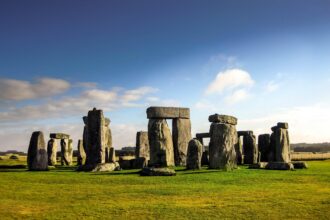
The most obvious pairing is Stonehenge, which sits just a short distance away. Combining the two gives you a contrast between prehistoric history and medieval architecture, which is exactly the kind of variety that makes a day feel complete.
From a travel perspective, Salisbury is also well positioned between London and the South West, making it an ideal stop if you are travelling between destinations such as Bath or Bristol. This makes your London to Stonehenge, Bath to Stonehenge, and Salisbury to Stonehenge pages all highly relevant for internal linking.
For something slightly different, our Lacock Abbey guide adds another strong layer to this cluster. It offers a mix of historic architecture and filming locations, which complements both Salisbury and Stonehenge without overlapping too heavily. This gives you a well-rounded regional itinerary that appeals to different types of travellers.
By linking these pages together clearly, you are not just helping readers. You are also signalling to search engines that this is a tightly connected Wiltshire travel cluster, which strengthens overall rankings across all pages.

Rupert’s Handy Travel Tips
Rupert has wandered through Salisbury more times than he can count, usually in search of the best quiet corners and the perfect cathedral view. Here are his top tips for making the most of your visit:
- Visit early in the day: the cathedral is at its calmest just after opening, before tour groups arrive.
- Do not skip the cloisters: they are one of the most peaceful parts of the entire site and often overlooked.
- Check tower tour times in advance: spaces are limited and they often sell out on busy days.
- Combine with Stonehenge: Salisbury makes an excellent base for visiting both in one relaxed itinerary.
Want to meet the reindeer behind our travel tips? Find out more in our page Who is Rupert?.




Frequently Asked Questions About Salisbury Cathedral
What are the opening times for Salisbury Cathedral?
Salisbury Cathedral is usually open from around 9:30am to 5:00pm, with last entry about 30 minutes before closing. Sunday hours are more limited due to services.
Do you need to buy a ticket to enter Salisbury Cathedral?
Entry is based on a suggested donation of around £10 for adults, rather than a mandatory ticket. You can pay on arrival and do not usually need to book in advance.
How much does the tower tour cost?
Tower tours typically cost between £15 and £20 per person and must be booked separately. Spaces are limited, so advance booking is recommended.
How long should you spend at Salisbury Cathedral?
Most visitors spend 1 to 2 hours, but if you include the tower tour and a walk around the Cathedral Close, allow 2 to 3 hours.
Is Salisbury Cathedral suitable for children?
Yes, the cathedral is family-friendly, with open space around the Close and plenty to see inside. However, the tower tour is only suitable for older children due to the climb.
Can you visit Salisbury Cathedral and Stonehenge in one day?
Yes, it is very easy to combine both. Travel time between them is around 20 to 30 minutes, making it one of the most popular day trip combinations in Wiltshire.
Is the cathedral wheelchair accessible?
The main cathedral floor is wheelchair accessible, but the tower tour is not due to stairs and narrow passages.
Further Reading & Related Guides
If you are planning a trip around Wiltshire, it makes sense to build your itinerary step by step rather than treating each location in isolation. Start by exploring how to reach the area with our London to Stonehenge travel guide, which breaks down the fastest and most practical routes from the capital, including trains, tours, and driving options.
Once you arrive, our Stonehenge travel guide helps you plan tickets, timings, and the best ways to experience the site without the crowds. It pairs naturally with a visit to Salisbury and gives you a clear structure for your day.
To make the most of your base, the Salisbury travel guide walks you through the city’s top attractions, places to eat, and how to get around with ease, helping you turn a simple visit into a well-rounded experience.
If you are travelling from the west, the Bath to Stonehenge route guide compares transport options and journey times, while the Salisbury to Stonehenge guide focuses on the quickest and most straightforward connections between the two, making day planning simple.
For something a little different, our Lacock Abbey guide adds a historic and film-inspired stop to your itinerary, offering a quieter but equally rewarding experience that fits perfectly alongside Salisbury and Stonehenge.