Reviewed by our editorial team Updated
Why Visit Stoke Bruerne?
Few villages in Northamptonshire offer the combination of canal heritage, historic engineering, waterside scenery and traditional English village charm found in Stoke Bruerne. Situated on the famous Grand Union Canal, this picturesque settlement has become one of the most popular canal destinations in the country and attracts visitors interested in history, walking, boating and rural England.
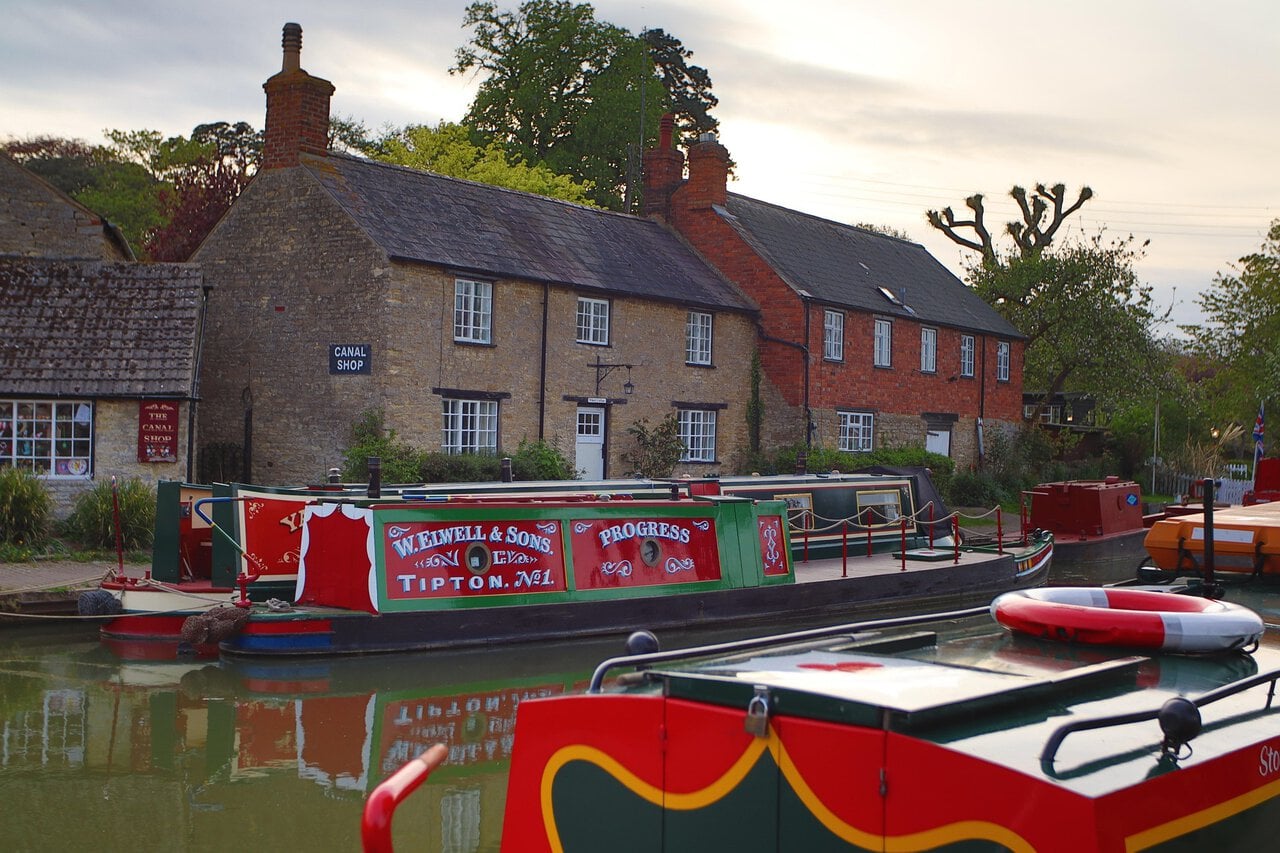
What makes Stoke Bruerne special is that it remains a living canal village rather than simply an open-air museum. Narrowboats still pass through the historic locks, walkers follow the towpaths and visitors can enjoy cafés and pubs overlooking the water just as travellers have done for generations. The village provides a rare opportunity to experience Britain’s canal network as both a historic transport system and a thriving modern leisure destination.
The village also sits at the centre of one of the most important stretches of inland waterway in England. For more than two centuries, the Grand Union Canal helped move goods between London, the Midlands and the industrial centres of northern England. The engineering achievements that made this possible remain visible throughout Stoke Bruerne today, from the lock flight to the famous Blisworth Tunnel.
Whether you are interested in industrial heritage, canal engineering, countryside walks, family days out or simply relaxing beside the water, Stoke Bruerne offers one of the most distinctive visitor experiences in Northamptonshire.
Quick Facts About Stoke Bruerne
| Feature | Details |
|---|---|
| Location | Northamptonshire, England |
| Waterway | Grand Union Canal |
| Famous For | Canal Heritage and Historic Locks |
| Major Attraction | Canal Museum |
| Nearby Landmark | Blisworth Tunnel |
| Best For | Walking, Boating, History |
| Parking | Available |
| Family Friendly | Yes |
| Boat Trips | Seasonal |
| Time Needed | 2 to 5 Hours |
| Nearest Town | Towcester |
| Nearest Major Town | Northampton |
Compare hotels and other places to stay for your trip.
Check availabilityBrowse apartments, holiday homes and self-catering stays.
View rentalsCompare hotel deals from multiple booking sites in one search.
Compare pricesThe History of Stoke Bruerne
The story of Stoke Bruerne is inseparable from the development of Britain’s canal network. Before the arrival of the canals, the village was a small rural settlement serving the surrounding agricultural landscape. Everything changed during the late eighteenth and early nineteenth centuries as Britain’s rapidly growing economy demanded more efficient ways to move goods around the country.
The construction of what would eventually become part of the Grand Union Canal transformed the village into an important transport hub. Boats carrying coal, building materials, food and manufactured goods passed through the area daily, bringing both economic activity and new opportunities for local residents. As traffic increased, Stoke Bruerne developed the infrastructure needed to support boat crews and canal operations.
One of the village’s most significant engineering projects was the construction of Blisworth Tunnel, a remarkable achievement that helped establish a continuous canal route between London and the Midlands. The tunnel represented a major undertaking for its time and remains one of the most impressive canal engineering projects in Britain.
As railways gradually replaced canals as the dominant form of freight transport, many waterways declined. However, Stoke Bruerne survived this transition remarkably well. Instead of disappearing, the village reinvented itself as a centre for leisure boating, canal preservation and heritage tourism. Today, visitors can still experience much of the atmosphere that would have been familiar to boat crews more than a century ago.
The Grand Union Canal and Why It Matters
The Grand Union Canal is the longest canal in Britain and remains one of the country’s most important historic waterways. Stretching between London and Birmingham, it played a vital role in the movement of goods during the Industrial Revolution and helped support Britain’s transformation into a global economic power.
At Stoke Bruerne, visitors can see many of the features that made the canal system work. Locks allowed boats to navigate changes in elevation, while wharves, warehouses and support facilities enabled cargo to be loaded and unloaded efficiently. Although commercial freight traffic has largely disappeared, the infrastructure remains remarkably intact and provides valuable insight into Britain’s transport history.
The canal also highlights the ingenuity of eighteenth and nineteenth-century engineers. Building a navigable waterway across varied terrain required extensive planning and innovative solutions. Features such as locks, aqueducts and tunnels demonstrate the level of skill required to create a functioning national transport network long before the arrival of modern machinery.
Today, the Grand Union Canal serves a very different purpose. Instead of transporting coal and industrial products, it supports tourism, leisure boating, walking and cycling. Visitors exploring Stoke Bruerne are therefore experiencing both an important historical monument and a living waterway that continues to play an active role in British life.
What Can You See in Stoke Bruerne?
Despite its relatively small size, Stoke Bruerne offers far more to see and do than many visitors expect. The village combines historic canal infrastructure, working waterways, heritage attractions, scenic countryside and traditional village character within a compact area that is easy to explore on foot.
One of the greatest pleasures of visiting Stoke Bruerne is simply walking along the canal and watching the activity unfold around you. Narrowboats continue to pass through the village, lock keepers assist with navigation and walkers enjoy the towpaths that stretch through the surrounding countryside. The atmosphere is very different from that found at many heritage attractions because the canal remains a living part of the landscape rather than a preserved exhibit.
The village itself contains attractive stone cottages, historic canal buildings, waterside pubs and small visitor facilities that help preserve its traditional character. Visitors can spend time exploring the canal basin, observing boats manoeuvring through the locks or simply enjoying the peaceful surroundings from one of the cafés overlooking the water.
Whether you are interested in industrial history, photography, walking, boating or simply experiencing one of England’s most attractive canal villages, Stoke Bruerne offers enough variety to keep visitors engaged for several hours.

The Canal Museum
The Canal Museum is the principal visitor attraction in Stoke Bruerne and provides one of the most comprehensive introductions to Britain’s inland waterways anywhere in the country. Housed within a historic former corn mill overlooking the canal, the collection is spread across three floors and tells the story of how the waterways transformed trade, industry and everyday life.
Inside, visitors can explore exhibits covering the construction of canals, the lives of narrowboat families and the engineering innovations that made the waterways possible. Original artefacts, photographs, tools and interactive displays help bring the history of Britain’s canal network to life and explain why these waterways became so important during the Industrial Revolution.
One of the most fascinating aspects of the museum is its focus on the people who lived and worked on the canals. Exhibits explore the challenges faced by boat crews, the communities that developed around the waterways and the unique culture that emerged from canal life. These personal stories help visitors understand that the canals were not simply engineering projects but also vibrant social and economic networks.
The museum is particularly well suited to families, and children can try a hands-on canal-boat decoration activity, painting traditional roses-and-castles designs onto a model boat. Moored alongside the museum is the historic narrowboat Sculptor, built in 1935 for the Grand Union Canal Carrying Company, which occasionally tours to heritage events and gives visitors a vivid sense of life afloat.
The Historic Locks
The historic lock flight at Stoke Bruerne remains one of the village’s most impressive and photogenic features. These locks continue to perform the same function they were designed for more than two centuries ago, allowing boats to navigate changes in water level along the Grand Union Canal.
Watching boats pass through the locks provides a fascinating insight into the practical challenges of canal travel. Although modern leisure boaters use the system today, the process remains remarkably similar to that used by commercial boat crews during the nineteenth century. Gates must be opened and closed, water levels adjusted and vessels carefully guided through the chambers before continuing their journey.
The locks also demonstrate the ingenuity of the engineers who designed Britain’s canal network. Long before modern construction equipment existed, builders created systems capable of moving heavy cargo across difficult terrain using little more than water, gravity and mechanical skill. The fact that many of these structures remain operational today is a testament to their quality and durability.
For photographers, the lock flight provides some of the most attractive views in the village. The combination of traditional narrowboats, historic engineering and waterside scenery creates countless opportunities for memorable photographs throughout the year.
Boat Trips and Narrowboats
No visit to Stoke Bruerne feels complete without spending some time around the village’s famous narrowboats. These distinctive vessels have become symbols of Britain’s waterways and continue to play a central role in the character and appeal of the canal network.
Visitors can often watch boats arriving from both directions before navigating the village locks and continuing their journey along the Grand Union Canal. The process is surprisingly engaging, particularly for those unfamiliar with canal travel. Seeing crews operate the locks and manoeuvre through narrow sections of waterway provides a better understanding of how life on the canals once functioned.
The Stoke Bruerne Boat Company runs public boat trips from beside the Canal Museum, taking passengers on a roughly 25-minute return journey to the mouth of Blisworth Tunnel and back. No booking is required for these public sailings, and the company also offers private charter trips for groups wanting a longer or more personalised outing on the water.
Even without taking a boat trip, spending time watching the activity on the canal is one of the most enjoyable aspects of a visit to Stoke Bruerne. The combination of moving boats, historic infrastructure and peaceful surroundings creates an atmosphere that is difficult to find elsewhere in modern Britain.
Compare routes and fares for your next trip.
Compare flightsChoose an Airalo eSIM and arrange mobile data before you arrive.
Browse eSIMsCheck private airport pickup options and plan the first part of your journey in advance.
View transfersWalking Routes Around Stoke Bruerne
One of the best ways to appreciate Stoke Bruerne is on foot. The village sits within some of the most attractive stretches of the Northamptonshire countryside, and the combination of canal towpaths, open fields, historic engineering and waterside scenery creates excellent walking opportunities for visitors of all abilities.
The most popular route follows the Grand Union Canal towpath, allowing walkers to explore the waterway beyond the village itself. Heading north or south reveals a landscape shaped by centuries of transport history, with narrowboats, bridges, locks and rural scenery creating constantly changing views. The relatively flat terrain also makes the towpath accessible to a wide range of visitors, including families and those looking for a more leisurely stroll.
More ambitious walkers can combine canal sections with public footpaths that cross the surrounding countryside. These routes provide elevated views across the landscape and help visitors understand why canal engineers faced such significant challenges when constructing the waterway. The contrast between open farmland and the engineered canal corridor adds variety to longer walks.
Many visitors discover that walking is one of the most rewarding ways to experience Stoke Bruerne. Rather than focusing solely on individual attractions, a walk allows you to appreciate how the village, canal, locks and surrounding countryside fit together as part of a much larger historical landscape.
Blisworth Tunnel
Among the most impressive engineering achievements associated with Stoke Bruerne is the remarkable Blisworth Tunnel. Stretching for approximately 1.75 miles (2.81 km) beneath the Northamptonshire countryside, it remains one of the longest navigable canal tunnels in the United Kingdom and stands as a testament to the ambition of Britain’s canal builders.
Constructed during the late eighteenth century, the tunnel was created to overcome difficult terrain that would have made a surface canal route impractical. Building such a structure with the technology available at the time was an enormous undertaking and required years of effort, engineering expertise and determination. The project encountered numerous difficulties, including collapses and construction delays, before finally opening to traffic.
Today, narrowboats continue to pass through the tunnel exactly as they have for generations. Visitors at Stoke Bruerne can walk to the southern portal and view the entrance where boats disappear into the darkness before emerging nearly two miles away. Watching vessels enter the tunnel provides a fascinating reminder of the ingenuity that helped create Britain’s inland transport network.
The tunnel also helps explain why Stoke Bruerne became such an important location on the canal system. Its presence transformed the village into a key point along the route and ensured that the surrounding area played a significant role in the operation of the waterway. Even centuries later, Blisworth Tunnel remains one of the highlights of any visit to the village.
Pubs, Cafés and Food Options
A visit to Stoke Bruerne is as much about enjoying the atmosphere as it is about exploring the village’s history. The combination of waterside settings, historic buildings and passing narrowboats makes the village one of the most pleasant places in Northamptonshire to stop for a meal, coffee or traditional pub lunch.
Several establishments overlook the Grand Union Canal, allowing visitors to relax beside the water while watching boats navigate the locks. This setting is a major part of the village’s appeal and encourages many visitors to spend longer in Stoke Bruerne than originally planned. During the warmer months, outdoor seating areas become particularly popular as visitors enjoy the combination of sunshine, water views and canal activity.
Traditional pub menus, light lunches, refreshments and homemade cakes are all commonly available within the village. The relaxed pace of life contributes significantly to the experience, creating a noticeable contrast with the busy towns and cities that many visitors travel from. Rather than rushing between attractions, Stoke Bruerne encourages visitors to slow down and enjoy the surroundings.
For many travellers, the food and drink options become an important part of the day rather than simply a practical necessity. Sitting beside the canal while narrowboats pass through the historic locks is one of the most enjoyable ways to experience the character of the village.
Tickets, Parking and Facilities
One of the advantages of visiting Stoke Bruerne is that it remains relatively easy and affordable to explore. Unlike many major attractions that require extensive planning, much of the village can be enjoyed freely, allowing visitors to tailor their experience according to their interests and available time.
Parking is available in the main car park beside the canal, though spaces fill quickly during weekends, school holidays and special events. Charges apply: £3 (€3.45/$3.81) for four hours, £5 (€5.75/$6.35) for a full day, and £1 (€1.15/$1.27) for evening or early-morning parking. Arriving earlier in the day gives the best chance of a convenient space, particularly during the busy summer season.
The Canal Museum is free to enter, with charges reserved for car parking. From April onward, the museum opens Wednesday to Sunday, roughly 10am to 4pm, though hours can shift seasonally, so it is worth checking ahead before a museum-focused visit. Beyond the museum, the canal, locks, towpaths and village atmosphere can all be enjoyed without any admission charge.
Facilities within the village include toilets, cafés, pubs, visitor information and seating areas overlooking the canal. The compact, walkable layout makes it easy to explore on foot, and the mix of heritage attractions and practical visitor services means most people can comfortably spend several hours in the area.
Getting to Stoke Bruerne
Despite its peaceful rural setting, Stoke Bruerne is surprisingly easy to reach and makes an excellent day trip from several major population centres. Located in West Northamptonshire, the village sits close to Towcester, Northampton and the M1 motorway, placing it within convenient reach of visitors travelling from across the Midlands and southern England.
Visitors arriving by car will generally find the journey straightforward. The village is located only a short distance from Junction 15A of the M1, making it accessible from both London and Birmingham. Once away from the motorway, the route quickly transitions into attractive countryside roads that provide a fitting introduction to the rural character of the area. For many visitors, the journey itself becomes part of the experience as the landscape gradually changes from urban development to traditional Northamptonshire countryside.
Rail travellers can use Northampton Station as the primary gateway. Regular services operate from London Euston, Milton Keynes Central, Birmingham New Street and numerous other destinations along the West Coast Main Line. From Northampton, visitors can continue by taxi, local bus or car. The relatively short distance between Northampton and Stoke Bruerne makes the village one of the easiest countryside attractions to reach from the county town.
The location also works particularly well for visitors exploring multiple attractions in the region. Althorp House, Silverstone Circuit, Castle Ashby, Boughton House and the wider Northamptonshire countryside can all be incorporated into a broader itinerary. This flexibility helps make Stoke Bruerne an attractive addition to both short breaks and longer tours of central England.
How Long Do You Need at Stoke Bruerne?
The amount of time needed in Stoke Bruerne depends largely on your interests, but most visitors should plan for between two and five hours. The village itself is relatively compact, yet the combination of attractions, walking routes and waterside scenery encourages people to stay longer than they initially expect.
Visitors interested primarily in the Canal Museum, the historic locks and a short walk through the village can comfortably experience the main highlights in around two to three hours. This approach works particularly well for travellers combining Stoke Bruerne with other nearby attractions such as Althorp House or Silverstone.
Those wishing to explore the towpaths, visit Blisworth Tunnel, enjoy lunch beside the canal and spend time watching the narrowboats will often find that half a day passes remarkably quickly. The relaxed atmosphere encourages visitors to slow down, sit beside the water and simply enjoy the surroundings rather than rushing between attractions.
Photography enthusiasts, canal history enthusiasts and walkers may wish to allocate even longer. The combination of historic engineering, working waterways, traditional village architecture and rural landscapes creates plenty of opportunities to explore beyond the main visitor attractions. For many people, Stoke Bruerne becomes less about ticking off sights and more about enjoying one of the most attractive canal environments in England.
Compare hostels and lower-cost accommodation for your trip.
Search hostelsGet help with compensation, eligible lounge access and disruption support.
Explore AirHelp+Use convenient luggage storage between arrival, check-in and departure.
Check storageNearby Attractions
One of the greatest strengths of Stoke Bruerne is its position within one of the most interesting parts of Northamptonshire. Visitors can easily combine the village with several major attractions, creating a varied day out that blends history, heritage, engineering, motorsport and countryside scenery.
Only a short drive away lies Althorp House, the ancestral home of the Spencer family and one of the county’s most famous historic estates. Visitors can explore magnificent State Rooms, extensive parkland and the estate’s important connection to Diana, Princess of Wales. The contrast between aristocratic grandeur and canal heritage makes the two attractions surprisingly complementary.
Motorsport fans will find themselves close to Silverstone Circuit, home of the legendary British Grand Prix. While Stoke Bruerne represents the slow and peaceful side of transport history, Silverstone showcases cutting-edge engineering and some of the fastest racing machines in the world. Together, they provide a fascinating contrast between two very different chapters in Britain’s transport story.
Visitors wishing to explore further can discover attractions such as Boughton House, often referred to as the English Versailles, and the impressive Castle Ashby Gardens. The nearby town of Northampton offers museums, shopping and additional historical attractions, while the wider Northamptonshire countryside contains numerous villages, walking routes and hidden gems waiting to be explored.
Families may also enjoy Rookery Open Farm, a short drive from the village and home to a range of farm animals and outdoor play areas. Closer to Stoke Bruerne itself, the Brick Pits nature reserve occupies the site of a former canal-era brickworks and includes a dipping platform where children can search the ponds for newts, frogs and dragonflies.
Within the village, the Church of St Mary the Virgin is well worth a visit, with parts of the building dating back several centuries and a peaceful churchyard overlooking the surrounding countryside. Nearby, the Woodland Walk offers a shaded, easy-going route away from the canal, making it a pleasant addition for visitors who want to extend their time exploring on foot.

Rupert’s Handy Travel Tips
Visiting Stoke Bruerne? This historic canal village is one of Northamptonshire’s most charming destinations, but a little planning can help you make the most of your day by the water.
- Arrive early on sunny weekends: Stoke Bruerne is popular with walkers, boaters and day-trippers, and parking can fill up quickly during peak periods.
- Walk part of the Grand Union Canal: Even a short stroll along the towpath gives you a feel for the village’s canal heritage and offers excellent photo opportunities.
- Visit the Canal Museum: The museum provides fascinating insight into the history of Britain’s waterways and helps bring the village’s past to life.
- Look out for passing narrowboats: Stoke Bruerne remains an active working canal location, so you’ll often see boats navigating the locks and mooring along the waterfront.
- Combine your visit with Blisworth Tunnel: One of the longest navigable canal tunnels in Britain lies just south of the village and forms an important part of the area’s history.
- Allow time for refreshments: The canal-side pubs, cafés and waterside seating areas are part of the Stoke Bruerne experience and make an excellent place to relax.
Want to meet the reindeer behind our travel tips? Find out more in our page Who is Rupert?.




Frequently Asked Questions About Stoke Bruerne
Is Stoke Bruerne worth visiting?
Yes. Stoke Bruerne is one of the most attractive canal villages in England and combines historic locks, the Canal Museum, beautiful countryside and a working section of the Grand Union Canal.
What is Stoke Bruerne famous for?
The village is famous for its connection to the Grand Union Canal, its historic lock flight, the Canal Museum and its proximity to the remarkable Blisworth Tunnel.
Can you walk along the canal at Stoke Bruerne?
Yes. The canal towpaths provide excellent walking opportunities and are one of the most popular reasons people visit the village.
Is the Canal Museum worth visiting?
Absolutely. The Canal Museum provides one of the best introductions to Britain’s inland waterways and helps explain the history, engineering and culture of canal life.
How long should I spend in Stoke Bruerne?
Most visitors spend between two and five hours, depending on whether they visit the museum, walk the towpaths or stop for food and drinks beside the canal.
Is parking available in Stoke Bruerne?
Yes. Parking is available within the village, although spaces can become busy during weekends, holidays and special events.
Further Reading & Related Guides
If you’ve enjoyed discovering Stoke Bruerne, continue exploring the region with our Northamptonshire Travel Guide, which covers many of the county’s most important attractions, historic sites and hidden gems. Visitors interested in grand country estates should also read our guide to Althorp House, home of the Spencer family and one of Northamptonshire’s most famous landmarks.
Motorsport enthusiasts can head in a completely different direction with our Silverstone Guide, exploring the home of the British Grand Prix and one of the world’s most famous racing circuits. If you’re planning a wider trip around Britain, our Hotel Booking Apps Guide and eSIM Apps Guide can help you stay connected and find accommodation throughout your journey.