Reviewed by our editorial team Updated
Kraków Travel Guide: Plan Your Trip the Smart Way
Planning a trip to Kraków is about understanding how the city fits together before you arrive. This is one of Europe’s most rewarding destinations, but it works best when you approach it with a clear plan rather than trying to improvise everything on the ground.
The city is compact, which makes it easy to navigate, but the real value comes from knowing how to balance your time between the Old Town, the historic streets of Kazimierz, and the quieter areas such as Podgórze. Each part of Kraków offers a different perspective, from medieval architecture to Second World War history and modern local life.
Kraków also works as a base for major day trips, which is a key part of planning. Destinations such as the Wieliczka Salt Mine, Zakopane, and the Auschwitz-Birkenau Memorial and Museum are all within reach, but each requires time and organisation. Trying to fit too much into a short stay is one of the most common mistakes.
What sets Kraków apart is how walkable and layered it is. You can explore major landmarks within a few hours, but the city reveals more when you slow down. Cafés, courtyards, smaller museums, and neighbourhood streets all add depth beyond the headline attractions.
This guide is designed to help you make practical decisions. Where to stay, how to get around, which areas to prioritise, and how to structure your days so that your visit feels balanced rather than rushed. If you get the planning right, Kraków becomes one of the easiest and most enjoyable city trips in Europe.
Kraków Areas and Neighbourhoods Explained
Understanding the layout of Kraków makes a huge difference to how you experience the city. While it is compact and easy to navigate, each area has its own identity, atmosphere, and purpose, and knowing how they connect will help you move around with confidence.
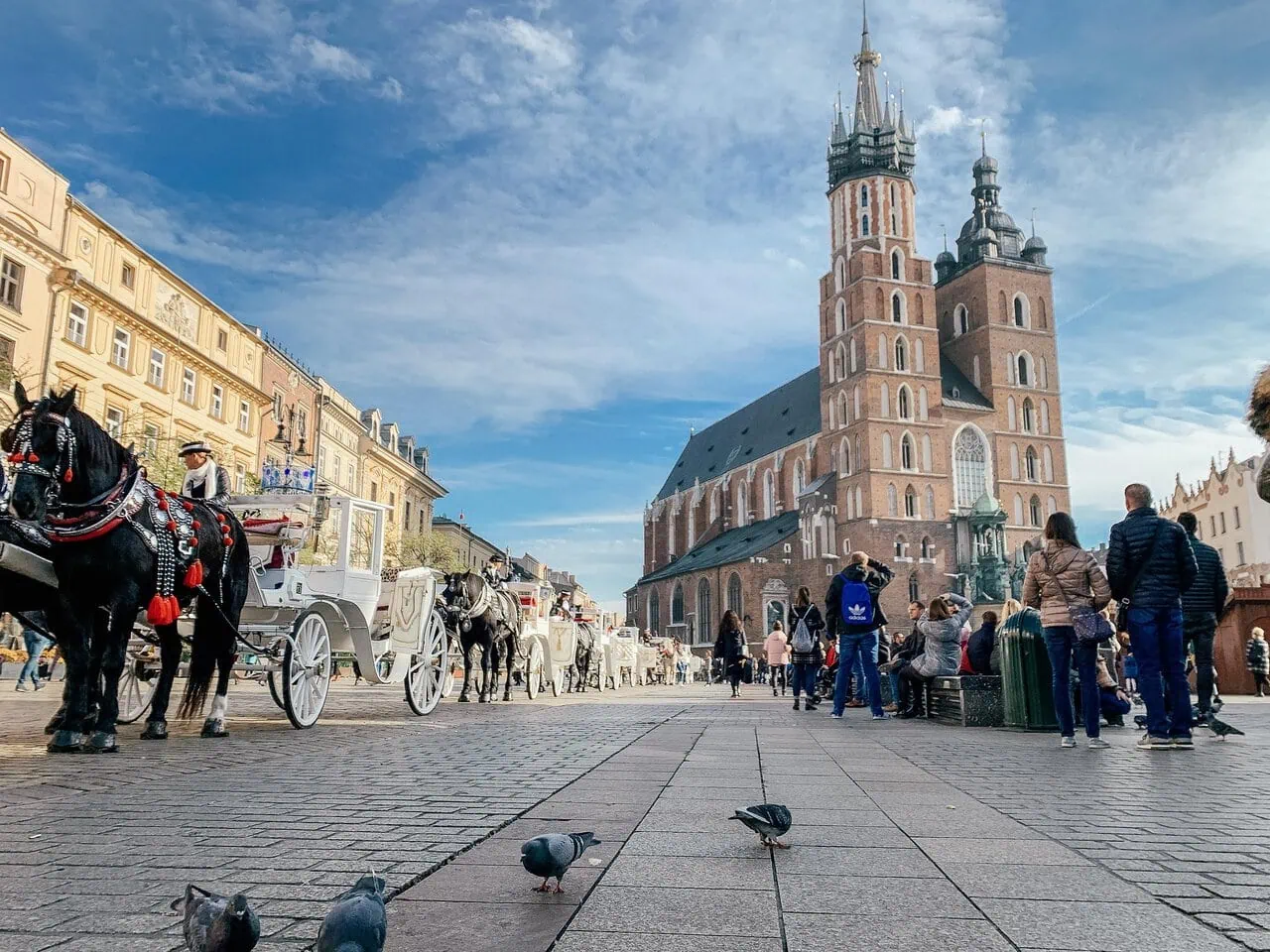
At the centre is the Old Town, the historic heart of Kraków and the area most visitors spend the majority of their time. This is where you will find the Main Market Square Kraków, one of the largest medieval squares in Europe, surrounded by landmarks such as St. Mary’s Basilica Kraków and the Cloth Hall. The Old Town is defined by its walkability, dense concentration of sights, and constant activity, making it the natural starting point for exploring the city.
Running along the southern edge of the Old Town is Planty Park, a green ring that follows the path of the former medieval walls. This acts as a natural boundary and transition zone, separating the historic centre from the surrounding districts while also providing one of the easiest ways to move between different parts of the city on foot.
Just beyond the Old Town lies Kazimierz, the former Jewish quarter and one of the most distinctive areas of Kraków. Today, it blends history, culture, and nightlife, with synagogues, museums, cafés, and bars sitting side by side. Kazimierz feels less formal than the Old Town and offers a more layered, lived-in atmosphere.
Across the Vistula River is Podgórze, an area that provides a quieter and more reflective experience. This district is closely linked to the events of the Second World War and includes important sites such as Ghetto Heroes Square. Compared to the Old Town and Kazimierz, Podgórze is noticeably calmer, with wider spaces and fewer crowds.
To the west of the Old Town sits Wawel Hill, home to the Wawel Royal Castle and Wawel Cathedral. This area forms a key link between the Old Town and the river, and it is one of the most historically significant parts of the city.
Further out, districts such as Nowa Huta offer a completely different perspective. Built during the communist era, Nowa Huta is defined by wide avenues, planned architecture, and a more residential feel, showing a side of Kraków that contrasts sharply with its medieval core.
In practical terms, most visitors will spend their time moving between the Old Town, Kazimierz, and Podgórze, with occasional trips further out depending on interests. Once you understand how these areas connect, Kraków becomes an easy city to navigate without needing constant directions or transport.
Best for a short trip. Compare rooms by neighbourhood, price and guest rating before you book.
Compare hotelsBest for longer stays. Whole apartments and houses, so you are not eating out three times a day.
View rentalsBest for double-checking. Runs the same Kraków search across several booking sites so you are not leaving money behind.
Compare pricesKraków Quick Facts for Travellers
| Category | Details |
|---|---|
| Country | Poland |
| Population | ~800,000 |
| Currency | Polish Złoty (PLN) |
| Language | Polish |
| Time Zone | Central European Time (CET) |
| Airport | John Paul II International Airport Kraków-Balice |
| Main Train Station | Kraków Główny |
| Best Time to Visit | April to June and September to October |
| Typical Stay | 2 to 4 days |
| Day Trip Access | Excellent |
Kraków is one of the most accessible and straightforward cities to visit in Central Europe. The combination of a compact centre, strong transport links, and a wide range of accommodation options makes it suitable for both short breaks and longer stays.
The local currency is the Polish złoty, and while card payments are widely accepted, it is still useful to carry some cash for smaller purchases. English is commonly spoken in tourist areas, particularly in hotels, restaurants, and transport hubs.
Distances within the city are short, and most key areas can be reached on foot. For anything further out, the tram network is efficient and easy to use, making it simple to move between districts without relying on taxis.
From a planning perspective, Kraków works best as a multi-day city break with optional day trips, rather than a one-day stop. Giving yourself enough time allows you to explore both the main sights and the quieter areas that give the city its character.
Kraków History: From Medieval Capital to Modern City
The history of Kraków is central to understanding the city as it exists today. For centuries, Kraków served as the royal capital of Poland, with kings crowned and buried at Wawel Cathedral and ruling from the nearby Wawel Royal Castle.
The medieval layout of the city remains largely intact, with the Main Market Square Kraków forming the centre of daily life. Surrounding streets, churches, and buildings reflect a long period of stability and growth, which is why Kraków feels so well preserved compared to many other European cities.
During the Second World War, the city was occupied by Nazi Germany, and this period left a lasting impact. Areas such as Kazimierz and Podgórze are closely linked to this history, with sites that document the experiences of the Jewish community and the events that took place during the occupation.
Unlike many cities in Poland, Kraków was not heavily destroyed during the war. This means that much of its historic architecture remains original, contributing to its designation as a UNESCO World Heritage Site. The continuity between past and present is one of the reasons the city feels so authentic.
Today, Kraków combines this historical depth with a modern atmosphere. Universities, cultural institutions, and a growing tourism sector have shaped it into a dynamic but still historically grounded city. Understanding this balance helps explain why Kraków is not only visually impressive, but also one of the most meaningful destinations in Europe.
UNESCO World Heritage Status
Kraków’s historic centre is officially recognised as a UNESCO World Heritage Site under the title Historic Centre of Kraków. It was inscribed in 1978, making it one of the earliest places added to the World Heritage List.
The UNESCO area includes the medieval Old Town, Wawel Hill, Kazimierz and Stradom, which together show why Kraków is one of Poland’s most important historic cities. This is not just a single landmark, but a protected urban landscape of squares, churches, palaces, streets, synagogues, royal buildings and historic neighbourhoods.
For visitors, the UNESCO status explains why Kraków feels so complete. Much of the historic city survived the destruction seen elsewhere in Poland during the Second World War, allowing today’s travellers to experience a city where medieval, royal, Jewish and modern history still sit close together. The best places to appreciate this are Main Market Square, St. Mary’s Basilica, the Cloth Hall, Wawel Royal Castle, Wawel Cathedral and the streets of Kazimierz.
Learn More from UNESCO
This destination is connected to a UNESCO World Heritage Site, recognised for its outstanding cultural, historical, or natural importance. You can explore official listings, background information, and protected heritage sites through UNESCO’s global database.
Getting Around Kraków: Transport, Routes and Travel Options
Getting around Kraków is straightforward once you understand how the city is structured. The historic centre is compact and highly walkable, but the wider city is supported by an efficient network of trams, buses, and regional connections that make it easy to move between districts and reach nearby attractions.
Most visitors will spend a large portion of their time on foot, particularly in the Old Town, Kazimierz, and Podgórze. Distances between key areas are short, and walking often proves faster than using transport once you are in the centre. However, for longer distances or when travelling to places like Nowa Huta, public transport becomes essential.
The backbone of the system is the tram network, which connects major parts of the city with frequent services throughout the day. Buses fill in the gaps where trams do not run, particularly in outer districts. Both use the same integrated ticket system, which means you can switch between tram and bus using a single ticket.
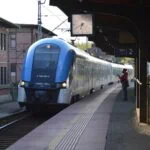
For visitors planning day trips or arriving by rail, Kraków Główny acts as the main transport hub. From here, you can connect to regional trains, long-distance routes, and local transport services.
In practical terms, the best approach is to combine walking for central areas with trams for longer distances. Taxis and ride apps are widely available if needed, but they are usually a secondary option rather than a necessity.
Kraków Airport Overview and Transfers
Most international visitors arrive via John Paul II International Airport Kraków-Balice, located approximately 11 kilometres west of the city centre. The airport is relatively small, which makes arrivals and departures efficient, but it is still well connected to the city.
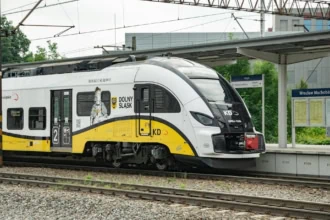
The fastest and most reliable way to reach the centre is by train. Direct services run from the airport to Kraków Główny, with a journey time of around 20 minutes. Trains are frequent, easy to use, and arrive directly in the heart of the city, making this the preferred option for most travellers.
Buses provide a cheaper alternative, with several routes connecting the airport to different parts of Kraków. Journey times are longer, typically 30 to 45 minutes, depending on traffic and route, but they can be useful if your accommodation is not close to the main train station.
Taxis and ride apps such as Uber and Bolt are widely available at the airport. These offer a door-to-door option, which can be more convenient if you are travelling with luggage or arriving late at night. Travel time is usually around 20 to 30 minutes, depending on traffic conditions.
Private transfers are another option, particularly for groups or those looking for a pre-arranged service. While more expensive, they remove the need to navigate public transport after arrival.
For most visitors, the train offers the best balance of speed, cost, and convenience, especially if you are staying in or near the city centre.
For a full breakdown of trains, buses, taxis, ride apps and private transfers, use our Kraków Airport to City Centre Guide before you arrive.

Start Your Visit to Kraków with a Private Transfer
You can take care of your airport journey to Kraków in advance by booking a private transfer through Welcome Pickups.
With a driver arranged before arrival, you can travel directly towards your hotel or other accommodation after collecting your luggage.
Compare private transfer prices for Kraków. You can also check another transfer provider before booking.
Public Transport in Kraków: Trams, Buses and Tickets
Kraków’s public transport system is built around a network of trams and buses that cover the entire city. The system is reliable, easy to understand, and designed to move both locals and visitors efficiently between key areas.
Trams are the most important part of the network, particularly for travellers. They run frequently, connect major districts, and provide a direct link between the city centre, residential areas, and transport hubs. If you are travelling beyond walking distance, trams will usually be the fastest and most convenient option.
Buses complement the tram network, reaching areas that are not served by tram lines. They are particularly useful for journeys to outer districts or for specific routes where tram connections are limited.
Tickets are time-based rather than distance-based, which means you can use the same ticket across multiple forms of transport within a set time period. Options typically include 20-minute, 60-minute, and 24-hour tickets, along with longer passes for extended stays. Tickets can be purchased from machines at stops, onboard some vehicles, or through mobile apps.
One of the key advantages of the system is its integration. You can switch between tram and bus without needing separate tickets, which simplifies travel planning. Most services run regularly throughout the day, with reduced frequency in the evening and night routes available for late travel.
For visitors, the best approach is to use public transport when moving between districts, while relying on walking for shorter distances within central areas.
Best if you can move a day either way. Shows how the fare to Kraków changes across the month.
Compare flightsBest if you want maps and messaging working the moment you switch your phone on.
See eSIM plansBest when public transport has stopped, or when you are travelling with children and bags.
Book a transferTaxis and Ride Apps in Kraków
Taxis and ride apps provide a convenient alternative to public transport in Kraków, particularly when travelling late at night, with luggage, or to locations that are less well connected by tram.
Ride-hailing apps such as Uber and Bolt are widely used and often offer the easiest way to book a journey. Prices are generally competitive, and the ability to track your route and fare in advance makes them a popular choice for visitors.
Traditional taxis are also available throughout the city, with ranks located near major squares, transport hubs, and tourist areas. While regulated, prices can vary slightly, so it is usually best to use licensed taxis or app-based services rather than accepting unsolicited offers.
Travel times within the city are relatively short due to Kraków’s compact layout. Journeys between central areas typically take 10 to 20 minutes, although traffic can increase during peak times.
While taxis are convenient, they are not always necessary. In many cases, walking or using the tram network will be faster and more cost-effective, particularly during busy periods.
For most travellers, taxis and ride apps are best used as a supplement to public transport, rather than a primary way of getting around.
Driving, Parking and Car Access in Kraków
Driving in Kraków is rarely necessary for visitors, and in many cases it will slow you down rather than make your journey easier. The historic centre is heavily restricted, with large parts of the Old Town designated as pedestrian-only zones, and access is limited to residents, deliveries, and authorised vehicles.
Even outside the centre, traffic can build up during peak hours, particularly on routes leading into the city. Streets in older districts are often narrow, and navigating them can be challenging if you are unfamiliar with the layout. For most travellers, using public transport and walking is significantly more efficient.
Parking is controlled through a paid parking zone system, which covers central and surrounding areas. Spaces are limited, and finding a spot near major attractions can be difficult. Payment is required during set hours, and enforcement is strict, so it is important to check local signage carefully.
Hotels sometimes offer parking, but availability varies, and it is not always included. If you are staying in the centre, it is worth confirming parking arrangements in advance rather than assuming it will be available on arrival.
In practical terms, driving is best avoided unless you are planning to leave the city for day trips or onward travel. Within Kraków itself, it adds complexity without providing much benefit.
Car Rental in Kraków: What to Know Before You Book
Car rental in Kraków is widely available, particularly at John Paul II International Airport Kraków-Balice and around the main train station. For travellers planning to explore beyond the city, it can be a practical option, but it is not essential for most itineraries.
The main reason to rent a car is for specific day trips where public transport is limited. Routes such as the Eagles’ Nests castles, rural areas, or less accessible mountain locations become significantly easier with a car. For more established trips like the Wieliczka Salt Mine or Auschwitz-Birkenau Memorial and Museum, public transport and organised tours are usually simpler.
Rental costs are generally reasonable, but you should factor in insurance, fuel, and parking charges when comparing options. If you only need a car for one or two days, short-term rental can work well, especially if you collect and return it at the airport to avoid city traffic.
For most visitors, the best approach is to avoid renting a car for the city itself, and only consider it if you have a clear plan to use it for specific trips where it adds value.
Night Trains from Kraków
Kraków has become one of the most useful overnight rail hubs in Central Europe, with sleeper trains linking the city to destinations across Poland, Austria, Germany, Hungary, and the Czech Republic. From Kraków Główny, travellers can board overnight services toward cities including Vienna, Budapest, Prague, Munich, Gdańsk, and the Baltic coast, turning long distance travel time into a full night’s sleep.
One of the biggest advantages of using Kraków night trains is the location of the station itself. Unlike airports far outside city centres, Kraków Główny sits directly beside the Old Town, making it easy to spend the evening exploring the city before boarding an overnight train. Many services also include couchettes and sleeper cabins, allowing travellers to wake up directly in another European city the following morning.
International overnight services are operated through partnerships between companies including PKP Intercity, ÖBB Nightjet, and České dráhy, while domestic Polish sleeper trains connect Kraków with northern cities such as Warsaw, Gdynia, Gdańsk, and Świnoujście. Several routes are genuine long distance rail corridors crossing much of Europe overnight.
If you are planning a wider rail adventure, our full Kraków Night Trains Guide explains the main sleeper routes, accommodation types, booking platforms, Interrail reservations, and the best overnight services from the city in much more detail.
Walking Around Kraków: Distances and Best Routes
Walking is the most effective way to explore Kraków, particularly within the central districts. The Old Town, Kazimierz, and Podgórze are all within manageable distances of each other, making it possible to cover a large part of the city on foot.
From the Main Market Square Kraków, you can reach Kazimierz in around 15 to 20 minutes, and Podgórze in approximately 25 to 30 minutes. These short distances mean that walking is often faster than using transport, particularly during busy periods.
One of the most useful routes is along the Vistula River, where wide paths connect different districts and provide open views of the city. This is especially effective in the evening, when the atmosphere is calmer and the riverfront becomes a more relaxed place to move between areas.
Another key feature is Planty Park, which forms a ring around the Old Town. This green belt acts as both a scenic walking route and a practical way to navigate around the historic centre without entering the busiest streets.
In practical terms, walking should be your default way of getting around, with public transport used only when distances increase or time is limited.
River Transport and Cruises on the Vistula
The Vistula River plays a central role in the layout of Kraków, but it is not a core part of the city’s transport system. Instead, it is primarily used for leisure cruises and sightseeing experiences.
Boat trips typically run along the section of the river that passes Wawel Royal Castle, Kazimierz, and Podgórze, offering a different perspective on the city’s landmarks. These cruises vary in length and style, with options ranging from short daytime trips to evening cruises with illuminated views.
While these services are not designed for transport in the traditional sense, they can still be a useful way to see multiple areas without walking long distances, particularly if you want a more relaxed experience.
The main value of the river is not in getting from one place to another, but in providing a scenic and slower-paced alternative to exploring the city on foot. For many visitors, a cruise works best as a break in the middle of a busy itinerary or as a way to experience Kraków from a different angle.
In practical terms, river transport is optional, but it can add a different dimension to your visit, especially if you are looking for something less structured than traditional sightseeing.
Best if you would rather spend the money on Kraków than on the room. Compare hostels by location and rating.
Search hostelsBest if you have ever given up on a claim. AirHelp checks whether the flight qualifies and pursues it for you.
See the benefitsBest for a day with a bag and nowhere to put it. Find a storage point near where you already are.
View storageTourist Transport in Kraków: Golf Carts, Mini Trains and Hop-On Hop-Off
Tourist transport in Kraków is designed to give you a quick overview of the city without the need for long walks or detailed route planning. While not essential, these options can be useful if you are short on time or want to understand how the main areas connect before exploring in more detail.
The most common option is the electric golf cart tour, which operates across the Old Town, Kazimierz, and Podgórze. These tours follow fixed routes and include audio commentary or a guide, making them a practical way to cover a large number of sites in a relatively short time. They are particularly useful on your first day, as they help you build a mental map of the city before exploring on foot.
Mini trains operate mainly within and around the Old Town. These are slower and more limited in scope, but they provide an easy way to move between key landmarks without walking. They are often used by families or visitors looking for a more relaxed introduction to the city.
Hop-on hop-off style services exist, but they are less prominent than in larger cities. Kraków’s compact layout means that traditional sightseeing buses are less necessary, and in many cases, walking or using trams will be more efficient.
In practical terms, these options are best used as a supplement rather than a replacement for walking. A short guided tour can help you understand the city quickly, but the real experience of Kraków comes from exploring its streets at your own pace.
Top Attractions in Kraków You Shouldn’t Miss
Kraków offers a dense concentration of attractions, many of which are located within a short distance of each other. The key to navigating them is understanding which ones are essential and how they fit into your overall plan.
At the centre of the city is the Main Market Square Kraków, which acts as the focal point for most visits. From here, you can access landmarks such as St. Mary’s Basilica Kraków and the Cloth Hall, as well as a network of surrounding streets filled with historic buildings and cafés.
To the south, Wawel Royal Castle and Wawel Cathedral form one of the most important historical complexes in Poland. This area combines architecture, history, and views over the Vistula River, making it a key stop on any itinerary.
Beyond the Old Town, Kazimierz provides a different experience, with synagogues, museums, and a strong cultural identity. Nearby, Podgórze offers important historical sites linked to the Second World War.
Further highlights include the Oskar Schindler Factory Museum, which provides context for the city’s wartime history, and experiences such as river cruises that offer a different perspective on the city.
The most effective approach is not to try to see everything at once, but to group attractions by area and explore them in focused sections of the city, allowing time to move between locations naturally.
Kraków’s Historical Landmarks and Must-See Sites
Kraków’s identity is shaped by its history, and this is reflected in the number of preserved landmarks across the city. These sites are not isolated attractions, but part of a continuous historical narrative that spans centuries.
The most significant concentration of landmarks is within the Old Town, where buildings, churches, and squares date back to the medieval period. The Main Market Square Kraków remains the centre of this network, surrounded by structures that have retained their original form.
The Wawel Royal Castle complex represents the political and cultural heart of historic Poland, while nearby religious buildings, including Wawel Cathedral, reflect the city’s long-standing importance.
In Kazimierz, historic synagogues and buildings provide insight into the Jewish heritage of the city, while Podgórze highlights the impact of the Second World War through its preserved sites and memorials.
What makes these landmarks particularly powerful is how they are integrated into the modern city. You are not visiting isolated monuments, but moving through spaces that continue to function as part of daily life.
Understanding this context allows you to see Kraków not just as a collection of sights, but as a city where history remains visible and accessible.
For a full breakdown of the city’s top sights and experiences, see our Best Things to Do in Kraków guide
Hidden Gems in Kraków: Local Spots Most Tourists Miss
While Kraków’s main attractions draw most of the attention, the city also offers a range of less obvious locations that provide a more local and less crowded experience.
Areas beyond the main routes, particularly in parts of Kazimierz and Podgórze, reveal quieter streets, smaller cafés, and spaces that feel less curated for tourism. These locations often sit just a few streets away from major attractions but receive significantly fewer visitors.
Viewpoints such as Kościuszko Mound offer wide perspectives over the city, while riverside paths along the Vistula River provide a more relaxed way to move between districts.
Exploring these areas works best when you allow time to move without a fixed plan, stepping away from the busiest streets and following quieter routes. This approach often leads to a more varied and personal experience of the city.
In practical terms, hidden gems are not about specific must-see locations, but about how you explore. Taking time to move beyond the main attractions will give you a deeper understanding of Kraków and how it functions beyond its most visited areas.
Things to Do in Kraków in Bad Weather
Bad weather in Kraków does not limit what you can do, but it does change how you should plan your day. The city has a strong mix of indoor attractions, museums, and covered spaces, which makes it easy to adapt your itinerary without losing momentum.
The most obvious options are museums, particularly those that offer longer, more immersive visits. The Oskar Schindler Factory Museum is one of the most detailed historical experiences in the city, while galleries and smaller exhibitions across the Old Town provide additional depth. These are not quick stops, which makes them well suited to days when the weather limits outdoor exploration.
The Cloth Hall in the centre of the Main Market Square Kraków offers a combination of indoor shopping and museum space, allowing you to stay sheltered while still being in the heart of the city. Cafés and restaurants also become more important in poor weather, as Kraków has a strong café culture that makes it easy to pause and adjust your plans.
Another effective approach is to use structured experiences such as guided tours or golf cart routes, which reduce the amount of time spent walking between locations. These options allow you to continue exploring without being exposed to the weather for extended periods.
In practical terms, the key is to shift your focus from movement to depth, choosing fewer locations but spending more time inside them. Kraków is well suited to this approach, which means bad weather rarely disrupts a trip in a significant way.
Shopping in Kraków: Markets, Souvenirs and Local Finds
Shopping in Kraków ranges from traditional market stalls to modern retail spaces, with a strong focus on local crafts and regional products. The experience is less about large shopping centres and more about discovering items that reflect the city’s history and culture.
The centre of activity is the Cloth Hall Kraków, located in the middle of the Main Market Square. Here, you will find stalls selling amber jewellery, wooden crafts, textiles, and souvenirs, many of which are linked to traditional Polish design. While it is a popular tourist location, it remains one of the easiest places to find locally themed items in one place.
Beyond the main square, smaller shops and independent stores in the Old Town and Kazimierz offer a more varied selection. These areas are better for finding less standardised products, including artwork, books, and locally produced goods.
Food is another important part of shopping in Kraków. Local delicacies, confectionery, and packaged goods can be found in markets and specialist stores, making them easy to take home as part of your trip.
In practical terms, shopping in Kraków works best when combined with exploring the city itself, rather than as a standalone activity. Moving between areas naturally leads you to different types of shops and markets, making it a more integrated part of your visit.

Best Day Trips from Kraków
One of the biggest advantages of visiting Kraków is its location. The city serves as a base for several high-quality day trips, each offering a completely different experience.
The most well-known is the Auschwitz-Birkenau Memorial and Museum, located around 70 kilometres away. This is a structured and emotionally significant visit that requires planning, both in terms of transport and timing.
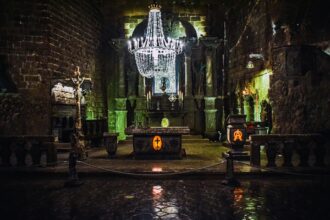
The Wieliczka Salt Mine provides a contrasting experience, with underground chambers, tunnels, and historic carvings forming one of the most unique attractions in the region. It is close to the city and relatively easy to visit.
For a change of scenery, Zakopane offers access to the Tatra Mountains, with landscapes that are completely different from Kraków’s urban setting. This trip involves more travel time, but it adds variety to your itinerary.
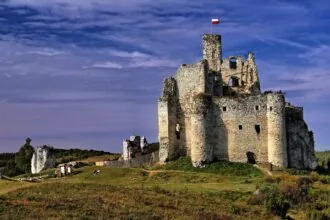
There are also less conventional options, such as the castles along the Eagles’ Nests trail, which provide a quieter and more scenic alternative to the main destinations.
The key to planning day trips is to limit the number you attempt. Each requires a significant portion of the day, and trying to fit too many into a short visit can make the trip feel rushed. Choosing one or two well-planned excursions is usually the most effective approach.
If you are planning to explore beyond the city, our Best Day Trips from Kraków guide will help you choose the right excursions.
Suggested Kraków Itinerary: How to Plan Your Days
Structuring your time in Kraków is about balancing central exploration with key experiences. The city is compact, but the range of attractions and day trips means that a clear plan will improve how your visit flows.
On your first day, focus on the Old Town, starting at the Main Market Square Kraków and exploring the surrounding streets. This gives you a strong understanding of the city’s layout and allows you to cover major landmarks in a single, walkable area.
The second day can be used to explore Kazimierz and Podgórze, combining cultural sites with a different atmosphere. This is also a good point to include a museum visit or a more structured experience.
Day trips are best placed on separate days. Visiting locations such as the Wieliczka Salt Mine or Zakopane requires a full day, so it is important to avoid overlapping them with heavy city exploration.
If you have additional time, you can expand your itinerary to include quieter areas, hidden locations, or more relaxed experiences, such as riverside walks or evening activities.
The most effective itineraries are those that remain flexible, allowing you to adjust based on energy levels, weather, and interests, rather than following a rigid schedule.
Festivals and Events in Kraków Throughout the Year
Kraków is not just a historic city, it is also one of the most culturally active destinations in Central Europe, with a calendar that runs year-round. Timing your visit around an event can significantly change the atmosphere of the city, particularly in the Old Town, where many festivals take place.
Spring and summer bring the highest concentration of events. The Kraków Film Festival is one of the oldest of its kind in Europe, drawing international attention, while the Jewish Culture Festival Kraków transforms Kazimierz into a centre of music, exhibitions, and performances.
During the summer months, outdoor concerts, cultural events, and temporary installations become part of daily life, particularly around the Main Market Square Kraków and along the river. The city feels more open and energetic, with extended hours and a noticeable increase in activity.
Autumn offers a slightly quieter but still culturally rich period, with smaller festivals and events taking place across the city. This can be a good time to visit if you want a balance between activity and space.
Winter shifts the focus toward seasonal experiences, with the Christmas market in the Main Market Square becoming a central feature. The combination of historic architecture, lighting, and market stalls creates a different atmosphere compared to the rest of the year.
In practical terms, festivals can enhance your visit, but they also bring larger crowds and higher demand for accommodation, so planning ahead becomes more important if your trip coincides with major events.

Where to Eat in Kraków: Traditional Food and Local Specialities
Food is a central part of visiting Kraków, and the city offers a strong mix of traditional Polish cuisine and modern dining options. Knowing what to look for will help you avoid generic tourist menus and find more authentic experiences.
Traditional dishes such as pierogi, soups like żurek, and meat-based meals are widely available, particularly in restaurants that focus on regional cooking. These are often located in the Old Town and Kazimierz, although quality can vary depending on location.
Kazimierz stands out as one of the best areas for food, offering a mix of traditional Jewish cuisine, modern restaurants, and casual dining options. The atmosphere here is less formal than in the Old Town, which often results in a more relaxed and varied dining experience.
The Old Town offers convenience and variety, but it is also where you are most likely to encounter higher prices and more tourist-focused menus. Moving just a few streets away from the main square can make a noticeable difference in both quality and cost.
Cafés are also an important part of the city’s food culture. Kraków has a strong café scene, with many locations serving as places to slow down rather than just eat. This makes them a useful part of your daily rhythm, particularly between sightseeing stops.
In practical terms, the best approach is to mix central convenience with local exploration, using the Old Town for easy access and Kazimierz for more varied and authentic options.
Kraków Nightlife: Bars, Clubs and Evening Experiences
Nightlife in Kraków is varied, accessible, and spread across different parts of the city. Whether you are looking for a relaxed evening or a more active night out, there are options to suit most styles of travel.
The Old Town is the most obvious starting point, with a high concentration of bars and late-opening venues. Many are located in basements or historic buildings, creating a distinctive atmosphere that reflects the city’s layout. This area is busy and easy to navigate, making it suitable for a first evening.
For a more diverse and less commercial experience, Kazimierz is the key area. This district offers a mix of bars, live music venues, and smaller clubs, often with a more local feel. It is particularly popular for its variety and atmosphere, rather than large-scale nightlife.
Evening experiences are not limited to bars and clubs. Options such as river cruises along the Vistula River, cultural performances, and late-opening attractions provide alternatives that are less focused on nightlife in the traditional sense.
Kraków’s compact size makes it easy to move between areas, so you can experience different parts of the city in a single evening without needing transport.
In practical terms, nightlife in Kraków is best approached with flexibility, allowing you to move between locations rather than committing to a single venue.
One nightlife warning is worth taking seriously in Kraków. Around the Old Town nightlife streets, some strip clubs and adult venues have been linked to overcharging, aggressive upselling, misleading drink prices and card payment disputes. The safest approach is simple: avoid being drawn in by street promoters, check prices before ordering, never hand over your card casually, and leave immediately if a venue feels high-pressure. For most visitors, Kraków’s normal bars, cellar pubs and Kazimierz nightlife are far better choices.
Where to Stay in Kraków: Hotels, Areas and Practical Advice
Choosing accommodation in Kraków is less about distance and more about positioning within the city’s layout. Because the centre is compact, most locations within a reasonable radius will still allow easy access to key attractions.
Staying in the Old Town offers the highest level of convenience. You are within walking distance of major landmarks, restaurants, and transport connections, which reduces the need for planning daily routes. This is the best option if your priority is ease and accessibility.
Kazimierz provides a different balance, combining proximity to the centre with a more varied atmosphere. It is particularly well suited to travellers who want access to restaurants, nightlife, and cultural sites without being directly in the busiest part of the city.
For a quieter experience, Podgórze offers more space and a slower pace, while still being connected to central areas by walking routes and public transport.
Accommodation options range from budget hostels to high-end hotels, with a strong mid-range offering that provides good value compared to other European cities. Booking in advance is recommended during peak periods, particularly in summer and around major events.
In practical terms, most visitors should prioritise location over luxury, as being well positioned within the city will have a greater impact on your overall experience than the specific type of accommodation.

Search Kraków Hotels with Hotels.com
Rather than checking hotel websites individually, you can use Hotels.com to search accommodation across Kraków in one place.
It is a practical way to compare different properties, locations and price points before deciding which stay works best for your trip.
Scan to open
on your phone

Compare hotel prices in Kraków with Vio
Vio compares prices across major booking sites, including Booking.com, Expedia, Agoda and Hotels.com, so you can check whether the same stay is cheaper elsewhere before you book.
Other booking options
Click the map to open a larger interactive view and explore more accommodation options.

Cultural Norms and Etiquette in Kraków
Understanding local etiquette in Kraków will help you move through the city more confidently and avoid small misunderstandings. While Kraków is used to international visitors, it still retains a strong sense of local identity and cultural norms that are worth being aware of.
Interactions are generally polite but not overly informal. In shops, restaurants, and public spaces, a simple greeting and a respectful tone go a long way. Service can feel more direct than in some countries, but this is normal and not a sign of poor hospitality.
In restaurants, it is standard to wait to be seated in many places, particularly in more traditional venues. Tipping is appreciated but not excessive, with around 10 percent being typical for good service. Payment is usually made at the table, and card payments are widely accepted.
When visiting religious sites such as Wawel Cathedral or St. Mary’s Basilica Kraków, it is important to dress and behave appropriately. These are active places of worship, not just tourist attractions, so maintaining a quiet and respectful presence is expected.
Public behaviour is generally reserved. Loud or disruptive conduct is uncommon, particularly in quieter areas or at historical sites. This is especially important when visiting locations connected to the Second World War, where the tone is more reflective.
In practical terms, following basic courtesy and awareness is enough. Kraków is an easy city to navigate culturally, as long as you approach it with a respectful mindset.
eSIMs and Connectivity in Kraków
Staying connected in Kraków is straightforward, with strong mobile coverage and widespread internet access across the city. Whether you are navigating, booking transport, or managing tickets, having reliable data will make your trip significantly easier.
Mobile signal is consistent across central areas, including the Old Town, Kazimierz, and transport hubs such as Kraków Główny. Even in more residential districts, coverage remains strong, which makes mobile data a dependable option throughout your stay.
Using an eSIM is one of the simplest ways to stay connected. It allows you to activate data before arrival and avoid the need to find a local SIM card. This is particularly useful for navigating from the airport, accessing tickets, and using transport apps as soon as you arrive.
If you plan to rely on mobile data while moving around the city, it is worth setting this up before you arrive. Options like Airalo and Saily are useful if you want flexible, lower-cost data for navigation, transport apps and day-to-day use, while providers such as Holafly and Yesim focus more on unlimited or longer-stay plans, which can be helpful if you are using your phone heavily throughout the trip. Choosing the right option depends on how much data you expect to use, but having an eSIM active from the moment you land makes getting from the airport, accessing tickets and navigating Kraków much smoother.
WiFi is widely available in hotels, cafés, and restaurants, but speeds and reliability can vary. Relying solely on WiFi can slow you down, especially when moving between locations or accessing time-sensitive information.
In practical terms, having mobile data from the moment you arrive removes friction from your trip. It supports navigation, booking, and communication, making it one of the most useful tools for travelling around Kraków.
Safety in Kraków: Laws, Risks and Practical Advice
Kraków is considered a safe city for travellers, with low levels of violent crime and a well-established tourism infrastructure. Most visits take place without any issues, but it is still important to follow basic precautions.
The most common risks are minor issues such as pickpocketing, particularly in crowded areas like the Main Market Square Kraków and on public transport. Keeping valuables secure and being aware of your surroundings is usually enough to avoid problems.
The city is well lit and active in the evening, especially in central areas. Walking at night is generally safe, although it is still advisable to stay within busy and well-known areas, particularly if you are unfamiliar with the city.
When using taxis, it is best to rely on licensed services or ride apps, rather than accepting offers from unmarked vehicles. This reduces the risk of overcharging and ensures a more predictable experience.
Laws in Poland are straightforward, but it is worth noting that alcohol consumption in public spaces is restricted outside designated areas, and fines can be issued if rules are ignored.
For visits to sensitive sites such as the Auschwitz-Birkenau Memorial and Museum, behaviour expectations are stricter, with an emphasis on respect and appropriate conduct.
In practical terms, Kraków is a low-risk destination, and most travellers will find it easy to navigate safely with standard awareness.
Rupert’s Handy Travel Tips

Rupert has wandered through Kraków’s cobbled streets, riverside paths, and hidden courtyards, and he has learned that the city rewards travellers who plan smart but stay flexible.
- Start early in the Old Town: experience it before the crowds build.
- Use trams for longer distances: rely on walking in central areas.
- Plan major day trips separately: save Auschwitz or Zakopane for their own day.
- Move away from the main square: a few streets over gets better food and prices.
- Explore Kazimierz and Podgórze: they give a more complete view of the city.
Want to meet the reindeer behind our travel tips? Find out more in our page Who is Rupert?.




Frequently Asked Questions About Kraków
How many days do you need in Kraków?
Most visitors need 2 to 4 days to explore the city and include one or two day trips without rushing.
Is Kraków walkable?
Yes, the city is highly walkable, especially in the Old Town, Kazimierz, and surrounding areas.
What is the best area to stay in Kraków?
The Old Town offers convenience, while Kazimierz provides a more varied atmosphere with strong food and nightlife options.
Is Kraków expensive?
Kraków is generally more affordable than Western European cities, although central areas can be more expensive.
Can you visit Auschwitz from Kraków in one day?
Yes, it is one of the most common day trips from Kraków, but it requires planning and usually takes a full day.
Further Reading and Related Kraków Guides
Planning your time in Kraków becomes much easier when you connect the city to the key journeys and experiences around it. Organising your airport transfer in advance will help you arrive smoothly and start your trip without delays, especially if you are heading straight into the Old Town or Kazimierz.
Many visitors build their itinerary around a mix of city exploration and major excursions, so reviewing the best day trips from Kraków is an important step. Experiences such as visiting Auschwitz-Birkenau or exploring the Wieliczka Salt Mine require careful planning, while a trip to Zakopane offers a completely different landscape in the Tatra Mountains.
If you are planning to travel beyond Kraków, our Poland Interrail Pass guide explains how to explore the country by train, while the Interrail Global Pass guide shows how to extend your journey across multiple countries with one flexible ticket.