Reviewed by our editorial team Updated
Why Ferries Are Essential for an Isle of Wight Trip
For most travellers, Isle of Wight ferries are the easiest, quickest and most reliable way to reach the island, making them an essential part of any Isle of Wight travel guide. The island has no fixed road bridge or rail link to the mainland, so ferries operate as the core transport network, carrying millions of passengers each year. Whether you’re driving, cycling, or travelling as a foot passenger, there’s a route designed to fit your journey style and your mainland starting point.
Most crossings take between 10 and 60 minutes, depending on the operator, route and vessel type. Foot passengers can choose from ultra-fast options like Hovertravel and the Wightlink FastCat, while car travellers benefit from frequent sailings out of Portsmouth, Southampton and Lymington. One of the biggest advantages of travelling by ferry is flexibility, timetables run from early morning to late evening, giving you choice over your travel days, connections and onward plans.
In this Isle of Wight tourist guide, we’ll break down each ferry operator, the different crossing options, onboard facilities, fare tips, and the best apps to use before and during your journey. By the end, you’ll know which route is fastest, which offers the best value, and how to connect from the terminals to Ryde, Cowes, Newport and other key destinations with ease.
Quick Overview of All Isle of Wight Ferry Routes
Travelling to the island is simple once you understand the route map. Four main mainland ports: Southampton, Portsmouth, Lymington, and Southsea connect directly to key Isle of Wight towns, making it easy to choose based on where you’re coming from and how you want to travel. While all routes are reliable, each suits a different type of trip. Drivers tend to prefer Wightlink or Red Funnel’s car ferries, while foot passengers often opt for faster, more frequent links such as the FastCat or Hovertravel hovercraft.
Below is a quick comparison of the main crossings:
| Route | Operator | Type | Crossing Time |
|---|---|---|---|
| Portsmouth → Fishbourne | Wightlink | Car & foot | ~45 mins |
| Lymington → Yarmouth | Wightlink | Car & foot | ~40 mins |
| Portsmouth Harbour → Ryde Pier | Wightlink FastCat | Foot only | ~22 mins |
| Southampton → East Cowes | Red Funnel | Car & foot | ~55 mins |
| Southampton → Cowes | Red Funnel Red Jet | Foot only | ~28 mins |
| Southsea → Ryde | Hovertravel | Hovercraft | ~10 mins |
This overview gives you a quick feel for timings and options before diving deeper into each service.
Best for a short trip. Compare rooms by neighbourhood, price and guest rating before you book.
Compare hotelsBest for groups who want one address and separate bedrooms rather than three hotel rooms.
See holiday homesBest as a last check before booking. Compares Isle of Wight hotel rates across several sites in one search.
Compare ratesWightlink: Routes, Fleet & What to Expect
Wightlink is one of the biggest operators serving the island, connecting travellers from both Portsmouth and Lymington. It’s a popular choice for drivers thanks to its fast loading times, reliable timetables and smooth connections to major roads, especially if you’re coming from London or the Home Counties. The company runs three key services, each offering something slightly different depending on your needs.
The Portsmouth–Fishbourne car ferry is Wightlink’s flagship route, running frequently throughout the day with crossing times around 45 minutes. Ships are modern, comfortable and well-equipped, with lounges, Wi-Fi, food and drink options and plenty of deck space. This is also one of the best routes for travellers connecting by train at Portsmouth Harbour or Portsmouth & Southsea, making it ideal for foot passengers too.
Portsmouth to Fishbourne, Isle of Wight Ferry Times & Departures
Use Ferryhopper to check live sailings between Portsmouth and Fishbourne, Isle of Wight in both directions. Select your travel date to compare scheduled ferry departures, sailing times and available tickets.
Select the date you want to travel. The times shown on the right-hand side are the scheduled departure and arrival times for each ferry.
Availability can change quickly, particularly during weekends and the summer season. Some sailings may stop accepting bookings a few hours before departure. If a timetable is blank, there may be no available sailings for today. Try moving to a later date to check future services.
This is the timetable for the outward direction. Use it to check sailings from Portsmouth to Fishbourne, Isle of Wight for the date you plan to travel.
This is a separate timetable for the opposite direction. It does not select a return ticket for the journey above. Use it to check sailings from Fishbourne, Isle of Wight to Portsmouth.
Want to compare different routes and other ferry options?
Compare routes, operators, sailing times and prices with Ferryhopper or Direct Ferries.
The Lymington–Yarmouth route is scenic, fast and perfect for travellers coming from Bournemouth, Poole or the western New Forest. The crossing takes just 40 minutes and offers beautiful Solent views. Because Lymington is a small harbour port, arrival and departure are quick, making this one of the most relaxed ways to reach the island by car.
Lymington to Yarmouth, Isle of Wight Ferry Schedules & Tickets
Check the current Lymington to Yarmouth, Isle of Wight ferry schedule with Ferryhopper. Change the date to compare available crossings, departure times and bookable tickets for both directions.
Select the date you want to travel. The times shown on the right-hand side are the scheduled departure and arrival times for each ferry.
Availability can change quickly, particularly during weekends and the summer season. Some sailings may stop accepting bookings a few hours before departure. If a timetable is blank, there may be no available sailings for today. Try moving to a later date to check future services.
This is the timetable for the outward direction. Use it to check sailings from Lymington to Yarmouth, Isle of Wight for the date you plan to travel.
This is a separate timetable for the opposite direction. It does not select a return ticket for the journey above. Use it to check sailings from Yarmouth, Isle of Wight to Lymington.
Want to compare alternative ferry routes and more sailing options?
Compare routes, operators, sailing times and prices with Ferryhopper or Direct Ferries.
For foot passengers, the Wightlink FastCat between Portsmouth Harbour and Ryde Pier Head provides a speedy 22-minute crossing. It aligns well with mainland rail services, making it an excellent choice for day trips and quick island hops.
Portsmouth to Ryde, Isle of Wight Ferry Crossings & Times
Compare ferry crossings between Portsmouth and Ryde, Isle of Wight with Ferryhopper. The live timetable shows scheduled departure and arrival times so you can choose a suitable sailing in either direction.
Select the date you want to travel. The times shown on the right-hand side are the scheduled departure and arrival times for each ferry.
Availability can change quickly, particularly during weekends and the summer season. Some sailings may stop accepting bookings a few hours before departure. If a timetable is blank, there may be no available sailings for today. Try moving to a later date to check future services.
This is the timetable for the outward direction. Use it to check sailings from Portsmouth to Ryde, Isle of Wight for the date you plan to travel.
This is a separate timetable for the opposite direction. It does not select a return ticket for the journey above. Use it to check sailings from Ryde, Isle of Wight to Portsmouth.
Looking for different ferry routes or other ferry options?
Compare routes, operators, sailing times and prices with Ferryhopper or Direct Ferries.
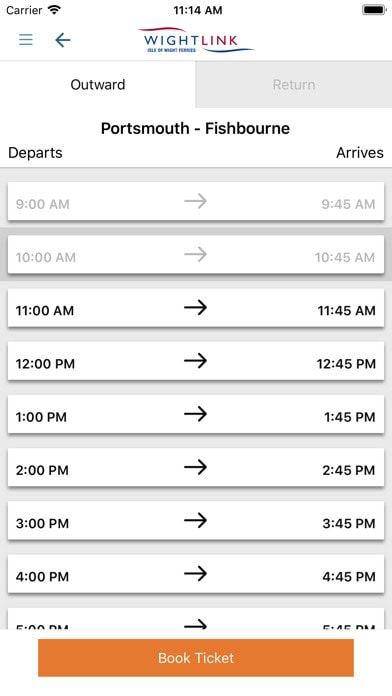
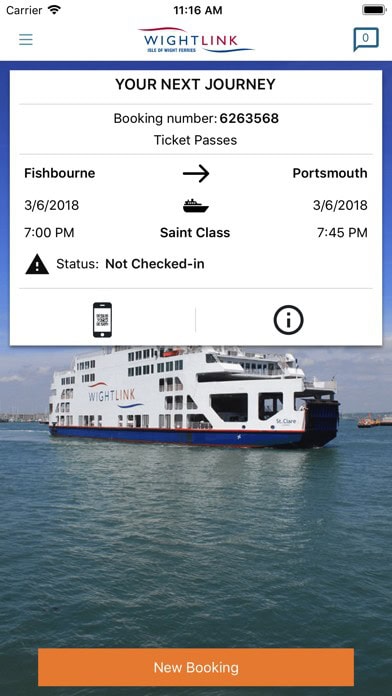
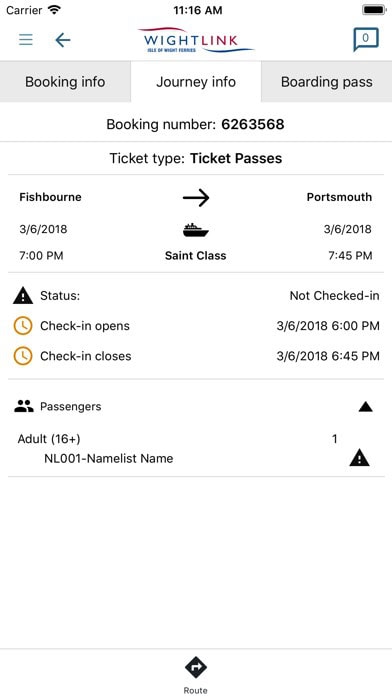
Wightlink also offers a mobile app for bookings, boarding passes and live sailing updates, especially useful during peak seasons or weather disruption.
Red Funnel: Routes, Service Levels & Travel Tips
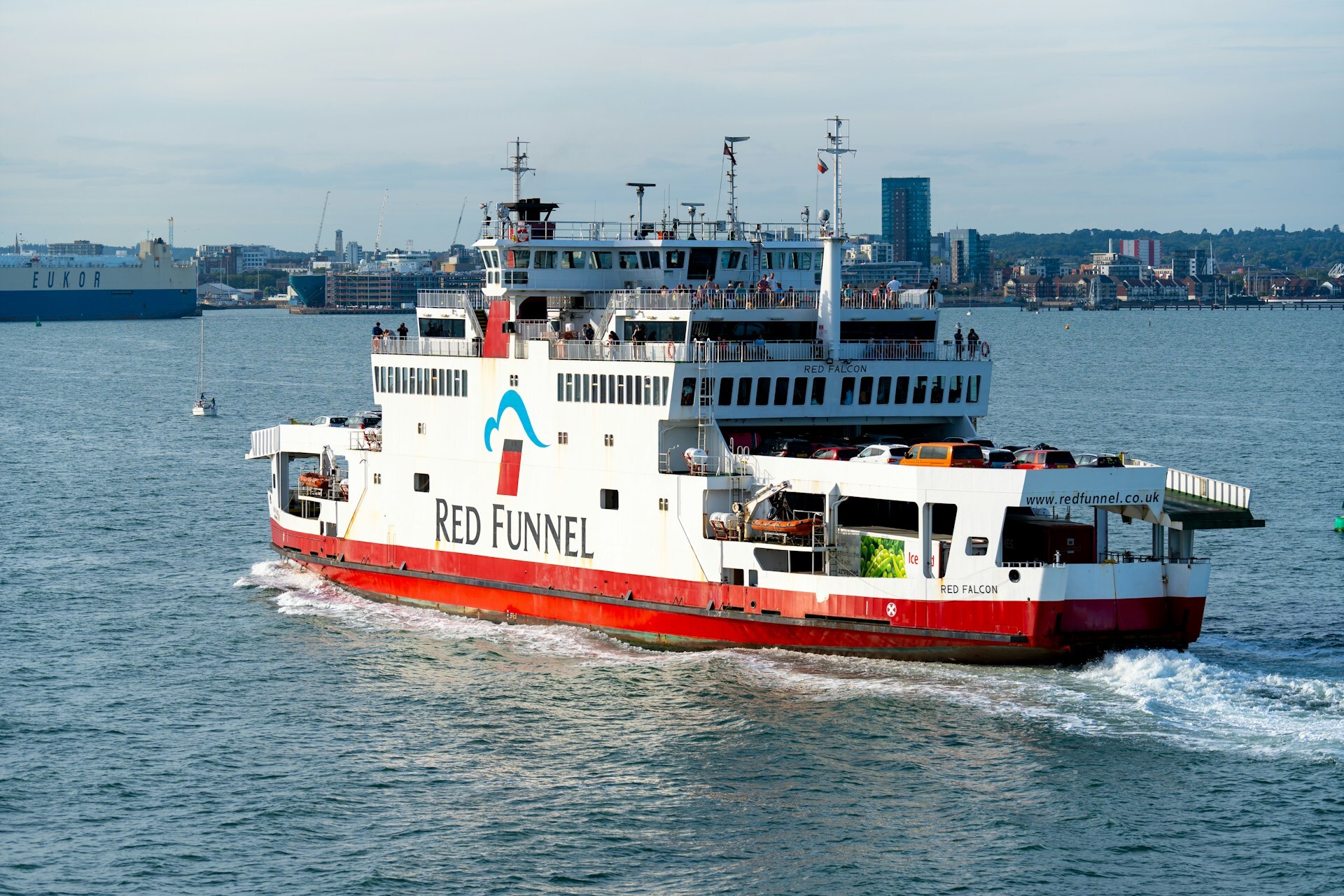
Red Funnel is the oldest ferry operator serving the Isle of Wight, connecting Southampton to both Cowes (foot passenger Red Jet) and East Cowes (car ferry). Its two-route setup makes it the natural choice for travellers coming from the Midlands, London, Reading, Oxford, and much of the South Coast. Southampton’s excellent rail links also make Red Funnel ideal for foot passengers who want a smooth, predictable crossing.
The Southampton–East Cowes car ferry is Red Funnel’s core service, with a crossing time of around 55–60 minutes. Ships have cafés, comfortable indoor seating, sun decks, pet-friendly areas, and accessible facilities. Because Southampton’s port is large and well-organised, boarding tends to be efficient even at peak times; however, queues can build during school holidays, large events, and festival weekends, so advance booking is essential.
Southampton to East Cowes, Isle of Wight Ferry Timetable & Tickets
View the Ferryhopper timetable for ferries between Southampton and East Cowes, Isle of Wight. Select a date to check sailing times, available departures and ticket options for the outbound and return journey.
Select the date you want to travel. The times shown on the right-hand side are the scheduled departure and arrival times for each ferry.
Availability can change quickly, particularly during weekends and the summer season. Some sailings may stop accepting bookings a few hours before departure. If a timetable is blank, there may be no available sailings for today. Try moving to a later date to check future services.
This is the timetable for the outward direction. Use it to check sailings from Southampton to East Cowes, Isle of Wight for the date you plan to travel.
This is a separate timetable for the opposite direction. It does not select a return ticket for the journey above. Use it to check sailings from East Cowes, Isle of Wight to Southampton.
Compare other ferry routes, sailings and ticket options.
Compare routes, operators, sailing times and prices with Ferryhopper or Direct Ferries.
For those travelling without a vehicle, the Red Jet fast ferry connects Southampton Town Quay to Cowes in around 28 minutes. This route is quick, frequent and ideal for commuters, weekend visitors and day-trippers. The Red Jet is foot-passenger only, but its speed makes it one of the most convenient ways to reach the island if you’re travelling light. The vessel has airline-style seating, large windows and very fast turnaround times.
Southampton to West Cowes, Isle of Wight Ferry Departures & Schedules
Use Ferryhopper to compare scheduled ferry departures between Southampton and West Cowes, Isle of Wight. Choose your travel date to see available sailings, journey times and tickets in both directions.
Select the date you want to travel. The times shown on the right-hand side are the scheduled departure and arrival times for each ferry.
Availability can change quickly, particularly during weekends and the summer season. Some sailings may stop accepting bookings a few hours before departure. If a timetable is blank, there may be no available sailings for today. Try moving to a later date to check future services.
This is the timetable for the outward direction. Use it to check sailings from Southampton to West Cowes, Isle of Wight for the date you plan to travel.
This is a separate timetable for the opposite direction. It does not select a return ticket for the journey above. Use it to check sailings from West Cowes, Isle of Wight to Southampton.
Want to check different routes and more ferry choices?
Compare routes, operators, sailing times and prices with Ferryhopper or Direct Ferries.
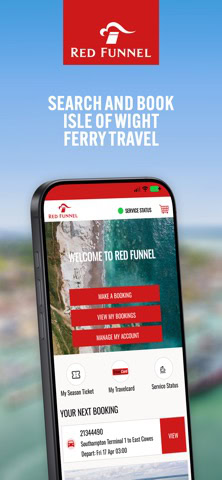
Red Funnel’s mobile app lets you manage bookings, store boarding passes and get live service updates. It’s especially handy for monitoring delays caused by strong winds or busy traffic around the docks. If you’re planning a return trip on the same day, Red Funnel often runs special fares, worth checking before you book.
Hovertravel: The Hovercraft to Ryde
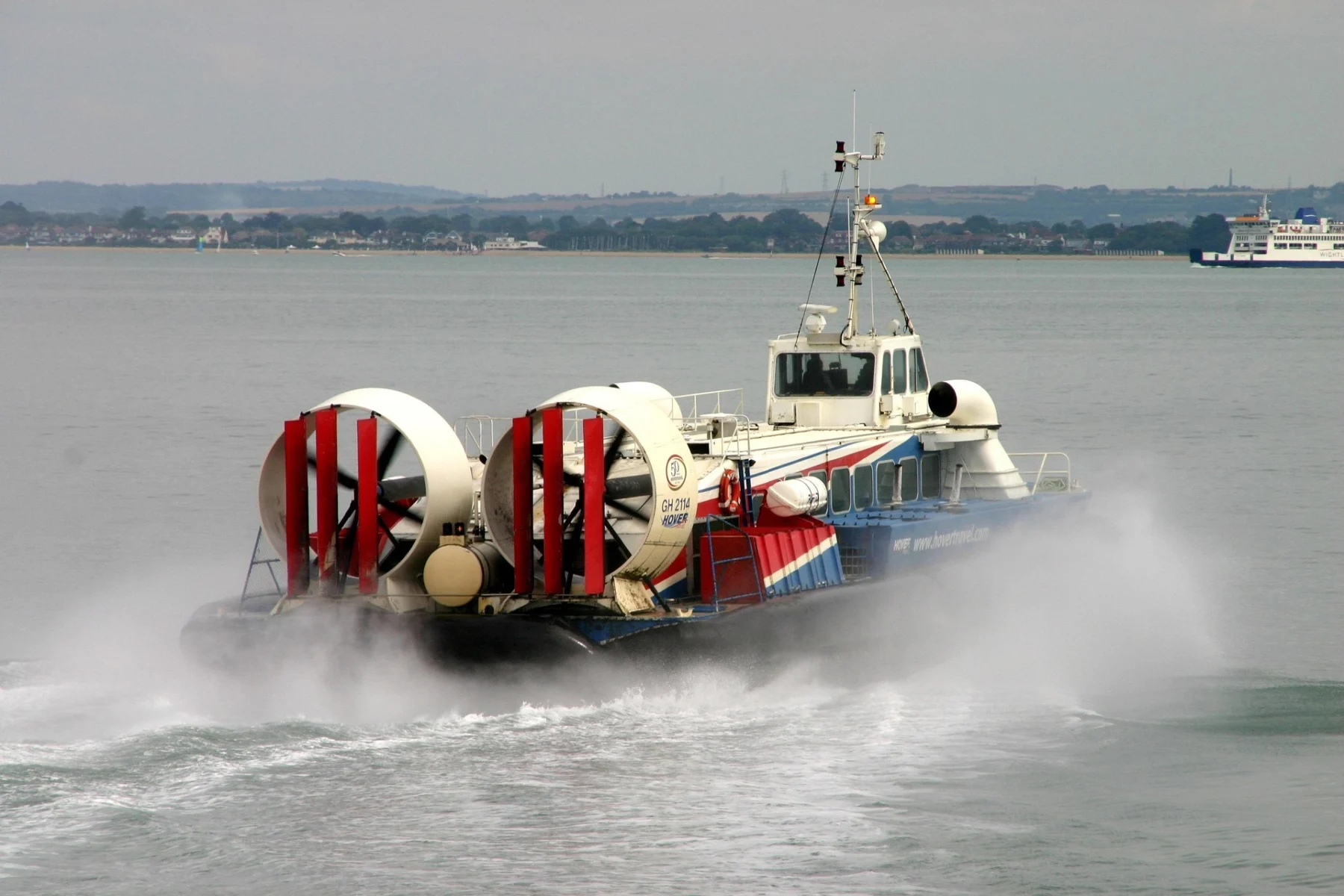
Operating the only passenger hovercraft service in the UK, Hovertravel provides the fastest mainland–Isle of Wight crossing. The route runs between Southsea (Portsmouth) and Ryde and takes just 10 minutes, making it the quickest way to reach the island by a considerable margin. Because it travels over the surface of the Solent rather than through it, the experience is unique, part transport, part attraction.
Hovertravel is foot-passenger only, but it integrates well with both Portsmouth rail stations and the Ryde transport hub. From Ryde, travellers can quickly connect to island buses (Southern Vectis), scenic walks, or the Island Line train toward Shanklin. The service is extremely popular with day-trippers and locals thanks to its speed and simplicity.
However, one important note for travellers using this Isle of Wight ferry guide: hovercrafts are more sensitive to weather, especially strong winds and rough sea conditions. While cancellations aren’t frequent, they do happen more often than on traditional ferries, so always check the Hovertravel website before setting off. Boarding and disembarking are very fast, but luggage space can be more limited compared to Wightlink or Red Funnel.
Despite its quirks, Hovertravel remains the most convenient choice for anyone prioritising speed and simplicity. If you’re coming from London Waterloo, the rail + hovercraft combination is one of the quickest ways to reach Ryde.
How to Book Wightlink – Isle of Wight Ferry Tickets with Direct Ferries
You can check live availability and book your Isle of Wight to mainland UK ferry tickets using the tool below. This allows you to view real-time sailing schedules, compare departure times, and secure your place in advance, which is strongly recommended for a Isle of Wight Trip.
Once you enter your travel date and number of passengers, the system will display available sailings along with current pricing. For a day trip, you should always aim to choose the earliest outbound ferry and the latest return sailing, as this gives you the maximum amount of time in the Isle of Wight.
Most travellers will book as foot passengers, as vehicles are not necessary for a day trip and can significantly increase the cost. Tickets are issued digitally and can be presented on your phone at the terminal, making the process straightforward on the day of travel.
It is important to be aware that availability can change quickly, particularly during weekends and the summer season. Some sailings may also stop accepting bookings a few hours before departure, so leaving it too late can limit your options.
Platforms such as Direct Ferries allow you to compare routes and check availability across multiple operators, making it easier to plan your journey and secure tickets that match your schedule.
Comparing Crossing Times, Prices & Convenience
With multiple operators and route options available, choosing between Isle of Wight ferries comes down to one simple question. What matters most to you: speed, cost, or location? Each service is designed for a slightly different type of traveller, and understanding those differences makes the decision straightforward.
If speed is your priority, Hovertravel is the clear winner. The crossing between Southsea and Ryde takes around 10 minutes, making it the fastest route by a significant margin. This is ideal for foot passengers travelling light or anyone making a quick day trip. The next fastest option is the Wightlink FastCat, which takes approximately 22 minutes and connects directly with trains at Portsmouth Harbour, making it highly efficient for rail travellers.
For those travelling with a vehicle, the choice is more about geography than speed. Red Funnel operates the Southampton to East Cowes route, which is particularly convenient for travellers coming from London, the Midlands, and the M3 corridor. Wightlink offers two strong alternatives. The Portsmouth to Fishbourne route is the most direct for many drivers, while the Lymington to Yarmouth crossing is often preferred by those travelling from Dorset, the New Forest, or the South West.
Foot passengers have several excellent choices, and the best option usually depends on where the journey begins. High-speed services such as Red Jet and Wightlink FastCat offer frequent departures and strong rail connections, while Hovertravel provides the fastest overall journey time. In practice, convenience is often determined by how easily you can reach the departure point on the mainland.
Pricing across routes is less predictable. Fares fluctuate based on demand, timing, and how early you book. Foot passenger tickets are generally similar across high-speed services, but vehicle ferry prices can vary significantly, especially during weekends and peak holiday periods. Booking early and travelling off-peak remains the most reliable way to secure lower fares.
For those who value the journey itself, the Lymington to Yarmouth route stands out as the most scenic. The crossing passes through quieter stretches of the Solent, with views of New Forest coastline, marshland, and local wildlife, offering a more relaxed and picturesque experience than the busier central routes.
Ultimately, the best choice comes down to balancing speed, location, price, and travel style. Once you align your route with how you are travelling and where you are coming from, the decision becomes simple and the journey far more efficient.
Getting From Terminals to Key Destinations on the Island
Once you arrive on the island, getting around is straightforward thanks to strong public transport links and easy onward travel from every ferry terminal. This section of our Isle of Wight travel guide highlights the best ways to reach popular destinations such as Ryde, Newport, Shanklin, Yarmouth and Ventnor. Most terminals sit close to bus hubs or rail links, making transfers quick and simple for foot passengers.
Ryde Pier Head (Wightlink FastCat) and Ryde Esplanade (Hovertravel arrival point) connect directly to the Island Line train, which runs south through Brading, Sandown and Shanklin. This makes Ryde one of the easiest gateways for visitors planning beach trips or stays along the east coast. Local buses operated by Southern Vectis run frequently from stops near both Ryde terminals, offering access to Newport, Bembridge and the surrounding areas.
Cowes and East Cowes are served by busy bus routes, with rapid links to Newport, the island’s central transport interchange. From Newport bus station, you can reach almost every town on the island via Southern Vectis services. Foot passengers arriving via the Red Jet into West Cowes will also notice the chain ferry (“floating bridge”) linking Cowes and East Cowes, making onward travel between the two sides very convenient.
In Yarmouth, Wightlink passengers will find buses heading west toward Freshwater Bay and Alum Bay, or east toward Newport. Yarmouth is a compact, scenic harbour town, so walking between the terminal and the centre takes only a few minutes.
If you’re driving, all terminals offer straightforward road access, though Portsmouth and Southampton can be busy at peak times. Sat-nav routing is generally reliable, but arriving early is recommended for smoother boarding.
Best if you can move a day either way. Shows how the fare to Isle of Wight changes across the month.
Compare flightsBest if you want maps and messaging working the moment you switch your phone on.
See eSIM plansBest when public transport has stopped, or when you are travelling with children and bags.
Book a transferBest Apps for Isle of Wight Travel
To make your journey smoother, consider downloading a few essential tools that support planning, booking, and real-time travel updates. This Isle of Wight ferry guide highlights the most helpful apps for both mainland and island travel, making your trip feel seamless from shore to shore.
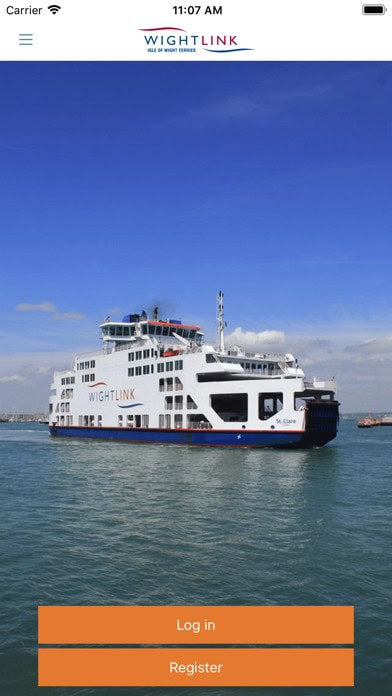
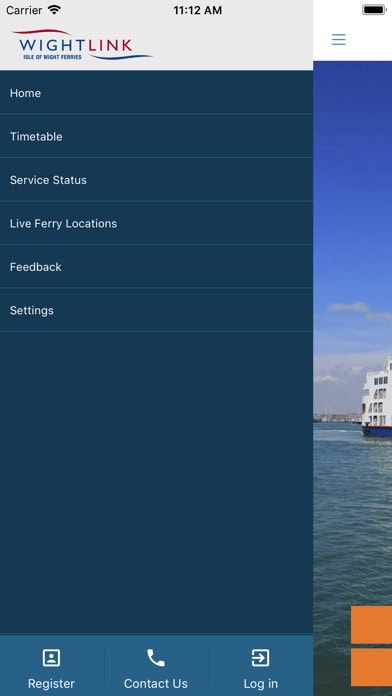
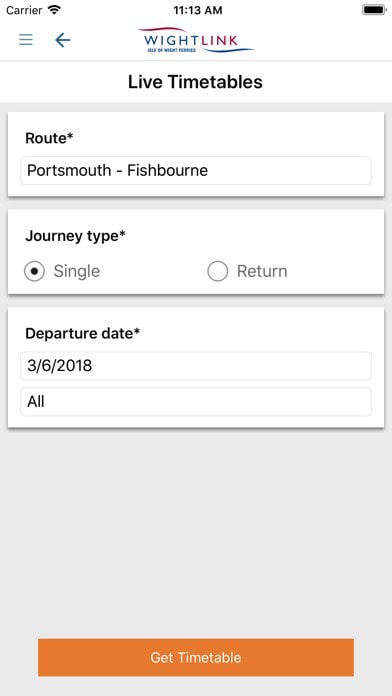
Wightlink App – Ideal for passengers using the Portsmouth–Fishbourne, Lymington–Yarmouth or FastCat routes. Provides boarding passes, timetable updates and live service notifications.

App availability and prices vary by country. Some of these may not appear in your local App Store or Google Play.
Red Funnel App – A must for travellers crossing via Southampton. Store your bookings, check live departures, and receive push alerts during disruption.

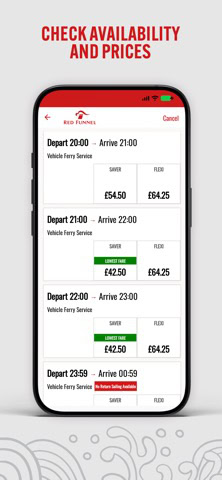
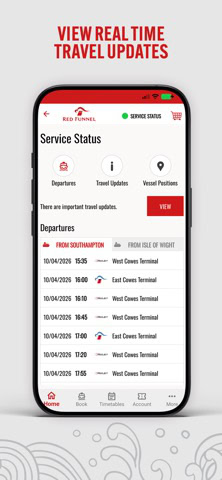
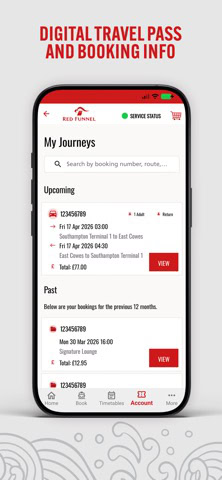
App availability and prices vary by country. Some of these may not appear in your local App Store or Google Play.
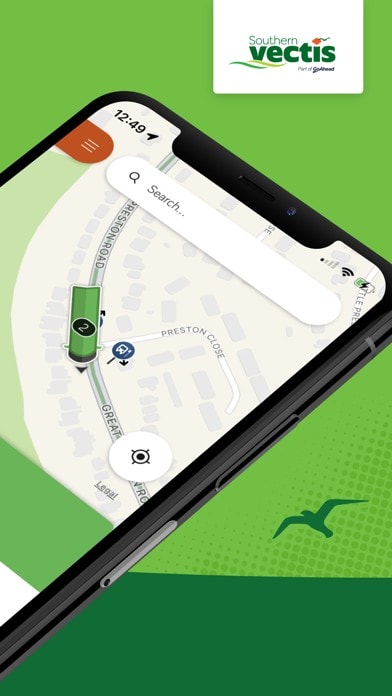
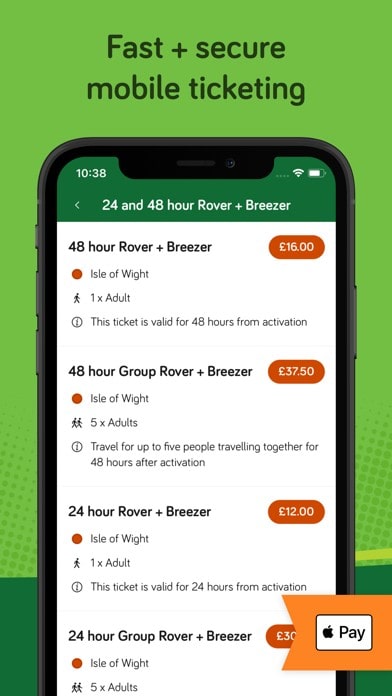
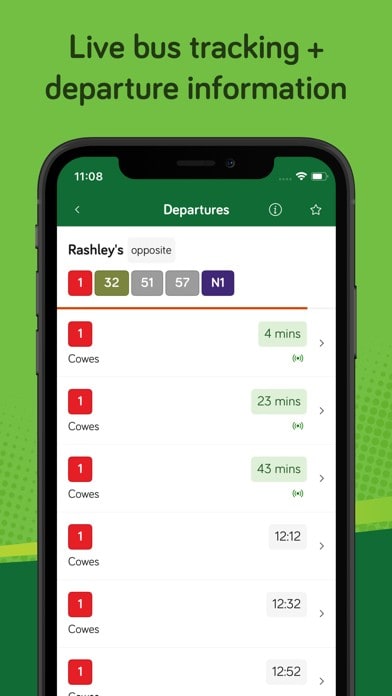
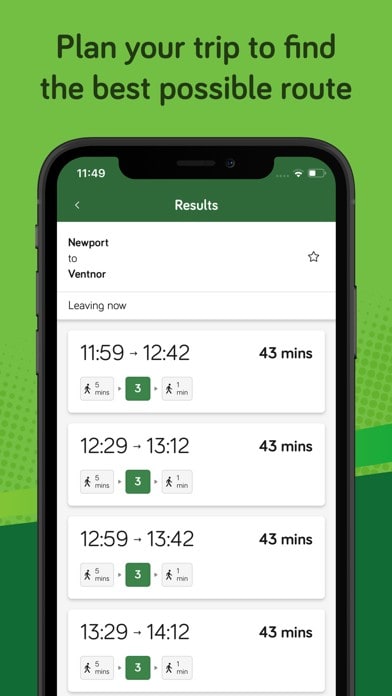
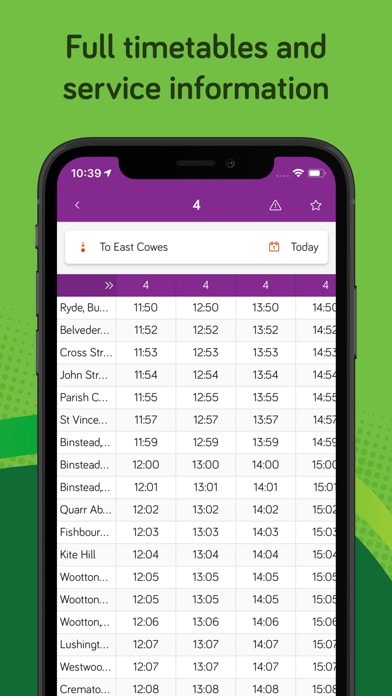
Southern Vectis App – The main bus operator on the island. Lets you buy mobile tickets, track buses, and plan routes from ferry terminals.

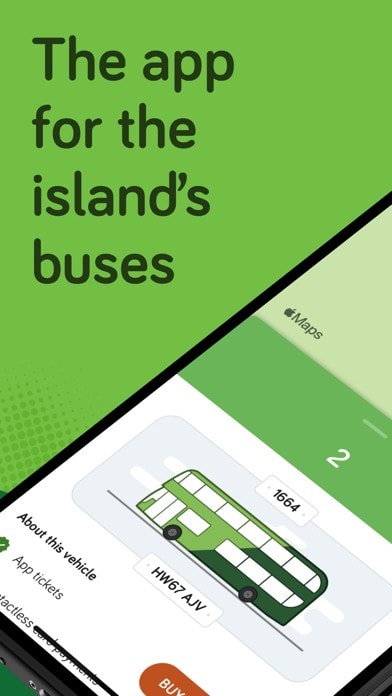
App availability and prices vary by country. Some of these may not appear in your local App Store or Google Play.
Tips for Saving Money on Isle of Wight Ferries
Ferry travel to the Isle of Wight is generally good value, but prices can vary significantly depending on route, timing, and demand. With a bit of planning, it is very easy to reduce costs without sacrificing convenience or flexibility.
One of the most effective ways to save money is to book as early as possible. Car ferry prices in particular tend to rise as departure dates approach, especially for weekends and school holidays. Securing your crossing in advance almost always results in a lower fare and better choice of sailing times.
Timing your journey carefully also makes a noticeable difference. Travelling during off-peak periods, such as early morning or late evening, is often cheaper than peak daytime sailings. Midweek crossings are typically less expensive than those between Friday and Sunday, when demand is highest.
If you are travelling with a vehicle, it is worth keeping an eye out for seasonal promotions and fixed-price offers. Operators such as Wightlink and Red Funnel regularly release discounted fares for specific travel windows, particularly outside peak holiday periods.
For foot passengers, combining transport can unlock better value. Rail and ferry combination tickets are widely available from mainland stations and can often be cheaper than booking each leg separately. These integrated tickets also simplify the journey, removing the need for multiple bookings.
Travelling without a car opens up even more savings. Foot passenger services are significantly cheaper and more frequent, particularly on high-speed routes such as the Red Jet or Hovertravel. For shorter trips or day visits, this can reduce costs dramatically while giving you greater flexibility with departure times.
For longer stays or repeat visits, it is worth considering multi-journey passes or discounted bundles. These are particularly useful for frequent travellers, second-home owners, or anyone planning multiple crossings within a short period.
Finally, it pays to stay connected. Ferry operators occasionally release limited-time fares and app-only deals, so checking prices regularly or using their platforms can help you catch short-term discounts.
With the right combination of early booking, flexible timing, and smart ticket choices, ferry travel to the Isle of Wight can be both cost-effective and hassle-free.
Accessibility & Special Assistance
Travelling on Isle of Wight ferries is generally very accessible, with all three operators offering facilities and support for passengers with reduced mobility, sensory needs or medical requirements. Terminals and vessels are designed to provide smooth boarding, clear signage and step-free routes wherever possible, but accessibility varies slightly by operator and vessel type.
Wightlink offers step-free access at its ports and on most of its ferries, with lifts to passenger decks, accessible toilets and priority seating. Staff are trained to assist passengers who need extra time to board or disembark, and mobility scooters can usually be carried with advance notice. The Wightlink FastCat is also accessible; however, at certain tide levels, the gangway slope may be steeper than usual, so assistance is recommended if mobility is limited.
Red Funnel provides excellent support at both Southampton and Isle of Wight terminals, including dedicated assistance points, step-free boarding and accessible facilities across the fleet. The Red Jet fast ferry has step-free access, but it’s important to note that seating is fixed airline-style, and some passengers may prefer the greater space available on the larger car ferry.
Hovertravel is unique because of its hovercraft boarding process. However, it has strong accessibility protocols, including assistance for wheelchair users, priority boarding and specialised boarding mats to ensure safe and smooth embarkation. Because Hovertravel can be affected more quickly by weather, passengers with accessibility needs should check travel updates in advance via the app.
Passengers requiring assistance should always pre-book when possible, allowing staff to offer the best experience from arrival to departure.
Weather, Cancellations & What to Do
Solent conditions can vary, and while the major ferry operators are highly reliable, weather can occasionally affect schedules, especially during winter or windy periods. This section of our Isle of Wight ferry guide helps you understand what to expect and how to react if disruption occurs.
Hovertravel is the most exposed to weather-related cancellations. Strong winds and rough sea states can interrupt the hovercraft service with little notice. Fortunately, Hovertravel provides timely push notifications and status updates in its app and on social channels. When services are suspended, they often activate cross-ticketing arrangements with Wightlink FastCat to help passengers reach Ryde Pier Head instead.
Wightlink and Red Funnel are more resilient thanks to their larger vessels, but high winds, fog, or exceptionally rough seas can still cause delays or occasional cancellations. Car ferries are usually given priority during poor weather because of their stability, though foot-passenger-only services may still operate on adjusted timetables.
If your sailing is disrupted, the operator will generally accommodate you on the next available departure. During major delays or cancellations, you may be entitled to compensation or a refund depending on the circumstances. Each operator publishes its travel rights and delay compensation rules online.
The best approach is simple: always check your chosen operator’s app before travelling, especially during winter or stormy periods. Arriving early, allowing buffer time, and keeping your booking app handy will help ensure a smooth trip even when conditions are unpredictable.
Frequently Asked Questions
What is the fastest way to reach the Isle of Wight?
Hovertravel’s Southsea–Ryde hovercraft takes around 10 minutes, making it the quickest crossing for foot passengers.
Which ferry is best for cars?
Both Wightlink and Red Funnel are excellent for vehicles. Choose Portsmouth–Fishbourne for London/Southeast access, Lymington–Yarmouth for Dorset/New Forest, or Southampton–East Cowes if coming from the Midlands or central southern England.
Do I need to book in advance?
For cars, yes—advance booking is essential, especially during summer. Foot passengers have more flexibility but may still benefit from booking ahead.
Is it cheaper to travel as a foot passenger?
Almost always. Foot-only ferries like Red Jet, FastCat and Hovertravel offer simpler, faster and cheaper travel if you don’t need a vehicle.
Are dogs allowed on Isle of Wight ferries?
Yes. All major operators allow dogs on board, often with designated pet-friendly areas. Hovertravel has specific pet policies, so check before travelling.
Can I use train and ferry combination tickets?
Yes. Through-tickets combining mainland rail and ferry/hovercraft travel are available from most UK stations.
Which crossing is the most scenic?
The Lymington–Yarmouth route is often considered the most picturesque due to its New Forest and coastal views.
Further Reading & Related App Guides
Want to prepare for every part of your journey? These related guides will help you travel confidently, book smarter and stay connected from shore to shore.
– Discover the best digital tools for planning your crossing with our Ferry Booking Apps Guide.
– Combine rail and sea for seamless travel using our Rail & Sail Guide.
– Planning ferry travel from the UK? See our UK Ferry Routes Guide for routes to Europe, Ireland and UK islands.
– Stay connected throughout your island trip with our eSIM Apps Guide.
– Track conditions that may affect ferry reliability with our Weather Apps Guide.
These resources complement this Isle of Wight ferries spotlight guide and help you prepare for your entire journey, from booking to arrival.