Reviewed by our editorial team Updated
Stonehenge Travel Guide: Tickets, History and Visitor Tips
Visiting Stonehenge is one of the most iconic experiences in the United Kingdom, but it is not quite as simple as many people expect. You are not walking up to a field of stones and exploring freely. Instead, you are visiting a managed heritage site with timed entry, a visitor centre, and a structured route around the monument.
That structure is not a negative. In fact, it makes the experience far smoother when you understand how it works. The key is knowing how to plan your visit properly so that everything flows without stress or wasted time.
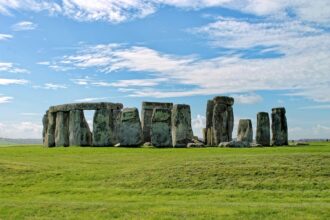
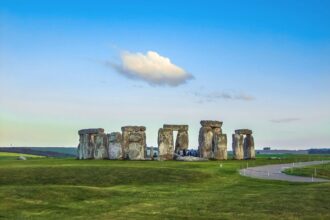
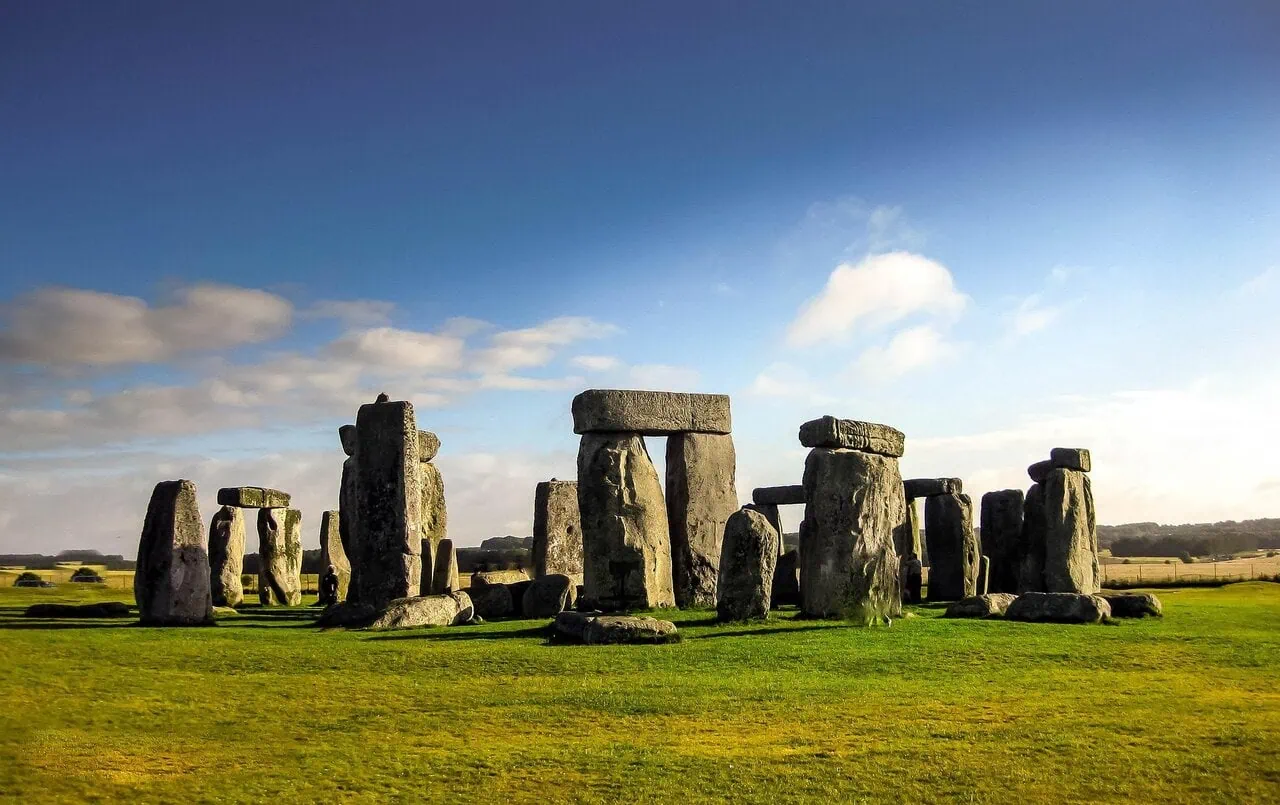
Stonehenge sits in the open Wiltshire countryside, surrounded by wide landscapes that give the site its atmosphere. The stones themselves are the focus, but the setting plays a huge role in how the experience feels. When the timing is right and the crowds are manageable, it is one of the most memorable and visually striking places you can visit in England.
Many visitors make the same mistake. They underestimate how important timing and planning are. This guide is designed to fix that. It will help you understand tickets, entry times, how the site works, and how to get the most out of your visit.
Why Stonehenge Still Captures Attention Today
There are plenty of historic sites in the UK, but Stonehenge stands apart because of its scale, age, and mystery. This is not just another landmark. It is one of the most famous prehistoric monuments in the world.
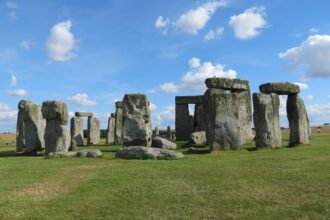
The stones were erected over several phases between around 3000 BC and 2000 BC, making the site older than many of the ancient wonders people usually compare it to. Some of the stones weigh up to 25 tonnes, and many were transported over long distances using methods that are still not fully understood.
What makes Stonehenge particularly compelling is the fact that its true purpose is still unknown. There are strong theories involving astronomy, religion, and ceremonial use, but no single explanation has been proven. That uncertainty is part of what makes the experience so powerful. You are not just looking at a structure. You are standing in front of something that has kept its secrets for thousands of years.
The visual impact is just as important. The stones are set against a wide, open horizon, which creates a strong sense of space and isolation. There are no surrounding buildings to distract from the monument, which allows the site to feel both ancient and untouched.
It is also a UNESCO World Heritage Site, which reflects its global importance. Whether you are interested in history, archaeology, or simply seeing something unique, Stonehenge delivers a level of significance that few other places can match.
See hotel options and places to stay for your trip.
Browse hotelsBrowse apartments, homes and self-catering accommodation.
Browse rentalsCompare hotel prices across multiple booking sites.
Compare ratesStonehenge and UNESCO Status
Stonehenge is one of the most famous prehistoric sites in the world and forms part of the Stonehenge, Avebury and Associated Sites, a UNESCO World Heritage Site recognised for its outstanding archaeological importance.
Dating back to around 3000 BC, Stonehenge is far more than a circle of standing stones. It sits within a wider landscape of burial mounds, ceremonial pathways, and ancient earthworks, all of which contribute to its UNESCO designation. The site reflects a complex understanding of astronomy, ritual, and early engineering, particularly in the alignment of the stones with the summer and winter solstices.
What makes this UNESCO site particularly significant is the scale of the surrounding landscape. The nearby monuments at Avebury and other associated sites form part of a much larger prehistoric environment, showing how early communities used the land for ceremonial and social purposes.
For visitors, this means that Stonehenge is not just a single attraction. It is part of a protected historic landscape, and understanding its UNESCO status helps explain why access is carefully managed and why the wider area is just as important as the stones themselves.
Learn More from UNESCO
This destination is connected to a UNESCO World Heritage Site, recognised for its outstanding cultural, historical, or natural importance. You can explore official listings, background information, and protected heritage sites through UNESCO’s global database.
Where Stonehenge Is and How Visitors Actually Reach It
Stonehenge is located in Wiltshire in the south of England, around 90 miles from London and just under 10 miles from Salisbury. Despite its fame, it is not directly connected to the rail network, which means every journey involves at least one additional step.
This is where many visitors get caught out. There is no train station at Stonehenge, and no direct underground or simple public transport route from London. Instead, you need to travel to a nearby town and continue from there.
The most efficient approach for independent travellers is to travel to Salisbury, which acts as the main gateway to the site. From there, the journey is short and well organised, making it the easiest and most reliable route overall.
Visitors coming from London typically take a train from London Waterloo to Salisbury, followed by a short onward journey. Those travelling from Bath or other parts of the region often need to plan connections more carefully. For a detailed breakdown of routes, ticket options, and travel times, our London to Stonehenge guide covers everything you need to plan the journey smoothly.
Because there are several ways to reach the site, it is important to choose the route that fits your itinerary. The detailed route options are covered separately, but in general terms, you will be deciding between guided tours, train and bus combinations, or driving.
Understanding this before you travel is important. It allows you to plan your timing properly and avoid unnecessary delays, which has a direct impact on how enjoyable your visit will be.
Stonehenge Tickets Explained: Prices, Entry Times and Booking Strategy
The most important thing to understand before visiting Stonehenge is that entry is controlled through a timed ticket system. You cannot simply turn up and walk straight in without planning.
When you book your ticket, you are selecting a specific entry time, and this time determines when you can access the monument. This system is designed to manage visitor numbers, but it also means your travel plans must match your ticket time closely.
Ticket prices are usually between £20 and £30 for adults, with reduced prices for children and family groups. Prices can vary slightly depending on demand and season, with peak periods filling up quickly.
Booking in advance is strongly recommended. During busy months, especially in spring and summer, tickets can sell out, particularly for the most desirable time slots early in the day or later in the afternoon.
If you are travelling as part of a guided tour, your ticket is normally included. This simplifies the process, as your arrival time is coordinated automatically. If you are travelling independently, you will need to match your train, bus, or driving schedule to your selected entry time.
Once you arrive at the visitor centre, the experience continues in stages. You can explore the exhibition area, and then either walk or take a shuttle to the stones themselves. Most visitors spend between one and a half and two hours at the site, including both the monument and the surrounding facilities.
The key to a good experience is simple. Book the right time, align your transport, and allow enough time to enjoy the site without rushing.

Best Time to Visit Stonehenge for a Better Experience
Timing your visit to Stonehenge is one of the biggest factors in how much you enjoy it. The monument itself does not change, but the number of people around you and the overall atmosphere can vary significantly throughout the day.
The quietest and most enjoyable times are usually early in the morning or later in the afternoon. During these periods, there are fewer visitors on site, which means you have more space to move, better sightlines for photos, and a much calmer environment overall. The light is also softer, which improves the visual impact of the stones.
The busiest period tends to fall between 11am and 3pm, when the majority of guided tours and day trips arrive. During this time, the site can feel crowded, and the experience becomes more about moving through the space rather than taking it in at your own pace.
Season also plays a role. Summer offers longer opening hours and generally better weather, but it also brings the largest crowds. Spring and autumn often provide a better balance, with fewer visitors and more comfortable conditions. Winter is the quietest time of year, and while the weather can be unpredictable, the atmosphere is often far more peaceful.
If you are travelling from London or further away, planning your journey to match a quieter entry slot is essential. If you are staying in Salisbury, you have more flexibility and can choose your timing more carefully, which often leads to a better overall experience.
What to Expect When You Arrive at Stonehenge
One of the biggest surprises for first-time visitors is that Stonehenge is not directly accessible from the road. Instead, you arrive at a modern visitor centre located some distance from the stones themselves.
This is where your visit begins. The visitor centre includes ticket checks, exhibitions, a café, and facilities. It is designed to provide context before you reach the monument, and it is worth allowing time to explore it properly.
From the visitor centre, you then travel to the stones themselves. You have two options. You can take a shuttle bus that runs regularly between the centre and the monument, or you can walk. The walk takes around 20 to 30 minutes and follows a clearly marked path through open countryside.
Many visitors choose to walk on the way out and take the shuttle back, which provides a mix of convenience and experience. The walk gives you a sense of the landscape and how the stones sit within it, which is an important part of understanding the site.
Once you reach the monument, you follow a designated path that circles the stones at a controlled distance. You cannot touch the stones during a standard visit, but you can move around the entire circle and view it from multiple angles.
The overall flow is structured but logical. You move from the visitor centre to the stones, spend time walking the circuit, and then return. Knowing this in advance helps you plan your time and avoid feeling rushed or confused when you arrive.
Walking Around the Stones: What You Actually See
The experience of standing in front of Stonehenge is very different from what many people expect. It is important to understand what you will and will not be able to do so that your expectations match reality.
You do not walk freely among the stones during a standard visit. Instead, you follow a circular path that keeps you at a short distance from the monument. This distance is close enough to appreciate the scale and detail, but it is managed to protect the site.
Despite this, the visual impact is strong. The stones are larger than most people expect, and the way they are arranged creates a powerful focal point. As you walk around the circle, the perspective changes, revealing different alignments and views.
The setting is just as important as the stones themselves. The surrounding landscape is open and largely undeveloped, which allows the monument to stand out against the horizon. This creates a sense of space and isolation that adds to the overall experience.
Photography is a big part of the visit. The best angles are often found by moving slowly around the path and taking advantage of changing light conditions. Early and late visits tend to produce the most striking images.
Most visitors spend around 30 to 60 minutes walking the circuit, although this can vary depending on crowd levels and personal interest. The key is to take your time and allow the experience to unfold rather than rushing through it.
Compare routes and fares for your next trip.
Compare flightsChoose an Airalo eSIM and arrange mobile data before you arrive.
Browse eSIMsBook a private airport transfer in advance and have your ride planned before you arrive.
Check transfersWhat Stonehenge Is Really Like: Setting Expectations Properly
One of the reasons some visitors leave disappointed is not because Stonehenge lacks impact, but because their expectations do not match the reality of the visit.
Stonehenge is not a large, sprawling site with multiple areas to explore. It is a single, focused monument, and the experience revolves around seeing it from different angles rather than interacting with it directly.
The controlled access, the distance from the stones, and the structured route can feel restrictive if you are not expecting it. However, these measures are necessary to preserve the site, and once you understand them, they become part of the experience rather than a limitation.
The real value of Stonehenge comes from its history, scale, and setting, not from physical interaction. When approached with the right mindset, it becomes a place to observe, reflect, and appreciate something that has existed for thousands of years.
It is also worth remembering that this is a short but focused visit. Most people spend between one and two hours on site, including the visitor centre. It is not a full-day attraction, but it works extremely well as part of a wider itinerary.
When expectations are set correctly, Stonehenge delivers exactly what it should. It is a powerful, atmospheric, and historically significant experience that stays with you long after you leave.
Nearby Attractions Worth Adding to Your Visit
While Stonehenge is the main attraction, the surrounding area offers several sites that can easily turn your visit into a well-rounded day rather than a single stop.
The most obvious addition is Salisbury, located just under 10 miles away. The city is home to Salisbury Cathedral, one of the most impressive in England, as well as historic streets, riverside walks, and a relaxed atmosphere that contrasts nicely with the open landscape around Stonehenge. It works perfectly as a base or as a follow-up visit after seeing the stones.
Another nearby highlight is Old Sarum, the original site of Salisbury. Sitting on a hill, it offers wide views across the countryside and the remains of an early settlement, including a castle and cathedral foundations. It provides a completely different historical perspective, helping you understand how the region developed over time.
For something quieter, Lacock Abbey is a strong addition to your itinerary. This historic site combines medieval architecture, village charm, and well-known filming locations, making it particularly appealing if you want something less crowded but still memorable.
Adding one or two of these stops allows you to build a more complete Wiltshire experience, rather than treating Stonehenge as a quick visit on its own.
How Long to Spend at Stonehenge
Stonehenge is a focused experience rather than a full-day attraction, and understanding how long to allow will help you plan the rest of your itinerary more effectively.
Most visitors spend between one and a half and two hours at the site. This includes time at the visitor centre, the journey to the stones, and walking the full circuit around the monument.
If you choose to explore the exhibition area in more detail or take your time with photos and views, your visit may extend slightly longer. However, it is rare for visitors to spend more than two to three hours in total.
The key is to avoid rushing. Even though the site is compact, the experience benefits from moving slowly and allowing time to take in the surroundings. Trying to fit Stonehenge into a tight schedule can make the visit feel less rewarding.
Because of this, Stonehenge works best when combined with other nearby attractions or used as part of a broader day plan. It is not about how long you spend there, but how well it fits into the rest of your trip.
Facilities, Toilets and Accessibility at Stonehenge
Stonehenge is a well-managed visitor site, and the facilities reflect that. Everything is designed to make the experience as smooth and accessible as possible.
The visitor centre includes toilets, a café, a shop, and exhibition areas. These facilities are modern, clearly signposted, and easy to access before or after visiting the stones.
Accessibility is generally good. The paths between the visitor centre and the monument are well maintained and suitable for most visitors, and the shuttle service provides an alternative to walking. This makes the site accessible even if you prefer not to cover longer distances on foot.
The walking route around the stones is also designed to be manageable, although it is important to note that the terrain is outdoors and exposed to the elements. Weather conditions can affect comfort, so planning accordingly is important.
Overall, the site strikes a balance between preserving the historic environment and providing modern visitor support, which helps ensure that most visitors can enjoy the experience without difficulty.

Rupert’s Handy Travel Tips
Rupert likes Stonehenge for its space, its mystery, and the feeling that you are standing somewhere completely removed from modern life. Here are his top tips for getting the most out of your visit:
- Arrive at the right time: early morning or late afternoon visits feel far calmer and more atmospheric.
- Take your time walking the circuit: the best views come from moving slowly and seeing the stones from different angles.
- Do not skip the visitor centre: it adds important context and helps you understand what you are seeing.
- Dress for the weather: the site is exposed, and conditions can change quickly.
Want to meet the reindeer behind our travel tips? Find out more in our page Who is Rupert?.




Frequently Asked Questions About Stonehenge
Can you touch the stones at Stonehenge?
No, standard visits follow a controlled path that keeps you at a short distance from the stones to protect the site.
How long do you need at Stonehenge?
Most visitors spend between one and a half and two hours, including the visitor centre and the monument.
Do you need to book Stonehenge tickets in advance?
Yes, booking in advance is strongly recommended, especially during busy periods, as entry is timed and can sell out.
Is Stonehenge worth visiting?
Yes, it is one of the most historically significant and visually distinctive sites in the UK, particularly when visited at quieter times.
Can you visit Stonehenge as a day trip from London?
Yes, it is one of the most popular day trips from London, although planning your transport and timing is essential.
Further Reading & Related Guides
To plan your visit properly, it helps to connect Stonehenge with the wider region rather than viewing it in isolation. Our London to Stonehenge travel guide explains the fastest and most practical ways to reach the site from the capital, while the Salisbury to Stonehenge guide focuses on the simplest and most direct local route.
If you are planning to stay nearby, the Salisbury travel guide covers where to stay, what to see, and how to structure your visit, including a detailed look at the city’s cathedral. For travellers coming from the west, the Bath to Stonehenge guide compares travel options and helps you plan your journey more efficiently.
For a quieter addition to your itinerary, our Lacock Abbey guide offers a historic and atmospheric stop that pairs well with Stonehenge and the surrounding Wiltshire countryside.