Reviewed by our editorial team Updated
What Is Hantavirus and Why Travellers Should Know About It
Hantavirus is a rare but potentially serious viral infection linked primarily to rodents and rodent droppings. While it is not considered a major risk for most tourists, travellers spending time in rural areas, national parks, cabins, campsites, hiking trails, farms, or remote accommodation should understand how the virus spreads and how exposure can be reduced.
In recent years, increased media coverage surrounding hantavirus outbreaks has caused concern among travellers, especially those planning outdoor or adventure-focused trips. However, the overall risk for ordinary tourists remains relatively low when sensible precautions are followed properly.
What makes hantavirus relevant to modern travel is that many activities associated with adventure tourism overlap directly with environments where infected rodents may be present. Camping, road trips, van life travel, eco tourism, backpacking, and staying in isolated cabins can all increase exposure risk if hygiene and cleaning precautions are ignored.
Unlike illnesses that spread rapidly between people, hantavirus is usually associated with breathing in airborne particles contaminated by rodent urine, saliva, or droppings. This means the highest-risk situations often involve enclosed spaces where rodents have been active over time.
For travellers, awareness is the most important defence. Understanding risky environments, recognising warning signs, and learning safe cleaning practices dramatically reduces the likelihood of infection.
Importantly, this is not a reason to avoid outdoor travel or wilderness destinations. Millions of people safely visit forests, mountains, and remote regions every year without issue. The goal is simply to travel more carefully and understand how to reduce unnecessary exposure.
Quick Facts About Hantavirus
| Category | Details |
|---|---|
| What Is It? | A virus primarily spread through infected rodents |
| Main Risk Areas | Cabins, campsites, barns, rural accommodation, national parks |
| How It Spreads | Breathing contaminated airborne particles |
| Human-to-Human Spread | Extremely rare in most hantavirus strains |
| Common Symptoms | Fever, fatigue, muscle aches, breathing difficulty |
| Higher Risk Travellers | Campers, hikers, van travellers, rural tourists |
| Highest-Risk Activities | Cleaning dusty enclosed spaces with rodent contamination |
| Prevention | Ventilation, disinfecting surfaces, avoiding rodent exposure |
| Important Safety Tip | Never sweep dry rodent droppings indoors |
| Emergency Action | Seek medical help quickly if symptoms develop after exposure |
Understanding these basic facts removes much of the confusion surrounding hantavirus travel risks. The virus sounds alarming because of dramatic headlines, but in reality the prevention methods are usually straightforward and highly effective when followed properly. For more detailed medical information, see the CDC’s guide to hantavirus.
Best if you want daily housekeeping and a front desk. Filter by area first, then by price.
Check availabilityBest for families, or any stay past about four nights. A kitchen and a washing machine start paying for themselves.
Browse rentalsBest as a last check before booking. Compares hotel rates across several sites in one search.
Compare ratesDifferent Types of Hantavirus and Why They Matter
One important thing travellers should understand is that “hantavirus” is not a single virus. Instead, it is a group of related viruses carried by different rodent species in different parts of the world. This matters because the symptoms, severity, incubation period, and overall risk level can vary depending on the strain involved.
In the Americas, the biggest concern is usually Hantavirus Pulmonary Syndrome (HPS), which primarily affects the lungs and can become extremely serious very quickly. This form has been reported in countries including the United States, Canada, Argentina, Chile, and several other parts of the Americas. Early symptoms often resemble flu, but severe breathing difficulties can develop later.
In parts of Europe and Asia, the more common forms are linked to Hemorrhagic Fever with Renal Syndrome (HFRS). These strains tend to affect the kidneys more heavily and can cause fever, abdominal pain, low blood pressure, and kidney complications. Different European countries report different strain types depending on the local rodent populations.
The incubation period also varies significantly. In many cases, symptoms appear between 1 and 8 weeks after exposure, although most cases develop symptoms within 2 to 4 weeks. This delayed onset can make it difficult for travellers to immediately connect symptoms with a previous cabin stay, camping trip, or outdoor activity.
Another important difference is that some strains appear to have higher fatality rates than others. Certain North and South American strains are considered particularly dangerous because of how rapidly breathing complications can escalate once symptoms become severe.
For travellers, the key point is not to panic, but to understand that risk levels are not identical worldwide. The type of hantavirus present depends heavily on the destination, local rodent species, and environmental conditions. Understanding this helps explain why public health advice differs between countries and regions.
Most importantly, although headlines can sound alarming, hantavirus infections remain rare overall, especially among ordinary tourists staying in standard hotels and urban accommodation. The highest risks are generally linked to rural exposure, rodent-contaminated spaces, and activities involving disturbed dust or enclosed environments with poor ventilation.
How Hantavirus Spreads
The most important thing travellers need to understand is that hantavirus does not usually spread through casual tourist contact. You are not likely to catch it from walking through a city, using public transport, or sitting near another traveller in a hotel or airport.
Instead, the virus is primarily associated with infected rodents, particularly mice and rats in certain parts of the world. The greatest risk comes from environments where rodent droppings, urine, or nesting materials have built up over time.
The most common transmission route occurs when contaminated particles become airborne and are breathed into the lungs. This often happens inside enclosed or poorly ventilated spaces such as cabins, storage sheds, unused holiday homes, camping shelters, barns, and some forms of rural accommodation.
One of the highest-risk activities is disturbing dry rodent droppings by sweeping or vacuuming. This can release contaminated particles into the air very quickly. For this reason, health authorities strongly advise travellers never to dry sweep areas showing signs of rodent activity.
Food contamination can also play a role. Leaving exposed food, rubbish, or open containers inside cabins or campsites may attract rodents and increase exposure risk. Proper food storage and waste management are therefore important parts of prevention.
It is also important to understand that hantavirus is relatively uncommon overall. Most travellers will never encounter it directly. However, people spending extended periods outdoors or staying in remote accommodation should still understand how transmission occurs so they can avoid unnecessary risk.
Where Hantavirus Is Found Around the World
Different forms of hantavirus exist in various parts of the world, although risk levels vary significantly depending on the region, local rodent populations, and environmental conditions.
In North America, hantavirus cases are most commonly associated with rural parts of the western United States and parts of Canada, particularly in areas with deer mouse populations. National parks, wilderness cabins, and remote camping areas occasionally report isolated cases.
In South America, certain strains are found in countries including Argentina, Chile, and parts of Brazil. Some South American variants have been associated with more severe outbreaks, especially in rural environments.
Across parts of Europe, hantavirus infections are generally linked to forested and rural areas in countries such as Germany, Sweden, Finland, and parts of Eastern Europe. These cases are often connected to outdoor work, forestry, or prolonged exposure to rodent habitats.
In Asia, several hantavirus strains exist across countries including China, South Korea, and parts of Russia. Some areas report significantly higher case numbers than other regions of the world.
Despite these geographic patterns, it is important to keep risk levels in perspective. Millions of travellers safely visit these countries every year without any exposure issues. The virus is not widespread in normal tourist environments such as city centres, standard hotels, airports, or major attractions.
The highest-risk situations are usually connected to very specific environments involving rodent activity, enclosed dusty spaces, poor hygiene conditions, or remote outdoor accommodation. Understanding these patterns helps travellers make informed decisions without unnecessary fear.

Hantavirus Symptoms Travellers Should Watch For
One of the reasons hantavirus receives serious medical attention is that early symptoms can initially resemble common illnesses such as influenza, exhaustion, dehydration, or even severe jet lag. Travellers may not immediately realise that something more serious is developing.
Symptoms often begin with fever, fatigue, headaches, and significant muscle aches, particularly in the legs, back, and shoulders. Some travellers also experience chills, dizziness, nausea, vomiting, or abdominal discomfort during the early stages.
What makes hantavirus more concerning is the way symptoms can escalate. In more severe cases, breathing difficulties may develop several days later as the lungs begin filling with fluid. This stage can become dangerous very quickly and requires urgent medical attention.
Travellers should pay particular attention if symptoms appear shortly after activities involving possible rodent exposure. Examples include cleaning cabins, staying in poorly maintained accommodation, handling camping equipment stored for long periods, or entering dusty enclosed structures.
The timeline is important. Symptoms may appear anywhere from one to eight weeks after exposure, meaning travellers sometimes become ill after returning home rather than during the trip itself.
While severe cases remain relatively rare overall, rapid medical treatment significantly improves outcomes. Travellers should seek professional medical advice immediately if flu-like symptoms combine with recent rodent exposure or worsening breathing problems.
Importantly, most travellers experiencing ordinary colds or fatigue during travel do not have hantavirus. The goal is not panic, but awareness of the combination of symptoms, exposure history, and rapidly worsening illness.
Hantavirus Treatment and Medical Care
There is currently no specific antiviral cure for most forms of hantavirus, which is one reason health authorities take the disease seriously. Treatment mainly focuses on supportive medical care, early recognition of symptoms, and helping the body recover while doctors manage complications.
The most important factor is usually how quickly medical treatment begins. Early symptoms often resemble flu or a bad viral infection, which can make hantavirus difficult to identify initially. However, if breathing problems, chest tightness, dizziness, or severe fatigue begin developing after possible rodent exposure, travellers should seek medical help immediately and mention the exposure risk.
For strains linked to Hantavirus Pulmonary Syndrome (HPS), treatment often involves hospital care focused on supporting the lungs and oxygen levels. In more severe cases, patients may require oxygen therapy, intensive monitoring, or even mechanical ventilation if breathing becomes difficult.
For Hemorrhagic Fever with Renal Syndrome (HFRS) strains, treatment may focus more heavily on kidney support, hydration management, blood pressure stabilisation, and monitoring for complications affecting the circulatory system.
Doctors may also provide treatments to control fever, maintain hydration, and support organ function while the immune system fights the infection. Because there is no single “hantavirus medicine,” supportive care and rapid response remain extremely important.
The good news is that most travellers will never encounter hantavirus, and even in countries where cases occur, infections remain relatively uncommon. Awareness is important mainly because recognising symptoms early can significantly improve outcomes if exposure does happen.
Travellers should also remember that ordinary tourism activities in cities, resorts, and standard hotels carry very low risk overall. Most reported infections are associated with situations involving rodent-infested buildings, poorly ventilated rural spaces, old cabins, barns, sheds, or heavily contaminated environments.
How to Reduce Hantavirus Risk While Travelling
The good news is that hantavirus prevention is usually very practical and straightforward. Most risk reduction comes down to avoiding direct exposure to rodent-contaminated environments and handling suspicious areas carefully.
One of the most important safety steps is ventilation. If entering a cabin, shed, caravan, storage area, or rural accommodation that appears closed up or dusty, open doors and windows first and allow fresh air to circulate for at least 30 minutes before cleaning or unpacking belongings.
Travellers should never sweep or vacuum dry rodent droppings. This is one of the main ways contaminated particles become airborne. Instead, potentially contaminated surfaces should be sprayed with disinfectant or bleach solution first and wiped carefully using disposable gloves and paper towels.
Food management also matters. Store food in sealed containers, avoid leaving snacks exposed overnight, and dispose of rubbish properly, especially while camping or staying in wilderness accommodation.
When camping, choose well-maintained campsites whenever possible and avoid sleeping directly beside obvious rodent nesting areas, rubbish piles, or abandoned structures.
Travellers using campervans or RVs should inspect vehicles carefully after long storage periods. Rodents sometimes enter unused vehicles during winter or extended parking periods.
Another important habit is avoiding unnecessary contact with wild rodents entirely. Even feeding animals or handling apparently harmless mice can increase exposure risks.
For most travellers, these simple precautions reduce risk dramatically. Awareness, hygiene, and careful cleaning practices are far more important than fear, and travellers who follow sensible outdoor safety habits can continue exploring nature confidently.
Best if you can move a day either way. Shows how the fare changes across the month.
Compare flightsBest for anyone whose home plan charges by the megabyte abroad. Pay a fixed price up front.
Check eSIMsBest after a long flight or a late landing. Price agreed before you travel, and no taxi queue.
Check transfersCamping, Cabins and National Parks: Higher-Risk Travel Situations
Certain types of travel naturally involve greater exposure to environments where hantavirus can occasionally become a concern. This does not mean these activities are unsafe, but it does mean travellers should be more cautious and informed.
Remote cabins are one of the most commonly discussed risk settings. Cabins left empty for long periods may attract rodents seeking shelter, particularly during colder months. Travellers arriving at seasonal accommodation should look for signs such as droppings, nesting material, chewed packaging, or strong odours before settling in.
Camping can also increase exposure risk, particularly in wilderness areas where rodents are naturally present. Proper food storage becomes extremely important here. Leaving food scraps, open bags, or rubbish around tents may attract animals overnight.
National parks and forested regions occasionally appear in hantavirus news coverage because they combine wildlife, tourism, and outdoor accommodation. However, millions of people safely visit these destinations every year. Problems usually arise only when travellers unknowingly disturb contaminated spaces or ignore basic hygiene precautions.
Van life travel and long-term road trips have also increased awareness of hantavirus risks. Campervans, caravans, and stored travel equipment can become rodent nesting sites if left unused for extended periods. Cleaning these safely before travel is important.
Hikers and backpackers generally face lower risk unless sleeping in poorly maintained shelters or enclosed rodent-infested structures. Outdoor airflow itself reduces airborne concentration significantly compared with enclosed indoor environments.
The key point is balance. Outdoor travel remains overwhelmingly safe and rewarding. Awareness simply allows travellers to recognise situations where extra caution makes sense and where a few sensible habits can dramatically reduce risk.
How to Safely Clean Areas With Rodent Droppings
One of the most important travel safety lessons surrounding hantavirus is understanding how to clean contaminated areas properly. Incorrect cleaning methods can actually increase exposure risk by sending contaminated particles into the air.
The first rule is simple: never dry sweep or vacuum rodent droppings. Sweeping contaminated material creates dust clouds that may contain viral particles, particularly inside enclosed spaces.
Instead, travellers should ventilate the area thoroughly first. Open windows and doors and allow fresh air to circulate before entering for extended periods.
Next, wear disposable gloves if available. Spray droppings and surrounding surfaces using disinfectant spray or a diluted bleach solution. The goal is to fully dampen the contaminated material before touching it.
After allowing the disinfectant to soak briefly, wipe everything carefully using disposable paper towels or cleaning cloths that can later be safely discarded. Place waste directly into sealed rubbish bags.
Once cleaning is complete, remove gloves carefully and wash hands thoroughly with soap and water.
These cleaning precautions are particularly important in places where rodents may have been present for extended periods. Travellers should take extra care when opening remote cabins, cleaning storage sheds, unpacking campers or caravans, entering long-unused holiday homes, or handling camping equipment and stored luggage that may have been exposed during storage.
This is especially relevant after winter closures or long periods where buildings and vehicles have remained empty, as rodents often seek shelter in quiet, enclosed environments.
In reality, proper cleaning procedures eliminate much of the risk associated with rodent-contaminated environments. Most serious exposure situations occur when travellers unknowingly disturb dry contaminated dust without taking precautions first. By slowing down, ventilating spaces properly, and cleaning carefully, travellers can significantly reduce risk while still safely enjoying outdoor and rural travel experiences.
Countries and Regions Where Hantavirus Is Most Discussed
Although hantavirus infections remain relatively rare overall, certain parts of the world appear more frequently in public health guidance because of local rodent populations and past outbreaks. Understanding where cases are more commonly reported helps travellers make informed decisions without becoming unnecessarily alarmed.
In the United States, hantavirus is most closely associated with rural areas in the Southwest, particularly regions such as New Mexico, Arizona, Colorado, and Utah. Cases are often linked to deer mice and exposure inside cabins, sheds, and camping accommodation.
Across parts of Canada, occasional cases have also been reported in western provinces where rodent exposure occurs in rural or wilderness environments.
In South America, countries including Argentina and Chile receive significant attention because some strains of hantavirus are more severe and have historically caused outbreaks in remote regions and national parks. Patagonia in particular is sometimes mentioned in travel health guidance due to previous cases linked to wilderness tourism.
Parts of Europe also record hantavirus infections, particularly in regions with forested environments and large rodent populations. Countries such as Germany, Sweden, Finland, and parts of Central Europe occasionally report cases, although European strains are often less severe than those associated with the Americas.
In Asia, cases have historically been reported in countries including China, South Korea, and parts of Russia, where different hantavirus strains circulate naturally among local rodent populations.
Importantly, travellers should understand that these infections remain uncommon relative to the enormous number of people visiting these regions every year. The presence of hantavirus does not make a destination unsafe. The key factor is exposure to contaminated rodent environments rather than simply visiting a country itself.
For most tourists staying in normal hotels and urban accommodation, the risk remains extremely low. Risk increases mainly during camping, rural stays, wilderness travel, or when entering poorly ventilated structures where rodents may be present.
Can You Catch Hantavirus From Other People?
One of the most common questions travellers ask is whether hantavirus spreads between humans. In most cases, the answer is no.
The vast majority of hantavirus strains are transmitted through exposure to contaminated rodent urine, droppings, or saliva rather than direct human-to-human spread. Travellers usually become infected by inhaling contaminated particles in enclosed environments where rodents have been active.
This is important because it means ordinary tourist activities, public transport, hotels, restaurants, and crowded attractions are not considered major hantavirus transmission settings.
However, there are some rare exceptions. Certain strains identified in parts of South America, particularly the Andes virus, have shown limited evidence of person-to-person transmission in very close-contact situations. These cases are unusual and remain extremely rare compared with the overall number of infections worldwide.
For travellers outside these specific circumstances, public health authorities do not consider casual human contact to be a significant risk factor.
Understanding this distinction helps avoid unnecessary fear. Hantavirus is fundamentally linked to rodent exposure, not ordinary social interaction. The safest preventive measures therefore focus on accommodation hygiene, food storage, ventilation, and avoiding contaminated environments rather than avoiding other travellers.
For most people, the practical takeaway is simple. Focus on reducing exposure to rodents and contaminated spaces rather than worrying about everyday human contact while travelling.
Hantavirus vs Other Travel Illnesses
One reason hantavirus can be difficult to recognise initially is because its early symptoms overlap with many other travel-related illnesses. Fever, tiredness, muscle pain, and headaches are extremely common symptoms that can be caused by dozens of different conditions.
For travellers, illnesses such as influenza, COVID-19, food poisoning, dehydration, altitude sickness, and even severe exhaustion often appear far more frequently than hantavirus itself.
What makes hantavirus different is the combination of symptoms with recent rodent exposure history. Someone who develops flu-like symptoms after cleaning a dusty cabin, opening an unused campervan, or staying in rodent-infested accommodation may require additional medical assessment.
The development of worsening breathing difficulties is also an important warning sign. Severe hantavirus infections can progress rapidly once lung involvement begins, which is why early medical attention matters.
Travellers should avoid self-diagnosing online. The goal is not to assume every fever is hantavirus, but to understand when exposure history and symptoms together justify professional medical advice.
When doctors assess possible hantavirus cases, they usually look at the wider travel situation rather than symptoms alone. They may ask where you travelled, whether you stayed in remote accommodation, whether you entered enclosed dusty spaces, what outdoor activities you took part in, and whether there was any realistic possibility of rodent exposure. The timing of symptoms and the appearance of respiratory problems are also important parts of the assessment process.
For most travellers, common illnesses remain far more likely than hantavirus. However, awareness allows people to provide doctors with the right information quickly if symptoms appear after higher-risk activities or unusual travel situations.
Should Travellers Actually Be Worried About Hantavirus?
News headlines can sometimes make hantavirus sound more widespread than it really is. In reality, infections remain relatively uncommon, especially among ordinary tourists staying in standard accommodation and following basic hygiene practices.
The reason hantavirus receives attention is not because it is common, but because severe cases can become serious quickly. Public health agencies therefore focus heavily on prevention and awareness rather than waiting until people become ill.
For the average traveller visiting cities, staying in hotels, using public transport, and following normal tourist routes, the overall risk remains extremely low. Most people will never encounter a situation where hantavirus exposure becomes likely.
Risk increases mainly during specific situations involving rodent-contaminated environments. Examples include cleaning long-closed cabins, handling camping equipment stored for months, entering abandoned dusty structures, or staying in poorly maintained wilderness accommodation where rodents may have been active.
Even in these environments, simple precautions dramatically reduce danger. Proper ventilation, safe cleaning methods, careful food storage, and avoiding direct rodent contact are usually enough to lower risk substantially.
The important thing is perspective. Outdoor travel, hiking, camping, and national park visits remain safe and enjoyable for millions of travellers every year. Awareness is about understanding sensible precautions, not becoming fearful of nature or wilderness travel.
Ultimately, hantavirus is best viewed the same way as many other travel risks. Knowledge, preparation, calm decision-making, and good hygiene habits are what keep journeys safe.
Best for short city stops where being central matters more than the room. Dorms and private rooms both listed.
See hostelsBest arranged before you fly rather than after. Covers claim handling, plus lounge access on eligible delays.
Explore AirHelp+Best if your room is not ready yet. Left luggage booked in advance, so you are not hunting for a locker.
Check storageHantavirus and Campervan, RV and Van Life Travel
As van life travel, campervan holidays, and long-distance RV road trips continue growing in popularity, awareness of illnesses linked to rodent exposure has become increasingly important for travellers spending extended periods outdoors.
Vehicles left parked for long periods can sometimes attract rodents seeking warmth and shelter, especially during colder months or winter storage. Mice may enter through surprisingly small gaps and build nests inside storage compartments, ventilation systems, seat cavities, or engine areas.
This becomes relevant because travellers occasionally clean stored vehicles without realising rodents have been present. Opening cupboards, moving stored bedding, or sweeping dusty interiors may disturb contaminated material if droppings or nesting debris are present.
Before beginning a trip, travellers should inspect campervans and RVs carefully, particularly if the vehicle has been unused for weeks or months. Signs to watch for include droppings, chewed food packaging, strong odours, or visible nesting materials.
Ventilating the vehicle thoroughly before unpacking or cleaning is one of the most effective safety steps. Any potentially contaminated surfaces should be disinfected and wiped carefully rather than swept or vacuumed dry.
Food storage also becomes especially important during van travel. Leaving food exposed overnight may attract rodents in campsites, forests, and remote parking areas. Sealed containers and regular waste disposal help reduce this risk significantly.
For most travellers, these are simple practical precautions rather than reasons for concern. Millions of people safely travel by campervan every year, and awareness of proper cleaning and storage habits dramatically lowers the already low risk.
Hantavirus Risks in Hotels, Hostels and Tourist Accommodation
Many travellers reading about hantavirus worry about whether ordinary hotels or tourist accommodation are dangerous. For the overwhelming majority of travellers, standard accommodation presents an extremely low risk.
Large hotels, modern apartments, established hostels, and professionally managed tourist accommodation generally maintain regular cleaning schedules and pest control measures that make rodent exposure highly unlikely.
The risk profile changes more in remote, abandoned, poorly maintained, or long-unused accommodation rather than normal city hotels or active tourist properties.
Travellers should pay slightly closer attention when staying in remote cabins, rustic wilderness lodges, long-closed seasonal accommodation, basic camping shelters, or unusual rentals converted from older storage buildings or isolated rural properties. These types of environments are more likely to experience occasional rodent activity, particularly during colder months or long periods without guests.
Visible droppings, chewed packaging, strong rodent odours, or signs of nesting activity should always be taken seriously regardless of destination. If accommodation appears unsafe or unsanitary, travellers should request an alternative room or leave entirely if necessary. Most legitimate accommodation providers will respond quickly to hygiene concerns.
Importantly, simply visiting countries where hantavirus exists does not create meaningful risk on its own. The issue is exposure to contaminated rodent environments rather than ordinary tourism itself.
For the vast majority of people staying in standard tourist accommodation, hantavirus is not something they are likely to encounter during normal travel.
Why Hantavirus Stories Often Appear in the News
One reason hantavirus attracts significant media attention is because severe cases are unusual, dramatic, and sometimes linked to wilderness or travel settings that naturally generate public interest.
When a serious infection occurs in a national park, remote cabin, or tourist destination, the story often spreads widely because it combines health fears with travel and outdoor adventure. Media coverage can sometimes make the illness appear far more widespread than it actually is.
Another reason hantavirus receives attention is because symptoms can escalate quickly in severe cases, particularly when lung complications develop. Public health agencies therefore prioritise awareness and prevention even though infections remain uncommon overall.
News coverage also tends to increase after clusters of cases or unusual outbreaks. This does not necessarily mean global risk is rising dramatically. Often it simply reflects heightened awareness, improved reporting, or a temporary localised increase in cases linked to environmental conditions affecting rodent populations.
Travellers should be careful not to confuse media visibility with personal risk level. Millions of people safely visit forests, national parks, cabins, and rural destinations every year without any problems.
The important takeaway from media coverage is not fear, but practical awareness. Stories about hantavirus are useful reminders to ventilate enclosed spaces, avoid unsafe cleaning methods, and take sensible precautions in rodent-prone environments.
Understanding this balance helps travellers stay informed without becoming unnecessarily anxious about outdoor or wilderness travel.

What To Do If You Think You Were Exposed
If you believe you may have been exposed to hantavirus, the most important thing is not to panic. Exposure does not automatically mean infection, and most travellers who encounter rodent environments never become ill.
However, it is important to take the situation seriously if you recently spent time in contaminated spaces and later begin developing symptoms such as fever, fatigue, muscle aches, or especially breathing difficulties.
Travellers should make a note of where exposure may have happened, including the type of accommodation, activity, and travel dates involved. This information can be extremely useful if medical assessment becomes necessary later.
If symptoms appear, contact a medical professional promptly and clearly explain your recent travel history and possible rodent exposure. Early awareness helps doctors consider hantavirus alongside other more common illnesses.
You should also monitor symptoms carefully rather than dismissing them as ordinary fatigue or travel sickness, especially if respiratory symptoms worsen rapidly over time.
Most importantly, avoid searching endlessly online and convincing yourself that every symptom confirms infection. Many illnesses produce similar early symptoms, and only proper medical evaluation can determine the actual cause.
For the overwhelming majority of travellers, awareness and sensible precautions are enough. Knowing what to look for and responding calmly if concerns arise is the best approach.
How Climate and Weather Can Affect Hantavirus Risk
Environmental conditions play a surprisingly important role in the spread of hantavirus among rodent populations. Changes in rainfall, temperature, and food availability can all influence rodent numbers, which in turn affects the likelihood of human exposure.
After periods of heavy rainfall or mild winters, rodent populations sometimes increase because food becomes more abundant. More rodents can lead to greater competition for shelter, pushing animals closer to cabins, campsites, sheds, and human accommodation.
Dry conditions can also create problems. In dusty environments, contaminated particles are more likely to become airborne if droppings are disturbed inside enclosed spaces. This is one reason why poorly ventilated cabins, storage areas, and long-closed buildings are often mentioned in hantavirus guidance.
Seasonality also matters. In colder months, rodents frequently seek warmth indoors, particularly inside parked vehicles, cabins, barns, or camping structures that remain empty for long periods.
Travellers exploring wilderness areas, national parks, or rural destinations after unusual weather events should therefore pay slightly closer attention to hygiene and accommodation conditions.
Importantly, these environmental links do not mean travellers should avoid nature or outdoor destinations. They simply explain why public health authorities sometimes issue seasonal warnings or increased guidance in specific regions after environmental changes.
For most people, awareness of weather-related risk factors simply reinforces the importance of proper ventilation, safe cleaning practices, and avoiding direct contact with rodent-contaminated environments.
How Public Health Authorities Monitor Hantavirus
Because severe cases of hantavirus can become serious quickly, public health agencies around the world actively monitor infections and rodent activity in higher-risk regions.
Health authorities track confirmed cases, identify possible exposure locations, and sometimes monitor rodent populations to understand where virus circulation may be increasing. This helps governments issue warnings, update travel advice, and provide guidance to local communities and visitors.
In countries such as the United States, Canada, Argentina, and parts of Europe, health agencies occasionally release seasonal advisories when environmental conditions increase the likelihood of rodent activity.
National parks, wilderness areas, and remote tourism regions may also display information signs reminding visitors about safe food storage, cabin ventilation, and proper cleaning procedures in areas where rodent exposure is possible.
Importantly, monitoring systems are designed to identify problems early rather than react after large outbreaks occur. This is one reason hantavirus receives public attention despite remaining relatively uncommon overall.
Travellers can also use official public health websites, government travel advisories, and national park notices to check for updates before visiting remote areas or participating in extended outdoor trips.
For most travellers, these systems work quietly in the background and rarely affect normal tourism. Their main purpose is prevention, education, and ensuring people understand how to reduce risk sensibly.

The Psychological Side of Travel Health Fears
Diseases linked to travel often receive intense media attention because they combine uncertainty, unfamiliar environments, and personal safety concerns. Hantavirus is a good example of how rare illnesses can sometimes create fear disproportionate to actual risk.
Part of this comes from the setting. Stories involving wilderness cabins, remote parks, or outdoor adventures naturally feel dramatic and memorable. Combined with serious symptoms and alarming headlines, this can make travellers feel more vulnerable than they really are.
The internet and social media also amplify anxiety. Once travellers begin searching symptoms online, it becomes easy to spiral into worst-case scenarios, particularly after reading isolated severe cases without wider context.
In reality, travel always involves some level of risk, whether from illness, weather, transport disruption, or accidents. The goal is not to eliminate all risk completely, but to understand it realistically and respond sensibly.
Healthy travel habits such as proper hygiene, safe food storage, awareness of surroundings, and good preparation reduce risk far more effectively than fear itself.
Travellers should remember that millions of people safely visit forests, national parks, campsites, and remote destinations every year without encountering hantavirus or similar illnesses.
A calm, informed mindset is one of the strongest safety tools any traveller can have. Awareness, when paired with perspective and practical preparation, creates confidence rather than fear.
Final Thoughts: Staying Safe Without Losing the Adventure
Travel should still feel exciting, inspiring, and enjoyable. Learning about risks such as hantavirus is not about becoming fearful of nature or avoiding remote destinations altogether. It is about understanding how to travel more safely and confidently.
Most hantavirus cases are linked to very specific situations involving prolonged rodent exposure in enclosed environments. For ordinary tourists staying in normal accommodation and following basic hygiene practices, the overall risk remains extremely low.
Simple precautions make a major difference. Properly ventilating enclosed spaces, avoiding unsafe cleaning methods, storing food carefully, and paying attention to accommodation conditions are usually enough to reduce risk dramatically.
Outdoor travel, hiking, road trips, national parks, and cabin stays remain some of the most rewarding travel experiences available. Awareness simply helps travellers recognise when extra caution makes sense.
The broader lesson goes beyond hantavirus itself. Smart travellers develop habits that apply everywhere: slowing down before making decisions, checking environments carefully, preparing properly, and responding calmly when situations feel unusual.
When approached with knowledge, common sense, and sensible precautions, travel remains overwhelmingly safe. Awareness is not about removing adventure from travel. It is about making adventure safer, smarter, and more sustainable over the long term.
Can Pets Spread Hantavirus While Travelling?
Many travellers exploring rural areas or travelling with pets wonder whether dogs or cats can spread hantavirus. In most cases, pets are not considered a major direct transmission source for humans, but they can still play an indirect role in exposure.
Dogs and cats may enter areas where rodents are active, particularly around campsites, cabins, barns, or remote wilderness accommodation. Pets sometimes carry dead rodents back into living spaces or disturb contaminated nesting areas without owners realising.
Cats in particular may hunt mice and other small animals, while dogs can accidentally investigate rodent nests during hikes or outdoor stays. This does not usually mean the pet itself becomes dangerous, but it can increase the chance of contaminated material being brought closer to people.
Travellers staying in remote accommodation should therefore pay attention to where pets roam, especially overnight or around storage buildings, food preparation areas, and enclosed spaces where rodents may be sheltering.
Food storage remains important as well. Pet food left exposed can attract rodents to campsites, campervans, cabins, and parked vehicles, increasing overall exposure risk for everyone staying nearby.
Most veterinarians and public health agencies consider the direct risk from pets to humans extremely low compared with the much more important issue of exposure to contaminated rodent environments themselves.
For travellers, the practical approach is simple. Keep accommodation clean, store food securely, discourage pets from interacting with wild rodents, and inspect living spaces carefully if staying in remote outdoor environments for extended periods.

Why Cabin Cleaning Is Mentioned So Often in Hantavirus Warnings
One pattern appears repeatedly in hantavirus safety guidance around the world: warnings about cleaning cabins, sheds, storage buildings, or long-closed accommodation. There is a very specific reason for this.
Rodents are naturally drawn to quiet, enclosed spaces that provide warmth, shelter, and protection from predators. Cabins, caravans, garages, storage units, and seasonal holiday homes often remain empty for long periods, creating ideal nesting environments.
When travellers first reopen these buildings, they may unknowingly disturb dried droppings, nesting materials, or contaminated dust that has accumulated over time. Activities such as sweeping floors, shaking bedding, opening cupboards, or moving stored equipment can send contaminated particles into the air very quickly.
This is why ventilation is considered one of the most important preventive measures. Allowing fresh air to circulate before cleaning dramatically reduces the concentration of airborne particles inside enclosed spaces.
The issue is not the cabin itself, but the combination of poor ventilation, rodent contamination, and unsafe cleaning methods.
Public health agencies repeatedly emphasise these warnings because many documented hantavirus exposure situations have involved exactly these circumstances. Fortunately, simple precautions such as opening windows, disinfecting surfaces properly, and avoiding dry sweeping dramatically reduce risk.
For travellers renting remote accommodation or reopening seasonal properties, awareness of these patterns allows them to enjoy the experience safely without unnecessary anxiety.
How Social Media and Viral News Stories Affect Travel Fears
Travel health stories spread extremely quickly online, particularly when they involve unusual diseases, dramatic locations, or wilderness settings. Hantavirus stories often attract attention because they combine all three.
Social media algorithms naturally promote stories that trigger strong emotional reactions such as fear, shock, or uncertainty. A single severe case linked to a national park, cabin stay, or remote destination can therefore generate millions of views worldwide, even if the overall risk remains very low.
This can create a distorted perception of danger. Travellers repeatedly exposed to alarming headlines may begin believing outbreaks are widespread when in reality only isolated cases have occurred.
The problem becomes worse when incomplete or misleading information circulates online. Old news stories are sometimes reshared without context, while dramatic personal experiences may not represent typical travel risks at all.
This does not mean travellers should ignore health news. Staying informed is important. However, it is equally important to balance headlines against official public health information, realistic statistical risk, and guidance from trusted authorities.
A useful rule is to ask whether authorities are recommending simple awareness precautions or actively advising people to avoid travel entirely. In most hantavirus situations, guidance focuses on safe cleaning practices, rodent exposure prevention, and practical hygiene rather than restricting tourism itself.
Travellers who combine official information with calm judgement are far less likely to become overwhelmed by exaggerated online fear cycles or sensational headlines.
The Bigger Travel Safety Lesson Beyond Hantavirus
Although this guide focuses on hantavirus, the wider lesson applies to many aspects of modern travel safety. Most serious travel problems become far less likely when travellers slow down, stay aware, and follow practical precautions consistently.
Whether dealing with illness, travel scams, transport disruption, weather risks, or outdoor hazards, the same core habits usually provide the strongest protection.
Prepared travellers tend to research destinations carefully before arrival, pay attention to accommodation conditions, maintain good hygiene practices, avoid rushing important decisions, verify unfamiliar situations, and stay calm when unexpected problems occur.
These habits create safer travel experiences not only in wilderness environments but everywhere from airports and train stations to remote hiking trails and busy city centres.
Importantly, awareness should never remove the joy from travel itself. Exploration, adventure, and discovering unfamiliar places remain some of the most rewarding experiences people can have.
The goal is not fear. The goal is confidence, preparedness, and resilience. Travellers who understand risks realistically are usually far better equipped to enjoy trips fully because they know how to respond calmly when unusual situations arise.
In that sense, learning about hantavirus is really part of learning how to become a smarter, safer, and more adaptable traveller overall.

Rodents Most Commonly Linked to Hantavirus
Different regions of the world are associated with different rodent species capable of carrying hantavirus. Understanding this helps explain why cases appear in certain environments and countries more often than others.
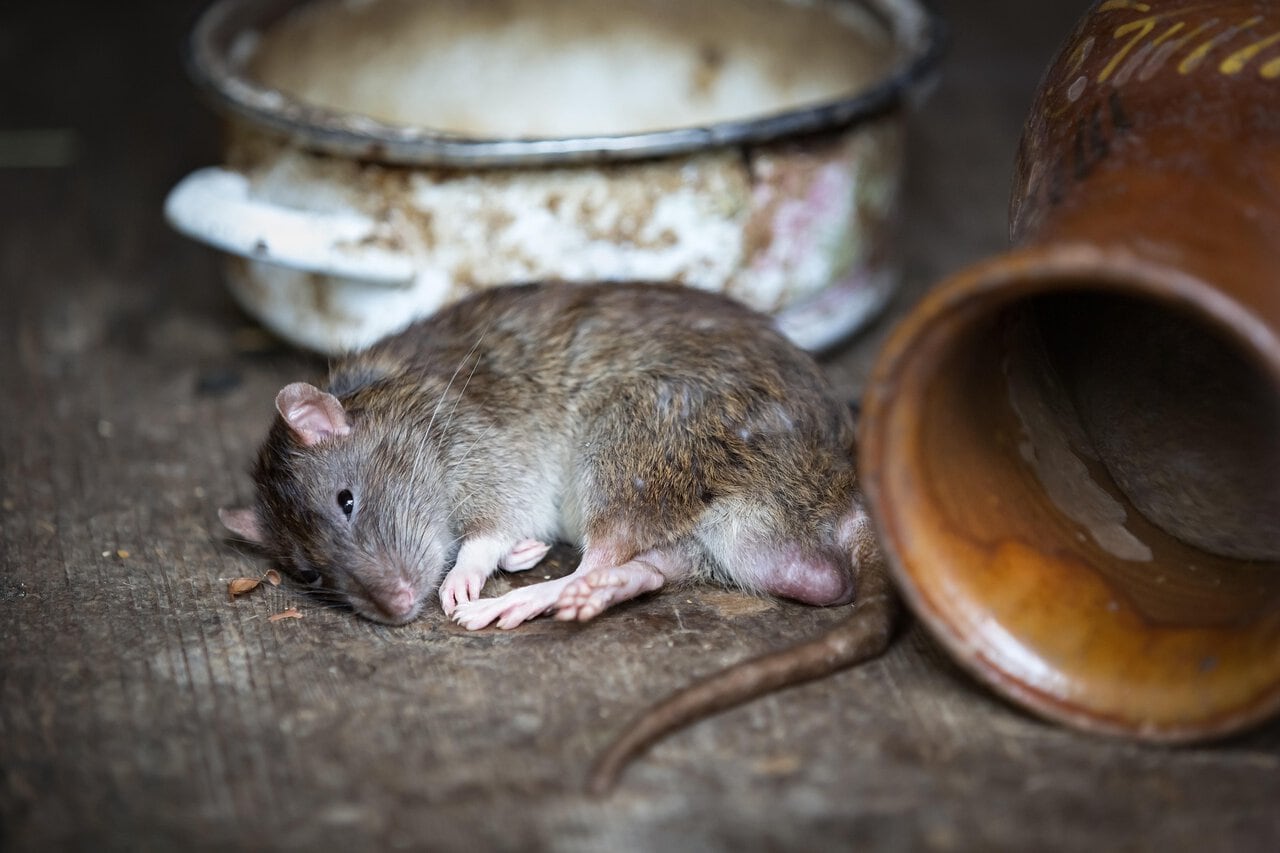
In the United States, the animal most commonly linked to hantavirus is the deer mouse. These small rodents are widespread across rural and wilderness areas, particularly in western states where many documented cases have occurred.
In parts of South America, other native rodent species are associated with strains such as the Andes virus, while parts of Europe and Asia have their own regional rodent carriers linked to local hantavirus strains.
Importantly, these rodents often appear completely normal and healthy. There are usually no obvious visual signs that an animal carries the virus. This is why public health guidance focuses on avoiding rodent-contaminated environments rather than trying to identify individual animals.
Travellers are most likely to encounter exposure risks in areas where rodents seek shelter close to humans, including cabins, barns, campers, storage areas, and remote accommodation.
The key point is that the danger comes from exposure to contaminated droppings, urine, saliva, or nesting materials rather than simply seeing rodents outdoors. Most travellers who encounter wildlife during hiking or outdoor activities never experience any issues at all.

Rupert’s Handy Travel Tips
Rupert knows that most travellers will never encounter hantavirus, but smart habits make wilderness and rural travel much safer and less stressful.
- Always ventilate cabins, campers, sheds, or lodges before unpacking or cleaning if they have been closed for a long time.
- Never dry sweep rodent droppings or nesting material, as this can release contaminated particles into the air.
- Keep food sealed properly when camping or staying in remote accommodation to avoid attracting rodents.
- Download offline maps before travelling because signal can disappear quickly in forests, mountains, and national parks.
- Store important medicines and disinfectant wipes in your travel kit, especially when visiting rural or wilderness regions.
Want to meet the reindeer behind our travel tips? Find out more in our page Who is Rupert?.




Frequently Asked Questions About Hantavirus
Is hantavirus airborne?
Yes, in certain situations hantavirus particles can become airborne. This usually happens when dried rodent droppings, urine, or nesting materials are disturbed inside enclosed spaces such as cabins, sheds, campers, or storage buildings. Sweeping or vacuuming contaminated material is considered one of the main exposure risks because it can release particles into the air.
How rare is hantavirus?
For most travellers, hantavirus remains extremely rare. Millions of people visit forests, national parks, campsites, and remote accommodation every year without becoming ill. Most cases are linked to very specific exposure situations involving rodent-contaminated environments.
Can you catch hantavirus in Europe?
Yes. Certain forms of hantavirus exist in parts of Europe, including countries such as Germany, Sweden, Finland, and areas of Central Europe. However, European strains are often less severe than some strains found in the Americas.
What animals carry hantavirus?
Different rodent species can carry different hantavirus strains depending on the region. Commonly associated animals include deer mice, field mice, cotton rats, and other wild rodents. Importantly, infected rodents usually appear healthy, which means travellers cannot identify risk simply by looking at an animal.
Is there a vaccine for hantavirus?
At present, there is no widely available global vaccine for most hantavirus strains. Prevention focuses mainly on avoiding exposure to contaminated rodent environments and using safe cleaning practices.
Can hantavirus survive outdoors?
The virus generally survives best in cool, enclosed environments rather than open outdoor spaces exposed to sunlight and airflow. Fresh air and ventilation reduce risk significantly compared with enclosed dusty areas.
Further Reading & Related Travel Health Guides
If you are researching hantavirus, it is also worth understanding the wider health risks that can affect travellers in remote areas, wilderness environments, and international destinations. Our Travel Vaccinations Guide explains which vaccines travellers may need before going abroad and how to prepare properly for international trips involving rural or higher-risk regions.
For travellers visiting tropical or remote destinations, our Malaria Tablets for Travel Guide covers prevention strategies, medication options, side effects, and the countries where malaria protection is most important. Many travellers researching rodent-borne diseases are also planning trips involving mosquito-borne illnesses, making this a highly relevant companion guide.
Food and water hygiene is another important part of staying healthy abroad. Our Food and Drink Safety Abroad Guide explains how to reduce the risk of food poisoning, unsafe drinking water, and contamination issues while travelling internationally, particularly in unfamiliar environments.
Travellers exploring remote regions, hiking destinations, or high mountain areas may also benefit from reading our Altitude Sickness Travel Guide, which explains symptoms, prevention strategies, and treatment advice for higher-altitude destinations around the world.
If you travel with prescription medication, our Medication Restrictions for Travellers Guide explains how medicine laws differ between countries, what documents you may need, and how to avoid problems at airports and border controls.
Long-haul travel and unfamiliar transport can bring other unwanted health surprises. Our Jet Lag Travel Guide explains why crossing time zones disrupts sleep and energy levels and how to recover more quickly, while our Seasickness Travel Guide covers ferry, cruise, and motion sickness prevention for anyone travelling by boat. If your trip involves long days in strong sun, our Sunstroke Travel Guide explains how to recognise the early warning signs and avoid heat-related illness while exploring hot destinations.
Finally, our Travel Insurance Guide and Medical Repatriation Explained Guide help travellers understand what happens if serious illness or medical emergencies occur abroad, including emergency treatment, evacuation flights, insurance coverage, and returning home safely after a health crisis.