

Reviewed by our editorial team Updated
Why Vacation Rental Apps Are Essential for Modern Travel
Vacation rental apps have fundamentally reshaped how travellers think about accommodation. In the past, the choice was often limited to hotels, guesthouses, or hostels. Today, travellers can access a vast range of properties, from compact city studios to large countryside villas, all through a single app. This shift has created far more flexibility, giving people the ability to tailor their stay to their exact needs rather than adapting to standard hotel formats.
One of the most important changes is the level of choice now available. Modern holiday home booking apps allow travellers to search across millions of properties worldwide, filtering by location, price, amenities, and style. Whether you are planning a short city break, a long-term stay, or a family holiday, there is usually a property that fits both your budget and your preferences. This level of control was far harder to achieve with traditional accommodation options.
For longer trips and group travel, these apps offer practical advantages that hotels often cannot match. Access to kitchens, separate living areas, multiple bedrooms, and outdoor space makes vacation rentals particularly attractive for families and groups. Instead of booking multiple hotel rooms, travellers can stay together in one property, which often reduces costs while improving comfort.
There is also a strong lifestyle element to vacation rental apps. Staying in a residential neighbourhood rather than a hotel district gives travellers a more local experience, with access to everyday shops, markets, and cafés. For digital nomads and longer-term travellers, this can create a more natural rhythm to daily life, combining work, travel, and local immersion in a way that hotels rarely provide.
Security and convenience have also improved significantly. Most major platforms now offer verified reviews, secure payment handling, and structured cancellation policies, which reduce the risks that were once associated with peer-to-peer accommodation. Combined with in-app messaging and customer support, the booking process is now comparable in reliability to traditional hotel systems.
Ultimately, vacation rental apps are essential because they provide more flexibility, more space, and more choice than traditional accommodation models. They allow travellers to match their stay to their trip, rather than the other way around, which is why they have become such a core part of modern travel planning.
How Vacation Rental Apps Work
Vacation rental apps operate as digital marketplaces, connecting travellers directly with property owners or professional managers. At their simplest level, they allow hosts to list properties and travellers to search, compare, and book those properties through a secure platform. However, the underlying systems have evolved to include a wide range of tools that make the process smooth and reliable.
The process begins with the host. Property owners upload listings that include photos, descriptions, pricing, availability calendars, and detailed information about amenities. These listings are then indexed within the app, allowing travellers to filter results based on location, travel dates, budget, and specific requirements such as pet-friendly stays, workspaces, or entire homes.
From the traveller’s perspective, the experience is designed to feel familiar. Searching for a vacation rental is similar to booking a hotel, but with far more filtering options and property types available. Once a suitable property is found, the booking can usually be completed within the app, with payment processed securely through the platform.
One of the key differences from traditional accommodation is how payments are handled. Most platforms hold the traveller’s payment until check-in, which provides protection for both the guest and the host. This system reduces the risk of fraud and ensures that funds are only released once the stay has begun under agreed conditions.
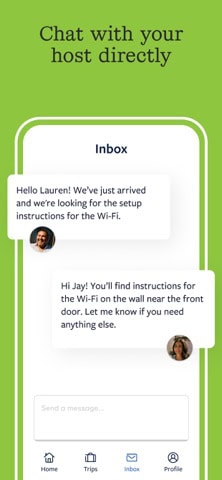
Communication is another central feature. Built-in messaging systems allow travellers and hosts to discuss check-in details, ask questions, and clarify expectations before arrival. This is particularly important for properties that do not operate like traditional hotels, where reception desks and standardised procedures are always present.
Flexibility is a defining characteristic of these apps. Stays can range from a single night to several months, and properties often include facilities such as kitchens, laundry areas, and dedicated workspaces. This makes them suitable not only for holidays but also for remote work, relocations, and extended travel.
Many platforms are also expanding into broader travel ecosystems. Some now integrate experiences, transport options, or bundled services, allowing travellers to manage more of their trip within a single app. This shift is turning vacation rental apps into wider travel planning tools rather than standalone booking platforms.
See hotel options and places to stay for your trip.
Browse hotelsExplore holiday homes and apartments for your trip.
See holiday homesCompare hotel prices across multiple booking sites.
Compare ratesBenefits of Using Vacation Rental Apps
The main appeal of vacation rental apps lies in the combination of flexibility, value, and variety that they offer compared to traditional accommodation. For many travellers, these platforms provide solutions that hotels simply cannot match, particularly when trips become longer, more complex, or more personalised.
One of the most significant advantages is choice. Travellers can browse millions of properties worldwide, ranging from budget apartments to high-end villas, ensuring that there is an option for almost every travel style and price point. This level of variety makes it easier to find accommodation that aligns closely with specific needs rather than settling for a standardised hotel room.
Space and amenities are another major benefit. Unlike most hotels, vacation rentals often provide full living environments, including kitchens, separate bedrooms, and communal areas. This is especially valuable for families, groups, and long-term travellers, as it allows for more comfortable and practical day-to-day living. Cooking meals, doing laundry, and relaxing in a shared space all contribute to a more flexible and cost-effective stay.
Cost efficiency is also an important factor. For longer stays or group bookings, vacation rentals are often more affordable than booking multiple hotel rooms, particularly when additional costs such as dining are taken into account. Having access to a kitchen alone can significantly reduce travel expenses over time.
Another key benefit is the opportunity for a more local experience. Staying in residential neighbourhoods allows travellers to engage with everyday life in a destination, rather than being limited to tourist-focused areas. This can lead to discovering local cafés, markets, and cultural experiences that are less accessible from hotel districts.
Modern platforms also provide a high level of convenience and security. Verified reviews, transparent ratings, secure payment systems, and clear cancellation policies help travellers make informed decisions and reduce uncertainty. Combined with in-app communication and customer support, these features create a more controlled and reliable booking process.
Overall, vacation rental apps offer greater flexibility, better value for certain types of travel, and a more personalised accommodation experience, which explains why they have become such a widely used alternative to traditional hotels.
What to Look for in a Vacation Rental App
Choosing the right vacation rental app requires more than simply looking at the number of listings. The quality of the platform, the clarity of information, and the level of support provided all play a significant role in determining whether the booking experience will be smooth or problematic.
Coverage is one of the first factors to consider. Global platforms such as Booking.com and Trip.com offer extensive worldwide listings, while region-specific apps like Stayz or Tujia provide stronger local depth. The right choice depends on where you are travelling and how important local coverage is for your trip.
Booking flexibility is equally important. Apps that offer clear cancellation policies, instant booking options, and transparent pricing help reduce uncertainty and allow travellers to adapt plans if needed. This is particularly valuable for international travel, where schedules can change unexpectedly.
The quality of property information also matters. Detailed descriptions, high-quality photos, and verified guest reviews provide a clearer picture of what to expect on arrival. Platforms that invest in verifying listings or curating properties tend to offer more consistent experiences, although often with slightly higher prices.
Customer support is another key factor. Apps that provide 24-hour assistance, multilingual support, and clear communication channels can resolve issues quickly if something goes wrong. This becomes especially important when travelling abroad or dealing with unfamiliar accommodation standards.
Security should never be overlooked. Reputable platforms handle payments within the app, offer protection policies for guests and hosts, and discourage off-platform transactions. These safeguards help reduce the risk of fraud and ensure that bookings are protected under the platform’s terms.
By focusing on coverage, flexibility, transparency, and support, travellers can select a vacation rental app that not only meets their needs but also provides a reliable and stress-free booking experience.
Airbnb
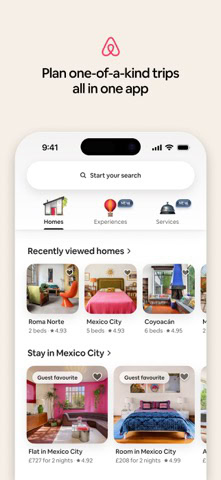
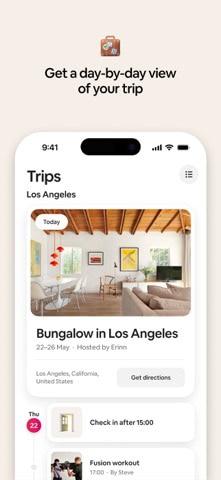
Airbnb remains the most recognisable name in the vacation rental space, and its influence has shaped how the entire sector operates today. With listings in more than 190 countries, it offers one of the widest selections of accommodation types available through a single platform.
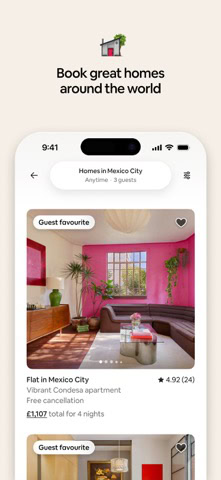
What sets Airbnb apart is the diversity of its listings. Travellers can choose from private rooms, entire homes, boutique-style properties, and unique stays such as cabins, treehouses, or heritage buildings. This range allows users to match their accommodation not only to their budget but also to the type of experience they want from their trip.
The app itself is designed for ease of use. Search filters allow travellers to narrow down results by price, amenities, property type, and location, while detailed listings include photos, host profiles, and extensive guest reviews. These reviews are particularly important, as they provide insight into the reliability of both the property and the host.
Airbnb also places strong emphasis on communication. The in-app messaging system allows guests to contact hosts directly, ask questions, and arrange check-in details before arrival. This helps create a more personalised experience and reduces the uncertainty often associated with private accommodation.
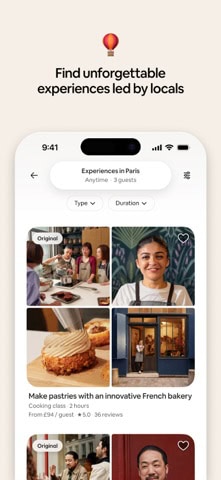
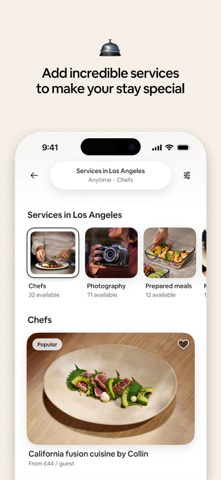
Beyond accommodation, Airbnb has expanded into additional services. Its Experiences feature allows travellers to book local tours, activities, and cultural experiences directly through the platform, turning it into a broader travel planning tool. This integration adds value for users who want to organise more of their trip within a single app.
There are, however, some limitations. Service fees can increase the overall cost, particularly for short stays, and property standards can vary depending on the host. While reviews help mitigate this risk, the experience is not always as consistent as a traditional hotel.
Airbnb is best suited to travellers who want maximum variety, unique accommodation options, and the ability to combine lodging with local experiences in one platform.


App availability and prices vary by country. Some of these may not appear in your local App Store or Google Play.

Vrbo
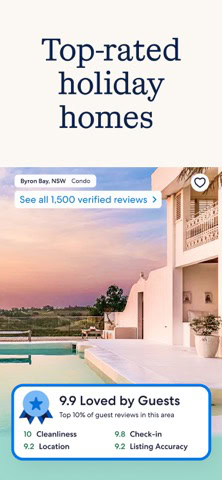
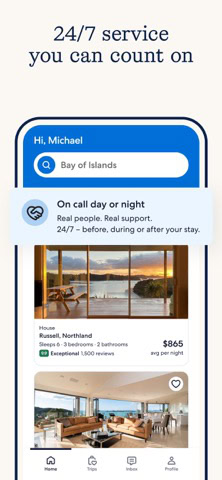
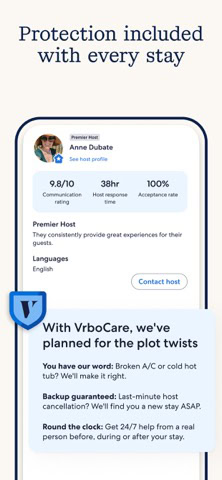
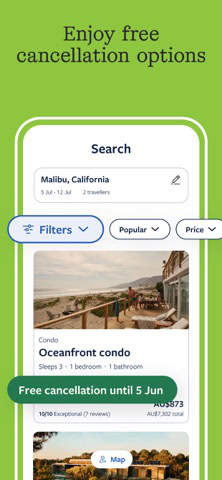
Vrbo takes a more focused approach to vacation rentals by specialising exclusively in entire-home properties. Unlike platforms that mix shared rooms and private spaces, Vrbo is built around the idea of privacy and space, which immediately makes it appealing for families, groups, and travellers who want a more traditional “home away from home” experience.
This focus on whole properties creates a very different browsing experience. Every listing on Vrbo is an entire home, whether that’s a beachfront villa, a countryside cottage, or a large city apartment. For travellers who want certainty about privacy, this removes the need to filter out shared spaces and simplifies the decision-making process.
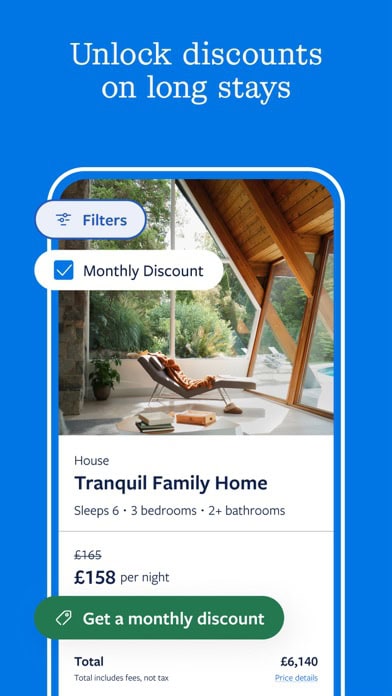
The platform is particularly strong when it comes to family travel. Properties are often equipped with multiple bedrooms, full kitchens, outdoor areas, and amenities such as pools or parking, making them ideal for longer stays or group trips. The ability to keep everyone under one roof is both more convenient and often more cost-effective than booking several hotel rooms.
Vrbo also benefits from its connection to the wider Expedia ecosystem. Integration with flights, car hire, and other travel services allows users to manage multiple aspects of a trip within a single platform. This adds an extra layer of convenience, particularly for travellers planning more complex itineraries.
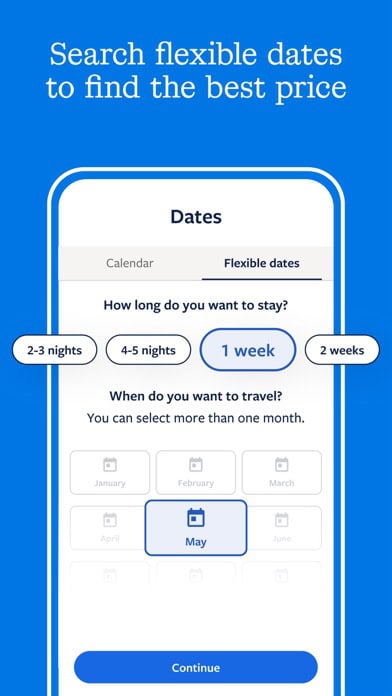
From a usability perspective, the app is straightforward. Search filters allow travellers to refine results based on property size, amenities, location, and price, while listings include detailed descriptions and guest reviews. This helps users make informed decisions before booking.
However, this specialised approach comes with trade-offs. Vrbo is not designed for solo travellers or those seeking budget-friendly shared accommodation, as every listing is a full property. In addition, prices can be higher in prime destinations where large homes are in demand.
Vrbo is best suited to travellers who prioritise space, privacy, and comfort, particularly families and groups who want a consistent whole-home rental experience.




App availability and prices vary by country. Some of these may not appear in your local App Store or Google Play.
Booking.com (Homes & Apartments)
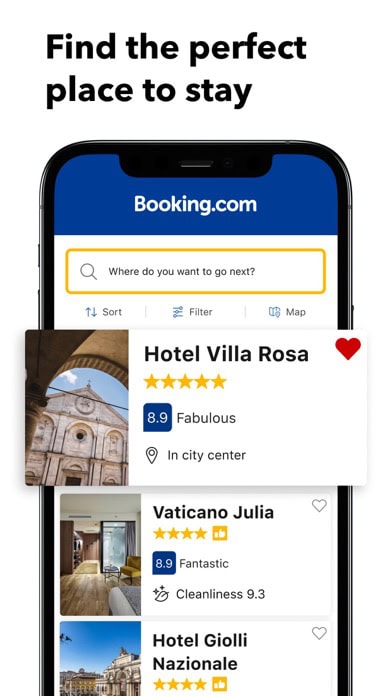
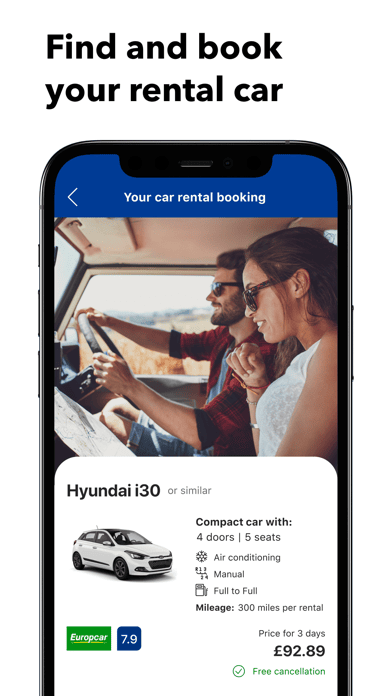
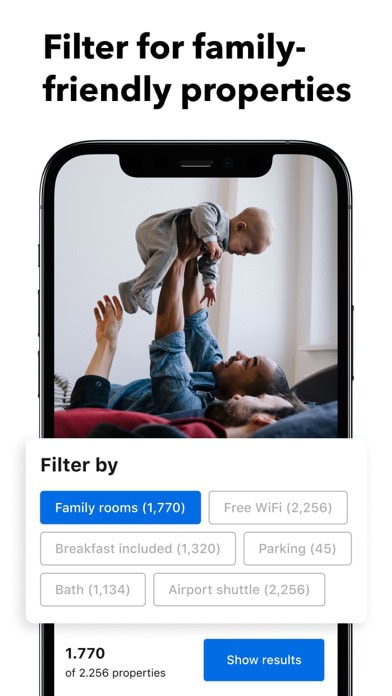
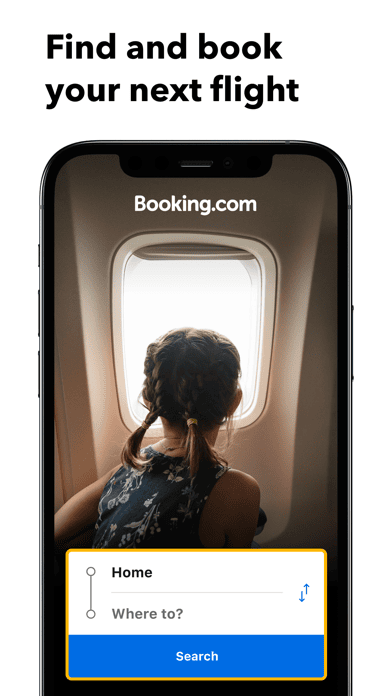
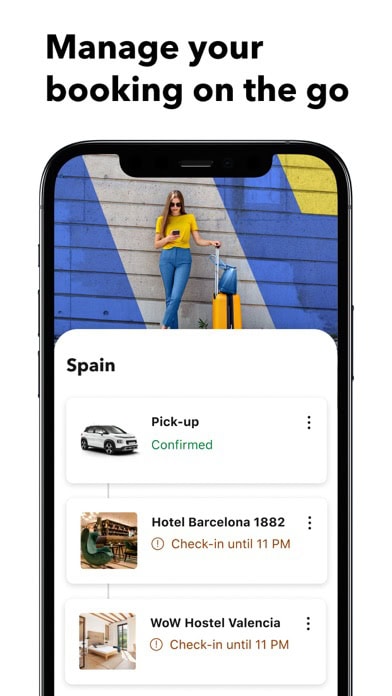
Booking.com has evolved far beyond its hotel-focused origins, with its Homes & Apartments section now forming a major part of its offering. What makes this platform stand out is its ability to combine multiple accommodation types within a single search, allowing travellers to compare hotels, apartments, and houses side by side.
This integrated approach creates a significant advantage. Travellers no longer need to switch between apps when deciding between a hotel and a rental, as both options are presented within the same interface. This makes it easier to weigh factors such as price, location, and amenities before making a final decision.
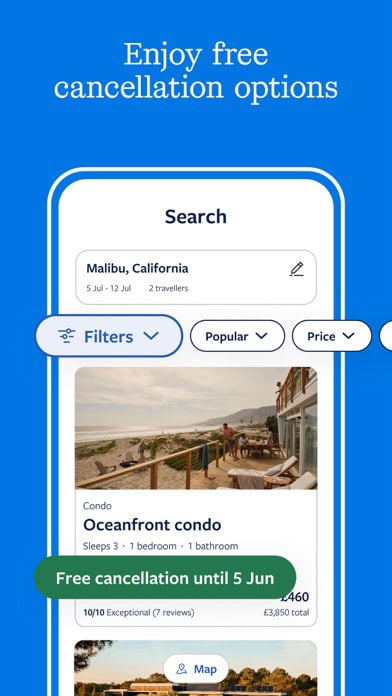
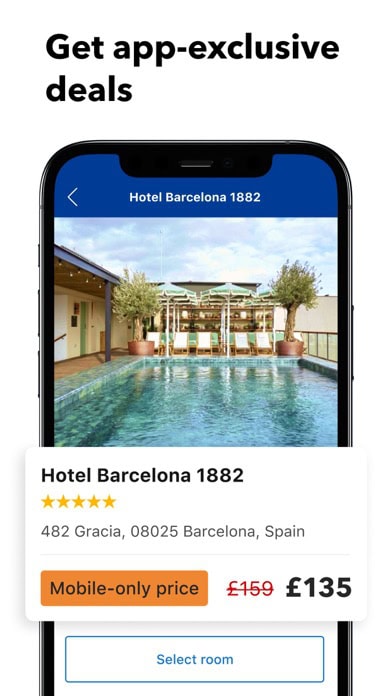
One of the platform’s strongest features is flexibility. Many listings offer instant booking with no upfront payment, along with free cancellation options that appeal to travellers who want to keep their plans adaptable. This is particularly useful for international travel, where schedules can change at short notice.
The scale of the platform is another key benefit. With millions of properties worldwide, including apartments, villas, and guesthouses, Booking.com provides one of the broadest accommodation selections available. Its global reach ensures consistent availability across both major cities and smaller destinations.
Customer support is also a major strength. The platform offers 24-hour assistance in multiple languages, which is especially valuable for travellers navigating unfamiliar destinations or dealing with unexpected issues. This level of support helps build trust and reliability.
However, there are some limitations to consider. Because the platform includes a mix of property types, some listings may feel closer to hotel-style accommodation rather than unique residential stays. This can reduce the sense of local immersion that some travellers are seeking.
Booking.com is best suited to travellers who want maximum flexibility, global coverage, and the convenience of managing different accommodation types within a single platform.

App availability and prices vary by country. Some of these may not appear in your local App Store or Google Play.
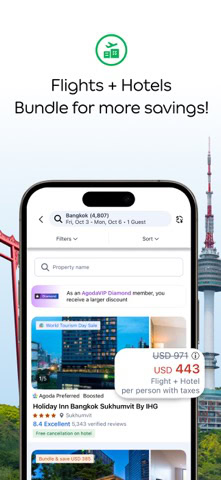
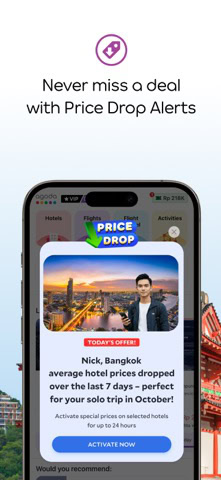
Agoda Homes
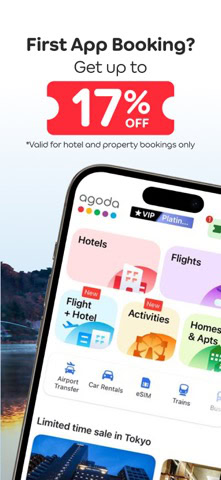
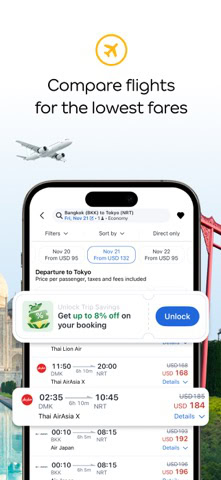
Agoda has built a strong reputation in Asia-Pacific, and its Agoda Homes offering extends that expertise into the vacation rental space. While it may not have the same global recognition as some competitors, it has become a go-to option for travellers seeking affordable accommodation in key Asian destinations.
One of the platform’s biggest advantages is pricing. Agoda Homes is known for competitive rates, particularly in Southeast Asia, where it often undercuts other platforms on similar properties. This makes it especially attractive for budget-conscious travellers and those planning longer stays.
The app is designed with usability in mind. Search filters allow travellers to narrow down properties based on essential criteria such as Wi-Fi availability, kitchen facilities, and family-friendly features. This helps users quickly find accommodation that meets their practical needs.
Another benefit is integration with Agoda’s wider ecosystem. Travellers can earn and redeem Agoda Rewards points on bookings, adding value for frequent users and encouraging repeat use of the platform. This loyalty system can make a noticeable difference over multiple trips.
The booking process itself is straightforward. Instant confirmations, secure payments, and clear pricing structures help ensure a smooth experience from search to check-in. This reliability is particularly important for international travellers unfamiliar with local accommodation standards.
There are, however, some limitations. While Agoda Homes is expanding globally, its inventory outside Asia is still smaller than that of larger platforms such as Airbnb or Booking.com. This means choice may be more limited in certain regions.
Agoda Homes is best suited to travellers who want affordable, reliable accommodation in Asia-Pacific, with the added benefit of loyalty rewards and competitive pricing.



App availability and prices vary by country. Some of these may not appear in your local App Store or Google Play.
Compare routes and fares for your next trip.
Compare flightsUse an eSIM to get online without hunting for a local SIM after arrival.
See eSIM optionsArrange a private pickup before travel instead of sorting transport after landing.
Book a transferApartment Collection by Hilton
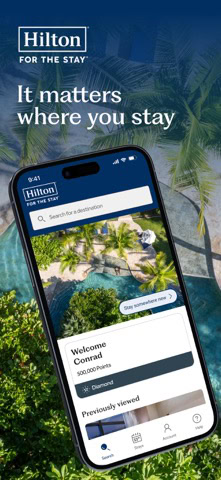
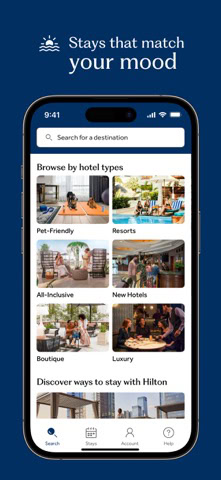
Apartment Collection by Hilton combines the space of an apartment with the consistency of a major hotel brand, and fills the design-led, hotel-standard niche that the now-defunct Sonder used to occupy before its 2025 shutdown. Rather than acting as a marketplace for individual hosts, the properties are professionally managed in partnership with apartment-hotel operator Placemakr, creating a more standardised and predictable experience.
This model addresses one of the main concerns travellers have with peer-to-peer platforms. Because Hilton oversees quality standards across the collection, guests can expect consistent design, amenities, and service regardless of which city they stay in. This removes much of the uncertainty that can come with booking privately owned properties.
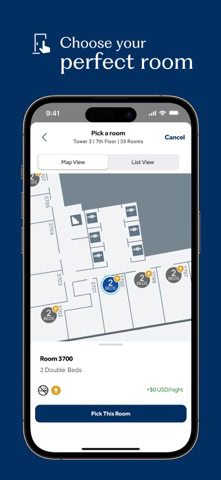
The focus is on modern, design-led accommodation. Properties feature full kitchens, separate living areas, in-unit laundry, and on-site extras such as fitness centres or rooftop pools, all finished to a consistent style across locations. This makes them particularly appealing to urban travellers who want extra space without giving up polish.
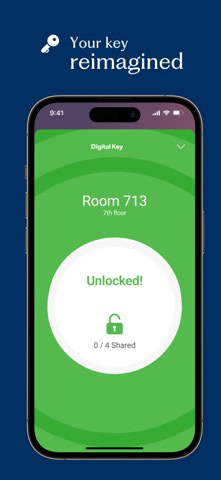
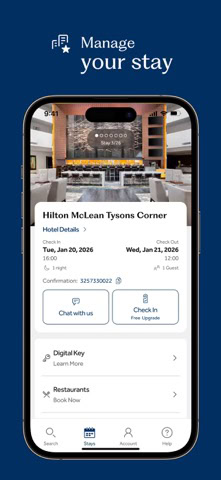
Booking and loyalty run through familiar hotel technology. Stays can be booked, earned, and redeemed through the Hilton Honors app, so points-collecting travellers can fold apartment-style stays into the same loyalty programme they already use for hotels. This streamlined approach suits travellers who value efficiency and consistency over independent hosts.
The collection also targets business travellers and longer stays. The combination of reliable Wi-Fi, work-friendly layouts, and around-the-clock on-site support makes it a credible alternative to traditional hotels for extended trips. It bridges the gap between flexibility and consistency in a way few newly launched brands manage.
The main drawback is coverage. As a brand that only began taking reservations in 2026, Apartment Collection by Hilton is available in a small number of cities, including Atlanta and Salt Lake City, with further locations planned. Its focus on major US markets means it is not yet suitable for rural stays or most destinations outside the United States.
Apartment Collection by Hilton is best suited to travellers who want a reliable, design-focused apartment experience with hotel-level consistency in major US cities, particularly existing Hilton Honors members.


App availability and prices vary by country. Some of these may not appear in your local App Store or Google Play.
Trip.com
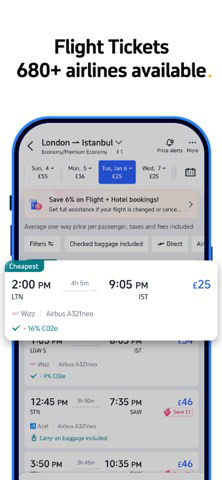
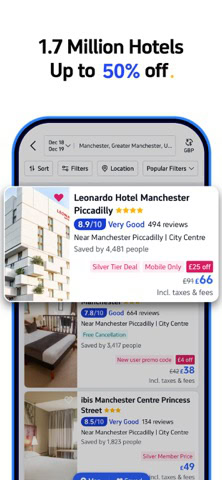
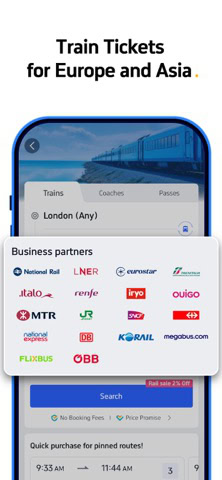
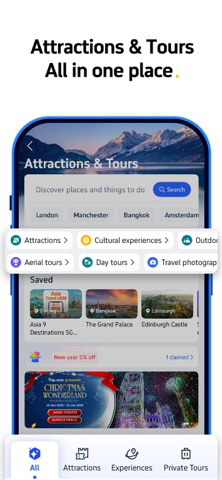
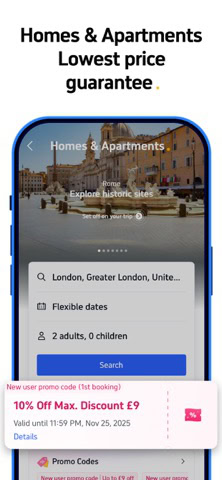
Trip.com has developed into a comprehensive travel super-app, offering flights, trains, hotels, tours, and vacation rentals within a single platform. This integrated approach makes it particularly appealing for travellers who prefer to manage all aspects of their trip in one place.
The vacation rental offering is part of a much larger ecosystem. Users can search for apartments, villas, and holiday homes alongside other travel services, often benefiting from bundled pricing or package deals. This creates opportunities for savings and simplifies trip planning.
One of the platform’s key strengths is its global accessibility. Trip.com supports multiple languages and currencies, making it easy for international travellers to navigate bookings regardless of their location. This is especially valuable for cross-border travel.
Customer support is another standout feature. The platform provides 24-hour assistance and live chat, helping users resolve issues quickly and efficiently. This level of support builds confidence, particularly when booking accommodation in unfamiliar destinations.
Trip.com is especially strong in Asia-Pacific. In many Asian destinations, it offers better local coverage and more competitive pricing than Western platforms, making it a preferred choice for travellers in the region. Its reach continues to expand globally, increasing its relevance for international trips.
However, there are some limitations. The rental inventory is smaller compared to specialist platforms, and the quality of listings can vary depending on the property provider. Travellers may need to rely more heavily on reviews and descriptions when making decisions.
Trip.com is best suited to travellers who want a single platform for managing accommodation, transport, and activities, particularly when travelling within Asia or planning multi-service itineraries.


App availability and prices vary by country. Some of these may not appear in your local App Store or Google Play.
Stayz
Stayz is the leading vacation rental platform in Australia and New Zealand, specialising in entire-home accommodation for families and groups. As part of the wider Vrbo and Expedia Group ecosystem, it combines strong regional expertise with the backing of a global travel network, giving travellers both reliability and local depth.
The platform is built around whole-property rentals, which immediately sets expectations. Every listing is designed for exclusive use, whether that’s a coastal beach house, a rural retreat, or a modern city apartment. This makes Stayz particularly appealing for travellers who value privacy, space, and the ability to settle into a destination for more than just a short stay.
Its regional focus is where it truly stands out. Coverage across Australia and New Zealand is extensive, with especially strong listings in popular destinations such as Sydney, Melbourne, the Gold Coast, and coastal holiday regions. Travellers heading to these areas will often find more relevant and better-suited properties here than on global platforms.
The app itself is straightforward and functional. Search tools allow filtering by property size, amenities, and location, while listings provide clear descriptions, photos, and guest reviews. This helps users quickly identify properties that meet their needs without unnecessary complexity.
Another advantage is the type of properties available. Stayz is particularly strong in larger homes suited to families or groups, often including multiple bedrooms, outdoor areas, and features such as pools or parking. These are the kinds of stays that are harder to find through hotel-focused platforms.
However, its strengths are also its limitations. Coverage is largely restricted to Australia and New Zealand, making it less useful for international trips beyond these regions. Travellers looking for global options will need to combine it with other platforms.
Stayz is best suited to travellers who want reliable, spacious, and well-located accommodation in Australia and New Zealand, particularly for family holidays or group travel.


App availability and prices vary by country. Some of these may not appear in your local App Store or Google Play.
Couchsurfing
Couchsurfing offers a completely different approach to accommodation by focusing on community and cultural exchange rather than paid rentals. Instead of booking a property, travellers connect with hosts who offer a spare room, sofa, or bed at no cost, though Couchsurfing itself now requires a paid membership, around $4.99 (£3.70 / €4.30) per month or an annual plan, to message hosts and use the platform.
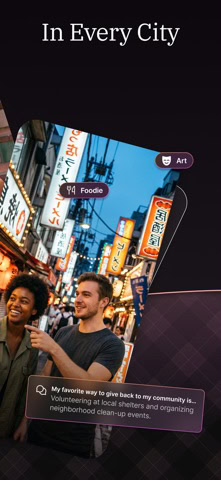
This model creates a fundamentally different travel experience. Staying with a local host often means sharing meals, receiving insider tips, and gaining a deeper understanding of the destination. For many travellers, this level of connection is something that traditional accommodation simply cannot provide.
The scale of the network is impressive. Couchsurfing operates in more than 200,000 cities worldwide, making it possible to find hosts in both major destinations and smaller, lesser-visited locations. This global reach is one of its biggest advantages.
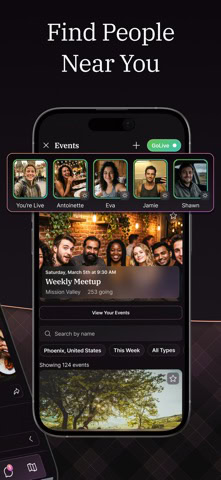
The app is designed around interaction. Users create detailed profiles, exchange messages with potential hosts, and read references from previous stays to build trust within the community. This emphasis on communication helps both hosts and travellers feel more comfortable before meeting in person.
However, this approach comes with important considerations. Unlike standard vacation rental apps, Couchsurfing does not guarantee accommodation quality, privacy, or availability. The experience depends heavily on the individual host, and travellers must be comfortable with a more informal and unpredictable setup.
Safety and expectations require more personal responsibility. Reading reviews, communicating clearly, and trusting your instincts are essential when using the platform. While many experiences are positive, it is not suited to travellers who prioritise consistency or convenience.
Couchsurfing is best suited to travellers who value cultural exchange, human connection, and budget-friendly travel over comfort and predictability.





App availability and prices vary by country. Some of these may not appear in your local App Store or Google Play.
Comparison Table of Key Features
To make it easier to weigh up these apps at a glance, the table below summarises how each one compares on coverage, focus, and ideal use case.
| App | Coverage | Focus | Best For | Limitations |
|---|---|---|---|---|
| Airbnb | 190+ countries | Wide range of stays including unique properties and Experiences | Travellers wanting variety and local immersion | Service fees and variable quality |
| Vrbo | Global, strong in US/EU | Entire-home rentals only | Families and groups needing space and privacy | No shared or budget options |
| Booking.com (Homes & Apartments) | Worldwide | Homes integrated with hotels and travel services | Flexible travellers wanting choice in one platform | Some listings feel hotel-like |
| Agoda Homes | Global, strongest in Asia | Affordable homes and apartments | Budget travellers in Asia-Pacific | Smaller inventory outside Asia |
| Apartment Collection by Hilton | Atlanta & Salt Lake City (expanding) | Hotel-branded, professionally managed apartments | Business travellers and Hilton Honors members | Very limited early coverage |
| Trip.com | Global, strong in Asia | Rentals within full travel ecosystem | One-stop travel planners | Smaller rental selection |
| Stayz | Australia & New Zealand | Entire-home rentals | Families and groups in AU/NZ | Regional only |
| Couchsurfing | 200,000+ cities | Community-based stays, paid membership required | Budget and cultural travellers | No guarantees on comfort or safety |
Vacation Rental App Safety Tips
Safety when using vacation rental apps comes down to preparation and attention to detail. While these platforms offer strong protections, travellers should still take an active role in verifying listings and communicating clearly before booking.
Reviews are your first line of defence. Consistent, recent feedback from verified guests provides the clearest indication of what to expect. A pattern of positive experiences is far more reliable than a single high rating.
Keep all communication within the platform. Messaging through the app ensures that your booking is protected and that any disputes can be properly handled. Moving conversations outside the system removes this safety net.
Always use the platform’s payment system. Secure payments are designed to protect both travellers and hosts, often holding funds until check-in. Direct payments bypass these protections and increase risk.
Take time to verify the details of the property. Photos, amenity lists, and location descriptions should align clearly. If anything is unclear, asking questions before booking can prevent problems later.
Understanding cancellation policies is equally important. Different listings offer different levels of flexibility, so knowing your options in advance can save both money and stress if plans change.
Browse hostels and budget-friendly stays.
See hostelsGet fast compensation payouts, eligible lounge benefits and expert help when flights go wrong.
See AirHelp+ benefitsArriving before check-in or leaving later? Store your luggage and enjoy the extra time hands-free.
Store your bagsUsage Rules & Legal Restrictions
Short-term rental laws vary widely depending on the destination, and these rules can directly affect travellers. While most bookings proceed without issue, it is important to understand the broader regulatory environment.
Many major cities now impose restrictions on short-term rentals. Places such as Barcelona, New York, and Amsterdam have introduced limits on the number of nights a property can be rented or require specific licences for hosts.
Registration requirements are increasingly common. In some destinations, hosts must display a valid licence number, ensuring that the property complies with local regulations. In New York City, for example, the short-term rental registration law also bars booking platforms from processing transactions for unregistered listings.
Tourist taxes are another factor to consider. These are often added to the booking cost and may be collected either through the platform or directly at the property.
Stay limits can also apply. Certain cities restrict the number of days a property can be rented each year, particularly for entire-home listings.
Insurance and compliance rules vary by country. Hosts may need to meet specific standards, which can influence availability and pricing.
For travellers, the key takeaway is simple. Booking through established platforms ensures compliance with local laws and provides access to support, refunds, and protections that informal arrangements cannot offer.
App Availability by Region
The usefulness of each vacation rental app depends heavily on where you are travelling. While some platforms operate globally, others are strongest in specific regions.
Global platforms such as Airbnb and Booking.com provide the widest coverage. They offer listings in almost every major destination, making them reliable starting points for most trips.
Asia-Pacific travellers benefit most from Agoda Homes and Trip.com. These platforms often provide better local pricing and stronger coverage in Southeast Asia and surrounding regions.
In Europe, a mix of global and specialised platforms is common. While Airbnb and Booking.com dominate, curated platforms and regional options can offer higher-quality or more tailored listings.
North America is heavily served by Airbnb and Vrbo. These platforms provide extensive options ranging from city apartments to large holiday homes.
Australia and New Zealand are best covered by Stayz alongside global apps. This combination offers both local expertise and international choice.
Community-based platforms like Couchsurfing operate globally but serve a niche audience. They are best used alongside traditional apps rather than as a complete replacement.
By understanding regional strengths, travellers can combine the right apps to maximise choice, value, and reliability for each destination.

Rupert’s Handy Travel Tips
Holiday home apps open up amazing stays worldwide, but a few tricks will help you book smarter and avoid nasty surprises:
- Compare across apps: The same property often appears at different prices. Always cross-check before booking.
- Book early: Rentals in ski towns, coastal resorts, and hotspots get snapped up months in advance.
- Filter smartly: Use filters like cancellation policy, amenities, or “instant book” to save time and stress.
- Check loyalty perks: Agoda Homes and Booking.com offer discounts and rewards for repeat stays.
- Message your host: A quick chat builds trust and helps clarify details before you arrive.
- Watch hidden costs: Cleaning fees, service charges, and deposits can make a “cheap” rental more costly than a hotel.
- Blend local & global: Use Stayz in Australia and international leaders elsewhere for better regional coverage.
Want to meet the reindeer behind our travel tips? Find out more in our page Who is Rupert?.




Further Reading & Related App Guides
Vacation rentals are only one piece of preparing for a trip well, and a few practical apps can round out the rest of your planning. Before you travel, it is worth sorting out how you will communicate and manage money abroad: the Translation Apps Guide makes it easier to navigate menus, signs, and conversations wherever you land, while the Currency Converter Apps Guide helps you track exchange rates and avoid overspending on a rental deposit or cleaning fee. Staying connected matters too, so pairing your booking app with the eSIM Apps Guide and the Weather Apps Guide means you can check in with hosts and plan around the forecast without relying on patchy local Wi-Fi.
It is also worth thinking about protection and backup options before you commit to a booking. The Travel Insurance Apps Guide covers how to safeguard a trip against cancellations, medical issues, or lost luggage, which matters just as much for a self-catered apartment as it does for a hotel stay. And if a rental does not work out, or you simply prefer the predictability of daily housekeeping and a front desk, Hotel Booking Made Easy walks through the apps that make traditional hotel booking just as fast and flexible.
Travellers who like to compare both accommodation styles side by side should also take a look at Best Last-Minute Hotel Apps for spontaneous trips where a rental may not be available in time, and Top Hotel Aggregator Apps for scanning hotel prices across multiple sites in one search. Keeping a mix of vacation rental and hotel apps on your phone gives you the flexibility to pick whichever suits a given trip.