
Why Seasickness Can Ruin a Journey
A beautiful ferry crossing through the Greek Islands, a scenic voyage along the Norwegian fjords or an overnight sailing across the Baltic Sea can quickly become exhausting when seasickness takes hold. Many travellers underestimate how physically draining motion sickness can become until they are trapped on a vessel for several hours dealing with nausea, dizziness, dehydration and exhaustion. That is why a detailed Seasickness Travel Guide is essential for anyone planning ferry travel, cruise holidays, island hopping or long-distance sea crossings.
Some of Europe’s most famous ferry routes are also among the roughest. Crossings through the Bay of Biscay, the North Sea, the English Channel, the Aegean Sea and exposed routes around the Scottish Islands can become surprisingly uncomfortable during strong weather systems. Fast catamarans between islands such as Santorini, Mykonos, Naxos and Paros are particularly notorious for causing severe motion sickness during summer winds.
Seasickness does not simply ruin a few hours onboard. It can affect an entire trip. Travellers arriving into destinations such as Helsinki, Tallinn, Palermo, Split, Dubrovnik or Stockholm feeling dehydrated and exhausted may struggle with onward train connections, sightseeing, airport transfers or hotel check-ins. This becomes especially important during complex itineraries involving Interrail journeys, overnight ferries or remote islands where medical support may not be immediately available.
The good news is that most travellers can reduce symptoms dramatically with preparation. Understanding the best places to sit, how weather affects crossings, which foods help and which medications actually work can completely change the experience. Many experienced travellers who once dreaded ferry journeys now comfortably travel on routes across Greece, Croatia, Finland, Italy and Norway because they understand how to manage motion properly.
What Causes Seasickness?
Seasickness happens when the brain receives conflicting information about movement. Your inner ear detects constant motion from waves, rolling and vibration, while your eyes may focus on apparently stable surroundings such as cabin walls, tables or ferry seating areas. This mismatch confuses the brain and triggers symptoms associated with motion sickness, travel sickness and balance disorders.
The problem becomes far worse during rough sea conditions. Large swells, aggressive side-to-side rolling and sudden vertical drops place huge stress on the body’s balance system. High-speed ferries operating in destinations such as the Cyclades Islands, the Croatian coast and the English Channel are particularly challenging because they often slam against waves at speed. Travellers frequently assume larger ships completely prevent seasickness, but even major cruise ships and overnight ferries can become uncomfortable during storms or strong crosswinds.
Several common travel mistakes increase the risk significantly. Dehydration, poor sleep, alcohol consumption, anxiety and travelling on an empty stomach all make the body more sensitive to motion. Travellers rushing to ferry ports after early flights into airports such as Athens Airport, Naples Airport, Bari Airport or Catania Airport are especially vulnerable because exhaustion weakens the body’s ability to adapt to movement.
Psychology also plays a surprisingly important role. Travellers who become anxious before departure often focus intensely on every movement of the vessel. This anticipation can worsen nausea even before the crossing becomes rough. Experienced sailors and cruise passengers frequently recommend staying outside, breathing fresh air and focusing on the horizon because these techniques help the brain process movement more naturally.
Importantly, seasickness is not limited to ferries and cruises. Similar symptoms can appear on winding mountain roads, turbulent flights, overnight buses and certain rail journeys. Travellers crossing routes such as the Kandy to Ella train, Alpine mountain passes or rough overnight coach routes may experience many of the same symptoms associated with ferry motion sickness.
Compare hotels and other places to stay for your trip.
Check availabilityBrowse apartments, holiday homes and self-catering stays.
View rentalsCompare hotel prices across multiple booking sites.
Compare ratesCommon Seasickness Symptoms
The most common symptom of seasickness is nausea, but the condition often develops gradually through several stages. Many travellers first notice subtle symptoms such as tiredness, slight dizziness, unusual sweating or loss of concentration before stronger symptoms appear. Recognising these early warning signs is extremely important because early intervention is usually far more effective than trying to recover once severe nausea develops.
As symptoms worsen, travellers may experience headaches, stomach discomfort, cold sweats, fatigue and loss of appetite. Warm enclosed ferry lounges, strong engine fumes and crowded indoor seating areas often intensify symptoms rapidly. This is particularly common on busy summer routes between destinations such as Santorini, Ibiza, Mallorca, Corfu and Sicily.
More severe cases can involve vomiting and dangerous dehydration. Long-distance crossings such as the Helsinki to Tallinn ferry, overnight sailings between Italy and Greece or winter ferry routes across the North Sea can become extremely unpleasant when passengers cannot keep food or fluids down properly. Dehydration also increases the risk of headaches, exhaustion and heat-related illness during summer Mediterranean travel.
Some travellers experience a lingering sensation called mal de débarquement, often referred to as “land sickness”. This creates the strange feeling that the ground is still moving even after returning ashore. Travellers arriving into ports such as Piraeus, Split, Palermo, Bergen or Stockholm occasionally report balance problems for several hours after difficult crossings.
Children often display symptoms differently from adults. Irritability, unusual silence, yawning, excessive tiredness or refusal to eat can all signal developing motion sickness before nausea becomes obvious. Parents travelling on ferries around the Balearic Islands, Croatia, Scotland or the Greek Islands should watch carefully for these early behavioural changes.
The Worst Types of Ferry for Seasickness
Not all ferries feel the same at sea. Some vessels remain relatively stable even during poor weather, while others can become extremely uncomfortable once waves increase. Understanding which ferry types are most likely to trigger seasickness can help travellers choose better routes, departure times and seating positions before travelling.
High-speed catamarans are among the worst offenders for motion sickness. These vessels are designed for speed rather than comfort in rough water and often slam aggressively against waves. Popular tourist routes between islands such as Santorini, Mykonos, Naxos, Paros and Crete regularly use fast ferries that become extremely uncomfortable during strong summer winds in the Aegean Sea. Travellers expecting a smooth cruise-like experience are often surprised by the violent bouncing and sharp movements onboard.
Small passenger ferries can also become difficult during exposed crossings. Routes between the Scottish Islands, smaller Croatian islands and remote communities in Norway often involve compact vessels that react heavily to changing sea conditions. Even moderate swell can create strong rolling movement on smaller boats, especially during winter sailings.
Open-water crossings are generally rougher than coastal routes. Ferries travelling across areas such as the Bay of Biscay, the North Sea, the Irish Sea and exposed Mediterranean channels face stronger swell patterns and more unpredictable weather systems. Overnight sailings between Italy and Greece, particularly from ports such as Bari, Brindisi, Ancona and Venice, can occasionally become challenging when storms develop in the Adriatic Sea.
Vehicle ferries carrying heavy freight traffic sometimes produce unusual movement patterns as well. Large ferries may appear stable initially, but strong side winds and long rolling swells can create constant motion that gradually triggers nausea over several hours. Travellers on routes such as Hull to Rotterdam, Newcastle to Amsterdam and Portsmouth to Santander sometimes experience delayed symptoms because the movement feels less dramatic but remains constant for long periods.
Weather and seasonality also matter enormously. Summer crossings around Greece may look calm inside sheltered harbours before becoming rough once vessels enter open water. Winter routes across the English Channel, Baltic Sea and North Atlantic are often significantly more challenging due to storms and stronger swell systems. Checking marine forecasts before departure can make a huge difference when planning ferry travel.
Best Places to Sit on a Ferry or Cruise Ship
Where you sit onboard can make an enormous difference to how much motion you feel during a crossing. Experienced ferry travellers and sailors often choose seating very carefully because the wrong location can dramatically worsen seasickness symptoms during rough weather.
The most stable part of most ferries is usually the middle of the vessel near the waterline. Areas located midship experience less vertical movement and reduced rolling compared with the front or rear sections of the ferry. Travellers sitting at the bow often experience strong up-and-down motion as the vessel hits waves, while rear sections can bounce heavily during rough crossings.
Lower decks are generally more stable than upper decks because they remain closer to the ship’s centre of gravity. However, this must be balanced carefully with ventilation. Warm enclosed lounges with poor airflow can worsen nausea rapidly, particularly on crowded summer crossings around destinations such as Santorini, Ibiza, Split and Dubrovnik.
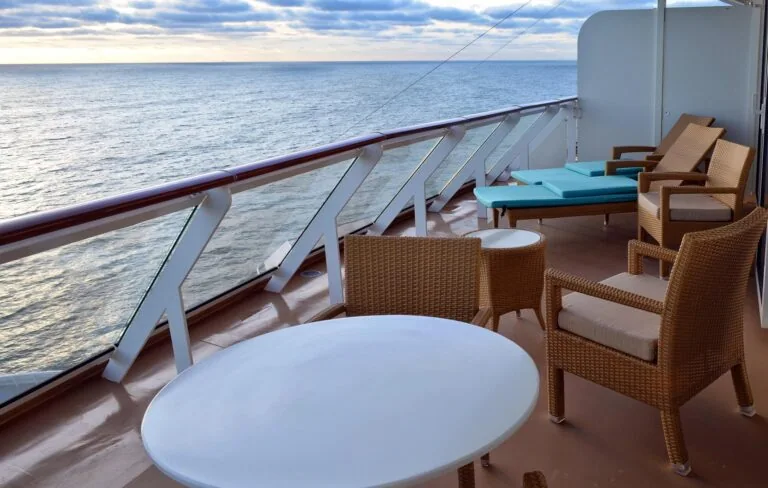
Fresh air is one of the most effective natural remedies for motion sickness. Outdoor seating areas often help travellers feel significantly better because cooler air and direct views of the horizon help the brain process movement more accurately. Looking at the horizon gives the eyes a stable external reference point, reducing the sensory conflict that causes seasickness.
Cabin choice also matters on overnight ferries and cruise ships. Midship cabins on lower or central decks usually provide the smoothest experience. Cabins at the front of the vessel often experience stronger pitching movement during rough weather. Travellers particularly worried about cruise seasickness should avoid very high decks near the bow whenever possible.
Passengers should also avoid sitting near strong smells, engine vibration or crowded dining areas if they are prone to nausea. Ferry cafeterias, enclosed lounges and heavily perfumed indoor spaces can intensify symptoms surprisingly quickly during difficult crossings. Sometimes simply moving to a quieter outdoor area can significantly reduce discomfort within minutes.

How to Prevent Seasickness Before You Travel
The best way to manage seasickness is to start preparing long before boarding begins. Many travellers wait until symptoms appear before taking action, but preventative strategies are usually far more effective than trying to recover once nausea becomes severe.
Sleep is one of the most important factors. Travellers attempting overnight train journeys, early airport departures or rushed ferry transfers are far more vulnerable because fatigue weakens the body’s ability to adapt to movement. Anyone planning ferry routes through destinations such as the Greek Islands, Croatia, Norway or the Baltic Sea should prioritise proper rest before travelling.
Hydration also plays a major role. Dehydrated travellers are far more likely to experience headaches, dizziness and nausea during rough crossings. Drinking water consistently before departure is extremely important, particularly during summer Mediterranean sailings where heat and sun exposure increase fluid loss dramatically.
Food choices matter as well. Travelling on a completely empty stomach often worsens motion sickness, but heavy greasy meals can also trigger nausea. Light balanced meals before departure usually work best. Alcohol should be avoided before rough crossings because it increases dehydration and disrupts balance perception.
Travellers prone to severe motion sickness should take medication early rather than waiting for symptoms to begin. Many antihistamines and motion sickness tablets work best when taken before boarding. Once vomiting and severe nausea develop, medication often becomes much less effective.
Checking weather forecasts can also help enormously. Marine weather apps and ferry operators frequently provide sea condition updates before departure. If conditions look particularly rough, nervous travellers may benefit from switching to larger ferries, slower vessels or alternative departure times where possible.
What to Eat and Drink Before a Ferry Crossing
What you eat before boarding can heavily influence how vulnerable you are to seasickness during a crossing. Many travellers make the mistake of either travelling on a completely empty stomach or eating a heavy greasy meal immediately before departure. Both extremes often worsen nausea once the vessel begins moving.
Light, balanced meals usually work best before ferry travel. Foods such as toast, rice, bananas, crackers, plain pasta and simple sandwiches are often easier for the stomach to tolerate during rough conditions. Travellers boarding ferries from ports should ideally eat one to two hours before departure rather than rushing food immediately before boarding.
Hydration is equally important. Dehydration increases dizziness, headaches and nausea dramatically. Travellers spending time in hot destinations such as Greece, Croatia, Southern Italy or Malta often begin ferry journeys already mildly dehydrated due to heat exposure and walking around ports or cities. Drinking water steadily before departure is far more effective than suddenly consuming large amounts onboard.
Alcohol is one of the worst things to consume before a rough crossing. Beer, wine and spirits affect balance perception, increase dehydration and worsen fatigue. Many travellers heading to islands such as Ibiza, Mykonos or Santorini begin drinking before departure and then struggle badly once sea conditions worsen. Even moderate alcohol consumption can increase the likelihood of severe motion sickness.
Strong coffee and excessive caffeine can also cause problems for some travellers. While caffeine may help tired passengers feel more alert, too much can increase anxiety, sweating and stomach irritation. Gentle hydration with water or electrolyte drinks is usually a safer approach before longer sailings.
Certain foods are particularly notorious for worsening nausea onboard. Heavy fried meals, rich sauces, greasy fast food and strong-smelling seafood dishes can become extremely unpleasant during rough crossings. Ferry cafeterias may smell overwhelming once seasickness begins, which is why many experienced travellers bring light snacks and plain foods onboard instead of relying entirely on ferry restaurants.
Best Medicines for Seasickness
Several medications can reduce or prevent seasickness, but choosing the right option depends heavily on the traveller, journey length and severity of symptoms. Some medicines work well for short ferry crossings, while others are better suited to overnight sailings or cruises.
Antihistamines are among the most common treatments for motion sickness. Medications containing ingredients such as cinnarizine, cyclizine and promethazine are widely used across Europe and are often very effective when taken before symptoms begin. Travellers planning rough crossings frequently rely on these medications during difficult conditions.
One major downside of antihistamines is drowsiness. Many travellers become extremely sleepy after taking stronger motion sickness tablets, which can be problematic during busy travel days involving onward trains, flights or driving. However, some passengers actually welcome the drowsiness during overnight ferry crossings because sleeping through rough seas can reduce discomfort significantly.
Hyoscine hydrobromide, often known as scopolamine, is another widely used treatment. It is available in tablets and patches in some countries and is commonly used for cruises and longer ferry journeys. Many travellers find it highly effective, although side effects such as dry mouth, blurred vision and fatigue can occur.
Natural remedies also remain popular. Ginger tablets, ginger tea and ginger sweets are commonly used by travellers who prefer avoiding stronger medication. While ginger is usually less powerful than prescription treatments, many passengers report meaningful improvements during moderate sea conditions.
Acupressure wristbands are another common option. These bands apply pressure to specific points on the wrist believed to reduce nausea. Scientific evidence remains mixed, but many ferry and cruise passengers continue using them because they are inexpensive, reusable and drug-free.
Importantly, travellers should always check medication guidance carefully before travelling. Some seasickness tablets may not be suitable during pregnancy, while others can interact with existing medical conditions or alcohol consumption. Anyone travelling regularly by ferry should consider testing medications at home first rather than experimenting during a difficult crossing.
| Medicine / Remedy | Best For | Common Side Effects | Typical Use | Important Notes |
|---|---|---|---|---|
| Cinnarizine | Ferries, cruises and long sea crossings | Drowsiness, dry mouth | Usually taken 1–2 hours before travel | Very commonly used across Europe for motion sickness prevention |
| Cyclizine | General travel sickness and shorter ferry journeys | Sleepiness, blurred vision | Useful for short and medium-distance journeys | Often recommended for ferry, coach and rough rail travel |
| Hyoscine / Scopolamine | Cruises and severe seasickness | Dry mouth, dizziness, blurred vision | Available as tablets or patches in some countries | Popular with cruise passengers and long-distance travellers |
| Promethazine | Strong motion sickness prevention | Heavy drowsiness | Often used before overnight crossings | Can help passengers sleep during rough sea conditions |
| Ginger Tablets | Mild nausea and natural symptom relief | Usually minimal | Natural alternative to stronger medication | Popular with travellers avoiding antihistamines |
| Acupressure Wristbands | Drug-free motion sickness prevention | Usually none | Worn throughout journeys | Scientific evidence is mixed but many travellers report benefits |

Natural Remedies and Non-Medical Solutions
Not every traveller wants to rely on medication for motion sickness, especially during shorter ferry journeys or island-hopping itineraries involving repeated sailings. Fortunately, several non-medical approaches can genuinely reduce symptoms when used properly.
Fresh air is one of the simplest and most effective remedies. Moving outside onto open decks helps many passengers almost immediately because cooler airflow and horizon visibility reduce the sensory confusion responsible for seasickness. Travellers trapped in warm enclosed ferry lounges often feel dramatically worse than passengers remaining outdoors during the same crossing.
Focusing on the horizon is another proven technique. Looking at a stable distant point helps the eyes and inner ear process movement more consistently. This is why staring down at phones, books or laptops often worsens nausea rapidly onboard ferries and cruise ships. Travellers attempting to work during rough crossings frequently discover that screens intensify symptoms significantly.
Ginger remains one of the best-known natural remedies for nausea. Ginger tea, ginger biscuits, ginger sweets and ginger capsules are widely used during ferry journeys across regions such as Greece, Croatia, Scandinavia and the Baltic Sea. Many travellers find ginger particularly useful during moderate conditions or when symptoms first begin developing.
Controlled breathing techniques can also help. Anxiety and panic frequently worsen seasickness symptoms, particularly for nervous travellers on exposed routes such as the Bay of Biscay or the North Atlantic. Slow steady breathing, fresh air and remaining calm can reduce the body’s stress response and help prevent nausea escalating further.
Some travellers benefit from sleeping during rough crossings. Rest reduces visual conflict and limits constant awareness of vessel movement. Overnight ferry passengers travelling on long Scandinavian routes often deliberately time medication to encourage sleep through rougher sections of the journey.
Acupressure wristbands and pressure-point techniques are also widely used. While scientific evidence varies, many passengers continue relying on these methods because they are safe, inexpensive and easy to combine with other remedies. Even when the physical effect is modest, the psychological reassurance alone may help anxious travellers feel more in control.
Seasickness While Pregnant
Pregnancy can significantly increase sensitivity to motion sickness, particularly during the first trimester when nausea and hormonal changes are already common. Ferry travel that would normally feel manageable may suddenly become much more uncomfortable, especially during rough weather or high-speed crossings.
Many pregnant travellers experience heightened sensitivity to smells, heat and enclosed spaces. Busy ferry lounges, strong food odours and engine fumes can therefore trigger nausea much faster than usual. This is particularly common during crowded summer crossings in destinations such as the Greek Islands, Croatia, Southern Italy and the Balearic Islands.
Choosing the right vessel and route becomes extremely important during pregnancy. Larger ferries operating calmer coastal routes are usually far easier than high-speed catamarans crossing exposed open water. Travellers planning routes between islands may benefit from selecting slower conventional ferries rather than fast hydrofoils where possible.
Medication requires special care during pregnancy. Some common antihistamines used for seasickness may be considered relatively safe in certain situations, while others are not recommended. Pregnant travellers should always seek medical advice before taking motion sickness tablets, patches or supplements during ferry travel.
Natural approaches are often preferred during pregnancy. Fresh air, hydration, ginger products, light meals and stable seating positions can all help reduce symptoms without medication. Midship seating on lower decks usually provides the smoothest experience, while outdoor areas often reduce nausea caused by heat and enclosed spaces.
Importantly, severe vomiting and dehydration during pregnancy should never be ignored. Long rough crossings can worsen dehydration quickly, particularly in hot weather. Travellers feeling seriously unwell after ferry journeys should seek medical advice rather than assuming symptoms are “normal” seasickness.
Children and Seasickness
Children are among the travellers most likely to suffer from seasickness, especially during longer ferry crossings and rough sea conditions. Many parents discover that children who were perfectly comfortable on short boat trips suddenly become unwell on open-water routes between destinations such as Santorini, Mykonos, Split, Dubrovnik, Tallinn or the Scottish Islands.
One challenge is that children often show symptoms differently from adults. Instead of clearly describing nausea, they may become unusually quiet, irritable, pale or tired. Excessive yawning, loss of appetite and sudden mood changes are all common warning signs before vomiting begins. Recognising these early indicators is extremely important because acting quickly can often prevent symptoms becoming much worse.
Seating position matters enormously for families travelling by ferry. Sitting midship on lower decks usually provides the smoothest ride, while outdoor seating with fresh air can dramatically reduce discomfort. Children sitting inside warm enclosed lounges surrounded by food smells, screens and crowded seating areas often become ill far more quickly than those remaining outside.
Food and hydration are also critical. Light snacks such as crackers, bananas, plain sandwiches and water are usually far better than sugary treats or greasy fast food before a crossing. Parents travelling through hot destinations should monitor hydration carefully because dehydration worsens motion sickness rapidly.
Entertainment can help distract children during moderate conditions, but phones and tablets may worsen symptoms if the vessel becomes rough. Looking down at screens increases the sensory mismatch responsible for motion sickness. Looking at the horizon, talking, listening to music or simply staying outside often works better during difficult crossings.
Parents considering medication should always check age guidance carefully. Some antihistamines used for seasickness are approved for children, while others are unsuitable depending on age and medical history. Testing medication before major travel days is usually wise, particularly before overnight ferries or international crossings.
Compare hostels and lower-cost accommodation for your trip.
Search hostelsAccess compensation support, eligible lounge benefits and faster payouts.
See the benefitsUse convenient luggage storage between arrival, check-in and departure.
Check storageSeasickness on Cruises vs Ferries
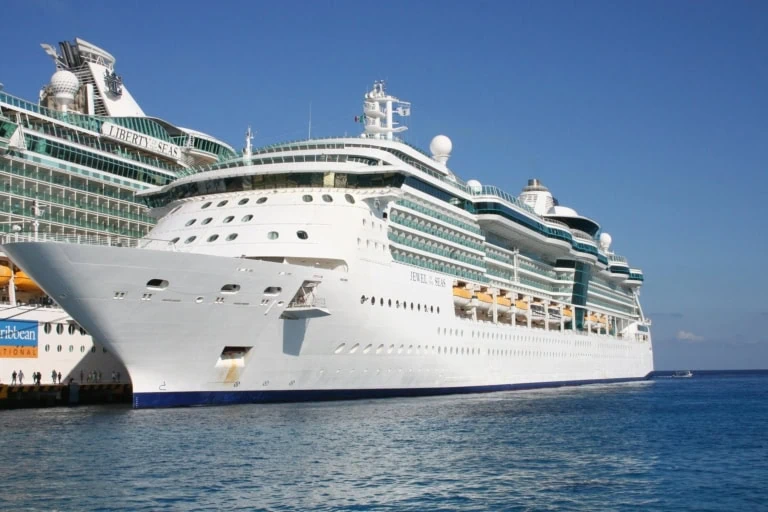
Many travellers assume cruise ships and ferries produce the same experience at sea, but there are major differences between the two. In general, large cruise ships are usually much easier for passengers prone to motion sickness because of their size, stabilisation systems and slower movement patterns.
Modern cruise ships are enormous vessels equipped with advanced stabilisers designed specifically to reduce rolling movement. On calm routes many passengers barely notice movement at all. This is one reason why travellers who suffer badly on fast ferries sometimes feel completely comfortable on cruises.
Ferries, particularly high-speed ferries and catamarans, are often much more physically aggressive in rough conditions. Routes between islands such as Santorini, Mykonos, Ibiza, Mallorca and Corsica frequently involve sharp impacts against waves and sudden side-to-side movement. Fast ferries prioritise journey time rather than passenger comfort, which makes them more difficult for travellers prone to seasickness.
Cruise itineraries also tend to avoid severe weather whenever possible. Ferry operators often continue operating during rough conditions because they provide essential transport links, especially in regions such as Scotland, Norway, Croatia and the Greek Islands. This means ferry passengers are more likely to encounter difficult crossings unexpectedly.
Cabin choice is particularly important on cruises. Midship cabins on lower or central decks usually provide the smoothest experience. Cabins at the very front of the vessel often experience much stronger pitching movement during rough weather. Travellers concerned about cruise seasickness should prioritise cabin location carefully when booking.
One advantage of cruises is access to onboard medical centres, shops and stable indoor spaces. Ferry passengers on shorter routes may have limited facilities if they become seriously unwell. This becomes especially important on overnight crossings or remote island routes where medical assistance may not be immediately available.
Can You Get Seasick on Calm Water?
Yes, absolutely. Many travellers are surprised to discover that seasickness can develop even during apparently calm conditions. Smooth seas reduce the likelihood of severe symptoms, but motion sickness is caused by sensory conflict rather than wave height alone.
Some people are extremely sensitive to subtle movement. Even gentle rolling or engine vibration may trigger nausea if the brain struggles to process motion correctly. Travellers focusing on phones, books or screens often become ill despite calm weather because their eyes and inner ear are processing different information.
Psychological factors also play a major role. Travellers who previously experienced severe seasickness may begin feeling anxious before departure, particularly on routes associated with rough conditions. Anxiety itself can trigger sweating, dizziness and nausea before the vessel even leaves port.
Enclosed spaces can worsen symptoms dramatically. Warm ferry lounges with poor ventilation often create discomfort even during calm crossings. Strong food smells, engine fumes and crowded indoor seating areas are common triggers for sensitive passengers. Moving outside into fresh air frequently improves symptoms quickly, even when sea conditions remain unchanged.
Certain weather conditions can also create unusual vessel movement despite apparently calm seas. Long slow swells generated by distant storms may produce persistent rolling that feels uncomfortable over time. Travellers on overnight ferries across the Baltic Sea, the Adriatic Sea or routes between Italy and Greece occasionally experience this type of movement even during otherwise pleasant weather.
Importantly, some travellers experience anticipatory nausea simply because they expect to become ill. This is particularly common among nervous travellers boarding ferries after hearing horror stories online or remembering previous difficult crossings. Understanding how seasickness actually works often helps reduce this anxiety significantly.
What to Do If You Start Feeling Seasick
The moment early symptoms begin, acting quickly is extremely important. Mild dizziness, sweating or nausea can rapidly escalate into severe vomiting if ignored during rough crossings. Travellers who respond early often recover far more effectively than those who wait until symptoms become overwhelming.
The first priority is usually fresh air. Moving outside onto an open deck helps many passengers almost immediately because cooler air and visibility of the horizon reduce the sensory conflict affecting the brain.
Looking at the horizon also helps stabilise balance perception. Avoid focusing on phones, books or screens because looking downward intensifies motion conflict. Many travellers accidentally worsen symptoms by scrolling on social media or trying to work during rough crossings.
Hydration matters as well. Small regular sips of water are usually better than attempting to drink large amounts at once. Electrolyte drinks may also help during long crossings or hot weather conditions. Travellers experiencing repeated vomiting should prioritise fluids carefully because dehydration worsens symptoms rapidly.
If medication is available, taking it early is usually far more effective than waiting. Many motion sickness tablets become less useful once severe nausea and vomiting have already developed. Travellers planning exposed crossings across areas such as the North Sea, Aegean Sea or Bay of Biscay should ideally carry medication before boarding rather than relying on onboard shops.
Passengers should also avoid strong smells, heavy meals and overheated indoor spaces while symptoms remain active. Sitting quietly in stable midship areas often helps more than constantly walking around the vessel. On overnight ferries, many travellers find that lying down and attempting to sleep significantly reduces discomfort during rough sections of the journey.

When Seasickness Could Be Something More Serious
Most cases of seasickness improve once travellers return to stable ground, rehydrate and rest properly. However, severe symptoms should not always be dismissed as “normal” motion sickness, particularly if symptoms continue long after the crossing has ended.
One of the biggest dangers is dehydration. Travellers who experience repeated vomiting during long ferry journeys across routes such as the Baltic Sea, the North Sea or overnight sailings between Italy and Greece can lose fluids surprisingly quickly. Symptoms such as confusion, extreme fatigue, dizziness when standing or inability to keep fluids down may indicate dangerous dehydration rather than simple travel sickness.
Heat can also complicate matters significantly. Ferry passengers travelling through destinations such as Greece, Croatia, Malta, Southern Italy and the Balearic Islands may simultaneously suffer from heat exhaustion or sunstroke. Symptoms including headaches, heavy sweating, muscle cramps and faintness can overlap with motion sickness, making diagnosis difficult during summer travel.
Inner ear conditions may also mimic severe seasickness. Problems affecting balance, including vestibular disorders and ear infections, can cause prolonged dizziness even after travellers disembark. Passengers who continue feeling unstable for several days after a crossing should consider seeking medical advice rather than assuming symptoms will simply disappear.
Chest pain, breathing difficulties or severe abdominal pain should never be ignored onboard ferries or cruise ships. These symptoms are not normal parts of seasickness and may indicate completely unrelated medical emergencies. Modern ferries and cruise ships usually have emergency procedures and trained crew available if passengers become seriously unwell.
Persistent symptoms after returning ashore can also occasionally indicate mal de débarquement syndrome, where travellers continue feeling movement despite standing on stable ground. Most cases improve within hours, but prolonged symptoms may require professional medical assessment.
Travellers with pre-existing medical conditions, pregnancy complications or severe dehydration should always take extra caution before long sea crossings. Routes involving remote islands or overnight sailings may limit rapid access to medical treatment if conditions worsen unexpectedly.
Best Ferry Routes for Nervous Travellers
Not every ferry route involves rough open-water crossings. In fact, many ferry journeys across Europe are surprisingly calm, scenic and comfortable even for travellers prone to motion sickness. Choosing the right routes and vessel types can make a huge difference for nervous passengers.
Large Baltic ferries are often among the easiest experiences for first-time ferry travellers. Routes such as Helsinki to Tallinn, Stockholm to Helsinki and crossings around the Baltic Sea usually involve large stable vessels equipped with cabins, restaurants and extensive indoor facilities. While rough weather is still possible, these ferries generally feel far calmer than high-speed island catamarans.
Norwegian fjord ferries are also often gentler because many routes operate within sheltered waterways rather than exposed ocean crossings. Ferry journeys around destinations such as Bergen, the Geirangerfjord and western Norway frequently combine spectacular scenery with relatively stable conditions.
Travellers nervous about the Greek Islands may benefit from selecting slower conventional ferries instead of high-speed catamarans. Although journey times are longer, larger traditional ferries operating from Piraeus towards islands such as Naxos, Paros and Crete are often considerably more comfortable during windy conditions.
Short sheltered crossings can also provide excellent introductions to ferry travel. Routes within areas such as the Venetian Lagoon, parts of the Croatian coast and calmer Scandinavian waterways usually involve limited open-water exposure and gentler movement patterns.
Cruise-style overnight ferries are another good option for nervous passengers. Routes such as Newcastle to Amsterdam, Hull to Rotterdam and major Scandinavian overnight services often use large stable vessels with cabins designed for overnight comfort. The ability to lie down and sleep through parts of the journey can significantly reduce anxiety and discomfort.
Travellers particularly worried about seasickness should also consider seasonal timing carefully. Mediterranean ferry routes are often calmer during spring and autumn compared with peak summer wind periods, while northern European crossings are generally smoother outside winter storm season.
Cruise Ship Seasickness Tips
Although modern cruise ships are generally more stable than ferries, cruise seasickness can still affect passengers during rough weather or open-ocean sailings. Travellers booking their first cruise are often surprised by how important cabin selection, itinerary planning and onboard habits become for avoiding motion sickness.
Cabin location is one of the most important decisions. Midship cabins on lower or central decks usually experience the least movement because they sit closer to the vessel’s centre of gravity. Cabins positioned high up or near the front of the ship often experience stronger pitching and rolling during rough conditions.
Cruise itinerary also matters enormously. Mediterranean cruises around destinations such as Italy, Spain, Greece and Croatia are often relatively calm compared with open Atlantic crossings or routes through the Bay of Biscay. Norwegian fjord cruises also tend to be smoother because many sections operate within sheltered waterways.
Passengers prone to motion sickness should consider taking preventative medication before departure rather than waiting for symptoms to begin. Large cruise ships reduce movement considerably, but rough weather systems can still create uncomfortable conditions, particularly during overnight sections of voyages.
Fresh air and horizon visibility remain extremely effective onboard cruise ships just as they are on ferries. Travellers feeling nauseous often improve quickly after spending time on open decks rather than remaining inside enclosed restaurants, theatres or crowded lounges.
Eating patterns can also affect symptoms significantly. Heavy buffet meals, excessive alcohol consumption and dehydration frequently worsen nausea onboard cruises. This becomes particularly important during hot-weather itineraries around the Mediterranean or the Caribbean where sun exposure and alcohol consumption are common.
Importantly, modern cruise ships are equipped with medical centres and trained medical staff. Travellers struggling with severe symptoms can usually access professional advice and medication onboard, which is a major advantage compared with smaller ferries or remote island crossings.

Travel Insurance and Medical Considerations
Many travellers never think about travel insurance until something goes wrong during a ferry crossing or cruise. While mild seasickness is usually manageable, severe dehydration, missed transport connections or onboard medical treatment can quickly become expensive, particularly during international travel.
Cruise ships and overnight ferries often have onboard medical facilities, but treatment is rarely free. Passengers requiring medication, IV fluids or professional medical assistance may face surprisingly high costs, especially on international cruise routes. This becomes particularly important on voyages through the Mediterranean, the Baltic Sea, the Norwegian coast and transatlantic cruise itineraries.
Travellers with pre-existing conditions should check insurance policies carefully before travelling. Some insurers may exclude claims connected to known balance disorders, vestibular conditions or pregnancy-related complications unless declared properly in advance. Travellers planning long-distance ferry travel across regions such as Greece, Croatia, Scandinavia or the Scottish Islands should ensure medical coverage remains valid throughout multi-country itineraries.
Missed onward transport can also become a hidden issue. Severe seasickness occasionally causes travellers to miss train departures, airport transfers or connecting ferries after difficult crossings. This is especially relevant on complex itineraries involving Interrail journeys, overnight ferries or island-hopping schedules with tight transfer windows.
Travellers prone to severe motion sickness should also carry essential medication in hand luggage rather than packed luggage or vehicle storage areas. Ferry vehicle decks are often inaccessible during sailings, meaning passengers may be unable to retrieve medication once the crossing begins. This is particularly important on long routes such as Italy to Greece, UK to Spain or overnight Scandinavian sailings.
Anyone travelling while pregnant or with significant medical conditions should consider discussing ferry travel plans with a healthcare professional before departure. Routes involving exposed sea conditions or remote islands may limit rapid access to medical treatment if complications develop unexpectedly.

Rupert’s Handy Travel Tips
Rupert recommends treating ferry travel like part of the adventure rather than simply transport from one place to another. Travellers who prepare properly usually enjoy crossings far more, especially around scenic regions such as the Greek Islands, Norway, Croatia and the Baltic Sea.
- Pack medication in your day bag: Carry water, light snacks and motion sickness tablets rather than packed luggage or vehicles.
- Choose outdoor seating: Fresh air and views of the horizon help reduce motion sickness dramatically.
- Go easy on food and drink: Avoid heavy meals and excessive alcohol before rough crossings, particularly on high-speed ferries in the Aegean Sea.
- Check the marine forecast: Wind strength often predicts how rough crossings will feel.
- Pick a bigger, slower vessel if nervous: Larger conventional ferries are usually more comfortable than smaller high-speed catamarans.
Want to meet the reindeer behind our travel tips? Find out more in our page Who is Rupert?.
Frequently Asked Questions
Can you suddenly develop seasickness even if you never had it before?
Yes. Fatigue, dehydration, anxiety, rough weather and certain medical conditions can all increase sensitivity to motion. Many travellers only experience severe seasickness for the first time during particularly rough crossings such as the Bay of Biscay, the North Sea or high-speed ferries in the Greek Islands.
Are cruise ships better than ferries for people with motion sickness?
Usually, yes. Large modern cruise ships use stabilisers and move more gradually through the water than high-speed ferries or smaller vessels. However, rough weather can still affect cruise passengers during exposed ocean crossings.
What is the best place to sit on a ferry if you get seasick?
The best location is normally midship on a lower deck because this area experiences less movement. Outdoor seating with fresh air and visibility of the horizon often helps significantly as well.
Do motion sickness tablets actually work?
For many travellers, yes. Antihistamines and other motion sickness medications can be extremely effective when taken before symptoms begin. However, some medications cause drowsiness, so travellers should always check guidance carefully.
Can calm seas still cause seasickness?
Yes. Anxiety, engine vibration, enclosed spaces and screen usage can all trigger symptoms even during apparently calm crossings.
Which European ferry routes are most likely to feel rough?
The Bay of Biscay, the North Sea, exposed crossings in the Aegean Sea and some routes serving the Scottish Islands are among the most notorious for rough conditions.
Further Reading & Related Guides
If you are planning ferry-heavy travel across destinations such as the Greek Islands, Croatia, Scandinavia or the Baltic Sea, it is worth preparing for more than just motion sickness alone. Our detailed guide to antihistamines for travel explains which medications are commonly used for motion sickness, allergies and long-distance travel fatigue, including important warnings about drowsiness and ferry crossings. If your itinerary also involves mountains or high-altitude stops, our altitude sickness guide covers similar symptoms of dehydration and dizziness, and long-haul flights before a cruise can bring on jet lag on top of seasickness, so our jet lag guide is worth reading too. Travellers heading to rural stops on island-hopping routes may also want to check our hantavirus travel guide for advice on avoiding rodent-borne illness.
Travellers combining ferries with flights should also read our guide to flying while pregnant, especially when planning complex island-hopping itineraries involving multiple transport modes. If you are travelling during peak summer heat, our sunstroke travel guide explains how dehydration and heat exhaustion can overlap dangerously with severe seasickness symptoms.
For nervous travellers planning longer solo itineraries, our solo travel guide covers practical preparation, overnight transport safety and handling difficult travel situations independently. Travellers relying heavily on mobile connectivity during ferry travel should also explore our cruise eSIM guide and weather apps guide, both of which can help monitor changing sea conditions and maintain communication during international crossings.
Finally, if you are booking expensive ferry routes, cruises or island-hopping itineraries, our travel insurance apps guide explains how to compare coverage for medical issues, missed connections and onboard emergencies before departure.