Reviewed by our editorial team Updated
Why Vienna Is Hosting Eurovision 2026
In 2026, the spotlight of European music and entertainment turns towards Vienna as the Austrian capital hosts the Eurovision Song Contest. Known for imperial architecture, classical music heritage, elegant cafés, and world famous concert culture, Vienna now adds another major international music event to its already extraordinary cultural reputation.
For many Eurovision fans, Vienna feels like a natural host city. Music is deeply embedded into the identity of the Austrian capital. This is the city of Mozart, Beethoven, Strauss, opera houses, concert halls, grand theatres, and major international performances. Eurovision therefore fits surprisingly naturally into Vienna’s wider cultural atmosphere.
Another major advantage is infrastructure. Vienna is one of Europe’s easiest major capitals to navigate thanks to its excellent U-Bahn, trams, airport rail links, walkable city centre, and large scale event facilities. This makes the city particularly well suited for handling the huge number of international visitors expected during Eurovision week.
The city also has extensive experience hosting major international events. Between conferences, concerts, political summits, sporting events, and cultural festivals, Vienna already functions as a major European event destination throughout the year.
One reason Eurovision fans are especially excited about Vienna Eurovision 2026 is the atmosphere the city can create after dark. Illuminated imperial boulevards, riverside nightlife, concert venues, bars, cafés, and historic architecture combine to create one of the most visually impressive backdrops Eurovision has seen in years.
Another huge strength is Vienna’s location within Central Europe. Fans travelling from neighbouring countries such as Germany, Slovakia, Hungary, Czech Republic, Italy, and Switzerland can reach the city relatively easily by rail, coach, or short haul flights.
Vienna’s strong LGBTQ+ scene and international atmosphere also make it particularly well suited to Eurovision culture. The city already has a vibrant nightlife scene and a long standing connection with music, performance, and live entertainment.
The wider tourism experience is another reason Eurovision in Vienna feels particularly exciting. Visitors can combine the contest with palace visits, museums, coffee houses, Danube cruises, Christmas style markets if seasonal events overlap, classical concerts, and wider Central European travel.
Unlike some host cities where Eurovision feels isolated inside a single arena district, Vienna offers a much broader overall city experience beyond the contest itself.
For many fans, Vienna Eurovision 2026 will not simply be about watching the contest. It will become a full scale European city break built around music, nightlife, culture, fan events, and international atmosphere.
Important Eurovision 2026 Dates in Vienna
| Event | Date | Time | Location | Notes |
|---|---|---|---|---|
| Eurovision Village Opens | May 10, 2026 | From 2:00 p.m. | Rathausplatz | Official fan zone opens in front of Vienna City Hall |
| Opening Ceremony | May 10, 2026 | Evening | Eurovision Village at Rathausplatz | All 35 delegations appear publicly |
| Semi Final 1 | May 12, 2026 | 9:00 p.m. | Wiener Stadthalle | Live televised semi final |
| Eurovision Village Public Screening | May 12, 2026 | Evening | Rathausplatz | Giant outdoor screening |
| Semi Final 2 | May 14, 2026 | 9:00 p.m. | Wiener Stadthalle | Second live televised semi final |
| Eurovision Disco Night | May 15, 2026 | Evening | Ottakringer Brewery | Official themed nightlife event |
| Grand Final | May 16, 2026 | 9:00 p.m. | Wiener Stadthalle | Main Eurovision final |
| Grand Final Public Screening | May 16, 2026 | Evening | Rathausplatz | Massive outdoor fan event |
| Volksoper Grand Final Screening | May 16, 2026 | Evening | Vienna Volksoper | Eurovision final inside theatre auditorium |
| Eurovision Village Closes | May 17, 2026 | Midnight | Rathausplatz | Final day of official fan village |
Best for two or three nights. The widest choice of rooms, with filters for free cancellation and included breakfast.
View staysBest for families, or any stay past about four nights. A kitchen and a washing machine start paying for themselves.
Browse rentalsBest as a last check before booking. Compares Vienna hotel rates across several sites in one search.
Compare ratesQuick Guide to Eurovision 2026 in Vienna
| Eurovision Location / Feature | Purpose | Nearest Station | Best For | Ticket Needed | Likely Atmosphere |
|---|---|---|---|---|---|
| Wiener Stadthalle | Main Eurovision venue | Burggasse-Stadthalle | Live shows | Yes | Huge arena atmosphere |
| Eurovision Fan Zone | Public screenings and fan gatherings | Varies | Free fan experience | Usually no | Crowded and festive |
| Eurovision Village | Performances, food, fan events | Central Vienna | Casual Eurovision atmosphere | Usually free | International party atmosphere |
| Eurovision Viewing Bars | Watching semi finals and final | Various districts | Nightlife and social events | Usually no | Loud and energetic |
| Stephansplatz | Tourist and fan gathering area | Stephansplatz | First time visitors | No | Busy and central |
| Danube Canal | Nightlife and riverside bars | Schwedenplatz | Evening atmosphere | No | Trendy and social |
| Karlsplatz Area | Music venues and nightlife | Karlsplatz | Concerts and late nights | Depends on venue | Creative and youthful |
| Vienna Airport | Main international arrival point | Flughafen Wien | International arrivals | No | Extremely busy during Eurovision |
| Ringstrasse | Main sightseeing boulevard | Multiple stations | Evening walks and photography | No | Elegant and atmospheric |
| Prater Area | Entertainment and nightlife | Praterstern | Groups and nightlife | No | Lively and tourist friendly |
Where Is Eurovision 2026 Taking Place in Vienna?
The main venue for Eurovision 2026 in Vienna is expected to be the famous Wiener Stadthalle, one of Austria’s largest and most important indoor event arenas. Located in western Vienna, the venue has hosted major concerts, sporting events, international performances, and large scale productions for decades.
One of the biggest advantages of the Wiener Stadthalle is accessibility. The venue is extremely well connected to Vienna’s public transport network, making it relatively easy for thousands of Eurovision fans to travel between hotels, fan zones, nightlife areas, and the live shows themselves.
The nearest major station is usually Burggasse-Stadthalle, connected via Vienna’s efficient U-Bahn system. Trams and buses also serve the surrounding districts extensively.
Another major advantage is location. Unlike some Eurovision arenas built far outside city centres, the Wiener Stadthalle sits relatively close to central Vienna, meaning fans can easily combine live events with sightseeing, bars, restaurants, and nightlife.
The surrounding area already has strong entertainment infrastructure including hotels, cafés, bars, restaurants, and transport links designed for large event crowds.
Inside, the venue is large enough to accommodate the huge production requirements Eurovision demands including stage construction, lighting systems, media facilities, backstage areas, fan zones, press operations, and international broadcasting infrastructure.
Another reason the venue works particularly well is Vienna’s broader cultural atmosphere. Eurovision visitors leaving the arena immediately enter one of Europe’s great music capitals rather than isolated suburban event districts.
Fans attending live shows should still prepare for very large crowds around the venue during semi finals and the grand final itself. Transport hubs, nearby bars, restaurants, and surrounding streets are likely to become extremely busy throughout Eurovision week.
Security levels around the venue are also expected to be significant given Eurovision’s scale as one of the largest live entertainment broadcasts in the world.
The venue location additionally makes it easy for visitors staying in central districts such as the Historic Centre, MuseumsQuartier, Karlsplatz, or the Danube Canal area to reach the arena relatively quickly using public transport.
For most visitors attending Eurovision 2026, the Wiener Stadthalle will become the emotional centre of the entire Vienna Eurovision experience.
What Is the Wiener Stadthalle Like?
The Wiener Stadthalle is one of Austria’s biggest and most famous event venues and has long been associated with major concerts, international performances, sporting events, television productions, and large scale entertainment shows.
Built during the 1950s, the venue has gradually developed into Vienna’s main large scale indoor arena complex and remains one of the city’s most important live entertainment spaces today.
One of the biggest strengths of the Wiener Stadthalle is flexibility. The complex contains multiple halls and event areas, allowing it to host everything from orchestral concerts and tennis tournaments to international pop stars and huge televised productions such as Eurovision.
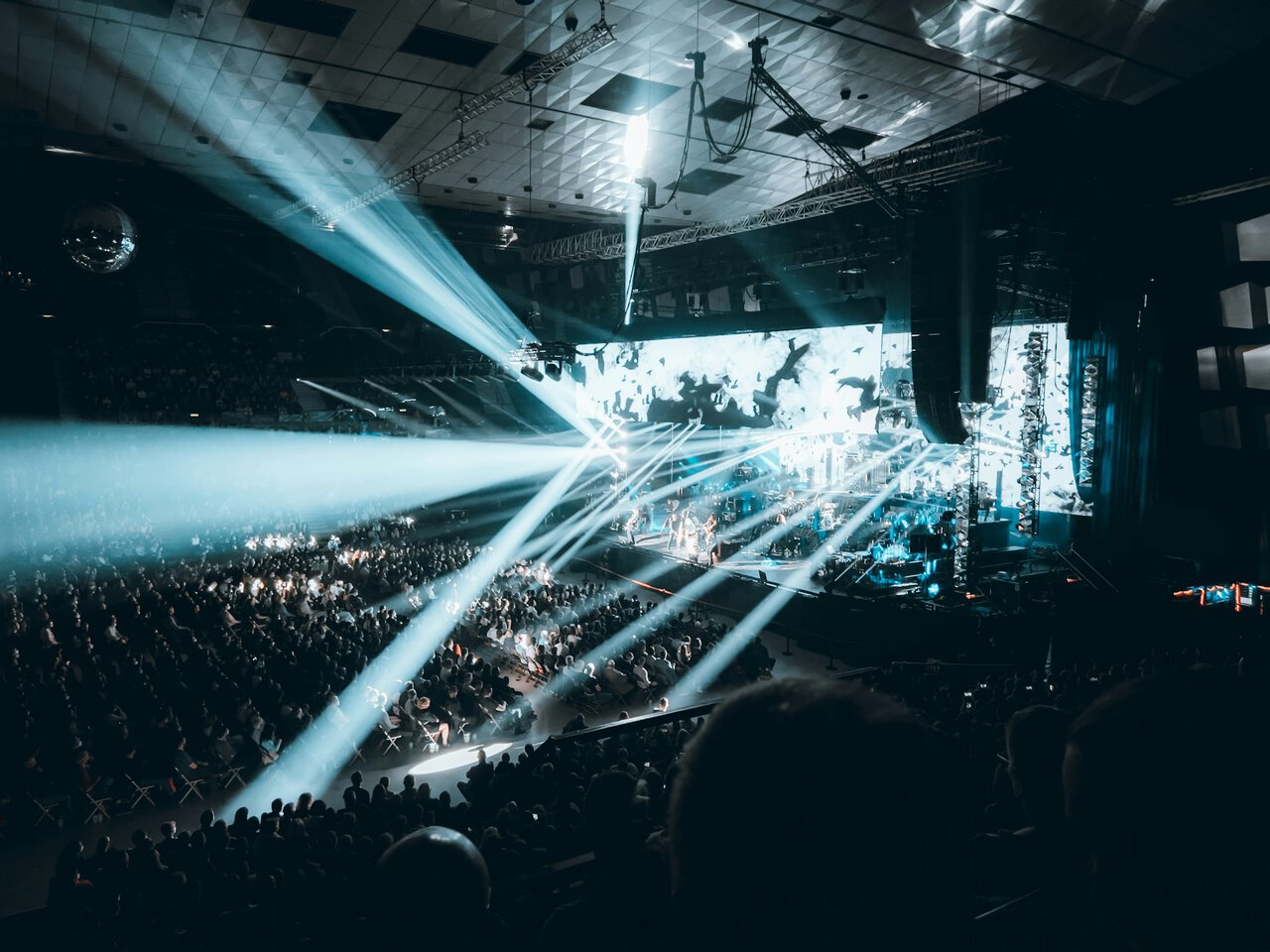
The main arena itself is large enough to create the enormous visual production Eurovision requires. Massive lighting rigs, giant LED displays, stage effects, camera systems, pyrotechnics, and large audience sections can all be accommodated inside the venue.
Another major advantage is acoustics and event infrastructure. The venue has extensive experience managing large scale televised performances and international audiences, which is particularly important for an event as technically demanding as Eurovision.
The surrounding district also works well operationally. Fans leaving the arena can quickly access metro stations, trams, bars, restaurants, and nearby hotel areas without excessive walking.
One important thing visitors should understand is that Eurovision week will likely transform the entire area around the Wiener Stadthalle into a major international fan zone atmosphere. Streets, transport hubs, bars, and nearby businesses are expected to fill heavily with Eurovision visitors from across Europe and beyond.
Another advantage is Vienna’s relatively compact urban structure. Even though the arena is not located directly beside the historic centre, the journey between major sightseeing areas and the venue remains relatively short by big city standards.
Inside the venue, security checks, ticket scanning, and crowd management are expected to operate similarly to other major international entertainment events. Visitors should therefore still arrive early for live shows, especially the final.
The atmosphere during Eurovision itself is likely to be extraordinary. Thousands of international fans, flags, music, costumes, performances, and live television production create a completely different energy compared with ordinary concerts.
For many visitors, simply attending an event inside the Wiener Stadthalle during Eurovision 2026 will become one of the defining live entertainment experiences of their lives.
How to Get to the Wiener Stadthalle
For most visitors attending Eurovision 2026 in Vienna, travelling to the Wiener Stadthalle will be relatively straightforward thanks to Vienna’s excellent public transport network.
The arena is located in western Vienna and is extremely well connected by the city’s U-Bahn, tram, and bus systems. During Eurovision week, public transport will almost certainly become the easiest and fastest way to reach the venue because road traffic and parking demand are expected to be extremely heavy.
The nearest metro station is Burggasse-Stadthalle on the U6 line, which provides the most direct access to the arena for most visitors. From the station, the walk to the venue is relatively short and will likely be heavily signposted throughout Eurovision week.
Another nearby station is Schweglerstraße on the U3 line, which may also become useful depending on where visitors are staying in Vienna.
One of the biggest advantages of Vienna’s transport system is integration. Visitors staying near the Historic Centre, Stephansplatz, Karlsplatz, the Danube Canal, or around major rail hubs such as Wien Hauptbahnhof can normally reach the Wiener Stadthalle using only one or two simple transport connections.
Trams and buses also serve the surrounding districts extensively, although metro services will probably remain the fastest option during the busiest periods.
Visitors should still prepare for extremely crowded conditions after the semi finals and especially following the Grand Final. Thousands of Eurovision fans are expected to leave the arena simultaneously, creating very busy platforms, packed trains, and long queues around nearby stations.
Another important thing visitors should understand is timing. Arriving early will likely make the experience dramatically easier, especially because Eurovision security checks, ticket scanning, and crowd management procedures may create long entry queues outside the arena.
Fans travelling from Vienna International Airport will usually take the Railjet, CAT, or S-Bahn services into the city before connecting onwards to the metro network towards the Wiener Stadthalle.
Taxis and ride sharing services will remain available during Eurovision week, but road congestion near the arena may become significant before and after the live broadcasts.
Another major advantage of using public transport is flexibility after the event. Visitors can easily continue onwards towards bars, fan zones, viewing parties, or nightlife districts after leaving the arena.
For most Eurovision visitors, the combination of Vienna’s efficient metro network and the arena’s strong transport links should make reaching the Wiener Stadthalle relatively easy despite the huge crowds expected during Eurovision 2026.
How to Get Eurovision Tickets
Tickets for Eurovision 2026 in Vienna are expected to be extremely competitive, especially for the live Grand Final inside the famous Wiener Stadthalle. Every year, the Eurovision Song Contest attracts enormous international demand from fans across Europe and beyond, and Vienna’s popularity as a major cultural and tourism destination will likely increase demand even further.
One of the most important things fans should understand is that Eurovision tickets are usually released in several separate sales phases rather than all at once. Tickets are typically divided between the live televised shows, jury shows, family shows, rehearsals, and multiple seating categories throughout the arena.
The hardest tickets to secure are almost always the live Grand Final tickets, followed closely by the televised semi finals. However, many experienced Eurovision fans actually prefer the jury shows and rehearsal performances because they are often easier to obtain, cheaper, and still deliver the full Eurovision arena atmosphere inside the Wiener Stadthalle.
Another major factor is speed. Popular ticket categories can disappear extremely quickly once official sales open, particularly lower priced seats and sections positioned close to the main stage.
Fans should only purchase through official Eurovision 2026 Vienna ticketing partners and authorised sellers. Every Eurovision year sees scams, unofficial resale listings, inflated pricing, and fake tickets appearing online.
Ticket prices will likely vary heavily depending on the type of show, the seating category, stage visibility, premium hospitality access, and overall arena positioning. Central floor sections and premium visibility areas inside the Wiener Stadthalle are expected to become especially competitive.
Accommodation timing is also strongly connected to ticket sales. Many experienced Eurovision travellers book refundable hotels in Vienna before ticket sales even begin because hotel prices often increase dramatically once Eurovision demand surges across the city.
One major advantage of Vienna Eurovision 2026 is the city’s excellent transport system. Even fans staying outside the historic centre can usually reach the Wiener Stadthalle relatively easily using the U-Bahn, trams, and suburban rail network.
Some visitors also choose to experience Eurovision primarily through the wider city atmosphere rather than the arena itself. Public screenings, fan zones, themed bars, drag shows, and Eurovision parties across Vienna can still create an extraordinary experience even without live show tickets.
Another important thing visitors should understand is that live Eurovision shows involve major security operations. Queue systems, ticket scanning, airport style security checks, and controlled arena entry procedures are all likely at the Wiener Stadthalle throughout Eurovision week.
For many fans, simply being inside Vienna during Eurovision 2026 will already feel special regardless of whether they manage to secure live Grand Final tickets themselves.
Eurovision Fan Zones in Vienna
One of the best aspects of Eurovision week is that the atmosphere spreads far beyond the main arena itself. Even visitors without tickets to the live shows can usually enjoy giant public screenings, fan villages, concerts, drag performances, themed parties, and outdoor gatherings throughout the host city.
During Eurovision 2026, Vienna’s official Eurovision fan zones are expected to become some of the busiest and most energetic areas anywhere in the Austrian capital.
These fan zones will likely feature giant live broadcast screens, Eurovision performances, DJ sets, food stalls, bars, beer areas, drag performances, merchandise stands, sponsor installations, and huge international crowds filling the city throughout the day and late into the evening.
One of the biggest advantages is accessibility. Most official Eurovision fan zones are designed specifically so visitors without expensive arena tickets can still feel fully involved in the wider Eurovision experience.
The atmosphere inside Eurovision fan areas is usually incredibly international. Fans from dozens of countries gather wearing flags, costumes, glitter, themed outfits, and national colours while singing along to performances from across Europe.
Another major attraction is the social atmosphere. Eurovision fan culture is generally known for being welcoming, highly energetic, and strongly community focused, especially inside the official Eurovision Village and public screening spaces.
Vienna itself is particularly well suited for large scale Eurovision gatherings because of its huge public squares, riverside districts, historic boulevards, and strong event infrastructure. Areas near the Historic Centre, the Danube Canal, and major public event spaces are likely to become focal points for Eurovision crowds.
Food and drink become central parts of the experience as well. Many fan zones effectively operate like giant temporary music festivals with bars, food trucks, beer gardens, themed cocktails, and sponsor activity areas remaining active throughout the day and night.
Another reason the fan zones matter so much is the atmosphere before and after the live broadcasts. Even fans attending the arena itself often continue celebrating afterwards at public Eurovision gatherings throughout Vienna.
The fan zones also provide a far cheaper alternative to expensive arena tickets while still delivering much of the same excitement, crowd energy, music, and shared emotional atmosphere.
Because Eurovision attracts huge LGBTQ+ audiences and highly international fan communities, the official fan areas usually become some of the most inclusive and socially energetic spaces anywhere in the host city during contest week.
For many visitors, the wider Eurovision fan zone atmosphere in Vienna will become just as memorable as the contest itself.
Best for long or awkward journeys. Builds one itinerary out of separate flights.
View flightsBest for short trips. Install the eSIM at home and arrive in Vienna with working data, no shop queue.
Browse eSIMsBest after a long flight or a late landing. Price agreed before you travel, and no taxi queue.
Check transfersEurovision Village at Rathausplatz
The true heart of Vienna Eurovision 2026 will not only be the live shows inside the Wiener Stadthalle, but also the huge official Eurovision Village at Rathausplatz in front of Vienna’s spectacular City Hall.
For many visitors, this will become the centre of the entire Eurovision atmosphere across the city. The famous square outside Vienna City Hall is transforming into a giant Eurovision celebration space running daily from May 10 to May 17, operating from 2:00 p.m. until midnight or until the end of the live broadcasts.
One of the biggest advantages of the Eurovision Village Vienna setup is accessibility. Entry is completely free of charge until capacity limits are reached, meaning fans without arena tickets can still experience the huge international atmosphere of Eurovision week.
The location itself is extraordinary. Rathausplatz is already one of Vienna’s most famous public event spaces and regularly hosts major festivals, Christmas markets, concerts, and seasonal celebrations. During Eurovision week, the square will become one of the most important fan gathering locations anywhere in Europe.
Both semi finals and the Eurovision 2026 Grand Final will be broadcast live on giant screens inside the village, creating massive communal viewing experiences surrounded by thousands of fans from across Europe and beyond.
Another major attraction is the supporting entertainment programme. The Opening Ceremony on May 10 will bring together all 35 Eurovision delegations in one public location outside the Wiener Stadthalle, creating one of the biggest fan events of the entire contest week.
The opening event will also include performances by the ORF Radio Symphony Orchestra alongside the live performance of JJ’s 2025 Eurovision winning song “Wasted Love.”
One of the biggest surprises for many visitors may be the wider entertainment programme beyond the contest broadcasts themselves. The Eurovision Village will also feature performances by current and former Eurovision artists, extensive DJ lineups, themed Eurovision parties, and large food and drink areas operating throughout the day and evening.
Eurodance legend Haddaway is also scheduled to appear during the post show Eurovision celebrations, adding another major nostalgic Eurovision style performance to the programme.
Another important detail visitors should understand is security. The Eurovision Village at Rathausplatz will operate with strict security controls throughout the event. Only bags smaller than A4 size will be permitted, while a full no bag policy will apply during the Opening Ceremony on May 10 and the Grand Final on May 16.
Because the location is expected to become extremely busy during the live broadcasts, especially the grand final, visitors should arrive early if they want strong viewing positions inside the square.
For many Eurovision fans, the atmosphere at the Eurovision Village Vienna 2026 may ultimately become just as memorable as the live contest itself.
Best Official Eurovision Watch Parties in Vienna
During Eurovision 2026, Vienna will host multiple official public screening events across the city, giving fans numerous ways to experience the semi finals and grand final even without tickets to the live arena shows.
One of the most exciting official viewing locations is Strandbar Hermann, the hugely popular riverside beach bar along the Danube Canal. Known for its relaxed atmosphere, outdoor seating, and summer style nightlife vibe, the venue will host large Eurovision screenings for all three live broadcasts on May 12, 14, and 16.
The atmosphere at Strandbar Hermann Eurovision screenings is expected to feel especially social and energetic. Alongside giant screens showing the live contest, visitors will also find selfie stations, themed activities, ping pong tables, music, drinks, and the venue’s famous riverside beach atmosphere.
Because the location is extremely popular even during ordinary weekends in Vienna, Eurovision nights are expected to become exceptionally busy. Visitors wanting the best viewing spots should therefore arrive very early.
Another major official Eurovision venue will be the historic Ottakringer Brewery, one of Vienna’s most famous brewery complexes. The brewery is not only producing the official Eurovision fan beer, but also hosting a large grand final watch party inside its atmospheric historic brewery halls on May 16.
The combination of Eurovision crowds, beer hall atmosphere, live screenings, and music events is expected to make the Ottakringer Eurovision party one of the biggest nightlife events of the contest week.
The brewery is also hosting a dedicated Eurovision disco night on May 15, adding another major themed party venue to Vienna’s Eurovision calendar.
One of the most unique official screening experiences may take place inside the beautiful Vienna Volksoper. Rather than bars or outdoor fan zones, the Volksoper Eurovision screening will allow around 1,300 Eurovision fans to watch the grand final together inside one of Vienna’s most elegant theatre auditoriums.
This creates a very different atmosphere from the louder fan villages and beach bars, combining Eurovision excitement with Vienna’s famous cultural and theatrical setting.
Another major advantage of Vienna’s Eurovision public screenings is variety. Visitors can choose between giant outdoor crowds at Rathausplatz, beach bar nightlife at Strandbar Hermann, brewery parties at Ottakringer, or theatre style viewing inside the Volksoper depending on the atmosphere they prefer.
For many visitors, these official public screening events will become one of the defining highlights of Vienna Eurovision 2026.
Best Eurovision Viewing Parties in Vienna
During Eurovision week, huge parts of Vienna’s nightlife scene are expected to transform into Eurovision themed party spaces, giant viewing venues, drag bars, fan events, karaoke nights, and late night celebration zones.
For many visitors, the Eurovision viewing parties in Vienna will become one of the best parts of the entire trip because they combine live broadcasts with massive crowd reactions, themed performances, music, costumes, flags, and international social energy.
One of the biggest advantages of Eurovision viewing parties is atmosphere. Watching the contest surrounded by hundreds of cheering Eurovision fans from across Europe creates a completely different experience compared with watching at home.
Bars across districts such as the Historic Centre, Karlsplatz, the Danube Canal, and Vienna’s major LGBTQ+ nightlife areas are expected to host Eurovision screenings throughout the semi finals and grand final week.
Another major strength of Vienna Eurovision 2026 is the city’s already established music and nightlife culture. Vienna already possesses extensive bar infrastructure, concert venues, cocktail lounges, riverside nightlife districts, clubs, theatres, and music spaces capable of handling huge international crowds.
Many Eurovision themed events are also expected to feature drag performances, Eurovision DJ nights, karaoke competitions, themed cocktails, country themed parties, fan contests, and large afterparties following the live broadcasts from the Wiener Stadthalle.
The atmosphere usually becomes especially intense during the live voting sequences and scoreboard reveals, with fans cheering loudly for their countries and reacting collectively to dramatic Eurovision moments.
Another major advantage is accessibility. Many viewing parties operate without expensive entry fees, meaning visitors can still enjoy the wider Eurovision atmosphere in Vienna even if they never enter the main arena itself.
Vienna’s strong LGBTQ+ nightlife scene is also expected to play a huge role during Eurovision week. Historically, Eurovision host cities experience enormous crossover between fan events, drag culture, themed nightlife, and LGBTQ+ venues.
The city’s excellent U-Bahn and tram network becomes especially important at night because many Eurovision parties continue well after midnight across multiple districts.
One thing visitors should absolutely prepare for is crowd levels. Popular Eurovision bars and viewing venues are likely to fill very early on semi final and grand final nights, particularly in central Vienna.
For many travellers, the combination of live screenings, flags, drag shows, music, dancing, crowd reactions, themed cocktails, and huge international fan energy makes the Eurovision viewing parties in Vienna one of the defining experiences of the entire contest week.
Vienna Nightlife During Eurovision Week
During Eurovision 2026, Vienna’s nightlife scene is expected to become one of the busiest and most energetic anywhere in Europe. The combination of international fans, concerts, bars, viewing parties, fan events, drag performances, DJs, and late night celebrations will likely transform huge sections of the Austrian capital into a giant music focused festival atmosphere.
One of Vienna’s biggest strengths as a Eurovision host city is variety. Visitors can choose between elegant cocktail bars, riverside nightlife, underground clubs, traditional Austrian beer halls, LGBTQ+ venues, rooftop lounges, late night cafés, music bars, and major party spaces depending on the atmosphere they want.
The Danube Canal area is likely to become one of the busiest nightlife districts during Eurovision week. This area already functions as one of Vienna’s most social and youthful nightlife zones with bars, terraces, riverside seating, music venues, and open air gathering areas spread along the waterfront.
Areas around Karlsplatz, the MuseumsQuartier, the Historic Centre, and Vienna’s major LGBTQ+ nightlife districts are also expected to remain extremely active throughout Eurovision week.
Another major advantage is Vienna’s late evening atmosphere itself. Illuminated imperial architecture, historic boulevards, trams moving through the city, riverside lighting, concert venues, and glowing cafés create a much more elegant and cinematic setting than many traditional party destinations.
The nightlife scene during Vienna Eurovision 2026 also becomes unusually international. Fans from across Europe and beyond mix together inside bars, clubs, viewing parties, drag shows, and fan events, creating a completely different atmosphere from ordinary weekends in Vienna.
Music naturally dominates almost everything during Eurovision week. Eurovision songs, classic contest performances, European pop music, dance tracks, DJ sets, karaoke nights, and live performances are expected across huge parts of the city throughout the event period.
Another major strength is safety and organisation. Compared with some major European nightlife destinations, Vienna generally remains relatively clean, well organised, and easy to navigate even during large international events.
Vienna’s excellent public transport system becomes especially important during Eurovision because the U-Bahn, trams, and night services allow fans to move between hotels, bars, viewing parties, and the Wiener Stadthalle relatively easily.
One thing visitors should absolutely expect is pricing increases. Hotels, bars, restaurants, nightlife venues, and event spaces may become significantly more expensive during peak Eurovision dates because of massive international demand.
For many visitors, the wider nightlife atmosphere surrounding Vienna Eurovision 2026 will become just as important and memorable as the live contest itself.
Opening Ceremony and Eurovision Red Carpet in Vienna
One of the biggest events of the entire Eurovision 2026 week in Vienna will be the huge Opening Ceremony at Rathausplatz on May 10. This is expected to become one of the most important fan events outside the live contest itself because it brings all participating delegations together publicly before the competition begins.
The ceremony will take place at the massive Eurovision Village in front of Vienna’s spectacular City Hall, transforming the famous square into a giant international celebration space filled with media crews, fans, performers, broadcasters, and Eurovision delegations from across Europe.
One of the biggest attractions is that this will reportedly be the only time all 35 Eurovision delegations appear together publicly outside the Wiener Stadthalle during the contest week.
For Eurovision fans, the opening ceremony is often one of the best opportunities to see artists, performers, commentators, dancers, and national delegations outside the controlled arena environment.
The atmosphere is expected to feel more like a giant music festival and international celebration than a formal ceremony. Fans wearing flags, costumes, sequins, glitter, and themed outfits are likely to fill huge sections of Rathausplatz throughout the event.
Another major attraction is the entertainment programme itself. The opening ceremony will include music from the prestigious ORF Radio Symphony Orchestra, reinforcing Vienna’s identity as one of Europe’s great music capitals.
The ceremony will also feature JJ’s Eurovision 2025 winning song “Wasted Love”, creating a symbolic transition between the previous Eurovision winner and the start of Eurovision 2026 in Vienna.
Eurodance legend Haddaway is also scheduled to perform during the post show celebrations, adding a huge nostalgic party atmosphere to the opening weekend.
Because the event is expected to attract enormous crowds, security restrictions will be particularly strict. Organisers have confirmed a full no bag policy for the opening ceremony itself, meaning visitors will not be allowed to bring bags into the event area.
Another important thing visitors should understand is capacity. Although the Eurovision Village is free to enter, access may become restricted once the square reaches maximum crowd limits.
Fans hoping for strong viewing positions during the opening ceremony should therefore arrive very early, particularly if they want good views of performers, delegations, or stage activity.
For many visitors, the Eurovision Opening Ceremony in Vienna may become one of the most memorable parts of the entire Eurovision week because of its scale, atmosphere, music, and huge international crowd energy.
Security Rules and Crowd Restrictions During Eurovision Week
Visitors travelling to Vienna Eurovision 2026 should prepare for significant security measures throughout the contest week, especially around official fan zones, public screenings, and the Wiener Stadthalle itself.
One of the most important confirmed rules concerns bags at the official Eurovision Village at Rathausplatz. Organisers have announced that only bags smaller than A4 size will normally be permitted inside the fan zone area.
During especially busy events such as the Opening Ceremony on May 10 and the Grand Final on May 16, even stricter rules apply. A complete no bag policy will reportedly be enforced during these major event periods.
These restrictions are designed to improve security screening speed and crowd management inside the extremely busy Eurovision public viewing areas.
Another important thing visitors should expect is airport style security screening at many official Eurovision venues. This may include:
- bag checks
- metal detection
- ticket scanning
- controlled entry systems
- restricted access zones
The Wiener Stadthalle itself is also expected to operate with extensive crowd control procedures during the semi finals and grand final because Eurovision remains one of the largest live television events in the world.
Another major factor is capacity limits. Although many public Eurovision events in Vienna are free, entry is not guaranteed once venues reach maximum safe crowd levels.
This is especially important for:
- the Eurovision Village
- Strandbar Hermann
- major viewing parties
- official screenings
- Eurovision themed nightlife venues
Fans hoping to attend popular events should therefore arrive early rather than assuming entry will remain available later in the evening.
Transport hubs around the Wiener Stadthalle, Rathausplatz, and central nightlife districts are also expected to become exceptionally crowded during major broadcast nights.
Another important thing visitors should understand is that Eurovision week will likely create unusually high demand across huge parts of central Vienna. Restaurants, bars, transport systems, hotels, and public spaces may all operate at significantly higher crowd levels than normal.
Despite the increased security and visitor numbers, Vienna is generally regarded as one of Europe’s safest and most organised major cities. The city already has extensive experience managing large scale public events, concerts, and international gatherings.
For most visitors, the key to enjoying Eurovision 2026 in Vienna will simply be planning ahead, arriving early, and remaining flexible around crowd conditions during the busiest parts of the contest week.
Best for a short stop where being central matters more than the room. Dorms and private rooms both listed.
See hostelsBest arranged before you fly rather than after. Covers claim handling, plus lounge access on eligible delays.
Explore AirHelp+Best for the gap between checking out and your train. Drop bags at a shop or hotel nearby and carry on.
Store your bagsBest Areas to Stay for Eurovision 2026
Choosing the right area to stay during Eurovision 2026 in Vienna could make a huge difference to the overall experience because the city is expected to become extremely busy throughout the contest week.
For many visitors, the best overall area will likely be somewhere with strong U-Bahn access rather than focusing purely on being within walking distance of the Wiener Stadthalle itself.
One of the strongest locations for first time visitors is the area around the Historic Centre and Stephansplatz. Staying here places travellers close to sightseeing attractions, restaurants, bars, cafés, shopping streets, and many of Vienna’s likely Eurovision fan gathering areas.
Another major advantage is atmosphere. During Eurovision week, the illuminated streets, bars, and public squares of central Vienna are expected to feel especially lively late into the evening.
The districts around Karlsplatz and the MuseumsQuartier are also likely to become very popular because they combine nightlife, transport links, concert venues, and easy access towards both the city centre and the Wiener Stadthalle.
Visitors wanting stronger nightlife access may prefer areas near the Danube Canal, where bars, riverside terraces, and younger crowds already dominate Vienna’s social scene.
Another excellent strategy is staying near a major U-Bahn interchange station rather than focusing entirely on geography. Vienna’s public transport system is efficient enough that many outer districts remain highly practical during Eurovision week.
Hotels close to the Wiener Stadthalle itself will naturally become especially expensive and competitive once Eurovision demand increases.
Budget travellers may therefore find much better value slightly outside the central districts while still relying on the metro network to reach Eurovision venues quickly.
Another important thing travellers should understand is timing. Hotel prices during Eurovision Vienna 2026 are expected to rise sharply as ticket sales approach and fan demand increases across the city.
Many experienced Eurovision travellers therefore book refundable accommodation extremely early before final travel demand peaks.
For visitors wanting the best overall balance between sightseeing, nightlife, Eurovision atmosphere, and transport convenience, central Vienna around the Historic Centre, Karlsplatz, or major U-Bahn routes will likely provide the strongest overall experience during Eurovision 2026.
Vienna Airport to Eurovision Venue Transfers
For the huge number of international fans arriving for Eurovision 2026, one of Vienna’s biggest strengths is how easy it is to travel from Vienna International Airport to both the city centre and the main Eurovision venues.
The airport sits around 18 kilometres southeast of central Vienna, but strong rail infrastructure means visitors can usually reach the city surprisingly quickly after landing.
For most Eurovision visitors, the best overall transfer option will likely be the fast Railjet trains. These modern airport rail services connect the airport directly with Wien Hauptbahnhof in around 15 minutes, making them one of the fastest airport transfers anywhere in Europe.
Another major advantage of the Railjet is onward connectivity. From Wien Hauptbahnhof, fans can continue easily using Vienna’s excellent U-Bahn, trams, and suburban rail services towards the Wiener Stadthalle, the official Eurovision Village, nightlife districts, fan zones, hotels, and major sightseeing areas.
The dedicated City Airport Train (CAT) is another popular option, particularly for visitors staying near Wien Mitte or the eastern side of central Vienna. The trains are comfortable, modern, and specifically designed for airport passengers travelling into the city.
Budget travellers attending Eurovision Vienna 2026 will often prefer the cheaper S-Bahn S7 commuter rail service. While slightly slower than the premium airport trains, it still provides excellent airport access at a significantly lower price.
One important thing Eurovision visitors should prepare for is crowd levels. Vienna Airport, railway stations, and metro hubs are expected to become extremely busy during Eurovision week, especially close to the semi finals and the Grand Final.
Another major factor is luggage. Many Eurovision fans travel with costumes, flags, themed outfits, merchandise, photography equipment, and larger suitcases than ordinary city break travellers. This may make private transfers or taxis much more attractive for some groups.
Visitors staying near the Wiener Stadthalle will usually need to combine airport trains with the U-Bahn network afterwards because the arena itself is not directly connected to the airport rail lines.
Another major advantage of Vienna is organisation. Signage at the airport is generally excellent, English is widely spoken, and the transport systems are relatively easy to understand even for first time visitors.
Fans arriving very late at night should still check transport schedules in advance because train frequencies reduce during later evening periods.
For most international visitors attending Eurovision 2026, Vienna’s efficient airport transport network will make arriving in the city dramatically easier than many previous Eurovision host destinations.
Using Vienna Public Transport During Eurovision
One of the biggest reasons Vienna works so well as a Eurovision host city is its outstanding public transport system. During Eurovision week, the combination of the U-Bahn, trams, buses, suburban rail services, and night transport will become absolutely essential for moving around the city efficiently.
The main Eurovision venues, fan zones, nightlife districts, hotels, public screenings, and sightseeing areas are all heavily connected by public transport, meaning most visitors will not need taxis or rental cars during their stay.
The U-Bahn metro system will likely become the backbone of Eurovision travel throughout the city. Stations near the Wiener Stadthalle, Rathausplatz, Karlsplatz, Stephansplatz, and the Danube Canal are expected to experience especially heavy passenger volumes throughout the contest week.
One major advantage of Vienna’s transport network is reliability. Compared with many other major European capitals, Vienna’s public transport system is generally clean, efficient, safe, modern, and relatively easy for tourists to navigate.
Another important factor is nightlife access. Eurovision parties, viewing events, bars, drag shows, fan gatherings, and afterparties are expected to continue late into the evening across multiple districts, making night transport especially important.
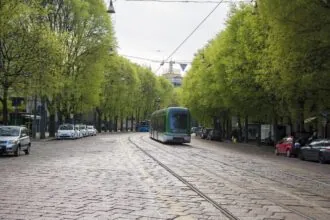
The tram network also becomes part of the Eurovision atmosphere itself. Watching illuminated trams move through Vienna’s imperial streets filled with Eurovision fans, flags, costumes, glitter, and music creates a very distinctive atmosphere during the contest week.
Visitors should still prepare for significantly larger crowds than normal after live arena shows, around the Eurovision Village, near major viewing parties, after the Grand Final, and throughout central nightlife districts.
Stations serving the Wiener Stadthalle are likely to become especially crowded immediately after the semi finals and grand final broadcasts finish.
Another major advantage is coverage. Even visitors staying outside the historic centre can usually reach Eurovision venues relatively easily thanks to Vienna’s extensive transport integration.
Many visitors will likely purchase short term transport passes covering unlimited journeys across the metro, tram, and bus network during Eurovision week.
Another important thing to remember is timing. Vienna’s transport system is excellent, but Eurovision crowds may still create longer waiting times, packed platforms, and busy interchanges during peak event periods.
For most visitors attending Eurovision 2026 in Vienna, mastering the public transport system quickly will become one of the keys to enjoying the city comfortably throughout the contest week.

How Busy Will Vienna Be During Eurovision Week?
Visitors travelling to Vienna Eurovision 2026 should prepare for exceptionally busy conditions across large parts of the city throughout Eurovision week.
The Eurovision Song Contest is one of the biggest live entertainment events in Europe, attracting tens of thousands of international fans, media teams, delegations, performers, broadcasters, journalists, production crews, and tourists into the host city.
One of the biggest impacts will likely be accommodation demand. Hotels across central Vienna are expected to fill extremely quickly, particularly near the Historic Centre, Karlsplatz, the Danube Canal, and areas close to the Wiener Stadthalle.
Another major pressure point will be public transport. Metro stations, trams, railway hubs, and airport connections are all expected to become much busier than normal during the semi finals and especially around the Grand Final weekend.
The official Eurovision Village at Rathausplatz is also expected to attract enormous crowds throughout the week because of the free public screenings, concerts, fan events, food areas, and live entertainment programme.
Popular nightlife districts such as the Danube Canal, Karlsplatz, and Vienna’s major LGBTQ+ nightlife areas are likely to remain busy late into the night with Eurovision parties, drag shows, viewing events, and afterparties continuing across the city.
Another important thing visitors should understand is that Eurovision week creates unusually international crowds. Fans from across Europe and beyond travel to the host city wearing flags, costumes, sequins, and themed outfits, creating a completely different atmosphere from an ordinary week in Vienna.
Restaurants, bars, cafés, and public spaces near Eurovision venues are also likely to become significantly busier than usual, particularly before and after live broadcasts.
Despite the increased crowds, one of Vienna’s biggest advantages is organisation. The city already has extensive experience managing large international events, conferences, concerts, and festivals, meaning infrastructure and transport systems are generally very strong.
Another major advantage is city layout. Vienna’s broad boulevards, large public squares, extensive transport network, and multiple nightlife districts help spread Eurovision activity across the city rather than concentrating everything in one location.
Visitors should still expect long queues, packed fan zones, crowded bars, busy stations, and increased hotel pricing throughout Eurovision week.
For many fans, however, this huge international atmosphere is exactly what makes Eurovision 2026 in Vienna feel so exciting.
Best Eurovision Activities Beyond the Contest
One of the biggest advantages of attending Eurovision 2026 in Vienna is that the city offers far more than simply the live broadcasts inside the Wiener Stadthalle. Even outside the semi finals, fan zones, and grand final itself, visitors will find huge amounts to do across the Austrian capital throughout Eurovision week.
For many fans, a trip to Vienna Eurovision 2026 naturally becomes a full scale European city break combining music, nightlife, sightseeing, cafés, shopping, concerts, architecture, museums, and riverside social life all within the same trip.
One of the best things visitors can do between Eurovision events is simply explore the magnificent Historic Centre of Vienna. The areas around Stephansplatz, Graben, and Kärntner Strasse are packed with imperial buildings, elegant shopping streets, famous cafés, historic churches, bars, luxury boutiques, and some of the most beautiful architecture anywhere in Europe.
Another major attraction is Vienna’s world famous coffee house culture. Legendary cafés such as Café Central and Café Sacher become perfect daytime recovery locations between late Eurovision nights, fan events, viewing parties, and concerts. Many visitors quickly discover that sitting inside a traditional Viennese café with coffee and pastries becomes one of the highlights of the entire trip.
Music lovers visiting for Eurovision 2026 should also experience Vienna’s wider musical heritage. The city remains one of Europe’s greatest music capitals with classical concerts, orchestral performances, opera productions, jazz venues, piano bars, and live music events taking place throughout the city every evening.
Another huge highlight is Vienna’s palace architecture. Locations such as Schönbrunn Palace, the Belvedere Palace, and the Hofburg allow visitors to combine Eurovision celebrations with some of the most spectacular imperial landmarks in Europe.
The Danube Canal area is also expected to become one of the busiest social spaces during Eurovision week. Riverside bars, terraces, nightlife venues, street art, food stalls, and open air gathering areas create one of Vienna’s most energetic evening environments.
Many visitors will also spend time exploring Vienna’s museums, rooftop bars, shopping streets, sightseeing tram routes, and riverside walking areas between Eurovision activities.
Another major advantage of Vienna is walkability. Many of the city’s best sightseeing districts, Eurovision fan spaces, cafés, nightlife venues, and public squares connect naturally together, making it easy to combine multiple experiences across a single day.
Eurovision fans should also expect themed pop up events throughout the city including drag brunches, Eurovision karaoke nights, fan meetups, DJ sets, and unofficial afterparties continuing long after the live broadcasts end.
Another important thing visitors quickly notice is that Vienna itself becomes part of the Eurovision atmosphere. Metro stations, bars, cafés, trams, nightlife districts, and public squares are all expected to fill with Eurovision fans wearing flags, costumes, sequins, and themed outfits throughout the week.
For many travellers, the wider city experience surrounding Eurovision Vienna 2026 will ultimately become just as memorable as the contest itself.
Vienna for First Time Visitors
For first time visitors, Vienna is one of the easiest major European capitals to explore during a huge international event such as Eurovision 2026.
One of the city’s biggest strengths is organisation. Compared with some larger and more chaotic capitals, Vienna generally feels clean, safe, efficient, elegant, and relatively straightforward to navigate even during extremely busy periods.
The city’s excellent public transport system is another major advantage. The U-Bahn, trams, buses, and suburban rail services connect almost every important Eurovision venue, sightseeing district, nightlife area, hotel zone, and public screening location extremely efficiently.
Another huge strength is layout. Vienna’s historic centre is relatively compact and highly walkable, meaning many visitors can explore major attractions on foot between Eurovision events and fan activities.
First time visitors will also quickly notice how visually dramatic the city feels. Huge imperial boulevards, grand public buildings, opera houses, concert halls, palace façades, elegant cafés, and illuminated streets create a much more cinematic setting than many recent Eurovision host cities.
The area around Stephansplatz is often the best starting point for new visitors because it places travellers close to the city’s historic core, shopping streets, cafés, bars, restaurants, and major transport connections.
Another major advantage is food culture. Vienna combines traditional Austrian cuisine, elegant coffee houses, modern international dining, beer halls, street food, riverside bars, and nightlife districts extremely well.
Visitors should still prepare for significantly larger crowds during Eurovision week, especially around the Eurovision Village, Rathausplatz, the Wiener Stadthalle, nightlife districts, major metro stations, and airport rail services.
One thing many Eurovision fans may find surprising is how much broader the city experience becomes beyond the contest itself. Vienna offers enough museums, concerts, architecture, nightlife, cafés, and sightseeing to easily fill an entire week even without Eurovision activities.
Another major strength is safety. Vienna consistently ranks as one of Europe’s safest and most liveable major cities, making the overall Eurovision travel experience feel much less stressful for international visitors.
For first time Eurovision travellers, Vienna also works especially well because English is widely spoken across hotels, restaurants, transport systems, bars, and tourist areas throughout the city.
For many visitors, Eurovision 2026 in Vienna may become both their first Eurovision experience and one of their favourite European city breaks overall.

Eurovision Concerts, Drag Shows and Fan Events
Beyond the live broadcasts themselves, one of the biggest parts of the Eurovision 2026 Vienna experience will be the enormous number of concerts, drag performances, fan parties, DJ nights, themed events, and unofficial gatherings spread across the city.
During Eurovision week, many venues throughout Vienna are expected to operate almost entirely around Eurovision culture, transforming bars, theatres, clubs, beach bars, breweries, and music venues into themed entertainment spaces filled with international fans.
One of the biggest attractions will naturally be the official entertainment programme connected to the Eurovision Village at Rathausplatz. Alongside the live public screenings, visitors can expect performances by Eurovision artists, DJs, themed parties, and large scale music events running throughout the week.
The city’s strong LGBTQ+ nightlife scene is also expected to play a huge role during Eurovision week. Historically, Eurovision host cities experience enormous crossover between Eurovision culture, drag performances, themed club nights, and LGBTQ+ venues.
Districts around the Danube Canal, Karlsplatz, and Vienna’s central nightlife areas are likely to host huge numbers of Eurovision themed parties continuing late into the night after the semi finals and grand final broadcasts.
Another major attraction is the diversity of events available. Some venues will focus on giant public screenings and crowd atmosphere, while others will host more intimate drag shows, themed cocktail nights, fan meetups, or Eurovision karaoke events.
The atmosphere throughout the city is expected to feel extremely international. Fans from across Europe and beyond will gather wearing costumes, national flags, sequins, glitter, themed outfits, and Eurovision merchandise throughout the week.
Another major strength of Vienna Eurovision 2026 is the city itself. The combination of illuminated imperial architecture, riverside nightlife, grand boulevards, elegant theatres, music venues, and late night cafés creates a far more visually impressive setting than many traditional party destinations.
Some of the most popular events during Eurovision week may actually take place outside the main arena itself. For many visitors, the wider fan atmosphere across bars, clubs, drag venues, beach bars, breweries, and public screening areas becomes just as memorable as the live contest.
Another important thing visitors should understand is that many Eurovision nightlife events may reach capacity very early, particularly around the Grand Final weekend.
For many fans, the wider network of Eurovision concerts, drag shows, viewing parties, and fan events across Vienna will become one of the defining highlights of the entire Eurovision 2026 experience.
Safety Tips for Eurovision Visitors
Overall, Vienna is considered one of the safest and most organised major cities in Europe, which is one of the reasons many Eurovision fans are especially excited about Eurovision 2026 in Vienna. Even during extremely busy international events, the Austrian capital generally remains clean, efficient, well managed, and relatively easy to navigate.
However, visitors should still prepare for the realities of huge crowds during Eurovision week. Areas around the Wiener Stadthalle, the official Eurovision Village at Rathausplatz, major metro stations, nightlife districts, and public screenings are all expected to become exceptionally busy throughout the contest period.
One of the biggest practical issues during Eurovision week will likely be crowd density rather than serious crime. Packed metro stations, long queues, busy bars, and heavily crowded public spaces can become tiring, especially after late nights and long days moving around the city.
Another important thing visitors should understand is the official security policy surrounding Eurovision events. Large public screenings and fan zones will operate with strict security measures, especially around the Eurovision Village and major live broadcasts.
Bag restrictions are expected to be particularly important. Organisers have already confirmed that only bags smaller than A4 size will normally be allowed into the official Eurovision Village areas, while complete no bag policies will apply during especially busy events such as the Opening Ceremony and the Grand Final.
Visitors should also prepare for airport style security screening at many Eurovision venues. Bag checks, ticket scanning, controlled entry systems, and crowd management procedures are all likely during the contest week.
Another important safety factor is transport planning. The U-Bahn and tram systems are excellent, but trains and stations will likely become extremely crowded immediately after live broadcasts and major Eurovision parties end.
Fans attending late night events should therefore plan routes carefully rather than assuming they can instantly board the first train leaving busy stations.
Another major consideration is accommodation scams and fake ticket sales. Every Eurovision year sees unofficial resale listings, fake accommodation offers, and fraudulent ticket sellers appearing online. Visitors should therefore only use trusted booking platforms and official Eurovision ticketing channels.
Although Vienna is generally extremely safe, normal big city awareness still matters. Crowded nightlife areas, packed fan zones, and busy transport hubs naturally create opportunities for pickpocketing or lost belongings during major international events.
Another important factor during Eurovision week will be fatigue. Many fans attend late night parties, wake early for sightseeing, and spend entire days moving between fan zones, bars, concerts, and live broadcasts. Staying hydrated, pacing yourself, and allowing time to rest can make a huge difference across the week.
For most visitors, however, Vienna Eurovision 2026 is likely to feel significantly more organised, safe, and manageable than many other large scale international entertainment events across Europe.
How Expensive Will Vienna Be During Eurovision?
Visitors travelling to Eurovision 2026 in Vienna should prepare for noticeably higher prices across large parts of the city during contest week.
One of the biggest impacts will be accommodation costs. Hotels in central Vienna are expected to become significantly more expensive as Eurovision approaches, particularly near the Historic Centre, Karlsplatz, the Danube Canal, and areas close to the Wiener Stadthalle.
Another major factor is demand. Eurovision attracts huge numbers of international visitors, meaning many hotels, apartments, hostels, and short term rentals may sell out well in advance.
Experienced Eurovision travellers therefore often book refundable accommodation extremely early before the city reaches peak pricing levels.
Flights into Vienna International Airport are also expected to rise in price, especially from countries with large Eurovision fan communities and close European connections.
Another important consideration is nightlife spending. Eurovision viewing parties, bars, drag events, themed clubs, rooftop venues, and riverside nightlife areas are likely to become considerably busier and more expensive during the contest week.
The good news is that many major Eurovision experiences in Vienna are still free. The official Eurovision Village at Rathausplatz, public screenings, fan gatherings, and many outdoor celebrations can all be enjoyed without expensive entry fees.
Vienna’s public transport system also remains relatively affordable compared with relying heavily on taxis throughout the week. Many visitors will likely purchase short term transport passes covering unlimited journeys across the metro, tram, and bus network.
Food costs in Vienna can vary dramatically depending on where visitors eat. Traditional cafés, tourist areas, rooftop bars, and major nightlife districts are naturally more expensive than ordinary local restaurants or casual food venues.
Another major advantage of Vienna is flexibility. Budget travellers can still experience huge parts of the Eurovision atmosphere through fan zones, public screenings, riverside gatherings, and nightlife districts without constantly paying for premium events.
Visitors should still budget carefully for:
- accommodation
- transport
- food and drink
- nightlife
- Eurovision merchandise
- last minute ticket purchases
- airport transfers
Another important thing to remember is that Eurovision week is not normal tourism season. Demand spikes dramatically within a relatively short period, creating pricing pressure across huge parts of the city.
For many fans, however, the atmosphere surrounding Eurovision Vienna 2026 will feel worth the additional cost because the city effectively transforms into one giant international music festival for an entire week.

Best Day Trips From Vienna During Eurovision Week
One of the biggest advantages of attending Eurovision 2026 in Vienna is that the Austrian capital sits at the centre of some of the easiest and most interesting international day trips anywhere in Europe.
Many visitors will naturally spend most of Eurovision week inside Vienna itself, but the city’s strong rail infrastructure also makes it extremely easy to explore surrounding destinations between live shows and fan events.
The most famous option is undoubtedly Bratislava. The Slovak capital sits only around an hour from Vienna by train, making it one of the simplest international day trips in Europe. Many Eurovision visitors may choose to spend the day exploring Bratislava’s Old Town, castle district, cafés, and riverside areas before returning to Vienna for the evening broadcasts.
Another major attraction is the Danube Valley, where visitors can explore smaller Austrian towns, vineyards, river scenery, and historic landscapes outside the busy Eurovision crowds of the capital.
Salzburg is another excellent option for visitors wanting a more traditional Austrian experience. The city combines alpine scenery, baroque architecture, classical music history, and beautiful historic streets strongly associated with Mozart and Austrian cultural heritage.
Some travellers may also choose longer rail excursions towards Budapest or even Prague, although these work better for overnight extensions rather than simple day trips.
One major advantage of using Vienna as a Eurovision base is the quality of Austrian rail infrastructure. Fast trains, modern stations, and excellent international connections make wider Central European travel surprisingly easy.
Another important factor is pacing. Eurovision week can become intense with late nights, crowded fan zones, constant music, and huge social energy across the city. Some visitors may therefore appreciate quieter day trips outside the capital between major contest nights.
The riverside towns and countryside areas surrounding Vienna also provide a very different atmosphere compared with the busy Eurovision crowds inside the city.
Another major advantage is flexibility. Because Vienna’s rail connections are so strong, visitors can often travel spontaneously without requiring highly complicated transport planning.
For many fans, combining Eurovision 2026 in Vienna with wider Central European travel will become one of the most memorable parts of the entire trip.

Rupert’s Handy Travel Tips
Rupert thinks Vienna Eurovision 2026 could become one of the best Eurovision host city experiences in years because the city combines huge event infrastructure with beautiful architecture, excellent transport, and fantastic nightlife.
- Book accommodation early: Hotels near the Historic Centre, Karlsplatz, and the Wiener Stadthalle are likely to become extremely expensive closer to Eurovision week.
- Use the U-Bahn: Vienna’s metro system is fast, reliable, and probably the easiest way to move between the Eurovision Village, nightlife districts, and the arena.
- Arrive early for fan zones: The official Eurovision Village at Rathausplatz is expected to become incredibly busy during the semi finals and grand final.
- Pack light for public screenings: Eurovision security rules include strict bag restrictions, especially during the Opening Ceremony and the Grand Final.
- Do not only focus on the arena: Some of the best Eurovision experiences will probably happen in the bars, drag shows, fan parties, riverside venues, and public screenings spread across Vienna.
Want to meet the reindeer behind our travel tips? Find out more in our page Who is Rupert?.



Frequently Asked Questions About Eurovision 2026 in Vienna
Where is Eurovision 2026 taking place in Vienna?
The main venue for Eurovision 2026 is the famous Wiener Stadthalle, one of Austria’s largest and most important indoor event arenas.
When is Eurovision 2026 in Vienna?
The live shows are taking place on May 12, May 14, and May 16, 2026, with the grand final held on May 16.
What is the Eurovision Village in Vienna?
The official Eurovision Village is the large fan zone at Rathausplatz outside Vienna’s City Hall featuring public screenings, concerts, DJs, food stalls, fan events, and Eurovision parties.
Is the Eurovision Village free?
Yes. Entry to the official Eurovision Village at Rathausplatz is free until capacity limits are reached.
Are there bag restrictions at Eurovision events?
Yes. Strict security rules apply during Eurovision week. At the Eurovision Village, only bags smaller than A4 size are usually allowed, while some major events operate complete no bag policies.
What is the best area to stay in Vienna for Eurovision?
Many visitors will likely prefer staying near the Historic Centre, Karlsplatz, or close to major U-Bahn lines for easy access to Eurovision venues and nightlife.
How do you get from Vienna Airport to the Eurovision venue?
Most visitors will use the Railjet, CAT, or S-Bahn trains into the city before connecting onwards via the U-Bahn network towards the Wiener Stadthalle.
Will Vienna be busy during Eurovision week?
Yes. Hotels, public transport, bars, fan zones, and nightlife districts are all expected to become extremely busy during Eurovision 2026.
Are there public screenings across Vienna?
Yes. Public screenings are taking place at the Eurovision Village, Strandbar Hermann, Ottakringer Brewery, the Vienna Volksoper, and various bars across the city.
Is Vienna a good Eurovision host city?
For many fans, Vienna is considered an excellent Eurovision host city because of its music culture, public transport, nightlife, architecture, safety, and international atmosphere.
Further Reading & Related Guides
If you are travelling into Austria for Eurovision 2026, our detailed guide to Vienna Airport to the City Centre explains the fastest airport rail services, metro connections, taxis, and transport routes towards the Wiener Stadthalle and the official Eurovision Village.
Visitors wanting to experience more of the Austrian capital beyond Eurovision should also read our guide to the best things to do in Vienna, covering palaces, concerts, cafés, museums, nightlife districts, and major sightseeing attractions across the city.
Fans combining Eurovision with wider rail travel across Europe should also explore our European Railway Journeys Guide, featuring major international train routes, scenic journeys, and practical rail travel advice across the continent.
If you are planning wider Austrian rail travel during your Eurovision trip, our detailed Interrail Austria Guide explains how to travel around Austria by train, including scenic routes, reservation tips, and major rail hubs.
Visitors staying connected while moving between fan zones, viewing parties, public screenings, and day trips should also read our detailed eSIM apps guide, covering the best mobile data solutions for travellers moving across Europe.
The excitement doesn’t end in Vienna. Following Bulgaria’s historic victory at Eurovision 2026, attention is already turning towards the next contest. Read our Eurovision Bulgaria 2027 Guide for the latest information on the potential host city, venue rumours, travel planning, accommodation, and what fans can expect from Bulgaria’s first-ever Eurovision as host nation.