Reviewed by our editorial team Updated
Why Vienna Airport Is One of Europe’s Easiest Airports for City Transfers
One of the best things about arriving in Vienna is how easy it is to travel from Vienna International Airport to the city centre. Unlike some major European airports located far from urban areas or requiring complicated transport changes, Vienna’s airport is exceptionally well connected by rail, buses, taxis, and private transfers.
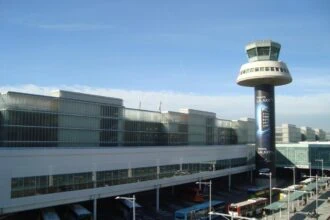
The airport itself, officially known as Vienna International Airport or Flughafen Wien, sits around 18 kilometres southeast of central Vienna and functions as Austria’s largest international gateway. Despite handling millions of passengers each year, the airport remains relatively efficient and easy to navigate compared with many larger European hubs.
One of Vienna’s biggest advantages is the sheer variety of transfer options available. Travellers can choose between fast premium airport trains, cheaper commuter rail services, airport buses, taxis, ride sharing services, or private transfers depending on budget, luggage, arrival time, and destination within the city.
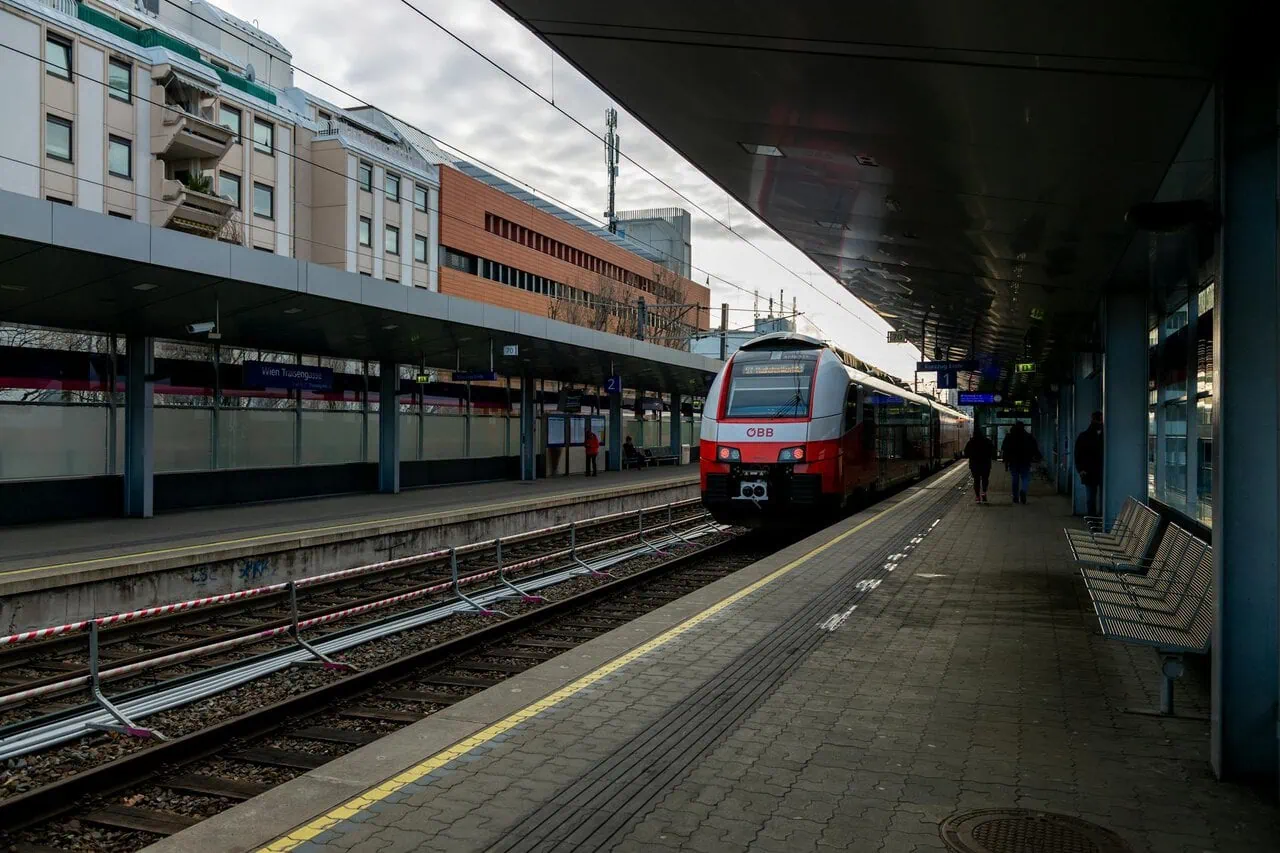
Rail connections are particularly strong. The airport station sits directly beneath the terminal complex, meaning travellers can move from baggage reclaim to train platforms very quickly without needing shuttle buses or long transfer walks. Several different train services operate from the airport, including the fast Railjet, the dedicated City Airport Train (CAT), and the cheaper S-Bahn commuter rail network.
Another major advantage is frequency. Transport services between Vienna Airport and the city centre operate constantly throughout the day, meaning travellers rarely need to wait long after arrival.
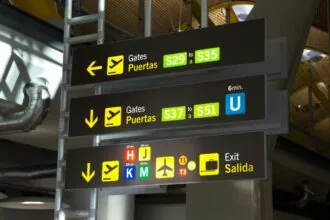
The system is also relatively easy for international visitors to understand. Signage throughout the airport is clear, English is widely spoken, and ticket machines are generally straightforward to use.
Another reason Vienna works so well for airport transfers is the city’s excellent public transport integration. Once travellers arrive at stations such as Wien Hauptbahnhof or Wien Mitte, it becomes very easy to continue using the U-Bahn, trams, buses, or suburban trains to reach hotels and attractions across the city.
The airport’s position also makes Vienna an important gateway for wider Central European travel. Many travellers continue onwards from the airport directly towards destinations such as Bratislava, Budapest, or other parts of Austria using long distance rail connections and bus services.
Even during busy periods, Vienna Airport generally remains calmer and more manageable than many similarly sized European airports. Security, baggage reclaim, immigration, and train station access are usually relatively efficient.
For most travellers, the combination of strong rail links, reasonable pricing, efficient infrastructure, and simple navigation makes Vienna Airport one of the easiest major airports in Europe for reaching the city centre quickly and comfortably.
Quick Comparison Table: Vienna Airport to City Centre
| Transfer Option | Typical Journey Time | Typical Price | Frequency | Best For | Main Arrival Station |
|---|---|---|---|---|---|
| Railjet Train | Around 15 minutes | From €4.10 (£3.60 / $4.40) | Every 30 minutes | Fast city access and onward rail travel | Wien Hauptbahnhof |
| City Airport Train (CAT) | Around 21 minutes | €14.90 (£13 / $16) one-way | Up to every 12 minutes | Fast non stop airport transfer | Wien Mitte |
| S-Bahn S7 Train | Around 25 minutes | From €4.10 (£3.60 / $4.40) | Frequent | Budget travellers | Wien Mitte |
| Vienna Airport Bus | 25 to 45 minutes | Moderate | Regular | Specific hotel districts and late arrivals | Various city stops |
| Taxi | 20 to 35 minutes | €37 to €42 (£32 to £37 / $40 to $45) fixed fare, 4 passengers | On demand | Door to door convenience | Direct hotel drop off |
| Private Airport Transfer | 20 to 35 minutes | Higher | Pre booked | Families, luggage, stress free arrival | Direct hotel drop off |
| Ride Sharing Services | 20 to 35 minutes | Variable | On demand | Flexible app based transport | Direct destination |
Best for two or three nights. The widest choice of rooms, with filters for free cancellation and included breakfast.
View staysBest for families, or any stay past about four nights. A kitchen and a washing machine start paying for themselves.
Browse rentalsBest for double-checking. Runs the same Vienna search across several booking sites so you are not leaving money behind.
Compare pricesWhere Is Vienna Airport?
Vienna International Airport is located southeast of central Vienna near the town of Schwechat. The airport sits around 18 kilometres from the Historic Centre and serves as Austria’s primary international aviation hub.
One reason the airport works so well operationally is its location. Unlike airports positioned extremely far outside their cities, Vienna Airport remains close enough to central Vienna for very fast rail journeys while still having enough space for large scale airport operations.
The airport is also strategically positioned for wider Central European travel. In fact, Bratislava in neighbouring Slovakia sits only slightly further away from the airport than parts of central Vienna itself. This unusual geography makes Vienna Airport an important arrival point for travellers visiting multiple countries during the same trip.
Another major advantage is transport infrastructure. The airport connects directly to Austria’s national rail network, allowing travellers to continue not only into Vienna but also towards destinations across Austria and neighbouring countries.
The terminal layout itself is relatively compact and manageable compared with many larger European airports. Arrivals areas, train stations, taxi ranks, bus stops, and transfer zones are generally easy to locate using the airport signage.
The airport also functions as a major hub for Austrian Airlines alongside numerous international carriers operating flights across Europe, the Middle East, Asia, and North America.
Another important detail for travellers is that the airport station sits directly beneath the terminal area. This means rail passengers can access trains very quickly after leaving arrivals without needing additional airport shuttle systems.
Road access to the city is generally straightforward as well, although traffic conditions can naturally affect taxi and bus journey times during peak hours.
Because the airport is relatively close to the city centre, even private transfers and taxis usually remain manageable in terms of travel duration compared with airports serving much larger metropolitan regions.
For most visitors, the airport’s location creates an excellent balance between international connectivity, fast city access, and onward transport flexibility throughout Austria and Central Europe.
Vienna Airport Railjet Trains
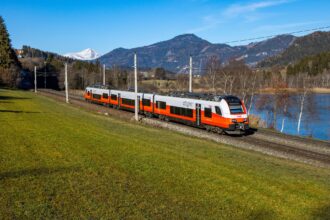
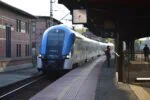
For many travellers, the best overall transfer option from Vienna Airport to the city centre is the modern Railjet service operated by ÖBB Austrian Railways. These fast long distance trains combine speed, comfort, luggage space, and excellent onward connections, making them one of the easiest ways to reach central Vienna.
One of the biggest advantages of the Railjet is speed. Journey times between the airport and Wien Hauptbahnhof, Vienna’s main railway station, are usually around 15 minutes, making this one of the fastest airport rail transfers anywhere in Europe.
The trains themselves are modern, spacious, and designed for longer distance travel, meaning they feel more comfortable than ordinary commuter rail services. Travellers typically benefit from large luggage areas, wider seating, air conditioning, onboard information displays, and reliable journey times.
Another major strength is connectivity. Unlike the dedicated City Airport Train, Railjet services continue beyond the airport and Vienna city centre towards destinations across Austria and neighbouring countries. This makes the trains especially useful for travellers continuing onwards to places such as Salzburg, Linz, Innsbruck, or even international destinations.
The airport station is located directly beneath the terminal complex, and the route from arrivals to the train platforms is clearly signposted throughout the airport.
One reason many experienced travellers prefer the Railjet over the more heavily marketed CAT service is value for money. The Railjet is usually cheaper while remaining similarly fast and often more practical because of its direct access to Wien Hauptbahnhof.
The trains also connect well with Vienna’s wider public transport system. From Hauptbahnhof, travellers can easily continue using the U-Bahn, trams, suburban rail, or buses to reach hotels and attractions throughout the city.
Another important advantage is frequency. Railjet services operate regularly throughout the day, meaning waiting times are generally manageable even after flight delays or baggage reclaim.
The trains work especially well for travellers carrying luggage because boarding is straightforward and the trains provide significantly more storage space than some commuter services.
For most visitors staying in central Vienna or continuing onwards through Austria, the Railjet provides one of the best overall combinations of speed, comfort, flexibility, and simplicity for travelling from Vienna Airport to the city centre.

Book Your Vienna Rail Journey with Omio
Omio can help you organise rail travel involving Vienna by bringing routes, departure times and ticket options together in a single search.
This is especially handy when your itinerary uses more than one transport company or you are travelling between cities in different European countries.
Scan to open
on your phone

Using the City Airport Train (CAT)
The bright green City Airport Train, usually known simply as the CAT, is one of the most heavily advertised transfer options between Vienna Airport and the city centre. Designed specifically for airport passengers, the CAT normally offers a fast and simple non stop connection between the airport and Wien Mitte station in central Vienna. Because of modernisation works, the CAT is currently running as a replacement coach rather than a train, and this is expected to continue until around the end of October 2027; the route, branding, ticket prices and Wien Mitte check-in service are otherwise unchanged.
One of the biggest advantages of the CAT is simplicity. The service runs directly between the airport and the city without intermediate stops, making it very easy for first time visitors to understand. The replacement coaches are modern, with free Wi-Fi, USB ports and dedicated luggage space, so travellers carrying bags are still well catered for.
Journey times are usually around 21 minutes on the current replacement coach, meaning the CAT is only a little slower than the Railjet while still providing one of the fastest airport transfers in Europe.
Another major selling point is the onboard atmosphere. The service feels quieter and more premium than ordinary commuter rail services, with dedicated luggage areas, comfortable seating, and clear passenger information systems throughout the journey.
The CAT also heavily promotes its city check in service for selected airlines, allowing some passengers to check baggage and collect boarding passes directly at Wien Mitte before travelling back to the airport later. This feature can be particularly useful for travellers staying centrally and wanting to avoid carrying luggage around Vienna on departure day.
However, there are important limitations travellers should understand. The CAT is usually significantly more expensive than ordinary public transport options despite offering very similar journey times to cheaper rail services. A one-way CAT ticket costs €14.90 (£13 / $16), or €24.90 (£22 / $27) return.
Another major limitation is destination flexibility. The CAT only operates between the airport and Wien Mitte, meaning travellers staying elsewhere in Vienna may still need additional U-Bahn or tram connections afterwards.
For some visitors, this makes the cheaper Railjet or S-Bahn services more practical overall because they connect more effectively with wider transport routes across the city and beyond.
The service is extremely easy to find inside the airport. Bright green branding, dedicated signage, and separate ticket machines make the CAT one of the simplest airport transfer services to navigate.
Frequency is also good: departures run every 12 minutes between 7am and 7pm, and every 15 minutes outside those hours, with up to five services an hour in each direction.
The Wien Mitte arrival location works particularly well for travellers staying near the Historic Centre, Stephansplatz, or eastern sections of central Vienna.
For travellers prioritising simplicity, direct service, luggage comfort, and straightforward airport transfers, the City Airport Train remains one of the easiest ways to travel between Vienna Airport and the city centre, even if it is not always the cheapest option available.
Using the Vienna S-Bahn From the Airport
For budget travellers, the cheapest rail option between Vienna Airport and the city centre is usually the S-Bahn S7 commuter train. While slower than the premium airport services, the S-Bahn still provides a highly efficient and reliable connection into Vienna at a significantly lower cost.
The S7 line connects the airport with several stations across Vienna including Wien Mitte, making it one of the most practical options for travellers wanting affordable transport without sacrificing too much convenience.
Journey times are normally around 25 minutes depending on the exact destination and stopping pattern. Although this is slower than the Railjet or CAT, the difference is often relatively small in real world conditions once ticket purchasing and platform access are included.
One of the biggest advantages of the S-Bahn is price. A single ticket costs from €4.10 (£3.60 / $4.40) and also covers onward travel across Vienna’s public transport network, making this the best option for many backpackers, solo travellers, and visitors trying to minimise transport costs.
The trains themselves are standard commuter rail vehicles rather than premium airport trains. They are functional, reliable, and integrated into Vienna’s wider suburban rail system rather than specifically designed for tourists.
Another important advantage is flexibility. Because the S7 forms part of the wider public transport network, tickets often integrate more naturally with onward metro, tram, and suburban journeys across the city.
The airport station is easy to access from arrivals, and signage throughout the airport clearly directs passengers towards rail services including the S-Bahn platforms.
The trains also run frequently throughout the day, meaning travellers rarely need to wait long after arriving at the station.
One thing visitors should understand is that the S-Bahn makes several intermediate stops along the route into the city. This is why the journey takes longer than the non stop CAT service.
During peak commuter periods, trains can also become busier than the premium airport services, particularly on weekday mornings and evenings.
However, for most travellers carrying manageable luggage, the difference in comfort is relatively minor considering the savings involved.
The S-Bahn works especially well for travellers staying near stations connected directly to the suburban rail network or for visitors planning to use Vienna’s wider public transport system extensively during their trip.
For travellers prioritising affordability and practicality, the Vienna S-Bahn remains one of the smartest and most cost effective ways to travel from Vienna Airport to the city centre.
Vienna Airport Buses
While most travellers use rail services from Vienna Airport, buses still provide a useful alternative for certain destinations, hotels, and late night arrivals. Vienna Airport Bus (Postbus) operates the main routes, with services including VAB2 to Schwedenplatz/Morzinplatz (around 20 minutes, half-hourly and running around the clock), VAB1 to Westbahnhof via Hauptbahnhof (around 40 minutes, half-hourly), VAB4 to Karlsplatz, and VAB5 to Praterstern.
One of the biggest advantages of the airport buses is direct access to specific districts that may otherwise require train changes or additional tram journeys after arriving in the city.
Routes operate towards major transport hubs such as Westbahnhof and Hauptbahnhof, while others connect areas near the Danube, business districts, or hotel zones not located directly beside the main railway stations.
Journey times vary depending on traffic conditions, but most routes into central Vienna take somewhere between 25 and 45 minutes. During busy rush hour periods, however, road congestion can naturally increase travel times significantly.
Another advantage is luggage simplicity. Many airport buses provide large storage areas underneath the coach, making them convenient for travellers carrying heavy suitcases or multiple bags.
The buses are generally modern, comfortable, and designed specifically for airport passengers. Air conditioning, comfortable seating, and onboard luggage facilities are standard on most services.
The airport bus stops are easy to locate directly outside the arrivals area, and signage throughout the airport clearly directs passengers towards the correct departure zones.
One reason some travellers choose buses over trains is hotel convenience. Certain routes stop closer to specific accommodation areas than the main railway stations, potentially reducing the need for additional public transport after arrival.
Late night travellers may also find buses useful depending on their arrival time and final destination within the city.
However, there are also disadvantages compared with rail services. Road traffic remains the biggest issue. While Vienna is generally well organised, buses cannot guarantee the same consistent journey times as trains.
Another factor is atmosphere. Rail services in Vienna often feel smoother, faster, and more integrated into the wider city transport network than buses travelling through traffic.
For most first time visitors staying centrally, trains usually remain the easiest and fastest option overall. However, airport buses can still work extremely well for travellers heading towards specific districts, hotels, or transport hubs.
For visitors prioritising direct road connections, luggage convenience, or specific city destinations, Vienna Airport buses remain a practical and reliable transfer option.
Terravision Service from Vienna Airport to Vienna City Centre
Travellers arriving at Vienna International Airport can use the Terravision airport transfer service to reach central Vienna quickly and efficiently. Unlike many Terravision routes that operate by coach, this service uses a direct airport train connection, making it one of the fastest airport transfers in the company’s network.
The journey to Vienna city centre takes approximately 16 minutes, allowing passengers to reach the Austrian capital significantly faster than most road-based transfer options. The service is particularly attractive for business travellers and visitors with limited time in the city.
Luggage is included and tickets can be booked in advance, helping visitors organise their arrival before travelling. The speed and reliability of the rail connection make it one of the strongest airport transfer options available in Vienna.
For travellers prioritising speed and convenience, Terravision’s Vienna Airport service is an excellent choice.
Travel from the Airport to Vienna with Terravision
For selected European airports, Terravision offers direct coach services into Vienna, helping you avoid arranging onward transport after landing.
Pre-booking can make the arrival process easier, particularly when you want a direct city-centre service with a known fare before your trip begins.
Best if you can move a day either way. Shows how the fare to Vienna changes across the month.
Compare flightsBest if you want maps and messaging working the moment you switch your phone on.
See eSIM plansBest if you would rather not work out the transport on arrival. Book it now and forget it.
View transfersHiring a Car at Vienna Airport
If you’re planning to explore Austria beyond Vienna, hiring a car directly from Vienna Airport can save both time and money. Rather than travelling into the city first and collecting a vehicle later, many visitors choose to pick up their car immediately after landing before heading towards destinations such as Salzburg, Hallstatt, Graz, Zell am See, Innsbruck or the Wachau Valley.
Vienna Airport is home to major international rental companies including Avis, Budget, Europcar, Hertz, Sixt and Enterprise, alongside several well-regarded local operators. The Car Rental Center sits on the ground floor of parking garage P4, reached via a covered walkway from Terminal 3. The airport’s location beside the A4 motorway also means you can leave the airport quickly without having to navigate central Vienna traffic.
Although prices can sometimes be found at the airport on arrival, booking in advance almost always offers a wider choice of vehicles and lower prices, particularly during the summer holiday season, Christmas markets and major events. Comparing several rental companies before you travel is often the easiest way to find the best balance between price, insurance cover and customer reviews.
Before driving in Austria, remember that motorways require a vignette, although rental cars collected in Austria are almost always supplied with one already fitted. If you’re planning to cross into neighbouring countries such as Slovakia, Hungary, the Czech Republic, Germany or Italy, always check with the rental company first, as additional insurance or cross-border permissions may be required.
A hire car isn’t essential if you’re only visiting Vienna itself, as the city’s public transport system is excellent. However, for travellers planning a wider Austrian road trip or exploring the surrounding Alps, collecting your vehicle at Vienna Airport is often the most convenient way to begin your journey.
Explore Vienna with a Hire Car
Hiring a car can open up more of Vienna and its surrounding region, giving you the freedom to travel beyond the main public transport routes.
Compare offers from Discover Cars and EconomyBookings before booking so you can check both price and rental conditions.
Vienna Airport Taxis and Ride Sharing
For travellers wanting direct door to door transport, taxis and ride sharing services provide one of the most convenient ways to travel from Vienna Airport to the city centre. Unlike rail services or buses, these options remove the need for station changes, luggage carrying, or additional public transport connections after arrival.
The biggest advantage is simplicity. After a flight, especially during winter or after long haul journeys, many travellers appreciate being driven directly to their hotel without needing to navigate ticket machines, train platforms, or unfamiliar metro systems.
Typical taxi journey times between Vienna Airport and central Vienna usually range between 20 and 35 minutes depending on traffic conditions and the exact destination within the city.
Official taxis are available directly outside the arrivals terminal and are generally easy to locate thanks to airport signage and dedicated taxi ranks. The airport lists four official operators: 40100, Airport Driver, ATS Airport Transfer Service and Flughafentaxi ttc.
Ride sharing services also operate in Vienna, although availability and pricing can fluctuate depending on demand, weather, and time of day.
One important advantage of taxis is flexibility. They work particularly well for travellers staying outside the immediate city centre, arriving very late at night, or carrying large amounts of luggage.
Families and groups sometimes find taxis surprisingly reasonable overall once the fare is divided between multiple passengers, especially compared with buying several separate premium train tickets.
Another major advantage is hotel convenience. Many central Vienna streets contain cobblestones, tram tracks, and busy pedestrian areas, so avoiding additional luggage transfers through the city can make arrival significantly less stressful.
However, taxis are naturally much more expensive than public transport. Pre-booked fixed-price taxis from the airport typically cost around €37 to €42 (£32 to £37 / $40 to $45) for up to four passengers, while unbooked metered taxis can cost more. Rail services usually provide far better value for solo travellers or couples travelling light.
Traffic conditions can also affect reliability. During peak commuter hours or major events, journey times into central Vienna may increase noticeably.
Travellers should also use official taxi services rather than accepting unsolicited offers inside the airport terminal.
Private pre booked transfers are sometimes preferable to ordinary taxis because pricing is fixed in advance and drivers often monitor incoming flight arrivals automatically.
For travellers prioritising convenience, comfort, luggage simplicity, or direct hotel access, taxis and ride sharing services remain one of the easiest ways to travel from Vienna Airport to the city centre.
Private Airport Transfers in Vienna
For travellers wanting the smoothest and least stressful arrival experience possible, private airport transfers are often the most comfortable way to travel from Vienna Airport to the city centre. Unlike public transport or standard taxis, private transfers are arranged before arrival, meaning drivers meet passengers directly inside the airport before taking them straight to their hotel or apartment.
One of the biggest advantages of using a private Vienna Airport transfer is convenience. After a long flight, especially during winter or after overnight travel, many visitors simply want to leave the airport quickly without navigating train platforms, ticket machines, tram changes, or unfamiliar metro systems.
Most private transfer companies operating at Vienna International Airport monitor incoming flight arrivals automatically. If flights are delayed, drivers usually adjust pickup times accordingly. This removes a huge amount of stress from the arrival process and helps travellers avoid worrying about transport schedules after landing.
The meet and greet service is another major advantage. Drivers normally wait inside arrivals holding passenger name boards, making them extremely easy to locate even for first time visitors to Vienna.
Luggage handling is also dramatically easier compared with public transport. Families, groups, older travellers, business visitors, and passengers carrying several suitcases often find private transfers far more comfortable than navigating crowded railway stations or tram platforms.
Journey times between Vienna Airport and the city centre are usually around 20 to 35 minutes depending on traffic conditions and the exact hotel location.
Another major advantage is fixed pricing. Many Vienna Airport private transfer services offer pre agreed prices before arrival, allowing travellers to avoid unexpected costs, taxi meters, or fluctuating ride share pricing during busy periods.
Vehicle quality is often noticeably better than ordinary airport taxis as well. Many transfer companies use modern executive cars, premium sedans, luxury vehicles, or larger minivans specifically designed for airport passengers and families.
Direct hotel drop off is especially useful in Vienna because parts of the historic centre contain cobblestones, tram tracks, pedestrian zones, and busy public transport interchanges that can become frustrating when dragging luggage after a flight.
Private transfers are particularly popular for travellers arriving very late at night, visitors travelling with children, luxury city break travellers, business passengers, and groups splitting costs between several people.
The main disadvantage is naturally price. Private airport transfers cost significantly more than trains or buses, especially for solo travellers carrying only small bags.
However, for visitors prioritising comfort, reliability, simplicity, and a calm arrival experience, a private transfer from Vienna Airport to the city centre often becomes one of the easiest and most enjoyable ways to begin a trip to Austria.
Start Your Vienna Trip with Welcome Pickups
Take care of your first journey in Vienna before you leave home by arranging a private airport pickup with Welcome Pickups.
It is a useful option when carrying luggage, arriving outside normal transport hours, or simply wanting to travel directly from the terminal to where you are staying.
See how other Vienna transfer providers compare. You can also check another transfer provider before booking.
How to Buy Vienna Airport Transport Tickets
Buying tickets for transport between Vienna Airport and the city centre is generally extremely straightforward. The airport is modern, well organised, clearly signposted, and designed to work efficiently for international travellers arriving from around the world.
One of the easiest options is using the ticket machines located throughout the airport rail station area beneath the terminal complex. These machines usually support multiple languages including English and accept both bank cards and cash payments.
Travellers using the Railjet, S-Bahn, or wider ÖBB Austrian Railways network can normally purchase tickets directly through official ÖBB ticket machines or via the ÖBB mobile app before travelling.
The dedicated City Airport Train (CAT) also has its own clearly branded green ticket machines, service desks, and ticket areas positioned throughout the airport transfer zone.
Another major advantage of Vienna’s transport system is digital ticketing. Many travellers now purchase tickets directly through mobile apps before even arriving at the airport, allowing them to head straight towards the train platforms after baggage reclaim.
The airport rail station itself is very easy to locate. Clear signs marked with train symbols and transport icons guide passengers from arrivals towards the underground railway area beneath the terminal.
One important detail travellers should understand is that different services use different ticket systems. A CAT ticket is not automatically valid on ordinary ÖBB Railjet or S-Bahn trains, so passengers should always check which service they intend to use before purchasing tickets.
For visitors planning to use Vienna’s wider public transport network extensively, certain travel passes and integrated transport tickets may also provide additional value beyond the airport journey itself.
Another useful feature is the large amount of staff assistance available throughout the airport. Ticket counters, help desks, and railway staff are generally easy to find if travellers need clarification about routes, pricing, or train platforms.
Contactless card payments are widely accepted across Vienna Airport transport systems, meaning many visitors never need to withdraw cash immediately after arrival.
The overall ticket buying process is generally far simpler than at many other major European airports because Vienna’s airport rail infrastructure is modern, compact, and highly integrated into the wider Austrian transport network.
For most visitors, buying tickets for transport from Vienna Airport to the city centre is quick, simple, and easy to manage even for first time travellers to Austria.
How Long Does Vienna Airport Immigration Take?
For most travellers, immigration and arrivals processing at Vienna International Airport is relatively efficient compared with many other large European airports. While waiting times naturally vary depending on flight schedules, nationality, season, and staffing levels, Vienna generally maintains a reputation for being organised and manageable.
For passengers arriving from within the Schengen Area, immigration checks are usually minimal or completely absent because travellers are arriving from another participating European country. In these cases, passengers normally move directly towards baggage reclaim and arrivals relatively quickly after landing.
Travellers arriving from outside the Schengen Area will usually pass through passport control before entering Austria officially. Waiting times can vary significantly depending on how many international flights arrive simultaneously.
During quieter periods, immigration processing may take only around 10 to 20 minutes. However, during peak summer periods, Christmas market season, or large morning arrival waves, queues can sometimes become considerably longer.
One of the biggest advantages of Vienna Airport is its relatively efficient layout. Compared with some enormous international hubs requiring long train rides or huge terminal transfers, Vienna’s terminal system is generally easier to navigate and less overwhelming for arriving passengers.
Another factor influencing total arrival time is baggage reclaim. Smaller European flights with cabin baggage only can allow travellers to leave the airport extremely quickly, while long haul arrivals with checked luggage naturally take longer.
For most visitors using rail transfers such as the Railjet, CAT, or S-Bahn, the airport train station is close enough to the terminal that travellers can often reach the platforms surprisingly quickly after clearing arrivals.
Another major advantage is the airport’s clear signage. English language directions, transport icons, and organised arrival halls help reduce confusion even during busy periods.
Travellers arriving during major holiday periods such as Christmas, New Year, or peak summer weekends should still allow extra flexibility, especially if connecting onwards towards destinations such as Bratislava, Budapest, or other Austrian cities.
Non European passport holders may occasionally experience slightly longer processing times depending on staffing levels and arrival volumes, although Vienna is still generally considered relatively efficient compared with many other major entry points into Europe.
For most travellers, a realistic expectation is that the full process from aircraft arrival to exiting the airport usually takes somewhere between 30 minutes and 90 minutes, depending largely on immigration queues and baggage reclaim speed.
Overall, Vienna International Airport is generally regarded as one of the easier and more efficient major European airports for arrivals and onward city transfers.
Best Transfer Option for Tourists
For most tourists visiting Vienna, the best overall transfer option from the airport is usually the Railjet train. It combines speed, comfort, reasonable pricing, luggage space, and excellent onward connections into one highly efficient service.
The biggest advantage of the Railjet is balance. While the premium City Airport Train (CAT) is slightly more tourist focused, the Railjet is often cheaper while remaining extremely fast and significantly more flexible for onward travel across Vienna and Austria.
Journey times to Wien Hauptbahnhof are usually around 15 minutes, making it one of the fastest ways to reach the city after landing at Vienna Airport.
Another major advantage is connectivity. Wien Hauptbahnhof is Vienna’s main railway station and links directly with the U-Bahn, trams, suburban rail services, and long distance trains. This makes continuing towards hotels and attractions across the city very straightforward.
The trains themselves are modern, spacious, and comfortable, with much better luggage facilities than ordinary commuter services. For travellers carrying medium sized suitcases, the Railjet usually feels far more relaxed than crowded metro systems or buses.
Tourists staying near the Historic Centre, Stephansplatz, Belvedere Palace, or the wider central districts generally find the Railjet extremely convenient because of Vienna’s excellent onward public transport network.
The CAT remains a strong option for visitors specifically staying near Wien Mitte or travellers wanting the simplest possible non stop airport transfer experience. However, the higher ticket price means many experienced travellers still prefer the Railjet overall.
Budget tourists often choose the cheaper S-Bahn S7, especially if they are travelling light and prioritising low costs over maximum speed.
Families, luxury travellers, or visitors arriving very late at night sometimes prefer private transfers or taxis instead, particularly when carrying large luggage or travelling with children.
Another factor tourists should consider is accommodation location. Vienna’s excellent transport system means most airport transfer options work well overall, but certain hotels may connect more conveniently to specific stations or metro lines.
For the majority of first time visitors, however, the Railjet provides the strongest overall combination of speed, simplicity, comfort, and value when travelling from Vienna Airport to the city centre.
Best if you would rather spend the money on Vienna than on the room. Compare hostels by location and rating.
Search hostelsBest for anyone flying more than once or twice a year. Handles the compensation claim so you are not chasing the airline.
See AirHelp+Best for a day with a bag and nowhere to put it. Find a storage point near where you already are.
View storageBest Transfer Option for Families
For families travelling through Vienna Airport, the best transfer option often depends on luggage levels, children’s ages, arrival time, and hotel location. However, many families ultimately prefer either a private airport transfer or the spacious Railjet train depending on budget and comfort priorities.
One of the biggest challenges for families is luggage management. Pushchairs, suitcases, backpacks, toys, and tired children can make complicated public transport changes far more stressful after a flight.
For maximum simplicity, many families choose private airport transfers. Being met directly inside arrivals before travelling straight to the hotel removes the need to navigate stations, stairs, ticket machines, or crowded platforms.
Another major advantage is flexibility. Private transfers allow families to travel entirely at their own pace without worrying about train departure times or carrying luggage through busy stations.
Journey times are also usually relatively short. Most central Vienna hotels can be reached within around 20 to 35 minutes depending on traffic conditions.
Families with older children travelling lighter often find the Railjet an excellent alternative. The trains are spacious, modern, comfortable, and provide significantly more luggage space than ordinary commuter rail services.
The Railjet also avoids road traffic congestion and connects directly into Vienna’s excellent public transport network at Wien Hauptbahnhof.
Another important factor for families is winter weather. During the colder months, minimising outdoor walking between stations, tram stops, and hotels becomes much more valuable, especially when travelling with younger children.
The dedicated City Airport Train (CAT) can also work well for families staying near Wien Mitte, although the higher pricing means it is not always the best overall value option for larger groups.
Airport buses are usually less popular with families because luggage handling and traffic conditions can become more difficult during busy periods.
One advantage of Vienna overall is that the city’s transport infrastructure is generally very family friendly. Stations are modern, signage is clear, and public transport is efficient and reliable compared with many other major European cities.
For families prioritising comfort, simplicity, and low stress arrivals, private transfers are often the easiest option overall. For families wanting a cheaper but still comfortable solution, the Railjet usually provides the best balance between convenience and cost.
Best Transfer Option for Budget Travellers
For budget travellers, backpackers, and visitors trying to keep overall trip costs low, the best option for travelling from Vienna Airport to the city centre is usually the S-Bahn S7 commuter train.
The biggest advantage is simple. The S-Bahn is dramatically cheaper than premium airport transfer services such as the City Airport Train (CAT) while still remaining reliable, reasonably fast, and well integrated into Vienna’s public transport network.
Journey times into central Vienna are normally around 25 minutes, which is only slightly slower than the more expensive airport train services. For many travellers, the extra few minutes are easily worth the savings.
Another major advantage is flexibility. The S7 stops at several stations across Vienna rather than only one central location, making it useful for travellers staying outside the immediate historic centre.
The trains themselves are standard suburban commuter trains rather than luxury airport services, but they are still modern, safe, clean, and efficient by European standards.
Budget travellers often also appreciate the integration with Vienna’s wider transport system. Once inside the city, travellers can continue easily using trams, buses, and the U-Bahn without needing separate expensive airport specific tickets.
One important thing to understand is that the S-Bahn can become busier than the premium airport services during commuter periods. Travellers carrying very large suitcases may therefore find the experience slightly less comfortable than the spacious Railjet.
However, for backpackers, solo travellers, couples travelling light, and younger visitors, the difference is usually relatively minor considering the lower price.
Another useful strategy for budget travellers is avoiding airport taxis entirely unless splitting costs between several people. Taxi prices from Vienna Airport are significantly higher than rail services and can quickly increase overall trip expenses.
Budget conscious travellers should also avoid automatically assuming the heavily advertised CAT train is necessary. While comfortable and simple, the CAT is often considerably more expensive than ordinary public transport despite offering very similar journey times.
Vienna itself is also extremely easy to navigate using public transport once inside the city, making budget rail options even more practical overall.
Another major advantage is reliability. Unlike buses or taxis, the S-Bahn avoids road traffic completely and maintains relatively consistent journey times throughout the day.
For most travellers prioritising affordability while still wanting efficient airport transport, the Vienna S-Bahn S7 remains the smartest and most cost effective option for travelling from Vienna Airport to the city centre.
Best Transfer Option for Late Night Arrivals
Travellers arriving late at night at Vienna International Airport should plan airport transfers slightly more carefully, especially if landing close to midnight or during the early morning hours when transport frequencies reduce.
One of the biggest advantages of Vienna compared with some European cities is that airport transport remains relatively good even during late evening periods. Rail services, buses, taxis, and private transfers continue operating long after most daytime arrivals.
For many late night travellers, the safest and simplest option is usually a private airport transfer or official airport taxi. After long flights, winter weather, or delayed arrivals, many visitors prefer avoiding unfamiliar stations and navigating public transport late at night with luggage.
Private transfers become especially useful for travellers staying outside the historic centre, arriving with children, carrying large suitcases, or landing after major flight delays.
Another strong late night option is the Railjet, particularly for passengers arriving before the final evening departures. The trains remain one of the fastest and most comfortable ways to reach central Vienna.
The S-Bahn S7 also continues operating later into the evening than many visitors expect, making it a viable low cost option for budget travellers arriving at night.
However, travellers should always check schedules in advance because service frequency naturally decreases during later hours compared with daytime operations.
One major advantage of Vienna is overall safety and organisation. The airport, train stations, and public transport system are generally well lit, modern, and straightforward to navigate even during evening hours.
Another factor travellers should consider is hotel check in. Some smaller hotels, apartments, and guesthouses may not operate twenty four hour reception services, making transfer timing particularly important for very late arrivals.
Winter weather can also influence late night arrival decisions. During cold December conditions or snowy weather, direct private transfers often become significantly more attractive compared with standing outside waiting for buses or walking between transport connections.
Ride sharing services remain available in Vienna as well, although pricing can fluctuate depending on demand and time of night.
Another important advantage of pre booked private transfers is predictability. Knowing a driver will already be waiting after a delayed or late flight can dramatically reduce arrival stress.
For most late night arrivals, the best option usually comes down to balancing cost versus convenience. Budget travellers often continue using the S-Bahn or Railjet, while families and comfort focused travellers frequently prefer private transfers or taxis for a smoother arrival experience.

Using Public Transport in Vienna After Arrival
One of the biggest advantages of visiting Vienna is how excellent the city’s public transport system is once travellers arrive from the airport. The combination of U-Bahn metro lines, trams, buses, and suburban rail services makes moving around the Austrian capital extremely easy.
For many visitors, public transport becomes one of the highlights of the city itself. Vienna’s system is modern, reliable, clean, and highly integrated, allowing travellers to reach most attractions quickly without needing taxis or rental cars.
The U-Bahn forms the backbone of the network and connects major areas such as the Historic Centre, Stephansplatz, Schönbrunn Palace, Prater, Karlsplatz, and MuseumsQuartier.
Vienna’s famous tram network is equally important. Many tram routes pass directly through some of the city’s most beautiful districts, making them useful not only for transport but also for sightseeing.
Another major advantage is simplicity. Stations are clearly marked, ticket systems are relatively straightforward, and route maps are easy for tourists to understand compared with some larger European metro systems.
Travellers arriving at stations such as Wien Hauptbahnhof or Wien Mitte after airport transfers can usually continue immediately onto the metro or tram network with very little difficulty.
Another reason Vienna’s transport system works so well is frequency. Trains, trams, and metro services run constantly throughout most of the day, meaning waiting times are generally short.
Public transport is also significantly cheaper than relying heavily on taxis during a Vienna city break. Many visitors purchase short term travel passes covering unlimited journeys across the network.
The system remains especially useful during winter. Christmas markets, museums, cafés, and palace districts can all be reached easily without spending excessive time outdoors in cold weather.
Another important advantage is coverage. Even areas outside the main tourist centre remain well connected, making Vienna unusually easy to explore beyond the standard attractions.
For most travellers, using public transport quickly becomes second nature after arriving in Vienna because the entire system is designed to function efficiently for both locals and international visitors alike.
One reason Vienna consistently ranks highly for quality of life is precisely because its transport infrastructure works so smoothly. For visitors, this translates into a much more relaxed and enjoyable city experience overall.
Vienna Airport to Major Areas of the City
Different parts of Vienna are best reached using different airport transfer options. While the city’s public transport system is highly integrated overall, choosing the right train or transfer service can make arrival significantly easier depending on where your hotel or accommodation is located.
| Area of Vienna | Best Transfer Option | Typical Journey Time | Main Connection Point | Notes |
|---|---|---|---|---|
| Stephansplatz / Historic Centre | CAT or Railjet | Around 20 to 30 minutes | Wien Mitte or Hauptbahnhof | Excellent for first time visitors and Christmas market trips |
| Wien Hauptbahnhof Area | Railjet | Around 15 minutes | Direct arrival | Fastest major rail connection from airport |
| Schönbrunn Palace | Railjet + U-Bahn | Around 35 to 45 minutes | Hauptbahnhof | Easy metro connection afterwards |
| Prater | S-Bahn S7 | Around 25 to 35 minutes | Praterstern | Convenient for ferris wheel and riverside areas |
| MuseumsQuartier | Railjet + U-Bahn | Around 30 minutes | Karlsplatz or Volkstheater | Strong transport connections |
| Belvedere Palace | Railjet | Around 20 minutes | Hauptbahnhof | One of the easiest tourist areas from airport |
| Danube Canal Area | CAT or S-Bahn | Around 25 to 35 minutes | Wien Mitte | Good for nightlife and riverside hotels |
| Westbahnhof | Airport Bus or Railjet + U-Bahn | Around 35 to 50 minutes | Various | Depends heavily on hotel location |
| Karlsplatz | CAT + U-Bahn | Around 25 minutes | Wien Mitte | Excellent for opera and central sightseeing |
| Leopoldstadt | S-Bahn S7 | Around 25 to 40 minutes | Praterstern | Useful for budget accommodation areas |
One of the biggest advantages of Vienna’s airport transport system is flexibility. Even if travellers do not arrive directly beside their hotel, onward metro, tram, and suburban rail connections are generally extremely efficient.
The Railjet works particularly well for travellers staying near Wien Hauptbahnhof, the Belvedere Palace, or anywhere connected easily to Vienna’s metro system.
The CAT is often most convenient for visitors staying around Wien Mitte, the Historic Centre, or eastern central districts near the Danube Canal.
Budget travellers staying around Praterstern, Leopoldstadt, or suburban districts often find the cheaper S-Bahn S7 especially useful because it connects naturally into the wider commuter rail network.
Another important factor is luggage handling. Some historic central areas contain cobblestones, pedestrian streets, and tram tracks, meaning travellers carrying heavy bags may still prefer taxis or private transfers even when rail connections exist.
The excellent integration between airport trains and Vienna’s wider public transport network is one reason the city consistently feels much easier to navigate than many comparable European capitals.
For most visitors, choosing the right airport transfer option based on accommodation location can save significant time and make arrival in Vienna far smoother and more enjoyable.
Vienna Airport to Bratislava Transfers
One unusual and extremely useful feature of Vienna Airport is how close it sits to Bratislava, the capital of neighbouring Slovakia. In fact, Bratislava is often almost as easy to reach from the airport as parts of Vienna itself.
Because of this geography, many travellers actually use Vienna International Airport as their main arrival point for trips to Slovakia, especially since Vienna Airport offers far more international flight connections than Bratislava’s smaller airport.
The most common transfer option between Vienna Airport and Bratislava is the direct airport bus service. Operators including FlixBus and Slovak Lines run frequent coach routes between the airport and central Bratislava, usually taking around 45 minutes to 1 hour depending on traffic conditions.
One of the biggest advantages of the airport bus is simplicity. Passengers can normally travel directly from the airport terminal to central Bratislava without needing rail changes or complicated transport planning.
Another strong option is combining airport rail services with onward trains from central Vienna towards Bratislava. Travellers can take the Railjet or S-Bahn into the city before continuing onwards using regular international rail services.
Some private transfer companies also operate direct transfers between Vienna Airport and Bratislava hotels. These are naturally more expensive but can work very well for groups, families, business travellers, or passengers arriving late at night.
Another reason this route is so popular is the ability to combine both cities during the same trip. Many visitors spend several days exploring Vienna before taking a short rail or river journey onwards towards Bratislava.
The journey itself is relatively straightforward because both cities sit along the Danube corridor and share strong transport links developed through decades of Central European regional travel.
Travellers should still remember that Austria and Slovakia, while both inside the Schengen Area, remain separate countries with different currencies historically, although Slovakia now uses the Euro as well.
One major advantage for international travellers is that crossing between Vienna and Bratislava generally feels extremely easy compared with many other international borders elsewhere in Europe.
Because the journey is so short, some travellers even stay in Vienna while taking day trips into Bratislava during the festive season or summer months.
For visitors planning wider Central European itineraries, the connection between Vienna Airport and Bratislava becomes one of the easiest and most convenient cross border airport transfer routes anywhere in Europe.

Hotels Near Vienna Airport
While most travellers stay inside central Vienna, hotels near Vienna International Airport can sometimes be useful depending on flight schedules, business travel plans, or onward journeys across Austria and Central Europe.
One of the biggest reasons travellers choose airport hotels is convenience for very early departures or late night arrivals. Staying close to the terminal removes much of the stress associated with early morning airport transfers, especially during winter weather or peak travel periods.
Several major international hotel chains operate directly beside or very close to the airport including business hotels, airport conference hotels, and larger chain properties designed specifically for transit passengers.
Another major advantage is transport simplicity. Many airport hotels provide shuttle services or direct walking access to the terminal, making them extremely practical for short overnight stays.
Business travellers frequently use airport hotels because of Vienna’s role as a major gateway for Central and Eastern Europe. Conferences, meetings, and onward flights often make airport accommodation more practical than staying in the city centre.
However, most leisure travellers visiting Vienna for sightseeing should usually stay inside the city itself rather than near the airport. Vienna’s excellent rail connections mean the airport can be reached quickly and efficiently from central districts anyway.
The airport area itself is also far less atmospheric than the city centre. Travellers staying near the terminal naturally miss much of Vienna’s famous café culture, architecture, Christmas markets, museums, and evening atmosphere.
Another factor is pricing. Airport hotels can sometimes become surprisingly expensive during major events, conferences, or peak travel periods.
For travellers arriving late and departing early the following morning, however, airport hotels can still provide excellent practical value.
Another major advantage is onward transport access. Travellers continuing towards destinations such as Bratislava, Budapest, or regional Austrian cities may find airport accommodation useful before longer journeys.
For most visitors, the best overall strategy is usually spending the majority of the trip in central Vienna while only considering airport hotels for very specific flight timing or business travel needs.

Rupert’s Handy Travel Tips
Rupert thinks one of the best things about arriving at Vienna Airport is how quickly you can reach the city centre compared with many other major European capitals.
- Use the Railjet if possible: It is usually the best balance between speed, comfort, and price for most travellers heading into central Vienna.
- Do not automatically pay extra for the CAT: The City Airport Train is excellent, but the cheaper Railjet and S-Bahn are often nearly as fast.
- Dress for winter arrivals: Vienna can feel extremely cold during December and January, especially when moving between stations and hotels with luggage.
- Consider private transfers for late arrivals: After midnight or after long haul flights, direct hotel transfers can feel much less stressful than navigating public transport.
- Remember Bratislava is nearby: Many travellers combine Vienna and Bratislava because the connection between the two capitals is so quick and easy.
Want to meet the reindeer behind our travel tips? Find out more in our page Who is Rupert?.




Frequently Asked Questions About Vienna Airport Transfers
What is the fastest way from Vienna Airport to the city centre?
The fastest option is usually the Railjet train, which reaches Wien Hauptbahnhof in around 15 minutes. The dedicated City Airport Train (CAT) is similarly fast and reaches Wien Mitte in around 16 minutes.
What is the cheapest way from Vienna Airport to Vienna city centre?
The cheapest rail option is normally the S-Bahn S7 commuter train, which takes around 25 minutes while costing significantly less than the premium airport train services.
Is the CAT train worth it in Vienna?
The City Airport Train is comfortable, simple, and direct, but many travellers prefer the cheaper Railjet because it offers similar journey times and better onward rail connections.
How far is Vienna Airport from the city centre?
Vienna International Airport is located around 18 kilometres southeast of central Vienna near the town of Schwechat.
Can you use Vienna public transport tickets from the airport?
Some tickets and travel passes cover parts of the journey, but travellers should always check carefully because airport supplements or separate rail tickets may still be required depending on the service used.
Are taxis expensive from Vienna Airport?
Taxis are significantly more expensive than trains or buses, but they provide direct hotel transport and can work well for families, groups, or late night arrivals.
Is Vienna Airport easy to navigate?
Yes. Vienna Airport is generally considered modern, organised, compact, and relatively easy to navigate compared with many larger European airports.
How long does immigration take at Vienna Airport?
For most travellers, the full process from landing to exiting the airport usually takes somewhere between 30 and 90 minutes, depending on immigration queues and baggage reclaim.
Can you travel directly from Vienna Airport to Bratislava?
Yes. Direct buses connect Vienna Airport with Bratislava, making it one of the easiest international airport transfers in Central Europe.
Do trains run late at night from Vienna Airport?
Yes. Rail services continue operating into the evening, although frequencies reduce later at night. Travellers arriving very late should still check schedules in advance.
Further Reading & Related Guides
If you are continuing your stay in the Austrian capital after arriving at the airport, our guide to the best things to do in Vienna covers palaces, museums, cafés, sightseeing districts, nightlife, concerts, and major attractions throughout the city.
Visitors travelling to Austria for the contest should also read our detailed Vienna Eurovision 2026 Guide, covering fan zones, public screenings, nightlife, transport, viewing parties, and Eurovision travel planning across the city.
If you are visiting during the festive season, our full Vienna Christmas Markets Guide explains the city’s best Christmas markets, winter food, festive squares, decorations, and seasonal atmosphere.
Travellers planning wider European rail adventures should also explore our European Railway Journeys Guide, covering scenic train routes, major rail corridors, and practical rail travel advice across the continent.
If you are exploring Austria by train during your trip, our detailed Interrail Austria Guide explains the country’s rail network, scenic journeys, reservation advice, and the best Austrian train routes for travellers.
To stay connected immediately after landing in Austria, our detailed eSIM apps guide explains the best mobile data options for travellers visiting Vienna and wider Europe.