Reviewed by our editorial team Updated
Why Visit Maritime Greenwich
Few places in London combine so much history, architecture, river scenery, and global importance within such a compact area as Maritime Greenwich. Sitting beside the River Thames in southeast London, this UNESCO recognised district contains some of the most important maritime, scientific, and royal landmarks in British history.
For travellers visiting London, Greenwich offers a completely different atmosphere from areas such as Westminster, Soho, or the City of London. Instead of heavy traffic and crowded commercial streets, visitors find open river views, grand historic buildings, enormous green spaces, naval history, museums, and one of the most famous viewpoints in the capital.
One of the biggest reasons people visit is the extraordinary concentration of attractions packed into a walkable area. Within a short distance, visitors can board the legendary Cutty Sark, stand across the Prime Meridian, visit the Royal Observatory, explore the magnificent Painted Hall, walk through Greenwich Park, and visit the world famous National Maritime Museum.
The district also plays an enormous role in world history. Greenwich helped shape global navigation, astronomy, cartography, and timekeeping. The concept of Greenwich Mean Time, often shortened to GMT, became one of the foundations of international time measurement and navigation worldwide.
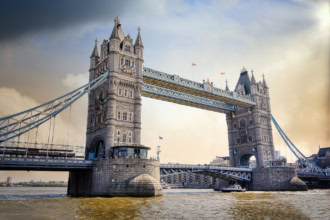
Another major advantage is how enjoyable the journey to Greenwich can be. Arriving by river boat along the Thames is one of the most scenic transport experiences in London, particularly when passing landmarks such as Tower Bridge, Canary Wharf, and the modern skyline of east London before reaching Greenwich Pier.
Unlike many major London attractions, Greenwich also feels spacious and relaxed. Visitors can spend hours walking between museums, riverside paths, cafés, markets, and viewpoints without feeling trapped inside dense crowds.
For many travellers, Maritime Greenwich becomes one of the most memorable parts of London because it combines world class attractions with a calmer atmosphere and a strong sense of discovery that feels very different from central London tourism.
London transport status
Live from Transport for London.
Powered by TfL Open Data
Live service status for the London Underground, DLR, London Overground, Elizabeth line, London Trams, river buses and the cable car, updated continuously from Transport for London.
What Is Maritime Greenwich?
Maritime Greenwich is a historic district of southeast London centred around the riverside area of Greenwich and recognised internationally for its importance in naval history, astronomy, science, timekeeping, and British royal history.
The area forms part of the wider Royal Borough of Greenwich and sits directly beside a major curve in the River Thames, historically making it one of the most strategically important maritime locations in England.
For centuries, Greenwich developed as a centre of royal power and naval influence. Kings and queens lived here, naval officers trained here, explorers navigated from here, and astronomers used the observatory above Greenwich to help map the world and establish global navigation systems.
Today, the district contains an extraordinary collection of historic landmarks including the Old Royal Naval College, the Royal Observatory Greenwich, the Cutty Sark, the National Maritime Museum, the Queen’s House, and the surrounding landscape of Greenwich Park.
What makes Maritime Greenwich especially important is the way these landmarks connect together historically. The area tells the story of Britain’s relationship with the sea, global trade, exploration, empire, astronomy, and scientific advancement across several centuries.
One of the defining features of the district is the dramatic visual relationship between the river, the grand architecture, and the hilltop observatory overlooking London. Few places in Britain combine landscape design, scientific history, and monumental architecture so successfully within one connected space.
Modern Greenwich also remains highly active rather than feeling like an isolated museum district. Visitors will find busy cafés, pubs, food markets, riverside walks, university buildings, residential streets, and transport connections mixed directly alongside the historic attractions.
The district is especially popular for day trips, riverside walks, museum visits, and family sightseeing because so many major attractions can be explored on foot within a relatively compact area.
For many visitors, Maritime Greenwich represents one of the clearest examples of how London combines modern life with layers of history stretching across hundreds of years.
Best for two or three nights. The widest choice of rooms, with filters for free cancellation and included breakfast.
View staysBest for groups who want one address and separate bedrooms rather than three hotel rooms.
See holiday homesBest as a last check before booking. Compares London hotel rates across several sites in one search.
Compare ratesUNESCO World Heritage Status
Maritime Greenwich received official UNESCO World Heritage Site status in 1997 because of its extraordinary global importance in the fields of architecture, science, astronomy, navigation, and maritime history.
UNESCO recognised the area as an exceptional example of how royal, scientific, and naval institutions shaped world history during the rise of Britain as a major maritime power.
One of the most important reasons for the designation is the remarkable collection of historic buildings and landscapes concentrated within a relatively small area. The combination of the Old Royal Naval College, the Royal Observatory, the Queen’s House, and Greenwich Park creates one of the most visually unified historic districts anywhere in Britain.
The site also holds enormous scientific significance because the Prime Meridian was established here. This invisible line at 0° longitude became the global reference point for navigation, mapping, and timekeeping across the world.
The creation of Greenwich Mean Time fundamentally changed international navigation and global coordination. For centuries, ships crossing oceans relied on Greenwich’s astronomical observations and timekeeping systems to navigate safely across the world.
Architecturally, UNESCO also recognised the area as one of the greatest surviving examples of coordinated landscape and building design from the seventeenth and eighteenth centuries. The work of major architects such as Sir Christopher Wren helped create the monumental riverside appearance that still defines Greenwich today.
One of the most impressive things about Maritime Greenwich is how accessible the heritage remains. Unlike some UNESCO sites that feel distant or disconnected from modern life, Greenwich still functions as a living part of London where historic buildings, parks, universities, museums, and public spaces continue to operate daily.
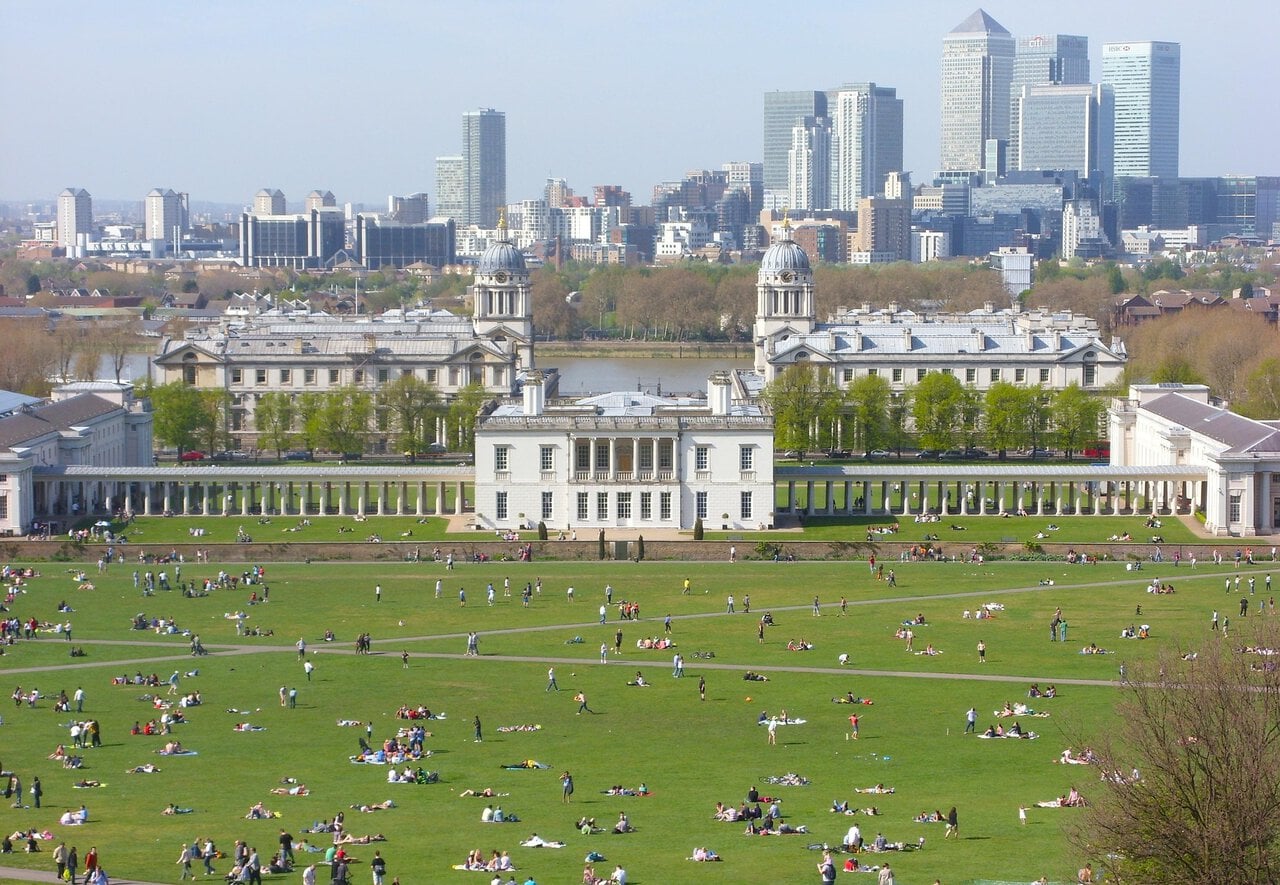
The district also offers one of the most recognisable skyline views in London. Looking downhill from the Royal Observatory across Greenwich Park, the Old Royal Naval College, and the River Thames remains one of the classic visual compositions in the city.
For many visitors, the UNESCO status helps explain why Greenwich feels so different from most other parts of London. It is not simply a collection of tourist attractions but one of the most historically important urban landscapes anywhere in the world.
Learn More from UNESCO
This destination is connected to a UNESCO World Heritage Site, recognised for its outstanding cultural, historical, or natural importance. You can explore official listings, background information, and protected heritage sites through UNESCO’s global database.
Quick Facts About Maritime Greenwich
| Feature | Information |
|---|---|
| Location | Southeast London beside the River Thames |
| UNESCO Status | World Heritage Site since 1997 |
| Most Famous Landmark | Royal Observatory & Prime Meridian |
| Main Maritime Attraction | Cutty Sark |
| Largest Museum | National Maritime Museum |
| Main Historic Complex | Old Royal Naval College |
| Best Green Space | Greenwich Park |
| Best Arrival Method | River boat via Thames Clippers |
| Nearest DLR Station | Cutty Sark DLR |
| Nearest Rail Station | Greenwich Station |
| Famous Scientific Importance | Birthplace of Greenwich Mean Time (GMT) |
| Typical Visit Duration | Half day to full day |
| Best Viewpoint | Royal Observatory hilltop terrace |
| Popular Nearby Area | Canary Wharf |
How to Get to Greenwich
One of the biggest advantages of visiting Maritime Greenwich is how many different transport options connect the area with central London. Visitors can arrive by river boat, DLR, National Rail, bus, cable car connections, or even on foot from nearby parts of east London.
For many travellers, the journey itself becomes part of the experience because Greenwich sits in one of the most visually interesting parts of the capital beside the River Thames.
The fastest routes usually involve either the Docklands Light Railway, commonly known as the DLR, or regular train services from central London stations such as London Bridge and Cannon Street. These routes make Greenwich very easy to visit as part of a wider London itinerary.
However, many visitors deliberately choose slower but more scenic options such as the Uber Boat by Thames Clippers river service because arriving by water creates a far more dramatic first impression of the district.
Travellers staying around Canary Wharf, Tower Bridge, the City of London, or the O2 Arena also benefit from particularly easy connections to Greenwich compared with many other London attractions.
Another major advantage is that most of Greenwich’s key attractions sit within walking distance of one another once you arrive. Visitors can normally explore the entire district on foot without needing additional transport during the day.
For travellers using contactless bank cards, Oyster cards, or mobile payment systems, transport around Greenwich is usually straightforward because nearly all major London transport services integrate into the wider Transport for London network.
DLR, Rail & Elizabeth Line Connections
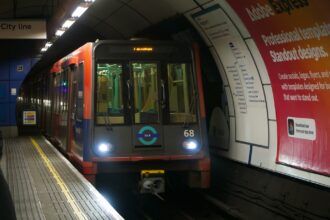
For many visitors, the easiest route to Maritime Greenwich is via the Docklands Light Railway, better known as the DLR. The main station for most tourists is Cutty Sark DLR Station, which places visitors almost immediately beside the riverside attractions.
The DLR is particularly useful because it connects Greenwich directly with major areas such as Bank, Canary Wharf, Stratford, and Tower Gateway. Travellers staying in east London or the financial district can therefore reach Greenwich very quickly without complicated changes.
One of the most enjoyable aspects of the DLR is the elevated views across parts of east London. Unlike underground Tube lines, large sections of the route run above ground, allowing visitors to see the changing skyline as they approach Greenwich.
Traditional rail services also connect Greenwich extremely well with central London. Greenwich Station receives regular services from London Bridge, Cannon Street, and other southeast London routes, making rail one of the fastest options for many visitors.
Travellers using the Elizabeth Line can also connect relatively easily by changing at locations such as Canary Wharf or Liverpool Street before continuing via the DLR or river services.
For visitors staying near Heathrow Airport, the Elizabeth Line often provides one of the quickest ways to reach east London before transferring onwards to Greenwich.
Another useful feature is how compact the transport connections are once visitors arrive. Both Cutty Sark DLR Station and Greenwich Station sit within easy walking distance of the district’s main attractions including the Cutty Sark, Greenwich Market, and the riverside.
Compared with some other London tourist districts, Greenwich generally feels far less confusing to navigate after arrival because the historic core is relatively concentrated and pedestrian friendly.
Thames Clippers & River Boat Arrivals
For many travellers, arriving in Greenwich by river is easily the best and most memorable way to experience the area for the first time.
The Uber Boat by Thames Clippers service runs frequent boats along the River Thames, connecting Greenwich with central London landmarks such as Westminster, London Eye Pier, Tower Bridge, Canary Wharf, and the O2 Arena.
Unlike the Underground, the river journey transforms transport into part of the sightseeing experience itself. Travellers pass directly beneath famous bridges, alongside historic docks, modern skyscrapers, naval landmarks, and constantly changing riverside scenery before arriving at Greenwich Pier.
One of the biggest advantages of arriving this way is the dramatic visual approach towards Greenwich. The towers of Canary Wharf, the domes of the Old Royal Naval College, the masts of the Cutty Sark, and the hill rising towards the Royal Observatory gradually appear as the boat approaches the pier.
The river route also feels noticeably calmer and less stressful than crowded Underground journeys, particularly during warmer months or quieter parts of the day.
For visitors already exploring riverside London, Thames Clippers make it extremely easy to combine Greenwich with attractions such as the Tower of London, Battersea Power Station, or the London Eye within the same day.
Boats normally stop directly at Greenwich Pier, located only a short walk from the Cutty Sark, Old Royal Naval College, and other major attractions.
Many travellers also choose the river service specifically for the return journey because evening trips back towards central London provide excellent skyline views as the city lights begin to appear across the Thames.
For visitors wanting the most scenic arrival possible, few approaches to a London attraction match the experience of arriving at Maritime Greenwich from the river.
Why Arriving by River Is the Best Experience
Although Greenwich is easy to reach by train or DLR, arriving by river boat creates a completely different experience and is often considered one of the best transport journeys anywhere in London.
Historically, Greenwich was designed to be approached from the water. For centuries, royal visitors, naval officers, diplomats, merchants, and explorers all arrived via the River Thames, and many of the district’s grand buildings were deliberately positioned to impress people arriving by boat.
Even today, the visual impact remains extraordinary. As the boat approaches Greenwich Pier, visitors begin to see the elegant riverside façade of the Old Royal Naval College, the towering masts of the Cutty Sark, and the hilltop position of the Royal Observatory overlooking the district.
The contrast between historic Greenwich and the modern skyline of nearby Canary Wharf also becomes especially dramatic from the water. Few places in London showcase the city’s mixture of old and new architecture so clearly within a single view.
Another major advantage is that river travel itself feels slower and more relaxing than the Underground. Instead of crowded tunnels and busy interchanges, passengers can sit beside large windows or outdoor decks while watching the Thames unfold gradually around them.
The journey also passes numerous major landmarks along the way including Tower Bridge, the Tower of London, St Paul’s Cathedral, the Shard, and the redeveloped docklands of east London.
For photographers, the river route provides some of the best moving views in the capital, particularly during sunset or evening departures when the skyline reflections become especially impressive.
Many visitors who initially treat the boat simply as transport later realise the river journey becomes one of the highlights of the entire Greenwich experience itself.
For travellers visiting London for the first time, combining a Thames river journey with a day exploring Maritime Greenwich creates one of the most balanced and memorable sightseeing experiences anywhere in the city.
Best for long or awkward journeys. Builds one itinerary out of separate flights.
View flightsBest for anyone whose home plan charges by the megabyte abroad. Pay a fixed price up front.
Check eSIMsBest if you would rather not work out the transport on arrival. Book it now and forget it.
View transfersTop Attractions in Maritime Greenwich
One of the reasons Maritime Greenwich stands out from many other areas of London is the extraordinary concentration of major attractions located within a relatively compact riverside district. Visitors can explore world famous museums, historic ships, royal architecture, scientific landmarks, panoramic viewpoints, and enormous green spaces all within walking distance of one another.
The most famous attraction is usually the Royal Observatory Greenwich, home of the Prime Meridian and the birthplace of Greenwich Mean Time. Sitting high above the district inside Greenwich Park, the observatory combines scientific history with some of the best panoramic views across London.
At river level, the iconic Cutty Sark remains one of the most recognisable historic ships in the world. The preserved nineteenth century tea clipper allows visitors to walk beneath and aboard one of the fastest sailing ships ever built.
The spectacular Old Royal Naval College dominates the riverside visually and contains the magnificent Painted Hall, often described as Britain’s answer to the Sistine Chapel because of its enormous decorative ceiling artwork.
The surrounding National Maritime Museum is one of the world’s leading museums dedicated to naval history, exploration, polar expeditions, astronomy, trade routes, and Britain’s maritime past.
Visitors can also explore the elegant Queen’s House, the vast open landscape of Greenwich Park, the riverside pathways, Greenwich Market, hidden alleyways, historic pubs, and numerous smaller attractions spread throughout the district.
What makes Greenwich particularly enjoyable is that the attractions feel connected rather than isolated. Walking between them naturally reveals changing views of the Thames, the skyline, the park, and the surrounding architecture.
Unlike some London sightseeing areas that feel rushed or overcrowded, Greenwich encourages slower exploration. Visitors can comfortably combine museums, viewpoints, cafés, riverside walks, and historic landmarks within a relaxed full day itinerary.
Cutty Sark
The Cutty Sark is one of the most famous ships in the world and one of the defining landmarks of Maritime Greenwich. Built in 1869, this legendary tea clipper once transported tea from China to Britain at remarkable speeds and later carried wool from Australia during the height of the global sailing era.
Today, the ship sits preserved beside the Thames in a specially designed glass covered dock where visitors can walk both underneath and aboard the vessel.
One of the most impressive things about the Cutty Sark experience is the engineering display beneath the hull. Visitors can stand directly underneath the enormous copper covered ship and appreciate the scale, shape, and design that once made it one of the fastest sailing ships ever constructed.
Inside the ship itself, travellers can explore crew quarters, cargo spaces, navigation areas, and preserved decks while learning about the harsh realities of nineteenth century maritime trade and life at sea.
The Cutty Sark also tells a broader story about Britain’s role in global shipping, empire, trade routes, and naval power during the Victorian period. The ship represents the final great age of commercial sailing vessels before steamships eventually transformed global transport.
The upper deck remains one of the highlights of the visit. Standing beside the towering masts and rigging while looking across modern London creates a fascinating contrast between historic maritime technology and the contemporary skyline surrounding Greenwich today.
The attraction is especially popular with families because visitors can move freely throughout large sections of the ship rather than simply viewing it from behind barriers.
For many travellers, the Cutty Sark becomes one of the most memorable attractions in London because it feels immersive and visually dramatic in a way many traditional museums do not.
The ship also sits directly beside Greenwich Pier, making it one of the first major landmarks visitors encounter when arriving by river.
Royal Observatory Greenwich & the Prime Meridian
The Royal Observatory Greenwich is one of the most historically important scientific sites in the world and the location where the modern system of global timekeeping and longitude measurement was established.
Positioned high above Greenwich Park, the observatory was founded in 1675 by King Charles II to improve navigation at sea and help solve the enormous problem of calculating longitude accurately during ocean voyages.
Today, visitors come from around the world to stand across the famous Prime Meridian Line, the internationally recognised line marking 0° longitude. This invisible line divides the eastern and western hemispheres and became the reference point for global navigation, mapping, and time zones.
For many travellers, simply standing with one foot in the eastern hemisphere and one foot in the western hemisphere becomes one of the symbolic highlights of visiting Greenwich.
The observatory itself contains fascinating exhibitions covering astronomy, navigation, timekeeping, telescopes, clocks, and Britain’s maritime scientific history. Visitors can also explore Flamsteed House, the original observatory building designed by Sir Christopher Wren.
One of the most visually striking features of the observatory is its position overlooking London. The viewpoint across Greenwich Park, the Old Royal Naval College, the River Thames, and the skyscrapers of Canary Wharf is widely considered one of the best panoramic views anywhere in the capital.
The site also played a crucial role in establishing Greenwich Mean Time, commonly shortened to GMT, which became the global standard for time measurement and navigation.
Inside the observatory complex, visitors can see historic instruments, navigation equipment, astronomical tools, and displays explaining how sailors once navigated across oceans long before modern GPS technology existed.
For travellers interested in science, astronomy, exploration, or navigation, the Royal Observatory remains one of the most important and fascinating attractions anywhere in Britain.
Old Royal Naval College & Painted Hall
The riverside complex of the Old Royal Naval College forms the architectural centrepiece of Maritime Greenwich and is one of the most visually impressive historic sites anywhere in London.
Originally designed as the Royal Hospital for Seamen, the grand complex was created to support retired sailors of the Royal Navy. Over time, the buildings later became a major naval training college and played an important role in Britain’s maritime military history.
Today, the complex is best known for its extraordinary riverside setting and the spectacular Painted Hall, one of the greatest decorative interiors in Europe.
The Painted Hall is often described as Britain’s equivalent of the Sistine Chapel because of the enormous scale and detail of its painted ceilings and walls. Created by artist Sir James Thornhill, the artwork celebrates British naval power, monarchy, science, exploration, and political history through huge allegorical paintings covering the interior surfaces.
Many visitors are completely unprepared for the scale of the hall when they first enter. The combination of towering ceilings, rich colours, dramatic artwork, and monumental architecture creates one of the most impressive interiors in London.
The surrounding courtyards and riverfront also remain extremely recognisable because they have appeared in numerous films and television productions including historical dramas and major Hollywood productions.
Architecturally, the site is closely associated with Sir Christopher Wren, whose influence helped shape much of Greenwich’s grand appearance during the seventeenth century.
Walking through the college grounds also provides some of the best river views in Greenwich. The open central avenue aligned towards the Thames creates one of London’s classic historic vistas.
For many visitors, the Old Royal Naval College becomes one of the biggest surprises in Greenwich because the scale and beauty of the complex far exceeds expectations before arrival.
National Maritime Museum
The National Maritime Museum is one of the most important maritime museums in the world and forms a major part of the wider Royal Museums Greenwich complex. Located beside Greenwich Park, the museum explores Britain’s long relationship with the sea through navigation, exploration, trade, naval warfare, astronomy, cartography, and global empire.
One of the biggest advantages of the museum is its enormous range of subjects. Visitors will find exhibitions covering famous naval battles, polar expeditions, historic exploration routes, merchant shipping, scientific instruments, ocean travel, piracy, and Britain’s changing role as a maritime power over several centuries.
The museum also contains extensive collections linked to some of Britain’s most famous naval figures including Admiral Nelson, whose victory at the Battle of Trafalgar became one of the defining moments in British naval history.
Unlike some heavily academic museums, the National Maritime Museum is generally designed to feel accessible and engaging for a wide range of visitors. Large ship models, paintings, uniforms, navigation tools, maps, interactive galleries, and dramatic displays help make the exhibitions feel visually interesting even for people without deep maritime knowledge.
Families often particularly enjoy the museum because many sections are interactive and spacious compared with more crowded London museums. The large open galleries also make the building feel calmer and easier to navigate than many central London attractions.
Another major advantage is the location itself. The museum sits directly beside the landscaped grounds of Greenwich Park, allowing visitors to combine indoor exhibitions with outdoor walks and viewpoints during the same day.
For travellers interested in exploration history, the museum provides important context for understanding how navigation, astronomy, longitude, and global trade routes transformed the modern world.
The museum also connects naturally with the nearby Royal Observatory, helping visitors understand how scientific developments in Greenwich supported navigation and ocean travel during the great age of exploration.
For many visitors, the National Maritime Museum becomes one of the highlights of Greenwich because it transforms complex naval and scientific history into something visually engaging and easy to understand.
Greenwich Park & London Viewpoints
Greenwich Park is one of London’s oldest and most beautiful royal parks and provides the dramatic hillside setting that defines much of Maritime Greenwich’s famous skyline.
Covering a huge area above the Thames, the park combines open lawns, tree lined avenues, gardens, historic pathways, wildlife, and panoramic viewpoints overlooking east London. The park also creates a striking visual contrast between the historic architecture of Greenwich below and the modern skyscrapers of Canary Wharf rising in the distance.
The most famous viewpoint sits directly beside the Royal Observatory. From here, visitors can look downhill across the symmetrical architecture of the Old Royal Naval College, the Queen’s House, the River Thames, and the surrounding skyline. It is widely considered one of the best free views anywhere in London.
Many travellers are surprised by how large Greenwich Park actually feels once inside. Despite being located within London, large sections of the park feel calm and spacious compared with the intensity of central tourist areas.
The hilltop setting also explains why the observatory was placed here historically. The elevated position provided clear views of the sky and surrounding river approaches, helping astronomers and navigators perform observations linked to timekeeping and navigation.
Throughout the park, visitors will also find flower gardens, quiet wooded areas, deer enclosures, cafés, memorials, and walking routes connecting the various attractions around Greenwich.
The park changes significantly with the seasons. Summer brings busy lawns, picnics, and long evening views across the city, while autumn often creates spectacular colours across the tree lined slopes. Winter can feel colder and quieter but sometimes provides particularly clear skyline visibility.
For photographers, Greenwich Park remains one of the best places in London for combining historic architecture with modern skyline photography. Few viewpoints capture London’s contrast between historic and contemporary urban landscapes so successfully.
Many visitors ultimately spend far longer in the park than expected because it provides such a relaxing break from the noise and pace of central London tourism.
Best for solo travellers and anyone watching the budget. Dorm beds and private rooms in the same search.
Browse hostelsBest arranged before you fly rather than after. Covers claim handling, plus lounge access on eligible delays.
Explore AirHelp+Best for the gap between checking out and your train. Drop bags at a shop or hotel nearby and carry on.
Store your bagsGreenwich Market, Cafés & Food
Beyond the major historic attractions, Greenwich Market and the surrounding streets give the district much of its atmosphere and help make the area feel lively long after museum visits finish.
Located only a short walk from the Cutty Sark and Greenwich Pier, the covered market area contains a mixture of street food stalls, cafés, bakeries, independent shops, craft sellers, antique traders, and small restaurants.
One of the reasons the market works so well is its mixture of locals and tourists. Unlike some heavily tourist focused London markets, Greenwich still feels connected to the surrounding community, giving the area a more authentic atmosphere throughout the week.
Food options are particularly strong. Visitors will find international street food, traditional British dishes, desserts, pastries, coffee shops, and riverside pubs spread throughout the surrounding streets and lanes.
The area around Nelson Road, Greenwich Church Street, and the market itself becomes especially busy during weekends when visitors combine sightseeing with shopping and food stops.
Greenwich is also home to several historic pubs linked to the district’s naval and maritime past. Many riverside pubs in the area provide outdoor seating with views across the Thames, creating some of the most enjoyable places in southeast London for relaxed evening meals or drinks.
One major advantage of Greenwich compared with central London is that food and drink prices often feel slightly more reasonable while still offering excellent quality and atmosphere.
Travellers spending a full day in Greenwich usually find it easy to combine museums, riverside walks, market browsing, cafés, and evening dining without needing to leave the district.
The compact layout also makes the area feel highly walkable. Visitors can move naturally between attractions, food stops, river views, and shopping areas without needing additional transport once they arrive.
For many travellers, the market and surrounding cafés help transform Greenwich from simply a sightseeing destination into one of the most pleasant full day areas to explore anywhere in London.
Combined Tickets & Best Value Passes
Because several of Greenwich’s biggest attractions belong to the wider Royal Museums Greenwich group, visitors can often save money by using combined attraction tickets rather than paying separately for each site.
One of the most popular options combines entry to the Cutty Sark, the Royal Observatory, and other participating attractions within the Greenwich museum network. These combination tickets are particularly useful for visitors planning to explore multiple major sites during the same day.
For many travellers, the combined passes provide much better value because Greenwich naturally encourages visiting several attractions together rather than treating each museum separately.
The biggest paid attractions are usually the Cutty Sark and the Royal Observatory Greenwich, while some other museum areas may remain partially free depending on current exhibition arrangements and temporary displays.
Visitors planning to spend a full day in Greenwich often benefit most from combination passes because entry costs can otherwise rise quickly when visiting several premium attractions individually.
Another major consideration is convenience. Combination tickets often simplify entry and reduce the need to purchase multiple separate admissions throughout the day.
Travellers already using wider London sightseeing products such as the London Pass may also find Greenwich attractions included within broader city attraction packages. This can work especially well for visitors planning intensive sightseeing across several London districts during short stays.
The river services to Greenwich can also sometimes be bundled with sightseeing packages or attraction deals, particularly during tourist seasons.
For many visitors, the best overall strategy is combining a Thames river arrival, a Royal Museums Greenwich pass, and a slower paced walking itinerary through the district. This usually creates the most complete Greenwich experience while also offering the best overall value for money.
Suggested Walking Route Around Maritime Greenwich
One of the best things about Maritime Greenwich is how naturally the district works as a walking destination. Most of the major attractions sit within a relatively compact area, allowing visitors to experience riverside scenery, historic architecture, museums, viewpoints, and green spaces without needing additional transport once they arrive.
For many visitors, the ideal starting point is Greenwich Pier, particularly if arriving via the Uber Boat by Thames Clippers river service. Stepping off the boat immediately places travellers beside some of Greenwich’s most famous landmarks and creates a dramatic first impression of the district.
From the pier, most visitors naturally begin at the Cutty Sark, whose towering masts dominate the riverside area. Exploring the ship first works well because it introduces Greenwich’s maritime history before continuing deeper into the district.
After visiting the Cutty Sark, the route normally continues through the surrounding streets towards Greenwich Market, where visitors can stop for coffee, food, or a slower walk through the covered market area and surrounding independent shops.
From there, the walk gradually opens into the grand riverside spaces surrounding the Old Royal Naval College. This section contains some of the most impressive architecture anywhere in London and provides spectacular photo opportunities looking across the courtyards towards the Thames.
Most visitors then continue inland towards the National Maritime Museum and the elegant Queen’s House, whose symmetrical architecture forms one of Greenwich’s most recognisable historic views.
The route then climbs through Greenwich Park towards the Royal Observatory and the famous Prime Meridian Line. The uphill section is relatively gentle but rewards visitors with one of the best panoramic viewpoints in London overlooking the river, the historic district below, and the skyscrapers of Canary Wharf beyond.
Many travellers spend longer than expected around the observatory viewpoint because the skyline composition is so visually impressive, particularly during sunset or clear weather.
After descending back through the park, visitors often finish the route beside the river with food, drinks, or evening views across the Thames before returning to central London.
The full route works particularly well because it combines maritime history, royal architecture, scientific landmarks, green space, river scenery, and food stops within a single walkable itinerary.

Hidden Gems in Greenwich
Although the major attractions dominate most Greenwich itineraries, the district also contains numerous smaller details, quieter corners, and overlooked historic features that many visitors miss completely.
One of the most famous hidden features is the elegant Tulip Stairs inside the Queen’s House. This striking spiral staircase has become one of the most photographed architectural details in Greenwich because of its symmetrical design and dramatic visual appearance.
Another overlooked experience is simply wandering through the quieter streets behind the main tourist areas. Smaller lanes around Greenwich Church Street and the surrounding residential areas often reveal historic buildings, traditional pubs, hidden courtyards, and old maritime architecture that many visitors never notice.
The riverside itself also contains fascinating historical details linked to Britain’s naval past. Greenwich played a major role in supporting the Royal Navy, global exploration, and scientific navigation for centuries, and traces of this history remain embedded throughout the district.
Many visitors also overlook Greenwich’s deep connection to polar exploration. The nearby National Maritime Museum contains important artefacts linked to Arctic and Antarctic expeditions, reflecting Britain’s historic role in global exploration.
Another surprisingly atmospheric experience is walking through Greenwich during quieter evening hours once many day visitors leave. The illuminated riverside buildings, quieter pathways, and evening skyline views create a completely different atmosphere compared with busy daytime periods.
Travellers interested in film locations may also recognise parts of Greenwich from numerous productions. The Old Royal Naval College, in particular, has appeared in major historical dramas, fantasy productions, and Hollywood films because of its monumental architecture and cinematic riverfront setting.
The contrast between old and new London also becomes especially striking in Greenwich. Historic domes, sailing ships, observatories, and royal buildings sit directly opposite the glass towers of modern Canary Wharf, creating one of the clearest visual contrasts anywhere in the capital.
For slower paced travellers, these smaller details and quieter moments often become just as memorable as the district’s headline attractions.
Best Time to Visit Maritime Greenwich
Maritime Greenwich can be visited throughout the entire year, but the atmosphere and overall experience change significantly depending on the season, weather, and time of day.
For many travellers, late spring and summer provide the most enjoyable overall conditions because the riverside areas, parks, cafés, and outdoor viewpoints become especially lively during warmer weather. Long daylight hours also allow visitors to explore the district much more slowly without feeling rushed.
Summer is particularly popular for river boat arrivals because the journey along the River Thames becomes a major part of the sightseeing experience itself. Sitting on the outdoor deck of a river boat while approaching Greenwich during warm weather is widely considered one of the best transport experiences in London.
However, summer weekends can also become busy, especially around the Cutty Sark, Greenwich Market, and the viewpoint near the Royal Observatory.
Autumn is often one of the most underrated seasons for visiting Greenwich. The changing colours across Greenwich Park create particularly attractive scenery, and the cooler temperatures make walking around the district much more comfortable compared with hotter summer afternoons.
Winter creates a completely different atmosphere. The riverside feels quieter, the historic buildings appear more dramatic under darker skies, and the district often feels calmer and more atmospheric overall. Clear winter days can also produce excellent skyline visibility from the observatory viewpoint.
Spring works especially well because the park gardens and open spaces begin to brighten again while visitor numbers often remain lower than peak summer periods.
Time of day also matters enormously. Early mornings usually provide the quietest experience, especially around the observatory and riverside courtyards. Late afternoon and sunset often create the best photography conditions because the lower sunlight dramatically improves views across the Thames and the surrounding skyline.
Evening river journeys back towards central London can also become highlights in themselves, particularly when the illuminated skyline reflections appear across the Thames after dark.
For most travellers, the ideal Greenwich experience combines good weather, a slower pace, and enough time to enjoy both the major attractions and the riverside atmosphere without rushing between sites.
How Long to Spend in Greenwich
One of the biggest mistakes visitors make is underestimating how much time Maritime Greenwich actually deserves. Many travellers initially expect to spend only a couple of hours in the area before moving elsewhere, but Greenwich usually becomes a much longer and more immersive experience once people arrive.
For visitors wanting only a quick overview, a shorter trip of around two to three hours is enough to walk through the riverside area, see the Cutty Sark, explore the Old Royal Naval College, and visit parts of Greenwich Market.
However, travellers wanting to properly experience the district normally need at least half a day, especially if visiting the Royal Observatory, National Maritime Museum, or Painted Hall.
A full day works particularly well because Greenwich naturally combines indoor attractions with slower outdoor exploration. Visitors often spend far longer than expected sitting in cafés, walking through Greenwich Park, watching river traffic, or enjoying skyline views from the observatory hill.
The district also rewards slower exploration more than many other parts of London. Smaller architectural details, hidden lanes, river views, and changing perspectives gradually reveal themselves throughout the day.
Visitors arriving by river often stay longer because the boat journey itself already creates a more relaxed pace compared with rushing through Underground connections.
Travellers interested in photography, architecture, astronomy, naval history, or museums can easily spend an entire day in Greenwich without running out of things to see.
Greenwich also combines extremely well with nearby areas such as Canary Wharf, the O2 Arena, or riverside east London itineraries. Some visitors therefore split their day between multiple locations connected by the Thames river services.
For many travellers, Greenwich ultimately becomes one of the most unexpectedly enjoyable full day areas anywhere in London because it combines sightseeing with a much calmer and more spacious atmosphere than central tourist districts.

Accessibility & Visitor Facilities
One of the reasons Maritime Greenwich works so well for visitors is that the district is generally much easier and less stressful to navigate than many older parts of central London. The wide open spaces, riverside pathways, pedestrian friendly streets, and large museum complexes make Greenwich feel noticeably more comfortable for slower paced sightseeing.
Most of the main attractions including the National Maritime Museum, the Old Royal Naval College, and large sections of the riverside area are designed to accommodate a wide range of visitors including families, wheelchair users, and travellers with reduced mobility.
However, the geography of Greenwich still creates some challenges. The route up through Greenwich Park towards the Royal Observatory involves a fairly steep uphill climb in places. Visitors with mobility concerns may therefore prefer a slower pace or may choose taxis or accessible transport options when heading uphill towards the observatory area.
Inside the major museums and attractions, visitors will generally find modern facilities including lifts, accessible toilets, cafés, seating areas, and visitor information points.
The riverside itself is also relatively flat and easy to walk compared with some older historic London districts. Visitors can comfortably move between the Cutty Sark, Greenwich Pier, the Old Royal Naval College, and nearby cafés without dealing with large hills or complex street layouts.
Public toilets are available at several major attractions including museums, visitor centres, and some transport hubs throughout the district.
Families visiting Greenwich also benefit from the large open spaces around Greenwich Park and the riverside, giving children much more room to move around compared with heavily crowded central London attractions.
Food and drink options are widely available throughout the area. Visitors will find cafés, pubs, restaurants, bakeries, and market stalls spread across the district, particularly around Greenwich Market and the riverfront.
Because Greenwich combines outdoor walking with museum visits, comfortable footwear remains highly recommended, especially for travellers planning to climb towards the observatory viewpoint or spend a full day exploring the district on foot.

Rupert’s Handy Travel Tips
Visiting Maritime Greenwich works best when you slow down and enjoy the area properly rather than trying to rush between attractions. Rupert strongly recommends treating Greenwich as a full day destination rather than a quick stop.
- Rupert recommends arriving by river boat if possible because the Thames approach creates one of the best arrival experiences anywhere in London.
- The hill beside the Royal Observatory gives some of the best skyline photographs in London, especially during late afternoon or sunset.
- Greenwich is much larger than many visitors expect, so comfortable shoes make a huge difference during a full day of walking.
- Rupert also recommends spending time around the quieter riverside paths behind the main attractions because some of the best views are away from the busiest tourist areas.
Want to meet the reindeer behind our travel tips? Find out more in our page Who is Rupert?.




Frequently Asked Questions About Maritime Greenwich
Is Maritime Greenwich worth visiting?
Yes, Maritime Greenwich is widely considered one of the best areas to visit in London because it combines UNESCO World Heritage status, major museums, royal history, riverside scenery, and some of the best viewpoints in the city.
What is Maritime Greenwich famous for?
Greenwich is most famous for the Prime Meridian, Greenwich Mean Time, the Royal Observatory, the historic ship Cutty Sark, and the monumental architecture of the Old Royal Naval College.
How do you get to Greenwich from central London?
Visitors can reach Greenwich by DLR, National Rail, bus services, or the Uber Boat by Thames Clippers river service. Many travellers consider the river route the most scenic option.
How long should you spend in Greenwich?
Most visitors spend at least half a day exploring Greenwich properly, while travellers visiting several museums and attractions often spend a full day in the district.
Is the Royal Observatory worth visiting?
Yes, the Royal Observatory Greenwich is one of the most important scientific sites in the world and offers excellent exhibitions, the famous Prime Meridian Line, and spectacular panoramic views across London.
Can you visit the Prime Meridian for free?
You can see parts of the Prime Meridian area outside the observatory grounds for free, but standing directly on the official line inside the observatory complex normally requires an attraction ticket.
Is Greenwich good for families?
Yes, Greenwich is extremely family friendly because of its large open spaces, interactive museums, riverside walks, and attractions such as the Cutty Sark and National Maritime Museum.
What is the best way to arrive in Greenwich?
For many travellers, arriving by river boat along the Thames provides the best overall experience because of the scenic approach towards the Greenwich waterfront and skyline.
Further Reading & Related London Guides
If you are planning to explore more of London’s riverside attractions, our detailed guide to the Uber Boat by Thames Clippers explains the best routes, piers, ticket options, and sightseeing journeys along the River Thames, including services directly to Greenwich Pier.
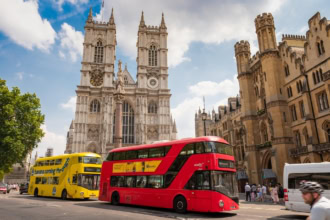
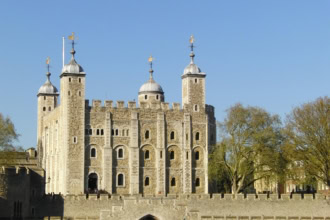
For a full overview of the city’s other major sights, our London Attractions Guide ties Greenwich together with the rest of the capital’s must-see landmarks, from the Tower of London to Westminster Abbey.
Getting to Greenwich by train is just as easy as arriving by boat. Our Docklands Light Railway Guide explains how the DLR connects Greenwich to Canary Wharf, Bank and the rest of East London, while our Thames River Cruises London guide covers the sightseeing cruises that call at Greenwich Pier alongside the Uber Boat service.
If you enjoy combining sightseeing with slower paced exploration, riverside walks, architecture, museums, and panoramic viewpoints, Greenwich also works extremely well alongside other historic London districts including Westminster Abbey, the Tower of London, and the riverside areas around Tower Bridge.
For travellers visiting London for several days, Greenwich often becomes one of the most memorable contrasts to the intensity of central London because it combines open space, river scenery, scientific history, and major attractions within a calmer and more walkable environment.