Reviewed by our editorial team Updated
Why Visit Debrecen
Debrecen offers a very different kind of Hungarian city break from Budapest. While the capital is grand, crowded and constantly in motion, Debrecen feels more spacious, slower and easier to absorb. It is Hungary’s second-largest city, yet it rarely feels overwhelming. That is exactly why it appeals to travellers looking for a destination with culture, history, green space, thermal wellness and local character, but without the pressure and pace of a major capital.
One of Debrecen’s biggest strengths is its balance. It has enough to fill a rewarding short break, but it never feels overbuilt or exhausting. You can spend the morning exploring major historical landmarks, the afternoon in a museum or thermal bath, and the evening in a café, wine bar or student-friendly restaurant district, all without spending half your day on transport. For travellers who value ease, comfort and a more relaxed rhythm, that matters.
The city is also shaped by a strong and distinctive identity. Debrecen is often referred to as the Calvinist heart of Hungary, and that heritage still defines much of its architecture, public life and atmosphere. At the same time, it is also a major university city, which gives it energy, diversity and a more modern edge. This blend of tradition and youthfulness makes the city feel grounded but not old-fashioned.
Debrecen also works well as a practical base. Its transport links, compact centre and straightforward layout make it easy to use for day trips across eastern Hungary, including Hortobágy National Park, nearby spa towns and Great Plain destinations. If you want a Hungarian city that feels authentic, manageable and quietly rewarding, Debrecen is one of the strongest alternatives to Budapest.
Key Neighbourhoods, Areas and Regions
Debrecen is a city that is easy to understand once you know its main areas. It does not have the complexity of larger capitals, which makes it especially appealing for first-time visitors. Most of the places you are likely to spend time in fall into a few clearly defined districts, each with its own atmosphere and strengths.
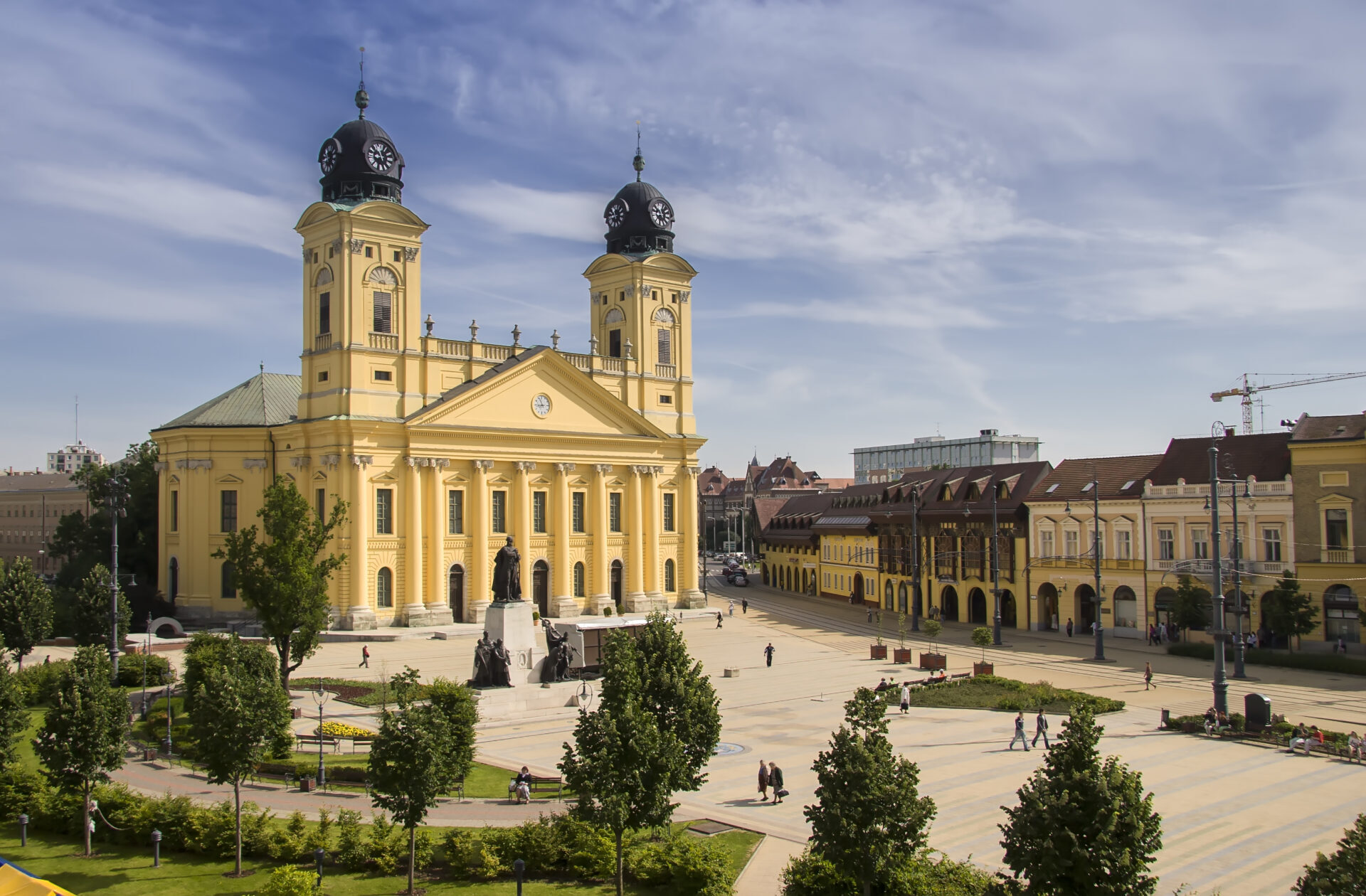
The City Centre, or Belváros, is where most visitors begin. This is the historic and civic heart of Debrecen, centred around Kossuth Square, Piac Street, and the Great Reformed Church. Many of the city’s best-known attractions, museums, cafés, shops and public spaces are here, and it is the most practical area for short stays. If you are only in Debrecen for a day or two, this is the area you will use most heavily.
To the north lies Nagyerdő, the Great Forest district, one of the city’s most attractive and distinctive areas. This part of Debrecen combines parkland, wellness facilities, university buildings, family attractions and quieter accommodation. It is home to the Aquaticum complex, the stadium, the zoo, and broad green paths that make it ideal for travellers who want a more relaxed setting. It is especially good for families, couples, wellness visitors and anyone staying longer than a quick city break.
The University Quarter overlaps with this northern side of the city and adds a more youthful atmosphere. Around the university, you will find student bars, affordable restaurants, coffee shops and a more international feel. This is one of the best areas for lower-cost dining and casual nightlife, particularly during term time.
Areas such as Újkert and Dobozi are more residential, but they can still be useful for travellers looking for budget accommodation or a more local perspective. These districts are less visually striking than the centre or Nagyerdő, but they are practical and well connected by public transport.
Further out, Józsa offers a much quieter, almost village-like feel on the northern edge of the city. Most visitors will not base themselves there, but it shows how Debrecen gradually shifts from urban centre to suburban calm without the intensity found in many larger cities.
The main thing to understand is that Debrecen is not difficult to decode. The centre is best for classic sightseeing, Nagyerdő is best for green space and wellness, and the university area is best for energy, food and lower-cost evenings out.
Compare hotels and other places to stay in Debrecen.
Check availabilityExplore holiday homes and apartments around Debrecen.
See holiday homesCompare hotel deals in Debrecen from multiple booking sites.
Compare pricesQuick Facts Table
| Category | Details |
|---|---|
| Country | Hungary |
| Region | Northern Great Plain |
| Population | Around 200,000 |
| Language | Hungarian |
| Currency | Hungarian Forint (HUF) |
| Time Zone | CET (UTC +1), CEST (UTC +2 in summer) |
| Known For | Great Reformed Church, Nagyerdő Park, thermal baths, University of Debrecen |
| Closest Airport | Debrecen International Airport (DEB) |
| Best For | Culture, wellness, food, nature, affordable city breaks |
These quick facts help frame what Debrecen offers. It is not a giant tourist city, and that works in its favour. It is large enough to have real cultural and practical depth, but small enough to remain easy to navigate and comparatively affordable.
Brief History and Background
Debrecen’s identity is deeply tied to religion, trade and education, and understanding that helps explain why the city feels so different from Budapest. It has long been known as the Calvinist Rome, a title that reflects its central role in the development of the Reformed Church in Hungary. The Great Reformed Church remains the city’s defining symbol, not just architecturally but culturally. It reflects a long period in which Debrecen was one of the most important centres of religion, learning and public life in the country.
From the 16th to the 18th centuries, Debrecen grew as a commercial hub on the Great Hungarian Plain. Its location helped it develop strong trading links, and that prosperity supported the growth of schools, churches and civic institutions. Unlike cities shaped primarily by royal courts or imperial grandeur, Debrecen developed a more restrained and practical character, and that still shows in the city’s atmosphere today.
The city also holds an important place in Hungarian political history. During the 1848 Revolution, Debrecen briefly served as the capital of Hungary, which underlined its national importance at a time of major upheaval. That period strengthened its symbolic role in the country’s story, even if it later returned to being a regional rather than political capital.
In the 20th century, Debrecen expanded further as an academic and scientific centre, driven above all by the growth of the University of Debrecen. This transformed the city into more than a historical or religious destination. It became a place associated with education, research and a younger urban population. That university influence is still one of the reasons the city feels more dynamic and outward-facing than some visitors expect.
Modern Debrecen blends these older layers with newer development. The rise of the Nagyerdő leisure district, upgraded transport, cultural institutions and wellness facilities has broadened its appeal, but the city has retained the calm, spacious, grounded feel that sets it apart. It is a place where history remains visible, but not in a way that traps it in the past.
Airport Overview and Transfers
Debrecen International Airport (DEB) is small by international standards, but that is one of its major advantages. For many travellers, arriving here feels far easier and less stressful than passing through a larger airport. It is the main gateway to eastern Hungary and offers a calm, straightforward arrival experience that suits the city itself.
The airport handles a mix of scheduled and seasonal flights, with Wizz Air playing a major role in its route network. Destinations vary over time, but typically include a selection of European cities and summer holiday routes. The airport’s scale means walking distances are short, queues are usually limited, and moving from aircraft to terminal exit is generally quick. For travellers used to large, crowded hubs, this makes a noticeable difference.
Inside, facilities are modest but functional. You can expect basic cafés, ATMs, rental car services, a small retail offering and free Wi-Fi. This is not a major shopping airport, but it does not need to be. The point of Debrecen Airport is efficiency rather than excess, and in that respect it works well.
Getting from the airport to the city centre is uncomplicated. The Airport 1 bus, run by DKV, is the cheapest public option and links the airport directly with Nagyállomás, the main railway station. The timetabled journey takes around 11 minutes, and departures are broadly aligned with flight arrivals and departures. For most visitors, it is an easy and affordable transfer.
Taxis are available outside arrivals and usually provide the fastest door-to-door option. Because Debrecen is compact, the journey into the centre is short, often around 15 minutes, and prices are generally lower than visitors might expect if they are used to larger capitals. Private transfers and hotel pickups are also available if booked in advance.
One of the airport’s practical strengths is its proximity to the city’s main transport hubs. Within a short ride, you can reach Debrecen Railway Station or the coach station for onward travel across Hungary. That makes the airport not just useful for city breaks, but also for wider regional itineraries.
For travellers arriving in eastern Hungary, Debrecen Airport is not flashy, but it is friendly, efficient and very easy to use, which is often far more valuable.
Trains
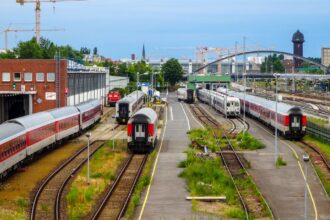
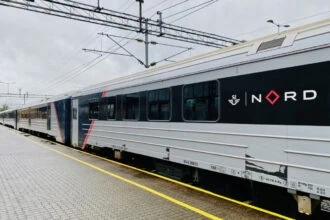
Rail travel is one of the easiest and most practical ways to reach Debrecen and to travel onwards from it. The city’s railway station is an important regional hub, and for many visitors, the train is the most comfortable way to connect with Budapest and other major destinations in Hungary.
The most important route is the connection to the capital. InterCity services run regularly between Budapest Nyugati and Debrecen, and the fastest journeys take around 2 hours 35 minutes. That makes Debrecen very realistic not only as a standalone destination, but also as part of a wider itinerary through Hungary. These trains are generally comfortable, easy to book and reliable enough to make rail the preferred option for many travellers.
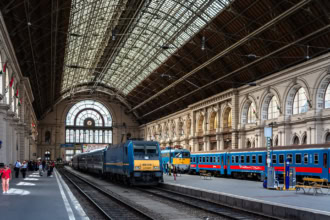
Debrecen Railway Station itself is modern, functional and fairly easy to navigate. You will find ticket counters, vending machines, waiting areas, small shops and clear electronic departure boards. For international visitors, this matters, because it reduces the friction that can come with unfamiliar rail systems. Staff at the main counters can often assist in English, and signage is usually straightforward enough to follow even if you do not speak Hungarian.
The station also connects well with the city itself. Trams stop directly outside, making it easy to continue your journey into the centre or towards Nagyerdő without needing a taxi. That kind of integration is one of Debrecen’s practical strengths. Arrival by train does not leave you stranded at the edge of the city.
Regional train connections are also useful. From Debrecen, you can travel to places such as Nyíregyháza, Miskolc, Hajdúszoboszló and smaller Great Plain towns. These local services are slower than the Budapest InterCity route, but they are useful for day trips and for travellers wanting to explore more of eastern Hungary.
Tickets are generally affordable, and discounts are often available for students, seniors and certain pass holders. For most visitors, the key point is simple: the rail network is not difficult to use, and Debrecen is one of the easier Hungarian cities to integrate into a wider rail-based trip.
Buses and Coaches
Debrecen’s bus and coach network is one of the city’s biggest practical advantages, especially for travellers who want to explore eastern Hungary beyond the main rail lines. While trains are excellent for major routes, buses often fill the gaps and make places reachable that would otherwise require more complicated planning. For many visitors, they become an essential part of getting around the wider region.
Long-distance and regional coach services are mainly operated by Volánbusz, and they provide strong links between Debrecen and nearby towns, villages, spa resorts and nature areas. This is particularly useful if you plan to visit places such as Hortobágy National Park, which is one of the most famous natural destinations in Hungary but not always best served by rail. In these cases, the coach network offers flexibility that trains cannot always match.
The main coach station, located close to the railway station, is practical and easy to use. It includes electronic departure boards, waiting areas, ticket counters, cafés and toilets, which makes it manageable even for first-time visitors. That proximity to the rail station also matters. It means you can switch between train and bus services without needing a separate local transfer, which makes Debrecen feel more joined-up as a transport hub.
Regional buses run regularly to spa towns, secondary cities and surrounding Great Plain settlements. Places such as Hajdúszoboszló, known for its thermal complex, are particularly easy to reach this way. Coaches also connect Debrecen with Nyíregyháza, Miskolc and other regional centres, giving the city a useful reach far beyond its immediate boundaries.
Fares are usually affordable, and coaches are generally comfortable enough for regional travel, with air-conditioning and decent seating on many services. In practical terms, buses are one of the reasons Debrecen works so well as a base. They extend your options without making day trips difficult to organise.
Local Public Transport
Debrecen’s local public transport system is one of the easiest in Hungary to understand, which makes it especially good for visitors. It is not huge, but it is efficient, affordable and logically structured, which is often more useful than sheer scale. For most travellers, it provides everything needed to move around the city comfortably without relying on taxis or cars.
The network is operated by DKV and consists of trams, buses and trolleybuses. The most important part of the system for visitors is the tram network, particularly Tram 1, which links several of the city’s most relevant areas. It connects the railway station, city centre, university zone and Nagyerdő, meaning many of Debrecen’s key sights and practical locations sit directly on or near its route. This makes it the single most useful line for tourists.
Tram 2 adds further coverage and helps connect residential districts with the central area. Although less important for most short-stay visitors, it can still be useful depending on where you are staying. The trams are modern, frequent and easy to board, with electronic displays and audio announcements helping passengers follow the route.
The bus network extends coverage into neighbourhoods and outer districts that the tram system does not reach. This becomes particularly useful if you are staying in more residential areas or planning to move between parts of the city that are not directly linked by rail. Trolleybuses add another layer to this network and are especially useful in inner-city routes.
Tickets are inexpensive and available in several forms, including single rides, day tickets and multi-day passes. These can be bought from machines, kiosks and mobile apps, which keeps the system easy to manage. Validators are placed on board, and once you understand that basic process, the network is simple to use.
What makes Debrecen’s transport especially good for visitors is that it rarely feels overwhelming. The city is small enough that the system remains clear, but large enough that the network genuinely saves time and effort.

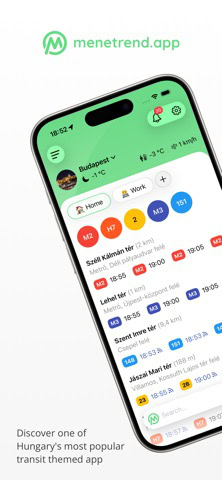

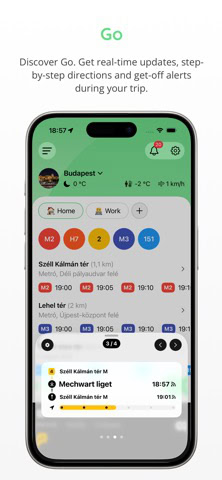

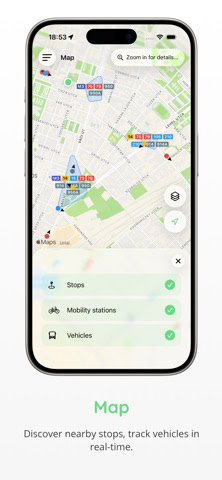
App availability and prices vary by country. Some of these may not appear in your local App Store or Google Play.
Compare routes and fares for your journey to Debrecen.
Compare flightsBrowse Airalo eSIM options for convenient travel data.
Check eSIMsHave a private airport pickup arranged before you travel.
Book a transferTaxis and Ride Shares
Taxis in Debrecen are a practical option when you want a direct, low-effort journey, especially outside the tram network or later in the evening. Because the city is relatively compact, taxi journeys are usually short, and that helps keep fares manageable compared with what many travellers are used to in larger European cities.
One of the strengths of using taxis here is predictability. The city regulates taxi services, and fares generally follow a standard tariff structure, which reduces the risk of confusion or inflated prices. Official taxis are clearly marked and can usually be found at the airport, railway station, major hotels and central squares. Vehicles are typically modern and metered, and many drivers can handle basic English, which is enough for most practical journeys.
Pre-booking is common and often useful, particularly during major events or at busier times such as festivals, weekends or late-night arrivals. Local firms such as Főnix Taxi and Best Taxi are among the better-known options. For travellers who prefer certainty, calling ahead or having hotel reception arrange a taxi can make the process even smoother.
Ride-sharing in the international app-based sense is more limited than in some larger cities, and availability can vary. For most visitors, standard local taxis remain the more dependable option.
Taxis are especially useful for airport transfers, early departures, late-night returns or journeys to places beyond the easiest public transport routes. They are also a strong option for groups, because splitting the fare can make them surprisingly good value.
In short, you do not need taxis constantly in Debrecen, but when you do need one, they are generally safe, straightforward and reasonably priced.
Scooter and Bike Rentals
Debrecen is a very good city for exploring on two wheels. Its generally flat terrain, open layout and growing cycling infrastructure make bikes and scooters a practical and enjoyable alternative to standard public transport, especially in the warmer months.
Cycling is particularly well suited to Debrecen because the city’s scale feels manageable without being tiny. Distances are long enough for a bicycle to be useful, but short enough that rides rarely feel exhausting. This is especially true around Nagyerdő, where wide paths, shaded routes and quieter roads make cycling genuinely pleasant rather than simply functional.
Traditional bike rentals are available through shops near the centre and the university, usually with hourly and daily rates. These are a strong choice if you want to spend time in the Great Forest district, around the university, or simply moving between central attractions at your own pace. Some hotels also offer bicycle hire, which can be more convenient than using an outside rental shop.
Electric scooters appear seasonally and can be useful for quick short-distance travel, although availability can vary depending on local regulation and demand. When they are active, they work in the standard app-based way, allowing users to unlock and pay by time or distance. They are convenient for quick hops, but they are less suited to longer, more leisurely exploration than bicycles.
The city continues to improve its cycling network, particularly around the university and greener districts, which helps make riding feel safer and more intuitive. Parking is usually uncomplicated, with racks available in many central and public areas.
For visitors who enjoy a more flexible and open-ended way of exploring, bikes are one of the best transport choices in Debrecen, especially if you want to combine practical travel with time in parks and quieter neighbourhoods.
Driving, Parking and Car Access
Driving in Debrecen is much easier than in many larger European cities. Roads are generally wide, clearly signed and manageable, and traffic rarely reaches the intensity that can make urban driving unpleasant elsewhere. For travellers arriving by car or renting one locally, the overall experience is usually more straightforward than stressful.
The city centre does include some one-way streets and controlled traffic areas, but they are well marked and usually easy to adapt to after a short time. For most visitors, the bigger issue is not driving itself but understanding parking rules. Central Debrecen has paid parking zones, generally operating from Monday to Saturday, with different rates depending on location. Payment machines are common, and some mobile options are also available, but checking local signage carefully is important because rules can vary by street.
Outside the very centre, parking becomes easier and often cheaper, and in some areas it is free. This is particularly useful in places like Nagyerdő and around larger accommodation zones, where more spacious car parks are available. Hotels may offer private parking, though it is worth confirming this in advance, especially if you are travelling during events or peak periods.
Traffic is usually calm enough that driving around Debrecen feels practical rather than burdensome. That said, for exploring the city centre itself, walking and public transport are often more convenient. The real value of having a car comes when you plan to travel beyond the city, especially into rural areas, national parks or spa towns.
As a result, driving in Debrecen works best when treated as a tool for flexibility rather than as the default way to explore the urban core. It is easy enough to use, but often most useful for what lies beyond the city itself.
Car Rental
For travellers who want full flexibility, car rental in Debrecen is a practical option, particularly if your plans go beyond the city. While Debrecen itself is easy to explore without a car, having your own vehicle opens up access to places like Hortobágy National Park, smaller villages on the Great Plain, and nearby spa towns that are less straightforward to reach by public transport.
Rental desks are available at Debrecen International Airport, which is the most convenient place to pick up a car if you are flying in. You’ll also find a handful of providers in the city centre, often with slightly lower prices but more limited opening hours. Booking ahead is strongly recommended during summer and festival periods, when demand increases and availability tightens.
Most rental fleets include compact city cars, mid-size vehicles and family options, which are more than adequate for Hungarian roads. Automatic cars are available but less common, so if you prefer one, it’s worth reserving early. Insurance packages vary, and while the basic cover is usually included, upgrading to a more comprehensive option can save hassle if anything unexpected happens.
Driving rules are standard for Europe. Seatbelts are mandatory, mobile phone use is restricted without hands-free systems, and speed limits are clearly enforced. Roads in and around Debrecen are generally in good condition, and once you leave the city, traffic drops away quickly, making rural driving straightforward and often quite enjoyable.
Fuel stations are easy to find, and prices are broadly in line with the rest of Central Europe. Returning the vehicle is usually simple, especially at the airport, where signage is clear and inspections are quick.
In short, you do not need a car for Debrecen itself, but if your trip includes countryside, national parks or multiple regional stops, it becomes one of the most useful upgrades you can make to your travel plans.

Compare Car Hire Prices in Debrecen
If you are planning to explore beyond Debrecen, hiring a car can give you much more flexibility over where you go and how long you spend there.
Compare prices through Discover Cars and EconomyBookings to check vehicles, rental conditions and offers from multiple car hire companies before you book.
Walking
One of Debrecen’s biggest advantages is how easy it is to explore on foot. The city has a natural layout that encourages walking, and many of its main sights sit within a relatively compact area. For most visitors, walking is not just an option, it becomes the default way of experiencing the city.
The city centre is especially well suited to this. Around Kossuth Square and Piac Street, wide pedestrian-friendly streets connect cafés, shops, museums and landmarks in a way that feels natural and unforced. You can move between key attractions in 10 to 15 minutes, often without needing to think about transport at all.
Walking also works particularly well in Nagyerdő, the Great Forest district. Here, the pace changes completely. Instead of streets and buildings, you have tree-lined paths, open green spaces and quieter routes that feel far removed from the centre, even though they are only a short tram ride away. A walk from the university building towards the Aquaticum complex, for example, is one of the most relaxing ways to spend part of a day in Debrecen.
Practical details matter too. Pavements are generally well maintained, crossings are clearly marked, and most routes are easy to follow without constant map-checking. Even in the evening, the main areas feel safe and well lit, which makes walking a comfortable option throughout the day.
Seasonally, it is worth adjusting your approach. In summer, the heat can build in the middle of the day, so shaded routes around Nagyerdő are a better choice. In winter, pavements are usually cleared, but mornings can be slippery after frost or light snow.
For most travellers, walking is what makes Debrecen feel simple, calm and accessible. You are not constantly navigating systems or rushing between places. You can slow down, notice details, and let the city unfold naturally.
Ferries and Cruises
Unlike cities built around major rivers, Debrecen does not have ferry services or urban cruises, and that often surprises visitors who are familiar with Budapest’s river-based attractions. The city sits inland on the Great Hungarian Plain, so water transport is simply not part of daily life here.
That said, this absence does not mean you have to miss out on water-based experiences entirely. It just means they sit slightly outside the city rather than within it.
If you are interested in something more scenic and nature-focused, Lake Tisza is the closest strong alternative. Around an hour from Debrecen, it offers boat tours, kayaking routes and quiet waterways that feel completely different from urban river cruises. It is less about sightseeing from a boat and more about exploring wetlands, wildlife and slower-moving landscapes.
Another option is the Tokaj region, where gentle river sections combine well with vineyard visits. Some seasonal boat trips operate here, offering a more relaxed and rural experience compared to the structured cruises you find in capital cities.
Many travellers naturally compare Debrecen with Budapest and expect similar river activities. The reality is that Debrecen’s appeal lies elsewhere. It focuses on parks, open space, culture and regional access, rather than waterfront sightseeing.
If river cruises are important to your itinerary, they are best experienced before or after your time in Debrecen, rather than during it.
Compare hostels and lower-cost places to stay in Debrecen.
Search hostelsGet help with compensation, eligible lounge access and disruption support.
Explore AirHelp+Arriving before check-in or leaving later? Store your luggage and make more of your time in Debrecen.
Store your bagsUnique and Scenic Ways to Travel
Debrecen does not rely on dramatic landscapes or headline transport experiences in the way some destinations do, but it does offer a few distinctive, low-key ways to explore that fit its character.
One of the simplest, but most rewarding, is spending time in Nagyerdő beyond the main routes. During certain periods, especially in warmer months or during events, you may find small leisure trains or shuttle-style vehicles running through parts of the park. These are not major transport systems, but they offer a relaxed way to move through the forest while taking in its layout and atmosphere.
Another standout is the Nagyerdei Water Tower. While it is not transport in the traditional sense, climbing it gives you a clear, elevated view of the city and the surrounding plain, which helps you understand Debrecen’s geography in a way you cannot from street level. In summer, the area around it often hosts events, which adds another layer to the experience.
If you are willing to travel slightly further, the most distinctive option is heading out towards Hortobágy National Park. Here, guided 4×4 tours or jeep-style excursions take you across open plains that are inaccessible by normal roads. This is one of the few places near Debrecen where the journey itself becomes a key part of the experience.
Seasonally, you may also come across more traditional options, such as horse-drawn rides in rural areas, particularly in colder months or around cultural events. These are less about efficiency and more about connecting with local traditions.
Debrecen is not about flashy transport experiences. Instead, it offers slower, more grounded ways of moving through space, which often feel more in line with the pace of the city itself.
Mini Trains, Trams and Tourist Shuttles
Debrecen does not have a full hop-on hop-off sightseeing bus system, but that does not mean you are limited when it comes to easy, low-effort ways of getting around key areas.
During certain times of year, especially around festivals, summer events and holidays, small tourist road trains operate in parts of the city, particularly around Nagyerdő and occasionally the centre. These are informal, slow-moving services that follow short routes linking major points of interest. They are especially popular with families, but they can also be a useful way to get a general sense of the area without walking long distances.
The most important everyday equivalent to a sightseeing route is actually the tram system, particularly Tram 1. It effectively acts as a practical sightseeing line, passing through or near many of the city’s most relevant areas. You can use it to move between the railway station, the centre, the university and the Great Forest without needing to think too much about navigation.
During major events such as the Flower Carnival or Christmas market, temporary shuttle services sometimes appear, helping connect busier zones and easing movement between key areas. These are not permanent features, but they can make a noticeable difference during peak periods.
Overall, Debrecen keeps things simple. Instead of a formal tourist transport system, it relies on a combination of seasonal extras and a strong everyday network. In practice, that often works just as well, because the city itself is small enough that you rarely feel the need for anything more complex.
Visiting: Top Attractions
Debrecen’s appeal comes from how easily you can move between its key attractions without feeling rushed. The city does not overwhelm you with an endless list of sights. Instead, it offers a tight, well-balanced selection of places that are genuinely worth your time.
Start with the Great Reformed Church, the defining landmark of the city. It dominates Kossuth Square and immediately sets the tone for Debrecen’s identity. The interior is deliberately simple compared to many European churches, but that simplicity is part of its significance. If you climb the tower, you get one of the best panoramic views over the city and the surrounding plain, which helps you understand how Debrecen sits within its landscape.
Just a short walk away, Kossuth Square itself acts as the city’s central hub. This is where locals gather, events take place, and the rhythm of the city becomes visible. It is not just a place to pass through. It is somewhere to pause, sit, and take in the atmosphere.
For culture, the Déri Museum is one of the most important stops. It combines art, history and regional heritage in a way that gives real context to what you are seeing around the city. Even visitors who are not usually drawn to museums tend to find it worthwhile because it feels directly connected to Debrecen itself.
Heading north, the Nagyerdő (Great Forest) offers a completely different experience. This is where Debrecen opens up into green space, leisure and relaxation. The Aquaticum Thermal & Wellness Centre sits within this area and is one of the city’s standout attractions. It is not just a spa. It is a place where you can spend several hours switching off completely.
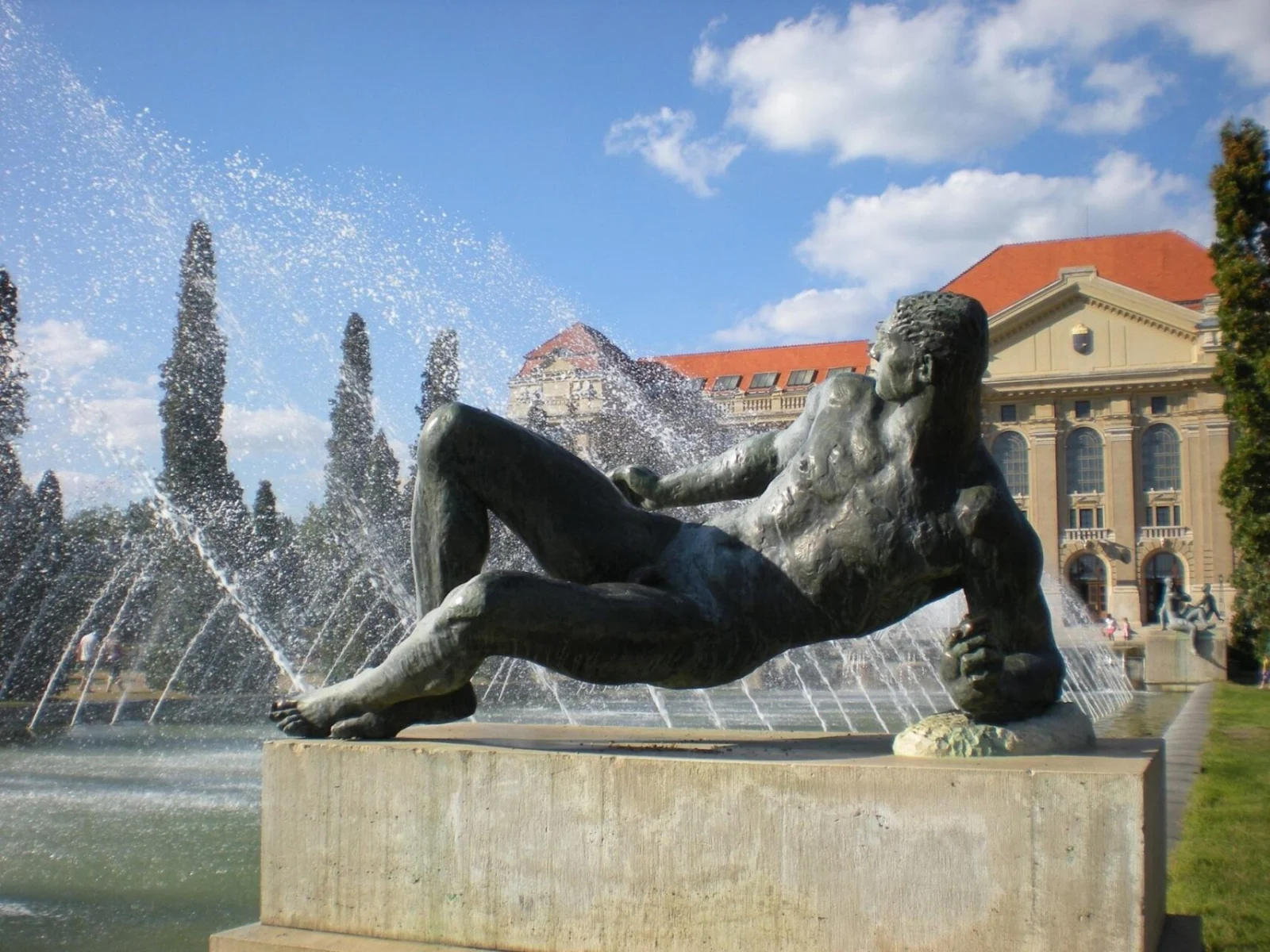
Nearby, the University of Debrecen adds another layer. Its main building and surrounding parkland are some of the most visually impressive parts of the city, and they give Debrecen a more academic, forward-looking feel.
For something more modern, MODEM provides a contrast with contemporary exhibitions and rotating displays, while the Zoo and Amusement Park offers a lighter, more relaxed option, especially for families.
What ties all of this together is accessibility. You can move between these places easily, often by tram or on foot, without needing to plan your day down to the minute. That flexibility is a big part of what makes visiting Debrecen enjoyable.

Historical Highlights and Landmarks
Debrecen’s history is not built around grand palaces or imperial excess. Instead, it is shaped by religion, education and civic life, and that gives its landmarks a different kind of weight. They feel functional, grounded and closely tied to the city’s identity.
The Great Reformed Church is the centrepiece of this story. It represents Debrecen’s role as the stronghold of the Reformed Church in Hungary, and its presence is both physical and symbolic. Standing in front of it, you are not just looking at a building. You are looking at the core of what defined the city for centuries.
Close by, the Reformed College of Debrecen deepens that story. Founded in the 16th century, it became one of the most important centres of learning in the region. Inside, you will find historic classrooms, manuscripts and artefacts that show how education and religion were closely linked in shaping Hungarian society.
The city also carries traces of its political importance. During the 1848 Revolution, Debrecen briefly served as the capital of Hungary, and parts of the old civic area still reflect that moment. Buildings around the centre are not overly ornate, but they carry a sense of purpose and historical significance.
For contrast, St. Anne’s Cathedral introduces a different architectural style. Its Baroque design stands apart from the more restrained Calvinist structures, giving you a clearer sense of the religious and cultural diversity that has existed within the city.
Further out, the University of Debrecen represents a later phase of development. Its grand façade and landscaped surroundings reflect the city’s shift towards education, science and modern growth in the 20th century.
Other smaller landmarks, such as the Nagyerdei Water Tower or remnants of the city’s Jewish heritage, add depth to the overall picture. None of these places exist in isolation. Together, they show how Debrecen evolved from a religious and trading centre into a modern regional city, while still holding onto its core identity.
Hidden Gems and Local Secrets
Debrecen rewards travellers who look beyond the obvious. While the main attractions are easy to find, some of the most enjoyable parts of the city sit slightly off the standard route.
One of the best examples is the Botanical Garden of the University of Debrecen. It is easy to miss if you are focused on the main campus, but once inside, it feels completely separate from the city. You will find quiet paths, greenhouses and a wide variety of plant life, all in a setting that encourages you to slow down.
In Nagyerdő, the real experience often begins once you move away from the main paths. The deeper you go, the quieter it becomes. Small lakes, sculptures and open clearings appear, and it starts to feel less like a park and more like a natural escape. Late in the day, especially towards sunset, this area becomes one of the most atmospheric places in Debrecen.
For a different kind of discovery, spend time around the University Quarter. This is where the city feels youngest and most informal. You will find independent cafés, second-hand shops, smaller art spaces and casual food spots that rarely appear in standard guides. It is a good place to step away from structured sightseeing and just see how the city lives.
Food markets are another strong option. The Debrecen Market Hall is not designed for tourists, and that is exactly why it works. It gives you a direct look at local produce, everyday food and regional specialities, from paprika to sausages and baked goods.
A quieter highlight is the Nagyerdei Water Tower, particularly when it is hosting events. It is not always busy, which makes it feel more local than curated. In the right moment, with music or a small gathering, it becomes one of the more memorable places in the city.
These smaller discoveries are what shift Debrecen from a straightforward city break into something more personal. They give you moments that feel unplanned and genuinely local, which is often what people remember most.
Indoor Attractions and Rainy-Day Ideas
Debrecen works well even when the weather does not cooperate. You are not limited to a single museum or forced into long indoor stretches. Instead, there are enough varied options to keep the day feeling balanced.
The Déri Museum is usually the first place to turn to. It is large enough to spend real time in, but not so big that it becomes tiring. Its mix of art, history and regional context makes it more engaging than a typical single-focus museum.
For something more modern, MODEM offers a completely different atmosphere. The space is open, contemporary and constantly changing. Exhibitions rotate, which means there is usually something new to see, and the overall feel is more dynamic than traditional galleries.
If you want something more relaxing, the Aquaticum Thermal & Wellness Centre is one of the strongest indoor options in the city. It is not just a backup plan for bad weather. It is an experience in its own right. With thermal pools, saunas, slides and indoor leisure areas, it can easily fill half a day.
Cafés also play a role here. Debrecen has a growing number of places where you can sit for an hour or two without feeling rushed. Around the centre and the university area, you will find coffee shops with comfortable seating, good pastries and a calm atmosphere, which makes them ideal for slowing the pace of the day.
For something lighter, cinemas and smaller cultural venues offer additional options, often showing international films with original audio. This can be a simple way to take a break from sightseeing while still staying engaged.
The key point is that Debrecen does not shut down when it rains. It simply shifts indoors in a way that still feels varied and worthwhile.

Shopping and Markets
Shopping in Debrecen is not about luxury districts or high-end retail. Instead, it is a mix of practical shopping centres, local markets and smaller independent shops, which together give you a more grounded and authentic experience.
The most straightforward option is Forum Debrecen, the city’s main shopping centre. It brings together international brands, Hungarian retailers, cafés and everyday services under one roof. If you need something specific, or simply want an easy indoor option, this is the most reliable place to go.
For something more local, the Debrecen Market Hall is far more interesting. This is where the city’s everyday life becomes visible. You will find fresh produce, meats, cheeses, spices and traditional foods, along with small stalls selling handmade goods. It is not designed to impress tourists. It is designed to serve locals, which is exactly what makes it worth visiting.
Smaller streets around the centre offer independent shops and artisan products, including pottery, candles, coffee and locally made items. These places are less obvious but often more memorable, especially if you are looking for something that reflects the region rather than a standard souvenir.
Around the University Quarter, the tone shifts again. Here you will find second-hand shops, casual boutiques and student-oriented stores, which add variety and keep prices accessible.
Seasonal markets also play an important role. The Christmas market in particular transforms the centre with food stalls, crafts and festive atmosphere, making it one of the more enjoyable times to shop in the city.
Overall, shopping in Debrecen is less about scale and more about variety and local character. It fits the city’s wider appeal. Simple, practical and often more interesting than expected.
Suggested Itinerary
Debrecen is one of those cities where a simple plan works best. You do not need to over-engineer your time here. The layout is clear, the distances are manageable, and the main sights naturally fall into place if you move through the city logically.
A one-day visit can be surprisingly effective. Start in the city centre, focusing on Kossuth Square and the Great Reformed Church. Take time to go inside, then climb the tower if it is open. From there, walk along Piac Street, stopping for coffee or a light breakfast. This stretch gives you a feel for the everyday rhythm of the city.
Late morning is a good time to visit the Déri Museum. Give yourself at least an hour, but avoid rushing. The value here comes from understanding the context it provides rather than trying to see everything quickly.
In the afternoon, shift the pace completely by heading to Nagyerdő. Take Tram 1, which makes the transition easy. Spend time walking through the forested paths, then move towards the Aquaticum Thermal Centre. Even a short visit here changes the tone of the day and gives you a chance to slow down properly.
In the evening, head towards the university area for food. This part of the city feels more relaxed and social, and it is a good place to end the day without needing anything too structured.
If you have two days, you can spread this out more comfortably. Start the second day with the Reformed College and St. Anne’s Cathedral, which add more historical depth. Then explore smaller streets, local cafés and the Market Hall. In the afternoon, you can choose between a second cultural stop, such as MODEM, or something lighter like the Zoo or a longer walk in Nagyerdő.
The key to planning Debrecen is not trying to do everything. It is about balancing culture, green space and downtime, which is where the city works best.
Events, Festivals and Seasonal Highlights
Debrecen’s calendar is one of the things that quietly elevates it from a simple city break into something more memorable. At the right time of year, the atmosphere shifts noticeably, and the city becomes far more dynamic.
The standout event is the Debrecen Flower Carnival, held every August. This is not a small local festival. It is a major national event, with large-scale floral floats, performances, music and street celebrations. The parade moves through the city and finishes in the Great Forest area, where the energy carries on into the evening. If you visit at this time, the entire city feels more alive.
In winter, the Christmas Market transforms the centre, particularly around Kossuth Square. Wooden stalls, lights, food stands and seasonal music create a completely different atmosphere. It is smaller than the markets in Budapest, but that actually works in its favour. It feels more local, less crowded and easier to enjoy at a relaxed pace.
Spring and early summer bring a mix of cultural events, university festivals and smaller street gatherings. These are less formal but still add character to the city, especially around the university district.
During the warmer months, the Nagyerdei Water Tower often becomes a focal point for concerts, open-air cinema and evening events. These are not always heavily advertised, which makes them feel more like local discoveries than scheduled tourist attractions.
Sport also plays a role. Matches at the Nagyerdei Stadion can bring a different kind of energy to the city, especially during bigger fixtures.
What matters here is timing. Debrecen is enjoyable year-round, but if your visit aligns with one of these periods, the experience becomes noticeably richer and more engaging.

City Passes and Discount Options
Debrecen does not rely heavily on a single all-in-one tourist pass, and that actually reflects how the city works. It is not designed around bundled sightseeing in the same way as larger capitals. Instead, value comes from individual choices, transport passes and occasional bundled tickets.
For transport, day passes and multi-day passes are often the simplest way to save money. They allow unlimited use of trams and buses, which is useful if you are moving between the centre and Nagyerdő several times a day. Given how affordable transport already is, the main benefit is convenience rather than major savings.
Museums and cultural sites sometimes offer combined tickets or reduced entry for multiple exhibitions, particularly at places like the Déri Museum or MODEM. These are worth checking on arrival rather than planning in advance, as offers can change.
During major events, you may also find temporary discounts or bundled entry options, especially around festivals. These are usually short-term but can add value if your visit coincides with them.
If you are travelling more widely, regional rail passes can also make sense, particularly if you are using Debrecen as a base for multiple day trips. These are not specific to the city, but they can reduce overall travel costs significantly.
The key point is that Debrecen rewards a flexible approach. Instead of relying on a single pass, it is usually better to combine transport tickets, selective attraction entry and occasional discounts based on what you actually plan to do.
Parks, Gardens and Green Spaces
Debrecen stands out in Hungary for how much green space it offers. The city does not feel dense or enclosed. Instead, it opens up quickly into parks and woodland areas that give it a much more relaxed atmosphere.
The centrepiece is Nagyerdő, the Great Forest. This is not just a park. It is a large, integrated green district that combines walking paths, attractions, leisure areas and quiet spaces. You can spend hours here without covering the same ground twice. Wide paths make it easy to explore, and the balance between open areas and shaded sections keeps it comfortable even in warmer weather.
Within Nagyerdő, Békás-tó (Frog Lake) is one of the most pleasant spots. It is small, but the surrounding promenade, seating areas and water features create a calm setting that works well for short breaks or slower afternoons.
The Botanical Garden near the university offers something more structured. It is quieter, more contained and better suited to travellers who enjoy a slower, more deliberate walk. Greenhouses, curated plant collections and less crowded paths make it feel like a hidden layer within the city.
Smaller parks scattered across Debrecen add to the overall effect. They may not be major attractions on their own, but they reinforce the sense that the city has space to breathe.
What makes Debrecen different is not just that it has parks, but that they are integrated into everyday life. You do not need to plan a special trip to enjoy them. They sit naturally within the flow of the city.
Where and What to Eat
Food in Debrecen is one of the easiest ways to connect with the city. It is not overly curated for tourists, and that works in your favour. What you get is solid, authentic Hungarian cooking alongside a growing mix of modern and international options.
A good starting point is the Market Hall, where you can see what locals actually eat. This is where you will find paprika, sausages, cheeses, fresh bread and seasonal produce. Even if you do not buy anything, it gives you context for the dishes you will see in restaurants.
The city centre offers a range of traditional Hungarian meals, including goulash, paprikás dishes and grilled meats. Portions are usually generous, and prices are noticeably lower than in Budapest. Meals here feel substantial rather than decorative.
One local speciality worth trying is Debreceni sausage, known for its distinct seasoning and slightly smoky flavour. It appears in different forms, from simple street food to more complete restaurant dishes.
Around the university area, the food scene shifts. Here you will find international cuisine, casual dining and more affordable options, reflecting the student population. This is often the best place for variety, especially if you want something lighter or less traditional.
Cafés play a bigger role than many visitors expect. Coffee culture is growing, and there are plenty of places to sit, eat pastries and slow down for an hour or two. These are not rushed environments, which fits well with the overall pace of the city.
Desserts are another highlight. Traditional pastries such as strudel and Hungarian cakes are widely available and often better in smaller, independent bakeries than in larger chains.
Overall, eating in Debrecen is straightforward, satisfying and good value. It is less about chasing specific restaurants and more about finding places that feel right in the moment, which the city makes easy to do.

Nightlife
Debrecen’s nightlife is not overwhelming, and that is part of its appeal. You are not dealing with huge crowds or overly commercial venues. Instead, the city offers a more relaxed, social and accessible evening scene, shaped heavily by its student population.
Most of the activity centres around the university district. This is where you will find a mix of bars, casual pubs and late-opening cafés. The atmosphere is usually friendly and informal, with people moving between venues rather than staying in one place all night.
If you prefer a slower start, the city centre has several wine bars and craft beer spots. Hungarian wines, particularly from Tokaj and Eger, are widely available and often better value than you might expect. Staff are generally happy to make recommendations, which makes it easier if you are not familiar with local varieties.
For something more energetic, there are a handful of small clubs and live music venues. These are not large-scale clubs like in Budapest, but they have character. You will find indie music, electronic sets and occasional live performances, often with a more local crowd.
The Nagyerdei Water Tower becomes a key nightlife spot in summer. Open-air events, concerts and informal gatherings give it a completely different feel from indoor venues. It is one of the best places to experience Debrecen on a warm evening.
What stands out is how approachable the nightlife feels. Prices are reasonable, dress codes are relaxed, and you do not need to plan everything in advance. It is easy to step out, find somewhere that suits your mood, and settle in.
Day Trips from Debrecen
Debrecen works well as a base for exploring eastern Hungary. The surrounding region is very different from Budapest, offering wide open landscapes, spa towns and slower-paced destinations that give you a better sense of the country as a whole.
One of the most important trips is Hortobágy National Park. This is a UNESCO-listed landscape known for its flat plains, traditional herdsmen culture and wildlife. It feels completely different from the city. Guided tours are often the best way to experience it, especially if you want to understand the history and environment rather than just pass through. The park and its visitor sites are managed by the Hortobágy National Park Directorate, which is the official source for current access rules.
For something more relaxing, Hajdúszoboszló is one of the largest spa complexes in Europe. It is built around thermal waters and offers pools, slides and wellness facilities. This is an easy, low-effort day trip and works well if you want to balance sightseeing with downtime.
Wine lovers should look towards Tokaj, one of Hungary’s most famous wine regions. The area is known for its sweet wines, but even if you are not a specialist, the vineyards and small towns make it worth the journey. Tastings are widely available, and many are informal and welcoming.
Closer to the city, Nyíregyháza offers a mix of shopping, leisure facilities and a well-regarded zoo. It is less about culture and more about variety, which can be useful if you want something different from your Debrecen itinerary.
The key advantage here is simplicity. Travel times are manageable, transport is straightforward, and you can return to Debrecen without feeling rushed. These trips are about adding contrast to your visit, not complicating it.
Cultural Norms and Local Etiquette
Debrecen is an easy city to navigate socially. You do not need to overthink behaviour, but understanding a few basics helps you settle in more quickly.
Politeness matters. A simple “köszönöm” (thank you) or greeting when entering a shop is noticed and appreciated. People tend to communicate directly, but that does not mean they are unfriendly. It is just a more straightforward style.
In restaurants, service is usually less intrusive than in some countries. Staff will not check on you constantly, and you may need to signal when you are ready to pay. This is normal and not a sign of poor service.
Tipping is expected in most restaurants. Around 10 percent is standard, often by rounding up the bill. It is usually given directly to the server rather than left on the table.
Public behaviour is generally calm. On transport, people keep noise levels low and respect personal space. Offering seats to older passengers or those in need is expected.
Dress is casual across most of the city, but when visiting churches or religious sites, it is better to be slightly more modest and respectful.
One small but important point is cycling. Bike lanes are taken seriously. Avoid walking in them, especially in busier areas, as locals will expect you to move quickly if you are in the way.
Overall, Debrecen is not difficult. If you are polite, aware of your surroundings and respectful of local spaces, everything else tends to fall into place naturally.
Where to Stay
Choosing where to stay in Debrecen is straightforward because the city is compact and well connected. The main decision is not about distance, but about the kind of atmosphere you want.
The city centre is the most practical option for first-time visitors. You are close to the main sights, cafés, shops and tram lines. It is easy to step outside and start exploring without needing transport.
If you prefer something quieter, Nagyerdő offers a completely different feel. This area is greener, more relaxed and better suited to travellers looking for wellness, space and a slower pace. It is still well connected by tram, so you are not isolated.
The university district tends to be more affordable. It has a younger atmosphere, more casual dining options and a wider range of budget accommodation. It is a good choice if you are staying longer or want to keep costs down.
Apartments are widely available across the city and often provide better value for space, especially for families or longer stays. Many include kitchen facilities, which can be useful if you want flexibility.
One practical tip is to stay near Tram 1. This line connects many of the key areas, including the centre and Nagyerdő, making it easier to move around without planning every journey.
Debrecen does not have “bad” areas in the usual sense. It is more about choosing between convenience, calm surroundings or budget-friendly options.
Toilets & Accessibility
Debrecen is generally easy to navigate, and accessibility has improved steadily over recent years. While it may not match the level of larger European capitals, it is practical and manageable for most travellers.
In the city centre, pavements are wide and crossings are clearly marked. Many have kerb drops and tactile paving, though some older streets still have uneven surfaces.
Public transport is a strong point. Trams are modern and low-floor, making them accessible for wheelchairs, prams and travellers with limited mobility. Buses are more mixed, but many routes now use newer vehicles with similar access.
Accessible toilets are available in shopping centres, major attractions and transport hubs. Facilities in places like Forum Debrecen are clean and reliable. In parks such as Nagyerdő, toilets are available but may be more limited or seasonal.
Museums and larger attractions usually provide step-free access to main areas, though some historic buildings naturally have restrictions.
For families, baby-changing facilities are available in malls and larger cafés. For those needing quieter environments, Debrecen’s attractions are rarely overcrowded, which makes moving around easier.
Overall, the city works best if you plan a little in advance, but once you are there, it is comfortable, calm and straightforward to navigate.
Weather and Best Time to Visit
Debrecen changes noticeably with the seasons, and your experience will depend quite a lot on when you arrive. The city is not built around one single “perfect” time, but some periods are clearly more comfortable than others.
Spring is one of the strongest options. Temperatures are mild, parks begin to open up, and the Great Forest becomes a genuinely pleasant place to spend time rather than just something to walk through. It is also quieter than peak season, which makes exploring easier.
Summer brings energy, but also heat. Temperatures regularly climb into the high 20s or low 30s, and the city becomes busier, especially during the Flower Carnival. If you are visiting at this time, the advantage is clear. Longer days, outdoor events and open-air venues give Debrecen a more lively feel. Just be prepared for the heat, particularly in the afternoons.
Autumn is arguably the most balanced season. The weather cools down, the crowds thin out, and the parks take on a different character with changing colours. It is a good time for walking, day trips and spending time outdoors without feeling rushed or uncomfortable.
Winter is colder and quieter. Temperatures often drop below freezing, but the city takes on a more relaxed, almost slow-moving atmosphere. The Christmas market in Kossuth Square adds some life back into the centre, and indoor attractions become more appealing.
Rain is spread throughout the year but rarely extreme. The key is not avoiding bad weather entirely, but choosing a time that matches how you want to travel. If you want energy, choose summer. If you want comfort and space, aim for spring or autumn.
eSIMs and Connectivity
Staying connected in Debrecen is easy, and you have two main options: eSIMs or local SIM cards. For most travellers, eSIMs are the simpler choice.
An eSIM lets you activate mobile data before you even arrive. There is no need to find a shop, swap physical cards or deal with setup issues. Within minutes, you are online and ready to navigate, book tickets or check transport.
If you prefer a traditional SIM, you will find mobile providers in the city centre and inside shopping centres. Plans are affordable, and data allowances are usually generous. Staff in these stores are used to dealing with travellers, so setup is normally straightforward.
Wi-Fi is widely available. Hotels, cafés and restaurants almost always offer free connections, and speeds are generally reliable. The university area in particular has strong and consistent coverage, which makes it a good place to work or plan your next steps.
Signal strength across the city is solid. Even in parks like Nagyerdő or on transport routes, you are unlikely to lose connection. If you are planning day trips into more rural areas, having mobile data becomes more useful, but coverage is still good in most places.
The practical takeaway is simple. You will not struggle to stay connected in Debrecen, and it is worth setting this up early so everything else runs smoothly.
Religious Customs and Behaviour in Sacred Spaces
Debrecen has a strong religious identity, particularly linked to its Calvinist heritage, and this still shapes how certain spaces are used today. As a visitor, you are welcome in these places, but a small amount of awareness goes a long way.
The Great Reformed Church is the most important example. It is both a major attraction and an active place of worship. When services are taking place, access may be limited, and it is best to wait rather than walk in.
Inside religious buildings, the general expectations are straightforward. Keep noise low, avoid phone use, and follow any signs regarding photography. Some areas will allow photos, others will not.
Dress does not need to be overly formal, but it should be respectful rather than casual beachwear. Covered shoulders and avoiding very short clothing is usually enough.
Smaller churches may not always be open, but if they are, entering quietly and moving through the space without disruption is appreciated. Removing hats indoors is also a common sign of respect.
You do not need to understand the full religious background to behave appropriately. Simply being aware that these are active spaces, not just attractions, is enough to guide how you act.
Laws, Safety and Practical Warnings
Debrecen is a safe city. You can move around comfortably during the day and evening without needing to worry about serious risks. That said, it is still worth understanding a few basics so nothing catches you off guard.
Crime levels are low, but basic precautions still apply. Keep your belongings secure in busy areas, particularly around transport hubs or large events. You are unlikely to encounter problems, but it is better not to be careless.
Hungarian law requires you to carry identification. In practice, a copy or digital version is usually fine, but you should always have access to it if needed.
Alcohol rules are straightforward. Drinking is fine in bars and restaurants, but public drinking may be restricted depending on the area. Smoking is banned indoors in public places, including cafés and transport stations.
If you are driving, be aware that speed limits are enforced, and using a phone without hands-free equipment is illegal. Pedestrian crossings are respected, so always follow signals where they are in place.
Weather is the only minor practical consideration. Summers can be hot, so hydration matters. Winters can be icy, so watch your footing in the mornings.
The overall picture is simple. Debrecen is low-risk, easy to navigate and well regulated, which is exactly what most travellers are looking for.

Rupert’s Handy Travel Tips
Rupert’s spent plenty of time roaming the wide streets and shady forests of Debrecen, and he’s picked up a few simple ways to make your visit smoother:
- Use Tram 1 as your backbone: it links the city centre with Nagyerdő and covers most key sights.
- Head to the Great Forest early or late: it’s cooler, quieter, and far more enjoyable outside peak hours.
- Carry a little cash: most places take cards, but markets and smaller cafés still prefer coins.
- Plan spa time in advance: Aquaticum gets busy, especially on weekends and during holidays.
- Don’t rush it: Debrecen works best at a slower pace, so leave space to wander and explore naturally.
Want to meet the reindeer behind our travel tips? Find out more in our page Who is Rupert?.




Frequently Asked Questions
Is Debrecen easy to get around?
Yes. The city is compact, walkable and supported by a modern tram and bus network. Most attractions are within 10–20 minutes of each other.
Do people speak English?
Many younger residents and staff in cafés, hotels and attractions speak basic to good English. Older generations may speak less, but communication is usually straightforward.
Is Debrecen expensive?
Prices are generally lower than in Budapest. Food, accommodation and public transport offer excellent value for money.
What’s the best time to visit?
Spring and autumn provide the most comfortable weather, while summer is ideal for festivals. Winter is cold but atmospheric.
Are credit cards widely accepted?
Yes. Card payments are common in shops, restaurants and ticket machines. Carry a small amount of cash for markets or smaller cafés.
How long should I spend in Debrecen?
Two full days cover the main attractions, but an extra day is ideal for a spa visit or a trip to Hortobágy.
Further Reading & Related App Guides
Debrecen is at its easiest by rail, and most visitors arrive on the InterCity line from Budapest Nyugati. If you plan to string several Hungarian stops together, our Interrail Hungary Pass guide works through whether a pass actually beats buying point to point tickets, while our wider guide to cheap train tickets in Europe covers the advance fares and regional discounts that are easy to overlook. Travellers coming from further afield often break the journey overnight, and our Budapest night trains guide sets out the sleeper routes that feed into Hungary from Vienna, Munich and beyond.
Plenty of people fly into Budapest rather than Debrecen, which means crossing the capital before the onward train. Our Budapest airport transfers guide compares the bus, train and taxi options out of Ferenc Liszt, and the Budapest Metro guide explains the tickets and lines you need to reach Nyugati station for the Debrecen service. If you end up with a spare day at that end of the trip, the best day trips from Budapest are worth a look before you head east.
Debrecen also sits close to the Romanian border, which makes it a natural staging post for a longer trip through eastern Europe rather than a dead end. If you intend to carry on that way, our Interrail Romania Pass guide covers the cross-border routes, prices and the practicalities of rail travel on the other side.
A few practical guides round things off. Debrecen’s Aquaticum complex is the local answer to the capital’s spa scene, and our Budapest thermal baths guide is useful background on how the larger Hungarian bathhouses work if you want to compare. Before booking, it is worth checking our European public holidays guide for closures around Hungarian national days, and the EES and ETIAS guide if you are travelling on a non-EU passport.