Reviewed by our editorial team Updated
Why Buenos Aires Belongs on Every Traveller’s Bucket List
Buenos Aires is a city of rhythm, memory, elegance, and intensity. It is a place that feels instantly alive, whether you are drawn by the sound of tango, the smell of a late-night parrilla, or the sight of grand avenues lined with French-inspired architecture. Argentina’s capital blends Latin American energy with a distinctly European visual identity, creating a city that feels layered, dramatic, and deeply original.
What makes Buenos Aires so compelling is the way each neighbourhood reveals a different version of the city. In La Boca, you find colour, football heritage, and theatrical street life. In Recoleta, the atmosphere turns stately and refined, with mansions, museums, and grand cafés. San Telmo brings antiques, tango, markets, and old-world texture, while Palermo shifts between leafy parks, boutiques, bars, and modern dining culture. The city never feels one-dimensional. It feels like a collection of strong personalities living side by side.
For first-time visitors, the scale can be surprising. The wider metropolitan area is home to more than 15 million people, making it one of the largest urban areas in South America, yet much of the experience still feels personal and approachable. Many of the most interesting districts are walkable, public transport is extensive and affordable, and local life spills naturally onto the street through cafés, plazas, bookshops, and late dinners.
Buenos Aires also rewards travellers who want more than just landmarks. This is a city where you can browse books inside a converted theatre, drink Malbec in a historic café, watch a protest pass through Plaza de Mayo, and end the night with music or dancing long after midnight. It is sophisticated without feeling sterile, and passionate without losing its sense of style.
This guide covers how to get around, where to stay, what to eat, which areas to prioritise, what to see, and what to know before you go, whether you are planning a culture-heavy trip, a food-focused break, or a wider Argentina itinerary with Buenos Aires as your base.
| Category | Details |
|---|---|
| Country | Argentina |
| Population | ~3 million in city proper; ~15 million in greater metropolitan area |
| Time Zone | Argentina Standard Time (GMT -3) |
| Currency | Argentine Peso (ARS) |
| Official Language | Spanish (Rioplatense dialect) |
| International Airport | Ministro Pistarini International Airport (Ezeiza, EZE) |
| Metro System | Yes, Subte, 6 lines, operated by Subterráneos de Buenos Aires |
| Best for | Culture lovers, foodies, history buffs, nightlife seekers |
| Local Nickname | The Paris of South America |
| Climate | Humid subtropical, hot summers, mild winters |
| Tipping Culture | 10% tip at restaurants is customary |
| Emergency Numbers | Police: 911, Ambulance: 107, Fire: 100 |
A Brief History of Buenos Aires
The story of Buenos Aires begins in 1536, when Spanish explorer Pedro de Mendoza established a settlement on the shores of the Río de la Plata. That first settlement did not last, largely because of fierce resistance from Indigenous communities and the harsh realities of sustaining the colony. In 1580, the city was re-founded by Juan de Garay, beginning the version of Buenos Aires that would grow into a major Atlantic port and, eventually, one of the most influential cities in Latin America.
During the colonial period, Buenos Aires often existed in the shadow of Lima, which held greater importance within the Spanish Empire. That changed in 1776, when Buenos Aires became the capital of the Viceroyalty of the Río de la Plata. This gave the city greater political and economic weight and helped set the stage for its central role in the independence era.
In the early 19th century, the city helped define the future of the region. Resistance to the British invasions of 1806 and 1807 strengthened local confidence, and in 1810, Buenos Aires became the centre of the May Revolution, which helped launch Argentina’s break from Spanish rule. That revolutionary legacy still shapes the symbolism of many of the city’s public spaces.
The 19th century also transformed Buenos Aires demographically and architecturally. Huge waves of immigration from Italy, Spain, Germany, and Eastern Europe reshaped the population and left a lasting imprint on the city’s accent, cuisine, architecture, and identity. It was during this era that Buenos Aires acquired much of the European grandeur for which it is still known, with grand avenues, theatres, civic buildings, and elegant residential districts.
The 20th century brought both cultural power and political trauma. Buenos Aires became the stage for mass politics, labour movements, the rise of Eva Perón, and the turbulent cycles that marked modern Argentine history. The military dictatorship of 1976 to 1983 left deep wounds, and the memory of that period remains present in public debate, protest culture, museums, and memorials throughout the city.
Today, Buenos Aires is a place where history remains visible and contested. It is not a city that hides its past. It argues with it, performs it, and lives through it in daily life. That is part of what makes it such a fascinating place to explore.
Best for a short trip. Compare rooms by neighbourhood, price and guest rating before you book.
Compare hotelsBest for families, or any stay past about four nights. A kitchen and a washing machine start paying for themselves.
Browse rentalsBest for double-checking. Runs the same Buenos Aires search across several booking sites so you are not leaving money behind.
Compare pricesGetting There & Around Buenos Aires: Airport Overview & Transfers
Most international visitors arrive in Buenos Aires through Ministro Pistarini International Airport, better known as Ezeiza Airport (EZE). It sits roughly 32 km southwest of the city centre and is the main international gateway to Argentina. The airport handles a large share of long-haul traffic and is served by major carriers including Aerolíneas Argentinas, American Airlines, Lufthansa, Iberia, and Emirates.
Ezeiza has been improving steadily, and travellers will generally find free Wi-Fi, ATMs, SIM card kiosks, duty-free shopping, and bilingual signage. Immigration and customs can be slow during busy periods, but the layout is manageable and the process is generally straightforward for international arrivals.
For reaching the city, the most convenient option is usually a pre-booked taxi or private transfer. Official remises can be booked inside the terminal and are one of the most dependable choices for first-time visitors. Cabify and Uber also operate, though Cabify is often seen as the more consistent option because of the uncertain status Uber has faced at times in Buenos Aires.
A strong mid-range option is the Manuel Tienda León service, which runs shared and private transfers to central Buenos Aires, including Retiro Terminal and selected hotel connections. This is often a good compromise between cost and convenience, especially if you do not want to deal with airport taxi queues.
Public buses are by far the cheapest way into the city, but they are usually not the best choice for first-time arrivals with luggage. They are slower, more complicated, and require a SUBE card, which adds another step immediately after landing.
For most travellers, the best balance of price, simplicity, and reliability comes from using either an official airport transfer, Cabify, or the Manuel Tienda León shuttle. After a long-haul flight, that extra convenience is usually worth it.
Trains
Buenos Aires once had one of the most extensive rail networks in Latin America, and while the system is no longer what it was in its peak years, trains still play an important role in the city’s wider transport picture. Today, the network is used primarily for commuter rail, connecting the capital with surrounding suburbs and satellite districts rather than serving the city centre as a tourist transport system in the way the Subte does.
The main rail terminals are Retiro, Constitución, and Once, each of which handles different suburban corridors and long-distance services. For most short-stay visitors based in central neighbourhoods, commuter trains are not essential day-to-day transport, but they can be useful for day trips, for reaching outer districts, or for certain onward journeys beyond the capital.
There are also a handful of long-distance train services operated by Trenes Argentinos, including routes to Rosario, Córdoba, and Mar del Plata. These services can be scenic, very affordable, and appealing to travellers who enjoy slower overland journeys. They are not especially fast, and expectations should be realistic when it comes to comfort and punctuality, but they can still be good value.
Tickets are best purchased online in advance through the official Trenes Argentinos platform or directly from station kiosks, usually with your passport. Advance booking matters, particularly in summer and around public holidays, when seats can sell out quickly.
For travellers staying in the heart of Buenos Aires, trains are usually a secondary transport option rather than the main one, but they remain useful if your plans include suburban excursions, day trips, or wider Argentina travel beyond the city.

App availability and prices vary by country. Some of these may not appear in your local App Store or Google Play.
Buses & Coaches
Buenos Aires relies heavily on buses, and they are one of the most important parts of daily life in the city. There are two different systems to think about here: long-distance coaches for travel beyond Buenos Aires, and the enormous network of urban colectivos that run across the capital itself.
For long-distance travel, the main hub is the Retiro Bus Terminal, a large and often busy complex serving routes across Argentina and into neighbouring countries. From here, you can reach places such as Mendoza, Bariloche, Iguazú Falls, Montevideo, and Santiago, with multiple departures offered by competing operators. This makes the coach network one of the most flexible ways to travel beyond the city.
If you are booking a long-distance trip, comfort class matters. Cama and cama ejecutivo services are the better choices, offering wider seats, stronger recline, and a more manageable overnight experience. Many coaches also include extras such as meals, Wi-Fi, and onboard service, though quality varies by operator and route.
Tickets can be purchased online through platforms such as Plataforma 10 or Busbud, or directly at the terminal. Prices are often reasonable compared with flights, and on some routes the bus remains the best-value option, particularly if you are comfortable travelling overnight.
Inside Buenos Aires, the urban colectivo network is vast, cheap, and extremely useful. Buses run across more than 180 lines, many of them 24 hours a day on key routes, and they reach areas the Subte does not. The trade-off is that they can be confusing at first, especially if you are unfamiliar with route numbers and local geography.
A SUBE card is required for payment, as cash is not accepted. Once you understand the basics and use a navigation app, buses become one of the cheapest and most effective ways to move around the city.

App availability and prices vary by country. Some of these may not appear in your local App Store or Google Play.
Local Public Transport
The backbone of everyday movement in Buenos Aires is its public transport system, and for visitors it is one of the city’s great advantages. It is extensive, inexpensive, and good enough to make exploring the city without a car entirely realistic.
The most recognisable part of the system is the Subte, Buenos Aires’ metro network. It currently has six lines, labelled A to H, and is the fastest way to cross central parts of the city. It is especially useful for reaching neighbourhoods such as Palermo, Recoleta, San Telmo, and Microcentro without getting stuck in road traffic. Trains usually run every 3 to 10 minutes, starting from around 5:30 am and continuing until roughly 11 pm.
The stations are signed in Spanish, and while some staff speak limited English, the system is still easy enough to use with a little preparation. Fares are low, especially when using a SUBE card, and the system is one of the most budget-friendly urban networks in South America. One thing to be aware of is accessibility. Some of the older stations still lack lifts, escalators, or step-free design, so not every part of the network is equally easy to use for all travellers.
Above ground, the colectivo bus network fills in almost every gap. With more than 180 bus lines, the city is covered in remarkable detail. Buses run frequently, are very cheap, and are often the best option when your destination sits between Subte corridors. The downside is that the network is not instantly intuitive, so route-planning tools matter.
This is where the SUBE card becomes essential. It is used across buses, the Subte, and many commuter rail services, and it removes the need to think about separate tickets for each mode. For anyone spending more than a day or two in the city, getting a SUBE card early is absolutely worth it.
For tourists, the main lesson is simple. Buenos Aires public transport is excellent value and more useful than it first appears, but it becomes much easier once you combine it with a route-planning app and a little confidence.

App availability and prices vary by country. Some of these may not appear in your local App Store or Google Play.
Taxis & Ride Shares
Taxis are a constant presence in Buenos Aires and remain one of the simplest transport options for visitors, especially if you are arriving late, carrying luggage, or travelling outside regular public transport hours. They are easy to identify thanks to their classic black-and-yellow colour scheme, and most operate on a meter.
That said, taxis are one area where travellers need a little caution. While many journeys are completely straightforward, some drivers do attempt to overcharge visitors, especially near airports, major hotels, and tourist-heavy areas. The safest approach is to use official taxi ranks, book through your hotel, or choose a trusted app-based service when possible.
For many visitors, ride-hailing apps are the easier option. Cabify, Uber, and DiDi all operate in Buenos Aires, and they often provide better transparency because pricing is shown in advance and the journey is tracked through the app. Among these, Cabify is often the preferred choice for first-time visitors because it is generally regarded as the most stable and straightforward in local conditions, with better regulatory clarity and a strong reputation for reliability.
For short journeys, airport transfers, or late-night travel, app-based rides are often easier than flagging a taxi on the street. They also remove the language barrier around directions and pricing, which is a real advantage if your Spanish is limited.
In practical terms, taxis and ride shares are not the cheapest way to move around Buenos Aires, but they are often the most convenient door-to-door option, especially when convenience matters more than saving a few pesos.

App availability and prices vary by country. Some of these may not appear in your local App Store or Google Play.
Scooter & Bike Rentals
Buenos Aires is more bike-friendly than many first-time visitors expect. Over time, the city has expanded its network of cycle lanes and protected routes, making cycling a realistic option in several neighbourhoods, especially for leisure travel and short urban journeys.
The most important system for visitors is BA Ecobici, the city’s public bike-share scheme. It is designed for short trips and works particularly well in areas such as Palermo, Puerto Madero, Recoleta, and parts of the city centre. Registration is required through the app, usually using your passport details and a credit card, and once set up, it becomes a very practical way to explore green spaces or move between nearby districts.
One of the biggest attractions of Ecobici is that short rides are free, which makes it especially useful for casual city exploration rather than long commutes. It is a good fit for visitors who want to move at a slower pace, stop frequently, and experience the city above ground rather than from inside the Subte.
Electric scooters are less central to Buenos Aires transport than in some global cities. Large international scooter networks are not strongly established, and availability is patchier. A few local operators and rental shops do offer manual bikes, electric bikes, and some scooter options, mainly in areas such as Palermo and Puerto Madero, but this is still more of a leisure activity than a core transport system.
Helmets are encouraged, though not mandatory for adults, and traffic awareness matters. Buenos Aires traffic can feel assertive, so it is best to stick to marked lanes and calmer routes where possible.
For travellers, bike rental is one of the most enjoyable ways to explore the city’s parks, waterfronts, and certain flatter neighbourhoods. It is not the best solution for every journey, but in the right areas it offers freedom, good value, and a very different perspective on the city.

App availability and prices vary by country. Some of these may not appear in your local App Store or Google Play.
Driving, Parking & Car Access
Driving in Buenos Aires is possible, but for most travellers it is not the smartest way to get around. The city’s traffic can be fast, unpredictable, and at times chaotic, especially during peak hours. Local driving culture is assertive, lane discipline is loose, and signalling is not always consistent. If you are not confident driving in busy urban environments, it can quickly become stressful rather than convenient.
Parking is another challenge. In central areas such as Microcentro, Recoleta, and Palermo, street parking is limited and often regulated through “estacionamiento medido” systems, where you must pay via kiosks or mobile apps. Restrictions are strictly enforced, and it is easy to receive a fine if you park incorrectly. Yellow-painted curbs, bus lanes, and driveways are all clear no-parking zones.
Private garages are widely available and generally the safest option if you do have a car, but they add to the overall cost and are not always conveniently located near your accommodation. For short stays in the city, this extra hassle rarely justifies the benefit of having your own vehicle.
Where driving does make more sense is outside the capital. If you are planning to explore the Pampas, head to coastal destinations like Mar del Plata, or take longer road trips across Argentina, having a car becomes far more useful. Within Buenos Aires itself, however, public transport and ride-hailing apps are almost always easier.
For most visitors, the conclusion is straightforward: skip driving in the city, and only consider it if your itinerary extends well beyond it.
Car Rental
If you’re planning a road trip beyond the capital, car hire is widely available in Buenos Aires. Rental desks operate at Ezeiza International Airport, Aeroparque Jorge Newbery Airport, and several locations across the city centre. Both international and regional providers operate here, including Hertz, Europcar, and Localiza.
Prices typically start around USD $35–60 per day for a compact car, with additional costs for insurance and optional extras. Booking online in advance usually offers the best choice of vehicles and more competitive rates, particularly during Argentina’s busy summer travel season.
Hiring a car is especially useful if you plan to explore destinations outside the city. Popular routes include the beaches of Mar del Plata, vineyard regions in Mendoza, or countryside towns across the Pampas. Major highways are generally well maintained, although services can be limited in more remote areas, so it’s wise to plan fuel stops and rest breaks ahead of time.
Many routes include toll roads (peajes), particularly when heading toward coastal resorts or major highways leaving the capital. Keeping some local currency on hand is helpful, though some rental companies offer vehicles equipped with automatic toll payment systems.
Fuel prices in Argentina tend to be cheaper than in much of Europe, making longer road trips relatively affordable for travellers who want the freedom to explore beyond Buenos Aires.
Walking
Walking is one of the best ways to experience Buenos Aires, and for many travellers it quickly becomes the preferred way to explore the city. The layout of central neighbourhoods, combined with wide avenues and a strong café culture, makes it easy to move around on foot while constantly discovering something new. From grand boulevards to quiet residential streets, the city reveals its personality gradually as you walk.
Areas such as Recoleta, San Telmo, Palermo Soho, and Microcentro are particularly rewarding for pedestrians. In these districts, you can move comfortably between attractions without needing transport, stopping for coffee, browsing bookshops, or simply watching daily life unfold. Walking also gives you access to the small details that define Buenos Aires, from ornate balconies and faded façades to street art and hidden courtyards.
There are a few practical considerations to keep in mind. Pavements can be uneven, especially in older neighbourhoods, so comfortable footwear is essential. During the day, most central areas feel safe and lively, but at night it is best to stay in well-lit and busy streets. Certain areas such as parts of La Boca are best explored during daylight hours only.
For travellers who want to connect with the city beyond its major landmarks, walking offers the most immersive experience. It allows you to move at your own pace, notice the atmosphere, and understand how Buenos Aires really functions on a day-to-day level.
Ferries & Cruises
Buenos Aires is not only Argentina’s aviation hub but also a major port city, with regular ferry services crossing the Río de la Plata to Uruguay. These ferries are a popular choice for travellers planning day trips, weekend getaways, or visa runs, as well as for locals commuting between the two countries.
The most frequent and well-used routes connect Buenos Aires with Colonia del Sacramento (a UNESCO World Heritage town known for its cobbled streets and colonial charm) and Montevideo, Uruguay’s capital. Journeys are operated by three main companies: Buquebus, Colonia Express, and Seacat Colonia. All offer modern vessels with comfortable seating, onboard cafés, duty-free shops, and luggage allowances.
Ferries typically depart from the Puerto Madero terminal in central Buenos Aires, making them convenient for visitors staying in the city. Crossing times vary:
– Buenos Aires ↔ Colonia del Sacramento: 1 to 1.5 hours (high-speed ferry)
– Buenos Aires ↔ Montevideo: 2 to 3 hours direct, or longer with a bus–ferry combination
Prices usually range from $30 to $100 USD one-way, depending on the operator, time of year, and whether you choose standard or premium seating. Tickets can be booked directly at the terminal, but most travellers prefer reserving online in advance to secure the best fares and sailing times.
In addition to cross-border ferries, Buenos Aires also hosts a small number of river cruises and coastal itineraries. These include short sightseeing trips along the Río de la Plata as well as occasional longer voyages heading south along Argentina’s Atlantic coastline. While less common than ferry services to Uruguay, they can be an appealing option for those seeking a more leisurely experience on the water.
| Operator | Main Routes | Typical Crossing Time | Price Range (USD) | Terminal |
|---|
| Buquebus | Buenos Aires ↔ Colonia del Sacramento, Montevideo | 1 hr (Colonia), 2–3 hrs (Montevideo) | $40–$100 | Puerto Madero |
| Colonia Express | Buenos Aires ↔ Colonia del Sacramento, Montevideo (direct & combo) | 1 hr (Colonia), 2–3 hrs (Montevideo) | $30–$80 | Puerto Madero |
| Seacat Colonia | Buenos Aires ↔ Colonia del Sacramento (bus connections to Montevideo) | 1–1.5 hrs (Colonia), 3+ hrs with bus | $30–$70 | Puerto Madero |

App availability and prices vary by country. Some of these may not appear in your local App Store or Google Play.
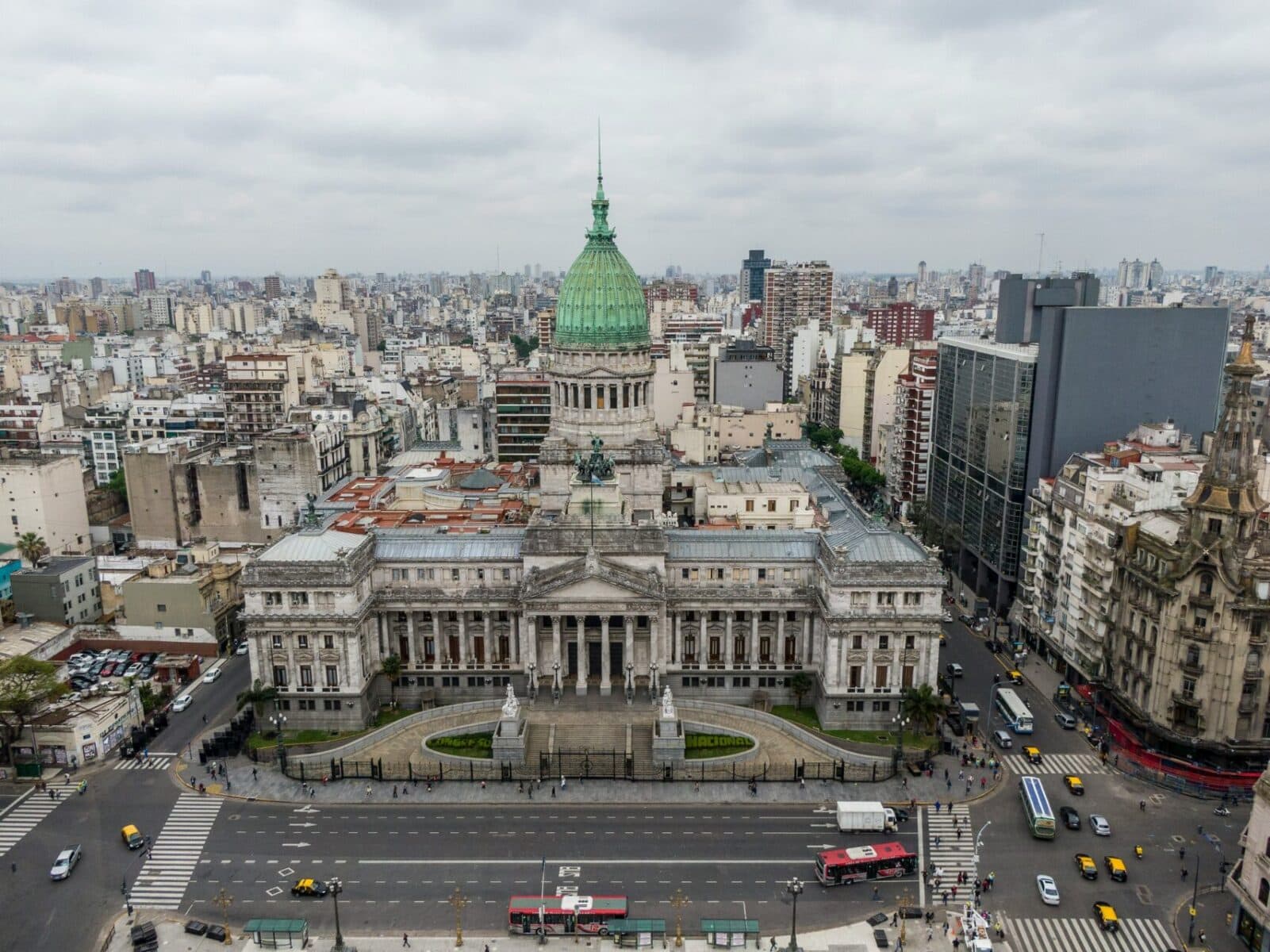
Transport Attractions
Buenos Aires offers more than just practical transport. It also has several transport experiences that double as attractions, particularly for travellers interested in history or unique ways to explore the city.
One of the most distinctive is the Tranvía Histórico de Caballito, a restored heritage tram that runs on weekends. This experience recreates a piece of the city’s past, when trams were a central part of daily life. Riding in these vintage carriages gives you a sense of how Buenos Aires once moved, and the short route through a residential neighbourhood adds to the charm.
Another highlight is the Puente de la Mujer in Puerto Madero, designed by Santiago Calatrava. This modern pedestrian bridge is both a functional crossing and a striking piece of architecture. Its clean lines and rotating structure make it one of the city’s most photographed landmarks, especially in the evening when it is illuminated.
For those interested in maritime history, the ARA Presidente Sarmiento is a former naval training ship now open as a museum. Docked in Puerto Madero, it allows visitors to step aboard and explore the decks while learning about Argentina’s naval past. It offers a quieter and more reflective experience compared to the busier tourist areas nearby.
These attractions show that in Buenos Aires, transport is not just about getting from place to place. It is also part of the city’s identity and history, offering experiences that go beyond simple movement.
Mini Trains, Trams & Tourist Shuttles
Although Buenos Aires no longer operates a full tram network, there are still a few smaller transport experiences that blend sightseeing with relaxation. These are not essential for getting around, but they add variety to a trip and can be especially enjoyable for slower-paced exploration.
The Tranvía Histórico remains the standout option, offering a short but memorable ride that connects visitors with the city’s past. It is simple, informal, and does not require advance booking, which makes it easy to fit into a flexible itinerary.
Within the city’s green spaces, particularly in Palermo, you will sometimes find small eco-trains designed to carry visitors around parks. These are primarily aimed at families but can still be a pleasant way to rest while taking in the surroundings.
For broader sightseeing, the hop-on hop-off tourist bus provides a structured way to explore Buenos Aires. It connects many of the city’s major attractions and offers audio guides in multiple languages. While it is not the most authentic way to move around, it can be useful for first-time visitors who want a clear overview before exploring independently.
There are also occasional local shuttle services in tourist-heavy areas such as La Boca. These are often tied to guided tours or specific routes and can provide a convenient option for those who prefer not to rely on taxis or public transport in certain areas.
Top Attractions in Buenos Aires
Buenos Aires is a city rich in culture, architecture, and atmosphere, and its top attractions reflect that diversity. Rather than focusing on a single theme, the city offers a wide range of experiences, from historic landmarks to modern cultural spaces.
One of the most visited sites is Recoleta Cemetery, a remarkable collection of elaborate mausoleums and sculptures. It is both a historical site and an open-air gallery, with the tomb of Eva Perón drawing particular attention. Nearby, the surrounding Recoleta district adds to the experience with its cafés, museums, and elegant streets.
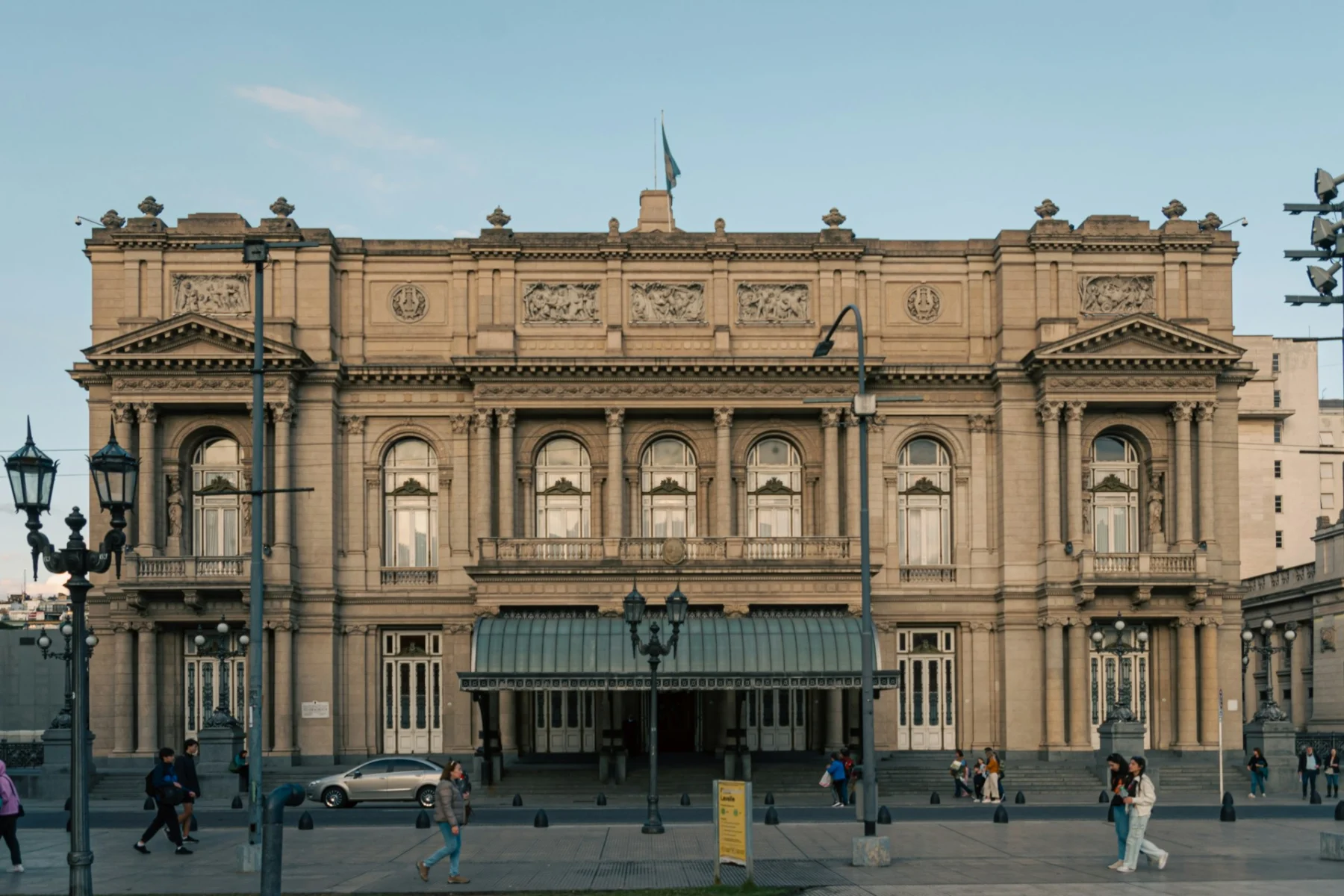
The Teatro Colón is another essential stop. Known as one of the finest opera houses in the world, it combines stunning architecture with exceptional acoustics. Even if you are not attending a performance, a guided tour offers insight into its design and cultural importance.
In contrast, La Boca provides a more colourful and expressive side of the city. The Caminito area is filled with painted buildings, street performers, and references to tango and football culture. While it is tourist-focused, it still captures an important part of Buenos Aires identity.
For modern culture, the MALBA museum showcases Latin American art in a contemporary setting, while Puerto Madero represents the city’s more recent transformation, with its waterfront restaurants, modern buildings, and open spaces.
Finally, Plaza de Mayo remains the political and historical heart of Buenos Aires. Surrounded by significant buildings, it has been the stage for key moments in Argentina’s history and continues to be a focal point for public life.
Together, these attractions give a strong sense of what makes Buenos Aires unique. They combine history, creativity, and daily life in a way that few cities manage, making each visit feel layered and memorable.
Historical Highlights & Landmarks
Buenos Aires is a city where history is lived, not just observed. Its landmarks are not isolated attractions but part of a wider story that continues to shape daily life. Walking through the city, you move between colonial foundations, European ambition, and modern political identity without ever leaving the same few streets.
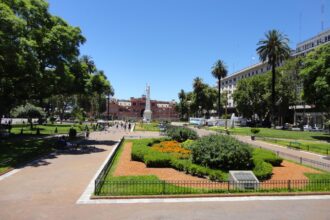
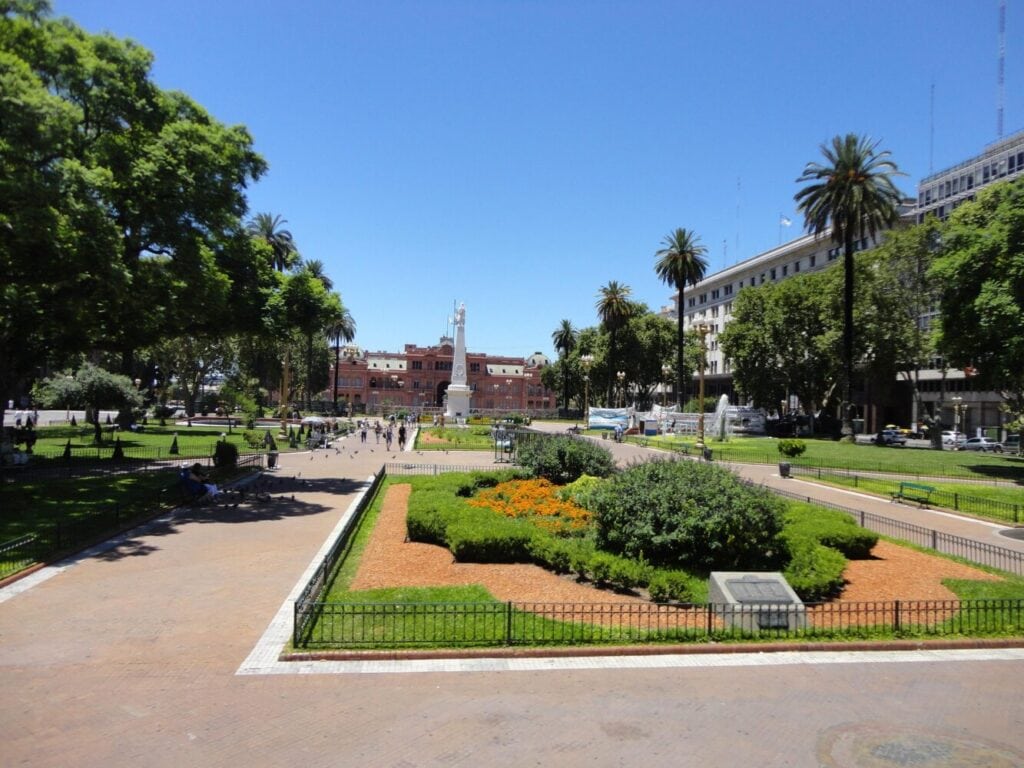
At the centre of this is Plaza de Mayo, the political and historical heart of Argentina. This square has witnessed revolutions, protests, celebrations, and some of the most defining moments in the country’s history. Standing here, you are surrounded by buildings that each carry their own weight of significance.
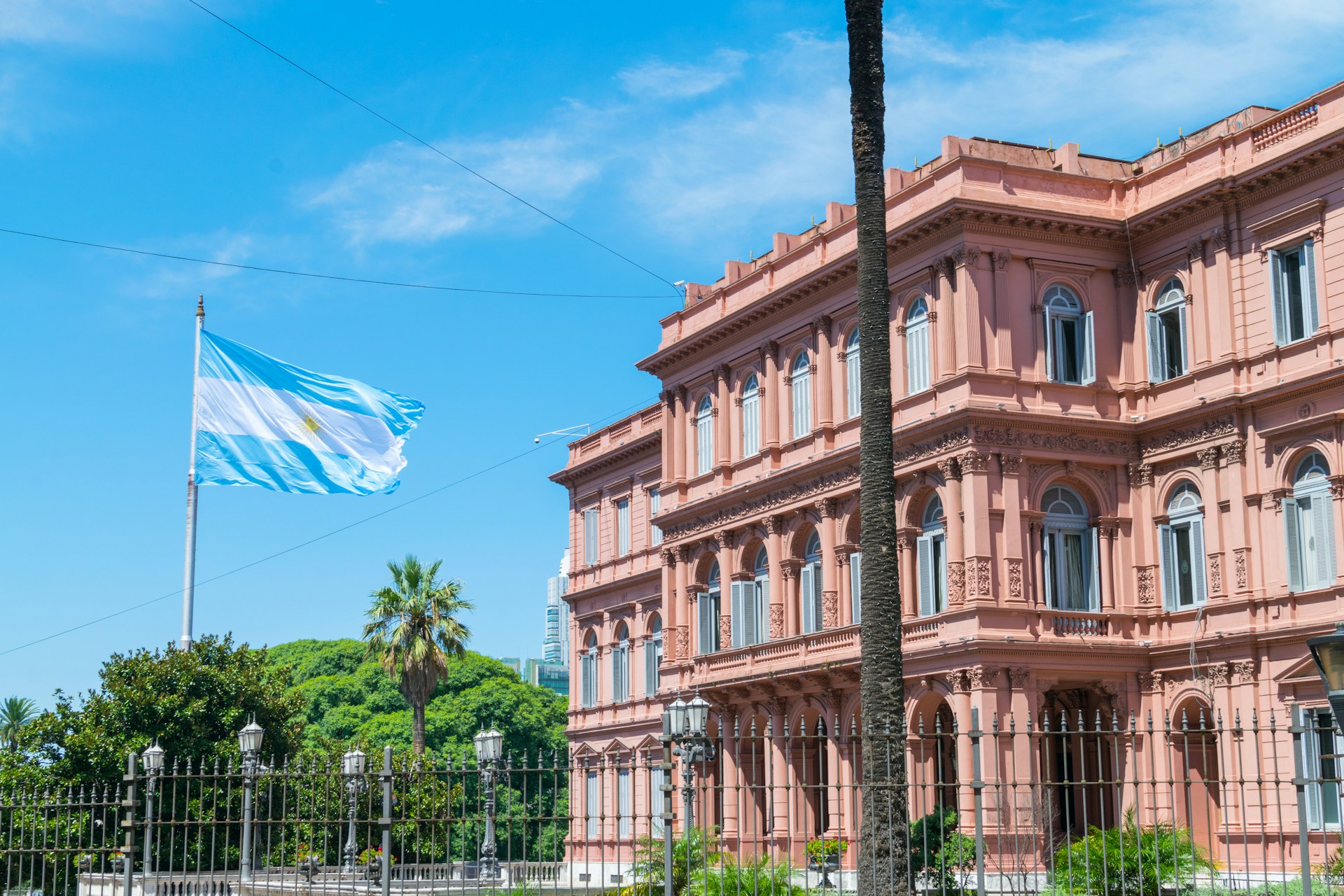
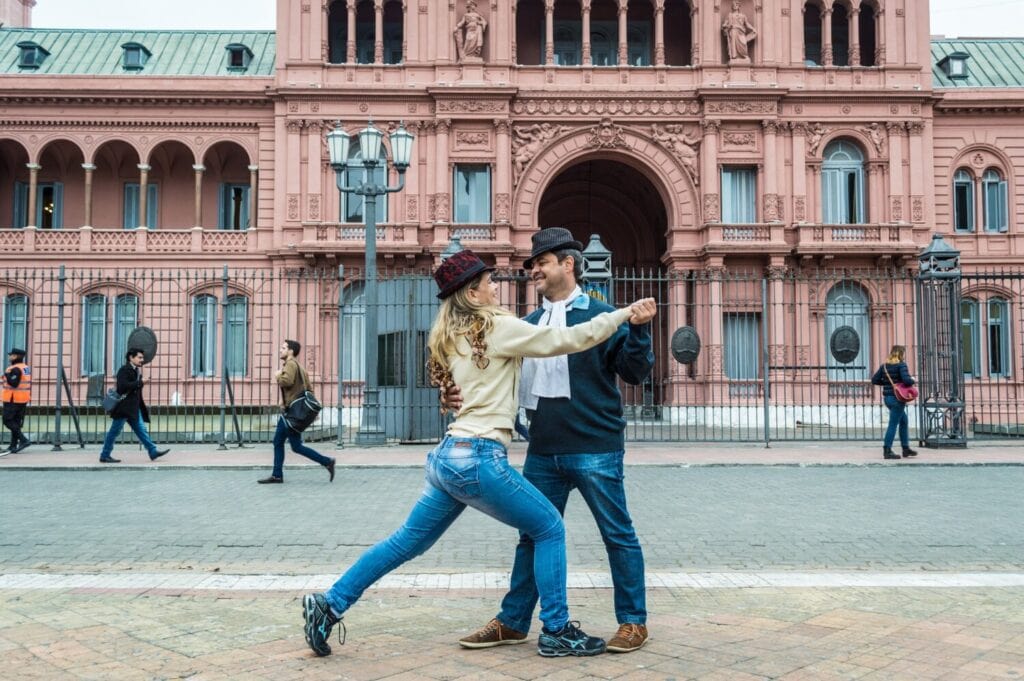
The Casa Rosada dominates the square, instantly recognisable with its pink façade. It is more than a government building. It is a symbol of power, identity, and public connection, most famously associated with speeches delivered from its balcony to crowds gathered below.
Facing it, the Cabildo offers a glimpse into the colonial era. Its white arches and simple structure contrast with the grandeur around it, but its importance is undeniable. This was the centre of administration during Spanish rule and a key site during the independence movement.
Nearby, the Metropolitan Cathedral adds another dimension, blending religious heritage with national history. Its understated exterior hides an interior filled with detail, reflecting the deep cultural role of Catholicism in Argentina’s development.
Further out, the Obelisk on Avenida 9 de Julio stands as a modern landmark. It marks a later chapter in the city’s evolution, representing national pride and acting as a focal point for major events. It is less about history in the traditional sense and more about identity in the present.
Together, these landmarks create a clear narrative of Buenos Aires, from colonial beginnings to modern capital. They are essential not just for what they are, but for what they represent.
Hidden Gems & Local Secrets
Buenos Aires rewards curiosity. Step away from the main routes and you will find a city that feels more personal, more creative, and far less predictable.
One of the most striking hidden experiences is El Zanjón de Granados, an underground network hidden beneath San Telmo. What looks like a restored house from the outside opens into tunnels and passageways that reveal layers of the city’s past. It is quiet, atmospheric, and completely different from the surface-level experience.
In Palermo, the city expresses itself through street art. Entire walls are used as canvases, often changing over time. These murals range from political statements to abstract designs, and they give the area a constantly evolving identity.
Architectural surprises appear in places like Pasaje Rivarola, a narrow pedestrian street that feels almost detached from the surrounding city. Its symmetry and calm atmosphere make it one of those places that feels discovered rather than visited.
Buenos Aires also hides some of its best nightlife behind unmarked doors. Speakeasy-style bars such as Florería Atlántico operate behind unexpected entrances, turning a simple night out into something far more memorable.
These places matter because they show a different side of the city. They move you beyond the obvious and into something more authentic. That is where Buenos Aires really starts to stand out.
Best for long or awkward journeys. Builds one itinerary out of separate flights.
View flightsBest for short trips. Install the eSIM at home and arrive in Buenos Aires with working data, no shop queue.
Browse eSIMsBest when public transport has stopped, or when you are travelling with children and bags.
Book a transferMate Culture & Café Notables: The Heartbeat of Local Life
To understand Buenos Aires properly, you have to slow down. And the fastest way to do that is through mate culture, which sits right at the centre of daily life.
Mate is not just a drink. It is a social ritual, a habit, and a shared experience. Made from yerba mate leaves and drunk through a metal straw called a bombilla, it is passed around between friends, family, and colleagues. The same cup is shared, refilled again and again from a thermos, and the process can last for hours.
You will see it everywhere. People drinking mate in parks, on benches, at bus stops, even during work breaks. It is especially visible in places like Parque Centenario and the Palermo parks, where groups gather, sit in circles, and talk while passing the mate between them.
There is an etiquette to it. The person preparing the mate controls the refilling and passes it on. You drink it, return it, and it moves to the next person. Saying “thank you” usually means you are done, which catches many visitors out the first time.
Alongside mate, Buenos Aires has a long tradition of historic cafés, known as Café Notables. These are not just places to grab coffee. They are cultural institutions that have been part of the city for decades, sometimes centuries.
Places like Café Tortoni have hosted writers, musicians, and political figures since the 19th century. Inside, you will find marble tables, wood-panelled walls, and a sense that very little has changed over time.
Other spots, such as La Biela in Recoleta or Bar El Federal in San Telmo, offer the same experience in different settings. They are places to sit, watch the world go by, and take your time.
This is what defines the rhythm of the city. Buenos Aires is not r
Indoor Attractions & Rainy-Day Ideas
Buenos Aires does not slow down when the weather turns. In many ways, the city becomes even more engaging, offering some of its strongest experiences indoors.
One of the most impressive spaces is El Ateneo Grand Splendid, a former theatre transformed into a bookstore. The structure itself remains intact, with balconies, stage, and ornate detailing all preserved. It is not just somewhere to browse books, it is somewhere to spend time.
Art plays a major role in the city’s indoor scene. The MALBA brings together modern Latin American works in a setting that feels contemporary and focused. It offers a different perspective from the city’s historic landmarks, showing how culture continues to evolve.
Shopping spaces also double as attractions. Galerías Pacífico combines retail with architecture, featuring a domed ceiling covered in murals. It is a place where you can step out of the weather while still experiencing something visually interesting.
Cultural centres such as the Centro Cultural Kirchner provide exhibitions, performances, and events, often at no cost. These spaces reflect the importance of culture in Buenos Aires and offer a deeper connection to local life.
Rain does not limit what you can do here. If anything, it shifts the focus toward places that are just as memorable as anything outdoors.
Seasonal Highlights & Annual Events
Buenos Aires changes throughout the year, and understanding the seasons allows you to experience the city at its best. Each period brings a different rhythm, shaping how the city feels and how it is experienced.
In summer, the city becomes energetic and intense. Long evenings, outdoor events, and a lively atmosphere define this period. It is busy, social, and often crowded, particularly with local holiday travel.
Autumn is where the city begins to settle. Temperatures drop, the pace slows slightly, and the streets take on a warmer tone. This is one of the best times to explore, with comfortable conditions and fewer crowds.
Winter shifts the focus indoors. Cultural events, performances, and festivals take centre stage. The tango festival is a standout, bringing together performers and audiences from around the world and reinforcing the city’s deep connection to music and dance.
Spring brings a sense of renewal. Parks and streets come back to life, particularly with the blooming of jacaranda trees. It is one of the most visually striking times to visit and combines well with outdoor exploration.
The key point is that Buenos Aires does not have a single “best” time. It depends on what you want. The city adapts to the season, and each one offers something worth experiencing.

Parks, Gardens & Green Spaces
Despite its size and density, Buenos Aires offers plenty of space to step back from the pace of the city. Its parks and gardens are not just decorative, they are an essential part of daily life.
The largest and most well-known is Parque Tres de Febrero in Palermo. This is where locals come to relax, exercise, and spend time outdoors. Lakes, open spaces, and tree-lined paths make it one of the most versatile areas in the city.
Nearby, the Jardín Japonés offers a completely different atmosphere. Carefully designed and highly maintained, it provides a sense of calm that contrasts with the surrounding city. It is one of the most peaceful places you can visit.
The Botanical Garden adds another layer, focusing on plant life from across the world. It is less structured than the Japanese garden but just as enjoyable for a slower walk.
For something more natural, the Reserva Ecológica Costanera Sur provides a rare escape into open, undeveloped space. Located close to the city centre, it feels surprisingly distant, with wildlife and open trails replacing traffic and noise.
Smaller plazas across the city also play an important role. They are where daily life happens, where people meet, sit, and pause. These spaces may not appear in every guide, but they are part of what makes Buenos Aires feel liveable rather than overwhelming.
Together, these green spaces balance the intensity of the city. They give you room to breathe, and they remind you that Buenos Aires is not just about movement, but also about moments of stillness.
Where & What to Eat in Buenos Aires
Buenos Aires is one of the great food cities of the world, but it does not try to impress with complexity. Instead, it focuses on quality, tradition, and bold, simple flavours.
At the centre of everything is the parrilla, the Argentine grill. Eating steak here is not just about the food. It is an experience. Cuts like bife de chorizo and tira de asado are cooked slowly over charcoal, served without unnecessary extras, and allowed to speak for themselves. This is where Buenos Aires earns its reputation.
Restaurants like Don Julio have taken this tradition and refined it to world-class level. At the same time, smaller neighbourhood parrillas offer equally memorable meals without the attention.
Beyond steak, the city reflects its European influences. Italian immigration shaped much of the food culture, which is why pizza and pasta are such a big part of daily life. Argentine pizza is heavier, richer, and often loaded with cheese. Dishes like fugazzeta, with onions and melted cheese, are a local staple.
Empanadas are everywhere, and they are one of the easiest ways to eat well without spending much. Filled with meat, cheese, or vegetables, they are quick, filling, and vary slightly depending on where you go.
On the sweeter side, dulce de leche dominates. It appears in desserts, pastries, and ice cream, and it is hard to avoid once you start noticing it. Alfajores, which are sandwich biscuits filled with dulce de leche, are a must-try and widely available.
Where Buenos Aires really stands out is in its range. You can go from a traditional grill to a modern bistro in the same evening. Places like El Preferido de Palermo bring a modern edge to classic dishes, while markets such as Mercado de San Telmo offer a more casual, varied experience.
The key thing to understand is that food here is not rushed. Meals are long, social, and part of the wider culture. If you try to eat quickly, you miss the point. Sit down, take your time, and let the experience unfold properly.
Reserve tables at top restaurants worldwide → Restaurant Table Booking Apps Guide
Top Cities Nearby
Buenos Aires is not just a destination in itself. It is also a gateway to some of the most interesting places in the region, many of which can be reached easily without long travel times.
Just across the Río de la Plata, Colonia del Sacramento offers a completely different atmosphere. Cobbled streets, colonial buildings, and a slower pace make it feel worlds away from Buenos Aires, despite being only about an hour by ferry. It is one of the easiest and most rewarding day trips you can take.
Closer to the city, Tigre provides a natural escape. Built around a network of waterways, it is often described as the “Venice of Argentina.” Here, you can take boat trips through the delta, explore markets, or simply enjoy a quieter environment away from the capital.
For something more urban but less intense, La Plata offers wide boulevards, impressive architecture, and a strong student presence. It feels more structured and less chaotic, making it an interesting contrast to Buenos Aires.
If you are willing to travel further, Rosario provides a mix of culture, history, and riverside life. It is known as the birthplace of Che Guevara and has a more relaxed feel while still offering plenty to see and do.
For a coastal option, Mar del Plata is Argentina’s main beach destination. It becomes particularly lively in summer, when locals head there for holidays, seafood, and nightlife.
These nearby destinations add depth to your trip. They show different sides of Argentina without requiring complex planning, making them ideal extensions to a stay in Buenos Aires.
Best for a short stop where being central matters more than the room. Dorms and private rooms both listed.
See hostelsBest for anyone flying more than once or twice a year. Handles the compensation claim so you are not chasing the airline.
See AirHelp+Best if your room is not ready yet. Left luggage booked in advance, so you are not hunting for a locker.
Check storageCultural Norms & Etiquette
Buenos Aires is a social city, and understanding how people interact will make your experience smoother and more natural. The culture is expressive, direct, and built around personal connection.
Greetings are warm and informal. A single kiss on the cheek is standard, even when meeting someone for the first time in a social setting. Personal space is smaller than many visitors are used to, and conversations often involve close proximity, strong eye contact, and animated gestures.
Dining is an important part of life, and it is treated as a social event rather than something functional. Meals are long, unhurried, and often start later than visitors expect. Turning up early to a restaurant can mean you are the only one there. Taking your time is expected, not optional.
Punctuality depends on context. For business or organised activities, being on time matters. Socially, however, flexibility is normal, and arriving slightly late is rarely an issue.
Appearance is also taken seriously. Even casual outfits tend to be neat and coordinated. You do not need to dress formally, but making an effort helps you blend in and avoids standing out unnecessarily.
Conversation can be passionate, especially around topics like football or politics. People speak openly and with strong opinions, but it is usually part of normal discussion rather than confrontation. As a visitor, it is best to listen, engage lightly, and avoid taking strong positions on sensitive issues.
Understanding these small details makes a noticeable difference. It helps you move from feeling like a visitor to feeling more connected to the rhythm of the city.
Where to Stay in Buenos Aires
Buenos Aires offers a wide range of accommodation, and choosing the right area is often more important than choosing the right hotel. Each neighbourhood has its own character, and your experience will vary depending on where you base yourself.
Palermo is the most popular choice for many travellers. It combines restaurants, nightlife, parks, and a modern atmosphere. It is ideal if you want energy, variety, and easy access to different parts of the city.
Recoleta offers a more refined experience. With elegant streets, cultural attractions, and a quieter pace, it suits travellers looking for comfort and a more polished environment.
San Telmo is the historic option. It is known for its older buildings, markets, and strong character. Staying here gives you a more traditional feel, though it can be slightly less polished than other areas.
For those who prefer modern developments, Puerto Madero provides newer hotels and waterfront views. It is cleaner and more structured, but some travellers find it lacks the personality of older neighbourhoods.
In terms of specific properties, Buenos Aires covers everything from high-end luxury to budget-friendly options. Hotels like Alvear Palace Hotel represent the city’s classic luxury, while boutique options such as Palo Santo Hotel offer a more contemporary experience.
The key is to match your location to your travel style. The city is large, and where you stay will shape how you experience it.
Local Accommodation Picks
| Name | Type | Location | Description | Booking Tip |
|---|---|---|---|---|
| Alvear Palace Hotel | Luxury 5★ | Recoleta | A grand Belle Époque hotel with opulent interiors, full spa, and award-winning restaurants. | Book early for peak tango season (Aug). |
| Palo Santo Hotel | Boutique Eco | Palermo Hollywood | Stylish and sustainable with vertical gardens and rooftop pool. Great for nightlife. | Ask for a room on a higher floor for views. |
| Hotel Grand Brizo | Modern 4★ | Microcentro | Sleek, centrally located hotel with rooftop bar and quick access to Obelisk and Teatro Colón. | Ideal for first-timers who want to walk everywhere. |
| L’Adresse Hotel Boutique | Boutique | San Telmo | Intimate design-forward property in a quiet area with excellent Sunday market access. | Great base for antique hunters. |
| Circus Hostel & Hotel | Budget | San Telmo | Fun and clean hostel-hotel hybrid with pool, communal areas and great staff. | Best value in the city for budget-conscious travellers. |
| Be Jardin Escondido by Coppola | Boutique | Palermo Soho | Owned by Francis Ford Coppola, this hidden garden retreat is full of film memorabilia and charm. | For cinephiles and luxury lovers alike. |
Compare hotel deals from multiple booking sites in one place → Hotel Aggregator Booking Apps Guide
Major International Hotel Chains in Buenos Aires
| Hotel Brand | Present in Buenos Aires? | Locations |
|---|---|---|
| Accor | ✅ Yes | Ibis Obelisco, Novotel Buenos Aires |
| Hilton | ✅ Yes | Hilton Buenos Aires (Puerto Madero) |
| Marriott | ✅ Yes | Sheraton Buenos Aires, Four Points by Sheraton |
| IHG | ✅ Yes | InterContinental Buenos Aires, Holiday Inn Express Puerto Madero |
| Radisson | ✅ Yes | Radisson Blu Hotel Recoleta |
| Hyatt | ✅ Yes | Palacio Duhau – Park Hyatt Buenos Aires |
| Wyndham | ✅ Yes | Wyndham Garden Luján, Esplendor by Wyndham |
| Best Western | ✅ Yes | Best Western Central Buenos Aires |
| Choice Hotels | ❌ No | Nearest in Montevideo, Uruguay (~2 hrs by ferry) |
Book direct with major hotel chains and earn loyalty rewards → Global Hotel Group Apps Guide
Toilets & Accessibility
Toilets in Buenos Aires are available, but they are not always as convenient or consistent as travellers might expect. In most cases, you will rely on cafés, restaurants, shopping centres, and major attractions rather than dedicated public facilities.
Large venues such as malls and museums generally provide clean and accessible toilets. Smaller establishments may restrict access to customers, though asking politely often works. It is common to carry small essentials like tissues or hand sanitiser, as standards can vary.
Accessibility across the city is improving, but it remains uneven. Some areas, particularly newer developments and major attractions, are well equipped with ramps and lifts. Others, especially older neighbourhoods, can present challenges due to uneven pavements and limited step-free access.
Public transport reflects this mix. Parts of the Subte system are accessible, but many stations are not. Buses are gradually improving, though not all are fully adapted.
Travellers with mobility needs should plan ahead, confirm accessibility where possible, and allow extra time when moving around the city. With preparation, it is still entirely possible to have a smooth experience
Find the nearest clean facilities wherever you are → Toilet Finder Apps Guide

Weather & Best Time to Visit
Buenos Aires has a humid subtropical climate, and the time of year you visit will directly shape how the city feels and how easy it is to explore.
Summer (December to February) is hot, humid, and intense. Temperatures regularly push above 30°C, and the heat can feel heavy in built-up areas. The upside is energy. The city is lively, social, and full of outdoor activity, but you need to pace yourself and plan around the heat.
Autumn (March to May) is one of the best times to visit. The temperature drops to a comfortable range, the air feels lighter, and the city becomes easier to explore on foot. There is a calmer atmosphere, and it is ideal for combining sightseeing, food, and neighbourhood exploration.
Winter (June to August) is mild compared to most European cities. Temperatures are cooler, usually between 8°C and 16°C, but rarely extreme. This is when Buenos Aires leans into its indoor culture. Cafés, museums, and performances become the focus, and the city feels more relaxed.
Spring (September to November) is widely considered the standout season. The weather is warm without being overwhelming, and the city comes back to life. Parks are at their best, and the streets feel vibrant and fresh, making it perfect for walking and exploring.
There is no single perfect time to visit. If you want energy, go in summer. If you want balance, choose autumn or spring. If you prefer culture and fewer crowds, winter works well. Buenos Aires adapts to each season, and the experience shifts with it.
SIMs & Connectivity
Staying connected in Buenos Aires is straightforward, but knowing your options will save you time and frustration.
The easiest route for most travellers is using an eSIM. Providers like Airalo, Nomad, and Ubigi allow you to install data before you even arrive. Once you land, your phone connects instantly without needing to find a shop or deal with paperwork. For short trips, this is by far the cleanest solution.
If you prefer a physical SIM, Argentina has three main providers. Claro, Movistar, and Personal all offer prepaid packages that are inexpensive and widely available. You will need your passport to register, and setup can take a little longer than expected, especially in busy areas.
Coverage across Buenos Aires is strong. 4G is standard, and speeds are more than enough for navigation, messaging, and streaming. In central areas, connectivity is rarely an issue.
Wi-Fi is also easy to find. Cafés, shopping centres, and many public spaces offer free connections. That said, you should not rely on it entirely, especially when moving between neighbourhoods.
The key is simple. Set yourself up before you arrive if possible. It removes friction and lets you focus on the city rather than logistics.
Laws, Safety & Warnings
Buenos Aires is generally safe, but it is still a large city, and awareness matters. The main issue for travellers is petty theft rather than serious crime.
Pickpocketing can happen in busy areas such as public transport, markets, and central streets. Distraction scams are also common. Someone may spill something on you, point it out, and use the moment to take valuables. These situations are avoidable if you stay alert.
The best approach is practical. Keep your phone secure, avoid displaying valuables, and use a cross-body bag if possible. When using ATMs, choose machines inside banks or shopping centres rather than on the street.
Certain areas require more caution. La Boca, for example, is safe within the main tourist zone during the day but should be avoided at night. Stick to busy, well-known areas and you will be fine.
Transport-wise, use official taxis or ride-hailing apps rather than accepting unsolicited offers. This removes most of the common risks.
Legally, Argentina is relatively relaxed. Drinking is allowed, though public consumption is technically restricted. Cannabis is decriminalised in small amounts but not fully legal. These are not issues most travellers will encounter, but it is worth knowing.
Overall, Buenos Aires is not a dangerous city if you use common sense. Most visits are trouble-free, and a little awareness goes a long way.

Rupert’s Handy Travel Tips
Buenos Aires is a vibrant, sprawling city where the right apps can save you time, pesos, and stress. Here’s how to make them work for you:
- Get a SUBE card: Pair it with local transport apps like BA Cómo Llego to navigate buses, the Subte (metro), and trains.
- Mix ride-hailing apps: Use Uber, Cabify, and DiDi for coverage across the city, especially late at night.
- Check exchange rates: Currency apps are vital in Argentina’s changing economy; keep an eye on official vs. “blue” dollar rates.
- Reserve restaurants: Porteños eat late; apps like Restorando or TheFork help you secure a table at busy parrillas.
- Download offline maps: Neighbourhoods like San Telmo and La Boca can have patchy signal; offline maps keep you on track.
- Track safety alerts: Stay updated on demonstrations or transit strikes with local news apps and Google Maps live info.
Want to meet the reindeer behind our travel tips? Find out more in our page Who is Rupert?.

Frequently Asked Questions
Is Buenos Aires safe to visit?
Yes — with the usual urban precautions. Petty theft is the main issue, not violent crime.
Can I use credit cards everywhere?
Cards are accepted widely, but always carry cash for small purchases or local markets. Some places offer discounts for paying in cash.
Do I need to speak Spanish?
It helps. English is spoken in hotels and major tourist areas, but outside those zones, basic Spanish is useful.
What’s the best neighbourhood to stay in?
Palermo is ideal for nightlife and cafés; Recoleta for elegance and museums; San Telmo for history and atmosphere.
Do I need a visa to visit Argentina?
Many travellers (including from the EU, UK, US, Canada, and Australia) can enter visa-free for 90 days. Always check latest entry requirements before travel.

Further Reading & Related Guides
If this is your first time visiting Argentina, our Argentina Travel Guide is the best place to start. It covers money, safety, transport, SIM cards, and how to plan your trip across the country.
If you are flying in, our Buenos Aires Airport to City Centre guide covers every transfer option from Ezeiza and Aeroparque into town.
If you are staying in Buenos Aires for a few days, our Buenos Aires Hop-On Hop-Off Bus Guide is an easy way to see the main areas of the city and get an overview before exploring in more detail.
Many visitors also take excursions outside the city, so our Best Day Trips from Buenos Aires guide includes Tigre Delta, Colonia del Sacramento in Uruguay, and other easy trips from the capital.
If you are travelling further around Argentina, you may also want to read our Iguazu Falls Guide in northern Argentina or our Things to Do in Ushuaia Guide in Patagonia to help plan a wider Argentina itinerary.
These guides together will help you plan a trip that includes Buenos Aires, Uruguay, Iguazu Falls, Patagonia, and day trips from the capital as part of one well-organised Argentina travel itinerary.