
Reviewed by our editorial team Updated
Discover the Best of Argentina: Your Journey Starts Here
Argentina is a country of striking contrasts, immense distances, and unforgettable experiences. From the icy landscapes of Patagonia to the subtropical heat of the far north, it offers far more than dramatic scenery. This is a destination built on culture, food, music, history, and strong regional identity, where each part of the country feels genuinely different from the last.
Whether you are planning a tango-filled stay in Buenos Aires, a glacier adventure in El Calafate, or a wine-focused escape in Mendoza, Argentina rewards travellers who want both variety and depth.
Its scale is one of the first things to understand. Stretching for nearly 3,700 km from north to south, Argentina moves through an extraordinary range of landscapes and climates. You can encounter desert scenery in Salta, lush jungle around Iguazú, wide pampas grasslands in the centre, and the towering Andes running down the western side of the country. That geographic range means travel here rarely feels repetitive. Each new stop often brings a completely different climate, cuisine, rhythm, and cultural atmosphere.
What makes Argentina especially memorable, though, is not only the scenery. It is also the intensity and warmth of Argentine life. People here are famously passionate about football, politics, literature, food, music, and tradition, and that energy is woven into daily life. You see it in a late-night conversation over wine, in the ritual of sharing mate in a plaza, in the sound of tango drifting out of a milonga, and in fierce debates about where to find the best steak or empanadas.
Argentina also offers the unusual advantage of being a very large South American country that is still relatively manageable to explore. Infrastructure in the major cities is strong, and domestic flights, long-distance buses, and selected rail routes make it possible to cover serious distance. For many travellers, it also represents good value, especially when it comes to food, accommodation, and internal transport outside Buenos Aires.
This page is designed to help you travel with confidence. You will find guidance on transport, regional planning, top sights, safety, etiquette, food, connectivity, accessibility, and where to stay, so whether you are a solo traveller, family, culture-focused visitor, digital nomad, or outdoor adventurer, you can plan more intelligently and get more out of your time in the country.
Argentina is not a place that gives you just one kind of trip. It gives you many journeys inside one country, and that is exactly what makes it so compelling.
Key Neighbourhoods, Areas & Regions
Argentina is so large and regionally diverse that it often feels less like a single destination and more like several countries combined into one. The experience changes dramatically depending on where you go, which is why understanding the main regions early is so important.
The Buenos Aires Metropolitan Region is where most international journeys begin. As the capital and cultural heart of the country, Buenos Aires offers grand architecture, café culture, strong nightlife, and some of the country’s best museums, restaurants, and historic sites.
Within the city, areas such as Palermo, San Telmo, and Recoleta each bring a different character. Palermo is known for parks, bars, and stylish restaurants. San Telmo has cobbled streets, markets, tango associations, and a more historic feel. Recoleta is elegant, polished, and full of stately buildings, cafés, and cultural landmarks. For many travellers, this is the natural entry point into Argentina.
To the south lies Patagonia, one of the country’s most famous and dramatic regions. This is the Argentina of glaciers, mountains, lakes, windswept steppe, and remote adventure. Bariloche is the hub for lake scenery, hiking, winter sports, and alpine-style architecture.
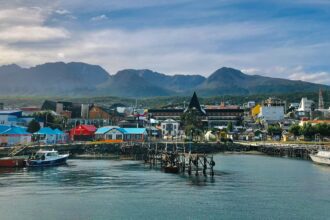
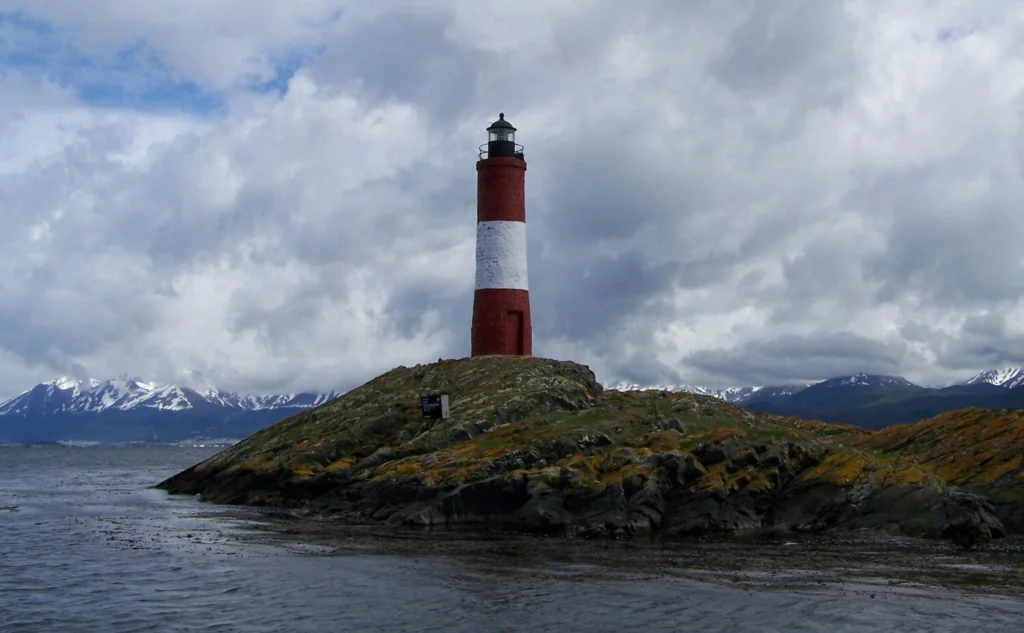
El Calafate is the gateway to Perito Moreno Glacier and wider glacier country. Ushuaia, often marketed as the southernmost city in the world, offers access to Tierra del Fuego, dramatic seascapes, and Antarctic cruise departures. Patagonia is a major draw for outdoor travellers and one of the strongest reasons many people visit Argentina at all.
The Cuyo region, including Mendoza, offers a very different atmosphere. This is Argentina’s wine country, framed by the Andes and known above all for Malbec, vineyard landscapes, and strong food culture. It also suits travellers who want to combine leisure with activity, since the region supports cycling, hiking, rafting, and mountain excursions. Mendoza is one of the best places in the country for travellers who want comfort, scenery, and good food in equal measure.
In Northwest Argentina, the mood shifts again. This is a region of dry mountain air, colonial architecture, Indigenous heritage, colourful rock formations, and high-altitude desert landscapes. Places such as Salta, Tilcara, Purmamarca, and the wider Quebrada de Humahuaca area give visitors access to a more traditional and culturally layered side of the country. It is one of the best regions for travellers who want history, landscapes, and a strong sense of regional identity.
Northeast Argentina is greener, warmer, and more humid, with the great headline attraction being Iguazú Falls. Bordering Brazil and Paraguay, this region feels tropical and lush compared with much of the rest of the country. For many travellers, it works as a major standalone stop or as part of a wider South American trip.
Then there is the Pampas, the central lowland region associated with ranching, cattle, and the mythology of the gaucho. This is Argentina’s agricultural heartland and a good place to experience estancias, horseback culture, traditional asado, and rural customs. It receives fewer international visitors than Patagonia or Buenos Aires, but it offers valuable insight into Argentine identity and everyday life.
Taken together, these regions explain why Argentina is so rewarding. You are not simply visiting one place. You are moving through very different climates, landscapes, traditions, and travel styles, often within the same trip.
| Category | Information |
|---|---|
| Capital City | Buenos Aires |
| Population | 46.0 million (2022 national census) |
| Official Language | Spanish |
| Currency | Argentine Peso (ARS) |
| Time Zone | UTC -3 |
| International Dialling Code | +54 |
| Driving Side | Right |
| Major Airports | Ezeiza (EZE), Aeroparque (AEP), Córdoba (COR), Mendoza (MDZ) |
| Visa Requirements | 90-day visa-free entry for most EU, US, UK, AUS, and Canada citizens |
| Best Time to Visit | Oct–Dec (Spring) and Mar–May (Autumn) |
Browse hotels and accommodation for your visit to Argentina.
View staysBrowse apartments, homes and self-catering accommodation in Argentina.
Browse rentalsCompare hotel deals in Argentina from multiple booking sites.
Compare pricesBrief History & Background
Argentina’s history adds important depth to the travel experience, because many of the country’s museums, public spaces, buildings, and even street conversations still reflect the tensions and triumphs of its past.
Before Spanish colonisation, the land that now forms Argentina was home to numerous Indigenous peoples, including the Diaguita, Guaraní, and Mapuche, among many others. These communities shaped the territory long before European arrival, and their cultural influence still survives, especially in the north and west of the country.
The Spanish arrived in the 16th century, and Buenos Aires was officially founded in 1580. Over time, the territory developed into an important colonial outpost, with wealth increasingly linked to cattle, grain, trade, and later immigration. In 1816, Argentina declared independence from Spain, marking the beginning of its modern national story.
The 19th century was a period of state-building, internal conflict, and major demographic change. Large-scale immigration, especially from Italy and Spain, transformed the country’s culture, language, food, and urban identity. By the early 20th century, Argentina had become one of the wealthiest countries in the world, attracting admiration for its prosperity and ambition.
That success, however, was followed by long periods of instability. The 20th century brought repeated cycles of political upheaval, economic crisis, military intervention, and social conflict. The darkest of these periods was the Dirty War from 1976 to 1983, during which the military dictatorship oversaw the disappearance of tens of thousands of suspected dissidents. This remains one of the defining traumas of modern Argentine history, and it still shapes public memory, politics, and culture today.
Democracy returned in 1983, and although Argentina has continued to face economic volatility, it has remained a country of extraordinary cultural energy. Its impact on the world has extended far beyond South America through literature, film, music, football, and political symbolism. Figures such as Eva Perón, Che Guevara, and Diego Maradona have become part of global culture, even for people who have never visited the country.
For travellers, this background matters. It helps explain why Argentina feels at once European-influenced, deeply Latin American, politically expressive, and intensely self-aware. Once you understand that history, the architecture of Buenos Aires, the public monuments, the museum narratives, and the emotional force of national identity all make far more sense.
App availability note: If a download link looks broken on this page, it’s usually not an error on our side. Some apps are geo-locked in the Apple App Store or Google Play Store and only appear if your account region or SIM matches the country. This is common where apps rely on local payment systems, regulations, or developer resources. Once you’re in the right region, the app will normally work as expected.
Getting There & Around
Argentina is huge, and because of that, understanding the country’s airport system is essential. For most international travellers, the journey begins in Buenos Aires, which is served by two main airports that play very different roles.
The primary international gateway is Ministro Pistarini International Airport (EZE), better known as Ezeiza. Located around 22 km southwest of central Buenos Aires, it handles most long-haul international arrivals and departures, including flights from Europe, the United States, Australia, and much of Latin America. For many visitors, this is the first point of contact with Argentina.
The city’s second airport is Aeroparque Jorge Newbery (AEP), which mainly handles domestic and regional services, including flights to destinations in neighbouring countries such as Brazil, Uruguay, and Chile. It is far more convenient for the city itself, but it serves a different purpose from Ezeiza.
This distinction matters because many travellers arriving internationally at Ezeiza then continue domestically from Aeroparque, and transferring between the two airports can take around 1 to 1.5 hours by road, depending on traffic. That needs to be built into any itinerary involving a same-day connection.
Beyond Buenos Aires, several other airports are important for regional access. Córdoba (COR) acts as a major central hub for domestic routes and some international traffic. Mendoza (MDZ) is the main gateway to wine country. Bariloche (BRC) serves the lake district and northern Patagonia. El Calafate (FTE) is the key access point for Perito Moreno Glacier, while Iguazú (IGR) is the airport used for the waterfalls.
From Ezeiza, there are several main transfer options into the city. Taxis and private transfers are widely used, and prepaid taxi booths inside the terminal are the safest option for first-time visitors. Ride-share services such as Uber and Cabify also operate, though pickup arrangements can vary and may require some coordination. One of the most popular shuttle options is Manuel Tienda León, which provides a well-known transfer service into the city centre. There is also local bus number 8, which is the cheapest option but is usually slow and less intuitive for first-time travellers with luggage.
One important limitation is that there is no direct train or metro connection from Ezeiza Airport, so every transfer into the city is road-based. If you arrive late at night, carrying luggage, or simply want a smoother start, it is worth arranging transport in advance rather than deciding on the spot.
For a full breakdown of prices, journey times, and which transfer option suits your trip best, see our Buenos Aires Airport to City Centre guide.
Argentina can feel logistically intimidating because of its size, but the airport network is actually fairly manageable once you understand how the main entry points work. In practice, Buenos Aires connects the country, and the rest of the airport system helps break that vast geography into workable travel stages.
Aerolíneas Argentinas – The National Carrier
Aerolíneas Argentinas is the country’s flag carrier and remains the most important airline for travelling across Argentina’s enormous territory. For many visitors, it is the airline that makes a wider Argentina itinerary possible, linking the capital with key destinations such as Bariloche, Ushuaia, Mendoza, Salta, El Calafate, and Iguazú. In a country where distances are huge and overland travel can take many hours, that matters.
Founded in 1950 and owned by the state, the airline is a member of the SkyTeam alliance, which gives it additional value for international travellers connecting from long-haul carriers. Its main international hub is Ezeiza (EZE), while Aeroparque (AEP) handles a large share of domestic services. Córdoba (COR) also functions as a useful secondary hub, helping connect regions without always routing passengers back through Buenos Aires.
For domestic travel, Aerolíneas Argentinas usually offers the widest route network and the most coherent national coverage. That is especially important in a country where some destinations are difficult to reach by train and time-consuming by bus. If you are trying to combine Patagonia, wine country, the northwest, and Buenos Aires in one trip, the airline is often the most efficient option.
Internationally, it connects Argentina with major cities across South America, North America, and Europe, including routes to places such as Miami, New York, Madrid, and Rome. That makes it useful not only for visitors arriving in Argentina, but also for travellers combining the country with wider regional travel.
In practical terms, the airline tends to appeal to travellers who value network strength, baggage allowance, and schedule coverage over bare-bones pricing. Budget carriers can sometimes undercut it on price, but Aerolíneas Argentinas often remains the better option for more remote regions or for itineraries where reliability matters. It also tends to offer more generous baggage policies than low-cost competitors, which can make a real difference on longer trips or multi-stop journeys.
The onboard experience varies by route length, but on longer services the airline may offer inflight entertainment and a more traditional full-service model than budget operators. It is not always the cheapest airline in Argentina, but it is often the most useful one.
For travellers trying to move efficiently around a country this large, Aerolíneas Argentinas is less a luxury and more a practical backbone of the journey.

App availability and prices vary by country. Some of these may not appear in your local App Store or Google Play.
Trains
Argentina’s long-distance rail network is one of the country’s most interesting transport stories because it combines historic importance, modern limitations, and slow recovery. Rail once played a far bigger role in the national transport system than it does today, but after decades of decline, only a limited number of intercity passenger routes remain active. Even so, the services that do operate can still be useful, affordable, and memorable.
The best-known long-distance line is the Buenos Aires to Córdoba route, which is an overnight journey lasting around 18 hours. Other notable passenger services include Buenos Aires to Rosario, Buenos Aires to Mar del Plata, which becomes especially popular during the summer season, and Buenos Aires to Tucumán in the northwest. These routes do not provide anything like the coverage seen in parts of Europe, but they do offer a valuable alternative for travellers who enjoy slower, more local travel.
These services are operated by Trenes Argentinos, and tickets can usually be purchased online or at station counters. Advance booking matters, particularly around summer holidays and public holiday periods, because trains are often full and services do not run with especially high frequency. Limited capacity means that even budget-conscious travellers cannot assume seats will be available at short notice.
The rail experience itself is slower than flying and often slower than long-distance buses, but that is also part of the appeal. Travelling by train in Argentina offers a closer look at the country’s landscapes and rhythms, and on the right route the countryside becomes part of the experience rather than just the space between destinations. Some services include first-class or sleeping options, and these can represent excellent value compared with other long-haul transport.
Travellers do need to be realistic. Luggage space can be limited, onboard food is often basic or sparse, and station infrastructure may be less polished than at airports or major bus terminals. In Buenos Aires, the main long-distance railway stations include Retiro, Constitución, and Once, each serving different lines, so it is important to check departure details carefully.
For most international visitors, trains are not the core of an Argentina itinerary in the way they might be elsewhere. But for those who enjoy rail travel, want to reduce costs, or simply like the idea of moving through the country more slowly, Argentina’s train network can still offer a rewarding and distinctly local experience.

App availability and prices vary by country. Some of these may not appear in your local App Store or Google Play.
Buses & Coaches
LIf one form of transport truly holds Argentina together over long distances, it is the long-distance bus network. Coaches, known locally as micros, are the backbone of intercity travel and remain one of the most effective ways to get around the country. They are often comfortable, reliable, widely available, and surprisingly sophisticated, especially on overnight routes.
For many travellers, long-distance buses provide the best balance between cost, coverage, and practicality. While domestic flights save time, buses often reach places that are less convenient by air and do so at a much lower price. In a country as large as Argentina, that makes them an essential part of many itineraries.
Several major operators dominate the market, including Andesmar, Via Bariloche, Flecha Bus, and Chevallier. In Buenos Aires, most long-distance services depart from the vast Retiro Bus Terminal, a major transport hub with a large number of platforms and routes. Other major cities such as Mendoza, Salta, and Bariloche also have organised bus terminals that serve regional and national routes.
One of the strongest features of bus travel in Argentina is the range of comfort levels available. Semi-cama seats offer a reclining experience roughly comparable to premium economy on a plane. Cama seats are wider and recline much further, making them well suited to overnight journeys. At the top end, cama ejecutivo or suite-style services can include highly reclining seats, meals, blankets, and a noticeably more comfortable ride. On long routes, this can make a major difference.
Typical travel times reflect the country’s scale. Buenos Aires to Mendoza usually takes around 13 to 15 hours. Buenos Aires to Bariloche can take 22 to 24 hours. Córdoba to Salta often takes around 11 to 13 hours. These are serious journeys, but the quality of the bus product means they are often far more manageable than first-time visitors expect.
Tickets can be purchased at terminals, online, or through booking platforms such as Plataforma 10, though app and store availability can vary depending on region and device. Prices change with seasonality, and the most popular services can sell out during holidays and summer periods.
One of the smartest ways to use the network is to take overnight buses, which help save daylight hours and can reduce accommodation costs. When planned well, bus travel in Argentina is not just a budget compromise. It is often a sensible and comfortable transport strategy in its own right.

App availability and prices vary by country. Some of these may not appear in your local App Store or Google Play.
Local Public Transport
In Argentina’s larger cities, local public transport is generally extensive, cheap, and useful, with Buenos Aires standing out as the most developed urban network in the country. For visitors spending several days in the capital, understanding how the system works makes a major difference to both budget and efficiency.
Buenos Aires is served by the Subte, the city’s metro system, which currently has six lines labelled from A to H. It is one of the fastest and cheapest ways to cross central parts of the city, particularly when road traffic is heavy. Alongside it sits an enormous network of colectivos, the city buses, which run across thousands of routes and operate throughout the day and night. For suburban connections, local rail services also play an important role, particularly for trips toward places such as Tigre and La Plata.
What ties these systems together is the SUBE card, a reloadable smart card used across buses, subways, and many local train services. This is an essential tool for urban travel in Argentina. Cash is generally not accepted on city buses, so if you are planning to use public transport in Buenos Aires, getting a SUBE card should be an early priority. Cards can be loaded at kiosks and other authorised points, and fares remain heavily subsidised, making public transport extremely affordable by international standards.
Outside Buenos Aires, other cities also have effective urban networks, though usually on a smaller scale. Córdoba, Rosario, and Mendoza all rely heavily on bus services, while Mendoza also has a light rail tram system that adds another useful option for local movement.
In practical terms, the biggest challenge is not cost but navigation. Route systems can be extensive, and first-time visitors may need a little help making sense of them. That is why mapping and transport apps are especially useful in Argentina’s cities. Once you understand the basics, however, public transport becomes one of the simplest and cheapest parts of the journey.
For travellers who want to keep costs low without giving up mobility, Argentina’s urban transport systems, especially in Buenos Aires, are a major advantage.
Taxis & Ride Shares
Taxis are widely available and generally safe, especially in major cities. They are metered, though rates vary by Taxis are widely used across Argentina and remain one of the most convenient ways to travel, especially in large cities or when arriving with luggage. In places such as Buenos Aires, they are easy to find and generally considered safe when used sensibly. Most official taxis are metered, and in the capital they are typically recognisable by their black and yellow colour scheme, often with a visible licence displayed inside.
For visitors, taxis are especially useful for airport arrivals, late-night journeys, hotel transfers, or short trips when public transport feels impractical. They are also common outside Buenos Aires, though service standards and availability can vary depending on the city.
Ride-share apps have also become a major part of urban transport in Argentina. Uber operates in several cities, including Buenos Aires and Mendoza, while Cabify is often seen as a more regulated and business-oriented alternative. DiDi has also been expanding into Argentine cities, adding more competition and flexibility.
There is one important nuance in Buenos Aires: Uber operates in a legal grey area, even though it is widely used. Because of tensions with parts of the taxi industry, some drivers prefer discreet pickup arrangements, and passengers are often better off waiting calmly and avoiding obvious roadside confrontations. In practice, though, many travellers use the service without major issues.
For peace of mind, ride-share apps often provide the better experience for visitors because they offer clear pricing, route tracking, digital payments, and driver details in advance. That said, official taxis remain a practical and normal part of daily transport, especially when booked from trusted points such as airports, hotels, or taxi ranks.
For travellers new to Argentina, the safest approach is simple. Use official taxis, hotel-arranged transfers, or established ride-share apps, especially at night or when carrying luggage. Done that way, taxis and ride shares become an easy and effective part of getting around.

App availability and prices vary by country. Some of these may not appear in your local App Store or Google Play.
Scooter & Bike Rentals
Two-wheeled transport is becoming more visible in Argentina, particularly in larger cities where cycling infrastructure has improved. While it is not yet as widespread as in some European destinations, it is a practical and enjoyable way to explore certain areas, especially in Buenos Aires and Mendoza.
In the capital, the public bike-share system Ecobici provides one of the easiest entry points. The network includes hundreds of docking stations across the city, and short rides of up to one hour are free, making it ideal for quick journeys between neighbourhoods or for casual sightseeing. Registration is required, usually involving a passport and a credit card, and the system can be accessed through the Ecobici app or website.
Cycling works particularly well in areas such as Palermo, Recoleta, and along the waterfront, where bike lanes are more established and traffic is easier to manage. That said, conditions can vary, and some roads remain busy, so it is important to stay aware of traffic and avoid major avenues during peak hours.
Electric scooters are gradually appearing, but they are still limited in coverage and not consistently available outside central districts. Their use is growing, though, and this may expand further over time.
Outside Buenos Aires, bike rental shops are common in tourist-focused regions. In Mendoza, cycling is one of the most popular ways to explore the wine region, with many travellers following vineyard routes either independently or on guided tours. In Bariloche and Salta, bike rentals are also widely available near tourist areas, offering access to scenic routes and quieter roads.
For travellers, the key takeaway is that cycling in Argentina is not universal, but in the right locations it is one of the most enjoyable and flexible ways to explore. A simple precaution makes a big difference: wear a helmet, stay visible, and avoid heavy traffic where possible.
Driving, Parking & Car Access
Driving in Argentina can be a mixed experience. While road conditions are generally good in and around cities, Driving in Argentina offers freedom, but it also comes with trade-offs. In major cities, particularly Buenos Aires, traffic congestion can be heavy, and navigating unfamiliar streets is not always straightforward. However, outside urban centres, driving can become one of the best ways to experience the country.
Argentina follows right-hand driving, and road rules are generally similar to those in Europe. Speed limits typically sit at 60 km/h in urban areas, 100 km/h on standard highways, and up to 130 km/h on major expressways, although conditions and enforcement can vary.
In cities, parking is one of the main challenges. Many areas operate under “Estacionamiento Medido”, where parking must be paid for either at kiosks or through mobile systems. Spaces can be limited, signage is not always intuitive for visitors, and certain areas are restricted. Yellow-painted curbs, driveways, and certain marked zones indicate no parking, and fines or towing can apply if rules are ignored.
Toll roads are common on major routes, especially around Buenos Aires and on key intercity highways. These are generally well maintained, but travellers should be prepared for additional costs along longer drives.
Where driving becomes more appealing is outside the main urban areas. In regions such as Patagonia, the northwest, and the Mendoza wine region, having your own vehicle gives you access to places that are difficult to reach by public transport. Scenic routes, national parks, and rural landscapes are often best explored this way.
Navigation is relatively straightforward thanks to apps such as Google Maps and Waze, both of which work reliably in most populated areas. However, in remote regions, signal coverage can drop, so downloading offline maps is a sensible precaution.
For visitors, the decision to drive should come down to itinerary. If you are staying mainly in cities, it is usually unnecessary. If you are heading into more remote landscapes or planning a road trip, it can be one of the most rewarding ways to experience Argentina.
Car Rental
Car rental is widely available across Argentina and is a popular option for travellers who want to explore beyond the main cities. You will find both international brands such as Hertz, Avis, and Europcar, alongside well-established local providers, particularly at major airports and city centres.
The most common pickup locations include Buenos Aires, Mendoza, Bariloche, and Salta, where vehicle choice is broader and availability is higher. Booking in advance is strongly recommended, especially during peak travel periods, as it helps secure better pricing and a wider selection of vehicles.
To rent a car, you will typically need a valid driving licence, passport, and a credit card for the security deposit. An International Driving Permit (IDP) is not always required, but it is advisable, particularly if you plan to travel outside major urban areas or for extended periods.
Vehicle choice should reflect your itinerary. For city driving, a compact car is usually sufficient and easier to manage in tight streets or parking situations. For longer journeys, especially in regions such as Patagonia or the Andes, a larger vehicle or even a 4×4 may provide greater comfort and flexibility, particularly on rural or uneven roads.
Fuel costs in Argentina are generally lower than in much of Europe, which makes longer road trips more affordable. However, fuel stations can be sparse in remote regions, so it is wise to fill up whenever the opportunity arises.
As with any rental, it is important to inspect the vehicle carefully before departure and document any existing damage. Taking photos at pickup can help avoid disputes later.
For travellers planning to move beyond major cities and into Argentina’s more remote landscapes, renting a car offers independence, flexibility, and access to places that public transport cannot easily reach.

Compare Car Hire Prices in Argentina
If you are planning to explore beyond Argentina, hiring a car can give you much more flexibility over where you go and how long you spend there.
Compare prices through Discover Cars and EconomyBookings to check vehicles, rental conditions and offers from multiple car hire companies before you book.
Walking
Walking is one of the most rewarding ways to experience Argentina’s cities and towns. In places like Buenos Aires, neighbourhoods are built around wide boulevards, public squares, parks, and pedestrian-friendly streets, making it easy to explore on foot.
Areas such as San Telmo, Recoleta, and Palermo Soho are particularly well suited to walking. Each has its own character, from historic streets and markets to leafy parks and modern cafés. Moving between them on foot allows you to notice details that would otherwise be missed, from architecture and street art to small local businesses and everyday life.
Walking also plays a central role outside the cities. In El Chaltén, often described as Argentina’s trekking capital, hiking trails begin directly from the town itself, making walking not just a transport option but the main activity. In many smaller destinations, exploring on foot is the best way to engage with the environment and local culture.
Even in larger cities, walking tours are a popular way to understand the history and layout of an area. Guided tours can provide context, while self-guided exploration offers flexibility and the chance to move at your own pace.
As with any destination, a few practical considerations apply. Stick to well-lit areas at night, keep an eye on belongings in crowded places, and be aware of traffic when crossing streets. In general, though, walking in Argentina is safe, enjoyable, and often the best way to absorb the atmosphere of a place.
Ferries & Cruises
While Argentina is not primarily known as a ferry destination, water-based travel still plays a meaningful role in certain routes and experiences. Some of these journeys are practical, while others are purely scenic.
One of the most common ferry routes is the connection from Buenos Aires to Colonia del Sacramento or Montevideo in Uruguay, operated by companies such as Buquebus, Seacat, and Colonia Express. These crossings are fast, comfortable, and popular with travellers combining Argentina with neighbouring countries.
Closer to the capital, the Tigre Delta offers a completely different kind of experience. Boat trips through this network of waterways provide a calm escape from the city, with views of riverside homes, greenery, and local life along the delta.
In the south, particularly around Bariloche, lake crossings and boat excursions offer some of the most scenic travel in the country. Routes through Andean lakes, such as those connecting to Puerto Blest, combine water travel with mountain scenery and are often highlights of a visit to the region.
For those heading even further south, Argentina also serves as a gateway to Antarctic cruises departing from Ushuaia. While these are high-end experiences, they are a major draw for travellers seeking once-in-a-lifetime journeys to the southernmost regions of the planet.
Ferries and cruises are not the backbone of Argentina’s transport system, but they add a valuable layer of experience. Whether crossing international borders, exploring river deltas, or navigating Patagonian lakes, they provide a different perspective on the country’s landscapes and geography.
Visiting: Top Attractions
Argentina offers a remarkable range of natural wonders and cultural landmarks, and the scale of the country means the highlights are spread across very different regions. Planning carefully is essential, but the reward is access to some of the most memorable experiences in South America.
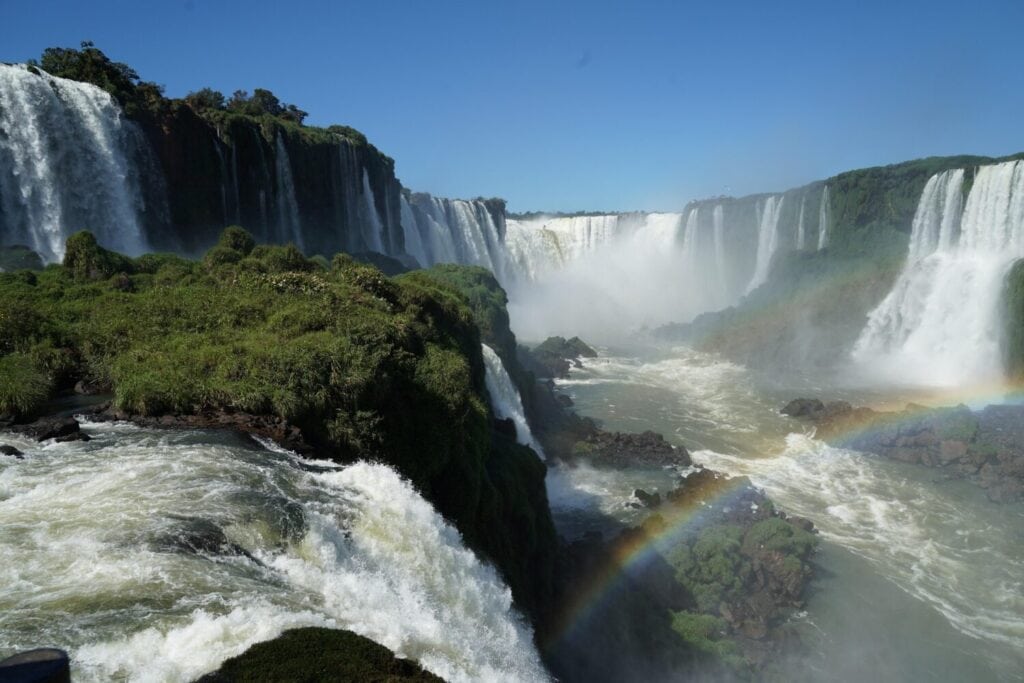
One of the most famous sights is Iguazú Falls, located in the subtropical northeast near the border with Brazil. This vast system of waterfalls is one of the most powerful on Earth. The Argentine side offers an immersive experience, with walkways that bring you close to the cascades and boat rides that take you directly into the spray. Those walkways sit inside Iguazú National Park, run by Argentina’s national parks service. The Brazilian side provides broader panoramic views, so visiting both is highly recommended if time allows.
Further south, in Patagonia, the Perito Moreno Glacier is one of the country’s most iconic natural attractions. Unlike many glaciers worldwide, it is still advancing, and visitors can watch huge sections of ice break away and crash into the water below. Walkways provide excellent viewpoints, while guided treks allow you to explore the glacier itself.
The capital, Buenos Aires, is a destination in its own right. It combines European-style architecture, vibrant neighbourhoods, world-class dining, and strong cultural identity. Key highlights include Plaza de Mayo, La Boca, and the Recoleta Cemetery, while venues such as Teatro Colón and MALBA showcase the city’s artistic depth. For many travellers, Buenos Aires sets the tone for the entire trip.
In the west, Mendoza is the centre of Argentina’s wine industry. Surrounded by the Andes, it offers vineyard tours, wine tastings, and a relaxed atmosphere that contrasts with the energy of the capital. It is also a base for outdoor activities such as hiking and rafting, making it one of the most balanced destinations in the country.
In the south, San Carlos de Bariloche sits on the edge of the lake district, offering alpine scenery, outdoor activities, and a distinctive architectural style. In summer, it is ideal for hiking, kayaking, and exploring lakes, while winter transforms it into a ski destination. The surrounding viewpoints and landscapes are among the most photogenic in Argentina.
For more adventurous travellers, El Chaltén is known as the country’s trekking capital. It provides direct access to trails leading toward Mount Fitz Roy and surrounding peaks. The town itself is small, but the landscapes are dramatic, and the hiking opportunities are some of the best in South America.
In the northwest, Salta and the surrounding region offer a different perspective on Argentina. Colonial architecture, high-altitude deserts, colourful rock formations, and strong Indigenous influences define this part of the country. It is less visited than Patagonia but equally rewarding for travellers looking for something distinctive.
Taken together, these destinations highlight Argentina’s strength as a travel destination. You are not limited to one type of experience. You can combine urban culture, natural landscapes, food, and adventure, often within the same trip.

Suggested Itinerary
Planning a trip across Argentina requires balancing distance with experience. The country is too large to see everything in one visit, so a structured itinerary helps you cover the highlights without feeling rushed. A 14-day itinerary is a realistic starting point for first-time visitors.
Begin with three days in Buenos Aires. This allows time to explore neighbourhoods such as San Telmo and Recoleta, visit major landmarks, and experience tango, food, and nightlife. The city sets the cultural foundation for the rest of the journey.
From there, travel to Mendoza for two days of wine country exploration. A short flight brings you to vineyard landscapes, where you can cycle between wineries, enjoy tastings, and take in views of the Andes. It provides a relaxed contrast to the capital.
Next, head south to Bariloche for two to three days in the lake district. This part of the itinerary focuses on outdoor activities such as hiking, lake excursions, and scenic viewpoints. The pace here is slower, with more emphasis on nature.
Continue further into Patagonia with two days in El Calafate, including a full-day visit to Perito Moreno Glacier. This is one of the most visually dramatic parts of the trip and a highlight for many travellers.
From there, fly north to Iguazú Falls for two days. The change in climate and landscape is significant, moving from cold southern regions to a warm, tropical environment. Exploring the Argentine side of the falls, and optionally crossing into Brazil, rounds out the natural highlights.
Finally, return to Buenos Aires for one or two final days. This gives time for shopping, revisiting favourite areas, and enjoying a final meal or cultural experience before departure.
This itinerary works because it balances city, nature, food, and iconic landmarks, while using domestic flights to manage distances. It is ambitious but achievable, and it introduces the main regions without overwhelming the traveller.
Events, Festivals, Seasonal Highlights & Annual Events
Argentina’s cultural calendar is active throughout the year, and timing your visit around key events can significantly enhance the experience. Festivals here are not just entertainment. They are expressions of regional identity, tradition, and national pride.
One of the most vibrant events is Carnaval, usually held in February or March. Celebrations vary by region, but in places such as Gualeguaychú and Tilcara, they include parades, music, costumes, and strong local participation. In the northwest, Carnaval often blends Indigenous traditions with more modern influences.
In Mendoza, the Fiesta Nacional de la Vendimia marks the wine harvest in March. It combines parades, concerts, and wine-related events, making it one of the most important cultural festivals in the country, especially for those interested in Argentina’s wine industry.
Buenos Aires hosts the Tango Festival in August, the largest event of its kind in the world. It includes performances, workshops, and competitions, and many events are accessible to visitors regardless of experience level.
Seasonal changes also play a major role. During winter, Patagonia becomes a hub for skiing and snow sports, particularly around Bariloche and Ushuaia. In contrast, summer is the best time to visit southern regions for hiking and outdoor exploration, while the north remains warm and humid.
Other notable events include Semana Santa (Easter Week), which sees increased domestic travel, and Fiesta de la Tradición in November, celebrating gaucho culture with music, horse displays, and traditional food.
Choosing when to visit Argentina depends heavily on what you want to experience. Whether it is wine harvests, snow sports, festivals, or hiking conditions, aligning your travel dates with the right season can transform the quality of your trip.
Where & What to Eat
Food is a central part of Argentine life, and for many visitors it becomes one of the highlights of the entire trip. The cuisine reflects a mix of European influence and local tradition, resulting in a food culture that is both familiar and distinctive.
At the heart of it all is the parrilla, or traditional grill. Argentine beef is world-famous, and meals often revolve around cuts such as bife de chorizo, entraña, and asado de tira. These are typically cooked over wood or charcoal and served simply, often with chimichurri and minimal garnish. Meals are social occasions, and it is not unusual for them to last several hours.
Street food and casual dining are equally important. Empanadas are available almost everywhere and vary by region. In the northwest, they are often spiced and juicy, while other regions offer different fillings and cooking styles. They are one of the easiest and most affordable foods to try while travelling.
The country’s culinary identity is also shaped by immigration. Italian and Spanish influences are particularly strong, which explains the quality of pizza, pasta, and dishes such as milanesa. Meals like gnocchi, stuffed pasta, and cheese-heavy pizzas are common and widely enjoyed.
Sweet food plays a major role as well. Dulce de leche appears in desserts, pastries, and ice cream, while Argentine gelato is considered among the best outside Italy. Bakeries offer a wide range of pastries, often enjoyed with coffee or mate.
Speaking of mate, it is more than a drink. It is a social ritual, shared between friends, family, and even colleagues. Being offered mate is a sign of hospitality, and accepting it is part of engaging with local culture.
Argentina’s food scene ranges from simple street food to high-end dining, and it reflects the country’s broader identity. It is welcoming, social, and built around shared experience.

App availability and prices vary by country. Some of these may not appear in your local App Store or Google Play.
Search routes and flight options for your trip to Argentina.
Search flightsBrowse Airalo eSIM options for convenient travel data.
Check eSIMsArrange a private airport pickup for your trip to Argentina.
Check transfersNightlife
Argentina’s nightlife is energetic, social, and often runs much later than in many other countries. Nowhere is this more evident than in Buenos Aires, where evenings typically begin late and continue into the early hours of the morning.
The capital offers a wide range of options. In areas such as Palermo and the wider central districts, you will find cocktail bars, live music venues, and nightclubs that attract both locals and visitors. It is common for people to start the evening with dinner around 9 pm or later, with clubs only becoming busy after midnight.
Different neighbourhoods offer different atmospheres. Some areas focus on upscale venues and rooftop bars, while others are known for live music, tango shows, or more relaxed social settings. This variety allows travellers to choose between high-energy nightlife and more intimate cultural experiences.
Outside Buenos Aires, nightlife varies by region. Mendoza tends to offer a calmer, more refined evening scene centred around wine bars and restaurants. Bariloche has a more youthful atmosphere, especially during peak seasons, with bars and late-night venues catering to travellers. Cities such as Córdoba and Rosario have strong student populations, which contributes to a lively and affordable nightlife environment.
What stands out most is the timing. Argentina operates on a late schedule, and visitors who want to experience nightlife fully will need to adjust their routine. The reward is a social scene that feels authentic, unforced, and deeply embedded in daily life.
Nightlife in Argentina is not just about clubs. It is about conversation, music, food, and shared experience, often stretching late into the night.
Cultural Norms & Etiquette
Understanding local customs will make your experience in Argentina smoother and far more rewarding. The culture is warm, expressive, and social, and small gestures go a long way.
Greetings are more personal than in many countries. A single kiss on the cheek is the standard greeting in social situations, even between people who have just met. In more formal settings, such as business interactions, a firm handshake is appropriate. Argentines tend to maintain close physical distance and strong eye contact, which can feel intense at first but is simply part of normal communication.
Dining is an important social ritual. Meals are rarely rushed, and it is common for dinners to last several hours. Keeping your hands visible on the table is considered polite, while tipping around 10 percent is standard in restaurants. Service is usually not hurried, so patience is expected.
Time works differently depending on the situation. Social events often follow a relaxed approach, where arriving 20 to 30 minutes late is normal. However, for transport, tours, or business commitments, punctuality is still expected.
Dress standards are slightly more polished than many visitors expect. Even in casual settings, people tend to dress neatly and with intention, especially in cities like Buenos Aires. You will blend in more easily by avoiding overly casual or gym-style clothing outside of appropriate settings.
Argentina is also a country where conversation matters. Topics such as football, food, and daily life are always welcome, but discussions around politics can be passionate. It is best to listen first and engage respectfully.
Overall, the key to fitting in is simple: be polite, show interest, and respect the social rhythm. Argentines are welcoming, and visitors who engage with the culture are usually met with genuine warmth.
Where to Stay
Accommodation in Argentina is varied, affordable, and generally good value. From boutique B&Bs in wine country to slick apartments in Buenos Aires, there’s something for every budget and travel style. This Argentina travel guide includes two essential tools to help you choose: a curated local selection, and a table comparing global hotel brands.
Recommended Local Accommodation
| Property | Location | Type | Why Stay Here |
|---|---|---|---|
| Palo Santo Hotel | Buenos Aires (Palermo) | Eco Boutique | Stylish design, rooftop terrace, green credentials |
| Entre Cielos | Mendoza | Wine Lodge | Vineyard views, spa, and access to Luján de Cuyo wineries |
| Design Suites Bariloche | Bariloche | Hotel | Modern rooms with lake views and local artwork |
| Hostal Colores Andinos | Salta | Guesthouse | Family-run, central location, great breakfast |
| America del Sur Hostel | El Calafate | Hostel | Social, modern, with stunning glacier views |
These options represent a balance of comfort, authenticity, and location. For anyone visiting Argentina, especially beyond the capital, boutique properties and family-run hotels often offer a more personalised experience.
Major International Hotel Chains in Argentina
| Brand | Presence | Typical Locations | Distance from City Centres |
|---|---|---|---|
| Accor | Yes | Buenos Aires, Mendoza, Salta | Central locations |
| Hilton | Yes | Buenos Aires, Bariloche | Central to waterfront |
| Marriott | Yes | Buenos Aires, Mendoza | Central districts |
| IHG | Yes | Buenos Aires, Córdoba | City centres and airports |
| Radisson | Yes | Buenos Aires | Near central zones |
| Hyatt | Yes | Mendoza, Buenos Aires | Premium districts |
| Wyndham | Yes | Multiple cities | Central and regional |
| Best Western | Yes | Buenos Aires, Salta | Central and suburban |
| Choice Hotels | No | Nearest in Chile | Not present locally |
Argentina has excellent representation from all major international brands, making it easy for travellers who prefer loyalty programs or familiar amenities. That said, don’t be afraid to branch out, as some of the most memorable stays happen in independent guesthouses or historic estancias.
Toilets & Accessibility
Public toilets in Argentina are available but can be inconsistent depending on location. In major cities such as Buenos Aires, you will find clean facilities in shopping centres, cafés, museums, and transport hubs. In smaller towns or rural areas, they can be harder to locate and may require a small cash payment.
Toilets are usually labelled “Damas” for women and “Caballeros” for men, and signage is generally clear. In higher-end venues and airports, accessible and unisex options are increasingly common.
Accessibility across Argentina has improved, but it is not uniform. Larger cities and modern buildings tend to provide better infrastructure, including ramps, elevators, and adapted facilities. However, older neighbourhoods often have uneven pavements, limited ramps, and narrow entrances, which can make movement more challenging.
Public transport accessibility varies. Some systems have made significant upgrades, but others remain partially accessible. For travellers with mobility needs, it is advisable to check facilities in advance, confirm hotel accessibility directly, and plan routes carefully.
In practical terms, Argentina is manageable but requires more planning than fully accessible destinations. Preparation makes a noticeable difference.
Weather & Best Time to Visit
Argentina’s size means there is no single climate. Conditions vary dramatically from north to south, and timing your visit correctly is one of the most important planning decisions.
| Region | Best Months | Climate |
|---|---|---|
| Buenos Aires & Pampas | March–May, September–November | Mild, humid subtropical |
| Patagonia (South) | December–March | Cool summers, very cold winters |
| Northwest (Salta, Jujuy) | April–October | Dry, sunny, cooler at altitude |
| Northeast (Iguazú) | May–September | Hot, humid, less rainfall |
| Mendoza (Wine Region) | March–May | Warm days, harvest season |
In general, spring and autumn offer the best balance of comfortable temperatures and manageable crowds. Summer is ideal for southern regions such as Patagonia but can be very hot in Buenos Aires and the north. Winter brings colder weather but opens opportunities for skiing and snow-based travel.
Choosing the right time depends on your priorities. If you are focused on hiking, wine, or festivals, your travel dates should reflect that. Argentina rewards travellers who plan around regional conditions rather than a single national season.
eSIMs & Connectivity
Staying connected in Argentina is straightforward in most populated areas. Major cities have reliable 4G coverage, and while signal strength can drop in remote regions such as Patagonia or mountainous areas, connectivity is generally good for everyday travel needs.
eSIM technology has made access even easier. Providers such as Airalo, Nomad, and Ubigi offer prepaid data packages that can be activated before arrival. These are ideal for travellers who want immediate connectivity without visiting a store.
Local providers such as Claro, Movistar, and Personal also offer SIM cards, which can be purchased in shops and kiosks. These often provide good value for longer stays but may require registration with identification.
Free Wi-Fi is widely available in cafés, restaurants, shopping centres, airports, and many public spaces, particularly in Buenos Aires. This makes it easy to stay connected even without a large data plan.
For most travellers, the simplest approach is to install an eSIM before arrival, ensuring immediate access to maps, bookings, and communication. It removes friction and helps you navigate the country more confidently from the moment you land.
Compare hostels and lower-cost places to stay in Argentina.
Search hostelsAccess compensation support, eligible lounge benefits and faster payouts when flights go wrong.
See the benefitsUse convenient luggage storage around Argentina between arrival, check-in and departure.
Check storageReligious & Social Norms
Argentina is officially a secular country, but Catholicism still plays a visible cultural role, particularly in public holidays, festivals, and traditions. Churches are common landmarks in towns and cities, and many celebrations are tied to the religious calendar. However, everyday life in modern Argentina is generally progressive, open, and diverse, especially in urban areas.
Family is central to Argentine society. Weekends often revolve around shared meals, particularly the traditional asado, where friends and relatives gather for hours of food and conversation. This strong social focus means that relationships, hospitality, and time spent together are highly valued.
Argentina is also known for its progressive social policies. It was one of the first countries in Latin America to legalise same-sex marriage in 2010, and gender identity laws are among the most advanced globally. In cities like Buenos Aires, diversity is widely accepted and visible in everyday life.
Football is more than a sport. It is a national obsession. Clubs such as Boca Juniors and River Plate dominate conversations, and rivalries can be intense. Even casual discussions about football can quickly become passionate, so it is worth approaching the topic with curiosity and respect.
Politics is another subject that Argentines discuss openly and energetically. Conversations can be animated, and opinions strongly held. Visitors are welcome to engage, but it is wise to listen first and avoid making strong statements without understanding the context.
Overall, the social atmosphere is warm, expressive, and inclusive. Showing respect, being open to conversation, and engaging with local customs will enhance your experience significantly.
Laws, Safety & Warnings in Argentina
Argentina is generally a safe destination, but like any large country, it requires basic awareness and sensible precautions.
In terms of crime, violent incidents involving tourists are rare, particularly in well-known areas. However, petty crime such as pickpocketing and bag snatching can occur, especially in busy locations like transport hubs, markets, and popular neighbourhoods. Areas such as Retiro, San Telmo, and La Boca in Buenos Aires are commonly mentioned in this context. Keeping valuables secure and avoiding unnecessary displays of wealth is the simplest way to reduce risk.
Transport-related scams can occur, particularly around airports and bus stations. It is best to use official taxis, prepaid transfer desks, or trusted ride-share apps, and to ignore unsolicited offers from individuals approaching you directly.
There are a few legal points worth noting. Marijuana is decriminalised for personal use in small amounts, but buying or selling it remains illegal. The legal drinking age is 18, and alcohol laws are enforced. Identification checks are not frequent but can occur in hotels, bus terminals, or official situations, so carrying a copy of your passport is advisable.
Tap water is generally safe to drink in major cities, though bottled water is often preferred in more remote areas. Healthcare is widely available in urban centres, but travel insurance is strongly recommended to cover private treatment or emergencies.
Argentina’s safety profile is comparable to many major international destinations. With basic precautions, awareness of surroundings, and sensible travel habits, most visits are smooth and trouble-free.

Rupert’s Handy Travel Tips
Argentina is a huge and varied country, and the right apps will make travelling from Patagonia to Buenos Aires far smoother. Here are some smart ways to use them:
- Plan long distances: Use bus booking apps like Plataforma10 or Omnilineas for affordable cross-country travel, especially in Patagonia.
- Track trains and metros: In Buenos Aires, pair the BA Cómo Llego app with the SUBE card app to manage public transport.
- Watch currency rates: Argentina’s peso can fluctuate; currency converter apps help track official vs. “blue” dollar rates.
- Stay offline-ready: Download offline maps before venturing into the Andes or smaller provinces where signal drops out.
- Book experiences early: Use Klook or local apps to secure tickets for attractions like Iguazú Falls during busy seasons.
- Check weather extremes: Conditions swing from subtropical heat to snow; weather apps are essential for packing and planning.
Want to meet the reindeer behind our travel tips? Find out more in our page Who is Rupert?.




Frequently Asked Questions
u003cstrongu003eDo I need a visa to visit Argentina?u003c/strongu003e
Most travellers from the EU, UK, US, Canada, and Australia do u003cstrongu003enotu003c/strongu003e need a visa for stays of up to 90 days. Always check the latest entry rules before flying.
u003cstrongu003eIs Argentina safe for solo travellers?u003c/strongu003e
Yes, particularly in major tourist areas. Exercise normal caution, avoid sketchy neighbourhoods at night, and follow local advice.
u003cstrongu003eCan I use US dollars or euros in Argentina?u003c/strongu003e
While prices are usually listed in pesos, many tour operators and hotels accept US dollars, especially at the “blue rate.” Euros are less commonly accepted. Be aware of official vs. informal exchange rates.
u003cstrongu003eWhat’s the tipping culture?u003c/strongu003e
Tipping 10% at restaurants is standard. Hotel porters and taxi drivers appreciate small tips but don’t expect them.
u003cstrongu003eIs English widely spoken?u003c/strongu003e
Not widely, especially outside major cities. Learning basic Spanish phrases will greatly enhance your u003cstrongu003eArgentina travelu003c/strongu003e experience.
Further Reading & Other Guides
If this is your first time visiting Argentina, our Argentina Travel Guide is the best place to start. It covers money, safety, transport, SIM cards, and how to plan your trip across the country.
Once you arrive in the city, our Buenos Aires Travel Guide explains where to stay, how to get around, neighbourhood guides, and how to plan your time in the capital.
If you are staying in Buenos Aires for a few days, our Buenos Aires Hop-On Hop-Off Bus Guide is an easy way to see the main areas of the city and get an overview before exploring in more detail.
Many visitors also take excursions outside the city, so our Best Day Trips from Buenos Aires guide includes Tigre Delta, Colonia del Sacramento in Uruguay, and other easy trips from the capital.
If you are travelling further around Argentina, you may also want to read our Iguazu Falls Guide in northern Argentina or our Things to Do in Ushuaia Guide in Patagonia to help plan a wider Argentina itinerary.
These guides together will help you plan a trip that includes Buenos Aires, Uruguay, Iguazu Falls, Patagonia, and day trips from the capital as part of one well-organised Argentina travel itinerary.