Reviewed by our editorial team Updated
Why Visit Petra
Few places on earth stir the imagination quite like Petra, Jordan’s legendary “Lost City of Stone.” Carved directly into the red sandstone cliffs of southern Jordan more than two thousand years ago, Petra stands as both a symbol of ancient ingenuity and one of the New Seven Wonders of the World. For travellers seeking a powerful mix of history, adventure, and cinematic scenery, no Petra travel guide is complete without understanding what makes this place so extraordinary.
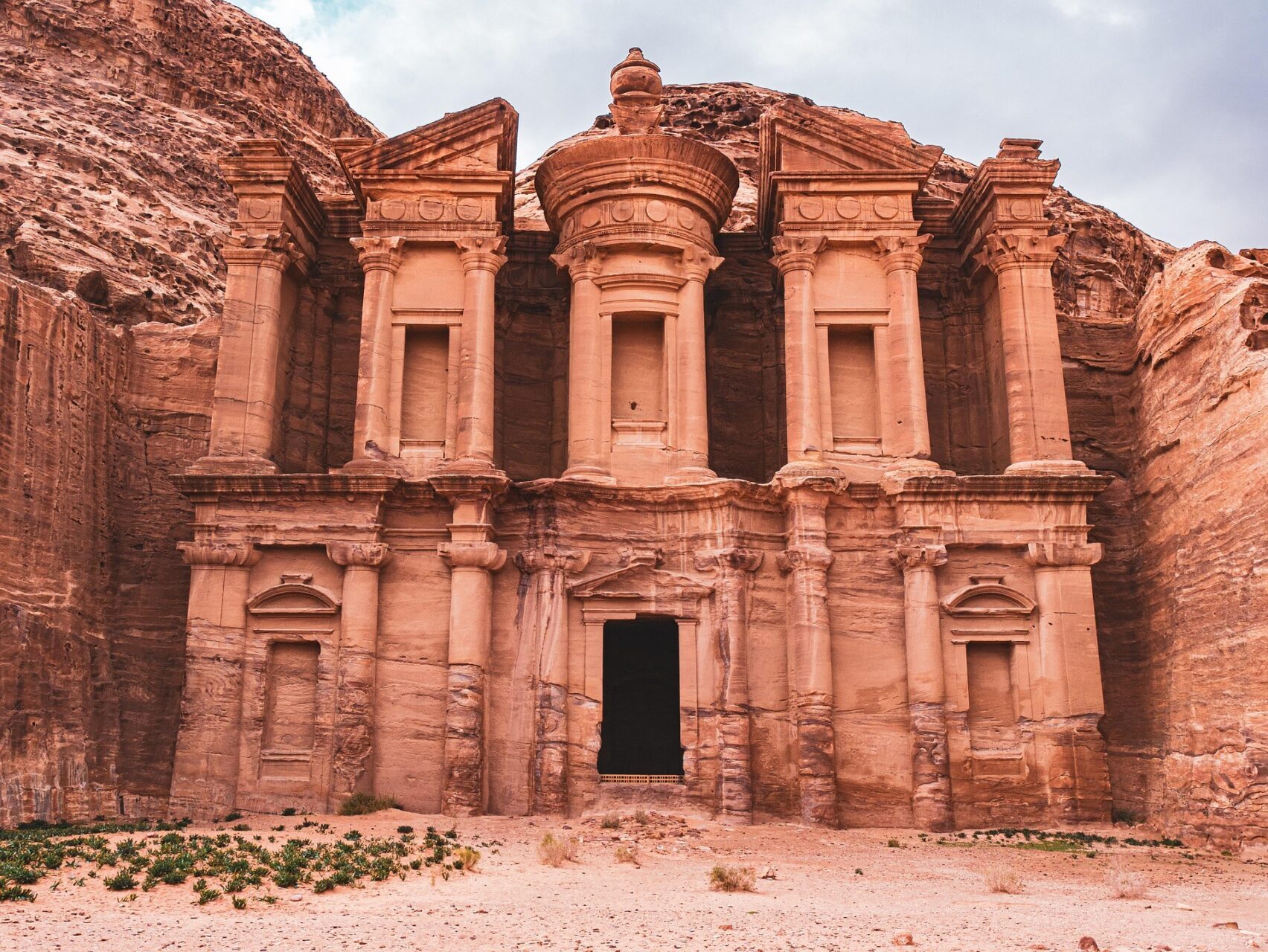
At first sight, Petra feels almost unreal. The narrow, winding Siq canyon suddenly opens onto the breathtaking façade of Al-Khazneh, better known as the Treasury. This is one of the most iconic travel moments anywhere in the world, and it regularly leaves visitors completely speechless. Yet Petra’s appeal goes far beyond this famous viewpoint. Spanning over 60 square kilometres, this vast UNESCO World Heritage Site is filled with ancient tombs, temples, Roman theatres, and hidden trails that reward those who explore further.
Visiting Petra today is a journey through both landscape and legend. You walk the same routes once used by Nabataean traders, who transported incense and spices across Arabia, while modern tools make the experience far more accessible. Whether you are hiking to the Monastery (Ad-Deir), experiencing the atmosphere of Petra by Night, or following the glow of lanterns through the Siq, the destination delivers a rare balance of mystery and accessibility.
For any traveller exploring Jordan, Petra is not just another stop on the itinerary. It is a defining travel experience, often considered a true rite of passage for anyone drawn to the world’s greatest historical sites.
Petra and UNESCO Status
Petra is one of the most iconic UNESCO World Heritage Sites in the world and the defining attraction of Jordan. Recognised for its outstanding cultural significance, Petra represents the achievements of the Nabataean civilisation, which flourished over 2,000 years ago.
The site is best known for its rock-cut architecture, with structures such as the Treasury carved directly into the sandstone cliffs. However, Petra is far more extensive than a single façade. It is a vast archaeological landscape that includes tombs, temples, pathways, and water systems, all integrated into the surrounding terrain.
Petra’s UNESCO designation reflects both its architectural innovation and its role as a major trading hub, connecting Arabia, Egypt, and the Mediterranean world. The Nabataeans developed advanced techniques for water management and construction, allowing them to thrive in a challenging desert environment.
What makes Petra particularly powerful for visitors is the way the site is experienced. Entering through the Siq, a narrow canyon that gradually reveals the Treasury, creates a sense of scale and anticipation that few other historic sites can match.
For travellers, Petra is not simply a landmark to visit. It is a complete UNESCO-listed landscape, where natural geology and human engineering combine to create one of the most memorable historical experiences anywhere in the world.
Learn More from UNESCO
This destination is connected to a UNESCO World Heritage Site, recognised for its outstanding cultural, historical, or natural importance. You can explore official listings, background information, and protected heritage sites through UNESCO’s global database.
Best for two or three nights. The widest choice of rooms, with filters for free cancellation and included breakfast.
View staysBest for groups who want one address and separate bedrooms rather than three hotel rooms.
See holiday homesBest as a last check before booking. Compares Petra hotel rates across several sites in one search.
Compare ratesQuick Facts & Visitor Essentials
To get the most out of your visit, it is important to understand the key practical details before arriving. Petra is located in southern Jordan, near the modern town of Wadi Musa, approximately 240 kilometres south of Amman and 130 kilometres north of Aqaba. Its geographical coordinates are 30.3285° N, 35.4444° E, and it sits at an elevation of around 810 metres above sea level.
Petra was designated a UNESCO World Heritage Site in 1985 and was later named one of the New Seven Wonders of the World in 2007, reinforcing its global significance. Opening hours typically run from 6 a.m. to 6 p.m. in summer and 6 a.m. to 4 p.m. in winter, with the popular Petra by Night experience held on selected evenings.
Entry fees usually range between 50 and 70 Jordanian Dinars for a one-day ticket, with reduced pricing available for multi-day passes. The best time to visit Petra is during spring from March to May and autumn from September to November, when temperatures are more manageable.
Arabic is the official language, but English is widely spoken, especially in tourist areas. The local currency is the Jordanian Dinar, and most services accept cash, with some larger establishments also offering card payments.
Petra sits within a desert climate, which means hot days and cooler evenings. Visitors should come prepared with plenty of water, sun protection, and sturdy footwear. While it is possible to explore independently, licensed guides are available at the entrance for those wanting deeper historical context. A free shuttle from the Visitor Centre to the Siq entrance helps conserve energy for the long walk through the site.
Modern technology also plays a role in enhancing the experience. Apps such as Google Maps, AllTrails, and Petra Map & Tour Guide allow for offline navigation and route tracking, while translation and currency tools help simplify everyday logistics.
Where Is Petra Located?
The ancient city of Petra is located in southern Jordan, hidden within rugged sandstone mountains at the edge of the Arabian Desert. It lies roughly 240 kilometres south of Amman and around 130 kilometres north of Aqaba, with the nearby town of Wadi Musa acting as the main gateway for visitors.
Geographically, Petra sits within the Wadi Araba valley, part of the wider Great Rift Valley that stretches from the Dead Sea down to East Africa. This location was carefully chosen by the Nabataeans, who used the surrounding terrain for natural defence and to control key trade routes linking Arabia, Egypt, and the Mediterranean. Over time, this strategic position helped transform Petra into one of the wealthiest trading centres of the ancient world.
Today, Petra remains firmly within Jordan, positioned not far from the borders of Israel and Saudi Arabia. Its location makes it easy to combine with other major destinations, including Wadi Rum and the Dead Sea, creating a well-rounded Jordan itinerary.
The surrounding landscape is dry but visually striking. The cliffs shift in colour throughout the day, moving between deep reds, soft pinks, and golden tones depending on the light. This constantly changing palette is one of the reasons Petra feels so dynamic and photogenic.
For travellers wondering exactly where Petra is, the answer is simple. It is Jordan’s most iconic archaeological site, easily reached by road in around three hours from Amman or two hours from Aqaba. While GPS and travel apps make navigation straightforward, nothing compares to the moment you arrive and see the carved stone structures in person.
Getting There by Road (from Amman & Aqaba)
Reaching Petra by road is one of the most rewarding ways to travel through Jordan. The journey offers flexibility, scenic views, and the chance to experience the country beyond its main tourist sites.
From Amman, Petra is located around 240 kilometres to the south. The fastest route is the Desert Highway, also known as Highway 15, which takes approximately three to three and a half hours. This is a modern, well-maintained road designed for efficiency. However, travellers looking for a more scenic experience often choose the King’s Highway, or Highway 35. This historic route stretches for about 260 kilometres and passes through dramatic valleys, mountain landscapes, and historic sites such as Karak Castle. While it adds roughly an hour to the journey, it offers a far more memorable travel experience.
From Aqaba, Petra is much closer, sitting around 125 kilometres to the north. The drive typically takes around two hours via the Desert Highway. Traffic is generally light, the road conditions are good, and fuel stations are available along the route. Many travellers combine this journey with a visit to Wadi Rum, which lies between Aqaba and Petra and is one of Jordan’s most spectacular desert landscapes.
Once you arrive in Wadi Musa, there are several parking options near the Petra Visitor Centre. Both free and paid parking areas are available, and many hotels close to the entrance provide their own parking facilities. Properties such as the Mövenpick and Petra Moon are particularly convenient due to their proximity to the main gate.
Fuel stations and electric vehicle charging points can be found along Petra Main Street, just a short distance from the entrance. Navigation is straightforward, especially when using offline mapping tools such as Google Maps or Maps.me.
Driving gives you full control over your schedule and allows you to explore Jordan at your own pace. With good road infrastructure and reliable navigation tools, it is one of the easiest and most flexible ways to reach Petra.
Travelling by Bus
For travellers without a car, Jordan’s intercity buses provide an affordable, comfortable way to reach Petra. Daily services run between Amman, Aqaba, and Wadi Musa, all terminating near the Petra Visitor Centre.
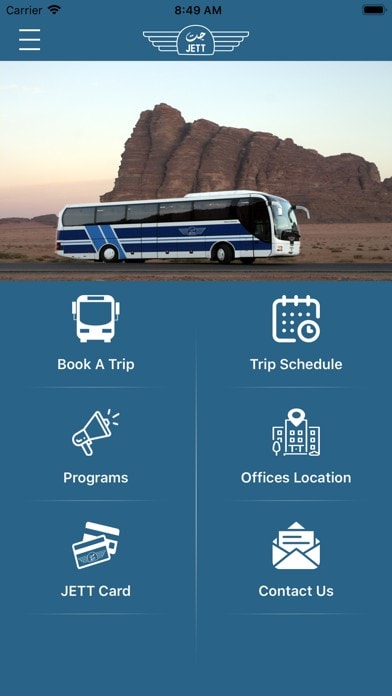
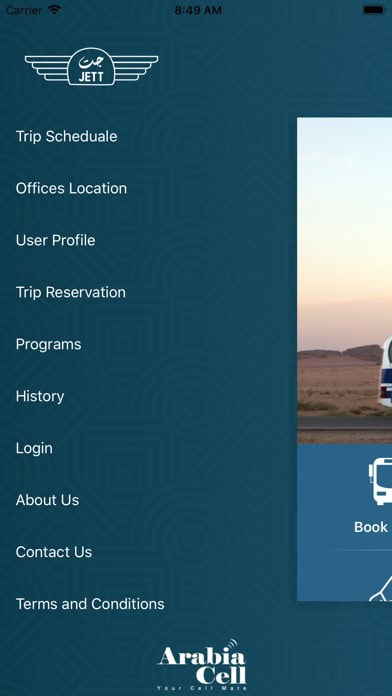
From Amman, the most convenient service is the JETT Bus, which departs once daily from the JETT Abdali Station at around 6:30 a.m. and arrives in Petra by 10:30 a.m. The return bus leaves Wadi Musa mid-afternoon, usually around 4:00 p.m. Tickets cost approximately 11 JOD each way, and reservations can be made via the JETT app or website. Buses are modern, air-conditioned, and include luggage storage, making them ideal for day trips or budget-conscious travellers.
Those starting from Aqaba can also catch a daily JETT Bus or use local minibuses that depart from the main bus station near the city centre. The trip north takes around 2 hours (125 km / 78 miles) and costs between 8–12 JOD, depending on the operator. While local minibuses are cheaper, they typically leave when full and lack fixed timetables, so flexibility is essential.
Upon arrival in Wadi Musa, buses stop within walking distance of most hotels and the Petra Visitor Centre. Some accommodations offer free shuttles for guests, while others are reachable via a short taxi ride.
Apps like Rome2Rio and 12Go Asia can help compare bus routes and times across Jordan, but for the most accurate Petra schedules, the official JETT app remains the best choice. Whether you’re travelling solo or in a group, the bus journey provides an authentic look at Jordanian life between the capital, the Red Sea, and its most famous archaeological treasure.

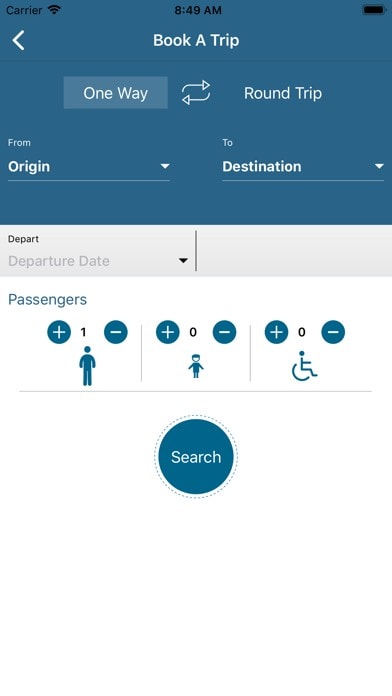
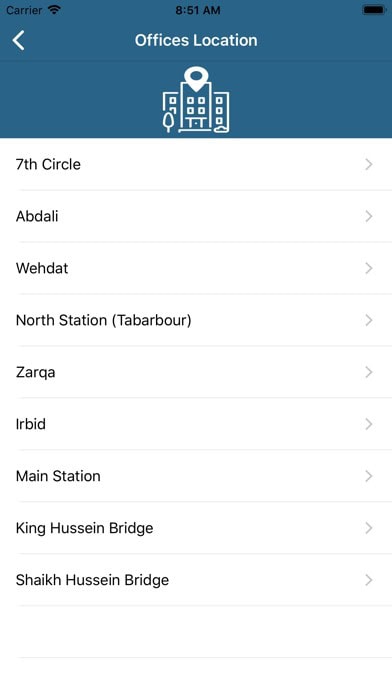
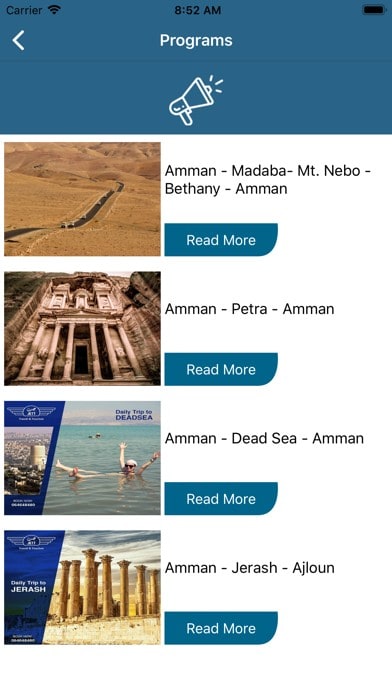
App availability and prices vary by country. Some of these may not appear in your local App Store or Google Play.
Getting There by Taxi
Taking a taxi to Petra is one of the most convenient and straightforward ways to reach Wadi Musa, especially for travellers who prioritise comfort, flexibility, and time efficiency. While it is more expensive than public transport, it remains a popular option due to its simplicity and door-to-door service.
From Amman, a private taxi follows the same Desert Highway route described above, taking around three to three and a half hours depending on traffic and stops. A one-way fare typically costs between 70 and 90 Jordanian Dinars, roughly £80 to £100 or $100 to $130. Taxis can be arranged through hotels, found at the Abdali Taxi Rank, or booked in advance using apps such as Careem or TaxiJo. It is important to agree the fare before departure, as long-distance journeys are usually negotiated rather than metered. Some drivers also offer return packages, allowing you to visit Petra for the day while they wait nearby.
From Aqaba, the journey is shorter at around 125 kilometres, with a typical travel time of two hours. Prices are correspondingly lower, usually ranging from 35 to 50 Jordanian Dinars, which equates to approximately £40 to £55 or $50 to $70. Taxis can be arranged through hotels, the Aqaba bus terminal, or local taxi stands. In some cases, shared taxis are available, which can reduce costs, although these journeys may include multiple stops along the route.
Taxi drivers in both Amman and Aqaba are very familiar with Petra transfers and often provide a more personalised experience. Many are happy to include short scenic stops, particularly if travelling via the King’s Highway or passing near Wadi Rum, adding extra value to the journey. A small tip of around 1 to 2 Jordanian Dinars is generally appreciated for longer trips.
Although taxis are more expensive than buses, they offer clear advantages. They are ideal for early morning departures, late arrivals, or tight travel schedules, and they make it easier to connect to onward destinations such as the Dana Biosphere Reserve or Aqaba Airport without relying on fixed timetables.
For travellers who prefer a secure and trackable booking experience, apps like Careem provide real-time fare estimates, driver verification, and easy payment options. This makes them particularly useful for first-time visitors navigating Jordan and heading to Petra with confidence.







App availability and prices vary by country. Some of these may not appear in your local App Store or Google Play.
Joining Organised Tours To Petra
For travellers who prefer a structured experience, organised tours to Petra are one of the easiest and most popular ways to visit the ancient city. These guided trips remove the stress of planning transport, tickets, and logistics, allowing you to focus entirely on exploring one of the world’s most famous archaeological sites.
Most Petra tours depart from Amman, Aqaba, or Wadi Rum, with options ranging from fast-paced day trips to slower two-day itineraries that include overnight stays near the site. Guided tours typically include comfortable transport, licensed English-speaking guides, and plenty of time to explore highlights such as the Siq, the Treasury, the Royal Tombs, and the Monastery.
From Amman, tours usually depart early in the morning (around 6:00–7:00 a.m.) to make the most of the day. The drive takes around three hours each way. Shared coach tours generally cost 60–100 JOD (≈£68–£113 / €78–€130 / $84–$140), while private tours with dedicated vehicles and guides start around 120 JOD (≈£136 / €156 / $168).
From Aqaba, visiting Petra is even easier. The journey takes around 2 hours (125 km / 78 miles), making it possible to visit on a comfortable day trip. Many tours also combine Petra with Wadi Rum desert excursions, creating a full Jordan experience in a single itinerary. Prices typically range from 45–85 JOD (≈£51–£96 / €59–€111 / $63–$119), depending on group size and whether Petra entry tickets are included.
Booking platforms such as GetYourGuide, Viator, and Klook list a wide range of verified tours with clear pricing, secure payment, and customer reviews. Many tours now offer mobile tickets and flexible cancellation, making them ideal for travellers planning trips on the go.
Whether you want a guided archaeological experience, a convenient transfer from Aqaba, or a full Petra and Wadi Rum adventure, organised tours are one of the simplest ways to experience this UNESCO World Heritage Site.
If you’re considering booking a tour, we’ve created a complete guide to Petra organised tours, including typical prices, itinerary examples, and the best tours to book online.
→ Explore the full guide: Petra Organised Tours from Amman, Aqaba & Wadi Rum
Best if you can move a day either way. Shows how the fare to Petra changes across the month.
Compare flightsBest for short trips. Install the eSIM at home and arrive in Petra with working data, no shop queue.
Browse eSIMsBest if you would rather not work out the transport on arrival. Book it now and forget it.
View transfersEntry Fees & Ticket Options
Understanding Petra’s entry fees is key to planning your visit and can save you money if you know which pass to choose. Tickets are purchased at the Petra Visitor Centre in Wadi Musa, located at the main entrance to the archaeological park. Prices are set by the Jordan Ministry of Tourism and are consistent across official outlets.
For visitors staying at least one night in Jordan, the standard entry price is 50 JOD (≈£56 / €65 / $70) for a one-day ticket. A two-day ticket costs 55 JOD (≈£62 / €72 / $77), and a three-day ticket is 60 JOD (≈£68 / €78 / $84), ideal for travellers who want to explore beyond the main trail or revisit the site at different times of day.
Day-trippers arriving directly from neighbouring countries (for example, Israel or Egypt) pay a higher fee of 90 JOD (≈£102 / €117 / $125) unless they stay overnight in Jordan. This pricing system encourages longer stays that support local communities.
The best value option for most travellers is the Jordan Pass, which combines your Petra ticket with a Jordan entry visa and access to over 40 attractions nationwide, including Jerash, Wadi Rum, and Amman Citadel. Prices range from 70 to 80 JOD (≈£79–£90 / €91–€104 / $98–$112), depending on the number of Petra days selected. The pass can be purchased online and scanned directly at the gate via the Visit Jordan app.
Tickets include access to the main trail and side routes, but not to the evening Petra by Night event; that experience requires a separate 17 JOD (≈£19 / €22 / $23) ticket, available at the Visitor Centre or through approved tour operators.
Credit cards are accepted, but it’s wise to carry some cash for small on-site purchases. Always retain your ticket for re-entry, as staff may request to see it at checkpoints within the archaeological zone.
For the latest entry fees, seasonal timings, and event updates, visit the official Petra Development and Tourism Region Authority website.
Facilities & Services in Petra
While Petra is an ancient archaeological wonder, the site is well-equipped with modern visitor facilities to make exploration comfortable, safe, and accessible. You should note that once you pass through the entrance gate, amenities become more spaced out, so it’s worth knowing where to find them before you start your hike.
Visitor Centre (Wadi Musa):
Located at the main entrance, this is the hub for everything practical, ticket sales, guided tour bookings, maps, and information desks. There are also currency exchange services, Wi-Fi, ATMs, and a small museum displaying artefacts from Petra’s excavations. Staff can arrange licensed guides or organise electric carts for visitors with limited mobility.
Toilets & Refreshments:
Clean toilets are available at the Visitor Centre, the Royal Tombs area, and near the Restaurant at the Basin (close to the trail to the Monastery). Small cafés and refreshment stalls sell bottled water, snacks, and soft drinks along the main route, though prices rise the deeper you go. Bring cash in Jordanian Dinar (JOD), as card readers can be unreliable inside the site.
Shuttle & Animal Services:
A free electric shuttle runs between the Visitor Centre and the Siq entrance, ideal for saving energy at the start or end of your visit. Licensed donkey and camel rides are also available but should be booked through authorised handlers to ensure proper animal care.
Emergency & Connectivity:
A small first-aid post operates inside the site, and rangers patrol key areas. Mobile coverage is patchy but generally available near the Treasury and Visitor Centre. Download offline apps before entering the canyon, as signals fade in the deeper gorge
Petra History & Archaeological Highlights
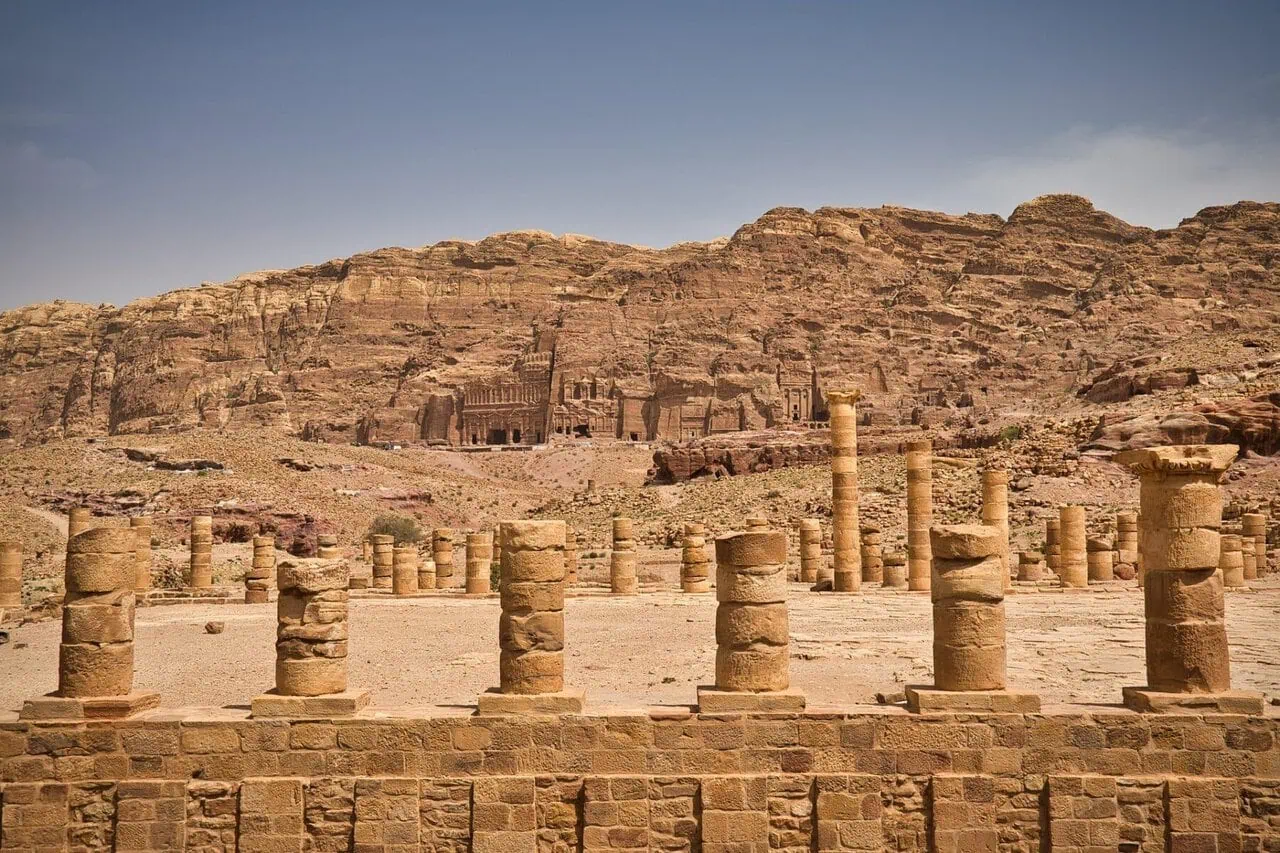
Long before it became a world-famous tourist destination, Petra was the thriving capital of the Nabataean Kingdom, a powerful Arab civilisation that flourished between the 4th century BC and the 1st century AD. Carved directly into the red sandstone cliffs of southern Jordan, Petra’s intricate tombs and temples reveal the engineering genius of a people who mastered desert life and trade.
The Nabataeans controlled caravan routes connecting Arabia, Egypt, and the Mediterranean, dealing in frankincense, spices, and silk. They transformed Petra into a wealthy metropolis, complete with colonnaded streets, water channels, and rock-cut dwellings. When the Romans annexed the kingdom in 106 AD, they expanded the city with bathhouses, arches, and an amphitheatre, traces of which still impress modern visitors.
By the 7th century, shifting trade routes and a series of earthquakes led to the city’s gradual decline. Petra was eventually abandoned and forgotten by the outside world until 1812, when Swiss explorer Johann Ludwig Burckhardt rediscovered it, guided by local Bedouins. Today, it stands as a UNESCO World Heritage Site and one of the New Seven Wonders of the World.
For those wondering “Who built Petra?” or “When was Petra built?”, the answer is layered across centuries of Nabataean innovation and Roman adaptation. Archaeologists continue to uncover new structures every year, deepening our understanding of how advanced this desert civilisation truly was. Exploring the city’s main trail feels like walking through a living museum, where every carved stone tells a story of trade, artistry, and resilience.

The Siq & First Impressions
Every Petra travel guide begins with the same magical moment: stepping into the Siq, a winding sandstone canyon that serves as the city’s dramatic entrance. Stretching for just over a kilometre, this narrow gorge reaches up to 80 metres high but only a few metres wide, creating a tunnel-like corridor where sunlight filters through in ribbons of gold and crimson.
The Siq isn’t a natural riverbed, it’s a geological fault, widened by water over millennia. Along the walls, you’ll find ancient water channels, carved niches, and worn reliefs of camel caravans that hint at Petra’s trading past. As you walk, the sound of footsteps echoes against the rock, building anticipation until the final, unforgettable reveal: a sliver of pink stone that widens into the full grandeur of Al-Khazneh (the Treasury).
For most travellers, this first sight of the Treasury is emotional. It’s the same view made famous in Indiana Jones and the Last Crusade, yet far more powerful in real life. Arrive early in the morning to see the façade glow rose-gold in the sunlight, or linger at dusk when the cliffs take on deep red hues.
The Siq also contains subtle historical clues, Nabataean pavement stones, side-carvings to their gods, and remnants of defensive gates. Whether you explore independently with an app-based audio tour or follow a local guide, walking through the Siq feels like a slow reveal of Petra’s grandeur, preparing you for the wonders that lie beyond.
The Treasury (Al-Khazneh)
The Treasury, or Al-Khazneh, is the most iconic landmark in all of Petra, the image that instantly comes to mind when travellers picture Jordan’s ancient wonder. Standing over 39 metres tall, its elaborate façade was carved directly into the sandstone cliff around the 1st century AD. The Treasury’s ornate columns, friezes, and statues blend Hellenistic and Nabataean design, showing how Petra’s builders fused Eastern and Western artistic traditions.
Despite its name, the Treasury was not actually used to store gold. Its purpose remains uncertain, though most archaeologists believe it was a royal tomb or temple, likely built for King Aretas IV. The Arabic name Al-Khazneh (“the Treasury”) comes from Bedouin legend, locals once believed a pharaoh’s treasure was hidden in the urn above the doorway, and bullet marks still scar its surface from those who tried to break it open.
Visitors often ask, “Can you go inside the Treasury?” The short answer: not currently. Access to the interior chamber is restricted to protect the fragile stonework, but you can step just beyond the entrance to peer inside. The chamber is empty, yet the craftsmanship and proportions remain awe-inspiring.
For the best experience, visit early in the morning or late afternoon, when the sun lights up the sandstone in shades of rose and gold. Photographers should bring wide-angle lenses or use panoramic apps to capture the full façade. Local guides also offer camel rides and elevated viewpoints from nearby trails.
Main Trail Highlights
Beyond the Treasury lies the heart of Petra’s main trail, a stretch packed with monumental tombs, temples, and relics that showcase the city’s ancient splendour. This is where the Nabataean capital truly comes alive, offering a full day of exploration for travellers following any Petra travel guide.
The first major stop is the Street of Facades, a row of towering tombs carved for wealthy citizens. Their intricate carvings are best appreciated in the morning light. Next comes the Theatre, an extraordinary amphitheatre capable of seating over 8,000 spectators, carved entirely into rock, a rare feat of engineering even by Roman standards.
Continuing along, you’ll reach the Royal Tombs, a cluster of grand monuments including the Urn Tomb, Silk Tomb, Corinthian Tomb, and Palace Tomb. Each displays a different architectural flair, from soft colour banding to sculpted columns weathered by centuries of wind and sand. These are among the best spots to photograph Petra’s sunset hues.
Further along the colonnaded Roman Street, you’ll find remnants of temples and marketplaces that once formed Petra’s bustling civic core. Don’t miss the Great Temple, whose excavated ruins reveal Nabataean innovations in symmetry and scale. Nearby, the Byzantine Church and Temple of the Winged Lions hint at later phases of the city’s occupation.
Most visitors spend five to six hours covering the main trail, though serious explorers could linger for a full day. Be sure to carry water, rest in shaded areas, and download an offline Petra map app to track your progress. Whether you’re an amateur archaeologist or a first-time visitor, these highlights offer a vivid window into the city that once ruled the desert trade routes.
Best if you would rather spend the money on Petra than on the room. Compare hostels by location and rating.
Search hostelsBest for anyone flying more than once or twice a year. Handles the compensation claim so you are not chasing the airline.
See AirHelp+Best for a day with a bag and nowhere to put it. Find a storage point near where you already are.
View storageThe Monastery (Ad-Deir)
After exploring the main trail, most visitors set their sights on The Monastery (Ad-Deir), Petra’s most awe-inspiring monument after the Treasury. Reaching it requires determination: a steep climb of around 800 rock-cut steps from the end of the Colonnaded Street, but the reward is unforgettable. The path, shaded by cliffs and dotted with stalls run by friendly Bedouin vendors, feels like a pilgrimage through history.
When you finally emerge at the plateau, the scale of Ad-Deir takes your breath away. Standing 47 metres high and 48 metres wide, this immense façade dwarfs the Treasury, though it’s less ornate. Its clean lines and monumental doorway speak of power and devotion, suggesting that it was once used as a Nabataean temple or ceremonial hall, possibly repurposed later as a Byzantine monastery, hence its modern name.
Visitors can climb the nearby ridges for panoramic views across the Wadi Araba valley, a sea of red and orange mountains stretching into the horizon. There’s a small café opposite the site where you can rest with a mint tea and enjoy one of the world’s most extraordinary vistas.
Many ask whether they can enter the Monastery, and unlike the Treasury, yes, visitors can step inside. The single chamber is simple but atmospheric, its smooth walls echoing softly in the desert air.
For those planning their route using a Petra travel guide app, allow at least 1.5–2 hours for the round-trip hike. Start early or near sunset to avoid the midday heat. It’s one of Petra’s most rewarding climbs and a powerful reminder of the Nabataeans’ architectural genius.
Beyond the Main Trail
While most visitors follow the well-worn central route, Petra rewards explorers who venture beyond it. The site hides a maze of lesser-known trails, secret shrines, and panoramic viewpoints that few tourists ever see, a perfect opportunity for travellers who want to go deeper into Jordan’s desert heritage.
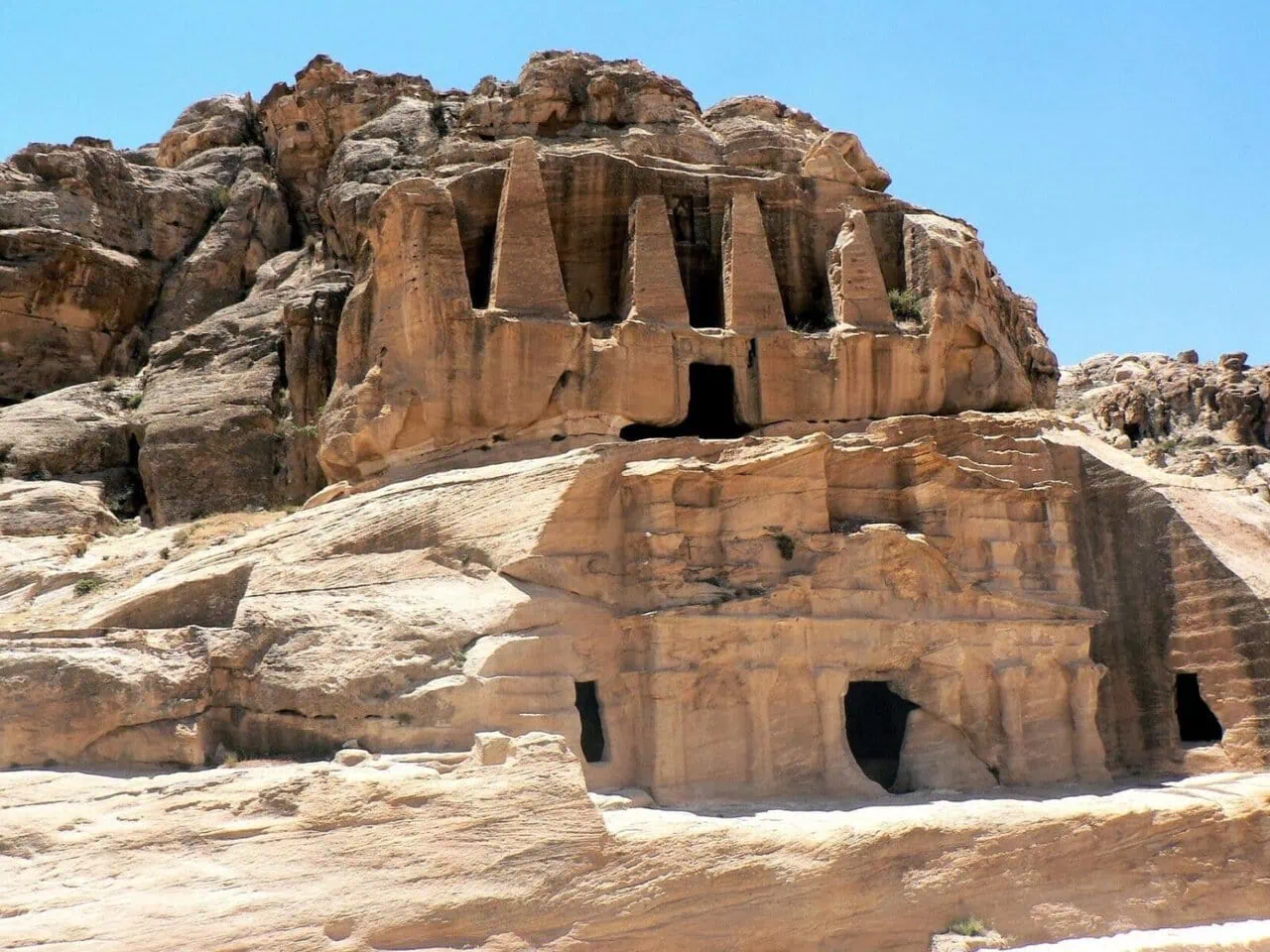
One of the most striking side routes is the High Place of Sacrifice Trail, a challenging yet spectacular climb to an ancient altar perched high above the city. The views from the summit are among the best in Petra, offering a bird’s-eye perspective of the Royal Tombs and the valley below. From here, a quieter descent through the Wadi Farasa gorge reveals rock-cut obelisks, hidden tombs, and weather-worn reliefs that tell stories of Nabataean ritual life.
Another rewarding detour is the Al-Madras Trail, which offers a secretive, less crowded approach to the Treasury. Used by Bedouin guides, this path winds through wild canyons and leads to elevated viewpoints where the Treasury’s façade can be seen from above, a scene made famous in countless travel photographs.
Modern travellers can use AllTrails or Maps.me to navigate these alternative routes offline. Just remember: conditions can be demanding. Always bring water, wear good footwear, and check opening times for side trails before setting out.
For those looking to experience the spirit of adventure that defines Petra, these untamed paths reveal why the city has long captured the imagination of explorers. In every direction, there’s another vista, another carving, another reminder that Petra’s mystery still lives on far beyond the crowds and the main road.
Hidden Corners & Best Photo Spots
Even in a destination as world-famous as Petra, there are still hidden corners waiting to be discovered. Beyond the crowds at the Treasury and Monastery lie quiet canyons, secret tombs, and panoramic lookouts that make this Petra travel guide essential for travellers who crave off-the-beaten-path experiences.
One of the most rewarding areas to explore is the Garden and Soldier Tomb Complex, tucked away behind the main trail. This site features an atmospheric courtyard and an unusual set of carvings that blend Nabataean and Greco-Roman influences. Nearby, the Lion Triclinium hides within a sandstone alcove, adorned with intricate feline reliefs, a striking photo stop few visitors ever reach.
For sweeping panoramas, hike up to the Royal Tombs Viewpoint above the Urn Tomb or ascend the Al-Khutbah Trail, where you can look down over the entire valley of Petra. The colours of the sandstone shift beautifully throughout the day, from rose in the morning to deep amber at sunset.
Photographers and Instagram enthusiasts will want to capture the Treasury from the famous “above shot” viewpoint, accessible via a guided trail starting behind the Royal Tombs. Arrive early or just before dusk for the best lighting. Use a wide-angle lens or your phone’s panorama mode to capture the scale of the façade framed by the cliff walls.
For a quieter experience, wander toward Little Petra (Siq al-Barid), a smaller archaeological site a few kilometres away that once served as a Nabataean suburb. It offers a similar atmosphere with far fewer tourists, the perfect finale to a day of exploration.
Wherever you go, remember that Petra rewards patience. Sometimes, the best photo spots reveal themselves only when you pause to watch the desert light shift across the ancient rock.

Petra by Night
If Petra feels mystical by day, it becomes utterly enchanting by night. The Petra by Night experience transforms the ancient Siq and Treasury into a softly illuminated wonderland, with over 1,500 candles lining the path and glowing against the sandstone cliffs. For many travellers, it’s the highlight of their entire Petra visit, a rare chance to experience the site in near-silence.
The event usually runs on Mondays, Wednesdays, and Thursdays, beginning at 8:30 p.m. and lasting around two hours. Visitors gather at the Visitor Centre, then walk the candle-lit Siq in hushed reverence before emerging into the open space before the Treasury. As the flames flicker, local musicians play traditional Bedouin tunes on the rababa (a string instrument), and a storyteller shares legends of the Nabataeans who once thrived here.
It’s an unforgettable atmosphere, but knowing a few tips will make it even better. Bring a tripod or steady hand for low-light photos, flash photography is discouraged to preserve the mood. Dress warmly, as desert temperatures drop sharply after sunset. Tickets can be purchased separately for around 17 JOD or through local tour operators.
While some visitors describe Petra by Night as touristy, most agree it’s a magical complement to seeing the site in daylight. The walk back through the Siq beneath the stars feels timeless, a reminder that this “lost city” is very much alive in the imagination of every traveller who visits.
What to Wear & Bring
Preparing for Petra is not just about buying tickets. It is about packing smartly for the desert environment and understanding the physical demands of the site. Covering more than 60 square kilometres, Petra requires hours of walking across varied terrain, so what you wear and carry will directly shape your experience. Every strong Petra travel guide comes back to the same principle. Comfort and preparation come first.
Start with lightweight, breathable clothing designed for hot, dry conditions. During the warmer months from April to October, temperatures regularly exceed 30°C, making moisture-wicking fabrics the best choice. Long sleeves and lightweight trousers are highly recommended, as they provide protection from sun exposure, dust, and heat, while still allowing airflow. A wide-brimmed hat or cap is essential for shielding your face from direct sunlight.
In the cooler months from December to February, conditions change more than many travellers expect. Early mornings and late afternoons can feel surprisingly cold, especially within shaded areas such as the Siq canyon. A light jacket or fleece becomes essential during these periods, even if the daytime temperature rises later on.
Footwear is one of the most important decisions. Sturdy walking or hiking shoes are essential, not optional. Petra’s terrain includes uneven stone steps, loose gravel, sandy trails, and steep inclines, particularly on routes leading to sites like the Monastery (Ad-Deir). Sandals are not suitable for most of the site and should only be considered for very short distances near the visitor areas in Wadi Musa.
In terms of what to bring, hydration is critical. Carrying at least two litres of water per person is strongly advised, especially during warmer months when dehydration can happen quickly. Sunscreen and sunglasses are equally important, as the desert light can be extremely intense and reflective off the rock surfaces.
Food options inside Petra are available but limited, so bringing snacks or energy bars helps maintain energy levels throughout the day. A portable charger or power bank is highly recommended, particularly if you are using navigation apps, taking photos, or recording video, as battery drain increases in hot conditions.
Navigation tools can make a significant difference. Using offline map apps such as Maps.me or AllTrails allows you to explore more confidently, especially when venturing beyond the main trails. Signal can be inconsistent in certain areas, so downloading maps in advance is a smart move.
Many visitors also bring a lightweight scarf or keffiyeh, which is one of the most practical items you can carry. It provides protection from sun and dust, can be used for additional warmth if needed, and is also a natural fit for the setting when taking photos.
Ultimately, visiting Petra is both a physical and emotional experience. Being well prepared means you can focus on the scale, history, and atmosphere of the site rather than discomfort. The right clothing and equipment turn a long day of walking into an immersive and enjoyable journey through one of the world’s greatest historical landscapes.
Best Time to Visit Petra
Timing is everything when planning a trip to Petra, especially given Jordan’s dramatic seasonal swings. The best months to visit are March to May and September to November, when temperatures are moderate, skies are clear, and walking the trails is far more enjoyable. During these months, Petra’s sandstone cliffs glow in perfect light, ideal for photographers following any Petra travel guide.
Summer (June–August) brings scorching heat that can exceed 40°C in the middle of the day, making early-morning starts essential. The Treasury and Siq remain shaded until late morning, so plan hikes to Ad-Deir (the Monastery) or the High Place of Sacrifice for early or late afternoon. Carry water, wear light clothing, and seek shade whenever possible.
Winter (December–February) is cooler, with temperatures ranging from 4–15°C. Occasional rain can make the trails slippery, but the crowds are thinner and the soft winter light gives Petra an almost ethereal quality. It’s also the most peaceful season to photograph the Treasury without the usual midday rush.
Petra opens daily from around 6 a.m., closing at 4 p.m. in winter and 6 p.m. in summer. Arriving early gives you two major advantages: cooler weather and emptier trails. Sunset is another prime time, especially from the Royal Tombs Viewpoint or Al-Khubtha Trail, where the entire city glows rose-red under fading light.
While Jordan is beautiful year-round, these shoulder seasons strike the perfect balance of comfort and atmosphere. Pair your visit with apps like AccuWeather or Windy to track real-time conditions, and check for any event nights such as Petra by Night to complete your experience.

Where to Eat & Stay
Most visitors base themselves in Wadi Musa, the small town adjacent to Petra’s entrance. It’s home to a range of hotels, restaurants, and cafés catering to every budget, from backpackers and adventure seekers to luxury travellers following this Petra travel guide.
For mid-range and comfort options, favourites include Petra Moon Hotel, just a short walk from the Visitor Centre, and Town Season Hotel, known for its warm hospitality and rooftop views. Those seeking something special can try the Mövenpick Resort Petra, directly opposite the entrance gate, ideal for early-morning access and sunset returns. Old Village Resort and Petra Marriott Hotel also offer stunning valley views and pools for cooling off after long hikes.
Budget travellers will find hostels and guesthouses like Petra Gate Hostel or Esperanza Petra welcoming and social. Many include breakfast and can arrange guided tours or onward transport. For a unique stay, consider Bedouin camps just outside Wadi Musa, such as Seven Wonders Camp, which blend traditional hospitality with star-filled skies, a magical experience after a day exploring the ancient city.
When it comes to dining, Petra offers hearty Jordanian cuisine with Bedouin flair. Try mansaf (lamb cooked in yogurt sauce) or maqluba (rice and vegetables served upside-down). The Red Cave Restaurant and My Mom’s Recipe are traveller favourites near the entrance.
Most eateries now accept card payments, but it’s wise to carry some cash in Jordanian Dinar (JOD). Many hotels and restaurants provide Wi-Fi, though connectivity can be patchy deeper inside the archaeological park, another reason to download offline Petra travel apps before your trip.
Safety, Etiquette & Accessibility
Petra is generally a safe destination, and Jordan as a whole is known for its hospitality and stability compared with many neighbouring regions.
Crime is extremely rare, but pickpocketing can occur in crowded areas near the Treasury. Keep valuables secure, stay hydrated, and be cautious around unofficial guides or persistent souvenir sellers inside the site. Hiring licensed guides from the Visitor Centre is the best way to ensure a quality experience and support the local community.
Petra’s terrain can be demanding. The main trail is roughly 8 kilometres round trip, with little shade and uneven footing. Those with mobility challenges can hire electric carts or donkeys for short distances, though animal welfare varies, always choose handlers who treat their animals responsibly.
Cultural respect is vital in Jordan. Dress modestly, particularly in Wadi Musa and at religious sites. Public displays of affection are frowned upon, and alcohol is available only in licensed hotels or restaurants. A friendly “Shukran” (thank you) goes a long way when interacting with locals.
Women travellers often praise Jordan for its welcoming atmosphere, especially within the Petra tourism zone. Always carry ID, keep emergency contact details on hand, and note that mobile signal may weaken inside deep canyons.
If you’re asking, “Is Petra safe to visit?” the answer is a confident yes. With sensible precautions and respect for the environment and culture, Petra remains one of the most rewarding and secure archaeological destinations in the Middle East.
Apps to Enhance Your Petra Visit
Exploring Petra is far easier with a few smart travel apps. Whether you want offline maps, translation tools, or ticket deals, these digital companions transform your visit into a seamless experience. Every Petra travel guide should highlight how mobile tools can save time, money, and energy in the desert heat.
Navigation & Trails:
Start with Maps.me or AllTrails, both of which feature downloadable offline maps of Petra and its surrounding hiking routes. You can track your walk through the Siq, follow the path to the Monastery, or locate side trails like Wadi Farasa. GPS works even without signal, making them invaluable once you’re deep inside the canyons.
Weather & Safety:
Apps like Windy and AccuWeather help you plan your start times, avoiding midday heat or sudden desert winds. MyRadar is another useful option if you’re timing your visit for sunrise or sunset photography.
Language & Connectivity:
Arabic is widely spoken, but English signage is limited in remote spots. Download Google Translate or iTranslate with Arabic offline packs to make communicating with guides or vendors easy. For connectivity, install an eSIM app such as Airalo or Yesim before arrival to stay online without hunting for local SIM cards.
Booking & Tours:
Use GetYourGuide, Klook, or Viator for skip-the-line entry, guided treks, and Petra by Night experiences. These platforms also integrate with map apps, allowing one-tap directions from your hotel to the Visitor Centre.
With these essential tools, your phone becomes the ultimate desert companion: part map, translator, photographer, and ticket desk ensuring your visit to Jordan’s rose-red city runs smoother than the ancient water channels carved into its stone.

Petra-Specific Apps
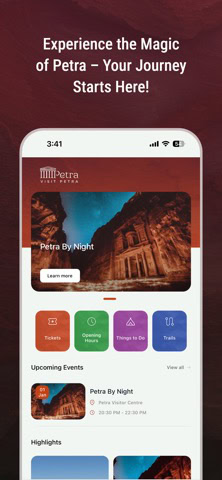
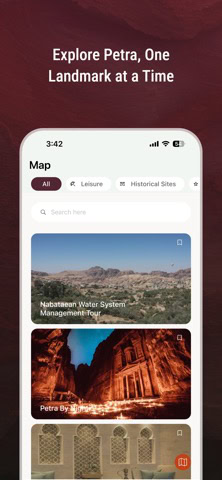
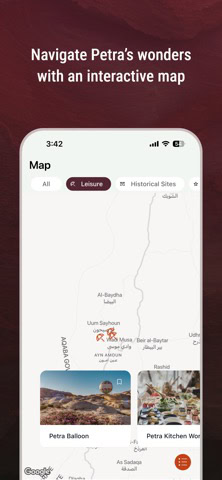
Petra Guide & Map (by Jordan Tourism Board)
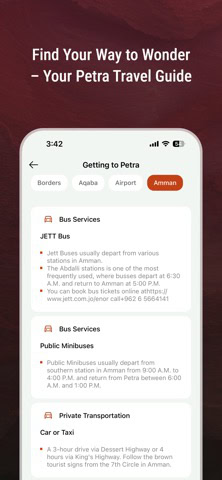
Developed in partnership with the Ministry of Tourism, this official app provides offline maps, trail details, and site background for key monuments such as the Treasury, Monastery, and Royal Tombs. It includes 3D visualisations of the Siq and push notifications about Petra by Night schedules or temporary closures. The app is available in English and Arabic, perfect for both independent travellers and guided tour support.

App availability and prices vary by country. Some of these may not appear in your local App Store or Google Play.
For offline navigation within Petra itself, travellers should combine these with mapping tools such as Maps.me or AllTrails, both of which include downloadable Petra hiking routes.
Using these Petra-focused and Jordan-wide apps turns your journey into a digitally enhanced adventure, ensuring you experience this wonder not just through your eyes, but through every insight technology can offer.

Rupert’s Handy Travel Tips
Heading to Petra in Jordan? Here are a few of Rupert’s tried-and-tested suggestions to make your visit smoother:
- Arrive early: The Treasury glows beautifully at sunrise, and you’ll beat both the heat and the tour groups.
- Use the Jordan Pass: It covers your Petra entry and saves money on your visa, an easy win for travellers planning multiple stops.
- Stay overnight: Wadi Musa offers hotels steps from the entrance, making sunrise or Petra by Night effortless.
- Hydrate constantly: Bring refillable bottles. Water sellers are scattered along the main trail, but prices rise with distance.
- Respect the site: Avoid climbing or touching delicate carvings; erosion is Petra’s greatest threat, and every visitor can help preserve it.
Want to meet the reindeer behind our travel tips? Find out more in our page Who is Rupert?.



Frequently Asked Questions About Visiting Petra
How long do you need to visit Petra?
Most travellers spend a full day exploring the main trail, which is enough time to see the Siq, the Treasury, and the Royal Tombs at a comfortable pace. If you want to also hike to the Monastery, explore side trails, or attend Petra by Night, plan for two days.
Is Petra suitable for children and elderly visitors?
Yes, though the terrain requires some planning. Younger children generally cope well with the walk to the Treasury, while the climb to the Monastery is more demanding. Electric carts and donkey rides are available near the entrance for visitors who prefer not to walk the full distance.
What should you wear and bring to Petra?
Sturdy walking shoes are essential, along with sun protection, plenty of water, and layered clothing for cooler mornings and evenings. A scarf or keffiyeh is also useful against sun and dust.
Is Petra by Night worth it?
Most visitors find it a memorable addition to a daytime visit. Seeing the candle-lit Siq and Treasury after dark offers a completely different atmosphere, although it should be treated as a complement to, not a replacement for, exploring the site in daylight.
Do you need a guide to visit Petra?
A guide is not required, as the main trail is well signposted and easy to follow independently. However, licensed guides hired at the Visitor Centre add useful historical context, particularly for first-time visitors who want a deeper understanding of the site.
Further Reading & Related App Guides
Planning a trip to Jordan or exploring more of the country? A few of our other guides pair naturally with a Petra visit. Our Jordan Pass Spotlight Guide explains how to combine your Petra ticket with a Jordan entry visa and access to dozens of additional attractions, while the Amman to Aqaba Flight guide compares flying against driving if you are connecting Jordan’s two largest cities during the same trip.
Petra also sits well alongside Jordan’s other major historic and religious landmarks. Our guide to Visiting the Baptism Site of Jesus and Mount Nebo covers two of the country’s most important pilgrimage sites, and if you have time north of Amman, a Jerash Day Trip from Amman introduces one of the best-preserved Roman provincial cities in the world, complete with transport options and entrance fee details.
For the cities themselves, our Amman Travel Guide and Aqaba Travel Guide cover local apps, attractions, and practical tips, while the Royal Jordanian Airline Guide is worth a read if you are flying with Jordan’s national carrier at any stage of your trip.
Rounding out a well-planned trip, our Dead Sea Jordan Travel Guide explains how to float, relax, and combine a visit with your Petra plans, and the Ultimate Jordan Road Trip guide is ideal if you would rather explore the country by car from Amman to Aqaba.
Exploring beyond Jordan? Our Kuwait Travel Guide covers another Gulf destination, while our Oman Air Travel Guide and Qatar Airways Guide are worth a look if you are comparing airlines for the wider region.