Reviewed by our editorial team Updated
Why Pisa Should Be on Your Italy Itinerary
Pisa is one of Italy’s most recognisable cities, but reducing it to a quick stop for the Leaning Tower of Pisa misses the point completely. What makes Pisa valuable on an Italy itinerary is not just the landmark, but the combination of world-class heritage, compact geography, and real local life that you can experience in a short space of time.
This is a city where you can stand in one of Europe’s most famous squares in the morning, walk along the Arno River by midday, and be sitting in a local trattoria surrounded by students and locals by the evening. That balance is rare. Many Italian cities are either heavily touristic or purely local. Pisa sits right in the middle, and that is exactly why it works so well.
For travellers planning a Tuscany itinerary, Pisa is also strategically strong. The city is directly connected to Florence, Lucca, Livorno, Viareggio, and the wider Tuscan coast, with fast and inexpensive train routes. Add in the fact that Pisa International Airport (Galileo Galilei) is just 2 km from the centre, and you have one of the easiest entry points into Italy.
The layout of Pisa makes it especially appealing. The city is split by the Arno River, creating two distinct halves. The northern side (Tramontana) feels more historic and academic, while the southern side (Mezzogiorno) is more practical, with transport links, shopping streets, and everyday life. This gives Pisa a natural structure that is easy to understand and even easier to explore.
What surprises many visitors is the energy of the city. Pisa is not frozen in time. The presence of the University of Pisa and other academic institutions keeps it young, affordable, and active, with busy cafés, late-night bars, and a constant flow of students. This gives the city a lived-in feel that many more famous destinations lack.
This Pisa travel guide is built to help you use the city properly. You can visit the headline sights, but you can also explore neighbourhoods, find better food, understand how to move efficiently, and use Pisa as a base for wider travel. Whether you are here for one day or several nights, Pisa offers far more than most travellers expect, and it earns its place on any well-planned Italy trip.
Key Neighbourhoods, Areas & Regions
Pisa is compact, but it is not one-dimensional. Each neighbourhood has a clear identity, and understanding how the city is laid out will immediately improve how you experience it. You are not just visiting the Leaning Tower, you are moving through a working Tuscan city with distinct zones, rhythms, and uses.
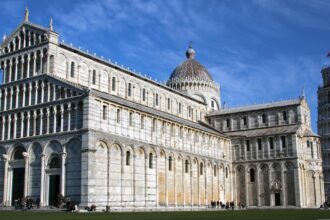
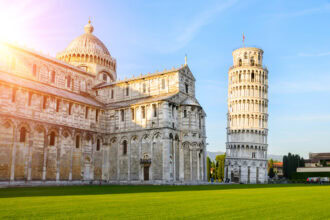
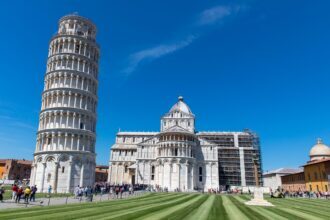
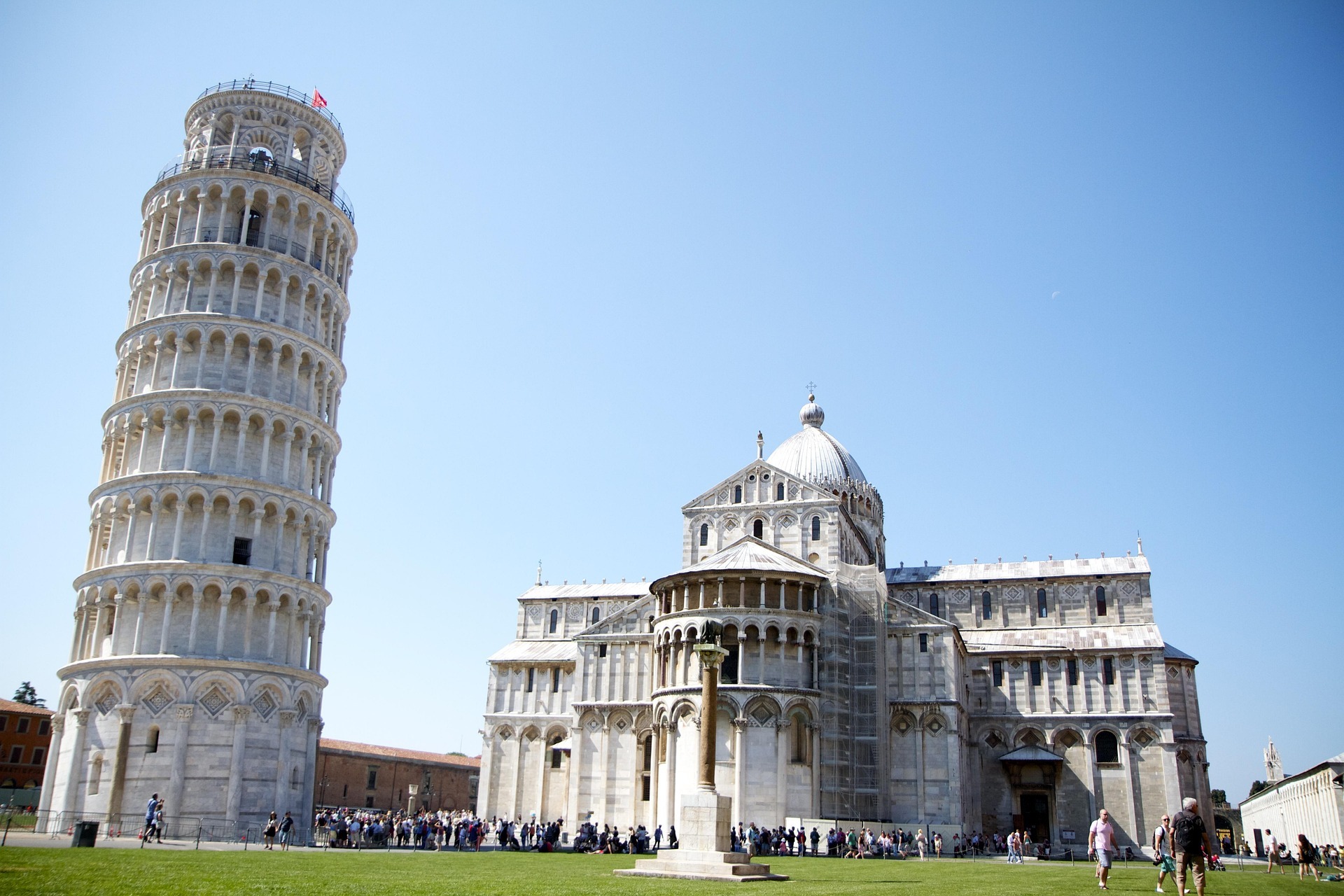
The focal point is Piazza dei Miracoli, the most famous area in Pisa and the reason most visitors arrive. This is where you will find the Leaning Tower, the Cathedral (Duomo di Pisa), the Baptistery, and the Camposanto Monumentale. It is one of the most concentrated architectural sites in Europe and a designated UNESCO World Heritage Site. It is busiest in the middle of the day, but becomes far more atmospheric in the early morning and late evening, when the crowds thin and the scale of the space becomes clearer.
Moving south across the Arno River, you enter Mezzogiorno, which feels more functional and local. This is where Pisa Centrale station is located, along with Corso Italia, the main shopping street. This area is busy, practical, and well connected, making it ideal for travellers who prioritise transport access, shops, and short stays. The nearby San Martino district adds more character, with traditional restaurants, quieter streets, and a more residential feel.
Cross back to the north bank and you are in Tramontana, which is where Pisa becomes more interesting for longer stays. The Santa Maria area sits close to the main monuments but feels far less commercial than the immediate tower zone. It is filled with narrow streets, small cafés, and university buildings, making it one of the best areas to stay if you want to balance location with atmosphere.
Within Tramontana, Piazza dei Cavalieri stands out as one of the most important historic spaces in the city. Once the political centre of Pisa, it is now dominated by the Scuola Normale Superiore, reinforcing the city’s academic identity. This part of Pisa feels intellectual, historic, and quietly impressive rather than overtly tourist-driven.
For a more local and relaxed experience, San Francesco is one of the strongest areas. It has a residential feel, with bakeries, small shops, and less foot traffic, while still being within easy walking distance of the centre. It is ideal for travellers who want to see how Pisa actually functions day to day.
Beyond the core city, Marina di Pisa offers a completely different perspective. Located around 12 km from the centre, it provides sea views, seafood restaurants, and coastal walks, making it a useful half-day or evening escape. It is not the main focus of most trips, but it adds variety if you are staying longer.
Taken together, these areas show that Pisa is not just a single landmark location. It is a layered city, where tourism, local life, history, and student culture all exist side by side in a way that is easy to navigate and rewarding to explore.
Best for a short trip. Compare rooms by neighbourhood, price and guest rating before you book.
Compare hotelsBest for families, or any stay past about four nights. A kitchen and a washing machine start paying for themselves.
Browse rentalsBest as a last check before booking. Compares Pisa hotel rates across several sites in one search.
Compare ratesQuick Facts Table
| Fact | Details |
|---|---|
| Country | Italy |
| Region | Tuscany |
| Province | Pisa (PI) |
| Population | Approx. 90,000 |
| Language | Italian (English widely understood in tourist areas) |
| Currency | Euro (€) |
| Time Zone | Central European Time (CET), UTC +1 |
| Airports | Pisa International Airport (Galileo Galilei, PSA) |
| Main Train Station | Pisa Centrale |
| Best for | Culture, architecture, short breaks, day trips |
| UNESCO World Heritage Site | Piazza dei Miracoli (since 1987) |
| Famous For | Leaning Tower, Cathedral, university life, Tuscan cuisine |
| Typical Dish | Cècina (chickpea flatbread), Pici pasta, Tuscan cold cuts |
| Local Wine | Montescudaio DOC and Chianti delle Colline Pisane |
| Nearby Destinations | Florence, Lucca, Livorno, Viareggio |
| Emergency Number | 112 (EU-wide) |
Pisa’s key strength is how close everything is. The main landmarks, transport links, restaurants, and accommodation areas all sit within a tight, walkable radius, which removes a lot of the friction you get in larger cities.
The presence of a major airport just minutes from the centre makes Pisa one of the most accessible cities in Italy, particularly for short breaks. Combined with strong rail connections, this gives it a dual role as both a destination and a transport hub.
What stands out is the balance. Pisa offers internationally recognised landmarks, but pairs them with a manageable scale, lower costs than Florence, and a more relaxed pace. That combination is what makes it so effective for travellers planning efficient, well-structured trips through Tuscany.
Brief History & Background
Pisa’s history stretches back over two millennia, and its current identity is shaped by a long period of power, decline, and reinvention. The city began as an Etruscan settlement before becoming an important Roman naval base around the 2nd century BC, thanks to its position near the Arno River and the Tyrrhenian Sea.
Its most important period came during the Middle Ages, when Pisa became one of the great maritime republics of Italy, alongside Venice, Genoa, and Amalfi. During this time, Pisa controlled trade routes across the Mediterranean, building wealth through commerce, naval strength, and strategic alliances. This wealth directly funded the construction of the city’s most famous monuments, including the Cathedral of Santa Maria Assunta and the Leaning Tower, which began construction in 1173.
The Leaning Tower’s tilt, now its defining feature, was actually a structural problem from the start. Built on soft, unstable ground, the tower began leaning during construction and required centuries of adjustments and modern engineering to stabilise. Today, it stands as both an architectural icon and an engineering case study.
Pisa’s golden period lasted roughly from the 11th to the 13th century, when it was at the height of its economic and cultural power. However, this dominance declined following military defeats and shifting trade patterns. In 1406, Pisa fell under the control of Florence, marking the end of its independence as a major power.
Despite this decline, Pisa retained its importance as a centre of learning and culture. The University of Pisa, founded in 1343, became one of the most respected institutions in Europe and continues to shape the city today. Figures such as Galileo Galilei are closely associated with Pisa, reinforcing its reputation as a place of intellectual influence.
Modern Pisa reflects all of these layers. It is a city where Roman foundations, medieval architecture, and academic life exist side by side. The Lungarno riverfronts, restored historic buildings, and active student population give the city a sense of continuity rather than preservation.
Understanding this history changes how you experience Pisa. You are not just visiting a famous tower, you are stepping into a city that was once a major European power, later absorbed into a larger state, and now reinvented as a compact, accessible, and culturally rich destination within Tuscany.
UNESCO World Heritage Site in Pisa
Pisa is home to one of Italy’s most recognisable UNESCO sites, the Piazza dei Miracoli, inscribed as a UNESCO World Heritage Site in 1987. This area, also known as the Square of Miracles, brings together a group of world-famous monuments in a single open space.
The site includes the Leaning Tower of Pisa, the Pisa Cathedral, the Pisa Baptistery, and the Camposanto Monumentale, all of which reflect the city’s power and influence during the medieval period.
What makes Pisa unique is how these buildings sit together in a single, open setting. Rather than being spread across a city, the UNESCO site is concentrated in one place, allowing visitors to experience a complete architectural ensemble within a short visit.
The designation recognises not just the individual monuments, but the harmony between them, showcasing one of the finest examples of medieval Italian architecture.
Learn More from UNESCO
This destination is connected to a UNESCO World Heritage Site, recognised for its outstanding cultural, historical, or natural importance. You can explore official listings, background information, and protected heritage sites through UNESCO’s global database.
Getting There & Around
Reaching Pisa couldn’t be easier, it’s one of the most accessible cities in Italy, thanks to its well-connected airport, train station, and road links. Compact and easy to navigate, it’s ideal for travellers who prefer stress-free transfers and simple routes.
Pisa International Airport (Galileo Galilei) sits just 2 km south of the city centre, making it one of the closest airports to any major Italian city. Frequent trains, buses, and taxis link directly to Pisa Centrale station, with most journeys taking under ten minutes. From there, Florence, Lucca, and Viareggio are all under an hour away by train.
If you’re travelling to Pisa from elsewhere in Europe, low-cost airlines such as Ryanair, easyJet, and Wizz Air operate regular routes from major hubs including London, Paris, Amsterdam, and Berlin. National carriers like ITA Airways also serve Pisa, connecting through Rome Fiumicino and other Italian airports.
Once in the city, Pisa’s public transport network is straightforward. LAM (Linee ad Alta Mobilità) buses cover key areas, while walking remains the most enjoyable way to explore. The historic centre is largely pedestrianised, so travellers can stroll between landmarks in minutes.
For eco-conscious travel, bike-sharing schemes and electric scooters are widely available. Pisa’s flat layout and dedicated cycle paths make it a perfect city to navigate on two wheels. Taxis are readily available but often unnecessary for short distances.
With excellent regional connections, short transfer times, and affordable local options, Pisa stands out as one of Italy’s easiest and most convenient cities to explore, whether you arrive by air, rail, or road.
Airport Overview & Transfers
Pisa International Airport (Galileo Galilei Airport – PSA) is one of the most efficient entry points into Italy, particularly for travellers heading into Tuscany. Its main advantage is not size or scale, but speed and simplicity.
The airport operates from a single, compact terminal, which keeps everything close together. Arrivals, baggage claim, cafés, car rental desks, and transport connections are all within easy walking distance. Compared to larger Italian airports, processing times are typically faster, and moving through the terminal is far less stressful.
The standout feature is the PisaMover, a dedicated automated shuttle connecting the airport directly to Pisa Centrale station. It runs every 5 to 8 minutes, takes under 5 minutes, and costs around €6.50. For most travellers, this is the fastest and simplest way into the city.
A cheaper alternative is the local bus network, with services costing around €2.50 and taking roughly 15 minutes depending on traffic. These are reliable but slightly less convenient if you are travelling with luggage.
Taxis are readily available outside arrivals, with typical fares of €12 to €18 to the city centre. This option makes sense for late arrivals, groups, or travellers who prefer a direct door-to-door transfer.
The airport’s location also makes onward travel easy. Once at Pisa Centrale, you can connect quickly to Florence (50 to 60 minutes), Lucca (25 minutes), or Livorno (15 minutes). This makes Pisa not just an arrival point, but a launch point for wider travel across Tuscany and beyond.
For drivers, the airport sits close to the A12 motorway and the FI-PI-LI expressway, giving direct access to Florence and the Ligurian coast. Car rental desks are located inside the terminal, making collection straightforward.
Overall, Pisa International Airport works because it removes friction. You arrive, you move quickly, and you are in the city within minutes, which is exactly what travellers want.

Getting from the Airport in Pisa
One option for reaching your accommodation in Pisa is to arrange a private transfer with Welcome Pickups before travelling.
Your airport journey is then organised before arrival, avoiding the need to find a taxi or navigate an unfamiliar transport network immediately after landing.
Compare ways to pre-book your Pisa transfer. You can also check another transfer provider before booking.
Flag Carrier
Italy’s national airline, ITA Airways, provides the primary full-service connection into Pisa, operating routes mainly via Rome Fiumicino Airport (FCO). While Pisa is heavily served by low-cost airlines, ITA plays an important role for travellers arriving from long-haul international routes.
For anyone coming from North America, Asia, or the Middle East, the typical route involves flying into Rome and connecting onward to Pisa. The domestic leg takes around 1 hour, making it a practical and relatively seamless transfer when booked on a single itinerary.
ITA Airways offers a different experience compared to budget carriers. Travellers benefit from through-checked baggage, more flexible ticketing, and participation in the Volare loyalty programme. This is particularly useful for business travellers or those combining multiple cities in one trip.
Flights from Pisa are usually operated using Airbus A319 or A320 aircraft, offering a standard short-haul European experience with allocated seating, onboard service, and smoother check-in processes than many low-cost alternatives.
The airline also integrates with the wider SkyTeam alliance, meaning passengers can connect easily with partners such as Air France, KLM, and Delta Air Lines. This extends Pisa’s reach far beyond its direct route network.
That said, most travellers flying into Pisa will use carriers like Ryanair or easyJet, which dominate the airport with frequent, low-cost routes across Europe. These are often the cheapest and most direct options, especially from cities like London, Paris, and Amsterdam.
The key takeaway is simple. If you want low cost and direct access, budget airlines will likely be your choice. If you want connectivity, flexibility, and a smoother long-haul link, ITA Airways provides a more structured and reliable option.
Both approaches work, and Pisa’s strength is that it supports both equally well.
Best if you can move a day either way. Shows how the fare to Pisa changes across the month.
Compare flightsBest for short trips. Install the eSIM at home and arrive in Pisa with working data, no shop queue.
Browse eSIMsBest when public transport has stopped, or when you are travelling with children and bags.
Book a transferTrains
Train travel is the backbone of Pisa’s transport system, and for most travellers, it is the fastest, cheapest, and most reliable way to move around Tuscany and beyond. The city is anchored by Pisa Centrale, a major rail hub that connects directly to some of Italy’s most important destinations.
From Pisa Centrale, you can reach Florence in around 55 minutes, Lucca in 25 minutes, Livorno in 15 minutes, and La Spezia in about 1 hour. Even longer journeys are straightforward, with Rome reachable in roughly 2.5 hours using faster services. These connections run frequently throughout the day, which means you rarely need to plan far in advance.
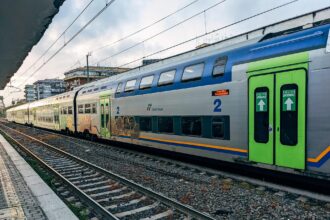
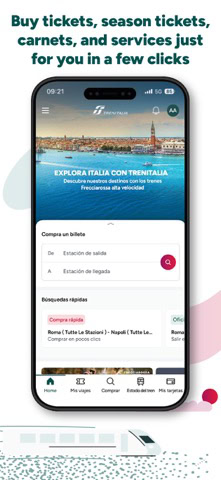
The network is operated mainly by Trenitalia, Italy’s national rail provider, with a mix of regional trains and high-speed services. Regional trains are the most commonly used for short distances, and while they are slower, they are also very affordable and flexible, making them ideal for day trips.
One detail many travellers overlook is ticket validation. If you are using a regional paper ticket, it must be validated in the green machines on the platform before boarding. Failure to do so can result in fines, even if you have a valid ticket. Digital tickets avoid this issue and are increasingly the better option.
Inside Pisa Centrale, you will find everything you need for onward travel, including ticket machines, staffed counters, cafés, luggage storage, and clear platform signage. The station is efficient without being overwhelming, which is exactly what you want when moving between destinations.
The connection between rail and air travel is also seamless. The PisaMover shuttle links Pisa Centrale directly to the airport in under 5 minutes, allowing for quick transfers between flights and trains without complicated logistics.
For travellers planning to explore Tuscany, the train network is a major advantage. It allows you to move quickly between cities while avoiding parking issues, traffic, and restricted zones, all while enjoying views of the Tuscan countryside that you simply do not get from the road.

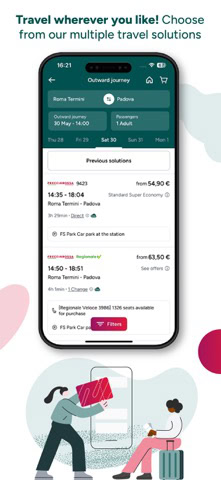


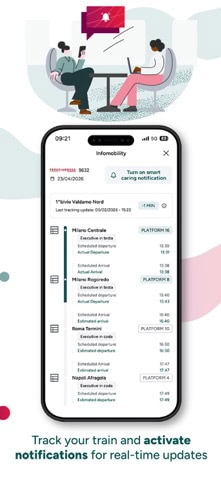
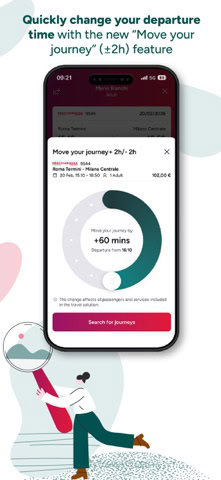
App availability and prices vary by country. Some of these may not appear in your local App Store or Google Play.

Plan Your Train Journey with Rail Europe
Booking train tickets in Europe can become complicated when different operators, routes, and booking systems are involved. Rail Europe makes it easier to search routes, compare fares, and buy train tickets in one place.
It is especially useful for international rail journeys, European city-to-city travel, and travellers looking to book both regular rail tickets and passes. Instead of checking multiple train operators separately, you can plan your journey faster and book with confidence.
Buses & Coaches
While trains dominate long-distance travel, buses and coaches provide a strong low-cost alternative, particularly for routes not directly served by rail or for travellers looking to reduce costs.
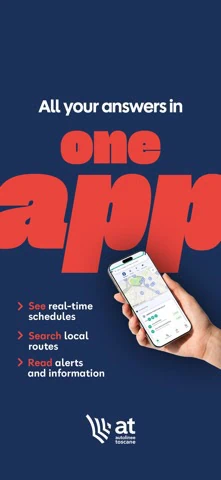
Within Pisa, local services are operated by Autolinee Toscane, covering the city centre, suburbs, and nearby towns. Tickets are inexpensive, typically around €1.70 for a standard journey, and can be purchased from tabacchi shops, ticket machines, or mobile apps. These buses are reliable and cover most areas, although they are often unnecessary if you are staying within the central zone.
For longer distances, intercity coach operators such as FlixBus, Itabus, and MarinoBus connect Pisa to major cities including Florence, Bologna, Milan, and Rome. These services are usually slower than trains but can be significantly cheaper, especially when booked in advance.
Most intercity coaches operate from Pietrasantina Park, located just outside the main tourist area near Piazza dei Miracoli. This is a well-organised departure point with clear signage, waiting areas, and basic facilities, making it easy to use even for first-time visitors.
Coach travel has improved significantly in recent years. Modern buses often include Wi-Fi, charging points, air conditioning, and comfortable seating, making longer journeys far more manageable than they used to be. For budget travellers, this can be a smart alternative to rail, particularly on routes where price matters more than speed.
For regional exploration, buses are also useful for reaching smaller towns and rural areas that are not directly connected by train. This includes parts of inland Tuscany where rail access is limited.
Overall, buses and coaches in Pisa serve a clear role. They are not always the fastest option, but they are affordable, accessible, and increasingly comfortable, making them a useful part of a balanced transport strategy.



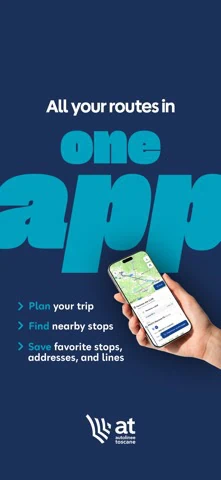
App availability and prices vary by country. Some of these may not appear in your local App Store or Google Play.
Check Bus Routes for Pisa with Busbud
If your plans include travelling by bus to or from Pisa, Busbud provides a convenient way to search routes and compare tickets.
Instead of checking individual operator websites, you can see several options together and choose the journey that best fits your itinerary.
Local Public Transport
Pisa does not have a metro or tram system, but it does not need one. The city’s local public transport network is simple, efficient, and designed to support short urban journeys, rather than replace walking.
The core of the system is made up of LAM bus lines, which connect key points such as Pisa Centrale, the airport, the university areas, and the main residential districts. These routes are easy to understand and run regularly throughout the day, typically from early morning until late evening.
A standard ticket costs around €1.70 and is valid for approximately 70 minutes, allowing for transfers within that time window. Day passes are also available at around €4.50, which can be useful if you plan to move between multiple areas in a single day.
Tickets can be purchased through tabacchi shops, ticket machines, or mobile apps, and must be validated when boarding. Like elsewhere in Italy, failing to validate your ticket can lead to fines, even if you have paid.
Despite the availability of buses, most visitors rely primarily on walking. Pisa’s compact layout means that the majority of attractions, restaurants, and accommodation areas are within a 15 to 20 minute walking radius. The bus network is best used for airport transfers, outer districts, or trips to areas like San Rossore or Marina di Pisa.
The PisaMover shuttle also plays a role in the local transport system, acting as a fast link between the airport, parking areas, and Pisa Centrale. It functions almost like a mini light rail connection, but on a very short route.
In practical terms, Pisa’s public transport is there when you need it, but it rarely dominates your experience. The city is designed to be explored on foot first, with buses as a supporting option rather than a necessity.
Taxis & Ride Shares
Taxis in Pisa are straightforward, regulated, and generally reliable, making them a useful option for airport transfers, late-night journeys, or short trips when walking is not practical.
Official taxis are easy to identify. They are white vehicles with a visible “TAXI” sign and operate using regulated meters. You will find taxi ranks at key locations including Pisa Centrale, Piazza dei Miracoli, and Pisa International Airport, ensuring availability where demand is highest.
Typical fares within the city are reasonable. A short journey usually costs between €8 and €12, while an airport transfer typically falls between €12 and €18, depending on luggage and time of day. Compared to larger Italian cities, Pisa’s taxi pricing is relatively manageable.
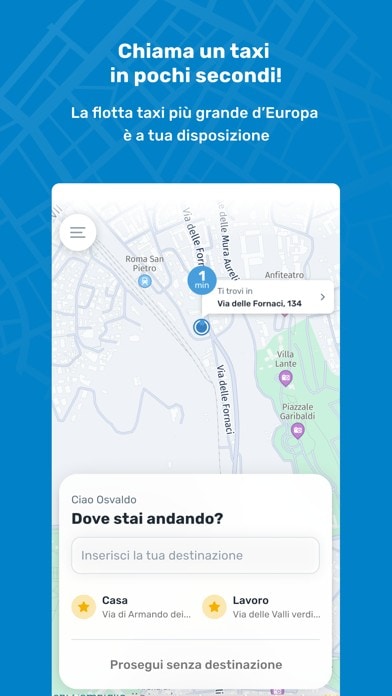
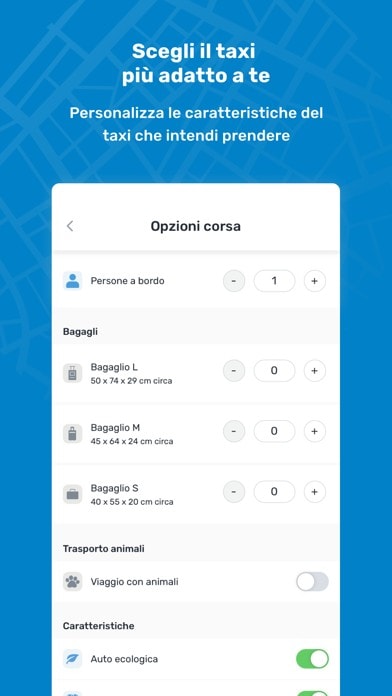
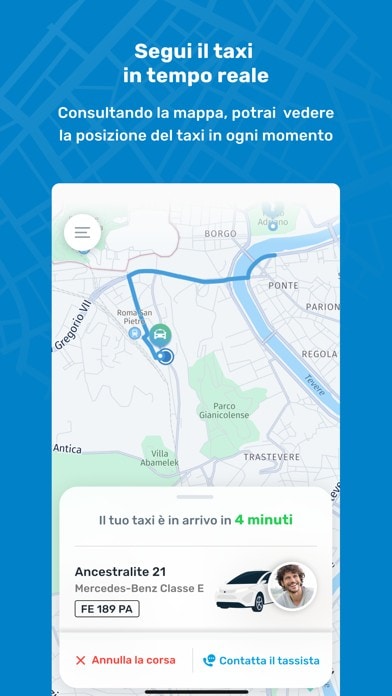
For those who prefer booking digitally, apps such as ItTaxi are the most reliable option. These allow you to track your driver, estimate fares, and pay by card, which adds a level of convenience many travellers expect. Availability is generally good, although it can drop slightly late at night or outside peak areas.
Ride-sharing services are more limited. Platforms like Uber do not operate at full capacity in Pisa, meaning traditional taxis remain the dominant option. This is important to understand in advance, as expectations based on other cities do not always apply here.
Taxis become particularly useful after public transport stops running, or when travelling to and from locations like Marina di Pisa in the evening. They are also a good option for travellers with heavy luggage or tight schedules.
In reality, most visitors will not rely heavily on taxis due to Pisa’s size. However, when needed, they provide a simple, safe, and effective fallback, especially when time or convenience becomes the priority.

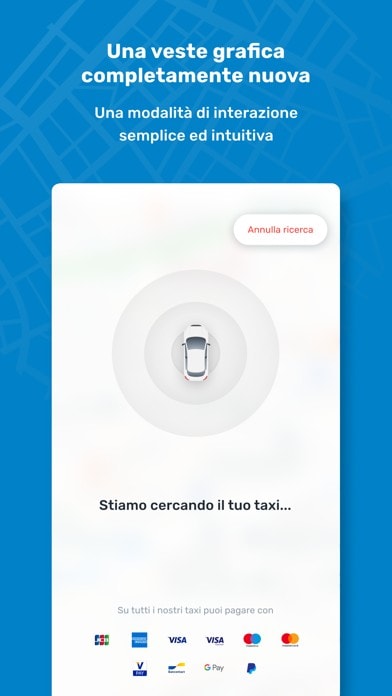
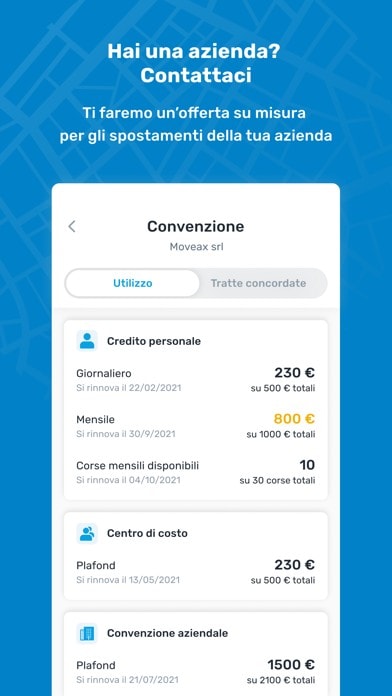
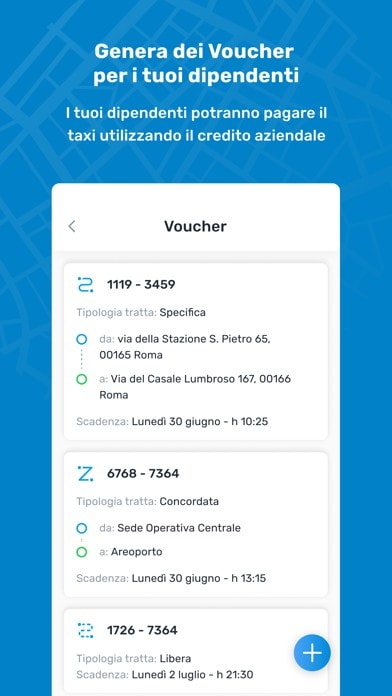
App availability and prices vary by country. Some of these may not appear in your local App Store or Google Play.
Scooter & Bike Rentals
Pisa is one of the easiest cities in Italy to explore on two wheels, and for many travellers, this is where the experience becomes more enjoyable than simply walking between landmarks. The city is flat, compact, and increasingly set up for cycling and scooter use, making it ideal for quick, flexible movement.
Bike rental shops are easy to find around the centre, particularly near Pisa Centrale and the historic districts. Options range from standard city bikes to e-bikes, with daily rental prices typically starting at around €15 to €25 depending on the type. Most rentals include locks and basic equipment, which is important given the number of short stops you are likely to make.
Electric scooters have become more prominent in recent years. App-based providers allow you to unlock a scooter using your phone, ride between locations, and pay per minute. This is particularly useful for moving between Piazza dei Miracoli, the Arno riverfront, and areas slightly further out where walking becomes less efficient.
The real advantage of using a bike or scooter in Pisa is not speed, it is freedom. You can move beyond the obvious routes, explore quieter neighbourhoods like San Francesco, follow the Lungarno promenades, or even head toward the edge of the city without feeling restricted by distance.
Timing also matters. Early morning and evening are the best times to ride, when traffic is lighter and the city feels calmer. The Arno riverside routes in particular offer one of the most scenic ways to move through Pisa, with uninterrupted views of historic buildings and bridges.
There are a few practical considerations. Parking rules are enforced, especially near Piazza dei Miracoli, so bikes and scooters should always be left in designated areas. While helmets are not mandatory for adults, they are strongly recommended, particularly for less experienced riders.
For travellers who want a slightly different pace, cycling or using an electric scooter transforms Pisa from a simple sightseeing stop into a more flexible and immersive city experience.
Driving, Parking & Car Access
Driving into Pisa is straightforward, but driving within the city centre is where most travellers run into problems. The historic core is protected by a ZTL (Zona a Traffico Limitato), which restricts vehicle access to residents and authorised traffic during specific hours.
These zones are strictly enforced using automatic cameras, and fines are issued to vehicles that enter without permission. This catches many visitors off guard, especially those relying on GPS systems that do not always clearly flag restricted areas. If you are driving, it is essential to plan your route carefully and avoid entering the ZTL unintentionally.
The best approach is to park outside the restricted zone and continue on foot. One of the most popular options is Parcheggio di Via Pietrasantina, located around 10 minutes from Piazza dei Miracoli. It is large, clearly signposted, and often includes shuttle connections during busy periods.
Other useful parking options include Piazza Vittorio Emanuele II, which is close to Pisa Centrale, and smaller car parks around the edges of the historic centre. Prices typically range from €1.50 to €2.00 per hour, with daily rates available.
Driving into Pisa from other cities is relatively easy. The A12 motorway connects Pisa with the wider Italian network, while the FI-PI-LI expressway links directly to Florence and Livorno. The latter is toll-free and widely used for regional travel.
In practice, a car is not necessary for exploring Pisa itself. The city is too compact, and the restrictions too strict, for driving to offer any real advantage. However, it becomes much more useful if you are planning to explore rural Tuscany, coastal towns, or smaller villages where public transport is less frequent.
The key point is simple. Use a car to reach Pisa and leave Pisa, not to move around inside it.
Best for solo travellers and anyone watching the budget. Dorm beds and private rooms in the same search.
Browse hostelsBest for anyone flying more than once or twice a year. Handles the compensation claim so you are not chasing the airline.
See AirHelp+Best for a day with a bag and nowhere to put it. Find a storage point near where you already are.
View storageCar Rental
Renting a car in Pisa is less about the city itself and more about what lies beyond it. If you are planning to explore Tuscany’s countryside, hill towns, vineyards, or coastal routes, a car gives you a level of flexibility that public transport cannot match.
Pisa is a strong location for car rental because of its airport proximity and transport connections. Major providers operate directly from Pisa International Airport, including Hertz, Avis, Europcar, Enterprise Rent-A-Car, and Sixt. There are also smaller operators near Pisa Centrale, which can be convenient if you arrive by train.
Booking in advance is strongly recommended, especially between May and September, when demand increases significantly. Prices vary widely depending on the season, but early booking usually results in better availability and lower rates.
To rent a car, you will need a valid driving licence, and in some cases an International Driving Permit, depending on your country of origin. Most companies require drivers to be at least 21 years old, and a credit card is typically mandatory for the security deposit.
Once on the road, Tuscany opens up quickly. Within an hour, you can reach places like San Gimignano, Volterra, or the Chianti wine region, all of which are far easier to access by car than by public transport. Coastal destinations such as Viareggio and inland towns beyond the main rail lines also become much more accessible.
There are a few practical considerations. Fuel stations are widely available, but some close during midday hours or Sundays, and self-service pumps may require chip-and-pin cards. Speed limits are strictly enforced, particularly on regional roads.
For most travellers, the decision is straightforward. If your trip focuses on cities and rail travel, you do not need a car. If you want to explore Tuscany in depth, renting one in Pisa is one of the most effective ways to do it.
Book Car Hire for Your Pisa Trip
If your plans in Pisa include day trips, rural areas or several stops, having your own car can make the itinerary much easier to manage.
Discover Cars and EconomyBookings both let you compare available vehicles and prices from a range of rental companies.
Walking
Walking is the best way to experience Pisa, and for most visitors, it becomes the primary way of moving through the city. The layout is compact, the terrain is flat, and the distances between key locations are short enough that transport often feels unnecessary.
The main route most travellers follow runs from Pisa Centrale through Corso Italia, across the Arno River, and into the historic centre leading to Piazza dei Miracoli. This walk takes around 20 minutes, but it rarely feels like a simple transfer. Along the way, you pass shops, cafés, bakeries, and everyday city life, which is where Pisa becomes more interesting.
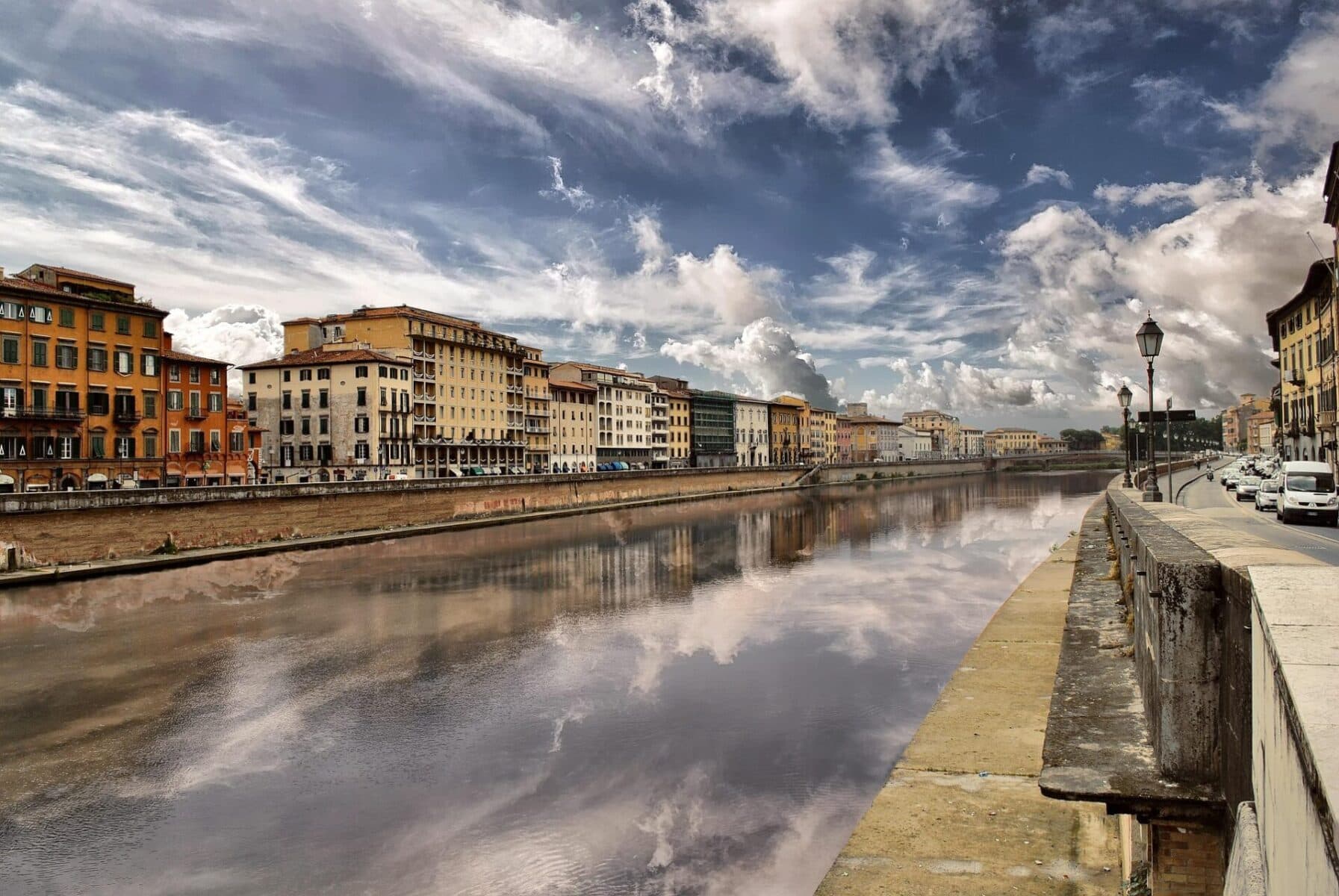
The Lungarno riverfront is one of the most rewarding areas to explore on foot. Walking along the Arno gives you a completely different perspective of the city, with views of historic palaces, bridges, and local activity that you miss if you focus only on the main monuments. This is especially effective in the early evening, when the light softens and the city slows down.
The historic centre itself is largely pedestrian-friendly. Many streets are part of the ZTL restricted zone, which reduces traffic and makes walking safer and more enjoyable. Some areas have cobbled surfaces, so comfortable footwear is important, particularly if you are covering a full day of sightseeing.
Timing again plays a role. Starting early allows you to experience key sites before crowds build, while late afternoon and evening walks reveal a more relaxed and local side of Pisa. The city feels noticeably different once day-trip visitors begin to leave.
For travellers who want to understand Pisa properly, walking is not just practical, it is essential. It allows you to connect the landmarks, the neighbourhoods, and the everyday details into a single, coherent experience, rather than a series of disconnected stops.
Ferries & Cruises
Pisa is not a major port city, but its location makes it a strong base for coastal and ferry travel, particularly through nearby Livorno, which sits just 20 km west of Pisa. This connection opens up routes to islands, longer sea journeys, and an entirely different side of Tuscany.
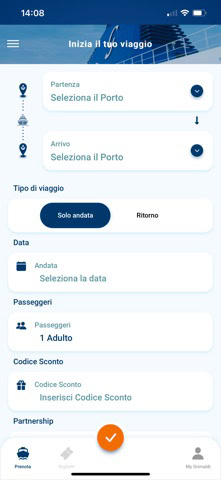
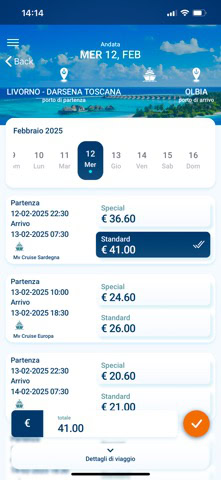
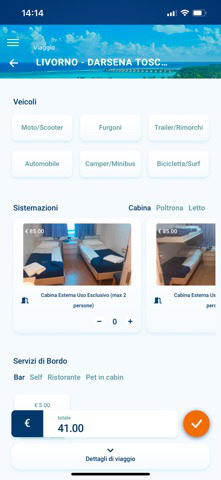
From Livorno, regular ferry services operate to destinations such as Elba, Corsica, Sardinia, and Sicily. Travel times vary significantly, from around 1 hour to Elba to 7–8 hours for longer crossings. These routes are used by both locals and travellers extending their itineraries beyond mainland Italy.
Reaching Livorno from Pisa is simple. Regional trains run every 15 to 20 minutes, with journey times of around 15 minutes, making it one of the easiest port connections in Italy. From Livorno Centrale, buses and taxis provide quick onward transfers to the ferry terminals.
For shorter, more relaxed experiences, Pisa also offers seasonal Arno River boat tours. These operate mainly between May and September, providing a slow-moving perspective of the city from the water. The experience is not about distance or transport, but about seeing the Lungarno buildings, bridges, and riverbanks from a different angle.
Another option is heading to Marina di Pisa, located around 12 km from the centre, where smaller harbours offer leisure boating and coastal views. While this is not a large-scale ferry hub, it provides access to short cruises, fishing trips, and relaxed seaside experiences.
In practical terms, Pisa’s value here is connectivity. It gives you access to major ferry routes without needing to stay in a port city, allowing you to combine inland culture with coastal travel in a single itinerary.

App availability and prices vary by country. Some of these may not appear in your local App Store or Google Play.

Unique & Scenic Ways to Travel
Beyond standard transport, Pisa offers several ways to experience the city and surrounding region that go beyond simple point-to-point movement. These options are less about efficiency and more about perspective, atmosphere, and experience.
One of the most effective is travelling along the Arno River. Seasonal boat trips provide a slow, uninterrupted view of the city’s architecture, particularly the Lungarno Mediceo and Lungarno Pacinotti. From the water, the scale and symmetry of the buildings become more apparent, offering a perspective you simply do not get from street level.
For those willing to go further, the surrounding Tuscan countryside opens up opportunities for more memorable travel experiences. Routes extending out of Pisa pass through olive groves, vineyards, and rolling hills, making even short journeys feel more scenic.
Cycling is another strong option, particularly along the Arno cycle routes, which gradually extend toward Florence. While most travellers will not complete the full route, even short sections provide a quieter, more natural alternative to the city streets.
For a more distinctive experience, guided Vespa tours operate in and around Pisa, combining transport with exploration. These typically include countryside routes, scenic viewpoints, and stops at local food or wine locations, adding depth to a standard visit.
More premium experiences, such as hot-air balloon flights, are also available in the wider area. These operate mainly at sunrise and provide panoramic views across Tuscany’s landscape, including farmland, villages, and distant coastal views.
These options are not essential for every traveller, but they highlight something important. Pisa is not just a destination to see, it is a base to experience Tuscany from different angles, whether on the ground, on the water, or above it.
Mini Trains, Trams & Tourist Shuttles
Pisa does not have a traditional tram network, but it does offer a range of tourist-focused transport options designed to simplify movement between key landmarks. These are particularly useful for visitors on tight schedules, families, or those who prefer a structured overview of the city.
One of the most visible options is the Pisa City Tour mini train, a small road-based vehicle that follows a loop between Piazza dei Miracoli, Corso Italia, and the Arno riverfront. The journey typically lasts around 40 to 45 minutes and includes audio commentary in multiple languages, giving context to the locations as you pass through them.
These services are designed for convenience rather than speed. They allow you to cover the main highlights without navigating, which can be useful if you are short on time or arriving as part of a day trip.
Seasonal hop-on hop-off bus services also operate in Pisa, particularly during the busier months. These provide elevated views and flexible stops at major locations, including the main square, central shopping areas, and selected gardens or museums.
For cruise passengers arriving via Livorno, organised shuttle services and tour buses often run directly into Pisa. These typically include a set amount of free time near Piazza dei Miracoli, making them a practical option for structured visits.
While these transport options are not necessary for most travellers due to Pisa’s size, they do serve a clear purpose. They reduce effort, provide orientation, and offer a way to see the city quickly without detailed planning.
For independent travellers, they are best viewed as an optional layer rather than a core requirement.
Visiting: Top Attractions
Pisa’s appeal is often reduced to a single image, but the reality is far broader. The city offers a dense concentration of historic, cultural, and architectural attractions, all within a relatively small area, making it one of the most efficient sightseeing destinations in Italy.
The starting point for almost every visit is Piazza dei Miracoli, where the city’s most important landmarks sit together. The Leaning Tower of Pisa dominates the space, drawing visitors for both its appearance and the opportunity to climb it. The ascent involves 294 steps, leading to views across the city and surrounding Tuscan landscape.
Next to the tower, the Cathedral (Duomo di Pisa) provides a very different experience. Its interior reflects the wealth and ambition of medieval Pisa, with detailed marble work, mosaics, and a strong sense of scale. The Baptistery, the largest in Italy, adds another layer, known for its acoustic properties and striking circular design.
The Camposanto Monumentale completes the group, offering a quieter and more reflective environment. Its cloisters and historic frescoes provide context to the religious and cultural importance of the site, beyond the more visually dominant structures.
Moving away from the square, Pisa continues to deliver. The Museo dell’Opera del Duomo houses original sculptures and artworks removed from the main monuments, allowing closer inspection of details that would otherwise be missed. The Museo Nazionale di San Matteo expands this further, with collections covering medieval and Renaissance art.
For something different, the Botanical Garden of Pisa, founded in 1544, offers a break from architecture, with shaded paths, rare plants, and a slower pace. It is one of the oldest academic botanical gardens in the world and reflects Pisa’s long-standing connection to science and research.
The Arno riverfront itself is also part of the attraction. Walking along the Lungarni reveals a different side of the city, where historic buildings, bridges, and local life combine into a more relaxed and less structured experience.
Taken together, Pisa’s attractions work because they are concentrated, varied, and easy to access. You can move from world-famous landmarks to quiet, lesser-known spaces within minutes, creating a visit that feels complete without being overwhelming.

Historical Highlights & Landmarks
Pisa’s identity is built on layers of history that are still clearly visible today, and its landmarks reflect a period when the city was one of the most powerful maritime forces in Europe. What you see is not just architecture, it is the result of wealth, trade, and influence built over centuries.
At the centre of this is Piazza dei Miracoli, where the most important buildings stand together. The Cathedral of Santa Maria Assunta, begun in 1063, represents the height of Pisa’s power. Its design blends classical inspiration with intricate detailing, showing how the city absorbed ideas from across the Mediterranean through trade.
The Leaning Tower of Pisa, built as the cathedral’s bell tower, is the most recognisable structure, but it is only one part of a much larger story. Its tilt, caused by unstable ground, began during construction and has been carefully stabilised over time. What started as a structural problem has become one of the most famous architectural features in the world.
The Baptistery of St. John adds scale and contrast, with its circular form and impressive acoustics. Inside, even a single note carries through the space, demonstrating the design precision achieved centuries ago. The Camposanto Monumentale offers a different atmosphere, with cloisters and historic frescoes that reflect Pisa’s religious and cultural traditions.
Beyond the main square, Piazza dei Cavalieri provides insight into Pisa’s political history. Once the centre of civic power, it is now dominated by the Scuola Normale Superiore, linking the city’s past authority with its modern academic identity.
Walking along the Lungarno Mediceo, you encounter buildings such as Palazzo Blu and Palazzo Reale, which highlight Pisa’s later periods of development and its continued importance within Tuscany.
What makes Pisa different from many other cities is how close these landmarks are to each other. You are not travelling across a large urban area, you are moving through a compact historical core where every building connects to the next, creating a continuous narrative rather than isolated sites.
Skip the Line: Leaning Tower of Pisa Tickets
The Leaning Tower of Pisa is not just a landmark you can walk into freely. Access is tightly controlled, and understanding how the system works will save you time and frustration.
Entry to the tower operates on a strict timed ticket system, with a limited number of visitors allowed inside at any one time. This is necessary due to the narrow structure and the nature of the climb, which involves 294 spiral steps. Each visit is allocated a specific time slot, and late arrivals can be refused entry.
During peak months, particularly between April and October, tickets often sell out hours in advance, and in some cases even earlier. Large tour groups arriving from Florence and the coast add to the demand, making same-day availability unreliable.
Booking in advance allows you to choose your preferred time, avoid long queues at the ticket office, and structure your visit more efficiently. This is especially important if you are working within a tight schedule or visiting Pisa as a day trip.
There are also practical restrictions to consider. Bags larger than a small backpack are not allowed inside the tower, but there is a free cloakroom facility nearby, which must be used before your allocated entry time. Children under eight years old are not permitted to climb for safety reasons.
The best times to visit are early morning or late afternoon, when temperatures are lower and the light conditions are better for views and photography. Midday visits can be more crowded and less comfortable, particularly in summer.
If you’re planning to climb the tower, our detailed guide explains how the system works and how to secure the best entry times → Skip the Line Leaning Tower of Pisa Tickets Guide
Hidden Gems & Local Secrets
While most visitors focus on the Leaning Tower and Piazza dei Miracoli, Pisa has a quieter side that reveals far more about the city’s character. These are the places where local life, student culture, and everyday routines become more visible.
One of the most striking examples is the Keith Haring mural, Tuttomondo, located near Pisa Centrale. Created in 1989, it is one of the artist’s final works and stands out sharply against the surrounding architecture. It is often missed by visitors who stay close to the main tourist area, but it offers a completely different perspective on the city.
Nearby, Piazza delle Vettovaglie provides a clear contrast between day and night. In the morning, it functions as a market space, while in the evening it becomes a busy social hub filled with students, bars, and outdoor seating. This is where Pisa feels most alive and least staged.
For a quieter break, Giardino Scotto offers a green space within old defensive walls. It is used by locals for walking, relaxing, and seasonal events, making it one of the best places to step away from the crowds without leaving the city.
Another overlooked highlight is the Church of Santa Maria della Spina, a small Gothic structure positioned directly along the Arno River. Despite its size, it is one of the most detailed and visually striking buildings in Pisa, often passed quickly without proper attention.
The Museo delle Navi Antiche di Pisa provides a deeper historical layer. Built around ancient ship remains discovered beneath the city, it connects Pisa’s current form to its maritime past, offering insight that goes beyond the standard narrative.
Exploring areas such as San Francesco and San Martino also reveals a more authentic side of Pisa. These neighbourhoods are less crowded, more residential, and filled with local bakeries, smaller restaurants, and everyday activity that most visitors never see.
These locations are not hidden because they are difficult to reach. They are hidden because most people do not look beyond the obvious. Spending time in these areas changes how Pisa feels, turning it from a quick stop into a more complete and personal experience.

Indoor Attractions & Rainy-Day Ideas
Pisa remains a strong destination even when the weather changes, largely because of its concentration of indoor cultural spaces. A rainy day here does not limit your options, it shifts your focus toward the city’s art, history, and academic heritage.
One of the most important indoor sites is the Museo Nazionale di San Matteo, which houses a significant collection of medieval and Renaissance art. Works by artists such as Donatello and Masaccio provide context to the artistic environment that shaped Pisa during its most influential periods.
The Museo delle Navi Antiche di Pisa offers a completely different experience. Located in a restored historic structure, it displays ancient Roman ships and maritime artefacts, many of which were discovered beneath the city itself. This adds depth to Pisa’s identity as a former naval power.
For a more flexible visit, Palazzo Blu provides rotating exhibitions covering art, photography, and design. Its riverside location also makes it a convenient stop when moving between different parts of the city, especially during poor weather.
A short distance outside the centre, the Natural History Museum at the Certosa di Calci expands the scope further. It includes extensive collections ranging from fossils to large-scale animal displays, making it one of the more substantial indoor attractions in the region.
Rain also changes how you experience everyday spaces. Covered streets such as Borgo Stretto allow for sheltered walking, while cafés and historic venues provide natural stopping points. Locations like Caffè dell’Ussero, one of the oldest cafés in Pisa, offer a way to spend time without needing structured activities.
The key advantage is density. Pisa’s indoor attractions are close together and easy to combine, meaning you can move between them without long transfers or complicated planning.
A change in weather does not reduce the value of the city. It simply shifts your attention from open spaces to interiors, collections, and quieter environments, which are just as important to understanding Pisa properly.
Shopping & Markets
Shopping in Pisa is not about luxury brands or large malls, it is about local character, small businesses, and everyday Tuscan life. The city offers a mix of practical retail streets, artisan shops, and traditional markets, all within a compact and walkable area.
The main commercial route is Corso Italia, which runs from Piazza Vittorio Emanuele II near Pisa Centrale toward the Arno River. This is where you will find a mix of Italian fashion chains, everyday shops, bakeries, and cafés, making it the most convenient place for general shopping and essentials.
Crossing the river into Borgo Stretto, the atmosphere shifts noticeably. This area is more refined and historic, with arched walkways, boutique stores, and independent retailers. It is one of the best places to look for local products, including leather goods, ceramics, and small handcrafted items that reflect Tuscan traditions.
For a more authentic experience, Mercato delle Vettovaglie offers a look into daily life. This historic market operates primarily in the morning, with stalls selling fresh produce, meats, cheeses, and regional ingredients. It is less about souvenirs and more about understanding how the city functions day to day.
The surrounding square, Piazza delle Vettovaglie, changes character in the evening, becoming a social hub filled with bars and outdoor seating. This transition from market to nightlife space is a good example of how Pisa’s spaces are used throughout the day.
Seasonal markets also appear at different times of year. Weekend antique markets and occasional street fairs introduce vintage items, collectibles, and local crafts, while winter brings smaller festive markets along the Arno riverfront.
Pisa’s shopping scene works because it is integrated into the city rather than separated from it. You are not stepping into a commercial zone, you are moving through streets where locals shop, eat, and interact, which makes the experience feel far more genuine.
Suggested Itinerary
Pisa is one of the few cities where a well-planned single day can feel complete, but it also has enough depth to justify a longer stay. The key is to structure your time so that you move logically through the city while leaving space to explore beyond the obvious.
Start your day early at Piazza dei Miracoli, when the area is at its quietest. This is the best time to visit the Leaning Tower, the Cathedral, and the Baptistery, both for comfort and for clearer views. Climbing the tower in the morning also avoids the busiest periods later in the day.
From there, move toward the city centre via Via Santa Maria, gradually transitioning from the main tourist zone into more local streets. This route naturally leads you toward the Arno River, where the pace slows and the city begins to feel less structured.
Cross the river and continue along Corso Italia, which provides a mix of shopping, cafés, and everyday activity. This is a good place to stop for lunch, particularly in smaller trattorias slightly away from the busiest sections.
In the afternoon, shift focus toward culture and quieter spaces. Visit a museum such as the Museo Nazionale di San Matteo or spend time walking along the Lungarno, where the riverside setting offers a different perspective of Pisa.
If you have additional time, consider heading slightly beyond the centre. A short trip to Marina di Pisa introduces a coastal element, while areas like San Francesco provide a more residential feel.
In the evening, return toward the centre for dinner, ideally choosing a location near the river or within one of the older neighbourhoods. The atmosphere changes noticeably after day visitors leave, and Pisa feels more balanced and local.
For a longer stay, use Pisa as a base. Lucca, Florence, and the Tuscan coast are all within easy reach, allowing you to expand your itinerary without needing to relocate. This flexibility is one of Pisa’s strongest advantages.

Events, Festivals, Seasonal Highlights & Annual Events
Pisa’s calendar is shaped by historic traditions and community events, many of which centre around the Arno River and the city’s identity as a former maritime power. These events add a different dimension to a visit, particularly if timed correctly.
One of the most important is the Luminara di San Ranieri, held every year on 16 June. On this evening, thousands of candles are placed along the riverbanks and across building façades, creating a uniform glow that reflects across the Arno. It is one of the most visually striking events in Tuscany and draws both locals and visitors into the streets.
The following day features the Regata di San Ranieri, a historic rowing competition between Pisa’s districts. Teams compete along the river in traditional boats, with strong local support and a clear sense of rivalry that dates back centuries.
Later in June, the Gioco del Ponte takes place on the Ponte di Mezzo, where teams dressed in historical costume compete in a physical contest to push a heavy structure across the bridge. While it appears theatrical, it is rooted in long-standing tradition and taken seriously within the city.
Beyond these major events, Pisa hosts a range of seasonal activities, including open-air concerts, film screenings, and smaller festivals during the summer months. These are often held in spaces like Giardino Scotto, adding to the city’s evening atmosphere.
Autumn brings a shift toward food and regional culture, with nearby towns hosting wine and truffle festivals, particularly in areas like San Miniato. These events are easily accessible from Pisa and provide a deeper connection to Tuscan traditions.
Timing your visit to coincide with one of these events changes the experience significantly. Instead of observing the city, you become part of it, which is where Pisa becomes far more memorable.
City Passes, Discount Cards & Tourism Bundles
Pisa’s attractions are relatively close together, but entry costs can still add up. Using the right combination of tickets or passes can make your visit more efficient and better structured, particularly if you plan to visit multiple sites.
The most important ticket is the one that includes access to the Leaning Tower of Pisa. This is typically sold as part of a combined entry that also includes the Cathedral, Baptistery, and Camposanto Monumentale. Prices start at around €27, and availability is limited due to the timed entry system.
Booking in advance is strongly recommended, not just to secure entry, but to control the timing of your visit. This allows you to build the rest of your itinerary around a fixed slot rather than adjusting on arrival.
Additional combination tickets are available for other attractions, including museums and cultural sites. Options such as multi-site passes can include places like Palazzo Blu or the Museo delle Navi Antiche, offering better value if you plan to explore beyond the main square.
Digital ticketing has become the standard. Most passes are now delivered via QR code, allowing you to enter attractions without needing physical tickets. This reduces waiting times and simplifies planning, particularly for short visits.
Third-party platforms also offer bundled experiences, combining attraction entry with guided tours or transport options. These can be useful for visitors who prefer a more structured approach, though they are not always the cheapest option.
The key is to plan based on how much you actually intend to see. For a short visit, a single combined ticket for the main monuments is usually enough. For longer stays, adding museum access or bundled options can provide better overall value.
Used correctly, these passes do not just save money, they improve the flow of your visit, allowing you to move through Pisa without unnecessary delays or decision-making on the day.
Parks, Gardens & Green Spaces
Pisa is best known for its architecture, but it also offers well-placed green spaces that break up the intensity of sightseeing and give the city a more relaxed, liveable feel. These areas are not just decorative, they are actively used by locals, which makes them worth including in your visit.
The most significant is the Orto Botanico di Pisa, widely recognised as the oldest university botanical garden in the world, founded in 1544. Located close to Piazza dei Miracoli, it provides an immediate contrast to the surrounding monuments. Inside, you will find structured plant collections, shaded paths, and historic greenhouses, all arranged in a way that reflects Pisa’s academic heritage.
Another important space is Giardino Scotto, set within the remains of historic defensive walls. It functions more as a local park than a formal attraction, with open lawns, seating areas, and seasonal events. During warmer months, it hosts open-air cinema screenings and small concerts, making it a useful place to return to in the evening.
For those willing to move slightly beyond the centre, San Rossore Regional Park offers a completely different environment. This large protected area includes pine forests, wetlands, and coastal landscapes, extending all the way to the sea. It is particularly suitable for cycling, walking, and guided nature visits, and gives a sense of the natural landscape that surrounds Pisa.
Smaller green spaces are scattered throughout the city, often tucked between residential streets or along the river. These are not major attractions, but they contribute to the overall experience by providing quiet breaks between more structured visits.
Pisa’s green spaces work because they are integrated into the city’s layout, not isolated from it. You move naturally between built and open environments, which helps maintain a steady pace throughout the day.
Where & What to Eat
Food in Pisa reflects the wider Tuscan culinary tradition, with a focus on simple ingredients, strong flavours, and regional consistency. This is not a city built around fine dining, it is built around reliable, well-executed local cooking that is easy to access and consistently satisfying.
One of the most distinctive local foods is cècina, a thin flatbread made from chickpea flour. It is baked in a hot oven until crisp on the outside and soft inside, and is widely available in bakeries and casual food spots. It is quick, inexpensive, and one of the most authentic things you can try in the city.
Pasta dishes are equally important. Pici, a thick, hand-rolled pasta, is commonly served with simple sauces such as cacio e pepe or richer meat-based options. The emphasis is always on the quality of the base ingredients rather than complexity.
Given Pisa’s proximity to the coast, seafood also plays a role. Dishes such as baccalà alla Pisana and other fish-based meals reflect the connection to the Tyrrhenian Sea, while traditional meat dishes like roast pork continue to feature strongly on menus.
Where you eat matters as much as what you eat. The best experiences are usually found slightly away from the main tourist areas, particularly in neighbourhoods like San Martino and San Francesco, where restaurants cater more to locals and students.
Dining times follow typical Italian patterns. Lunch generally runs from 12:30 to 14:30, while dinner starts later, often from 19:30 onwards. Service is usually relaxed, and meals are designed to be taken slowly rather than rushed.
Local wines such as Chianti delle Colline Pisane and Montescudaio DOC are widely available and pair well with the food. Even basic restaurants tend to offer good quality wine at reasonable prices.
Eating in Pisa is not about chasing standout venues. It is about understanding the rhythm of the city and choosing places that reflect local habits, consistent quality, and straightforward Tuscan cooking.
Nightlife
Pisa’s nightlife is shaped largely by its student population, which gives the city a level of energy that might not be expected based on its size. It is not a major nightlife destination, but it is active, accessible, and varied enough to fill an evening without difficulty.
The Arno riverfront, particularly the Lungarni, is one of the main evening areas. Bars and cafés line the streets, creating a continuous flow of activity. These spaces are used for casual drinks, socialising, and early evening gatherings, rather than high-intensity nightlife.
Moving into the centre, areas around Piazza Garibaldi, Borgo Stretto, and Piazza delle Vettovaglie become more active as the evening progresses. These locations attract a mix of students, locals, and visitors, creating a more informal and social atmosphere.
A key part of the evening culture is aperitivo, where drinks are served with small plates of food. This usually takes place between 18:00 and 21:00 and functions as a transition between day and night. It is one of the easiest ways to engage with the local rhythm.
Later in the evening, smaller bars and clubs continue operating, though Pisa does not have a large club scene compared to cities like Florence. Instead, the focus remains on conversation, music, and relaxed social environments.
In summer, activity increases as events move outdoors. Riverside areas, parks, and coastal locations like Marina di Pisa become more active, extending the evening beyond the city centre.
Pisa’s nightlife works because it is integrated into everyday life rather than separated from it. You are not moving into a dedicated entertainment district, you are staying within the same streets and spaces that define the city during the day.
Day Trips
Pisa’s location makes it one of the most practical bases for exploring Tuscany and the surrounding region, with multiple destinations reachable in under an hour. This flexibility is one of the city’s strongest advantages and adds significant value to any stay.
The closest and easiest trip is to Lucca, just 25 minutes by train. The city is known for its intact Renaissance walls, which can be walked or cycled in a complete loop. Its slower pace and well-preserved streets make it an ideal contrast to Pisa.
Florence is the most popular extension, reachable in around 1 hour. It offers a completely different scale, with major attractions such as galleries, historic bridges, and large public spaces. The connection is frequent, making it easy to visit without needing to stay overnight.
For coastal access, Marina di Pisa and Tirrenia provide quick escapes, both within 20 to 30 minutes. These locations offer beaches, seafood restaurants, and a change of environment, particularly useful during warmer months.
Further along the coast, Viareggio adds a more developed seaside experience, especially during events such as its well-known carnival. Inland, towns like San Miniato provide a different perspective, particularly during truffle season, when the area becomes a regional food destination.
Nature-focused travellers can explore San Rossore Regional Park, which offers a mix of forest, open land, and coastal environments. It is accessible from Pisa and provides an alternative to urban sightseeing.
The key advantage is accessibility. Most of these destinations are connected by frequent trains or short drives, allowing you to build a varied itinerary without complex planning.
Using Pisa as a base allows you to combine city exploration with regional travel, creating a more balanced and efficient experience across Tuscany.
Cultural Norms & Etiquette
Pisa is relaxed and welcoming, but like most Italian cities, it operates on a set of clear social norms that travellers are expected to follow. Understanding these small details improves your experience and avoids unnecessary friction.
Greetings matter. Entering a shop, café, or restaurant without acknowledging staff is considered impolite. A simple “Buongiorno” in the morning or “Buonasera” in the evening sets the tone immediately and is appreciated even if your Italian is limited.
Dining follows a structured rhythm. Lunch typically runs between 12:30 and 14:30, while dinner starts later, usually from 19:30 onwards. Arriving outside these windows can limit your options. Service is generally unhurried, and meals are expected to be taken at a steady pace rather than rushed.
Tipping is not a major part of the culture. Most bills already include a service charge or cover charge, so rounding up or leaving a small additional amount is enough. Large tips are neither expected nor necessary.
Dress is informal but considered. Walking through the city in beachwear is not acceptable, particularly in central areas. When entering religious sites such as the Cathedral of Pisa, shoulders and knees should be covered, regardless of the weather.
Public behaviour is generally relaxed, but there are limits. Sitting on monuments, climbing barriers, or obstructing busy walkways, particularly around Piazza dei Miracoli, can lead to fines. The city is heavily monitored in these areas.
Pisa also reflects its identity as a university city. The presence of students means the atmosphere is more casual and energetic than in some other historic destinations, but this does not remove the expectation of basic respect for shared spaces.
Following these norms does not require effort, but it does make a difference. It allows you to move through the city more naturally and interact with locals in a way that feels respectful rather than transactional.
Where to Stay in Pisa
Pisa’s accommodation works because of its compact layout and clear neighbourhood structure. Most visitors will find themselves within 10 to 15 minutes of the main attractions or transport hubs, regardless of where they stay.
The area around Santa Maria is the most convenient for sightseeing. Staying here places you close to Piazza dei Miracoli, making early visits to the Leaning Tower straightforward before crowds build. It is the best choice for travellers prioritising proximity to landmarks.
For those arriving by train or planning onward travel, San Martino and the Pisa Centrale area offer the most practical location. This part of the city is less visually striking but provides direct access to transport, shops, and essential services, which is valuable for short stays.
San Francesco offers a more balanced option. It is quieter, more residential, and still within easy walking distance of both the centre and the river. This is one of the best areas for travellers who want a local atmosphere without sacrificing convenience.
For visitors with a car or those looking for simpler access, areas such as San Giusto provide easier parking and proximity to the airport. These locations are more functional but can be useful depending on your travel plans.
Those wanting a coastal stay can look toward Marina di Pisa or Tirrenia, both within 20 minutes of the city. These areas offer a completely different experience, with beach access, sea views, and a slower pace, but require additional travel to reach the main sights.
| Hotel / Property | Style & Highlights | Approx. Price (Night) | Location |
|---|---|---|---|
| Hotel Bologna Pisa | Classic 4-star with garden terrace & free airport shuttle | €110 | Central Pisa (San Martino) |
| Hotel Di Stefano | Family-run hotel near the Leaning Tower with rooftop views | €130 | Historic centre |
| NH Pisa | Modern hotel opposite Pisa Centrale, ideal for rail travellers | €120 | City centre (station area) |
| Rinascimento Bed & Breakfast | Boutique B&B in restored townhouse | €95 | Santa Maria district |
| Grand Hotel Duomo | Iconic property steps from Piazza dei Miracoli | €150 | Tourist core |
| Royal Victoria Hotel | Historic riverside hotel dating to the 10th century | €140 | Lungarno Mediceo |
| Hotel Chain | Presence in Pisa | Nearest Alternative | Distance |
|---|---|---|---|
| Accor | Yes (Ibis Pisa Aeroporto) | — | In city |
| Hilton | No | Florence | ~85 km |
| Marriott | Yes (AC Hotel Pisa) | — | In city |
| IHG | No | Florence | ~85 km |
| Radisson | No | Florence | ~85 km |
| Hyatt | No | Florence | ~85 km |
| Wyndham | Limited | Pisa area | Local |
| Best Western | Yes | — | In city |
| Choice Hotels | No | Florence | ~85 km |
The main decision comes down to location versus atmosphere. Staying closer to the tower offers convenience, while slightly further out provides a more authentic experience. In Pisa, the distances are small enough that either approach works.
Toilets & Accessibility
Pisa is relatively well equipped for visitors, particularly given its size, but planning ahead still makes a difference, especially in busy areas.
Public toilets are available in key locations, including near Piazza dei Miracoli, at Parcheggio di Via Pietrasantina, and inside Pisa Centrale station. These facilities are generally clean and functional, with typical costs between €0.50 and €1.00. Payment is often coin-based, so carrying small change is useful.
Cafés, restaurants, and museums also provide access to toilets, usually for customers. In practice, many travellers rely on these rather than standalone public facilities.
Accessibility has improved, particularly around major tourist areas. Piazza dei Miracoli is largely step-free, with ramps allowing access to the Cathedral, Baptistery, and Camposanto Monumentale. However, the Leaning Tower itself is not accessible, due to its narrow internal staircase.
Public transport is also relatively accessible. Buses are fitted with low-floor entry and designated seating, although older streets in the historic centre can still present challenges due to uneven surfaces and cobblestones.
Hotels vary in terms of accessibility, but larger properties such as those near Pisa Centrale are more likely to offer adapted rooms and facilities.
Overall, Pisa is manageable for most visitors, but it is not fully modernised. The key is to plan routes, understand limitations around historic buildings, and use central facilities where access is easiest.
Weather & Best Time to Visit
Pisa benefits from a Mediterranean climate, which makes it a viable destination throughout the year. However, the experience changes noticeably depending on when you visit, particularly in terms of temperature, crowd levels, and overall comfort.
Spring, from March to May, is one of the strongest periods. Temperatures typically range between 17°C and 23°C, making it ideal for walking, sightseeing, and day trips. The city feels active without being overcrowded, and conditions are generally stable.
Summer, from June to August, is the busiest and hottest time. Temperatures often exceed 30°C, and the area around Piazza dei Miracoli becomes heavily congested during the day. Early mornings and late evenings are the most comfortable times to explore during this period.
Autumn, particularly September and October, offers a strong balance. Temperatures remain mild, usually between 18°C and 25°C, and visitor numbers begin to drop. This is also when regional food events become more prominent, adding another layer to the experience.
Winter, from December to February, is quieter and cooler, with temperatures typically between 7°C and 13°C. While some attractions operate on reduced hours, the city becomes far less crowded, and accommodation prices are lower.
Rain is most common in October and November, though it rarely lasts all day. Even during wetter periods, Pisa remains easy to navigate due to its compact size.
The best time to visit depends on your priorities. For comfort and balance, spring and autumn are the strongest options. For maximum activity and longer days, summer works well if you plan around the heat. For a quieter, more local experience, winter offers a different but still rewarding perspective.
Pisa works year-round, but timing your visit correctly will shape how the city feels and how easily you can move through it.
eSIMs & Connectivity
Staying connected in Pisa is straightforward, and for most travellers, it is something you should set up before you arrive rather than dealing with locally. The city has strong mobile coverage, reliable data speeds, and widespread Wi-Fi access, making it easy to navigate, book tickets, and manage your itinerary in real time.
Italy’s main networks, TIM, Vodafone Italia, and WindTre, provide consistent 4G and growing 5G coverage across Pisa and the wider Tuscany region. Signal strength is rarely an issue within the city, including around the main tourist areas and transport hubs.
For convenience, eSIMs are now the best option for most travellers. They allow you to activate data before arrival, avoiding queues at airport shops or dealing with physical SIM cards. Providers such as Airalo, Nomad eSIM, and Holafly offer plans covering Italy or wider Europe, with pricing typically starting from around €4 to €5 for smaller data packages.
Installation is simple. You scan a QR code, activate the plan, and your device connects automatically once you land. For travellers moving between multiple countries, regional plans are particularly useful as they avoid the need to switch providers.
Physical SIM cards are still available if needed. Stores for TIM and Vodafone can be found around Corso Italia and central Pisa, with prepaid packages usually priced between €20 and €30, including data and local minutes. However, this approach takes more time and is generally less efficient than using an eSIM.
Free Wi-Fi is available in many cafés, hotels, and public areas, including near Piazza dei Miracoli and Pisa Centrale. Speeds can vary, and connections are not always stable, so relying entirely on Wi-Fi is not recommended.
For navigation, it is worth downloading offline maps before you travel. This ensures you can move around easily even if your connection drops, particularly when travelling beyond the city into rural areas.
Connectivity in Pisa is not something you need to worry about, but setting it up properly in advance will make your entire trip smoother.
Religious Customs & Behaviour in Sacred Spaces
Pisa’s religious sites are not just historical landmarks, they are active places of worship, and visitors are expected to behave accordingly. This is particularly important at major locations such as the Cathedral of Santa Maria Assunta, where services and daily activity continue alongside tourism.
Dress is the first consideration. Visitors should ensure that shoulders and knees are covered when entering churches. This applies regardless of temperature and is enforced more strictly in prominent sites. Carrying a light layer makes this easy to manage.
Inside religious buildings, behaviour should remain quiet and respectful. Conversations should be kept low, and mobile phones should be silenced. Photography is often permitted, but flash photography and taking photos during services are not acceptable.
Eating and drinking inside churches is not allowed, and sitting in restricted areas, particularly near altars, should be avoided. These are not just visual spaces, they are functional religious environments.
Donations are common, especially in smaller churches or when lighting candles. While not mandatory, contributing helps maintain these historic buildings and is part of the expected etiquette.
Beyond the main cathedral, Pisa includes a number of smaller and often less crowded churches, such as San Paolo a Ripa d’Arno and San Frediano, where the same expectations apply. These locations often provide a more relaxed and less crowded experience, but the cultural rules remain the same.
Understanding and respecting these customs is simple, but important. It ensures that you experience Pisa’s religious heritage in the way it is intended, rather than treating these spaces as purely visual attractions.
Laws, Safety & Warnings
Pisa is a safe and manageable city, but it is still important to understand the basic rules and risks that apply to visitors. Most issues are minor and easily avoided with a bit of awareness.
Petty theft can occur, particularly in crowded areas such as Piazza dei Miracoli, Pisa Centrale, and on busy buses. This is not constant, but it is opportunistic. Keeping valuables secure and avoiding obvious displays of cash or expensive items is usually enough to prevent problems.
Emergency services are easy to access. The universal European number 112 connects you to police, medical, and fire services. There are also tourist assistance points within the city that can help with issues such as lost items or documentation.
Alcohol consumption is generally permitted, but excessive behaviour in public spaces, particularly around major landmarks, can result in fines. Smoking is banned in indoor public areas, including restaurants and stations, and designated outdoor areas should be used where provided.
One of the most important rules for visitors relates to ZTL zones, which restrict vehicle access in the historic centre. Entering these areas without authorisation results in automatic fines issued via camera systems. Many visitors are caught out by this, particularly when driving rental cars.
Cyclists and scooter users are expected to follow road rules, use designated lanes where available, and take extra care in pedestrian-heavy areas. Helmets are required for minors and recommended for all riders.
At night, Pisa remains relatively calm, especially in central areas. Standard precautions apply, but the city does not have a reputation for serious safety issues.
Overall, Pisa is low risk, but it is not without rules. Understanding the basics ensures that your visit remains straightforward and free from avoidable problems.
Frequently Asked Questions
How many days do you need in Pisa?
Most visitors spend one or two days in Pisa, enough to see the Leaning Tower, Cathedral, and nearby museums. However, staying longer allows time for day trips to Lucca, Florence, or the Tuscan coast.
Can you go inside the Leaning Tower?
Yes! Entry is by timed ticket only, costing around €18. The climb involves 294 spiral steps, and visits last about 30 minutes. Children under eight cannot climb for safety reasons.
What is the best area to stay in?
For convenience, stay near Piazza dei Miracoli or Pisa Centrale. Travellers seeking quiet charm will enjoy San Francesco or Lungarno Mediceo, while beach lovers can stay in Marina di Pisa.
Is Pisa worth visiting beyond the Leaning Tower?
Absolutely. The city boasts historic architecture, vibrant student life, and excellent food. Highlights include the Museo Nazionale di San Matteo, Palazzo Blu, and Giardino Scotto — all detailed in this Pisa tourist guide.
How far is Pisa from Florence?
Around 85 km. Frequent trains connect the two cities in about an hour, costing roughly €9–€12 each way.
Can I drink the tap water in Pisa?
Yes, tap water is clean and safe to drink, though many locals prefer bottled water for taste.
Do I need cash?
Most places accept cards, but carrying a small amount of cash (Euro) is useful for markets, taxis, and small cafés.

Rupert’s Handy Travel Tips
Planning your visit to Pisa? Here are a few useful tips from Rupert to help make your trip extra smooth:
- Book ahead for the Leaning Tower: Tickets sell out quickly, especially in summer. Secure your timed slot online before you travel.
- Start early or stay late: Piazza dei Miracoli is magical at sunrise or after sunset when crowds thin and the marble glows softly.
- Travel light: Bags larger than a small backpack aren’t allowed up the Tower — use the free cloakroom near the entrance.
- Explore beyond the tower: Cross the Arno River for quieter local life, great cafés, and a taste of authentic Tuscan student culture.
- Hop on two wheels: Pisa’s flat layout and bike lanes make cycling or e-scootering an easy and fun way to get around.
Want to meet the reindeer behind our travel tips? Find out more in our page Who is Rupert?.



Further Reading & Related App Guides
Planning more of your trip around Pisa or travelling onward through Italy? These guides will help you organise tickets, transport, and essential travel tools.
Visit one of Italy’s most famous landmarks with our guide → Skip the Line: Leaning Tower of Pisa Tickets Guide (2026)
Plan your arrival in Tuscany with our guide → Pisa Airport to City Centre: Walk, Pisa Mover, Bus & Taxi (2026)
Plan a classic Tuscany excursion with our guide → Pisa Day Trip from Florence: Trains, Tips & Itinerary (2026)
Travel across Italy by rail with our pass guide → Interrail Italy Pass: Complete Traveller’s Guide 2025
Stay connected while travelling with our guide → eSIM Apps Guide
Each guide is designed to help you travel confidently — from booking trains to staying connected and exploring Italy’s finest cities.