
Lucerne sits on the northern tip of Lake Lucerne, its medieval Old Town wrapped around the wooden Chapel Bridge and the Reuss river, and every December the city turns itself into one of Switzerland...

Christmas markets, festive lights, winter events and seasonal city breaks are gathered here. The emphasis is on destinations that become especially appealing in the run-up to Christmas.
Lucerne sits on the northern tip of Lake Lucerne, its medieval Old Town wrapped around the wooden Chapel Bridge and the Reuss river, and every December the city turns itself into one of Switzerland...

Zurich’s Christmas season turns the city into a chain of distinct markets rather than one central square, spread from the glass-roofed hall of the main train station to the shores of Lake Zurich...

Bern’s Christmas season spreads across three genuinely distinct sites in the heart of a UNESCO World Heritage old town, rather than one central square dressed up for December. The Swiss capital ...
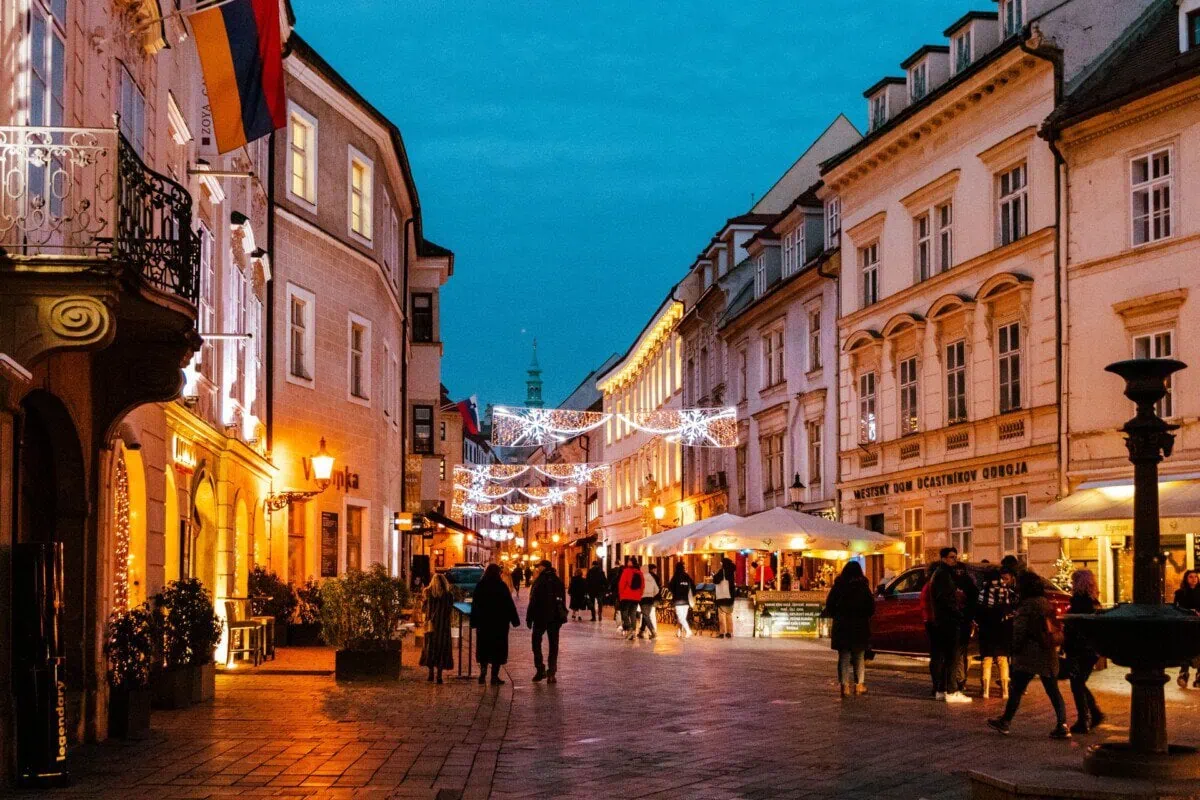
Bratislava’s compact Old Town turns into one of Central Europe’s most atmospheric festive settings each winter, when wooden stalls fill Hlavné námestie beneath a towering Christmas tree an...
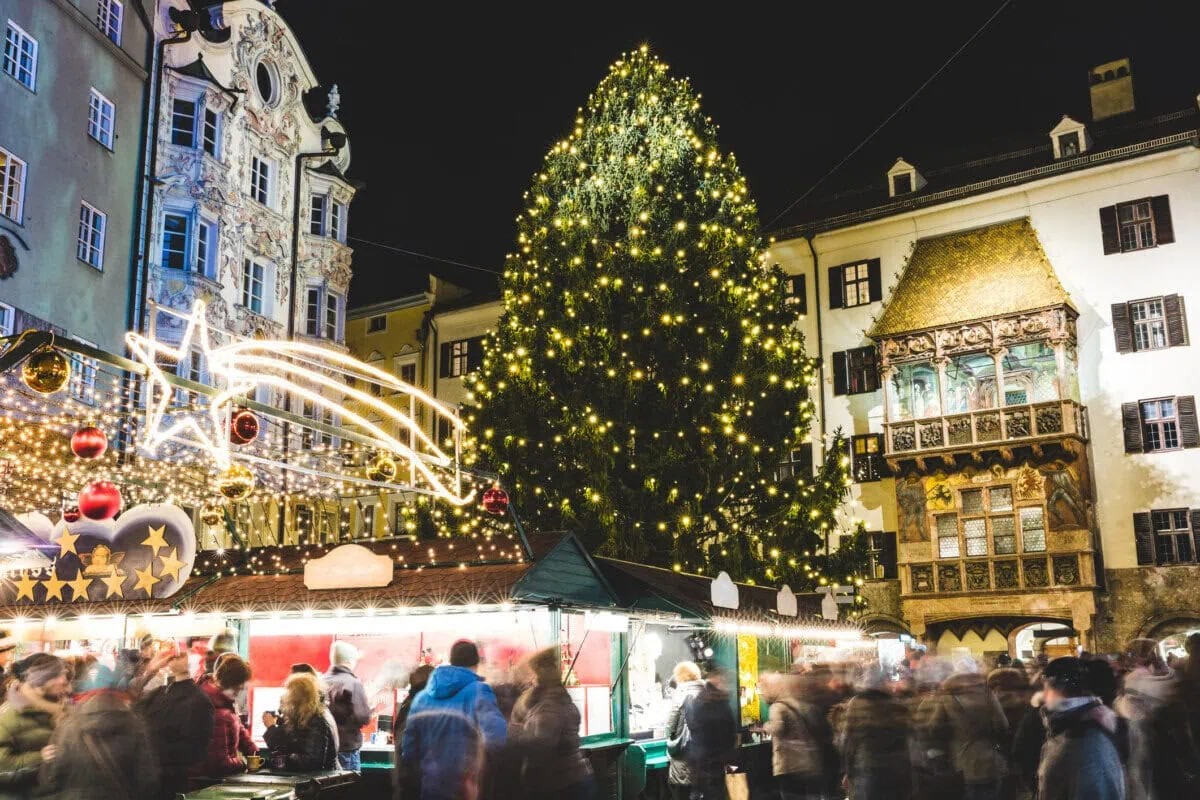
Innsbruck is the only Alpine capital in Europe where the ski slopes are genuinely visible from the Christmas market stalls, and that single fact shapes almost everything about a festive visit here. Th...
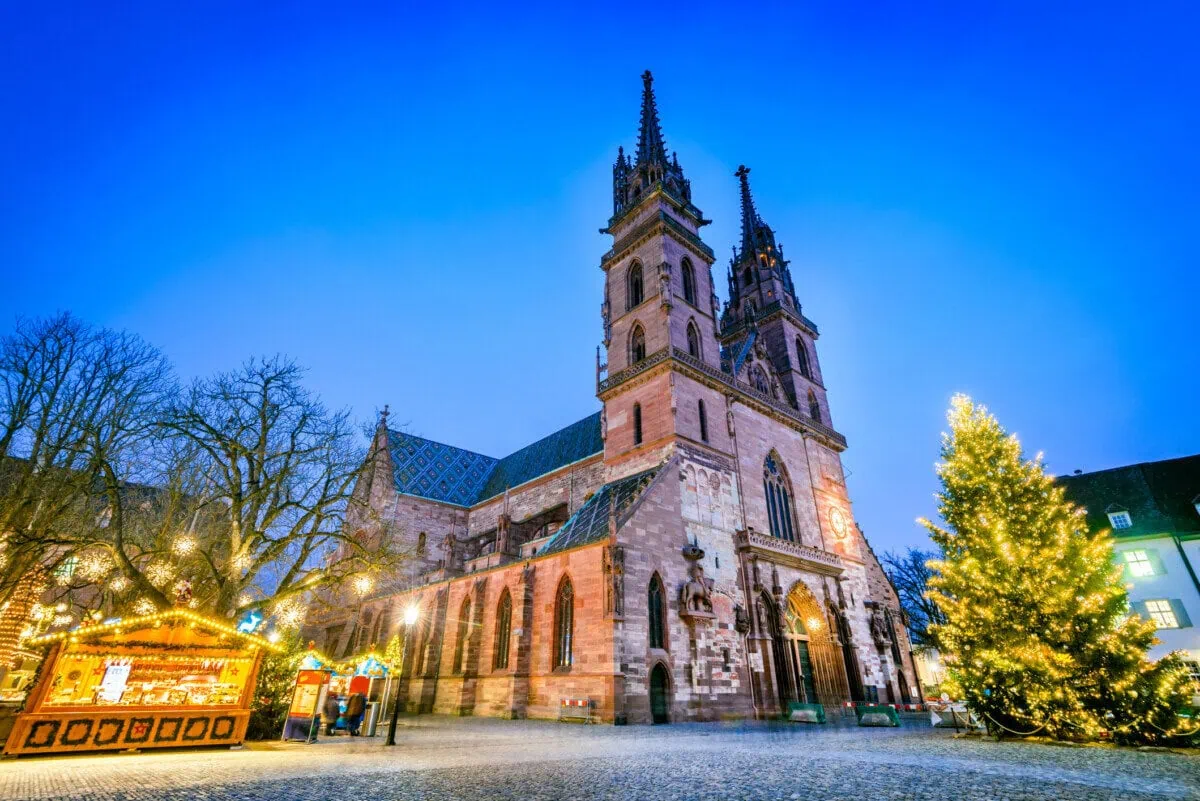
Basel’s own Christmas market, known locally as the Basler Weihnacht, is not one single site but two adjoining squares in the heart of the old town. Barfüsserplatz and Münsterplatz sit a five-min...
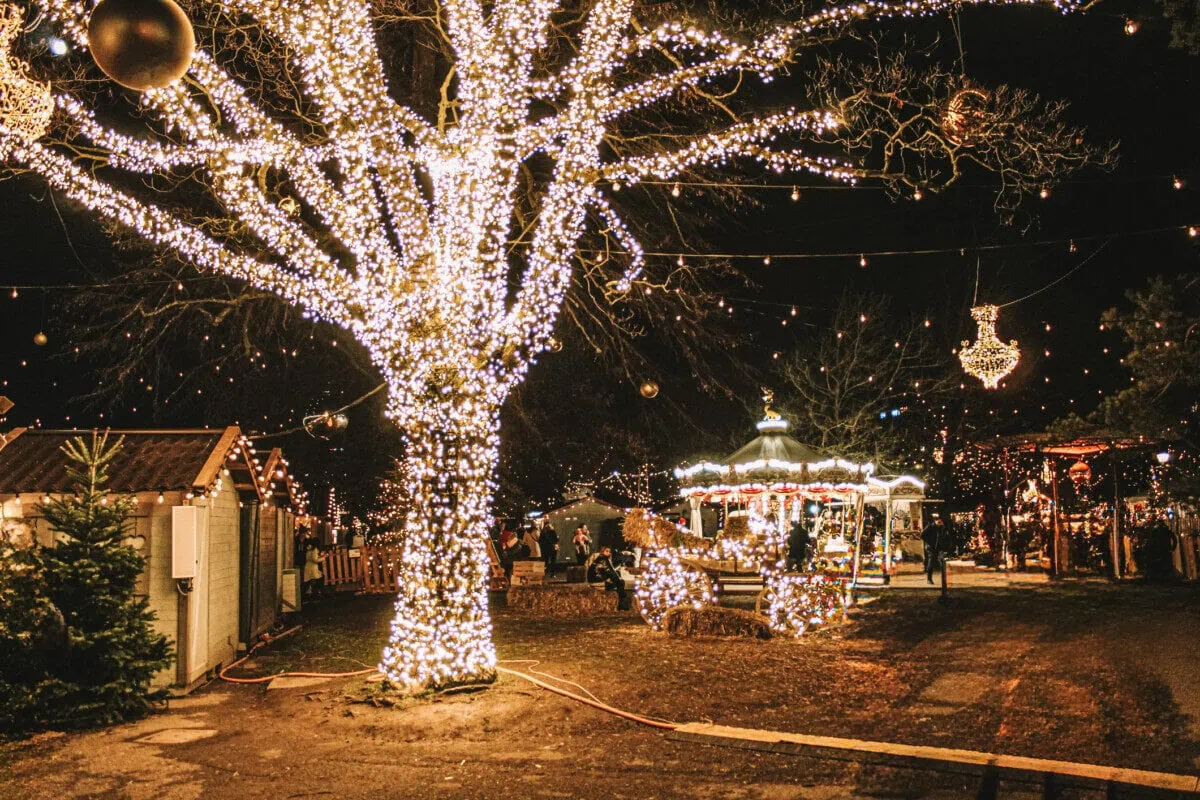
Geneva does not run one single Christmas market in one square. Instead the festive season spreads across several sites at once, from the lakeside chalets of Noël au Quai on the Quai du Mont-Blanc to t...
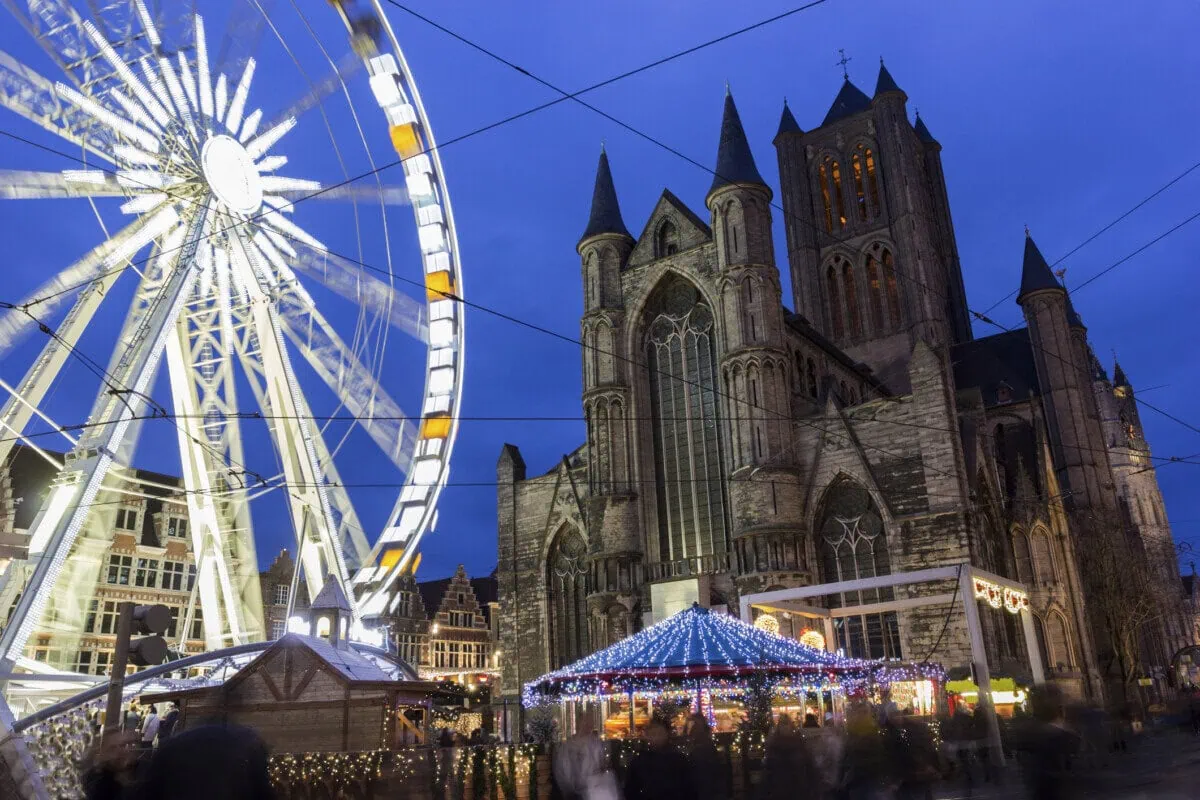
When the clocks change and the canal water turns black by late afternoon, Ghent does not simply switch on a few strings of lights and call it Christmas. The city runs a genuine, sprawling winter festi...
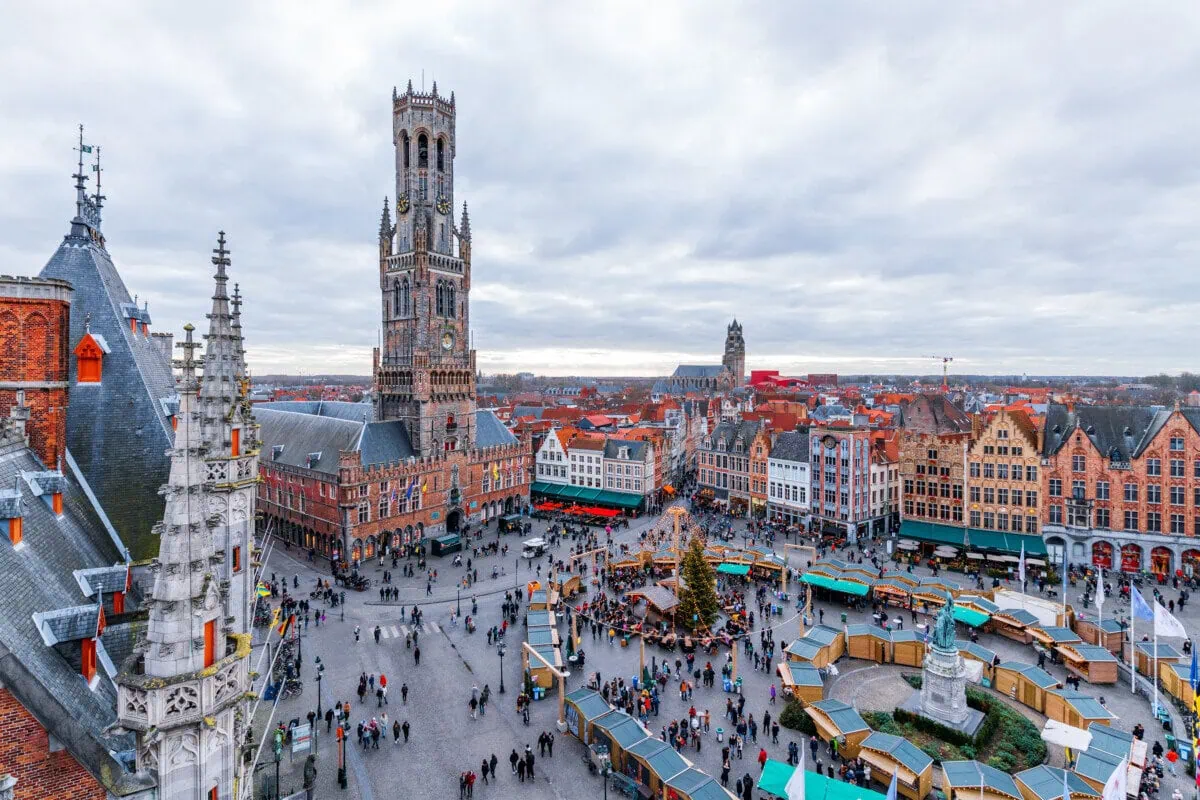
Few European cities wear Christmas quite like Bruges. Its cobbled medieval centre, laced with quiet canals and watched over by the soaring Belfry, needs almost no dressing up to look like a storybook ...
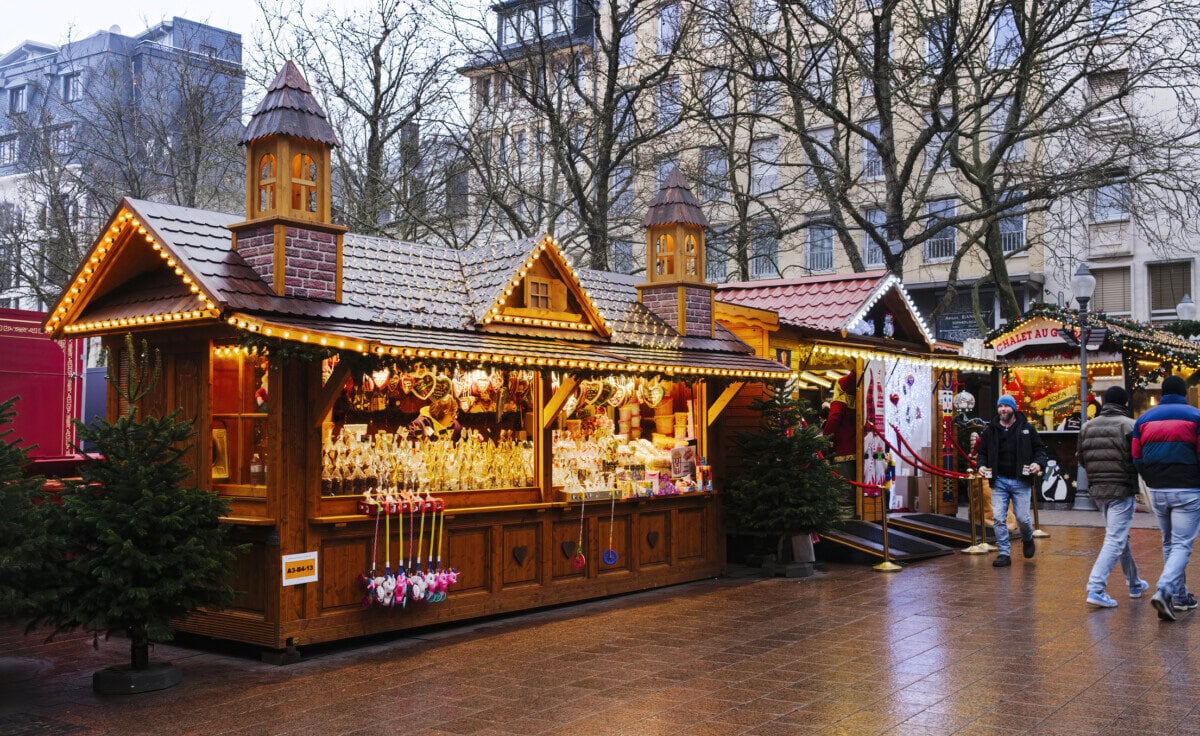
Luxembourg City does not really have one Christmas market. It has Winterlights, the official umbrella name for the whole festive season, spread across six separate sites in and around the compact old ...
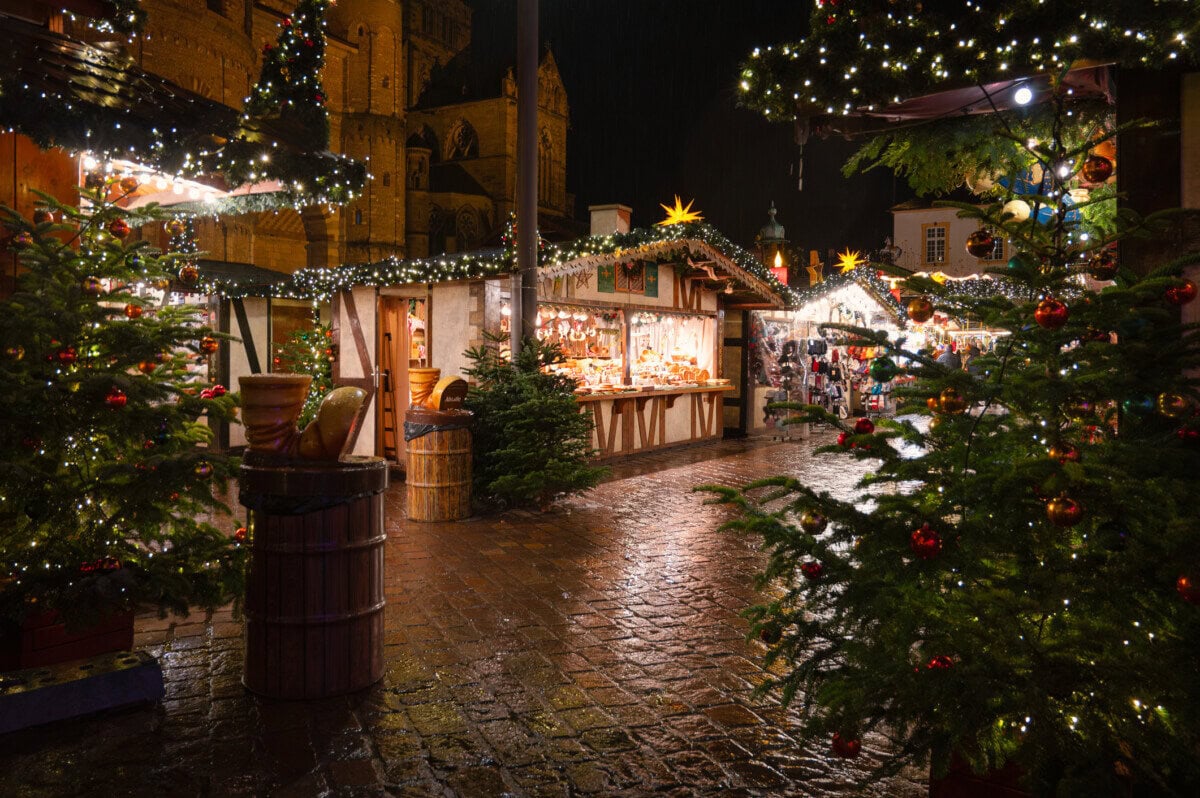
Trier calls itself Germany’s oldest city, founded by the Romans as Augusta Treverorum more than two thousand years before Berlin or Munich existed, and every winter its Roman backdrop becomes th...
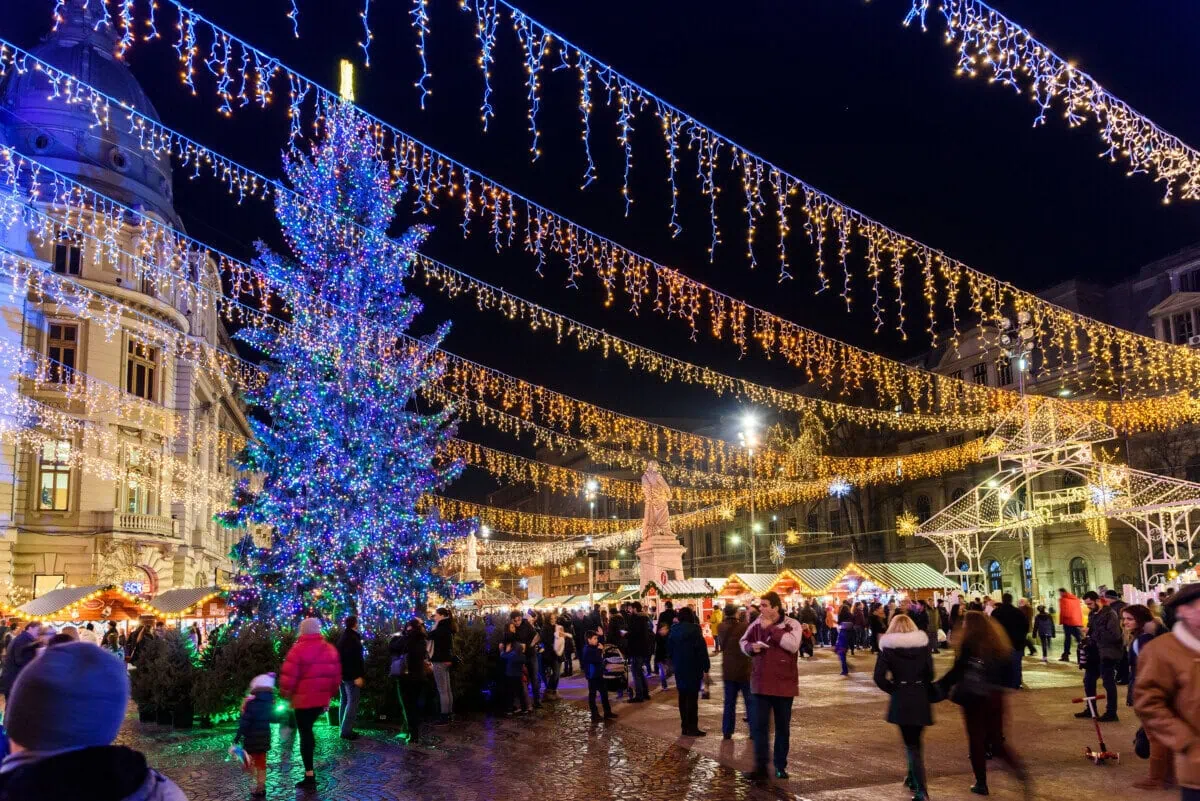
Bucharest Christmas markets turn Romania’s capital into one of Eastern Europe’s most underrated festive destinations, and most visitors are genuinely surprised by the scale of it. Four dis...
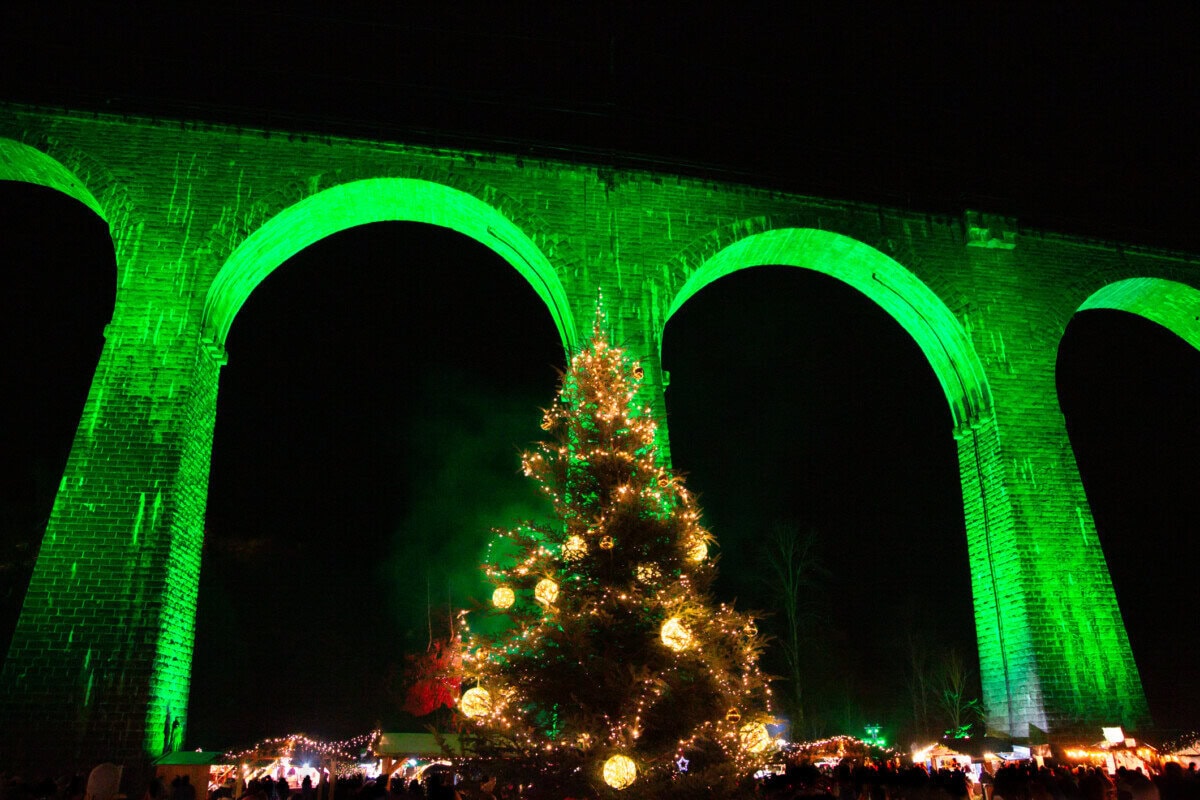
Most German Christmas markets fill a city square. The one in the Ravenna Gorge fills a wooded ravine in the Black Forest, with wooden stalls set out directly beneath a working railway viaduct rather t...
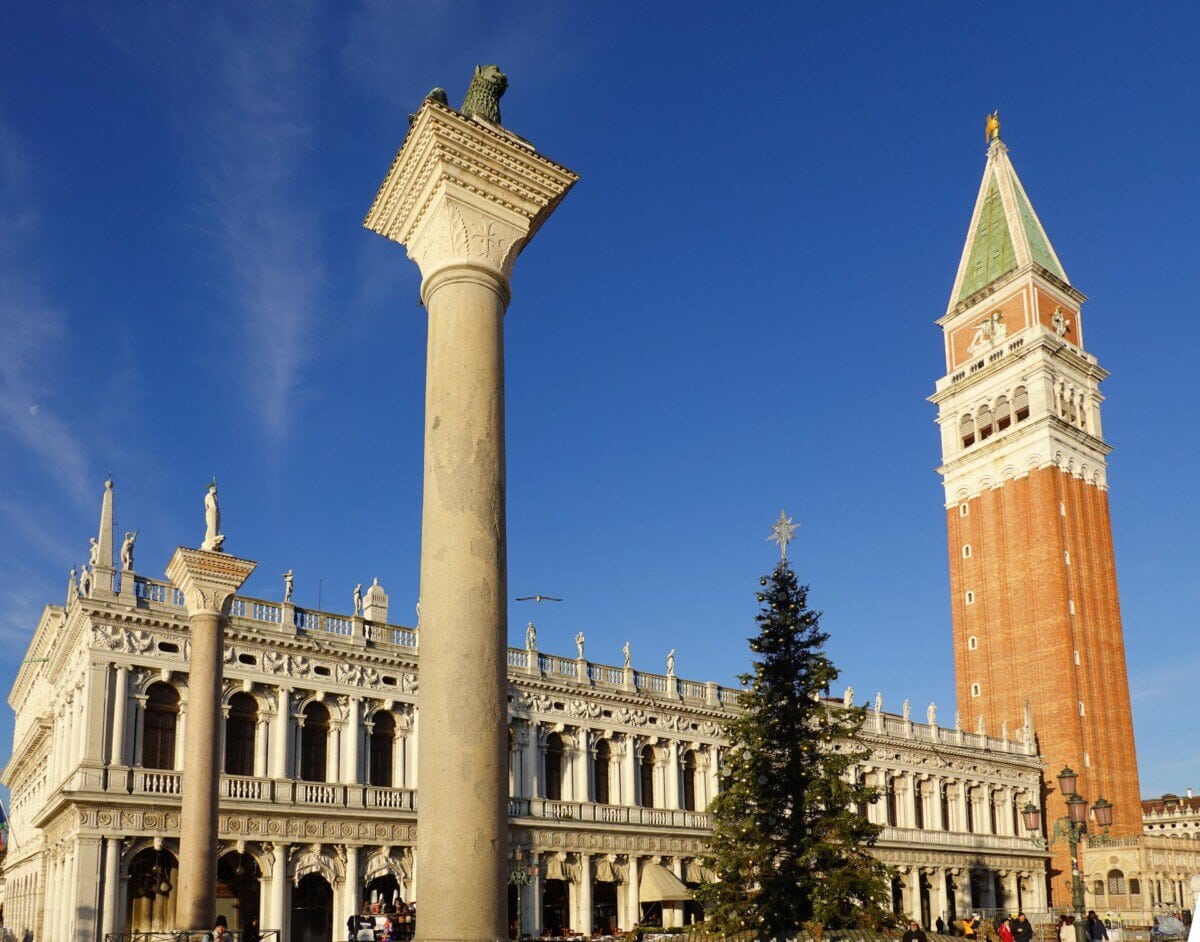
Venice does not try to compete with the vast timber-hut markets of Vienna or Salzburg, and that is precisely what makes its Christmas season so distinctive. The city leans instead on what it already h...
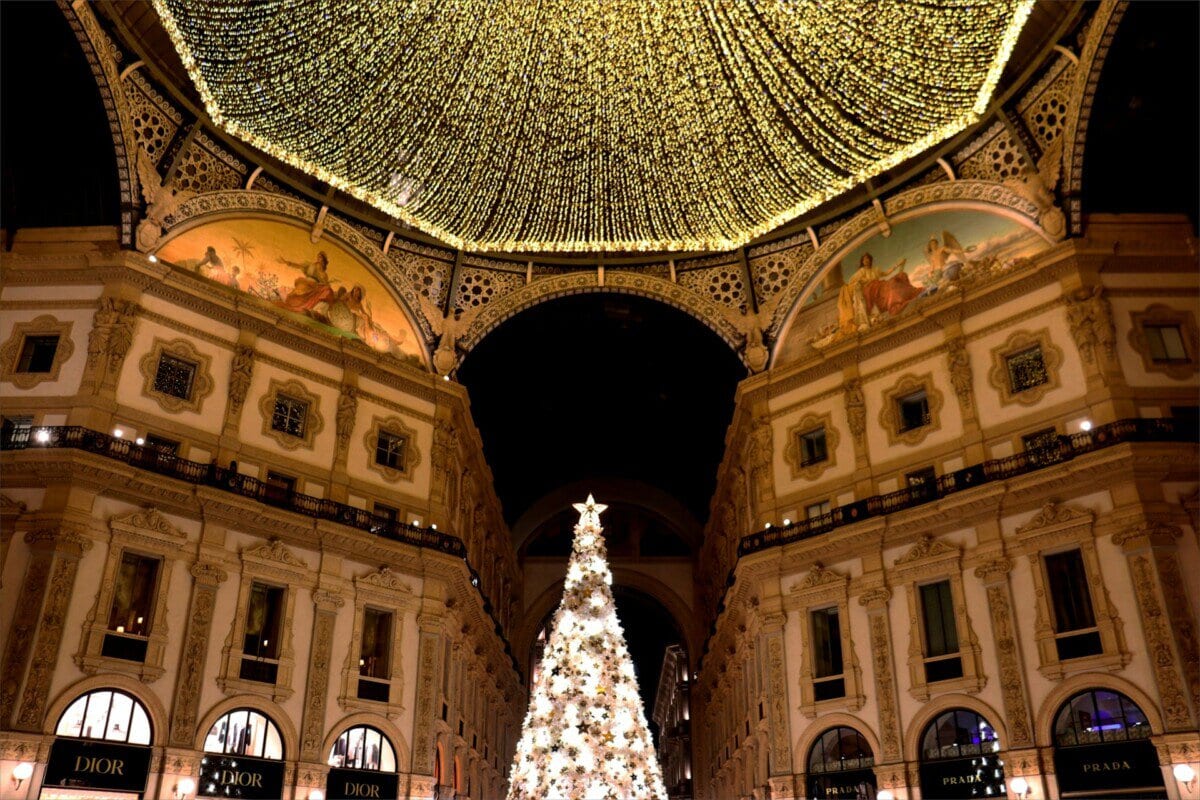
Milan in December transforms from a fashion-forward, business-first city into something unexpectedly festive. Christmas lights ripple across the Navigli canals and a towering tree rises in front of th...
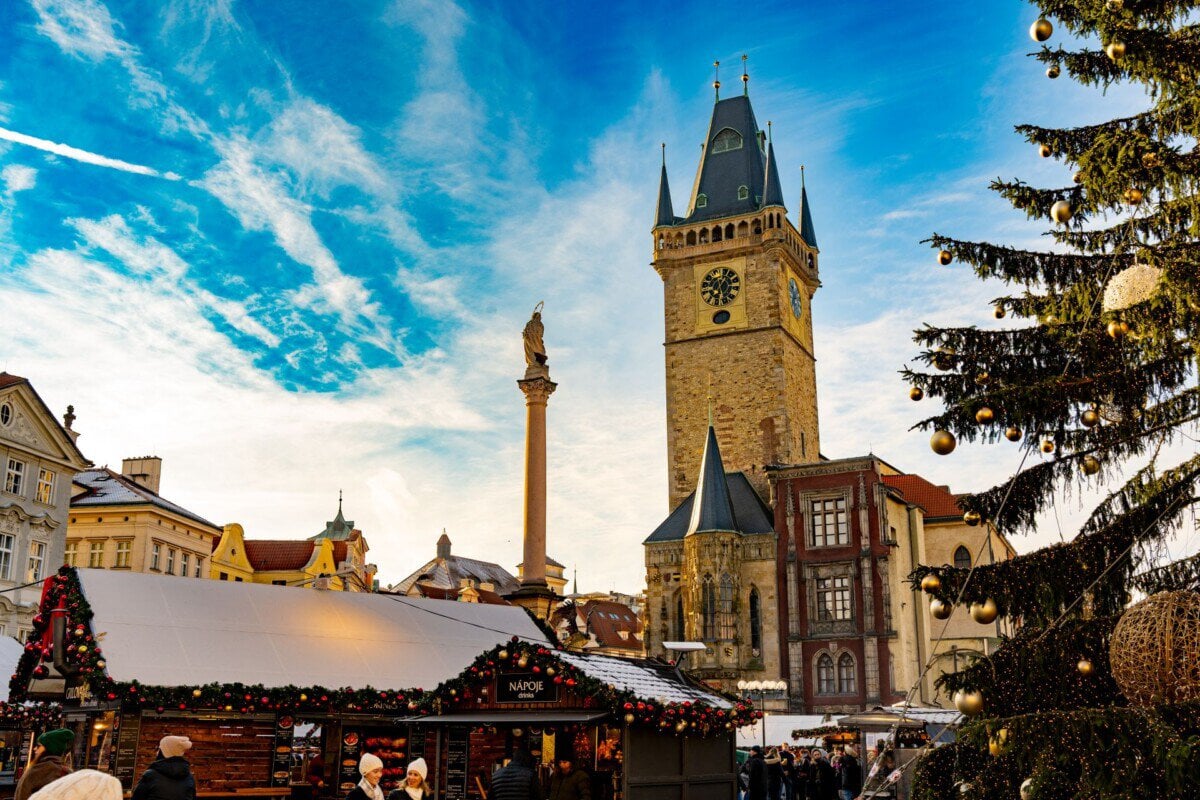
Christmas in Prague turns the city into one of Europe’s most photogenic winter destinations, and most of that magic radiates from a single square. From late November through the first week of Ja...
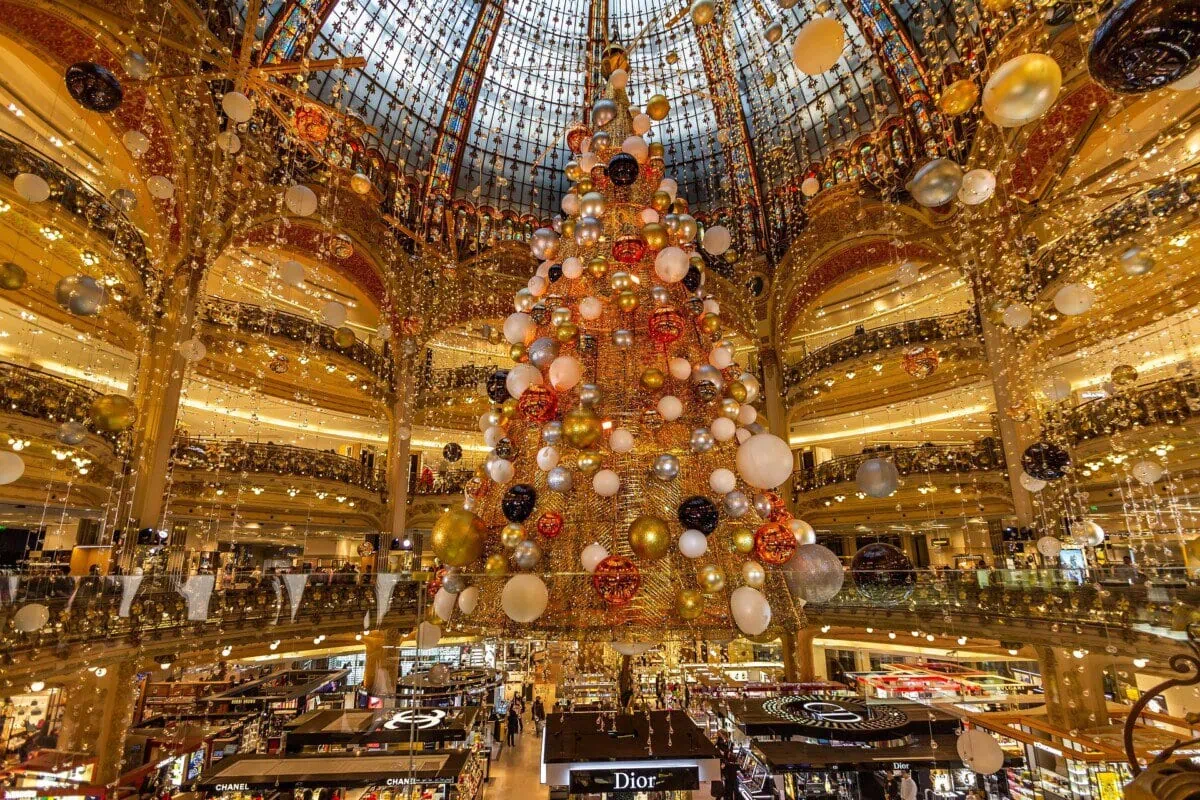
Paris does not build its festive season around one defining market the way Germany’s cities do. Illuminations, ice rinks and department store spectacle carry as much weight here as any single sq...
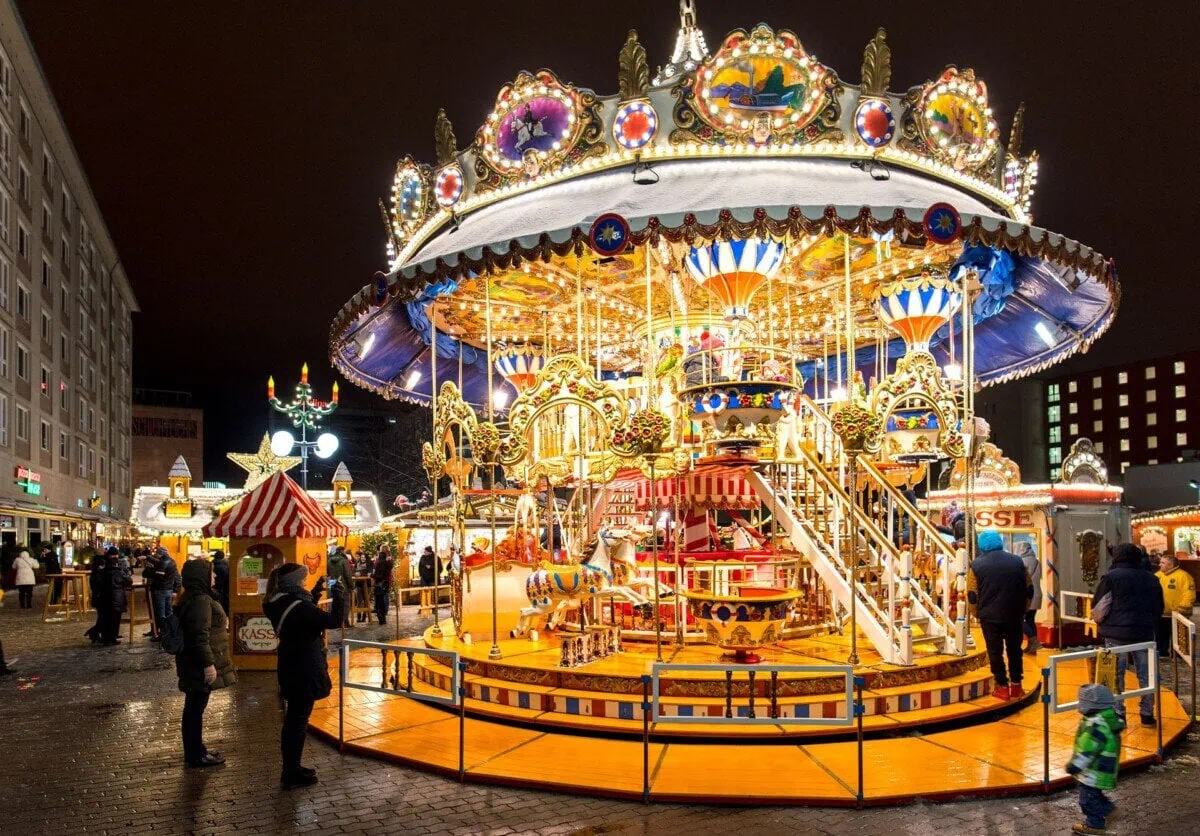
Every winter, Leipzig’s Markt square and six neighbouring locations across the old town fill with wooden stalls for the Leipziger Weihnachtsmarkt, first documented in 1458 when Frederick II, Ele...
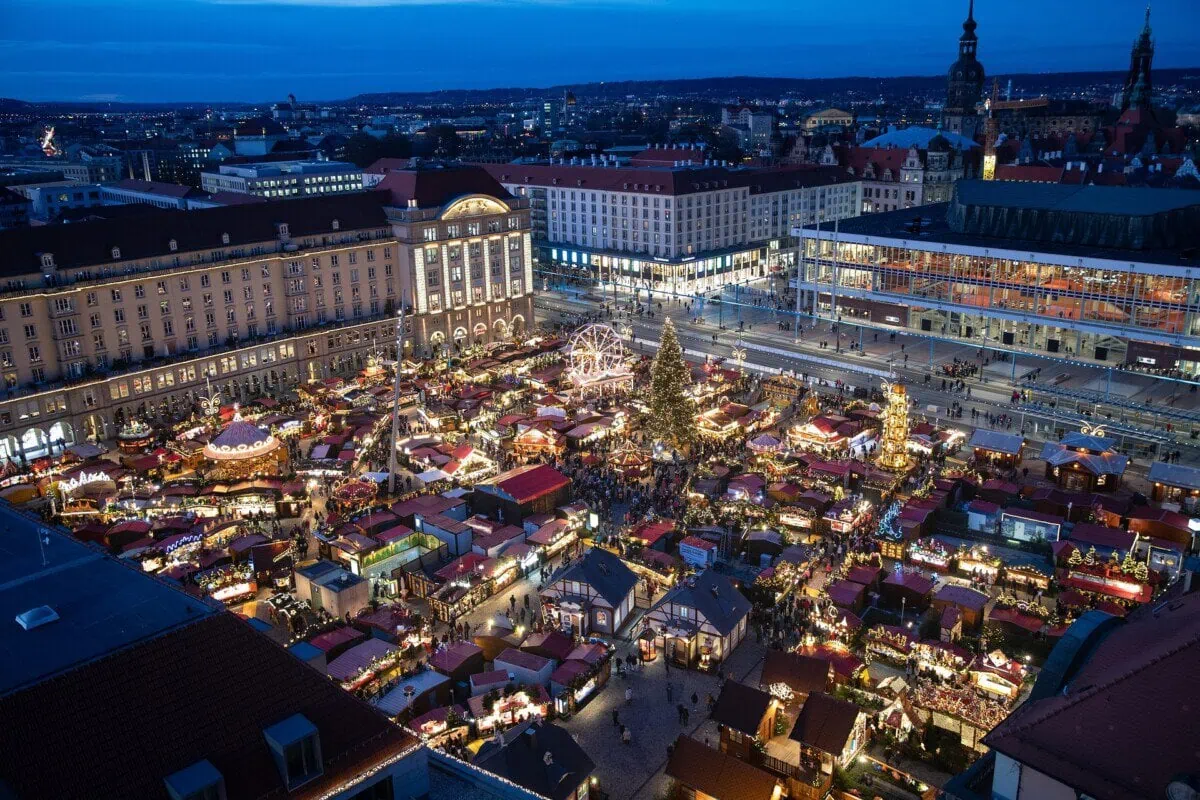
Every winter, Dresden’s Altmarkt square fills with wooden stalls for the Striezelmarkt, first documented in 1434 under Friedrich II, Elector of Saxony. That written record, a formal permission f...
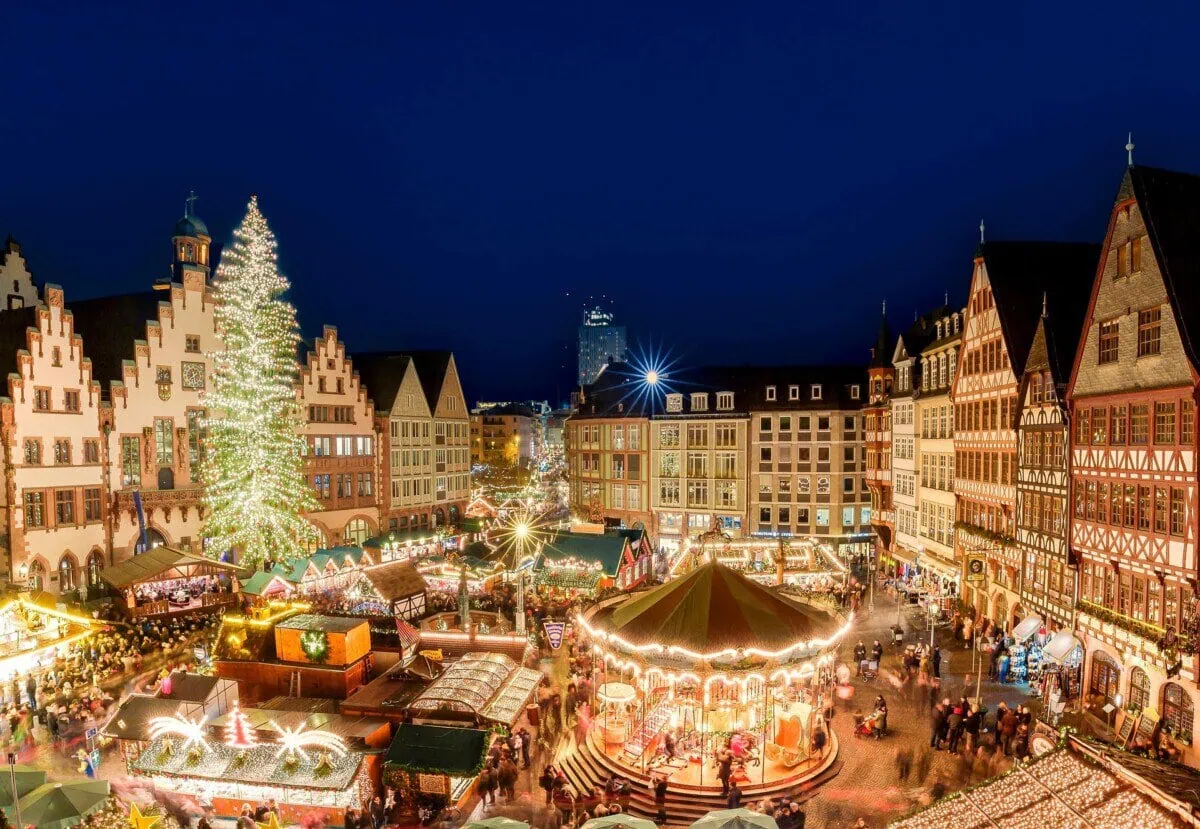
Frankfurt’s Christmas market is one of Germany’s oldest, tracing its roots to 1393, when mystery plays and trading stalls are first recorded on the Römerberg, the square in the heart of Fr...
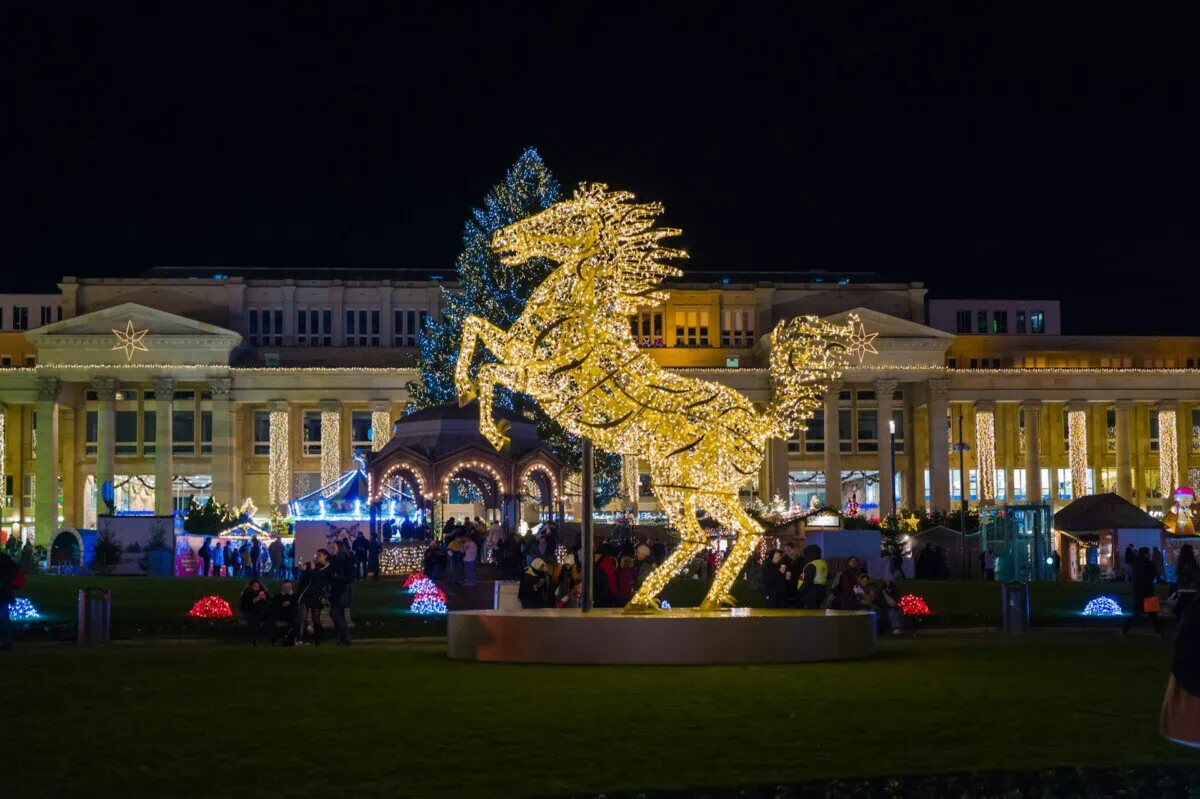
Every winter, Stuttgart’s Schlossplatz and Marktplatz fill with around 250 wooden stalls for the Stuttgarter Weihnachtsmarkt, one of Germany’s oldest and largest Christmas markets. It is o...
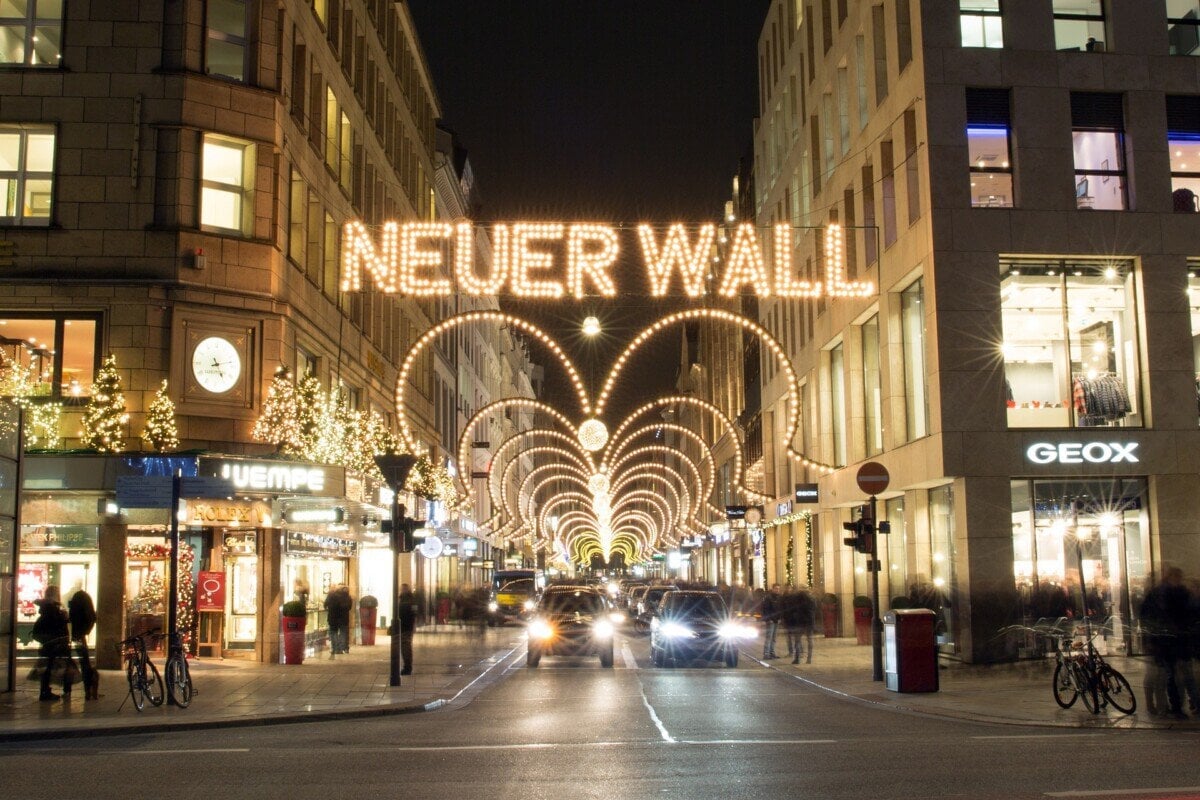
Hamburg’s Christmas season runs on a genuine handful of separate markets rather than one central square, each with its own atmosphere and setting. That variety follows the city’s own geogr...
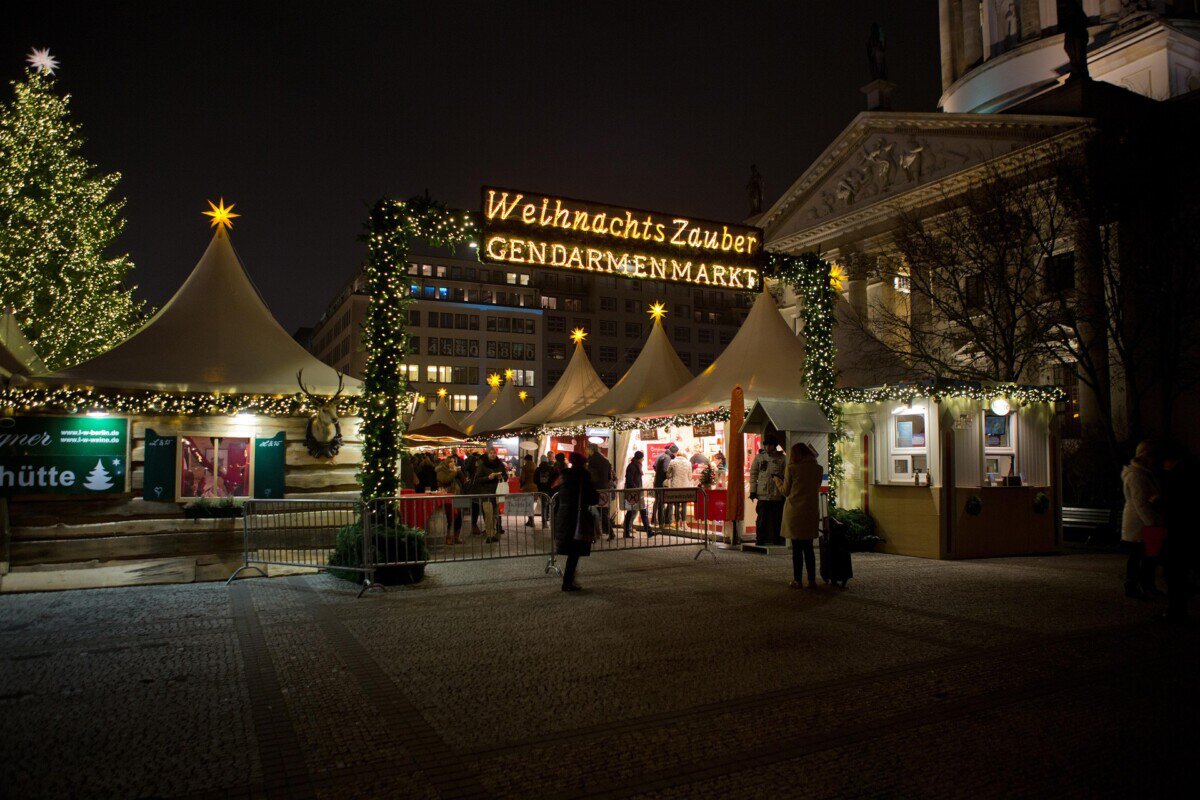
Berlin does not build its festive season around one historic square the way Frankfurt does with the Römerberg or Dresden does with the Altmarkt. The German capital instead scatters dozens of separate ...
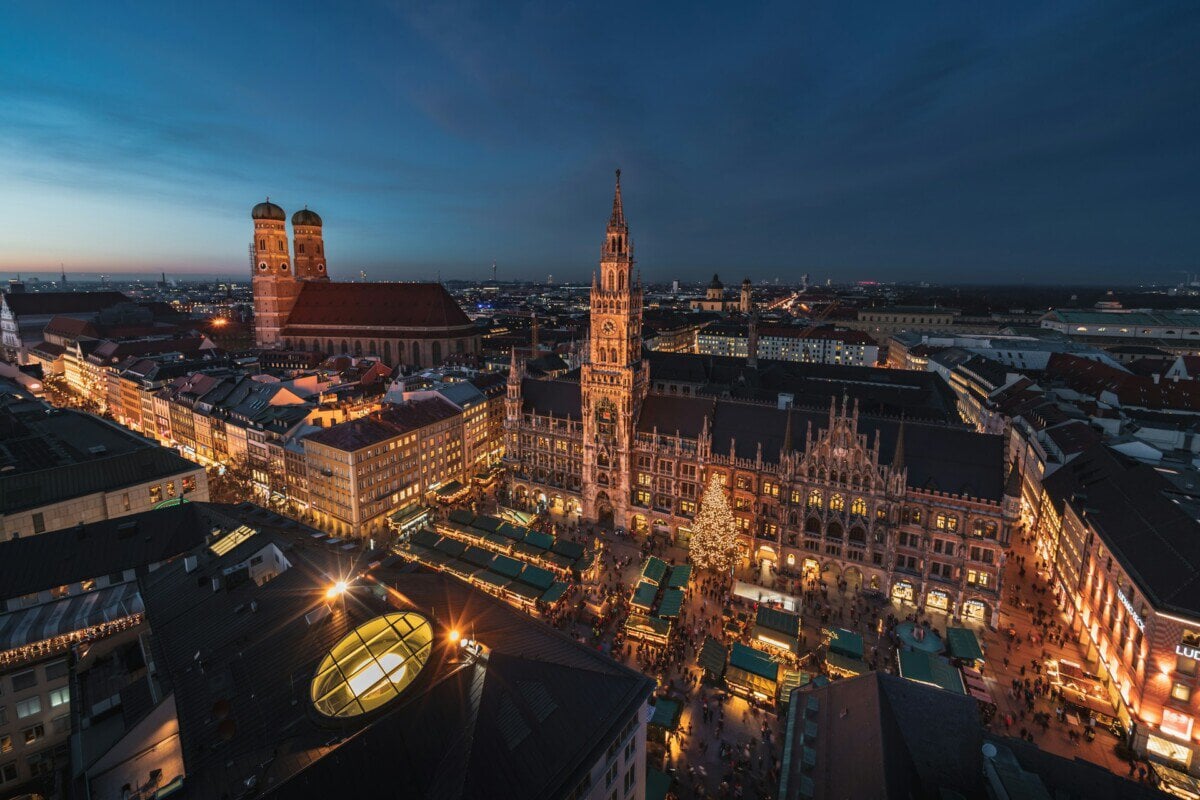
Munich’s festive season centres on the Christkindlmarkt at Marienplatz, first recorded as a Nikolaimarkt in 1310, which puts it among the oldest documented Christmas-season markets anywhere in t...
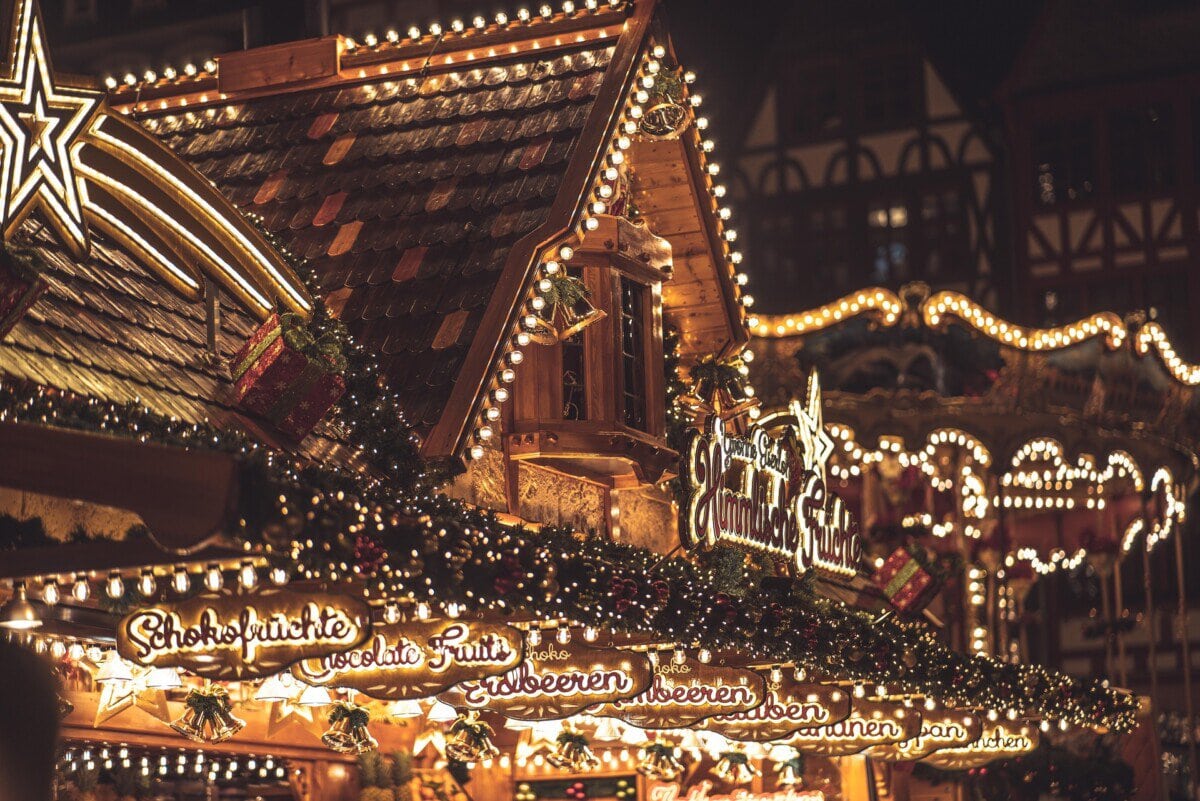
Germany’s Christmas markets grew out of medieval trading fairs held in the weeks before Christmas, when town councils granted merchants the right to sell meat, bread and provisions to residents ...
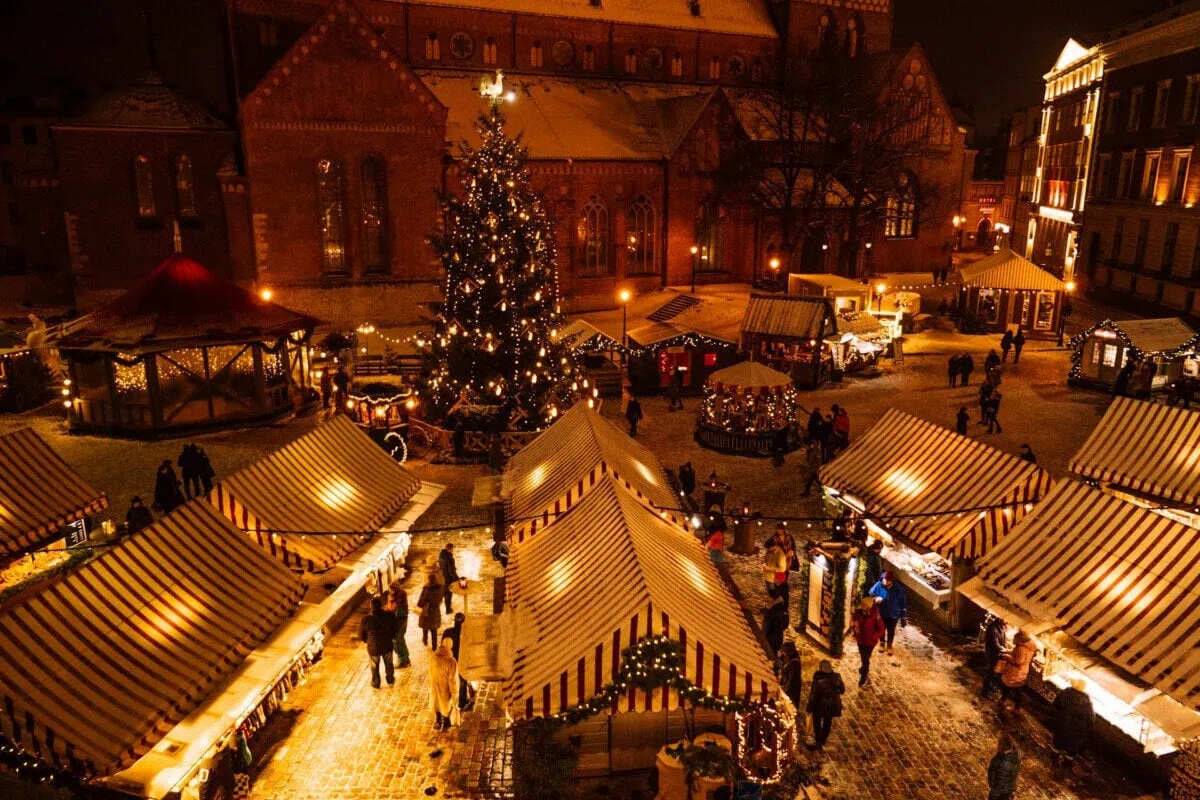
Riga’s Christmas market fills Dome Square (Doma laukums), the wide cobbled plaza beneath the twin spires of Riga Cathedral at the heart of the Latvian capital’s Old Town. Latvia’s of...
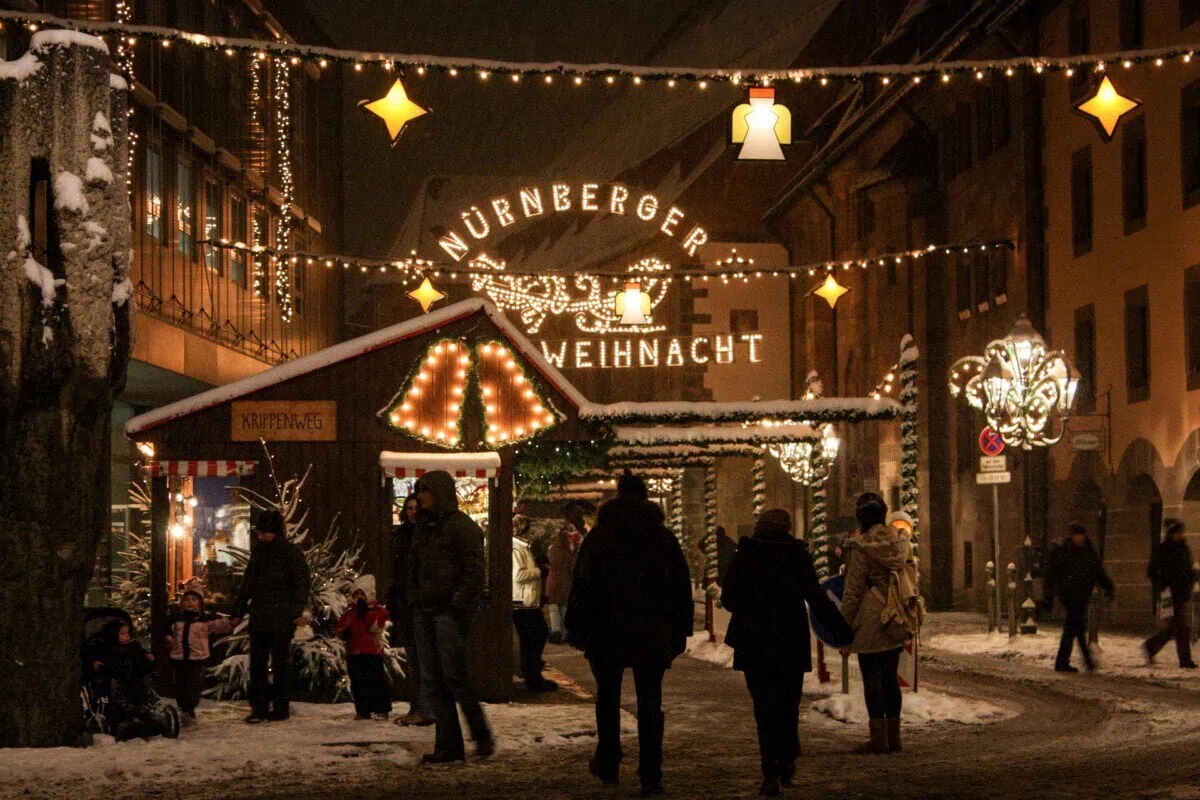
Nuremberg’s Christkindlesmarkt is one of the most famous Christmas markets in the world, filling the medieval Hauptmarkt square with red and white striped wooden stalls every Advent. It has run ...
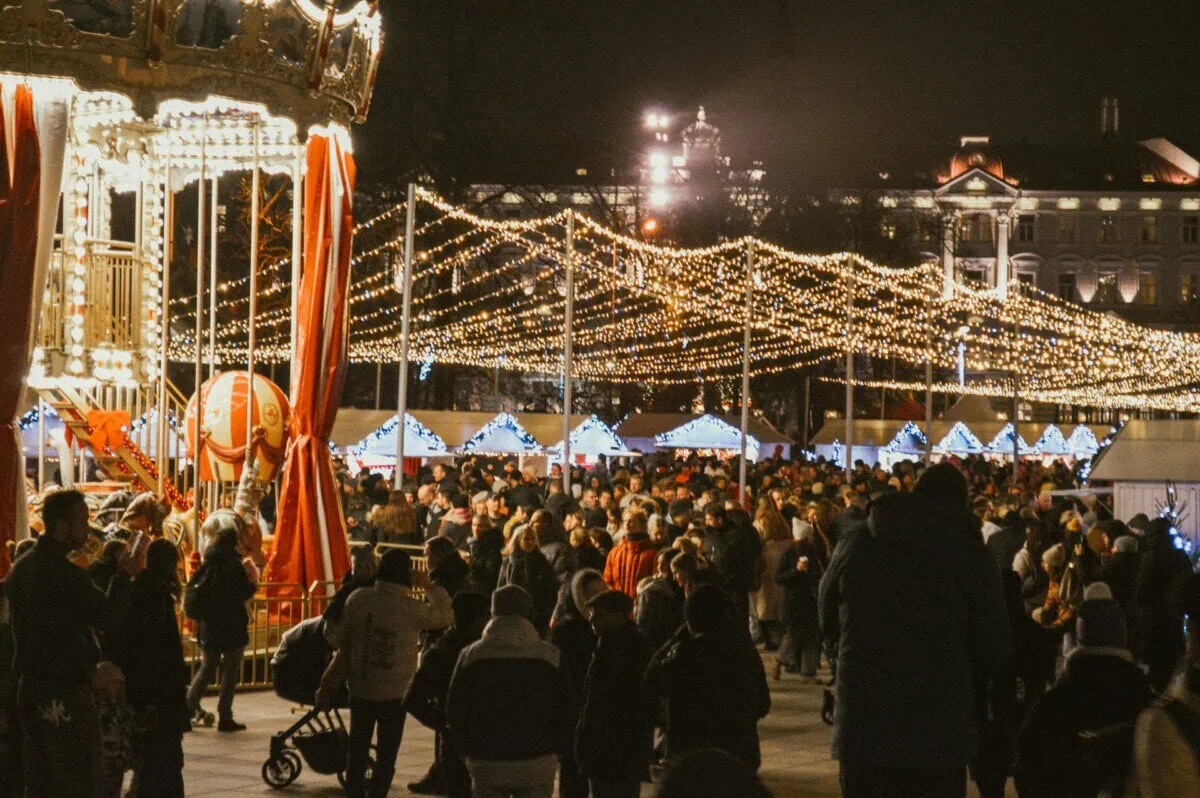
Vilnius’s Christmas market fills Cathedral Square every Advent, spreading wooden chalets across the wide open space in front of the city’s white colonnaded Cathedral. The square sits at th...
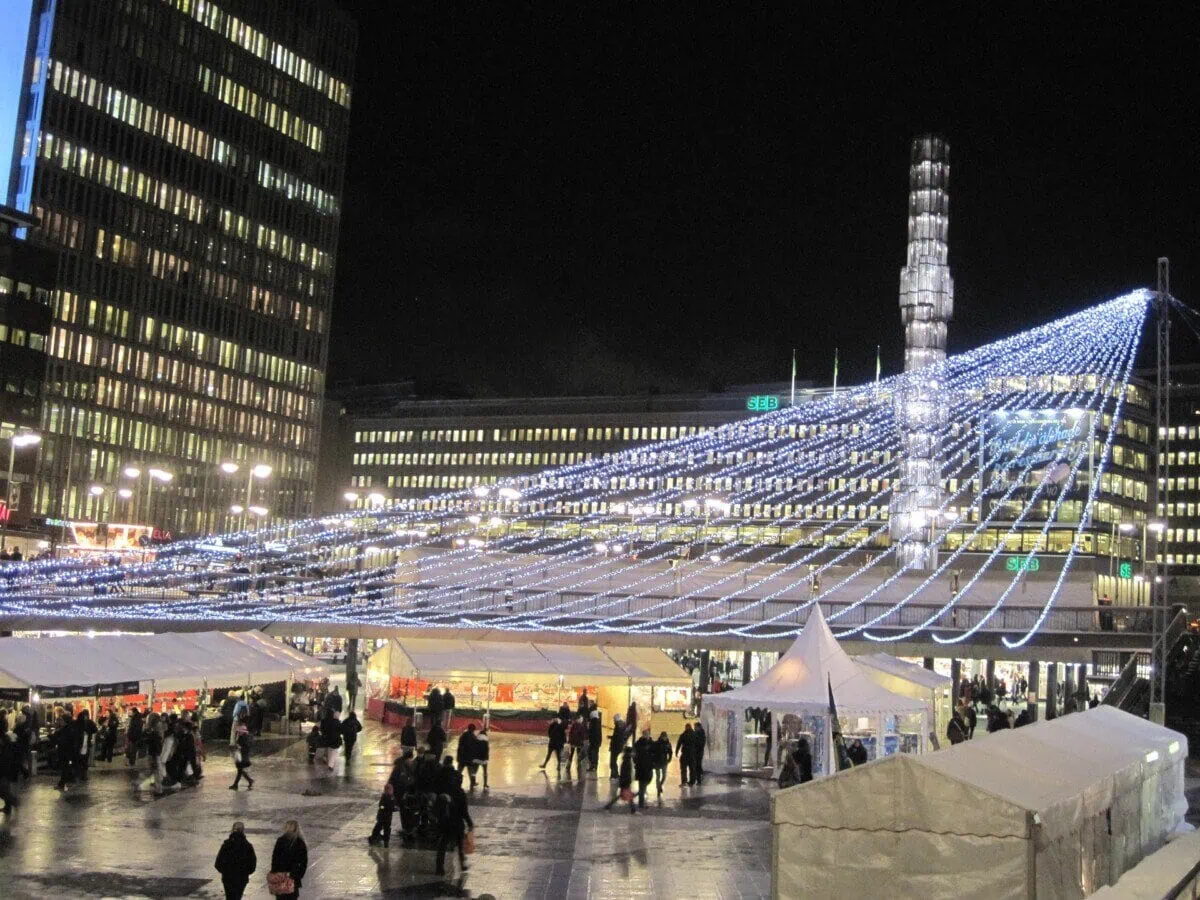
Stockholm takes Christmas seriously in a way that’s woven into the calendar rather than bolted on. The season stretches from the candlelit markets of late November through Lucia in mid-December,...
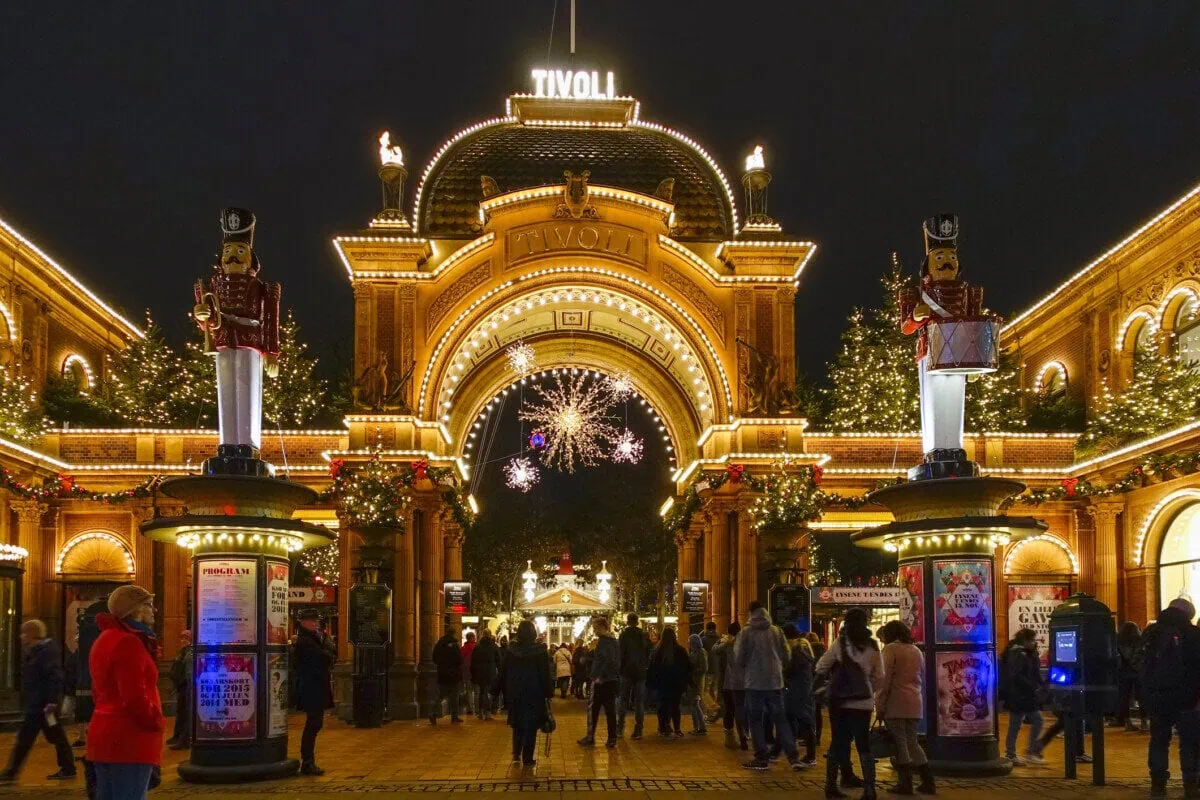
Copenhagen does Christmas differently from almost every other European capital. Instead of one grand square anchoring a single market, the city spreads six distinct sites across its compact centre, fr...
Travel discoveries, useful tips and behind-the-scenes moments from AppSavvyTraveller.


