Reviewed by our editorial team Published
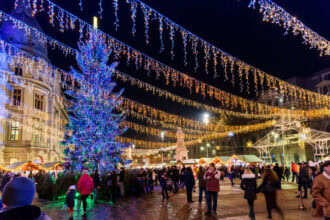
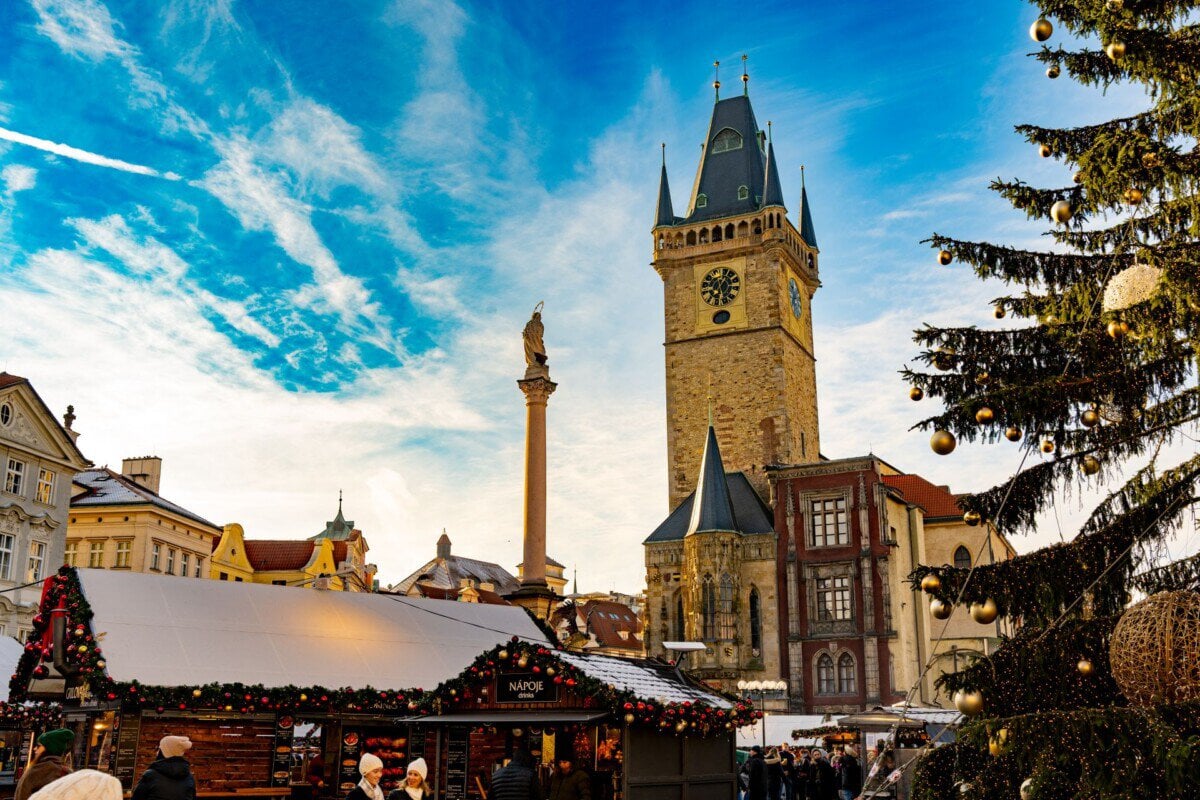
Christmas in Prague turns the city into one of Europe’s most photogenic winter destinations, and most of that magic radiates from a single square. From late November through the first week of January, wooden market huts wrap around the base of the Old Town Hall, and a towering spruce is strung with thousands of lights.
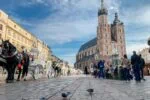
The Gothic spires of Týn Church loom over the whole scene like something lifted from a storybook. This year’s main markets are expected to run from around 28 November 2026 through 6 January 2027, a stretch covering Advent, Christmas itself, and the run into New Year.
Old Town Square (Staroměstské náměstí) is the undisputed centrepiece, but it is far from the only option. Wenceslas Square offers a longer, more modern strip of stalls with its own ice rink, while quieter neighbourhood markets such as Náměstí Míru give visitors a taste of how Prague locals actually spend their Advent weekends, away from the coach tour crowds.
Between the three, you get a genuine cross section of the city’s festive personality: grand and historic, lively and central, or calm and residential. This guide focuses specifically on the markets themselves, the food and drink that defines them, ice skating, New Year’s Eve, and the practical details, like store closures and what to pack, that make the difference between a smooth trip and a frustrating one.
For a broader list of sights and activities beyond the markets, our companion guide to things to do in Prague covers the rest of the city’s winter appeal. Prague in December is cold, often grey, and occasionally snowy, but the combination of candlelit squares, mulled wine, and centuries old architecture makes it one of the most atmospheric times of year to visit.
Prague’s Christmas Markets at a Glance
Prague runs several Christmas markets at once each winter, and knowing the differences before you arrive saves a lot of wandering. The table below summarises the main locations for the 2026 to 2027 season based on typical opening patterns; always check current signage or the official Prague City Tourism website for last minute changes.
Admission to every market listed here is free, so the figures below are about atmosphere and timing rather than cost. Use it as a starting point for planning which squares to prioritise if time is tight.
| Market | Location | Typical Dates (2026–27) | Vibe |
|---|---|---|---|
| Old Town Square | Staroměstské náměstí, Old Town | 28 Nov 2026 – 6 Jan 2027 | Grand and historic, main tree, nativity scene |
| Wenceslas Square | Václavské náměstí, New Town | 28 Nov 2026 – 6 Jan 2027 | Long stalls, ice rink, busy shopping street |
| Náměstí Míru | Vinohrady district | 20 Nov – 24 Dec 2026 | Small, local, quieter and cheaper |
| Náměstí Republiky | Near the Palladium centre | 25 Nov – 24 Dec 2026 | Compact and convenient, less crowded |
Old Town Square Christmas Market
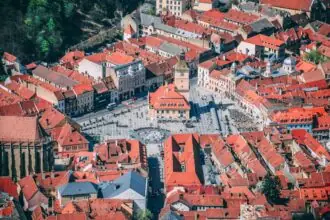
Old Town Square (Staroměstské náměstí) is where Prague’s Christmas season truly comes alive, and it is almost always the first stop for visitors. The market typically runs from around 28 November 2026 to 6 January 2027, with stalls open daily, generally from 10am to 10pm, though hours can shift slightly around Christmas Eve and New Year’s Eve.
A tall Christmas tree, brought in each year from a different region of the Czech Republic, stands at the centre of the square and is lit with thousands of bulbs each evening. Around it, dozens of wooden huts sell mulled wine, roasted chestnuts, hand carved wooden toys, glass ornaments, and traditional Czech crafts.
A life size nativity scene sits near the Old Town Hall and draws a steady stream of visitors taking photos. The market’s backdrop is arguably the best of any Christmas market in Europe, since the twin Gothic towers of Týn Church rise directly behind the stalls.
The Astronomical Clock on the Old Town Hall tower performs its hourly show just metres away, giving visitors an easy reason to linger between browsing stalls. Because Old Town Square is Prague’s single most photographed spot, it gets extremely busy, especially on weekends and in the run up to Christmas.
Arriving before 10am or after 8pm gives a noticeably calmer experience, and weekday mornings are the best window for photos without crowds in every shot. Admission to the market itself is free, so the only cost is whatever you eat, drink, or buy from the stalls.
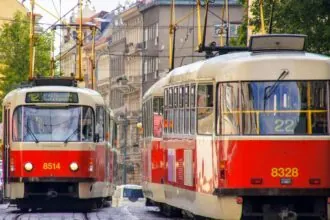
For visitors staying centrally, the square is walkable from most of the Old Town and easily reached by tram or metro from anywhere else in the city. Checking our guide to Prague’s public transport before you arrive makes getting here from an airport hotel or a suburb far less stressful.
Best for two or three nights. The widest choice of rooms, with filters for free cancellation and included breakfast.
View staysBest for groups who want one address and separate bedrooms rather than three hotel rooms.
See holiday homesBest as a last check before booking. Compares hotel rates across several sites in one search.
Compare ratesWenceslas Square Christmas Market
Wenceslas Square (Václavské náměstí) runs alongside Old Town Square for almost exactly the same dates, typically 28 November 2026 to 6 January 2027. Rather than clustering around a single tree, the stalls stretch in a long line down the middle of this wide boulevard, which sits between the Old Town and the New Town.
The result is a market that feels less like a single set piece and more like a festive high street. Food and drink stalls dominate here, with a similar range of svařák, klobása sausages, and trdelník to Old Town Square, though the atmosphere is slightly less crowded simply because the space is longer and wider.
One of the square’s more notable features is a public ice rink, which gives Wenceslas Square something Old Town Square does not have: a reason to linger for an hour rather than just walk through. The rink typically operates through the same window as the market and is lit in the evenings, adding to the festive feel after dark.
Wenceslas Square also sits directly above a metro station of the same name, making it one of the easiest markets in Prague to reach without walking far from public transport. Shoppers appreciate the location too, since the square is lined with department stores and shops that stay open through most of the festive period.
For visitors splitting a day between markets, walking from Old Town Square to Wenceslas Square takes only about ten minutes, making it easy to see both in a single outing. Anyone holding a Prague City Pass can usually combine a stroll through both markets with a nearby paid attraction without adding much extra walking to the day.
Náměstí Míru: Prague’s Local Christmas Market
For a different pace, Náměstí Míru (Peace Square) in the Vinohrady district offers one of Prague’s most authentic neighbourhood Christmas markets. It typically runs on a shorter schedule than the two main squares, roughly from 20 November to 24 December 2026, closing for the Christmas period itself rather than continuing into the New Year.
The square is dominated by the neo-Gothic Church of St Ludmila, which gives the market its own distinctive backdrop, quite different from the Old Town’s medieval towers. The stalls here are smaller in number and the prices noticeably friendlier, since the market caters mainly to residents of the surrounding neighbourhood rather than to tour groups.
Locals sometimes describe it as a market for residents rather than tourists, and it is common to hear more Czech than English spoken around the huts. The same core food and drink is available, mulled wine, sausages, and sweet pastries, but without the queues that build up in the city centre during peak afternoon and evening hours.
Náměstí Míru is a short tram or metro ride from the centre, since it has its own metro station on Line A, making it an easy add on for visitors who want to see how Prague celebrates away from the main tourist trail. Other smaller markets, including one near náměstí Republiky, follow a similar pattern of shorter opening windows and a more local feel.
Visiting one of these neighbourhood markets alongside the two big squares gives a genuinely rounded picture of Christmas in Prague, rather than just its most photographed corner. It is also a useful stop to combine with a wider day of sightseeing, since Vinohrady sits close to several routes covered in our guide to things to do in Prague.
The Best Route to See All Four Markets
Visiting all four markets in a single day is realistic if you plan the walking order well, since three of the four sit within easy reach of each other in the centre. Old Town Square is the natural starting point, both because it is the grandest of the four and because arriving early, before the day’s crowds build, gives the best chance of seeing the tree and nativity scene without a sea of heads in every photo.
From Old Town Square, it is a walk of around eight to ten minutes through the Old Town’s narrow streets to reach Náměstí Republiky, the compact market near the Palladium shopping centre. It is a quick stop rather than a lingering one, useful for a second mug of svařák or a browse of stalls with noticeably shorter queues than the main square.
Doubling back along Na Příkopě, the pedestrianised shopping street linking Náměstí Republiky with the top of Wenceslas Square, takes roughly twelve to fifteen minutes on foot, past department stores that make for a pleasant stroll even without stopping. This brings you to Wenceslas Square, where the long run of stalls and the ice rink make a good afternoon or early evening stop.
The final leg, out to Náměstí Míru in Vinohrady, is better covered by Metro Line A than on foot, since the neighbourhood square sits considerably further out than the other three, too far to comfortably walk after a day already spent on cobblestones. The same line already serves Wenceslas Square’s Muzeum station, so it is a short, direct hop rather than a change of lines. Since Náměstí Míru typically closes on 24 December while the other three run into the New Year, it is worth checking it is still open before making it the last stop on your route.
Christmas Market Food and Drink
Food and drink are at the heart of every Prague Christmas market, and the lineup barely changes from square to square. The signature treat is trdelník, a rolled pastry cooked over an open flame and coated in sugar and nuts, typically costing around 100 CZK (£3.45/€4.00/$4.70).
It is sold everywhere in the centre and, despite looking traditional, is actually a relatively modern addition to the city’s markets rather than an old Czech custom. Svařák, Czech mulled wine, is the other essential, usually served in a small mug for around 80 to 120 CZK (£2.80–4.10/€3.20–4.80/$3.75–5.65), with a deposit sometimes charged for the mug itself, refundable if you return it.
Medovina, a warmed honey wine, is a slightly stronger alternative at roughly 100 to 140 CZK (£3.45–4.85/€4.00–5.60/$4.70–6.55) and appeals to visitors who find svařák too sweet. For something non-alcoholic, hot chocolate is widely available for around 90 CZK (£3.10/€3.60/$4.20).
On the savoury side, klobása, a grilled Czech sausage served in bread with mustard, typically runs 90 to 150 CZK (£3.10–5.20/€3.60–6.00/$4.20–7.00). Bramboráky, crispy potato pancakes, cost around 70 to 100 CZK (£2.40–3.45/€2.80–4.00/$3.30–4.70), and fried cheese in a roll runs roughly 100 to 130 CZK (£3.45–4.50/€4.00–5.20/$4.70–6.10).
Gingerbread, known locally as perník, is another stall regular, sold both as a snack and as elaborately iced ornaments meant more for decoration than eating. It makes a lighter, less messy souvenir than a mug of svařák, and keeps far longer in a suitcase.
Czech beer is sold at most stalls too, generally around 80 CZK (£2.80/€3.20/$3.75) for a 0.4 litre cup, alongside soft drinks for those who want a break from mulled wine. One practical warning worth knowing is that some meat stalls price by the 100 grams rather than by the portion, so a display price can look far cheaper than what you actually pay once weighed.
Checking the total, or simply asking, before ordering avoids an unwelcome surprise at the till. It is a small habit that makes budgeting for an evening of grazing between stalls much easier.
Ice Skating in Prague
Ice skating is a big part of the festive season in Prague, and the most convenient rink for visitors sits right on Wenceslas Square, opening for the winter in early December and running through the same window as the Christmas markets. The rink is lit at night, which makes it a pleasant stop after dark when the market stalls are also at their busiest.
Skate hire, refreshments, and a heated tent are usually available on site for anyone without their own equipment. Beyond Wenceslas Square, Prague has several other seasonal and permanent rinks worth knowing about.
Ice Rink Letná, on the plateau above the river with views back toward the Castle, charges a modest admission of around 100 CZK (£3.45/€4.00/$4.70) for adults, with children admitted free, and is open daily from around 9am to 9pm. Ice Rink Střížkov is unusual for its circular shape, a rare layout in the Czech Republic, and has its own bistro serving mulled wine rinkside.
A smaller, more central option is Ovocný trh (Fruit Market), tucked just behind the Estates Theatre a few minutes’ walk from Old Town Square. It often runs with free entry, with skate hire charged separately, making it a handy choice for a quick skate without detouring far from the market stalls. Most of Prague’s rinks, including this one, stay open well beyond the Christmas season itself, typically running from early December through to late February.
Admission fees across Prague’s rinks are generally modest by Western European standards, though skate hire is usually charged separately from entry, typically around 100 to 150 CZK (£3.45–5.20/€4.00–6.00/$4.70–7.00) for a session. None of the central rinks require advance booking for casual visitors, but arriving outside peak afternoon and evening hours makes it easier to actually skate rather than shuffle around a crowded rink.
Bringing thick socks and gloves is worth doing even if you plan to hire skates, since rental boots are rarely as warm as your own footwear. For families, the rinks tend to be a welcome break from walking between markets, giving children, and tired adults, somewhere to burn off energy that is not another queue for trdelník.
More Christmas Things to Do Beyond the Markets
The markets are the main event, but Prague’s festive season runs well beyond the stalls. Christmas concerts fill the city’s churches and concert halls through December, from the Art Nouveau splendour of Municipal House (Obecní dům) to carol concerts held inside St Nicholas Church in Malá Strana. Our guide to things to do in Prague covers the classical concerts held in the Mirror Chapel, another popular festive concert venue worth adding to the list.
For something more theatrical, the National Theatre and the State Opera both stage Nutcracker performances over the festive period, a good option for an evening away from the cold once the market stalls have closed for the night.
Anyone spending Christmas Eve itself in the city, rather than just the market weeks either side of it, will find the day centred on a home cooked meal rather than another trip to the stalls. The traditional Czech Christmas Eve dinner is fried carp with potato salad, followed by vánočka, a braided sweet bread similar to brioche. Some restaurants that stay open on 24 December put a version of this menu on for visitors who want to try it without cooking themselves.
Best for finding routes the airlines do not sell as a single ticket. Combines carriers to bring the fare down.
Search flightsBest if you want maps and messaging working the moment you switch your phone on.
See eSIM plansBest if you would rather not work out the transport on arrival. Book it now and forget it.
View transfersNew Year’s Eve in Prague
New Year’s Eve in Prague centres on Old Town Square, where the city runs an official open air celebration rather than the informal fireworks free for all of years past. The programme is free to attend and typically runs for several hours, starting with a children’s celebration in the late afternoon, usually around 5pm, before moving into a longer run of live bands and DJs that alternate every 30 to 45 minutes until midnight.
The square’s central viewing platform closes overnight, from around 10pm to 9am, for crowd safety. Full details for the current year’s programme are published on the official Prague City Tourism event page, which is worth checking closer to the date.
Worth knowing before you go: Prague’s historic centre, including the area around Old Town Square, Wenceslas Square, and the Vltava riverbanks, has banned personal fireworks since a 2020 city decree, along with a 50 metre buffer around parks and waterways. This means the large, chaotic firework displays some visitors expect from photos of Christmases past no longer happen in the centre in the same way.
The city has instead leaned toward organised music programming and, in some years, videomapping or drone displays as a lower noise alternative. It is still worth checking closer to the date, since exact entertainment plans are usually confirmed only a few weeks ahead.
Away from the official programme, plenty of bars, restaurants, and river cruises around the city run their own New Year’s Eve events, and some fireworks are still visible from areas outside the restricted zone, though nothing is guaranteed. Anyone interested in marking the occasion on the water could look at our guide to Prague river cruises for options that run special evening sailings.
If you are chasing a big fireworks moment, Prague’s Old Town Square is no longer a reliable bet for that specific experience. For atmosphere, live music, and celebrating in one of Europe’s most beautiful squares, though, it remains hard to beat.
Store Hours and Public Holiday Closures
Christmas in Prague comes with a handful of retail quirks that catch visitors out most years. On 24 December, Czech law requires large stores, generally those over 200 square metres, to close by around midday, while small independent shops are free to stay open longer if they choose.
This means grocery runs and last minute shopping need to happen in the morning, not the afternoon. 25 and 26 December, Christmas Day and St Stephen’s Day, are both full public holidays, and large shops and restaurants are closed all day.
Exceptions typically include pharmacies, shops inside the airport and main railway stations, and petrol station convenience stores, so essentials are never completely unreachable, just harder to find. Restaurants tend to have less availability too, since many close entirely for family time over these two days.
31 December is not itself a public holiday, but supermarkets cut their hours sharply. Discount chains often close by around 5pm, while larger chains such as Tesco and Kaufland typically close by 6pm, sometimes earlier at branches inside shopping centres.
1 January, New Year’s Day, is a full public holiday, and most major supermarkets remain closed, with normal hours resuming from 2 January. The safest approach for visitors is to treat the morning of 24 December as the last reliable shopping window before this multi-day closure period begins.
Stock up on anything essential, snacks, water, medication, before then. The Christmas markets themselves are the exception to all of this, since they generally keep running, with earlier closing times on 24 and 31 December, even while regular shops shut their doors.
What to Pack: December Weather in Prague
Prague in December is reliably cold, though rarely extreme. Daytime highs average around 2°C (36°F), with overnight lows dropping to around minus 2°C (28°F), a climate broadly comparable to a Midwestern American winter.
Snow is unpredictable: some years bring a proper white Christmas, others see the city stay grey and damp right through the market season, so it is worth packing for both possibilities rather than counting on snow for photos. Rainfall and snowfall together average under 25mm across the month, so heavy precipitation is not really the main issue.
The bigger challenge is simply the short daylight: the sun sets around 4:30pm in December, meaning the Christmas markets are lit and in full atmosphere for most of the afternoon and evening, but also that outdoor sightseeing time is genuinely limited if you want to see the city by daylight too.
Layering is the most useful packing strategy. A thermal base layer, a warm jumper, and a proper insulated coat will cover most days, with a hat, gloves, and a scarf essential rather than optional given how much walking a Prague Christmas trip typically involves.
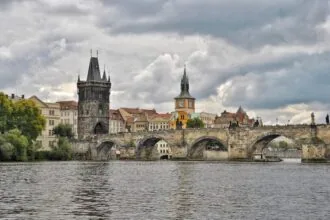
Waterproof, comfortable boots matter more than style here: the cobblestones across the Old Town and Charles Bridge get slippery when wet or icy, and Prague is not a city where heels or smooth soled shoes hold up well. Hand warmers are a small addition that make a real difference for anyone planning to spend an hour or more browsing market stalls.
A reusable insulated cup is also worth bringing if you plan to drink several rounds of svařák, since some stalls charge a deposit on their mugs that you only get back by returning them. Anyone travelling on to other parts of the country afterward may also want to glance at our guide to Prague day trips for how the weather compares beyond the capital.
Rupert’s Handy Travel Tips
I’ve trotted round Old Town Square in the snow more than once, so here is what I’d want you to know before joining the crowds around the tree.
- Go early or go late: Old Town Square before 10am or after 8pm is a completely different, calmer place than the same square at 3pm on a Saturday.
- Bring cash and small notes: most stalls take cards now, but a few smaller huts still prefer cash, and change for large notes can be slow to arrive.
- Return your mug: the deposit charged on svařák and medovina mugs is refundable, so keep your receipt and take it back rather than walking off with a souvenir cup by accident.
- Check the meat stall pricing: some sausage and ham stalls price per 100 grams rather than per portion, so ask the total before you order.
- Shop before 24 December: large supermarkets close by midday on Christmas Eve and stay shut for two full days, so do your final grocery run in the morning.
- Don’t expect big fireworks on New Year’s Eve: personal fireworks are banned across the historic centre, so the Old Town Square celebration is built around live music rather than a firework finale.
Want to meet the reindeer behind our travel tips? Find out more in our page Who is Rupert?.




Frequently Asked Questions
When do Prague’s Christmas markets open in 2026?
The two main markets, Old Town Square and Wenceslas Square, are expected to run from around 28 November 2026 to 6 January 2027, daily from roughly 10am to 10pm. Smaller markets such as Náměstí Míru typically open a little earlier, around 20 November, but close on 24 December rather than continuing into the New Year.
Are Prague’s Christmas markets free to enter?
Yes. Every market covered in this guide, from Old Town Square to the neighbourhood markets, is free to walk around, and the only costs are for food, drink, and anything you choose to buy from the stalls.
Is Old Town Square worth visiting if it’s crowded?
Yes, though timing helps a lot. Visiting before 10am or after 8pm, especially on weekdays, gives a much calmer experience of the tree, the nativity scene, and the market huts than a Saturday afternoon in the week before Christmas.
Are there still fireworks in Prague on New Year’s Eve?
Personal fireworks have been banned across Prague’s historic centre, including around Old Town Square, since a 2020 city decree. The official New Year’s Eve programme on Old Town Square is centred on live music and DJs rather than a fireworks display, though organised light shows have featured in some past years.
What shops are closed over Christmas in Prague?
Large stores close by around midday on 24 December, then stay fully closed on 25 and 26 December. Supermarkets cut their hours sharply on 31 December and are closed again on 1 January, so mornings before these dates are the safest time to shop.
Do I need to book ice skating in Prague in advance?
No, casual skating sessions at rinks such as the one on Wenceslas Square or Ice Rink Letná do not usually require advance booking, though arriving outside the busiest afternoon and evening hours makes for a more comfortable skate.
Further Reading
Christmas is only one layer of what Prague has to offer, and pairing this guide with a look at things to do in Prague rounds out a festive trip with the museums, viewpoints, and historic sights that stay open all year. Getting around between markets and attractions is straightforward once you understand the network, and our guide to Prague’s public transport covers trams, the metro, and ticket options for visitors staying more than a day or two.
For visitors trying to fit in several paid attractions alongside the markets, it is worth comparing costs against the Prague City Pass, which bundles entry to a number of sights and can work out cheaper than paying individually. Anyone flying in for the festive season should also check our guide to Prague airport transfers before arrival, since timings shift slightly around the holiday period.
Finally, for travellers with a few extra days either side of Christmas, our guide to Prague day trips covers worthwhile destinations within a couple of hours of the capital, useful for balancing market visits with time outside the city.