Reviewed by our editorial team Updated
Discover Mont-Saint-Michel
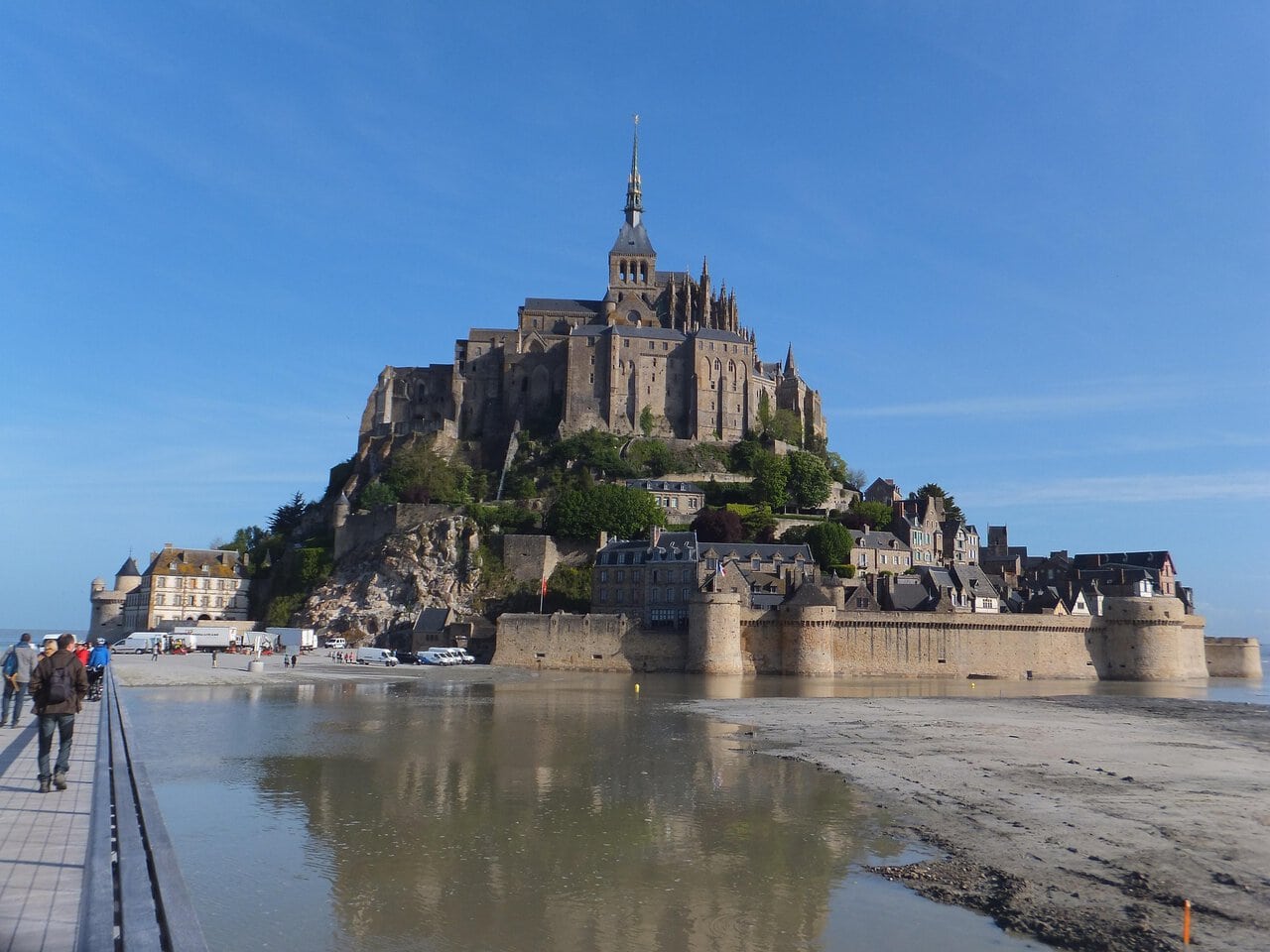
Rising dramatically from the tidal waters of Normandy, Mont-Saint-Michel is one of the most recognisable landmarks in the world. Crowned by its magnificent medieval abbey and surrounded by ancient stone walls, the island has inspired pilgrims, artists and travellers for more than 1,300 years. Today it is one of France’s most visited attractions and a UNESCO World Heritage Site, attracting millions of visitors every year.
What makes Mont-Saint-Michel so extraordinary is the combination of its spectacular setting and remarkable history. At high tide, the island appears to float above the sea, while at low tide vast stretches of sand surround its ancient walls, completely transforming the landscape. This constantly changing environment creates a destination unlike anywhere else in Europe.
Beyond its famous skyline lies a maze of medieval streets, centuries-old houses, defensive ramparts, museums, restaurants and one of the greatest monastic buildings ever constructed. Whether you’re climbing to the abbey, watching the tide race across the bay, enjoying panoramic views from the walls or staying overnight after the crowds have departed, Mont-Saint-Michel offers an unforgettable experience.
This guide explains everything you need to know before visiting, from understanding the tides and reaching the island to discovering its hidden corners, choosing where to eat and deciding whether an overnight stay is worth it.
Discover a UNESCO World Heritage Site
Mont-Saint-Michel was inscribed as a UNESCO World Heritage Site in 1979, recognising both the extraordinary medieval abbey and the remarkable natural landscape of the surrounding bay. Together, they form one of the world’s most celebrated cultural and natural landmarks.
UNESCO recognised Mont-Saint-Michel because of its exceptional combination of history, architecture, religion and landscape. Rising from a granite island in one of Europe’s largest tidal bays, the abbey has welcomed pilgrims for more than 1,300 years and represents one of the finest achievements of medieval engineering. Constructing such an enormous monastery on a small rocky outcrop required remarkable skill, with each generation expanding the complex higher above the island.
The surrounding bay is equally important. The dramatic tides constantly transform the landscape, sometimes surrounding the island with water and, just hours later, revealing vast sandbanks stretching towards the horizon. This unique environment has shaped life on Mont-Saint-Michel for centuries and remains one of the defining features of any visit.
Today, UNESCO protection helps preserve both the abbey and the fragile ecosystem of the bay for future generations. Ongoing conservation projects protect the historic buildings, while carefully managed environmental work ensures Mont-Saint-Michel retains its island character despite centuries of changing coastlines and human activity.
Whether you’re fascinated by medieval history, religious heritage or simply one of the world’s most spectacular landscapes, visiting a UNESCO World Heritage Site adds another dimension to the experience.
Learn More from UNESCO
This destination is connected to a UNESCO World Heritage Site, recognised for its outstanding cultural, historical, or natural importance. You can explore official listings, background information, and protected heritage sites through UNESCO’s global database.
Best if you want daily housekeeping and a front desk. Filter by area first, then by price.
Check availabilityBest for families, or any stay past about four nights. A kitchen and a washing machine start paying for themselves.
Browse rentalsBest for double-checking. Runs the same search across several booking sites so you are not leaving money behind.
Compare pricesAt a Glance: Why Visit Mont-Saint-Michel?
Few destinations combine history, architecture, religion and natural beauty as successfully as Mont-Saint-Michel. Although the island measures less than one kilometre in circumference, it contains enough attractions to comfortably occupy an entire day.
The island’s greatest attraction is undoubtedly the magnificent Mont-Saint-Michel Abbey, perched at the highest point of the rocky island. Beneath it, narrow medieval streets climb steadily towards the summit, lined with centuries-old buildings, cafés, museums and small shops that have welcomed visitors for generations.
Surrounding the island are the vast tidal flats of Mont-Saint-Michel Bay, home to some of Europe’s highest tides. Depending on the time of day, you’ll either walk across a causeway surrounded by water or find yourself looking out across seemingly endless sandbanks stretching towards the horizon.
Visitors also come simply to admire the island itself. Whether viewed from the causeway, from one of the surrounding viewpoints or illuminated after dark, Mont-Saint-Michel is one of the most photogenic places in France.
Unlike many famous landmarks, Mont-Saint-Michel rewards visitors who take their time. The busiest streets may become crowded during the middle of the day, but quieter corners, peaceful ramparts and breathtaking viewpoints are never far away. Spend a full day here (or, even better, stay overnight) and you’ll discover why this extraordinary island has fascinated travellers for centuries.
When is the Best Time to Visit Mont-Saint-Michel?
Mont-Saint-Michel is spectacular throughout the year, but your experience can vary dramatically depending on the season, the weather and even the time of day you arrive.
For most visitors, late spring and early autumn provide the ideal balance. During May, June, September and early October, temperatures are generally pleasant, daylight hours are long and visitor numbers are lower than during the peak summer holidays. These months are particularly enjoyable for walking the ramparts, exploring the surrounding bay and photographing the island in softer light.
July and August bring the warmest weather but also the largest crowds. The island’s narrow streets can become extremely busy during the middle of the day, especially when tour coaches arrive. If you’re visiting during summer, aim to arrive early in the morning or remain until the evening, when the atmosphere becomes noticeably quieter.
Winter offers a completely different experience. While temperatures are cooler and daylight hours shorter, visitor numbers drop significantly. Seeing Mont-Saint-Michel surrounded by mist, dramatic skies or even occasional frost creates an unforgettable atmosphere, while the quieter streets make it easier to appreciate the island’s medieval character.
Whatever season you choose, it’s equally important to check the tide times before your visit. The appearance of Mont-Saint-Michel changes completely between low and high tide, and planning your day around the changing sea levels allows you to experience one of the island’s greatest natural spectacles.
Understanding the Tides
The tides are one of the main reasons Mont-Saint-Michel is so famous. They don’t simply change the view. They completely transform the landscape surrounding the island.
At high tide, the sea surrounds Mont-Saint-Michel, giving the impression that the abbey is floating above the water. At low tide, the sea retreats for several kilometres, exposing vast sandbanks that stretch across the bay. This remarkable transformation occurs twice each day and has shaped the island’s history for more than a thousand years.
Contrary to popular belief, the island is not surrounded by water all the time. In fact, visitors arriving without checking the tide tables are often surprised to find extensive sandy flats instead of open sea. Both conditions are fascinating, which is why many people deliberately plan their visit to experience both high and low tide on the same day.
The tides in Mont-Saint-Michel Bay are among the largest in Europe, and the returning sea can move remarkably quickly. Although the old saying that it comes in “as fast as a galloping horse” is more poetic than scientific, the rising tide can still be dangerous. Visitors should never attempt to walk across the bay without an authorised guide, as hidden channels and areas of quicksand create genuine hazards.
Checking the official tide timetable before you travel is therefore highly recommended. If your schedule allows, arrive before low tide, explore the island during the day and remain until high tide approaches. Watching the landscape gradually transform is one of the highlights of any visit to Mont-Saint-Michel.

How to Get to Mont-Saint-Michel
Despite its seemingly isolated location rising from the bay, Mont-Saint-Michel is surprisingly easy to reach. Whether you’re travelling by car, train, coach or joining an organised tour, modern transport links make visiting one of France’s most famous landmarks straightforward.
For most visitors, driving offers the greatest flexibility. Excellent roads connect the island with major destinations including Caen, Saint-Malo, Rennes, Bayeux and Cherbourg, making Mont-Saint-Michel an ideal stop on a wider Normandy or Brittany road trip. Once you reach the visitor complex, private vehicles are left in the designated parking area before continuing to the island by shuttle bus or on foot.
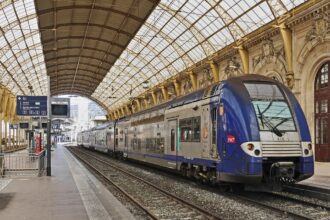
Travelling by train is also relatively simple. The nearest railway station is Pontorson–Mont-Saint-Michel, served by regional trains from Rennes, with onward connections to Paris, Caen and other major French cities. On arrival, dedicated shuttle buses meet many train services and transfer passengers directly to the island.
Several coach companies also operate direct services during the tourist season, while numerous day tours depart from cities including Paris, Bayeux, Caen, Saint-Malo and Rennes. These tours often include transport, free time on the island and, in some cases, guided visits to the abbey.
Whichever method you choose, try to arrive early in the morning or later in the afternoon. Not only will parking be easier, but you’ll also avoid the busiest period when thousands of visitors arrive during the middle of the day.
Parking and the Shuttle Bus
Private vehicles are not permitted on Mont-Saint-Michel itself. Instead, all visitors use the purpose-built visitor centre located approximately 2.5 kilometres from the island.
The visitor complex includes several large pay-and-display car parks, with separate areas for cars, motorhomes, motorcycles and coaches. During busy periods, particularly in summer and throughout the Christmas and Easter holidays, the car parks can become extremely busy by late morning, making an early arrival worthwhile. A full day’s parking currently costs from around €14 (£12/$16) in the quieter low season, rising to roughly €22 (£19/$25) in spring and autumn and up to €28 (£25/$32) during the July–August peak, according to the official visitor centre tariffs.
Once you’ve parked, reaching the island is simple. The free Passeur Shuttle Bus operates continuously throughout the day, transporting visitors between the visitor centre and the entrance to Mont-Saint-Michel. The journey takes approximately 10 to 15 minutes, depending on visitor numbers and traffic.
The buses are modern, accessible and operate at frequent intervals, so waiting times are generally short. They stop just before the entrance to the island, leaving only a short walk across the bridge to the main gate.
Many visitors, however, choose to walk instead of taking the shuttle — the route follows the same causeway, and it’s worth the extra time. See the next section for what that walk is actually like.
At the end of your visit, simply return using either the shuttle bus or the same scenic walking route back to the visitor centre.
Walking Across the Causeway
For many visitors, the walk to Mont-Saint-Michel is as memorable as exploring the island itself. Rather than taking the shuttle bus, consider allowing yourself enough time to make the journey on foot. The gradual approach provides some of the finest views of the abbey and allows you to fully appreciate its dramatic setting within the bay.
The modern pedestrian causeway stretches for approximately 2.5 kilometres between the visitor centre and the island. The route is completely flat and suitable for most visitors, making it an easy walk that generally takes 35 to 45 minutes.
As you get closer, you’ll notice the extraordinary scale of the abbey rising above the medieval houses clustered around the rocky outcrop. Every few hundred metres the perspective changes, offering countless opportunities for photographs, particularly during sunrise or sunset, when warm light illuminates the granite walls.
Depending on the state of the tide, you’ll either be surrounded by shimmering water or looking across vast sandy flats stretching towards the horizon. Both experiences are equally impressive and highlight why Mont-Saint-Michel has fascinated visitors for centuries.
Keep an eye out for the abundant birdlife that inhabits the bay, including gulls, herons and migrating wading birds. On clear days, the surrounding coastline of Normandy and Brittany can also be seen in the distance.
Whether you choose to walk to the island, return on foot or do both, the causeway offers far more than simply a route to the entrance. It provides one of the best opportunities to appreciate the beauty, isolation and sheer magnificence of Mont-Saint-Michel before you even pass through its ancient gates.
Best for finding routes the airlines do not sell as a single ticket. Combines carriers to bring the fare down.
Search flightsBest for anyone whose home plan charges by the megabyte abroad. Pay a fixed price up front.
Check eSIMsBest when public transport has stopped, or when you are travelling with children and bags.
Book a transferExploring the Medieval Village
Passing through the King’s Gate (Porte du Roi) feels like stepping back several centuries. Once inside the fortified walls, you’ll find yourself surrounded by narrow cobbled streets, ancient stone buildings and timber-framed houses that have welcomed pilgrims and travellers since the Middle Ages.
The main street, known as the Grande Rue, climbs steadily towards the abbey and forms the heart of village life. Lined with restaurants, cafés, boutiques and small museums, it’s easy to spend an hour or two simply wandering and taking in the atmosphere. Although this is the busiest part of the island, don’t rush through it. Look up from the shopfronts and you’ll notice medieval architecture, carved doorways and centuries-old buildings that tell the story of Mont-Saint-Michel’s remarkable past.
Take time to explore the smaller side streets branching away from the Grande Rue. Many visitors never leave the main route, but these quieter passages reveal peaceful courtyards, hidden staircases and unexpected viewpoints across the bay.
As you climb higher, the streets become narrower and steeper, with each turn offering another glimpse of the abbey towering above. The journey itself is part of the experience, gradually building anticipation before you finally reach the island’s greatest landmark.
Despite welcoming millions of visitors each year, the medieval village still retains its historic character. Early mornings and evenings are particularly magical, when the crowds disappear and it’s much easier to imagine what life was like for the monks, merchants and pilgrims who once called these streets home.
Visit Mont-Saint-Michel Abbey
Standing proudly at the summit of the island, Mont-Saint-Michel Abbey is one of the most extraordinary religious buildings ever constructed. Built over several centuries on top of a granite outcrop, it appears to rise naturally from the rock itself, creating one of the most iconic skylines in the world.
The abbey’s history began in 708 AD, when, according to tradition, Saint Aubert, Bishop of Avranches, received a vision from the Archangel Michael instructing him to build a sanctuary on the island. Over the following centuries, that modest chapel evolved into one of medieval Europe’s most important pilgrimage destinations.
Allow at least two to three hours to explore the abbey properly. The self-guided route leads visitors through magnificent halls, peaceful cloisters, monks’ quarters, chapels and vast ceremonial rooms, each reflecting a different period of the abbey’s long history.
One of the highlights is the beautiful Cloister, whose elegant columns frame peaceful gardens while offering spectacular views across the surrounding bay. Nearby, the impressive Knights’ Hall, Refectory and Abbey Church demonstrate the remarkable skill of the medieval builders who somehow constructed such an ambitious complex on top of a rocky island.
Throughout your visit you’ll discover how the abbey served not only as a monastery but also as a place of pilgrimage, a centre of learning, a fortress during times of war and even a prison following the French Revolution.
The climb to the abbey involves numerous steps, but the reward is one of the most memorable visits in France. Combined with breathtaking views across the bay, it’s easy to understand why Mont-Saint-Michel has inspired visitors for more than thirteen centuries.
Tickets For Mont-Saint-Michel Abbey
No visit to Mont-Saint-Michel is complete without exploring its magnificent Abbey, the spectacular monastery that crowns the summit of the rocky island. Dating back to the 8th century, it has welcomed pilgrims for more than 1,300 years and is one of the main reasons Mont-Saint-Michel became one of France’s first UNESCO World Heritage Sites.
Admission to the abbey currently costs €16 (£14/$18) for adults between April and September, dropping to €13 (£11/$15) from October to March, according to the abbey’s official pricing. The abbey is open 9am to 7pm from May to August and 9:30am to 6pm for the rest of the year, with last entry an hour before closing.
This self-guided entry ticket allows you to explore the abbey at your own pace. An information booklet is available in multiple languages, helping you discover the history of the monastery, its remarkable medieval architecture and the important role it played as a place of pilgrimage, a fortress during the Hundred Years’ War and, later, a prison during the French Revolution.
Inside, you’ll wander through the abbey church, peaceful cloisters, monks’ quarters, refectory and the impressive Knights’ Hall. Every level reveals another chapter of the site’s history, while the elevated position provides some of the finest panoramic views across Mont-Saint-Michel Bay and its famous tidal landscape.
Most visitors spend around 1 hour 15 minutes exploring the abbey itself, although you should allow additional time to climb through the medieval village to reach the entrance. As the abbey sits at the highest point of the island, be prepared for a significant number of steps, making the visit challenging for anyone with reduced mobility or pushchairs.
Your ticket is valid for a specific arrival time slot, so it’s worth arriving on the island in good time before making the climb. During busy periods, booking ahead is strongly recommended, while visitors travelling in the quieter months may even be able to enjoy parts of the abbey without the large daytime crowds.
There are also opportunities to join guided tours on site, but many visitors find the self-guided visit gives them the flexibility to linger in the cloisters, admire the Gothic architecture and enjoy the breathtaking viewpoints for as long as they wish.
Visitors under 18, EU citizens under 26 (with valid ID), people with disabilities and their accompanying person qualify for free admission, while everyone can enjoy free entry on the first Sunday of January, February, March, November and December, as well as during the European Heritage Days in September.
Walk the Historic Ramparts
After visiting the abbey, make time to explore the ramparts, which provide some of the finest views anywhere on Mont-Saint-Michel. Built to defend the island during the Hundred Years’ War, these stone walls once protected the village from repeated attacks and helped ensure that the island was never successfully captured by the English.
Today, the ramparts offer a peaceful escape from the busy streets below. Walking around the outer walls allows you to appreciate the strategic importance of the island while enjoying uninterrupted views across Mont-Saint-Michel Bay.
From the eastern side you’ll look out across the modern causeway leading towards the mainland, while the western walls overlook vast tidal flats that change dramatically throughout the day. Depending on the tide, you’ll either see shimmering water surrounding the island or enormous expanses of sand stretching towards the horizon.
Several viewing platforms provide outstanding photography opportunities, particularly during the golden hour before sunset. Looking back towards the village from the walls also offers a completely different perspective, with medieval rooftops climbing steeply towards the abbey high above.
The circuit around the ramparts doesn’t take long, but it’s one of the most rewarding walks on the island. Unlike the bustling Grande Rue, the walls often remain surprisingly peaceful, giving you time to appreciate both the extraordinary architecture and the constantly changing landscape surrounding one of France’s greatest landmarks.
Discover the Narrow Streets and Hidden Alleys
Although the Grande Rue attracts most visitors, some of the most memorable parts of Mont-Saint-Michel lie just beyond the main thoroughfare. Step away from the busy shopping street and you’ll discover a network of narrow passageways, ancient staircases and hidden courtyards that have changed remarkably little over the centuries.
These quieter lanes reveal a completely different side of the island. Stone cottages, ivy-covered walls, tiny gardens and centuries-old doorways create countless opportunities to appreciate the authentic character of this remarkable medieval settlement. Many of these buildings were once home to pilgrims, monks, craftsmen and the small community that supported life on the island.
Climb the steep staircases linking the different levels of the village and you’ll regularly discover unexpected viewpoints overlooking the surrounding bay, the ramparts and the rooftops below. Some of the finest photographs of Mont-Saint-Michel can be taken from these peaceful corners rather than the island’s busiest locations.
As you wander, look for details that many visitors overlook, including medieval stone carvings, timber-framed upper floors, ancient wells, decorative doorways and beautifully preserved architectural features dating back hundreds of years.
One of the greatest pleasures of Mont-Saint-Michel is simply allowing yourself to get slightly lost. The island is compact enough that you’ll never wander far from the main street, yet every detour offers another opportunity to discover a quieter and more intimate side of one of France’s most famous landmarks.
Visit the Parish Church of Saint-Pierre
Halfway up the climb towards the abbey stands the beautiful Parish Church of Saint-Pierre, one of Mont-Saint-Michel’s most peaceful and often overlooked attractions.
Unlike the grand abbey above, Saint-Pierre Church continues to serve the island’s small resident community, providing a quiet place for reflection away from the busiest tourist routes. The church has welcomed worshippers for centuries and remains an important part of daily life on the island.
Step inside to admire its peaceful interior, colourful stained-glass windows, historic chapels and religious artwork. One of the church’s most striking features is the statue of Saint Michael defeating the dragon, a fitting tribute to the archangel who gave the island its name.
Many visitors also pause here to light a candle before continuing the climb towards the abbey. The calm atmosphere provides a welcome contrast to the bustling streets outside and offers an opportunity to appreciate the spiritual significance that first made Mont-Saint-Michel one of Europe’s great pilgrimage destinations.
Even if you’re not particularly interested in religious history, the church is well worth a short visit for its architecture, history and tranquil surroundings.
Best for short city stops where being central matters more than the room. Dorms and private rooms both listed.
See hostelsBest for anyone flying more than once or twice a year. Handles the compensation claim so you are not chasing the airline.
See AirHelp+Best if your room is not ready yet. Left luggage booked in advance, so you are not hunting for a locker.
Check storageExplore the Museums
Beyond the famous abbey, Mont-Saint-Michel is home to several small museums that help explain the island’s fascinating history from different perspectives.
The Maritime Museum explores the unique relationship between the island and the sea, explaining the dramatic tides, the construction of the causeway and the major engineering projects designed to preserve Mont-Saint-Michel’s island character. Interactive displays make it particularly interesting for families and anyone curious about the bay’s constantly changing landscape.
Nearby, the Historical Museum contains collections of medieval weapons, historical artefacts, old prison cells and exhibits covering the island’s evolution from a place of pilgrimage to a fortified stronghold and later a prison during the French Revolution.
Another unusual attraction is the Archéoscope, which uses multimedia presentations to tell the story of Mont-Saint-Michel’s construction and religious importance through immersive visual displays.
While none of these museums are as significant as the Abbey, together they provide useful background information that helps visitors better understand the island’s remarkable history. If you have a full day at Mont-Saint-Michel, they’re well worth considering, particularly if poor weather limits time spent outdoors.
Shop for Local Specialities and Souvenirs
Shopping on Mont-Saint-Michel is about far more than buying a simple souvenir. The island’s medieval streets are lined with independent boutiques selling products inspired by the traditions, craftsmanship and flavours of Normandy and Brittany.
You’ll find specialist shops selling local biscuits, salted caramels, artisan chocolates, Normandy cider, Calvados, handmade soaps and beautifully illustrated books exploring the history of the island. Food lovers should also look out for products made using the famous salt-meadow lamb raised on the surrounding marshes, a regional speciality renowned throughout France.
Art lovers will enjoy browsing galleries featuring paintings, photography and handcrafted ceramics inspired by Mont-Saint-Michel, while gift shops stock everything from medieval-themed decorations to beautifully detailed miniature models of the abbey itself.
If you’re visiting during the Christmas season, many of the shops also stock festive decorations, handmade ornaments and seasonal gifts that make memorable reminders of your visit.
Before leaving the island, consider picking up a locally produced item rather than a mass-produced souvenir. Whether it’s a bottle of Norman cider, a box of traditional biscuits or a handcrafted keepsake, it’s a wonderful way to take home a small piece of one of France’s most iconic destinations.
Where to Eat at Mont-Saint-Michel
Exploring Mont-Saint-Michel is guaranteed to build an appetite, and despite the island’s relatively small size, you’ll find a surprisingly wide selection of restaurants, cafés, crêperies and traditional inns. While many visitors expect the food to be overpriced tourist fare, there are several excellent places where you can enjoy authentic regional cuisine in historic surroundings.
No visit is complete without trying the world-famous omelette from La Mère Poulard. First created in 1888, this light, fluffy wood-fired omelette has become one of France’s most famous dishes and remains closely associated with Mont-Saint-Michel. Even if you decide not to dine there, it’s fascinating to watch the chefs preparing the omelettes over the open fire.
Seafood naturally features heavily on many menus. Look out for mussels, oysters, scallops and fresh fish landed along the nearby Normandy and Brittany coasts. Another regional speciality is pré-salé lamb, or salt-meadow lamb, raised on the salt marshes surrounding the bay. The unique grazing conditions give the meat a distinctive flavour that has earned it protected status.
If you’re looking for something lighter, several cafés and bakeries serve fresh pastries, sandwiches, crêpes, galettes, cakes and excellent coffee, making them ideal for a relaxed lunch or afternoon break between sightseeing.
For the best dining experience, consider eating early in the evening or staying overnight. Once many of the day visitors have left, the atmosphere becomes far more relaxed, service is often quicker and you’ll be able to enjoy dinner surrounded by the island’s beautifully illuminated medieval streets.

Staying Overnight on the Island
Although many visitors experience Mont-Saint-Michel as a day trip, staying overnight completely transforms the experience. Once the final coaches depart and the crowds disappear, the island becomes wonderfully peaceful, allowing you to appreciate its unique atmosphere in a way that day visitors rarely experience.
Accommodation on the island is limited but includes a selection of historic hotels, guesthouses and traditional inns, many occupying buildings that have stood for centuries. Staying within the medieval walls means you can step outside early in the morning or late in the evening and enjoy almost empty streets beneath the towering abbey.
One of the biggest advantages is being able to experience the island after dark. As night falls, the abbey, ramparts and medieval buildings are beautifully illuminated, creating one of the most magical scenes anywhere in France. Without the daytime crowds, the atmosphere feels remarkably peaceful and almost timeless.
An overnight stay also allows you to be among the first visitors exploring the village the following morning. Walking through the quiet streets before the first shuttle buses arrive is an unforgettable experience and provides superb opportunities for photography.
If accommodation on the island is fully booked or outside your budget, nearby Pontorson and the surrounding villages offer an excellent alternative. You’ll still be only a short drive or shuttle journey from Mont-Saint-Michel while benefiting from a wider choice of hotels and generally lower prices.
Whether you stay on the island itself or nearby, spending at least one night in the area allows you to experience Mont-Saint-Michel at its very best.
Best Photography, Viewpoints and Visiting After Dark
Few places in Europe are as photogenic as Mont-Saint-Michel, and with a little planning — and a willingness to be there outside the middle of the day — you’ll be rewarded with some genuinely spectacular views.
The causeway leading from the visitor centre offers one of the finest approaches: as you walk towards the island, the abbey gradually rises higher above the bay, creating the classic postcard view that made Mont-Saint-Michel famous. The perspective changes every few hundred metres, so it’s worth stopping often rather than rushing straight to the entrance.
Once inside, the ramparts give an equally strong set of viewpoints — the tidal flats, the causeway, the Normandy coastline and the medieval rooftops climbing towards the abbey are all visible from the walls, and they’re at their best during the golden hour before sunset. Away from the ramparts, the quiet staircases and alleys just off the Grande Rue frame their own views of the abbey without the crowds, and outside the island, the fields and designated viewpoints beyond the visitor centre let you capture the whole silhouette — reflected in water at high tide, or standing above the sand at low tide.
Timing matters as much as location. Arriving at sunrise means empty streets and soft light on the granite walls, well before the first coaches arrive. Sunset brings warm gold and pink tones across the sands or water, especially striking if the tide happens to be turning at the same time. And after dark, the abbey, ramparts and medieval buildings are lit to highlight their architecture without overwhelming the medieval atmosphere — walking the quiet streets beneath the glowing abbey is one of the genuine highlights of staying overnight, and something day visitors simply don’t get to see.
If your itinerary allows, try to see Mont-Saint-Michel in daylight and after dark. The two atmospheres are different enough that it’s worth the extra time.
Walking Across the Bay with a Guide
One of the most unforgettable experiences at Mont-Saint-Michel isn’t on the island itself but across the vast tidal flats that surround it. Joining a guided bay walk offers a completely different perspective, allowing you to appreciate both the incredible natural environment and the remarkable engineering that made the island such an important place throughout history.
These walks are led by qualified local guides, who understand the constantly changing conditions within the bay. This is essential because Mont-Saint-Michel Bay is beautiful but potentially dangerous. Hidden channels, soft mud and areas of quicksand mean visitors should never attempt to cross the bay without an authorised guide.
Guided walks vary in length, with some lasting around two hours and others taking half a day or more. Most involve walking barefoot across the sand, crossing shallow streams and learning about the unique ecosystem that supports a wide variety of birds, shellfish and marine life.
Along the way, your guide will explain the fascinating history of the bay, the famous tides, the construction of the medieval abbey and the centuries of pilgrims who once made the challenging journey on foot. You’ll also hear local legends and discover why the surrounding landscape has always played such an important role in defending the island.
Standing out on the open sands looking back towards Mont-Saint-Michel is an experience unlike any other. From this angle, the abbey appears to rise directly from the horizon, creating one of the most spectacular views in France.
If you have the time, a guided bay walk is one of the best ways to experience Mont-Saint-Michel beyond its walls and gain a deeper appreciation of this remarkable UNESCO World Heritage Site.

Day Trips and Nearby Attractions
Although Mont-Saint-Michel is the undisputed highlight of the region, there are several excellent attractions nearby that can easily be combined into a wider Normandy or Brittany itinerary.
The closest town is Pontorson, located just 10 minutes from the island. Often overlooked by visitors, it makes an excellent base thanks to its wider choice of hotels, restaurants and supermarkets, while the peaceful riverside setting provides a welcome contrast to the crowds on Mont-Saint-Michel.
To the west lies the historic corsair city of Saint-Malo, around one hour’s drive away. Surrounded by impressive granite walls, Saint-Malo is famous for its beaches, maritime history, excellent seafood restaurants and spectacular coastal walks.
Heading south brings you to Dinan, one of Brittany’s finest medieval towns. Its beautifully preserved timber-framed houses, cobbled streets, castle and picturesque riverside harbour make it one of the most rewarding day trips in the region.
History enthusiasts should also consider visiting the D-Day landing beaches, Bayeux and the remarkable Bayeux Tapestry, while nature lovers may enjoy exploring the rugged coastline of Cancale, famous throughout France for its outstanding oysters.
If you’re following a Normandy or Brittany road trip, Mont-Saint-Michel fits perfectly alongside these destinations, allowing you to combine medieval history, dramatic coastlines, beautiful countryside and some of France’s finest seafood into one unforgettable journey.
Planning Your Visit: How Long Do You Need?
Many visitors arrive expecting to spend just a couple of hours at Mont-Saint-Michel, only to discover there’s far more to see than anticipated. While it’s certainly possible to visit the island quickly, allowing a full day provides a much richer and more relaxed experience.
If you’re simply exploring the medieval streets and visiting the Abbey, plan to spend at least four to five hours on the island. This allows enough time to climb to the abbey, walk the ramparts, enjoy lunch, browse the shops and explore some of the quieter corners away from the busiest streets.
For the complete experience, including a guided bay walk, museums or extended photography stops, you’ll easily fill an entire day. Watching the changing tides and lingering after many of the day visitors have departed adds another dimension that many people consider the highlight of their visit.
An overnight stay is even better. Spending the evening beneath the illuminated abbey and exploring the peaceful streets early the following morning allows you to experience Mont-Saint-Michel at its quietest and most atmospheric.
If you’re travelling as part of a wider Normandy or Brittany holiday, it’s worth planning your itinerary so that Mont-Saint-Michel isn’t squeezed into a rushed stop between destinations. This remarkable island deserves time to be explored properly, and the memories you’ll take away will almost certainly justify every extra hour you spend here.
Whether you visit for half a day, a full day or stay overnight, planning ahead, checking the tide times and arriving early will help ensure you experience one of France’s greatest landmarks at its very best.
Who This Guide Is For
Mont-Saint-Michel suits history and architecture lovers, photographers, and anyone on a wider Normandy or Brittany road trip who is willing to arrive early, stay late, or ideally do both. The island rewards people happy to spend a full day or a night here rather than squeezing it into a brief stop, and the pay-off — the abbey, the tides, the streets after the crowds thin out — is genuinely worth the extra time.
It’s a harder fit for anyone with limited mobility or travelling with a pushchair, given the significant number of steps up to the abbey and the cobbled, sloping streets throughout the village. It’s also not the best choice for travellers hoping for a quick one-hour photo stop between other destinations — between the causeway walk or shuttle transfer, the climb through the village, and the crowds that build through the middle of the day, a rushed visit tends to deliver a fraction of what the island offers.

Common Mistakes to Avoid
Not checking the tide times before travelling is the most common surprise. Arrive expecting water and you may find sand, or the other way round — neither is a problem once you know what to expect, but it’s worth checking the official tide timetable rather than being caught out.
Treating this as a two-hour stop is the second big one. Between reaching the island, climbing through the village, and the abbey itself, four to five hours is a realistic minimum — anything less means picking between the village and the abbey rather than seeing both properly.
Arriving mid-morning in July or August without an abbey ticket booked ahead often means queuing, since tickets are tied to a specific arrival time slot and the busiest summer weeks can sell out. Arriving early or booking in advance avoids this entirely.
Attempting to walk out onto the bay without a guide is the mistake with real consequences. The sand looks solid and inviting from the causeway, but hidden channels and areas of quicksand make this genuinely dangerous — always join an authorised guided walk if you want to explore the tidal flats.
Not accounting for the steps to the abbey catches out travellers with pushchairs or mobility limitations. The climb from the village entrance to the abbey involves a significant number of steps with no lift alternative, so it’s worth knowing this before setting out rather than discovering it partway up.

Rupert’s Handy Travel Tips
Mont-Saint-Michel is one of those places that rewards a little planning. Time your visit well and you’ll experience one of France’s most magical destinations without feeling rushed.
- Check the tide times before you travel: The island looks completely different at high and low tide, and seeing both is one of the highlights of any visit.
- Walk across the causeway if you can: The 35 to 45-minute walk offers the classic views of Mont-Saint-Michel and is far more memorable than taking the shuttle bus.
- Climb beyond the main street: Most visitors stay on the busy Grande Rue, but the quieter alleys, ramparts and viewpoints reveal a much more peaceful side of the island.
- Stay until the evening: Once the tour groups leave, Mont-Saint-Michel becomes wonderfully atmospheric. Seeing the abbey illuminated after dark is an experience you’ll never forget.
- Use Pontorson as your base: Staying nearby often costs less than staying on the island, while still giving you easy access by shuttle bus or car and a much wider choice of restaurants and hotels.
Want to meet the reindeer behind our travel tips? Find out more in our page Who is Rupert?.




Frequently Asked Questions
Is Mont-Saint-Michel worth visiting?
Absolutely. Mont-Saint-Michel is one of France’s most iconic landmarks, combining a spectacular UNESCO World Heritage Site, a magnificent medieval abbey, dramatic tides and centuries of history into one unforgettable destination.
How long should I spend at Mont-Saint-Michel?
Most visitors should allow a full day. This gives you enough time to visit the Abbey, explore the medieval streets, walk the ramparts, enjoy lunch and experience the changing tides. Staying overnight provides an even more memorable experience.
Do you need to buy tickets for the abbey?
Yes. Entry to Mont-Saint-Michel Abbey requires a ticket, although access to the medieval village and the island itself is free. Booking in advance is recommended during busy periods.
Can you drive onto Mont-Saint-Michel?
No. Private vehicles are not permitted on the island. Visitors park at the mainland visitor centre before walking across the causeway or taking the free Passeur shuttle bus.
Is it better to walk or take the shuttle bus?
If you’re able to, walking is highly recommended. The 35 to 45-minute walk provides magnificent views of the island and is one of the highlights of the visit. The free shuttle bus is an excellent alternative for those with limited mobility or short on time.
Can you walk across the bay without a guide?
No. The bay contains hidden channels, soft mud and areas of quicksand, while the tides rise rapidly. Always join an authorised guided walk if you wish to explore the tidal flats.
When is the best time to visit Mont-Saint-Michel?
May, June, September and October generally offer the best combination of pleasant weather and smaller crowds. However, December is also a wonderful time to visit if you enjoy festive atmospheres and winter scenery.
Is staying overnight worth it?
Definitely. Once the day-trippers leave, Mont-Saint-Michel becomes peaceful and atmospheric. Exploring the illuminated streets after dark and enjoying the quiet early the following morning is one of the most rewarding ways to experience the island.
Further Reading
Staying nearby before or after your visit? Our Things to Do in Pontorson guide covers the closest town to the island, complete with restaurants, markets and easy shuttle access, while our Visiting Rouen guide explores Normandy’s historic Gothic capital, easily combined into a longer regional trip.
History lovers continuing through Normandy should also see our Normandy D-Day Beaches Guide, covering the landing beaches, museums and memorials, and our Things to Do in Bayeux guide, covering the medieval old town and the world-famous Bayeux Tapestry.
Travelling around France by train? Our Interrail France Pass guide and Carte Avantage France guide cover ways to save on rail travel while exploring Normandy and beyond.