Reviewed by our editorial team Updated
Why Visit the Normandy D-Day Beaches
The Normandy D-Day beaches are some of the most important historical sites in the world. Stretching along the northern coast of France, these beaches were the centre of the Allied invasion of Nazi-occupied Europe on 6 June 1944, a day now remembered simply as D-Day. Visiting the area is far more than a standard sightseeing experience. It is a journey through one of the defining moments of modern history.
What makes Normandy so powerful is the scale of preservation. Across the coastline, you can still see German bunkers embedded into cliffs, crumbling gun emplacements overlooking the sea, artificial Mulberry Harbours, memorial museums, military cemeteries, and battlefield landscapes that remain recognisable from wartime photographs and film footage. Unlike some historic sites that feel distant from the events they commemorate, Normandy still carries a strong sense of atmosphere and emotional weight.
Many visitors arrive expecting a military history trip and leave surprised by the sheer human impact of the region. The endless rows of white crosses at the Normandy American Cemetery, the cliffs at Pointe du Hoc, and the vast openness of Omaha Beach create experiences that are difficult to replicate elsewhere in Europe. Even travellers with little prior interest in military history often find the beaches deeply moving.
The region also combines history with excellent travel infrastructure and beautiful scenery. Normandy itself is filled with charming towns, coastal villages, rolling countryside, cider farms, and traditional French cuisine. This means a trip to the D-Day beaches can combine serious historical exploration with a broader Normandy holiday.
Another advantage is accessibility. The beaches can be reached relatively easily from Paris, the United Kingdom, and northern Europe using trains, ferries, organised tours, or road trips. For rail travellers, Normandy fits naturally into wider France and European itineraries.
The Beaches of the D-Day Landings, Normandy, 1944 were added to the UNESCO World Heritage List in 2026, inscribed under criterion (vi). The property is a serial site of six components spread along roughly 80 kilometres of coastline: Utah, Omaha, Gold, Juno and Sword beaches, together with Pointe du Hoc.
For anyone interested in World War II history, modern Europe, military heritage, or simply understanding one of the most important events of the twentieth century, the Normandy D-Day beaches are an unforgettable destination.
The History Behind the Normandy D-Day Beaches
The story of the Normandy D-Day beaches begins during the dark years of World War II, when much of Europe was under Nazi German occupation. After the fall of France in 1940, northern France became heavily fortified by German forces as Adolf Hitler prepared for the possibility of an Allied invasion from Britain.
By 1944, the Allies had already made progress in Italy and eastern Europe, but western Europe remained occupied. The liberation of France became essential if the Allies were to defeat Nazi Germany completely. This led to the planning of Operation Overlord, the enormous Allied invasion of Normandy that would become the largest seaborne invasion in history.
The assault began on 6 June 1944, now remembered simply as D-Day. During the early hours of the morning, thousands of airborne troops parachuted behind enemy lines to secure bridges, roads, and strategic positions across Normandy. Shortly afterwards, massive naval bombardments began along the French coastline as Allied troops approached the beaches by sea.
The invasion beaches were divided into five sectors. Utah Beach and Omaha Beach were assigned primarily to American forces. Gold Beach and Sword Beach were mainly British sectors, while Juno Beach was assigned to Canadian troops. Each beach faced different levels of German resistance, terrain challenges, and defensive fortifications.
Among them, Omaha Beach became infamous for the scale of casualties suffered during the landings. German defensive positions overlooking the beach caused devastating losses among American troops during the first waves of the assault. Even today, standing on the wide open sands helps visitors understand how exposed the soldiers were during the attack.
Other sectors experienced different outcomes. At Utah Beach, airborne operations helped reduce German resistance, while British and Canadian forces made significant progress inland from Gold, Juno, and Sword beaches despite fierce fighting.
The invasion itself was only the beginning. What followed became known as the Battle of Normandy, a brutal campaign lasting weeks as Allied forces fought through hedgerow countryside, villages, and heavily defended towns. The fighting devastated much of the region, particularly around Caen, where major battles continued long after D-Day itself.
The success of the Normandy landings changed the course of the war. The Allies established a foothold in western Europe, allowing troops, vehicles, fuel, and supplies to pour into France. Within months, Paris was liberated, and the advance toward Germany accelerated.
Today, the beaches, bunkers, cemeteries, and memorials scattered across Normandy preserve the memory of those events. The region is not simply a collection of military sites. It is a landscape tied directly to one of the most important turning points in modern history.
For many visitors, understanding this history before exploring the beaches transforms the experience completely. The names Omaha, Utah, Gold, Juno, and Sword stop being simple labels on a map and instead become places connected to sacrifice, liberation, and the eventual end of the war in Europe.
Best for two or three nights. The widest choice of rooms, with filters for free cancellation and included breakfast.
View staysBest for families, or any stay past about four nights. A kitchen and a washing machine start paying for themselves.
Browse rentalsBest for double-checking. Runs the same Normandy search across several booking sites so you are not leaving money behind.
Compare pricesWhere Are the Normandy D-Day Beaches?
The Normandy D-Day beaches are located along the coast of the Normandy region in northern France, facing the English Channel. The main landing areas stretch west to east across approximately 80 kilometres of coastline between the Cotentin Peninsula and the city of Caen.
The nearest major city is Caen, which acts as one of the main gateways to the region and is home to the famous Caen Memorial Museum. Another important base is Bayeux, a smaller historic town that escaped major wartime destruction and is now one of the most popular places for visitors staying near the beaches.
The five main landing beaches were divided between Allied nations during the invasion. From west to east, these were:
- Utah Beach (United States)
- Omaha Beach (United States)
- Gold Beach (United Kingdom)
- Juno Beach (Canada)
- Sword Beach (United Kingdom)
Today, these beaches are spread across several small coastal towns and villages rather than one single tourist site. Travelling between them often requires either a car, organised tour, or careful use of regional transport.
For international visitors, the closest major airport is usually Paris Charles de Gaulle Airport, although some travellers also use Caen, Deauville, or ferry ports such as Cherbourg, Le Havre, and Caen-Ouistreham when arriving from the UK.
Rail access is strongest through Paris Saint-Lazare Station, where regular trains run toward Bayeux, Caen, and Cherbourg. Journey times from Paris are typically between two and three hours depending on the destination.
The geography of Normandy is also important to understand because distances between sites are larger than many visitors expect. While maps sometimes make the beaches appear compact, travelling between major museums, memorials, and cemeteries can easily take an entire day.
Choosing the right base therefore becomes very important, especially for travellers without a car or those planning to explore multiple landing beaches across several days.
The Five D-Day Landing Beaches
The five Normandy landing beaches formed the centre of the Allied invasion on 6 June 1944, with each beach assigned to different Allied forces. Today, each location has its own atmosphere, museums, memorials, and surviving wartime structures.
Utah Beach sits on the western side of the invasion area near the Cotentin Peninsula. It was one of the more successful Allied landings, helped partly by strong airborne operations behind enemy lines. Today, Utah Beach feels quieter and less commercialised than some other sites, with broad sands, preserved bunkers, and the excellent Utah Beach Landing Museum overlooking the shoreline.
Further east lies Omaha Beach, perhaps the most famous and emotionally powerful of all the landing beaches. American forces faced devastating resistance here, suffering enormous casualties during the initial assault. The beach itself is vast and open, making it easy to understand how exposed the invading troops were. Nearby sites such as the Normandy American Cemetery and Pointe du Hoc add to the emotional impact of visiting this area.
Gold Beach was assigned primarily to British forces and played a major role in linking the western and eastern invasion zones. The nearby town of Arromanches-les-Bains remains one of the most important D-Day destinations because of the surviving remains of the artificial Mulberry Harbour, an extraordinary engineering project built to support the Allied advance.
Next comes Juno Beach, the Canadian landing sector. Canadian troops faced fierce resistance but achieved significant progress inland. Today, the Juno Beach Centre provides one of the best museum experiences in Normandy, focusing not only on the landings but also on Canada’s wider wartime contribution.
On the eastern side lies Sword Beach, where British forces landed closest to Caen. This area connects closely with sites such as Pegasus Bridge, one of the most famous airborne objectives of D-Day.
Each beach offers a different perspective on the invasion. Together, they form one of the world’s most significant historical landscapes.
Utah Beach
Utah Beach was the westernmost of the five Normandy landing beaches and was assigned primarily to American forces during the D-Day landings on 6 June 1944. Compared with some of the other invasion sectors, the landing here was considered relatively successful, partly because strong airborne operations inland disrupted German defensive responses before troops reached the shore.
Today, Utah Beach feels noticeably quieter and less commercialised than some other Normandy sites. The beach itself is wide, flat, and windswept, stretching along a peaceful section of coastline that can initially seem surprisingly calm considering the scale of what happened here during World War II. That contrast is part of what makes visiting Utah Beach so powerful. The peaceful scenery sits directly on top of one of the most important military operations in modern history.
The main focal point for visitors is the excellent Utah Beach Landing Museum, located directly beside the shoreline. The museum provides detailed exhibitions covering the planning of the invasion, the airborne operations, and the landing itself. It also includes original military vehicles, landing craft, uniforms, and one of the few surviving B-26 Marauder bombers in Europe. The museum strikes a strong balance between military detail and human stories, making it accessible even for visitors without deep WWII knowledge.
Another major advantage of visiting Utah Beach is its proximity to Sainte-Mère-Église, one of the most famous airborne landing locations of D-Day. The town became legendary after American paratroopers landed there during the night before the beach invasion. Today, the town remains heavily connected to its wartime history, with the excellent Airborne Museum and the famous church where a parachutist became caught on the church tower during the battle.
Transport access to Utah Beach is more difficult than for some eastern Normandy sites. Public transport options are limited, meaning a rental car is often the best way to explore the area properly. Travellers relying on trains usually base themselves in Bayeux or Cherbourg before joining guided tours or hiring a vehicle.
Utah Beach is particularly rewarding for travellers seeking a quieter and more reflective experience. While Omaha Beach attracts larger crowds and more emotional attention, Utah offers a calmer atmosphere that allows visitors to absorb the scale of the invasion at their own pace.
For many visitors, Utah Beach also provides one of the clearest examples of how closely linked the airborne and seaborne operations were during D-Day. The surrounding countryside, villages, museums, and memorials help transform the beach from a simple stretch of sand into part of a much larger historical landscape.
Omaha Beach
Omaha Beach is the most famous and emotionally powerful of all the Normandy landing beaches. Assigned to American forces during the D-Day invasion, Omaha became the site of some of the heaviest fighting and highest casualties on 6 June 1944. For many visitors, it represents the defining image of D-Day itself.
Standing on Omaha Beach today, the geography immediately explains why the fighting here was so devastating. The beach is broad, open, and overlooked by steep bluffs that gave German defensive positions commanding views over the shoreline. Even decades later, the sheer exposure of the landing area remains striking. Visitors often comment that the beach feels far larger and more intimidating in person than it appears in photographs or films.
Unlike some more developed tourist areas, Omaha Beach still retains a raw atmosphere. Parts of the coastline remain relatively undeveloped, helping preserve the emotional weight of the location. The sound of waves and the openness of the landscape create an experience that many visitors find deeply moving.
One of the most important nearby sites is the Normandy American Cemetery, located above the cliffs overlooking the beach. Containing nearly 10,000 graves, it is one of the most significant American military cemeteries outside the United States. The endless rows of white crosses and Stars of David create one of the most recognisable memorial landscapes in Europe.
Close by lies Pointe du Hoc, where American Rangers scaled heavily fortified cliffs during the invasion. Large bomb craters, ruined bunkers, and shattered gun emplacements still dominate the landscape, giving visitors one of the clearest visual impressions of the violence of the Normandy campaign.
Transport access to Omaha Beach is manageable but easier with a car or organised tour. Many travellers stay in Bayeux, which sits relatively close to Omaha and acts as one of the main gateways for battlefield tourism. Guided tours departing from Bayeux are extremely popular because they provide historical context while linking together multiple nearby sites.
For first-time visitors to Normandy, Omaha Beach is often considered the essential location. It combines the strongest emotional impact, major memorials, preserved battlefields, and excellent museum infrastructure all within a relatively compact area.
The beach also plays a huge role in public memory due to films, documentaries, and literature focused on D-Day. However, visiting in person feels very different from watching historical recreations. The scale of the landscape, the silence of the cemetery, and the preserved wartime remains create a far more personal and reflective experience.
For many travellers, Omaha Beach becomes not only the highlight of a Normandy trip but one of the most memorable historical sites they ever visit.
Gold Beach
Gold Beach was the central British landing sector during the D-Day invasion and remains one of the most accessible and visitor-friendly parts of the Normandy coastline today. Located between Omaha and Juno beaches, Gold played a major role in linking Allied forces together after the initial landings and securing routes deeper into Normandy.
The area around Gold Beach combines military history with traditional Normandy seaside towns, giving it a different atmosphere from the more sombre mood often associated with Omaha Beach. Visitors here encounter historic memorials, museums, cafés, harbour remains, and coastal promenades all closely connected to the events of 6 June 1944.
The most famous location along Gold Beach is Arromanches-les-Bains, a small seaside town that became crucial to the Allied invasion due to the construction of the temporary Mulberry Harbour. The harbour was an extraordinary engineering achievement that allowed vast quantities of troops, vehicles, fuel, and supplies to be unloaded directly onto the Normandy coast after the landings.
Even today, visitors can still see enormous concrete harbour remains sitting offshore. These visible remnants make Arromanches one of the most visually distinctive D-Day destinations in Normandy. Unlike some historical sites where little physical evidence survives, Gold Beach still clearly demonstrates the scale of the Allied operation.
The town also contains the highly regarded D-Day Museum, which explains how the harbour system functioned and why it was so important to the success of the invasion. Combined with the panoramic clifftop viewpoints above the town, visitors gain a strong understanding of both the military and engineering sides of D-Day.
Transport access to Gold Beach is generally easier than some western sectors. Bayeux works particularly well as a nearby base, while organised tours regularly include Arromanches alongside Omaha Beach and the American Cemetery. Travellers with cars also find the coastal roads relatively easy to navigate.
Gold Beach is especially good for travellers wanting a broader and more accessible introduction to Normandy history. The combination of museums, surviving harbour structures, memorials, and attractive seaside scenery makes it feel slightly less overwhelming than Omaha while still retaining enormous historical significance.
The area also appeals strongly to British visitors because of the extensive UK military connections throughout the region. Numerous memorials, museums, and cemeteries honour the British forces involved in the landings and subsequent Battle of Normandy.
For travellers seeking a balance between historical depth, practical accessibility, and scenic coastal atmosphere, Gold Beach is one of the strongest sections of the Normandy coastline to explore.
Juno Beach
Juno Beach was the Canadian landing sector during the Normandy invasion and remains one of the most important sites connected to Canada’s role in World War II. Located between Gold and Sword beaches, Juno saw fierce fighting during the early hours of D-Day, but Canadian forces ultimately pushed further inland than almost any other Allied troops on the first day of the invasion.
Today, Juno Beach offers a fascinating mixture of military history, seaside atmosphere, and educational memorials. The beach itself stretches along the Normandy coastline near towns such as Courseulles-sur-Mer, where many visitors begin their exploration of the Canadian sector.
One of the defining features of Juno Beach is the excellent Juno Beach Centre, a museum and cultural centre dedicated to Canada’s wartime experience. Unlike some purely military museums, the centre also explores Canadian society during the war, helping visitors understand not just the invasion itself but the broader human impact of the conflict.
The museum is highly regarded for its modern presentation style and educational focus. Guided bunker tours nearby also allow visitors to see preserved German defensive positions overlooking the beach itself, adding physical context to the exhibitions inside.
Compared with Omaha Beach, Juno often feels calmer and slightly less crowded, even during busy periods. Many visitors appreciate this quieter atmosphere because it allows more space for reflection and exploration without the same level of large tour-group traffic found at some American-focused sites.
The surrounding coastal towns also help create a more relaxed environment. Restaurants, cafés, memorials, and small museums are woven naturally into the local landscape, making the historical experience feel integrated into daily Normandy life rather than isolated into one single memorial zone.
Transport access is reasonable but still easier with a car or organised tour. Travellers staying in Caen or Bayeux can reach the area relatively easily, while guided Canadian-focused D-Day tours are particularly popular among international visitors.
For Canadian travellers especially, Juno Beach often becomes the emotional centrepiece of a Normandy trip. Memorials throughout the region highlight the enormous contribution and sacrifices made by Canadian forces during the liberation of France.
However, even visitors without Canadian connections usually find Juno highly rewarding because of its strong museum infrastructure, preserved defences, and quieter atmosphere. It provides an important reminder that D-Day was not solely an American or British operation but a vast multinational effort involving forces from across the Allied world.
Best for finding routes the airlines do not sell as a single ticket. Combines carriers to bring the fare down.
Search flightsBest for short trips. Install the eSIM at home and arrive in Normandy with working data, no shop queue.
Browse eSIMsBest after a long flight or a late landing. Price agreed before you travel, and no taxi queue.
Check transfersSword Beach
Sword Beach was the easternmost of the five Allied landing beaches during the D-Day invasion and was assigned primarily to British forces, alongside French commandos attached to the assault. Its strategic importance came from its proximity to the city of Caen, one of the major Allied objectives during the opening stages of the Normandy campaign.
Today, Sword Beach feels quite different from Omaha or Utah. Much of the coastline has returned to normal seaside life, with promenades, cafés, holiday homes, and beach activity spread across areas that once formed part of one of the most significant invasions in modern history. However, beneath that calmer modern appearance lies an enormous amount of military history.
The main landing area centred around Ouistreham, which today acts both as a coastal resort town and one of Normandy’s major ferry ports connecting with the United Kingdom. This makes Sword Beach one of the easiest sectors to access for travellers arriving directly by ferry from southern England.
One of the most important nearby historical sites is Pegasus Bridge, located slightly inland from the coast. Captured during a daring airborne assault in the very early hours of 6 June 1944, the bridge became one of the most famous objectives of D-Day. British airborne troops secured the crossing before the seaborne landings even began, helping protect the eastern flank of the invasion.
Today, the Pegasus Memorial Museum explains the airborne operation in detail and includes the original bridge itself, preserved beside the modern crossing. For many visitors, Pegasus Bridge becomes one of the highlights of the entire Normandy region because it combines dramatic military history with well-preserved physical remains.
Sword Beach is also one of the best sectors for travellers interested in the broader British role during D-Day and the subsequent Battle of Normandy. Numerous memorials, museums, cemeteries, and preserved positions throughout the area focus heavily on British airborne and infantry operations.
Transport access to Sword Beach is generally better than some western sectors because of its proximity to Caen. Travellers without cars often find this one of the easier beaches to include using trains, taxis, buses, or organised tours. The ferry connection through Ouistreham also makes the area particularly practical for UK visitors arriving with vehicles.
Unlike some quieter beaches further west, Sword feels more integrated into modern Normandy life. This creates a different atmosphere that some visitors appreciate because it highlights how the coastline has rebuilt and evolved since the war.
For travellers interested in airborne operations, British military history, or easier logistics from Caen and UK ferry routes, Sword Beach is one of the most rewarding sectors of the Normandy coastline.
Beyond the Beaches: Other Important Normandy WWII Sites
Although the five landing beaches form the centrepiece of most Normandy trips, the wider region contains many other important World War II sites connected to the D-Day invasion and the later Battle of Normandy.
One of the most famous is Pointe du Hoc, located between Utah and Omaha beaches. Here, American Rangers scaled steep cliffs under intense enemy fire to destroy German artillery positions threatening the invasion beaches. The landscape remains heavily scarred by bomb craters, shattered bunkers, and damaged fortifications, creating one of the most visually dramatic sites in Normandy.
Further inland, the town of Sainte-Mère-Église played a crucial role during the airborne phase of the invasion. American paratroopers landed around the town during the night before D-Day, and fierce fighting followed as Allied troops attempted to secure key roads and bridges. Today, the town remains deeply tied to its wartime history, with memorials, museums, and military symbolism visible throughout the centre.
The city of Caen also deserves particular attention. Although many visitors focus mainly on the beaches, Caen became the site of brutal fighting during the weeks following D-Day. Large parts of the city were destroyed during the battle. Today, the outstanding Caen Memorial Museum helps explain not only the invasion itself but the entire wider context of WWII and the Cold War that followed.
Another important area is the Falaise Pocket, where German forces became trapped during the later stages of the Normandy campaign. The destruction here effectively shattered much of the remaining German army in western France and accelerated the Allied advance toward Paris.
Travellers interested in military engineering should also explore the remains of the Mulberry Harbours at Arromanches-les-Bains. These temporary artificial harbours allowed the Allies to unload huge quantities of supplies directly onto the Normandy coast and were vital to sustaining the invasion after the initial landings.
Scattered across the region are also dozens of smaller museums, memorial churches, artillery batteries, German bunkers, resistance memorials, and military cemeteries belonging to multiple Allied nations and Germany itself.
One of Normandy’s greatest strengths as a historical destination is that the story extends far beyond the beaches alone. The invasion was not simply one day of fighting on the coastline. It became a vast campaign stretching across towns, villages, countryside, and transport routes throughout the region.
Travellers who move beyond only the headline beach names usually gain a much deeper understanding of how enormous and complex the Normandy campaign truly was.
Best Museums, Memorials & Historic Sites
The Normandy region contains an extraordinary concentration of World War II museums, memorials, cemeteries, and preserved battlefield locations. While the beaches themselves are powerful, many visitors find the museums and memorials essential for understanding the scale and complexity of D-Day.
One of the most important sites is the Caen Memorial Museum in Caen. Widely regarded as one of Europe’s best WWII museums, it covers not only D-Day itself but also the wider causes and consequences of the war. The museum is large, detailed, and highly immersive, making it an ideal starting point before visiting the beaches. A standard adult ticket costs approximately €20.80 (£18/$22), with a reduced rate of around €18.50 (£16/$20) for young people aged 10 to 18.
Near Omaha Beach lies the Normandy American Cemetery, one of the most emotional sites in the region. Overlooking the coastline, it contains nearly 10,000 graves of American military personnel killed during the Normandy campaign. The scale, symmetry, and silence of the cemetery leave a lasting impression on many visitors.
Another key site is Pointe du Hoc, where US Rangers scaled heavily defended cliffs under intense fire. Large bomb craters, ruined bunkers, and damaged fortifications still dominate the landscape today, giving visitors a rare sense of how violent the battle was.
In Arromanches-les-Bains, visitors can still see remnants of the artificial Mulberry Harbour floating offshore. The town also contains the D-Day Museum, which explains the engineering achievement behind the temporary harbour system that helped sustain the Allied invasion.
Canadian visitors often prioritise the Juno Beach Centre, which combines military history with broader stories about Canada during WWII. Meanwhile, Pegasus Bridge remains one of the most famous airborne assault sites from the early hours of D-Day.
The region also contains dozens of smaller museums, German bunkers, memorial churches, preserved artillery batteries, and war cemeteries belonging to multiple nations. Some are highly professional modern museums, while others are simple but deeply atmospheric memorial locations.
For travellers interested in WWII history, Normandy offers one of the densest concentrations of historical sites anywhere in the world.
How to Get to the Normandy D-Day Beaches
Reaching the Normandy D-Day beaches is relatively straightforward, but the best transport option depends heavily on how much of the region you want to explore. Many visitors underestimate both the size of Normandy and the distance between the major historical sites, so transport planning is extremely important.
For international travellers, the most common starting point is Paris. From Paris Saint-Lazare Station, direct regional and intercity trains operated by SNCF Connect run regularly toward Caen, Bayeux, and Cherbourg. Journey times are usually around two to three hours depending on the destination. Bayeux is often considered the best arrival station for first-time visitors because of its location near Omaha Beach, the Normandy American Cemetery, and several major museums.
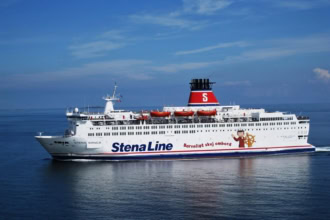
Travellers arriving from the United Kingdom also have several strong options. The fastest route is usually via Eurostar to Paris followed by a regional train onward to Normandy. However, ferry routes remain extremely popular for travellers bringing cars. Crossings from Portsmouth, Poole, and other southern English ports connect directly with Normandy ports such as Caen-Ouistreham, Cherbourg, and Le Havre.
Driving offers the greatest flexibility because public transport across the beaches themselves can be limited. Many important memorials, bunkers, cemeteries, and museums sit in rural coastal areas where buses are infrequent. Travellers wanting to visit multiple beaches in one day often find a rental car far easier than relying on regional transport connections.
Organised tours are another major option, particularly for travellers staying in Paris. Full-day and overnight D-Day battlefield tours are widely available and usually include transport, guides, museums, and cemetery visits. These tours remove the stress of navigation and are especially useful for travellers with limited time.
For rail-focused travellers, combining trains, local taxis, and guided tours often works best. Normandy is highly accessible from Paris, but exploring the actual battlefield region requires far more planning than many people initially expect.
Best Base Towns for Exploring Normandy
Choosing the right base can completely change your experience of visiting the Normandy D-Day beaches. While the region looks compact on a map, travel times between museums, beaches, cemeteries, and inland memorials can quickly add up.
For most visitors, Bayeux is the strongest overall base. The town escaped major wartime destruction, meaning its historic centre remains beautifully preserved. It also sits in an excellent location near Omaha Beach, the Normandy American Cemetery, and several important museums. Bayeux is compact, walkable, well connected by rail, and filled with hotels, restaurants, and tour operators. Many visitors consider it the ideal combination of atmosphere and practicality.
Caen works well for travellers wanting a larger city with stronger transport connections. It is home to the outstanding Caen Memorial Museum and has a larger range of accommodation and nightlife compared with Bayeux. Caen also provides easier onward rail connections deeper into France. However, it feels less intimate and is slightly further from some western D-Day sites.
Travellers arriving via ferry often stay in Cherbourg, particularly when exploring Utah Beach and the western landing sectors. Cherbourg itself played an important strategic role during the Battle of Normandy and contains several museums and maritime attractions.
For those seeking a more scenic or relaxed atmosphere, coastal towns such as Arromanches-les-Bains and Courseulles-sur-Mer place visitors directly beside key landing beaches. Staying in these smaller towns can feel highly immersive, especially outside peak tourist season.
Some visitors also choose Honfleur or Deauville, particularly when combining Normandy history with a broader coastal holiday. These destinations are further from the core D-Day sites but provide attractive architecture, seaside scenery, and a more traditional Normandy holiday atmosphere.
Ultimately, Bayeux usually offers the best balance for first-time visitors, especially those relying on trains or guided tours. Travellers with cars have greater flexibility and can consider smaller villages closer to specific beaches or memorials.
Normandy by Train
Travelling to Normandy by train is one of the easiest ways to reach the region from Paris, and it fits perfectly into wider European rail itineraries. However, visitors should understand that while the train network connects well to major Normandy towns, the beaches themselves are not directly served by rail.
Most journeys begin at Paris Saint-Lazare Station, one of the French capital’s main rail terminals. From here, regional and intercity services operated by SNCF Connect run frequently toward Bayeux, Caen, and Cherbourg. Bayeux is particularly popular because it sits close to many of the key American D-Day sites.
Journey times from Paris are relatively fast by regional standards. Paris to Bayeux usually takes around two hours and twenty minutes, while Caen can be reached slightly faster. This makes Normandy entirely possible as either an overnight trip or a long day trip from Paris, although most travellers benefit from staying at least two or three nights.
The biggest limitation comes after arriving. Normandy’s rural battlefield geography means many beaches, cemeteries, and museums are spread across coastal roads and countryside villages rather than concentrated around train stations. Public buses do exist, but frequencies can be limited and routes complicated for first-time visitors.
Because of this, many rail travellers combine trains with organised battlefield tours, local taxis, bicycle hire, or short-term car rentals. Bayeux in particular has numerous D-Day tour companies that specifically cater to rail passengers arriving from Paris.
For travellers using the Interrail Global Pass, Normandy fits naturally into wider France rail itineraries. Reservations on regional Normandy services are usually much easier to obtain than on French high-speed TGV routes, making this part of France relatively straightforward for pass holders.
Rail travel also removes the stress of navigating French motorways, toll roads, and parking around busy memorial sites, particularly during summer and D-Day anniversary periods.
Best if you would rather spend the money on Normandy than on the room. Compare hostels by location and rating.
Search hostelsBest for anyone flying more than once or twice a year. Handles the compensation claim so you are not chasing the airline.
See AirHelp+Best for a day with a bag and nowhere to put it. Find a storage point near where you already are.
View storageBest Time to Visit the Normandy D-Day Beaches
The Normandy D-Day beaches can be visited year-round, but the atmosphere and experience change dramatically depending on the season. Choosing the right time depends on whether you prioritise weather, historical events, quieter conditions, or anniversary commemorations.
The busiest period is usually around 6 June, the anniversary of D-Day itself. During milestone anniversaries, the region attracts veterans, military delegations, world leaders, reenactment groups, and huge numbers of visitors. The atmosphere can be incredibly moving, with ceremonies, flyovers, parades, and special museum events taking place across Normandy. However, accommodation prices rise sharply and transport becomes far busier than usual.
Summer generally provides the best weather. From June through September, longer daylight hours and milder temperatures make exploring beaches, cemeteries, and outdoor memorials far more comfortable. Coastal towns also feel livelier, with restaurants and museums operating extended opening hours.
However, summer also brings the largest crowds. Omaha Beach, Pointe du Hoc, Bayeux, and the Normandy American Cemetery can become extremely busy during July and August, particularly when cruise excursions and coach tours arrive simultaneously.
Spring and autumn are often the best balance for many travellers. May, September, and early October usually offer milder crowds while still maintaining pleasant weather. The quieter atmosphere can also make memorial sites feel more reflective and less commercialised.
Winter provides a very different experience. Beaches become windswept, dramatic, and highly atmospheric, while museums are quieter and hotel prices lower. However, shorter daylight hours and occasional bad weather can limit sightseeing flexibility. Some smaller museums and seasonal businesses may also reduce operating hours.
Travellers interested in photography often find autumn and winter especially powerful because the dramatic skies and emptier beaches create a far more haunting atmosphere than peak summer conditions.
Regardless of season, the Normandy beaches remain one of Europe’s most important WWII destinations, and even quieter months still offer a deeply memorable experience.
How Many Days Do You Need in Normandy?
The amount of time you need in Normandy depends heavily on how deeply you want to explore the D-Day beaches, museums, memorials, and wider historical sites. While some visitors attempt the region as a day trip from Paris, most travellers benefit enormously from staying longer.
A single day trip can work if your focus is limited to the main highlights such as Omaha Beach, the Normandy American Cemetery, and perhaps Arromanches-les-Bains. Organised tours from Paris are popular for this reason, particularly for travellers with tight schedules. However, a one-day visit often feels rushed because travel time from Paris alone takes several hours each way.
For most visitors, two to three days is the ideal minimum. This allows enough time to properly experience multiple landing beaches, museums, cemeteries, and smaller memorial sites without constantly watching the clock. Staying overnight in Bayeux or Caen also allows you to experience Normandy outside the busiest daytime tour hours.
Travellers with a deeper interest in World War II history can easily spend four to five days in the region. Normandy contains an enormous number of museums, preserved bunkers, airborne landing zones, artillery batteries, memorials, and battlefields spread across a surprisingly large geographical area. Visiting sites such as Pointe du Hoc, Pegasus Bridge, the Juno Beach Centre, the Utah Beach Museum, and the Caen Memorial Museum properly takes time.
Adding extra days also allows for slower travel. One of Normandy’s strengths is that it combines serious historical importance with beautiful countryside, coastal villages, and traditional French culture. Many visitors enjoy balancing memorial visits with local seafood restaurants, cider farms, markets, and scenic coastal drives.
Travellers using the Interrail Global Pass or travelling through France by train should also allow additional flexibility because regional transport connections between sites can sometimes take longer than expected.
In practice, Normandy rewards travellers who avoid trying to cram everything into a single exhausting day. The region works best when approached slowly and thoughtfully.
Normandy Food, Culture & Local Atmosphere
Although the Normandy D-Day beaches are primarily visited for their historical importance, the wider Normandy region also offers some of the most distinctive food, countryside, and local culture in northern France.
One of the first things many visitors notice is how green and rural the region feels. Beyond the beaches themselves, Normandy is filled with rolling farmland, orchards, stone villages, hedgerow countryside, and quiet coastal roads. This peaceful modern landscape contrasts sharply with the violent history connected to the Battle of Normandy.
Normandy is also famous for its food. The region has a strong culinary identity centred around seafood, cream, butter, cheese, and apples. Coastal towns near the beaches are filled with restaurants serving oysters, mussels, scallops, and fresh fish, while inland villages often focus more heavily on Normandy cheeses and traditional French countryside cooking.
The area is particularly famous for Camembert, one of France’s best-known cheeses, alongside local varieties such as Pont-l’Évêque and Livarot. Apple orchards throughout Normandy also produce large quantities of cider and Calvados, the region’s famous apple brandy.
For travellers staying several days, combining historical exploration with Normandy’s food culture creates a much more balanced experience. After spending hours visiting cemeteries, museums, and memorial sites, many visitors appreciate slowing down in smaller towns with local cafés and coastal restaurants.
Towns such as Bayeux, Honfleur, and Arromanches-les-Bains combine historical importance with attractive old streets, markets, and traditional Norman architecture. This prevents the region from feeling exclusively focused on war tourism.
The atmosphere also changes dramatically depending on season. Summer brings busy cafés and coastal tourism, while autumn and winter often feel quieter and more reflective. During spring and autumn, the countryside around the beaches becomes especially scenic, with fewer crowds and softer light across the coastline.
Normandy’s culture is therefore an important part of the overall experience. The region is not only a place of remembrance but also a living part of France with its own traditions, food, identity, and landscapes.
For many travellers, this balance between history and everyday Normandy life is what makes the region feel so memorable and emotionally complex.

D-Day Anniversary Events & Commemorations
Every year, the Normandy region marks the anniversary of D-Day on 6 June, but major anniversary years create especially large commemorative events that attract visitors from around the world.
The most significant anniversaries are usually the major milestones such as the 75th, 80th, and future commemorations. During these years, Normandy hosts military ceremonies, veteran gatherings, aircraft flyovers, historical reenactments, memorial services, parades, and international political delegations. The atmosphere across the region becomes highly emotional and reflective.
The beaches themselves often become focal points for ceremonies. Omaha Beach, the Normandy American Cemetery, Juno Beach, and Pegasus Bridge frequently host official commemorations attended by veterans, military personnel, and government representatives. Smaller villages throughout Normandy also hold local remembrance events and exhibitions.
One of the most striking aspects of anniversary periods is the appearance of historic military vehicles throughout the region. Convoys of restored jeeps, trucks, tanks, and motorcycles travel between towns, creating a unique atmosphere that blends remembrance with living history.
Museums also expand their programming during anniversary periods. Sites such as the Caen Memorial Museum and the Airborne Museum often host temporary exhibitions, talks, and educational events focused on the Normandy campaign and wider WWII history.
However, travellers should understand that anniversary periods dramatically increase demand across the entire region. Hotels in Bayeux, Caen, and coastal towns can sell out months or even years in advance during major anniversaries. Trains from Paris also become busier, while road traffic around the beaches increases significantly.
Despite the crowds, many visitors feel that experiencing Normandy during an anniversary period creates a deeper emotional connection to the events of D-Day. Seeing veterans, memorial ceremonies, and international visitors gathered together gives the beaches an atmosphere unlike any other time of year.
For travellers interested in military history, remembrance culture, or twentieth-century history more broadly, attending a Normandy anniversary event can become one of the most powerful travel experiences in Europe.
WWII Etiquette & Respect at Normandy Sites
The Normandy D-Day beaches are not ordinary tourist attractions. They are places where thousands of people died during one of the most significant military operations in modern history. Because of this, respectful behaviour is extremely important throughout the region.
Military cemeteries such as the Normandy American Cemetery should be approached with particular sensitivity. Visitors are expected to behave quietly, avoid loud conversations, and treat the grounds as memorial spaces rather than photo opportunities. While photography is generally permitted, overly performative or disrespectful behaviour is widely criticised.
The same applies at memorial sites such as Pointe du Hoc, Pegasus Bridge, and preserved bunkers along the coastline. Many locations remain deeply important to veterans, families, and descendants connected to the Normandy campaign.
Drones are restricted or prohibited at several major memorial sites, especially cemeteries and official remembrance locations. Travellers interested in photography should always check local regulations before flying drones near military memorials or historical structures.
Climbing on bunkers and wartime ruins is another area where common sense and respect matter. While some structures are accessible, many are unstable, dangerous, or protected historical sites. Ignoring barriers or safety warnings not only risks injury but also damages fragile historical remains.
Social media behaviour has also become a growing topic at major WWII memorial sites. Many visitors and historians have criticised inappropriate selfies, staged photographs, and influencer-style content at cemeteries and memorials. Normandy is a place where quiet reflection generally feels far more appropriate than attention-seeking behaviour.
One positive aspect of Normandy is that the region itself handles remembrance extremely well. Museums and memorial organisations generally focus on education, history, and remembrance rather than sensationalism. Visitors who approach the beaches thoughtfully usually find the experience far more meaningful.
Ultimately, respectful behaviour enhances the experience rather than limiting it. Normandy is one of the world’s great historical landscapes, and treating it with care helps preserve both its atmosphere and its importance for future generations.
Apps for Visiting the Normandy D-Day Beaches
Using the right apps can make visiting the Normandy D-Day beaches significantly easier, especially for travellers combining trains, rental cars, ferries, and museum visits across multiple locations.
For rail travel within France, SNCF Connect is essential. It provides live train schedules, ticket booking, platform information, and disruption updates for services between Paris, Bayeux, Caen, and Cherbourg. Travellers arriving via Eurostar should also keep the Eurostar app installed for live journey updates and ticket management.
Travellers using the Interrail Global Pass should combine this with the Rail Planner app, particularly when building wider European itineraries around Normandy.
Navigation apps become extremely important once you arrive in the region because many beaches, cemeteries, and museums are spread across rural coastal areas. Google Maps works well for driving and public transport directions, while offline maps can be extremely useful in quieter countryside areas.
Travellers using ferries from the UK may also benefit from ferry booking apps or operator apps for live sailing updates, particularly during summer and anniversary periods when crossings become busy.
Connectivity is another major factor. Normandy’s coastal geography and rural areas make reliable mobile data important for navigation and timetable checking. eSIM apps such as Airalo and Saily can help travellers maintain reliable coverage throughout France without relying on expensive roaming charges.
Museum booking platforms and ticket apps also become increasingly useful during peak season, especially around major anniversary events when timed-entry systems may operate at larger museums and memorial sites.
For travellers building self-guided historical routes, apps with offline functionality are particularly valuable because mobile signal quality can vary in more remote parts of Normandy.
Rupert’s Handy Travel Tips

Rupert says the Normandy beaches are one of those places where slowing down really matters. Trying to rush through all five landing beaches in a single afternoon usually turns a powerful historical experience into a stressful checklist.
- Stay at least two nights: especially if you want to visit multiple beaches, museums, and memorials properly.
- Choose Bayeux as your base: it combines excellent rail access with easy reach to Omaha Beach and the American Cemetery, making it ideal for first-time visitors.
- Book D-Day anniversary periods early: hotels, tours, ferries, and trains can sell out months in advance around 6 June.
- Allow time for the cemeteries and memorials: treat them as more than quick photo stops, as many visitors find these become the most memorable parts of the trip.
- Pack for changing weather: Normandy’s coastline can shift quickly between sunshine, wind, and rain even during summer.
Want to meet the reindeer behind our travel tips? Find out more in our page Who is Rupert?.





Frequently Asked Questions About the Normandy D-Day Beaches
Can you visit the Normandy D-Day beaches without a car?
Yes, but it requires more planning. Trains from Paris reach towns such as Bayeux, Caen, and Cherbourg relatively easily, but many beaches, cemeteries, and memorials are spread across rural areas with limited public transport. Many travellers combine trains with guided tours, taxis, or short-term car hire.
Which D-Day beach is the most important to visit?
This depends on personal interest, but Omaha Beach is usually considered the most emotionally powerful because of the extremely heavy American casualties suffered there. Many visitors also prioritise the nearby Normandy American Cemetery and Pointe du Hoc.
Is Bayeux the best place to stay in Normandy?
For most first-time visitors, yes. Bayeux offers an excellent balance of rail access, hotels, restaurants, museums, and proximity to major D-Day sites. It is also compact, walkable, and highly geared toward historical tourism.
Can the Normandy beaches be visited as a day trip from Paris?
Yes, but it will be a long day. Organised tours from Paris are extremely popular and usually cover the main highlights efficiently. However, travellers wanting a deeper experience generally benefit from staying at least one or two nights in Normandy.
What is the best time of year to visit Normandy?
Late spring and early autumn usually provide the best balance between good weather and manageable crowds. June anniversary periods are highly atmospheric but also extremely busy and expensive.
Are the D-Day beaches suitable for children?
Yes, many families visit Normandy together. Older children often find the beaches, bunkers, tanks, and museums highly educational. However, some museums and cemeteries contain emotionally heavy material connected to war and casualties.
How many D-Day museums are there in Normandy?
There are dozens. Major museums include the Caen Memorial Museum, Utah Beach Landing Museum, Juno Beach Centre, Airborne Museum, and museums at Arromanches-les-Bains. Smaller private museums are also scattered across the region.
Do you need to book museums and tours in advance?
During summer and major anniversary periods, yes. Guided battlefield tours and accommodation can sell out quickly around 6 June and other peak travel periods.
Are the Normandy beaches still preserved from WWII?
Many wartime structures remain highly visible today. Visitors can still see German bunkers, artillery positions, bomb craters, Mulberry Harbour remains, and preserved battlefields across the region.
Can you combine Normandy with other France destinations by rail?
Absolutely. Normandy connects easily with Paris and wider French rail routes operated by SNCF Connect, making it simple to combine with broader France or Europe itineraries.
Further Reading & Related Guides
If you are planning a wider journey through France or exploring more historic destinations across Europe, several related guides can help you build a smoother itinerary around the Normandy D-Day beaches.
Travellers arriving from the UK should also explore our wider Eurostar and France rail travel guides, especially if combining Normandy with Paris, Lille, or other northern French destinations. Normandy works particularly well as part of a longer rail itinerary through western Europe.
For travellers using rail passes, our wider Interrail content explains how to use the Interrail Global Pass across France and neighbouring countries, including reservation advice and route planning tips.
If you are exploring more historical destinations, our growing Dark Tourism and WWII travel content also covers memorials, Cold War sites, and historically significant destinations across Europe, including our wider Dark Tourism travel guide and our guide to Auschwitz from Kraków, another of Europe’s most significant WWII memorial sites.
Travellers using ferries from southern England should also explore our Ferry Travel Guides and Ferry Booking Apps Guide, particularly for routes connecting the UK with Normandy ports such as Cherbourg and Caen-Ouistreham.
Reliable mobile data is especially useful when navigating Normandy’s rural battlefield areas, museums, and memorial sites. Our eSIM Apps Guide explains the best options for staying connected across France and Europe without relying on expensive roaming.
For travellers building broader France itineraries, Normandy combines naturally with destinations such as Paris, the Loire Valley, Mont Saint-Michel, and northern France rail routes.
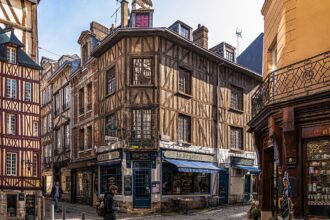
Closer to Normandy itself, our Things to Do in Bayeux guide covers the region’s best D-Day base in full, our Visiting Mont-Saint-Michel and Things to Do in Pontorson guides cover France’s iconic island abbey and its closest town, and our Visiting Rouen guide explores Normandy’s historic Gothic capital.