Reviewed by our editorial team Updated
Why UK Ports Matter for Travel
The United Kingdom’s position as an island nation means that its ports play a central role in both domestic and international travel. While air travel dominates long-distance journeys, ferry routes continue to provide essential connections between regions, countries, and island communities, often offering a more flexible and experience-led alternative.
UK ports connect travellers to a wide range of destinations, including Ireland, mainland Europe, and the Scottish islands, as well as internal routes such as the Isle of Wight and the Isle of Man. These connections are not just practical. They are an integral part of the UK’s transport infrastructure, supporting both tourism and everyday travel.
One of the key advantages of ferry travel is its flexibility. Unlike flights, ferries allow for greater luggage allowances, vehicle transport, and more relaxed boarding procedures, making them particularly attractive for families, road trips, and longer journeys.
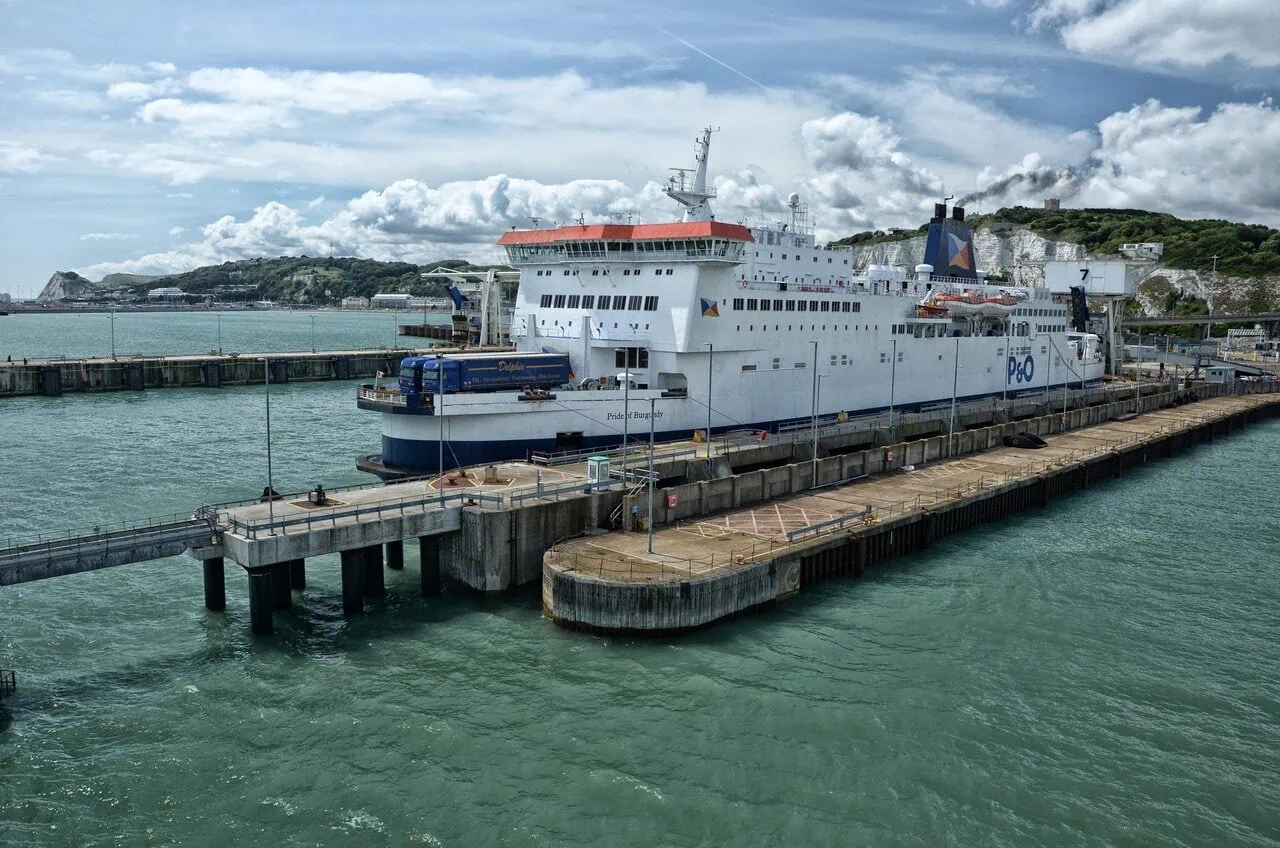
Ports such as Dover, Portsmouth, and Holyhead act as major gateways, linking the UK with Europe and Ireland through frequent and well-established ferry routes.
For many travellers, UK ports offer something that air travel cannot: a slower, more scenic, and often more convenient way to travel, particularly when combined with rail or road journeys.
How the UK Port and Ferry System Works
The UK port and ferry system is made up of a network of independent operators, regional routes, and international connections, all working together to provide comprehensive coverage across the country and beyond.
Unlike a single unified system, ferry services are operated by multiple companies, each focusing on specific routes and regions. These include short crossings such as the Dover to Calais route, as well as longer journeys connecting the UK to Ireland, Spain, and the northern islands of Scotland.
Ports themselves vary significantly in size and function. Major hubs such as Dover and Hull handle high volumes of passengers and vehicles, with frequent departures and large vessels. Smaller ports, particularly those serving island routes, tend to operate on a more limited schedule but remain critical for local connectivity.
Ferry travel generally involves a simple process. Passengers check in at the port, board the vessel, and complete the crossing with access to onboard facilities such as seating areas, cafés, and in some cases cabins for overnight journeys.
One of the key features of the system is its adaptability. Routes can be used for foot passengers, cars, and even freight, making ferries one of the most versatile transport options available.
Understanding how the system works allows travellers to plan journeys more effectively, particularly when combining ferries with other forms of transport such as rail or driving.
See hotel options and places to stay in United Kingdom.
Browse hotelsBrowse apartments, holiday homes and self-catering stays in United Kingdom.
View rentalsCompare prices for United Kingdom hotels across multiple booking sites.
Check dealsMajor UK Ports by Region
The UK’s ports are best understood by region, as each coastline serves different destinations and travel needs. This regional structure helps simplify planning and highlights the most important routes.
On the South Coast of England, ports such as Dover, Portsmouth, and Southampton provide key links to France, Spain, and the Isle of Wight. Dover is particularly important for short Channel crossings, while Portsmouth offers a wider range of long-distance routes.
The East Coast includes ports such as Harwich, Hull, and Newcastle. These ports focus on connections to the Netherlands and northern Europe, often via overnight ferry services.
On the West Coast, Liverpool and Holyhead provide essential links to Ireland and the Isle of Man. Holyhead, in particular, is one of the busiest ferry ports for travel between the UK and Ireland.
In Scotland, ports such as Cairnryan, Oban, and Mallaig act as gateways to Northern Ireland and the Hebridean islands. These routes are vital for both tourism and local communities.
This regional breakdown helps travellers identify the most relevant ports for their journey, making it easier to plan efficient routes across the UK and beyond.
Complete List of UK Passenger Ferry Ports
Here is a comprehensive list of the main UK passenger ferry ports, along with their primary routes and travel uses:
| Port | Region | Main Routes | Best For |
|---|---|---|---|
| Dover | South Coast | Calais, Dunkirk | Short Channel crossings |
| Portsmouth | South Coast | France, Spain, Isle of Wight | Long-distance ferries |
| Southampton | South Coast | Isle of Wight | Short crossings and cruises |
| Poole | South Coast | Cherbourg, Channel Islands | Alternative Channel routes |
| Plymouth | South West | Santander, Roscoff | Spain and western France |
| Harwich | East Coast | Hook of Holland | Rail + ferry to Netherlands |
| Hull | East Coast | Rotterdam | Overnight Europe ferries |
| Newcastle | North East | Amsterdam | Long-distance crossings |
| Liverpool | North West | Dublin, Isle of Man | Ireland and island routes |
| Holyhead | Wales | Dublin | Fast Ireland crossings |
| Fishguard | Wales | Rosslare | Southern Ireland routes |
| Pembroke Dock | Wales | Rosslare | Alternative Ireland route |
| Cairnryan | Scotland | Belfast, Larne | Scotland–Northern Ireland |
| Oban | Scotland | Hebrides | Island access hub |
| Mallaig | Scotland | Skye, Small Isles | Scenic island crossings |
UK Ferry Routes and Connections
The UK’s ferry network provides a wide range of domestic and international connections, linking the country to Ireland, mainland Europe, and its own island communities. Understanding these routes is key to planning efficient journeys and choosing the right port.
One of the busiest and most important corridors is the Channel crossing between England and France, particularly from Dover to Calais and Dunkirk. These routes offer frequent sailings and short crossing times, making them one of the most practical ways to travel between the UK and mainland Europe. For travellers deciding between ferry and tunnel, our Dover to Calais ferry vs Eurotunnel guide explains the differences in speed, cost, and convenience.
Routes to Ireland are equally important. Services from Holyhead to Dublin provide one of the fastest and most popular crossings, while ports such as Fishguard and Pembroke Dock offer alternative connections to southern Ireland.
Longer-distance routes connect the UK to northern Europe and Spain. From ports such as Hull and Newcastle, overnight ferries link to destinations in the Netherlands and beyond, while Portsmouth and Plymouth offer routes to France and northern Spain.
For a full breakdown of these routes, including detailed comparisons and planning advice, see our UK ferry routes guide, which explains how to choose the best option for your journey.

Scottish Islands and Ferry Connections
The west coast of Scotland is home to some of the most remote and visually spectacular destinations in the UK, many of which can only be reached by ferry. These routes are not just transport links. They are part of the travel experience, combining coastal scenery, island landscapes, and unique journey conditions.
| Island / Group | Departure Port | Typical Crossing Time | Best For |
|---|---|---|---|
| Orkney Islands | Aberdeen / Scrabster | 1.5–6 hours | History, archaeology, coastal scenery |
| Shetland Islands | Aberdeen | ~12–14 hours (overnight) | Remote landscapes and wildlife |
| Isle of Skye | Mallaig | ~30 minutes | Scenic Highland access |
| Isle of Mull | Oban | ~45 minutes | Wildlife and colourful coastal towns |
| Isle of Islay | Kennacraig | 2–2.5 hours | Whisky distilleries and rugged scenery |
For longer routes to the northern islands, ferries departing from Aberdeen provide direct access to both Orkney and Shetland. These journeys are often overnight and offer a very different experience to short crossings. If you are planning one of these routes, our guides to the Aberdeen to Orkney ferry and Aberdeen to Shetland ferry provide detailed information on timings, cabins, and onboard facilities.
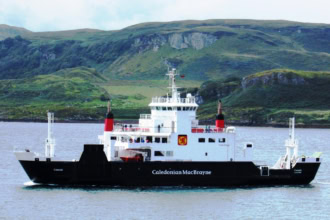
For travel across the Hebrides, most services are operated by Caledonian MacBrayne. Our CalMac ferry guide explains how to navigate this network and plan multi-island journeys.
UK Island Ferry Routes
In addition to Scotland’s islands, several key ferry routes connect mainland Britain to islands closer to home, offering a mix of short crossings, frequent services, and easy access for day trips or longer stays.
Routes from Liverpool provide access to the Isle of Man, a destination known for its unique culture and coastal scenery. Our Liverpool to Isle of Man ferry guide covers everything from sailing times to onboard facilities.
The Isle of Wight is one of the most accessible island destinations in the UK, with regular crossings from ports such as Portsmouth and Southampton. These routes are short, frequent, and well suited to both foot passengers and vehicles. Our Isle of Wight ferries guide explains the different routes and operators.
These island routes are an important part of the UK ferry network, offering quick and convenient access to destinations that feel distinct from the mainland while remaining easy to reach.
International Ferry Travel from the UK
Ferry travel from the UK to mainland Europe offers a flexible and often more relaxed alternative to flying, particularly for those travelling with vehicles or looking to avoid airport procedures.
The most popular international routes connect southern England with France, with high-frequency services operating from Dover to Calais. These crossings are among the shortest and busiest in Europe, making them ideal for quick trips across the Channel.
For longer journeys, ports such as Portsmouth and Plymouth offer routes to destinations in France and northern Spain. These crossings are often overnight and provide a more cruise-like experience, with cabins, dining, and onboard facilities.
Eastern routes from Harwich, Hull, and Newcastle connect the UK to the Netherlands and northern Europe, often combining well with rail travel on both sides.
International ferry travel provides a different way to experience Europe, offering flexibility, comfort, and the ability to travel at your own pace, particularly for longer journeys or multi-destination trips.
Search routes and flight options for your trip to United Kingdom.
Search flightsUse an eSIM to get online without hunting for a local SIM after arrival.
See eSIM optionsCheck private pickup options and plan your onward journey before arrival.
View transfersRail & Sail: Combining Trains and Ferries
One of the most effective ways to travel across the UK and beyond is by combining rail and ferry journeys, often referred to as Rail & Sail. This approach allows you to move seamlessly between train networks and ferry routes, creating fully connected journeys without the need for flights or complex transfers.
Rail & Sail tickets typically combine a train journey with a ferry crossing, allowing you to travel from inland cities directly to international or island destinations using a single booking or coordinated connection. This is particularly useful for routes between the UK and Ireland, as well as journeys to the Scottish islands.
For example, you can travel by train to ports such as Holyhead or Cairnryan and connect directly onto ferry services without needing to organise separate tickets. This simplifies the process and reduces the risk of missed connections.
Rail & Sail also offers a more relaxed travel experience. You avoid airport queues, have more flexibility with luggage, and can enjoy a continuous journey from city centre to destination.
For a full breakdown of routes, booking options, and how to use Rail & Sail effectively, see our Rail & Sail guide, which explains how to plan these journeys step by step.
How to Get to UK Ports by Train
Reaching UK ferry ports by train is often the most practical option, particularly for travellers who want to avoid driving or dealing with parking. The UK rail network provides strong connections to most major ports, making it easy to combine train and ferry travel.
Ports such as Dover, Southampton, and Portsmouth are all well connected by rail, with stations located either at the port itself or within a short distance.
For routes to Ireland, Holyhead is one of the best-connected ferry ports, with direct train services from major cities such as London, Birmingham, and Manchester. Similarly, ports such as Hull and Newcastle provide access to international ferry routes via rail connections.
Travelling by train to a port removes the need to plan for parking and allows you to start your journey in a more relaxed way. It also fits naturally with Rail & Sail options, creating a smooth transition between different modes of transport.
For more detailed guidance on planning rail journeys across the country, our UK rail guide explains routes, operators, and booking strategies in depth.
Best Ferry Booking Apps and Platforms
Booking ferry travel has become significantly easier thanks to a range of comparison tools and apps that bring together multiple operators in one place. These platforms allow you to compare routes, check availability, and secure tickets quickly, making them essential for planning ferry journeys.
Services such as Ferryhopper and Ferryscanner provide access to a wide range of routes across the UK and Europe, helping you identify the best options based on price, timing, and convenience. These tools are particularly useful when planning international crossings or multi-leg journeys.
Our ferry booking apps guide provides a detailed breakdown of the best platforms to use, including how they compare and when each one is most effective.
Using the right booking tools not only saves time but can also help you find better prices and more suitable routes, particularly during peak travel periods when availability can be limited.

Compare Ferry Routes with Direct Ferries
Use Direct Ferries to compare ferry routes, operators and sailing times in one place.
This is especially useful for island journeys and international crossings where more than one ferry company may serve the same general route.
Want to compare ferry prices? You can also check Ferryhopper and FerryScanner before booking.
Popular UK Ferry Journeys
Some ferry routes stand out as particularly popular due to their frequency, convenience, and the destinations they connect. These journeys highlight how the UK ferry network is used in practice.
The crossing from Dover to Calais is one of the busiest in Europe, offering frequent departures and short journey times, making it ideal for quick trips to France.
Routes from Holyhead to Dublin are among the most commonly used connections between the UK and Ireland, providing a fast and efficient link.
Longer journeys, such as those from Portsmouth to Spain, offer a different experience, combining transport with a more relaxed, cruise-style journey.
For travellers heading north, ferries from Aberdeen to Orkney and Shetland provide access to some of the most remote parts of the UK.
These routes demonstrate the range of options available, from short, frequent crossings to longer, experience-led journeys, allowing travellers to choose the approach that best suits their plans.
Ferry Travel Times and What to Expect
Ferry travel times from the UK vary significantly depending on the route, ranging from short crossings of under an hour to overnight journeys lasting more than 12 hours. Understanding these differences is important when planning your trip.
Short routes, such as those between Dover and Calais, typically take around 90 minutes, with very frequent departures throughout the day. These are designed for efficiency and are ideal for quick trips to mainland Europe.
Medium-distance crossings, such as Holyhead to Dublin, usually take 2 to 3.5 hours depending on whether you choose a fast craft or a conventional ferry, offering a balance between speed and onboard comfort. These routes often include seating areas, cafés, and basic facilities.
Long-distance and overnight routes, including services from Hull or Newcastle to northern Europe, can take 10 to 16 hours. These journeys operate more like mini-cruises, with cabins, restaurants, and entertainment available onboard.
Regardless of the route, most ferry journeys follow a similar process: check-in, boarding, crossing, and disembarkation. Passengers are usually required to arrive at the port at least 60 to 90 minutes before departure, with longer check-in times for international routes or when travelling with a vehicle.
Understanding travel times and boarding procedures helps you plan your journey more effectively, ensuring a smooth and stress-free experience from start to finish.
Cabins, Seating and Onboard Experience
The onboard experience varies depending on the length of the journey, but most ferries provide a range of options designed to suit different types of travellers.
On shorter routes, seating is typically provided in open lounges or café-style areas, allowing passengers to relax during the crossing. These spaces are functional and comfortable but are not designed for extended stays.
For longer journeys, particularly overnight routes, cabins are available and are highly recommended. Cabins provide private space, beds, and en-suite facilities, making them ideal for getting rest during the journey.
Many ferries also include additional amenities such as restaurants, bars, shops, and outdoor deck areas, creating a more relaxed and enjoyable travel experience. On some routes, particularly those to Spain or northern Europe, the onboard facilities can feel similar to those of a small cruise ship.
Choosing the right onboard option depends on your journey length and personal preferences. For short crossings, standard seating is usually sufficient, while for longer trips, cabins can significantly improve comfort.
Browse hostels and budget-friendly stays around United Kingdom.
See hostelsFlying to United Kingdom? Get fast compensation payouts, eligible lounge benefits and expert help when flights go wrong.
See AirHelp+ benefitsArriving before check-in or leaving later? Store your luggage and make more of your time in United Kingdom.
Store your bagsCosts and How to Save Money on Ferries
Ferry prices can vary widely depending on factors such as route, season, demand, and whether you are travelling as a foot passenger or with a vehicle. Understanding how pricing works can help you find the best value.
One of the most effective ways to save money is to book in advance, particularly for popular routes and peak travel periods. Prices tend to increase as availability decreases, especially during summer and holiday seasons.
Flexibility can also make a significant difference. Travelling at off-peak times or adjusting your departure date can often result in lower fares and better availability.
Using comparison tools is another key strategy. Platforms covered in your ferry booking apps guide allow you to compare multiple operators and routes, helping you identify the most cost-effective option.
For longer journeys, it is also worth considering the overall value rather than just the ticket price. Overnight ferries, for example, can replace the cost of accommodation, making them a practical and potentially cost-saving option.
By combining advance booking, flexibility, and the right tools, it is possible to manage costs effectively while still enjoying a comfortable journey.
Tips for Travelling via UK Ports
Travelling through UK ports is generally straightforward, but a few practical tips can help ensure your journey runs smoothly.
Arriving early is one of the most important steps. Ports can be busy, particularly during peak travel periods, and allowing extra time reduces stress and ensures you do not miss your departure.
Having your documents ready is also essential. For international routes, this typically includes a passport and any required travel documentation.
Packing thoughtfully can improve your onboard experience. Bringing essentials such as snacks, entertainment, and comfortable clothing is particularly useful on longer journeys.
If you are travelling with a vehicle, following instructions from port staff and allowing time for boarding procedures helps ensure a smooth process.
Finally, checking your booking and route details before departure can help you avoid confusion and ensure that your journey runs as planned.
With a little preparation, travelling via UK ports becomes simple, efficient, and far more enjoyable.

Rupert’s Handy Travel Tips
Rupert has spent plenty of time watching coastlines drift by from ferry decks, and he knows the best journeys come from planning smart and letting the sea do the rest.
- Arrive early to avoid last-minute stress at busy ports
- Book in advance for the best prices and availability
- Consider cabins on overnight crossings for extra comfort
- Use comparison tools to find the best routes and deals
Want to meet the reindeer behind our travel tips? Find out more in our page Who is Rupert?.




Frequently Asked Questions About UK Ports and Ferries
Do you need a passport for UK ferries?
For international routes, yes. For domestic routes within the UK, requirements vary, but identification is often still needed.
How early should you arrive at a ferry port?
Typically 60 to 90 minutes before departure, though this can be longer for international travel or when travelling with a vehicle.
Can you travel as a foot passenger?
Yes. Most ferry routes allow foot passengers, although availability varies depending on the route.
Are ferries cheaper than flights?
It depends on the route and timing. Ferries can be more cost-effective, particularly when travelling with a vehicle or on longer journeys.
Do ferries run in bad weather?
Most ferries operate in a range of conditions, but severe weather can cause delays or cancellations.

Further Reading & Related Guides
If you are planning more complex journeys, our Rail & Sail guide explains how to combine train and ferry travel across the UK and beyond. For route-specific planning, our UK ferry routes guide breaks down the most important crossings and how to choose the right one.
For travel to the Scottish islands, our guides to the Aberdeen to Orkney ferry and Aberdeen to Shetland ferry provide detailed insights into longer crossings, while our CalMac ferry guide helps you navigate routes across the Hebrides.
To compare routes and book efficiently, our ferry booking apps guide highlights the best tools to use, including platforms such as Ferryhopper and Ferryscanner.