Reviewed by our editorial team Updated
Why Use Heysham Port for Isle of Man Travel
For most travellers heading to the Isle of Man, the first instinct is to look at the faster ferry services from Liverpool. On paper, they appear to be the obvious choice, offering shorter crossing times and more prominent visibility in booking systems. However, this focus often misses a crucial reality. Heysham Port is the most reliable and consistent route to the Isle of Man, and in many situations, it is the route that ultimately determines whether a journey is possible at all.
The key difference lies in how the services are structured. Liverpool relies heavily on fast craft sailings, which are quicker but operate with tighter capacity and are more vulnerable to disruption and demand spikes. During peak periods, particularly around the Isle of Man TT Races, these sailings can sell out rapidly, leaving travellers scrambling for alternatives. This is where Heysham becomes critical. Operating with larger, conventional ferries, it provides a level of capacity and stability that is simply not matched by faster routes.
What makes Heysham especially important is its role as a year-round operational backbone. While other routes fluctuate seasonally, Heysham maintains a consistent presence, ensuring that there is always a dependable connection between the island and mainland Britain. For travellers who value certainty over speed, this becomes a decisive advantage. It is not unusual for experienced visitors to prioritise Heysham from the outset, particularly when travelling with vehicles or during busy travel windows.
There is also a psychological element that should not be overlooked. Planning travel to an island introduces an additional layer of complexity, and uncertainty around availability can quickly become stressful. By choosing a route that is widely regarded as the most dependable crossing, travellers remove a significant portion of that uncertainty. In this sense, Heysham is not simply an alternative; it is often the smartest strategic choice for ensuring a smooth and successful journey.
Heysham Port Overview
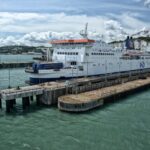
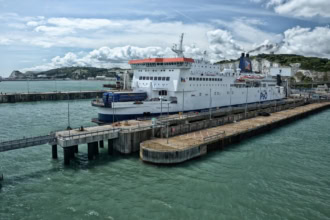
Heysham Port is located on the Lancashire coast, just south of Morecambe and a short distance from Lancaster, placing it within easy reach of the M6 corridor and the wider North West transport network. Despite its strategic importance, the port itself is relatively small and highly specialised, with its operations focused almost entirely on ferry services to the Isle of Man. This gives it a very different character compared with larger, multi-route ferry terminals.
The port is best understood as a functional transport hub rather than a destination in its own right. Facilities are designed to support efficient boarding and disembarkation rather than extended dwell times, and the layout reflects this priority. Travellers arriving at Heysham should not expect the scale or variety of amenities found at major international ports. Instead, what they will find is a streamlined, purpose-built environment that moves passengers and vehicles through the process with minimal friction.
This simplicity is, in many ways, one of Heysham’s strengths. The absence of unnecessary complexity means that navigation is straightforward, queues are generally well managed, and the overall experience is predictable. For travellers who are used to the congestion and confusion of larger transport hubs, this can be a welcome change. The port’s design supports a clear and logical flow from arrival to boarding, which becomes particularly valuable when travelling with luggage, bicycles, or vehicles.
Another defining characteristic of Heysham is its close integration with the ferry operation itself. Unlike ports that serve multiple operators and routes, Heysham’s identity is closely tied to the Isle of Man connection. This creates a more focused and cohesive travel experience, where timetables, transport links, and infrastructure are all aligned around a single purpose. As a result, while the port may appear modest at first glance, it plays a disproportionately important role in maintaining access to the island.
Browse hotels and accommodation for your visit to Isle of Man.
View staysExplore holiday homes and apartments around Isle of Man.
See holiday homesSee hotel prices from multiple booking sites in one search.
Compare ratesFerry Routes from Heysham
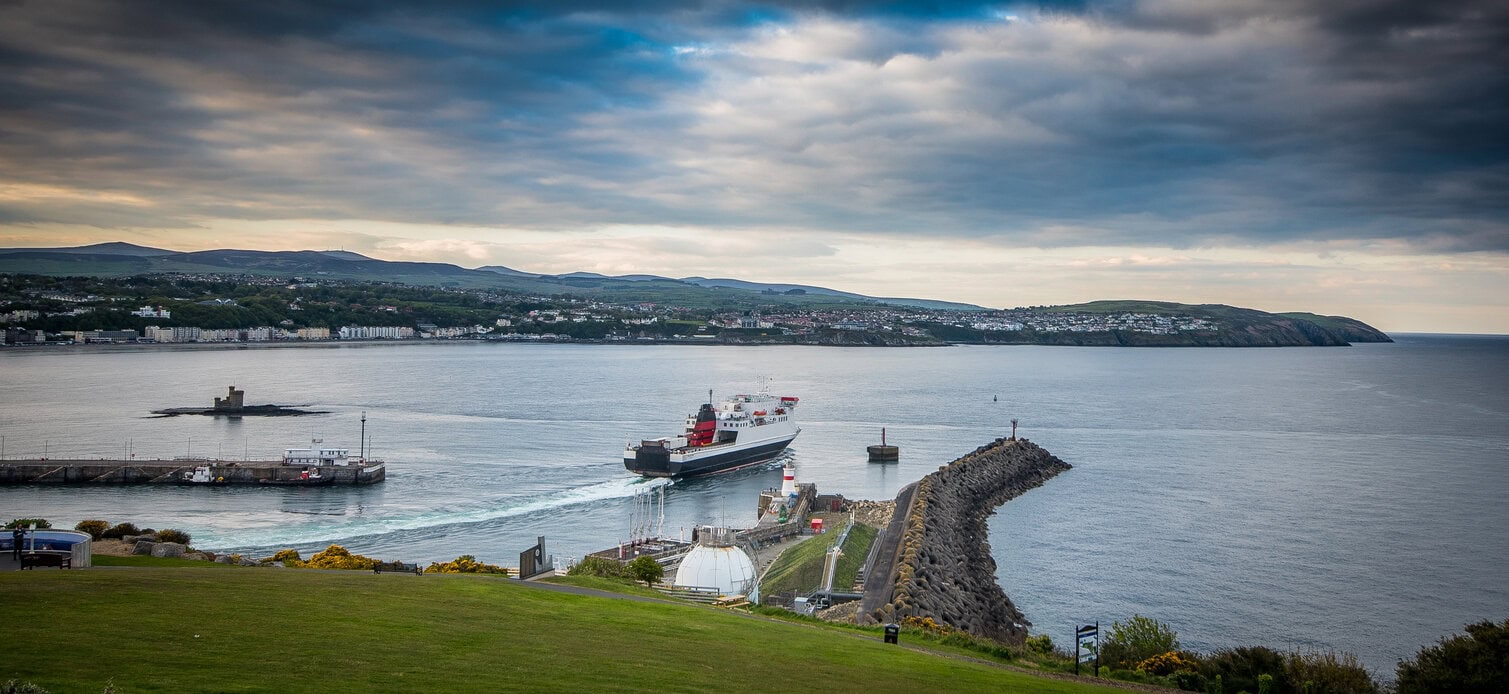
Unlike larger ferry ports that offer a wide range of destinations, Heysham Port is dedicated almost entirely to a single route, and that focus is central to its reliability. The port serves the Heysham to Douglas crossing, operated by the Isle of Man Steam Packet Company, which has been maintaining this connection for generations. This is not a limitation; rather, it is the reason the route operates with such consistency.
| Route | Operator | Typical Operation | Crossing Time | Vessel Type | Key Advantage |
|---|---|---|---|---|---|
| Heysham → Douglas | Isle of Man Steam Packet Company | Year-round (daily) | ~3h 45m | Conventional ferry (Manxman / Ben-my-Chree) | Most reliable Isle of Man route |
The defining feature of this route is its year-round operation. While other crossings are subject to seasonal adjustments, Heysham provides a consistent daily link, ensuring that travellers always have a dependable option regardless of the time of year. This makes it particularly valuable during winter months and shoulder seasons, when alternative services may be reduced or suspended.
The crossing itself is longer than the fast craft routes from Liverpool, typically taking around three hours and forty-five minutes, but this additional time brings tangible benefits. The vessels used on this route are larger, more stable, and better suited to carrying vehicles, which not only improves comfort but also increases overall capacity. This is one of the main reasons why availability tends to be better, even during busy periods.
It is also worth noting that the Heysham route is widely regarded as the operational backbone of Isle of Man ferry services. When weather conditions affect faster vessels, or when demand exceeds capacity elsewhere, this route continues to function as the primary link. For travellers seeking reliability above all else, this makes Heysham not just an option, but often the most dependable route available.
How to Get to Heysham Port
Reaching Heysham Port is relatively straightforward once the structure of the journey is understood, but it is not a location that most travellers will arrive at by accident. Situated on the Lancashire coast near Morecambe and Lancaster, the port is well connected to the wider UK transport network, although the final stage of the journey requires a degree of planning. For most visitors, the key is to treat Heysham not as an isolated destination, but as the final link in a clearly connected travel chain.
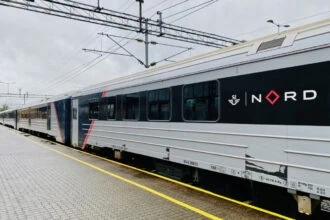
For those travelling by rail, the journey is typically routed via Lancaster, one of the major stations on the West Coast Main Line. This makes Heysham accessible from across the country, with direct or straightforward connections available from cities such as London, Manchester, Birmingham, Glasgow, and Edinburgh. Once at Lancaster, the route continues towards the coast via Morecambe, where a connecting service leads directly to the port.
What sets this journey apart is the presence of a dedicated railway station at Heysham Port itself, located immediately adjacent to the ferry terminal. In theory, this allows for a seamless transition from train to ferry, with passengers able to walk directly from the platform to check-in.
However, it is essential to understand that this is not a standard all-day rail service. Trains to Heysham Port are specifically timed to connect with ferry departures and arrivals, typically providing one arrival before the sailing and one departure after. This makes the connection highly efficient when it aligns with your journey, but it also means that flexibility is limited.
If the train connection does not match your ferry schedule, the most practical approach is to travel to Lancaster and complete the final stretch by road. This is a well-established workaround and is often used by experienced travellers. The distance between Lancaster and Heysham Port is relatively short, and the journey can be completed quickly by taxi, providing a reliable and stress-free alternative when rail timings are not suitable.
For those travelling by car, Heysham is easily reached via the M6 motorway, with exits serving Lancaster providing the main access points. From there, local roads lead directly towards Heysham and the port area, with clear signage guiding drivers to the terminal.
Travelling by car offers the greatest level of flexibility, particularly for those carrying luggage or planning to take a vehicle across to the Isle of Man. The ability to drive directly to the port and board the ferry without transferring between modes of transport is a major advantage, especially for families or longer trips.
Public transport options beyond rail are more limited but still viable. Bus services operate between Lancaster, Morecambe, and Heysham, offering an alternative route for those without access to a car. While these services are less tightly integrated with ferry schedules than the train connection, they provide a useful fallback option. Taxis are widely available in Lancaster and can be relied upon for a direct transfer to the port, particularly when working around specific check-in times.
Ultimately, the journey to Heysham Port is best approached with a clear plan in mind. By aligning your arrival with the ferry schedule and choosing the most suitable combination of rail, road, or taxi transfer, the process becomes smooth, predictable, and highly manageable. This level of clarity is one of the reasons why Heysham continues to stand out as a reliable and practical gateway to the Isle of Man, particularly for travellers who prioritise certainty over speed.
Using Rail and Sail Tickets to Reach the Isle of Man
For travellers looking to simplify their journey, one of the most effective options is to use a Rail and Sail ticket, which combines rail travel and ferry crossing into a single, integrated booking. While this approach is more commonly associated with routes to Ireland, it is also available for the Isle of Man and can be particularly useful when travelling via Heysham Port.
A Rail and Sail ticket allows passengers to travel from a wide range of UK stations directly to the Isle of Man using one ticket, covering both the train journey to Lancaster or Heysham Port and the ferry crossing to Douglas. This removes the need to book each leg separately and ensures that the connections are aligned, creating a more streamlined and coordinated journey from start to finish.
One of the main advantages of this approach is the built-in protection it provides. When rail and ferry segments are booked together, the journey is treated as a single itinerary. This means that if there are delays on the rail network that affect your ability to reach the port on time, there is a clearer framework for assistance and rebooking. While this does not eliminate the need for sensible planning, it does provide an additional layer of reassurance that is not always present when booking each leg independently.
In practical terms, most Rail and Sail journeys to the Isle of Man are routed via Lancaster, with a connecting service or transfer to Heysham Port before boarding the ferry. The inclusion of the Heysham Port railway station, with services timed to meet sailings, makes this integration particularly effective when schedules align. For travellers departing from major cities such as London, Manchester, or Birmingham, this can result in a journey that feels cohesive and well structured, rather than a series of disconnected segments.
There is also a financial consideration. While Rail and Sail tickets are not always cheaper than booking each component separately, they can offer competitive pricing, particularly when booked in advance or when travelling from locations with strong rail connections. More importantly, they provide clarity and convenience, allowing travellers to focus on the journey itself rather than managing multiple bookings across different systems.
For those travelling to the Isle of Man for events, extended stays, or multi-leg trips, Rail and Sail represents a highly practical and often underused option. When combined with the reliability of the Heysham route, it creates a travel solution that is not only efficient but also remarkably straightforward to manage, even for those unfamiliar with the UK transport network.

Plan Your Train Journey with Rail Europe
Booking train tickets in Europe can become complicated when different operators, routes, and booking systems are involved. Rail Europe makes it easier to search routes, compare fares, and buy train tickets in one place.
It is especially useful for international rail journeys, European city-to-city travel, and travellers looking to book both regular rail tickets and passes. Instead of checking multiple train operators separately, you can plan your journey faster and book with confidence.
Best Route Strategy When Liverpool Is Full
One of the most common challenges travellers face when planning a trip to the Isle of Man is discovering that their preferred sailing from Liverpool is no longer available. This situation arises frequently during peak travel periods, particularly around the TT Races, school holidays, and summer weekends, when demand significantly exceeds capacity. At this point, many travellers assume that their options are limited or that they may need to postpone their journey altogether. In reality, this is exactly where Heysham Port becomes the most valuable alternative.
The key advantage of Heysham lies in its consistency and capacity. While Liverpool relies heavily on faster, high-demand sailings, Heysham operates with larger conventional ferries that are designed to carry both passengers and vehicles in greater numbers. This means that even when Liverpool services are fully booked, there is often still availability on the Heysham route. For travellers who are flexible on journey time but require certainty, this makes Heysham the most dependable fallback option.
The most effective strategy is to plan your journey with Heysham as a parallel option rather than a last resort. If Liverpool sailings appear limited, checking Heysham availability early can save both time and stress. In many cases, combining a train journey to Lancaster with a short transfer to the port allows travellers to secure a crossing that would otherwise be unavailable. While the overall journey time may be longer, the trade-off is a significantly higher likelihood of securing a confirmed booking.
There is also a broader strategic benefit to using Heysham. Because it operates year-round and is less exposed to the fluctuations that affect fast craft services, it offers a more predictable travel experience. This reliability becomes particularly important when travelling on fixed schedules, such as event trips, accommodation bookings, or return connections. In these situations, choosing a route that is less likely to be disrupted or sold out can make a substantial difference to the overall success of the journey.
Facilities at Heysham Port
Heysham Port is designed with a clear focus on functionality, and this is reflected in the range and style of its facilities. Travellers arriving at the port should expect a compact and efficient environment, rather than the extensive amenities found at larger international ferry terminals. The emphasis here is on moving passengers and vehicles through the process smoothly, rather than encouraging long dwell times within the terminal itself.
Inside the terminal, there are basic waiting areas where passengers can sit prior to boarding, along with access to toilets and light refreshment options. While there may be limited café or vending facilities, these are generally simple in nature, so travellers are advised to arrive prepared, particularly for early morning or late evening sailings. The atmosphere is typically calm and straightforward, with clear signage guiding passengers through check-in and towards boarding.
One of the strengths of Heysham is the clarity of its layout. The process from arrival to boarding is logical and easy to follow, reducing the likelihood of confusion. This is particularly helpful for those travelling with luggage, bicycles, or vehicles, as the port is structured to accommodate these needs without unnecessary complexity. The relatively small scale of the terminal also means that distances are short, making it easier to navigate compared with larger ports.
For vehicle passengers, the port provides dedicated marshalling areas, where cars, motorcycles, and other vehicles are organised prior to boarding. This system is well established and contributes to a smooth and orderly embarkation process. While facilities may be limited in comparison to larger hubs, the overall experience is defined by efficiency, simplicity, and predictability, which many travellers find preferable when preparing for a sea crossing.
Check-In, Boarding & Travel Tips
Understanding the check-in and boarding process at Heysham Port is key to ensuring a smooth journey, particularly for those travelling for the first time. The process is designed to be straightforward, but it operates on a structured timetable that requires passengers to arrive within a specific window before departure. Missing this window can result in denied boarding, so planning ahead is essential.
Passengers are typically advised to arrive well in advance of their scheduled sailing, with earlier arrival times recommended for those travelling with vehicles. Upon arrival, check-in is completed either at the terminal or via designated vehicle lanes, depending on the type of ticket. Once checked in, passengers are directed to waiting areas or, in the case of vehicle travellers, to marshalling lanes where they will remain until boarding begins.
Boarding itself is conducted in an organised sequence, with vehicle passengers boarding first, followed by foot passengers. The process is clearly managed by port staff, and announcements or instructions are provided to guide travellers through each stage. Once on board, passengers can access seating areas, lounges, and onboard facilities, allowing them to settle in for the crossing.
A key travel tip is to treat the schedule as fixed and non-negotiable, particularly during busy periods. Arriving early reduces stress and provides a buffer against unexpected delays on the journey to the port. It is also advisable to check for updates via SMS or email notifications, as weather conditions in the Irish Sea can occasionally affect departure times. By approaching the process with a clear understanding of the timing and flow, travellers can ensure that their experience at Heysham is smooth, predictable, and well organised.
Search routes and flight options for your trip to Isle of Man.
Search flightsChoose an Airalo eSIM and arrange mobile data before you arrive.
Browse eSIMsCheck private pickup options and plan your onward journey before arrival.
View transfersPros and Cons of Using Heysham Port
Choosing Heysham Port as a departure point involves a clear trade-off, and understanding this balance is essential when deciding whether it is the right option for your journey. The most significant advantage is undoubtedly its reliability. As a year-round route with consistent operations, Heysham provides a level of certainty that is difficult to match elsewhere in the network. This makes it particularly valuable during periods when other routes are unavailable or heavily oversubscribed.
Another major benefit is the availability of space, especially for vehicles. The larger ferries used on this route are designed to accommodate a higher volume of cars, motorcycles, and other vehicles, making it easier to secure bookings even when demand is high. For travellers planning to explore the Isle of Man in depth, this ability to bring a vehicle across can significantly enhance the overall experience.
However, these advantages come with certain limitations. The most obvious is the longer crossing time, which is noticeably slower than the fast craft services operating from Liverpool. For some travellers, particularly those on tight schedules, this may be a deciding factor. The location of Heysham is also less convenient for certain routes, requiring an additional transfer from Lancaster or the M6 corridor, which can add complexity to the journey.
Facilities at the port are another consideration. While functional and efficient, they are more limited in scope, meaning that travellers should not expect the same level of amenities found at larger terminals. This is not necessarily a drawback, but it does require a degree of preparation.
Ultimately, the decision comes down to priorities. For those who value speed and convenience, Liverpool may remain the preferred option when available. For those who prioritise reliability, availability, and a higher chance of securing a booking, Heysham stands out as the stronger and more dependable choice.
Tickets, Prices & Booking Advice
Booking a ferry from Heysham Port to the Isle of Man is a relatively straightforward process, but it is one where timing and awareness of demand play a critical role. All passenger services are operated by the Isle of Man Steam Packet Company, which manages bookings directly through its website, by phone, and via its port facilities. Unlike some larger ferry networks, there is no wide range of competing operators on this route, meaning that availability is entirely dependent on the capacity of a single provider.
Prices can vary significantly depending on season, demand, and the type of ticket purchased. Travelling as a foot passenger is generally more affordable, while bringing a vehicle increases the cost but offers a substantial gain in flexibility once on the island. During peak periods, particularly the TT Races, prices rise sharply and availability becomes extremely limited. In these cases, booking several months in advance is often the only way to secure a preferred sailing.
One of the most important aspects of booking from Heysham is understanding that availability is often better than on faster routes, but it is not unlimited. While Heysham provides a more resilient option when Liverpool sailings are full, it can still sell out during high-demand periods. For this reason, it is advisable to treat booking as an essential part of the planning process rather than something to leave until the last minute.
Travellers should also be aware that vehicle spaces are the most constrained resource. Even when foot passenger tickets remain available, vehicle capacity may already be fully allocated. This is particularly relevant for those travelling with motorcycles during racing events or bringing cars for extended stays. Planning ahead and securing the correct ticket type early can prevent unnecessary complications later.
For those comparing options, it can be useful to check availability across multiple routes and dates. While bookings are ultimately made through the operator, comparison platforms can provide a broader overview of timings and pricing, helping travellers identify the most suitable crossing before committing. Taking a structured approach to booking ensures that the journey begins with clarity, confidence, and a confirmed place on board.
How to Book Ferry Tickets with Direct Ferries
You can check live availability and book your Isle of Man ferry tickets directly using the tool below. This allows you to view current sailing times, choose your preferred departure, and secure your place in advance
To find and book your ferry, simply follow these steps:
First, select your departure country or region, then choose your route from the available options. Next, pick your travel date and select an estimated departure time that suits your schedule.
Then enter the number of passengers travelling, including their ages, and confirm whether you are travelling as foot passengers or with a vehicle, if applicable.
You can switch between one-way and return tickets using the options at the top of the tool, and change the currency at the bottom to match your preference.
Once complete, run the search to view available sailings and prices.
Please note that some ferry operators may close bookings a few hours before departure, and this can vary depending on the route and provider. Booking in advance is recommended, especially for popular sailings or same-day travel.
Direct Ferries is one of the world’s largest ferry booking platforms, giving you access to thousands of routes and live sailing availability in one place, making it easy to plan and book your journey with confidence.
Heysham vs Liverpool Ferry: Which Should You Choose
Choosing between Heysham and Liverpool is one of the most important decisions when planning ferry travel to the Isle of Man, and the right choice depends largely on individual priorities. At first glance, Liverpool appears to be the more attractive option. It offers shorter crossing times, a more central departure point, and higher visibility, making it the default choice for many travellers.
However, this initial advantage can quickly diminish when availability becomes limited. Liverpool’s reliance on fast craft services means that capacity is tighter and demand is significantly higher, particularly during peak travel periods. This leads to a situation where the most convenient option is also the most likely to be fully booked. For travellers who plan early and secure a space, Liverpool can provide a faster and more direct journey. For those who do not, it can become a source of frustration.
In contrast, Heysham offers a fundamentally different proposition. The longer crossing time is offset by greater capacity, more consistent scheduling, and year-round operation. This makes it the more reliable option, particularly when flexibility is limited or when travelling during busy periods. While it may require a slightly longer journey overall, the increased likelihood of securing a booking often outweighs the additional time spent at sea.
There is also a practical consideration regarding vehicles. Heysham’s larger ferries are better suited to transporting cars, motorcycles, and other vehicles, which can be a decisive factor for travellers planning to explore the island in depth. In situations where vehicle space is unavailable from Liverpool, Heysham often remains the only viable alternative.
Ultimately, the choice comes down to a balance between speed and certainty. Liverpool offers a faster crossing when everything aligns, while Heysham provides a more dependable and predictable route when availability or conditions are less favourable. Understanding this distinction allows travellers to make a decision that aligns with their priorities, rather than simply defaulting to the most visible option.
Connecting Your Journey
One of the key strengths of travelling via Heysham Port is how effectively it can be integrated into a wider journey across the UK and beyond. While the port itself is relatively small, it sits within a well-connected transport network that allows travellers to combine rail, road, and ferry travel into a single, cohesive itinerary.
For international travellers, the journey often begins at major entry points such as Manchester Airport or Liverpool John Lennon Airport. From these hubs, rail connections provide a direct link to Lancaster, which acts as the primary gateway to Heysham. This creates a logical and efficient route: flight to the North West, train to Lancaster, and final transfer to the port.
For domestic travellers, the process is equally straightforward. The West Coast Main Line provides fast and frequent connections from major cities, allowing travellers to reach Lancaster with relative ease. From there, the final leg to Heysham can be completed by train, taxi, or bus, depending on timing and preference. This flexibility is one of the reasons why Heysham remains such a practical option, even for those travelling from further afield.
What becomes clear when looking at the journey as a whole is that Heysham is not an isolated endpoint, but rather a well-integrated node within a larger transport network. By planning the journey in stages and aligning each connection with the ferry schedule, travellers can create a route that is both efficient and reliable. This approach also allows for greater flexibility, making it easier to adapt plans if availability changes or disruptions occur.
What to Do If Ferry Services Are Fully Booked
One of the most frustrating moments when planning a trip to the Isle of Man is discovering that ferry services are fully booked, particularly from Liverpool, which is often the first route travellers check. During peak periods, including the TT Races, summer weekends, and school holidays, demand can exceed capacity by a significant margin. However, a fully booked sailing does not mean that travel to the island is no longer possible. It simply requires a more strategic approach.
The first and most important step is to check availability from Heysham Port, which consistently offers a higher chance of securing a crossing due to its larger vessels and year-round operation. In many cases, travellers who are unable to find space from Liverpool will still be able to book a sailing from Heysham, particularly if they are flexible with departure times. This is why Heysham should always be considered alongside Liverpool, rather than as an afterthought.
If ferry availability is limited across all routes, the next option is to consider flights to the Isle of Man, particularly from major hubs such as Manchester Airport and Liverpool John Lennon Airport. These airports offer frequent connections and can often provide availability even when ferry services are fully booked. While flying removes the option of bringing a vehicle, it allows travellers to maintain their schedule and reach the island quickly.
Another effective strategy is to adjust travel dates slightly. Even shifting a journey by one or two days can open up availability that was previously unavailable. This is particularly relevant during high-demand events, where peak travel days experience the greatest pressure. Combining this flexibility with a willingness to use alternative ports or transport modes significantly increases the chances of securing a viable route.
Ultimately, the key is to approach the journey with multiple options in mind. By considering Heysham, flights, and flexible travel dates together, travellers can build a plan that is resilient to availability constraints. Rather than viewing a fully booked ferry as a barrier, it becomes a prompt to explore alternative routes that are often just as effective.
Browse hostels and budget-friendly stays around Isle of Man.
See hostelsFlying to Isle of Man? Get fast compensation payouts, eligible lounge benefits and expert help when flights go wrong.
See AirHelp+ benefitsArriving before check-in or leaving later? Store your luggage and make more of your time in Isle of Man.
Store your bagsPlanning Your Journey with Confidence
Travelling to the Isle of Man requires a slightly different mindset compared with mainland destinations. The presence of a sea crossing introduces an additional layer of planning, but it also creates an opportunity to approach the journey in a more structured and deliberate way. For those who understand the options available, this can lead to a travel experience that is not only smooth but also highly predictable.
The key to planning with confidence is to recognise the strengths of each route and use them accordingly. Liverpool offers speed and convenience, making it an excellent choice when availability aligns with your plans. Heysham provides reliability and capacity, ensuring that there is always a dependable alternative when demand is high. By understanding this balance, travellers can make informed decisions rather than reacting to availability constraints at the last minute.
It is also important to consider the journey as a whole, rather than focusing solely on the ferry crossing. The integration of rail, road, and ferry connections plays a crucial role in determining how smooth the overall experience will be. Planning these connections in advance, particularly when using options such as Rail and Sail tickets, allows travellers to move through each stage of the journey with clarity and confidence.
Another factor that contributes to a successful trip is preparation. Checking schedules, allowing sufficient time for transfers, and staying informed about updates all help to reduce uncertainty. While the Isle of Man may require a little more planning than other destinations, the reward is a journey that feels well organised, controlled, and ultimately stress-free.

Rupert’s Handy Travel Tips
If you’re heading to the Isle of Man and Liverpool is showing as fully booked, don’t panic. I’ve seen plenty of travellers caught out by this, especially around the TT, but there’s almost always another way across if you know where to look.
- Check Heysham early: it’s the most reliable route and often still has space when Liverpool is full.
- Plan your train carefully: the Heysham Port station is timed to the ferry, but it’s not a frequent service.
- Arrive with time to spare: check-in is structured and missing your slot can mean missing the sailing.
- Bring snacks and essentials: facilities at the port are basic, so it’s best to be prepared.
- Consider Rail and Sail tickets: they can simplify the journey and take the stress out of connections.
Want to meet the reindeer behind our travel tips? Find out more in our page Who is Rupert?.




Frequently Asked Questions About Heysham Port
How do you get to Heysham Port without a car?
Reaching Heysham without a car is entirely feasible, although it requires careful planning. The most common route is to travel by train to Lancaster, followed by a connecting train, bus, or taxi to the port. The dedicated Heysham Port railway station provides a direct connection to the ferry terminal, but services are limited and timed around sailings, so checking schedules in advance is essential.
Is the Heysham ferry cheaper than Liverpool?
Prices can vary depending on demand, but Heysham is often comparable to or slightly more stable than Liverpool, particularly during peak periods. While it may not always be the cheapest option, it frequently offers better availability, which can make it the more practical choice when other routes are sold out.
How early should you arrive at Heysham Port?
Passengers are generally advised to arrive well before the scheduled departure time, with earlier arrival recommended for those travelling with vehicles. This allows sufficient time for check-in, security procedures, and boarding, reducing the risk of missing the sailing.
Is there parking at Heysham Port?
Parking is available in and around the port area, although availability can vary depending on demand. Travellers planning to leave a vehicle at the port should check options in advance and allow additional time to secure a space, particularly during busy travel periods.
Is Heysham a better option than Liverpool?
This depends on priorities. Liverpool offers a faster crossing, but Heysham provides greater reliability and availability, particularly during peak periods. For many travellers, especially when bookings are limited, Heysham becomes the more dependable choice.
Further Reading & Related Guides
If you are planning a trip to the Isle of Man, it is worth exploring the wider transport and travel options available to ensure your journey is as smooth as possible. Our Isle of Man Travel Guide provides a complete overview of what to expect on arrival, including transport options, key attractions, and practical travel advice. For those comparing sea routes, our ferry route guides break down alternative crossings in more detail, helping you identify the best option based on timing, availability, and convenience.
Travellers combining rail and ferry travel should also explore our train booking apps guide, which highlights the most effective ways to plan and manage rail journeys across the UK.
Staying connected is another important part of modern travel. Our eSIM apps guide explains how to access mobile data quickly and efficiently on arrival, allowing you to navigate, book transport, and stay in touch without relying on traditional SIM cards. By using these resources together, you can build a journey that is not only efficient but also fully prepared for every stage of travel.