Reviewed by our editorial team Updated
Visiting Zugspitze
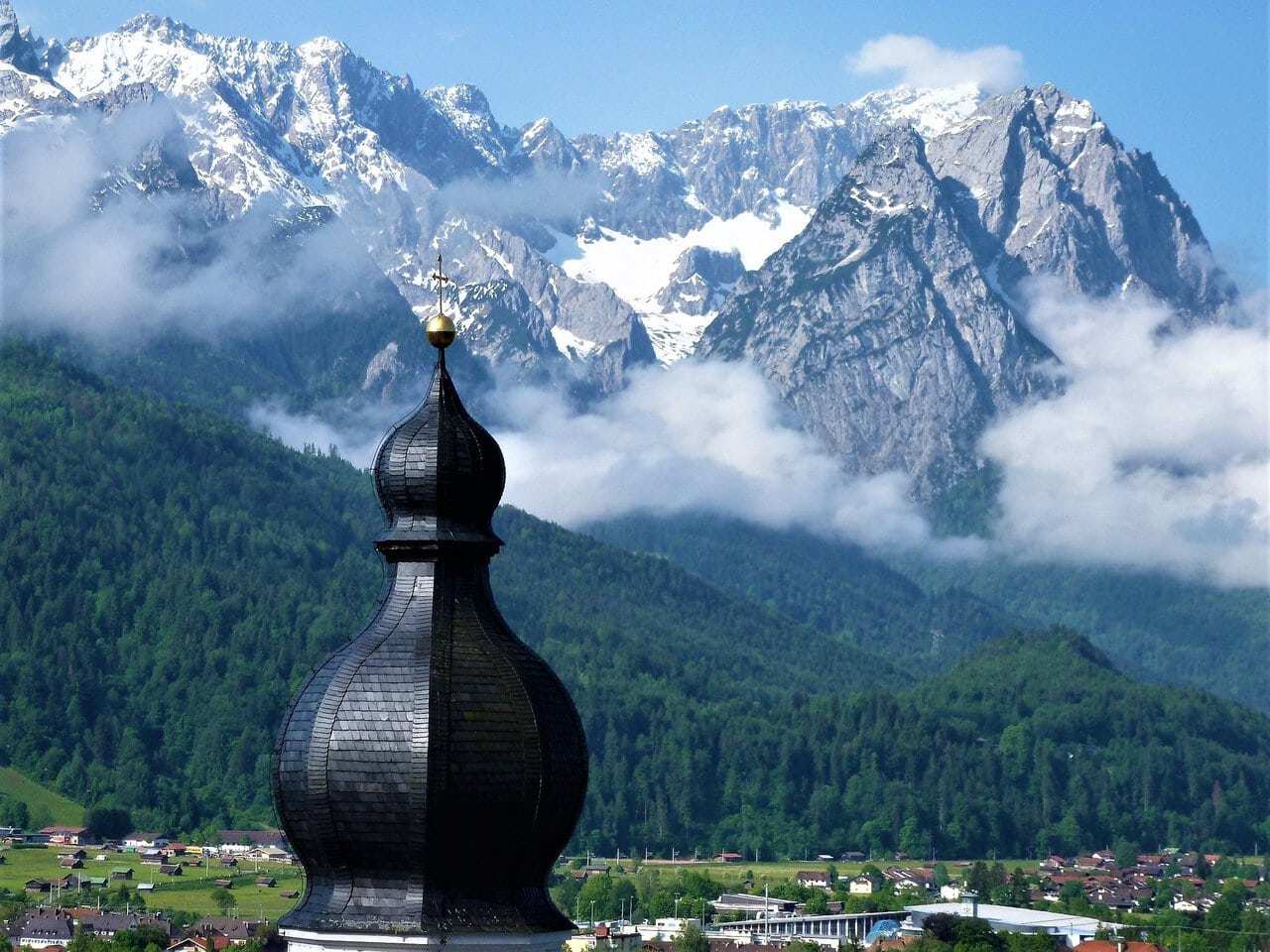
Visiting the Zugspitze is one of the most accessible ways to experience true high alpine scenery in Europe without technical difficulty or long hikes. Rising to 2,962 metres, it stands as Germany’s highest mountain, yet it is surprisingly straightforward to reach.
What makes Zugspitze different from many other alpine destinations is the combination of extreme elevation and modern infrastructure. You are not required to climb, trek, or prepare for a demanding ascent. Instead, a network of cable cars and mountain railways takes you from valley level to the summit within a matter of hours.
This creates a rare opportunity. In a single day, you can travel from a major city such as Munich to a high-altitude environment with glaciers, panoramic viewpoints, and views across multiple countries.
The experience is not just about reaching the top. The journey itself is carefully designed, combining engineering, scenery, and gradual elevation change to build a sense of scale as you move through the Alps.
For travellers looking for a high-impact alpine experience that is both practical and memorable, Zugspitze delivers something that very few destinations can match.
Why Visit Zugspitze
The appeal of Zugspitze lies in how much it offers within a single, well-structured experience. It combines altitude, scenery, accessibility, and variety in a way that makes it suitable for a wide range of travellers.
The most immediate draw is the panoramic view from the summit. On clear days, you can see across the Alps into Germany, Austria, Switzerland, and Italy, creating a sense of scale that is difficult to replicate elsewhere. This is not a single viewpoint but a series of platforms and vantage points that allow you to fully take in the surrounding landscape.
Another major advantage is accessibility. Unlike many alpine peaks, Zugspitze does not require specialist equipment or advanced fitness. The infrastructure allows you to reach the summit comfortably, making it one of the few places where you can experience near-3,000 metre altitude without a demanding climb.
The journey itself adds to the appeal. Whether you choose the cable car for speed and dramatic elevation or the mountain railway for a gradual scenic ascent, the process of reaching the summit becomes part of the experience rather than just a transfer.
Zugspitze works equally well as a standalone highlight or as part of a wider Bavaria or Alpine itinerary, which is why it consistently ranks as one of the region’s most visited natural attractions.
See hotel options and places to stay in Germany.
Browse hotelsExplore holiday homes and apartments around Germany.
See holiday homesCompare prices for Germany hotels across multiple booking sites.
Check dealsWhere Is Zugspitze and Why It Matters
Zugspitze is located on the border between Germany and Austria, just south of Garmisch-Partenkirchen. This position places it firmly within the Bavarian Alps, one of the most scenic and well-developed mountain regions in Europe.
Its location is a major part of its appeal. Being close to Garmisch-Partenkirchen means it is easily accessible from major transport hubs, particularly Munich, which sits just over an hour away by train. This transforms Zugspitze from a remote mountain into a realistic day trip destination from a major city.
The border position also creates a unique advantage. You can approach the mountain from both the German and Austrian sides, each offering a different route and perspective. The German side typically combines railway and cable car travel, while the Austrian side offers a more direct cable car ascent from Ehrwald.
This dual access allows you to create a circular journey, travelling up one side and down the other, rather than simply returning the same way. It also provides flexibility if weather conditions differ between routes.
Zugspitze’s location is not just geographical. It is strategic, sitting at the centre of a region where transport, scenery, and accessibility come together.
How to Get to Zugspitze
Reaching Zugspitze is straightforward, particularly if you are travelling within southern Germany or western Austria. The main access point is Garmisch-Partenkirchen, which acts as the primary gateway to the mountain.
From Munich, trains run regularly to Garmisch-Partenkirchen, with a journey time of around one hour and fifteen minutes. These services are reliable and frequent, making it easy to plan either a day trip or a longer stay in the region. The train journey itself begins to introduce alpine scenery, setting the tone before you even reach the mountain.
Once in Garmisch, you can choose between different ascent options. The Zugspitzbahn mountain railway offers a gradual climb through tunnels and alpine terrain, while the Zugspitze Cable Car provides a direct and much faster route to the summit.
From the Austrian side, access is typically via Innsbruck and the nearby town of Ehrwald. From here, the Tiroler Zugspitzbahn cable car takes you directly to the summit in a single stage.
The key advantage is flexibility. You can tailor your journey based on time, budget, and the type of experience you want, rather than being locked into a single route.
| City | Approx Travel Time | Primary Method | Typical Route |
|---|---|---|---|
| Munich | ~1h 45m to 2h 15m | Train + mountain railway or cable car | Train to Garmisch-Partenkirchen, then Zugspitzbahn or cable car |
| Innsbruck | ~1h 30m to 2h | Train or car + cable car | Train or drive to Ehrwald, then Tiroler Zugspitzbahn |
| Garmisch-Partenkirchen | ~1h 15m to summit | Mountain railway or cable car | Direct Zugspitzbahn or cable car |
| Ehrwald | ~40 minutes | Cable car | Direct Tiroler Zugspitzbahn to summit |
| Salzburg | ~2h 45m to 3h 30m | Train + cable car | Train to Garmisch or Ehrwald, then ascent |
| Munich Airport | ~2h 30m to 3h | Train + mountain transport | S-Bahn to Munich, then train to Garmisch |
Best Route to Choose for Visiting Zugspitze
Choosing how to reach the Zugspitze is not just a transport decision. It directly shapes the overall experience. The different routes offer distinct advantages in terms of speed, scenery, and simplicity, so the best option depends on how you want the day to feel.
For most travellers coming from Munich, the standard approach via Garmisch-Partenkirchen provides the most flexibility. From here, you can combine the mountain railway and cable car, creating a varied ascent that builds gradually before reaching the summit. This route is ideal if you want the journey itself to feel like part of the experience.
If your priority is speed and simplicity, the Austrian route via Ehrwald is often the most efficient. The Tiroler Zugspitzbahn cable car takes you directly to the summit with minimal intermediate steps, making it the fastest way to reach the top.
A hybrid journey can also work well: use the cogwheel railway for the gradual ascent and return by cable car, or reverse the order. The detailed stage-by-stage breakdown below shows how each option actually works, so you can choose based on time, weather and how much of the mountain transport itself you want to experience.

How Getting Up Zugspitze Actually Works
Reaching the summit of Zugspitze is not a single journey. It is a multi-stage system made up of different trains and cable cars, and this is where many visitors get confused.
From the German side, starting in Garmisch-Partenkirchen, the journey usually happens in two or three distinct stages, depending on the route you choose.
The first stage is the Zugspitzbahn cogwheel railway. This train departs from Garmisch-Partenkirchen and climbs steadily into the mountains. It is not a fast journey, but it is an important part of the experience, passing through forested slopes and then entering a long tunnel as it approaches higher altitude.
This railway does not take you to the summit. It brings you to the Zugspitzplatt glacier plateau, which sits below the summit.
From here, you switch to a second stage cable car. This shorter cable car runs from the glacier plateau up to the summit itself. This is where the final elevation gain happens, and the change in landscape becomes much more dramatic.
There is also an alternative route from the German side. Instead of taking the railway, you can go directly from the valley using the Zugspitze Cable Car, which travels from near Eibsee lake straight to the summit in one continuous journey. This skips the railway entirely.
From the Austrian side, via Ehrwald, the system is simpler. The Tiroler Zugspitzbahn cable car takes you directly from the valley to the summit in a single stage, without intermediate transfers.
This means there are effectively three ways up.
You can take the full scenic route, using the railway and then a cable car.
You can take the direct German cable car, which is faster and more dramatic.
Or you can take the Austrian cable car, which is the simplest and often the quickest overall.
Understanding this structure is important, because it changes how you plan your day. The different routes are not just transport options. They are different experiences, and choosing the right one shapes the entire visit.
| Route Option | Stage Breakdown | Approx Time | Experience Type |
|---|---|---|---|
| Full Scenic Route (German side) | Garmisch → Zugspitzbahn railway → Glacier → Cable car to summit | ~1h 45m to 2h 15m | Most complete, gradual ascent |
| Direct Cable Car (German side) | Eibsee → Zugspitze Cable Car → Summit | ~10 minutes (ascent only) | Fastest and most dramatic |
| Austrian Cable Car Route | Ehrwald → Tiroler Zugspitzbahn → Summit | ~10 minutes (ascent only) | Simplest and quickest overall |
| Hybrid Route (Popular Option) | Railway up → Cable car down (or reverse) | ~2h total travel time | Best balance of speed and scenery |
| Glacier Plateau Only | Garmisch → Zugspitzbahn railway → Glacier | ~1h 15m | Stops below summit |
| Route Type | Start Point | Stage 1 | Stage 2 | Stage 3 | End Point |
|---|---|---|---|---|---|
| Scenic German Route | Garmisch-Partenkirchen | Zugspitzbahn cogwheel train | Glacier plateau (Zugspitzplatt) | Cable car to summit | Summit |
| Direct German Cable Car | Eibsee | Zugspitze Cable Car | N/A | N/A | Summit |
| Austrian Cable Car Route | Ehrwald | Tiroler Zugspitzbahn | N/A | N/A | Summit |
| Hybrid Route (Best Experience) | Garmisch-Partenkirchen | Train to glacier | Cable car to summit | Cable car down to Eibsee or Ehrwald | Valley (different location to start) |
Can You Go Up One Side of Zugspitze and Down the Other?
Yes, you can go up one side of Zugspitze and come down the other, and in many cases this is the best overall experience rather than doing a simple return trip.
The mountain is designed with interconnected lift and railway systems, linking the German side via Garmisch-Partenkirchen and the Austrian side via Ehrwald. At the summit and glacier plateau, these systems connect, which allows you to cross the mountain rather than retrace your route.
A common and highly recommended approach is to take the Zugspitzbahn railway up from Garmisch-Partenkirchen to the glacier plateau, then continue to the summit by cable car. From the summit, you can descend using the direct Zugspitze Cable Car down to Eibsee. This gives you both the gradual scenic ascent and the dramatic cable car descent.
Another option is to cross fully between countries. You can go up from the German side and come down via the Tiroler Zugspitzbahn into Ehrwald in Austria, or do the reverse. This creates a true cross-border alpine journey, which is quite unique.
There are two important things to be aware of. First, your ticket must cover a round trip with flexible routing, which most full Zugspitze tickets do, but it is worth checking. Second, you need to plan your return transport, as you will not end up where you started.
For example, if you go up from Garmisch and come down in Ehrwald, you will need to return by train or bus via Austria back into Germany, or continue your journey from there.
This is not a limitation. It is actually an advantage. It allows you to turn the visit into a one-way scenic journey rather than a simple up-and-down trip, which makes the whole experience feel far more complete.
What to Expect at the Summit
Reaching the summit of Zugspitze is a very different experience from simply arriving at a viewpoint. The summit area is designed as a fully developed high-altitude destination, with multiple viewing platforms, facilities, and clearly marked areas to explore.
The most immediate impact comes from the panoramic views. On clear days, the visibility stretches across multiple countries, with mountain ranges extending in all directions. The viewing platforms are positioned to maximise these perspectives, allowing you to take in the landscape from different angles.
There is also a symbolic element. The summit cross marks the highest point in Germany and attracts visitors looking to stand at the country’s highest elevation. Access to this point involves a short, slightly exposed climb, which adds a sense of achievement.
Facilities at the summit include restaurants, viewing areas, and indoor spaces, making it possible to spend time at altitude comfortably. This is not a brief stop. It is a place where you can pause, explore, and fully experience the alpine environment.
Search routes and flight options for your trip to Germany.
Search flightsChoose an Airalo eSIM and arrange mobile data before you arrive.
Browse eSIMsHave a private airport pickup arranged before you travel.
Book a transferZugspitze Glacier and Activities
Below the summit lies the Zugspitze glacier plateau, which adds another dimension to the visit. This area sits at high altitude but offers a broader, more open environment compared to the summit itself.
The glacier provides a year-round snow experience, which is particularly valuable during summer months when most lower alpine areas are snow-free. This makes it possible to walk on snow, take in glacier views, and experience a different type of landscape within the same visit.
In winter, the area becomes a small but well-developed ski zone, attracting visitors who want a high-altitude skiing experience without travelling to larger resorts. Even outside the ski season, the glacier remains a key part of the overall visit.
The transition between summit and glacier is quick and easy, usually via cable car. This allows you to experience both environments within a short timeframe.
The glacier is not just an add-on. It is a core part of the Zugspitze experience, offering contrast, variety, and a deeper sense of the mountain’s scale.
Best Time to Visit Zugspitze
Choosing when to visit Zugspitze has a major impact on what you actually experience at the top. Unlike most destinations, the conditions at nearly 3,000 metres can be very different from those in the valley.
The most important factor is visibility. Clear days transform the experience, opening up panoramic views across multiple countries. Cloud cover, on the other hand, can completely block the view, even if the weather feels fine at lower levels. This makes checking the mountain forecast more important than simply looking at conditions in Garmisch-Partenkirchen.
Summer offers the most reliable access and the easiest overall experience. Trails are open, transport runs frequently, and conditions at the summit are generally manageable. However, it is also the busiest period, particularly in July and August.
Winter creates a very different atmosphere. The mountain becomes a snow-covered alpine environment, with skiing on the glacier and a much more dramatic visual landscape. Visibility can still be excellent on clear days, but conditions are colder and more changeable.
The most balanced periods are late spring and early autumn. These shoulder seasons often provide fewer crowds and clearer air, while still offering good access to the summit and glacier areas.
The key is not just choosing a season, but choosing a day with stable, clear conditions, as this is what defines the overall experience.
Tickets, Prices and Booking Strategy
Visiting Zugspitze requires a combined ticket that covers the mountain transport system. This is not a standard train ticket, but a dedicated mountain pass that includes cable cars, railway segments, and summit access.
Prices are relatively high compared to standard transport, reflecting the infrastructure and experience. A full return ticket typically includes access to the Zugspitzbahn railway, glacier cable car, and summit lifts, allowing you to move freely between the different stages of the mountain.
There are also variations depending on your route. Tickets from the German side, Austrian side, or combined cross-border journeys may differ slightly in structure and pricing. Some options allow more flexibility in how you travel up and down, which is important if you want to create a circular route rather than a simple return.
Booking in advance is not always essential, but it can help during peak periods. Summer weekends and clear-weather days tend to be the busiest, and arriving early in the day improves your chances of a smoother experience.
The key is to view the ticket as more than transport. It is effectively entry to a full mountain experience, covering multiple stages rather than a single journey.
Zugspitze Tickets Explained
Visiting the Zugspitze requires a dedicated mountain ticket. This is not just a train or cable car fare. It is a combined access pass covering the full ascent and descent, including the railway, glacier cable car, and summit lifts depending on your route.
The most common option is the Zugspitze return ticket, which includes one ascent and one descent and allows you to use a mix of transport methods. This means you can go up by train and come down by cable car, or take a direct cable car both ways.
Typical pricing sits around the following range:
| Ticket Type | Adult | Youth (16–18) | Child (6–15) | Family Child | Disabled |
|---|---|---|---|---|---|
| Zugspitze Return Ticket | €69.00 | €55.00 | €34.50 | €29.50 | €61.00 |
| 2 Peak Pass (Zugspitze + Garmisch/Wank) | €85.00–€93.50 | €68.00–€75.00 | €42.50–€47.00 | €20.50–€29.50 | €72.50 |
The key point is that this ticket covers the entire mountain system, not just a single lift. You are paying for access to a multi-stage alpine experience, not just transport.
Wankbahn Cable Car Tickets
The Wankbahn operates as a completely separate system and is significantly simpler and cheaper than Zugspitze. It is important to understand that this cable car goes up Wank Mountain, not Zugspitze, and does not connect to the main Zugspitze railway or cable car network.
Tickets are straightforward, with options for return journeys, one-way travel, and partial routes via the middle station.
| Ticket Type | Adult | Youth (16–18) | Child (6–15) | Family Child | Disabled |
|---|---|---|---|---|---|
| Return (Ascent + Descent) | €30.00 | €24.00 | €15.00 | €8.00 | €26.00 |
| One Way | €20.00 | €16.00 | €10.00 | €8.00 | €17.50 |
| Valley to Middle Station Return | €20.00 | €16.00 | €8.00 | N/A | N/A |
| Middle to Summit Return | €22.50 | €18.00 | €8.00 | N/A | N/A |
| 2 Peak Pass (Combined) | €93.50 | €75.00 | €47.00 | €20.50 | N/A |
The Wankbahn is best seen as a simpler, lower-cost scenic alternative, rather than part of the main Zugspitze experience.
Garmisch-Classic Area Tickets
The Garmisch-Classic area includes lifts such as the Alpspitzbahn and Kreuzeckbahn, offering access to viewpoints, hiking areas, and the AlpspiX platform.
This is a separate mountain experience, focused more on walking and scenery rather than altitude.
| Ticket Type | Adult | Youth (16–18) | Child (6–15) | Family Child | Disabled |
|---|---|---|---|---|---|
| Return Ticket | €39.00 | €31.00 | €19.50 | €8.00 | €33.00 |
| One Way | €24.00 | €19.00 | €12.00 | €8.00 | €21.00 |
| 2 Peak Pass (Combined) | €93.50 | €75.00 | €47.00 | €20.50 | N/A |
This area works well as a complement to Zugspitze, especially if you have more than one day in the region.
Compare hostels and lower-cost places to stay in Germany.
Search hostelsFlying to Germany? Get fast compensation payouts, eligible lounge benefits and expert help when flights go wrong.
See AirHelp+ benefitsUse convenient luggage storage around Germany between arrival, check-in and departure.
Check storageCombination Tickets and Best Value Options
Several combined tickets make visiting the region easier and often better value, especially if you are travelling from Munich.
The most useful option is the train and mountain combination ticket, which includes travel from Munich to Garmisch-Partenkirchen and access to either Zugspitze or Garmisch-Classic.
The MVV Garmischer Sommerticket is particularly strong value. It includes return train travel from Munich and a full Zugspitze or Garmisch-Classic ticket
Typical pricing:
| Ticket | Adult | Child |
|---|---|---|
| MVV Summer Ticket (Zugspitze) | €94.50 | €12.50 |
| MVV Summer Ticket (Classic) | €60.50 | €8.00 |
In winter, the MVV Skipass combines train travel with ski access, but also works for visitors who want to explore on foot.
Deutschland-Ticket: Important Limitations
The Deutschland-Ticket is often misunderstood when visiting Zugspitze.
It is only valid on the valley section of the cogwheel train between Garmisch-Partenkirchen and Grainau. It does not cover the journey to Eibsee or the summit, and it is not valid on any cable cars.
It also does not provide a discount on mountain tickets.
This means you will still need to purchase a separate Zugspitze ticket for the main part of the journey.
Check Lift and Railway Status Before You Travel
Conditions on Zugspitze can change quickly due to weather, maintenance, and seasonal operations. Cable cars, railways, and glacier access are not always running at full capacity, and this can directly affect your route and overall experience.
Before you travel, it is important to check the live operational status of all lifts and transport systems. This ensures you avoid unexpected closures and can adjust your route if needed.
Live Lift & Railway Status
Check current operating conditions, closures, and service updates before your visit → Zugspitze lift and railway status page

Suggested Zugspitze Itineraries
The way you structure your visit to Zugspitze can significantly change the experience. Rather than simply going up and down, it is worth planning a route that makes the most of the different transport options.
A classic approach from Munich is to travel to Garmisch-Partenkirchen, take the Zugspitzbahn railway up to the glacier plateau, then continue to the summit by cable car. From the top, you descend using the direct cable car to Eibsee, creating a varied and complete journey.
For travellers looking for speed, the simplest itinerary is to take the direct cable car to the summit and return the same way. This reduces travel time and keeps the day straightforward, making it ideal for shorter visits.
A more adventurous option is to combine countries. You can travel up from the German side and descend into Austria via Ehrwald, or reverse the route. This creates a cross-border journey that feels more dynamic and avoids repetition.
The key is to treat the visit as a route-based experience rather than a single destination, using the mountain’s layout to build a more engaging day.
Tips for Visiting Zugspitze
A visit to Zugspitze is straightforward once you understand how the system works, but a few practical points can make a significant difference to how smooth the day feels.
Weather awareness is critical. Conditions at the summit can change quickly, and temperatures are much lower than in the valley. Dressing in layers ensures you remain comfortable throughout the journey.
Timing also matters. Arriving early helps avoid queues and allows you to experience the summit before peak crowds arrive. This is particularly important during summer and on clear days.
Route selection should be considered in advance. Deciding whether you want a fast ascent or a more scenic, staged journey avoids confusion once you arrive.
Finally, allow enough time. While it is possible to visit quickly, the experience is much better when you give yourself space to explore both the summit and glacier areas.
Approached correctly, the visit becomes smooth, flexible, and far more enjoyable, rather than rushed or confusing.
Zugspitze vs Wankbahn: Which Should You Choose?
When planning a visit to Zugspitze, many travellers come across the Wankbahn and assume it is part of the same system. It is not. These are two completely different experiences, and choosing the right one depends on what you want from your day.
Zugspitze delivers a high-altitude alpine experience, taking you to nearly 3,000 metres with glacier access, summit platforms, and views across multiple countries. It is more complex, more expensive, and more time-intensive, but it offers a flagship mountain experience.
The Wankbahn is simpler. It takes you up Wank Mountain, which is much lower, but still offers wide panoramic views over the Alps, including excellent views of Zugspitze itself. It is quicker, quieter, and significantly cheaper.
The key difference is not quality. It is scale and intensity. Zugspitze is about altitude and impact. Wankbahn is about ease and perspective.
| Feature | Zugspitze | Wankbahn |
|---|---|---|
| Mountain Height | 2,962 metres | 1,780 metres |
| Experience Type | High alpine summit | Scenic viewpoint |
| Access Method | Train + cable cars or direct cable car | Single cable car |
| Travel Time (Up) | ~1.5 to 2.5 hours total | ~20 minutes |
| Glacier Access | Yes | No |
| Crowds | Busy, especially in summer | Much quieter |
| Cost | High | Moderate |
| Best For | Full alpine experience | Easy scenic alternative |

Nearby Attractions and Extensions
A visit to Zugspitze works best when it is treated as part of a wider alpine itinerary rather than a single standalone stop. The surrounding region offers a range of natural landmarks, scenic routes, and accessible extensions that can easily be combined into a longer trip.
The most immediate extension is Garmisch-Partenkirchen itself. This town is more than just a transport hub. It provides access to walking routes, viewpoints, and traditional alpine architecture, making it a strong base if you want to stay overnight rather than rush back.
One of the standout nearby experiences is the Partnach Gorge. This dramatic canyon features narrow walkways cut through rock, with waterfalls and rushing water creating a completely different environment from the open summit of Zugspitze. It adds contrast and depth to the trip.
On the Austrian side, Innsbruck offers a combination of alpine scenery and city culture. It is well worth including if you are already descending into Austria, providing a natural continuation of the journey.
The key advantage of this region is how well everything connects. You can move between mountain, gorge, and city experiences within a short distance, creating a far more varied and rewarding trip.

Rupert’s Handy Travel Tips
Rupert likes to be prepared when heading into the mountains, especially somewhere as high as Zugspitze. He knows that the difference between a good visit and a great one often comes down to planning the route properly and understanding how the mountain system works before you arrive.
- Check the summit forecast: Conditions at altitude can differ hugely from the valley, so check the mountain forecast, not just Garmisch-Partenkirchen, before you travel.
- Plan your route in advance: Decide between the railway, the direct cable car, or the Austrian route beforehand to avoid confusion once you arrive.
- Arrive early: On clear days, getting there early helps you beat the queues and the biggest crowds.
- Allow plenty of time: Budget time for both the summit and the glacier plateau to get the full Zugspitze experience.
Want to meet the reindeer behind our travel tips? Find out more in our page Who is Rupert?.


Frequently Asked Questions About Visiting Zugspitze
Is Zugspitze worth visiting?
Yes, Zugspitze is one of the most accessible high mountain experiences in Europe. The combination of easy access, dramatic views, and multiple transport options makes it a standout destination.
Can you visit Zugspitze without hiking?
Yes. The entire journey can be completed using cable cars and mountain railways, allowing you to reach the summit without any hiking at all.
How long do you need to visit Zugspitze?
A full visit typically takes between half a day and a full day, depending on your route and how long you spend at the summit and glacier.
Is Zugspitze expensive?
Tickets are relatively expensive compared to standard transport, but they include access to the full mountain system, which makes it more comparable to an attraction than a simple journey.
What is the best way to go up Zugspitze?
The best route depends on your priorities. A combination of the mountain railway and cable car offers the most complete experience, while direct cable cars provide the fastest access.
Further Reading & Related Guides
If you are planning a wider alpine or Germany trip, it is worth exploring how Zugspitze fits into a broader journey. Our Germany travel guide provides a full overview of destinations and transport options across the country, while our European railway journeys guide helps you understand how to connect cities and regions efficiently by train. If you are staying in the Bavarian Alps for longer, our Eagle’s Nest and Berchtesgaden guide covers another of the region’s standout mountain excursions, easily combined with a Zugspitze day trip.
If you are travelling between countries, our Eurail vs Interrail guide explains which rail pass applies to you and how to use it effectively across borders. For booking routes and comparing ticket options, our train booking apps guide shows how to find the best fares and manage reservations.
Staying connected is essential when navigating mountain transport systems and live timetables, so our eSIM apps guide will help you stay online throughout your trip. Once you reach each destination, our local transport apps guide ensures you can move easily between stations, accommodation, and key attractions.