Reviewed by our editorial team Updated
Why the Settle to Carlisle Line Is One of Britain’s Greatest Train Journeys
The Settle–Carlisle Line is widely regarded as one of the greatest railway journeys in the United Kingdom, combining dramatic landscapes, historic engineering, and a sense of scale that few other routes can match. This is not just a scenic train ride. It is a bucket-list travel experience that has attracted visitors, photographers, and rail enthusiasts for generations.
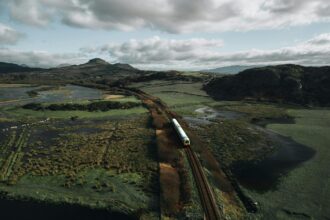
What sets this line apart is the way it moves through some of the most striking terrain in northern England. The route crosses the Yorkshire Dales, the Pennines, and into Cumbria, passing through landscapes that feel vast, open, and largely untouched. Unlike urban or commuter routes, there is a constant sense of space and elevation, with sweeping views that stretch for miles.
The railway itself is part of the appeal. Built in the 19th century, it features viaducts, tunnels, and remote stations that reflect an era of ambitious engineering. These structures are not just functional. They are iconic landmarks that define the character of the journey.
For travellers, the experience is both visual and atmospheric. The combination of scenery, history, and the steady pace of the train creates a journey that feels immersive and memorable from start to finish.
The key point is simple. The Settle to Carlisle Line is not just one of the best train journeys in England. It is one of the most iconic railway experiences in Europe.
2026 marks the line’s 150th anniversary, since it opened to passengers on 1 May 1876. Northern, which now operates the route, expects to carry more than a million passengers across the anniversary year, making it the line’s busiest year on record. The line famously survived a British Rail closure attempt in the 1980s after a sustained public campaign, and that history is part of why the route is celebrated so strongly by rail enthusiasts today.
| Feature | Details |
|---|---|
| Route | Settle to Carlisle |
| Journey Time | Around 1 hour 45 minutes to 2 hours |
| Most Famous Landmark | Ribblehead Viaduct |
| Best Season | Autumn and winter for dramatic scenery |
| Main Operator | Northern |
| Best For | Scenic railway journeys and photography |
| Highest Point | Ais Gill summit area |
| Best Stopover | Appleby-in-Westmorland |
| Nearest Major Cities | Leeds and Carlisle |
| Best Known Section | Ribblehead and the Yorkshire Dales |
| Can You Do It as a Day Trip? | Yes |
| Railcard Discounts Available | Yes |
| Best Direction to Travel | Both directions offer excellent views |
| Typical Journey Style | Scenic regional railway |
| Photography Highlight | Crossing Ribblehead Viaduct |
What the Settle to Carlisle Line Is and How It Works
The Settle–Carlisle Line runs between Settle in North Yorkshire and Carlisle in Cumbria, forming a direct route through some of the most rugged and elevated landscapes in England. Unlike many scenic railways, it is not a heritage line. It is a fully operational part of the national rail network, used by both regular passengers and visitors.
Services are typically operated by regional train providers, offering regular daily departures in both directions. This makes the line far more accessible than some rural routes, allowing travellers to plan journeys without needing to work around extremely limited timetables.
The full journey takes around one hour and 45 minutes to two hours, depending on the service. While this is relatively quick for the distance covered, the route feels slower due to its winding path through mountainous terrain and the number of stops along the way.
Stations along the line are often small and remote, reflecting the geography of the route. Many serve rural communities or act as access points to walking routes and natural attractions.
For travellers, the key advantage is usability. Unlike some scenic lines that require careful planning, the Settle to Carlisle Line offers a balance between accessibility and experience, making it easy to include in a wider itinerary.
Compare hotels and other places to stay for your trip.
Check availabilityBrowse apartments, holiday homes and self-catering stays.
View rentalsCompare hotel prices across multiple booking sites.
Compare ratesRoute Overview and Key Stops
The Settle–Carlisle Line follows a clear north–south route, but what makes it special is how it moves through changing landscapes and elevation as it progresses.
Starting from Settle, the line quickly enters the Yorkshire Dales, where the scenery opens out into rolling hills and wide valleys. This early section sets the tone for the journey, with a strong sense of space and natural beauty.
One of the most important stops along the route is Ribblehead, which serves as the gateway to the line’s most famous landmark. Further north, the line reaches Appleby-in-Westmorland, a historic market town that provides access to the Eden Valley.
As the train continues, the landscape begins to soften slightly, with greener valleys and more settled areas appearing as you approach Carlisle.
Finally, the route ends at Carlisle, a major rail hub with connections to Scotland and the wider UK network.
What defines these stops is their relationship to the landscape. Each marks a shift in scenery, giving the journey a strong sense of progression through different regions of northern England.
| Station | What It’s Known For | Scenic Value | Worth Stopping? |
|---|---|---|---|
| Settle | Historic Yorkshire market town | High | Yes |
| Ribblehead | Ribblehead Viaduct and Yorkshire Dales scenery | Extremely High | Yes |
| Dent | England’s highest mainline station | Very High | Yes |
| Garsdale | Remote moorland landscapes | High | Optional |
| Kirkby Stephen | Access to walking routes and Eden Valley | High | Yes |
| Appleby-in-Westmorland | Historic market town and scenic valley views | Very High | Yes |
| Langwathby | Rural Cumbrian countryside | Medium | Optional |
| Carlisle | Major railway hub and historic border city | Medium | Yes |
Ribblehead Viaduct: The Iconic Highlight
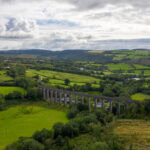
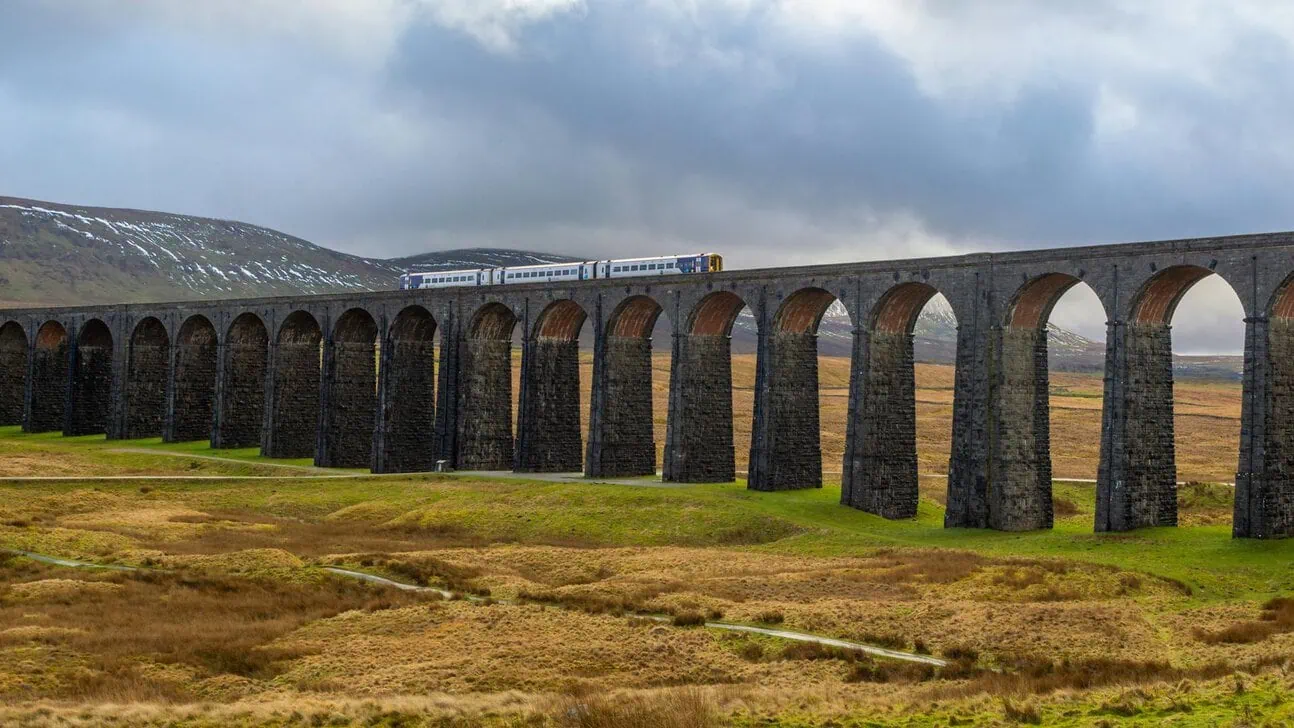
The defining feature of the Settle–Carlisle Line is the Ribblehead Viaduct, one of the most recognisable railway structures in the UK and a major reason why the route is so famous.
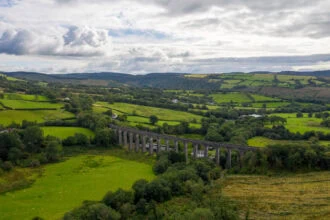
Located near Ribblehead, the viaduct (listed as Batty Moss Railway Viaduct) stretches across a wide valley with 24 massive stone arches, creating a structure that is both functional and visually striking. It stands as a symbol of Victorian engineering, built in challenging conditions to carry the railway across difficult terrain.
As the train crosses the viaduct, passengers are treated to wide, uninterrupted views of the surrounding landscape, including the dramatic hills of the Yorkshire Dales. This is often considered the highlight of the entire journey and is one of the most photographed sections of railway in the country.
The experience of crossing the viaduct is unique. The train slows slightly, allowing you to take in the scale of the structure and the openness of the landscape around it. It is a moment that captures the essence of the route, combining engineering, scenery, and atmosphere in a single experience.
For many travellers, this section alone makes the journey worthwhile. It is not just a feature of the line. It is the iconic centrepiece of one of Britain’s greatest rail journeys.
A Typical Journey on the Settle to Carlisle Line
A journey on the Settle–Carlisle Line is defined by constant change, both in landscape and atmosphere. From the moment the train leaves Settle, there is a clear sense that you are moving into a more remote and elevated part of the country.
The early stages take you through the Yorkshire Dales, where rolling hills and open countryside dominate the view. The scenery feels wide and expansive, with dry stone walls, grazing livestock, and long stretches of uninterrupted landscape creating a strong sense of place.
As the train climbs higher into the Pennines, the environment becomes more dramatic. The terrain grows steeper, the air feels more exposed, and the railway itself becomes a more visible part of the journey, with tunnels and viaducts marking the route. This is where the line feels most remote and atmospheric, particularly as it approaches the Ribblehead section.
Crossing the Ribblehead Viaduct is the standout moment. The train moves across the arches with the surrounding hills stretching into the distance, creating one of the most memorable views in UK rail travel.
Beyond this point, the landscape gradually softens as the train descends towards Cumbria. The scenery shifts into greener valleys and more settled countryside, eventually leading into the outskirts of Carlisle.
The overall experience is one of progression and contrast, making the journey feel dynamic and engaging from start to finish.

Best Places to Visit Along the Settle to Carlisle Line
One of the biggest strengths of the Settle to Carlisle Line is that the journey itself is only part of the experience. The route passes through historic towns, remote villages, walking areas, and some of the most scenic landscapes in northern England, making it easy to turn a simple train ride into a much broader travel itinerary.
Unlike some scenic railways that pass through isolated wilderness with few stopping opportunities, the Settle to Carlisle Line allows travellers to step off and explore a series of destinations that each offer something different. This creates a journey that feels flexible and immersive rather than simply observational.
For many travellers, breaking up the route into multiple stops actually improves the overall experience, allowing time to explore the landscapes and communities that make the railway so special.
Settle: Gateway to the Yorkshire Dales
The journey begins in Settle, a historic market town on the edge of the Yorkshire Dales National Park. Although many travellers board the train here without exploring the town itself, Settle is well worth spending time in before departure.
The town has a traditional northern market town atmosphere, with stone buildings, independent cafés, pubs, and small shops clustered around the centre. The surrounding countryside immediately gives a sense of the landscapes that define the railway further north.
Settle also works particularly well as a walking base. Several routes connect directly into the Yorkshire Dales, making it popular with hikers and outdoor travellers combining rail journeys with countryside exploration.
From a railway perspective, Settle feels like the ideal starting point because the scenery begins changing almost immediately after departure. The transition from town to open countryside happens quickly, helping the journey feel immersive from the very beginning.
Travellers arriving from Leeds, Skipton, or elsewhere in Yorkshire often find Settle easy to reach, making it one of the most accessible gateways into scenic rail travel in northern England.
Ribblehead: The Most Famous Stop on the Route
No location is more closely associated with the Settle to Carlisle Line than Ribblehead. This small and remote stop serves as the gateway to the line’s most iconic scenery, including the world famous Ribblehead Viaduct.
The area feels dramatically different from much of lowland England. Wide open moorland, exposed hills, changing weather, and huge skies create an atmosphere that feels rugged, elevated, and remote.
For many visitors, Ribblehead is primarily about the viaduct itself. Walking routes from the station lead toward viewpoints overlooking the massive stone arches stretching across the valley. This is one of the most photographed railway locations in Britain and a major highlight for rail enthusiasts and landscape photographers alike.
The surrounding area is also closely linked to the Yorkshire Three Peaks walking region, meaning hikers frequently use Ribblehead as an access point for longer countryside routes.
Weather plays a huge role in the atmosphere here. Fog, rain, snow, and low cloud can completely transform the landscape, often making the area feel even more dramatic and cinematic.
Despite its fame, Ribblehead still retains a surprisingly isolated feel, particularly outside summer weekends. This balance between accessibility and remoteness is one of the reasons the location works so well.
Search routes and flight options for your journey.
Search flightsChoose an Airalo eSIM and arrange mobile data before you arrive.
Browse eSIMsCheck private airport pickup options and plan the first part of your journey in advance.
View transfersDent: England’s Highest Mainline Station
The stop at Dent is one of the most atmospheric sections of the entire route. Although the station itself is named after the nearby village of Dent, it actually sits several miles away in an exposed and elevated rural landscape.
Dent Station is often described as the highest mainline railway station in England, adding another layer of identity to the journey. The surrounding scenery feels remote and windswept, particularly during winter or poor weather conditions.
The nearby village of Dent is also worth exploring for travellers wanting a quieter and more traditional rural stop along the route. Narrow streets, stone cottages, and surrounding hills give the area a timeless character that contrasts strongly with modern urban Britain.
For photographers and rail enthusiasts, the combination of isolated railway infrastructure and open countryside makes this section especially memorable. Passing trains appear small against the scale of the surrounding landscape, reinforcing the sense of remoteness that defines much of the Settle to Carlisle journey.
Dent also highlights one of the route’s biggest strengths. The railway does not simply connect large cities. It moves through landscapes and communities that feel genuinely tied to the geography around them.
Appleby-in-Westmorland: Historic Market Town and Eden Valley Base
Further north, the line reaches Appleby-in-Westmorland, one of the most attractive and useful stopover towns on the route.
Located within the Eden Valley, Appleby offers a softer and greener landscape compared to the more rugged Pennine scenery further south. The town itself has a strong historic character, centred around traditional stone buildings, riverside areas, and the remains of Appleby Castle.
Unlike some of the smaller rural stops, Appleby feels like a fully functioning market town with cafés, accommodation, pubs, and enough facilities to support longer stays. This makes it one of the best places on the route for an overnight stop or slower paced exploration.
The surrounding countryside is also excellent for walking, particularly for travellers wanting quieter landscapes away from more heavily visited national park areas.
Appleby is especially popular during autumn, when the changing colours across the Eden Valley create some of the most attractive scenery on the entire line.
For many travellers, Appleby strikes the ideal balance between railway heritage, scenic surroundings, and practical usability, making it one of the strongest all-round destinations along the route.
Carlisle: Historic Border City and Rail Hub
At the northern end of the route sits Carlisle, one of the most historically important railway cities in northern England.
Unlike the smaller settlements further south, Carlisle feels much larger and more urban, functioning as a major rail interchange with connections toward Scotland, Newcastle, and the wider UK network.
The city itself has a strong historical identity linked to its position near the English-Scottish border. Key attractions include Carlisle Castle, the medieval cathedral, and several museums connected to military and border history.
For rail travellers, Carlisle also acts as a gateway into wider scenic railway journeys, including routes into Scotland and connections toward the famous West Coast Main Line.
The contrast between Carlisle and the remote landscapes further south gives the Settle to Carlisle Line a satisfying sense of progression. The route begins in the Yorkshire Dales, crosses exposed Pennine terrain, and eventually descends into a major historic northern city.
For many visitors, Carlisle works best as either the endpoint of the journey or the beginning of a wider rail itinerary exploring northern Britain and Scotland.
Travel Times, Frequency and Timetables
The Settle–Carlisle Line is one of the most accessible scenic railways in the UK, offering a balance between regular services and a relaxed journey pace.
The full journey between Settle and Carlisle typically takes around one hour and 45 minutes to two hours, depending on the service and stopping pattern. This makes it relatively quick compared to other scenic routes, allowing it to be used both as a day trip and as part of a longer journey.
Services usually run several times per day in each direction, providing a level of flexibility that is not always available on more rural lines. While it is still advisable to check timetables in advance, the frequency is sufficient to allow for spontaneous or flexible travel plans.
Connections at both ends of the line are straightforward. Carlisle offers links to Scotland and northern England, while Settle connects with routes through Yorkshire and beyond.
Because of this, the line can be easily integrated into a wider itinerary, rather than being a standalone journey that requires significant planning.
The key advantage is that the Settle to Carlisle Line combines scenic appeal with practical usability, making it one of the most accessible iconic train journeys in the UK.
Settle to Carlisle Line in Winter
Winter is one of the most atmospheric times to experience the Settle to Carlisle Line. Snow covered hills, low cloud, frost, and dramatic skies can completely transform the landscape, giving the route a far more rugged and cinematic feel.
The sections through the Yorkshire Dales and the higher Pennine terrain are especially impressive during colder months, when the exposed landscapes feel remote and wild. Crossing the Ribblehead Viaduct in winter conditions is widely considered one of the great railway experiences in Britain.
Winter journeys also tend to feel quieter and more relaxed outside holiday periods, making it easier to enjoy window seats and uninterrupted views.
However, weather conditions can occasionally affect services, particularly during periods of snow or severe wind. Travellers should check live rail updates before departure during extreme winter weather.
For photographers, winter often provides the most dramatic lighting conditions of the year, especially during sunrise and late afternoon journeys when low sunlight creates strong contrast across the hills and viaducts.
Best Sections for Scenic Views
The Settle–Carlisle Line is scenic throughout, but certain sections stand out for their dramatic landscapes and iconic viewpoints.
The most famous stretch is around Ribblehead, where the line crosses the Ribblehead Viaduct. This section offers wide panoramic views of the Yorkshire Dales, with the combination of open space and historic engineering creating a truly memorable experience.
Further north, as the line moves through the Pennines, the landscape becomes more rugged and elevated. This is where the journey feels most remote, with fewer signs of development and a stronger sense of isolation.
Approaching Appleby-in-Westmorland, the scenery begins to change again, transitioning into the Eden Valley, where the landscape becomes greener and more pastoral. This contrast adds variety to the journey and keeps the experience engaging.
What makes this route special is not just one highlight, but the way it combines multiple landscapes into a single journey. From open dales to high moorland and into fertile valleys, the scenery evolves continuously.
For travellers, this creates a journey that feels both visually impressive and constantly changing, ensuring there is always something to see.
Browse hostels and budget-friendly stays.
See hostelsGet fast compensation payouts, eligible lounge benefits and expert help when flights go wrong.
See AirHelp+ benefitsLeave your luggage somewhere convenient and explore hands-free.
View storageBest Side of the Train for Views
Choosing the right side of the train can make a noticeable difference on the Settle to Carlisle Line, particularly around the most scenic sections of the route.
Travelling northbound from Settle to Carlisle, the right-hand side of the train generally offers the best views across the Ribblehead Viaduct, the Yorkshire Dales landscapes, and several of the wider valley sections.
Travelling southbound from Carlisle to Settle, the left-hand side usually provides the strongest scenery for the same sections of the route.
That said, the line is scenic throughout and both sides offer excellent views at different stages of the journey. Large windows and the relatively relaxed pace of the train also mean visibility is generally very good regardless of where you sit.
If possible, try to secure a window seat before the train becomes busy, especially during weekends, summer travel periods, and autumn photography season.
Tickets and Fares for the Settle to Carlisle Line
Tickets for the Settle–Carlisle Line follow the standard UK rail fare system, but the nature of the route means that choosing the right ticket type can enhance your experience.
Advance tickets are often available and can provide savings, particularly if you are travelling at a specific time. However, these are tied to a particular train, which can limit flexibility if your plans change.
For most travellers, Off-Peak tickets are the best option. They allow travel on multiple services outside busy times, giving you the freedom to stop along the route or adjust your journey without being tied to a single train.
Anytime tickets provide full flexibility but at a higher cost. These are useful if you are unsure of your schedule or want complete freedom to travel at any time.
Railcards can also be used to reduce fares, offering significant savings on longer journeys.
Because the route is relatively short and services are regular, the key consideration is not just price, but how much flexibility you want. Choosing a ticket that allows you to enjoy the journey at your own pace can make a noticeable difference.

Plan Your Train Journey with Rail Europe
Booking train tickets in Europe can become complicated when different operators, routes, and booking systems are involved. Rail Europe makes it easier to search routes, compare fares, and buy train tickets in one place.
It is especially useful for international rail journeys, European city-to-city travel, and travellers looking to book both regular rail tickets and passes. Instead of checking multiple train operators separately, you can plan your journey faster and book with confidence.
When to Use the Settle to Carlisle Line
The Settle–Carlisle Line is one of the rare routes in the UK that works equally well as a standalone experience and a functional part of a wider journey. Knowing when to use it helps you get the most value from it.
This line is ideal when your goal is to experience one of the most iconic scenic rail journeys in Britain. If you are planning a trip through northern England or the Yorkshire Dales, it offers a route that turns a simple journey into a highlight of your itinerary.
It is also a strong option for day trips. Because the journey time is relatively short and services run regularly, you can travel a section of the line, explore a destination such as Appleby-in-Westmorland, and return the same day.
The route is equally useful as part of a longer journey. It connects easily with wider rail services, making it a natural addition to trips between England and Scotland or across northern England.
However, if your only priority is speed, this is not the most efficient route. Faster alternatives exist for direct travel between major cities.
The key is to use the line when you want to combine practical travel with a standout scenic experience, rather than simply reaching a destination as quickly as possible.

Tips for Travelling the Settle to Carlisle Line
Travelling on the Settle–Carlisle Line is straightforward, but a few simple tips can make a noticeable difference to your experience.
Choosing the right seat is one of the most important factors. Sitting by the window ensures you can fully enjoy the expansive views across the Yorkshire Dales and Pennines, particularly around the Ribblehead section.
Timing your journey is also important. Travelling during daylight hours allows you to experience the full impact of the scenery, while clear weather provides the best visibility across the landscape.
If you are interested in photography, planning your journey around key sections such as Ribblehead can help you capture the most iconic views.
Bringing snacks and drinks is a good idea, especially if you are planning to travel the full route or take your time exploring along the way.
Finally, consider breaking up the journey. Stopping at intermediate stations allows you to experience more of the area and makes the trip feel less like a single journey and more like a series of connected experiences.
With a little planning, the Settle to Carlisle Line becomes a relaxed, enjoyable, and memorable travel experience.
Photography Tips for the Settle to Carlisle Line
The Settle to Carlisle Line is one of the best railway photography routes in the UK, attracting photographers throughout the year for its combination of historic engineering and dramatic landscapes.
The most famous photography location is the area surrounding the Ribblehead Viaduct, where walking routes and roadside viewpoints provide excellent perspectives across the arches and surrounding Yorkshire Dales scenery.
Early morning and late afternoon generally provide the best lighting conditions, particularly during autumn and winter when lower sunlight creates more dramatic shadows and contrast across the landscape.
Travelling during quieter services can also make photography easier onboard the train itself, especially if you want uninterrupted window views or the flexibility to move between seats.
Weather conditions play a major role in the atmosphere of the route. Mist, snowfall, storm clouds, and changing light often create far more dramatic images than clear skies alone, particularly across the higher Pennine sections.
For visitors planning dedicated photography trips, combining the railway with walking routes near Ribblehead, Dent, and Appleby-in-Westmorland provides some of the strongest landscape and railway photography opportunities in northern England.
Settle to Carlisle vs Other Scenic Railways
The Settle to Carlisle Line is often compared with several other famous scenic railways across Britain, but each route offers a very different experience.
Compared with the West Highland Line in Scotland, the Settle to Carlisle feels more connected to historic engineering and traditional northern English landscapes rather than remote Highland wilderness. The West Highland Line delivers larger mountains and lochs, while the Settle to Carlisle offers a stronger combination of viaducts, valleys, and railway heritage.
The route also differs significantly from the Cambrian Line in Wales, which focuses more heavily on coastal scenery and seaside landscapes. By contrast, the Settle to Carlisle journey feels more elevated, rugged, and atmospheric.
Compared with the Heart of Wales Line, the Settle to Carlisle is generally more dramatic visually, with larger scale landscapes and more iconic railway structures. However, the Heart of Wales route often feels quieter and more remote.
What ultimately makes the Settle to Carlisle Line unique is the balance it achieves between scenery, accessibility, engineering history, and practical usability. It feels both like a genuine railway journey and a major travel experience at the same time.

Rupert’s Handy Travel Tips
Rupert knows a proper train journey when he sees one, and this is one of his favourites. He always reminds travellers that this is not about rushing, but about enjoying every mile of the landscape as it unfolds.
- Sit by the window for the best views across the viaduct and countryside
- Travel during daylight hours to fully experience the scenery
- Consider stopping along the route to explore smaller towns
- Treat the journey as the highlight, not just the transport
Want to meet the reindeer behind our travel tips? Find out more in our page Who is Rupert?.





Frequently Asked Questions About the Settle to Carlisle Line
Is the Settle to Carlisle Line worth it?
Yes. It is widely considered one of the most scenic and iconic train journeys in the UK, offering a combination of landscape and historic engineering.
How long does the journey take?
The full route between Settle and Carlisle takes around one hour and 45 minutes to two hours.
What is the highlight of the route?
The crossing of the Ribblehead Viaduct is the most famous section and a key highlight of the journey.
Can you do it as a day trip?
Yes. The journey length and service frequency make it well suited to day trips or shorter scenic journeys.
Do you need to book in advance?
It is not essential, but booking in advance can provide savings and guarantee your preferred travel time.
Further Reading & Related Guides
If you are planning more scenic rail travel, our UK rail guide explains how routes like this connect with the wider network and how to build longer journeys across the country. For coastal and rural experiences in Wales, our Cambrian Line guide and Heart of Wales Line guide offer two very different but equally rewarding routes.
If you are travelling further across England, our Great Western Railway guide shows how to move efficiently between major cities, while our train booking apps guide helps you compare routes and fares across multiple operators.
Staying connected is useful for checking live train times and planning your journey, so our eSIM apps guide ensures you remain online, while our local transport apps guide helps you continue your trip once you arrive.