Reviewed by our editorial team Updated
What Great Western Railway Is and Why It Matters
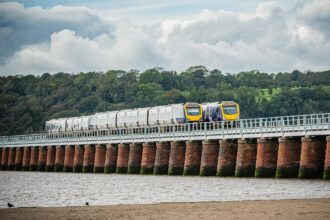
The Great Western Railway, commonly known as GWR, is one of the most important rail networks in the United Kingdom. It connects London to the west of England and South Wales, serving major cities, historic destinations, and coastal regions through a combination of high-speed and regional services.
What makes GWR particularly important is its role as the primary westbound rail corridor from London. If you are travelling from the capital to destinations such as Bristol, Bath, Cardiff, or further into Devon and Cornwall, you will almost certainly be using this network.
The backbone of GWR is the Great Western Main Line, a high-speed route designed for fast intercity travel. This allows journeys such as London to Bristol to be completed in under two hours, making rail a highly competitive alternative to driving.
GWR is not just about speed. It is also about connectivity and coverage, linking major cities with smaller towns and rural areas across the southwest of England.
For travellers, this means GWR is both a long-distance intercity network and a regional travel system, making it one of the most versatile rail operators in the UK.
London transport status
Live from Transport for London.
Powered by TfL Open Data
Live service status for the London Underground, DLR, London Overground, Elizabeth line, London Trams, river buses and the cable car, updated continuously from Transport for London.
How GWR’s Network of Intercity and Regional Services Fits Together
The Great Western Railway operates a mixed network of high-speed intercity trains and regional services, all centred around its main London hub at London Paddington Station.
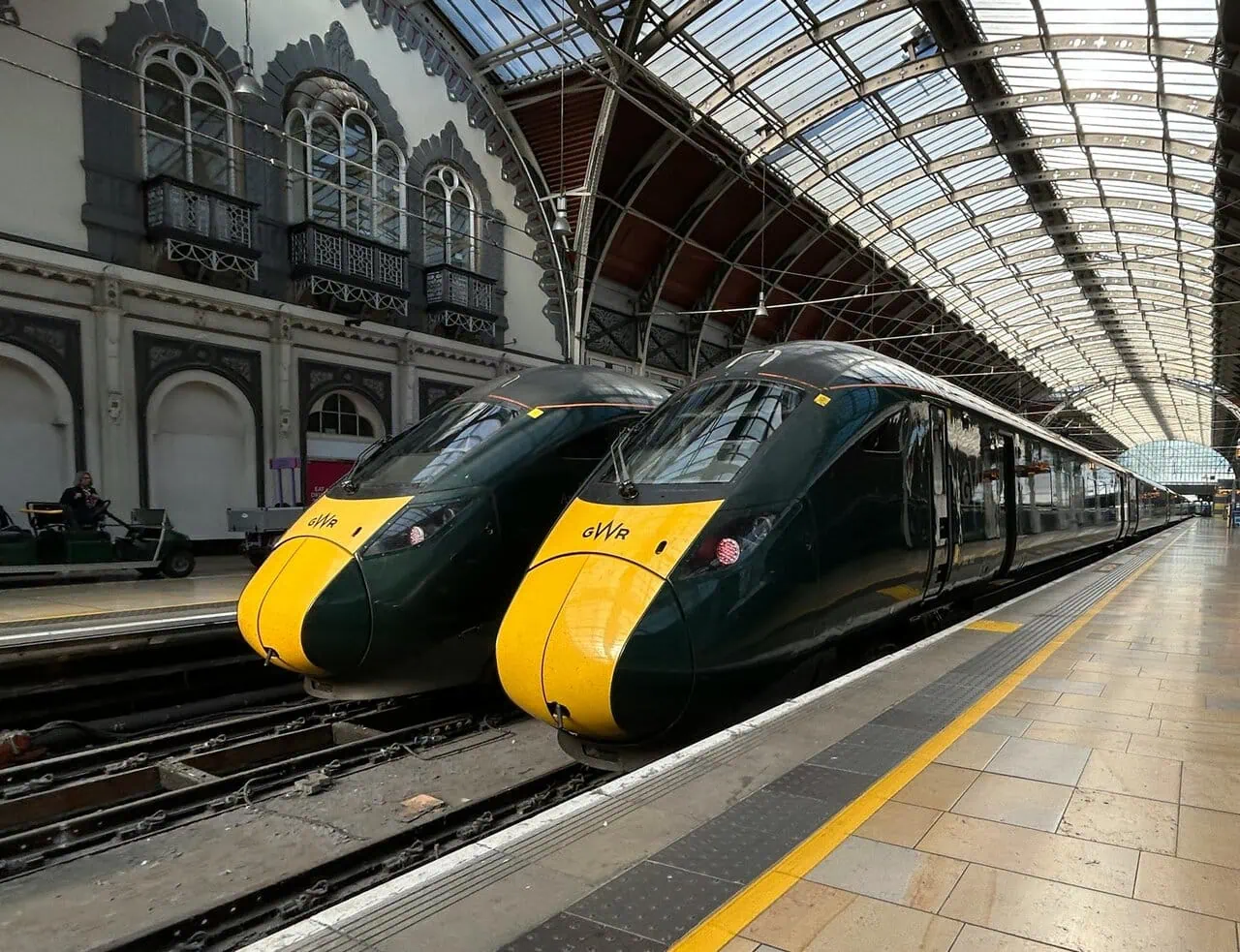
At its core are the Intercity Express Trains (IETs), which run at high speed along the main line. These trains are designed for longer journeys and connect London with major destinations such as Bristol, Cardiff, and Exeter. They offer fast journey times, reserved seating, and onboard facilities, making them ideal for longer-distance travel.
Alongside these are regional and stopping services, which connect smaller towns and provide local access across the network. These trains run at slower speeds but are essential for reaching destinations beyond the main intercity routes.
The system is structured around key corridors rather than a single line. Trains branch off from the main line at various points, creating a network that spreads across the west of England and into Wales.
Ticketing follows the standard UK rail system, meaning you can use advance tickets, off-peak fares, and railcards, depending on your journey. Seat reservations are common on longer routes but not always required.
Understanding GWR is about recognising this balance between speed and coverage, allowing it to serve both major cities and regional destinations efficiently.
Compare hotels and other places to stay in London.
Check availabilityExplore holiday homes and apartments around London.
See holiday homesCompare prices for London hotels across multiple booking sites.
Check dealsGWR Routes and Key Destinations
The Great Western Railway network is best understood as a series of major westbound travel corridors from London, rather than a single line that simply branches at one point. From London Paddington Station, trains follow the Great Western Main Line before splitting into different routes serving South Wales, the West Country, and key cities in southern England.
The most important thing to understand is that the network diverges before reaching Bristol, not at it. Some trains head towards South Wales via Bristol Parkway, while others travel via Bath into Bristol Temple Meads and then continue further southwest.
The London to Bristol corridor remains the core spine of the network, offering fast and frequent services and acting as the gateway to the wider southwest. From here, routes extend towards Exeter, Plymouth, and Cornwall, providing access to some of the UK’s most scenic rail journeys.
At the same time, the South Wales route provides direct connections to Cardiff, making it one of the most important cross-border rail links in the UK.
Shorter routes to destinations such as Bath and Oxford offer excellent options for day trips and shorter journeys, with fast travel times and frequent departures.
| Route Corridor | Main Stops | Typical Journey Time | Best For |
|---|---|---|---|
| London to Bristol (via Bath) | Reading → Swindon → Bath → Bristol Temple Meads | ~1h 30m to 1h 45m | Core route, city breaks, onward travel |
| London to South Wales | Reading → Swindon → Bristol Parkway → Cardiff | ~1h 50m to 2h | Fastest route to Wales |
| London to Exeter & Devon | Reading → Taunton → Exeter | ~2h to 2h 30m | Regional cities, countryside |
| London to Cornwall | Exeter → Plymouth → Penzance | ~4h to 5h+ | Scenic long-distance travel |
| London to Bath | Reading → Swindon → Bath | ~1h 20m | Day trips, tourism |
| London to Oxford | Reading → Oxford | ~50m to 1h | Short trips, commuting |
What This Means for Travellers
The key advantage of the Great Western Railway network is not just its speed, but its flexibility and reach. You are not limited to a single destination. Instead, you are travelling along a corridor that allows you to branch off into multiple regions without changing networks.
This makes it easy to combine destinations in a single trip. For example, you can travel from London to Bristol, continue to the southwest, or switch towards Wales without needing to navigate a completely different system.
It also means you need to pay attention to train stopping patterns and final destinations, as services on the same platform may follow different routes after key junctions.
Once you understand the corridor structure, GWR becomes a highly intuitive and powerful way to travel across the west of the UK, rather than a collection of separate routes.
Main GWR Stations in London and the West
The Great Western Railway network is anchored by several key stations that act as major hubs for both intercity and regional travel.
The most important is London Paddington Station. This is the primary London terminus for GWR and one of the busiest stations in the UK. It provides access to high-speed services, connections to the Underground, and links to the Elizabeth line, making it a critical starting point for westbound journeys.
Further along the route, Reading Station acts as a major interchange. It connects GWR services with other national rail routes, allowing passengers to transfer easily between different parts of the country.
Bristol Temple Meads is the main hub for the southwest. It serves as a gateway to Bristol and a key connection point for routes heading further west or into Wales, and it is also where GWR services meet CrossCountry trains heading north towards Birmingham and Scotland without routing via London. The station is particularly well positioned for major events in the city, including the Bristol Balloon Festival, making it a convenient arrival point for visitors planning to attend one of the UK’s most popular summer events.
Bath Spa Station provides direct access to one of the UK’s most popular tourist cities, while Cardiff Central acts as the main hub for South Wales.
These stations are more than just stops. They are strategic connection points, allowing GWR to function as a fully integrated long-distance rail network.
London to Bristol and Popular GWR Journeys
The most important and widely used route on Great Western Railway is the journey from London Paddington Station to Bristol Temple Meads. This is one of the fastest and most reliable intercity routes in the UK, with journey times typically ranging from 1 hour 30 minutes to 1 hour 45 minutes.
Trains run frequently throughout the day, often multiple times per hour, making it a flexible and high-capacity route suitable for both business and leisure travel. The combination of speed and frequency makes rail the default choice over driving for this journey.
Beyond Bristol, the same route extends further into the southwest. Trains continue towards Exeter, Plymouth, and Cornwall, creating one of the most important long-distance travel corridors in the country.
Another key journey is from London to Bath, which takes around 1 hour 20 minutes and is one of the most popular day trips from the capital. Services to Cardiff typically take just under two hours, offering a direct and efficient connection between England and Wales.
What defines these journeys is not just speed, but directness and consistency, allowing travellers to move between major destinations with minimal complexity.
Choosing the Right GWR Ticket: Advance, Off-Peak and Anytime
Tickets on Great Western Railway follow the standard UK rail pricing structure, but understanding the differences between ticket types is essential if you want to avoid overpaying and travel efficiently.
The most important category is Advance tickets. These are released ahead of time and offer the lowest prices, but they are tied to a specific train. If you miss that train, the ticket is no longer valid.
Off-Peak tickets provide more flexibility. They allow travel outside busy commuter periods and can be used on a range of services rather than a single fixed train. For many travellers, this offers the best balance between cost and flexibility.
Anytime tickets are the most flexible but also the most expensive. They allow travel at any time of day on the chosen route, making them useful for last-minute journeys but rarely the best value.
Seat reservations are often included with long-distance tickets, particularly on intercity services. While not always mandatory, they are highly recommended during busy periods to ensure a guaranteed seat on longer journeys.
Railcards can also provide significant discounts, typically reducing fares by around one third. For regular travellers or longer trips, this can make a substantial difference to overall cost.

Plan Your Train Journey with Rail Europe
Booking train tickets in Europe can become complicated when different operators, routes, and booking systems are involved. Rail Europe makes it easier to search routes, compare fares, and buy train tickets in one place.
It is especially useful for international rail journeys, European city-to-city travel, and travellers looking to book both regular rail tickets and passes. Instead of checking multiple train operators separately, you can plan your journey faster and book with confidence.
First Class vs Standard Class on GWR
Choosing between standard and first class on Great Western Railway depends on the type of journey you are making and how much you value comfort, space, and onboard service.
Standard class is perfectly functional for most journeys. It offers comfortable seating, power sockets, and access to onboard facilities, making it suitable for both short and medium-distance travel. For many travellers, especially on journeys under two hours, standard class is more than sufficient.
First class, however, provides a noticeably different experience. Seating is more spacious, with greater legroom and a quieter environment, which can make a significant difference on longer journeys. On many services, first class also includes complimentary food and drinks, particularly during weekdays.
The value of first class increases with journey length. On routes such as London to Bristol or Cardiff, the added comfort can make the trip feel far more relaxed and productive, especially for business travellers.
However, pricing can vary significantly. In some cases, first class tickets are only marginally more expensive than standard, making them a strong upgrade. In others, the price difference is substantial and harder to justify.
The key is to assess whether you want basic efficiency or an upgraded travel experience, and choose accordingly.
Search flights and useful route combinations for your trip.
View flightsBrowse Airalo eSIM options for convenient travel data.
Check eSIMsHave a private airport pickup arranged before you travel.
Book a transferTravel Times and Route Comparisons
One of the biggest advantages of travelling with Great Western Railway is how competitive it is compared to other forms of transport, particularly for journeys from London to the west of England.
For routes such as London to Bristol, the train is often faster door-to-door than driving, especially when factoring in traffic and parking. The ability to travel directly between city centre stations gives rail a significant advantage.
Compared to coach travel, trains are considerably faster. While coaches may offer lower prices, journey times are often significantly longer and less predictable, particularly on busy routes.
Air travel is generally not a factor for these routes. Distances are too short for flights to be practical, and the time spent travelling to and from airports makes rail the clear winner in terms of efficiency.
What makes GWR particularly strong is its ability to deliver consistent journey times. Trains run on established schedules with high frequency, allowing passengers to plan travel with confidence.
For most journeys along the Great Western corridor, rail is not just an option. It is often the most efficient and practical choice available.
When to Use GWR vs Other UK Rail Options
Understanding when to use Great Western Railway is key to getting the most out of the UK rail network. GWR is not the only long-distance operator, but within its coverage area, it is often the fastest and most efficient choice available.
GWR is the best option when travelling west from London, particularly to destinations such as Bristol, Bath, Cardiff, and further into the southwest. The combination of high-speed trains, direct routes, and central station access makes it extremely competitive.
However, other operators may be better suited for different journeys. For example, routes heading north from London are typically served by different operators, while cross-country travel often relies on alternative services that do not pass through Paddington.
Within London, GWR is not designed for short local travel. Systems such as Thameslink or the Underground provide better coverage and higher station density for shorter journeys.
The key is to match the operator to the route. Use GWR when travelling west from London or along the Great Western corridor, and use other systems when your journey falls outside that pattern.
Tips for Using Great Western Railway
Using Great Western Railway effectively comes down to understanding how pricing and timing work in practice. Small decisions can make a significant difference to both cost and comfort.
Booking in advance is one of the most important strategies. Advance tickets are often significantly cheaper, especially on popular routes such as London to Bristol. Planning ahead allows you to secure the lowest fares and guaranteed seats.
Timing also plays a major role. Travelling outside peak hours not only reduces cost but also improves the overall experience, with quieter trains and more available seating.
Platform awareness is important at busy stations like London Paddington Station. Trains can be long and platforms crowded, so positioning yourself well in advance helps with boarding and finding space.
For longer journeys, seat reservations are highly recommended. Even when not required, they provide certainty and allow you to avoid standing during busy periods.
Finally, always check the train’s final destination. GWR services often continue beyond major stops, so understanding the route helps you avoid confusion and travel more confidently.

Rupert’s Handy Travel Tips
Rupert treats long-distance rail travel as part of the journey, not just a way to get from A to B. On GWR routes, he knows that a bit of planning can turn a standard train ride into a smooth, comfortable, and surprisingly enjoyable experience.
- Book advance tickets early to secure the lowest fares on busy routes
- Travel off-peak where possible for a quieter and more relaxed journey
- Use seat reservations on longer routes to avoid standing
- Arrive early at Paddington to position yourself for easier boarding
Want to meet the reindeer behind our travel tips? Find out more in our page Who is Rupert?.




Frequently Asked Questions About Great Western Railway
Which station does GWR use in London?
Great Western Railway primarily operates from London Paddington Station, which serves as its main London hub.
Is GWR fast?
Yes. GWR operates high-speed intercity trains, particularly on routes such as London to Bristol and London to Cardiff, where journey times are among the fastest in the UK.
Do you need to reserve seats on GWR?
Seat reservations are often included with advance tickets and are recommended for longer journeys, but they are not always mandatory.
Is first class worth it on GWR?
It depends on the journey. On longer routes, first class offers more space, comfort, and onboard service, which can significantly improve the travel experience.
Can you use railcards on GWR?
Yes. Railcards are valid on GWR services and can provide significant discounts, particularly for frequent travellers.
Further Reading & Related Guides
If you are planning wider travel across the UK, our UK rail guide explains how different operators connect and how to plan longer journeys efficiently. For booking tickets and comparing fares, our train booking apps guide helps you find the best prices and manage reservations across multiple routes.
If your journey starts or ends in London, our London train stations guide provides a clear overview of major hubs, including how to navigate them and connect between services. For shorter journeys across the capital, our Thameslink guide shows how to move quickly north to south without relying on the Underground.
If you are combining UK rail with European travel, our Interrail Great Britain guide explains how passes work and when they offer value. To stay connected while checking live platforms and updates, our eSIM apps guide ensures you remain online throughout your journey, while our local transport apps guide helps you move seamlessly once you arrive at your destination.