Reviewed by our editorial team Updated
Why Choose the Great Britain Pass
The Interrail Great Britain Pass is the ultimate ticket for exploring England, Scotland, and Wales by train. With one pass, you gain the freedom to travel across a country that boasts one of the most famous railway traditions in the world. Whether you’re tracing the footsteps of Harry Potter through the Scottish Highlands, visiting Shakespeare’s Stratford-upon-Avon, or speeding on an express between London and Edinburgh, the pass makes it simple and flexible.
One of the biggest advantages is unlimited travel on chosen days. Britain’s train fares are known for being among the most expensive in Europe when bought last minute. A single London to Edinburgh ticket can easily exceed €150 (£130/$162), meaning just a couple of long trips can make the pass worthwhile.
The Great Britain Pass is also highly versatile. You can use it for high-speed intercity trains, regional routes, and even many scenic railways. This makes it easy to combine world-class cities with countryside escapes in one trip.
Connectivity is another strong point. Trains run frequently between major hubs such as London, Manchester, Birmingham, Glasgow, and Cardiff, while also reaching smaller towns like Bath, York, and St Andrews. The pass is ideal for itineraries that combine heritage, culture, and landscapes.
For travellers from outside the UK, the pass is more than just cost savings. It removes the stress of navigating complex British ticketing systems, which often feature dozens of fare classes and advance-purchase rules. With the Interrail Great Britain Pass, you simply choose your travel day, board the train, and go.
Quick Facts / Pass Overview
The Interrail Great Britain Pass is a One Country Pass designed for non-residents of the UK. It offers unlimited train travel across England, Scotland, and Wales on your selected travel days. Northern Ireland is not included, but can be reached separately by ferry and rail connections.
Validity: The pass covers most train operators in Great Britain, including major franchises like Avanti West Coast, Great Western Railway, LNER, CrossCountry, ScotRail, and Transport for Wales. This means you can travel seamlessly from London to Cornwall, the Scottish Highlands, or the Welsh coast.
Formats: The pass is available as Flexi (a set number of travel days within one month). Unlike some other Interrail passes, there is no Continuous option for Great Britain.
Eligibility: Available in three categories: Youth (12–27), Adult (28–59), and Senior (60+). Children under 12 can often travel free when accompanied by an adult.
Coverage: Includes both high-speed intercity services (such as LNER trains between London and Edinburgh), and regional lines that connect towns, national parks, and coastal areas. Many scenic railways, like the famous Settle–Carlisle line, are also covered.
Ease of Use: The pass is delivered digitally through the Rail Planner app, where you activate travel days and generate your QR code ticket. Inspections onboard are straightforward, making it convenient for international visitors.
See hotel options and places to stay for your trip.
Browse hotelsBrowse apartments, holiday homes and self-catering stays.
View rentalsCompare prices from multiple hotel booking sites.
Check dealsKey Operators and Rail Network Size
The Interrail Great Britain Pass provides access to one of Europe’s most extensive rail systems, with over 16,000 km of track linking large cities, small towns, and scenic countryside. Unlike many European countries where one state-owned company dominates, the British network is operated by a range of private train companies, all of which are included under the pass.
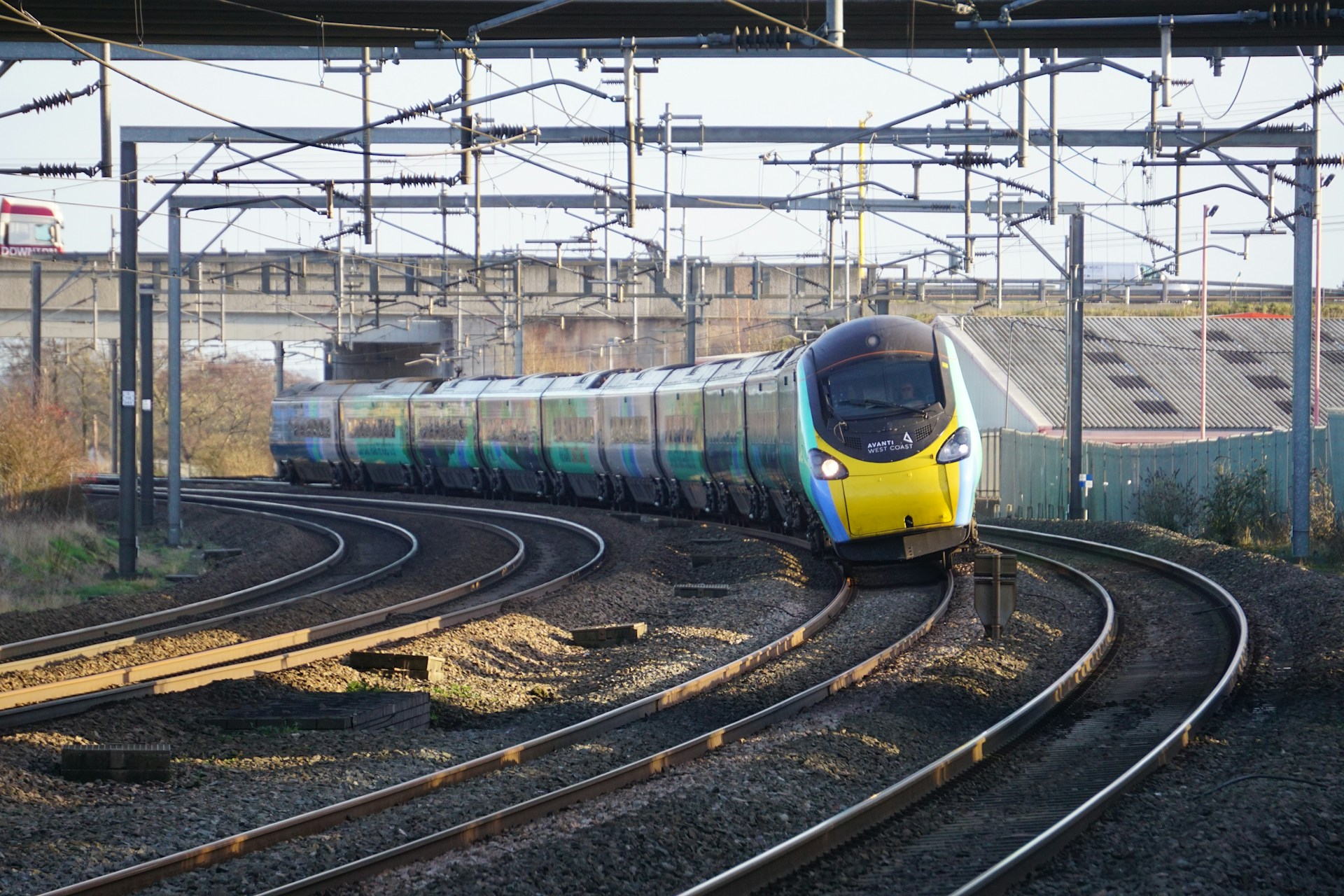
Major intercity services are run by Avanti West Coast (linking London with Manchester, Liverpool, Glasgow, and Birmingham), London North Eastern Railway (LNER) (connecting London, York, Newcastle, and Edinburgh), and Great Western Railway (GWR) (serving London, Bath, Bristol, Cardiff, and Cornwall). CrossCountry operates long-distance trains spanning the Midlands, northern England, Scotland, and the south coast.
Regional travel is equally well covered. ScotRail gives access to Scotland’s vast network, including lines to the Highlands, while Transport for Wales connects Cardiff, Swansea, and rural Welsh destinations. In England, dozens of regional operators, such as Northern, Greater Anglia, Southeastern, and Southern, provide frequent services to commuter towns and coastal resorts.
High-speed rail is an important part of the system. The pass includes access to High Speed 1 (HS1), the line between London and Kent that also connects with Eurostar services (though Eurostar itself is not covered). High-speed trains such as LNER Azumas and Avanti Pendolinos regularly reach 200 km/h, making long-distance travel fast and competitive with flying.
With such broad coverage, the pass effectively acts as a universal ticket for Britain’s fragmented rail market, turning a patchwork of operators into one integrated travel experience.
Transport Hubs and Major Routes
Britain’s rail network revolves around a number of key transport hubs, the largest being London, which has multiple terminal stations. London King’s Cross is the gateway to the north and Scotland via LNER. London Euston handles Avanti West Coast services to Manchester, Liverpool, and Glasgow. London Paddington serves the west of England and Wales, while London St Pancras International provides high-speed access to Kent and Eurostar connections.
Outside London, Birmingham New Street is the busiest interchange in the Midlands, connecting north–south and east–west routes. Manchester Piccadilly is a northern hub with frequent trains to London, Leeds, Liverpool, and Sheffield. In Scotland, Edinburgh Waverley and Glasgow Central/Queen Street are the main hubs, giving access both to England and Scotland’s regional networks.
Key intercity routes include London–Edinburgh (4h30), London–Manchester (2h10), and London–Cardiff (2h). Trains are frequent, often running every 30 minutes on major routes. Regional highlights include the Settle–Carlisle line, the Cambrian Coast route in Wales, and the West Highland Line in Scotland, all of which are renowned for their scenery.
Britain’s hubs also make international links straightforward. From London St Pancras, you can connect to Eurostar services towards Paris and Brussels (though not included in the pass, they can be combined). Ferry connections from ports such as Holyhead (to Dublin) and Harwich (to the Netherlands) can also be reached easily by train.
In short, the transport hubs of Britain provide both fast intercity links and access to some of Europe’s most beautiful regional rail journeys, all unlocked with the Interrail Great Britain Pass.
Example Ticket Prices vs Pass Value
One of the main reasons travellers choose the Interrail Great Britain Pass is to avoid Britain’s notoriously high train fares. Buying point-to-point tickets at short notice can be shockingly expensive, especially on popular long-distance routes. The pass helps to lock in predictable costs and gives you the flexibility to travel whenever you choose.
For example, a standard London to Edinburgh ticket often costs €120–€160 one way (£104–£139 / $130–$173) if purchased on the day. Just two of these trips would exceed the price of a 4-day Youth Pass (€185, or roughly £161/$200) or nearly match an Adult Pass (€247, or roughly £215/$267). Similarly, a London to Manchester ticket averages €70–€120 (£61–£104 / $76–$130), while a London to Cardiff trip often costs €60–€100 (£52–£87 / $65–$108). In just a few journeys, the pass can quickly pay for itself.
The value grows further when you add regional and scenic routes. A journey on the West Highland Line in Scotland or the Cambrian Coast Line in Wales typically costs €30–€50 each (roughly £26–£44 / $32–$54), while smaller hops such as York to Whitby or Inverness to Kyle of Lochalsh add even more savings. With the pass, these are included at no extra charge.
Another advantage is flexibility. Britain’s ticketing system rewards advance booking with cheap fares, but these lock you into specific trains and times. Travelling spontaneously usually means very high prices. With the Great Britain Pass, you can board trains freely on your travel days, changing plans whenever you like.
In short, the pass is most cost-effective for those taking long intercity journeys combined with regional day trips, but even short itineraries can justify it if booked last minute.

Interrail Great Britain Pass Prices (Flexi Passes)
The Interrail Great Britain Pass is available exclusively in Flexi format, meaning you choose a set number of travel days to use within a one-month period. This structure is designed for travellers who want flexibility, allowing you to space out long-distance journeys rather than travel every day.
Pricing is divided into three clear categories. These are Youth for travellers aged 12 to 27, Adult for ages 28 to 59, and Senior for those aged 60 and above. Children under 12 can often travel free when accompanied by an adult, making it a strong option for families.
For Youth travellers, the pricing is particularly competitive. A 3-day pass costs €164 (£143/$177), increasing gradually to €253 (£220/$273) for 8 travel days within one month. This makes it one of the most affordable ways for younger travellers to explore multiple regions of Great Britain by rail.
For Adult travellers, prices are higher but still competitive when compared with UK ticket costs. A 3-day pass is priced at €218 (£190/$235), rising to €337 (£293/$364) for 8 travel days. Given the high cost of last-minute UK rail tickets, even a small number of long journeys can justify this price.
For Senior travellers, discounted rates provide good value. A 3-day pass costs €196 (£171/$212), with the 8-day option priced at €302 (£263/$326). This makes it a strong choice for older travellers planning a multi-city itinerary across England, Scotland, and Wales.
One important limitation is the absence of a Continuous Pass option. This means the pass is not ideal for travellers planning to use trains every single day. Instead, it works best for itineraries built around key travel days, such as moving between major cities or regions.
In practical terms, the Interrail Great Britain Pass is most effective when used for long-distance journeys, where UK rail fares are at their highest. Routes such as London to Edinburgh, Manchester to Cardiff, or cross-country trips through the Highlands can quickly exceed the cost of individual tickets.
For travellers covering multiple regions in one trip, the pass offers a combination of cost control, flexibility, and simplicity. You avoid fluctuating ticket prices, remove the need for advance booking, and gain the freedom to adjust your plans as you travel.
Overall, while it is not designed for daily commuting-style use, the Interrail Great Britain Pass delivers strong value and peace of mind for travellers planning a structured but flexible journey across Great Britain.
How the Great Britain Pass Works
The Interrail Great Britain Pass simplifies what can otherwise be a confusing ticketing system. Instead of navigating the UK’s maze of fares, you simply load your pass into the Rail Planner app and activate a travel day whenever you want to use it. On that day, you can take unlimited train journeys across England, Scotland, and Wales until midnight.
The pass is offered only as a Flexi Pass, meaning you choose a set number of days (for example, 4 or 6) within a month. Each day you travel counts as one “pass day,” regardless of how many trains you take. This flexibility allows you to combine long intercity journeys with regional explorations without worrying about individual ticket prices.
Once purchased, your pass is delivered digitally. You’ll receive a code to add to the Interrail Rail Planner app, where you enter your personal details and trip information. When boarding a train, you simply add the journey to your digital travel diary and show the QR code to the inspector. There is no need for paper tickets.
The pass covers nearly all UK train operators, including Avanti West Coast, LNER, GWR, ScotRail, CrossCountry, and Transport for Wales. However, some exceptions exist, certain privately run heritage or tourist railways are not included, though they may offer discounts.
In short, the Great Britain Pass works as an all-in-one ticket, giving you flexibility, simplicity, and the freedom to travel without the stress of booking in advance.
Where You Can Travel with the Great Britain Pass
The Interrail Great Britain Pass unlocks travel across the entire national network of England, Scotland, and Wales. This includes everything from fast intercity services to regional branch lines and scenic rural routes.
Major cities are easily accessible. You can travel between London, Edinburgh, Glasgow, Cardiff, Manchester, Liverpool, Birmingham, York, and Bath on frequent and fast trains. These routes form the backbone of the British rail network, making it easy to cover the highlights in just a few days.
The pass also excels at regional exploration. In Scotland, you can venture to the Highlands on routes like the West Highland Line to Mallaig or the Kyle Line to the Isle of Skye gateway. In Wales, the Cambrian Coast route offers sweeping sea views, while the Valleys lines take you deep into Welsh mining heritage country. In England, the Settle–Carlisle line showcases stunning Pennine scenery, while Cornwall’s branch lines connect surfers and beachgoers to the coast.
While Northern Ireland is not included, you can connect via ferry from Holyhead to Dublin or Cairnryan to Belfast, making it easy to extend your journey onto the island of Ireland.
International links are also possible. From London St Pancras, you can connect to Eurostar trains towards Paris, Brussels, and Amsterdam (note: Eurostar is not covered by the pass, but the connection makes it convenient).
Overall, the pass provides access to virtually every corner of Britain, from iconic capitals to hidden rural gems, all with one ticket.
Search flights and useful route combinations in one place.
View flightsChoose an Airalo eSIM and arrange mobile data before you arrive.
Browse eSIMsBook a private airport transfer in advance and have your ride planned before you arrive.
Check transfersHow to Buy the Interrail Great Britain Pass
Purchasing the Interrail Great Britain Pass is straightforward. The easiest way is through the official Interrail website (interrail.eu), where you’ll find the most up-to-date prices, promotions, and booking conditions. Once purchased, you’ll receive a code to activate the pass in the Rail Planner app, which acts as your digital ticket.
You can also buy the pass via authorised retailers such as ACP Rail, Rail Europe, or even some large travel agencies. Prices are generally the same, though occasionally third parties bundle in extras such as seat reservations or ferry discounts.
The pass is now almost entirely digital, which makes things easier. You don’t need to wait for delivery or carry a paper ticket. Everything is managed from your smartphone. When travelling, simply add each journey to your digital travel diary in the app, and present the QR code to conductors.
When buying, you’ll need to select your pass type (Youth, Adult, or Senior) and the number of travel days (3–8 days within one month). The pass does not include a Continuous option, so it’s best for those who plan to combine longer journeys with time spent in each destination.
Payment methods include all major credit and debit cards, and sometimes PayPal. Interrail also runs seasonal promotions, particularly in spring and autumn, where discounts of up to 20% are offered. If your travel dates are flexible, it’s worth looking out for these sales.
In short, the buying process is simple and fully digital, making it easy to secure your pass ahead of time and start planning your British rail adventure.

Explore Europe by Train with Rail Passes
Travelling by train in Europe can quickly become expensive if you book individual tickets. Rail passes offer a flexible way to travel across one or multiple countries with a single ticket, making it easier to plan your journey.
Rail Europe allows you to compare and buy a wide range of rail passes, including Interrail-style options, helping you choose the best pass for your route and travel style.
Top Routes and Itineraries with the Great Britain Pass
The Interrail Great Britain Pass is designed for variety, allowing you to combine big-city highlights, cultural centres, and scenic rail journeys in one trip. Here are some classic itineraries:
1. London – York – Edinburgh
Start in London, explore York’s medieval streets, then continue to Edinburgh for history and Scottish charm. This is the archetypal east-coast route, covered by high-speed LNER trains.
2. London – Bath – Cardiff
A mix of English and Welsh culture. From London Paddington, travel to Bath for Roman history and Georgian architecture, then continue to Cardiff for Welsh castles and nightlife.
3. Manchester – Liverpool – Chester – North Wales
Base yourself in northern England, with short hops between Manchester and Liverpool, before heading west to the Roman city of Chester and into the scenic landscapes of Eryri, the national park formerly called Snowdonia.
4. Edinburgh – Inverness – Kyle of Lochalsh / Mallaig
For scenery, nothing beats the Scottish Highlands. These routes include the famous West Highland Line, one of the most beautiful rail journeys in Europe.
5. Cornwall Coastal Explorer
From London to Cornwall via Great Western Railway, explore St Ives, Penzance, and Newquay using branch lines that hug the coast.
These routes highlight the flexibility of the pass. You can create your own mix of urban culture, rural landscapes, and seaside escapes, all connected by the UK’s dense and frequent rail services.
Seat Reservations and Supplements
One of the standout benefits of the Interrail Great Britain Pass is the level of freedom it gives you when boarding trains. In most cases, seat reservations are completely optional, meaning you can simply arrive at the station, step onto the train, and find a seat. This is very different from countries such as France, Italy, or Spain, where reservations are often mandatory and can limit flexibility.
This “turn up and go” approach is one of the biggest advantages of travelling by rail in Great Britain. It allows you to stay flexible, adjust your plans during the day, and avoid the stress of fixed departure times. For travellers who value spontaneity, this is where the pass really shines.
However, there are situations where making a reservation is the smarter move. On busy intercity routes such as London to Edinburgh, London to Manchester, and London to Cardiff, trains can fill up quickly, especially during peak travel times, weekends, and holiday periods. While you can still board with your pass, finding a seat may be difficult without a reservation.
The good news is that reservations are usually free or very low cost. They can be arranged easily through the Interrail Rail Planner app, directly on the train operator’s website, or at any staffed station in the UK. Taking a few minutes to reserve a seat on longer journeys can make a significant difference to comfort, particularly if you are travelling with luggage.
On many regional and local services, reservations are not available at all. These trains operate entirely on a first-come, first-served basis, reinforcing the simplicity of the network. Your pass is all you need, and you can travel without any additional steps.
When it comes to supplements, Great Britain is refreshingly straightforward. Almost all National Rail services are fully included, meaning there are very few extra charges to worry about. This is another key advantage compared with mainland Europe.
There are a few exceptions to keep in mind. Heritage and tourist railways, such as the famous Jacobite Steam Train, are not included in the pass, although discounts may sometimes be available. International services like Eurostar are also excluded and must be booked separately.
The main additional cost within the UK network applies to overnight trains. Services such as the Caledonian Sleeper, which runs overnight from London Euston to Glasgow, Edinburgh, Aberdeen, Inverness and Fort William, require a supplement for a reserved seat or a private room. Prices vary depending on the level of comfort you choose, but many travellers find the experience worthwhile for saving both time and a night’s accommodation.
In practical terms, the system is simple. You can travel freely most of the time without reservations or extra fees, and only need to plan ahead for busy long-distance routes or overnight journeys.
Overall, the Interrail Great Britain Pass offers a rare combination of flexibility, simplicity, and low additional costs, making it one of the easiest rail systems in Europe to navigate.
Benefits of the Great Britain Pass
The Interrail Great Britain Pass comes with a wide range of benefits that extend beyond cost savings. The first is flexibility. You’re not locked into specific trains or times. On any valid travel day, you can simply board and go, adjusting plans as you like.
Another major benefit is coverage. The pass is valid on almost every national rail service in England, Scotland, and Wales. From high-speed trains like LNER’s Azumas on the East Coast Main Line, to regional services into rural Wales or the Scottish Highlands, the breadth of access is unmatched.
Value for money is another plus. Britain’s train tickets are among the most expensive in Europe when bought at short notice. With the pass, you avoid this unpredictability and keep your budget under control.
For international travellers, the pass removes the complexity of Britain’s often confusing fare system. Instead of navigating dozens of ticket types and operators, the pass acts as a universal ticket.
Families benefit too: children under 12 often travel free with a paying adult, making it a cost-effective option for multi-generational trips. Seniors (60+) also enjoy discounted pass prices, unlike in some other countries.
Finally, the pass makes scenic travel easier. Legendary routes like the Settle–Carlisle Line, the West Highland Line, and the Cornish coast branches are all included. This makes it ideal for travellers who see the journey itself as part of the adventure.
Overall, the Great Britain Pass is about freedom, simplicity, and access, allowing you to experience Britain’s diverse landscapes and vibrant cities without the stress of ticket hunting.
Drawbacks and Limitations
While the Interrail Great Britain Pass is an excellent way to explore England, Scotland, and Wales, it’s important to recognise its limitations.
The first drawback is the absence of a Continuous option. Unlike Germany, France, or Italy, where you can buy passes for consecutive travel days, the Great Britain Pass is Flexi-only. This makes it less suitable for travellers who want to be on the move every single day for a week or more.
Another consideration is that Britain’s rail system can be unreliable at times. Industrial action, engineering works, and unexpected cancellations are not uncommon. While the pass still gives you flexibility to re-route or wait for the next train, it doesn’t compensate for lost time if services are disrupted.
Heritage and tourist railways are another gap. Famous trains like the Jacobite Steam Train (Hogwarts Express) or other preserved steam lines are not covered. While the pass often offers discounts on these, full fares are still extra.
Seat reservations, although optional, can also be a drawback. On busy intercity routes, particularly Fridays and Sundays, trains may be overcrowded. Without a reservation, you could end up standing, which isn’t ideal on a long trip.
Finally, the pass does not include Northern Ireland, which has a separate rail system. Travellers aiming for a full UK experience will need to purchase additional tickets or ferry connections.
In short, the Great Britain Pass is best for flexible, multi-stop itineraries, but it may be less ideal for those seeking daily, uninterrupted high-speed travel or for those focusing heavily on heritage experiences.
Who the Pass is Best For
The Interrail Great Britain Pass appeals to a wide range of travellers, but certain groups will find it particularly rewarding.
Youth travellers and backpackers benefit from the discounted Youth rates. With Britain’s expensive last-minute fares, the pass allows under-27s to cover major cities like London, Manchester, Edinburgh, and Cardiff without breaking the bank, while still leaving room for spontaneous day trips.
Families also gain excellent value. Since children under 12 often travel free with a paying adult, parents can save substantially. The convenience of one universal ticket also avoids the headache of booking multiple separate tickets for a family group.
The pass is ideal for cultural explorers who want to blend urban highlights with heritage towns. Routes like London–Bath–Cardiff, Edinburgh–Inverness, or Manchester–Liverpool combine world-class museums, castles, and history with easy train access.
Scenic travellers will also enjoy the pass. Lines such as the West Highland Line in Scotland, the Cambrian Coast Line in Wales, and the Settle–Carlisle Line in northern England are all included, providing some of Europe’s most breathtaking railway scenery.
Seniors (60+) benefit from discounted pricing, making the pass a cost-effective choice for longer cultural or heritage-focused trips.
Finally, the pass is a strong fit for international visitors who might find Britain’s fragmented ticketing system confusing. With one pass covering almost all operators, it simplifies the process enormously.
In short, the Great Britain Pass is best for travellers covering multiple destinations across England, Scotland, and Wales, particularly those who want flexibility, spontaneity, and a mix of urban and scenic experiences.
Browse hostels and budget-friendly stays.
See hostelsGet help with compensation, eligible lounge access and disruption support.
Explore AirHelp+Use convenient luggage storage between arrival, check-in and departure.
Check storageTips for Using the Great Britain Pass
Getting real value from the Interrail Great Britain Pass comes down to using it strategically. The pass gives you flexibility, but the travellers who get the most out of it combine that freedom with a bit of smart planning.
The first thing to understand is timing. Peak commuter hours in Britain run roughly from 06:30 to 09:30 and 16:00 to 19:00, and trains during these periods can be crowded, particularly on routes into and out of major cities. Travelling outside these windows gives you a noticeably calmer experience, with more available seats and less stress. You are allowed to travel at any time, but choosing quieter periods makes a big difference to comfort.
On longer routes, it pays to think ahead. While seat reservations are not compulsory, they are highly recommended on busy intercity journeys such as London to Edinburgh or London to Manchester. Reserving a seat takes only a few minutes and is often free, yet it guarantees you a comfortable place to sit on journeys that can last several hours.
To maximise value, focus your pass usage on the journeys that would otherwise be expensive. Long-distance intercity routes deliver the biggest savings, especially when booked at short notice. Short local trips are often cheap if bought separately, so it is usually better to save your pass days for the more costly legs of your journey.
It is also important to understand what the pass does not cover. The Great Britain Pass applies to National Rail services only, so you will need separate payment methods for urban transport. In London, that means using an Oyster card or contactless payment, while cities like Edinburgh or Manchester have their own local ticketing systems. Pairing your pass with these options creates a seamless door-to-door journey.
One of the biggest advantages of rail travel in Britain is the scenery, and this is where the pass really shines. Instead of always taking the fastest route, consider building in a few scenic detours. Lines such as the West Highland Line or the Settle–Carlisle Line turn the journey itself into a highlight, without costing anything extra.
Finally, always stay informed before you travel. The UK rail network is reliable, but engineering works, weather disruption, and occasional strikes can affect services. Checking updates before you leave ensures you stay in control of your plans rather than reacting to surprises.
Used properly, the Great Britain Pass is not just a ticket. It becomes a tool that lets you move around the country efficiently, comfortably, and on your own terms.
Apps for Train Travel
To get the most out of the Interrail Great Britain Pass, you need the right digital support. Britain’s rail system is extensive and well connected, but having the right apps on your phone turns it into a smooth, easy-to-navigate experience.
The starting point for every passholder is the Rail Planner app, the official tool from Interrail. This is where your pass lives digitally. It stores your ticket, generates your QR code for inspections, and allows you to log each journey. It also works offline, which is useful when travelling through rural areas with limited signal.
For real-time information, the most important tool is National Rail Enquiries. This is the official source for live train updates across the entire UK network. It provides accurate departure times, platform numbers, delays, and cancellations, making it essential before boarding any train.
Trainline is another valuable companion. Even though you do not need it to buy tickets with your pass, it is excellent for comparing routes, checking journey durations, and planning connections. It becomes particularly useful if your trip extends beyond Britain into mainland Europe.
If you are travelling across multiple countries, DB Navigator is surprisingly effective. It integrates European rail schedules, including UK services, making it a strong option for those combining a Great Britain Pass with wider Interrail travel.
For full door-to-door navigation, Google Maps is hard to beat. It combines train schedules with buses, walking routes, and urban transport systems, helping you move smoothly between stations, hotels, and attractions.
If your trip focuses on specific regions, local apps can add another layer of detail. ScotRail and Transport for Wales provide regional updates that are sometimes more detailed than national platforms, especially during disruptions or timetable changes.
When used together, these tools give you complete visibility over your journey. You can check departures, adapt routes in real time, and manage your pass entirely from your phone. That combination of flexible travel and smart digital support is what makes using the Great Britain Pass such a smooth and modern experience.

Rupert’s Handy Travel Tips
Starting your Interrail trip from the UK adds a few extra steps before you even reach the Great Britain network. Here’s what I always tell fellow travellers about crossing the Channel and getting your first pass day right.
- Book your Eurostar seat in advance: if you’re heading onward to mainland Europe (or arriving from it) via London St Pancras, remember Eurostar requires a mandatory seat reservation, it isn’t covered by the Interrail pass and can’t be boarded on a turn-up-and-go basis like domestic GB trains.
- Consider the ferry alternative: if Eurostar is booked up or you fancy a change of pace, ferries link the UK directly with France, Belgium and the Netherlands (Dover–Calais, Newhaven–Dieppe, Hull–Rotterdam, Harwich–Hook of Holland), while Holyhead–Dublin and Cairnryan–Belfast connect onward to Ireland.
- Allow extra time for border checks: passport control at St Pancras and the Eurotunnel terminal can add 30-60 minutes to your journey, especially at peak times, so build in a buffer rather than cutting your connection fine.
- Activate your Great Britain pass day sensibly: the pass only covers travel within England, Scotland and Wales, so don’t waste a pass day on the journey to or from the Eurostar terminal if you can walk or use local transport instead.
- Start in London if you’re flying in: most UK arrivals land near London, so it’s usually simplest to begin your Great Britain leg there before heading north to Scotland or west into Wales.
Want to meet the reindeer behind our travel tips? Find out more in our page Who is Rupert?.


Frequently Asked Questions about the Interrail Great Britain Pass
Does the pass cover Northern Ireland?
No. The Interrail Great Britain Pass only covers England, Scotland, and Wales. Northern Ireland has a separate rail system, though you can connect via ferry from Holyhead (to Dublin) or Cairnryan (to Belfast).
Do I need seat reservations?
Generally no. Most British trains can be boarded with just your pass. However, on busy routes such as London–Edinburgh or London–Manchester, reservations are recommended and can often be made for free.
Is Eurostar included?
No. Eurostar trains from London to Paris, Brussels, and Amsterdam are not covered. You can, however, use your pass to reach London St Pancras International, where Eurostar departures begin.
A note on border checks: the EU’s Entry/Exit System (EES) has been live and progressively rolling out at European borders since October 2025, and became fully operational from 10 April 2026. However, rail-specific implementation at Eurostar’s London St Pancras and Eurotunnel terminals has been deliberately delayed, with full automated EES checks at rail terminals not expected until around September 2026. In the meantime, expect the existing manual passport checks rather than new self-service kiosks, and check Eurostar’s website closer to your travel date for the latest requirements.
Can I use the pass on scenic and heritage trains?
The pass is valid on scenic national routes like the Settle–Carlisle Line, West Highland Line, and Cambrian Coast Line. Heritage steam trains (such as the Jacobite) are not covered, though discounts are sometimes available.
Are there discounts for seniors and children?
Yes. Seniors (60+) receive discounted fares, and children under 12 often travel free when accompanied by a paying adult.

Further Reading & Related App Guides
Want to get the most out of your Interrail adventure in Britain? These related guides will help you plan smarter, stay connected, and explore with confidence.
If Britain is one leg of a longer trip, our Interrail Spotlight Guide compares routes and passes to help you work out how it all fits together, and our United Kingdom Travel Guide dives deeper into local culture and attractions once you arrive.
Staying connected on the move matters too, and our eSIM Apps Guide covers the easiest ways to keep data working without swapping physical SIM cards. If your route extends beyond the rails, our Ferry Travel Guide covers combining trains and boats, and our Taxi Hailing Apps Guide makes it easy to navigate cities once you step off the train.