
Reviewed by our editorial team Updated
What Is Eurostar and Why It Matters for European Travel
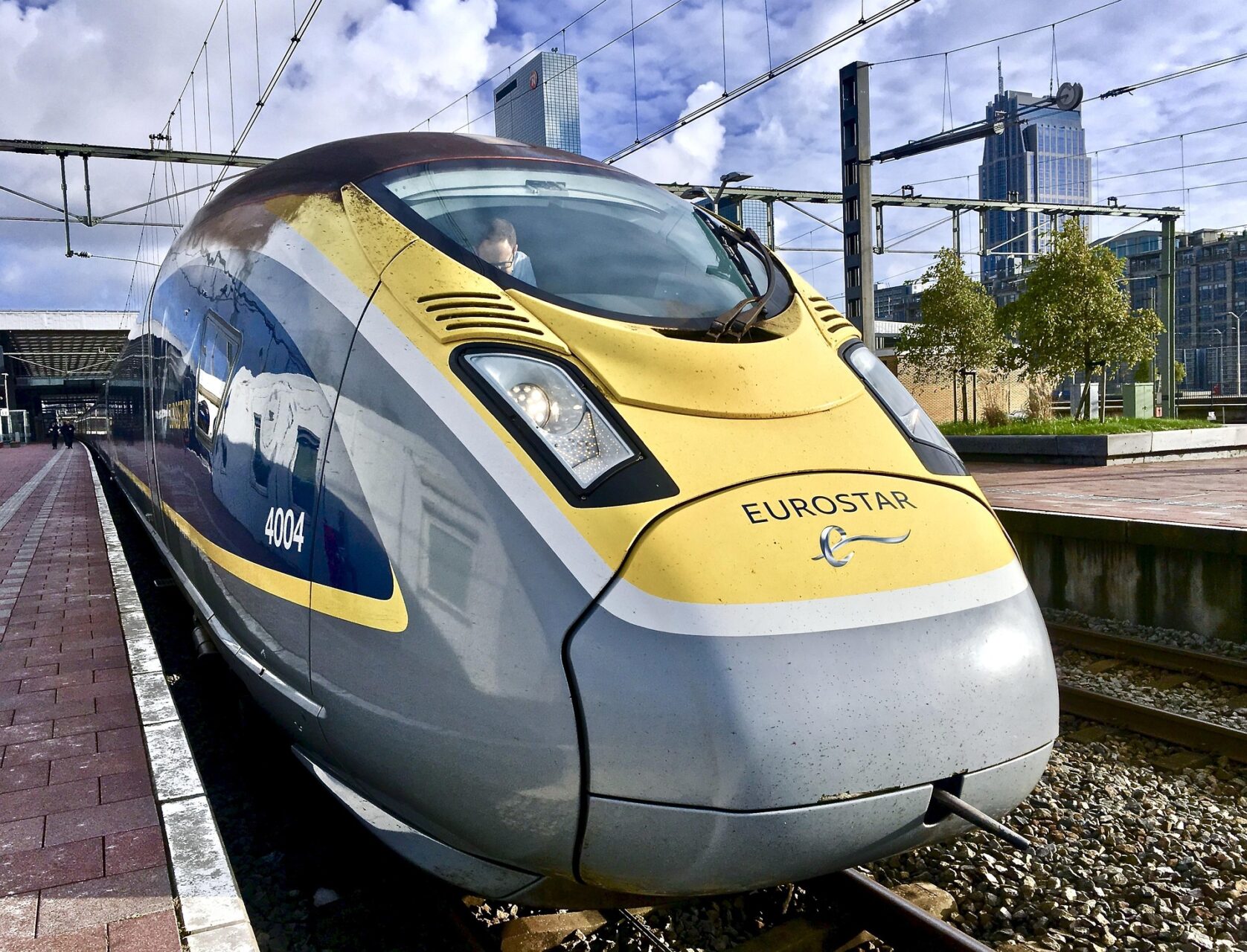
The Eurostar is a high-speed rail service connecting the UK directly with mainland Europe through the Channel Tunnel, and it has completely reshaped how people travel between major European cities. Since launching in 1994, it has grown from a niche cross-border train into one of the most important transport links in Europe, offering a realistic alternative to short-haul flights.
At its core, Eurostar is about speed, simplicity, and location. Trains travel at up to 300 km/h (186 mph), linking London St Pancras International with key destinations such as Paris, Brussels, and Amsterdam. Unlike air travel, where airports are often located far outside the city, Eurostar stations sit right in the centre. This means you can step off the train and immediately start exploring, saving both time and effort.
What makes Eurostar particularly powerful is the overall journey experience. There are no long airport security queues, no baggage drop delays, and no strict liquid restrictions, which removes much of the friction associated with flying. Check-in is faster, boarding is simpler, and the entire process feels far more streamlined, especially for travellers moving between European capitals.
The service has expanded significantly in recent years, particularly following its integration with Thalys. This has strengthened connections across northern Europe and laid the foundation for a broader high-speed rail network. As a result, Eurostar is no longer just a London to Paris train. It is increasingly a gateway into a wider European rail system, opening up onward connections across France, Belgium, the Netherlands, and beyond.
For travellers, this shift matters. Choosing Eurostar is not just about getting from one place to another. It is about travelling in a way that is faster door-to-door, more comfortable, and significantly more environmentally responsible than flying. On routes like London to Paris or Brussels, it is now widely considered the most efficient option available.
Whether you are planning a short city break, a business trip, or the starting point of a wider European journey, Eurostar has positioned itself as the backbone of modern cross-channel travel, combining convenience, reliability, and sustainability in a way few alternatives can match.
Eurostar Tickets and How to Get the Best Price
Understanding how Eurostar pricing works is the difference between paying £40 ($50 / €46) and paying £180 ($223 / €207) for the exact same journey. The system is simple on the surface, but there are a few key dynamics that determine what you end up paying.
Eurostar operates a demand-based pricing model, meaning ticket prices rise as seats fill. The cheapest fares are released first, typically 6 to 9 months before departure, and once those tickets are gone, prices steadily increase. This is why early booking is not just recommended, it is essential if you want to secure the lowest fares.
There are three main ticket types, each designed for a different style of travel. Standard Class is the most common choice, offering comfortable seating, generous luggage allowance, and access to onboard food. For most travellers, this is more than sufficient and represents the best value. Standard Premier adds noticeably more space and includes a light meal served at your seat, making it a strong upgrade for slightly longer journeys. At the top end, Business Premier is built for flexibility and comfort, with fast-track check-in, lounge access, and fully flexible tickets that can be changed or refunded without penalty.
Where many travellers go wrong is booking without considering timing. Peak trains, particularly Friday evenings and Sunday returns, can be significantly more expensive than midweek or off-peak departures. Simply shifting your journey by a few hours or a day can cut the price dramatically. Flexibility is one of the biggest advantages you can have when booking Eurostar.
Another powerful way to save is through Eurostar Snap, a lesser-known option that offers discounted tickets in exchange for flexibility. Instead of choosing a specific train, you select a date and time window, and your exact departure is assigned shortly before travel. For those who are not tied to a strict schedule, this can unlock some of the lowest prices available.
Frequent travellers should also consider joining Club Eurostar, the official loyalty programme. While it is often overlooked by occasional users, it becomes valuable surprisingly quickly. Points are earned on every journey and can be redeemed for upgrades or free tickets, effectively reducing the long-term cost of travel.
It is also worth remembering that Eurostar pricing should be viewed in context. While tickets can sometimes appear more expensive than flights at first glance, the overall journey cost often tells a different story. With no baggage fees, no airport transfers, and city-centre arrivals, Eurostar frequently comes out as the more efficient and cost-effective option, particularly on routes like London to Paris and Brussels.
If you take one thing from this section, it should be this: book early, avoid peak times, and stay flexible where possible. Do that consistently, and Eurostar becomes one of the best-value ways to travel across Europe.

Plan This Journey with Eurostar
Travelling between the UK and Europe is quick and convenient by train. Eurostar connects major cities such as London, Paris, Brussels, and Amsterdam, offering a fast and comfortable alternative to flying.
It is ideal for city-to-city travel, weekend breaks, and journeys where you want to avoid airport queues. With central station departures and simple boarding, you can travel smoothly and make the most of your time.
See hotel options and places to stay for your trip.
Browse hotelsExplore holiday homes and apartments for your trip.
See holiday homesCompare hotel prices across multiple booking sites.
Compare ratesEurostar Ticket Types Explained
Eurostar has several ticket types, and choosing the right one can make a big difference to both price and comfort. The three main options are Standard, Standard Premier, and Business Premier, each aimed at a different kind of traveller.
Standard Class is the best-value option for most people. It includes a comfortable reserved seat, access to the onboard café, free WiFi on most trains, power sockets, and a generous luggage allowance. For short journeys such as London to Paris or London to Brussels, Standard Eurostar tickets are usually more than enough.
Standard Premier gives you more space, wider seats, a quieter carriage, and a light meal served at your seat. This is a useful upgrade if you are travelling for a special trip, working onboard, or taking a longer journey such as London to Amsterdam. It costs more than Standard, but it can be good value when the price gap is small.
Business Premier is designed for business travellers and anyone who needs maximum flexibility. It includes fast-track check-in, lounge access, a premium meal, more flexible ticket terms, and the ability to change travel plans more easily. It is usually much more expensive, so it only makes sense if flexibility and speed are more important than price.
For most leisure travellers, the best choice is simple. Book Standard Class early for the lowest price, consider Standard Premier if the upgrade is affordable, and use Business Premier only when flexibility, lounge access, or a premium experience genuinely matters.
Day Trips to Europe by Train
One of the biggest advantages of travelling between the UK and mainland Europe by rail is how easy it is to turn a single day into an international trip. With high-speed connections, city-centre stations, and short journey times, you can leave London in the morning and be walking through Paris or Brussels before most people have even cleared airport security.
The London to Paris route is the standout option. With a journey time of just over 2 hours 15 minutes, early departures get you into the city before mid-morning. That gives you a full day to explore major landmarks like the Eiffel Tower, the Louvre, and Montmartre, before catching an evening return. Because both stations sit in the heart of the city, you avoid long transfers and maximise your time on the ground.
The London to Brussels journey is even more efficient, taking around 2 hours door-to-door between city centres. This makes it one of the easiest international day trips available from the UK. You can explore the Grand Place, visit museums, and enjoy local food and drink without feeling rushed. For travellers short on time, Brussels is often the most practical choice.
Amsterdam is slightly different. While the train is still fast, the journey time of just under 4 hours each way makes it less suited to a true same-day return. It is possible, but most travellers will get far more value by staying overnight and turning it into a short break rather than a rushed visit.
To make the most of a same-day European trip, timing is everything. Taking the earliest departure and returning on a late evening service can give you up to 8 to 10 hours in your destination, which is more than enough to see the highlights if you plan efficiently. Travelling with hand luggage only speeds up boarding and makes moving around easier once you arrive.
What makes this style of travel so powerful is the lack of friction. There are no airport queues, no long transfers, and no wasted time, just a direct, comfortable journey that drops you straight into the centre of a major European city. For travellers looking to maximise time and experience, it is one of the most efficient travel options available.
Flexible Tickets That Can Save You Money (Eurostar Snap)
For travellers who are willing to trade certainty for price, there is a lesser-known option that can significantly reduce the cost of high-speed rail travel. This is where flexible allocation ticketing, commonly known as Snap fares, becomes one of the most effective ways to save money.
Instead of selecting a specific train, you choose a travel date and a broad time window, typically morning or afternoon. Your exact departure is then assigned closer to the journey, usually around 48 hours before travel. In return for that flexibility, you gain access to substantially lower fares, often undercutting standard ticket prices by a noticeable margin.
This approach works particularly well for leisure travellers, students, and short-break visitors who are not tied to a strict schedule. If your priority is price rather than precision, it can be one of the easiest ways to reduce travel costs without sacrificing speed or comfort.
The process itself is straightforward. You book online, select your preferred day and time range, and then wait for confirmation of your exact train. Once assigned, the journey is fixed, and the ticket behaves like a standard booking.
There are, however, some important trade-offs. These tickets are non-refundable and non-changeable, which means you must be confident in your availability. You also cannot choose your seat or exact departure time, and availability is typically limited to the most popular routes, particularly London to Paris and London to Brussels.
Despite these limitations, the value can be significant. For travellers who plan around price rather than schedule, this type of ticketing can turn an otherwise expensive journey into a budget-friendly, high-speed connection between major European cities.
The key is to approach it with the right mindset. If you need full control, standard tickets are the better option. But if you can stay flexible, this is one of the strongest cost-saving strategies available for cross-channel travel.

What You Should Expect to Pay
Understanding pricing properly is what separates a cheap European train trip from an expensive one. The reality is simple: prices vary widely depending on timing, demand, and flexibility.
The lowest fares typically start around £39 to £59 one way ($48-$73 / €45-€68) on routes like London to Paris or Brussels, with Amsterdam slightly higher. These prices are only available when tickets are first released, and they disappear quickly. As trains fill up, fares rise, sometimes significantly, especially close to departure.
The biggest factor is how early you book. Tickets are usually released 6 to 9 months in advance, and this is when the cheapest seats are available. Waiting until the last few weeks almost always results in paying a premium. If you are travelling on a popular day, such as a Friday evening or Sunday return, prices can easily double.
Timing within the day also matters. Off-peak services, particularly midweek or outside commuter hours, are consistently cheaper. Simply shifting your departure by a few hours can make a noticeable difference in cost.
It is also important to look at the total journey cost, not just the ticket price. Rail travel includes generous luggage allowance, no baggage fees, and central arrivals, which often makes it more competitive than flying once you factor in airport transfers and extras.
For most travellers, the formula is straightforward. Book early, avoid peak times, and stay flexible where possible. Do that consistently, and this becomes one of the most efficient and cost-effective ways to travel between the UK and mainland Europe.
When to Book for the Lowest Fares
If your goal is to secure the lowest possible price, timing your booking is just as important as choosing your route.
Tickets are released in batches, usually several months ahead of travel, and the cheapest fares are always in that first wave. These initial tickets are limited, and once they are gone, pricing moves up in stages. This means the difference between booking early and booking late can be substantial.
There are also predictable periods throughout the year when prices drop. Travel providers regularly run seasonal promotions, particularly after major holiday periods or during quieter travel months. These sales can bring prices down even further, sometimes below standard entry-level fares.
The key advantage goes to travellers who are flexible with dates and ready to book quickly. The best deals do not last long, and waiting even a few days can mean missing the lowest price band.
Another overlooked tactic is avoiding obvious travel peaks. Weekend departures, holiday periods, and major events all drive demand. Shifting your trip to midweek or travelling slightly outside peak hours can unlock significantly better prices.
Ultimately, the strategy is simple but effective. Plan ahead, monitor release dates, and act quickly when prices are low. This approach consistently delivers the best value.
How to Book Eurostar Tickets Step by Step
Booking Eurostar tickets is straightforward, but it is worth doing carefully because prices can change quickly. The best starting point is the official Eurostar website or the Eurostar app, especially if you want the clearest ticket terms, loyalty points, and direct control over your booking.
First, choose your route, such as London to Paris, London to Brussels, London to Amsterdam, or London to Lille. Then select your travel date and check several departure times rather than only looking at one train. Prices can vary dramatically across the same day, so comparing morning, afternoon, and evening departures can help you find a much cheaper fare.
Next, choose your ticket class. Standard is usually the cheapest and best value, while Standard Premier gives you more comfort and an included light meal. Business Premier is best for travellers who need flexible tickets, fast-track check-in, and lounge access.
After choosing your train, check the ticket conditions before paying. Some Eurostar tickets are changeable for a fee, while others are more restrictive. If your plans may change, it can be worth paying more for a flexible fare rather than saving money upfront and losing the ticket later.
Once booked, your ticket is issued digitally and can usually be stored in the Eurostar app. You should also keep a backup copy in your email or downloaded to your phone, especially if travelling internationally where mobile signal may not always be reliable.
Compare routes and fares for your next trip.
Compare flightsUse an eSIM to get online without hunting for a local SIM after arrival.
See eSIM optionsBook a private airport transfer in advance and have your ride planned before you arrive.
Check transfersMaking the Most of Loyalty Rewards
For travellers who use high-speed rail more than occasionally, loyalty programmes can quietly become one of the most valuable tools available.
By joining Club Eurostar, you begin earning points on every journey. These points accumulate over time and can be exchanged for free tickets, upgrades, and additional perks. What many people underestimate is how quickly these benefits build, especially if you take multiple trips a year.
The programme operates in tiers, with higher levels unlocking priority services, lounge access, and enhanced rewards. While frequent business travellers gain the most, even occasional users benefit from collecting points instead of letting that value go to waste.
One of the strongest advantages is combining loyalty rewards with smart booking. When you book early and redeem points strategically, you can significantly reduce your overall travel cost while upgrading your experience.
For example, a standard ticket booked early can later be upgraded using points, giving you a premium experience at a fraction of the usual cost. Over time, this approach compounds into meaningful savings.
For anyone planning multiple European trips, joining the loyalty programme is a simple decision. It turns regular travel into future discounts, upgrades, and a noticeably better experience.
Where You Can Travel and How Far It Reaches
High-speed rail is no longer limited to a single flagship route. What started as a connection between London and Paris has evolved into a wider European network linking multiple major cities.
The core routes connect London with Paris, Brussels, and Amsterdam, all within a few hours. These are the most popular journeys and form the backbone of cross-channel travel. Each route is designed around city-centre to city-centre convenience, making them far more efficient than flying when total journey time is considered.
Beyond these headline destinations, the network extends further through integrated connections. Travellers can continue onward to cities such as Rotterdam, Antwerp, Cologne, and beyond, creating a much broader travel map than many people realise.
Seasonal routes also add depth to the network. During winter, services connect directly to Alpine ski regions, while at other times of year, additional destinations are introduced based on demand. This flexibility allows the network to adapt to how people actually travel.
What this means in practical terms is that one train journey can become the starting point for a multi-city European trip. You are not just travelling between two destinations, you are accessing a connected system that opens up a large part of the continent.
For travellers looking to move efficiently between major cities, this network offers a combination of speed, simplicity, and reach that few other transport options can match.
Plan This Journey with Eurostar
Travelling between the UK and Europe is quick and convenient by train. Eurostar connects major cities such as London, Paris, Brussels, and Amsterdam, offering a fast and comfortable alternative to flying.
It is ideal for city-to-city travel, weekend breaks, and journeys where you want to avoid airport queues. With central station departures and simple boarding, you can travel smoothly and make the most of your time.
Eurostar Routes and Main Destinations
The main Eurostar routes connect London with some of the most important city-centre stations in mainland Europe. The core network runs from London St Pancras International to Paris Gare du Nord, Brussels Midi, Amsterdam Centraal, Rotterdam Centraal, and Lille Europe, with onward connections across France, Belgium, the Netherlands, and parts of Germany.
The most popular Eurostar route is London to Paris, taking around 2 hours 15 minutes and linking two major capitals without airport transfers. London to Brussels is another key route, taking around 2 hours, while London to Amsterdam takes just under 4 hours and is one of the best options for a short city break in the Netherlands.
Eurostar also works well as a gateway to wider European travel. From Brussels Midi, travellers can connect towards Antwerp, Ghent, Bruges, Cologne, and other destinations. From Paris Gare du Nord, onward rail connections open routes towards Lyon, Marseille, Geneva, Zurich, Barcelona, and the wider French rail network.
In practical terms, Eurostar does not go everywhere in Europe, but it does connect some of the most useful and popular routes for travellers starting in the UK. For city breaks, rail holidays, and multi-country trips, the main Eurostar train routes are among the easiest ways to begin a wider European journey.
Best Eurostar Routes for First-Time Travellers
For first-time travellers, the best Eurostar routes are the ones that offer the biggest difference compared with flying. That usually means short city-centre journeys where the train is faster, simpler, and less stressful door-to-door.
The easiest starting point is London to Paris. The journey takes around 2 hours 15 minutes, arrives at Gare du Nord, and places you close to the Paris Metro and RER network. It is ideal for first-time Eurostar users because the route is frequent, direct, and easy to understand.
London to Brussels is another excellent first trip. The journey takes around 2 hours, and Brussels Midi has strong onward connections across Belgium and beyond. This route is especially useful if you want to visit Brussels, Bruges, Ghent, or connect towards Cologne.
London to Amsterdam is longer but still very practical. At just under 4 hours, it is slower than flying in pure travel time, but the city-centre arrival at Amsterdam Centraal makes it highly convenient. It works best as a weekend break or short stay rather than a same-day trip.
For travellers who want a shorter continental journey, London to Lille is often overlooked. It is one of the quickest Eurostar destinations, useful for northern France and onward connections within the French rail network.
If this is your first time using Eurostar, choose Paris or Brussels first. They offer the clearest routes, shortest journey times, and best introduction to how cross-Channel rail travel works.
Stations, Terminals and What to Expect on Arrival
One of the biggest advantages of travelling by high-speed rail is that every journey begins and ends in the heart of the city. This removes the need for long transfers and allows you to step straight into your destination.
In London, services depart from St Pancras International, one of the best-connected transport hubs in the UK. The station is directly linked to the London Underground, Thameslink, and national rail services, making it easy to reach from anywhere in the city or beyond. Facilities are excellent, with shops, restaurants, and lounges, meaning you can arrive early without wasting time.
Arrivals in Paris take place at Gare du Nord, a major transport hub with immediate access to the Metro and RER networks. From here, you can reach key areas of the city within minutes, including direct connections to both major airports. The location makes it one of the most efficient arrival points in Europe.
In Brussels, trains arrive at Brussels Midi, which functions as a central interchange for both domestic and international rail. It connects seamlessly to local metro lines, trams, and high-speed services, making onward travel straightforward.
Amsterdam arrivals are handled through Amsterdam Centraal, located right in the city centre. From here, travellers can walk to many major attractions or connect instantly to trams, metro services, and regional trains.
What makes these stations so effective is not just their location, but their integration into wider transport networks. You are not arriving at the edge of a city and figuring things out. You are arriving directly into a system that allows you to continue your journey immediately.
For travellers, this translates into less wasted time, fewer transfers, and a far smoother overall experience compared to flying.
The Simplest Way to Reach Disneyland Paris
For families and leisure travellers, one of the most convenient ways to reach Disneyland Paris is by train from London.
Direct Eurostar services to Marne-la-Vallée–Chessy station, located right next to the park entrance, have operated in the past and may return during selected seasons or peak periods. When available, these services allow you to step off the train and walk straight into Disneyland within minutes, with no transfers required.
However, in most cases, the standard route is to travel from London to Paris and then connect onto the RER A line, which runs directly to Marne-la-Vallée–Chessy in around 35 to 45 minutes. This connection is simple, well-signposted, and widely used by visitors heading to the park.
The overall journey time is typically around 2 hours 15 minutes to Paris, plus the onward connection, making it a fast and reliable option compared to flying. It also avoids airport queues, baggage collection, and additional transfers, which can be particularly valuable when travelling with children.
One of the biggest advantages of this route is how straightforward and predictable it is. From arriving at Paris Gare du Nord to boarding the RER, the process is clearly laid out, and trains run frequently throughout the day.
For most travellers, this combination of high-speed rail and a simple local connection makes it the most practical and family-friendly way to reach Disneyland Paris from the UK.
Browse hostels and budget-friendly stays.
See hostelsGet help with compensation, eligible lounge access and disruption support.
Explore AirHelp+Use convenient luggage storage between arrival, check-in and departure.
Check storageDirect Routes to the Alps and Seasonal Services
For travellers heading beyond major cities, high-speed rail also offers seasonal routes designed around popular travel patterns, particularly during winter.
One of the most valuable services connects London directly to the French Alps, providing a straightforward alternative to flying for ski holidays. These trains run to key Alpine hubs such as Bourg-Saint-Maurice, with stops at locations including Moutiers and Aime-La-Plagne.
The journey takes around 8 hours, but the convenience is what makes it attractive. Instead of navigating airports, baggage restrictions, and transfers, you travel directly into the mountains. From these stations, resorts such as Courchevel, Méribel, Tignes, and Val d’Isère are easily reached by short transfer.
What sets this option apart is the door-to-resort simplicity. Ski equipment is easier to manage, luggage restrictions are far more generous, and the overall experience is significantly less stressful than flying during peak winter periods.
These services are highly popular and tend to sell out quickly once released. Travellers planning ski trips should aim to book as early as possible, as availability is limited and demand is strong.
Seasonal routes like this demonstrate how rail travel is evolving beyond city connections into a broader European travel network, offering practical alternatives for leisure travel as well as business routes.
Journey Times and What the Experience Feels Like
Speed is one of the main reasons travellers choose rail over flying, but the real advantage lies in the total journey experience.
The London to Paris journey takes around 2 hours 15 minutes, while Brussels is even faster at approximately 2 hours. Amsterdam, at just under 4 hours, remains competitive when you consider the time saved on airport transfers and check-in procedures.
What matters is not just the headline journey time, but how efficient the entire process feels. With rail travel, you typically arrive at the station 45 to 60 minutes before departure, move quickly through security and passport control, and board without delay. There are no lengthy boarding gates, no waiting for luggage, and no extended taxiing time.
Onboard, the experience is designed for comfort. Seating is spacious, with power outlets, Wi-Fi, and generous legroom available across all classes. You can move around freely, work comfortably, or simply relax without the restrictions associated with air travel.
Food and drink options are also integrated into the experience, with everything from quick snacks to full meals depending on your ticket type. Unlike airlines, you are also free to bring your own food, adding flexibility.
The result is a journey that feels smooth, predictable, and far less stressful than flying. You spend less time waiting and more time travelling, which is ultimately what makes rail such a strong alternative.
Seating Options and Comfort Levels Explained
Choosing the right ticket is not just about price. It directly affects your space, comfort, and overall travel experience, especially on longer routes.
There are three main seating options, each designed for a different type of traveller.
Standard Class is the most affordable and widely used. Seats are arranged in a 2+2 layout, with a mix of airline-style rows and tables for four. You still get good legroom, power sockets, and a comfortable ride, making it ideal for short trips and budget-conscious travellers.
Standard Premier steps things up noticeably. Seating moves to a 2+1 layout, giving you more space, wider seats, and a quieter environment. You also receive a light meal served at your seat, which adds convenience and makes the journey feel more relaxed. This is often the sweet spot for travellers who want comfort without paying premium prices.
Business Premier is designed for flexibility and comfort at the highest level. Seats follow the same 2+1 layout, but with more space and a quieter carriage. The biggest difference is the overall experience, including fast-track boarding, lounge access, and full meal service at your seat. Tickets are fully flexible, allowing last-minute changes without fees.
If you are travelling in a group, booking early gives you access to table seating, which is far more comfortable for conversation and shared meals. Solo travellers often prefer single seats in Standard Premier, which provide more privacy and a calmer environment.
The key takeaway is simple. Even the lowest tier offers a solid experience, but upgrading can significantly improve comfort, especially on journeys over two hours.

Food and Drink Onboard
Food on board is one of the areas where rail travel clearly outperforms short-haul flights. You have more flexibility, better quality options, and fewer restrictions.
In Standard Class, you have access to the onboard café, which serves a range of hot drinks, snacks, sandwiches, and alcoholic beverages. Prices are similar to airport cafés, and payment is typically card only. Many experienced travellers choose to bring their own food onboard, which is fully allowed and often more cost-effective.
In Standard Premier, food is included in your ticket. You will receive a light meal served at your seat, usually consisting of a main item, dessert, and a drink. This removes the need to queue and makes the journey feel more structured and comfortable.
In Business Premier, the experience becomes much more refined. Meals are served at your seat on proper tableware, often with multiple courses and drinks included. Menus are updated regularly and designed to reflect seasonal ingredients, making this closer to a restaurant-style experience than typical transport catering.
A key advantage of travelling this way is freedom. You can bring your own food, carry liquids without restriction, and enjoy the journey without the limitations imposed by airport security rules.
For many travellers, this flexibility alone makes the journey feel significantly more relaxed and enjoyable.
For full details on catering options please visit the Official Eurostar Website.
WiFi, Power and Staying Connected
Staying connected during your journey is straightforward, but it helps to understand what to expect.
Most trains offer free onboard WiFi, available to all passengers regardless of ticket type. It is suitable for browsing, messaging, and emails, although speeds can slow down during busy periods when many passengers are connected at once.
Connection quality is generally strong in open areas but may drop briefly when passing through tunnels or remote sections. This is normal and usually resolves quickly.
Every seat is equipped with power sockets, allowing you to charge phones, laptops, and other devices throughout the journey. Newer trains also include USB charging points, which is particularly useful for travellers relying on mobile devices.
If you plan to stream content or work on large files, it is best to download everything in advance. This ensures a smoother experience and avoids relying on shared bandwidth.
For most travellers, the combination of WiFi and reliable power access makes this one of the easiest ways to stay productive or entertained while travelling.
Luggage, Security and Check-In Process
One of the biggest advantages over flying is the generous luggage allowance and simplified boarding process.
Each passenger can bring two large suitcases and one smaller item, with no strict weight limits. This is a major benefit compared to airlines, where baggage restrictions and fees can quickly add up.
Security procedures are in place, but they are far more efficient than at airports. You will pass through baggage screening and a metal detector, but the process is typically quick and well organised.
Importantly, there are no liquid restrictions, meaning you can carry full-size toiletries and drinks without issue. This alone removes one of the most frustrating parts of air travel.
Check-in is also simpler. Passengers are advised to arrive around 45 to 60 minutes before departure, allowing enough time to clear security and passport control. Once through, you wait in the departure lounge until boarding begins.
Another key advantage is that passport checks are completed before boarding. This means that when you arrive at your destination, you can leave the station immediately without further immigration checks.
The overall experience is designed to be fast, predictable, and low stress, which is exactly what travellers want when moving between countries.

The EU Entry/Exit System (EES): What It Means for Your Journey
The Schengen Area’s Entry/Exit System (EES) is already live, so this is no longer something to plan for. Progressive operations began on 12 October 2025 and the system has been in full operation since 10 April 2026. It has replaced traditional passport stamping with biometric registration, recording fingerprints and a facial image for non-EU travellers, including British passport holders, entering and leaving the Schengen Area.
For rail passengers travelling from the UK, the most important point is where this happens. Every check is completed before you board your train in London, not when you arrive in Europe. At St Pancras International you pass through UK exit checks and French border control exactly as before, and EES registration now sits inside that same process.
This means that when you arrive at Gare du Nord, Brussels Midi, or Amsterdam Centraal, you are already fully cleared to enter the country. There are no additional border checks on arrival, which remains one of the biggest advantages over flying.
What this looks like at St Pancras today depends on how busy the station is. Eurostar has installed self-service pre-registration kiosks in three areas of the departures concourse, before the ticket gates, where you scan your passport, have your photograph taken and give your fingerprints. You may be directed to one of these, or a French border officer may simply complete the registration at the booth. Either way, your first crossing takes a few minutes longer because the biometrics have to be captured. Your digital EES record then stays valid for three years, so subsequent trips within that window are noticeably quicker.
It is still worth allowing more time than you would have done before EES, particularly at weekends and during school holidays. Eurostar asks you to arrive by the time shown on your ticket, and allowing 60 to 90 minutes before departure gives you comfortable room to clear check-in, security and the border.
Despite the added step, the overall experience remains efficient. By completing border formalities before departure, rail travel continues to offer a faster, smoother arrival experience compared with airports, where queues often occur after landing.
Anyone crossing the Channel by rail is now travelling under EES, so it pays to know what to expect before you reach the station. The European Commission’s official Entry/Exit System page sets out exactly which data is recorded at the border. It represents a shift toward more secure and streamlined border control, while still preserving the convenience that makes high-speed rail one of the best ways to travel between the UK and mainland Europe.
Travelling with Children and Families
Travelling with children is significantly easier by rail than by air, and this is where the experience really stands out. The combination of city-centre departures, generous luggage allowance, and a relaxed boarding process removes many of the common stress points families face when flying.
Children benefit from discounted fares, and younger passengers can often travel at a reduced rate compared with adults. There are no strict baggage weight limits, which means families can bring everything they need without worrying about extra charges. This is particularly useful when travelling with pushchairs, baby equipment, or multiple bags.
Onboard, the environment is far more flexible than a plane. Children are free to move around, seats are more spacious, and families can book table seating, making it easier to eat, play, or keep everyone organised during the journey. Facilities such as baby-changing areas and accessible toilets are available on most trains, adding another layer of convenience.
One of the biggest advantages is the simplified arrival process. Because passport checks are completed before departure, families can step off the train and go straight into the city without long queues or additional delays. For trips to places like Disneyland Paris, this makes a noticeable difference, turning what could be a stressful travel day into a smooth and enjoyable start to the holiday.
For parents looking for a low-stress, predictable way to travel across Europe, rail is often the easiest option available.
Plan This Journey with Eurostar
Travelling between the UK and Europe is quick and convenient by train. Eurostar connects major cities such as London, Paris, Brussels, and Amsterdam, offering a fast and comfortable alternative to flying.
It is ideal for city-to-city travel, weekend breaks, and journeys where you want to avoid airport queues. With central station departures and simple boarding, you can travel smoothly and make the most of your time.
Eurostar App: What It Does and When to Use It
The Eurostar app is one of the easiest ways to manage your journey, especially if you prefer travelling without printed tickets. Once you book, your ticket can be stored in the app as a mobile QR code, which you scan at the gates before security and passport control.
The app is useful for checking journey details, departure times, seat numbers, and booking references. It also helps keep your travel documents in one place, which is especially helpful at busy stations such as London St Pancras International, Paris Gare du Nord, Brussels Midi, and Amsterdam Centraal.
For frequent travellers, the app also connects with Club Eurostar, allowing you to track points, manage rewards, and keep an eye on future bookings. This is useful if you travel between the UK and mainland Europe several times a year and want every journey to count towards rewards.
The app is not always essential, because you can still use tickets from your email or printed documents if needed. However, it makes the process smoother, particularly when you are moving quickly through check-in, security, and passport control.
The best approach is to use the Eurostar app as your main ticket wallet but keep a backup copy of your ticket downloaded separately. That way, if the app fails, your phone loses signal, or your account has a temporary issue, you still have access to your booking.


App availability and prices vary by country. Some of these may not appear in your local App Store or Google Play.

Comparing Rail, Flights and Coach Travel
When choosing how to travel between the UK and mainland Europe, most people compare trains, flights, and long-distance coaches. While each has its place, the overall experience varies significantly once you factor in total journey time and convenience.
Flights can appear cheaper at first, but the real cost includes airport transfers, security queues, boarding times, and baggage restrictions. When all of this is added together, the total travel time is often longer than expected, particularly on short routes between major cities.
Rail offers a different experience. With city-centre to city-centre travel, there is no need for long transfers, and check-in times are much shorter. Border checks are completed before departure, meaning you arrive ready to go. For routes like London to Paris or Brussels, this often makes rail the fastest overall option, not just the most comfortable.
Coach travel is usually the cheapest choice, but it comes with trade-offs. Journey times are significantly longer, and comfort levels can vary depending on the provider. For travellers prioritising budget above all else, it can work, but it rarely competes on speed or convenience.
The key advantage of rail is balance. It combines speed, comfort, and simplicity, making it one of the most efficient ways to travel across Western Europe. For most travellers, especially those on short city breaks, it delivers the best overall experience.
Environmental Impact and Sustainable Travel
Sustainability has become a major factor in travel decisions, and rail is widely recognised as one of the lowest-emission ways to travel between countries.
Electric high-speed trains produce significantly fewer emissions than short-haul flights. On routes such as London to Paris, the difference is substantial, with rail generating only a fraction of the carbon footprint compared to flying. This makes it a strong choice for travellers looking to reduce their environmental impact without sacrificing convenience.
Another advantage is the efficiency of city-centre travel. By avoiding airports, travellers reduce the need for additional transport such as taxis, buses, or domestic flights, which further lowers overall emissions.
Rail operators are also investing in energy efficiency, waste reduction, and sustainable operations, improving the environmental performance of each journey. While no form of transport is completely impact-free, high-speed rail is currently one of the most practical ways to travel responsibly across Europe.
For travellers who want to balance convenience with sustainability, rail offers a clear advantage. It allows you to move quickly between countries while making a more environmentally conscious choice.
Travel Documents and Border Control
When travelling between the UK and mainland Europe, understanding passport requirements and border procedures is essential. Unlike domestic rail journeys, international services operate with full immigration controls, but the process is designed to be far more efficient than airports.
All passengers must carry a valid passport. UK travellers can no longer use national ID cards, and your passport should be valid for the duration of your stay. Travellers from the EU, EEA, and Switzerland may still use national ID cards in some cases, but this depends on their country of origin and should be checked before travel.
One of the biggest advantages of rail travel is how border control is handled. At St Pancras International, you complete both UK exit checks and Schengen entry controls before boarding. This means that when you arrive at Gare du Nord, Brussels Midi, or Amsterdam Centraal, you can leave the station immediately without further passport checks.
Under the Entry/Exit System (EES), which has been in full operation since April 2026, biometric data such as fingerprints and a facial image is recorded as part of this process. Importantly, this also takes place before boarding in London, maintaining the same smooth arrival experience in Europe.
Most travellers can visit the Schengen Area for up to 90 days within a 180-day period without a visa. Separately from EES, UK and other non-EU travellers will also need ETIAS travel authorisation before departure once that scheme starts, which the EU currently expects in the final quarter of 2026. It is a simple online application rather than a visa, and it is not yet required, so check the position before you book.
Passengers should aim to arrive at least 45 to 60 minutes before departure, or longer during peak periods and school holidays. Keeping your passport and ticket easily accessible will help speed up the process, as both are checked multiple times before boarding.
Overall, the system is designed to be fast, structured, and predictable, offering a smoother experience than most airport-based border crossings.

Eurostar Plus Hotel Packages
For travellers looking to simplify their trip, rail and hotel packages offer a convenient and often cost-effective solution. These bundles combine train tickets with accommodation, allowing you to book your entire trip in a single transaction.
Packages are particularly popular for short city breaks, with destinations such as Paris, Brussels, and Amsterdam offering a wide range of hotel options. Many stays are located in central districts, meaning you can step off the train and reach your accommodation within minutes.
One of the biggest advantages is value. Booking transport and accommodation together often results in a lower overall price compared with arranging each element separately. This is especially noticeable during busy travel periods, when demand for both trains and hotels is high.
The process is straightforward. You select your destination, travel dates, and preferred hotel standard, and the system builds a complete package. This reduces the need to compare multiple websites or coordinate separate bookings.
These packages also provide an added layer of confidence. Many are covered by consumer protection schemes, giving reassurance in the event of disruption or changes to your plans.
It is worth noting that these deals are typically booked through the main website rather than the mobile app, which focuses on tickets and journey management. Travellers using packages will still receive their tickets digitally, ensuring a smooth check-in experience.
For couples, families, or first-time visitors, this approach removes complexity and creates a straightforward, well-organised travel experience from start to finish.
Accessibility and Assisted Travel
Rail travel is often one of the most accessible ways to move between countries, and services across this network are designed to support passengers with a wide range of needs. Major stations including St Pancras International, Gare du Nord, Brussels Midi, and Amsterdam Centraal all offer step-free access, making it easier to navigate from entrance to platform without barriers.
Onboard, trains are equipped with dedicated wheelchair spaces and accessible toilets, ensuring that passengers with reduced mobility can travel comfortably. Staff assistance is available throughout the journey, including help with boarding, seating, and luggage where required. For many travellers, this level of support makes rail a far more practical option than flying, where assistance can vary significantly between airports.
One important advantage is that accessible seating is often available at a standard fare, even in higher comfort areas, allowing passengers to benefit from additional space without paying premium prices. This creates a more inclusive experience without added cost barriers.
To ensure everything runs smoothly, assistance should be booked in advance. Contacting the support team at least 48 hours before departure allows staff to prepare and provide a seamless experience from arrival to boarding.
For travellers who require additional support, rail offers a consistent, well-structured accessibility experience, making cross-border travel far more manageable.
Business Travel and Premium Experience
For business travellers, time, flexibility, and reliability matter more than anything else. This is where premium rail travel delivers a clear advantage over short-haul flights.
The top-tier service is designed around efficiency. With fast-track check-in, passengers can move through security quickly and avoid long queues, making it possible to arrive much closer to departure time. Dedicated lounges at key stations such as St Pancras International and Gare du Nord provide a quiet environment with WiFi, refreshments, and workspace facilities before boarding.
Onboard, the journey becomes productive time rather than lost time. Seats offer ample space, power access, and a quieter environment, making it easy to work throughout the trip. Meals are served at your seat, allowing you to stay focused without interruption.
Flexibility is another major advantage. Premium tickets allow last-minute changes without penalties, which is critical for professionals working with shifting schedules. Combined with reliable journey times and central arrivals, this creates a level of predictability that flights often cannot match.
For companies and frequent travellers, rail offers a more efficient and less disruptive way to travel between major European cities, turning travel time into usable time.
Future Expansion and Network Growth
Rail travel between the UK and mainland Europe is entering a new phase of expansion, driven by rising demand, increased competition, and a shift away from short-haul flights. What was once a small network focused on a handful of core routes is now evolving into a broader, high-capacity European rail system.
Passenger numbers continue to grow steadily, with demand strongest on routes linking major cities such as London, Paris, Brussels, and Amsterdam. To support this growth, operators are working to increase both frequency and overall capacity, particularly during peak travel periods where trains often sell out well in advance.
Expansion is not limited to existing routes. There are active plans to strengthen connections across northern and western Europe, building on integration with continental high-speed networks. Travellers can already connect seamlessly to cities such as Rotterdam, Antwerp, and Cologne, and further expansion into major hubs like Frankfurt and Geneva is under serious consideration.
At the same time, competition is beginning to reshape the market. New operators are exploring entry into cross-Channel services, which is expected to drive improvements in pricing, service quality, and availability. This shift is likely to benefit travellers directly, making rail an even more attractive alternative to flying.
Alongside physical expansion, digital improvements are making journeys easier to plan. Booking systems are becoming more integrated, allowing passengers to organise multi-leg journeys across different rail networks in a single transaction, while loyalty programmes are expanding to cover a wider range of routes.
The direction is clear. Rail is positioning itself as a fast, reliable, and increasingly connected backbone of European travel, offering a realistic long-term alternative to short-haul aviation.
New Double-Decker Trains and Fleet Expansion
A key part of this expansion strategy is a major investment in new rolling stock. Eurostar has confirmed the order of a next-generation fleet of double-decker high-speed trains, known as the Eurostar Celestia, built by Alstom.
These trains are designed to significantly increase capacity on the busiest routes. When operating in full-length formations, they are expected to carry over 1,000 passengers per service, allowing more travellers to move between cities without increasing the number of train paths required. This is a critical step in meeting future demand while keeping operations efficient.
The introduction of double-decker trains will also improve the onboard experience. Passengers can expect more seating availability, better space distribution, and quieter upper-deck areas, similar to high-speed services already operating across France. For travellers, this means a more comfortable journey, especially on longer routes.
Despite the announcement, these trains will not enter service immediately. The first units are expected to arrive from 2031 onwards, following a detailed testing and certification process for operation through the Channel Tunnel and across multiple European rail systems.
Infrastructure plays an important role in this rollout. While the high-speed line between London and the Channel Tunnel was built to accommodate larger European trains, most of the wider UK rail network cannot support double-decker designs due to historic tunnels, bridges, and overhead line limitations. As a result, these trains will remain focused on international high-speed routes, rather than domestic expansion.
Alongside the new fleet, significant investment is being made in maintenance and servicing facilities, including upgrades to key depots in London. This ensures the network can support a larger and more advanced fleet over the long term.
Together, these developments signal a clear shift in strategy. By increasing capacity, improving efficiency, and investing in modern trains, Eurostar is positioning itself to handle millions more passengers each year, while strengthening rail’s role as a competitive, sustainable alternative to flying.
Common Eurostar Mistakes to Avoid
One of the most common Eurostar mistakes is arriving too late. Although the process is easier than flying, you still need time for ticket checks, security screening, passport control, and boarding. For most journeys, arriving around 60 minutes before departure is sensible, and during busy periods or new border system changes, allowing longer is safer.
Another mistake is assuming Eurostar works like a domestic train. It does not. You are crossing an international border, so you need a valid passport, your ticket, and enough time to clear checks before boarding closes. If you arrive after check-in closes, you may not be allowed to travel.
Many travellers also forget that Eurostar tickets are train-specific. You cannot simply board any service on the same route unless your ticket terms allow changes. If you miss your booked train, your options depend on your fare type and availability.
A further mistake is booking too late and then assuming Eurostar is always expensive. In reality, the cheapest fares are often available months in advance, while late bookings can be much more costly. If price matters, book early and avoid peak travel times.
Finally, do not forget onward transport. Arriving at Paris Gare du Nord, Brussels Midi, or Amsterdam Centraal is convenient, but you still need to plan how to reach your hotel, attraction, or connecting train. Sorting this before departure makes the whole journey smoother.
Frequently Asked Questions
Do you need a passport for Eurostar?
Yes. All travellers must carry a valid passport or national ID card. UK citizens require a passport, and from 2025 ETIAS travel authorisation will also be required for non-EU nationals entering the Schengen Zone.
How much luggage can you take on Eurostar?
Each adult may bring two large suitcases (up to 85 cm) plus one small piece of hand luggage. There are no weight limits, and luggage is included in your ticket price.
Is there Wi-Fi on Eurostar?
Yes. Free onboard Wi-Fi is available on most modern Eurostar trains. Signal strength can vary in tunnels, but it’s generally reliable for browsing, email, and messaging.
Can you take bikes on Eurostar?
Yes, but only folding bicycles are allowed as standard luggage. Non-folding bikes require advance booking for Eurostar’s bike carriage service.
What is Eurostar Snap?
Eurostar Snap is a discount ticket option where you choose a date and time window, and Eurostar assigns you a specific train 48 hours before departure. It’s cheaper but less flexible.
Are Eurostar tickets refundable?
Refund rules depend on the fare. Standard and Standard Premier tickets are often non-refundable, while Business Premier tickets are fully flexible. Always check terms before booking.

Rupert’s Handy Travel Tips
Taking the Eurostar soon? Here are some quick tips to make your journey smoother:
- Arrive early: Aim to be at St Pancras 60 minutes before departure to clear security and passport control without stress.
- Save on Metro tickets: Buy a Paris Metro or RER ticket at St Pancras before boarding to skip queues at Gare du Nord.
- Bring your own snacks: Onboard catering is convenient but more expensive than stocking up beforehand.
- Travel light: With no weight limits on luggage, you can bring plenty, but lighter bags mean easier boarding and transfers.
- Use the app: The Eurostar app keeps your tickets, updates, and Club Eurostar points all in one place.
Want to meet the reindeer behind our travel tips? Find out more in our page Who is Rupert?.


Further Reading & Related App Guides
Want to prepare for every part of your journey? These related guides will help you stay informed, connected, and ready to travel with confidence.
Compare the fastest and most affordable way to cross the Channel → Dover–Calais Ferry or Eurotunnel? Compare Costs & Travel Time
- Book trains worldwide with our full breakdown → Train Booking Apps Guide
- Navigate new cities smoothly with our must-haves → Local Transport Apps Guide
- Stay connected abroad with flexible data → eSIM Apps Guide
- Cut your restaurant wait time → Restaurant Table Booking Apps Guide











