
Reviewed by our editorial team Updated
Why Compare the Dover–Calais Crossing?
The Dover to Calais crossing is one of the busiest and most important travel corridors in Europe. Whether you are planning a road trip through France, continuing into mainland Europe, or returning to the UK, this short stretch across the English Channel acts as a key gateway between Britain and the continent.
Each year, millions of passengers and vehicles make this journey using three main options: ferry, Eurotunnel, and Eurostar. Although the distance is only 21 miles, the experience, pricing, and convenience vary significantly depending on how you choose to travel.
For many travellers, the decision is not just about cost. It is about how you want the journey to feel. The ferry offers a more relaxed crossing with sea views, cafés, and space to unwind. The Eurotunnel Le Shuttle focuses on speed and efficiency, taking you from Folkestone to Calais in just 35 minutes. Meanwhile, Eurostar provides a city-to-city high-speed rail experience, connecting London directly with Paris, Brussels, and Amsterdam.
With multiple options available, understanding the differences allows you to choose the crossing that best fits your travel style, budget, and timing.
This guide breaks down everything you need to know for 2026, including journey times, prices, onboard experience, environmental impact, and practical travel tips to help you cross the Channel with confidence.
Journey Time and Convenience Compared
When comparing the Dover to Calais crossing, speed is often the first factor travellers consider, but overall convenience matters just as much.
The Eurotunnel Le Shuttle is the fastest option for drivers. The crossing itself takes just 35 minutes, but you must allow time for check-in, security, and border controls. In reality, a full journey from London to Calais via Eurotunnel typically takes around 3.5 to 4 hours door-to-door.
Ferries from Dover to Calais take approximately 90 minutes sailing time, with check-in and boarding usually requiring an additional 60 to 90 minutes. This brings the total journey time closer to 5 hours, depending on traffic, queues, and weather conditions.
For foot passengers, Eurostar is the fastest option overall. High-speed trains from London St Pancras International reach Paris Gare du Nord in around 2 hours 16 minutes, with all passport and security checks completed before boarding. This allows for a smooth arrival directly into the city centre.
Convenience depends on your travel style. The Eurotunnel allows you to stay inside your vehicle, making it ideal for travellers with pets, heavy luggage, or electric vehicles. The ferry provides a break from driving, with access to lounges, restaurants, and open-air decks. Eurostar is best suited to those travelling without a car who want a fast, central, and low-stress journey.
See hotel options and places to stay for your trip.
Browse hotelsExplore holiday homes and apartments for your trip.
See holiday homesCompare prices from multiple hotel booking sites.
Check dealsTicket Prices and Seasonal Variations
Prices for the Dover to Calais route vary significantly depending on season, demand, and booking time. Understanding these patterns can help you secure the best value.
For a standard car with passengers, ferry prices typically start from around £60 to £80 each way during off-peak periods, but can rise to £150 or more during school holidays and summer travel. Flexible tickets and priority boarding options cost more but provide greater flexibility if plans change.
The Eurotunnel Le Shuttle usually costs between £90 and £130 per car each way, with prices increasing sharply during peak travel periods. Booking early is essential if you want to secure lower fares, particularly for weekend crossings or holiday travel.
For foot passengers, Eurotunnel is not available, leaving Eurostar and ferries as the main options. Eurostar fares often start from around £39 each way, but fluctuate depending on time of day and demand. Flexible ticket options increase the price but offer greater control over travel times.
Travellers looking to save money can also consider Eurostar Snap, which offers discounted fares in exchange for flexibility on departure time. This can reduce costs by £20 to £40 per journey, making it one of the most effective ways to travel between the UK and mainland Europe on a budget.
In general, families and travellers with vehicles often find ferries more cost-effective, while business travellers and time-sensitive trips tend to favour the speed of Eurotunnel or Eurostar.
Ferry Operators on the Dover–Calais Route
The Dover to Calais ferry route is served by three major operators, offering up to 50 crossings per day between the UK and France. This high frequency provides flexibility and makes it one of the most accessible international routes in Europe.
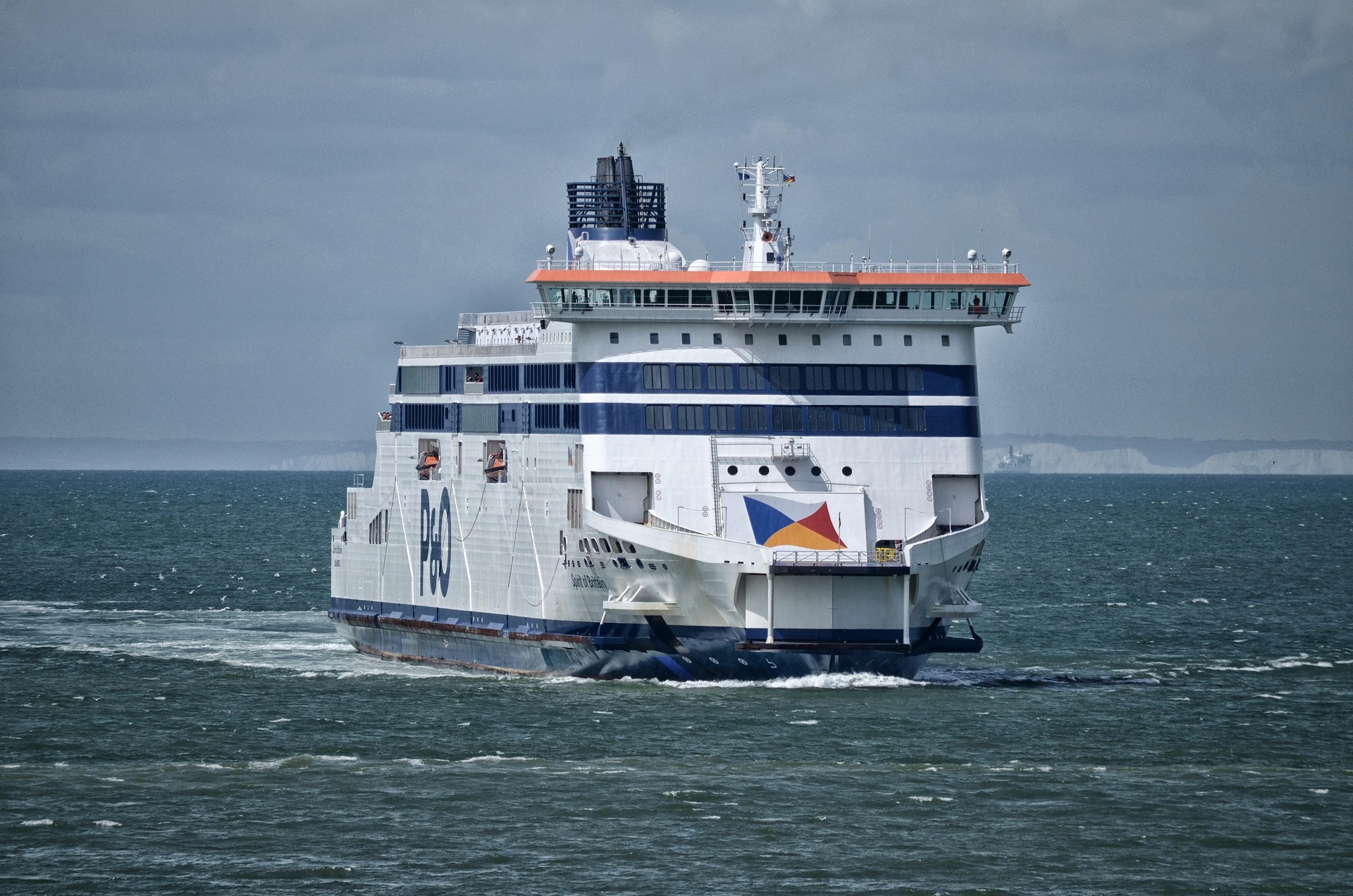
P&O Ferries is the most established operator on this route, running frequent 24-hour sailings with departures typically every 30 to 45 minutes. Onboard facilities include lounges, family areas, cafés, and self-service dining, with the option to upgrade to Club Class Lounge for additional comfort, priority boarding, and complimentary refreshments.
DFDS Seaways is known for its modern fleet and strong reliability, with crossings taking around 90 minutes. Travellers can enjoy premium lounges, outdoor decks, and onboard dining, while frequent users benefit from the DFDS loyalty programme.
Irish Ferries, the newest operator on the route, offers competitive pricing and newer vessels such as the Isle of Innisfree. It is particularly popular with budget-conscious travellers, while still providing onboard dining, pet facilities, and digital check-in.
In 2026, all operators support digital tickets and QR code check-in, allowing for a smoother boarding process at Dover Eastern Docks and Calais Port. Terminal layouts, arrival routes and live travel advice for the UK side are published by the Port of Dover. With multiple sailings per hour, travellers can choose crossings based on price, schedule, and onboard experience.


App availability and prices vary by country. Some of these may not appear in your local App Store or Google Play.
Irish Ferries, the newest operator on this route, provides competitive pricing and newer vessels like the Isle of Innisfree. It’s an increasingly popular option for budget-conscious travellers, offering onboard dining, pet facilities, and smooth check-in via their app.


App availability and prices vary by country. Some of these may not appear in your local App Store or Google Play.
For 2026, all three lines support digital check-in and e-tickets, with QR scanning at port terminals. Whether you value frequency, comfort, or price, these operators make Dover–Calais one of Europe’s most accessible sea crossings.
How to Book Dover – Calais Ferry Tickets with Direct Ferries
You can check live availability and book your Calais to Dover ferry tickets using the tool below. This allows you to view real-time sailing schedules, compare departure times, and secure your place in advance, which is strongly recommended for a trip accross the channel.
Once you enter your travel date, number of passengers, ages, and if you are travelling with a vehicle the system will display available sailings along with current pricing.
Tickets are issued digitally and can be presented on your phone at the terminal, making the process straightforward on the day of travel.
It is important to be aware that availability can change quickly, particularly during weekends and the summer season. Some sailings may also stop accepting bookings a few hours before departure, so leaving it too late can limit your options.
Platforms such as Direct Ferries allow you to compare routes and check availability across multiple operators, making it easier to plan your journey and secure tickets that match your schedule.

Best Apps for Booking Cross-Channel Ferries
Finding the best fare for the Dover to Calais crossing is much easier when you use ferry booking apps that compare multiple operators in one place. These platforms allow you to view live pricing, schedules, and availability across P&O Ferries, DFDS, and Irish Ferries.
AFerry is a strong UK-based option that provides real-time pricing, route comparisons, and exclusive deals. It is particularly useful if you are considering alternative French ports or flexible travel dates, as it often surfaces lower-cost options across multiple routes.
Ferryhopper is designed for wider European travel and works well if you are continuing beyond France. Its interface is fast, modern, and ideal for multi-stop journeys, making it useful for travellers planning longer trips across Europe.
Direct Ferries offers one of the largest global ferry databases, allowing you to compare routes, read reviews, and book crossings for both foot passengers and vehicles. It is one of the most widely used platforms for cross-Channel travel and is reliable for checking price differences across operators.
Using these apps allows you to quickly identify the best-value sailing, ideal departure time, and most convenient operator without needing to check each ferry company individually.
Eurostar: The High-Speed Alternative to Dover–Calais
While the Dover to Calais route is ideal for drivers, Eurostar provides a powerful alternative for travellers who want to move city to city without a vehicle.
Departing from London St Pancras International, Eurostar connects directly to Paris, Brussels, Lille, and Amsterdam. The journey to Paris takes around 2 hours 16 minutes, with passport control and security completed before boarding, allowing for a seamless arrival in the city centre.
Trains are modern and comfortable, with Wi-Fi, power sockets, and onboard food services. Travellers can choose between multiple fare classes, including flexible tickets and premium options with lounge access.
For those looking to reduce costs, Eurostar Snap offers discounted fares in exchange for flexibility on departure times. Instead of selecting a specific train, you choose a morning or afternoon window, and your exact departure is assigned later. This can deliver meaningful savings while still providing a fast and efficient journey.
For travellers without a car, Eurostar is often the fastest, simplest, and most comfortable way to cross the Channel, particularly for short breaks or business trips.
Facilities and Onboard Experience Compared
The onboard experience varies significantly between ferry, Eurotunnel, and Eurostar, and this can play a major role in your decision.
On the ferry, travellers benefit from a full-service environment. Facilities typically include lounges, cafés, restaurants, duty-free shops, and outdoor decks. Premium upgrades such as Club Lounge or Premium Lounge access offer complimentary food, drinks, and quieter seating areas. Many vessels now include Wi-Fi, charging points, and family-friendly spaces, making the journey more comfortable, especially on longer trips.
The Eurotunnel Le Shuttle is designed for efficiency rather than comfort. Travellers remain inside their vehicles during the 35-minute crossing, with no onboard facilities such as cafés or restrooms. However, both the Folkestone and Calais terminals provide rest areas, food outlets, and fuel stations, allowing you to prepare before boarding or after arrival.
Eurostar delivers a more traditional rail experience, with spacious seating, onboard food and drink services, and reliable Wi-Fi. Higher fare classes include lounge access and premium dining, while standard class still offers a comfortable and modern environment.
If you value space and relaxation, the ferry is the strongest option. If you prioritise speed and simplicity, Eurotunnel or Eurostar will be more suitable.
Search routes and flight options for your journey.
Search flightsUse an eSIM to get online without hunting for a local SIM after arrival.
See eSIM optionsArrange a private pickup before travel instead of sorting transport after landing.
Book a transferEnvironmental Impact: Ferry vs Tunnel vs Train
Sustainability is an increasingly important factor when choosing how to cross the Channel in 2026.
The Eurotunnel Le Shuttle is generally the most efficient option for motorists, producing lower CO₂ emissions per vehicle compared to traditional ferry crossings. It is also well suited to electric and hybrid vehicles, with charging infrastructure available at terminals.
Ferry operators are improving their environmental performance. Companies such as P&O Ferries and DFDS are introducing hybrid and LNG-powered vessels, which can reduce emissions by up to 40 percent compared to older ships. Travelling as a foot passenger further reduces your individual impact.
For overall sustainability, Eurostar remains the lowest-emission option. High-speed rail produces significantly less CO₂ than both flying and driving, and increasing use of renewable energy across the network strengthens its environmental advantage.
Travellers can also reduce their impact by choosing off-peak departures, shared transport, and digital tickets, as well as using carbon offset programmes where available.
Pets, Luggage and Vehicle Rules Compared
For many travellers, the choice between ferry, Eurotunnel, and Eurostar comes down to how easy it is to travel with pets, vehicles, and large luggage.
The Dover to Calais ferries are the most flexible option. All major operators including P&O Ferries, DFDS, and Irish Ferries support pet travel, with options such as onboard kennels or pet lounges. In many cases, pets remain in the vehicle during the crossing, with scheduled access allowed during the journey. For families and long trips, ferries also allow unlimited luggage, including roof boxes, trailers, and large items.
The Eurotunnel Le Shuttle is one of the easiest ways to travel with pets. You stay inside your vehicle for the entire journey, which reduces stress for animals and avoids separation. A small pet fee applies, but the process is quick, controlled, and highly predictable.
By comparison, Eurostar does not allow pets, with the exception of certified assistance dogs. Luggage allowances are generous, typically two large suitcases and one hand item, but bulky items such as bikes require advance booking. If you are travelling with a motorhome, caravan, or heavy equipment, the ferry remains the only realistic option.
When Weather Affects Your Crossing
Weather conditions can significantly affect your journey, particularly when travelling across the English Channel.
Ferries are the most exposed to weather. Strong winds and rough seas, especially between October and March, can lead to delays or cancellations. While operators such as DFDS, P&O Ferries, and Irish Ferries provide regular updates and rebooking options, crossings can still be disrupted during severe conditions. Travellers prone to seasickness may also find winter crossings uncomfortable.
The Eurotunnel Le Shuttle operates underground and is largely unaffected by weather conditions. This makes it one of the most reliable options during periods of high winds, fog, or storms. Delays are still possible due to traffic, technical issues, or border controls, but weather rarely causes disruption.
Eurostar is also more reliable than ferries in poor conditions, although extreme weather or rail network issues can occasionally affect services on the French side. For time-sensitive journeys, both Eurotunnel and Eurostar offer a higher level of certainty compared to sea crossings.
Who Should Choose Each Option
Choosing between ferry, Eurotunnel, and Eurostar depends on your priorities, travel style, and level of flexibility.
The ferry is the best choice if you value space, affordability, and flexibility. It is ideal for families, pet owners, and travellers carrying large amounts of luggage or vehicles. The onboard experience also allows you to rest, eat, and take a break from driving, which can make long journeys more enjoyable.
The Eurotunnel Le Shuttle is designed for travellers who prioritise speed and efficiency. Staying in your vehicle reduces waiting time, and frequent departures make it ideal for short trips, weekend breaks, and business travel. It is also a strong option for electric vehicle owners, thanks to charging facilities at terminals.
Eurostar is the best option for foot passengers travelling city to city. It offers a fast, comfortable, and low-stress journey, with direct connections to major European cities. For travellers who do not need a car, it is often the most efficient way to cross the Channel.
Ultimately, the best option depends on what matters most to you. If your priority is cost and flexibility, choose the ferry. If you want speed and control, choose Eurotunnel. If you are travelling without a vehicle and want maximum convenience, Eurostar is the strongest choice.

Rupert’s Handy Travel Tips
Crossing the Channel can be quick and straightforward if you plan ahead. Here are a few tips to make your journey smoother in 2026:
- Book early: Prices for ferries and Eurotunnel rise quickly during weekends and school holidays.
- Check traffic conditions: Congestion around Dover and Folkestone can add significant delays, especially at peak times.
- Choose the right crossing: Use the ferry for flexibility, Eurotunnel for speed, and Eurostar for city-to-city travel.
- Travel midweek if possible: This often reduces costs and avoids the busiest travel periods.
- Download tickets offline: Keep digital boarding passes accessible in case of poor signal at ports or terminals.
Want to meet the reindeer behind our travel tips? Find out more in our page Who is Rupert?.


Frequently Asked Questions
Is the Eurotunnel faster than the ferry?
Yes, the Eurotunnel Le Shuttle crossing takes just 35 minutes, compared to around 90 minutes on a ferry. However, total journey time also depends on check-in and waiting times.
What is the cheapest way to cross from Dover to Calais?
The ferry is usually the cheapest option, especially when travelling with a car and multiple passengers. Prices are lowest when booked in advance and outside peak travel periods.
Can you travel as a foot passenger on Eurotunnel?
No, the Eurotunnel Le Shuttle is only for vehicles. Foot passengers must use ferries or Eurostar instead.
Is Eurostar better than driving to Calais?
For travellers without a car, Eurostar is faster and more convenient, offering direct city-centre connections. For road trips or travel with pets, driving via ferry or Eurotunnel is more practical.
Which option is best in bad weather?
The Eurotunnel is the most weather-resistant option, followed by Eurostar. Ferries are more likely to experience delays during rough sea conditions.
Further Reading & Related App Guides
If you are considering rail instead of driving, our Eurostar Travel Guide is the best place to start. It explains how high-speed trains connect London with Paris and mainland Europe, helping you decide when Eurostar is a better alternative to the Dover–Calais crossing.
To reduce costs, it is also worth reading our Eurostar Snap guide, which shows how flexible departure windows can unlock cheaper cross-Channel train fares. This is particularly useful if you are travelling without a car and want a lower-cost option than standard tickets.
For practical examples of how efficient rail travel can be, our London to Paris day trip by Eurostar and Paris to London day trip by Eurostar guides break down exact timings, routes, and what you can realistically see in a single day. These are strong alternatives to driving or sailing if your priority is speed and simplicity.
If your journey involves continuing across Europe, our Eurostar and Interrail guide explains how to combine UK to Europe rail travel with wider journeys across the continent, making it easier to plan multi-country trips.
For travellers comparing sea routes, our Isle of Wight ferries guide provides a useful reference point for how ferry systems operate, while our Cruise Booking Apps guide and Taxi Hailing Apps guide can help with onward travel and transfers once you reach your destination.











