
Reviewed by our editorial team Updated
Why Medical Repatriation Matters for Travellers
Medical repatriation is one of the most serious and least understood parts of international travel, yet it can be the difference between a safe recovery and a medical crisis spiralling out of control abroad. When travellers fall seriously ill or suffer a major injury overseas, medical repatriation is the process that flies them home for further treatment, rehabilitation, or ongoing care. It’s a highly coordinated operation involving insurers, specialist medical teams, airlines, and local hospitals.
Many travellers assume they’ll simply “be flown home” if something goes wrong. In reality, medical repatriation is only approved when your condition is stable, the medical need is clear, and the logistics are safe. This is why understanding the process before you travel is so important. Without proper insurance, a medical evacuation can cost more than a family car, and long-haul air ambulance flights can reach well into six-figure sums.
For travellers, the biggest risks come from the unexpected. Heart attacks, serious infections, major fractures, sudden complications from chronic conditions, and accidents that require long-term recovery all create situations where fast, coordinated support matters. In these moments, you need a system that works quickly and safely. Medical repatriation ensures you get back under your own country’s healthcare system, close to family and familiar medical support, without relying indefinitely on overseas hospitals.
This guide breaks down the full process, when repatriation is allowed, who makes the decisions, what it costs, and what travellers need to do immediately after an emergency. With a clear understanding of how it works, you’ll be able to travel with far more confidence and make informed decisions if the unexpected happens abroad.
What Medical Repatriation Actually Is
Medical repatriation refers to any medically supervised transport that returns a traveller to their home country for continued treatment, recovery, rehabilitation, or long-term care. It can range from a simple commercial flight with a nurse escort to a fully equipped air ambulance carrying advanced life-support systems.
There are three main types of medical repatriation.
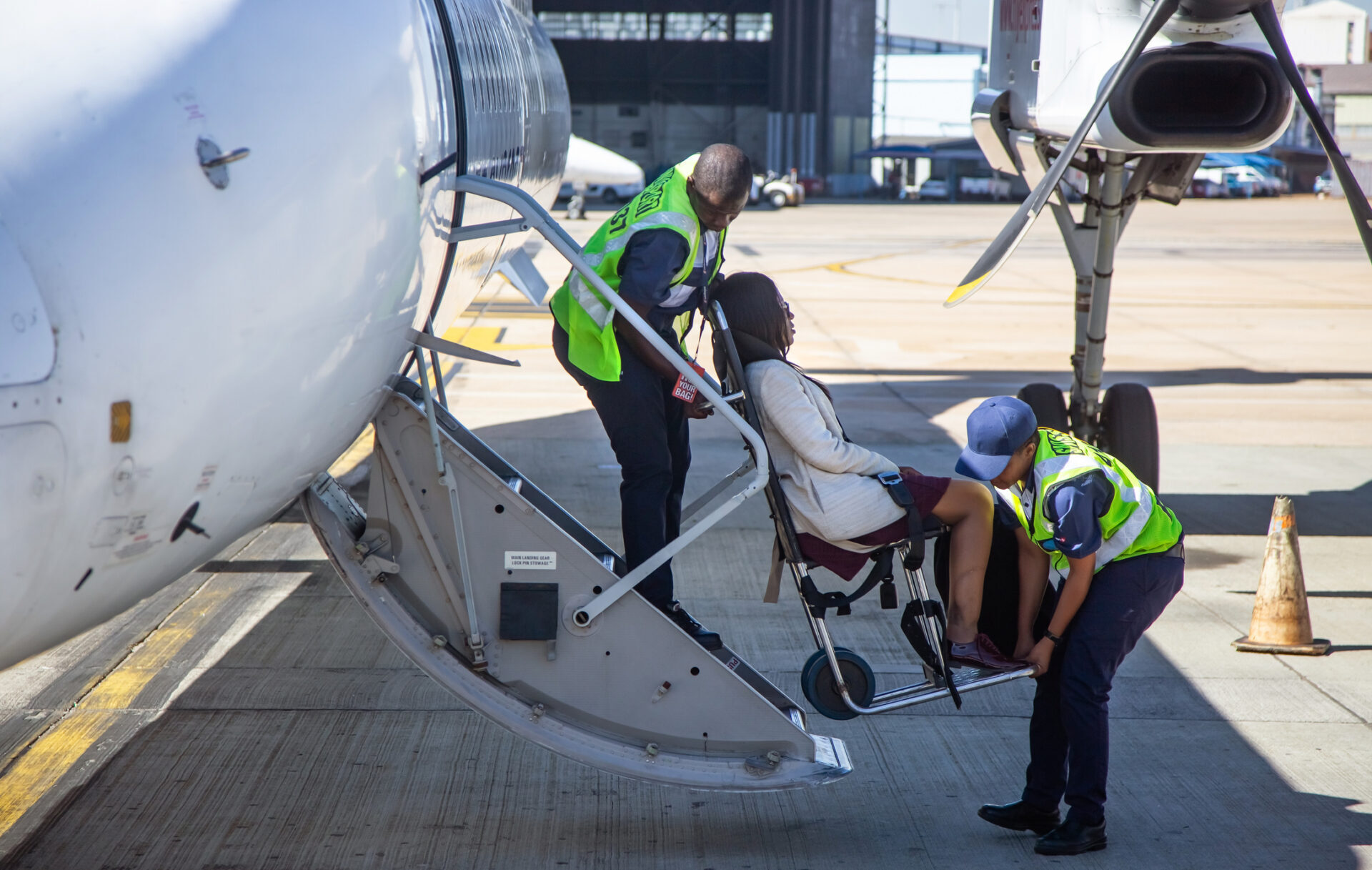
A standard commercial flight is used when a traveller is fit to sit upright with minimal medical support. An escorting nurse may accompany the passenger, monitor vital signs, and manage medication. It’s the cheapest and simplest form of transportation but only suitable when the traveller is relatively stable.
A stretcher repatriation on a commercial airline involves multiple rows of seats being removed so the patient can remain lying flat, usually behind a privacy screen. Oxygen, IV support, and monitoring equipment may be provided. This requires airline approval, specialist paperwork, and ground medical teams at both ends.
A dedicated air ambulance is the most complex and expensive option. An air ambulance is a small aircraft configured like a flying ICU, staffed by specialist medical crews who can manage ventilators, cardiac monitors, infusion pumps, and emergency interventions. This is used when the traveller is critically unwell, unable to tolerate a commercial cabin, or located in a remote area with limited medical infrastructure.
In all cases, the goal is safe, medically justified return, not convenience. Decisions are made by the treating doctor abroad, the insurer’s medical team, and the repatriation specialists coordinating the transfer.
Compare hotels and other places to stay for your trip.
Check availabilityBrowse apartments, homes and self-catering accommodation.
Browse rentalsCompare hotel deals from multiple booking sites in one search.
Compare pricesWhen Travellers Can Actually Be Flown Home
Medical repatriation is never guaranteed, even if the traveller “feels better” or wants to return home quickly. Approval depends on strict medical, safety, and logistical criteria. At minimum, you must be stable enough to fly, meaning your condition won’t deteriorate at altitude and the flight crew can manage your needs without unacceptable risk.
Travellers are typically repatriated when local medical facilities lack the resources needed for long-term treatment. This could be due to limited intensive care capability, unavailable medications, lack of specialist surgeons, or inadequate rehabilitation options.
They are also repatriated when your condition requires ongoing care best provided at home. This includes stroke recovery, complex fractures, post-surgical rehabilitation, spinal injuries, infectious disease management, and prolonged hospitalisation.
Another reason is when the overall cost of treatment abroad would exceed organised repatriation. Insurers evaluate whether keeping a traveller in a foreign hospital for weeks or months is more expensive than flying them home to a domestic facility.
Repatriation also depends on a medical team confirming the traveller can be transported safely. This involves blood oxygen checks, imaging, cardiac assessment, post-operative monitoring, and detailed clearance from both local doctors and insurer-appointed specialists.
Repatriation is usually not approved for minor injuries, routine medical issues, or situations where flying could endanger the patient further. Personal preference alone is not enough to trigger a medical flight home. When disagreement occurs, the insurer’s medical assessment normally prevails, which is why strong, comprehensive travel insurance is essential.
How Medical Repatriation Works Step-by-Step
When a traveller becomes seriously ill or injured abroad, medical repatriation follows a structured, carefully controlled sequence. Understanding these steps makes the process far less intimidating during a crisis. Everything begins with stabilisation. Local doctors treat the immediate emergency, surgery, imaging, IV medication, or intensive care, until you’re safe enough to be evaluated for transport. During this time, your insurer’s emergency medical team opens a case file and begins reviewing your condition.
Once you are stabilised, the insurer’s clinical staff and the treating hospital collaborate to assess fitness to fly. This includes analysing scans, oxygen needs, pain control, infection risk, surgical wounds, and whether cabin pressure could worsen your condition. If repatriation is appropriate, the insurer activates its global assistance network. This team handles the logistics, arranging medical escorts, ground ambulances, airline medical clearances, and seat or stretcher reservations. For air ambulances, they secure aircraft availability, route permissions, refuelling stops, and specialist crews.
On the day of travel, a hospital-to-airport ambulance collects you and transfers you directly to the aircraft, often bypassing the public terminal. If flying on a commercial flight, your stretcher or seating area will already be prepared. A nurse or doctor accompanies you, monitoring vitals, administering medication, and managing emergencies if needed. Once the aircraft lands at your home country, another ambulance transports you to the designated hospital for continued care.
Throughout the process, the insurer manages documentation, payments, flight coordination, and medical oversight. The traveller’s only responsibility is to provide accurate medical information and follow the instructions of the escorting clinical staff. This highly coordinated chain is what ensures medical repatriation happens safely and efficiently.
Typical Costs for Medical Repatriation
Medical repatriation is one of the most expensive emergency travel services in the world, which is why having robust travel insurance is essential. Costs vary based on distance, medical complexity, equipment required, and the type of aircraft or flight used. Even the simplest cases can cost more than a family holiday, while complex flights can exceed the price of a house.
At the lower end, commercial flights with a nurse escort usually cost between a few hundred and several thousand pounds. This might include additional airline fees for oxygen, medical clearance, and specialised seating. Stretcher repatriations are significantly more expensive because airlines must block multiple rows, reposition staff, and accommodate medical equipment. These missions often range from £8,000 to £20,000+ (€9,400 to €23,400+ / $10,100 to $25,200+) depending on the route.
The biggest costs come from dedicated air ambulances, which operate as airborne intensive-care units. A short European air ambulance flight can cost £10,000 to £35,000+ (€11,700 to €40,900+ / $12,600 to $44,100+), while long-haul transfers from Asia, Africa, North America, or the Middle East can easily reach £80,000 to £200,000+ (€93,600 to €234,000+ / $100,800 to $252,000+). Factors such as the need for ventilators, cardiac monitoring, specialist medical teams, or multiple refuelling stops can push the price even higher. In extreme cases, full ICU-level evacuation missions exceed £250,000 (€292,500 / $315,000).
It’s important to remember that these figures cover only transport, not foreign hospital bills. Many travellers assume their GHIC, EHIC, or credit card cover includes repatriation, but these usually do not fund air ambulances. Without comprehensive travel insurance, families often resort to crowdfunding to bring relatives home.
Because costs escalate so quickly, travellers should always buy insurance with high medical and repatriation limits, ideally £5–10 million (€5.9–11.7 million / $6.3–12.6 million). This ensures you’re protected whether the emergency occurs in Europe or halfway across the world.

Who Pays for Medical Repatriation?
In almost all cases, travel insurance is the primary source of payment for medical repatriation. This includes not only the flight itself but also ambulance transfers, medical escorts, airport clearances, and post-arrival hospital admission. However, cover is conditional. Insurers only pay if you have declared pre-existing conditions, followed policy rules, and contacted the emergency assistance line promptly.
A comprehensive travel policy typically includes a medical expenses and repatriation limit of £5–10 million (€5.9–11.7 million / $6.3–12.6 million). Within this, emergency medical treatment is covered first, followed by any approved repatriation costs. Insurers aim to pay hospitals directly whenever possible, which prevents travellers from needing to fund large bills upfront. They then coordinate with clinics and local authorities to ensure safe transfer home.
State medical schemes such as GHIC or EHIC may reduce or eliminate treatment costs in Europe’s public hospitals, but they do not cover air ambulances, medical escorts, or stretcher flights. UK embassies and consulates can provide support, welfare checks, and lists of local doctors, but they cannot pay for repatriation. Their role is advisory only.
For business travellers, corporate insurance policies may include emergency medical evacuation as part of a wider global assistance package. This can speed up decisions and expand coverage, especially in remote regions. In cases where travellers have no insurance, repatriation becomes far more difficult. Hospitals, charities, or governments may assist in rare cases, but families often need to raise funds privately.
The key takeaway is clear. Do not rely on GHIC, EHIC, or partial bank cover. Proper travel insurance with strong repatriation protection is the only reliable way to ensure you can be safely flown home.
Air Ambulance vs Commercial Flight Repatriation
Medical repatriation generally happens in one of two ways. A commercial airline with medical support, or a dedicated air ambulance. The difference between the two is significant in terms of cost, capability, and medical suitability.
A commercial flight repatriation is used when a traveller is stable enough to sit upright or lie on a stretcher. Airlines must approve medical clearance, oxygen requirements, and seating arrangements in advance. A medical escort, usually a nurse or doctor, travels with the patient, monitoring vital signs and managing medication. This option is far more cost-effective, but it is not always available on all routes or aircraft.
A dedicated air ambulance is used when a traveller is too unwell for a commercial flight. These aircraft are configured as flying intensive-care units, carrying ventilators, cardiac monitors, infusion pumps, IV lines, and emergency medication. The onboard team typically includes critical-care doctors, nurses, and paramedics trained for high-risk transport. Air ambulances can depart quickly, use smaller airports, and fly directly to the required destination.
Because the entire aircraft is dedicated to one patient, costs are extremely high, particularly for long-distance journeys requiring refuelling stops or multiple crews.
Insurers always choose the safest and most appropriate option. If a traveller is stable, a commercial flight is preferred. If the traveller is unstable, ventilated, post-surgery, or requires intensive monitoring, an air ambulance becomes the only safe solution. Understanding this helps manage expectations during a medical emergency abroad.
What To Do If You Think You Need Repatriation
If you become seriously ill or injured abroad, the most important step is to seek medical care immediately. Do not delay treatment while checking your insurance or trying to assess the situation yourself. Once stabilised, the next critical step is to contact your travel insurer’s 24-hour emergency assistance line.
When speaking to your insurer, provide clear and accurate information. This includes your location, hospital details, diagnosis, medication, and any available test results. The insurer will then communicate directly with the treating doctors and begin assessing whether repatriation may be appropriate.
You should ask practical questions such as whether repatriation is being considered, what criteria must be met, and what transport options are available.
Never arrange your own medical transport without insurer approval. Doing so can result in extremely high costs that are not reimbursed. Insurers require full medical clearance, documentation, and logistical planning before authorising any evacuation.
If language barriers exist, use translation tools or request help from hospital staff. Embassies and consulates can assist with communication and local coordination, although they do not fund repatriation.
Keep all medical records, receipts, prescriptions, and doctor’s reports. These are essential for both insurance claims and continued treatment once home. Acting quickly and communicating clearly with your insurer ensures the process runs as smoothly as possible.
Search flights and useful route combinations in one place.
View flightsBrowse Airalo eSIM options for convenient travel data.
Check eSIMsCheck private airport pickup options and plan the first part of your journey in advance.
View transfersApps and Digital Tools That Help During an Emergency
In a medical emergency abroad, the right digital tools can significantly improve communication, organisation, and response time. While apps do not replace medical care, they play a key supporting role in medical repatriation situations.
Travel insurance apps are the most important. They store your policy details, provide direct access to emergency assistance, allow document uploads, and often include an emergency call function. This removes the need to search for paperwork during a crisis.
Secure document storage apps allow you to keep digital copies of passports, GHIC or EHIC cards, insurance details, medication lists, and medical history. These can be shared quickly with hospitals or insurers when needed.
Translation apps help you explain symptoms, understand medical instructions, and communicate with healthcare professionals in countries where English is limited. Many include medical-specific language tools.
For travellers who remain mobile, map and navigation apps help locate hospitals, pharmacies, and consulates. Emergency alert apps can also share your live location with trusted contacts.
The best approach is to prepare a digital emergency toolkit before travel. Download key apps, store important documents securely, and save emergency contacts in advance. This preparation ensures that when an emergency occurs, you can act quickly without confusion.

Rupert’s Handy Travel Tips
Facing a medical emergency abroad can be overwhelming. Here are Rupert’s top tips to make medical repatriation safer, smoother, and far less stressful:
- Always buy high-limit travel insurance: Aim for £5–10 million (€5.9–11.7 million / $6.3–12.6 million) of medical and repatriation cover so air ambulances and major emergencies are fully protected.
- Carry your medical information: Keep a printed summary of medications, allergies, and relevant medical history, plus a secure digital backup in an encrypted app.
- Save your insurer’s emergency number: Store it in your phone, wallet, and email. When you’re unwell, fast access can make all the difference.
- Never agree to private flights or transfers without insurer approval: Hospitals may offer costly services that insurance won’t reimburse. Always speak to your insurer first.
- Follow travel advisories: Travelling against government advice can void insurance. Rupert always checks risks before confirming a trip.
Want to meet the reindeer behind our travel tips? Find out more in our page Who is Rupert?.


Frequently Asked Questions About Medical Repatriation
Medical repatriation can feel confusing, especially during a crisis. These clear, practical answers address the questions travellers ask most often when facing a serious illness or injury abroad.
Do travellers get a say in whether they’re repatriated?
Yes, but the final decision is made by medical professionals. If the treating doctor and the insurer’s medical team believe flying is unsafe, repatriation will be delayed until your condition improves. Personal preference alone does not override clinical safety.
Can travellers choose the hospital they’re taken to at home?
Sometimes. If you already have a specialist or ongoing treatment plan, insurers may try to accommodate this. However, they often use partner hospitals that meet their medical and contractual requirements.
Does GHIC/EHIC cover air ambulances?
No. These cards only provide access to public healthcare at local rates. They do not cover medical flights, private hospitals, or specialist evacuation services. You still need comprehensive insurance.
What about pre-existing conditions?
Declare them honestly when buying insurance. Failure to disclose can result in denied claims, especially for conditions related to the emergency. Specialist policies exist for most long-term conditions.
Is repatriation the same as “medical deportation”?
No. Repatriation through insurance is voluntary and medically driven. “Medical deportation” refers to uninsured patients being removed for cost reasons, which raises ethical and legal concerns.
Further Reading & Related App Guides
Medical emergencies abroad are stressful, but the right digital tools and background knowledge can make a world of difference. If you want to build a more complete safety net for your travels, these guides will help you stay informed, connected, and prepared for the unexpected, with expert recommendations and practical advice tailored to real-world travel scenarios.
Our UK GHIC Card Explained guide is the natural companion to this one, covering exactly what a GHIC does and does not pay for abroad, which matters because repatriation always sits outside its scope. For the digital side of an emergency, the Translation Apps Guide is ideal for explaining symptoms or understanding medical paperwork when local staff don’t speak English, and the Currency Converter Apps Guide is essential when dealing with foreign hospitals, pharmacies, or clinics, since quick conversions help you understand bills and manage unexpected medical expenses.
Staying connected abroad is crucial during a crisis, and our eSIM Apps Guide shows how reliable data lets you call your insurer, send medical reports, upload documents, and navigate to clinics without struggling for Wi-Fi. Sudden weather changes also cause many travel injuries, so the Weather Apps Guide can help you avoid dangerous winds, heatwaves, storms, and visibility issues that commonly lead to accidents. Finally, our Travel Insurance Apps Guide explains policy differences, medical limits, and evacuation cover in detail.
Each of these guides strengthens a different part of your travel safety strategy. Together, they help ensure that whether you’re facing a minor mishap or a major medical emergency, you have the tools, knowledge, and preparation to respond with confidence.











