
Reviewed by our editorial team Updated
Why Mykonos Is Greece’s Ultimate Lifestyle and Party Island
Mykonos has built a global reputation as one of the most vibrant and stylish destinations in the Mediterranean. Known for its beach clubs, nightlife, and high-energy atmosphere, the island offers a very different experience from the rest of the Cyclades.
What makes Mykonos unique is its focus on lifestyle and social experiences. Days are spent at beaches that gradually transform into lively venues, while nights extend into the early hours with bars, clubs, and music venues attracting visitors from around the world.
Despite this reputation, Mykonos is not only about nightlife. The island also features beautiful coastal scenery, traditional architecture, and a historic town, giving it more depth than its image might suggest. The combination of relaxed beach culture and high-end entertainment creates a destination that appeals to a wide range of travellers.
Mykonos is also highly developed, with a strong emphasis on hospitality, accommodation, and curated experiences. This makes it easy to visit, but also gives it a more polished and structured feel compared to quieter islands.
For many visitors, Mykonos is about enjoying a specific type of trip. It is a place where the focus is on energy, atmosphere, and memorable moments, rather than quiet exploration.
Understanding Mykonos: Town, Beaches and Key Areas
The layout of Mykonos is relatively simple, but each area offers a distinct experience shaped by its role in the island’s identity.
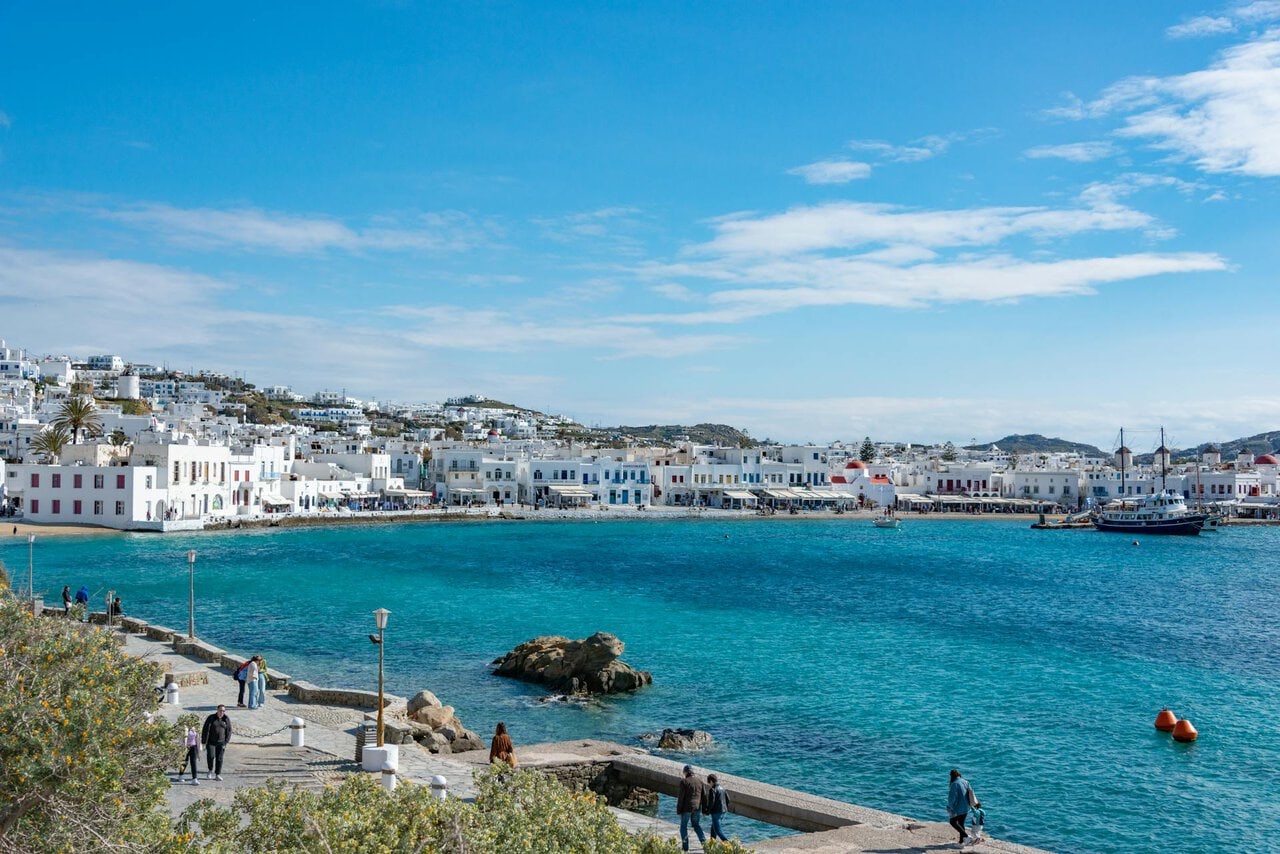
Mykonos Town, often referred to as Chora, is the heart of the island. It is known for its whitewashed streets, narrow alleys, and lively atmosphere, combining traditional Cycladic design with a modern, social energy. This is where you will find a concentration of restaurants, bars, shops, and nightlife.
The island’s beach areas are equally important, each offering a slightly different style. Some beaches are known for their relaxed atmosphere, while others are associated with music, events, and beach clubs that define the Mykonos experience.
Areas further from the main town provide a more quiet and spacious environment, offering an alternative for those who want to balance the island’s energy with moments of relaxation.
Because the island is compact, it is easy to move between these areas, allowing you to experience both the lively and more laid-back sides of Mykonos.
Browse hotels and accommodation for your visit to Mykonos.
View staysBrowse apartments, holiday homes and self-catering stays in Mykonos.
View rentalsCompare hotel deals in Mykonos from multiple booking sites.
Compare pricesMykonos at a Glance: Essential Travel Facts
| Key Detail | Information |
|---|---|
| Location | Cyclades, Greece |
| Main Town | Mykonos Town (Chora) |
| Airport | Mykonos International Airport (JMK) |
| Currency | Euro (€) |
| Language | Greek (English widely spoken) |
| Best Time to Visit | May to September |
| Ferry Access | Direct from Athens and Cyclades islands |
| Known For | Nightlife, beach clubs, luxury stays |
| Driving Side | Right |
These essentials highlight Mykonos as a high-profile, lifestyle-focused destination within the Cyclades.
The History of Mykonos and Its Cultural Background
Although Mykonos is best known for its modern reputation, it also has a long history and cultural significance that adds depth to the island.
Historically, Mykonos was a small and relatively modest island, with its economy based on fishing and trade. Over time, its location near the island of Delos, an important archaeological and historical site, contributed to its development.
The transformation of Mykonos into a major travel destination began in the 20th century, when it started to attract visitors seeking both natural beauty and a more open, social atmosphere. This gradually evolved into the island’s current identity as a global hotspot.
Despite these changes, elements of traditional life remain visible, particularly in architecture, local customs, and smaller communities. These aspects provide a contrast to the more modern and commercial side of the island.
Understanding this background helps explain how Mykonos became a place where tradition and modern lifestyle coexist, creating a unique and dynamic destination.
Getting Around Mykonos: Transport and Accessibility
Getting around Mykonos is relatively straightforward due to its compact size, although the island’s popularity can create congestion during peak periods.
Public buses connect Mykonos Town with major beaches and key areas, providing a practical and affordable way to travel. Services are frequent during the summer months, when demand is highest.
Taxis are available but limited in number, which can make them difficult to rely on at busy times. They are best used for short journeys or specific transfers rather than regular travel.
Many visitors choose to rent a car, ATV, or scooter, which provides greater flexibility and allows easier access to different parts of the island. This is particularly useful for exploring multiple beaches in a single day.
Walking is also important, especially within Mykonos Town, where the streets are designed for pedestrians and vehicles are restricted in many areas.
Overall, transport on Mykonos is about balancing convenience with planning, ensuring you can move between locations while making the most of your time on the island.
Arriving in Mykonos: Flights, Ferries and First Impressions
Reaching Mykonos is straightforward, and the island is one of the best-connected destinations in the Cyclades. Most travellers arrive either by air via Mykonos International Airport or by ferry from Athens and neighbouring islands such as Paros, Naxos, and Santorini.
Flying is the fastest option, with year-round domestic flights from Athens taking around 35–45 minutes, and a wide range of direct international routes operating during the summer season from cities across Europe. The airport itself is small and efficient, but it becomes extremely busy between June and September, particularly during peak arrival windows. Luggage collection can take time, and queues for taxis often build quickly.
The airport is located just 3–4 km from Mykonos Town (Chora), which means you can be at your accommodation within minutes of landing. As you descend, you’ll get your first glimpse of the island’s landscape, dry hills, scattered white buildings, and flashes of deep blue coastline. It’s not dramatic in the way Santorini is, but it immediately feels unmistakably Cycladic.
Arriving by ferry offers a completely different experience and is often preferred by travellers island-hopping through Greece. Ferries from Athens (Piraeus or Rafina) typically take between 2.5 to 5 hours, depending on whether you choose a high-speed or conventional service. High-speed ferries are faster but more expensive and can be affected by strong winds, while conventional ferries are slower but more stable and often cheaper.
As your ferry approaches Mykonos, you’ll see the coastline gradually take shape, with Mykonos Town spreading along the waterfront and hills rising behind it. Ferries usually arrive at the New Port (Tourlos), located about 2 km north of Mykonos Town, rather than the old port in the centre.
Unlike more visually dramatic islands, Mykonos reveals itself gradually. The real impact comes once you step into the narrow streets of Chora, discover the waterfront, and experience the island’s energy, which shifts from relaxed daytime beach culture to a lively, late-night atmosphere.
Airport Transfers and Getting to Mykonos Town
Transfers on Mykonos are short and simple in terms of distance, but logistics can become challenging due to high demand and limited infrastructure, especially during the peak summer season.
From Mykonos Airport, the journey to Mykonos Town typically takes around 5 to 10 minutes, making it one of the quickest airport transfers in Greece. This is a major advantage for short stays, late arrivals, or early departures.
Taxis are available outside the terminal, but supply is very limited. Mykonos has a relatively small number of licensed taxis. During busy periods, particularly between midday and early evening, queues can be long, and waiting times of 30–60 minutes are not unusual.
For this reason, many visitors choose to pre-book private transfers, which offer fixed pricing, guaranteed pickup, and a smoother arrival experience. These are particularly useful if you are travelling with luggage, arriving late at night, or staying outside Mykonos Town.
Public buses run between the airport and Mykonos Town’s Fabrika bus station, providing a more budget-friendly option. However, services are not always perfectly aligned with flight arrivals, and buses can be crowded, especially in summer.
If you arrive by ferry at the New Port in Tourlos, the transfer to Mykonos Town takes around 10 to 15 minutes. Options include taxis, local buses, and shuttle services operated by some ferry companies. As with the airport, demand often exceeds supply during peak times, so expect short waits unless you’ve pre-arranged transport.
For those staying in beach areas such as Platis Gialos, Ornos, or Paradise Beach, transfer times will be slightly longer, typically 15 to 25 minutes, depending on traffic and location.
Local Public Transport on Mykonos
The bus network on Mykonos is one of the most important and widely used transport options on the island, particularly for visitors who prefer not to rent a car or scooter.
Mykonos has a well-organised system centred around two main hubs in Mykonos Town: Fabrika (southbound routes) and Old Port (northbound routes). From these stations, buses connect to most of the island’s key destinations, including popular beaches such as Platis Gialos, Paradise, Paraga, Elia, Ornos, and Kalafatis, as well as inland villages like Ano Mera.
During the summer season, buses run frequently, often every 20 to 30 minutes on the busiest routes, with extended evening services that reflect the island’s nightlife. This makes it entirely possible to spend the day at one beach, move to another in the afternoon, and return to Mykonos Town for dinner or nightlife without needing private transport.
Fares are relatively affordable, usually ranging from €2 to €4 (£2 / $2 to £3 / $4) per journey, depending on distance. Tickets are typically purchased at kiosks or directly from the driver, although having small change is helpful.
Despite the convenience, buses can become extremely crowded, particularly on routes serving the most popular beaches and during peak travel times between 10:00–13:00 and 17:00–20:00. Queues at Fabrika station in the late afternoon are common, especially in high season.
Planning your travel around these peak periods can make a significant difference. Early morning departures and mid-afternoon returns tend to be quieter and more comfortable.
For many travellers, the bus network provides a reliable and cost-effective way to explore Mykonos without the stress of driving narrow roads or dealing with limited parking. However, if you want to visit more remote beaches or explore the island at your own pace, renting a car or ATV may still be worth considering.
Search flights and useful route combinations for your trip.
View flightsChoose an Airalo eSIM and arrange mobile data before you arrive.
Browse eSIMsHave a private airport pickup arranged before you travel.
Book a transferTaxis, Transfers and Getting Around Easily
Taxis on Mykonos are available but very limited in number, which is one of the main challenges when getting around the island.
Taxi ranks can be found at the airport, the port, and in Mykonos Town, but availability is often inconsistent. During peak season, waiting times can be long, and securing a taxi at short notice can be difficult.
Private transfers are a more reliable alternative, offering pre-booked journeys between key locations. These services are widely used by visitors who want to avoid the uncertainty of taxis.
Within Mykonos Town, taxis are rarely needed, as the area is highly walkable. For travel to beaches and other parts of the island, taxis can be useful but should not be relied upon as the main option.
Overall, taxis work best as a backup or occasional transport solution, rather than a primary way of moving around the island.
Driving, Parking and Vehicle Rental on Mykonos
Renting a vehicle is one of the most flexible ways to explore Mykonos, particularly if you want to visit multiple beaches or move around independently.
Car rental, as well as ATVs and scooters, are widely available across the island. These options allow you to travel between different areas at your own pace, without relying on bus schedules.
Driving on Mykonos is generally straightforward, although roads can be narrow, busy, and occasionally uneven, especially near popular areas. Traffic increases significantly during peak season, so patience is required.
Parking can be challenging in Mykonos Town, where space is limited. Many visitors choose to park outside the centre and walk into the town.
Having your own vehicle makes it easier to explore the island beyond the main areas, including quieter beaches and less crowded locations.
For travellers who want flexibility and independence, renting a vehicle is a valuable and often necessary option.
Exploring Mykonos on Foot: Mykonos Town and Coastal Walks
Walking is essential for experiencing Mykonos, particularly within Mykonos Town, where the island’s character and energy are most concentrated. The town is designed around narrow streets, whitewashed alleys, and pedestrian pathways, making it ideal for exploring on foot.
Moving through Mykonos Town allows you to discover hidden corners, small squares, and boutique shops, all set within a maze-like layout that encourages wandering rather than following a fixed route. The atmosphere changes throughout the day, from relaxed mornings to lively evenings, making walking a key part of the experience.
Along the waterfront, coastal paths provide access to harbour views, restaurants, and scenic spots, creating an easy and enjoyable walking environment. These areas are particularly appealing in the early evening, when the island begins to come alive.
Outside the main town, walking is less practical due to distances and terrain, although some beaches and local areas can still be explored on foot once you arrive.
Overall, walking on Mykonos is about immersing yourself in the atmosphere of the town and its surroundings, where the details of architecture and daily life become most apparent.
Ferries, Boat Trips and Island Connections from Mykonos
Mykonos is one of the key ferry hubs in the Cyclades, making it an important starting point or stop on many island-hopping routes. Regular ferry services connect the island with destinations such as Santorini, Paros, Naxos, and Athens.
The main port, located in Tourlos, handles most ferry traffic and is well organised for arrivals and departures. Its proximity to Mykonos Town makes onward travel relatively simple.
In addition to ferry connections, boat trips and excursions are a major part of the Mykonos experience. These include trips to nearby beaches, coastal areas, and the island of Delos, which holds significant historical importance.
Boat trips provide a different perspective on the island, allowing you to see the coastline and access locations that are less crowded than those on land. They also offer a more relaxed alternative to the busy beach scene.
Using ferries and boat excursions allows you to expand your trip beyond Mykonos itself, while still making the most of its central position within the Cyclades.
| Route | Duration | Frequency (Summer) | Ferry Type | Main Operators | Notes |
|---|
| Athens (Rafina) – Mykonos | 2h 20m – 4h | Very frequent (6–10 daily) | High-speed & conventional | Seajets, Golden Star Ferries, Fast Ferries | Best overall route – closest port to airport |
| Athens (Piraeus) – Mykonos | 3h – 5h 30m | Frequent (3–6 daily) | High-speed & conventional | Seajets, Blue Star Ferries | Slower but more stable large ferries available |
| Santorini – Mykonos | 2h – 3h | Frequent (3–5 daily) | High-speed | Seajets, Golden Star Ferries | Very popular island-hopping route |
| Paros – Mykonos | 40m – 1h 30m | Very frequent (6–8 daily) | High-speed & conventional | Seajets, Golden Star Ferries | One of the easiest connections |
| Naxos – Mykonos | 1h – 1h 45m | Frequent (4–6 daily) | High-speed & conventional | Seajets, Blue Star Ferries | Good onward link from central Cyclades |
| Syros – Mykonos | 25m – 1h 20m | Frequent (3–5 daily) | High-speed & conventional | Seajets, Blue Star Ferries | Shortest inter-island crossing |
| Tinos – Mykonos | 15m – 35m | Very frequent (6–10 daily) | High-speed & conventional | Seajets, Golden Star Ferries | Closest island – ideal day trip |
| Milos – Mykonos | 2h 30m – 4h | Moderate (1–2 daily) | High-speed | Seajets | Direct but less frequent |
| Crete (Heraklion) – Mykonos | 4h – 6h | Limited (1 daily or less) | High-speed | Seajets | Seasonal and weather dependent |
| Koufonisia – Mykonos | 1h 30m – 2h 30m | Moderate (1–2 daily) | High-speed | Seajets | Great for smaller island hopping |
| Ios – Mykonos | 2h – 3h | Moderate (1–2 daily) | High-speed | Seajets | Often combined with Santorini routes |
Best Beaches in Mykonos
Mykonos is famous for its beaches, and they are one of the main reasons travellers return year after year. What makes the island stand out is the sheer variety. You will find everything from high-energy party beaches with international DJs to quiet, sheltered coves with crystal-clear water, all within relatively short distances of each other.
On the south coast, where the water is calmer and more protected from the wind, you will find some of the most popular and accessible beaches. Platis Gialos is one of the easiest and most convenient options, with soft sand, organised sunbeds, restaurants, and regular water taxis connecting it to other beaches. It is a great base for first-time visitors and those who want a mix of comfort and activity.
Just along the coast, Paradise Beach and Paraga Beach offer a very different atmosphere. These are among the island’s best-known party destinations, where beach clubs, music, and late afternoons that turn into evenings define the experience. Paradise Beach is particularly well known for its energetic vibe, while Paraga Beach offers a slightly more relaxed setting with stylish beach bars and clear, shallow water.
Moving further east, Elia Beach is one of the largest beaches on Mykonos and offers more space than the central hotspots. The beach is long, sandy, and well organised, but it also has quieter sections if you walk further along the shoreline. It is a good option if you want comfort without the intensity of the party scene.
Kalo Livadi Beach is another excellent choice for those looking for a balance between atmosphere and relaxation. The bay is wide and open, with beautiful turquoise water and a selection of upscale beach clubs. It is popular but rarely feels as crowded as the more central beaches.
On the north coast, the landscape changes noticeably, and the beaches feel wilder and less developed. Panormos Beach is one of the most popular in this part of the island, offering a stylish but more laid-back environment. The water is clear and inviting, and the setting feels more natural compared to the busier southern coast.
For something more remote, Agios Sostis Beach stands out as one of the few largely untouched beaches on Mykonos. There are no organised sunbeds across most of the beach, and the atmosphere is quiet and unspoiled. It is ideal if you are looking to escape the crowds and experience a more traditional side of the island.
Back on the west side, close to Mykonos Town, Ornos Beach is a popular and practical option, especially for families and those staying nearby. The bay is sheltered, the sand is soft, and there are plenty of restaurants and facilities within easy walking distance. It is also one of the best spots for water sports.
Agios Ioannis Beach, located nearby, offers one of the most scenic settings on the island, with views towards Delos and a more relaxed atmosphere. It is smaller and quieter than Ornos, making it a good alternative if you want something close to town without the crowds.
For travellers looking for something distinctive, Ftelia Beach on the north coast is known for its windier conditions, which make it popular with windsurfers. The setting is rugged and open, and the atmosphere is very different from the polished beach clubs found elsewhere on the island.
Each beach on Mykonos has its own identity, and choosing where to go often depends on what you want from your day. Whether you are looking for music and nightlife, relaxed swimming, stylish beach clubs, or quiet natural scenery, Mykonos offers a beach to match. With good bus connections and short travel distances, it is easy to explore several different beaches during your stay and experience the full range of what the island has to offer.
Top Things to Do in Mykonos: Beaches, Town Life and Social Experiences
The best things to do in Mykonos are not centred around a single landmark or checklist. Instead, the island is built around a combination of beach culture, town exploration, dining, and social experiences, all of which come together to create its distinctive atmosphere.
Spending time in Mykonos Town (Chora) is one of the most important parts of any visit. This is where the island’s character really comes to life. The maze of narrow streets, lined with whitewashed buildings, blue doors, boutique shops, and hidden cafés, creates an environment that feels both traditional and high-end at the same time. Walking through the town is not about following a route, but about getting lost, discovering small squares, and finding unexpected viewpoints overlooking the sea.
The Little Venice area is one of the most recognisable parts of Mykonos Town, where buildings sit directly on the water’s edge. This is one of the best places on the island to watch the sunset, with bars and terraces offering uninterrupted views across the Aegean. Just a short walk away, the iconic Mykonos windmills stand above the town and provide another classic viewpoint, particularly in the late afternoon light.
Beach life is at the heart of Mykonos, and spending full days by the sea is a key part of the experience. The island offers a wide range of beaches, each with its own identity. Some, such as Paradise Beach and Paraga Beach, are known for their lively atmosphere and beach clubs, where music and social energy build throughout the day. Others, such as Elia Beach or Agios Ioannis, provide a more relaxed setting with space to swim and unwind. Moving between beaches, whether by bus, water taxi, or short drives, allows you to experience different sides of the island in a single trip.
Dining in Mykonos is a major attraction in itself. The island offers everything from traditional Greek tavernas serving fresh seafood and local dishes to high-end restaurants and international cuisine. Evening meals often stretch late into the night, with waterfront dining in Mykonos Town or beachside settings adding to the overall experience. Food is not just about eating here, but about atmosphere, location, and timing.
Nightlife is another defining feature of Mykonos, and it is one of the reasons the island is known worldwide. The transition from daytime beach clubs to evening bars and late-night venues happens naturally, with areas such as Little Venice and the town centre becoming increasingly lively after dark. Whether you are looking for relaxed drinks, stylish cocktail bars, or high-energy venues, there is a wide range of options that cater to different preferences.
For a different perspective, boat trips and excursions are a popular way to explore beyond the main beaches. These range from short coastal trips to full-day experiences that include swimming stops, hidden coves, and views of the island from the water. Visiting nearby islands, particularly Delos, adds variety and breaks up the rhythm of beach and town life.
Mykonos is not about ticking off sights. It is about combining experiences across different parts of the island. A typical day might include a morning in town, an afternoon at the beach, and an evening that moves from dinner into nightlife. This balance is what defines the island and makes it one of the most complete destinations in the Cyclades.
Compare hostels and lower-cost places to stay in Mykonos.
Search hostelsFlying to Mykonos? Get fast compensation payouts, eligible lounge benefits and expert help when flights go wrong.
See AirHelp+ benefitsLeave your luggage somewhere convenient and enjoy Mykonos hands-free.
View storageHistoric Landmarks and Cultural Highlights of Mykonos
While Mykonos is best known for its modern reputation, there is a strong layer of history and cultural identity beneath the surface that adds depth to the experience.
The most visible cultural feature of the island is its Cycladic architecture, which defines Mykonos Town and many of the surrounding settlements. The whitewashed buildings, narrow winding streets, and simple geometric design are not just aesthetic choices. They were developed to reflect light, reduce heat, and protect against strong winds. Walking through these streets gives a sense of how the island has evolved over time, even as it has become one of Greece’s most visited destinations.
One of the most important cultural experiences linked to Mykonos is a visit to Delos, a small island located just a short boat ride away. Delos is one of the most significant archaeological sites in Greece and was once a major religious and commercial centre in the ancient world. It is closely associated with Greek mythology as the birthplace of Apollo and Artemis, and the ruins include temples, marketplaces, and residential areas that give a detailed insight into life in ancient Greece.
Exploring Delos adds a completely different dimension to a Mykonos trip. It provides historical context and shows that the region has been important for thousands of years, long before tourism shaped its modern identity. The contrast between the quiet, preserved ruins of Delos and the lively atmosphere of Mykonos makes the experience even more impactful.
Within Mykonos Town itself, smaller cultural sites and landmarks offer additional insight. The Church of Panagia Paraportiani, one of the most photographed churches in Greece, is a unique architectural structure made up of multiple chapels built over time. Its irregular shape and bright white finish make it stand out even within the already distinctive setting of the town.
Museums such as the Archaeological Museum of Mykonos and the Aegean Maritime Museum provide further background on the island’s history, including its connections to trade, seafaring, and the wider Cycladic region. While these are not the primary focus for most visitors, they offer valuable context for those interested in understanding more about the island beyond its beaches.
These cultural elements do not dominate the Mykonos experience, but they are important. They provide balance and show that the island is not only about its modern lifestyle and reputation, but also has deep historical roots that continue to shape its identity today.
Hidden Gems and Quieter Sides of Mykonos
While Mykonos is famous for its energy and social scene, there are still areas where you can experience a more relaxed and understated side of the island. These quieter spots provide balance and allow you to step away from the busiest environments.
Moving beyond Mykonos Town and the most popular beaches, you will find locations where the pace slows down and the focus shifts towards space, scenery, and simplicity. These areas are often less developed, offering a different perspective on the island.
Some beaches maintain a more traditional atmosphere, without the influence of large beach clubs. These locations provide an opportunity to enjoy the sea in a more calm and natural setting, contrasting with the island’s more energetic hotspots.
Even within Mykonos Town, exploring side streets and less obvious routes can reveal quiet corners and local spaces, where the atmosphere feels more personal.
Discovering these areas allows you to experience Mykonos in a more balanced way, combining its high-energy highlights with moments of calm.
Indoor Activities and Things to Do in All Weather
Although Mykonos is primarily an outdoor destination, there are still options available when you want a break from the sun or when conditions are less favourable.
Museums and cultural spaces provide insight into the island’s history and traditions, offering a quieter and more reflective experience. These locations are easy to visit and can be combined with time spent exploring the town.
Shopping areas in Mykonos Town also provide a practical indoor activity, with a wide range of boutiques and stores offering both local and international products.
Restaurants and cafés offer comfortable indoor environments where you can enjoy the island’s food and atmosphere without needing to focus on outdoor activities.
While indoor options are not the main focus of a Mykonos trip, they provide enough variety to ensure your visit remains flexible and enjoyable.

Shopping in Mykonos: Boutiques, Fashion and Local Style
Shopping on Mykonos is a key part of the island’s lifestyle appeal, with a strong focus on fashion, design, and curated retail experiences.
In Mykonos Town, you will find a wide range of boutiques offering clothing, accessories, and luxury items. The shopping experience is integrated into the town’s layout, with stores located along narrow streets and scenic pathways, making it part of the overall exploration.
Local products are also available, including items that reflect the island’s culture and traditions. These provide a more authentic element within a setting that is otherwise more focused on style and presentation.
The emphasis on quality and design makes shopping on Mykonos feel more refined and experience-driven, aligning with the island’s overall positioning.
Rather than being purely functional, shopping here is part of the broader lifestyle experience, combining fashion, atmosphere, and location.
Suggested Itinerary for Exploring Mykonos
Planning your time on Mykonos is about balancing relaxation with social experiences, ensuring you enjoy both the island’s energy and its quieter moments.
On your first day, explore Mykonos Town, taking time to walk through the streets, discover key areas, and settle into the atmosphere. This provides a strong introduction to the island.
The next day can be spent at one of the island’s beaches or beach clubs, where you can experience the daytime culture that defines Mykonos. Choosing a location that matches your preferred level of activity helps shape your experience.
Another day can include a boat trip or visit to Delos, adding variety and a different perspective to your trip.
Evenings should be planned around dining and nightlife, allowing you to experience the island’s social side without feeling rushed.
This approach ensures that you experience the full range of what Mykonos offers, from relaxation to high-energy environments.
Festivals, Seasonal Highlights and the Best Time to Visit Mykonos
The experience of visiting Mykonos is closely tied to the time of year, with the island’s atmosphere changing significantly between seasons.
The summer months are the peak period, when the island is at its most active. Beaches, clubs, and nightlife venues are fully operational, creating the lively environment that Mykonos is known for.
This period also brings the largest crowds, particularly in Mykonos Town and popular beach areas, where activity levels are high throughout the day and night.
Spring and early autumn offer a more relaxed version of the island, with pleasant weather and fewer visitors, while still maintaining access to most experiences.
Choosing when to visit depends on whether you want the full energy of peak season or a more balanced and comfortable experience, both of which provide different advantages.

Where and What to Eat in Mykonos
Dining on Mykonos is a core part of the island’s lifestyle appeal, combining high-quality food with stylish settings and social atmosphere. Restaurants are often designed as experiences in themselves, where location, design, and service play just as important a role as the food.
In Mykonos Town, you will find a wide range of dining options, from traditional Greek tavernas to more contemporary restaurants offering international cuisine. Many venues are set within narrow streets or along the waterfront, creating a vibrant and engaging environment.
Across the island, particularly in beach areas, restaurants focus on fresh seafood, Mediterranean dishes, and well-presented menus, often paired with music and a lively atmosphere. Dining here frequently extends into the evening, blending into the island’s nightlife.
While Mykonos has a reputation for high-end dining, it is still possible to find simpler, more traditional options, particularly away from the busiest areas.
Eating on Mykonos is about more than just the meal. It is part of a broader experience that combines food, setting, and social interaction, making it one of the highlights of any visit.
Nightlife in Mykonos: Clubs, Bars and World-Class Energy
Nightlife is one of the defining features of Mykonos, and it is a major reason why the island attracts visitors from around the world. What sets Mykonos apart is not just the quality of its venues, but the way the night unfolds. Evenings build gradually, starting with relaxed drinks and evolving into high-energy clubs and late-night venues that continue until sunrise.
The centre of the nightlife scene is Mykonos Town (Chora), where a dense network of bars, lounges, and clubs are located within walking distance of each other. This makes it easy to move between venues as the atmosphere changes throughout the night. Early in the evening, the focus is on cocktail bars, waterfront terraces, and sunset spots, particularly around Little Venice, where views over the sea set the tone for the night ahead.
As the evening progresses, the energy shifts. Bars become busier, music gets louder, and the streets begin to fill. Areas around the town centre and harbour develop a lively, social atmosphere, with venues offering everything from casual drinks to more upscale lounge experiences. This middle phase of the evening is where Mykonos really comes into its own, blending style, music, and a strong social scene.
Beach clubs are another key part of the nightlife experience. Locations such as Paradise Beach and Paraga Beach are known for their day-to-night transition, where afternoon beach sessions evolve into evening events with DJs, lighting, and performances. This seamless shift from daytime relaxation to nightlife is one of the most distinctive aspects of Mykonos.
For those looking for a full club experience, Mykonos offers a selection of large-scale venues that attract internationally recognised DJs and global events. These clubs typically start later, with peak hours after midnight, and continue into the early hours. The atmosphere is high-energy and often draws an international crowd, reinforcing Mykonos’s reputation as one of the world’s leading party destinations.
Despite this strong nightlife identity, Mykonos also caters to those who prefer a more relaxed evening. There are plenty of quieter bars, wine spots, and waterfront settings where you can enjoy the atmosphere without the intensity of the club scene. This balance means the island works equally well for visitors looking for lively nights or more laid-back experiences.
Practical planning is important. Transport can become limited late at night, particularly when travelling between beaches and Mykonos Town, so arranging taxis or transfers in advance can make a big difference. Staying within walking distance of the town is often the easiest option if nightlife is a priority.
Overall, nightlife in Mykonos is defined by its range, quality, and progression throughout the evening. Whether you are looking for sunset drinks, stylish bars, or all-night parties, the island offers a complete experience that can be tailored to your own pace and preferences.
Where to Stay in Mykonos: Choosing the Right Area
Choosing where to stay in Mykonos has a major impact on your overall experience, as the island is shaped by distinct areas that each offer a different balance of energy, convenience, and atmosphere. Understanding these differences makes it much easier to pick the right base for your trip.
Mykonos Town (Chora) is the most popular and versatile place to stay. This is the centre of the island’s activity, where you will find the highest concentration of restaurants, bars, nightlife, shops, and transport links. Staying here means everything is within walking distance, which is a major advantage, particularly in the evenings when transport becomes limited. It is the best option if you want to fully experience the island’s social scene and avoid relying on taxis or buses.
For a more relaxed but still well-connected stay, areas such as Ornos and Platis Gialos are excellent choices. These beach locations offer a mix of hotels, restaurants, and organised beaches, while still being only 10 to 15 minutes from Mykonos Town. They are ideal for travellers who want easy access to both beach life and nightlife without staying directly in the busiest part of the island.
If your focus is on beach clubs and daytime energy, staying near Paradise Beach or Paraga Beach places you close to some of the island’s most well-known venues. These areas are lively and social, particularly in summer, and are best suited to travellers who want to be in the heart of the party atmosphere.
For a more upscale and spacious experience, Elia Beach and the surrounding areas offer a quieter environment with larger hotels, villas, and high-end accommodation. These parts of the island feel more open and less crowded, but they are further from Mykonos Town, so transport planning becomes more important.
In contrast, the north of the island, including areas such as Panormos and Agios Sostis, provides a more natural and less developed setting. These locations are ideal if you are looking for peace, scenery, and a slower pace, although they are less connected by public transport and require a car or regular taxi use.
Accommodation around the New Port (Tourlos) can also be practical, particularly for shorter stays or early ferry departures. While it lacks the atmosphere of Mykonos Town, it offers convenient access to transport and often more competitive pricing.
Ultimately, the best place to stay in Mykonos depends on how you want to experience the island. If your priority is nightlife and convenience, Mykonos Town is the strongest option. If you prefer a balance between beach and access, areas like Ornos and Platis Gialos work well. For space, privacy, and a quieter environment, the more remote beach areas offer a completely different side of Mykonos.
Choosing the right base allows you to shape your trip around your priorities, whether that is social energy, beach time, or a more relaxed island escape.

Cultural Norms, Etiquette and Local Life on Mykonos
Understanding local customs helps you navigate Mykonos more comfortably, particularly given its mix of international visitors and local traditions.
While the island is highly accustomed to tourism, it still maintains elements of Greek culture and community life, especially outside the main hotspots.
Respect for public spaces, local customs, and other visitors is important, particularly in crowded areas where behaviour can impact the overall experience.
Mykonos operates at a faster pace than many other Greek islands, but it still reflects a balance between energy and hospitality, with service designed to accommodate a wide range of visitors.
Being aware of your surroundings, respecting local norms, and showing consideration for others helps ensure a more enjoyable and smooth experience.
eSIMs and Staying Connected in Mykonos
Staying connected on Mykonos is easy, with strong mobile coverage across the island, particularly in towns and beach areas where most activity takes place.
Many travellers use eSIMs to ensure they have mobile data as soon as they arrive. This is particularly useful for navigation, bookings, and staying connected with social activities.
WiFi is widely available in hotels, restaurants, and beach clubs, although speeds can vary depending on demand, especially during peak times.
Reliable connectivity is important on Mykonos, where plans can change quickly and coordination is often required for transport, reservations, and events.
Laws, Safety and Practical Advice for Visiting Mykonos
Mykonos is a safe destination, with low levels of crime and a well-developed tourism infrastructure. Most visits are trouble-free, allowing you to focus on enjoying the island.
Basic precautions are still recommended, particularly in busy nightlife areas and crowded locations, where keeping an eye on personal belongings is important.
The island’s active nightlife means it is important to stay aware of your surroundings, particularly when moving between venues late at night.
Transport can become limited during peak times, so planning ahead is important when arranging taxis or returning from beach areas.
Overall, Mykonos provides a safe and accessible environment, with a few practical considerations linked to its popularity and social scene.

Rupert’s Handy Travel Tips
Heading to Mykonos? Rupert has a few smart tips to help you enjoy the island without missing the essentials.
- Book restaurants and beach clubs early during peak season.
- Plan transport in advance, especially at night.
- Balance busy beach days with quieter areas.
- Stay near Mykonos Town if nightlife is a priority.
- Set a budget, as the island can be expensive.
Want to meet the reindeer behind our travel tips? Find out more in our page Who is Rupert?.


Frequently Asked Questions About Visiting Mykonos
How many days do you need in Mykonos?
Most visitors find that 2 to 4 days is enough to experience the main highlights.
Is Mykonos worth visiting?
Yes, especially for those looking for a lively, social, and stylish island experience.
What is Mykonos best known for?
It is best known for nightlife, beach clubs, and luxury travel experiences.
Do you need a car in Mykonos?
Not essential, but useful for exploring beaches and moving around more freely.
Is Mykonos expensive?
Yes, it is one of the most expensive islands in Greece, particularly in peak season.
Plan Your Trip: Further Reading & Related Travel Guides
After exploring this Mykonos travel guide, the next step is to connect your trip with the wider Greek islands. Many travellers combine Mykonos with destinations such as Santorini, Paros, or Milos, using ferry routes to create a varied itinerary.
The Cyclades ferry routes guide explains how the islands connect, while the Athens ferry routes and Piraeus port guide helps you plan travel from the mainland.
For a broader perspective, the Santorini, Paros, and Milos travel guides provide detailed insights into destinations that complement a Mykonos trip.
By combining these guides, you can create a balanced and well-structured island-hopping experience, tailored to your travel style.











