Reviewed by our editorial team Updated
Discover Amman: Gateway to Jordan’s Past and Present
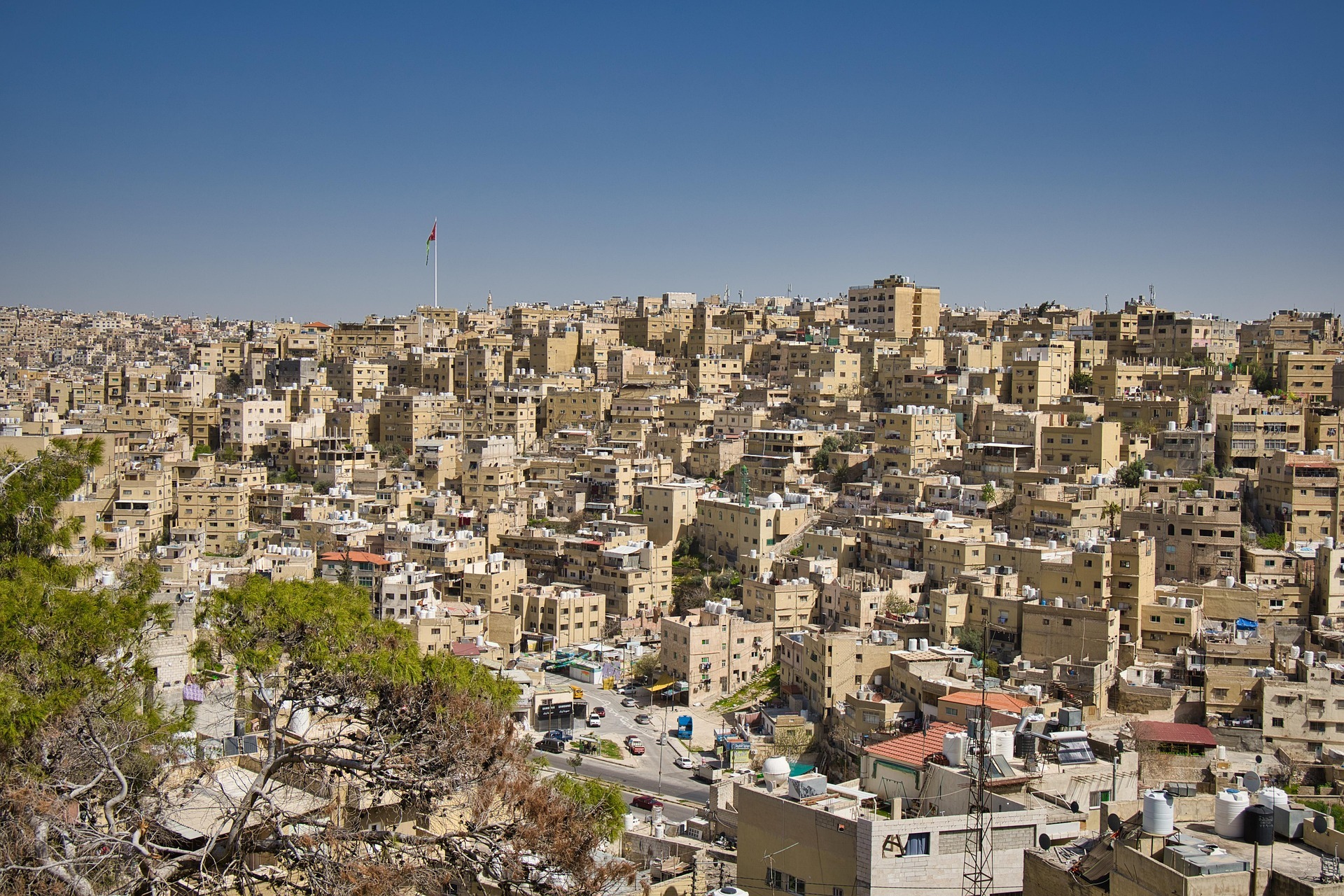
Amman is a city that reveals Jordan’s story in layers. Ancient ruins stand above busy streets, traditional souks spill into modern shopping districts, and quiet residential hills give way to lively cafés, galleries, and rooftop restaurants. Spread across a series of rolling jabals, the capital feels both historic and fast-moving, grounded in tradition yet constantly evolving.
This Amman travel guide is here to help you make sense of that contrast. You can spend the morning exploring the Roman Theatre and the Citadel, then move into neighbourhoods filled with creative spaces, coffee shops, and contemporary Jordanian food. Amman rewards travellers who slow down, look beyond the headline sights, and allow time for the city’s atmosphere to unfold.
What gives the capital its real appeal, though, is not only its landmarks. It is the warmth of the people, the rhythm of daily life, and the way the city still feels unmistakably Jordanian despite rapid growth and modern development. You will hear the call to prayer echo between the hills, smell strong Arabic coffee on street corners, and find old stone staircases linking districts that feel worlds apart.
Amman also works brilliantly as a base for wider travel across the country. Major highlights such as Petra, the Dead Sea, Jerash, Madaba, and Mount Nebo are all within reach. Still, the city deserves more than a quick overnight stop. With its food scene, layered history, and neighbourhood character, Amman is a destination in its own right, not simply the place you pass through on the way elsewhere.
Key Neighbourhoods, Areas & Regions
Amman was originally built across seven hills, though today it stretches far beyond that, spilling across more than nineteen. Each district has its own personality, and understanding the main areas helps you experience the city properly rather than treating it as one large, indistinct capital.
Downtown Amman, or Al-Balad, is the historic core and still the most atmospheric part of the city. This is where you will find the Roman Theatre, traditional souks, old mosques, market stalls, gold shops, sweet stores, and family-run cafés. It is busy, noisy, and full of life, making it one of the best places to understand Amman’s everyday character.
Jabal Amman offers a more polished and residential feel. This area is known for its old villas, embassy buildings, boutique hotels, and the ever-popular Rainbow Street, where cafés, bookshops, and restaurants attract both locals and visitors. It is one of the best districts for evening walks, casual dining, and a gentler introduction to the city.
Jabal Al-Lweibdeh has a more creative, bohemian atmosphere. It is one of the most appealing neighbourhoods for travellers who like galleries, independent cafés, art spaces, and slower, more residential streets. The area feels lived-in and thoughtful, making it ideal for wandering rather than rushing between attractions.
Abdoun represents a more modern and affluent side of Amman. Here you will find international restaurants, nightlife venues, embassies, and stylish hotels. It is less historic than the city’s older districts, but it gives a good sense of how contemporary Amman lives and socialises.
Swefieh and Abdali show the capital’s commercial and modern face most clearly. These districts are home to shopping malls, business towers, international brands, and newer leisure spaces. They can feel very different from Downtown or the older jabals, but that contrast is part of what makes Amman interesting.
Exploring these neighbourhoods reveals the city’s real personality. Amman is not one place with one mood. It is a collection of districts where old and new, local and international, traditional and modern all exist side by side.
See hotel options and places to stay in Amman.
Browse hotelsBrowse apartments, holiday homes and self-catering stays in Amman.
View rentalsSee hotel prices from multiple booking sites in one search.
Compare ratesQuick Facts
| Key Detail | Information |
|---|---|
| Country | Jordan |
| Region | Levant / Middle East |
| Population | Approx. 4.5 million in the metropolitan area |
| Language | Arabic, with English widely spoken in tourist areas |
| Currency | Jordanian Dinar (JOD) |
| Time Zone | GMT+3 |
| Driving Side | Right |
| Airport Code | AMM, Queen Alia International Airport |
| Flag Carrier | Royal Jordanian Airlines |
| Emergency Number | 911 |
| Visa Information | Visa on arrival available for many nationalities; Jordan Pass often offers the best value |
| Plug Types | Type C, D, F, and G |
| Voltage | 230V |
| Useful Local Apps | Careem, Jeeny, Mawakebna, Talabat |
Amman is easy to navigate once you understand the basics. The city is large but manageable, English is widely understood in hotels and restaurants, and travellers will find that many practical arrangements, from taxis to food delivery, are now heavily app-based. Having the right apps downloaded before arrival makes the city noticeably easier to use.
Brief History & Background
Amman’s history stretches back thousands of years, and its modern skyline sits on top of one of the region’s oldest urban stories. In ancient times, the city was known as Rabbath Ammon and served as an important centre of the Ammonite Kingdom. Its position made it strategically valuable, and that significance continued through successive empires.
Under Greek and Roman influence, the city was renamed Philadelphia and became one of the Decapolis cities, a network of important urban centres across the Levant. This period shaped much of the archaeology visitors still see today, particularly the Roman Theatre and the wider remains on and around the Citadel hill.
After Roman and Byzantine rule came the early Islamic eras, including the Umayyad period, which left its own mark on the city. Over time, however, Amman declined and for centuries remained relatively small and partially abandoned compared with other regional centres.
Its revival began in the late nineteenth century, when Circassian settlers arrived from the Caucasus and helped rebuild the city. That moment laid the foundations for modern Amman. After the creation of Transjordan and then independence in 1946, Amman became the capital of the modern Hashemite Kingdom of Jordan.
Today, the city reflects every stage of that past. The Citadel still dominates the skyline, Roman remains sit above modern traffic, Ottoman-era and early twentieth-century neighbourhoods remain active, and newer districts reflect waves of economic and demographic change. Migration from Palestine, Iraq, and Syria has also shaped modern Amman, helping make it one of the most culturally layered capitals in the Arab world.
What makes Amman interesting is that it does not present its history as something sealed off behind museum glass. Instead, the past is woven into daily life. Ancient stones, working markets, mosques, cafés, and modern apartments all coexist, giving the city a sense of continuity rather than simple contrast.
Getting There & Around: Airport Overview & Transfers
Queen Alia International Airport, or AMM, sits around 35 kilometres south of central Amman and serves as Jordan’s main international gateway. For most travellers, this is where the country begins. The airport is modern, efficient, and relatively easy to navigate, with a good range of airlines linking Jordan to Europe, the Gulf, North America, Asia, and North Africa.
Arriving passengers will find the airport well set up for onward travel. Free Wi-Fi, ATMs, SIM card kiosks, currency exchange, car hire desks, and food outlets are all available, making it easy to sort out the essentials before heading into the city.
The journey into central Amman usually takes 40 to 50 minutes by car, depending on traffic. The most straightforward option is a taxi, and official airport taxis are available outside the arrivals area. They are convenient, but travellers should expect to pay more than they would for a comparable city journey.
A more budget-friendly option is the Airport Express Bus, which connects the airport with key points in the city, including North Bus Station and stops around the 7th Circle. It is reliable, inexpensive, and a good choice for travellers packing light or staying near one of its main drop-off points.
Ride-hailing services such as Careem and Jeeny are also useful, particularly if you want the convenience of app-based booking and clearer fare visibility. For those planning a wider Jordan itinerary, car hire at the airport is often the most practical choice, especially if you intend to travel beyond Amman soon after arrival.
If you are staying only in the capital for the first part of your trip, it may actually be better to delay hiring a car until you leave the city. Traffic, parking, and steep roads can make driving in central Amman more effort than it is worth, whereas taxis and ride apps handle short city journeys far more easily.
The airport itself makes a strong first impression. It feels organised, modern, and efficient, which helps take some of the pressure off arrival. Once you leave the terminal and start the drive north into the hills of the capital, the shift into Amman’s landscape begins quickly, and with it, the sense that your Jordan journey is properly underway.

Pre-Book Your Arrival Transfer in Amman
Welcome Pickups offers private airport transfers for visitors to Amman, giving you the option to arrange the first journey of your trip before departure.
It is particularly convenient if your accommodation is not easy to reach by public transport or your flight arrives later in the day.
Check alternative transfer providers for Amman. You can also check another transfer provider before booking.
Flag Carrier: Royal Jordanian Airlines
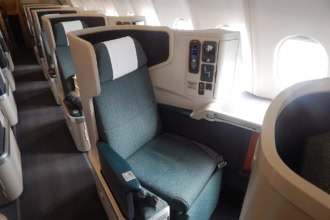
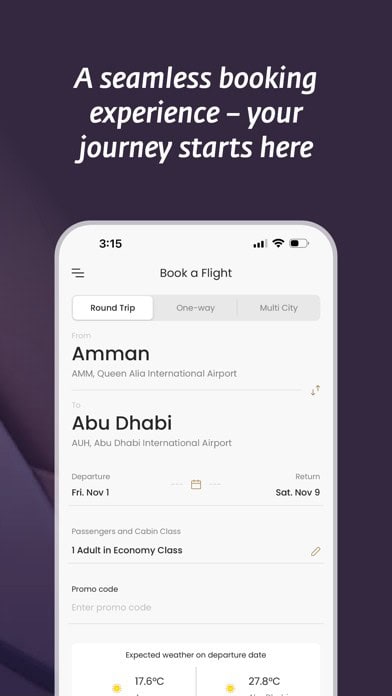
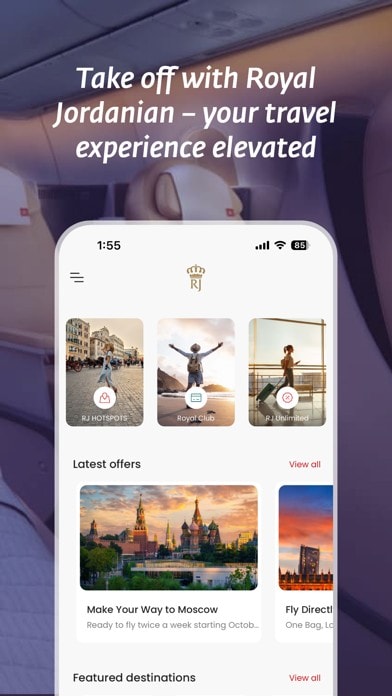
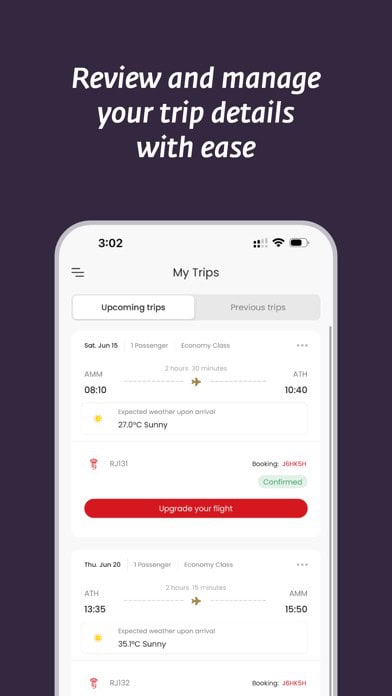
Royal Jordanian Airlines is Jordan’s national carrier and an important part of how many travellers arrive in the country. Founded in 1963, the airline operates from Queen Alia International Airport and connects Amman with destinations across Europe, the Middle East, Asia, North America, and North Africa.
For many visitors, Royal Jordanian is more than just a practical way into the country. It is one of the first introductions to Jordanian hospitality, and that matters more than it might seem. The airline has built a reputation around warm service, strong regional connectivity, and a sense of national identity that feels distinct rather than generic.
As a member of the Oneworld alliance, Royal Jordanian offers easy onward links with airlines such as British Airways, Qatar Airways, and American Airlines. This gives Amman a useful position as a regional gateway, especially for travellers combining Jordan with wider routes through Europe or the Gulf.
The fleet includes a mix of Airbus narrow-body aircraft, Boeing 787 Dreamliners, and regional jets, allowing the airline to operate both shorter regional routes and longer long-haul services. Key connections include London, Paris, Frankfurt, Istanbul, Cairo, Dubai, Bangkok, and New York, making it a strategically useful airline for both leisure and business travel.
On board, passengers can generally expect good baggage allowances, a reliable full-service experience, and meals that often reflect local flavours. The airline’s Royal Club loyalty programme also allows points to be earned and redeemed across Oneworld partners, which adds value for frequent flyers.
Royal Jordanian works well not just as a transport provider, but as part of the wider Jordan travel experience. It reflects the country’s effort to present itself as modern, outward-looking, and rooted in heritage at the same time.




App availability and prices vary by country. Some of these may not appear in your local App Store or Google Play.
Trains
Rail travel plays only a very small role in modern transport around Jordan. At present, there are no active passenger train services linking Amman with the rest of the country, so travellers should not plan around rail in the way they might elsewhere in the region or in Europe.
That said, trains still have a place in Amman’s story. The historic Hejaz Railway, built during the Ottoman era in the early twentieth century, once linked Damascus to Medina via Amman, serving both pilgrims and regional transport needs. It was one of the great railway projects of its time and remains a fascinating part of Jordan’s transport history.
The old Hejaz Railway Station in Amman is still worth visiting, especially for travellers interested in rail heritage. Located not far from the city centre, it includes a small museum with vintage locomotives, historic carriages, tools, and photographs that offer a glimpse into a very different era of travel. The preserved rail yard and older structures make it an atmospheric stop, even if it is not one of the city’s headline attractions.
There are periodic discussions about reviving passenger rail links between Amman, Zarqa, and Aqaba, as well as wider transport modernisation plans, but these remain long-term projects rather than practical options for visitors right now. Freight transport, especially routes tied to Aqaba Port, continues to receive greater priority.
For the time being, travellers moving around Jordan will rely on buses, taxis, ride apps, or car hire rather than trains. Still, for rail enthusiasts, the Hejaz Railway site adds an interesting and often overlooked historical layer to Amman.
Buses & Coaches
For travel between Amman and other Jordanian destinations, buses and long-distance coaches are among the most practical and affordable options. They are especially useful for visitors who do not want to drive but still want to explore beyond the capital.
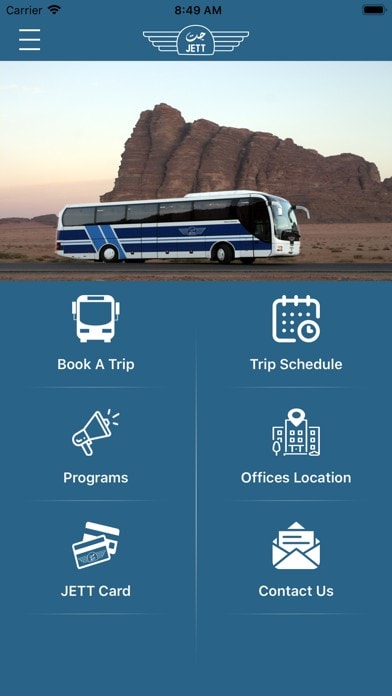
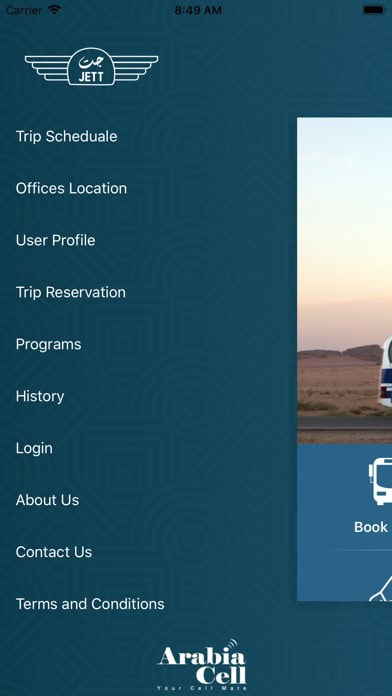
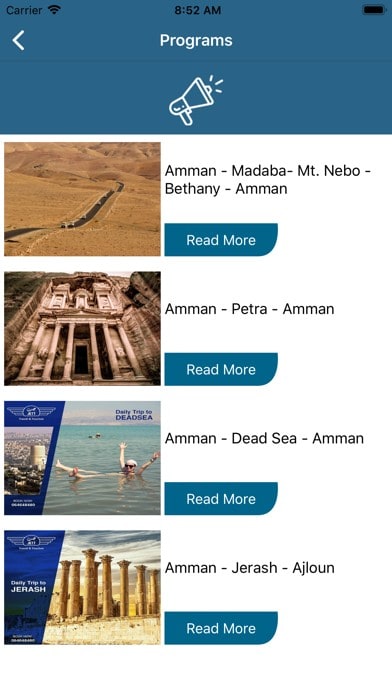
The best-known operator is JETT, which is the most visitor-friendly and generally the easiest company to use. Its services are designed with travellers in mind, offering air-conditioned coaches, reserved seating, predictable schedules, and routes to major destinations such as Petra, Aqaba, the Dead Sea, Jerash, and the airport. This makes it the most straightforward choice for independent travellers who want structure without needing a guided tour.
Other companies, including Trust International Transport and Hijazi Transport, also operate regional routes, though they are often less visible to international visitors and can vary more in terms of convenience and booking experience.
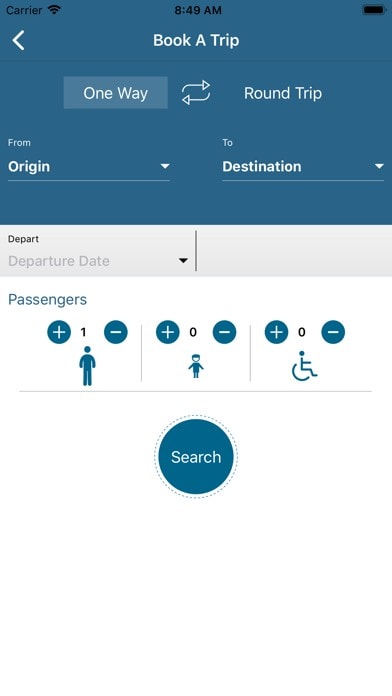
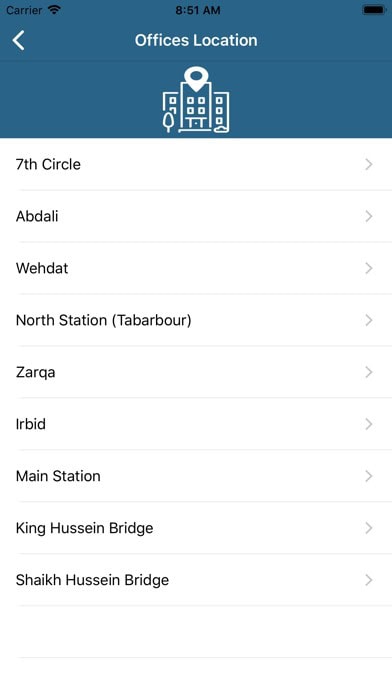
One of the reasons JETT stands out is that it removes much of the uncertainty that can come with intercity transport. Tickets can usually be booked online or through the app, departure points are clearer, and services are generally more comfortable than informal alternatives. For routes such as Amman to Petra or Amman to Aqaba, this reliability is a real advantage.
Fares are usually reasonable, with most longer intercity journeys falling into a manageable price range. Travel times are straightforward too, although naturally they depend on traffic and stops. A route like Amman to Petra takes several hours, while Aqaba is longer but still entirely manageable by coach.
There are also local minibuses linking districts and nearby towns, but these are a different experience. They tend to be cash-based, less predictable, and more geared towards local use than tourist convenience. For confident travellers who enjoy figuring things out as they go, they can be useful. For most visitors, though, JETT remains the simpler and more reliable option.

App availability and prices vary by country. Some of these may not appear in your local App Store or Google Play.
Search routes and flight options for your trip to Amman.
Search flightsUse an eSIM to get online without hunting for a local SIM after arrival.
See eSIM optionsHave a private airport pickup arranged before you travel.
Book a transferLocal Public Transport
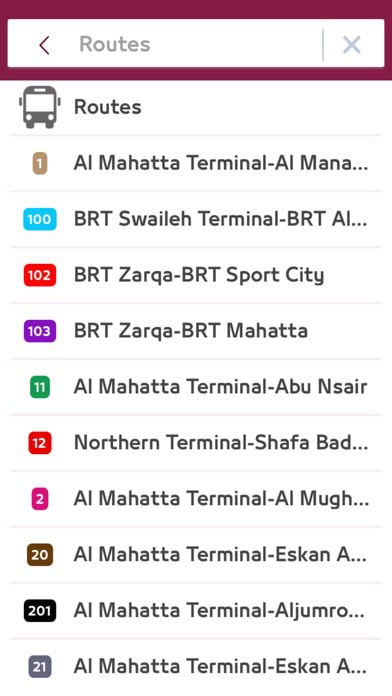
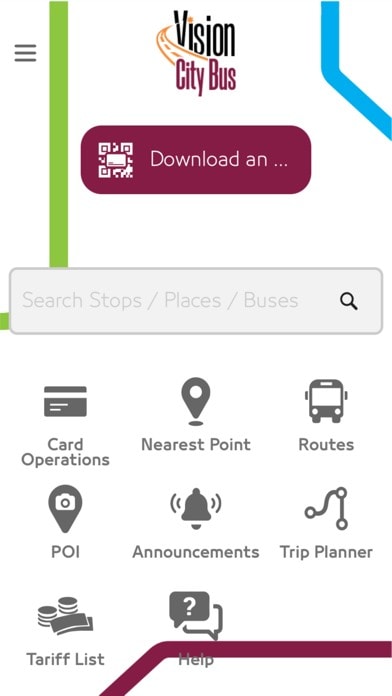
Public transport within Amman has improved significantly, but it can still feel unfamiliar to first-time visitors. The city’s system includes municipal buses, minibuses, and the newer Amman Bus network, and while it is more organised than many travellers expect, it is not always intuitive if you have just arrived.
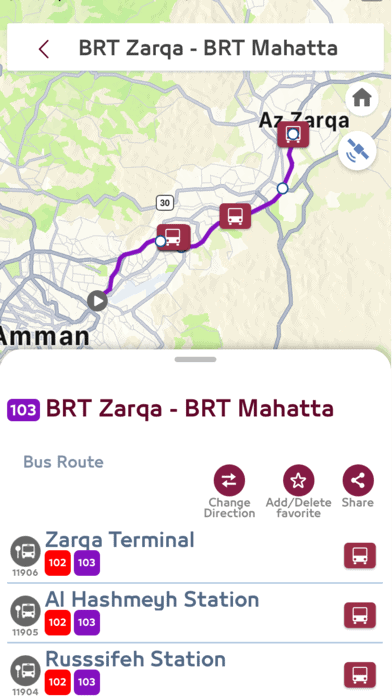
The most useful part of the system for visitors is the Amman Bus, which operates fixed routes across key parts of the city, including areas such as Abdali, Sweifieh, and Downtown. These buses are generally clean, air-conditioned, and more structured than the older informal transport options. That alone makes them far easier for visitors to use.
Journeys are inexpensive, which is one of the system’s biggest strengths. For travellers comfortable with a little planning, the buses can offer a very affordable way to move around the capital. The Amman Bus app helps a lot here, providing route maps, stop locations, and service updates, which makes the whole system far more usable than it once was.
That said, Amman remains a city where public transport is still evolving. Minibuses and service taxis continue to operate on many routes, but they do not always follow timetables closely, and English signage is limited. For travellers who want speed and simplicity, this can make them less appealing.
The city is gradually investing in a more integrated future, with bus rapid transit development and wider transport improvements aimed at making movement across Amman easier. For now, the system works best when combined with ride apps and walking, rather than treated as the only transport option.
For visitors, the simplest approach is often to use public buses for selected routes, then rely on Careem, Jeeny, or taxis when convenience matters more than saving a small amount.

App availability and prices vary by country. Some of these may not appear in your local App Store or Google Play.
Taxis & Ride Shares
For most visitors, taxis and ride-hailing apps are the easiest and most practical way to get around Amman. The city is spread across steep hills, public transport is improving but still limited in places, and short journeys can become tiring on foot, especially in the heat.
Traditional taxis are everywhere and are easy to recognise by their bright yellow colour. They remain a central part of daily life in the city and are often the quickest option for short urban hops. Fares are usually reasonable, particularly by international standards, but it is important to make sure the meter is running when you start the journey.
Short rides in central Amman are typically affordable, while longer journeys to western districts or outlying neighbourhoods cost more but are still manageable. Even so, many travellers now prefer ride-hailing apps because they remove the uncertainty over pricing and route choices.
The two main services are Careem and Jeeny, both of which are widely used across the city. They offer clear fares, app-based booking, cash or card payment options, and an easier experience for travellers who do not speak Arabic. This makes them especially useful on arrival, late at night, or when moving between less obvious locations.
Ride apps are also helpful when visiting places where parking is awkward or where traffic can make spontaneous taxi stops less convenient. Areas such as the Citadel, Rainbow Street, Abdali, and busy restaurant districts are often easier to reach this way.
Traffic is one thing to keep in mind. Like many capitals, Amman slows down noticeably during peak hours, especially in the morning and late afternoon. Journeys that look short on the map can take longer than expected, so adding extra time is sensible when heading to restaurants, the airport, or timed attractions.
For most travellers, the ideal setup is simple: use ride-hailing apps as your default option, keep taxis as a backup, and avoid overcomplicating city transport.







App availability and prices vary by country. Some of these may not appear in your local App Store or Google Play.
Scooter & Bike Rentals
Scooters and bikes are still a relatively small part of Amman’s transport mix, and this is largely due to the city’s terrain. With steep hills, heavy traffic, and limited dedicated lanes, cycling has never been the most practical way to move around the capital.
That said, things are starting to change. Electric scooters are gradually appearing in newer districts such as Abdali Boulevard and parts of Sweifieh, where flatter streets and more modern layouts make short rides more manageable. These services are usually app-based, allowing users to unlock scooters via QR code and pay per minute.
For visitors, scooters can be a fun option for short, local journeys in controlled areas, particularly in pedestrian-friendly zones. However, they are not suitable for navigating the wider city, and riders should be cautious when sharing space with traffic.
Cycling is more appealing outside the city centre. Enthusiasts sometimes head towards Madaba or the Dead Sea Highway, where routes are more scenic and less congested. Local groups and clubs occasionally organise rides in these areas, offering a more relaxed and enjoyable experience compared to riding within Amman itself.
At present, scooters and bikes are best seen as a niche option rather than a core transport method. As infrastructure improves, they may become more viable, but for now, most travellers will rely on taxis, ride apps, or walking for day-to-day movement.
Driving, Parking & Car Access
Driving in Amman offers freedom, but it also requires patience, awareness, and a willingness to adapt. The city’s layout, built across hills, combined with dense traffic and informal driving habits, can make navigating the centre more challenging than many visitors expect.
Road quality is generally good, and signage is clear, often displayed in both Arabic and English, which helps with navigation. However, the way roads are used can feel different. Lanes are not always strictly followed, merging is fluid, and drivers often make quick decisions. Staying calm and driving defensively is the key to handling this comfortably.
Traffic congestion is common, particularly around major junctions such as the 7th Circle, Downtown, and the University District. During peak hours, even short journeys can take significantly longer than expected, so allowing extra time is always sensible.
Parking is another factor to consider. In central areas, spaces can be limited, and finding a spot may take time. Some districts use paid parking systems, while many hotels, malls, and restaurants offer free or valet parking, which can be far more convenient.
For visitors planning to explore beyond the city, driving becomes much easier. Roads leading to destinations such as Petra, the Dead Sea, Jerash, and Aqaba are in excellent condition and far less congested. This is where having a car really adds value, allowing you to move between major sites without relying on schedules.
Within Amman itself, many travellers find it easier to limit driving and rely on taxis or ride apps, using a car primarily for longer journeys and day trips.
Car Rental
Renting a car in Amman is a practical choice for travellers who want to explore Jordan beyond the capital. The process is straightforward, and the range of options makes it accessible for most visitors.
Major international companies such as Avis, Hertz, Budget, Europcar, Sixt, and Enterprise operate at Queen Alia International Airport and in key city districts. These providers offer familiarity and multiple pickup points, which can be useful for first-time visitors. Local companies are also widely available and often provide lower daily rates, though it is important to check reviews and confirm insurance coverage carefully.
Rental prices are generally reasonable, especially for smaller, fuel-efficient cars, which are well suited to Jordan’s road conditions. Larger vehicles, including SUVs, are available for travellers planning to explore more rugged areas such as Wadi Rum or parts of the Dana Biosphere Reserve.
Fuel is easy to manage, with petrol stations widely available and prices clearly displayed at fixed national rates. Navigation is also simple, with apps such as Google Maps and Maps.me working reliably across most of the country.
One option worth considering is a partial rental, rather than hiring a car for your entire stay. Many travellers choose to explore Amman using taxis or ride apps, then rent a car when leaving the city for destinations such as Petra or the Dead Sea. This approach reduces stress while still providing flexibility where it matters most.
Returning vehicles is straightforward, particularly at the airport, and some companies offer one-way rentals between Amman and Aqaba, which can be useful for longer itineraries.
For most visitors, car rental offers the best balance between independence and practicality, especially when combined with alternative transport within the city itself.
Explore Amman with a Hire Car
Hiring a car can open up more of Amman and its surrounding region, giving you the freedom to travel beyond the main public transport routes.
Compare offers from Discover Cars and EconomyBookings before booking so you can check both price and rental conditions.
Walking
Walking in Amman is one of the best ways to experience the city’s atmosphere, but it is important to understand what that involves. The capital is built across hills, and many streets are steep, uneven, or lack consistent pavements.
Despite this, certain areas are highly walkable and rewarding. Downtown Amman (Al-Balad) is compact and filled with activity, making it ideal for exploring on foot. Here you can move easily between the Roman Theatre, Citadel access points, markets, cafés, and mosques, all within a relatively small area.
Rainbow Street and parts of Jabal Amman are also well suited to walking, particularly in the late afternoon and evening. These areas offer a more relaxed pace, with cafés, shops, and viewpoints that encourage slow exploration rather than quick movement.
Newer developments such as Abdali Boulevard have been designed with pedestrians in mind, featuring wider walkways, seating areas, and a more structured layout. These districts provide a contrast to the older parts of the city, where streets developed more organically.
For visitors, the key is to approach walking realistically. Distances that look short on a map can feel longer due to elevation changes, and summer heat can make extended walks more demanding. Comfortable footwear, water, and sun protection are essential.
When approached with the right expectations, walking allows you to discover details that are easy to miss from a car, from street art and hidden staircases to local cafés and everyday interactions.
Compare hostels and lower-cost places to stay in Amman.
Search hostelsAccess compensation support, eligible lounge benefits and faster payouts when flights go wrong.
See the benefitsArriving before check-in or leaving later? Store your luggage and make more of your time in Amman.
Store your bagsFerries & Cruises
As an inland capital, Amman does not have any direct ferry or cruise connections. However, it still plays a role in wider travel routes that include maritime links through southern Jordan.
The nearest port is Aqaba, located around 330 kilometres south of Amman. From here, travellers can access ferry routes across the Red Sea, including connections to Nuweiba and Taba in Egypt’s Sinai Peninsula. These crossings provide a useful option for those planning to combine Jordan with Egypt in a single itinerary.
Ferry services are typically operated by regional companies and run on scheduled departures, though timings can vary depending on demand and weather conditions. Tickets can usually be purchased at the port or arranged through travel agencies.
Aqaba is also Jordan’s only cruise port, and while cruise passengers do not typically pass through Amman in the same way, the capital often features in excursions and inland travel routes linked to cruise itineraries.
For travellers based in Amman, water-based experiences are more commonly found at the Dead Sea, where the focus is on floating rather than boating, or at the Red Sea in Aqaba, where snorkelling and diving are the main attractions.
While ferries are not part of everyday travel in Amman, they can still form part of a wider regional journey for those exploring beyond Jordan’s borders.
Unique & Scenic Ways to Travel
Amman may not have trams or cable cars yet, but that does not mean it lacks memorable ways to move through the landscape. In fact, some of the most rewarding journeys come from simply choosing the right routes and slowing down.
One of the best short drives is the road west towards As-Salt, where the city gradually gives way to rolling hills, olive groves, and wide views across the countryside. The shift happens quickly, and within a short distance, you feel far removed from the capital’s traffic and noise. Timing this drive for late afternoon adds another layer, as the light softens and the hills take on a golden tone.
Another excellent option is heading south towards Madaba and Mount Nebo, combining cultural stops with panoramic viewpoints. This route offers a balance between history and scenery, with small towns, workshops, and roadside viewpoints breaking up the journey.
For those looking for something more dramatic, the approach towards the Dead Sea Highway is one of the most striking drives in the country. The land drops away, the air becomes noticeably warmer, and the environment shifts into something far more arid and open. The sense of descent alone makes this route memorable.
Although Amman itself does not yet offer purpose-built scenic transport, the city’s layout across hills means that even short journeys can provide unexpected views, layered skylines, and glimpses into different neighbourhoods. With a little planning, travel itself becomes part of the experience rather than simply a way to get from one place to another.
Mini Trains, Trams & Tourist Shuttles
Amman does not currently have hop-on hop-off buses, tourist trains, or tram systems, which is something many visitors expect in a capital city. However, this does not make sightseeing difficult. Instead, the city relies on a mix of guided tours, private drivers, and flexible transport options.
Many hotels and tour operators offer half-day and full-day city tours, usually with an English-speaking driver or guide. These tours typically include key sites such as the Citadel, Roman Theatre, King Abdullah I Mosque, Rainbow Street, and selected museums, and can be adjusted depending on your interests and time.
For travellers who prefer a structured but independent approach, services like JETT occasionally operate sightseeing-style routes connecting major districts and cultural areas. While not a true hop-on hop-off system, they provide a similar level of convenience for those who want to avoid navigating public transport.
Another option is to arrange a private taxi tour, either through a hotel or via apps such as Careem. This gives you the flexibility to create your own itinerary, stop where you like, and move at your own pace without committing to a fixed schedule.
Amman’s relatively compact layout means that many of its key attractions can be covered within a day using a combination of short drives and walking. While dedicated tourist transport systems may arrive in the future, the current mix of options already provides a flexible and effective way to explore the city.

Visiting: Top Attractions
Amman offers a rich mix of ancient landmarks, cultural institutions, and lively neighbourhoods, making it one of the most engaging capitals in the region for travellers who enjoy variety.
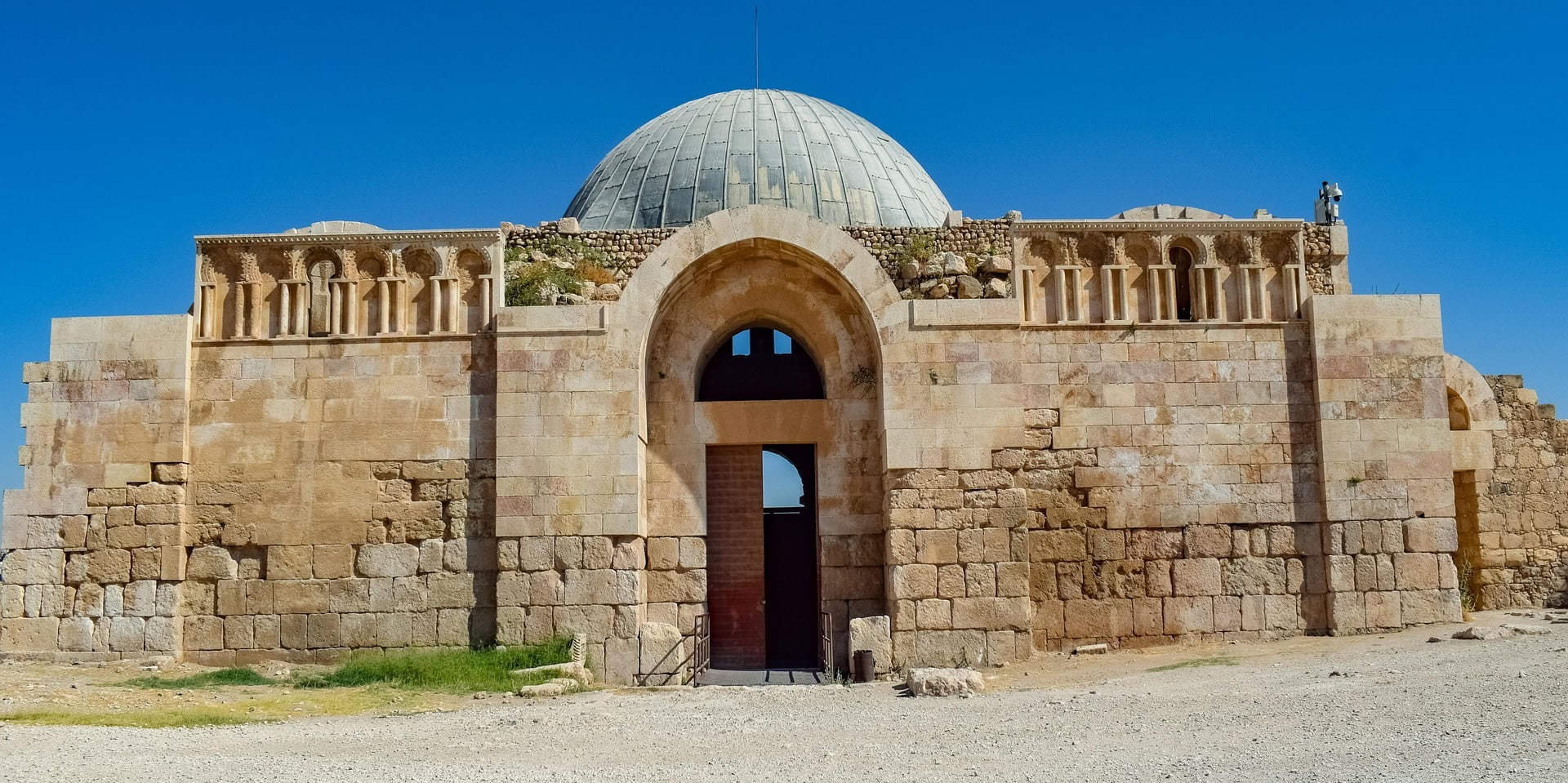
The Amman Citadel is the most important starting point. Perched above the city, it brings together layers of history in one location, including the Temple of Hercules and the Umayyad Palace. The views from here stretch across the city’s hills, making it one of the best places to understand Amman’s layout.
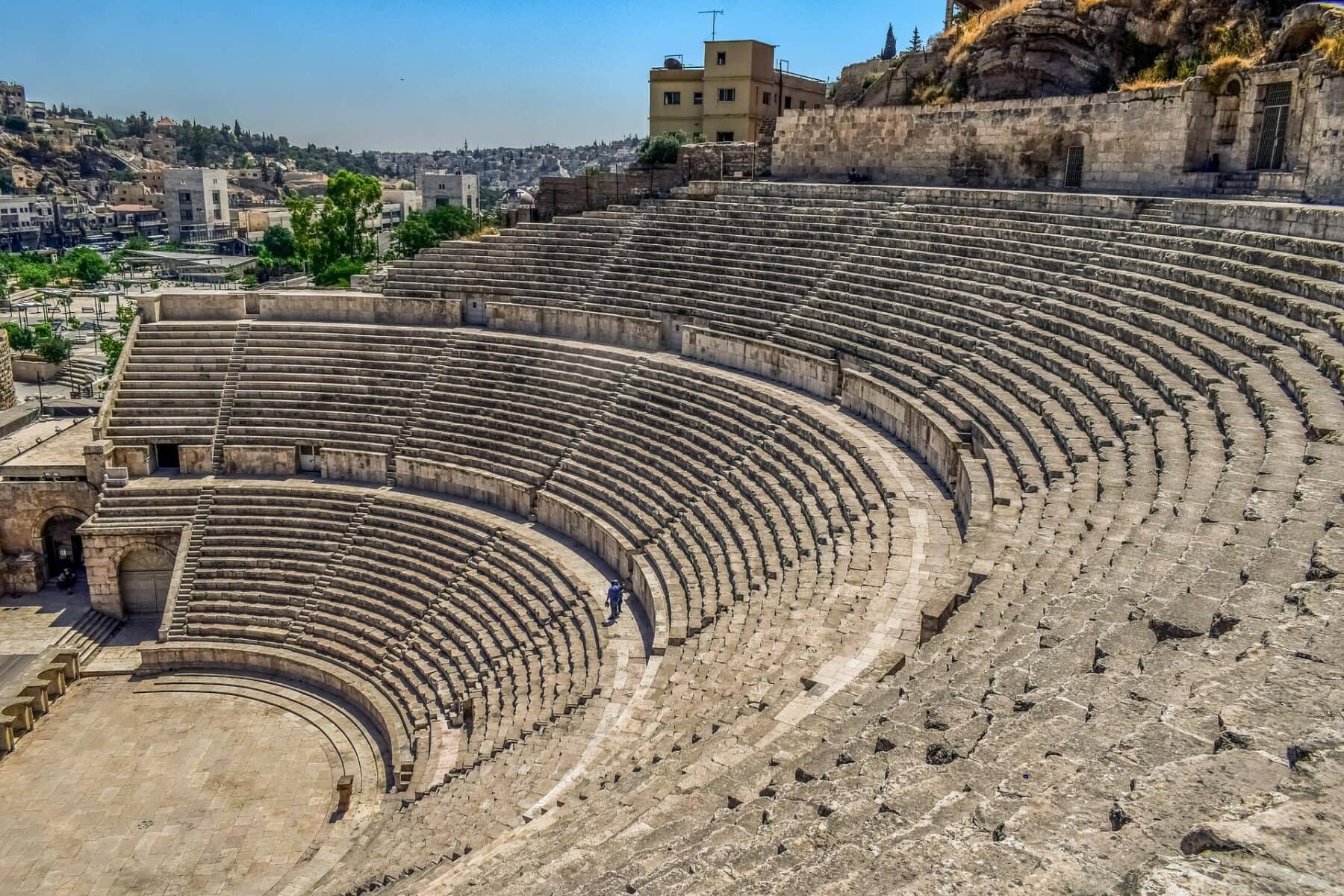
Below the Citadel sits the Roman Theatre, one of the most striking structures in the city. Built into the hillside, it remains a focal point of Downtown and continues to host events. Standing within it gives a clear sense of the scale and ambition of Roman-era Amman.
Rainbow Street provides a completely different experience. It is less about history and more about atmosphere, offering cafés, restaurants, shops, and a steady flow of locals and visitors. It is one of the best places to spend an evening and experience the city’s social side.
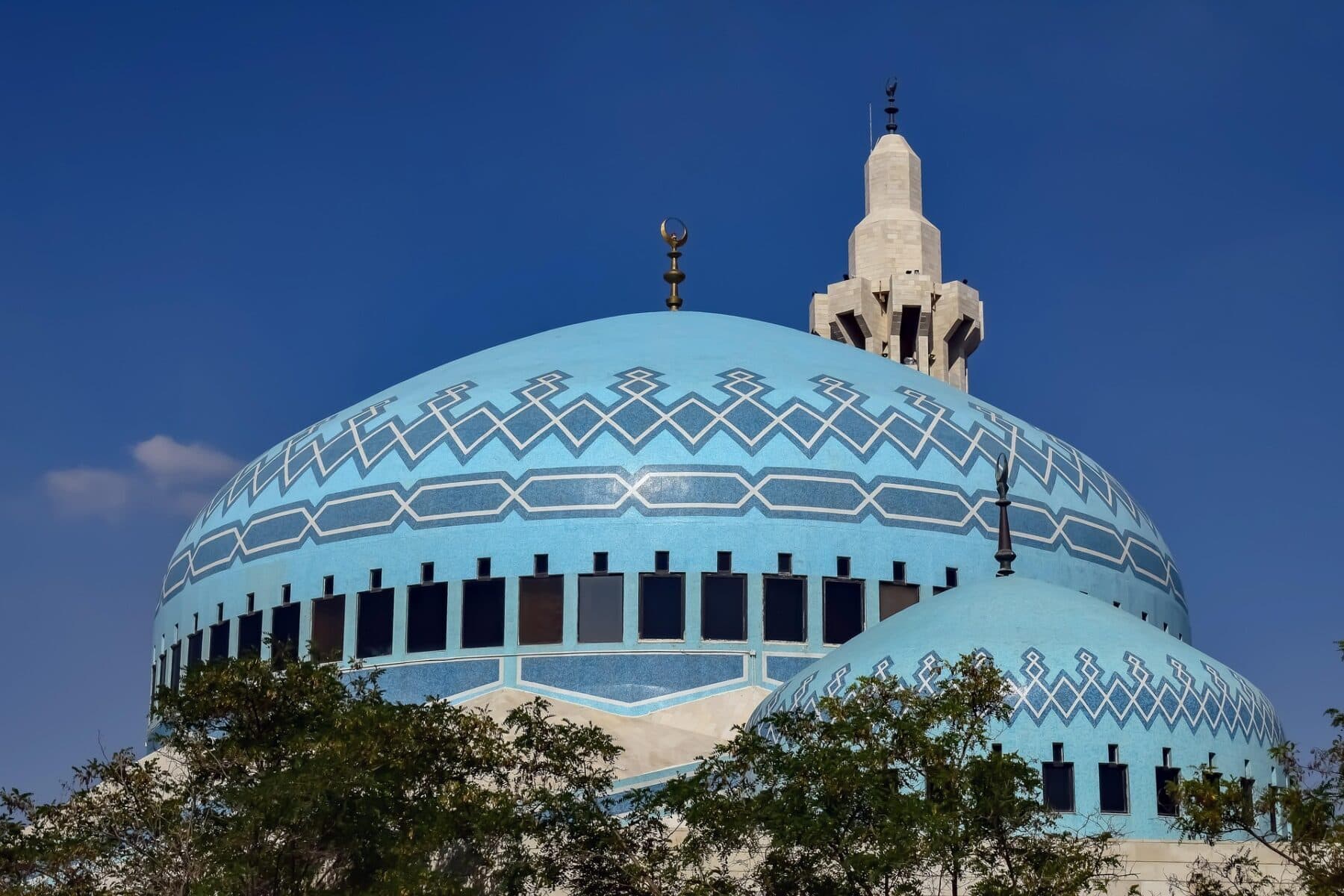
The King Abdullah I Mosque, with its distinctive blue dome, offers insight into modern Jordanian religious life and is one of the few mosques in the city open to non-Muslim visitors outside prayer times.
For a deeper understanding of the country, the Jordan Museum presents a well-curated overview of Jordan’s history, from prehistoric times to the present day, including some of its most important archaeological finds.
For something more specialised, the Royal Automobile Museum provides a unique perspective on Jordan’s modern history through a collection of vehicles linked to King Hussein’s life and the country’s development.
Taken together, these attractions show the breadth of Amman. Ancient, modern, cultural, and social elements all exist side by side, giving visitors a well-rounded experience of the city.
Historical Highlights & Landmarks
Amman’s history is not confined to one site. It is spread across the city, layered into hillsides, streets, and neighbourhoods that have evolved over thousands of years.
The Amman Citadel remains the most significant historical site, with evidence of occupation dating back to the Bronze Age. The Temple of Hercules, built during Roman rule, still dominates the skyline, while the remains of the Umayyad Palace reflect the city’s early Islamic period.
Just below, the Roman Theatre and surrounding structures such as the Odeon and Nymphaeum highlight Amman’s time as Philadelphia, a key Roman city within the Decapolis. These sites demonstrate the scale and organisation of the city during that era.
Moving forward in time, landmarks such as the Husseini Mosque in Downtown show the city’s more recent history. Built in the early twentieth century on the site of an earlier mosque, it continues to serve as a central place of worship and community gathering.
The King Abdullah I Mosque represents modern Jordan, combining contemporary design with traditional elements and offering a different perspective on the country’s religious architecture.
What makes Amman unique is how these layers sit together. There is no single historic district separated from the rest of the city. Instead, ancient ruins, Ottoman-era streets, and modern developments coexist, creating a continuous narrative rather than a series of disconnected sites.
Hidden Gems & Local Secrets
Beyond its main attractions, Amman reveals its character through smaller, less obvious places that are easy to miss if you follow only a standard itinerary.
Jabal Al-Lweibdeh is one of the best areas to explore for this reason. Its streets are filled with independent cafés, art galleries, and small creative spaces, offering a quieter and more thoughtful side of the city. Walking here feels very different from Downtown, with more space and a slower pace.
Darat al Funun is another standout. Set across a group of historic buildings, it functions as an art foundation showcasing contemporary work from Jordan and the wider region. The setting itself, with terraces overlooking the city, makes it worth visiting even before stepping inside.
For views without the crowds, places such as the Wild Jordan Centre Café provide a quieter alternative to the more obvious viewpoints. Sitting with a drink while looking out across the city offers a simple but memorable experience.
Seasonal markets like Souk Jara bring together local crafts, food, and music, creating a lively and community-focused atmosphere that reflects Amman’s creative side.
Even within Downtown, stepping away from the main streets reveals hidden staircases, smaller markets, and long-established shops where conversations with vendors often become part of the experience.
These smaller moments are what define Amman. The city is not about ticking off sights as quickly as possible. It is about taking time, exploring slowly, and discovering what sits just beyond the obvious.

Indoor Attractions & Rainy-Day Ideas
Although Amman enjoys long stretches of sunshine throughout the year, there are times when you will want to step indoors, whether to escape the heat or avoid cooler winter weather. Fortunately, the city offers a strong mix of cultural, educational, and leisure spaces that work well in any conditions.
The Jordan Museum is the best place to begin. It provides a clear, well-structured overview of the country’s history, from prehistoric settlements through to modern Jordan. Exhibits are thoughtfully presented, and it is one of the easiest ways to understand the broader context of the sites you will visit elsewhere in the country.
For something more unusual, the Royal Automobile Museum offers a completely different perspective. The collection is tied closely to Jordan’s royal history, and the vehicles themselves tell a story of political change, development, and personal interests. It is engaging even for visitors who are not particularly interested in cars.
Families or travellers looking for something interactive may enjoy the Children’s Museum Jordan, which focuses on hands-on exhibits and learning experiences. While designed with younger visitors in mind, it is still an enjoyable and well-run space.
If relaxation is the goal, traditional hammams and spa facilities provide a classic Middle Eastern experience. These bathhouses combine steam, scrubbing, and rest in a setting that reflects long-standing regional traditions.
Modern shopping centres such as Taj Mall and Abdali Mall also offer an easy indoor option, combining retail, dining, and entertainment in air-conditioned comfort.
Indoor activities in Amman are not simply a fallback. They provide a different angle on the city, allowing you to explore history, culture, and everyday life without needing to be outdoors.
Shopping & Markets
Shopping in Amman reflects the city itself, blending traditional markets with modern retail spaces in a way that feels natural rather than forced.
Downtown Amman is where the experience begins. The streets around Al-Balad are filled with small shops, stalls, and long-established businesses selling everything from spices and fabrics to gold jewellery and household goods. The atmosphere is busy and authentic, and simply walking through the area is an experience in itself.
The Gold Souk stands out as one of the most visually striking areas, with display windows packed with intricate designs. Nearby markets offer spices, perfumes, sweets, and everyday essentials, creating a sensory mix of colour, scent, and sound.
Markets such as Souk Al Bukharieh provide a glimpse into older trading traditions, where goods are stacked high and negotiation is still part of the process. Seasonal markets like Souk Jara add a more contemporary layer, bringing together local crafts, food, and creative products in a relaxed, social setting.
For a different pace, Amman’s malls offer a more familiar shopping environment. Locations such as Taj Mall, Mecca Mall, and Abdali Boulevard feature international brands, cinemas, and restaurants, providing a clear contrast to the older parts of the city.
For locally produced goods, places like the Wild Jordan Centre focus on sustainable and community-supported products, offering items that are more distinctive than standard souvenirs.
Shopping in Amman is not just about buying items. It is about moving between different worlds, from traditional markets to modern retail, and seeing how they coexist within the same city.
Suggested Itinerary
Spending a few days in Amman allows you to experience both its historical depth and its modern character without feeling rushed. A well-balanced plan helps you explore the city while leaving room for spontaneity.
Day One focuses on Amman’s historical core. Start at the Citadel, taking time to explore the site and enjoy the views across the city. From there, head down to the Roman Theatre and spend time walking through Downtown. Stop for a simple local meal, explore the surrounding markets, and allow yourself to get slightly lost in the streets. Ending the day back at the Citadel for sunset offers one of the best perspectives in the city.
Day Two shifts towards culture and neighbourhood life. Begin in Jabal Amman or Jabal Al-Lweibdeh, where cafés, galleries, and quieter streets provide a different atmosphere. Visit cultural spaces such as Darat al Funun or the Jordan Museum, then spend the evening on Rainbow Street, where the city feels more social and relaxed.
Day Three is ideal for a day trip. Options include Jerash to the north, with its extensive Roman ruins, or heading south towards the Dead Sea with stops at Madaba and Mount Nebo. Both routes are manageable within a day and offer a strong contrast to the capital.
Day Four can be kept flexible. This is a good time for shopping, visiting additional museums, or simply enjoying the city at a slower pace. A relaxed lunch followed by a hammam or a rooftop café experience rounds out the stay.
This kind of itinerary works because it balances history, culture, movement, and downtime, giving you a more complete sense of what Amman offers without turning the visit into a checklist.

Events, Festivals, Seasonal Highlights & Annual Events
Amman’s cultural calendar reflects its role as both a traditional and modern capital. While it may not have the constant festival schedule of some larger cities, the events it does host tend to be meaningful, well-supported, and closely tied to the region’s creative life.
The Amman International Book Fair is one of the most important literary events in the Arab world, bringing together publishers, writers, and readers for discussions, exhibitions, and cultural exchange. It offers a deeper insight into the region’s intellectual life.
Amman Design Week, held every two years, highlights contemporary design across architecture, fashion, and visual arts. It showcases local and regional talent and reflects the city’s growing creative scene.
Seasonal events such as Souk Jara bring a more informal, community-driven atmosphere. These markets combine crafts, food, music, and social gatherings, creating a lively and accessible experience for both locals and visitors.
The nearby Jerash Festival of Culture and Arts is also worth noting. Although held outside the capital, it is easily accessible and features performances set against the backdrop of Roman ruins, making it one of the most distinctive cultural events in the country.
During Ramadan, the city changes its rhythm. Days are quieter, but evenings come alive with food, gatherings, and a strong sense of community. For visitors, it is an opportunity to experience a different side of Jordanian culture.
Even outside major events, Amman maintains a steady flow of exhibitions, concerts, and smaller cultural gatherings, particularly in its galleries and creative districts. These quieter events often provide the most authentic insight into the city’s evolving identity.
City Passes, Discount Cards & Tourism Bundles
For most visitors, the most useful travel pass in Jordan is the Jordan Pass, which combines entry to major attractions with visa benefits. It is designed to simplify travel and reduce overall costs, particularly for those planning to visit multiple sites.
The pass includes access to more than forty attractions across the country, including key locations in Amman as well as major destinations such as Petra, Jerash, and Wadi Rum. One of its main advantages is that it waives the standard tourist visa fee, provided certain conditions are met, which can make a noticeable difference to overall travel costs.
Using the pass is straightforward. Once purchased, it can be stored digitally and scanned at entrances, removing the need to buy separate tickets at each site. This makes the process quicker and more convenient, especially during busy periods.
Within Amman, the pass covers entry to several important sites, including the Citadel and Roman Theatre, making it immediately useful even before leaving the city.
There is currently no dedicated city-only pass for Amman, so the Jordan Pass effectively fills that role while also covering travel beyond the capital.
For travellers who prefer packaged experiences, various booking platforms offer bundled tours combining transport, entry, and guided experiences. These can be useful for specific day trips but are generally less flexible than organising visits independently.
For most visitors, the decision is simple. If you plan to explore more than one major site in Jordan, the Jordan Pass is the most practical and cost-effective option, while additional bundles can be added only where they genuinely improve convenience. For further details please see our Jordan Pass Guide.
Parks, Gardens & Green Spaces
Amman is not a city known for vast green parks, but it still offers well-placed outdoor spaces that provide welcome relief from the pace of urban life. These areas are especially popular in the cooler parts of the day, when locals gather to walk, relax, and spend time with family.
One of the most important green spaces is Al Hussein Public Parks, also commonly referred to as King Hussein Park, located in the Dabouq area of Amman. This large public park includes open lawns, shaded walkways, sports areas, cultural spaces, and family-friendly leisure areas, making it one of the best places in the city for a relaxed afternoon. It is also useful for visitors because several major attractions sit nearby, including the Royal Automobile Museum, the Children’s Museum Jordan, and the King Hussein Mosque.
It is worth noting that some travellers search for King Hussein Forest when they are really looking for this wider Al Hussein / King Hussein park area. There is also a separate attraction called The Forest Park on Jordan Street, which is more of an adventure and leisure park, with activities such as zip-lining, buggy rides, climbing, and family-friendly outdoor experiences. It can be a good option if you want something more active than a normal city park, especially with children or teenagers.
In the more residential districts, smaller parks such as Prince Hashem Bird Garden provide a quieter environment. These spaces are less about scale and more about atmosphere, offering shaded seating, simple pathways, and a slower pace that contrasts with the surrounding traffic.
Newer developments such as Abdali Boulevard have introduced more structured outdoor areas, blending greenery with cafés, seating, and pedestrian-friendly design. These spaces reflect the city’s gradual shift towards more accessible public environments.
While Amman may not compete with greener capitals in terms of parkland, its outdoor spaces still play an important role. They provide places to pause, escape the heat, and experience the city in a more relaxed and social way.

Where & What to Eat
Food is one of the strongest reasons to spend time in Amman. The city’s culinary scene combines traditional Jordanian dishes, regional influences, and a growing modern dining culture, creating an experience that feels both authentic and varied.
At the heart of the local food scene are simple, well-executed dishes. Places like Hashem Restaurant in Downtown are known for serving falafel, hummus, and fresh bread with consistency and quality that has made them local institutions. These are not polished dining experiences, but they are some of the most memorable.
Street food is equally important. Shawarma stands, small bakeries, and sweet shops are scattered across the city, offering quick meals that reflect everyday Jordanian life. Stops such as Habiba Sweets are famous for desserts like knafeh, which has become one of the city’s defining flavours.
For a more traditional sit-down meal, restaurants such as Sufra focus on classic dishes like mansaf and maqluba, presenting them in a way that remains rooted in local cooking. These meals are often generous, designed to be shared, and reflect the importance of hospitality in Jordanian culture.
Modern dining has also grown rapidly. Restaurants like Fakhreldin and Shams El Balad show how local ingredients and recipes are being reinterpreted in contemporary ways, while places such as Wild Jordan Café combine food with panoramic views of the city.
Coffee culture is another defining feature. Cafés across neighbourhoods like Jabal Al-Lweibdeh and Jabal Amman serve as social hubs, where people gather to work, talk, and spend time. Traditional Arabic coffee remains central, but it sits alongside a growing interest in specialty coffee.
Eating in Amman is not just about the food itself. It is about the setting, the pace, and the sense of welcome. Whether you are standing at a street stall or sitting in a rooftop restaurant, the experience is shaped as much by the atmosphere as by what is on the plate.
Nightlife
Amman’s nightlife is often more understated than visitors expect, but it has its own distinct character. Rather than focusing on large clubs or late-night scenes, the city revolves around social spaces, conversation, and relaxed evening settings.
Rainbow Street is one of the most popular areas after dark. Cafés, restaurants, and rooftop venues fill with both locals and visitors, creating a lively but comfortable atmosphere. It is a place where people come to sit, talk, and enjoy the evening rather than rush between venues.
For a more modern setting, districts such as Abdoun and Abdali offer upscale lounges and hotel-based venues. Locations within hotels such as the W Amman or Fairmont provide a different experience, combining music, dining, and a more international feel.
Rooftop spaces are a key part of the city’s evening culture. Watching the lights come on across the hills while sitting with a drink or meal is one of the most enjoyable ways to experience Amman at night. These venues focus on views and atmosphere rather than volume and intensity.
Alcohol is available in licensed venues, primarily hotels, bars, and certain restaurants. It is accepted within these settings but is not part of public street life, and visitors should be aware of local expectations around behaviour.
For those who prefer a quieter evening, late-night cafés remain open well into the night, offering coffee, desserts, and shisha. These spaces often feel more in tune with the city’s rhythm than formal nightlife venues.
Amman’s evenings are less about high energy and more about connection, conversation, and setting, which makes them feel relaxed and welcoming rather than overwhelming.
Day Trips
One of Amman’s greatest strengths is its location. The capital sits within reach of some of the most important sites in Jordan, making it an ideal base for exploring the country.
To the north, Jerash offers one of the best-preserved Roman cities in the region. Walking through its colonnaded streets, theatres, and temples provides a clear sense of its former scale and importance. The journey from Amman is short and manageable, making it one of the easiest day trips.
To the west, the Dead Sea provides a completely different experience. The descent from the hills of Amman to the lowest point on Earth is dramatic, and the opportunity to float in its mineral-rich waters makes it one of the most distinctive places in the country.
The route south towards Madaba and Mount Nebo combines cultural and historical interest. Madaba’s mosaics and Mount Nebo’s views across the Jordan Valley offer a quieter but equally rewarding alternative to the more famous sites.
Further afield, destinations such as Ajloun provide a greener landscape, with forested hills and historical sites like Ajloun Castle offering a different perspective on Jordan’s geography.
While Petra is technically possible as a long day trip, it is usually better experienced with an overnight stay due to the travel time and scale of the site.
These journeys highlight how varied Jordan is. Within a few hours of Amman, you can move between Roman ruins, desert landscapes, religious landmarks, and natural wonders, making the city one of the most practical bases in the region.
Cultural Norms & Etiquette
Amman is welcoming and relatively easy to navigate as a visitor, but understanding a few cultural norms will help you move through the city more comfortably and respectfully.
Dress standards are generally relaxed compared with some parts of the region, but modest clothing is still appreciated, particularly in markets, religious sites, and residential areas. Covering shoulders and knees is a simple guideline that works in most situations.
Greetings are an important part of daily interaction. A friendly tone, a smile, or a simple “shukran” is usually enough to create a positive exchange. Jordanians are known for their hospitality, and even brief interactions can feel warm and genuine.
When visiting religious sites, it is important to follow local expectations. Shoes should be removed where required, and clothing should be appropriate. Quiet behaviour is expected, especially during prayer times.
During Ramadan, the rhythm of the city changes. Eating, drinking, or smoking in public during daylight hours is discouraged, and visitors should be aware of this when moving around. In the evening, however, the city becomes more lively, with meals and social gatherings continuing late into the night.
Public behaviour is generally conservative. Displays of affection are kept minimal, and alcohol is consumed only in licensed venues. Respecting these norms ensures a smoother and more comfortable experience.
One of the most noticeable aspects of Jordanian culture is the willingness to help. Visitors often find that locals are ready to offer directions, advice, or assistance without hesitation. Responding with politeness and appreciation goes a long way.
Understanding these small details helps you move beyond being a visitor and start to experience the city in a more natural way.
Where to Stay
Amman offers a wide range of accommodation, and where you choose to stay can shape your experience of the city. The capital is spread across hills, so location matters more than it might appear at first glance.
For travellers who want to be close to the main sights, Downtown Amman (Al-Balad) provides the most direct access to the Roman Theatre, Citadel, and traditional markets. Accommodation here tends to be more budget-friendly, with guesthouses and hostels offering simple but well-located options. The trade-off is that the area can be busy and noisy, particularly in the evenings.
Jabal Amman and Jabal Al-Lweibdeh offer a more balanced stay. These neighbourhoods combine walkable streets, cafés, galleries, and boutique hotels, making them ideal for travellers who want atmosphere without the intensity of Downtown. They are also well positioned for exploring both older and newer parts of the city.
For a more modern and upscale experience, Abdoun and Abdali are the main choices. These districts are home to international hotel brands, newer developments, and a wider selection of restaurants and nightlife. Hotels here tend to offer larger rooms, additional facilities, and easier access by car, which can make a noticeable difference during longer stays.
Amman’s hotel scene includes strong representation from major international chains. Properties such as the InterContinental, Fairmont, W Amman, Marriott, and Hilton provide reliable standards, while smaller boutique hotels offer a more local feel.
Serviced apartments and short-term rentals are also increasingly common, particularly for travellers staying several days or looking for more space.
Wherever you stay, the key advantage is flexibility. Most areas are within a 20 to 30 minute drive of each other, so choosing the right neighbourhood is more about the atmosphere you want than strict proximity to attractions.
Major International Hotel Chains – Presence in Amman
| Chain | Presence | Nearest Property / Distance |
|---|---|---|
| Accor (Novotel, Sofitel, Mövenpick) | ✅ | Mövenpick Amman, 7th Circle |
| Hilton | ✅ | Hilton Amman (Abdali) |
| Marriott | ✅ | Amman Marriott Hotel |
| IHG (InterContinental, Crowne Plaza) | ✅ | InterContinental Amman |
| Radisson | ✅ | Radisson Blu Amman |
| Hyatt | ✅ | Grand Hyatt Amman |
| Wyndham | ✅ | Days Inn by Wyndham Amman |
| Best Western | ✅ | Best Western Plus Amman |
| Choice Hotels | ❌ | None currently (nearest: Aqaba, 4.5 hrs) |
Amman’s hotel scene reflects its balance of tradition and modernity. Wherever you choose, expect genuine hospitality and warm Jordanian service.
Compare hotel prices in Amman with Vio
Vio compares prices across major booking sites, including Booking.com, Expedia, Agoda and Hotels.com, so you can check whether the same stay is cheaper elsewhere before you book.
Other booking options
Hotel group websites
Click the map to open a larger interactive view and explore more accommodation options.
Toilets & Accessibility
Facilities in Amman are generally good, particularly in modern venues, but they can vary depending on where you are in the city.
Public toilets are available at major attractions such as the Citadel, Roman Theatre, and museums, as well as in shopping malls, hotels, and larger restaurants. These are usually clean and maintained to a reasonable standard. In smaller cafés or older parts of Downtown, facilities can be more basic, so it is worth planning ahead when moving between areas.
It is common for toilets to include a water hose for cleaning, which reflects local practice. Toilet paper is often available in modern facilities but not always guaranteed in older locations, so carrying tissues is a simple and practical precaution.
Accessibility across the city is mixed. Newer developments such as Abdali Boulevard, shopping centres, and major hotels are generally well designed, with ramps, lifts, and accessible restrooms. These areas are far easier to navigate for travellers with mobility needs.
In contrast, older districts such as Downtown and parts of Jabal Amman can present challenges. Pavements may be uneven, narrow, or partially obstructed, and many streets include steps or steep inclines. This can make independent movement more difficult, particularly for wheelchair users.
Many larger hotels offer accessible rooms and step-free access, and private tours can be arranged to accommodate specific requirements when visiting sites outside the city.
With a little preparation, Amman remains manageable for most travellers, but understanding the differences between modern and older areas helps avoid unnecessary difficulty.
Weather & Best Time to Visit
Amman’s climate combines Mediterranean and desert influences, resulting in warm, dry summers and cooler, wetter winters. The city’s elevation helps moderate temperatures slightly, but seasonal differences are still noticeable.
The most comfortable times to visit are spring and autumn, when temperatures are mild and conditions are ideal for walking and exploring. During these months, the city feels balanced, with clear skies and manageable heat.
Spring brings a noticeable change to the surrounding landscape, with greener hills and more comfortable daytime temperatures. It is one of the best times for combining time in Amman with day trips to places such as Jerash or Madaba.
Summer is hot and dry, with daytime temperatures regularly climbing into the thirties. Even so, the city’s elevation means evenings remain more comfortable than in lower-lying areas. Planning activities earlier in the day and later in the evening helps make the most of this season.
Autumn offers similar conditions to spring, often with fewer visitors. It is a particularly good time for travel across Jordan as a whole, combining warm weather with more manageable crowds.
Winter can be cooler than many expect. Temperatures drop significantly, especially in the evenings, and rain is more common. On rare occasions, higher areas of the city may even see light snow. While this changes the atmosphere, it also offers a quieter and more reflective experience of Amman.
Overall, April, May, October, and early November tend to offer the best balance of weather, light, and comfort, making them ideal for most travellers.
eSIMs & Connectivity
Staying connected in Amman is straightforward, with strong mobile coverage and widely available internet access across the city.
Major providers such as Zain, Orange, and Umniah offer reliable service, with coverage extending beyond Amman to key destinations across the country. Data speeds are generally good, particularly in central districts such as Abdali and Abdoun.
For convenience, many travellers now use eSIM services, which allow you to activate a data plan without changing your physical SIM card. Apps such as Airalo, Nomad, and Yesim make it possible to set up connectivity before arrival, ensuring you are online as soon as you land.
Alternatively, physical SIM cards can be purchased at Queen Alia International Airport, where official kiosks are available around the clock. The process is quick, though you will need your passport for registration.
Wi-Fi is widely available in hotels, cafés, and shopping centres, but speeds can vary. Having mobile data provides a more consistent experience, particularly when using navigation, ride apps, and translation tools.
For travellers planning to explore beyond the city, it is worth noting that coverage remains strong across most major routes, though signal can weaken in more remote desert areas.
Overall, connectivity is one of the easier aspects of travelling in Amman. With minimal preparation, you can stay online throughout your trip without difficulty.
Religious Customs & Behaviour in Sacred Spaces
Religion is an important part of daily life in Jordan, and understanding a few basic customs helps ensure that visits to religious sites are respectful and comfortable.
Amman is home to several notable mosques, including the King Abdullah I Mosque and Al-Husseini Mosque. Some are open to visitors outside of prayer times, but modest dress is essential. This generally means covering shoulders and legs, and for women, covering hair when entering prayer areas.
Shoes must be removed before entering prayer halls, and visitors should move quietly and respectfully, particularly if people are praying. Photography is usually allowed in public areas but should be approached carefully, especially when people are present.
Friday is the main day of prayer, and activity around mosques increases during this time. It is best to avoid visiting during the central prayer period, when spaces are at their busiest.
During Ramadan, behaviour expectations extend beyond religious sites. Eating, drinking, or smoking in public during daylight hours is discouraged, and visitors should be mindful of this when moving around the city. In the evening, however, the atmosphere changes, with meals and gatherings becoming central to daily life.
Respecting these customs does not require major adjustments, but it does make a difference. Visitors who show awareness and consideration will find that they are welcomed warmly and can experience the city’s cultural and religious life in a more meaningful way.
Laws, Safety & Warnings
Amman is widely regarded as one of the safest capitals in the Middle East, and most travellers experience the city without any issues. Crime levels are low, and there is a visible police presence across key areas. That said, it is still important to follow basic precautions, particularly in busy places such as Downtown, markets, and transport hubs.
Jordan has strict laws, and visitors are expected to respect them. Drug offences are taken extremely seriously, with severe penalties even for small amounts, so this is not an area where mistakes are tolerated. Alcohol is available in licensed venues such as hotels and certain restaurants, but drinking in public or appearing intoxicated outside these settings is not acceptable.
When moving around the city, keep valuables secure and avoid displaying expensive items unnecessarily. While petty theft is uncommon, it is still sensible to remain aware of your surroundings, particularly in crowded areas.
If you are driving, always carry your licence, passport, and rental documents, and follow local traffic laws carefully. Seat belts are mandatory, and using a mobile phone while driving is prohibited. Police checkpoints are routine and should be approached calmly and respectfully.
Tap water is generally safe for washing and brushing teeth, but bottled water is recommended for drinking, as this is the local norm. It is inexpensive and widely available.
Amman is politically stable, but as with any capital, it is wise to avoid demonstrations or large gatherings if they occur. These are rare, but staying clear ensures a smooth experience. Some travellers also find it useful to check our guide to Middle East emergency alert apps, which can help you stay informed if anything unexpected develops during your trip.
Overall, the city’s safety record is strong. Travellers who follow local laws and behave respectfully will find Amman to be safe, welcoming, and easy to navigate.

Rupert’s Handy Travel Tips
Rupert’s roamed Amman’s hills at sunrise, tracked down the best coffee in every neighbourhood, and still isn’t bored of that Citadel view. Here are the tips he always comes back to:
- Head to the Citadel at sunset: the light softens across the hills and the whole city glows.
- Use Careem or Jeeny: quick, reliable, and far easier than dealing with taxis in traffic.
- Keep small change handy: it saves time in markets, cafés, and short rides.
- Slow down in Downtown: the best finds are tucked just off the main streets.
- Start early in summer: cooler air, fewer crowds, and a much better pace.
Want to meet the reindeer behind our travel tips? Find out more in our page Who is Rupert?.



Frequently Asked Questions
Do I need a visa to visit Amman?
Yes, most visitors require a tourist visa to enter Jordan, which can be obtained on arrival at Queen Alia International Airport. Travellers purchasing the Jordan Pass before arrival can have the visa fee waived, provided they stay at least three nights in the country.
Is Amman safe for tourists?
Absolutely. Amman is considered one of the safest capitals in the Middle East, with low crime rates and a strong sense of hospitality. As with any city, exercise normal precautions, especially in busy areas.
What currency is used in Amman?
The currency is the Jordanian Dinar (JOD). ATMs are widespread, and credit cards are accepted at most hotels, restaurants, and larger stores. Smaller shops and markets often prefer cash.
What language is spoken in Amman?
The official language is Arabic, but English is widely understood, particularly in tourist areas, hotels, and restaurants.
When is the best time to visit Amman?
The best months are March–May and September–November, when the weather is mild and perfect for sightseeing. Summers can be hot, while winters bring cooler temperatures and occasional rain.
Can I drink tap water?
Tap water is safe for washing and brushing teeth, but bottled water is recommended for drinking. It’s inexpensive and easily available throughout the city.
Further Reading & Related App Guides
Planning a trip to Jordan, or hoping to see more of the country beyond Amman? These guides cover the practical groundwork, from saving on entry fees to reaching the country’s biggest sights. Before you set off, it is worth reading Unlock Jordan: The Complete Jordan Pass Spotlight Guide to see how much you can save on major attractions, then pairing it with our Petra Travel Guide: Explore Jordan’s Lost City of Stone to plan a visit.
If you are deciding how to get between Jordan’s two biggest cities, Amman to Aqaba Flight: Fly or Drive? weighs up the pros and cons of each option, while our Aqaba Travel Guide | Best Apps, Attractions & Local Tips will help once you arrive. Travellers who would rather see the whole country by road can follow Ultimate Jordan Road Trip: Amman to Aqaba Adventure, which maps a full route linking the two.
Two of Jordan’s most significant landmarks are within easy reach of Amman. Visiting the Baptism Site of Jesus and Mount Nebo: A Traveller’s Guide covers two of the country’s most important religious sites, while our Dead Sea Jordan Travel Guide: How to Visit, Float & Explore explains how to experience one of the world’s most unusual natural wonders.
For the journey itself, our Royal Jordanian Airline Guide: Routes, Fleet, Loyalty & Travel Tips covers everything you need to know about the country’s national carrier. And if you would rather leave the planning to someone else, Petra Tours from Amman, Aqaba & Wadi Rum: Best Guided Trips (2026) rounds up the best guided trips to Petra from across Jordan.