Reviewed by our editorial team Updated
Cairo Travel Guide: Where Ancient Egypt Meets Modern Chaos
No city in the world feels quite like Cairo. One moment you are standing in front of the Pyramids of Giza, built over 4,500 years ago, and the next you are navigating traffic-clogged streets filled with taxis, scooters, and ride-hailing cars weaving through the chaos. This Cairo travel guide is designed to help you make sense of it all.
Cairo is not a city you simply visit, it is a city you experience. It is loud, busy, and at times overwhelming, but that is exactly what makes it unforgettable. From the historic mosques of Islamic Cairo to the riverside calm of the Nile, every part of the city offers something different, and often completely unexpected.
For first-time visitors, the scale of Cairo can come as a surprise. This is one of the largest cities in Africa and the Middle East, and getting around is part of the adventure. You will move between ancient landmarks, dense neighbourhoods, modern districts, and sprawling desert edges, often all within the same day.
Of course, the highlights are world-famous. The pyramids and Sphinx dominate most itineraries, but they are only part of the story. Cairo is also home to the remarkable Grand Egyptian Museum, centuries-old churches and mosques, vibrant الأسواق (souks), and neighbourhoods where daily life unfolds much as it has for generations.
At the same time, modern Cairo is evolving fast. You will find rooftop cafés, international restaurants, shopping malls, and growing digital infrastructure, all layered on top of a city that has been continuously inhabited for centuries. That contrast is what defines the experience.
This Cairo travel guide will help you navigate it properly. From getting around and avoiding common mistakes, to choosing the right attractions, tours, and apps, everything here is designed to help you travel to Cairo with confidence and get the most out of your time in the city.
Quick Facts Table
| Fact | Detail |
|---|---|
| Country | Egypt |
| Region | Africa – Northern Africa |
| Population | ~10 million (city), ~22 million (Greater Cairo) |
| Language | Arabic (Egyptian dialect) |
| Time Zone | Eastern European Time (GMT+2) |
| Currency | Egyptian Pound (EGP) |
| Airport Code | CAI (Cairo International Airport) |
| Power Plug | Type C & F, 220V |
| Emergency Numbers | Police: 122, Ambulance: 123 |
| Best Time to Visit | October to April (cooler months) |
Best if you want daily housekeeping and a front desk. Filter by area first, then by price.
Check availabilityBest for longer stays. Whole apartments and houses, so you are not eating out three times a day.
View rentalsBest as a last check before booking. Compares Cairo hotel rates across several sites in one search.
Compare ratesA City Shaped by Thousands of Years
Cairo’s story stretches across millennia, shaped by pharaohs, empires, scholars, and revolutions. While the nearby Giza Plateau has been home to monumental structures since around 2600 BC, the city of Cairo itself is much younger, founded in the 10th century by the Fatimids, who named it Al-Qāhira: “The Victorious.”
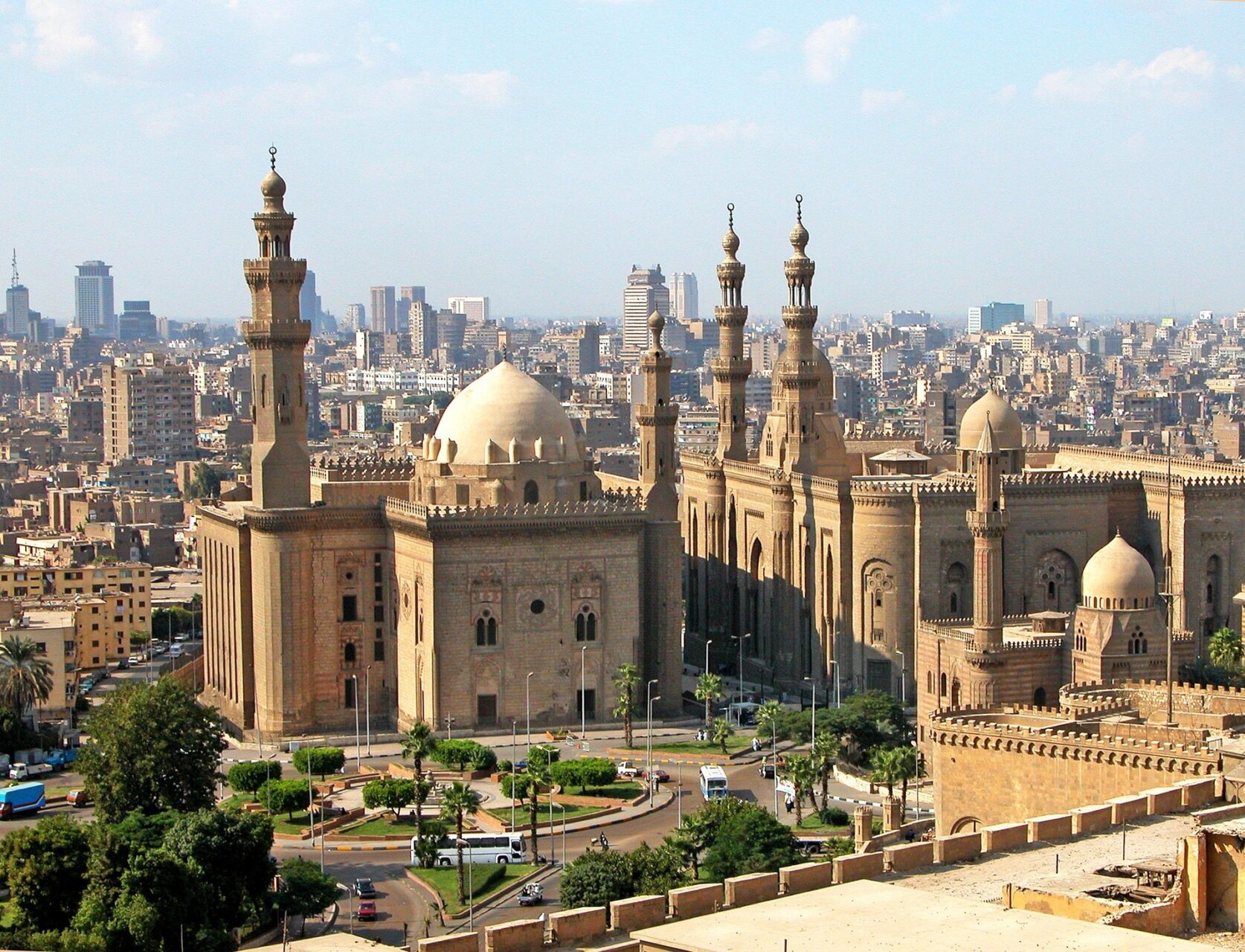
From its earliest days, Cairo grew into a major centre of Islamic learning, trade, and culture. Dynasties such as the Mamluks and Ottomans left behind mosques, citadels, and institutions that still define the city’s historic core today. The skyline of minarets and domes that you see across Cairo is a direct result of this era.
In the 19th century, Cairo began its transformation into a modern capital under Khedive Ismail, who sought to reshape the city into the “Paris on the Nile.” Wide boulevards, European-style architecture, and planned districts were introduced, creating the foundations of modern Cairo alongside its historic quarters.
Cairo has also been central to Egypt’s modern identity. It played a key role in anti-colonial resistance, was the heart of the 1952 revolution, and became a focal point for Arab nationalism throughout the 20th century. More recently, 2011 Egyptian Revolution protests in Tahrir Square captured global attention and marked a defining moment in the country’s modern history.
Today, Cairo is a city of contrasts. Ancient mosques stand beside high-rise buildings, donkey carts share roads with ride-hailing apps like Uber, and centuries of history exist alongside modern life. Understanding this layered past adds real depth to any visit, whether you are exploring ancient landmarks, navigating bustling markets, or experiencing the energy of the city itself.
UNESCO World Heritage Status
Cairo is closely connected to one of the most important UNESCO listings in the world: Historic Cairo, which was inscribed as a UNESCO World Heritage Site in 1979. This designation recognises the city as one of the oldest and most significant urban centres in the Islamic world, with layers of history that stretch back over a thousand years.
The UNESCO-listed area covers large parts of Islamic Cairo, including districts filled with mosques, madrasas, markets, and historic streets that reflect the city’s role as a centre of religion, trade, and learning. Landmarks such as the Citadel of Saladin, Mosque of Muhammad Ali, and the vast network of streets around Khan el-Khalili all sit within this wider historic landscape.
What makes Cairo unique is not just individual monuments, but the scale of the historic environment. This is a living city where medieval architecture, Ottoman influences, and later developments all exist alongside modern life. Walking through these areas gives you a sense of continuity that few destinations can match.
It is also important to note that the famous Pyramids of Giza, located just outside central Cairo, form part of a separate UNESCO World Heritage Site known as Memphis and its Necropolis – the Pyramid Fields from Giza to Dahshur, also inscribed in 1979. This includes the Great Pyramid of Giza, the Sphinx, and surrounding pyramid complexes, making the Cairo area one of the richest concentrations of UNESCO-listed heritage anywhere in the world.
Together, these designations highlight Cairo not just as a major city, but as a place of global historical importance, where ancient, medieval, and modern worlds meet in a single destination.
Learn More from UNESCO
This destination is connected to a UNESCO World Heritage Site, recognised for its outstanding cultural, historical, or natural importance. You can explore official listings, background information, and protected heritage sites through UNESCO’s global database.
Airport Overview & Transfers
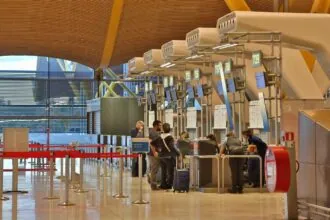
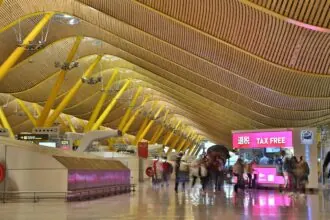
Cairo International Airport (CAI) is Egypt’s busiest and most globally connected airport, located about 22 km northeast of the city centre. It has four terminals, with Terminals 1 and 3 handling most international flights. Expect strict security procedures, but recent renovations have improved signage, services, and amenities.
| Feature | Details |
|---|---|
| Main Airport Name | Cairo International Airport (CAI) |
| Type | International |
| Annual Passenger Numbers | ~20 million |
| No. of Terminals | 3 passenger terminals (plus seasonal Hajj terminal) |
| Distance from City Centre | 22 km, approx. 30–45 mins by car |
| Budget Airlines | Air Arabia Egypt, Jazeera Airways, Flynas |
| Major Airlines | EgyptAir, Emirates, Qatar Airways, Saudia, Turkish Airlines, Lufthansa, Air France |
| Top Domestic Destinations | Sharm El Sheikh, Hurghada, Luxor |
| Top International Destinations | Dubai, Jeddah, Istanbul |
| Unusual Destinations | Asmara, Niamey, Guangzhou |
| Other Nearby Airports | Sphinx International Airport (~45 km), Borg El Arab Airport (Alexandria – ~220 km) |
Cairo Airport Transfers & Getting Into the City
Cairo International Airport (CAI) is located around 22 km (13 miles) northeast of central Cairo, and getting into the city is one of the first decisions you will need to make when you arrive.
For a full breakdown of all options, including detailed step-by-step guidance, pricing, and tips to avoid common issues, see our Cairo Airport Transfers guide. It covers everything in more depth and is worth reading before you travel.
For most visitors, the easiest option is using ride-hailing apps such as Uber or Careem, both of which operate directly from the airport. These apps provide clear pricing, route tracking, and a level of predictability that is especially valuable in Cairo’s busy and often chaotic traffic.
A typical journey to central areas such as Downtown Cairo, Zamalek, or Garden City usually costs between EGP 150–250, with travel times ranging from 30 to 90 minutes depending on traffic. Delays are common during peak hours, so it is important to allow extra time, particularly if you have onward plans.
Airport taxis are also widely available, but they require more caution. While some drivers use meters, many prefer to negotiate a flat fare, and prices can vary significantly. It is essential to agree the price before starting your journey, as misunderstandings are common. In many cases, taxis can end up costing more than app-based rides, with less transparency.
Public transport options from the airport remain limited and are generally not suited to most travellers. There is no direct metro connection, and while local buses and microbuses do operate from roads outside the terminal, they are designed for residents rather than visitors. Routes typically connect to areas such as Heliopolis, Nasr City, and Al-Torgoman Bus Station, but signage is minimal and information is rarely available in English.
Some hotels and tour providers offer pre-booked private transfers, often including meet-and-greet services inside the terminal. This can be a good option for late-night arrivals, families, or first-time visitors, as it removes any uncertainty after landing.
Overall, unless you are familiar with Cairo and comfortable navigating local transport, ride-hailing apps remain the most reliable and stress-free way to reach the city.

Organise Your Cairo Airport Journey
Before setting off for Cairo, you can use Welcome Pickups to arrange a private transfer between the airport and your accommodation.
Pre-booking is useful when you value a direct journey, particularly after a late arrival or when travelling with several bags.
Compare providers for your journey into Cairo. You can also check another transfer provider before booking.
Trains in Cairo: Routes, Tickets & What to Expect
Cairo sits at the heart of Egypt’s rail network, with routes extending in all directions across the country. Whether you are heading north to Alexandria, south to Luxor and Aswan, or across to regional cities like Port Said, trains offer an affordable, often scenic alternative to flying or long-distance buses.
The main hub is Ramses Station (also known as Misr Station), located in central Cairo. It handles most domestic departures and is one of the busiest transport hubs in the country. Expect a lively, chaotic atmosphere, with commuters, vendors, and travellers moving through the station at all hours. Signage in English is limited, so it is important to arrive early and allow time to find your platform and confirm departure details.
Train quality in Egypt varies significantly depending on the route and class you choose. On most major lines, you will typically find a range of options. Ordinary Class is very basic with minimal comfort, while Second Class A/C provides a reasonable standard for shorter journeys. First Class A/C offers more space and comfort, making it the better choice for longer distances. For overnight travel, sleeper trains provide private compartments, beds, and meals, and are the preferred option for routes to Upper Egypt.
Sleeper services are particularly popular on routes to Luxor and Aswan and are operated by Watania Sleeping Trains. These services include private cabins, clean bedding, and dinner and breakfast, making them a comfortable and practical way to cover long distances overnight.
How to Buy Train Tickets in Cairo
Buying train tickets in Cairo can be straightforward in theory, but in practice it requires some planning, especially for international travellers.
The official Egyptian National Railways (ENR) website does sell tickets online, but the system is outdated and often difficult to use. It may require navigating parts of the site in Arabic and typically only accepts Egyptian-issued cards, which means most visitors cannot rely on it.
For many travellers, the most reliable method is still to buy tickets in person at Ramses Station.
At the station, you will need to locate the dedicated foreigners’ ticket office, which is not in the main hall. After entering the station, take the escalator up one level, turn left, and walk through the café seating area. Continue to the far end and follow a narrow corridor where the ticket office is located. Signage can be limited, but staff will usually point you in the right direction if you ask for “foreigner tickets” or mention your destination.
This counter is specifically designed for international visitors and is mainly used for booking sleeper trains and long-distance first-class services.
There are a few important things to know before you go. Payment is cash only in US dollars, and cards are not accepted at this window. You will also need to bring your passport, particularly if you are booking sleeper services. It is helpful to have your destination, travel date, departure time, and preferred class written down clearly, as English may be limited at the counter.
Queues can be long, especially in the mornings and at weekends, so it is best to arrive early. We strongly recommend booking at least two to three days in advance, particularly for popular routes such as Luxor and Aswan, as trains can sell out and same-day tickets are not guaranteed.
While the process may feel a little old-fashioned, it is often the most reliable way to secure tickets, especially for routes that are not easily available online.
Best for long or awkward journeys. Builds one itinerary out of separate flights.
View flightsBest if you want maps and messaging working the moment you switch your phone on.
See eSIM plansBest if you would rather not work out the transport on arrival. Book it now and forget it.
View transfersTrain Times, Routes & Prices
Train journeys from Cairo vary depending on distance and service type, but they are generally well-connected and reasonably priced.
The route from Cairo to Alexandria is one of the most popular, with frequent departures throughout the day. The journey takes around 2.5 to 3 hours, with ticket prices typically ranging from EGP 50 to 125, depending on class and service.
Travelling south to Luxor takes significantly longer, usually 9 to 11 hours, with multiple departures available. Many travellers choose overnight sleeper services for this route to save time and travel more comfortably.
The journey to Aswan is longer still, taking approximately 13 to 15 hours, and is almost always done overnight using sleeper trains.
Regional routes, such as those to Port Said or Suez, operate with local trains and have more variable schedules and journey times.
Trains in Egypt are generally reliable, but delays can happen. Platforms are often announced late, and last-minute changes are not uncommon, so it is important to check your departure details carefully before boarding.
Buses & Coaches in Cairo: Routes, Companies & What to Expect
Cairo’s intercity bus network is a reliable and cost-effective way to travel across Egypt, often offering more frequent departures and shorter journey times than trains on certain routes. In recent years, newer operators have significantly improved comfort, making buses a strong alternative to both rail and domestic flights.
The main departure point is Cairo Gateway Bus Station (commonly known as Turgoman Station), located close to Ramses Station in central Cairo. This large, partially indoor complex serves multiple operators and routes across the country.
Depending on the company and destination, some services also depart from Abbasiya, Nasr City, or El-Marg, so it is important to confirm your departure point when booking.
Several operators run long-distance services from Cairo, with varying levels of comfort and coverage.
Go Bus is the most popular choice for travellers and offers a wide range of service levels. Entry-level options provide basic air-conditioned seating, while higher tiers include extra legroom, reclining seats, onboard entertainment, and snacks. It is widely regarded as one of the most dependable options for long-distance travel.
Blue Bus is a newer company with a more modern fleet and consistently strong reviews. It offers a cleaner, more premium experience, and allows you to select your seat when booking online, which adds an extra level of convenience.
Other operators include SuperJet, a long-established national provider with extensive route coverage, and East Delta, which specialises in routes to the Sinai Peninsula and Red Sea coast. The Upper Egypt Bus Company focuses on southern routes, connecting Cairo with cities further along the Nile.
Bus routes from Cairo cover most of Egypt’s major destinations, with journey times that are generally competitive with rail travel.
The route from Cairo to Alexandria takes around 3 to 4 hours, making it one of the quickest and most frequent services available. Travelling to the Red Sea, buses to Hurghada typically take 6 to 7 hours, while journeys to Sharm El Sheikh range from 6 to 8 hours, depending on the route and checkpoints.
Longer journeys to Upper Egypt, such as Luxor or Aswan, can take 9 to 13 hours and are less frequent, with many travellers opting for trains or flights instead.
Most buses are air-conditioned, relatively clean, and operate to a schedule, making them a practical option for longer distances, particularly for budget-conscious travellers.
Tickets can be purchased either in person at bus stations or online, depending on the operator. Increasingly, companies are moving toward digital booking systems, which makes planning much easier.
Go Bus Egypt is one of the most useful tools for travellers. It allows you to browse routes, compare service levels, select seats, and pay securely online, removing the need to navigate busy stations in person.
Booking in advance is recommended, especially for popular routes such as Alexandria, Hurghada, and Sharm El Sheikh, where services can fill up quickly during peak travel periods.

App availability and prices vary by country. Some of these may not appear in your local App Store or Google Play.
SWVL – A popular Egyptian bus-sharing platform that offers affordable intercity and commuter routes across Cairo, Alexandria, and other major hubs. Bookings are entirely app-based, with seat selection, fixed fares, and live tracking to make journeys smoother. It’s a great option for travellers looking for an inexpensive and reliable way to get between cities without navigating complex ticket offices.

App availability and prices vary by country. Some of these may not appear in your local App Store or Google Play.
Cairo Metro System
Cairo’s Metro is a key part of daily life for local commuters and, once you understand how it works, a surprisingly efficient way for visitors to get around the city. Opened in 1987, the network has expanded steadily and now consists of three main lines, with further development ongoing.
Line 1 (Red Line) runs from Helwan in the south to El Marg in the north, cutting through central Cairo and serving some of the busiest areas. Line 2 (Orange Line) connects Giza and Shubra, making it particularly useful for crossing the Nile.
Line 3 (Green Line) is still expanding and currently runs from Airport Road in the east toward central Cairo, with additional sections opening in phases. A fourth line is under construction, which will eventually provide a direct connection to the pyramids and other major landmarks, significantly improving access for visitors.
Using the metro is inexpensive and straightforward once you are familiar with the system. Ticket prices are based on distance, with most journeys costing around EGP 5 to 10. Tickets can be purchased from station ticket windows, and some stations now have smart card kiosks, although these are not yet widely available. It is important to keep your ticket until you exit, as barriers will not open without it. While rechargeable smart cards are being introduced for regular commuters, most travellers will rely on single-use tickets.
The metro operates daily from 5:00 AM until midnight, with trains running frequently, typically every 5 to 7 minutes during peak hours. Stations are generally clean and well maintained, although signage can sometimes be inconsistent, particularly for those who do not read Arabic.
Each train includes designated women-only carriages, usually the second and fourth, which are clearly marked. Visitors can use any standard carriage, but these options are available for those who prefer them.
The system is particularly useful for reaching areas such as Downtown Cairo, Dokki, Mohandessin, Coptic Cairo (via Mar Girgis Station), and parts of Giza (via Omm el Misryeen on Line 2). While the network is not extensive enough to replace taxis or ride-hailing apps entirely, it remains a fast, affordable, and valuable tool for navigating Cairo, and a worthwhile addition to any well-planned Cairo travel itinerary.

App availability and prices vary by country. Some of these may not appear in your local App Store or Google Play.
Cairo Monorail & Future Transport Projects
One of the biggest transport developments reshaping modern Cairo is the new Cairo Monorail, a large-scale driverless rail system designed to connect the expanding outer districts of the city with the fast-growing New Administrative Capital and newer residential developments east and west of central Cairo.
The monorail forms part of Egypt’s wider attempt to reduce road congestion across Greater Cairo, where traffic remains one of the city’s biggest daily challenges. Modern automated trains, air-conditioned stations and elevated track sections are designed to provide faster journeys across areas that previously depended heavily on cars and long road commutes.
The eastern section of the monorail now connects parts of New Cairo with the New Administrative Capital, linking government districts, business areas and newer suburbs with the wider public transport network. The system also connects with Cairo Metro Line 3, helping passengers transfer into the traditional metro system serving central Cairo and key tourist districts.
For most tourists staying around Downtown Cairo, Giza or the historic centre, the monorail is not yet as useful as the metro, Uber or traditional taxis. However, it is becoming increasingly relevant for business travellers, visitors staying in eastern Cairo developments and travellers interested in seeing how Egypt is rapidly expanding beyond its historic urban core.
The monorail is also significant because it represents a major shift in how Cairo is planning future transport. Alongside metro expansions, new roads and rail links, the project highlights how the city is evolving into a much larger and more decentralised metropolitan area stretching far beyond the traditional centre most tourists experience today.
Taxis & Ride-Hailing Apps in Cairo
Getting around Cairo by taxi is easy in theory, but not always straightforward in practice. The city’s traditional black-and-white taxis are everywhere, but many do not use meters, which means you will often need to negotiate the fare before starting your journey. Prices can vary depending on distance, traffic, and your negotiation skills, so it is important to agree clearly in advance to avoid misunderstandings.
For most travellers, a far easier and more reliable option is to use ride-hailing apps, which have become the preferred way to move around the city. The most widely used are Uber, Careem, and inDrive.
Uber operates across Cairo and is generally the most familiar option for international visitors, offering clear pricing, GPS tracking, and a simple interface. Careem provides a similar service but also allows both cash and card payments, which can be useful if you prefer flexibility. InDrive works slightly differently, allowing you to propose your own fare and negotiate with drivers, and is more commonly used in outer districts or for longer journeys.
All three apps are covered in detail in our Taxi Hailing Apps Guide, and they are essential tools for anyone planning to travel to Cairo. Features such as fare estimates, route tracking, and English-language interfaces remove much of the uncertainty that comes with navigating a city known for heavy traffic and complex road layouts.
To help manage Cairo’s congestion, many locals also use Bey2ollak, a crowdsourced traffic and navigation app. It provides real-time updates on accidents, bottlenecks, and road conditions, helping drivers choose faster routes during peak hours. It was hugely popular for years, but the app has since been withdrawn from the App Store and the Android version has not been updated since 2023, so it is no longer a dependable option for visitors. For live traffic and routing in Cairo today, Google Maps is the more reliable choice.
In practice, combining ride-hailing apps with local traffic awareness tools gives you the most efficient and least stressful way to get around Cairo, especially if you are visiting for the first time.

App availability and prices vary by country. Some of these may not appear in your local App Store or Google Play.

App availability and prices vary by country. Some of these may not appear in your local App Store or Google Play.
Scooter & Bike Rentals in Cairo
Cairo is not yet a major cycling city, but small-scale options are beginning to appear, particularly in more relaxed, expat-friendly areas such as Zamalek and New Cairo. These neighbourhoods tend to have quieter streets and slightly better conditions, making them the most practical places to consider renting a bike.
There have also been government-led bike-share trials in Downtown Cairo, aimed at encouraging more sustainable transport. While still limited in coverage, these schemes show that cycling infrastructure is slowly developing, even if it is not yet widespread enough for most visitors to rely on.
Electric scooters are still relatively uncommon across the city. However, some private tour operators offer guided scooter experiences, typically along the Nile or through quieter historic districts. These are usually structured as tours rather than independent rentals and can be a more controlled way to experience the city from a different perspective.
It is important to approach both cycling and scooters with caution. Cairo traffic can be fast, unpredictable, and often lacks clear lane discipline, and there are very few dedicated cycle lanes. For most visitors, these options are best treated as short, local experiences rather than primary transport methods.
For the latest updates on availability and supported platforms, see our dedicated Scooter Apps guide, which tracks emerging micro-mobility options across different destinations.
Best for solo travellers and anyone watching the budget. Dorm beds and private rooms in the same search.
Browse hostelsBest if you have ever given up on a claim. AirHelp checks whether the flight qualifies and pursues it for you.
See the benefitsBest for the gap between checking out and your train. Drop bags at a shop or hotel nearby and carry on.
Store your bagsDriving, Parking & Car Access in Cairo
Driving in Cairo can be an experience in itself, but it is not one most visitors will find comfortable. Roads are busy, lane discipline is loose, overtaking is frequent, and constant use of the horn is part of everyday driving culture. Traffic can be heavy at any time of day, but peak hours between 8–10am and 4–8pm are particularly congested.
If you do plan to drive, it is best to stick to well-known routes and central areas, and allow extra time for every journey. Navigation apps can help, but conditions on the ground often change quickly.
Parking is inconsistent and often informal. In many areas, you will encounter local parking attendants, who guide drivers into available spaces and expect a small tip, typically around EGP 5–10. While this system is widely accepted, it can be unfamiliar for first-time visitors.
More structured parking is available at shopping malls, hotels, and some modern developments, where you will find secure car parks with clearer pricing and organisation.
For most travellers, driving is unnecessary. Cairo is much easier to navigate using a combination of the metro, ride-hailing apps like Uber or Careem, and short walks between nearby attractions. Unless you are planning longer trips outside the city or staying for an extended period, avoiding driving will make your visit significantly less stressful.
Car Rental in Cairo
Major international brands including Hertz, Avis, Europcar, and Sixt operate desks at Cairo International Airport, as well as in central districts such as Zamalek, Maadi, and New Cairo. To rent a vehicle you will typically need your passport, a valid driving licence, a credit card, and in some cases an international driving permit.
Rental prices can start from around EGP 600 per day (£12–£15) depending on the vehicle type and season, making Egypt one of the more affordable destinations for car hire. Many travellers choose to pick up a car directly at the airport so they can begin exploring as soon as they arrive.
While traffic in central Cairo can be busy, hiring a car becomes far more useful if you plan to travel beyond the city. A rental vehicle makes it easier to visit destinations such as the Pyramids of Giza, the ancient sites of Saqqara and Memphis, the Red Sea resorts, or to continue a wider journey through Egypt.
For travellers planning day trips, multi-city itineraries, or exploring areas outside the main tourist districts, car hire in Cairo offers flexibility and independence that organised tours and taxis cannot always provide.
Choose Car Hire for Cairo
A rental car may be the most practical option if you want to explore areas beyond central Cairo without being tied to bus or train schedules.
Comparing both Discover Cars and EconomyBookings can help you see a broader range of prices and vehicle options before booking.
Money, Cash & Currency in Cairo
Cairo travel costs are often lower than many visitors expect, particularly for food, taxis and local transport. However, understanding how the Egyptian Pound (EGP) works before arriving can help avoid confusion once you land.
While major hotels, shopping centres and international restaurants increasingly accept cards, cash remains extremely important across much of Cairo. Smaller cafés, local shops, markets and many taxis still prefer cash payments, especially outside the main tourist areas.
Travellers should carry smaller denomination notes for everyday purchases and for baksheesh, the local tipping culture commonly used for hotel staff, drivers, guides and small services throughout Egypt.
ATMs are widely available across Downtown Cairo, Giza, airport areas and major shopping districts. Many travellers find it easier to withdraw local currency after arrival rather than exchanging large amounts before travelling.
Visitors should also be aware that the Egyptian Pound can sometimes be harder to exchange internationally than major global currencies, particularly outside Egypt. If you want to better understand why some currencies are more restricted, difficult to export or traded differently abroad, see our guide to closed currencies and restricted travel money around the world.

Transport Attractions
Cairo’s transport network is more than a way to get from A to B; it’s a living record of Egypt’s engineering, trade, and urban growth over the centuries. For visitors curious about the city’s mobility heritage, several attractions highlight both the practical and cultural dimensions of getting around in this megacity.
The Egyptian Railway Museum
Tucked beside Ramses Station, the Egyptian Railway Museum is one of Cairo’s most overlooked treasures. Opened in 1933 and extensively renovated in recent years, it chronicles the story of Egypt’s railways, the first in Africa and the Middle East.
Visitors can admire antique steam locomotives, intricate scale models, colonial-era passenger carriages, and early railway signalling equipment. The exhibits reveal how rail travel connected Cairo to the rest of Egypt, stimulating commerce, tourism, and political unity. For train enthusiasts and history buffs alike, this is an unmissable stop that blends industrial innovation with social history.
The Nilometer
Perched on Roda Island, the Nilometer might not resemble a modern transport hub, but for centuries it shaped the lifeblood of Egyptian movement and trade. Built in 861 AD, this octagonal stone shaft and winding staircase were used to measure the Nile’s flood levels, helping predict harvests, set taxes, and plan navigation along the river. Without it, merchants and farmers couldn’t have timed the transport of goods so effectively. Its precision and architectural beauty stand as a testament to medieval engineering.
The Nile Riverboat Stations
The Nile remains a working artery through Cairo, with ferries and small passenger boats connecting districts such as Giza, Zamalek, and Maadi. These riverboat stations may look worn, with their faded paintwork and modest waiting areas, but they offer unbeatable views and a chance to mingle with locals commuting across the city. Beyond the regular ferries, traditional feluccas can be hired for a slower, scenic ride, perfect for catching sunset over Cairo’s skyline.
Whether you’re a dedicated transport enthusiast or simply looking for alternative ways to experience the city, these sites reveal Cairo’s layered relationship with mobility. From ancient river measurements to modern-day commuter ferries, they offer a fascinating window into how Egyptians have navigated life along the Nile for millennia.
Mini Trains, Trams & Tourist Shuttles
Cairo once boasted an extensive tram network, especially in Heliopolis and Alexandria. Sadly, Cairo’s trams were phased out in the early 2000s due to congestion and neglect. A few abandoned tracks can still be seen in Heliopolis, a haunting reminder of an era when streetcars glided through the city’s leafy boulevards.
Today, the closest equivalent to mini-trains or trams in Cairo are tourist shuttles operating within specific heritage sites. The Giza Plateau offers electric shuttle buses that run from the entrance gate to the Pyramids and Sphinx, a helpful option given the distance under the hot sun.
There are also small electric sightseeing vehicles in areas like Al-Azhar Park, Coptic Cairo, and the Citadel, where steep inclines or expansive layouts make walking challenging. These are usually included in admission fees or available for a small extra charge.
While Cairo doesn’t have the quaint trams of Istanbul or Lisbon, it offers some innovative micro-mobility services for tourists navigating archaeological zones.
Top Attractions in Cairo
No Cairo travel guide would be complete without its standout landmarks, and this is where the city truly delivers. From the ancient wonders of the pharaohs to historic districts and modern cultural spaces, Cairo offers a collection of sights that span more than 4,000 years of history.
The Giza Plateau
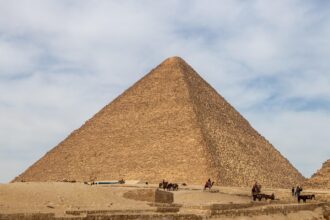
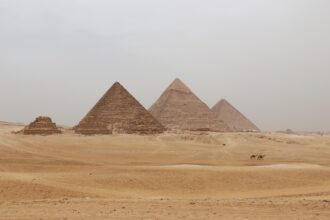
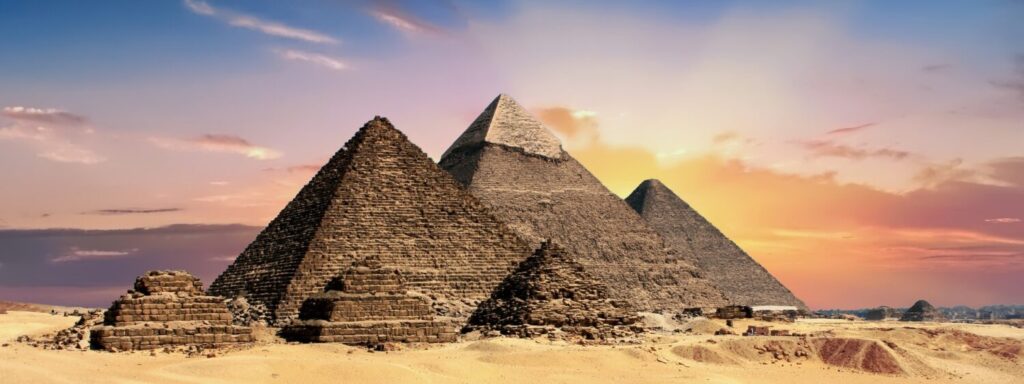
The Pyramids of Giza are the centrepiece of any visit to Cairo. Located just outside the city, the Giza Plateau is home to the Great Pyramid of Khufu, the Pyramid of Khafre, the Pyramid of Menkaure, and the Great Sphinx.
Standing beside these structures is a completely different experience from seeing them in photos. The scale, age, and precision of their construction make them one of the most remarkable sites in the world. Visiting early in the morning helps you avoid the heat, crowds, and tour buses, allowing you to experience the site at its best.
Grand Egyptian Museum (GEM)
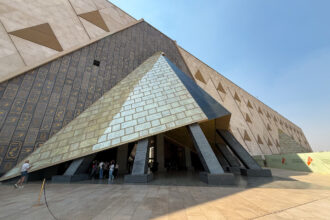
The Grand Egyptian Museum is now open and has quickly become one of the most important cultural attractions in Egypt. Located near the pyramids, it is the largest archaeological museum in the world dedicated to a single civilisation.
Inside, you will find thousands of artefacts from ancient Egypt, including the full Tutankhamun collection displayed together for the first time. The museum combines traditional exhibits with modern design, interactive displays, and vast gallery spaces, creating a very different experience from older museums in Cairo.
With its scale, layout, and proximity to the pyramids, the Grand Egyptian Museum is not just an add-on, it is now a core part of any Cairo itinerary.
Coptic Cairo
Coptic Cairo offers a quieter, more reflective side of the city. This historic district preserves Egypt’s Christian and Jewish heritage, with key sites including the Hanging Church, the Coptic Museum, and the Ben Ezra Synagogue.
Walking through this area feels completely different from the rest of Cairo. Narrow streets, ancient walls, and centuries-old religious buildings create a calm atmosphere that contrasts with the energy of the wider city.
Islamic Cairo
Designated a UNESCO World Heritage Site, Islamic Cairo is one of the most historically rich areas in the city. It is a dense network of mosques, madrassas, markets, and historic streets, many of which date back hundreds of years.
Highlights include the Sultan Hassan Mosque, Al-Rifa’i Mosque, Al-Azhar Mosque and University, and Bab Zuweila, leading up to the Citadel of Saladin. Exploring this area provides a deeper understanding of Cairo’s role as a centre of Islamic culture and scholarship.
Khan el-Khalili Bazaar
No visit to Cairo is complete without experiencing Khan el-Khalili, the city’s most famous market. This bustling souk is filled with lanterns, jewellery, spices, textiles, and traditional crafts, creating one of the most vibrant shopping environments in the Middle East.
Bargaining is expected here, and part of the experience. Prices are rarely fixed, and negotiating is part of the culture, so take your time and enjoy the process.
Al-Azhar Park
For a break from the intensity of the city, Al-Azhar Park offers a rare green space in the heart of Cairo. Built on what was once a historic landfill, the park has been transformed into a landscaped area with gardens, fountains, and cafés overlooking the skyline.
From here, you get some of the best views of Cairo’s minarets and historic districts, particularly at sunset, when the light softens and the city takes on a completely different atmosphere.

Historical Highlights & Landmarks
Cairo boasts over a thousand years of architectural heritage and even more if you include the ancient wonders of Giza and nearby Memphis. While the pyramids often dominate the spotlight, the city itself is a living museum of Islamic, Coptic, Ottoman, and modern history, with layers of culture waiting to be explored.
The Citadel of Saladin
Built in the 12th century by Salah ad-Din (Saladin) to defend Cairo against the Crusaders, this massive hilltop fortress offers sweeping panoramic views of the city. Its most famous feature is the Mosque of Muhammad Ali, known as the “Alabaster Mosque” for its gleaming limestone exterior. Inside, soaring domes, chandeliers, and intricate calligraphy create one of Cairo’s most breathtaking interiors. The Citadel also houses museums dedicated to military history and royal carriages, adding further context to Egypt’s past.
Mosque-Madrassa of Sultan Hassan
An architectural masterpiece of Mamluk Cairo, the Mosque-Madrassa of Sultan Hassan was completed in 1359 and is celebrated for its monumental scale and exquisite detail. Its towering entrance portal, marble mihrabs, and precisely carved geometric patterns showcase the peak of Islamic artistry. Built as both a mosque and a madrassa (religious school), it reflects Cairo’s role as a centre of learning in the medieval Islamic world.
Baron Empain Palace
A striking anomaly in Heliopolis, the Baron Empain Palace blends Khmer and Hindu architectural influences, inspired by Angkor Wat in Cambodia. Completed in the early 20th century by Belgian industrialist Édouard Empain, it was long shrouded in mystery and urban legends. After decades of neglect, it has been partially restored and opened to visitors a rewarding stop for architecture enthusiasts and lovers of unusual history.
Manial Palace
On Rhoda Island, the Manial Palace was the residence of Prince Mohamed Ali and is a showcase of Egypt’s royal cosmopolitanism before the 1952 revolution. Its interiors combine Islamic, Persian, Ottoman, and European styles, with stained-glass windows, ornate ceilings, and lush gardens overlooking the Nile.
Babylon Fortress
In Coptic Cairo, the Babylon Fortress is a remnant of Roman military architecture dating back to the 1st century AD. Its imposing walls once guarded a strategic Nile crossing. Today, it anchors several important religious sites, including the Hanging Church and the Coptic Museum, underlining Cairo’s position as a crossroads of empires and faiths.
Hidden Gems & Local Secrets
Beyond the headline sights, Cairo rewards curious travellers with an array of off-the-beaten-path experiences that reveal the city’s creative energy, spiritual depth, and living traditions.
Zamalek’s Art Galleries & Cafés
The leafy Nile island of Zamalek is Cairo’s artistic heartbeat. Its streets are dotted with contemporary galleries, independent bookshops, and cosy cafés frequented by artists, writers, and intellectuals. Standout venues include the Townhouse Gallery for bold exhibitions, the Zamalek Art Gallery for fine art, and Left Bank Café, where you can sip coffee with river views while soaking in the district’s cosmopolitan atmosphere.
Garbage City & The Cave Church
High in the Mokattam Hills, Cairo’s informal recycling hub known as Garbage City is a community that has transformed waste into livelihood. Hidden within it is the extraordinary Cave Church of St. Simon, carved directly into the rock face. Seating up to 20,000 worshippers, it’s the largest church in Egypt and a testament to resilience, faith, and community spirit.
El Moez Street at Night
During the day, Al-Muizz Street in Islamic Cairo is a historical marvel. But at night, it transforms into a magical open-air museum. Restored mosques and medieval buildings are illuminated in golden light, while traditional musicians perform in the street. Locals wander between heritage sites, enjoying fresh sugarcane juice or a simple ice cream under the glow of minarets.
Bayt al-Suhaymi
Tucked away in a quiet lane of Islamic Cairo, the Bayt al-Suhaymi is a meticulously preserved Ottoman-era home dating back to the 17th century. With its carved mashrabiya screens, airy courtyards, and private hamam, it offers a rare glimpse into the domestic life of Cairo’s wealthy elite centuries ago. Few tourists make it here, making it a tranquil retreat from the city’s bustle.
Whether you’re exploring vibrant street life, discovering hidden religious landmarks, or stepping inside historic homes, these lesser-known treasures offer a deeper, more intimate connection to Cairo’s soul.
Indoor Attractions & Rainy-Day Ideas
While Cairo is famed for its dry, sunny climate, there are plenty of indoor activities that offer both cultural enrichment and a welcome escape from the midday heat or rare rainy spells. From cutting-edge museums to atmospheric art spaces, these venues prove that the city’s treasures aren’t all under the open sky.
National Museum of Egyptian Civilization (NMEC)
Located in Fustat, the National Museum of Egyptian Civilization is one of Cairo’s most impressive recent additions. Designed to present Egypt’s history chronologically from prehistoric tools to modern artefacts it offers a clear, immersive narrative of the nation’s development. The highlight is the Royal Mummies Hall, where you can come face-to-face with the preserved remains of Ramses II, Hatshepsut, and other pharaohs. With world-class displays and multilingual interpretation, it’s a must for any Cairo travel itinerary.
Museum of Islamic Art
Often overlooked, the Museum of Islamic Art houses one of the world’s richest collections of Islamic decorative arts. Visitors can explore rare manuscripts, ceramics, textiles, carved woodwork, and intricate metalwork from across the Islamic world. The building itself is an architectural gem, and the serene galleries make it a peaceful retreat from the city’s bustle.
Manial Palace Museum
On Rhoda Island, the Manial Palace Museum blends Islamic, Ottoman, Moorish, and Art Nouveau influences in a unique royal residence. Its stained-glass windows, ornate ceilings, and lush riverside gardens are beautifully preserved, offering a glimpse into the cosmopolitan tastes of Prince Mohamed Ali in the early 20th century.
Mall of Egypt & Cairo Festival City Mall
For those seeking air-conditioning and leisure, Cairo’s mega-malls deliver in style. The Mall of Egypt boasts a full ski slope, a multiplex cinema, gourmet dining, and international shopping. Cairo Festival City Mall, meanwhile, caters more to local tastes with a lakeside promenade, indoor play zones, and a wide mix of dining options.
Darb 1718
A hub for contemporary creativity, Darb 1718 offers rotating art exhibitions, film nights, and hands-on workshops. Located in Old Cairo, it bridges the city’s ancient heritage with a modern artistic pulse, making it perfect for travellers looking to connect with Cairo’s current cultural scene.
These indoor attractions offer more than shelter they deepen your understanding of Cairo’s layered identity, blending the ancient, the artistic, and the ultra-modern.

Seasonal Highlights & Annual Events
Cairo hosts a vibrant calendar of festivals, religious celebrations, and cultural events throughout the year. Whether you’re drawn to art, film, music, or spiritual traditions, there’s something happening in almost every season that adds colour and energy to the city.
Ramadan & Eid Celebrations
During Ramadan, Cairo transforms into a city of glowing lanterns and late-night feasts. Streets are adorned with fanous (traditional lamps), and after sunset, families and friends gather for iftar meals that stretch late into the night. While some shops and cafés close during the day, the nightlife intensifies, with bustling streets and pop-up food stalls.
Eid al-Fitr, marking the end of Ramadan, brings days of family visits, shopping, and sweet pastries like kahk.
Tip: Dress modestly, avoid eating or drinking in public before sunset, and embrace the communal festive spirit.
Cairo International Film Festival (November)
One of the oldest and most prestigious film festivals in the Middle East, the Cairo International Film Festival attracts filmmakers and movie lovers from around the globe. Expect premieres, panel discussions, red-carpet events, and screenings at venues across the city, including the historic Cairo Opera House.
Downtown Contemporary Arts Festival (D-CAF)
Held each spring, D-CAF transforms Downtown Cairo into an open-air stage for cutting-edge creativity. Expect theatre in abandoned buildings, pop-up galleries, street performances, and live music in unexpected places. It’s an unmissable event for those wanting to experience Cairo’s modern artistic pulse.
Sphinx Trail Half Marathon (March)
A one-of-a-kind opportunity to run or walk along the base of the Giza Pyramids. This event draws both locals and visitors, with proceeds often supporting heritage conservation. The backdrop of ancient monuments makes it one of the most spectacular race routes in the world.
Coptic Christmas (January 7)
Celebrated by Egypt’s Christian population, Coptic Christmas is a deeply spiritual occasion centred around Coptic Cairo. Midnight mass at the Hanging Church is a particularly moving experience, combining ancient tradition with heartfelt devotion.
Including one or more of these events in your Cairo vacation adds local flavour and a deeper connection to the city’s living traditions.
Parks, Gardens & Green Spaces
While Cairo is often associated with bustling streets and dense traffic, the city also offers pockets of green tranquillity where visitors can pause, recharge, and enjoy a different side of the Egyptian capital. These parks and gardens not only provide shade and fresh air but also give insight into how locals relax and connect with nature.
Al-Azhar Park
Arguably Cairo’s most celebrated green space, Al-Azhar Park occupies a hilltop with panoramic views of the city’s historic mosques and minarets. Funded by the Aga Khan Trust for Culture, the park blends lush lawns, shaded pergolas, fountains, and landscaped gardens with walking paths that invite leisurely exploration. The Lakeside Café is an ideal spot for sunset tea as the city’s skyline glows in the fading light.
Orman Botanical Garden
Founded in 1875 under Khedive Ismail, the Orman Botanical Garden near Cairo University is a haven for plant lovers. It showcases rare tropical and subtropical species and bursts into vibrant colour during the annual Spring Flower Exhibition held in March or April. Its peaceful paths make it a welcome retreat from the busy Giza streets nearby.
Gezira Sporting Club
In the heart of Zamalek, the Gezira Sporting Club is a 150-acre sanctuary of gardens, walking paths, stables, and tennis courts. While entry is typically reserved for members, some upscale hotels offer guest passes. It’s one of Cairo’s oldest and most prestigious recreational spaces, offering an exclusive glimpse into local leisure culture.
Fustat Garden
Adjacent to the National Museum of Egyptian Civilization (NMEC), the Fustat Garden is a recently upgraded public park with wide walking paths, picnic areas, and shaded seating. It’s an ideal pre- or post-museum stop, especially for families or travellers exploring Old Cairo.
From hilltop vistas to botanical collections and exclusive clubs, Cairo’s green spaces provide refreshing contrast to the city’s urban energy, and a chance to see how locals unwind in the midst of a megacity.
Where & What to Eat in Cairo
Cairo is a food lover’s dream, where simple street dishes sit alongside stylish restaurants overlooking the Nile. The city’s food scene reflects its history and diversity, offering everything from quick, flavour-packed local meals to modern fusion dining and international cuisine. Whether you are eating on the street or settling in for a long dinner, Cairo delivers variety and value.
Street Food Classics
Cairo’s street food is one of the highlights of visiting the city, and it is where you will find some of the most authentic flavours.
Koshari is Egypt’s national dish and a must-try. It combines rice, lentils, chickpeas, pasta, tomato sauce, and crispy fried onions into a surprisingly satisfying meal. One of the most famous places to try it is Abou Tarek in Downtown Cairo on the corner of Champollion Road and Marouf, is known for serving some of the best koshari in the city.
Ta’ameya, Egypt’s version of falafel made with fava beans rather than chickpeas, is another essential. It is typically served in sandwiches with pickles and tahini, and you will find excellent versions from small vendors across areas like Dokki and Zamalek.
Ful medames is a staple of Egyptian breakfasts, made from slow-cooked fava beans seasoned with oil, lemon, and spices. It is often served with bread, boiled eggs, and vegetables. A reliable place to try it is Felfela, a long-established spot popular with both locals and visitors.
Upscale & Modern Egyptian
Cairo’s dining scene has evolved quickly, and there are now plenty of places offering a more modern take on traditional food.
Zooba is one of the best-known examples, serving classic Egyptian dishes with a contemporary twist, using high-quality ingredients, modern presentation, and eco-friendly packaging.
In Zamalek, restaurants such as Kazouza, Ovio, and SASS offer a mix of Egyptian-inspired fusion and Mediterranean cuisine, often paired with views of the Nile.
For a more relaxed but memorable evening, Sequoia is a standout choice. Located on the river, it combines Levantine dishes with one of the best waterfront settings in Cairo, making it a popular option for dinner at sunset.
International Dining
Cairo also has a strong international food scene, with a wide range of options covering everything from Italian and Mediterranean to Asian cuisine.
Maison Thomas is a long-standing favourite for pizza, known for its consistent quality and simple menu. Crave offers a more casual dining experience with a mix of international dishes that appeal to a wide range of tastes.
For something a little different, the Nile City Boats provide a unique setting. These floating venues host multiple restaurants serving global cuisines, allowing you to dine while overlooking the Nile.
Reservations & Apps
Use Elmenus or Talabat to browse menus and book tables. For high-end places or special occasions, ReserveOut is Cairo’s top restaurant reservation app. See our Restaurant Booking Apps guide for more tools to plan your meals.
For anyone planning a Cairo vacation, sampling the full range of Egyptian cuisine is an adventure in its own right.

App availability and prices vary by country. Some of these may not appear in your local App Store or Google Play.

App availability and prices vary by country. Some of these may not appear in your local App Store or Google Play.

Top Cities Nearby
Thanks to its central location and excellent road, rail, and air connections, Cairo makes the perfect base for exploring some of Egypt’s most fascinating nearby destinations. Whether you’re looking for ancient wonders, Mediterranean breezes, or desert escapes, these cities and regions are all within easy reach for a day trip or short getaway.
Giza
Technically a separate city, Giza is home to Egypt’s most famous landmarks: the Pyramids of Giza and the Sphinx, as well as the spectacular Grand Egyptian Museum (GEM), which is gradually opening to the public. Giza is easily reached by car, ride-hailing apps, or metro Line 2 from Cairo. Staying overnight allows you to enjoy the Sound & Light Show at the pyramids or catch sunrise over the desert before the crowds arrive. Many hotels here offer rooftop views of the monuments, making for an unforgettable stay.
Alexandria
Founded by Alexander the Great, Alexandria offers a cooler Mediterranean climate and a completely different vibe from Cairo’s desert surroundings. Attractions include the Bibliotheca Alexandrina, Qaitbay Citadel, Montaza Palace Gardens, and remnants of Greco-Roman architecture. Alexandria’s beaches and seaside cafés are perfect for a leisurely escape. You can reach the city in 2.5–3 hours by train from Ramses Station or about 3.5 hours by car, making it an ideal overnight or weekend getaway.
Fayoum Oasis
Just 100 km southwest of Cairo, Fayoum is an underrated gem combining natural beauty and ancient history. Highlights include Lake Qarun, Egypt’s oldest natural lake; the stunning Wadi El-Rayan waterfalls; and Wadi Al-Hitan (Valley of the Whales), a UNESCO World Heritage Site famous for its fossilised whale skeletons. The area is a paradise for birdwatchers, photographers, and eco-tourists. Many visitors combine a Fayoum trip with a desert safari or overnight stay in a traditional guesthouse.
Ain Sokhna
For a Red Sea escape without a long journey, Ain Sokhna is the closest beach destination to Cairo, just two hours away by car on a smooth, modern highway. It’s popular with locals for weekend getaways and offers a range of resorts, water sports, and coral reef snorkelling. The atmosphere is more relaxed than in major Red Sea hubs like Hurghada or Sharm El Sheikh, making it perfect for unwinding after busy days in Cairo.
Adding any of these destinations to your Cairo travel itinerary expands your experience beyond the capital, allowing you to explore Egypt’s diverse landscapes, history, and culture, all without the need for long-haul travel.
Cultural Norms & Etiquette in Cairo
Understanding and respecting local customs is an important part of any visit to Cairo. This is a city where tradition, religion, and social expectations remain deeply woven into daily life, even as modern influences continue to grow. Cairo blends old and new, but showing cultural awareness will always be appreciated and often leads to warmer interactions with locals.
Dress is one of the most visible aspects of this. Egypt is a predominantly Muslim country, and while Cairo is more relaxed than rural areas, modest clothing remains the norm. Men should avoid very casual items such as tank tops or short shorts, particularly in traditional districts or religious sites.
Women are advised to cover shoulders, cleavage, and knees, with loose clothing such as maxi dresses or trousers being both practical and comfortable. Head coverings are not required for tourists, but it is a good idea to carry a scarf when visiting mosques. At major sites such as Al-Azhar or Sultan Hassan Mosque, modest dress is enforced and shoes must be removed before entering.
Social interactions also follow slightly more conservative norms than many Western visitors may be used to. Public displays of affection, particularly kissing, are best avoided, especially in traditional areas. Handshakes are common between men, but not always between men and women, so it is best to wait and follow the other person’s lead. Solo female travellers generally find Cairo safe, but may experience occasional staring or comments in busy areas. Dressing modestly, moving with confidence, and using ride-hailing apps instead of street taxis can help reduce unwanted attention.
Language plays a small but meaningful role in everyday interactions. Learning a few basic Arabic phrases can make a noticeable difference. Greetings such as “Salam alaikum” (peace be upon you), along with “Shukran” (thank you) and “Afwan” (you’re welcome), are widely appreciated. Egyptians are known for being friendly, expressive, and conversational, and even a small effort with the language is often met with enthusiasm.
Tipping, known locally as baksheesh, is part of daily life in Cairo. Small tips are expected in many situations, from porters and drivers to museum staff and public facilities. Carrying small notes such as 1, 5, and 10 EGP is useful, as many interactions involve small amounts. In restaurants, a service charge is often included, but it is still common to leave an additional 5 to 10 percent. While it can feel unfamiliar at first, tipping is seen as a normal part of service culture rather than something optional.
Religion remains central to life in Egypt, and visitors should be mindful of this, particularly during Ramadan. During daylight hours, it is considered polite not to eat, drink, or smoke in public. Many restaurants continue to operate, but dining is more discreet. Visitors are welcome to observe or take part in iftar, the evening meal that breaks the fast after sunset. When entering mosques, always remove your shoes, dress appropriately, and speak quietly. Some areas may be restricted during prayer times, so following posted guidance is important.
Photography is another area where awareness matters. Cairo is incredibly photogenic, but it is respectful to ask permission before photographing people, especially women, children, or religious figures. Certain locations, including military buildings, police sites, embassies, and some bridges, are strictly off-limits. In mosques and museums, photography rules vary and may involve additional fees. Being considerate with your camera helps you engage more respectfully with the city and its people.
Approaching Cairo with an understanding of these cultural norms does not limit your experience. It enhances it, allowing you to move more confidently through the city and connect more positively with the people who live there.
Where to Stay in Cairo
Cairo offers a wide range of accommodation options, from budget hostels and serviced apartments to historic boutique hotels and luxury resorts overlooking the pyramids. Choosing where to stay depends on what matters most to you. Some areas place you close to major attractions, others offer a quieter atmosphere, and some are better suited for transport connections or modern amenities.
Zamalek is one of the best choices for first-time visitors. Located on an island in the Nile, it combines tree-lined streets, embassies, galleries, and stylish cafés with a more relaxed, upscale feel. It is quieter than central Cairo but still well connected, making it an easy and comfortable base.
Downtown Cairo is ideal if you want to be close to the action. It places you near the Egyptian Museum, Tahrir Square, and key transport links, making it convenient for sightseeing. The area offers a mix of historic architecture and busy streets, giving you a more traditional Cairo experience.
Giza is the best option if your priority is visiting the pyramids. Staying here allows for early access to the Giza Plateau and offers the chance to book hotels with direct pyramid views, including some of Cairo’s most unique and luxurious stays.
Maadi is a quieter, suburban area popular with expats and longer-term visitors. It features green spaces, international restaurants, and a more residential atmosphere, making it a good option if you prefer a slower pace away from the city centre.
Heliopolis and Nasr City are located closer to Cairo International Airport and are known for modern developments, shopping malls, and business hotels. These areas are practical for short stays, late arrivals, or business travel, although they are further from the main tourist attractions.
Choosing the right neighbourhood can make a significant difference to your trip. In a city as large and busy as Cairo, location is often just as important as the hotel itself.
| Hotel Name | Neighbourhood | Type | Highlights | Avg. Price/Night |
|---|---|---|---|---|
| Steigenberger Hotel El Tahrir | Downtown | 4-star | Rooftop pool, near Egyptian Museum, modern design | ~£90 / EGP 4,300 |
| Villa Belle Époque | Maadi | Boutique | Historic villa, lush gardens, colonial style | ~£120 / EGP 5,700 |
| Pyramids View Inn | Giza | Guesthouse | Budget-friendly, rooftop Sphinx views, breakfast included | ~£35 / EGP 1,700 |
| Tahrir Plaza Suites | Downtown | 3-star | Spacious rooms, unbeatable location, friendly staff | ~£50 / EGP 2,400 |
| The President Hotel | Zamalek | 3-star | Renovated interiors, popular café, Nile proximity | ~£65 / EGP 3,100 |
| Hostgram Hostel | Downtown | Hostel | Artistic decor, social atmosphere, private rooms available | ~£20 / EGP 950 |
These picks cater to a range of budgets and traveller types. Whether you’re after authentic charm, comfort, or convenience, there’s something for every kind of Cairo vacation.
Major International Hotel Chains in Cairo
| Brand | Presence in Cairo | Locations | Number of Properties |
|---|---|---|---|
| Hilton | ✅ Yes | Zamalek, Heliopolis, Garden City | 5 |
| Marriott | ✅ Yes | Zamalek, New Cairo, Heliopolis | 4 |
| Accor | ✅ Yes | Downtown, Heliopolis, Airport, New Cairo | 6 |
| IHG (InterContinental, Holiday Inn) | ✅ Yes | Citystars, Nasr City, Giza | 3 |
| Hyatt | ✅ Yes | West Cairo (Hyatt Regency), New Cairo | 2 |
| Radisson | ✅ Yes | Heliopolis, Giza | 2 |
| Wyndham | ✅ Yes | Giza, New Cairo | 2 |
| Best Western | ✅ Yes | Giza, Nasr City | 2 |
| Choice Hotels | ❌ No | – | – |
All major chains are well-represented in the Cairo market, especially in Heliopolis, New Cairo, and Giza. Most offer airport shuttles, business facilities, and Western-standard amenities. Whether you’re loyal to a specific chain or seeking comfort you can count on, these options provide peace of mind when traveling to Cairo.
Toilets & Accessibility in Cairo
Facilities in Cairo vary widely, and it is important to know what to expect before you set out. As in many large cities, access to clean public toilets and step-free infrastructure is improving, but remains inconsistent in places.
Public toilets are available at most major attractions, shopping malls, metro stations, and higher-end restaurants, and these are generally your best options. Dedicated street-level public toilets are rare and, where they do exist, are often poorly maintained. In practice, most travellers rely on facilities inside malls, parks, museums, and hotel lobbies, which are typically cleaner and more reliable.
It is common for toilet attendants to be present, and a small tip of around 5 to 10 EGP is expected. It is also advisable to carry your own tissues or wipes, as these are not always provided. Some of the most reliable places to find clean facilities include Al-Azhar Park, Cairo Festival City Mall, and international hotels, where discreet use is usually accepted.
Accessibility across Cairo is gradually improving, but challenges remain. Uneven pavements, limited ramps, and busy roads can make independent movement difficult for travellers with mobility needs. However, progress is visible in certain areas. Major attractions such as the Grand Egyptian Museum, Egyptian Museum, and NMEC, along with newer stations on Metro Line 3, offer better accessibility features, including lifts and step-free access.
Large hotels, modern shopping centres, and newer developments are generally well equipped for wheelchair users, with lifts, accessible entrances, and adapted facilities. Ride-hailing services such as Careem do offer vehicle options suitable for wheelchair users, although availability can be limited depending on location and time of day.
For travellers with accessibility requirements, planning ahead is essential. Using a local guide or specialist tour provider can make a significant difference, helping to navigate the city more comfortably and avoid unnecessary obstacles.
Weather & Best Time to Visit Cairo
Cairo can be visited year-round, but the timing of your trip will have a major impact on your comfort and how much you are able to see in a day.
The best time to visit is between October and April, when temperatures are far more manageable. During this period, daytime temperatures typically range from 18°C to 28°C (64°F to 82°F), making it ideal for walking tours, exploring historical sites, and spending extended time outdoors.
The winter months from December to February are mild, with cooler evenings and the occasional light rain. This is one of the most comfortable times to visit, particularly for sightseeing-heavy itineraries. The shoulder seasons of March to April and October to November offer an excellent balance of warmth and sunshine, without the intensity of peak summer heat.
From May to September, Cairo becomes extremely hot and dry. Daytime temperatures often exceed 35°C (95°F), and conditions can feel even more intense due to limited shade and urban heat. During this period, sightseeing is best limited to early mornings and late afternoons.
The city can also experience khamasin winds, which bring dry, dusty air from the desert and can reduce visibility and air quality. These are more common in spring and can affect outdoor plans.
Choosing the right season makes a significant difference to your experience. Visiting during the cooler months allows you to explore more comfortably and make the most of everything Cairo has to offer.
| Month | Avg High (°C) | Avg Low (°C) | Rainfall |
|---|---|---|---|
| January | 19 | 9 | Light |
| April | 28 | 15 | Very low |
| July | 36 | 22 | None |
| October | 30 | 18 | Low |
| December | 20 | 10 | Light |
If you’re planning a travel to Cairo itinerary that includes day-long pyramid visits, sunrise hikes, or street wandering, the shoulder seasons (October/April) are ideal.
eSIMs & Connectivity in Cairo
Staying connected in Cairo is straightforward. Mobile data is affordable, widely available, and reliable across the city, and eSIM options are becoming increasingly popular for international travellers.
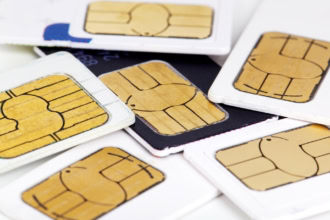
All three major Egyptian networks support eSIM technology, including Vodafone Egypt, Orange Egypt, and Etisalat (by e&). These providers offer local eSIMs, but activation usually requires passport registration and an in-person visit to a store, which can take time after arrival. Tourists can also purchase preloaded SIM cards at the airport or from local kiosks, which remain a common option.
For a more convenient setup, many travellers choose global eSIM platforms such as Airalo, Nomad, and Holafly. These allow you to install a data plan before departure and activate it instantly on arrival, removing the need to queue or register locally.
Mobile coverage across Greater Cairo is strong. Most areas, including major attractions such as the pyramids, have reliable 4G coverage with limited 5G availability. Speeds are generally good outdoors, although signal strength can vary inside older buildings with thick walls.
Free WiFi is available in many locations, including hotels, shopping malls, cafés, and some public spaces. Selected stations on Metro Line 3 have trial WiFi access, and additional hotspots can be found in places such as Al-Azhar Park, Cairo International Airport, and certain museums. While useful, public WiFi should be treated as a backup rather than your main connection.
For most visitors, using an eSIM or local SIM ensures you have reliable navigation, booking access, and communication throughout your trip, which is particularly important in a large and fast-moving city like Cairo. For full comparisons and setup guidance, see our eSIM Apps guide.
Laws, Safety & Warnings in Cairo
Cairo is generally safe for tourists, and millions of visitors travel here each year without issues. However, understanding local laws and being aware of common situations will help ensure a smooth and stress-free visit.
In day-to-day terms, safety concerns are relatively low. Petty theft can occur, particularly in crowded markets or on busy transport routes, so it is sensible to keep your belongings secure and avoid displaying valuables. When moving around the city, it is best to use reputable taxis or ride-hailing apps, rather than accepting unsolicited offers of transport, especially at the airport.
Visitors should avoid political demonstrations and large gatherings, particularly around Tahrir Square or government buildings, where security presence is high. Photography is also restricted in certain areas. Avoid taking pictures of military sites, police buildings, embassies, or infrastructure such as bridges, as this can lead to serious issues.
Egypt has strict laws in several areas that visitors should be aware of. Drug laws are extremely strict, and even small amounts can result in severe penalties, including imprisonment. Alcohol is legal but only in licensed venues such as hotels, bars, and restaurants, and public intoxication can lead to problems. The use of drones is prohibited without special government permission, and bringing one into the country without approval can result in confiscation.
Social norms are also important to consider. While Cairo is more relaxed than some parts of the region, public displays of affection are generally discouraged, and behaviour that is acceptable elsewhere may attract attention. Same-sex relationships are not explicitly illegal, but they are not socially accepted, and discretion is strongly advised.
For most travellers, Cairo feels safe, welcoming, and full of energy, but approaching the city with awareness and respect will help you avoid unnecessary issues and enjoy your visit with confidence.

Rupert’s Handy Travel Tips
Cairo can be overwhelming for first-time visitors, but the right apps make the city easier to explore. Here’s how to make the most of them:
- Use multiple ride-hailing apps: Uber, Careem, and local taxi apps give you options when demand spikes.
- Check metro maps offline: Cairo Metro is expanding, so having a downloaded map app avoids confusion underground.
- Rely on translation apps: Arabic menus and street signs can be tricky; a quick scan with a translation app keeps you moving.
- Track the weather and air quality: Conditions can shift quickly; weather and AQI apps help you plan outdoor sightseeing.
- Bookmark toilet finder apps: Facilities aren’t always easy to locate, especially around historic sites.
- Use restaurant booking apps: Cairo’s dining scene is lively; pre-booking helps avoid long waits at popular spots.
Want to meet the reindeer behind our travel tips? Find out more in our page Who is Rupert?.


Frequently Asked Questions
Further Reading & Related App Guides
If you are planning your trip, make sure to read our Pyramids of Giza guide, which explains tickets, tours, and how to visit one of the world’s most famous landmarks without confusion.
To get the most out of your visit, our guide to the Grand Egyptian Museum shows what to expect inside and how to combine it with the pyramids for a full day of exploration.
Arriving in Cairo can be overwhelming, so our Cairo Airport Transfers guide breaks down the easiest ways to get into the city and avoid common scams when you land.
If you are travelling from the Red Sea, our Hurghada to Pyramids guide explains the best options for making the journey, including flights, buses, and organised tours.
For a different side of Egypt, our Cairo to Alexandria guide covers how to visit the Mediterranean city, including train travel, journey times, and what to see when you arrive.
Getting around Cairo is much easier with the right tools, so our Taxi & Ride-Hailing Apps guide explains how to use Uber, Careem, and other services effectively.
Staying connected is essential for navigation and bookings, so our eSIM Apps Guide shows how to get mobile data quickly and reliably when you arrive.