Reviewed by our editorial team Updated
Unpacking Egypt: What to Expect from Your Journey
Ancient wonders, desert adventures, and the energy of a modern African nation. Welcome to this Egypt travel guide, where past and present collide in spectacular fashion. From the Pyramids of Giza to the bustling Nile-side streets of Cairo, Egypt delivers an experience that is both intense and unforgettable.
Egypt is far more than a destination of temples and tombs. It’s a country of contrasts, where chaotic souks sit alongside luxury Red Sea resorts, and where ancient traditions continue to shape everyday life. You might find yourself cruising the Nile at sunset, exploring vast desert landscapes, or diving into some of the world’s best coral reefs, often within the same trip.
What makes travel here unique is the constant shift between history and modern reality. One moment you are standing in front of a 4,500-year-old pyramid, and the next you are navigating busy city traffic, ordering food through an app, or negotiating a taxi fare. This contrast is part of the experience and understanding it is key to enjoying your trip.
However, travelling in Egypt also comes with practical considerations. Visitors often ask: how do I get around safely?, which apps should I download?, is tipping expected?, and how reliable is transport? These are not small details and they can shape your entire experience.
That’s where this Egypt travel guide comes in. Alongside the major sights, it gives you the tools to travel smarter, including transport advice, digital apps, and real-world tips that help you avoid common mistakes. This guide is designed to make your journey not just memorable, but smooth, efficient, and stress-free.
Key Neighbourhoods, Areas & Regions
Egypt is a vast and highly diverse country, and where you go will completely shape your experience. From ancient wonders to coastal resorts and desert landscapes, each region offers something very different. Here’s how to understand the key areas when planning your Egypt travel itinerary:
Cairo & Giza:
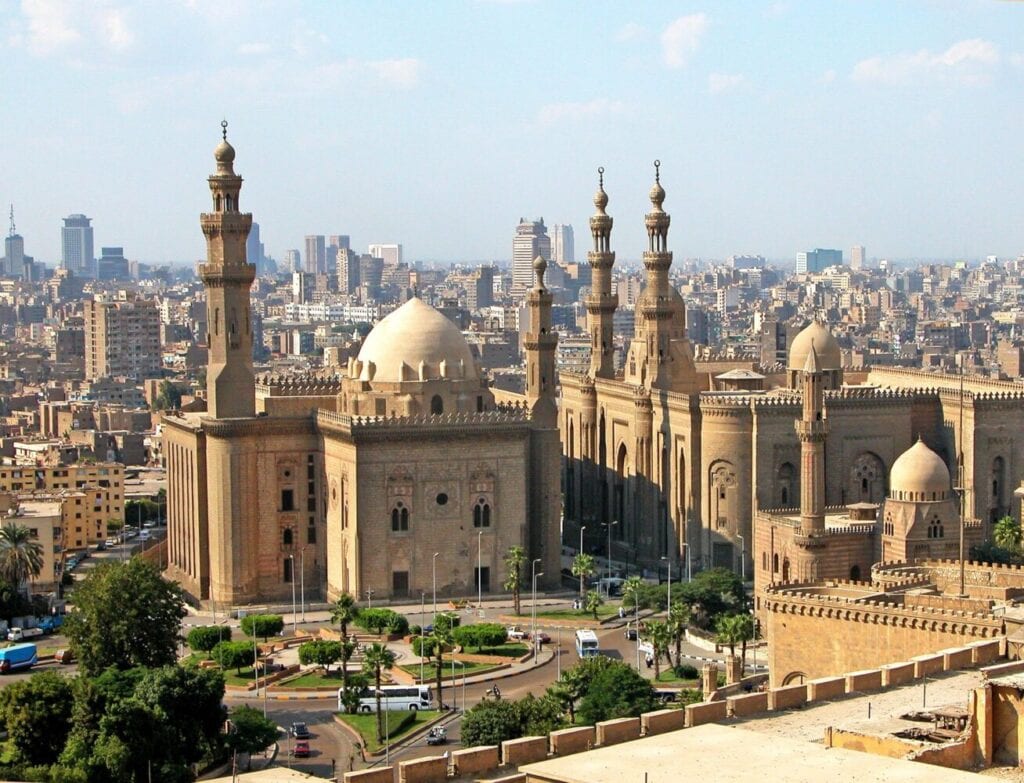
The heart of Egypt and the main entry point for most travellers. This region is home to the Pyramids of Giza, the Sphinx, and some of the country’s most important museums, including the Grand Egyptian Museum. You’ll also find Islamic Cairo, Coptic Cairo, and bustling local markets. Expect heavy traffic, intense energy, and a mix of modern city life and ancient history.
Luxor & Aswan (Upper Egypt):
Often considered the highlight of any Egypt itinerary, this region follows the Nile River and is packed with world-famous archaeological sites. Key attractions include Karnak Temple, the Valley of the Kings, and Abu Simbel. Travel here is slower and more scenic, with many visitors choosing a Nile cruise to explore the area.
Alexandria (Mediterranean Coast):
A more relaxed alternative to Cairo, Alexandria offers a Mediterranean atmosphere with a distinctly different feel. Expect sea views, cooler breezes, and a blend of Roman ruins and colonial-era architecture. It’s a popular day trip from Cairo or a short coastal escape.
Sinai Peninsula:
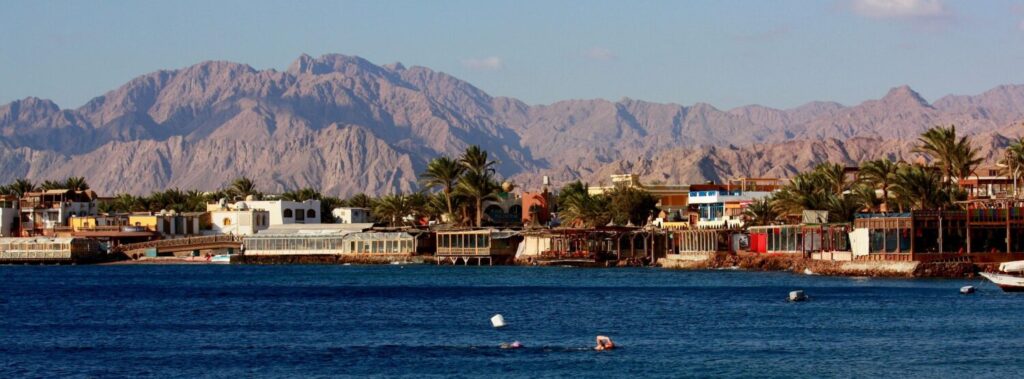
Known for both beach resorts and religious significance, the Sinai Peninsula attracts a wide mix of travellers. Sharm El Sheikh and Dahab are popular for diving and snorkelling, while Mount Sinai draws visitors interested in history and pilgrimage routes. The region offers a mix of relaxation and adventure.
Red Sea Coast:
If you’re looking for resorts and crystal-clear waters, this is where to go. Destinations like Hurghada and Marsa Alam are known for all-inclusive hotels, snorkelling, and world-class diving. This area is ideal for travellers wanting to balance sightseeing with relaxation.
Western Desert Oases:
For something completely different, head into Egypt’s remote desert regions. Places like Siwa Oasis and Bahariya Oasis offer off-grid experiences, including desert safaris, salt lakes, and palm-lined springs. These areas require more planning but reward travellers with unique landscapes and fewer crowds.
Best if you want daily housekeeping and a front desk. Filter by area first, then by price.
Check availabilityBest for longer stays. Whole apartments and houses, so you are not eating out three times a day.
View rentalsBest as a last check before booking. Compares Egypt hotel rates across several sites in one search.
Compare ratesQuick Facts Table
| Feature | Detail |
|---|---|
| Capital City | Cairo |
| Population | ~110 million |
| Official Language | Arabic |
| Currency | Egyptian Pound (EGP) |
| Time Zone | GMT+2 (GMT+3 during summer daylight saving, late April to late October) |
| International Dialling Code | +20 |
| Plug Type | Type C & F (European 2-pin) |
| Emergency Number | 122 (Police), 123 (Ambulance) |
| Visa Required? | Yes (most travellers) |
| Drives On | The right |
Brief History & Background
Egypt’s legacy stretches back over 5,000 years, making it one of the oldest continuous civilisations in the world. Its recorded history begins with the unification of Upper and Lower Egypt under the first pharaoh, Narmer, around 3100 BCE. This marked the start of powerful dynasties that developed monumental architecture, complex religious systems, and hieroglyphic writing.
At the centre of this civilisation was the Nile River, the country’s lifeline for agriculture, trade, and transport. Along its banks, ancient Egyptians built some of the most iconic sites in human history, including the Pyramids of Giza, the Sphinx, the Valley of the Kings, and vast temple complexes such as Karnak and Abu Simbel. These achievements helped establish Egypt as a major cultural and political force across the Mediterranean and North Africa.
Over time, Egypt came under the control of several major empires, including the Persians, Greeks, Romans, and Byzantines. Each left a lasting cultural influence. A major turning point came in the 7th century, when the arrival of Islam reshaped the country’s language, architecture, and identity, and established Cairo as a key centre of the Arab world.
In the modern era, Egypt was occupied by the French under Napoleon, followed by extended British control until 1952. The revolution led by Gamal Abdel Nasser marked the rise of Arab nationalism and introduced major political and economic reforms.
Today, Egypt is a modern republic balancing its ancient heritage with the demands of a rapidly changing world. With a population of over 100 million people, a growing tech-savvy generation, and an economy shaped by tourism, agriculture, and regional politics, the country sits at a unique crossroads between past and future.
UNESCO World Heritage Sites in Egypt
Egypt is one of the most historically significant countries in the world, and this is reflected in the number of sites recognised by UNESCO. These listings highlight locations of global importance, from ancient civilisations to medieval cities, and form a core part of any Egypt itinerary.
The most famous is Memphis and its Necropolis – the Pyramid Fields from Giza to Dahshur, inscribed in 1979. This includes the Pyramids of Giza, the Great Sphinx, and surrounding pyramid complexes, representing one of the most iconic landscapes in world history.
Also inscribed in 1979 is Ancient Thebes with its Necropolis, covering modern-day Luxor. This area includes Karnak Temple, Luxor Temple, and the Valley of the Kings, where pharaohs were buried in elaborately decorated tombs. It is one of the richest archaeological zones anywhere in the world.
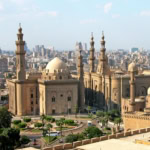
Cairo itself is recognised through Historic Cairo, another UNESCO-listed site that preserves a vast network of mosques, markets, and medieval streets. This reflects Egypt’s importance as a centre of Islamic culture and learning over many centuries.
Further south, Nubian Monuments from Abu Simbel to Philae are also protected, including the famous temples of Abu Simbel, which were relocated in a major international effort to save them from flooding during the construction of the Aswan High Dam.
Beyond these, Egypt also includes sites such as Saint Catherine Area in the Sinai Peninsula and Wadi Al-Hitan (Whale Valley), which is recognised for its unique fossil record showing the evolution of whales from land animals.
For travellers, these UNESCO sites are not separate attractions, but the foundation of an Egypt trip. They represent different periods of history, from ancient pharaonic civilisation to later religious and cultural developments, and are spread across the country rather than concentrated in one place.
Learn More from UNESCO
This destination is connected to a UNESCO World Heritage Site, recognised for its outstanding cultural, historical, or natural importance. You can explore official listings, background information, and protected heritage sites through UNESCO’s global database.

Visa Requirements & Entry Rules
Most travellers visiting Egypt will need a tourist visa, but the process is generally straightforward and can often be completed online or on arrival, depending on your nationality.
For many nationalities, including travellers from the UK, EU, USA, Canada, and Australia, the easiest option is the Egypt eVisa, which can be applied for online before travel. This allows you to enter the country without queuing at the airport. The e-visa itself is valid for up to 3 months, and permits a stay of up to 30 days. It’s recommended to apply at least a few days before departure to avoid delays.
Alternatively, a visa on arrival is available at major entry points such as Cairo International Airport. The standard kiosk visa costs 30 USD, cash only, and allows a stay of up to 30 days. Since 1 August 2026, Cairo International has also offered a digital visa on arrival at 36 USD, which includes a 6 USD service fee and can be paid by card at self-service machines. While convenient, queues can be long during busy periods, so many travellers prefer to arrange their visa in advance.
There are also some regional exceptions. For example, travellers arriving by air into Sharm El Sheikh and staying at resorts in Sharm El Sheikh, Dahab, Nuweiba or Taba receive a free entry permission stamp, valid for stays of less than 15 days but restricts travel to the Sinai Peninsula. If you plan to travel beyond this region, you will need a full tourist visa.
Your passport must be valid for at least six months from your date of entry, and you may be asked to provide details of your accommodation or onward travel.
Visa policies can change, so it is always advisable to check the latest requirements before travelling.
Airport Overview & Transfers
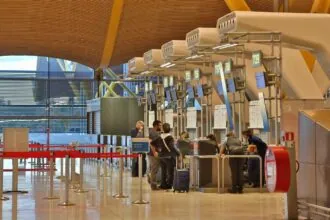
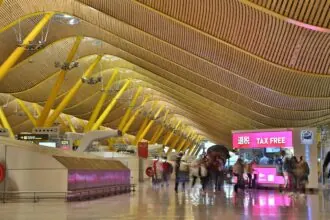
Cairo International Airport (CAI) is Egypt’s main international gateway, located around 20 km from central Cairo. It has three terminals and handles flights across Europe, Africa, Asia, and the Gulf. Facilities include currency exchange, SIM card vendors, duty-free shops, and airport lounges, making arrivals relatively straightforward.
Getting into the city is where planning matters most. The most reliable option is ride-hailing apps such as Uber and Careem, which offer fixed pricing, air-conditioned vehicles, and a much smoother experience than traditional taxis.
Inside the arrivals hall, you’ll also find prepaid taxi counters, which provide fixed fares and a safer alternative to negotiating with drivers outside. Many travellers, especially those arriving late at night, choose hotel transfers for convenience and peace of mind. Airport buses are available and cheaper, but they are less intuitive to use and can be difficult to navigate after a long flight.
At Sharm El Sheikh International Airport (SSH), transport options are more limited. Uber and Careem are not widely available, so most visitors rely on pre-arranged hotel transfers, which are strongly recommended. Local taxis are available, but fares usually need to be negotiated in advance. There are also occasional minibuses to areas such as Naama Bay, although these services can be irregular and poorly signposted, making them less suitable for first-time visitors.
Trains
Egypt’s rail network, operated by Egyptian National Railways (ENR), connects major cities including Cairo, Alexandria, Luxor, and Aswan. It is one of the most important transport systems in the country, particularly for travellers following the Nile corridor.
For long-distance journeys, first-class air-conditioned trains are the best option, offering assigned seating and improved comfort. The overnight sleeper train between Cairo and Luxor or Aswan is especially popular, allowing travellers to combine transport and accommodation in one journey.
Tickets can be purchased at station ticket offices, or via international booking agencies such as 12Go or Bookaway, which sell the foreigner tickets that the official ENR website does not offer to non-Egyptians, which are often easier to use for English-speaking travellers. While trains can sometimes be delayed or crowded, they remain a scenic and cost-effective way to travel between Egypt’s most important destinations.
Best for long or awkward journeys. Builds one itinerary out of separate flights.
View flightsBest if you want maps and messaging working the moment you switch your phone on.
See eSIM plansBest if you would rather not work out the transport on arrival. Book it now and forget it.
View transfersBuses & Coaches
For flexibility and wider coverage, long-distance buses are often the most practical way to travel across Egypt. In many cases, they are more modern and punctual than trains, particularly on routes that are not well served by rail.
Major operators include Go Bus, which offers a wide network and multiple comfort levels, and SWVL, an app-based service that provides fixed pricing, seat selection, and live journey tracking. These services connect Cairo with destinations such as Hurghada, Alexandria, Sharm El Sheikh, Dahab, Luxor, and Siwa Oasis.
Buses are generally affordable, widely available, and easy to book, either through mobile apps or at station ticket desks. However, travellers should be aware that overnight journeys can be uncomfortable, and rest stops may be limited, so it’s important to plan ahead for longer trips.


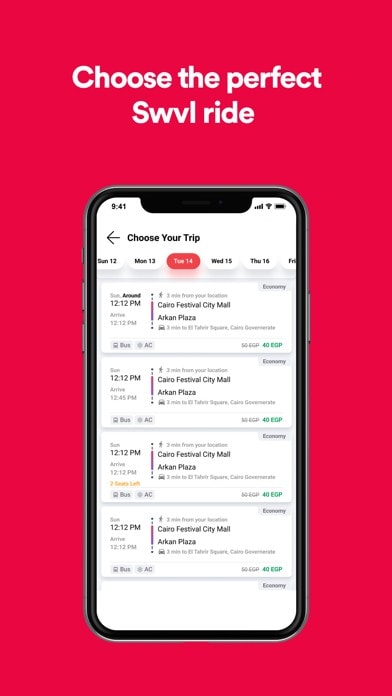
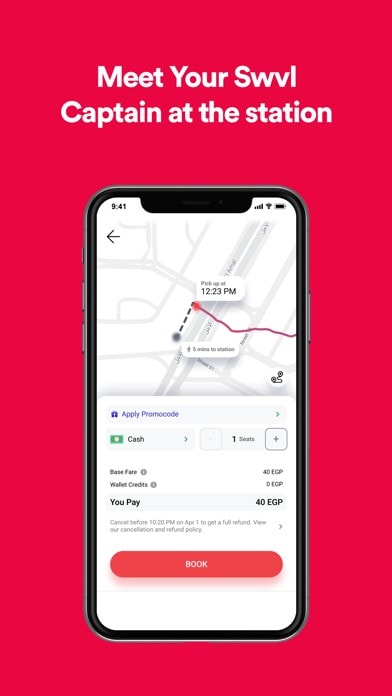
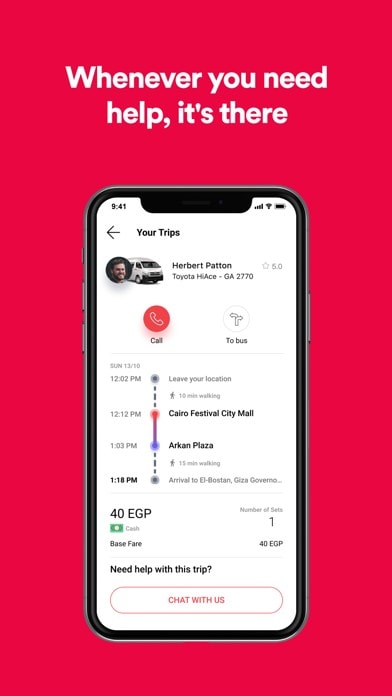

App availability and prices vary by country. Some of these may not appear in your local App Store or Google Play.
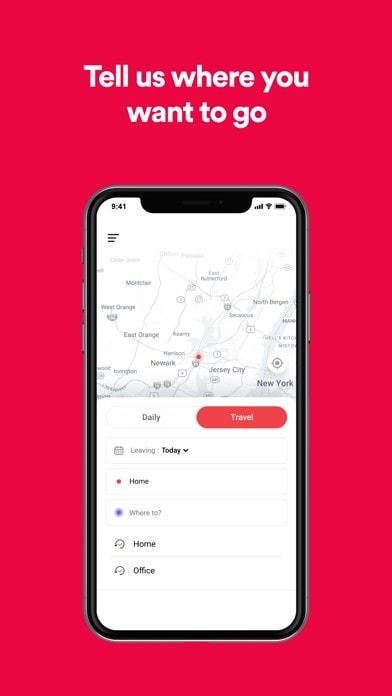
Go Bus – One of Egypt’s largest private coach operators, serving dozens of destinations including popular resort areas like Hurghada, Sharm El Sheikh, and Marsa Alam. The app allows you to browse schedules, choose from multiple service classes (including VIP and Deluxe), and pay securely online. Known for its modern fleet and comfortable seating, Go Bus is a dependable choice for long-distance travel.

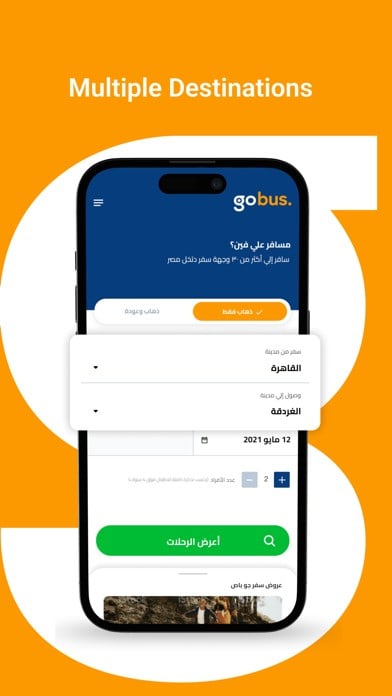
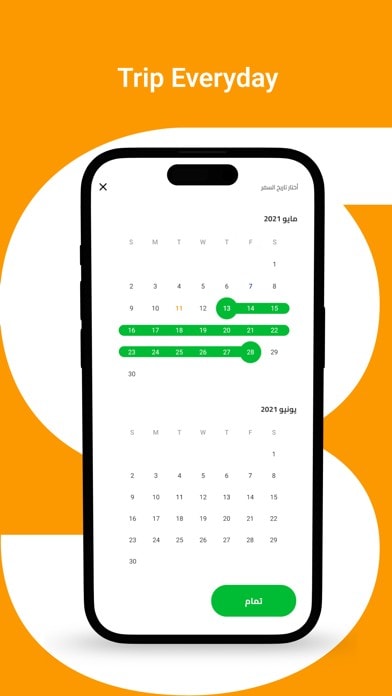
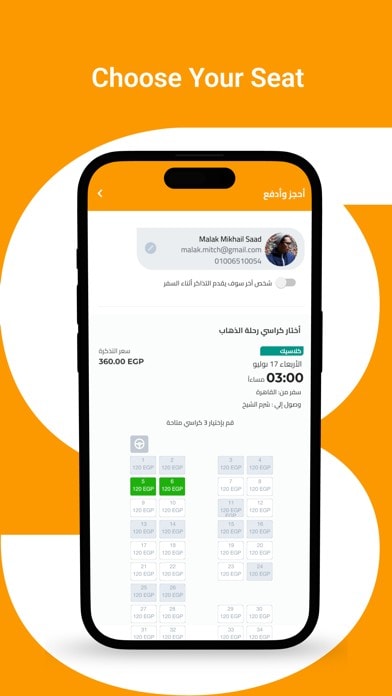
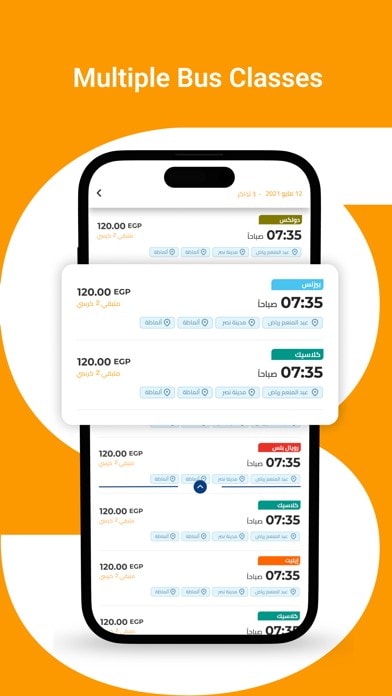
App availability and prices vary by country. Some of these may not appear in your local App Store or Google Play.
Local Public Transport
Public transport in Egypt is extensive but not always intuitive, especially for first-time visitors. In major cities like Cairo and Alexandria, it can be a useful tool, but only if you understand how the system works.
The standout option is the Cairo Metro, which is by far the easiest, fastest, and cheapest way to get around the city. With three lines and expanding coverage, it connects many key areas while allowing you to completely avoid Cairo’s heavy traffic. Trains are modern, frequent, and extremely affordable, and each service includes a women-only carriage for added comfort. Stations display maps, and apps like Moovit make navigation significantly easier.
Outside the metro, things become far more complex. Microbuses (shared minibuses) are everywhere and form a major part of local transport, but they operate without clear routes, signage, or schedules. For visitors, they are generally not recommended unless travelling with a local, as they can be confusing and unpredictable.
Public buses do exist and cover large parts of the cities, but they are often overcrowded, difficult to navigate, and lacking clear route information. For most travellers, they are not a practical option.
In Alexandria, the historic tram system offers a unique and nostalgic way to travel along the coast. However, signage is primarily in Arabic, and reliability can vary, so it is best seen as an experience rather than a dependable transport method.
For navigating all of these options, using a local transport app is essential. Tools like Moovit can help you understand routes, timings, and connections, making public transport far easier to manage.
Taxis & Ride Shares
Taxis are widely available across Egypt, but the experience can vary significantly depending on where you are and how you travel.
Traditional white and yellow taxis are common in cities like Cairo and Alexandria, but many do not use meters consistently, meaning fares often need to be negotiated before the journey begins. Vehicle quality can vary, and air conditioning is not always guaranteed. Drivers may also take indirect routes, particularly if communication is unclear.
For most travellers, the better option is to use ride-hailing apps such as Uber and Careem. These services are widely available in Cairo, Giza, and Alexandria, and offer fixed pricing, route tracking, and a more reliable overall experience. Vehicles are typically newer and more comfortable, making them the preferred choice for visitors.
At airports, it is best to use prepaid taxi counters inside the terminal or arrange a hotel transfer in advance. This helps avoid common issues such as overcharging or confusion over destinations.
In resort areas such as Hurghada or Sharm El Sheikh, taxis are readily available but are usually unmetered and more expensive. In these locations, hotel shuttles or walking are often more practical for short distances.

Scooter & Bike Rentals
Scooter and bicycle rentals are not a major part of transport in Egypt’s large cities, mainly due to heavy traffic, inconsistent road conditions, and limited infrastructure.
However, in more relaxed tourist areas, they can be a useful and enjoyable way to get around. Destinations such as Dahab, Siwa Oasis, and parts of Sharm El Sheikh are well suited to bike and scooter use, with quieter roads and shorter distances between attractions. Rentals are usually available through local guesthouses or small providers, and prices are typically very affordable.
In cities like Cairo or Luxor, however, renting a scooter or bike is generally not recommended. Traffic can be aggressive and unpredictable, and there is very little in the way of dedicated cycling infrastructure.
If you do choose to rent, always wear a helmet, remain alert to uneven road surfaces, and be cautious of sand or debris, particularly in desert regions.
Driving, Parking & Car Access
Driving in Egypt can be a challenging experience, even for confident drivers. While major highways and roads have improved significantly, driving in cities like Cairo and Alexandria remains chaotic and unpredictable.
Traffic rules are often loosely followed, with heavy reliance on horns rather than signals, and limited adherence to lanes or right-of-way. This can make urban driving particularly stressful for visitors.
Foreign visitors can drive using an International Driving Permit (IDP), but renting a car is only advisable if you are comfortable with high-pressure driving environments. Road signs may be in Arabic only, and navigation can become difficult in areas with weak GPS coverage.
Parking is another major challenge. In central Cairo and Alexandria, formal parking spaces are limited, and congestion is heavy. Many travellers rely on informal parking attendants, while hotels typically provide the most reliable parking options.
Self-driving is more manageable on routes such as Cairo to Alexandria or Luxor to Aswan, where roads are more straightforward. However, for most visitors, hiring a private driver remains the safest and most convenient option, especially for longer journeys or unfamiliar routes.
Car Rental
Car rental is available at major airports and tourist cities across Egypt, with international providers such as Avis, Sixt, Europcar, and Budget Egypt operating alongside reputable local companies. Most travellers collect vehicles at Cairo, Hurghada, Sharm El Sheikh, or Luxor airports, which offer the widest choice of vehicles and the most convenient pickup locations.
To rent a car you will normally need your passport, a valid driving licence, an international driving permit (IDP), and a credit card for the security deposit. Insurance is strongly recommended and often comes with a high excess, so it is important to check exactly what is covered before confirming your booking.
Many rental vehicles in Egypt are manual transmission, although automatic cars can usually be reserved in advance. Prices vary by location, season, and vehicle type, but car hire can be relatively affordable compared with many European destinations.
Having your own vehicle gives travellers greater flexibility, particularly if you plan to visit multiple destinations such as the Pyramids of Giza, the Nile Valley sites around Luxor, or Red Sea resorts like Hurghada and Sharm El Sheikh. For longer journeys between cities, some visitors also hire a car with a local driver.
Fuel prices in Egypt are generally low, though smaller petrol stations may only accept cash. As with any rental, inspect the vehicle carefully before departure and photograph any existing damage.
Booking online in advance is usually the best way to secure the widest choice of vehicles and the most competitive rates, especially during peak travel seasons.
Best if you would rather spend the money on Egypt than on the room. Compare hostels by location and rating.
Search hostelsBest arranged before you fly rather than after. Covers claim handling, plus lounge access on eligible delays.
Explore AirHelp+Best for the gap between checking out and your train. Drop bags at a shop or hotel nearby and carry on.
Store your bagsWalking
Walking in Egypt is often unpredictable but rewarding, especially in areas rich in history and local character. While most cities are not designed with pedestrians in mind, walking remains one of the best ways to explore historic districts and cultural landmarks.
Areas such as Downtown Cairo, Islamic Cairo, and parts of Luxor, Aswan, and Alexandria are relatively walkable, particularly around the Nile waterfront, old souks, and major attractions. These neighbourhoods offer a more immersive experience, allowing you to take in the architecture, street life, and local atmosphere at your own pace.
However, infrastructure can be inconsistent. Pavements are often uneven, blocked, or missing entirely, and you may find yourself walking on the road at times. One of the biggest challenges is simply crossing the street. Traffic lights are frequently ignored, and vehicles rarely stop automatically. The safest approach is to follow locals and cross alongside them, using their experience to judge gaps in traffic.
Comfort is key. Wear sturdy walking shoes, carry sun protection, and stay hydrated, particularly during warmer months. For those unfamiliar with the environment, guided walking tours are highly recommended, offering both context and a safer way to navigate busy areas.
Ferries & Cruises
Travelling by water is one of the most memorable ways to experience Egypt, particularly along the Nile River.
The Nile cruise between Luxor and Aswan is one of the country’s most iconic journeys, combining transport, accommodation, and guided sightseeing. These cruises typically stop at major sites such as Kom Ombo, Edfu, and Philae Temple, allowing travellers to explore some of Egypt’s most important historical locations in a structured and comfortable way. Options range from budget-friendly boats to luxury vessels with pools, restaurants, and onboard guides.
For a more traditional experience, feluccas offer a slower and more authentic way to travel the Nile. These wind-powered wooden boats are ideal for short daytime trips or overnight stays, providing a quieter, more intimate journey with simple meals and open-air views under the stars.
On the Red Sea coast, ferry services between destinations such as Hurghada and Sharm El Sheikh do exist, but they are infrequent and often unreliable. Most travellers instead opt for organised boat trips, diving excursions, or private charters, which offer far more consistency and flexibility.
Cruises can be booked through travel agents or online platforms, while felucca trips are usually arranged locally with captains, where negotiation is part of the process.
Top Attractions
Egypt is home to some of the most iconic landmarks in the world, and many travellers build their entire itinerary around these sites. What makes Egypt unique is the sheer concentration of ancient history within relatively accessible distances.
The Pyramids of Giza and the Sphinx remain the country’s most famous attraction and one of the last surviving wonders of the ancient world. The surrounding plateau also includes smaller pyramids, archaeological remains, and opportunities for camel rides across the desert landscape.
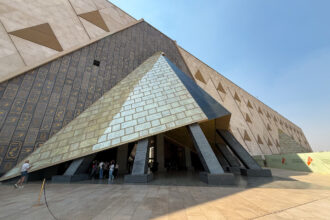
In Cairo, the focus is now shifting toward the Grand Egyptian Museum (GEM), located near the Pyramids of Giza. This vast, modern complex is now fully open, with all of its galleries and exhibitions welcoming visitors. It is the primary home for Egypt’s most important antiquities, including the full collection of Tutankhamun’s treasures, displayed together for the first time. From Sunday to Friday the complex opens 08:30 to 19:00 with the galleries running 09:00 to 18:00, while on Wednesdays and Saturdays it stays open late, the complex until 22:00 and the galleries until 21:00. Check the official site before you go, as hours can shift around public holidays.
The historic Egyptian Museum in Tahrir Square is fully open too, and it is worth a visit in its own right rather than a consolation prize. It still holds more than 170,000 artefacts and runs active restoration programmes, so you are walking through a working museum with a character the newer buildings cannot copy. The National Museum of Egyptian Civilization (NMEC) completes the picture, and it is where the famous Royal Mummies are now housed. If you have a couple of days in Cairo, all three are worth your time.
Further south, Luxor is often described as the world’s greatest open-air museum. The Valley of the Kings contains dozens of tombs carved into desert rock, while nearby sites such as Hatshepsut’s Temple and the vast Karnak Temple complex showcase the scale and ambition of ancient Egyptian architecture.
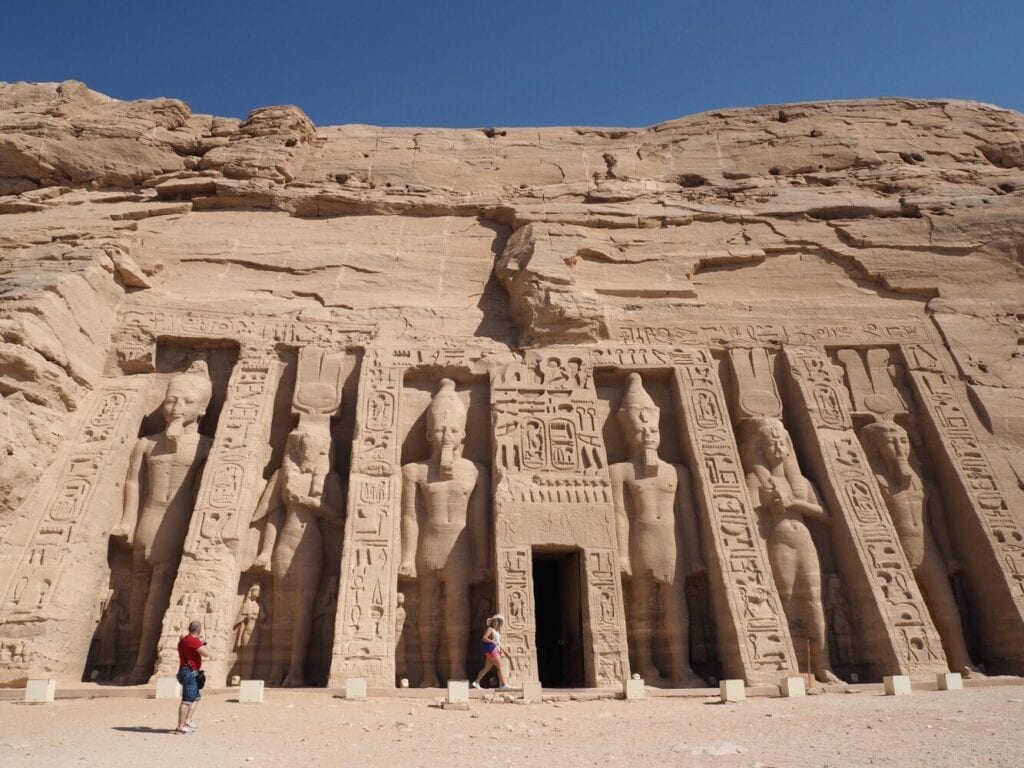
One of the most striking sites in the country is Abu Simbel, where massive temples carved into rock cliffs were relocated in their entirety to avoid flooding from the Aswan High Dam. The scale and preservation of these structures make them one of Egypt’s most impressive achievements.
For something completely different, the White Desert National Park offers surreal landscapes of chalk formations and vast open space, making it a favourite for adventurers and photographers seeking a break from traditional sightseeing.
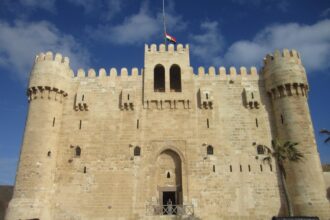
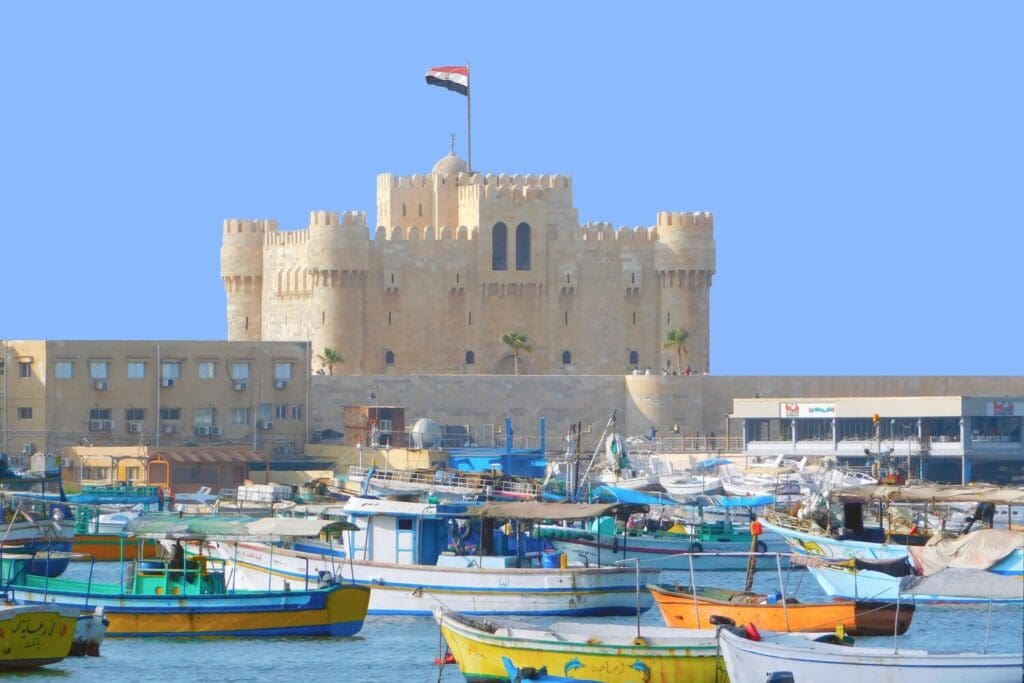
On the Mediterranean coast, Alexandria provides a contrast to the rest of Egypt. The Citadel of Qaitbay, built on the site of the ancient lighthouse, overlooks the sea, while the modern Bibliotheca Alexandrina reflects the city’s long-standing role as a centre of knowledge and culture.
Back in Cairo, Islamic Cairo offers a dense concentration of mosques, historic schools, and winding alleyways, centred around Al-Azhar. This area provides one of the most atmospheric glimpses into Egypt’s layered history, blending religion, architecture, and daily life.

Suggested Itinerary
Planning your time in Egypt depends on your travel style, pace, and priorities. Distances between major destinations can be significant, so most itineraries rely on internal flights or overnight trains to maximise time. Below are expanded route ideas to help you plan a smooth and rewarding trip.
Classic Egypt (7 Days)
This is the ideal first-time Egypt itinerary, covering the country’s most iconic landmarks in a relatively short timeframe.
Begin your trip in Cairo, where you’ll spend two days exploring the Pyramids of Giza, the Grand Egyptian Museum (GEM), and areas such as Islamic Cairo. Expect a fast-paced introduction to Egypt’s history, combined with the energy of a busy modern city.
On day three, travel south to Luxor, either by flight for speed or by overnight sleeper train for a more traditional experience. Luxor is often described as the world’s greatest open-air museum, and over the next two days you’ll visit highlights such as Karnak Temple, the Valley of the Kings, and the west bank monuments. A short felucca ride on the Nile adds a quieter, scenic contrast to the historical sites.
From Luxor, continue to Aswan, a more relaxed riverside city with a slower pace. Here you can visit Philae Temple and the Unfinished Obelisk, or simply enjoy the atmosphere along the Nile. On your final day, consider an early trip to Abu Simbel, one of Egypt’s most impressive temple complexes, before returning to Cairo.
This itinerary offers a well-balanced introduction to Egypt’s history, geography, and culture, making it the most popular choice for first-time visitors.
Nile Cruise & Culture (10 Days)
This itinerary is perfect for travellers who prefer a more relaxed and structured way to explore Egypt, with less time spent organising transport.
Start with several days in Cairo, allowing time to explore not only the major sights like the Pyramids and GEM, but also Coptic Cairo and historic districts. This provides a more complete understanding of the city beyond its headline attractions.
From Cairo, fly to Luxor and begin a Nile cruise to Aswan, typically lasting three to four nights. This journey is one of Egypt’s most iconic travel experiences, combining transport, accommodation, and guided excursions into one seamless package. Along the way, you’ll stop at important sites such as Edfu Temple and Kom Ombo, while enjoying views of daily life along the Nile.
The cruise ends in Aswan, where you can explore further or relax before returning to Cairo. Some travellers choose to extend their stay here, while others head back for shopping, museums, or a final night in the capital.
This itinerary is ideal if you want a comfortable, efficient, and well-paced journey through Egypt’s most important historical regions.
Desert & Coast (10 Days)
For travellers looking to go beyond the classic route, this itinerary combines urban highlights, desert landscapes, and coastal relaxation.
Begin in Cairo, where you’ll spend a couple of days visiting the main sights before heading west to Siwa Oasis. This journey takes time but rewards you with one of Egypt’s most unique environments. In Siwa, you can experience desert safaris, salt lakes, hot springs, and traditional Berber culture, offering a completely different perspective on the country.
After the desert, shift to the Red Sea coast, with destinations such as Hurghada or Marsa Alam. These areas are known for clear waters, coral reefs, and world-class diving and snorkelling. The pace here is much slower, giving you time to unwind after the intensity of Cairo and the desert.
This itinerary is best suited to travellers seeking a mix of adventure and relaxation, with a focus on landscapes rather than just historical sites.
Beach & Adventure (7 Days)
If your priority is relaxation with optional activities, this itinerary focuses on Egypt’s coastal and natural experiences.
Fly directly to Sharm El Sheikh, a major Red Sea resort destination known for its beaches, diving, and organised excursions. Spend your first few days enjoying the water, whether through snorkelling, scuba diving, or boat trips to nearby reefs.
For a change of pace, take a trip inland to Mount Sinai and St. Catherine’s Monastery, one of the oldest working monasteries in the world. Many travellers choose to hike the mountain overnight to watch the sunrise from the summit, creating one of the most memorable experiences in Egypt.
Finish your trip with time to relax or explore Ras Mohammed National Park, known for its protected marine life and clear waters.
This itinerary works well as a standalone beach holiday or as an extension to a more traditional cultural trip.
Events, Festivals, Seasonal Highlights & Annual Events
Egypt’s calendar is shaped by a mix of ancient traditions, Islamic religious observances, and modern cultural events. The timing of many festivals, particularly Islamic holidays, changes each year, which can significantly affect your travel experience. Understanding when these events take place and what they involve can help you plan your trip more effectively.
One of the most important periods is Ramadan, the Islamic holy month of fasting. During this time, many locals fast from sunrise to sunset, and business hours are often reduced, particularly during the day. However, the atmosphere changes completely after dark, when cities come alive with lanterns, street food, and social gatherings. For visitors, this creates a unique cultural experience, though it’s important to plan around altered opening times and slower daytime activity.
The celebrations that follow, Eid al-Fitr and Eid al-Adha, are major national holidays marked by family gatherings, public celebrations, and increased domestic travel. Popular destinations can become busier during these periods, and transport and accommodation may need to be booked in advance.
One of Egypt’s most remarkable events is the Abu Simbel Sun Festival, which takes place twice a year in February and October. On these dates, sunlight aligns perfectly to illuminate the inner sanctuary of Ramses II’s temple, demonstrating the advanced architectural and astronomical knowledge of ancient Egypt. It’s a highly popular event and attracts visitors from around the world.
Egypt’s Christian community celebrates Coptic Christmas on 7 January and Easter, particularly in Cairo and Upper Egypt. During these periods, churches hold special services, and certain areas take on a more festive atmosphere, offering a different cultural perspective on the country.
For those interested in modern culture, the Cairo International Film Festival, held in November, is one of the region’s most important cinematic events. It attracts filmmakers and audiences from across the Middle East and beyond, adding a contemporary cultural dimension to the city.
Another unique celebration is Sham el-Nessim, a spring festival with roots dating back to ancient Egypt. Today, it is celebrated by people of all backgrounds with outdoor picnics, traditional foods, and time spent in parks and along the Nile. It’s one of the few festivals that connects directly back to Egypt’s pharaonic past while still being widely observed today.
Where & What to Eat
Egyptian cuisine is hearty, flavourful, and built around sharing, with an emphasis on legumes, grilled meats, fresh bread, and bold spices. Meals are often generous, affordable, and deeply rooted in both local tradition and everyday life.
One of the most iconic dishes is ful medames, widely considered Egypt’s national breakfast. Made from slow-cooked fava beans with olive oil, lemon, and cumin, it’s simple but filling, and commonly eaten with warm flatbread to start the day.
Another staple is koshari, a uniquely Egyptian dish combining rice, pasta, lentils, chickpeas, and crispy onions, all topped with a tangy tomato and vinegar sauce. It may sound unusual, but it’s one of the most popular and satisfying meals you’ll find.
For those who prefer meat-based dishes, grilled meats such as kofta, kebabs, and chicken are widely available and typically served with tahini, salad, and fresh pita bread. These dishes are found everywhere, from small local eateries to more formal restaurants.
Vegetarian options are also strong, particularly dishes like mahshi, which features vegetables such as courgettes, aubergines, or grape leaves stuffed with spiced rice. These are often served as part of a larger shared meal.
If you’re near the coast, especially in Alexandria or Port Said, seafood becomes a highlight. Expect fresh grilled fish, often seasoned simply with cumin and lemon, allowing the flavours to speak for themselves.
Egypt also has a rich tradition of desserts. Popular choices include basbousa, a sweet semolina cake soaked in syrup, konafa, a shredded pastry filled with cream or nuts, and om ali, a warm bread pudding that is often compared to a Middle Eastern version of comfort food.
Dining in Egypt ranges from street food vendors and casual local cafés to more upscale restaurants with views of the Nile. For convenience, food delivery apps such as Talabat, elmenus, and InstaShop are widely used in major cities and can be helpful for travellers staying in hotels or apartments.
Tipping is expected in most dining situations, with 10–15% considered standard, although it is often added to the bill in more formal establishments.

App availability and prices vary by country. Some of these may not appear in your local App Store or Google Play.

App availability and prices vary by country. Some of these may not appear in your local App Store or Google Play.

Nightlife
Egypt’s nightlife is varied and steadily evolving, with the best options found in Cairo and the Red Sea resort areas. While alcohol is available, it is generally limited to licensed venues, and nightlife tends to be more structured and venue-based than in many Western destinations.
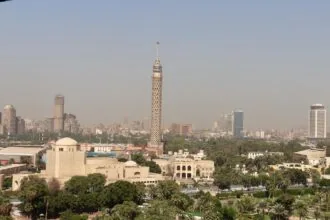
In Cairo, nightlife is centred around rooftop lounges, hotel bars, and riverside venues along the Nile. Areas such as Zamalek and Maadi are known for their more cosmopolitan and expat-friendly atmosphere, offering a mix of relaxed bars, live music venues, and late-night dining spots. Nile dinner cruises are also a popular option, combining food, music, and views of the city at night.
In Alexandria, the scene is much quieter and more laid-back. Evenings tend to focus on coastal cafés, restaurants, and shisha lounges, with a more relaxed and local feel rather than a party atmosphere.
The most active nightlife can be found in Sharm El Sheikh and Hurghada, where tourism drives a more international-style scene. Here you’ll find beach clubs, resort bars, and late-night DJ events, particularly in areas catering to European visitors. These destinations offer the closest experience to a traditional holiday nightlife environment.
It’s important to be aware that many venues enforce dress codes, and some may only admit mixed groups or couples. During religious holidays and Ramadan, nightlife activity can be reduced, and alcohol service may be limited or unavailable.
Cultural Norms & Etiquette
Egypt is a culturally conservative country, and understanding local customs will significantly improve your experience. Visitors are generally welcomed warmly, but showing respect for social norms is essential.
Dress modestly in most settings, particularly when visiting religious sites or rural areas. Women are expected to cover shoulders and knees, while men should avoid going shirtless outside of beach or resort areas. In cities, dress codes are slightly more relaxed, but modesty is still appreciated.
Public behaviour is also important. Public displays of affection are discouraged, although holding hands is usually acceptable. More overt gestures, such as kissing or hugging, should be avoided in public spaces.
Friday is the main day of prayer, and many businesses may open later or close temporarily during midday. Planning around this can help avoid unnecessary disruption to your schedule.
When visiting a mosque, always remove your shoes, and women should cover their hair. These are essential signs of respect and are expected in all religious settings.
Tipping, known locally as baksheesh, is a normal and expected part of daily life. It applies to a wide range of situations, including hotel staff, drivers, guides, and even small services. Having small notes available makes this much easier.
There are also a few cultural gestures to be aware of. Avoid pointing with your feet or touching someone’s head, as both are considered disrespectful. When greeting someone, a handshake is common, but it’s polite to wait for the other person to initiate, particularly between men and women.
Learning a few basic Arabic phrases, such as “shukran” (thank you) or “salaam alaikum” (peace be upon you), can go a long way in showing respect and often leads to a warmer response from locals.
Where to Stay
Egypt offers a wide range of accommodation options, from luxury Nile-side hotels and historic boutique stays to budget hostels and all-inclusive Red Sea resorts. Where you choose to stay will largely depend on your itinerary, as each region offers a very different experience.
In Cairo, most travellers stay in areas such as Downtown, Zamalek, or Giza. Downtown places you close to museums and historic sites, while Zamalek offers a more relaxed, upscale, and expat-friendly environment. Staying in Giza provides easy access to the Pyramids, though it is further from the city centre.
In Luxor and Aswan, accommodation is often centred around the Nile, with many hotels offering river views and easy access to major archaeological sites. These areas range from simple guesthouses to high-end resorts, and the pace is noticeably slower than in Cairo.
Along the Red Sea coast, destinations such as Hurghada, Sharm El Sheikh, and Marsa Alam are dominated by all-inclusive resorts, making them ideal for travellers seeking relaxation, diving, and beach-focused holidays. These properties often include meals, activities, and transfers, creating a more self-contained experience.
In more remote areas such as Siwa Oasis or Dahab, accommodation tends to be locally run guesthouses or eco-lodges, offering a more authentic and informal stay. These properties may not always appear on major booking platforms, and communication is often handled via WhatsApp or social media.
When booking accommodation in Egypt, there are a few important things to be aware of. Cash payment is still common, particularly in smaller or budget properties, although larger hotels generally accept cards. Many hotels will also request a passport copy at check-in, as foreign guests must be registered under Egyptian law.
Travellers should also be aware that prices can fluctuate significantly during busy periods such as Ramadan, Eid, and the peak tourist season from October to April, so booking in advance is strongly recommended during these times.
In some cases, unmarried Egyptian couples may face restrictions on sharing rooms, although this rarely applies to foreign visitors. It is still worth being aware of if travelling with a mixed-nationality partner.
Finally, tipping remains part of the experience. Small tips for hotel staff, porters, and housekeeping are both expected and appreciated, and having small denominations available will make this easier.
Local Accommodation Grid
| Hotel | City | Style | Why Stay Here |
| Steigenberger Nile Palace | Luxor | Riverside Luxury | Views of the Nile, close to Karnak and Luxor Temples |
| Wake Up! Cairo Hostel | Cairo | Budget/Backpacker | Affordable, clean, and walking distance to the Egyptian Museum |
| Winter Palace, Luxor (closed until 2027) | Luxor | Colonial Heritage | Iconic riverside landmark, but closed for full redevelopment and due to reopen in July 2027 as the Mandarin Oriental Winter Palace |
| Le Riad Hotel de Charme | Cairo | Boutique | Situated in the heart of Islamic Cairo with traditional décor |
| Jaz Makadi Saraya Resort | Hurghada | All-Inclusive | Great for families, pools, beach, and Red Sea snorkelling |
Major International Hotel Chains Table
Chain portfolios in Egypt change frequently as properties open, rebrand, or close for refurbishment, so the table below shows which groups operate in the country rather than a fixed property count. Always check the chain’s own website for the current list before booking, particularly if you are planning to redeem loyalty points.
| Chain | Present in Egypt? | Where You Will Mostly Find Them |
| Accor | ✅ Yes | Cairo, Giza, Alexandria, Luxor, Aswan, Sharm El Sheikh, Hurghada, El Gouna, and Marsa Alam |
| Hilton | ✅ Yes | Cairo, Giza, Luxor, and Hurghada |
| Marriott | ✅ Yes | Cairo and Sharm El Sheikh |
| IHG | ✅ Yes | Cairo and Alexandria |
| Radisson | ✅ Yes | Cairo, Alexandria, and Port Ghalib |
| Hyatt | ✅ Yes | Cairo |
| Wyndham | ✅ Yes | Giza and Sharm El Sheikh |
| Best Western | ❌ No | N/A |
| Choice Hotels | ❌ No | N/A |

eSIMs & Connectivity
Staying connected in Egypt is generally easy in cities and tourist areas, but it requires a bit of planning if you are travelling to desert regions or remote locations. Having reliable data will make a major difference when using maps, ride-hailing apps, and bookings throughout your trip.
For most travellers, eSIMs are the simplest option. Providers such as Airalo and Nomad offer data-only plans that can be purchased before arrival and activated instantly. This removes the need to visit a shop, register documents, or swap physical SIM cards. Coverage is strong in Cairo, Alexandria, Luxor, and the Red Sea resorts, though speeds may drop in more remote areas.
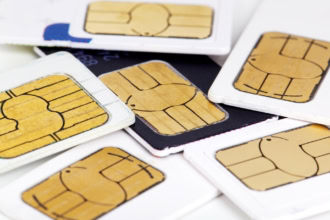
If your device does not support eSIMs, local SIM cards are widely available from providers such as Vodafone Egypt, Etisalat Misr, and Orange Egypt. These can be purchased at airports and shopping centres, but you will need your passport for registration. Local SIMs are typically cheap and offer fast data speeds, making them a good option for longer stays.
Wi-Fi is available in hotels, cafés, and shopping malls, but speeds can vary and connections are not always secure. Using a VPN is recommended to protect your data and ensure access to apps and websites that may be restricted or unreliable on public networks.
Stay Connected Abroad with Airalo eSIM Travel Data
Staying connected abroad is essential, whether you need maps, tickets, or last-minute bookings. Airalo makes it easy to get mobile data instantly with eSIM plans covering over 200 countries, without the need for a physical SIM card.
It is ideal for international travel, multi-country trips, and avoiding expensive roaming charges. You can set everything up in minutes and stay online from the moment you arrive.
Scan to open
on your phone

Religious Customs
Religion plays a central role in daily life in Egypt, and understanding this will help you navigate the country with respect and ease. While Egypt is officially secular, Islamic traditions shape much of the culture, alongside a significant Coptic Christian community.
Mosques are an important part of community life, and the call to prayer is heard five times a day across cities and towns. Visitors are welcome in many mosques outside of prayer times, but must dress modestly and remove their shoes before entering.
Friday is the main day of prayer, and many businesses may open later or pause during midday services. Planning around this can help avoid disruption to your schedule.
During Ramadan, most locals fast from sunrise to sunset. Visitors are not expected to fast, but eating, drinking, or smoking in public during daylight hours is discouraged. After sunset, the atmosphere becomes far more social, with meals, gatherings, and celebrations taking place across cities.
Coptic holidays such as Christmas (7 January) and Easter are widely celebrated in certain regions, particularly in Cairo and Upper Egypt, offering a different cultural perspective on the country.
Laws, Safety & Warnings
Egypt is generally safe for tourists, particularly in well-known destinations, but it is important to understand local laws and expectations, as some regulations are strictly enforced.
Drug offences are treated extremely seriously and can result in long prison sentences. LGBTQ+ activity is criminalised, and travellers should exercise discretion. Alcohol is only permitted in licensed venues, and being intoxicated in public is illegal.
Certain items and activities are also restricted. Drones are banned without official permission, and photography of police, military personnel, or infrastructure is strictly prohibited. Ignoring these rules can lead to fines or more serious consequences.
In terms of general safety, major tourist areas are well-policed, and violent crime is rare. However, petty scams and persistent touts are common, particularly around popular sites such as the Pyramids and busy markets. Staying aware and confident is usually enough to avoid issues.
Using trusted transport options, such as ride-hailing apps, is strongly recommended. Travellers should also avoid political demonstrations and follow local advice regarding restricted areas, including North Sinai and border regions.
Women travellers should take additional care by dressing conservatively and avoiding isolated areas at night. While Egypt is welcoming, cultural expectations differ from Western norms.
It is highly recommended to have travel insurance and to carry a copy of your passport and visa at all times. Being prepared will make your trip smoother and help you handle any unexpected situations with confidence.
Rupert’s Handy Travel Tips
Exploring Egypt takes you from bustling cities to ancient wonders and desert landscapes. These app tips will help you stay connected, safe, and organised across the country:
- Mix transport apps: Use Uber or Careem in Cairo and Alexandria, but check local bus and train apps for longer journeys between cities.
- Download offline maps: Signal can fade near desert sites like Abu Simbel or the Valley of the Kings; keep navigation ready offline.
- Carry translation support: Arabic phrases help, but translation apps make menus, signs, and haggling far easier.
- Monitor cash & payments: Not everywhere accepts cards, so pair budgeting or mobile wallet apps with ATMs shown on maps.
- Track opening times: Museum and temple hours vary; check local attraction apps or Google Maps updates to avoid wasted trips.
- Stay weather-aware: Heat and sandstorms can affect plans; weather and AQI apps are vital for comfort and safety.
Want to meet the reindeer behind our travel tips? Find out more in our page Who is Rupert?.



Frequently Asked Questions

Further Reading & Related Guides
If you are planning your trip, make sure to read our Cairo Travel Guide, which covers where to stay, transport, attractions and how to plan your time in the city. This will help you organise your itinerary efficiently and avoid wasting time navigating Cairo’s traffic.
Because most journeys begin at the airport, it’s worth reading our Cairo Airport Transfers guide, which explains the best ways to get into the city, including ride-hailing apps, taxis, and hotel transfers. This is especially useful if you are arriving late or visiting for the first time.
No trip to Egypt is complete without visiting the Pyramids of Giza, and our dedicated guide shows you how to explore the site properly, avoid common scams, and understand what you are seeing on the Giza Plateau.
If you are planning to visit the new museum complex, our Grand Egyptian Museum guide explains what to expect, how it differs from the old museum, and how to include it in your itinerary alongside the pyramids.
Many travellers also take a day trip to the coast, so our Cairo to Alexandria day trip guide will help you plan transport, timing, and what to see once you arrive.
For those travelling further afield, our Hurghada to Pyramids guide explains how to connect between the Red Sea and Cairo, including realistic travel options and what to expect from the journey.
Before you travel, it’s also worth reading our eSIM Apps Guide, which explains how to stay connected across Egypt without needing to buy a local SIM card. Having reliable data will make it much easier to use maps, transport apps, and bookings throughout your trip.
Reading these guides together will help you plan your Egypt itinerary more efficiently, connect destinations properly, and make the most of your time in the country.