Reviewed by our editorial team Updated
Why VPN Apps Are Essential for Safe Travel
Staying connected while travelling is no longer optional, but doing so safely is where many travellers fall short. Whether you are sitting in a café in Paris, logging into your bank account from a hotel in Bangkok, or booking tickets over airport Wi-Fi in Lima, your data is constantly exposed to risk. Public and semi-public networks are rarely secure, and they are prime targets for cybercriminals looking to intercept sensitive information.
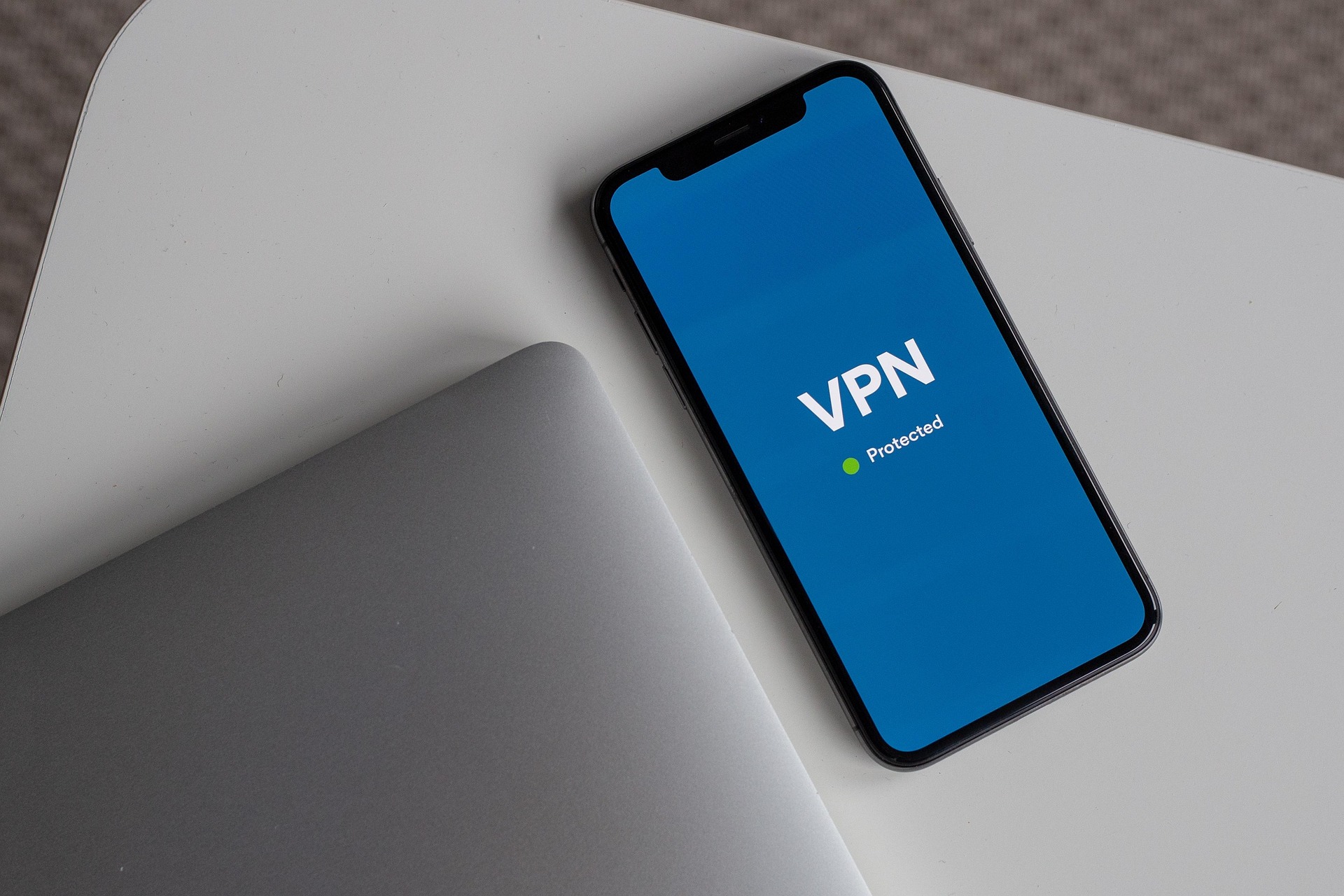
VPN travel apps solve this problem by creating a secure, encrypted connection between your device and the internet. Instead of your data travelling openly across a vulnerable network, it is protected inside an encrypted tunnel that shields it from hackers, surveillance, and unauthorised access. This becomes especially important when accessing financial accounts, work systems, or storing travel documents digitally.
There is also a less obvious advantage. VPN apps reduce tracking and limit how websites use your location data. Many booking platforms and online services adjust pricing based on your IP address. By masking your location, a VPN can help prevent these fluctuations and provide a more consistent browsing experience.
Ultimately, a VPN is not just about privacy, it is about practical protection. With cybercrime increasing globally and travellers relying more heavily on digital tools, installing a reliable VPN on your phone, tablet, or laptop is now a basic part of travelling safely.
What Makes a Great Travel VPN App
Not all VPNs are built for travel, and choosing the right one makes a noticeable difference once you are on the move. Travellers need a combination of reliability, security, and ease of use rather than just raw speed or entertainment features.
Device compatibility is one of the first things to check. A strong travel VPN should work seamlessly across iOS, Android, Windows, and macOS, allowing you to protect your phone, laptop, and tablet under a single account. This becomes particularly useful when switching between devices during long journeys.
Privacy is equally critical. A reputable VPN must operate under a strict no-logs policy, meaning it does not track or store your browsing activity. Without this, the entire purpose of using a VPN is undermined.
Ease of use matters more than many travellers expect. When you are navigating unfamiliar environments, a VPN should be simple to activate, with automatic protection on unsecured networks and minimal setup required. Complicated interfaces or unreliable connections quickly become frustrating.
From a technical perspective, strong encryption protocols such as WireGuard or OpenVPN ensure your data remains secure without sacrificing speed. The official WireGuard project site documents the cryptography behind the newer of the two, including its Curve25519 key exchange and ChaCha20 encryption. Global server coverage is also essential. Having access to servers in 100, 120, or even 140 or more countries allows you to maintain fast and stable connections wherever you travel.
Finally, advanced features provide flexibility. A kill switch protects your data if the VPN connection drops unexpectedly, while split tunnelling allows you to control which apps use the VPN and which do not. These tools are especially useful when dealing with different regional restrictions or network conditions.
Best for a short trip. Compare rooms by neighbourhood, price and guest rating before you book.
Compare hotelsBest for groups who want one address and separate bedrooms rather than three hotel rooms.
See holiday homesBest as a last check before booking. Compares hotel rates across several sites in one search.
Compare ratesNordVPN
NordVPN is widely regarded as one of the most complete VPN solutions for travellers, combining strong security with reliable global performance. With more than 8,400 servers spread across 149 countries, it offers extensive coverage that ensures fast connections in most destinations.
A major advantage is its Threat Protection system, which actively blocks malicious websites, intrusive ads, and tracking attempts. This adds an extra layer of defence when using hotel or airport Wi-Fi, where risks are highest. The inclusion of Dark Web Monitoring further strengthens security by alerting users if their personal data appears in known breaches.
Performance is another strong point. NordVPN uses the WireGuard-based NordLynx protocol, delivering high speeds and stable connections even when travelling long distances. This makes it suitable not just for security but also for everyday browsing and work tasks.
The app supports up to 10 simultaneous device connections, allowing travellers to secure multiple devices at once. Setup is straightforward, and the interface is designed to be accessible even for first-time users.
Best suited to travellers who want a premium, all-in-one VPN with advanced security features and consistent performance across regions. The main drawback is cost, as it sits at the higher end of the market unless purchased on a long-term plan. Some of its advanced features may also feel unnecessary for casual users who only need basic protection.
App availability and prices vary by country. Some of these may not appear in your local App Store or Google Play.
ExpressVPN
ExpressVPN is known for its balance of speed, reliability, and simplicity, making it a strong choice for both casual travellers and business users. With server locations across 113 countries, it offers one of the widest geographic spreads available.
Its standout feature is TrustedServer technology, where all servers run entirely on RAM rather than hard drives. This means no data is ever stored long term, significantly enhancing privacy. Combined with a strict no-logs policy, it provides a high level of reassurance for travellers handling sensitive information.
The app is lightweight and intuitive, making it easy to use across multiple platforms including iOS, Android, Windows, macOS, and Linux. Its Lightway protocol is designed specifically for mobile users, delivering fast and stable connections even on unreliable networks.
Security features include a built-in kill switch, split tunnelling, and strong encryption, all of which operate seamlessly in the background. Its Advanced Protection tools also block ads, trackers, and malicious sites, matching the filtering that rival providers bundle in. This makes it particularly useful in regions where network stability is inconsistent.
ExpressVPN is ideal for travellers who prioritise performance and simplicity without sacrificing security. The main limitation is price, as it is one of the more expensive VPN options available. Device allowances are also tied to the plan you buy rather than being unlimited, running from 10 simultaneous connections on the entry-level tier up to 14 on the top tier, so it is worth checking which tier covers your household before subscribing.

App availability and prices vary by country. Some of these may not appear in your local App Store or Google Play.
Proton VPN
Proton VPN stands out as one of the most privacy-focused VPN apps available, making it especially appealing to travellers who prioritise data protection above all else. Developed by the team behind ProtonMail and based in Switzerland, it benefits from some of the strongest privacy laws in the world.
One of its most unique advantages is its free plan with no data limits, which is rare in the VPN industry. While the free version has fewer server options and slower speeds, it still provides a secure and usable option for travellers who need basic protection without committing to a subscription.
The premium version expands significantly, offering more than 20,000 servers in 148 countries, along with faster speeds and additional features. One of the most notable is Secure Core technology, which routes your connection through multiple servers before reaching the internet. This adds an extra layer of anonymity, particularly useful in high-risk regions.
Proton VPN also includes NetShield, which blocks ads, trackers, and malicious domains, helping protect users from common online threats. Its apps are open-source and independently audited, reinforcing trust in its security claims.
This VPN is best suited to privacy-conscious travellers or those looking for a reliable free option. The trade-off is usability, as the interface is slightly more technical than competitors, and the free plan is noticeably slower than paid alternatives.

App availability and prices vary by country. Some of these may not appear in your local App Store or Google Play.

Surfshark
Surfshark has positioned itself as one of the best-value VPN travel apps, delivering premium-level features at a more accessible price point. Its biggest advantage is immediately clear: unlimited device connections under a single subscription. For travellers carrying multiple devices or travelling as a couple or family, this removes the need for separate plans and keeps everything protected under one account.
Despite its affordability, Surfshark does not cut corners on security. It uses strong encryption protocols and includes essential features such as a kill switch, split tunnelling, and MultiHop connections, which route your traffic through multiple servers for added privacy. This makes it more than capable of handling sensitive tasks like online banking or work access while abroad.
The app itself is clean and easy to navigate, making it particularly appealing to travellers who want something that works immediately without technical setup. Surfshark’s CleanWeb feature blocks ads, trackers, and malicious websites, helping reduce exposure to threats on unsecured public networks. This is especially useful in airports, hotels, and cafés where network security is often weakest.
Performance is consistently solid, with more than 4,500 servers available across 100 countries. This wide coverage ensures stable connections even when travelling across multiple regions. While it may not always match the top-tier speeds of premium competitors in every scenario, it remains more than adequate for everyday browsing, bookings, and communication.
Surfshark is best suited to budget-conscious travellers who still want strong security and flexibility. Its main limitation is that advanced users may find fewer customisation options compared to more technical VPNs, but for most travellers, its simplicity is a strength rather than a weakness.

App availability and prices vary by country. Some of these may not appear in your local App Store or Google Play.
Comparison Table of Key Features
Choosing the right VPN becomes much easier when you can clearly compare what each provider offers side by side. While all major VPN travel apps deliver strong encryption and basic protection, the differences in device limits, global coverage, and extra features can significantly affect your experience when travelling.
Below is a clear comparison of the leading VPN apps, helping you quickly identify which one aligns best with your needs:
| Feature | NordVPN | ExpressVPN | Proton VPN | Surfshark |
|---|---|---|---|---|
| Simultaneous Devices | 10 | 10 to 14 depending on plan | 10 | Unlimited |
| Countries Covered | 149 | 113 | 148 | 100 |
| Free Version Available | No | No | Yes | No |
| Ad & Tracker Blocking | Yes (Threat Protection) | Yes (Advanced Protection) | Yes (NetShield) | Yes (CleanWeb) |
| Kill Switch | Yes | Yes | Yes | Yes |
| Split Tunnelling | Yes | Yes | Yes | Yes |
| Advanced Server Technology | Yes (RAM-only servers, Double VPN) | Yes (RAM-only servers) | Yes (Secure Core routing) | Yes (MultiHop routing) |
This table highlights a few important takeaways for travellers. NordVPN and ExpressVPN lead in premium reliability and security, Proton VPN offers unmatched flexibility with its free plan, and Surfshark stands out for unlimited device connections and strong value for money.
VPN Safety Tips for Travellers
Using a VPN effectively is just as important as choosing the right one. Many travellers install a VPN but fail to configure it properly, leaving gaps in their protection when they need it most.
One of the most important habits is enabling automatic connection on unsecured networks. This ensures your VPN activates immediately when you join public Wi-Fi in places like airports, hotels, or cafés, and pairing it with a dedicated WiFi map finder app makes it easier to know exactly when you have joined one. Without this, it is easy to forget to switch it on, leaving your data exposed.
Equally important is the kill switch feature, which should always be active. If your VPN connection drops unexpectedly, the kill switch blocks all internet traffic until the secure connection is restored. This prevents even a brief moment of unprotected browsing, which could otherwise expose sensitive data.
Travellers should avoid using public Wi-Fi without protection under any circumstances. Even networks that appear legitimate can be compromised or monitored. A VPN ensures that your data remains encrypted regardless of the network’s security level.
Choosing a provider with a verified no-logs policy is essential. This guarantees that your browsing activity is not stored, tracked, or sold, maintaining true privacy while travelling. Without this, the VPN itself could become a weak point.
Keeping your VPN updated is another simple but often overlooked step. Regular updates include security patches that protect against newly discovered vulnerabilities, ensuring your app remains effective against evolving threats.
Finally, combining your VPN with multi-factor authentication on key accounts adds an extra layer of protection. While a VPN secures your connection, account-level security ensures your personal data remains protected even if credentials are compromised.
Best for long or awkward journeys. Builds one itinerary out of separate flights.
View flightsBest for short trips. Install the eSIM at home and arrive with working data, no shop queue.
Browse eSIMsBest when public transport has stopped, or when you are travelling with children and bags.
Book a transferUsage Rules & Legal Considerations
VPN usage is legal in most parts of the world, but there are important regional differences that travellers should understand before relying on one. While VPNs are widely used for privacy and security, some countries impose restrictions that can affect how they are used.
In Europe, North America, South America, and Australia, VPNs are fully legal and unrestricted. Travellers can use them freely for securing connections, accessing personal accounts, and protecting data on public networks.
In certain regions, VPN use is restricted rather than banned. Countries such as Turkey, the United Arab Emirates, and Oman may regulate VPN usage, particularly in relation to accessing restricted content. While general privacy use is often tolerated, misuse can result in penalties.
A small number of countries enforce strict bans. North Korea, Belarus, and Turkmenistan have heavily restricted or illegal VPN use, and attempting to bypass these restrictions can carry serious consequences.
The key point for travellers is preparation. Always check the latest local regulations before arriving in a new country, particularly if travelling to regions known for strict internet controls.
For the vast majority of destinations, VPNs are not only legal but recommended. They are widely used by business travellers, remote workers, and tourists to ensure safe and secure internet access.
Where Are These Apps Available (Coverage & Compatibility)
VPN apps are designed to work globally, but compatibility across devices is just as important as geographic coverage. Travellers often switch between phones, laptops, and tablets, so having consistent support across all platforms is essential.
All major VPN providers offer strong cross-platform compatibility, as shown below:
| App | iOS | Android | Windows | macOS | Chrome Extension | Free Plan |
|---|---|---|---|---|---|---|
| NordVPN | Yes | Yes | Yes | Yes | Yes | No |
| ExpressVPN | Yes | Yes | Yes | Yes | Yes | No |
| Proton VPN | Yes | Yes | Yes | Yes | Yes | Yes |
| Surfshark | Yes | Yes | Yes | Yes | Yes | No |
This level of compatibility ensures that travellers can protect every device they carry. Whether you are booking hotels on your phone, working on a laptop, or browsing on a tablet, a single VPN subscription can secure your entire digital setup.
Proton VPN stands out by offering a free plan across all platforms, making it a practical entry point for travellers who want protection without an upfront cost. The other providers operate on subscription models but offer more consistent speeds and broader feature sets.
The key takeaway is straightforward. All leading VPN apps are widely available and easy to install before you travel, ensuring you are protected from the moment your journey begins.

Rupert’s Handy Travel Tips
Getting the most from your VPN while travelling is all about preparation and smart usage. Try these pro tips before your next trip:
- Install before departure: Always set up your VPN before you travel, in case local app stores block downloads.
- Use split tunnelling: Stream local content while keeping sensitive apps fully encrypted.
- Secure shared spaces: If you’re in shared accommodation, enable VPN on your router for whole-network protection.
- Choose multi-device plans: Cover your phone, laptop, and tablet under a single subscription.
- Stay proactive: Don’t wait for trouble; activate your VPN every time you connect to public Wi-Fi.
Want to meet the reindeer behind our travel tips? Find out more in our page Who is Rupert?.




Frequently Asked Questions
Do I need a VPN when travelling abroad?
Yes. Public Wi-Fi networks in airports, hotels, and cafés are often unsecured. A VPN encrypts your connection, protecting personal data, passwords, and financial information.
Are VPNs legal to use while travelling?
In most countries, yes. VPNs are legal across Europe, North America, and many parts of Asia. Some countries restrict or ban them, so it is important to check local laws before travelling.
Can I use a VPN for streaming while abroad?
Yes, although results vary. Premium VPNs such as NordVPN and ExpressVPN are more reliable at accessing streaming services, but availability can change depending on the platform.
Do free VPNs work for travel?
Some do, particularly Proton VPN’s free plan. However, free versions often have slower speeds and fewer server options, making paid plans more reliable for regular travellers.
Can I use one VPN on multiple devices?
Yes. Most providers support multiple connections. NordVPN and Proton VPN allow up to ten devices, ExpressVPN allows between ten and fourteen depending on the plan you choose, and Surfshark offers unlimited connections.
Further Reading & Related App Guides
Want to prepare for every part of your journey? These related guides will help you stay informed, connected, and ready to travel with confidence. A VPN protects your traffic, but it works best alongside a reliable data connection. Our eSIM Apps Guide explains how to get instant mobile data in over 100 countries without swapping SIM cards.
Security is only part of the picture once you land. Our Translation Apps Guide helps you break language barriers with confidence, while our Currency Converter Apps Guide keeps exchange rates up to date so you can budget accurately wherever your VPN takes you.
Good preparation covers more than your connection. Check conditions ahead of time with our Weather Apps Guide, and make sure you are covered for the unexpected with our Travel Insurance Apps Guide before you set off.
A VPN is only one part of staying connected safely. Our WiFi Map Finder Apps Guide helps you find a network to connect through in the first place, and our Offline Messaging Apps Guide covers how to stay in touch with your group even when there is no network at all.