Reviewed by our editorial team Updated
Why Your First Cruise Is Different From Any Other Holiday
A first cruise can be one of the most enjoyable ways to travel, but it is also very different from a typical hotel stay, city break, or beach holiday. Many first-time passengers board expecting a floating hotel and quickly discover that a modern cruise ship operates more like a small city. Onboard you’ll find restaurants, theatres, swimming pools, bars, shops, casinos, excursions, and thousands of fellow travellers all sharing the same vessel.
Unlike a traditional holiday, your accommodation, transport, dining, entertainment, and often your entire itinerary are combined into a single booking. This convenience is one of cruising’s biggest attractions, but it also introduces procedures, rules, and onboard systems that many travellers have never encountered before. Understanding embarkation, shore excursions, cruise apps, drinks packages, and onboard spending before you sail can remove much of the uncertainty from your first voyage.
One of the biggest misconceptions among first-time cruisers is that everything is included. While cruise fares often represent excellent value, many ships offer optional extras such as speciality restaurants, WiFi packages, spa treatments, drinks packages, shore excursions, and gratuities that may increase the overall cost of the holiday. Knowing what is included before departure helps prevent unpleasant surprises once you’re onboard.
Another major difference is the importance of preparation. If you forget something during a normal holiday, you can usually buy a replacement nearby. On a cruise ship, your options may be more limited and often more expensive. Simple preparations such as downloading movies, TV shows, offline maps, Spotify playlists, and the official cruise line app before departure can save both money and frustration later.
The good news is that most first-time cruise concerns are easy to solve once you know what to expect. This guide explains the practical details that experienced cruisers often take for granted, helping you avoid the mistakes that many passengers only discover after they have already set sail.
Choosing the Right Cruise
One of the most important decisions you’ll make is choosing the right cruise line, ship, and itinerary. Many first-time passengers focus almost entirely on price, but the overall experience can vary dramatically depending on which cruise you book.
Different cruise lines target different audiences. Some focus on family holidays, waterparks, and large-scale entertainment, while others specialise in luxury travel, adults-only cruising, expedition voyages, or destination-focused itineraries. A ship that one traveller considers perfect may be completely wrong for another.
The size of the ship also plays a huge role in the onboard experience. Modern mega-ships can carry more than 6,000 passengers and feature dozens of restaurants, theatres, swimming pools, and attractions. Smaller ships often provide a more intimate atmosphere, shorter queues, easier embarkation, and access to ports that larger vessels cannot visit.
Your itinerary is equally important. Some cruises focus heavily on destinations and sightseeing, while others place more emphasis on the onboard experience. A Mediterranean cruise might involve visiting a different city almost every day, while a Caribbean cruise often includes more sea days, beach destinations, and time spent enjoying the ship itself.
Cabin selection is another area where many first-time cruisers make mistakes. Choosing the cheapest cabin without considering its location can lead to disappointment. A cabin beneath the pool deck, near a nightclub, beside a lift lobby, or above a busy restaurant may not provide the peaceful environment many travellers expect.
Before booking, think carefully about what matters most. Is it the destinations, the food, the entertainment, the relaxation, or simply getting the best possible value? Answering those questions before booking can make the difference between a good cruise and a fantastic one.
Compare hotels and other places to stay for your trip.
Check availabilityExplore holiday homes and apartments for your trip.
See holiday homesCompare hotel prices across multiple booking sites.
Compare ratesUnderstanding Cruise Fares
One of the biggest sources of confusion for first-time cruisers is understanding exactly what their cruise fare includes. Cruise advertisements often highlight attractive headline prices, but there can be significant differences between what is included and what costs extra.
Most cruise fares include your cabin accommodation, transport between ports, access to most onboard entertainment, meals in the main dining venues, and use of facilities such as swimming pools, fitness centres, and theatres. This means a large portion of your holiday costs are covered before you even step onboard.
However, many optional extras remain available. Alcoholic drinks, speciality coffees, premium restaurants, spa treatments, casino gaming, shore excursions, and WiFi packages frequently incur additional charges. Depending on your travel style, these extras can add very little or significantly increase your onboard spending.
One area that often surprises first-time passengers is gratuities. Some cruise lines include them within the fare, while others automatically add a daily service charge to your onboard account. Understanding the policy before departure can prevent confusion when reviewing your final bill.
Drinks packages are another topic that generates endless debate. While some passengers save money by purchasing a package, others discover they would have spent less by paying individually for drinks. The right choice depends entirely on your personal habits rather than the marketing materials provided by the cruise line.
Shore excursions deserve particular attention. Cruise line excursions offer convenience and peace of mind, but they are often more expensive than independent alternatives. Many experienced cruisers combine ship-organised tours with independent exploration, depending on the destination and the amount of time available in port.
The key lesson is simple. A cruise can offer excellent value, but understanding where additional costs may arise allows you to budget accurately and avoid unexpected charges once you’re onboard.
Cruise Documents and Check-In
Long before you step onto the ship, there are several important administrative tasks that need to be completed. Ignoring these until the last minute is one of the easiest ways to create unnecessary stress before your holiday even begins.
Most cruise lines now require passengers to complete an online check-in process before departure. This usually involves providing passport information, emergency contact details, travel documents, and sometimes uploading a photograph. Completing these requirements early can dramatically speed up the embarkation process on sailing day.
Your passport should always be checked well in advance of departure. Many itineraries require a minimum period of passport validity beyond the end of the cruise, while some destinations have specific entry requirements that passengers must satisfy before they are permitted to board.
Cruise lines typically issue boarding passes, luggage labels, and embarkation instructions through their websites or mobile apps. These documents should be downloaded and stored in multiple locations whenever possible. Having both digital and printed copies provides useful backup should technical problems occur during travel.
Travel insurance is another area that should never be overlooked. Medical treatment at sea can be expensive, and some cruise lines may require evidence of suitable insurance before allowing passengers to board. Policies that specifically cover cruise travel often provide protection against missed departures, medical emergencies, itinerary changes, and emergency evacuations.
Finally, many experienced cruisers recommend downloading the official cruise line app before leaving home. Modern cruise apps increasingly handle dining reservations, daily schedules, excursion bookings, account information, deck plans, and onboard communication, making them one of the most useful tools available during your voyage.
Completing these tasks before departure means you can focus on enjoying your holiday rather than dealing with paperwork once you arrive at the terminal.
Embarkation Day Explained
For many first-time cruisers, embarkation day is the part of the holiday that creates the most anxiety. In reality, the process is usually straightforward, but understanding what happens before you arrive can make the experience significantly smoother.
Most cruise lines now allocate an arrival time slot during online check-in. Rather than turning up whenever you like, you’ll normally be asked to arrive during a specific window. This helps reduce queues and allows passengers to board more efficiently.
After arriving at the terminal, your larger suitcases are usually handed over to port staff before you enter the terminal building. These bags are screened, loaded onto the ship, and delivered to your cabin later in the day. This is one of the biggest surprises for first-time cruisers. Many passengers expect to have immediate access to their luggage, only to discover that it may not arrive outside their cabin for several hours.
For this reason, experienced cruisers always carry a hand luggage bag containing essentials such as medication, travel documents, phone chargers, swimwear, sunglasses, and anything else they may need during the first afternoon onboard. If your luggage arrives later than expected, you’ll still have access to everything important.
Once inside the terminal, you’ll pass through security screening similar to that used at airports before completing the final check-in process. Staff will verify your passport, boarding documents, and any other required paperwork before issuing your cruise card or activating your digital boarding credentials.
After boarding, don’t be surprised if your cabin isn’t immediately available. Many cruise lines use the period between passenger disembarkation and embarkation to prepare cabins, meaning access may not be granted until later in the afternoon. During this time, passengers are free to explore the ship, enjoy lunch, familiarise themselves with the layout, and begin their holiday.
One of the smartest things you can do after boarding is locate key areas such as your cabin, the main dining room, the buffet, guest services, and your designated muster station. Becoming familiar with the ship early makes the rest of the cruise considerably more relaxing.
Embarkation day may seem intimidating beforehand, but once you’re onboard with a drink in hand and your holiday underway, most passengers wonder why they worried so much in the first place.

What to Pack for Your First Cruise
Packing for a cruise is slightly different from packing for most other holidays. The goal is not simply to bring enough clothes but to bring the items that will genuinely improve your onboard experience. Many experienced cruisers will tell you that the things they use most often are not expensive gadgets or specialist equipment but small practical items that solve common cruise problems.
One of the most important things to pack is a sensible carry-on bag for embarkation day. Because your checked luggage may not arrive outside your cabin for several hours after boarding, essential items such as medication, travel documents, chargers, swimwear, sunglasses, and valuables should always remain with you. Many first-time cruisers make the mistake of packing everything into their main suitcase and then spending half the afternoon waiting for it to arrive.
A USB charging hub is one of the most frequently recommended cruise accessories. Cruise cabins often have fewer power outlets than travellers expect, particularly on older ships. Two people sharing a cabin can quickly find themselves trying to charge phones, tablets, smartwatches, cameras, e-readers, and wireless headphones using only a handful of sockets.
You should also check whether your ship uses UK, European, or US-style electrical outlets. Many cabins include a mixture of socket types, but carrying a suitable travel adaptor removes any uncertainty.
One item that repeatedly appears on cruise forums is a small battery-powered night light. Cruise cabins can become extremely dark at night, especially inside cabins without windows. A simple night light can make late-night trips to the bathroom considerably easier and help avoid collisions with furniture in unfamiliar surroundings.
A lightweight day bag is another surprisingly useful item. Whether you’re heading ashore on an excursion, visiting a beach, exploring a city, or simply carrying essentials around the ship, a small backpack or shoulder bag quickly becomes one of the most-used items in your luggage.
Many experienced cruisers also recommend packing binoculars. They are useful during scenic cruising, wildlife spotting, sail-ins, sail-aways, and when identifying landmarks visible from the ship. Passengers with balcony cabins often find themselves using binoculars far more than they expected.
Another item frequently mentioned by cruise veterans is a supply of extra clothes hangers or at least the knowledge that you can request additional hangers from your cabin steward. While modern cruise cabins are often designed very efficiently, storage space can still feel limited during longer voyages.
A refillable water bottle can be particularly useful during port visits, especially in warmer destinations. Likewise, all prescription medication should be packed in sufficient quantities for the entire cruise, with additional contingency where possible. Medication should always be carried in hand luggage rather than checked luggage.
Before leaving home, many travellers also download entertainment for use during sea days. Even ships with excellent internet access rarely offer the same convenience as having content already stored on your device. Downloading Netflix programmes, Disney+ shows, Spotify playlists, podcasts, audiobooks, Kindle books, and offline maps before departure can save money and provide entertainment if internet access is unavailable or slower than expected.
Clothing choices deserve some thought too. Most cruises include a mixture of casual daytime activities and smarter evening venues. While modern cruise lines have generally relaxed their dress codes, it is still worth packing at least one or two smarter outfits for formal nights, speciality restaurants, or captain’s receptions if your cruise line offers them.
Finally, don’t underestimate the importance of comfortable footwear. Cruise ships can be enormous, and it is not unusual for passengers to walk several miles each day simply moving between cabins, restaurants, theatres, pools, and observation decks. Comfortable walking shoes are often more valuable than many first-time cruisers realise.
The best packing strategy is to focus on solving problems rather than filling a suitcase. Most experienced cruisers would rather have a charging hub, downloaded entertainment, comfortable shoes, and a day bag than an extra week’s worth of clothing they never wear.
What Not to Pack
While cruise lines allow passengers to bring most everyday travel items onboard, there are several things that are commonly prohibited. Bringing these items can result in delays during embarkation, confiscation, or inconvenience later in the voyage.
Perhaps the most common mistake involves irons and clothes steamers. These are usually prohibited because of the fire risk they present within passenger cabins. Most cruise lines instead offer laundry and pressing services for passengers who need clothing refreshed during their trip.
Many cruise lines also prohibit certain types of extension leads and power strips, particularly those containing surge protection. Electrical policies vary between operators, so it is worth checking the specific rules of your cruise line before travelling.
Other prohibited items often include candles, incense, hot plates, and any equipment that generates significant heat. Again, the reason is generally fire safety rather than passenger convenience.
The rules surrounding drones vary considerably between cruise lines. Some prohibit them entirely, while others permit them onboard but restrict their use in ports. Travellers intending to bring a drone should always check the latest policy before departure.
Large Bluetooth speakers are another item that frequently causes issues. Even where technically permitted, they are rarely appreciated by fellow passengers and may be restricted in certain public areas.
Alcohol policies also vary. Some cruise lines allow passengers to bring limited quantities of wine or champagne, while others impose stricter restrictions. The same applies to bottled water and soft drinks. Understanding the rules in advance can help avoid disappointment at the terminal.
Before packing, always consult your cruise line’s latest prohibited-items list. Spending a few minutes checking the rules can save a great deal of frustration on embarkation day.
Understanding Cruise Cabins
Your cruise cabin will be your home for the duration of the voyage, making it one of the most important parts of the entire holiday. Yet many first-time cruisers spend more time comparing itineraries than they do understanding the differences between cabin types and locations.
The cheapest option is usually an inside cabin, which has no external window. These cabins often provide excellent value and can be surprisingly comfortable, particularly for passengers who intend to spend most of their time exploring the ship. The lack of natural light is the main trade-off.
An ocean view cabin includes a window or porthole, allowing passengers to enjoy natural daylight and sea views without paying the premium associated with a balcony.
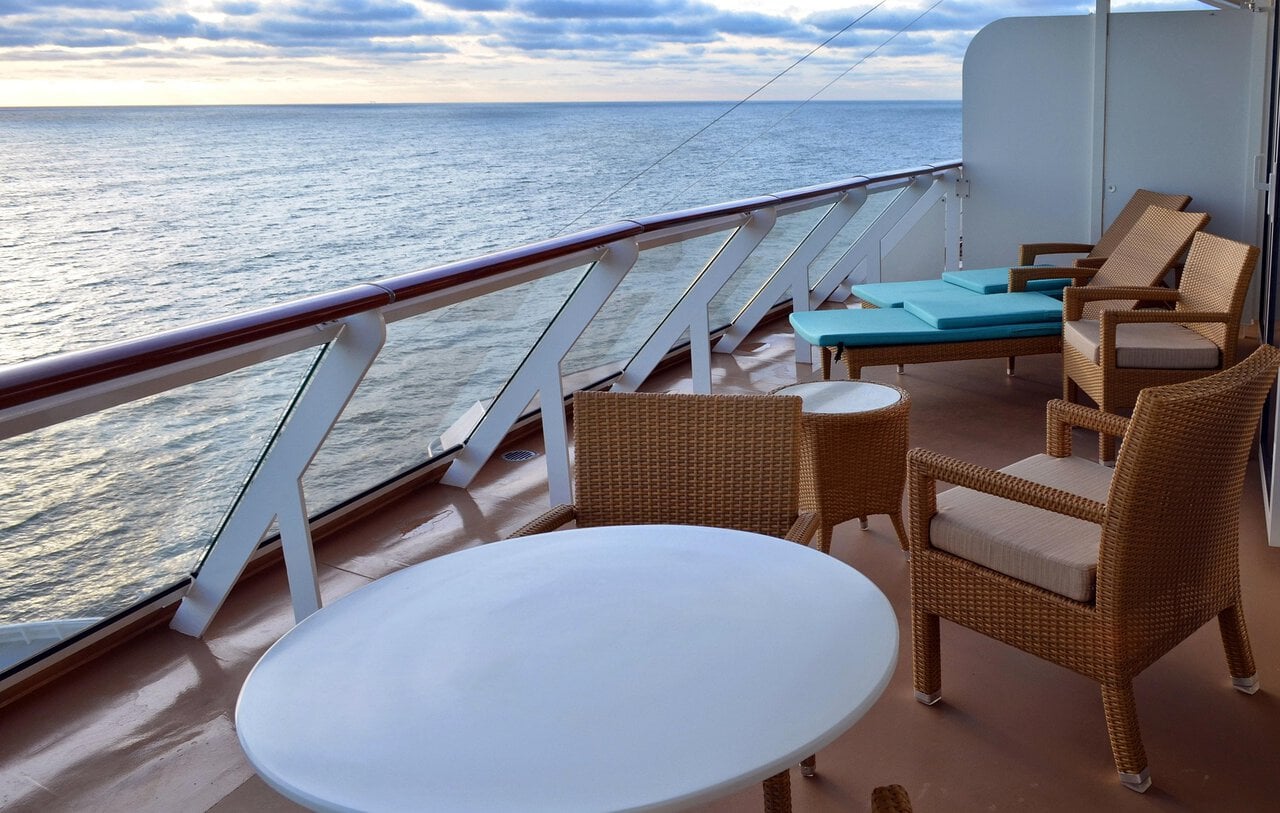
For many travellers, a balcony cabin represents the ideal compromise between cost and comfort. Having private outdoor space allows passengers to enjoy sail-aways, scenic cruising, and morning coffee while watching the ocean pass by.
At the upper end of the market are suite cabins, which often include additional space, upgraded amenities, priority services, and access to exclusive areas of the ship.
Location matters just as much as cabin type. A cabin directly beneath the pool deck, beside a lift lobby, below a nightclub, or near a busy theatre may experience more noise than passengers expect. Conversely, cabins located mid-ship on passenger accommodation decks are often considered among the most stable and peaceful.
Storage is another area where expectations and reality sometimes differ. Cruise cabins are usually designed exceptionally efficiently, but space is still limited compared with many hotel rooms. Using wardrobes, drawers, and under-bed storage effectively can make a surprising difference during longer voyages.
The good news is that most passengers spend less time in their cabin than they initially expect. Modern ships offer so many activities, restaurants, and entertainment options that the cabin often becomes a comfortable place to sleep, relax, and enjoy a little private space between adventures.
Search flights and useful route combinations in one place.
View flightsBrowse Airalo eSIM options for convenient travel data.
Check eSIMsBook a private airport transfer in advance and have your ride planned before you arrive.
Check transfersUnderstanding Cruise Dining
One of the biggest unknowns for first-time cruisers is how dining actually works onboard. Many passengers worry about where they’ll sit, whether they need to dress formally, if they’ll be placed with strangers, or whether they’ll need to pay extra for meals. The reality is that modern cruise ships offer far more flexibility than many people expect.
Most cruise ships feature a combination of main dining rooms, buffets, casual eateries, room service, and optional speciality restaurants. This means you can often choose between a formal multi-course meal, a quick buffet lunch, a burger by the pool, or dining in your cabin without ever leaving the ship.
The traditional main dining room remains at the heart of the cruise experience. Depending on the cruise line, you may be offered either fixed dining or flexible dining. Fixed dining gives you the same table, dining companions, and dining time each evening, while flexible dining allows you to choose when you eat, similar to a restaurant ashore.
Some cruise lines still offer shared tables where passengers dine alongside other travellers. Many cruisers enjoy this social aspect and form friendships that last throughout the voyage. However, passengers who prefer more privacy can often request their own table, although availability varies.
The onboard buffet restaurant is usually one of the busiest venues on the ship. Open for much of the day, it provides a huge variety of food choices and is ideal for relaxed breakfasts, quick lunches, and informal dinners. For many first-time cruisers, the buffet becomes a favourite option during busy port days when flexibility is particularly important.
Many ships also feature speciality restaurants. These venues usually carry an additional charge but often provide a more intimate atmosphere and upgraded menus. Popular options include steakhouses, Italian restaurants, seafood venues, and Asian dining experiences. While they can be excellent, don’t feel pressured into booking them. The food included within your cruise fare is often extremely good.
One topic that generates endless discussion is drinks packages. Cruise lines actively market these packages, but they don’t represent good value for everyone. Before purchasing one, consider how much you realistically drink each day. Many passengers discover they save money by paying individually, while others easily justify the package cost.
You may also hear people talking about the Captain’s Table. Traditionally, this was a formal dining table hosted by the ship’s captain and reserved for selected guests. While some cruise lines still maintain versions of this tradition, it is far less common than it once was. Most passengers should not expect to dine with the captain, although special hosted dinners and invitation-only events still exist on some ships.
Finally, don’t worry too much about formal nights. Cruise lines have generally become more relaxed over the years. While some passengers enjoy dressing up for gala evenings, participation is usually optional. You’ll rarely need a tuxedo or ball gown unless you’re specifically seeking that experience.
Cruise WiFi, eSIMs and Staying Connected
One of the biggest surprises for first-time cruisers is how different internet access at sea can be compared with internet access at home. While onboard WiFi has improved dramatically in recent years, many passengers are still shocked by the cost of cruise WiFi packages and the speeds available once the ship leaves port. Before sailing, it is worth considering how you actually use your phone. Many travellers simply want to send messages, check directions, order transport, access email, and stay in touch with family, while others need unrestricted internet access for social media, streaming, remote working, or uploading photos.
A popular alternative to expensive cruise WiFi packages is GigSky Cruise eSIM, which offers four different connectivity options depending on your travel style. The company’s Messaging + Essentials plans are designed for travellers who only need access to services such as WhatsApp, iMessage, Facebook Messenger, Telegram, Instagram messaging, Google Maps, Apple Maps, Gmail, Outlook, Uber, Bolt, Lyft, DiDi, and translation apps. These plans are available as either Cruise Only coverage or Cruise + Regional Coverage, allowing passengers to remain connected both onboard and ashore. Pricing currently starts at $7 (£5 / €6) for 1 day, rising to $17.99 (£13 / €15) for 3 days, $28.34 (£21 / €24) for 5 days, $36.89 (£27 / €32) for 7 days, $50.39 (£37 / €43) for 10 days, and $62.99 (£47 / €54) for 14 days.
It is important to understand that the Messaging + Essentials plans are not full internet packages. While they provide access to selected travel and communication apps, they do not support unrestricted browsing, video calls, voice calls, email attachments, social media feeds, YouTube, Netflix, TikTok, or large file downloads. Travellers who require those features should instead consider GigSky’s Fixed Data plans, which provide full internet access either at sea or both at sea and ashore.
Fixed Data plans currently range from a 100MB free trial through to larger packages including 512MB, 1GB, 3GB, 5GB, and 10GB options, with coverage available for Cruise Only itineraries or combined Cruise + Americas, Europe, Asia Pacific, Middle East, and Worldwide regions.
For many first-time cruisers, the most practical option is Messaging + Essentials Cruise + Region because it covers the services most people actually use while avoiding the cost of a full cruise WiFi package. However, passengers planning to stream content, make video calls, upload large numbers of photos, or work remotely during their voyage will generally find the Fixed Data plans more suitable. Whichever option you choose, planning your connectivity before departure can prevent expensive roaming charges and help you stay connected throughout your cruise both onboard and ashore.
| GigSky Cruise Plan | Coverage | Best For |
|---|---|---|
| Messaging + Essentials | Cruise Only | Messaging, maps, email and ride-hailing at sea |
| Messaging + Essentials | Cruise + Region | Messaging, maps, email and ride-hailing at sea and ashore |
| Fixed Data | Cruise Only | Full internet access at sea |
| Fixed Data | Cruise + Region | Full internet access at sea and ashore |
Stay Connected at Sea with Cruise Data
Staying connected on a cruise can be expensive and unreliable using onboard Wi-Fi alone. GigSky Cruise Data offers dedicated data plans for cruise travel, helping you stay online while at sea and in port.
It is ideal for cruise holidays, long voyages, and travellers who want to avoid high onboard internet costs. You can stay connected throughout your journey without relying solely on ship-based networks.
Shore Excursions Explained
For many passengers, the destinations visited during the cruise are every bit as important as the ship itself. Understanding how shore excursions work is therefore one of the most valuable things a first-time cruiser can learn.
A shore excursion is any activity, tour, or sightseeing experience undertaken while the ship is in port. These can range from simple walking tours and beach transfers to full-day adventures involving historical sites, wildlife encounters, cultural experiences, or outdoor activities.
Cruise lines typically offer a large selection of organised excursions. The biggest advantage of booking through the cruise line is peace of mind. If a cruise-organised excursion runs late, the ship will generally wait or make alternative arrangements. This reassurance is often worth the additional cost for first-time passengers.
However, cruise-line excursions are not the only option. Many experienced cruisers book independent tours or explore destinations on their own. Independent options can often be significantly cheaper and may provide smaller group sizes or more specialised experiences.
The key consideration is time. When travelling independently, it is your responsibility to return to the ship before the published departure time. Cruise ships operate on strict schedules, and passengers who miss departure can face substantial costs trying to catch up with the vessel at the next port.
Before booking excursions, think about your travel style. Some passengers enjoy highly organised tours where everything is planned for them. Others prefer the flexibility of independent exploration. Neither approach is right or wrong, and many cruisers use a mixture of both during the same voyage.
One useful tip for first-time cruisers is to avoid overbooking. It’s tempting to fill every port day with organised activities, but leaving some free time often leads to a more relaxing and enjoyable holiday.
Common First-Time Cruise Mistakes
Almost every experienced cruiser can point to a mistake they made on their first voyage. Fortunately, most of these errors are easy to avoid once you know what to expect.
One of the most common mistakes is overpacking. Many first-time passengers bring far more clothing than they ever wear. Modern cruise ships often offer laundry services, and most travellers quickly discover that they spend much of their time in a handful of comfortable outfits.
Another frequent mistake is underestimating the importance of cabin location. A cheap cabin can become far less attractive if it sits beneath a noisy public area or beside a busy lift lobby.
Many passengers also fail to understand onboard costs before departure. Not checking gratuity policies, purchasing unsuitable drinks packages, or making impulse purchases onboard can lead to unexpectedly large final bills.
A surprisingly common error is neglecting to download content before boarding. Cruisers often assume they will stream films, television programmes, and music exactly as they do at home, only to discover that shipboard internet is slower or more expensive than expected.
Others forget to check prohibited item policies, resulting in items being confiscated during embarkation. Simple things such as steamers, certain power strips, and restricted electronics can create unnecessary frustration.
Finally, many first-time passengers spend too much time worrying about getting everything right. One of the great strengths of cruising is that most of the logistics are handled for you. Once you’ve boarded, unpacked, and explored the ship, you’ll quickly realise why so many people become repeat cruisers.
The best approach is simple. Prepare properly, understand the basics, avoid the most common mistakes, and then focus on enjoying the experience. Most first-time cruisers finish their voyage not wondering whether they would cruise again, but deciding where they want to sail next.

Rupert’s Handy Travel Tips
Heading on your first cruise? Here are a few practical tips that experienced cruisers wish they’d known before they boarded:
- Put your phone in airplane mode: Maritime mobile networks can be extremely expensive if you connect accidentally while at sea.
- Download entertainment before departure: Movies, TV shows, podcasts, audiobooks and offline maps are far easier to access before you leave home than once you’re onboard.
- Pack medication in your hand luggage: Checked luggage may not arrive outside your cabin for several hours after embarkation.
- Don’t overpack: Most first-time cruisers bring far more clothing than they actually wear during the voyage.
- Take a reusable water bottle: It’s useful onboard and particularly handy during shore excursions in warmer destinations.
- Check your cabin location carefully: A cabin beneath the pool deck or beside a nightclub can be considerably noisier than many passengers expect.
- Bring a USB charging hub: Cruise cabins often have fewer power outlets than travellers are used to at home.
- Request extra hangers: Cabin stewards can usually provide additional hangers if wardrobe space becomes tight.
Want to meet the reindeer behind our travel tips? Find out more in our page Who is Rupert?.




Frequently Asked Questions About First Cruises
Is a cruise suitable for first-time travellers?
Yes. Cruises are often one of the easiest types of holiday for inexperienced travellers because accommodation, transport, dining, and entertainment are combined into a single booking.
Do I need a passport for a cruise?
In most cases, yes. Passport requirements vary depending on the itinerary, countries visited, and cruise line. Always check the latest requirements before departure.
What is included in a cruise fare?
Most fares include accommodation, meals in the main dining venues, transport between ports, entertainment, and use of many onboard facilities. Extras such as drinks packages, WiFi, speciality dining, excursions, and spa treatments may cost additional money.
Should I buy a drinks package?
It depends on your personal drinking habits. Some passengers save money through drinks packages, while others spend less by purchasing drinks individually.
Can I use my mobile phone at sea?
You can, but caution is required. Ships often use maritime mobile networks that can generate expensive roaming charges. Many passengers use airplane mode and rely on WiFi instead.
Do cruise cabins have enough plug sockets?
Not always. Many experienced cruisers recommend bringing a USB charging hub or checking what socket types are available onboard before departure.
Will I get seasick?
Most passengers never experience serious seasickness, particularly on modern cruise ships. However, carrying motion sickness remedies can provide peace of mind.
Do I have to dress formally?
Usually not. While some ships host formal evenings or gala nights, most cruise lines have become significantly more relaxed in recent years.
Can I explore ports independently?
Yes. Many passengers explore independently rather than booking organised excursions. However, you are responsible for returning to the ship before departure time.
What happens if I miss the ship?
If you are travelling independently and miss departure, the ship will not usually wait. You may need to arrange transport to the next port at your own expense.
Further Reading & Related Guides
Planning your first cruise involves much more than choosing a ship. Staying connected at sea can be surprisingly complicated, so our eSIM Apps Guide explains the best options for international travellers, while our dedicated GigSky eSIM Guide takes a closer look at cruise connectivity, onboard internet alternatives, and the different GigSky plans available for passengers sailing around the world.
If you’re still deciding which voyage to book, our Cruise Booking Apps Guide compares some of the best tools for finding cruise deals, comparing itineraries, monitoring prices, and booking sailings with confidence. Once you’ve chosen a cruise line, our Royal Caribbean Cruise Guide explores one of the world’s largest cruise operators, including ships, onboard facilities, dining options, entertainment, loyalty benefits, and what first-time passengers can expect onboard.
Together, these guides will help you choose the right cruise, stay connected throughout your voyage, and avoid many of the common mistakes that first-time cruisers often encounter before they set sail.