Reviewed by our editorial team Updated
Discover Ireland’s Capital City
Dublin packs an extraordinary amount of history, culture and craic into a compact city centre that most visitors can comfortably explore on foot. Founded by Vikings on the banks of the River Liffey, the city has grown into a capital of roughly 1.2 million people in the greater metropolitan area, yet its main sights, from Trinity College to Temple Bar, sit within a walkable core that rarely takes more than twenty minutes to cross. Before you start planning your itinerary, it is worth sorting the logistics first, so take a look at our Dublin Airport Transfers guide for getting into the city from Dublin Airport, and our Dublin Public Transport Guide for navigating buses, trams and trains once you arrive.
This guide covers the essential things to do in Dublin, from the world famous Book of Kells and the Guinness Storehouse to quieter corners like St Stephen’s Green and the medieval halls of Dublin Castle. Each attraction below includes real opening hours, ticket prices and historical facts, verified as of 2026, so you can plan a visit that actually matches reality rather than guesswork.
Whether you have a full week or just a single afternoon between connections, Dublin rewards visitors who mix the big ticket sights with a bit of aimless wandering. Grab a coffee, put on comfortable shoes, and read on for a local’s take on the Irish capital.
Explore Trinity College and the Book of Kells
Trinity College Dublin was founded in 1592 by Queen Elizabeth I, making it Ireland’s oldest university, and its cobbled squares and Georgian facades are worth a wander even before you queue for the main attraction. The Book of Kells, an illuminated manuscript of the four Gospels created by Columban monks around 800 AD, is displayed in the college’s Old Library and remains one of the most celebrated surviving works of medieval European art.
Beyond the manuscript itself, the real showstopper for most visitors is the Long Room, a barrel vaulted chamber completed in 1732, with its dramatic ceiling added in 1861. Stretching 65 metres, it holds around 200,000 of the library’s oldest books and is home to the Brian Boru Harp, a 15th century instrument and the oldest surviving harp in Ireland, alongside an original copy of the 1916 Proclamation that announced the Irish Republic during the Easter Rising.
The Book of Kells Experience is a self-guided visit, with adult tickets starting from €26 and student concessions available on presentation of valid ID. Opening hours run from 8.30am to 6.30pm Monday to Thursday, 8.30am to 7pm Friday and Saturday, and 9am to 6.30pm on Sundays. Booking ahead online is strongly recommended, particularly in summer, since this is consistently one of the busiest attractions in the city and same day walk up tickets can sell out by midday.
Compare hotels and other places to stay in Dublin.
Check availabilityBrowse apartments, homes and self-catering accommodation in Dublin.
Browse rentalsCompare prices for Dublin hotels across multiple booking sites.
Check dealsSave Money with a Dublin Sightseeing Pass
If you’re planning to visit several of Dublin’s biggest attractions, buying a Dublin sightseeing pass can save you a significant amount compared with purchasing individual tickets. Rather than paying at each attraction, these digital passes combine admission to many of the city’s most popular sights into a single purchase, making sightseeing both simpler and more affordable.
The best option depends on how you like to travel. If you prefer to explore at a relaxed pace over several days, the Go City Dublin Explorer Pass is an excellent choice. You simply select 3, 4, 5 or 7 attractions from a list of more than 40 experiences, including favourites such as the Guinness Storehouse, Jameson Distillery Bow St., EPIC The Irish Emigration Museum, Dublin Zoo, Big Bus Hop-on Hop-off Tour and St Patrick’s Cathedral. Once activated, you’ll have 30 days to use your chosen attractions, making it ideal for longer city breaks.
If you’re only planning to visit a handful of highlights, the Dublin Essentials Pass offers even better value. You choose one premium attraction, such as the Guinness Storehouse, Jameson Distillery or Hop-on Hop-off Bus Tour, before selecting two additional attractions from a carefully chosen list of Dublin’s must-see sights. It’s a straightforward option for travellers spending a weekend in the city who don’t want to overload their itinerary.
For visitors determined to pack in as much sightseeing as possible, the Dublin Pass is the most comprehensive choice. Valid for one to five consecutive days, it includes unlimited entry to more than 40 attractions, allowing you to visit as many participating attractions as your schedule allows. Alongside Dublin’s major museums, cathedrals and distilleries, the pass also includes the Hop-on Hop-off Bus, making it easy to travel between attractions without additional transport costs.
Whichever option you choose, these passes can offer excellent value if you’re planning to visit several paid attractions. Before purchasing, it’s worth making a rough itinerary and checking which attractions you definitely want to see, as this will quickly show whether an attraction pass will save you money compared with buying individual tickets. For many visitors spending two or more days in Dublin, one of these passes is one of the easiest ways to reduce sightseeing costs while keeping your plans flexible.
Choosing between the three options can be confusing, as each pass works differently. Read our complete Dublin Attraction Passes comparison to see which one offers the best value for your itinerary.
Experience the Guinness Storehouse
Ireland’s most visited attraction traces its roots back to 1759, when Arthur Guinness signed a famous 9,000 year lease on the derelict St James’s Gate brewery at an annual rent of just £45. The Storehouse building itself dates to 1902 and originally functioned as the fermentation plant for the brewery until it closed in 1988, before being converted and reopened as a visitor attraction on 2 December 2000.
The seven storey atrium at its centre is designed in the shape of a giant pint of Guinness, and the self-guided tour winds through floors covering the brewing process, cooperage, advertising history and tasting rooms. It has proven remarkably popular, drawing close to 24 million visitors between 2000 and 2022 alone. The visit culminates at the Gravity Bar on the seventh floor, where most tickets include a complimentary pint served with panoramic 360 degree views across the city.
Standard adult admission typically starts from around €26, though the Storehouse uses dynamic pricing, so tickets can run higher depending on the date and time slot chosen. Booking online in advance is genuinely worth it here, both for a better price and to guarantee entry, since this attraction regularly sells out days ahead during peak summer months. Allow at least 90 minutes for the full experience, longer if you want to linger over the tasting sessions along the way. Full ticket options and the latest opening hours are available on the official Guinness Storehouse website.
Wander Through Dublin Castle
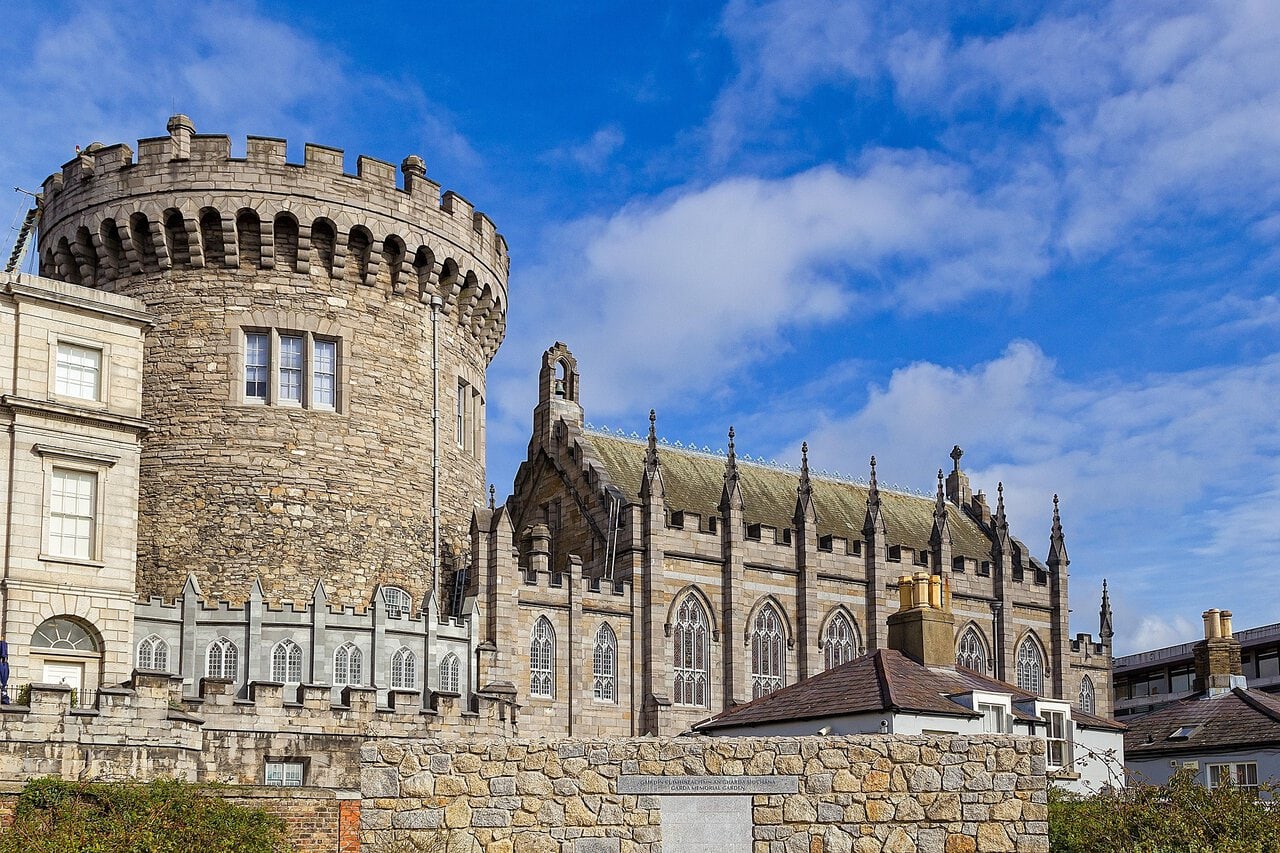
Dublin Castle was established in 1204 on the orders of King John of England, with construction overseen by Meiler Fitzhenry and the fortress largely complete by 1230. It was built at Dublin’s highest point, using the now buried River Poddle as part of its natural defences, and served for centuries as the seat of English, then British, rule in Ireland. A devastating fire in 1684 destroyed much of the original medieval structure, and the castle was rebuilt in the Georgian style that dominates the complex today.
Only the Record Tower, dating from around 1228, survives above ground from the original Norman fortress. The wider complex now spans roughly 11 acres and includes the State Apartments, the Chapel Royal and the site of a Viking settlement uncovered during excavations. Far from being a museum piece, the castle remains a working Irish government building, hosting presidential inaugurations, state visits and official ceremonies to this day.
Visitors can explore the State Apartments and undercroft on a self-guided ticket for €8, or join a guided tour for €12, which gives access to areas otherwise closed off. The castle is open daily, including bank holidays, from 9.45am to 5.45pm, with last admission at 5.15pm. It sits an easy walk from both Temple Bar and Christ Church Cathedral, making it simple to combine with other stops in the old city.
Dublin Castle is managed by Ireland’s Office of Public Works, which means it is one of the 173 heritage sites covered by the OPW Heritage Card. If your Dublin trip also takes in other OPW-run sites, such as Kilmainham Gaol in the city or Glendalough and Newgrange further afield, an adult card at €40 for twelve months of unlimited admission can work out cheaper than paying separate entry at each one; our OPW Heritage Card guide has the full details.
Visit St Patrick’s Cathedral
St Patrick’s Cathedral was dedicated on 17 March 1191, built on the site where local tradition holds that Saint Patrick himself baptised converts more than 1,500 years ago. It grew into the largest church in Ireland, with an internal length of 287 feet, and its distinctive spire, added in 1749, rises to 69 metres above the surrounding Liberties neighbourhood.
The cathedral’s most famous resident was Jonathan Swift, the satirist behind Gulliver’s Travels, who served as Dean from 1713 to 1745. Swift is buried inside the cathedral alongside his close friend Esther Johnson, known as Stella, and his memorial and self-written epitaph remain among the building’s most visited features. The interior is scattered with monuments, military flags and stained glass spanning eight centuries, giving a genuine sense of layered history that is easy to miss on a rushed visit.
Adult admission costs €11.50, and opening hours run from 9.30am to 5pm Monday to Friday and 9am to 6pm on Saturdays, with Sundays largely reserved for services rather than tourist visits, so plan accordingly if a Sunday is your only option. The cathedral also hosts choral evensong on selected evenings, a lovely and free way to experience the building’s exceptional acoustics if your visit lines up with the schedule.
Relax in St Stephen’s Green
After a morning of museums and manuscripts, St Stephen’s Green offers a genuinely restful break in the middle of the city. The 22 acre park was formally reopened to the public on 27 July 1880, after brewing magnate Sir Arthur Edward Guinness, later Lord Ardilaun, funded its landscaping and gifted it to Dublin Corporation for the free use of the city’s residents, a role it still fulfils today.
The main entrance near Grafton Street passes beneath the Fusiliers’ Arch, erected in 1907 to commemorate members of the Royal Dublin Fusiliers killed in the Second Boer War. Inside, paths wind past a lake, a garden for the visually impaired, a Famine Memorial honouring victims of the Great Hunger of the 1840s, and the Yeats Memorial Garden, which includes a striking sculpture by Henry Moore. Statues of figures including Wolfe Tone and Constance Markievicz are dotted throughout the grounds.
Entry is free, and the park is open from 7.30am until dusk Monday to Saturday, and from 9.30am until dusk on Sundays and bank holidays, with closing times shifting seasonally between roughly 4.30pm in winter and 9pm in midsummer. On a sunny afternoon it fills with office workers, students and picnicking families, and it remains one of the easiest and most enjoyable free things to do in Dublin.
Take a Sightseeing Cruise Along the River Liffey
One of the most relaxing ways to see Dublin is from the water. A River Liffey sightseeing cruise offers a completely different perspective on the Irish capital, allowing you to admire many of the city’s best-known landmarks while learning about more than 1,000 years of Dublin’s history.
The 45-minute cruise departs from Custom House Quay, close to the EPIC Irish Emigration Museum, and follows the River Liffey through the heart of the city towards Dublin Docklands. Along the way you’ll pass famous landmarks including the elegant Custom House, the historic Jeanie Johnston Famine Ship, the iconic Ha’penny Bridge and the modern developments that have transformed the Docklands into one of Dublin’s most vibrant districts.
As you cruise along the river, your local guide shares fascinating stories about Dublin’s past, from the arrival of the Vikings over a thousand years ago to the city’s rapid Georgian expansion, Oliver Cromwell’s landing in the seventeenth century and the regeneration of the waterfront in recent decades. You’ll also discover how much of modern Dublin, including Trinity College and the area around The Spire, was built on reclaimed land.
The boat itself is fully enclosed, making it a comfortable option in almost any weather, while its environmentally friendly HVO-powered engine helps reduce emissions as you explore the city. Because the cruise is fully accessible and lasts less than an hour, it’s an excellent activity for families, couples and visitors with limited time, or as a relaxing break between sightseeing on foot.
If you’re looking for a different way to experience Dublin beyond the busy streets, a River Liffey cruise is well worth adding to your itinerary. It combines history, architecture and panoramic city views in a leisurely experience that reveals a side of Dublin many visitors never get to see.
Compare routes and fares for your journey to Dublin.
Compare flightsChoose an Airalo eSIM and arrange mobile data before you arrive.
Browse eSIMsHave a private airport pickup arranged before you travel.
Book a transferDiscover Temple Bar Beyond the Pubs
Temple Bar is best known internationally for its cobbled streets and lively pub scene, but the area’s name and history run deeper than the stag and hen parties suggest. The district likely takes its name from Sir William Temple, who built a house and gardens there in the early 1600s, echoing the older Temple Bar area of London. Long before it became a nightlife hub, the riverside quarter was a working district of merchants and tradespeople.
Its transformation into a cultural quarter began in 1991, when the Irish government established Temple Bar Properties, a not for profit company tasked with regenerating what had become a rundown area slated for a bus depot. The plan instead preserved the historic streetscape and introduced dedicated cultural venues, including the Irish Film Institute, the Ark Children’s Cultural Centre, which opened in July 1996, and the Temple Bar Gallery and Studios, still one of Europe’s largest studio complexes for visual artists.
Beyond the well trodden pub crawl, visitors willing to detour a street or two will find independent bookshops, vintage clothing stalls at the weekend market on Cows Lane, and the Irish Photography Centre. It is worth walking through in daylight as well as after dark, when the crowds thin and the area’s older architecture is easier to appreciate without a pint glass blocking the view.
Tour the Jameson Distillery Bow St.
No visit to Dublin is complete without learning about one of Ireland’s most famous exports. The Jameson Distillery Bow St. offers an entertaining introduction to the history of Irish whiskey, combining fascinating stories, interactive exhibits and guided tastings in the building where the Jameson legacy began more than 240 years ago.
The 45-minute fully guided tour takes visitors through the story of John Jameson and the rise of one of the world’s best-known whiskey brands. Along the way you’ll discover how Irish whiskey is produced, learn about the ingredients and distillation process, and explore the beautifully restored Bow Street distillery in Dublin’s historic Smithfield district. Although whiskey is no longer distilled on this site, the visitor experience does an excellent job of bringing the building’s rich heritage to life.
One of the highlights is the comparative whiskey tasting, where you’ll sample Jameson alongside other styles of whiskey while expert guides explain the different aromas, flavours and production methods. Even if you’re new to whiskey, the tasting is designed to be approachable and informative rather than intimidating. The experience also includes a signature Jameson cocktail, giving visitors the chance to enjoy the spirit in a different way before relaxing in the stylish JJ Bar.
For enthusiasts looking to delve even deeper, it’s possible to upgrade your visit to include access to the live maturation warehouse, where you’ll learn how oak casks influence the character of the whiskey and even taste Jameson straight from the barrel. Before leaving, don’t miss the opportunity to browse the shop, where you can purchase distillery-exclusive bottles and even create a personalised bottle as a unique souvenir or gift.
Whether you’re already a whiskey enthusiast or simply curious about one of Ireland’s most famous brands, the Jameson Distillery Bow St. is one of Dublin’s most enjoyable attractions. Its central location also makes it easy to combine with nearby highlights such as the Guinness Storehouse, Phoenix Park or a stroll through the lively streets of Smithfield.
Discover Irish Folklore at the National Leprechaun Museum
If you’re looking for something a little different from Dublin’s traditional museums, the National Leprechaun Museum offers one of the city’s most unique visitor experiences. Rather than focusing on artefacts behind glass, the attraction celebrates Ireland’s rich tradition of storytelling, bringing centuries-old myths, legends and folklore to life through immersive sets and live performances.
The 45 to 50-minute guided storytelling experience takes visitors on a journey through Irish mythology, with talented storytellers sharing tales of leprechauns, fairies, giants, banshees and legendary heroes as you move through a series of atmospheric rooms inspired by Ireland’s folklore. The experience is designed for adults and children alike, although a good understanding of spoken English is recommended, as the stories are performed live rather than through recorded audio.
One of the highlights is the museum’s imaginative design. Visitors walk through oversized furniture, woodland-inspired spaces and cosy cottage settings that create the feeling of stepping into the stories themselves. Rather than simply learning about Irish folklore, you become part of it, making this a memorable experience for families and anyone interested in Ireland’s cultural heritage.
For those looking for something darker, the museum also offers Darkland, an adults-only evening experience exploring the more sinister side of Irish mythology. These hour-long performances delve into ancient tales of ghosts, monsters, curses and supernatural creatures, providing a fascinating alternative to the daytime tour. With atmospheric lighting and dramatic storytelling, it’s a very different experience from the family-friendly daytime sessions and is recommended for visitors aged 18 and over.
Before leaving, it’s worth browsing the museum’s gift shop, which stocks one of Dublin’s largest collections of books on Irish folklore, mythology and fairy tales, alongside exclusive souvenirs and locally inspired gifts. Whether you’re travelling with children or simply want to experience a different side of Irish culture, the National Leprechaun Museum is an entertaining and memorable addition to any Dublin itinerary.
Spend a Day at Dublin Zoo
Located within the beautiful surroundings of Phoenix Park, Dublin Zoo is one of Ireland’s most popular family attractions and one of the oldest zoos in the world. Home to more than 400 animals representing over 70 species, it’s an easy place to spend half a day or more while discovering wildlife from every corner of the globe.
The zoo is divided into a series of themed habitats, allowing visitors to experience animals in environments designed to reflect their natural homes. Wander through the African Plains to see giraffes, rhinos and zebras, explore the Asian Forests, watch playful primates swinging through the trees, or admire majestic lions, elephants and other endangered species. Throughout the day, Keeper Talks provide fascinating insights into the animals’ behaviour, conservation efforts and the important role modern zoos play in protecting vulnerable wildlife.
One of the biggest attractions is the zoo’s commitment to global conservation, with every ticket helping to support projects protecting endangered animals and their habitats around the world. Alongside the wildlife exhibits, visitors will also find educational displays, family-friendly play areas and plenty of green space for children to burn off some energy between animal encounters.
Depending on when you visit, your ticket may also include special seasonal events. One of the most popular is Animal Bricktacular, a spectacular trail featuring more than 40 life-sized animal sculptures built from over 3.5 million bricks. The impressive displays sit alongside the zoo’s real animals, creating a fun and unique experience that appeals to both children and adults.
There are several cafés and food outlets throughout the zoo, although you’re equally welcome to bring your own picnic and enjoy lunch in one of the designated picnic areas. Most visitors spend between two and four hours exploring, but it’s easy to stay longer if you’re taking your time or visiting with young children.
Whether you’re travelling as a family, a couple or simply enjoy wildlife, Dublin Zoo offers an enjoyable escape from the busy city centre and combines perfectly with other attractions in Phoenix Park, making it one of Dublin’s best value days out.
Browse Grafton Street
Running for around 500 metres between St Stephen’s Green and College Green, Grafton Street is Dublin’s principal shopping thoroughfare and one of the most recognisable streets in the city. It began life as a country lane in the early 1700s and only became a major route after Carlisle Bridge opened in 1758, connecting it directly to the growing city centre. By the 19th century it had fallen into disrepair, but a wave of redevelopment restored its fortunes, and department store Brown Thomas and jeweller Weirs, trading since 1869, remain fixtures today.
The street was pedestrianised on a trial basis in September 1971, with permanent pedestrianisation following in 1982 and a full repaving and relighting scheme completed in 1988. That decision turned Grafton Street into one of the best places in Dublin for people watching, window shopping and, above all, street performance.
Busking has been part of the street’s identity since the 1980s, with performers required to hold a yearly council licence costing around €30, plus an additional €60 if they plan to use amplification, and each act limited to a one hour slot. Musicians including Damien Rice, Rodrigo y Gabriela and a young Bono all cut their teeth performing here, and on a busy Saturday the street still hums with live music from one end to the other.
Learn at EPIC The Irish Emigration Museum
EPIC The Irish Emigration Museum opened its doors in May 2016, in a ceremony led by former Irish president Mary Robinson, and quickly established itself as one of Dublin’s most acclaimed attractions. It occupies the atmospheric vaults of the CHQ Building on Custom House Quay, a structure built in 1820 by engineer John Rennie and completed by Thomas Telford as a bonded customs warehouse, giving the museum a suitably historic setting for its subject matter.
Inside, 20 themed galleries use interactive digital displays rather than physical artefacts to trace the story of Irish emigration and its influence across the globe, organised into sections covering migration, motivation, influence and the modern diaspora. The museum has been named Europe’s Leading Tourist Attraction at the World Travel Awards in 2019, 2020 and 2021, a rare feat for a museum that relies almost entirely on storytelling and technology rather than historic objects.
General adult admission costs around €22, with a cheaper super saver rate available for late entry slots and discounts for booking at least 30 days in advance. The museum is open daily from 10am to 6.45pm, with last admission at 5pm. It sits right on the Liffey boardwalk, making it an easy add on to a walk along the north quays towards the Custom House and the Jeanie Johnston famine ship.
Compare hostels and lower-cost places to stay in Dublin.
Search hostelsGet help with compensation, eligible lounge access and disruption support.
Explore AirHelp+Use convenient luggage storage around Dublin between arrival, check-in and departure.
Check storageEnjoy Dublin After Dark
Dublin’s evening scene stretches well beyond Temple Bar’s pub crawls. The Abbey Theatre, founded in 1904 by W.B. Yeats and Lady Gregory, holds the distinction of being the first state subsidised theatre in the English speaking world, and it still stages a mix of classic Irish drama and new work in the city centre. For live music, Whelan’s on Wexford Street has built a reputation as one of Ireland’s most respected small venues, hosting emerging Irish acts alongside touring international artists in a room that holds only a few hundred people, making for a far more intimate experience than the big arena shows.
Larger touring productions, from West End musicals to major comedy names, tend to land at the Bord Gáis Energy Theatre down at the Grand Canal Dock, a striking modern venue that has become a fixture of the city’s cultural calendar since it opened in 2010. Traditional Irish music sessions remain easy to find too, with pubs across the Liberties and Temple Bar hosting informal trad nights most evenings of the week, usually with no cover charge beyond the price of a pint.
Whatever the evening holds, Dublin’s compact centre means most venues are within a short walk or a quick Luas tram ride of each other. It is worth checking listings ahead of time, since the best trad sessions and smaller gigs rarely get advertised far in advance, and locals often rely on word of mouth to find the night’s best spot.
See Dublin on a Hop-On Hop-Off Bus Tour
If you’re visiting Dublin for the first time, a hop-on hop-off sightseeing bus is one of the easiest ways to discover the city’s biggest attractions without worrying about public transport or long walks between sights. With 24, 48 or 72-hour tickets available, you can explore at your own pace while enjoying panoramic views from the open-top deck.
The route covers many of Dublin’s best-known landmarks, including Trinity College, Dublin Castle, Christ Church Cathedral, St Patrick’s Cathedral, the Guinness Storehouse, Jameson Distillery Bow St., Phoenix Park, Dublin Zoo, Temple Bar, EPIC The Irish Emigration Museum and St Stephen’s Green. You can stay on board for the full two-hour circuit to enjoy an introduction to the city, or simply hop off whenever an attraction catches your eye before boarding the next bus.
Along the way you’ll hear fascinating commentary about Dublin’s history, culture and famous residents through either a live English-speaking guide or a multilingual audio guide available in several languages. The buses run regularly throughout the day, making it easy to build your own sightseeing itinerary without feeling tied to a strict schedule.
The longer-duration tickets offer particularly good value. Depending on which option you choose, your pass may also include a guided walking tour, entry to either the Irish Whiskey Museum or the World of Illusion Museum, discounts at selected restaurants and attractions, and even a guided evening bus tour or sightseeing bike tour with the 72-hour ticket. These extras can make the pass an economical choice if you’re planning to visit several attractions during your stay.
Whether you’re spending a single day in Dublin or enjoying a longer city break, the hop-on hop-off bus provides an enjoyable and convenient way to get around while learning more about Ireland’s capital. It’s especially useful at the start of your visit, helping you familiarise yourself with the city’s layout before exploring your favourite neighbourhoods on foot.
Explore Dublin’s Outstanding Museums
Dublin is home to some of Ireland’s finest museums, covering everything from ancient archaeology and literature to emigration, modern art and Irish independence. Whether you’re interested in history, culture or simply escaping the occasional Irish rain, you’ll find museums that can easily fill an afternoon.
One of the city’s highlights is EPIC The Irish Emigration Museum, an award-winning interactive attraction that tells the story of the millions of Irish people who emigrated around the world and the enormous influence they had on music, politics, science and sport. Nearby, the National Museum of Ireland – Archaeology houses incredible treasures including prehistoric gold jewellery, Viking artefacts and remarkably preserved bog bodies.
Literature lovers shouldn’t miss MoLI (Museum of Literature Ireland). Located in a beautifully restored Georgian building beside St Stephen’s Green, MoLI celebrates Ireland’s extraordinary literary heritage through interactive exhibitions, peaceful gardens and displays dedicated to writers including James Joyce, Oscar Wilde, W.B. Yeats and Seamus Heaney. Even if you’re not a devoted reader, it’s one of Dublin’s most atmospheric museums.
Other excellent choices include the Little Museum of Dublin, which tells the story of the city through fascinating objects donated by Dubliners themselves, the GPO Museum, where you’ll learn about the 1916 Easter Rising, and Dublinia, which transports visitors back to the city’s Viking and medieval past. Many of Dublin’s museums are either free to visit or excellent value, making them a fantastic addition to any itinerary.

Experience Dublin’s Famous Pubs
Dublin’s pubs are far more than places to enjoy a pint of Guinness. Many are historic landmarks, filled with centuries of stories, traditional music and distinctive Irish character. Whether you’re looking for a lively evening or simply somewhere atmospheric to enjoy lunch, visiting one or two of Dublin’s famous pubs is an essential part of the city’s experience.
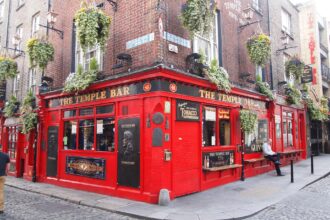
The most famous is undoubtedly The Temple Bar, whose bright red exterior has become one of Dublin’s most photographed buildings. While it can be busy and more expensive than other pubs, it’s worth visiting at least once for the atmosphere and live traditional music. For a more authentic local feel, many visitors head to The Brazen Head, widely regarded as Ireland’s oldest pub, dating back to the twelfth century. Its cosy rooms, roaring fireplaces and regular live music sessions make it a favourite with both locals and visitors.
Whiskey lovers should make time for The Palace Bar, a beautifully preserved Victorian pub famous for its extensive whiskey selection, while literary enthusiasts often seek out The Duke, a long-standing favourite just off Grafton Street, or Davy Byrnes, immortalised in James Joyce’s Ulysses. Another institution is Mulligan’s of Poolbeg Street, renowned for serving one of the best pints of Guinness in Dublin and retaining much of its traditional charm.
Many of these pubs host live Irish music sessions, particularly during the evenings, creating the perfect setting to experience Dublin’s legendary hospitality. Even if you don’t drink alcohol, they’re wonderful places to soak up the atmosphere, enjoy hearty Irish food and experience an important part of the city’s cultural heritage.
Enjoy Dublin with the Whole Family
Dublin is a fantastic destination for families, with plenty to keep children of all ages entertained. Alongside its famous historic attractions, the city offers interactive museums, parks, wildlife experiences and hands-on activities that make sightseeing fun rather than feeling like a history lesson.
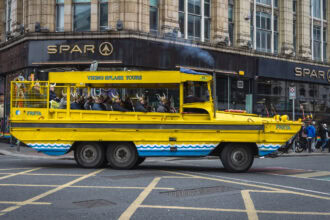
One of the most popular family attractions is Dublin Zoo, located in the vast surroundings of Phoenix Park. Home to more than 400 animals, it’s easy to spend several hours exploring the different habitats before enjoying a picnic or hiring bikes to discover more of the park itself. Younger children also love the colourful Viking Splash Tours, where an amphibious vehicle travels through the streets before splashing into the water, while older children often enjoy exploring the exhibits at EPIC The Irish Emigration Museum or stepping back in time at Dublinia, where Viking and medieval Dublin come to life.
If the weather isn’t ideal, Dublin has plenty of indoor attractions too. The National Leprechaun Museum uses live storytelling to introduce visitors to Irish myths and legends, while the Imaginosity Children’s Museum, National Wax Museum Plus and a range of interactive experiences ensure there’s always something to do, whatever the forecast.
Families will also find plenty of green space throughout the city. St Stephen’s Green, Merrion Square and Phoenix Park are perfect for letting children stretch their legs, while nearby beaches such as Howth, Malahide and Bray make excellent day trips from the city centre.
Whether you’re visiting for a weekend or a longer holiday, Dublin offers far more than historic buildings and museums. With attractions designed specifically for younger visitors alongside plenty of open space and family-friendly tours, it’s one of Europe’s easiest capital cities to enjoy with children.
Planning a family break? Read our dedicated guide to Things to Do in Dublin with Kids for even more ideas, attractions and practical tips to help you make the most of your visit.
Planning the Perfect Visit
The mildest weather in Dublin falls between June and August, when average daytime highs sit around 19.4°C, though even in midsummer a jacket is worth packing since evenings cool to around 11°C and rain can appear with little warning at any time of year. Most visitors find that three to four days is enough to cover the major sights at a comfortable pace, including at least one attraction outside the immediate city centre, while a single overnight stay can still work well if paired with a focused, well planned itinerary.
If your trip to Dublin begins at sea rather than in the air, our Dublin Port Transfers guide covers getting from the cruise terminal or ferry port into the city centre. And if you only have a matter of hours to spare, perhaps on a layover or a one day stopover, our Extreme Day Trip to Dublin guide lays out exactly how to see the highlights without wasting a single minute.

Christmas Markets in Dublin
Dublin does not have a centuries-old Christmas market in the style of Vienna or Cologne, and its festive scene has grown largely over the past decade rather than following one long historic tradition. The biggest event is TwinkleTown, a family-focused festive village with an ice rink, Ferris wheel and vintage fairground rides.
TwinkleTown now runs across two sites, Smithfield Square on the northside and a second southside location, while smaller markets pop up at Swords Castle and the National Botanic Gardens. The long-running Dublin Castle Christmas Market is not operating for the 2026 season and is expected to return in 2027.
What genuinely carries a Dublin Christmas trip is the city’s pub culture. Traditional pubs decorated for the season, live music and warm, sociable evenings fill the gap that a grand historic market square would occupy in a city like Salzburg, and a pint of Guinness typically costs around six to seven euros.
Dublin’s festive calendar builds toward its own New Year celebrations, including free fireworks at Howth Pier and Dún Laoghaire Harbour on 31 December, alongside a ticketed Countdown Concert at Dublin Castle. Our full guide to Dublin’s Christmas markets covers dates, venues and where to stay.

Rupert’s Handy Travel Tips
I’ve trotted round Dublin enough times to know exactly where visitors trip up, so here’s what I’d tell a friend before they land.
- Book the Book of Kells ahead: Trinity’s most famous attraction sells out its walk up allocation most summer mornings, so buy your timed ticket online before you travel.
- Skip the queue at Guinness: the Storehouse uses dynamic pricing and timed entry, so an early morning or late afternoon slot booked in advance is usually both cheaper and quieter.
- Wear proper shoes for cobbles: Temple Bar and the streets around Dublin Castle are cobbled and can be slippery after rain, which is more common than you’d like.
- Sunday plans need a rethink: St Patrick’s Cathedral reserves much of Sunday for services rather than tourist visits, so plan your visit for another day of the week if possible.
- Use the Luas for the Docklands: the tram is the quickest way to reach EPIC and the Bord Gáis Energy Theatre from the city centre without a long walk along the quays.
Want to meet the reindeer behind our travel tips? Find out more in our page Who is Rupert?.




Frequently Asked Questions
How many days do you need for things to do in Dublin?
Most visitors find three to four days enough to see the main attractions comfortably, though a well planned single day can still cover the essentials if time is tight.
Do you need to book the Book of Kells in advance?
Yes, booking online ahead of time is strongly recommended, since this is one of Dublin’s busiest attractions and walk up tickets often sell out by midday in peak season.
Is the Guinness Storehouse worth the money?
At around €26 upwards for a self-guided tour that ends with a pint and panoramic views from the Gravity Bar, most first time visitors consider it good value, particularly if booked in advance for a better rate.
What is the best time of year to visit Dublin?
June to August brings the mildest weather, with average highs around 19.4°C, though it is also the busiest and most expensive period, so shoulder months like May or September offer a good balance.
Are most Dublin attractions within walking distance of each other?
Yes, Trinity College, Dublin Castle, Temple Bar, Grafton Street and St Stephen’s Green all sit within roughly a twenty minute walk of one another in the compact city centre.
Further Reading
Once you have the main sights mapped out, it is worth sorting the practical side of your trip. Our Dublin Airport Transfers guide covers every option for getting from the airport into the city, while the Dublin Public Transport Guide explains how to use the Luas, buses and DART once you are settled in. If you are arriving by sea, our Dublin Port Transfers guide has you covered too.
Travelling with children changes the calculus on a few of these attractions, so our Things to Do in Dublin with Kids guide highlights the family friendly picks and a few spots worth skipping. And if the city itself is only part of the plan, our Day Trips from Dublin guide covers the best places to head for beyond the capital, from coastal villages to ancient monuments.
Short on time altogether? Our Extreme Day Trip to Dublin guide is built specifically for visitors squeezing the city into a single day, with a tight but realistic route covering the highlights above.