
What Is the OPW Heritage Card?
The OPW Heritage Card is one of the best-value sightseeing passes in Ireland, providing unlimited admission for 12 months to 173 heritage sites managed by the Office of Public Works (OPW). Instead of paying individual entrance fees every time you visit a participating attraction, one card gives you unlimited access to many of Ireland’s most famous castles, monasteries, prehistoric monuments, gardens, military forts and visitor centres.
Available in Adult, Senior, Student, Child and Family versions, the card is designed for both visitors and residents who plan to explore Ireland’s rich history and cultural heritage. Whether you’re spending a long weekend in Dublin, touring the Wild Atlantic Way, discovering Ireland’s medieval castles or returning several times during the year, the card can quickly pay for itself after only a handful of visits.
Some of Ireland’s most iconic attractions are included, including Kilmainham Gaol, Kilkenny Castle, Brú na Bóinne, Glendalough, The Rock of Cashel, Trim Castle, Charles Fort, Cahir Castle and Clonmacnoise. Because the card remains valid for 12 months from its first use, you don’t need to squeeze everything into one holiday, allowing you to spread your visits across multiple trips if you wish.
Unlike many city attraction passes that are only valid for a few days, the OPW Heritage Card encourages slower exploration. You can revisit your favourite sites as often as you like throughout the year, making it an excellent investment for anyone wanting to experience Ireland’s remarkable historic and archaeological treasures.
OPW Heritage Card at a Glance
| Feature | Details |
|---|---|
| Validity | 12 months from first use |
| Adult Price | €40 |
| Senior Price (60+) | €30 |
| Student Price | €10 |
| Child Price (12–18) | €10 |
| Family Price | €90 |
| Children Under 12 | Free admission |
| Sites Included | 173 OPW-managed heritage sites |
| Repeat Visits | Unlimited |
| Best For | Visitors exploring Ireland’s historic attractions throughout the year |
Browse hotels and accommodation for your journey.
View staysBrowse apartments, holiday homes and self-catering stays.
View rentalsCompare hotel deals from multiple booking sites in one search.
Compare pricesOPW Heritage Card Prices
The OPW Heritage Card is available in several different versions, making it accessible for solo travellers, families, students and older visitors. Every card provides the same unlimited admission to participating OPW heritage sites, with the only difference being the eligibility requirements for each ticket type.
| Card Type | Price |
|---|---|
| Adult | €40.00 |
| Senior (60+) | €30.00 |
| Student | €10.00 |
| Child (12–18) | €10.00 |
| Family (2 adults + up to 5 children aged 12–18) | €90.00 |
Children under 12 years old receive free admission to participating sites and therefore do not require their own Heritage Card.
Every card remains valid for 12 months from the date of first use, rather than the date of purchase. This gives you flexibility if you’re buying before travelling, as the validity period doesn’t begin until you first present the card at an eligible attraction.
Considering the admission prices charged at many of Ireland’s best-known heritage attractions, the card can represent excellent value even after only a few visits. Travellers touring several counties or making repeat visits throughout the year will usually recover the purchase price very quickly.
What’s Included?
The OPW Heritage Card provides far more than discounted admission. Once activated, it gives unlimited access to 173 participating heritage sites managed by the Office of Public Works, allowing you to visit as many attractions as you like throughout the card’s 12-month validity period.
One of the biggest advantages is the ability to make unlimited repeat visits. Unlike standard admission tickets, which are valid for a single visit, the Heritage Card allows you to return to your favourite castles, gardens, monasteries and visitor centres as often as you wish. This makes it particularly attractive for residents of Ireland or visitors planning multiple holidays during the year.
When purchasing online, the card is delivered free of charge and includes an OPW Heritage Sites map brochure, making it easy to plan your itinerary before you arrive. If you don’t have time to wait for delivery, the card can also be purchased at participating OPW fee-paying sites throughout Ireland.
The Heritage Card also allows eligible visitors to reserve places on selected guided tours before receiving their physical card by choosing the OPW One Year Heritage Card option during the booking process. This can be particularly useful during busy periods when popular attractions require advance reservations.
Types of Attractions Covered
One of the greatest strengths of the OPW Heritage Card is the sheer variety of attractions it includes. Rather than focusing on a single type of visitor attraction, the card opens the door to 173 heritage sites across Ireland, ranging from prehistoric monuments and medieval castles to elegant country estates, monastic settlements and spectacular coastal landmarks.
| Category | Examples |
|---|---|
| Castles & Fortresses | Kilkenny Castle, Trim Castle, Cahir Castle, Donegal Castle, Ross Castle, Charles Fort |
| Ancient Ireland & Archaeology | Brú na Bóinne, Hill of Tara, Céide Fields, Carrowmore Megalithic Cemetery, Loughcrew |
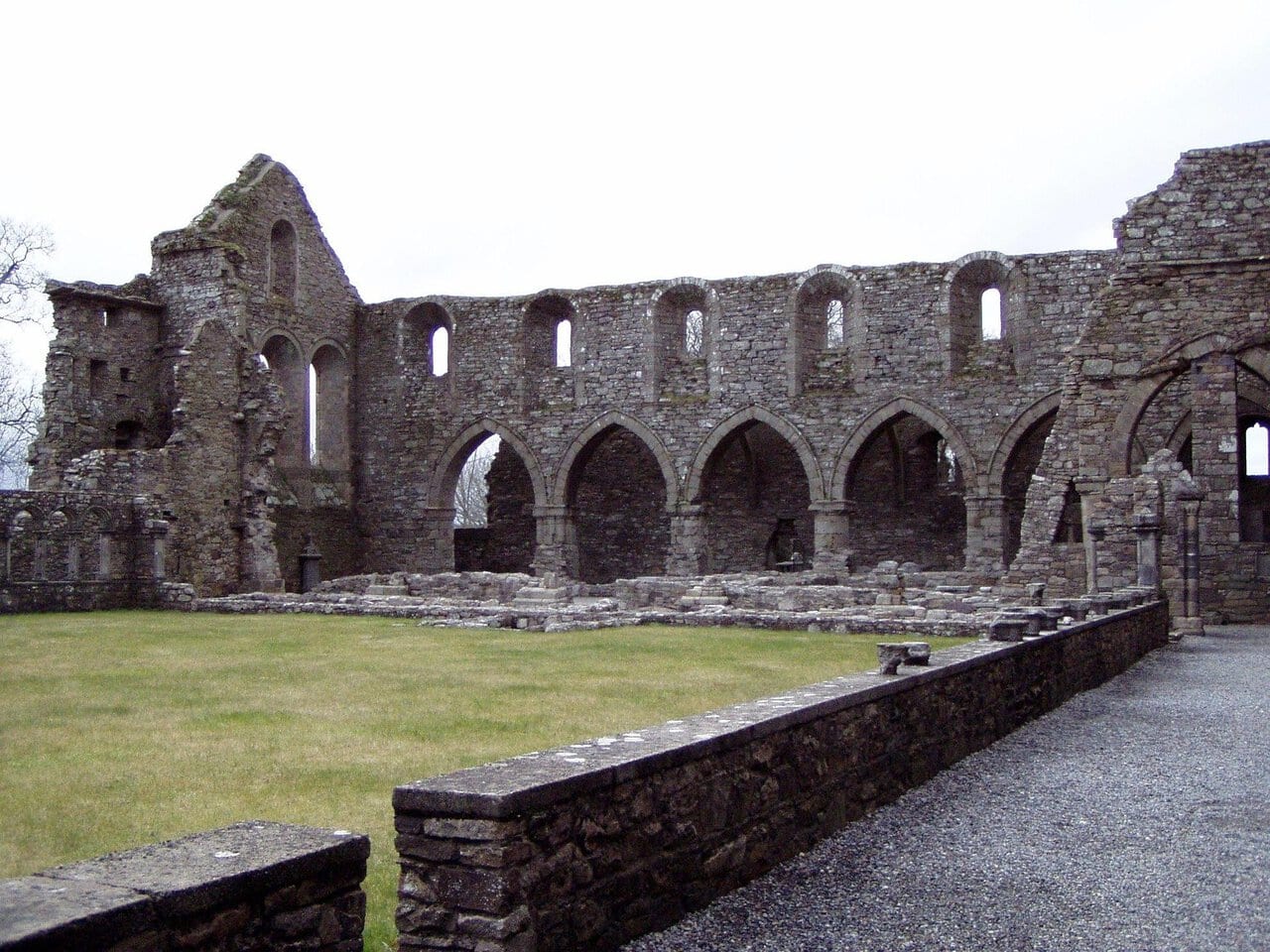
| Monasteries & Abbeys | Glendalough, Clonmacnoise, Jerpoint Abbey, Boyle Abbey, Ennis Friary |
| Gardens & Historic Estates | Emo Court, Altamont Gardens, Farmleigh House, Doneraile Court, Fota Arboretum |
| Historic Buildings & Museums | Dublin Castle, Kilmainham Gaol, Pearse Museum, Battle of the Boyne Visitor Centre |
| Islands & Coastal Heritage | Skellig Michael, Garinish Island, Dún Aonghasa, Blasket Centre, Scattery Island |
This remarkable variety means the card appeals to almost every type of traveller. History enthusiasts can explore medieval castles and Viking landmarks, archaeology lovers can visit some of Europe’s oldest prehistoric monuments, families can enjoy interactive visitor centres and impressive fortresses, while garden enthusiasts can discover beautifully maintained estates spread across the country.
Unlike many visitor passes that concentrate on a single city, the OPW Heritage Card encourages exploration throughout the entire island. Whether you’re visiting Dublin, driving the Wild Atlantic Way, exploring Ireland’s Ancient East or discovering hidden gems in rural counties, you’ll find participating attractions almost everywhere you travel.

Popular OPW Heritage Sites
Although the OPW Heritage Card includes 173 attractions, a handful consistently rank among Ireland’s most famous and most visited heritage sites. Visiting just a few of these during your trip can make the card excellent value while giving you the opportunity to experience some of the country’s most important historic landmarks.
| Heritage Site | Why Visit? |
|---|---|
| Kilmainham Gaol | Ireland’s most famous former prison and a key site in Irish independence |
| Kilkenny Castle | One of Ireland’s finest restored medieval castles |
| Brú na Bóinne | UNESCO World Heritage Site including Newgrange and Knowth |
| Glendalough | Ancient monastic settlement in the Wicklow Mountains |
| Rock of Cashel | One of Ireland’s most iconic medieval monuments |
| Trim Castle | Ireland’s largest Norman castle |
| Charles Fort | A spectacular seventeenth-century star fort overlooking Kinsale Harbour |
| Cahir Castle | One of Ireland’s best-preserved medieval castles |
| Clonmacnoise | Historic monastery beside the River Shannon |
| Dublin Castle | The historic centre of English and later British administration in Ireland |
These famous attractions are only the beginning. The Heritage Card also includes dozens of lesser-known castles, abbeys, gardens, prehistoric sites and visitor centres that are often overlooked by visitors following the traditional tourist trail. This combination of world-famous landmarks and hidden gems makes the card particularly rewarding for travellers who enjoy exploring beyond Ireland’s headline attractions.
Because every included site can be visited repeatedly during the card’s 12-month validity, you can return to favourite locations in different seasons or simply take your time exploring Ireland’s extraordinary heritage at your own pace.
How the OPW Heritage Card Works
Using the OPW Heritage Card is straightforward. Once purchased, the card becomes valid for 12 months from the date of first use, allowing unlimited admission to participating OPW-managed heritage sites throughout that period.
Before using a physical card for the first time, it must be signed by the named cardholder. The card is strictly personal and cannot be transferred to another person. Staff at participating attractions may request proof of identity before granting admission, particularly where concession cards such as Student, Senior or Child cards are being used.
One of the biggest advantages of the card is that there is no limit on the number of visits you can make. You are free to revisit your favourite castles, gardens, monasteries and visitor centres as often as you wish while the card remains valid. This flexibility makes the card particularly attractive for residents of Ireland or visitors returning several times during the year.
Student cardholders must present a valid student identification card when using their Heritage Card for the first time. Once validated, the Student Heritage Card remains valid for the full 12 months, even if the holder’s student status changes during that period. Similarly, proof of age may be requested for Senior and Child Heritage Cards when required.
Buying the OPW Heritage Card
The OPW Heritage Card can be purchased online before travelling or in person after arriving in Ireland. Buying online allows you to plan your sightseeing in advance, while visitors already in the country can simply purchase the card at participating OPW fee-paying heritage sites before beginning their itinerary.
Online purchases include free postage together with an OPW Heritage Sites map brochure, making it easy to start planning which attractions to visit. As delivery can take several working days, travellers should allow sufficient time if ordering before departure. Those who prefer not to wait can simply purchase the card at their first participating attraction.
Even if your physical card hasn’t yet arrived, you can still reserve tours at participating attractions by selecting the OPW One Year Heritage Card option during the booking process. This is particularly useful for popular attractions where advance reservations are recommended.
Visitors who already hold English Heritage membership should also note that reciprocal admission arrangements apply at participating OPW sites, meaning separate Heritage Card purchases may not always be necessary depending on your travel plans.
Search routes and flight options for your journey.
Search flightsChoose an Airalo eSIM and arrange mobile data before you arrive.
Browse eSIMsBook a private airport transfer in advance and have your ride planned before you arrive.
Check transfersBooking Popular Attractions
Although the OPW Heritage Card includes admission to participating heritage sites, it’s important to remember that some of Ireland’s busiest attractions require advance booking, particularly during the peak tourist season. Holding a Heritage Card does not automatically reserve you a place on guided tours or time-slotted visits.
Where online booking is available, simply select the “OPW One Year Heritage Card” option during the reservation process. This allows Heritage Card holders to secure their preferred date and time while still receiving the admission included with their pass. Booking ahead is particularly worthwhile if you’re visiting during school holidays, weekends or the busy summer months.
Popular attractions such as Kilmainham Gaol, Brú na Bóinne and Skellig Michael regularly experience high demand, with tickets often selling out well in advance. While your Heritage Card covers admission where applicable, it does not guarantee availability, so reserving your place as early as possible is strongly recommended.
It’s also worth remembering that the Heritage Card does not provide fast-track entry. Visitors join the normal admission process and may still need to wait for their allocated tour or entry time, particularly at attractions operating guided visits or timed admissions.
Suggested OPW Heritage Card Itineraries
One of the biggest advantages of the OPW Heritage Card is the flexibility to build your own itinerary. Whether you’re spending a weekend in Dublin or enjoying a longer road trip around Ireland, combining several heritage attractions can quickly make the card excellent value.
Dublin Heritage Weekend
A weekend in Dublin offers one of the easiest ways to get outstanding value from the OPW Heritage Card, combining some of Ireland’s most important historic landmarks with elegant gardens, fascinating museums and centuries of political history. Because many of the city’s leading attractions are managed by the Office of Public Works, you can comfortably visit several sites over two days while gaining a much deeper understanding of Ireland’s story than simply exploring the capital’s famous shopping streets or pubs.
Begin your first morning at Kilmainham Gaol, one of Ireland’s most powerful historic sites. More than simply a former prison, Kilmainham tells the story of Irish nationalism, the struggle for independence and many of the people who shaped modern Ireland. Walking through the prison’s Victorian wings and standing in the Stonebreakers’ Yard where the leaders of the 1916 Easter Rising were executed provides an emotional introduction to Irish history. As one of the country’s most popular attractions, advance booking is highly recommended, even for Heritage Card holders.
From here, continue to nearby Royal Hospital Kilmainham, one of Ireland’s finest seventeenth-century buildings. Today it houses the Irish Museum of Modern Art, while its formal courtyards and surrounding grounds remain among Dublin’s most impressive historic spaces. The peaceful atmosphere provides a welcome contrast to the emotional experience of Kilmainham Gaol.
During the afternoon, head into the heart of the capital to explore Dublin Castle, which served as the centre of English and later British administration in Ireland for hundreds of years. Today visitors can discover the magnificent State Apartments, medieval remains, the beautiful Chapel Royal and the historic courtyards that have witnessed many of the defining moments in Irish history. Its central location also places you within easy walking distance of many of Dublin’s other historic landmarks.
Just a short stroll away stands St Audoen’s Church, the oldest surviving medieval parish church in Dublin. Dating back to the twelfth century, this remarkable building offers a quieter and often overlooked glimpse into medieval Dublin, with ancient stonework, fascinating memorials and centuries of ecclesiastical history preserved within its walls.
On your second day, slow the pace and discover another side of Dublin’s heritage. Begin at Farmleigh House and Gardens, the magnificent Edwardian estate that now serves as the Irish State Guest House. The beautifully restored interiors, landscaped gardens and tranquil parkland make it one of Dublin’s hidden gems, offering an insight into aristocratic life that contrasts with the political history explored on the previous day.
Continue into Phoenix Park, one of the largest enclosed urban parks in Europe. Visit the Phoenix Park Visitor Centre at Ashtown Castle to learn about the park’s long history before exploring its woodland walks, ornamental gardens and famous herd of wild fallow deer. If time allows, nearby Áras an Uachtaráin, the official residence of the President of Ireland, can also be visited on selected guided tours.
Finish your weekend with a relaxing stroll through the beautifully restored Iveagh Gardens, often described as Dublin’s “secret garden”. Hidden behind the busy streets of the city centre, these Victorian gardens provide the perfect place to reflect on a weekend spent discovering castles, prisons, stately homes and some of the most important chapters in Irish history. By combining several OPW-managed attractions over two days, the OPW Heritage Card can quickly demonstrate its value while providing one of the richest heritage experiences available anywhere in Ireland.
Browse hostels and budget-friendly stays.
See hostelsAccess compensation support, eligible lounge benefits and faster payouts.
See the benefitsArriving before check-in or leaving later? Store your luggage and enjoy the extra time hands-free.
Store your bagsAncient Ireland Road Trip
For travellers fascinated by archaeology, mythology and the origins of civilisation, few journeys are more rewarding than an Ancient Ireland Road Trip. The OPW Heritage Card provides access to many of the country’s most remarkable prehistoric monuments and early Christian sites, allowing you to follow thousands of years of Irish history from the first farming communities through to the great monastic settlements that shaped medieval Europe.
Begin your journey at Brú na Bóinne, one of Ireland’s greatest archaeological treasures and a UNESCO World Heritage Site. The spectacular passage tombs of Newgrange, Knowth and Dowth predate both Stonehenge and the Egyptian pyramids, demonstrating the extraordinary engineering and astronomical knowledge of Ireland’s Neolithic communities more than 5,000 years ago. Guided tours reveal intricate stone carvings, remarkable construction techniques and the famous winter solstice alignment that continues to attract visitors from around the world.
Only a short drive away lies the legendary Hill of Tara, once regarded as the ceremonial seat of the High Kings of Ireland. Although the earthworks appear peaceful today, the site occupies a central place in Irish mythology and early political history. Standing on the summit provides sweeping views across the surrounding countryside while offering an opportunity to imagine the ceremonies and gatherings that once took place here.
Continue west towards the remarkable prehistoric cemetery at Loughcrew, where a collection of Neolithic passage tombs crowns the hills of County Meath. Less crowded than Brú na Bóinne but equally atmospheric, these monuments reward visitors with stunning views alongside beautifully preserved prehistoric art carved into the ancient stones.
From here, travel towards the banks of the River Shannon to visit Clonmacnoise, one of Ireland’s most important early Christian settlements. Founded in the sixth century by Saint Ciarán, the monastery became a major centre of learning, religion and craftsmanship, attracting pilgrims and scholars from across Europe. Today its round towers, cathedral ruins and beautifully carved high crosses create one of the most evocative historic landscapes in the country.
If time allows, continue your journey north-west to Carrowmore Megalithic Cemetery in County Sligo, one of the largest collections of megalithic tombs in Europe. The surrounding landscape, dominated by Knocknarea and the legendary tomb of Queen Medb, combines archaeology with Irish mythology in spectacular fashion.
Complete your exploration at the extraordinary Céide Fields in County Mayo, where preserved prehistoric field systems stretch across the dramatic Atlantic coastline. Beneath the blanket bog lies one of the oldest known farming landscapes anywhere in the world, providing remarkable evidence of how Ireland’s earliest farming communities lived more than five millennia ago.
Taken together, these extraordinary monuments tell the story of Ireland long before castles, cities and kingdoms emerged. They reveal the ingenuity, beliefs and achievements of some of Europe’s earliest settled communities and demonstrate why the OPW Heritage Card offers exceptional value for anyone interested in archaeology, mythology and the deep history of Ireland.
Medieval Ireland Explorer
Ireland’s medieval heritage is among the richest in Europe, and the OPW Heritage Card provides access to many of its finest castles, abbeys and fortified towns. This itinerary takes you on a journey through more than 800 years of history, following the arrival of the Normans, the rise of powerful Irish dynasties and the construction of magnificent castles that still dominate the landscape today. Whether you’re fascinated by military architecture, medieval religion or Ireland’s royal past, this route offers one of the best ways to experience the country’s remarkable heritage.
Begin at Trim Castle in County Meath, the largest Norman castle in Ireland. Built during the late twelfth century, the immense fortress was designed to demonstrate Norman power following the invasion of Ireland. Its massive keep, defensive curtain walls and commanding position beside the River Boyne make it one of the country’s most impressive medieval monuments. Film enthusiasts may also recognise Trim Castle from the award-winning film Braveheart, although its real history is every bit as dramatic as its Hollywood appearance.
Continue south to the magnificent Kilkenny Castle, widely regarded as one of Ireland’s most beautiful castles. Originally constructed in 1195, the castle evolved from a formidable Norman fortress into an elegant stately home occupied by the influential Butler family for centuries. Today visitors can explore beautifully restored reception rooms, the impressive Long Gallery, extensive parkland and riverside walks that make Kilkenny one of Ireland’s most rewarding heritage destinations.
Just a short drive from Kilkenny lies Jerpoint Abbey, one of the finest surviving Cistercian monasteries in Ireland. Founded during the twelfth century, the abbey is particularly celebrated for its remarkably detailed medieval stone carvings, elaborate cloister and beautifully preserved tomb sculptures. Walking through the peaceful ruins provides an excellent insight into the daily lives of the monks who once lived and worked here.
Your journey then continues to the iconic Rock of Cashel, perhaps Ireland’s most recognisable medieval monument. Rising dramatically above the surrounding countryside, this spectacular complex combines a cathedral, round tower, chapel and high cross within one breathtaking hilltop setting. Once the seat of the Kings of Munster, the Rock of Cashel later became one of Ireland’s most important ecclesiastical centres, creating a fascinating blend of royal and religious history that attracts visitors from across the world.
Only a short distance away stands Cahir Castle, one of Ireland’s best-preserved defensive fortresses. Surrounded on three sides by the River Suir, the castle retains much of its original medieval character, including towers, battlements and defensive walls that demonstrate how castles were designed to withstand prolonged sieges. Its remarkably complete condition allows visitors to appreciate medieval military engineering in exceptional detail.
Continue south-west towards Ross Castle, beautifully positioned on the shores of Lough Leane within Killarney National Park. Built by the O’Donoghue clan, the tower house combines spectacular scenery with centuries of legend, including stories of the chieftain said to sleep beneath the lake until Ireland once again needs his protection. The surrounding national park also provides opportunities for lakeside walks, boat trips and visits to nearby historic sites.
Complete your medieval journey at the magnificent Charles Fort overlooking Kinsale Harbour. Although technically dating from the seventeenth century, this enormous star-shaped fortress represents the evolution of medieval defensive principles into the age of gunpowder warfare. Its vast ramparts, dramatic coastal setting and panoramic views over one of Ireland’s most beautiful harbours provide a fitting conclusion to an unforgettable exploration of Ireland’s medieval past. Together, these remarkable sites demonstrate why the OPW Heritage Card offers exceptional value for travellers fascinated by castles, abbeys and the history that shaped the island.
Wild Atlantic Way Heritage Trail
The Wild Atlantic Way is famous for its towering cliffs, rugged coastlines and breathtaking ocean views, but it is also one of Ireland’s richest heritage regions. Stretching along the country’s western seaboard, this remarkable route combines spectacular natural scenery with ancient monasteries, island settlements, prehistoric forts and centuries of maritime history. The OPW Heritage Card allows visitors to experience many of these extraordinary places while uncovering the stories of the people who lived on Ireland’s Atlantic frontier.
Begin in County Kerry at the outstanding Blasket Centre, where interactive exhibitions tell the story of the isolated Blasket Islands and the remarkable island community that once lived there. Writers, fishermen and farmers created a unique way of life that became famous throughout the Irish-speaking world before the islands were finally evacuated during the twentieth century. The visitor centre provides fascinating insight into one of Ireland’s most distinctive cultural landscapes while offering magnificent views across Dunquin Harbour towards the islands themselves.
Continue along the coast to the legendary Skellig Michael, one of Ireland’s most extraordinary heritage sites and a UNESCO World Heritage Site. Rising dramatically from the Atlantic Ocean, this remote island monastery was founded by monks seeking solitude more than a thousand years ago. Visitors who climb the steep stone staircases are rewarded with spectacular views and the chance to explore one of Europe’s most remarkable early Christian settlements. The island also gained worldwide fame after appearing in the Star Wars films, introducing its dramatic landscape to a global audience.
Further north, travel to the Aran Islands to visit Dún Aonghasa, an extraordinary prehistoric stone fort perched dramatically on cliffs almost 100 metres above the Atlantic Ocean. Built over two thousand years ago, the fort remains one of Europe’s most impressive Iron Age monuments. Standing beside its sheer cliff edge while waves crash far below creates one of Ireland’s most unforgettable heritage experiences.
Continue your journey into County Cork to discover the tranquil beauty of Garinish Island, where subtropical gardens flourish thanks to the warming influence of the Gulf Stream. Carefully landscaped gardens, elegant walking paths and magnificent planting schemes create an unexpected oasis on Ireland’s rugged Atlantic coast, providing a peaceful contrast to the dramatic archaeological sites visited earlier in the itinerary.
Travelling further north along the Wild Atlantic Way brings you to Parke’s Castle overlooking Lough Gill in County Leitrim. Beautifully restored and surrounded by woodland and lakes, the castle reflects the changing fortunes of Gaelic chieftains and English settlers during one of the most turbulent periods in Irish history. Nearby literary connections with W. B. Yeats add another fascinating dimension to the visit.
Finally, conclude your Atlantic heritage journey at Donegal Castle, one of the finest surviving Gaelic castles in Ireland. Built by the powerful O’Donnell clan, the castle combines traditional Irish architecture with later Jacobean additions, reflecting centuries of political change in the north-west of Ireland. Surrounded by the lively town of Donegal and within easy reach of spectacular coastal scenery, it provides a fitting finale to a route that showcases the remarkable diversity of Ireland’s Atlantic heritage.
From prehistoric cliff forts and remote island monasteries to elegant gardens and powerful Gaelic castles, this itinerary demonstrates that the Wild Atlantic Way is every bit as rich in history as it is in scenery. For travellers planning to explore Ireland’s western coastline, the OPW Heritage Card offers an outstanding way to discover many of its most memorable landmarks while enjoying exceptional value throughout the journey.
Is the OPW Heritage Card Worth It?
For many visitors, the OPW Heritage Card is one of the best-value sightseeing passes available in Ireland. Although the initial purchase price may seem like an additional expense when planning a trip, it can quickly pay for itself if you intend to visit several of Ireland’s most famous historic attractions. With 173 participating heritage sites and 12 months of unlimited admission, the card rewards travellers who enjoy exploring castles, monasteries, archaeological sites and historic estates rather than rushing between a handful of destinations.
The card represents particularly good value for anyone following one of the suggested itineraries above. A Dublin Heritage Weekend combining attractions such as Kilmainham Gaol, Dublin Castle, Farmleigh House and the Phoenix Park Visitor Centre can recover a significant proportion of the purchase price in just two days. Travellers embarking on an Ancient Ireland Road Trip or a Medieval Ireland Explorer itinerary often visit numerous fee-paying heritage sites over the course of a week, making the card even more attractive.
The biggest advantage, however, is its 12-month validity from first use. Unlike many city attraction passes that must be used over consecutive days, the OPW Heritage Card allows you to spread your visits across multiple holidays or weekend breaks. Visitors returning to Ireland later in the year can continue using the same card, while residents have the freedom to revisit favourite sites in different seasons without paying another admission charge.
Families can benefit even more. The Family Heritage Card covers two adults and up to five children aged 12 to 18, while children under 12 receive free admission. For a family touring several castles, visitor centres and historic monuments during a holiday, the savings can quickly become substantial.
The card is less suitable for visitors planning to see only one or two heritage attractions during a short stay. In those cases, purchasing individual admission tickets will usually be the more economical option. However, if Irish history is one of the main reasons for your visit, the OPW Heritage Card offers exceptional flexibility, encourages spontaneous sightseeing and removes the need to consider admission costs each time you arrive at another remarkable historic site.
OPW Heritage Card vs Paying Individual Admission
Whether the OPW Heritage Card is worthwhile largely depends on your travel style. Visitors focusing on heritage attractions will often recover the purchase price surprisingly quickly, while those planning only a handful of sightseeing stops may find individual admission tickets more suitable.
| Traveller | Best Option | Why |
|---|---|---|
| Visiting one or two attractions | Individual admission | Lower overall cost if visiting very few sites. |
| Weekend in Dublin | OPW Heritage Card | Several major OPW attractions can be visited over two days. |
| One-week Ireland road trip | OPW Heritage Card | Excellent value when visiting multiple castles, abbeys and visitor centres. |
| Returning to Ireland within 12 months | OPW Heritage Card | Unlimited repeat visits throughout the card’s validity period. |
| Family holiday | Family Heritage Card | One card covers two adults and up to five children aged 12–18. |
| History and archaeology enthusiasts | OPW Heritage Card | Access to 173 sites covering every period of Irish history. |
The greatest strength of the OPW Heritage Card is that it removes the need to calculate admission costs throughout your journey. Once you’ve purchased the card, you can decide spontaneously to stop at another castle, monastery or historic house without worrying about paying another entrance fee. This flexibility often encourages travellers to discover smaller attractions they might otherwise have driven past.
For visitors with a genuine interest in Irish history, archaeology or architecture, the card offers excellent value while transforming a simple holiday into a much richer exploration of the country’s remarkable heritage.
Important Rules & Conditions
Before purchasing the OPW Heritage Card, it’s worth understanding a few important conditions that apply to all cardholders. Most are straightforward, but knowing them in advance will help you avoid any surprises during your trip.
The card is personal and non-transferable, meaning only the named cardholder may use it. Before your first visit, the physical card must be signed and may be checked against proof of identity when presented at participating heritage sites. Student, senior and child cards may also require proof of eligibility when first used.
The OPW Heritage Card remains valid for 12 months from the date of first use, not from the date of purchase. During that period you may visit participating attractions as often as you wish, provided the sites are open to the public.
Some of Ireland’s busiest attractions operate timed entry or guided tours and require advance booking. Holding a Heritage Card does not automatically reserve a place, guarantee admission or provide fast-track access. Where booking is available, Heritage Card holders should select the appropriate booking option before travelling.
Cards are non-refundable and cannot be replaced if lost or stolen, so it is important to keep them safe throughout the validity period. In addition, while admission is included, services such as car parking, cafés, gift shops and certain third-party facilities may carry separate charges that are not covered by the card.
Finally, opening hours and site availability may change because of conservation work, severe weather, special events or operational requirements. Checking the latest visitor information before setting out is always recommended, particularly when travelling long distances to remote heritage sites.

Rupert’s Handy Travel Tips
Planning to explore Ireland’s incredible heritage? Here are a few tips to help you get the most from your OPW Heritage Card.
- Activate it strategically: Your card is valid for 12 months from first use, not from the purchase date. Wait until your first heritage visit before using it to maximise its validity.
- Book popular attractions early: Sites such as Kilmainham Gaol and other guided attractions can fill up weeks in advance. Holding a Heritage Card doesn’t automatically reserve a place, so book online whenever possible.
- Don’t just visit the famous sites: While landmarks like Brú na Bóinne, Kilkenny Castle and the Rock of Cashel are outstanding, some of the quieter abbeys, gardens and castles included with the card often become the unexpected highlights of a trip.
- Build your itinerary by region: Rather than driving from one side of Ireland to the other, group nearby OPW sites together. This saves both time and fuel while allowing you to see more attractions each day.
- Carry photo ID if needed: Student, Senior and Child Heritage Cards may require proof of eligibility, and staff can request identification when validating or checking your card.
Want to meet the reindeer behind our travel tips? Find out more in our page Who is Rupert?.
Frequently Asked Questions
How long is the OPW Heritage Card valid?
The card is valid for 12 months from the date of first use, giving unlimited admission to participating OPW heritage sites throughout that period.
How many attractions are included?
The OPW Heritage Card includes admission to 173 OPW-managed heritage sites across Ireland, including castles, monasteries, gardens, prehistoric monuments, visitor centres and historic buildings.
Can I visit the same attraction more than once?
Yes. One of the biggest benefits of the card is unlimited repeat visits during its validity period.
Do I need to book attractions in advance?
Some popular attractions require advance booking, particularly during busy periods. Where applicable, select the OPW One Year Heritage Card option when making your reservation.
Does the card guarantee admission?
No. The card covers admission but does not guarantee entry if a site is fully booked or operating with limited capacity.
Can someone else use my Heritage Card?
No. The card is issued to the named holder, must be signed before first use and is strictly non-transferable.
What happens if I lose my card?
Lost or stolen cards cannot normally be replaced, so it is important to keep your Heritage Card in a safe place throughout your travels.
Further Reading & Related Guides
Planning a wider trip around Ireland?
Our Irish Rail Pass Explained guide looks at whether a rail pass could save you money while travelling between heritage sites and cities, while our Ireland Rail Network Guide explains the main routes and connections across the country.
If Ireland is part of a longer European rail trip, our Interrail Ireland Pass Guide covers how the pass works, and our Aer Lingus Travel Guide is useful for planning flights to and from Ireland.