Reviewed by our editorial team Updated
Why the Interrail Ireland Pass Is a Smart Choice for Exploring Ireland
The Interrail Ireland Pass is one of the most practical ways to explore the Emerald Isle, giving you the freedom to travel across the country’s rail network without the hassle of buying individual tickets. It’s designed for travellers who want to move easily between Ireland’s major cities, historic towns, and scenic regions, all while keeping their plans flexible.
Ireland’s compact size works heavily in your favour. You can travel from Dublin to Cork in around 2.5 hours, reach Galway in just over 2 hours, or head north to Sligo in under 3 hours. This means you spend far less time in transit and far more time actually exploring. In practical terms, you can comfortably visit multiple destinations within a single week, something that’s much harder to achieve in larger countries.
The pass also helps bring cost certainty to your trip. Irish rail fares are not especially cheap, particularly on key routes like Dublin to Cork or Dublin to Galway, and prices can rise if you book late. With the pass, you lock in a fixed price upfront, allowing you to travel without worrying about fluctuating ticket costs. This becomes especially valuable if you plan to visit three or more destinations.
Flexibility is another major advantage. Because the Ireland Pass works as a Flexi Pass, you can spread your travel days across a full month. That means you can spend several days exploring Dublin, then activate a travel day for a trip to Galway or Cork, before pausing again to explore at your own pace. This rhythm suits Ireland particularly well, where the experience is just as much about slowing down and enjoying each location as it is about moving between them.
For travellers who want a balance of convenience, flexibility, and value, the Interrail Ireland Pass is a highly effective way to see far more of the country than a single-city trip ever could.
Interrail Ireland Pass: Key Facts and What to Expect
The Interrail Ireland Pass gives you unlimited train travel on a set number of days within a one-month period, making it ideal for flexible itineraries that combine multiple regions of the country. Each travel day runs from midnight to midnight, and during that time you can take as many train journeys as you like across the island of Ireland.
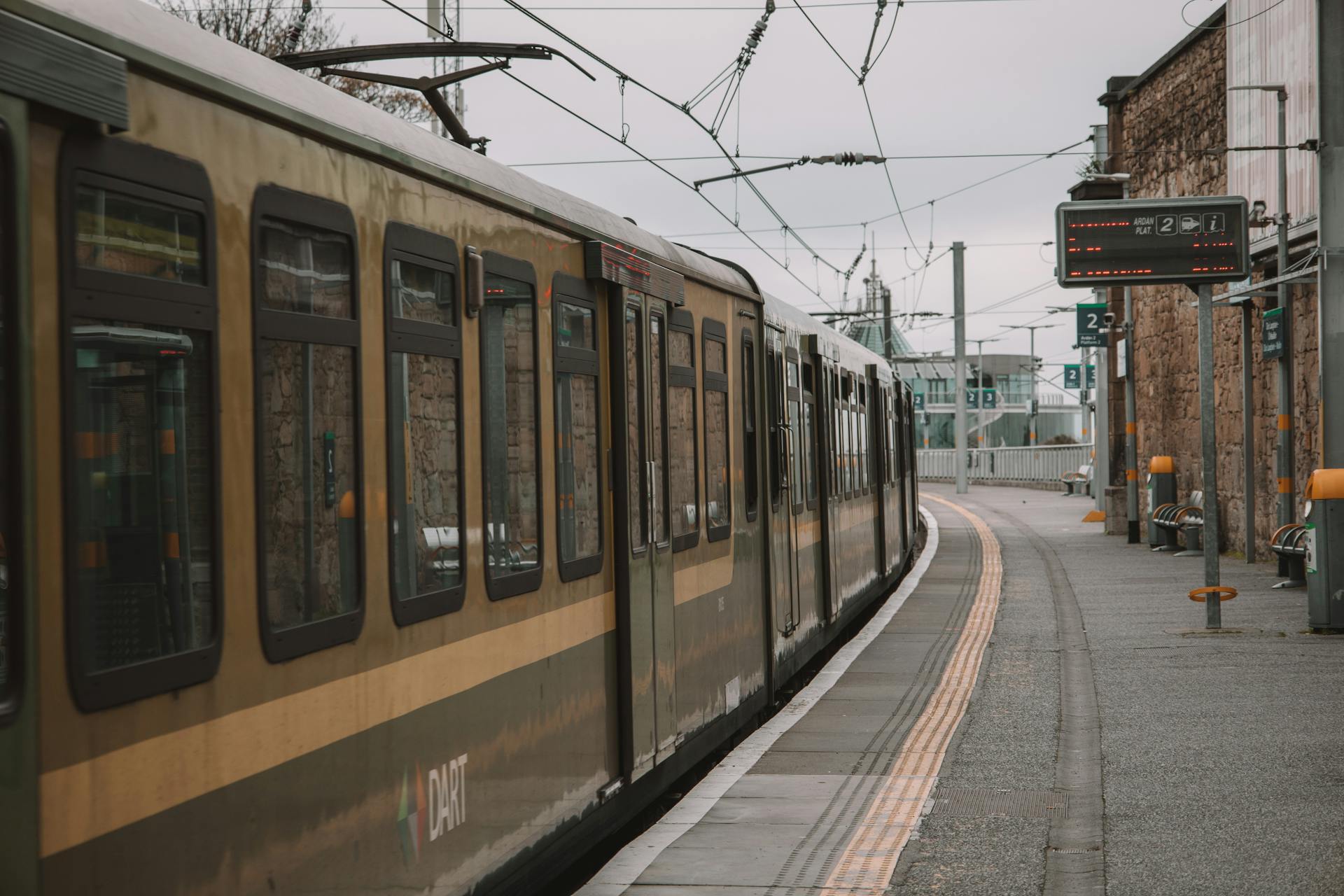
The pass is valid on Iarnród Éireann, also known as Irish Rail, which operates the vast majority of passenger train services across the country. This includes long-distance InterCity routes linking Dublin with cities such as Cork, Galway, Limerick, Waterford, and Sligo, as well as regional and commuter services that connect smaller towns and surrounding areas.
From a travel experience perspective, Irish trains are modern, comfortable, and well-equipped. Most InterCity services offer air conditioning, free Wi-Fi, spacious seating, and onboard catering, making journeys both practical and enjoyable. While Ireland does not have high-speed rail in the same sense as France or Spain, the relatively short distances mean journey times remain very manageable.
The pass is structured around three main pricing categories: Youth (12–27), Adult (28–59), and Senior (60+), with discounted fares available for younger and older travellers. In addition, children under 12 often travel free when accompanied by an adult pass holder, making it a strong option for families.
Everything is managed digitally through the Interrail Rail Planner App, where you activate travel days, log journeys, and present your QR code ticket to inspectors. This removes the need for paper tickets and simplifies the entire travel process.
Because Ireland’s rail network connects all major cities efficiently, the pass works particularly well for itineraries that combine urban highlights with regional exploration, allowing you to move seamlessly between destinations without logistical friction.
Best for two or three nights. The widest choice of rooms, with filters for free cancellation and included breakfast.
View staysBest for groups who want one address and separate bedrooms rather than three hotel rooms.
See holiday homesBest if you have already picked a hotel. Checks the big booking sites for the same room and shows who is cheapest.
Check dealsRail Operators and Network Coverage Across Ireland
The Interrail Ireland Pass is refreshingly simple in terms of coverage, as it is valid almost entirely on one operator: Iarnród Éireann (Irish Rail). This state-owned company runs nearly all scheduled passenger rail services in the Republic of Ireland, with NI Railways covering Northern Ireland, so you do not have to navigate multiple providers or worry about fragmented coverage.
Ireland’s rail network spans approximately 2,400 kilometres of track, linking Dublin with every major regional city and a wide range of smaller towns. While the network is not as dense as those found in larger European countries, it is extremely well suited to Ireland’s geography, with routes designed to connect key population centres and travel corridors.
The backbone of the system is formed by InterCity services, which connect Dublin with destinations such as Cork, Galway, Limerick, Sligo, Waterford, and Westport. These trains are the fastest and most comfortable way to travel across the country and are the routes where the pass delivers the most value.
Alongside these, regional and commuter services extend coverage further, allowing access to towns like Kilkenny, Killarney, Drogheda, and Athlone. While these trains are typically slower, they are essential for reaching destinations that sit beyond the main intercity corridors.
A common misconception is that the pass stops at the border. It does not. Interrail lists the Ireland Pass as valid on NI Railways in Northern Ireland alongside Iarnród Éireann, so Belfast and Derry are reachable on the same pass, including the cross-border Enterprise service from Dublin Connolly.
Overall, the Ireland Pass provides access to virtually the entire national rail system, making it straightforward to travel from the east coast to the west, from major cities to smaller regional hubs, all under one ticket.
Key Rail Hubs and the Most Important Routes
Ireland’s rail system is built around a centralised hub model, with Dublin acting as the main gateway to the rest of the country. The capital is served by two major stations, each handling different parts of the network.
Dublin Heuston Station is the primary hub for routes heading south and west. From here, you can travel directly to Cork, Limerick, Galway, Waterford, and Westport, making it the starting point for many of Ireland’s most popular journeys. The Dublin to Cork route is the busiest in the country, with frequent departures and a journey time of around 2.5 hours, while the routes to Galway and Limerick provide key access to the Wild Atlantic Way.
Dublin Connolly Station serves the north and southeast, including routes to Sligo, Rosslare Europort, and connections towards Belfast. The Rosslare line is particularly useful for travellers combining rail with ferry travel to Wales or France, creating a natural extension beyond Ireland.
Beyond Dublin, several regional hubs play an important role. Cork Kent Station acts as the gateway to southern Ireland, while Limerick Colbert Station connects routes across the west and southwest. Galway Station anchors the west coast network, and Waterford Plunkett Station serves the southeast.
The most frequently used routes with the pass include Dublin to Cork, Dublin to Galway, Dublin to Limerick, Dublin to Sligo, and Dublin to Waterford. Each of these routes combines reliable service, manageable journey times, and strong connections to surrounding regions, making them ideal building blocks for an Ireland itinerary.
Together, these hubs and routes make it easy to design a journey that balances city exploration with access to Ireland’s landscapes, all while keeping travel simple and efficient.
Understanding Ticket Prices and When the Ireland Pass Offers Real Value
To decide whether the Interrail Ireland Pass is worth it, you need to compare it against typical point-to-point train fares. Ireland sits in an interesting middle ground. It is not as expensive as Switzerland or the UK, but it is far from cheap, especially if you are booking journeys at short notice.
A standard Dublin to Cork ticket usually costs between €25 and €35 one way (£22–£30/$27–$38), meaning a return trip can approach €60 or more (£52/$65 or more). A similar pattern applies to Dublin to Galway, where fares are typically around €20 to €25 each way (£17–£22/$22–$27), and Dublin to Limerick, which often sits in the €20 to €28 range (£17–£24/$22–$30). These prices may seem manageable individually, but they add up quickly once you begin combining multiple destinations.
For example, a simple multi-city trip covering Dublin, Galway, Limerick, and Cork could easily total €120 to €180 in individual tickets (£104–£157/$130–$194), depending on timing and availability. At that point, even a mid-range pass begins to represent clear value, particularly because it removes the need to lock yourself into specific departure times.
The real advantage of the pass comes from flexibility combined with frequency of travel. If you plan to visit three or more major destinations, the pass typically becomes cost-effective. If you are also taking additional regional journeys, such as side trips to Kilkenny or Westport, the value increases further because those journeys are included without extra cost.
On the other hand, if your trip is limited to Dublin and one additional city, or if you are willing to book discounted tickets well in advance, buying individual fares may still be cheaper. The Ireland Pass is not about squeezing every euro out of each journey. It is about removing friction, giving you freedom, and making multi-stop travel simple.
Worth knowing too: Irish Rail sells its own Explorer and Trekker rail passes directly, and for a trip confined entirely to the Republic of Ireland these can sometimes undercut the Interrail Ireland Pass. The Irish Explorer Rail Pass covers 5 travel days within 15 days for around €128, while the Trekker Four Day Rail Pass covers 4 consecutive days for around €88, though neither extends to Northern Ireland the way the Interrail pass does. If your trip stays within the Republic and does not continue into Belfast, Derry, or onward through Europe, it is worth comparing prices against our Irish Rail Passes Explained guide before committing to the Interrail option.

Interrail Ireland Pass Prices and Choosing the Right Option
The Interrail Ireland Pass is available exclusively as a Flexi Pass, which means you select a fixed number of travel days to use within a one-month period. On each travel day, you can take unlimited train journeys, making it ideal for both long-distance trips and multi-stop travel days.
For Youth travellers aged 12 to 27, prices begin at €103 for 3 days (£90/$111) and increase to €194 for 8 days (£169/$210), making this one of the more affordable Interrail options in Western Europe. Adult passes, covering ages 28 to 59, start at €137 for 3 days (£119/$148) and rise to €259 for 8 days (£225/$280), while Senior travellers aged 60 and above benefit from reduced fares, beginning at €123 for 3 days (£107/$133) and reaching €233 for 8 days (£203/$252).
Choosing the right pass depends entirely on how you plan to travel. A 3-day pass works best for shorter trips, such as combining Dublin with two additional cities. A 4 or 5-day pass is ideal for a more balanced itinerary that includes several destinations without rushing. If you are planning a full circuit of Ireland, covering the west, south, and southeast, the 6 or 8-day options provide the flexibility needed to explore in depth.
Because each travel day allows unlimited journeys, the pass becomes more valuable when you use those days efficiently. For example, a single travel day could include Dublin to Galway in the morning, a short onward trip, and a return or continuation later in the day. This ability to stack journeys is where the pass begins to outperform individual tickets.
All passes are now issued as mobile-only, meaning everything is stored and managed within the Rail Planner App. This removes the need for paper tickets and allows you to activate travel days instantly, giving you complete control over when and how you travel.
How the Ireland Pass Works in Practice
The Interrail Ireland Pass is designed to be simple, but understanding how it works properly will help you get far more value from it.
Once purchased, your pass is loaded into the Interrail Rail Planner App, which acts as your ticket, timetable, and travel diary. The moment you begin using the pass, your one-month validity period starts. Within that window, you can activate your chosen number of travel days whenever you want.
Each travel day runs from midnight to midnight, and during that time you can take unlimited train journeys across the island of Ireland. This means you are not limited to a single route. You can move between multiple destinations in one day, making it possible to cover significant ground efficiently.
Before boarding a train, you simply add your journey into the app and activate it. The app then generates a QR code, which ticket inspectors scan during the journey. There is no need for printed tickets, and you can adjust your plans as long as the train has not yet departed.
One important detail is seat reservations. Interrail lists them as optional on Iarnród Éireann InterCity trains rather than compulsory, so you can board with the pass alone. They are still worth having on busy routes like Dublin to Cork or Dublin to Galway. Irish Rail releases a free allocation of seat-only reservations to pass holders online, and charges €2.50 (£2 / $3) per journey once that allocation is taken. Regional trains generally do not offer reservations, so you simply board.
In practical terms, the pass functions as a single, flexible ticket for the entire country, giving you the ability to change plans, add extra stops, or travel spontaneously without worrying about additional fares.
Where You Can Travel with the Ireland Pass
The Interrail Ireland Pass gives you access to nearly the entire rail network of the Republic of Ireland, making it possible to explore the country from coast to coast with ease.
From Dublin Heuston Station, you can travel directly to major destinations such as Cork, Limerick, Galway, Waterford, and Westport, covering the south, west, and southwest of the country. These routes form the backbone of most itineraries and provide access to some of Ireland’s most famous landscapes, including the Wild Atlantic Way and Killarney National Park.
From Dublin Connolly Station, the network extends towards the northwest and southeast, with routes to Sligo and Rosslare Europort. Rosslare is particularly useful for travellers connecting to ferries to Wales or France, allowing you to integrate rail and sea travel into a wider European journey.
Regional hubs such as Cork, Limerick, Galway, and Waterford act as gateways to surrounding areas. From these cities, you can easily reach nearby towns and attractions using either rail or short connecting journeys. Destinations like Kilkenny, known for its medieval heritage, or Killarney, which serves as a base for exploring the southwest, are well within reach.
However, it is important to understand the limits of the network. Coverage extends into Northern Ireland on NI Railways, so Belfast and Derry are included, but some of Ireland’s most remote coastal areas are not served by rail, so you may need to combine your journey with bus connections or local tours.
Despite these limitations, the Ireland Pass provides excellent coverage of the country’s main cities, cultural centres, and key travel corridors, making it a powerful tool for building a varied and flexible itinerary.
Best if you can move a day either way. Shows how the fare to Ireland changes across the month.
Compare flightsBest if you want maps and messaging working the moment you switch your phone on.
See eSIM plansBest if you would rather not work out the transport on arrival. Book it now and forget it.
View transfersHow to Buy the Interrail Ireland Pass
Buying the Interrail Ireland Pass is a straightforward process, and in most cases you’ll want to do it online before you travel to keep everything simple and ready to go.
The most reliable option is to purchase directly from the official Interrail website, where you’ll always see the latest prices, current promotions, and full ticket conditions. Once you complete your purchase, you receive a digital pass code that can be loaded instantly into the Rail Planner app, which becomes your ticket for the entire trip.
You can also buy through authorised partners such as Rail Europe or Omio, which sometimes bundle passes with reservations or additional travel services. Prices are usually similar, but the key difference is that refund and exchange policies can vary, so it is always worth checking the terms before booking through a third party.
When purchasing, you’ll choose your travel class, your number of travel days, and your age category, which determines pricing. Once the pass is issued, you do not need to select specific trains immediately. Instead, you activate travel days later through the app, giving you full flexibility to plan or change your itinerary on the go.
The pass is now mobile-only, which means there is no need to collect tickets at a station or wait for delivery. Everything is stored on your phone, including your QR code ticket, which is scanned by inspectors on board. This makes the process much faster and removes the risk of losing paper tickets.
It’s a smart move to buy your pass a few weeks in advance, especially if you are travelling in summer or during peak holiday periods, as this gives you time to plan routes, understand the app, and book any seat reservations you want on InterCity trains.
If you are combining the Ireland Pass with a wider European trip, you can manage multiple passes within the same app, making it easy to transition between domestic Irish travel and international routes without switching systems.
In short, buying the Ireland Pass is quick, digital, and flexible, with everything managed in one place so you can focus on planning your journey rather than dealing with tickets.

Explore Europe by Train with Rail Passes
Travelling by train in Europe can quickly become expensive if you book individual tickets. Rail passes offer a flexible way to travel across one or multiple countries with a single ticket, making it easier to plan your journey.
Rail Europe allows you to compare and buy a wide range of rail passes, including Interrail-style options, helping you choose the best pass for your route and travel style.
Top Routes and Itineraries with the Ireland Pass
The Interrail Ireland Pass is at its best when used to link Ireland’s major cities with its most scenic regions, creating an itinerary that balances culture, history, and landscape without long travel days.
A classic starting point is Dublin, before heading west to Galway, a city known for its live music, coastal atmosphere, and access to Connemara. From Galway, continuing south to Limerick creates a natural progression through the west, with opportunities to explore the Shannon region and nearby attractions.
Another highly popular route runs from Dublin to Cork, Ireland’s second city and culinary hub, where markets, historic streets, and waterfront areas define the experience. From Cork, travelling onward to Killarney opens up access to some of Ireland’s most iconic scenery, including Killarney National Park and the Ring of Kerry, making it one of the most rewarding combinations of city and countryside.
For travellers drawn to history, a route linking Dublin, Waterford, and Kilkenny offers a strong sense of Ireland’s medieval past, with castles, cathedrals, and well-preserved historic centres. Heading northwest, journeys to Sligo and Westport provide a very different experience, with dramatic coastlines, literary heritage, and quieter landscapes.
With a longer pass, it becomes possible to create a full loop such as Dublin to Galway to Limerick to Cork to Waterford and back to Dublin, covering much of the country in a single journey. Because most routes take between two and three hours, you can move between destinations without losing entire days to travel, making the Ireland Pass ideal for both short breaks and extended trips.
Seat Reservations and Extra Costs to Expect
Using the Interrail Ireland Pass is generally straightforward, but it’s important to understand how seat reservations and small additional costs fit into the experience.
On InterCity routes, particularly those linking Dublin with Cork, Galway, and Limerick, seat reservations are optional rather than compulsory. Irish Rail gives pass holders a free allocation of seat-only reservations online, then charges €2.50 (£2 / $3) per journey once that allocation is used up. On busy routes and during peak periods, trains can fill up quickly, so booking in advance is still strongly recommended.
On regional and commuter trains, reservations are not required. You can simply board the train, find an available seat, and present your pass when requested. This makes shorter journeys and day trips far more flexible, especially if you are travelling without a fixed schedule.
There are very few additional supplements to consider within Ireland. Standard class travel is comfortable and well-equipped, but some InterCity services offer first class upgrades, which provide larger seats, quieter carriages, and additional comfort. If you choose to upgrade, you will need to pay the difference in fare on top of your pass.
Compared with other European countries, where reservation fees can reach €10 to €20 per journey (£9–£17/$11–$22), Ireland remains relatively low-cost in this area. As long as you plan for a small number of reservations on longer routes, the overall experience remains simple and affordable.

Key Benefits of the Ireland Pass
The Interrail Ireland Pass offers several clear advantages that make it particularly appealing for travellers who want to explore beyond a single city.
The most important benefit is flexibility. Because the pass is a Flexi product, you can spread your travel days across a full month, allowing you to explore destinations at your own pace rather than rushing between them. This suits Ireland perfectly, where spending time in each place is a key part of the experience.
Another major advantage is cost control. Train fares in Ireland can quickly add up, especially on longer routes. With the pass, you pay once and gain unlimited travel on your chosen days, removing the need to calculate costs for each individual journey.
The pass also delivers strong convenience. Everything is managed digitally through the Rail Planner App, meaning you can activate travel days, check routes, and present your ticket without dealing with paper tickets or ticket machines. This is particularly useful if you are unfamiliar with local systems.
Coverage is another strength. The pass allows you to travel across nearly the entire Irish Rail network, giving you access to major cities such as Dublin, Cork, Galway, and Limerick, as well as smaller destinations like Kilkenny and Sligo.
Finally, the Ireland Pass is especially attractive for youth travellers and seniors, both of whom benefit from discounted pricing. Families can also save significantly, as children under 12 often travel free when accompanied by an adult.
Drawbacks and Limitations to Be Aware Of
While the Interrail Ireland Pass is a strong option, it does come with a few limitations that are worth understanding before you commit.
The most significant is the limited size of Ireland’s rail network. While all major cities are connected, many of the country’s most famous scenic areas, particularly along the Wild Atlantic Way, are not directly served by train. Destinations such as Dingle, Donegal, or the Cliffs of Moher require additional travel by bus or organised tours.
Another factor is crowding on InterCity routes. Reservations are optional, so a busy departure can leave you standing unless you book a seat ahead, particularly during peak travel periods.
The pass is also a Flexi product only. There is no continuous option, so travellers who want to be on a train almost every day will work through their travel days quickly and may find point-to-point tickets simpler.
Journey speeds are another consideration. Irish trains are comfortable but not high-speed, so travel times, while reasonable, are slower compared to countries like France or Spain. This is not a major issue given Ireland’s size, but it is noticeable if you are used to high-speed rail networks.
Finally, if your trip is limited to Dublin or just one additional destination, the pass may not be the most cost-effective choice. In these cases, buying individual tickets is often cheaper.
Overall, the Ireland Pass works best for travellers planning multi-city itineraries, but less so for those staying in one place or relying heavily on destinations without rail access.
Who the Ireland Pass Is Best For
The Interrail Ireland Pass is best suited to travellers who want to explore multiple regions of Ireland rather than staying in one place. It is particularly valuable for those who prioritise flexibility, simplicity, and the ability to adapt plans on the go.
For youth travellers, the pass offers strong value thanks to discounted pricing and the ability to move easily between Dublin, Galway, Cork, and Limerick without committing to fixed tickets. This makes it ideal for students or backpackers who want to explore Ireland at their own pace while keeping costs under control.
It also works well for seniors, who benefit from reduced fares and the comfort of travelling by train rather than driving. With spacious seating, straightforward boarding, and minimal stress, rail travel allows for a more relaxed way to experience the country.
The pass is a good fit for independent travellers and couples who want to combine city breaks with scenic destinations, building a varied itinerary without needing to pre-book every journey. It is equally useful for families, as children under 12 often travel free when accompanied by an adult, significantly reducing overall travel costs.
However, the pass is less suited to travellers who plan to remain in Dublin only, or those focusing heavily on remote coastal regions that are not connected by rail. In those cases, a mix of buses, tours, or car hire may be more practical.
Overall, the Ireland Pass is ideal for travellers who want to see more than one side of Ireland, combining cultural cities with regional exploration in a flexible and efficient way.
Best for solo travellers and anyone watching the budget. Dorm beds and private rooms in the same search.
Browse hostelsBest if you have ever given up on a claim. AirHelp checks whether the flight qualifies and pursues it for you.
See the benefitsBest if your room is not ready yet. Left luggage booked in advance, so you are not hunting for a locker.
Check storagePractical Tips for Using the Ireland Pass
Getting the most from the Interrail Ireland Pass comes down to using your travel days strategically and understanding how the network works in practice.
It is worth planning your longer journeys on pass days, particularly routes such as Dublin to Cork or Dublin to Galway, where ticket prices are highest. Shorter trips can often be done more cheaply with standard tickets, so using the pass selectively helps maximise its value.
Booking seat reservations in advance is important on InterCity routes. While the cost is low, trains can become busy, especially during weekends, holidays, and summer travel periods, so securing a seat avoids unnecessary stress.
The Flexi structure means you should take advantage of rest days between travel days. Spending a few days in Dublin, Galway, or Cork before moving on allows you to experience each destination properly while stretching the value of the pass across your trip.
It also helps to combine rail travel with local transport and tours. Many of Ireland’s most famous attractions are not directly on the rail network, so using trains to reach key towns and then continuing by bus or organised tour is often the most efficient approach.
Travelling outside peak commuter times, particularly in the mid-morning or early afternoon, can make journeys more comfortable, with more available seating and a quieter atmosphere.
With a bit of planning and flexibility, the Ireland Pass becomes a powerful tool that allows you to explore the country efficiently while still leaving room for spontaneity.
Best Apps for Train Travel in Ireland
Using the right apps alongside the Interrail Ireland Pass makes a noticeable difference, especially when it comes to managing journeys and staying updated in real time.
The most important tool is the Rail Planner app, which stores your pass, allows you to activate travel days, and generates the QR code that acts as your ticket. It also provides offline timetables and route planning, making it essential throughout your trip.
For live updates, the Irish Rail app is extremely useful. It provides real-time departure boards, platform information, and delay notifications, which are often more accurate than static timetable apps when you are already travelling.
For broader journey planning, apps like Omio and Trainline can help compare routes and manage reservations where required. These are particularly useful if you are combining Irish rail travel with journeys elsewhere in Europe.
Within cities, tools such as Google Maps or the TFI Live app make it easier to connect between train stations, buses, and trams, especially in Dublin where multiple transport modes come together.
If your trip includes travel into Northern Ireland, the Translink NI app is useful for checking NI Railways schedules and the cross-border Enterprise, both of which the Ireland Pass covers.
Using a combination of these apps ensures you have both long-term planning tools and real-time updates, making your journey smoother from start to finish.

Rupert’s Handy Travel Tips
Ireland’s rail network is much smaller and more relaxed than mainland Europe’s, so a bit of local know-how goes a long way. Here are my top tips for making the most of your Interrail Ireland Pass.
- Think small country, short pass: Ireland’s network is far more compact than France or Germany’s, so a 3 or 4-day Flexi Pass is often plenty for a proper multi-city loop.
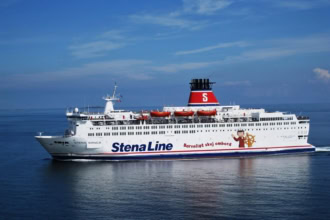
- Combine rail with a ferry: Rosslare Europort connects by train from Dublin Connolly, and from there you can pick up ferries onward to Wales, France, or the Netherlands to extend your trip into mainland Europe.
- Reservations are optional, not compulsory: Iarnród Éireann lets pass holders board InterCity, regional and commuter trains without one, so reserve only when you want a guaranteed seat on a busy departure.
- Book InterCity reservations early in summer: Popular routes like Dublin to Cork and Dublin to Galway can sell out on weekends and during festivals, so reserve as soon as you know your travel day.
- Pair the train with buses for the coast: Some of Ireland’s best scenery, including the Cliffs of Moher and the Ring of Kerry, sits well off the rail line, so plan a local bus or tour from your nearest station.
Want to meet the reindeer behind our travel tips? Find out more in our page Who is Rupert?.




Frequently Asked Questions about the Interrail Ireland Pass
Do I need to reserve seats on Irish trains?
No. Interrail lists reservations as optional on Iarnród Éireann InterCity trains. A free allocation is released to pass holders through Irish Rail’s seat-only reservation guide, after which the charge is €2.50 (£2 / $3) per journey. Regional trains do not usually offer reservations.
Does the pass cover Northern Ireland?
Yes. Interrail lists the Ireland Pass as valid on NI Railways in Northern Ireland as well as on Iarnród Éireann, so Belfast and Derry are covered, along with the cross-border Enterprise from Dublin Connolly.
Is the pass available in paper format?
No. The pass is issued only as a mobile pass via the Interrail Rail Planner App. You can activate travel days, log journeys, and present your QR code directly from your phone.
What age groups qualify for discounts?
Youth (12–27) and seniors (60+) get reduced rates. Children under 12 often travel free when accompanied by a paying adult, but check Irish Rail’s policy before booking.
How many journeys can I take in one travel day?
Unlimited. A travel day lasts from midnight to midnight, allowing you to take as many journeys as you like across the island of Ireland.
What routes are most popular with pass holders?
The busiest routes are Dublin–Cork, Dublin–Galway, Dublin–Limerick, and Dublin–Waterford. These connect the capital with Ireland’s main cities and cultural hubs.
When is the best time to use the pass?
The pass is valid year-round, but spring and summer are the most popular times. Summer brings more tourists, but also lively festivals and events across the country.

Further Reading & Related App Guides
Want to plan an even smoother Interrail adventure across Ireland and beyond? These carefully chosen guides will help you travel smarter and stay connected on every leg of your journey.
If Ireland is one leg of a wider trip, our Main Interrail Guide explains how to plan multi-country rail trips with confidence, and our Train Booking Apps Guide rounds up the best rail and transport deals for the rest of your route.
Staying online across Europe matters too, and our eSIM Apps Guide covers the easiest ways to keep data working without swapping physical SIM cards. Once you arrive, our Local Transport Apps Guide helps you get around cities quickly, and if you plan to combine rail with island hopping, our Ferry Booking Apps Guide makes booking ferries effortless.